
Zyrus Strada R³ brings the Lamborghini V10 back to life
 1/2
1/2
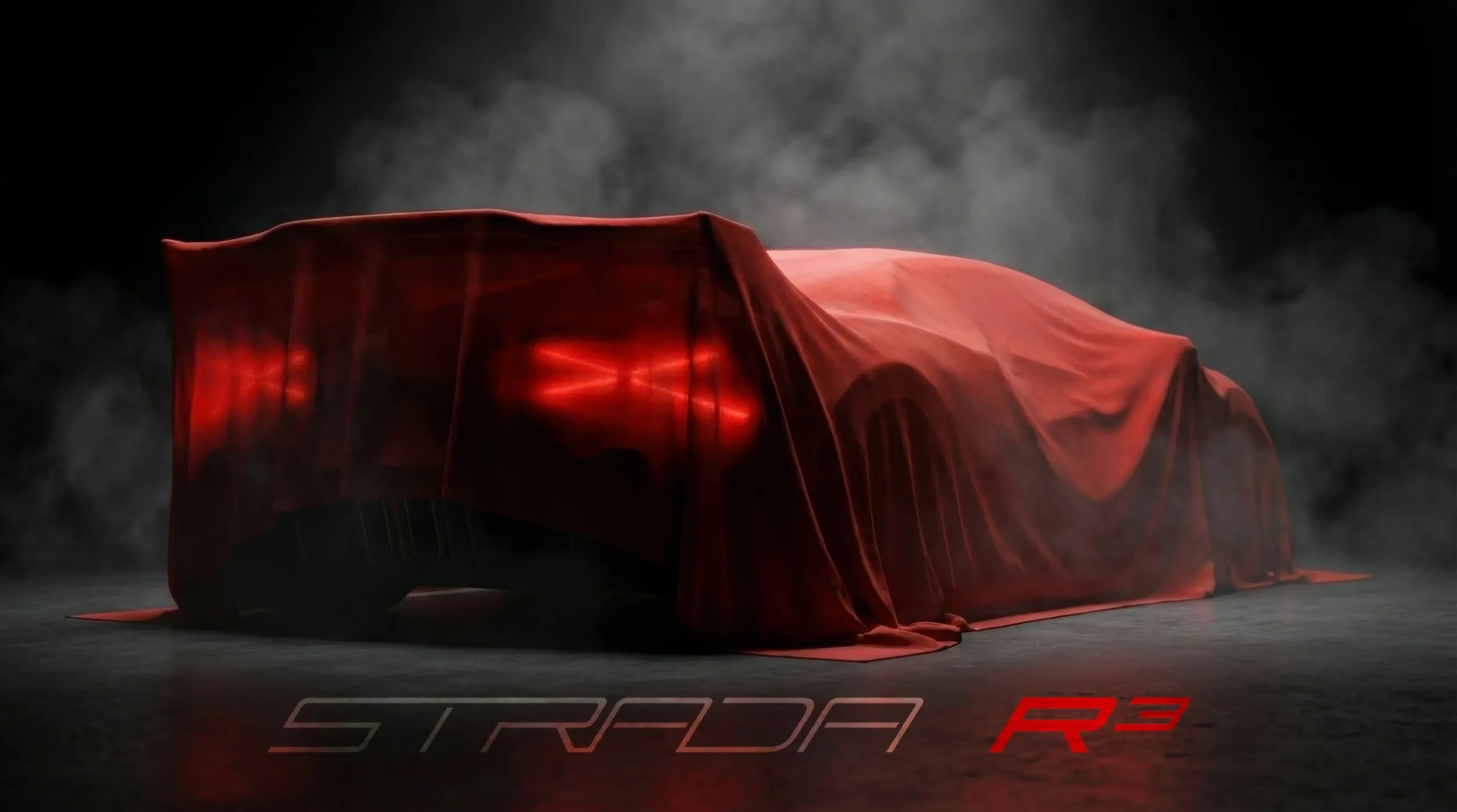
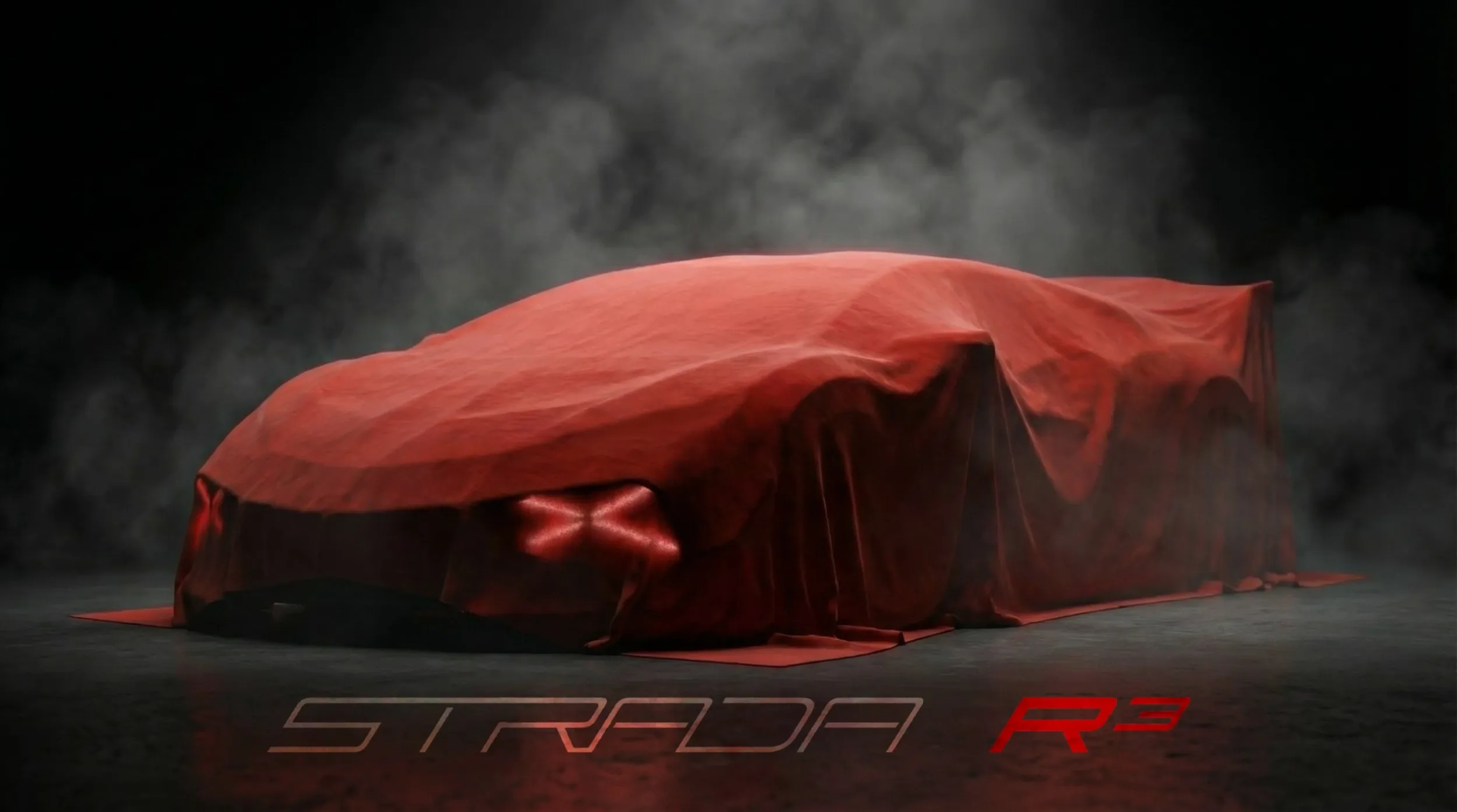
Norwegian low volume manufacturer Zyrus Engineering is preparing to start Strada R³ production as early as this summer. The first images leave little doubt about the donor car, the silhouette is unmistakably Lamborghini Huracán, but the promised numbers push this far beyond the usual tuning exercise. Zyrus is talking about roughly 1,500hp, a kerb weight of 1,424kg and up to 1,500kg of downforce.
This is not just another wild body kit with a louder exhaust and an optimistic power claim. Zyrus has reshaped the Strada R³ into a complete vision, one that keeps the Huracán recognisable while turning it into something that looks close to a new model. A new bonnet, wider arches, a vast fixed rear wing and X motif daytime running lights change the whole visual balance of the car. Sources point to July as the start of production, which suggests the project has already moved well beyond the idea stage.
The real argument, though, sits behind the seats. The Strada R³ uses the Huracán’s familiar V10 architecture, but Zyrus says it will extract around 1,500hp with a twin turbo set up. Add 1,424kg of mass and as much as 1,500kg of downforce, and the result is a car aimed squarely at the circuit, even if it still reaches the road. That is where the project becomes strategically interesting. At a moment when Lamborghini itself has moved into the post Huracán era with a V8 hybrid, Zyrus is selling the old religion with almost suspicious confidence. Ten cylinders, plenty of boost and no apology.
That ambition did not appear out of nowhere. Zyrus’s earlier LP1200 Strada was based on the Lamborghini Huracán EVO RWD, produced up to 1,217hp, carried TÜV Rheinland road certification and was limited to just nine cars. The company also claims more than 18,000 kilometres of track testing, a Norwegian GT+ title in 2020 and a 6min 48sec Nürburgring lap in test day conditions. That background makes the Strada R³ more than a dramatic rendering. Zyrus has already shown that it knows how to take the Huracán platform to the edge, and then lean a little further.
For now, Zyrus is being careful with the commercial details. It has not yet published an official price list or production volume, though the earlier 1,200hp project started at no less than €595,000. Norwegian financial newspaper Finansavisen reported last year that the Strada R³ could reach an export price of €1.3 million. That places it in a part of the market where buyers are not simply paying for speed. They are paying for rarity, craftsmanship and the mechanical story wrapped around the car.
That is what makes the Strada R³ an interesting market test as much as an engineering one. If it finds buyers, it will suggest that the most profitable niche in the combustion supercar world no longer belongs only to the factories themselves. Small engineering firms can take an ageing but desirable platform, rebuild it into something much more aggressive and sell the result to collectors as one of the last truly mechanical experiences left on offer.
Zyrus is now trying to prove that the lifespan of the Huracán V10 will no longer be defined by Lamborghini’s own model cycle, but by how much buyers are willing to pay for this sort of analogue brutality. In a market drifting towards hybrids, software and synthetic polish, that may be a niche. But it is a very expensive niche, and perhaps that is the point.
The real argument, though, sits behind the seats. The Strada R³ uses the Huracán’s familiar V10 architecture, but Zyrus says it will extract around 1,500hp with a twin turbo set up. Add 1,424kg of mass and as much as 1,500kg of downforce, and the result is a car aimed squarely at the circuit, even if it still reaches the road. That is where the project becomes strategically interesting. At a moment when Lamborghini itself has moved into the post Huracán era with a V8 hybrid, Zyrus is selling the old religion with almost suspicious confidence. Ten cylinders, plenty of boost and no apology.
That ambition did not appear out of nowhere. Zyrus’s earlier LP1200 Strada was based on the Lamborghini Huracán EVO RWD, produced up to 1,217hp, carried TÜV Rheinland road certification and was limited to just nine cars. The company also claims more than 18,000 kilometres of track testing, a Norwegian GT+ title in 2020 and a 6min 48sec Nürburgring lap in test day conditions. That background makes the Strada R³ more than a dramatic rendering. Zyrus has already shown that it knows how to take the Huracán platform to the edge, and then lean a little further.
For now, Zyrus is being careful with the commercial details. It has not yet published an official price list or production volume, though the earlier 1,200hp project started at no less than €595,000. Norwegian financial newspaper Finansavisen reported last year that the Strada R³ could reach an export price of €1.3 million. That places it in a part of the market where buyers are not simply paying for speed. They are paying for rarity, craftsmanship and the mechanical story wrapped around the car.
That is what makes the Strada R³ an interesting market test as much as an engineering one. If it finds buyers, it will suggest that the most profitable niche in the combustion supercar world no longer belongs only to the factories themselves. Small engineering firms can take an ageing but desirable platform, rebuild it into something much more aggressive and sell the result to collectors as one of the last truly mechanical experiences left on offer.
Zyrus is now trying to prove that the lifespan of the Huracán V10 will no longer be defined by Lamborghini’s own model cycle, but by how much buyers are willing to pay for this sort of analogue brutality. In a market drifting towards hybrids, software and synthetic polish, that may be a niche. But it is a very expensive niche, and perhaps that is the point.


