
Audi readied the A2 e-tron 21 months faster and simplified its production
 1/14
1/14
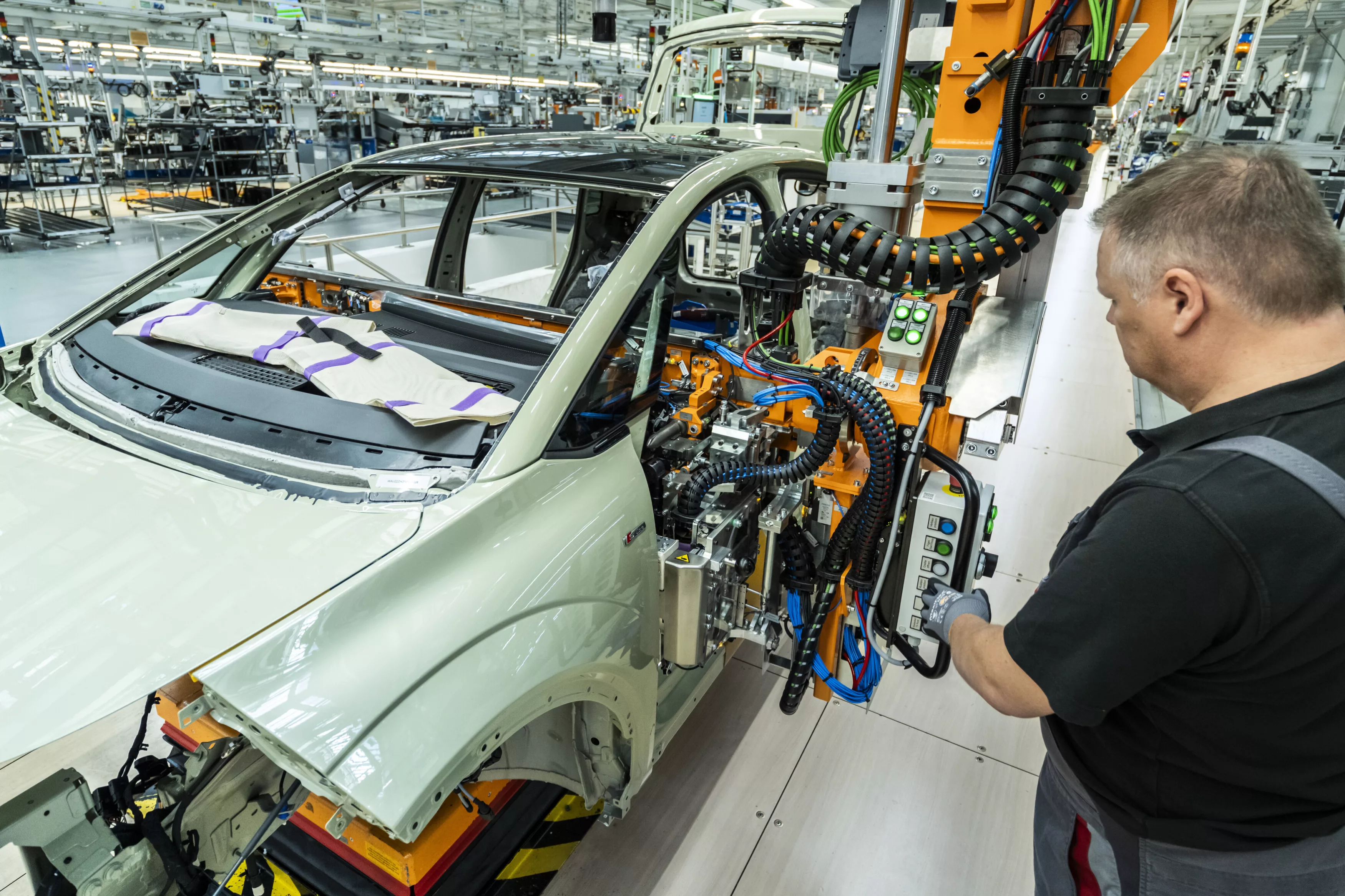
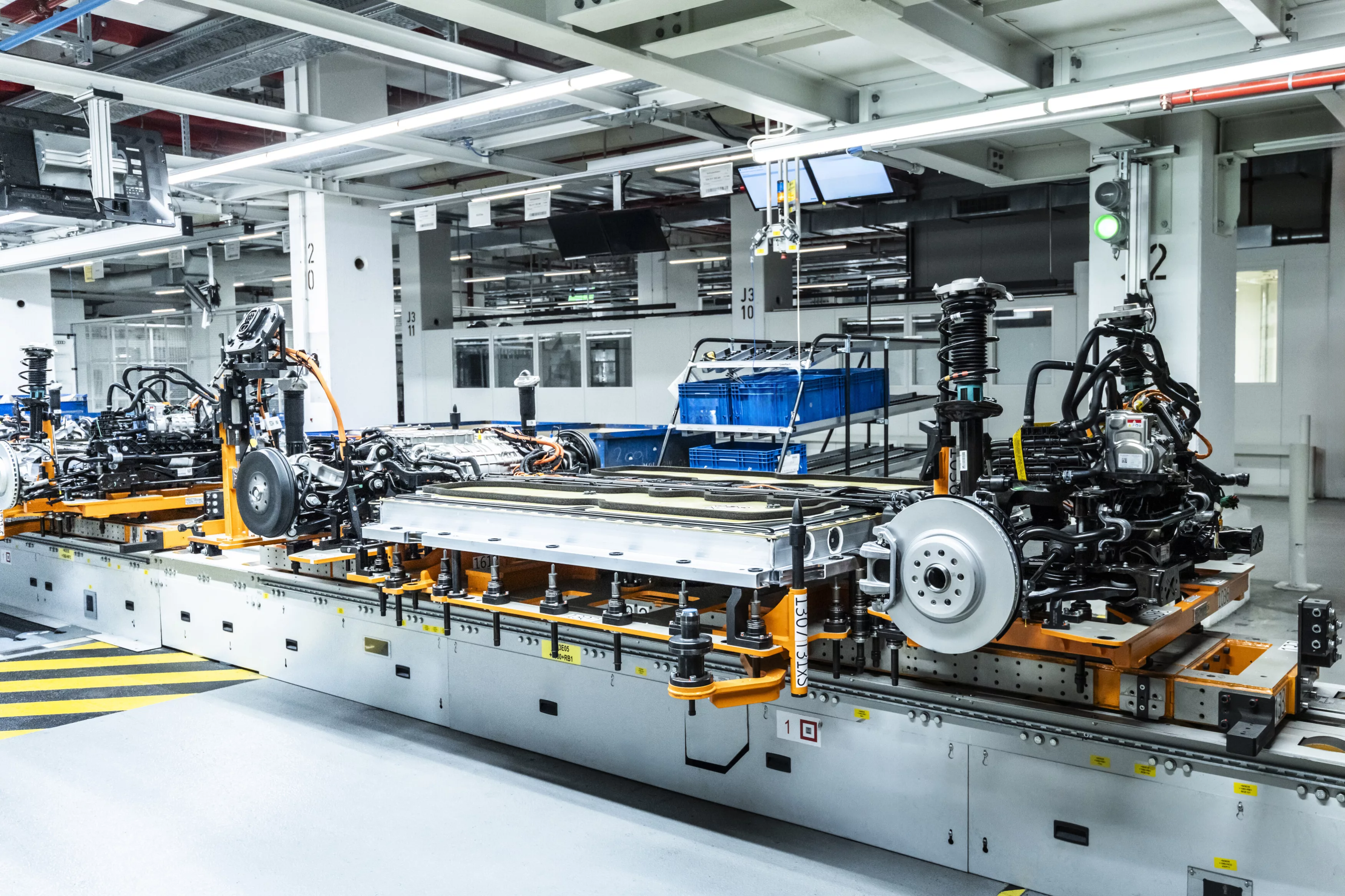
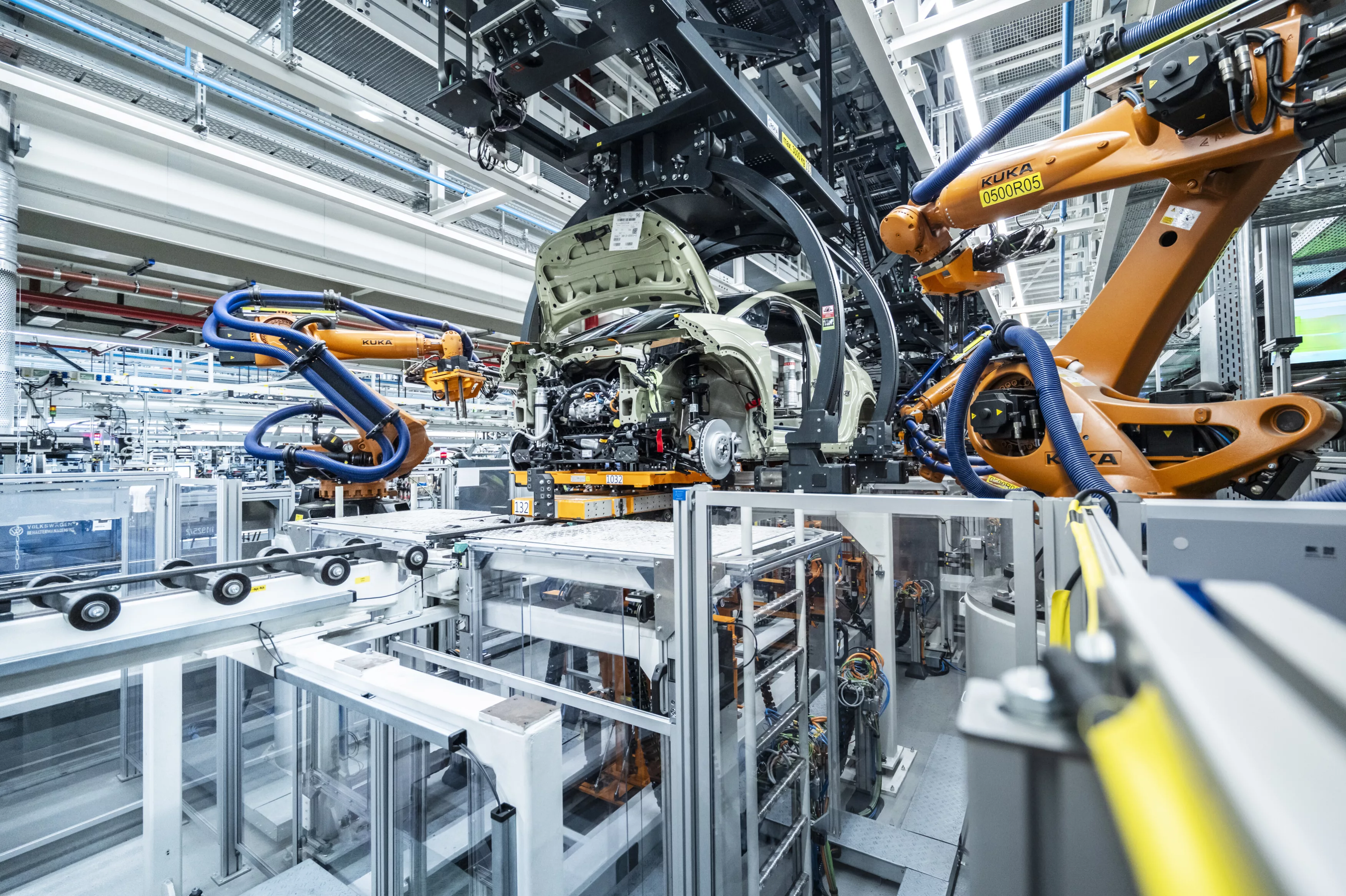
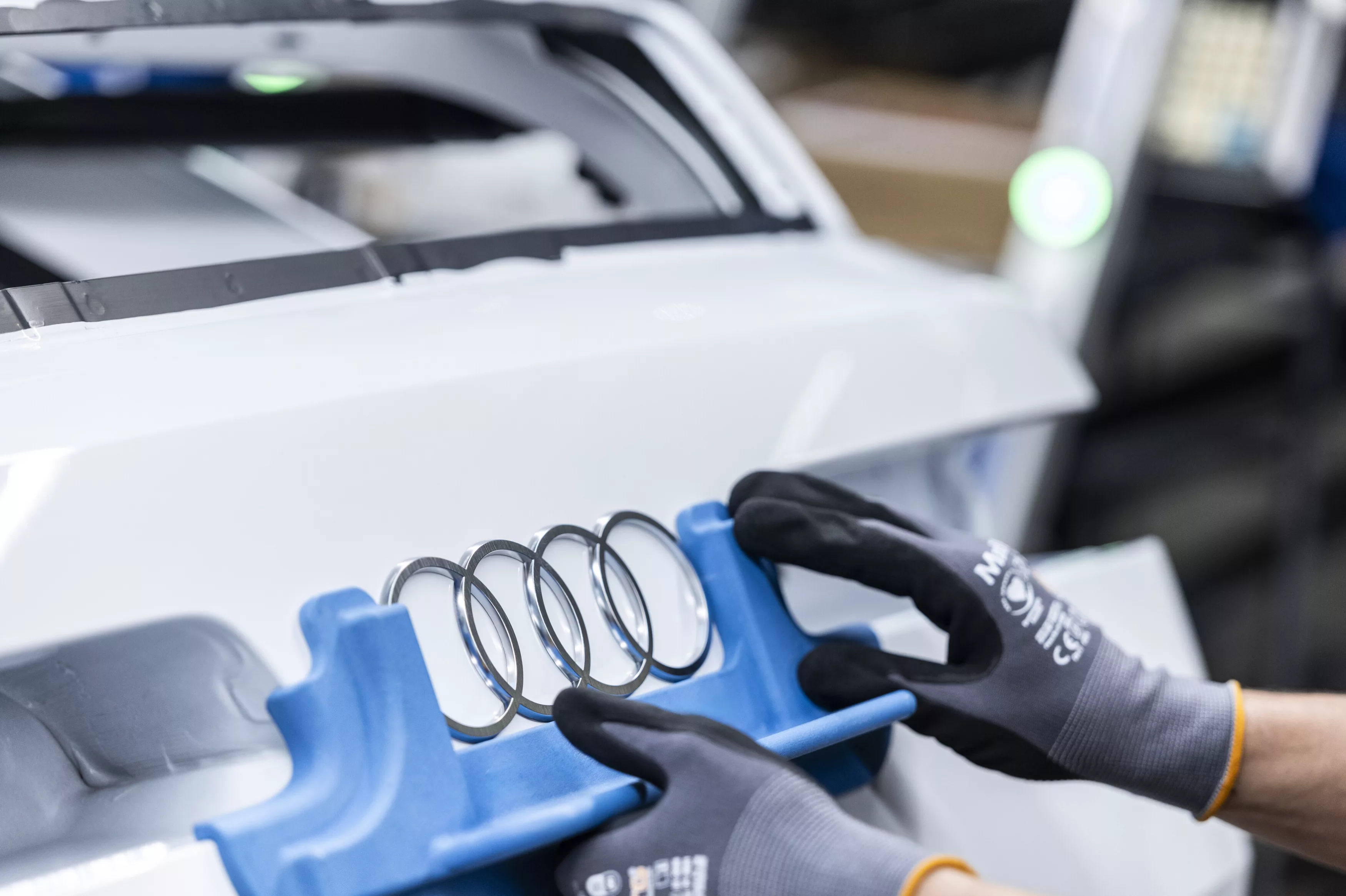
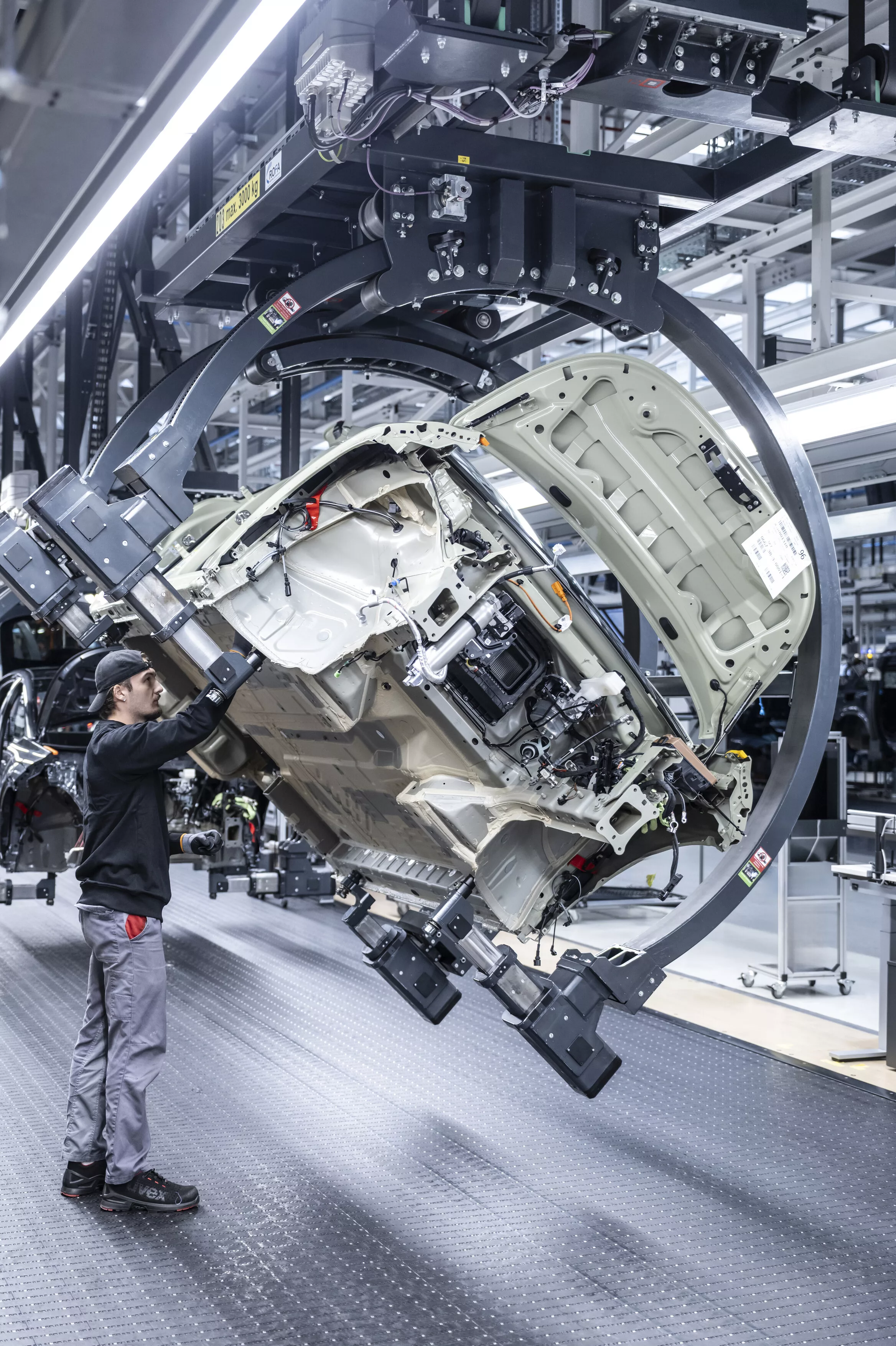
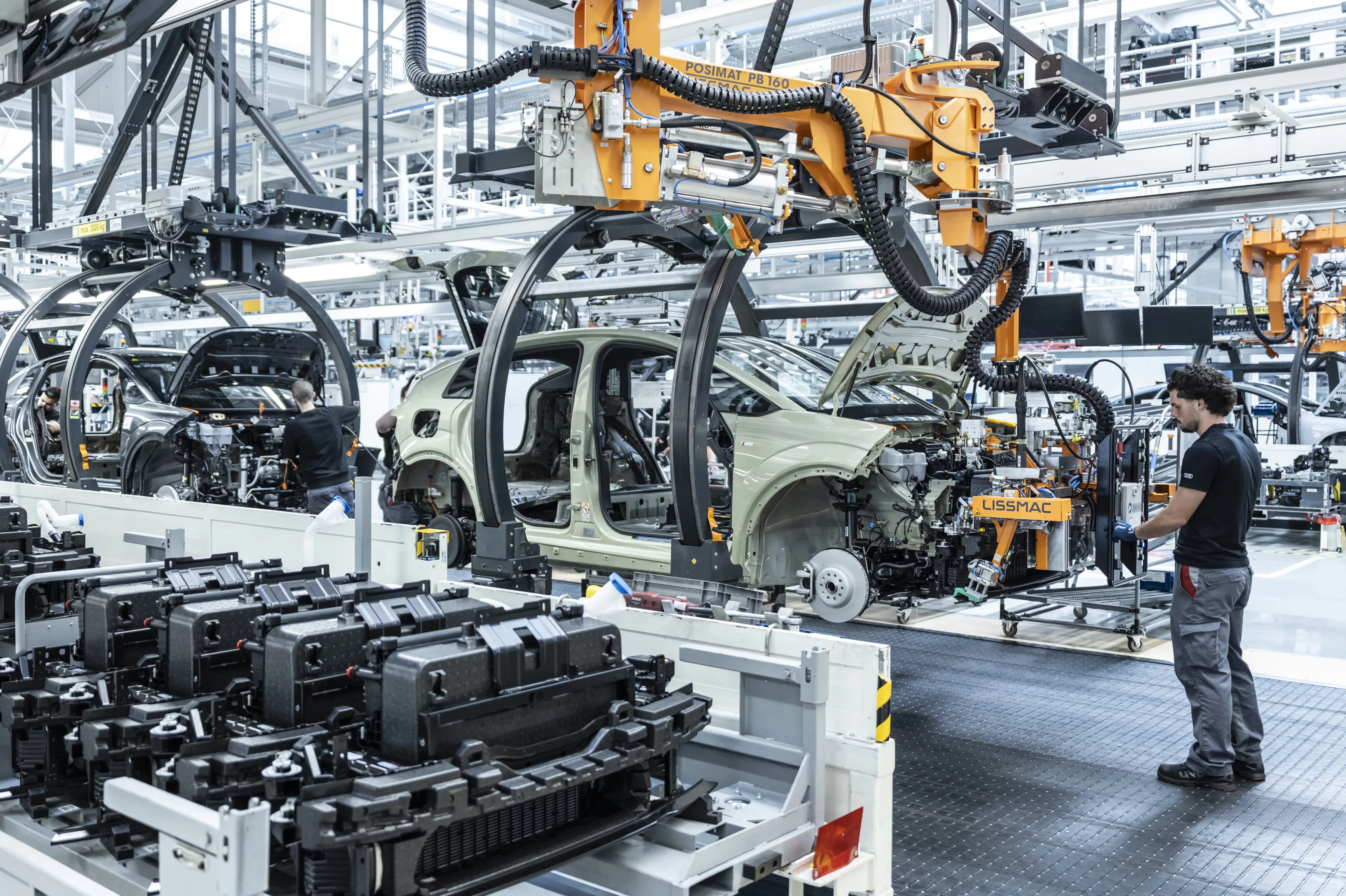
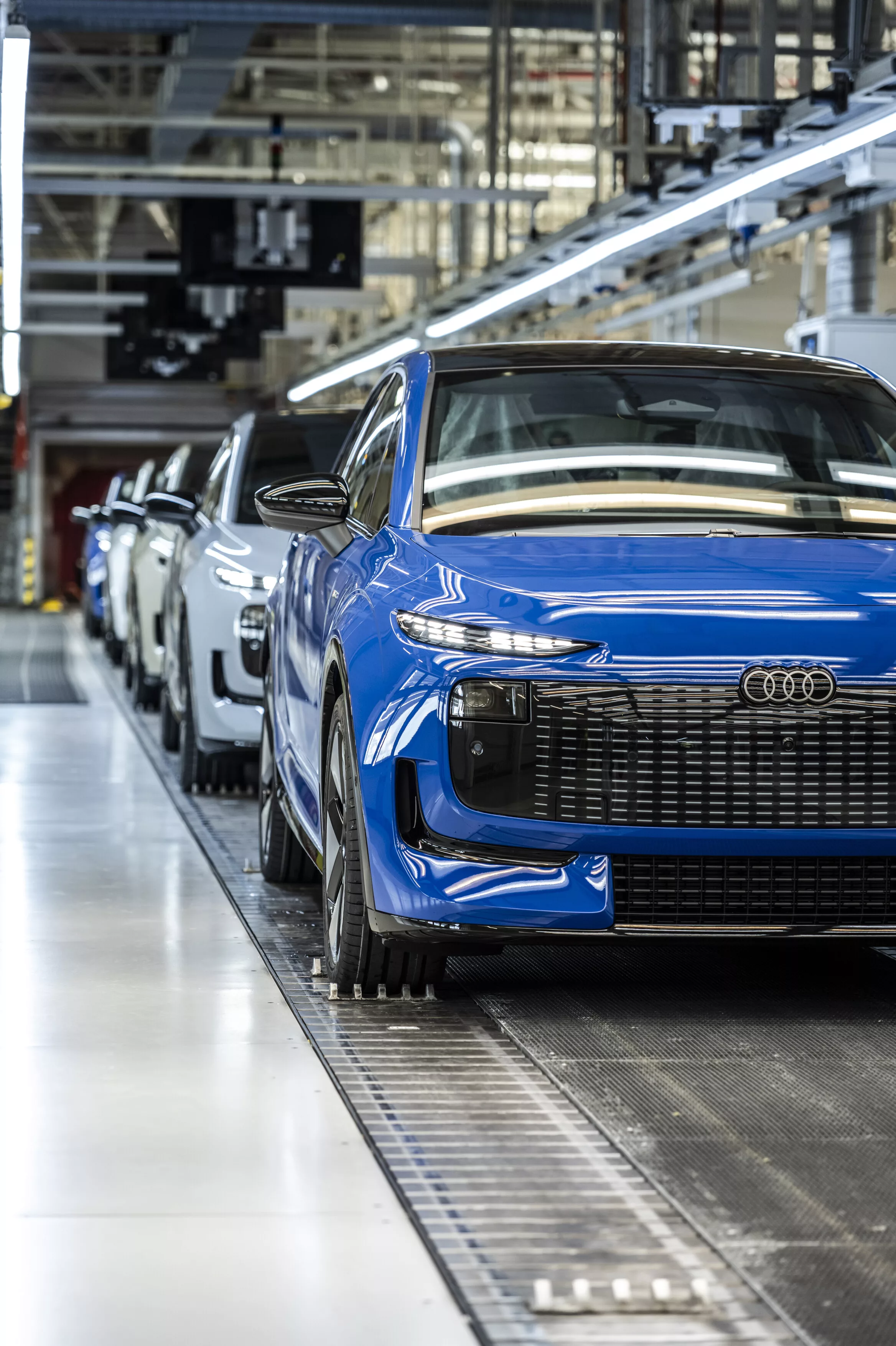
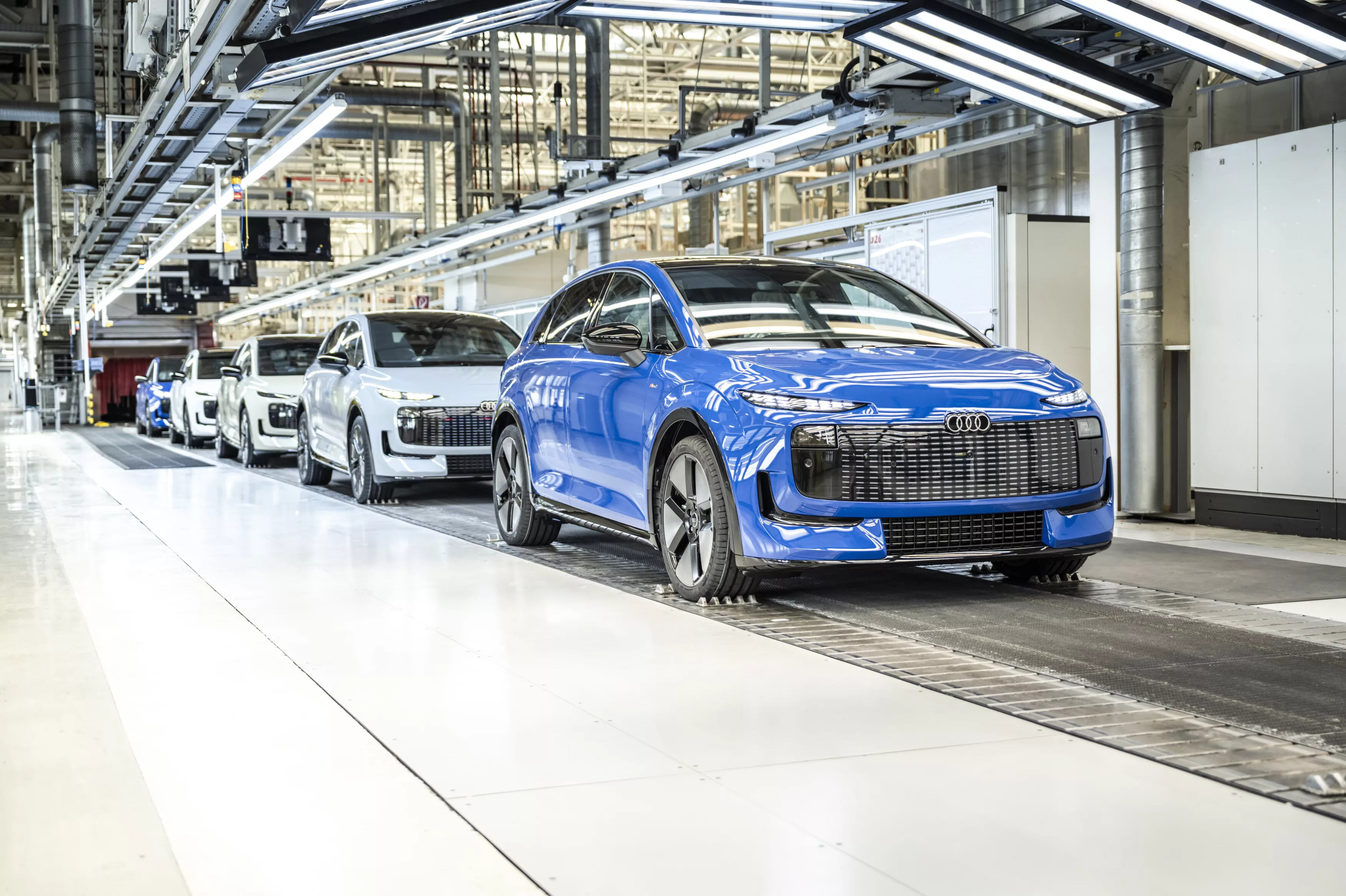
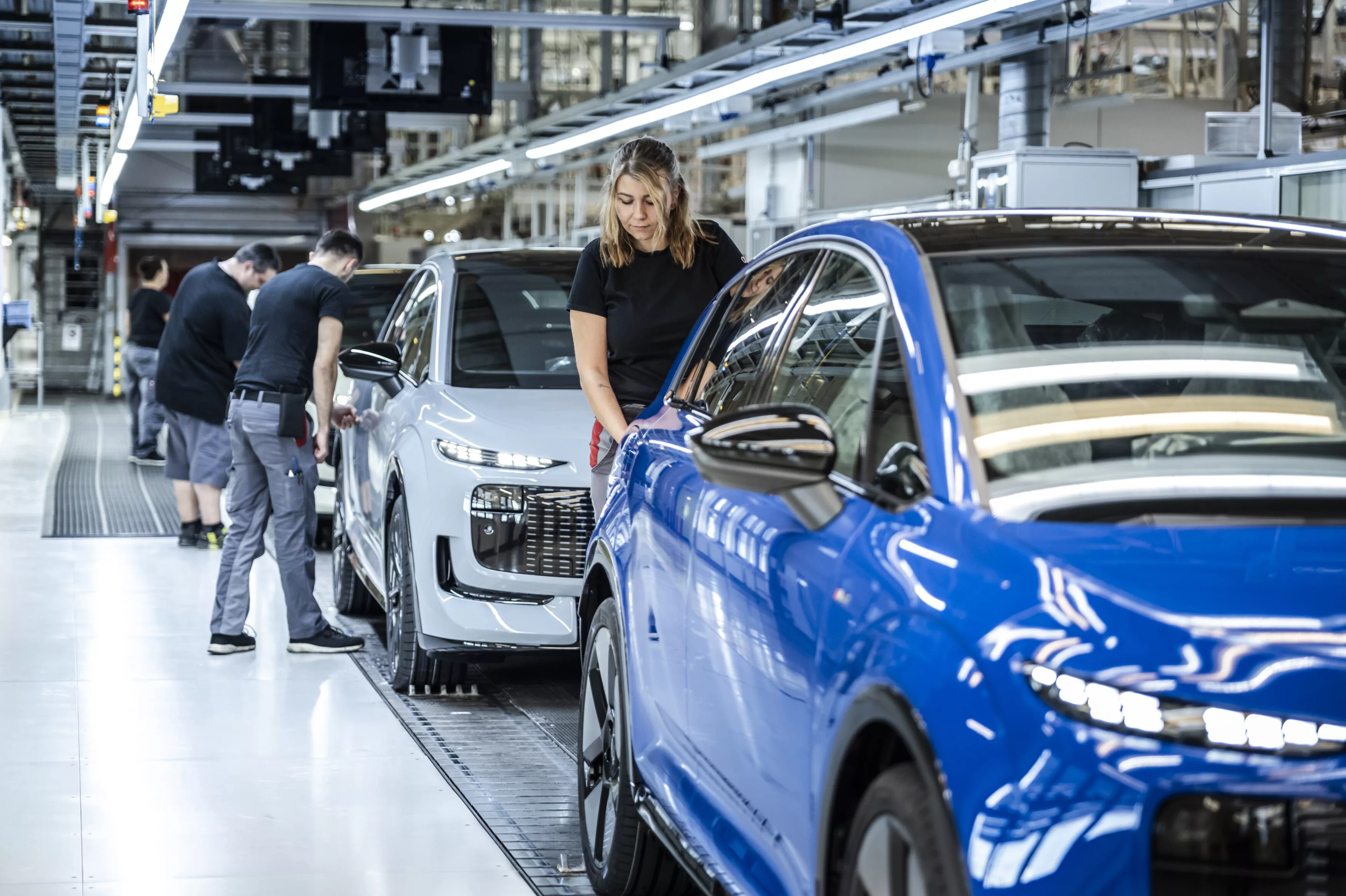
Audi has begun series production of the new A2 e-tron in Ingolstadt and has also revealed how the brand’s new entry-level electric model reached production readiness much faster than usual. The development process was shortened by 21 months compared with previous vehicle projects, while Audi reduced the number of parts and model variants and increased factory automation.
The A2 e-tron is also important to Audi in terms of price. In Germany, the electric car starts at €38,200, with the first customers set to receive their cars in December. With a minimum WLTP energy consumption of 12.8 kWh/100 km, Audi calls it the most efficient series-production car in its history. The version with the greatest range can travel up to 646 kilometres.
Fewer variants mean cheaper production
For the A2 e-tron, Audi has reduced the number of part numbers associated with production. This cuts both the space required to store components and the complexity of logistics.
For the first time, the Ingolstadt plant is using the so-called “pearl-chain” production principle. The production sequence for specific customer cars is determined six days before assembly begins, and that order is maintained throughout the production process. This allows the supplier to pack components in the correct sequence from the outset, reducing the need for storage and reordering of parts at the factory.
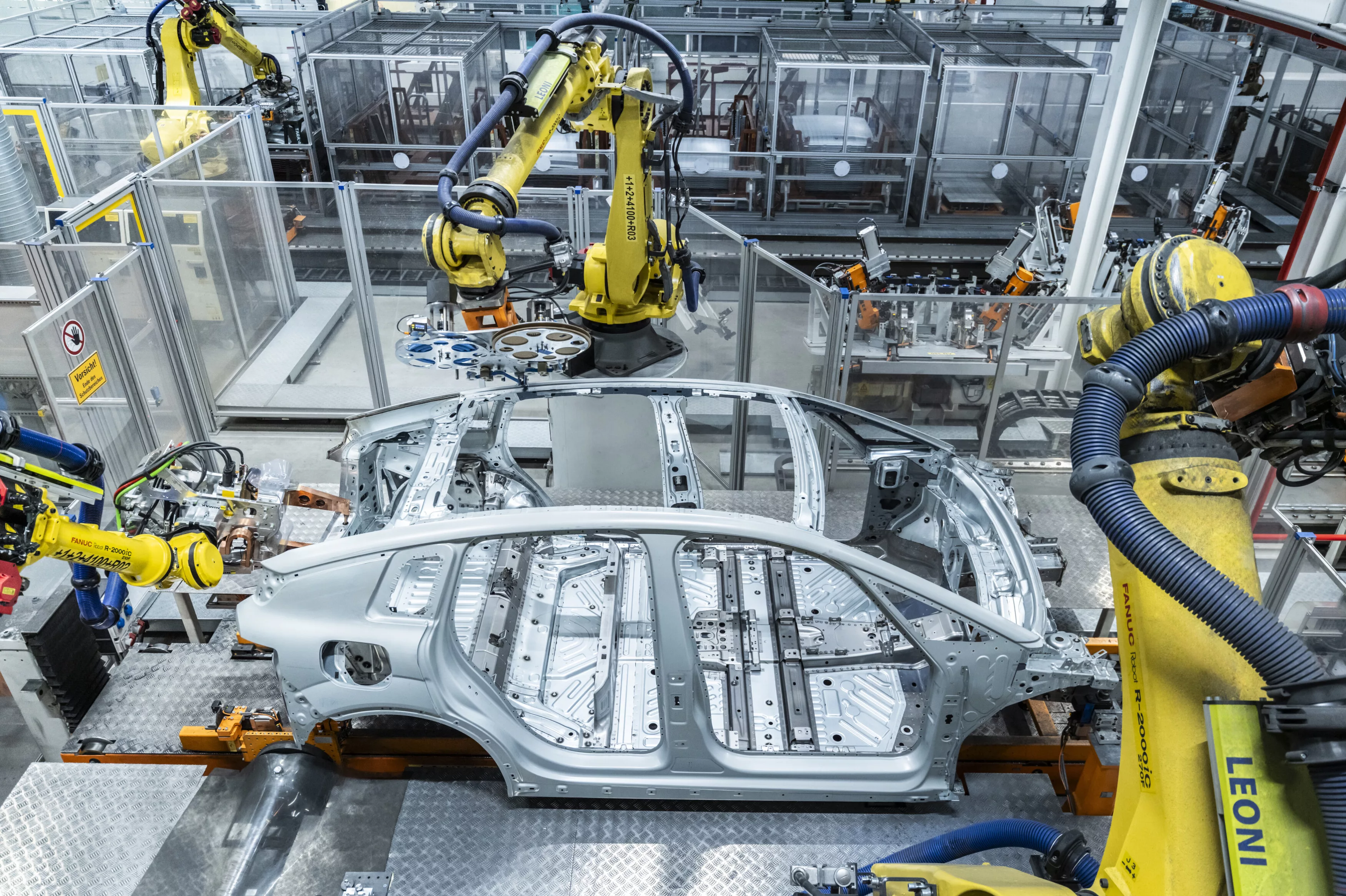
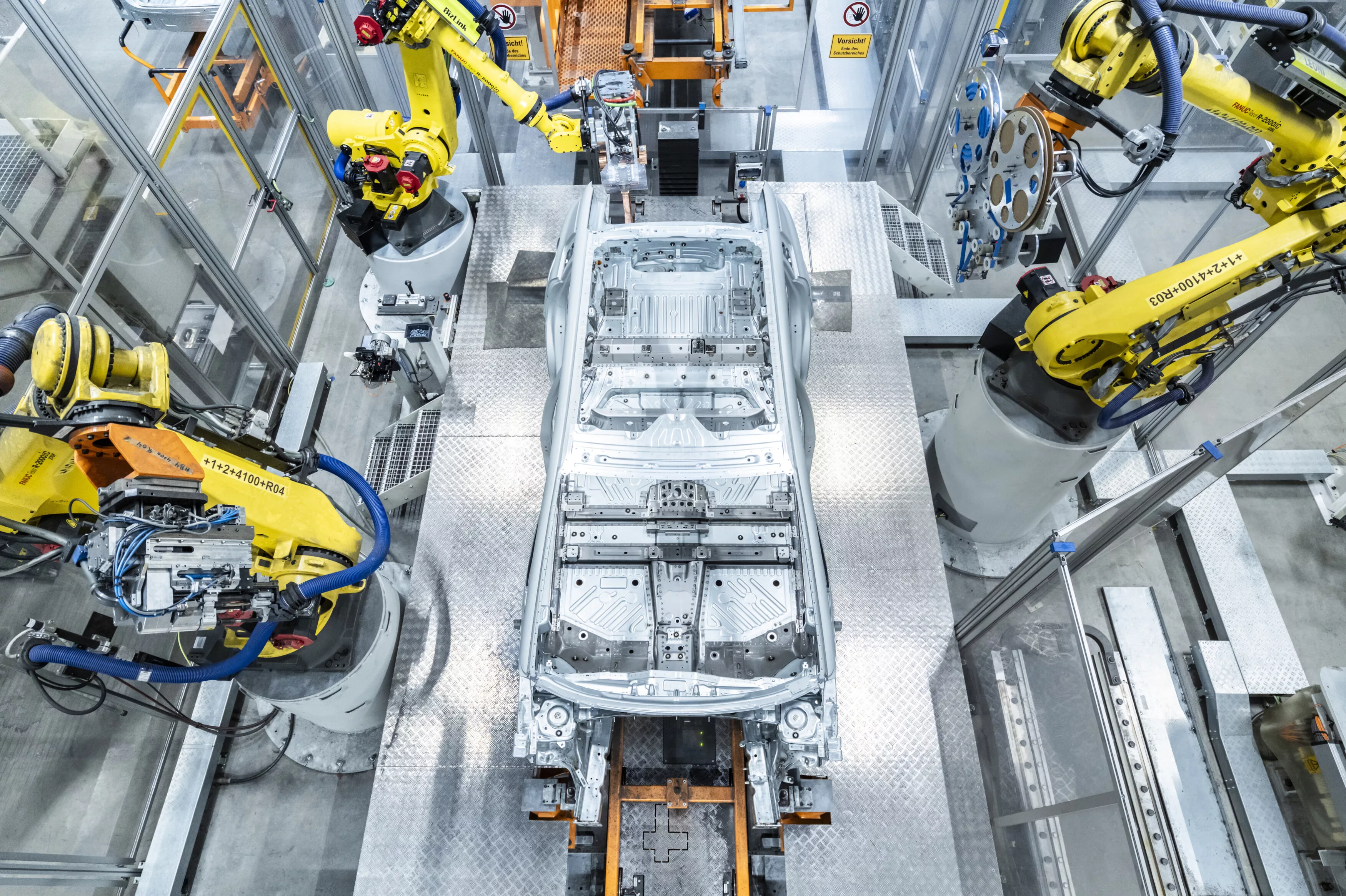
Audi has not built an entirely new production line for the A2 e-tron either. In Ingolstadt, it is using as much of the existing equipment and as many of the existing robots as possible, reducing the investment needed to launch the new model.
Robots even fit the wheels
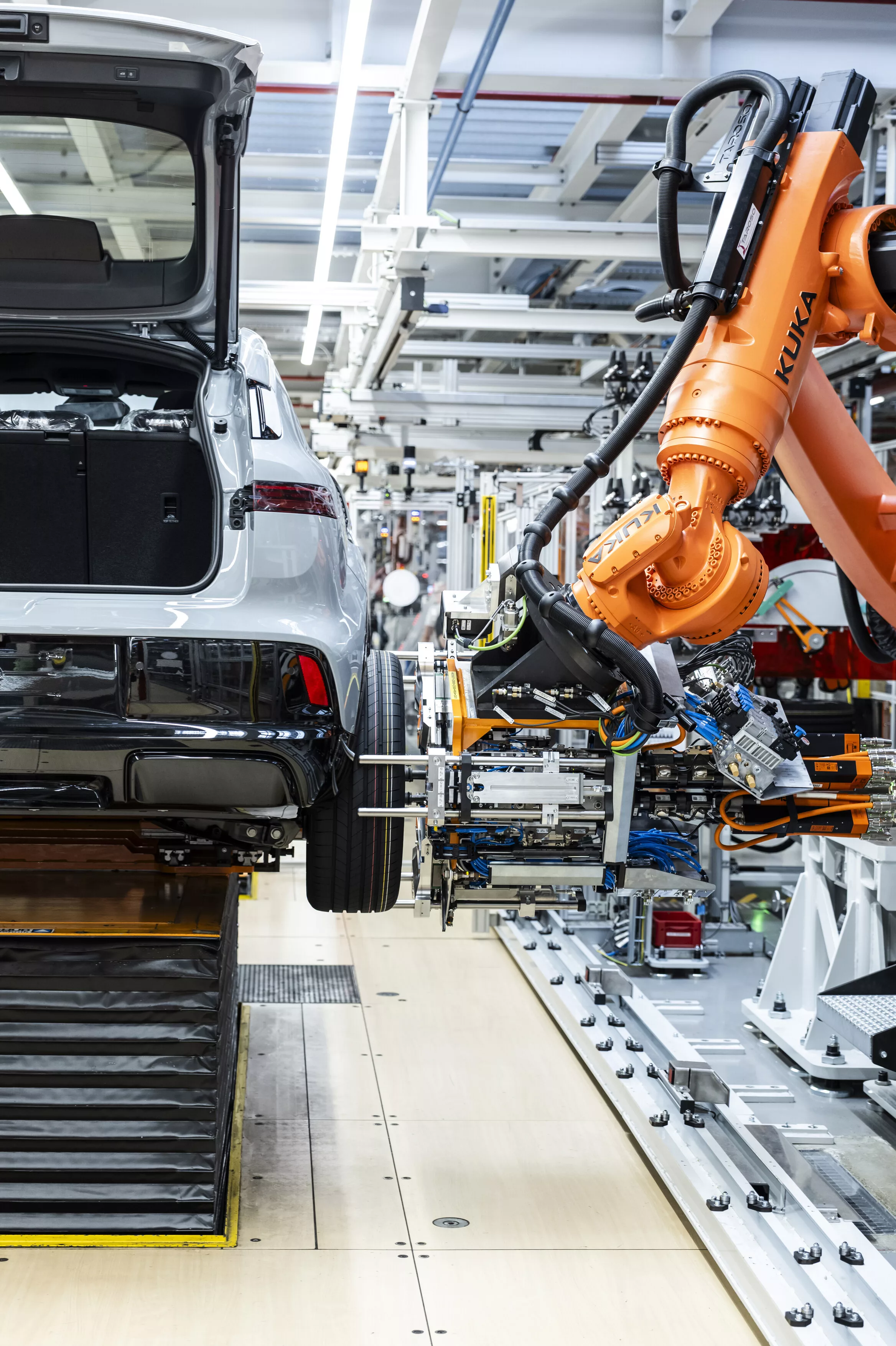
Automation has increased at the same time. The A2 e-tron’s wheels are fitted fully automatically by robots.
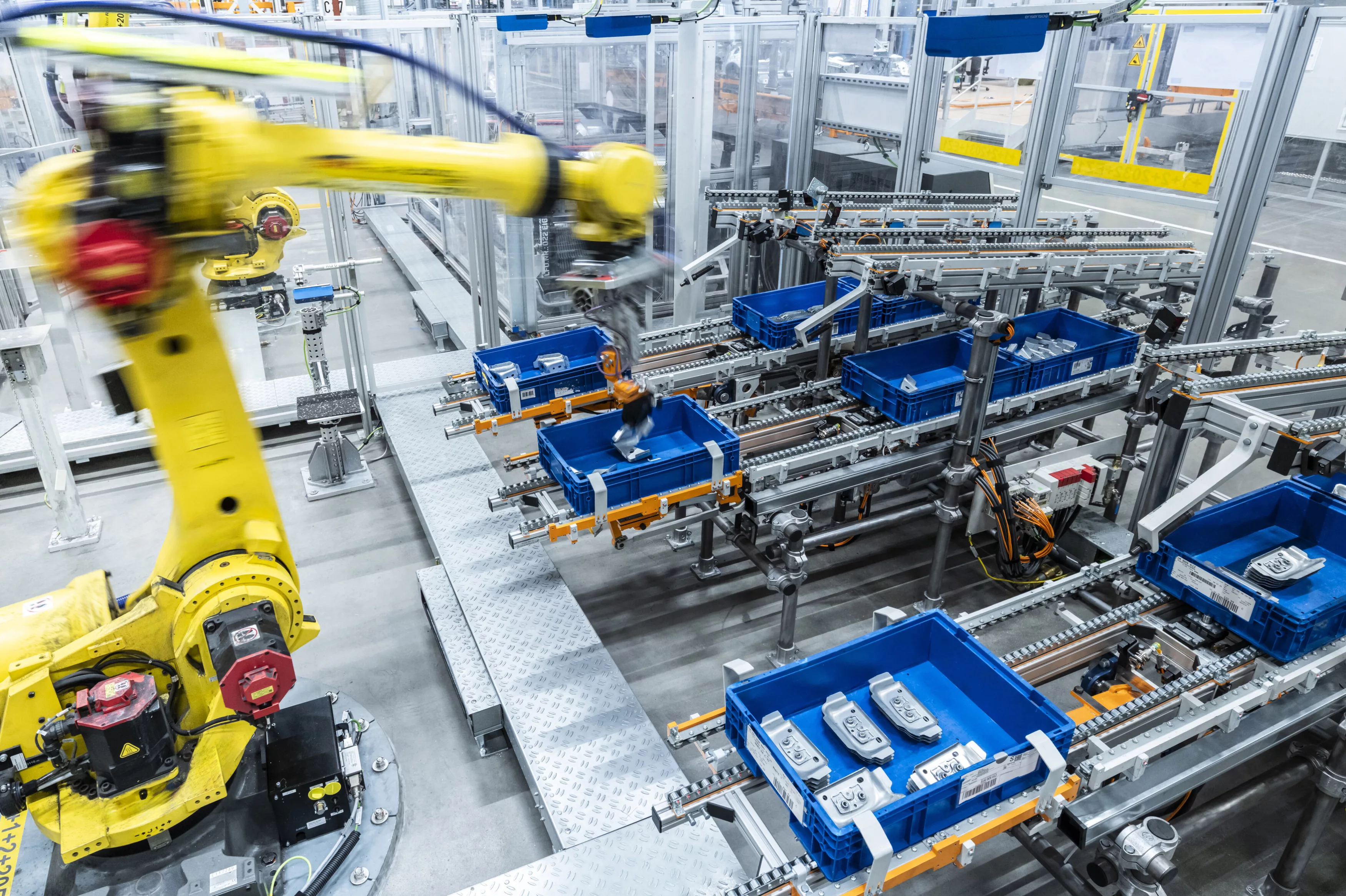
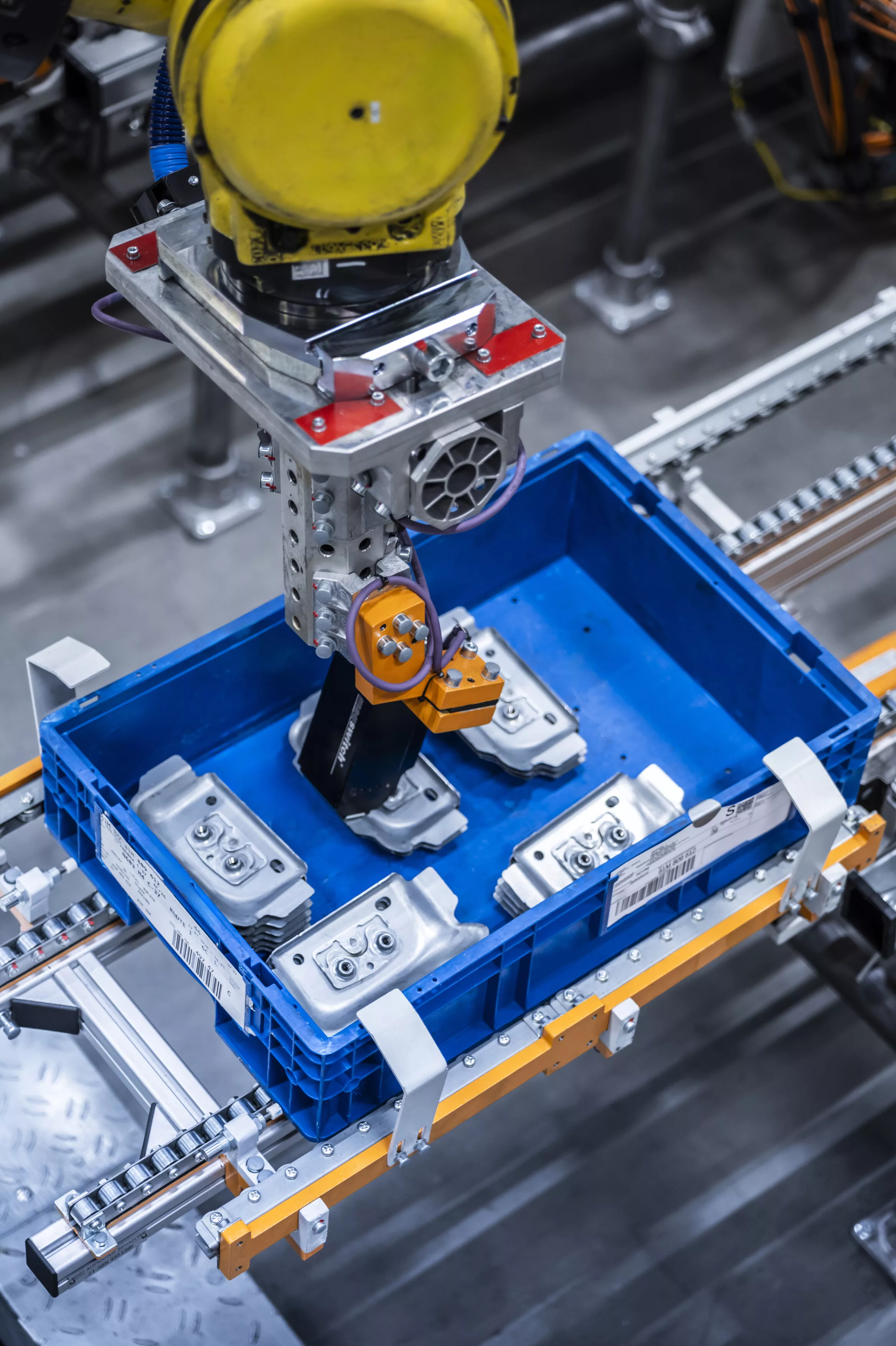
In the body shop, Audi uses “bin picking” technology, in which cameras and image processing help a robot identify, pick up and position the correct component from a container for further processing.
Edge Cloud 4 Production is becoming the digital backbone of the production line. Monitoring and worker guidance systems are managed centrally from the cloud, while AI assistants help employees find technical documentation and instructions.
Audi must learn to build electric cars more cheaply
The A2 e-tron’s production method is at least as important to Audi as the car’s 646 km range. In the European electric-car market, prices are being pushed down by both the Volkswagen Group’s own volume brands and Chinese manufacturers. A premium badge alone no longer compensates for expensive and complex production.
Audi’s response is quite clear: fewer variants, fewer parts, maximum use of the existing factory and faster development.
The A2 e-tron is also set to replace the A1 and Q2 at the lower end of Audi’s model range. Production of both existing models will end, and the electric A2 will effectively become the new entry point to the Audi brand. Audi has delivered nearly 887,000 Q2s and almost 1.39 million A1s of the current generation, so the A2 e-tron has rather large shoes to fill.
The original A2 became known in its day for its expensive aluminium body and exceptional engineering. The new A2 e-tron approaches efficiency from the other direction. This time, the aim is not only to make the cleverest possible car, but also one that Audi can produce as rationally as possible.
In Europe’s electric-car price war, the latter may prove more important.


