
New BMW 3 Series adopts i3 styling but keeps the straight-six
 1/18
1/18
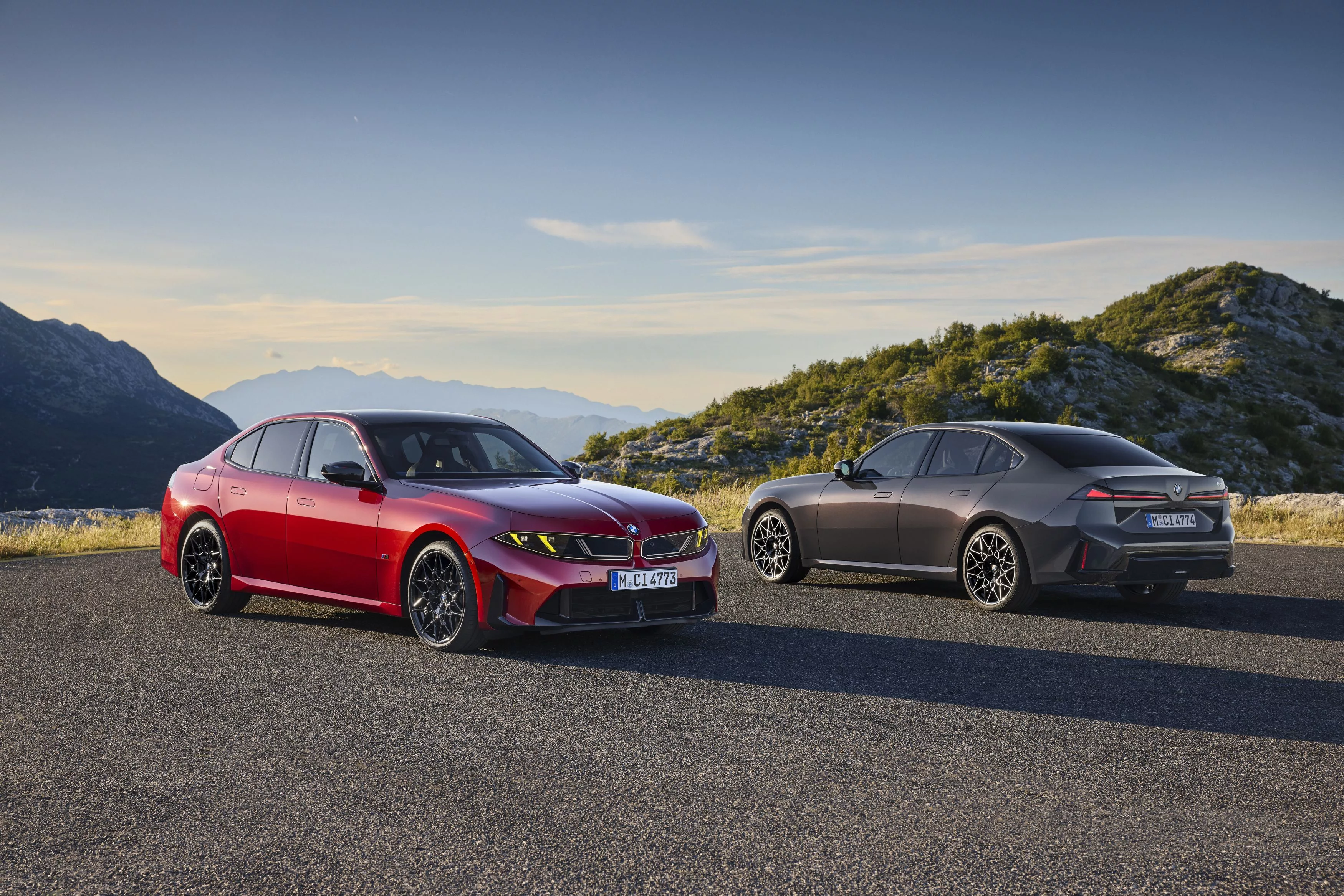
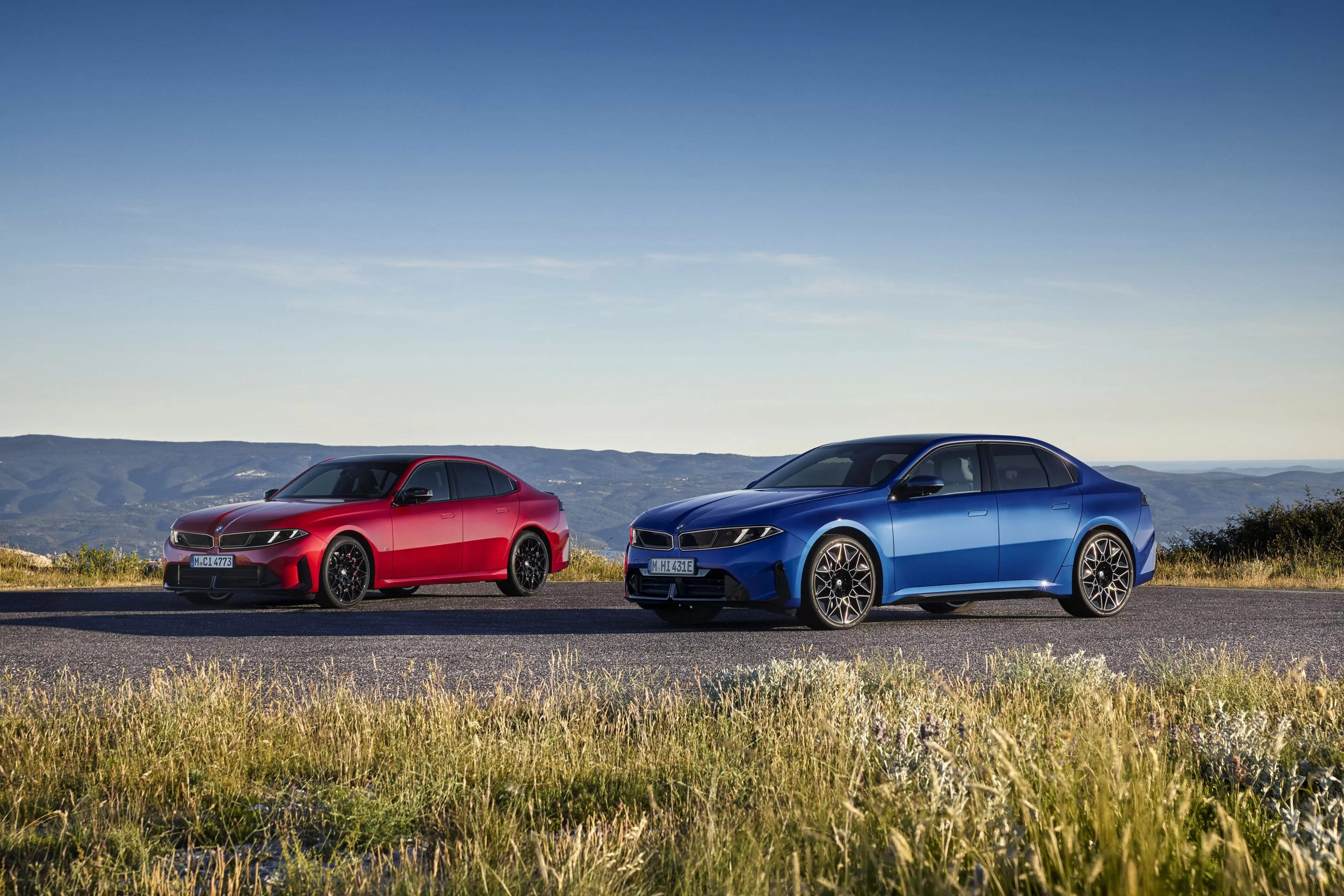
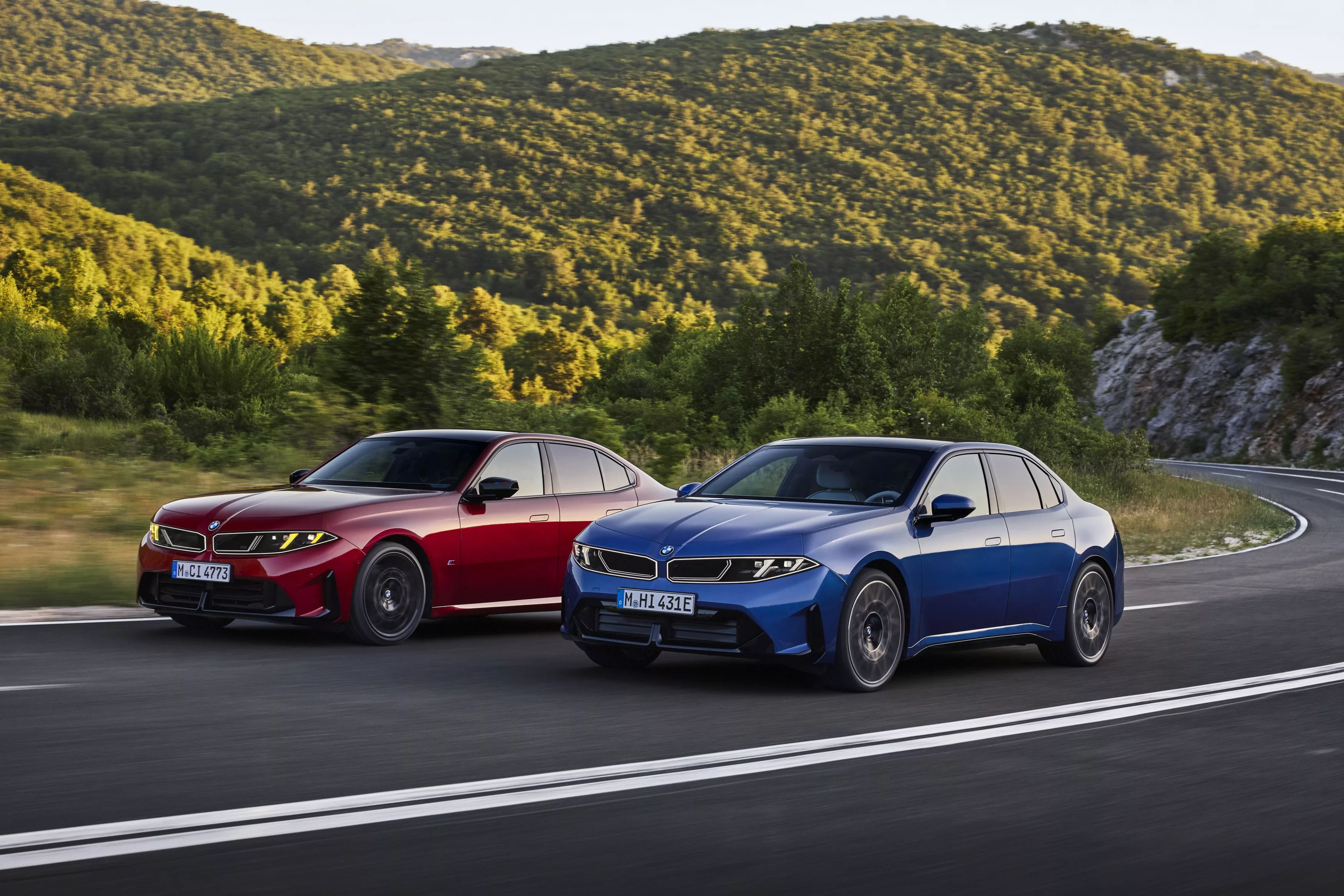
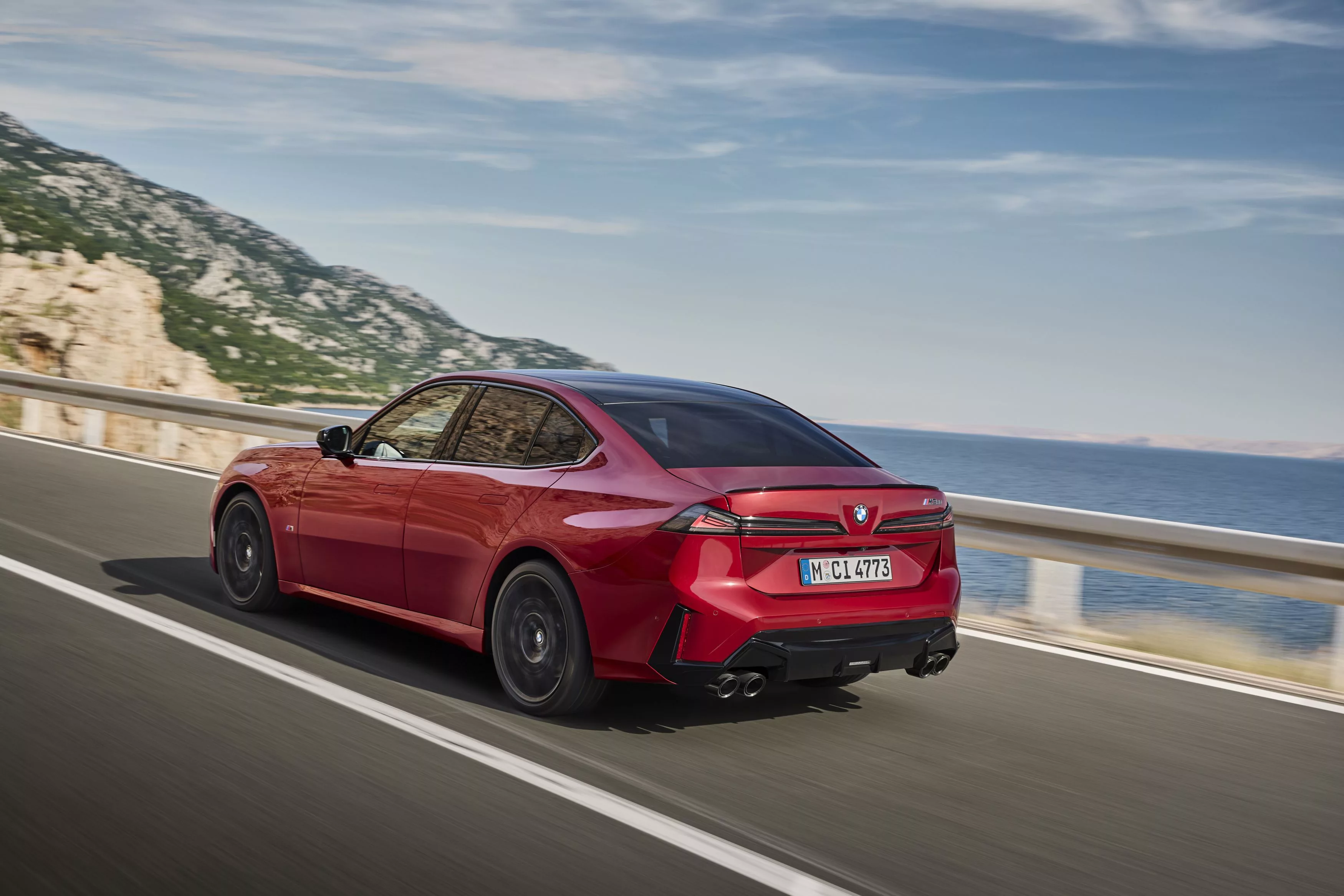
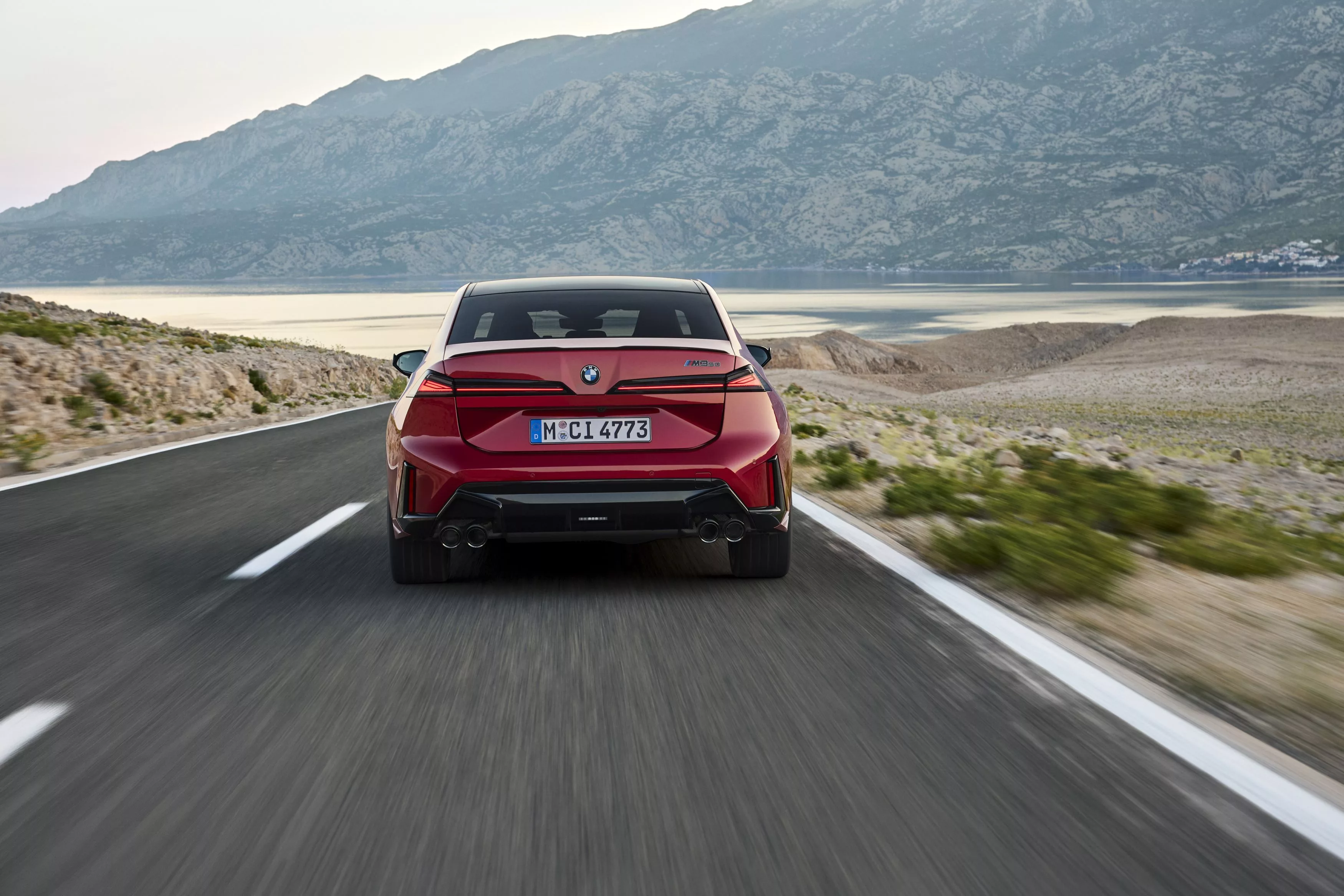
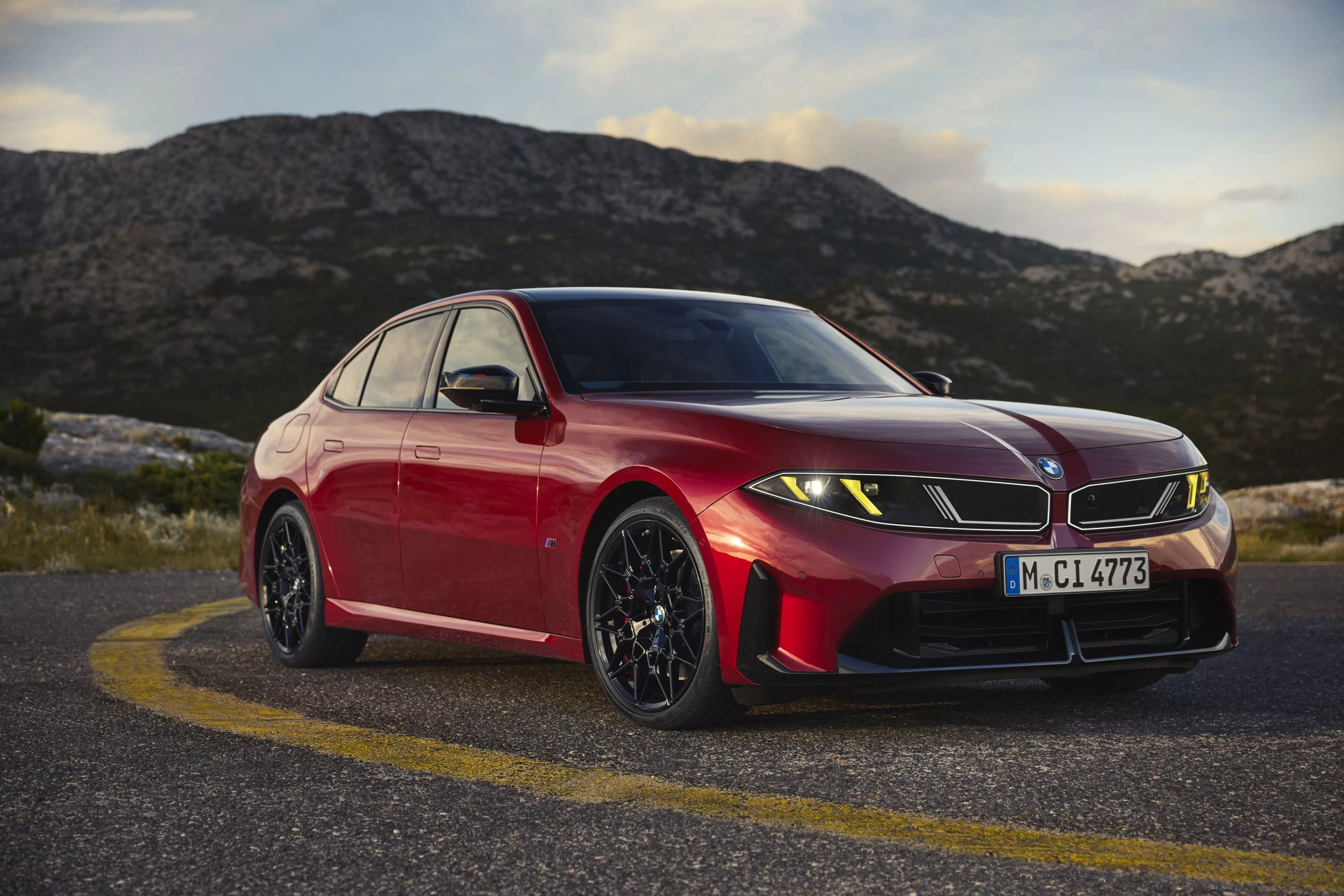
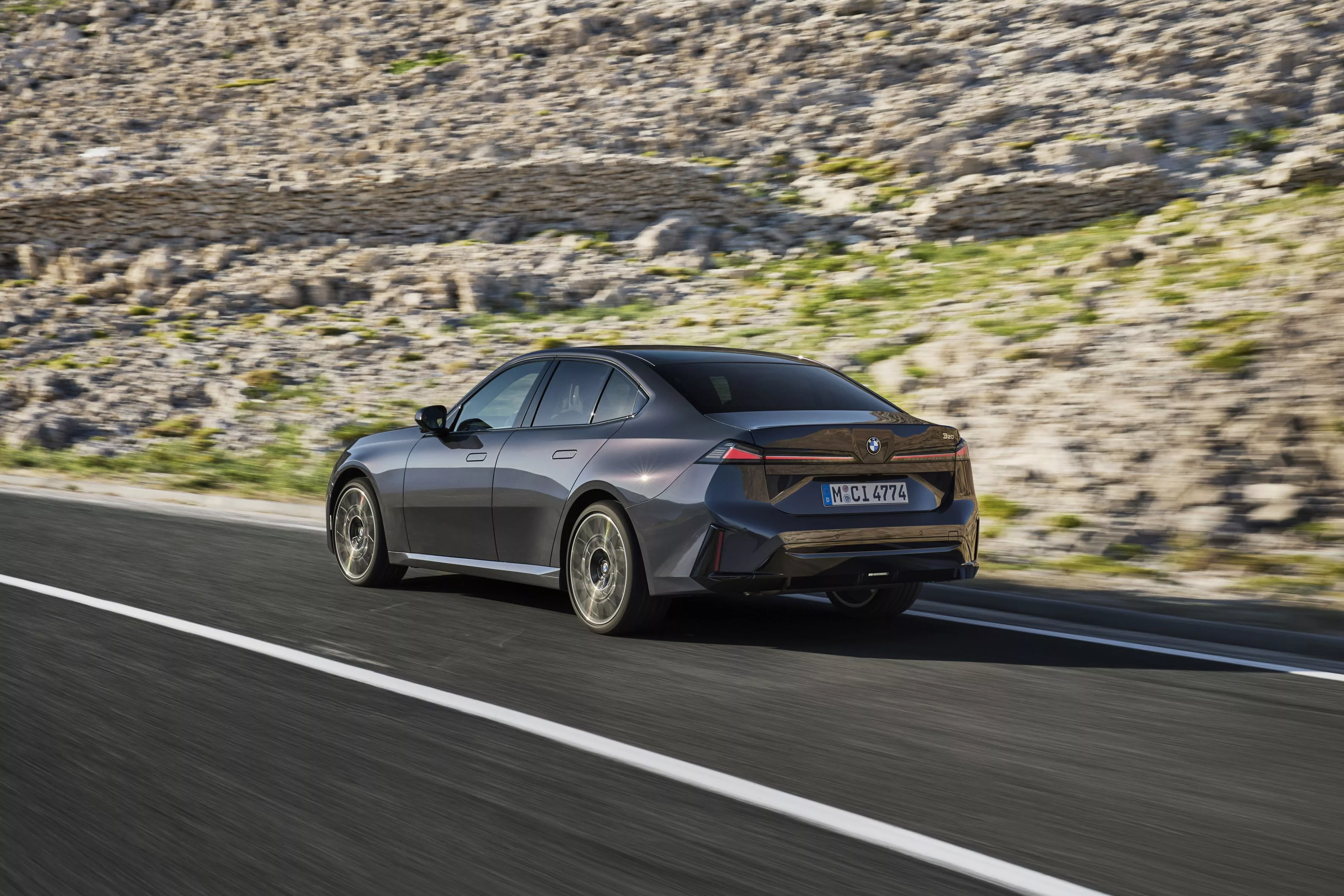
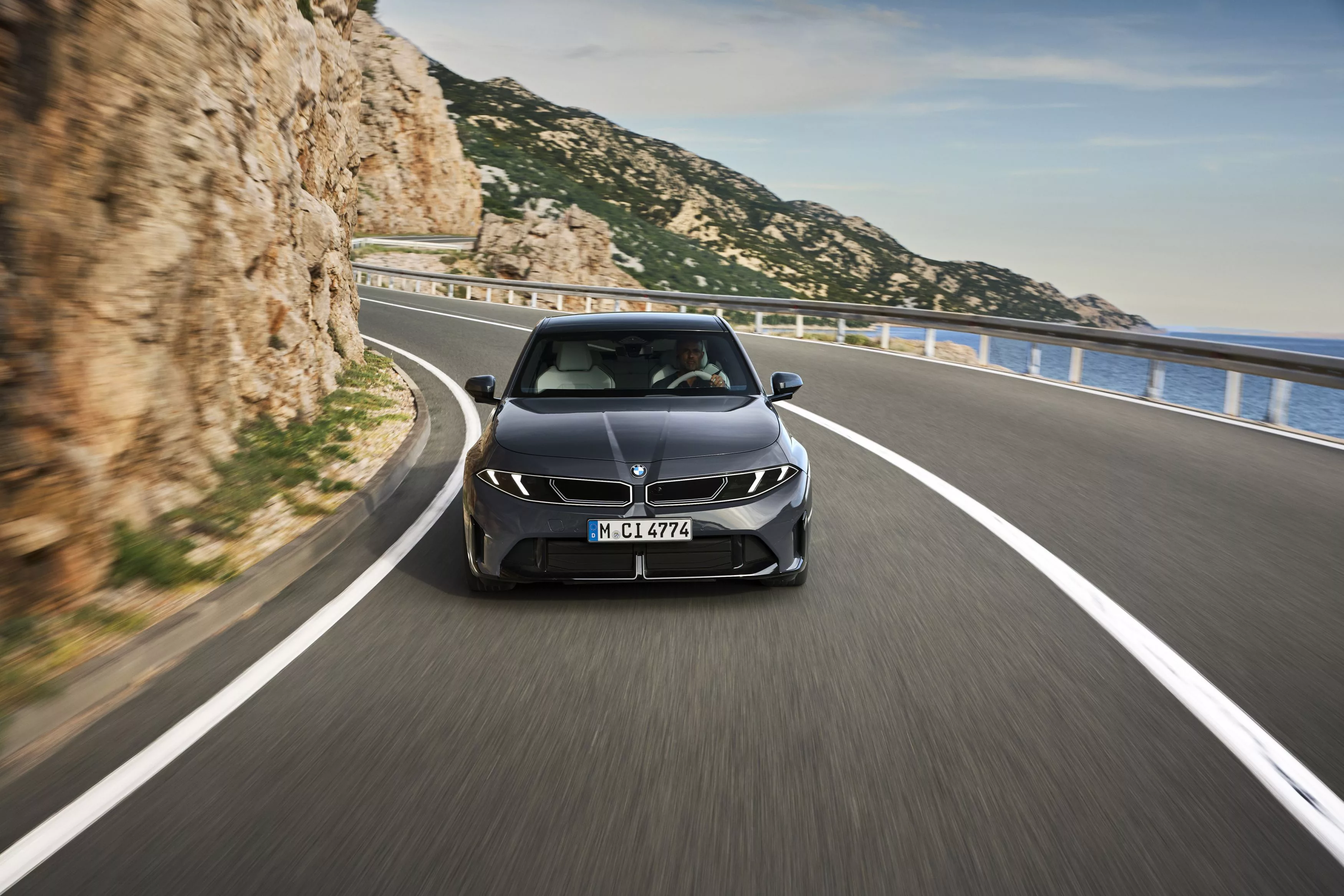
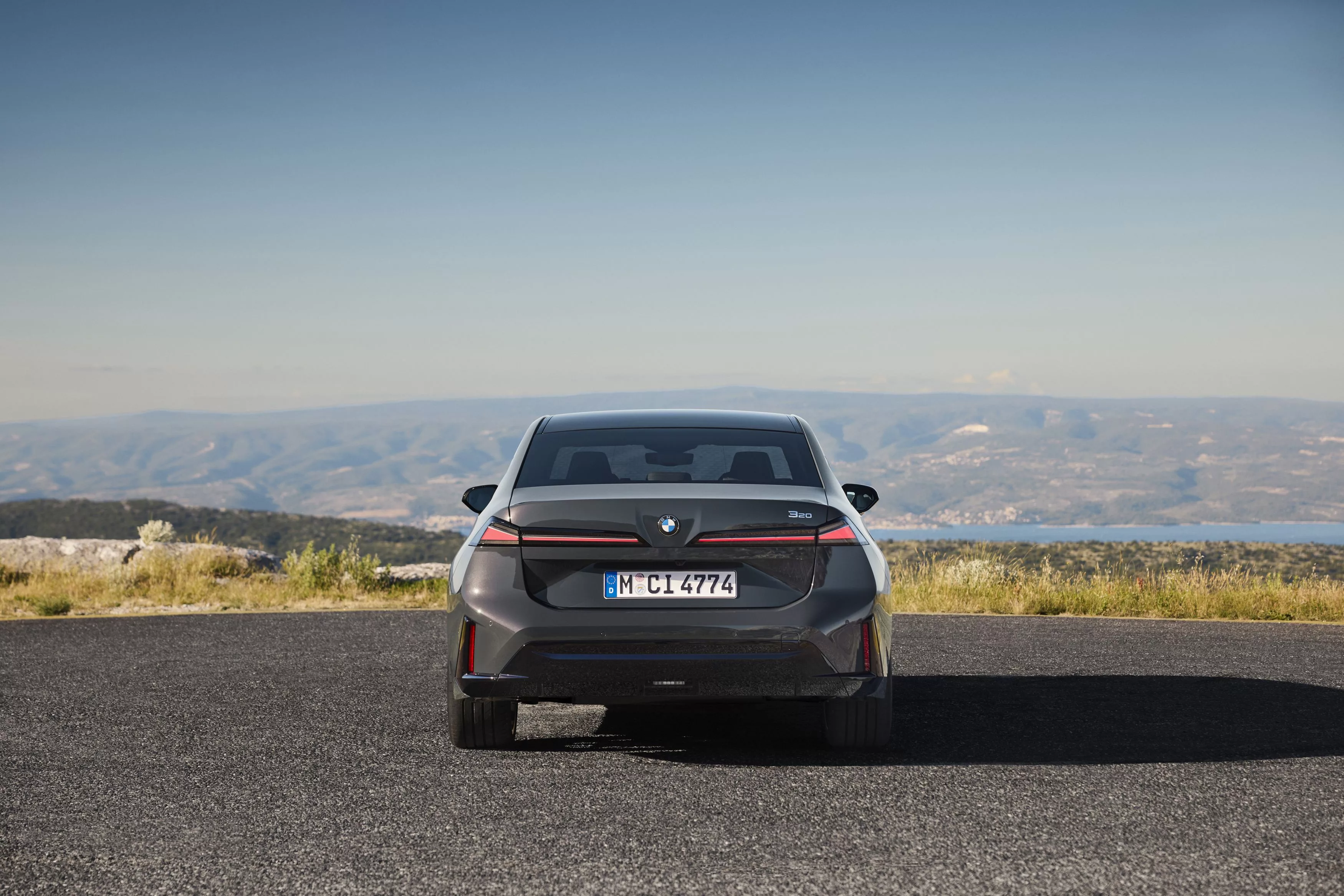
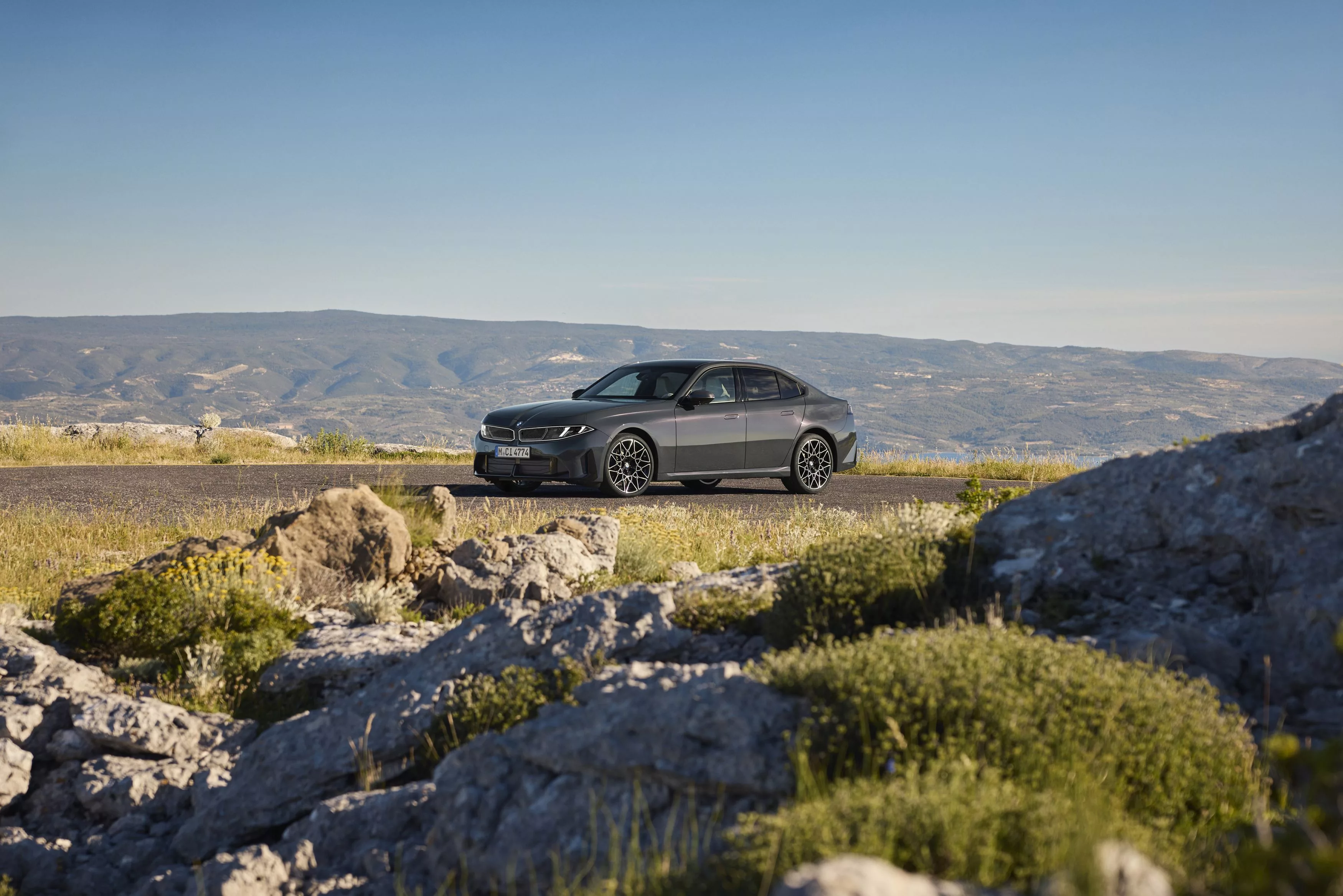
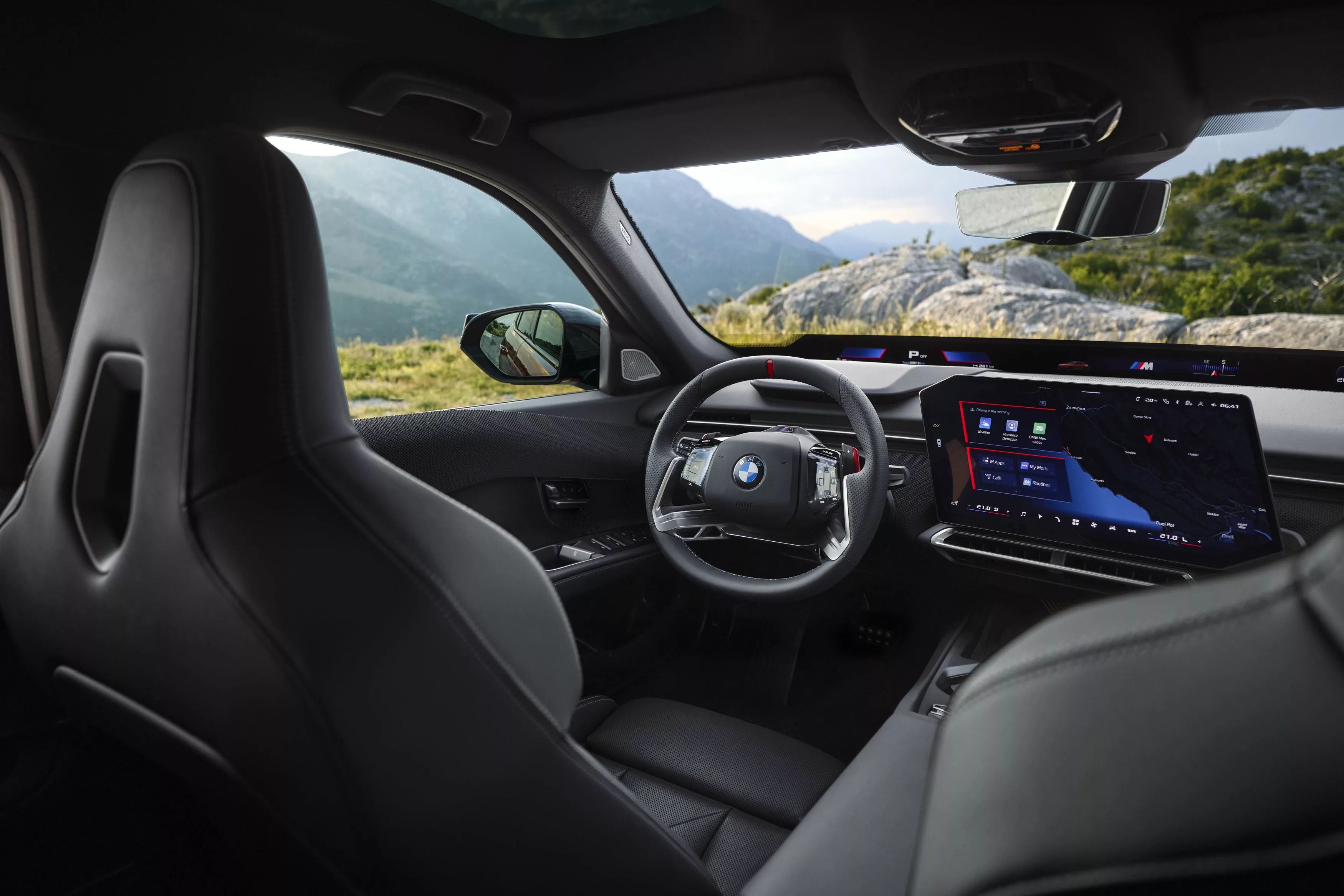
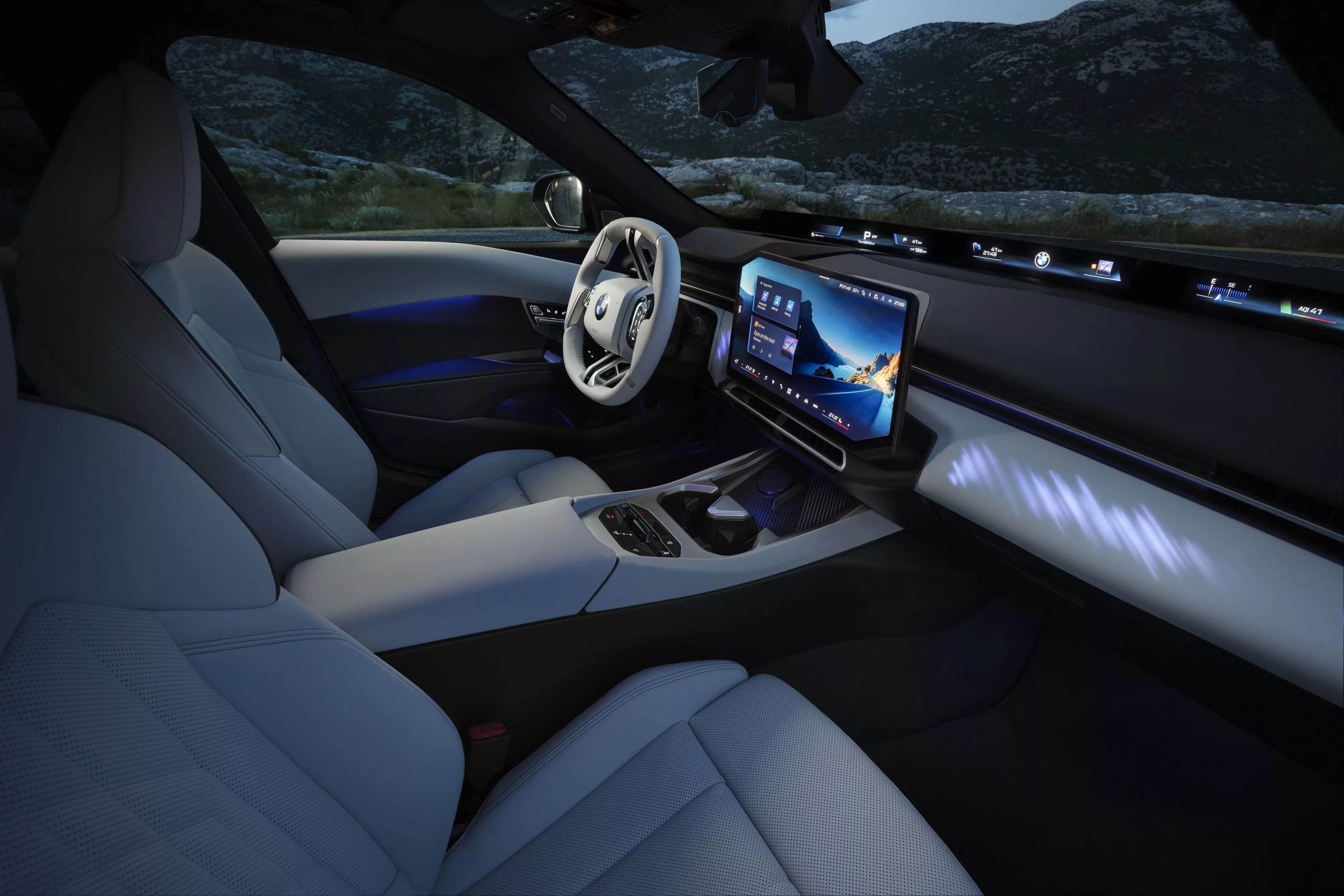
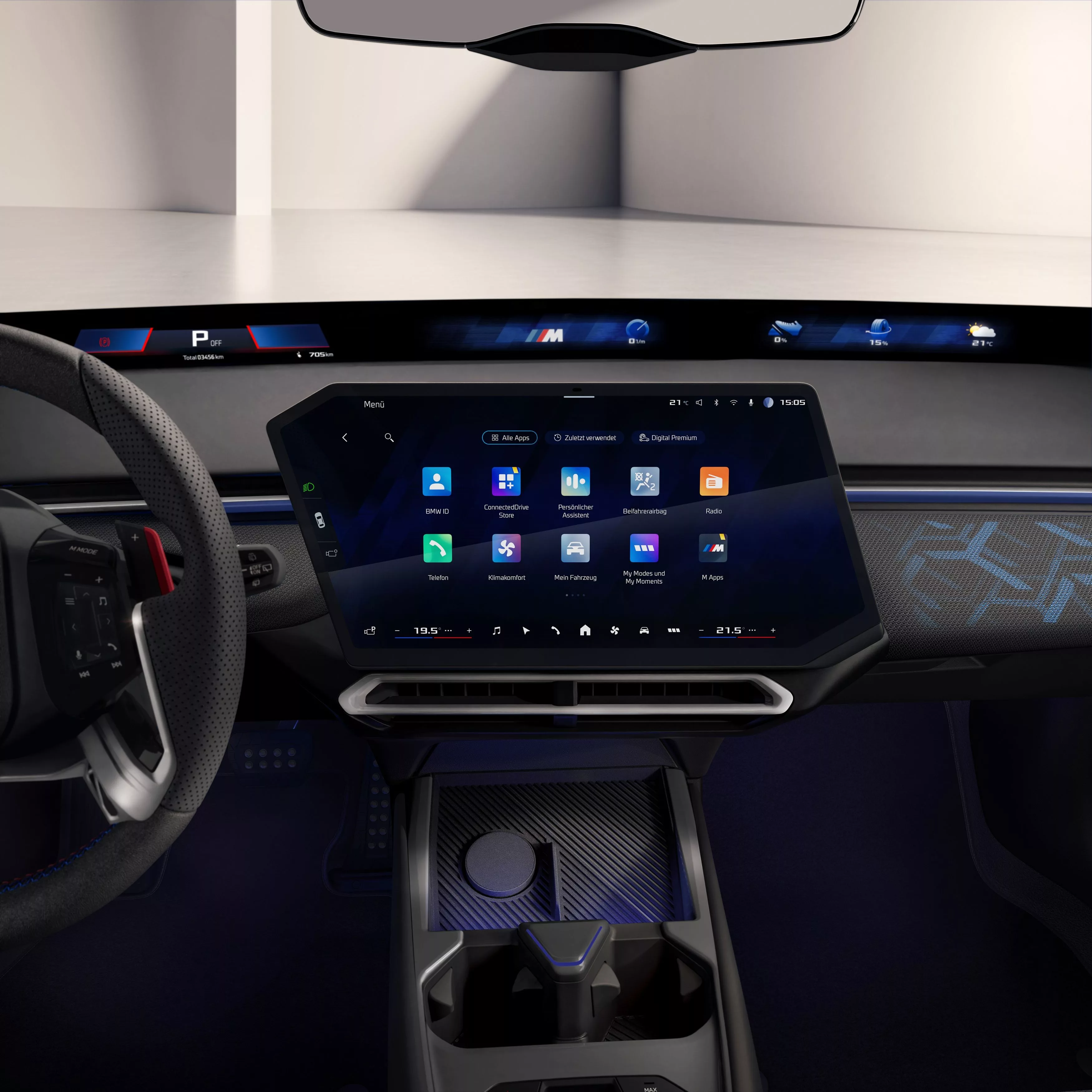
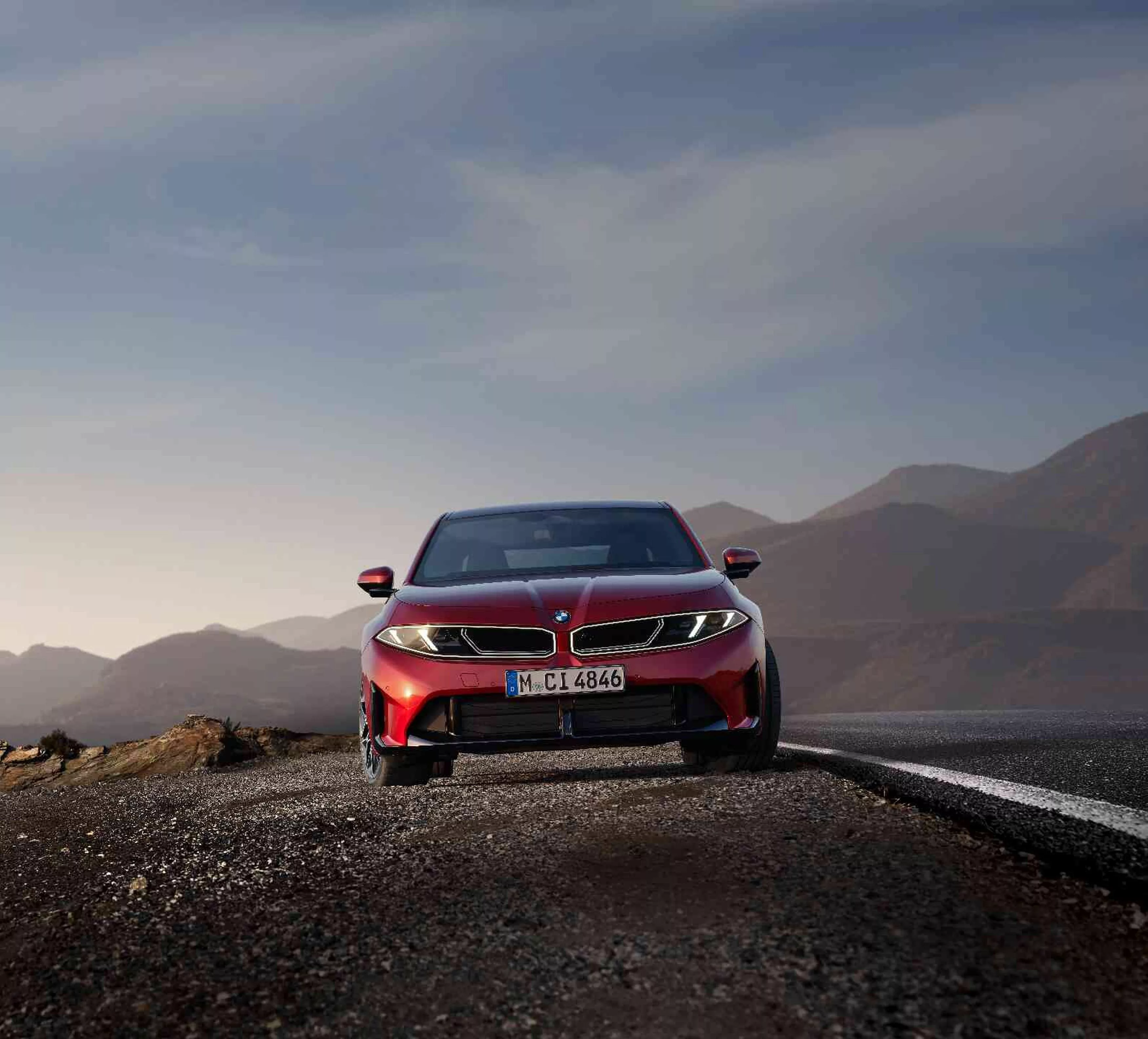
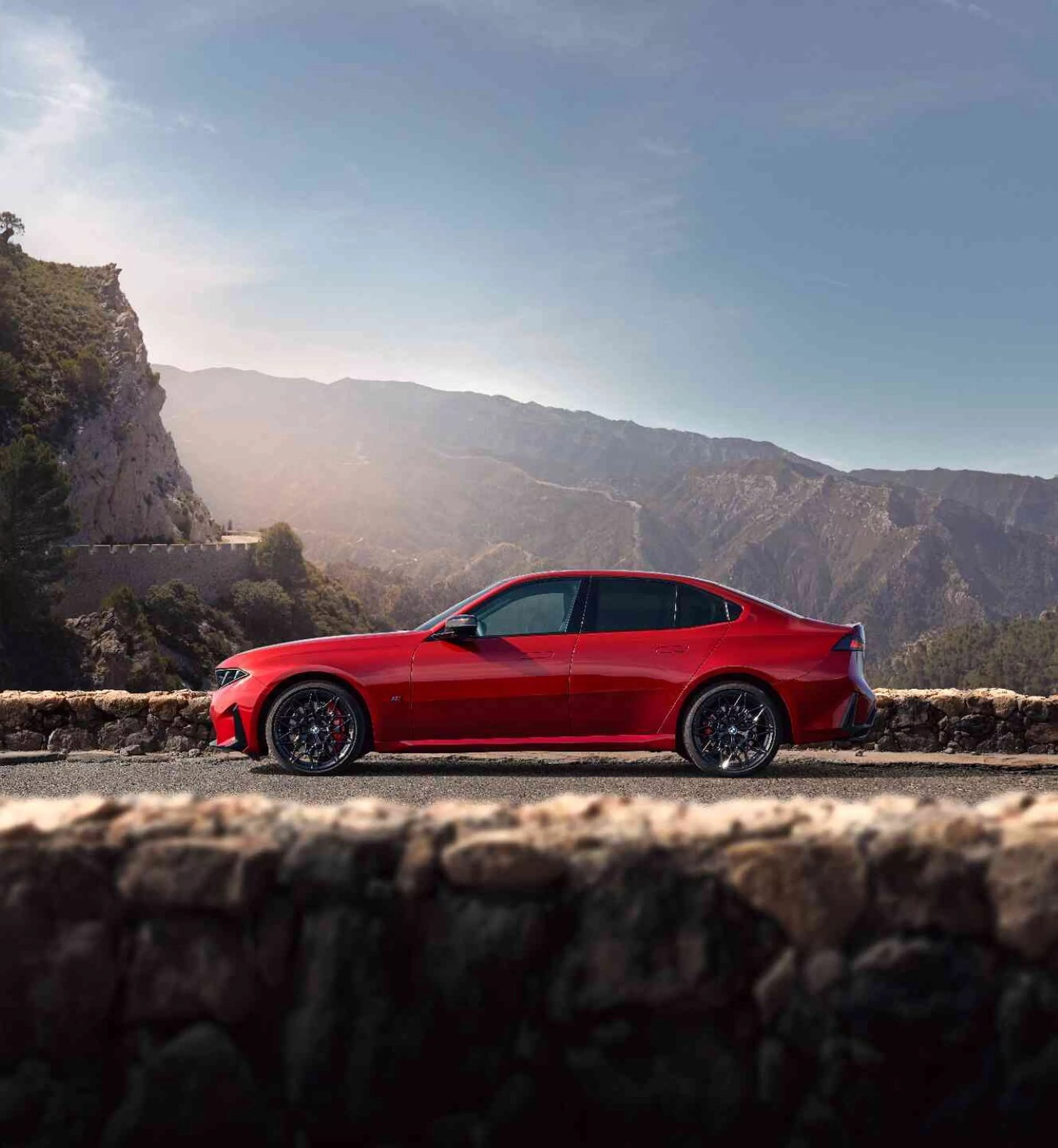
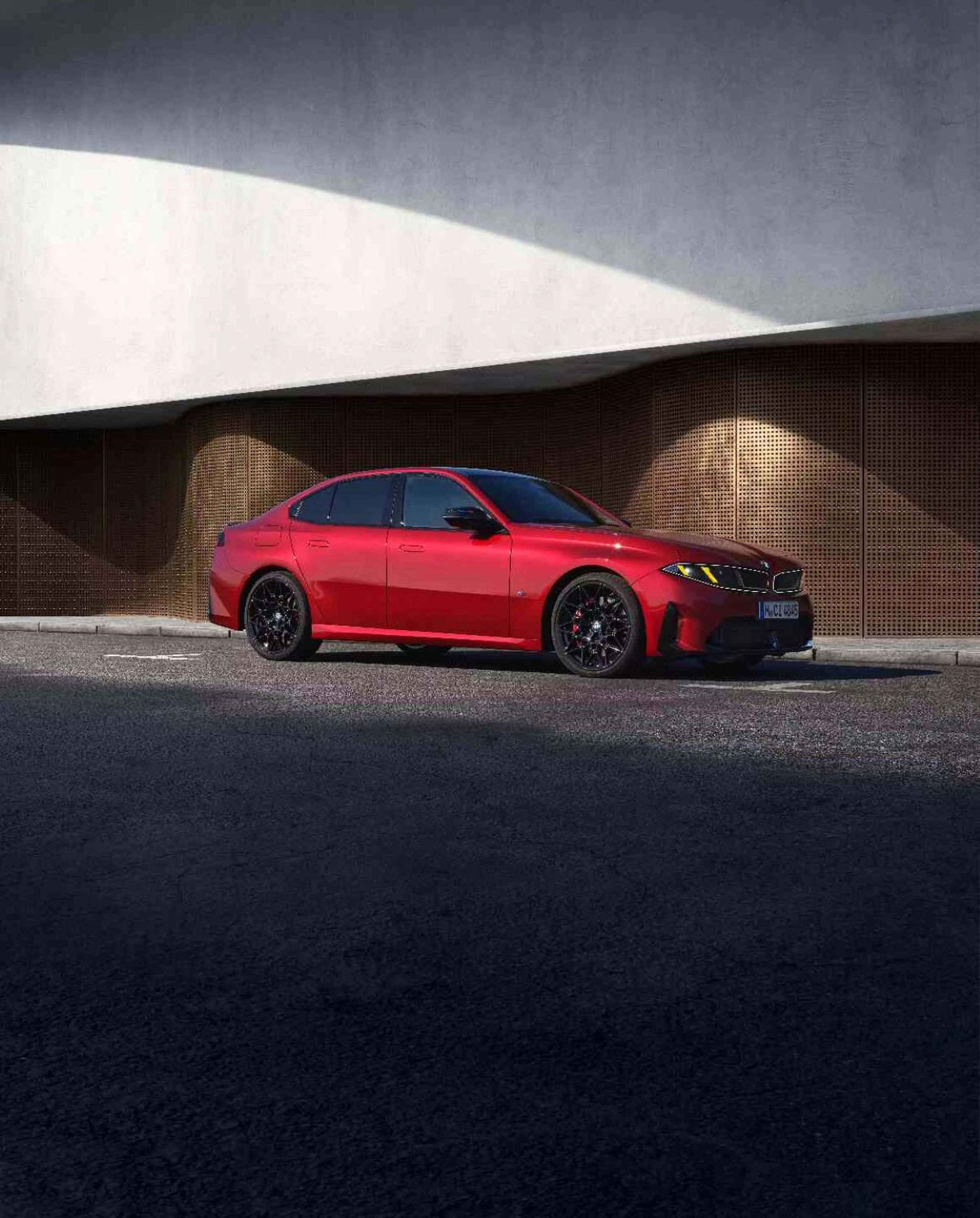
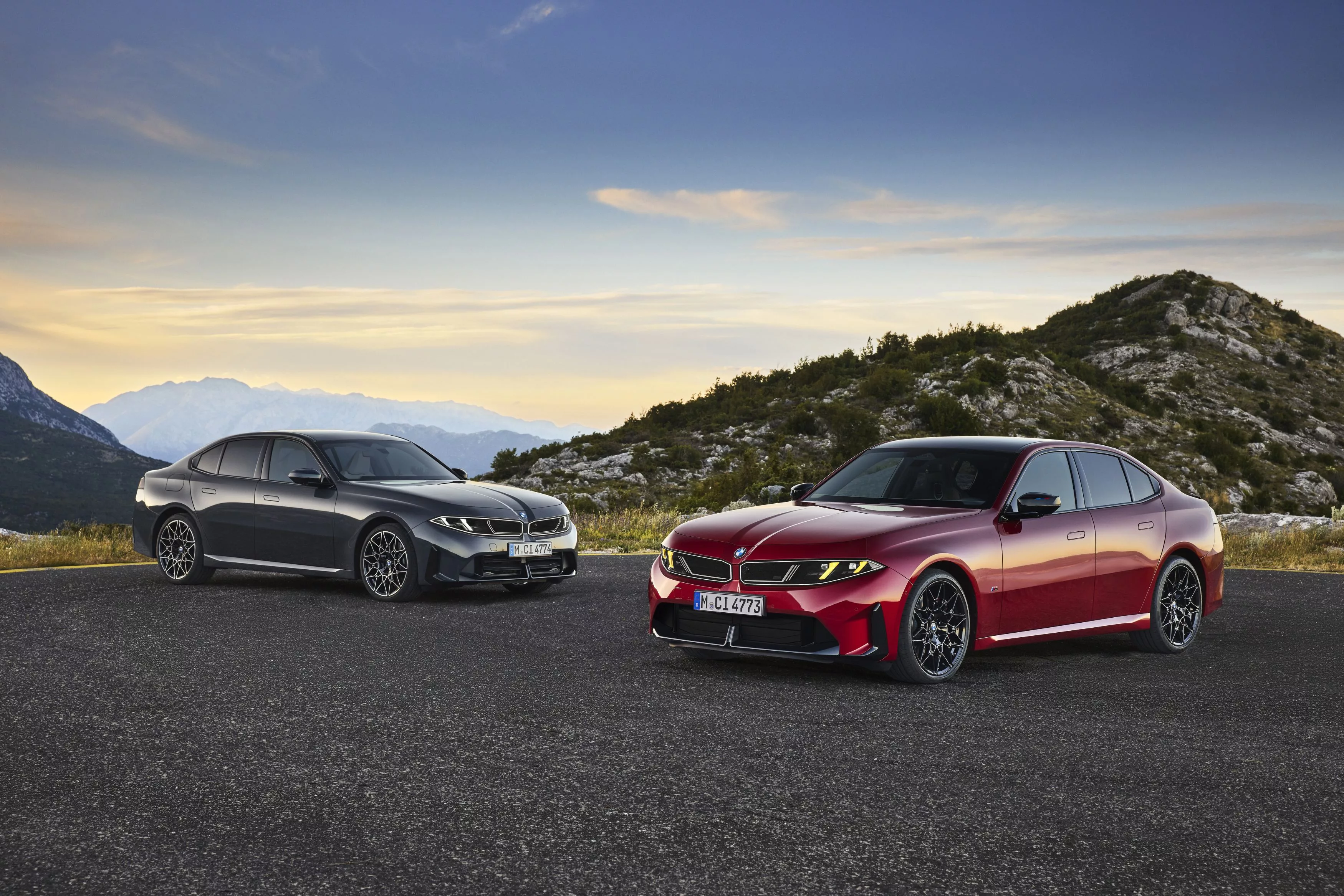
BMW has unveiled the eighth-generation 3 Series, and one thing is immediately clear: the electric i3 and petrol-powered models are intended to look like the same car from the outside. The range-topping M350 xDrive retains a 3.0-litre straight-six, produces 326 kW and 580 Nm, and accelerates from 0-100 km/h in 4.1 seconds. Behind the electric-inspired styling, BMW is far from abandoning the combustion engine.
According to BMW’s official information, the new 3 Series carries the internal designation G50. The model adopts the Neue Klasse design language that BMW first introduced on the electric i3. The electric and combustion-engined 3 Series differ externally only in details dictated by their powertrains.
Same styling, different technology
The petrol-powered 3 Series is not simply an i3 into which BMW has fitted an engine under the bonnet. The electric i3 uses the Neue Klasse electric-vehicle architecture and sixth-generation eDrive technology, while the combustion-engined model has a construction and control system adapted to its own powertrain.
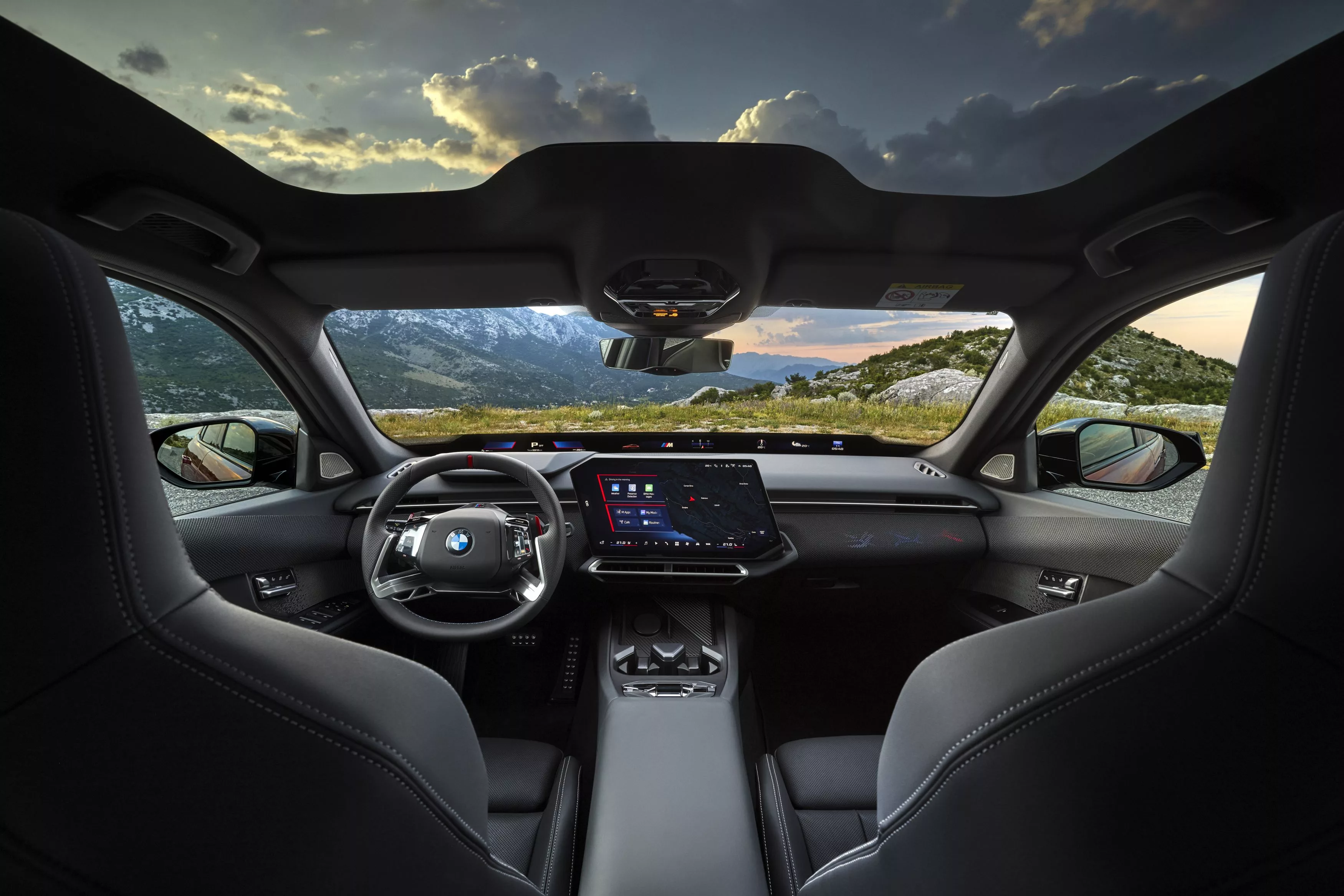
BMW is deliberately aligning their appearance and user interface. The central feature of the new-generation cabin will be Panoramic iDrive with BMW Operating System X. Panoramic Vision projects information onto the lower edge of the windscreen, while a 17.9-inch touchscreen sits in the centre of the dashboard.
An electric car is no longer necessarily a futuristic-looking offshoot, while the combustion-engined version is no longer the traditional 3 Series. Both visually belong to the same family, with the powertrain becoming a choice within it.
M350 xDrive retains three litres and six cylinders
At the top of the combustion-engined range sits the BMW M350 xDrive. The successor to the previous M340i uses a 3.0-litre TwinPower Turbo straight-six with a 48 V mild-hybrid system. Total system output is 326 kW and maximum torque is 580 Nm. Power is transmitted to the wheels through an eight-speed Steptronic automatic transmission with xDrive all-wheel drive.
The M350 xDrive accelerates from 0-100 km/h in 4.1 seconds and reaches an electronically limited 250 km/h. Compared with the previous European M340i xDrive, acceleration improves by around 0.3 seconds. WLTP combined fuel consumption is 8.2 l/100 km and CO₂ emissions are 187 g/km.
The M350 xDrive comes as standard with adaptive M suspension, an M Sport differential and variable-ratio sports steering. BMW is also adding Drift Moment, which can direct drive force exclusively to the rear wheels. The function will arrive during 2027, and BMW says it can also be activated on previously produced cars through a software update.
This is a fairly telling response to those who expected the arrival of Neue Klasse to bring a rapid end to the classic straight-six 3 Series. The electric i3 becomes the technological flagship of the model family, but BMW is retaining the straight-six for European buyers as well.
The entry-level model remains a four-cylinder
Four-cylinder petrol engines will also go on sale alongside the M350 xDrive, likewise with 48 V mild-hybrid technology. The BMW 320 for the German market has WLTP combined fuel consumption of 7.5 l/100 km and CO₂ emissions of 169 g/km. BMW will also add a plug-in hybrid to the 3 Series range during the coming year.
For the chassis, the new generation uses newly developed dampers with stroke-dependent characteristics. BMW offers adaptive suspension and adaptive M suspension as options. The sportiest versions can be specified with 20-inch wheels fitted with 245/35 R20 front tyres and 275/30 R20 rear tyres.
BMW says Motorway Assistant will allow drivers to take their hands off the steering wheel at speeds of up to 130 km/h in countries where the system is approved. By the end of 2026, these will include much of Western and Northern Europe, although BMW’s published list does not yet include every European market.
The i3 is a very different proposition
The first Neue Klasse electric BMW i3 will arrive alongside the petrol-powered 3 Series. The range-topping i3 50 xDrive produces 345 kW and 645 Nm, and accelerates from 0-100 km/h in 4.7 seconds. Its 108.7 kWh battery provides up to 912 km of WLTP range.
The 800 V electrical system enables DC charging at up to 400 kW. Under ideal conditions, up to 423 km of WLTP range can be added in ten minutes. The less expensive i3 40 xDrive produces 275 kW, uses an 82.8 kWh battery and can travel up to 710 km on a single charge. The i3 M60 xDrive will be added in 2027.
This creates a rather unusual situation within the 3 Series range. The electric i3 offers more power, enormous range and an entirely new 800 V architecture, while the M350 xDrive responds with an old-school argument: six cylinders in a row, 250 km/h and the ability to turn an all-wheel-drive saloon into a rear-wheel-drive one at the touch of a button.
European 3 Series production split between two factories
Production also shows just how different the cars behind their shared design really are. BMW will build the electric i3 in Munich, where the first 3 Series was also born in 1975. From 2027, the Munich plant will focus entirely on electric Neue Klasse models.
The combustion-engined 3 Series will move to BMW’s Dingolfing plant in Bavaria. The main components for electric drives and combustion engines will be produced at the Steyr plant in Austria, while high-voltage batteries for the i3 will come from BMW’s new Irlbach-Straßkirchen plant in Germany.
The new 3 Series is therefore a particularly clear embodiment of BMW’s technology-neutral strategy. The electric car sets the direction for design and digital architecture, but European customers do not necessarily have to buy an electric car to benefit from that design and digital architecture. What is more, a 3.0-litre straight-six still remains at the other end of the range.


