
Range Rover Sport Electric gets 404 kW, 850 Nm and 609 km of range
 1/52
1/52
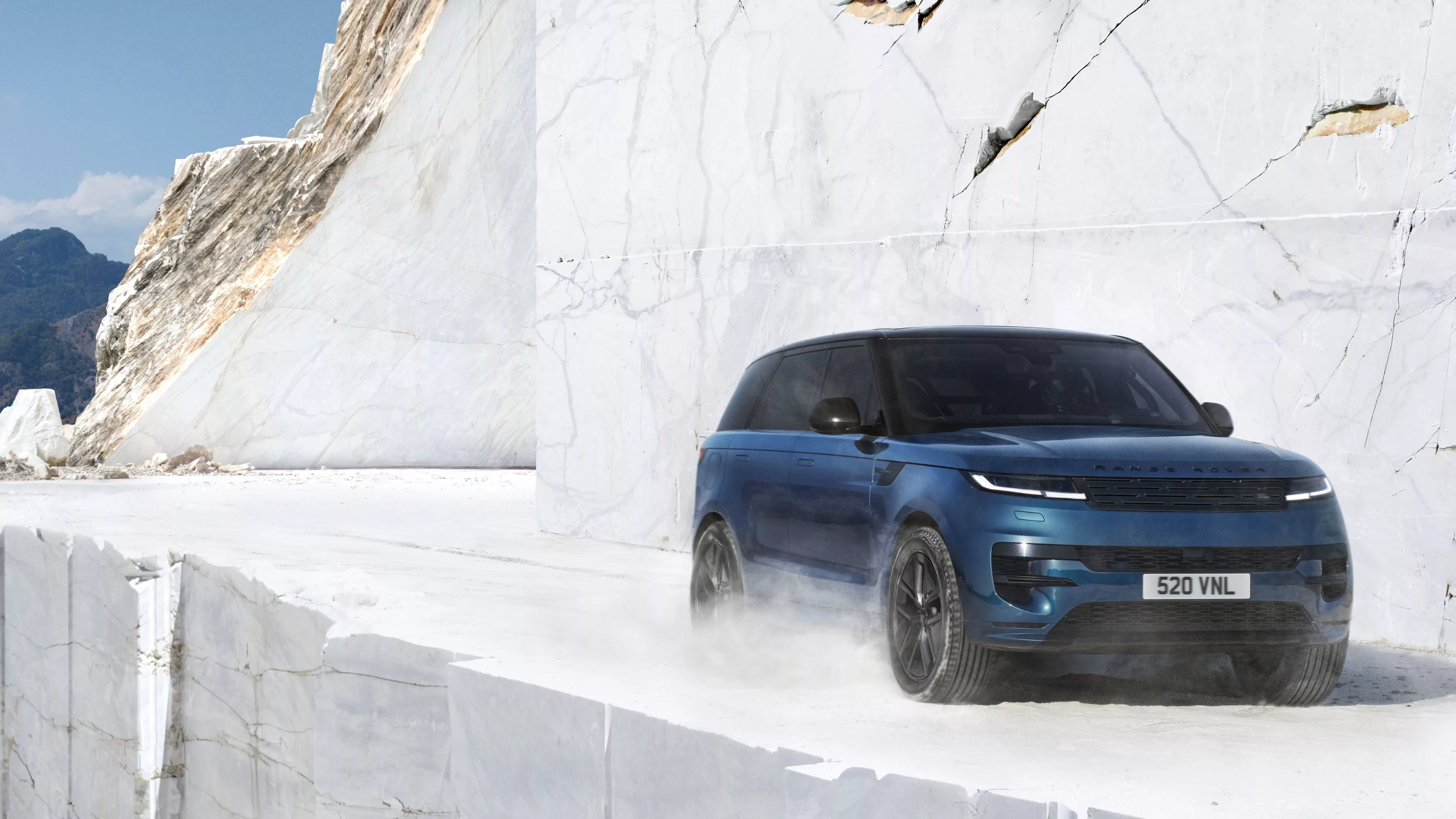
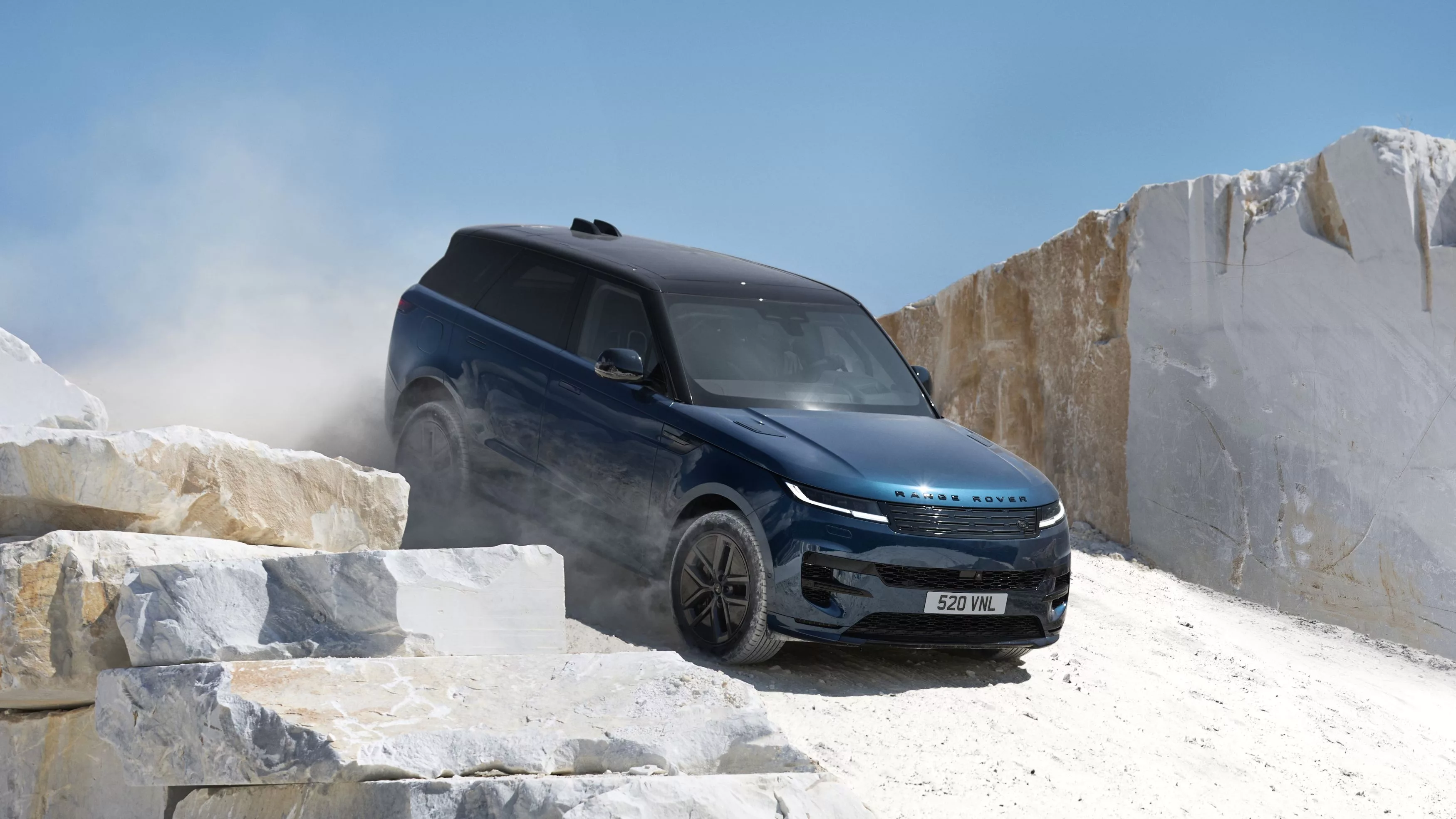
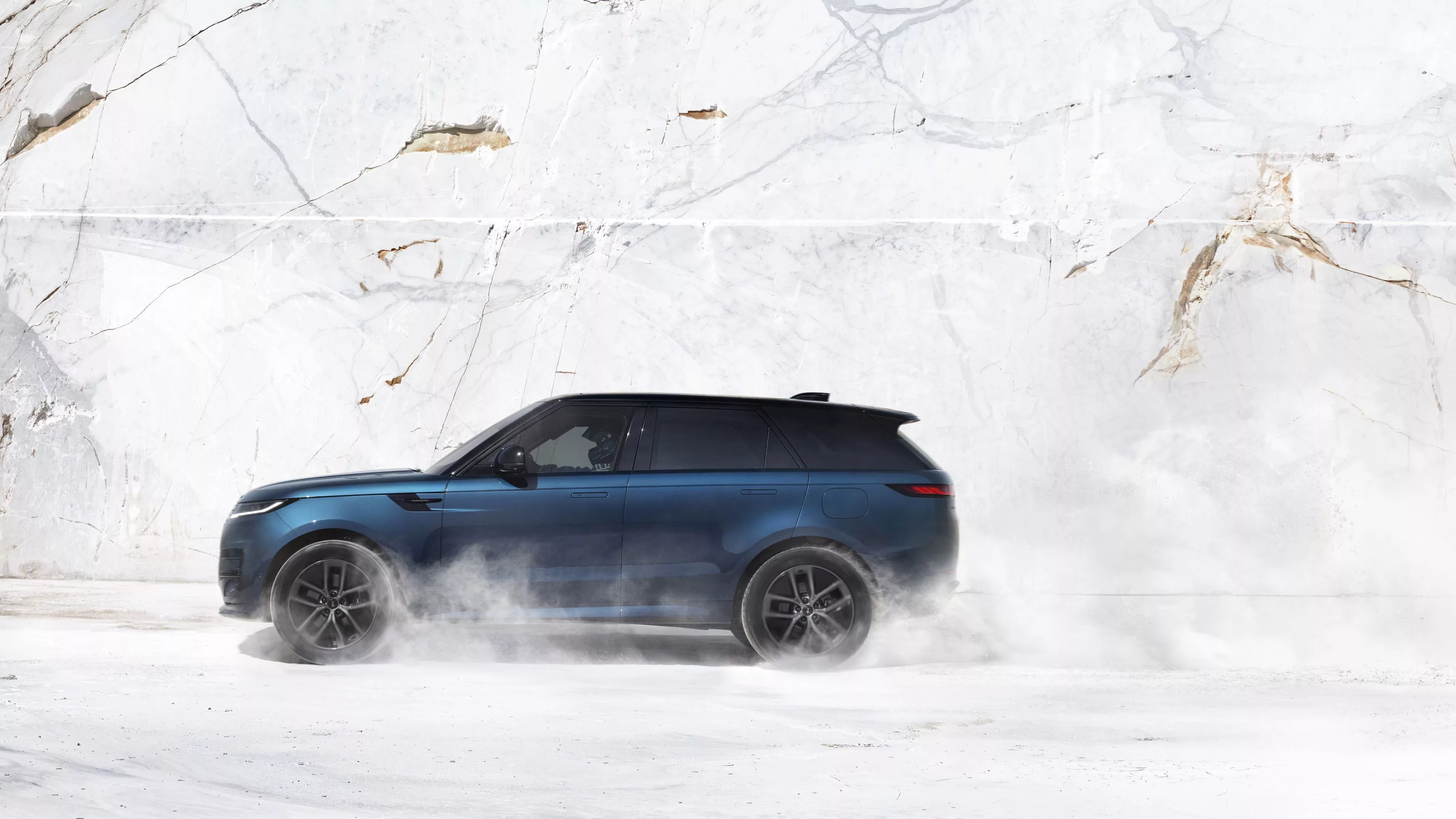
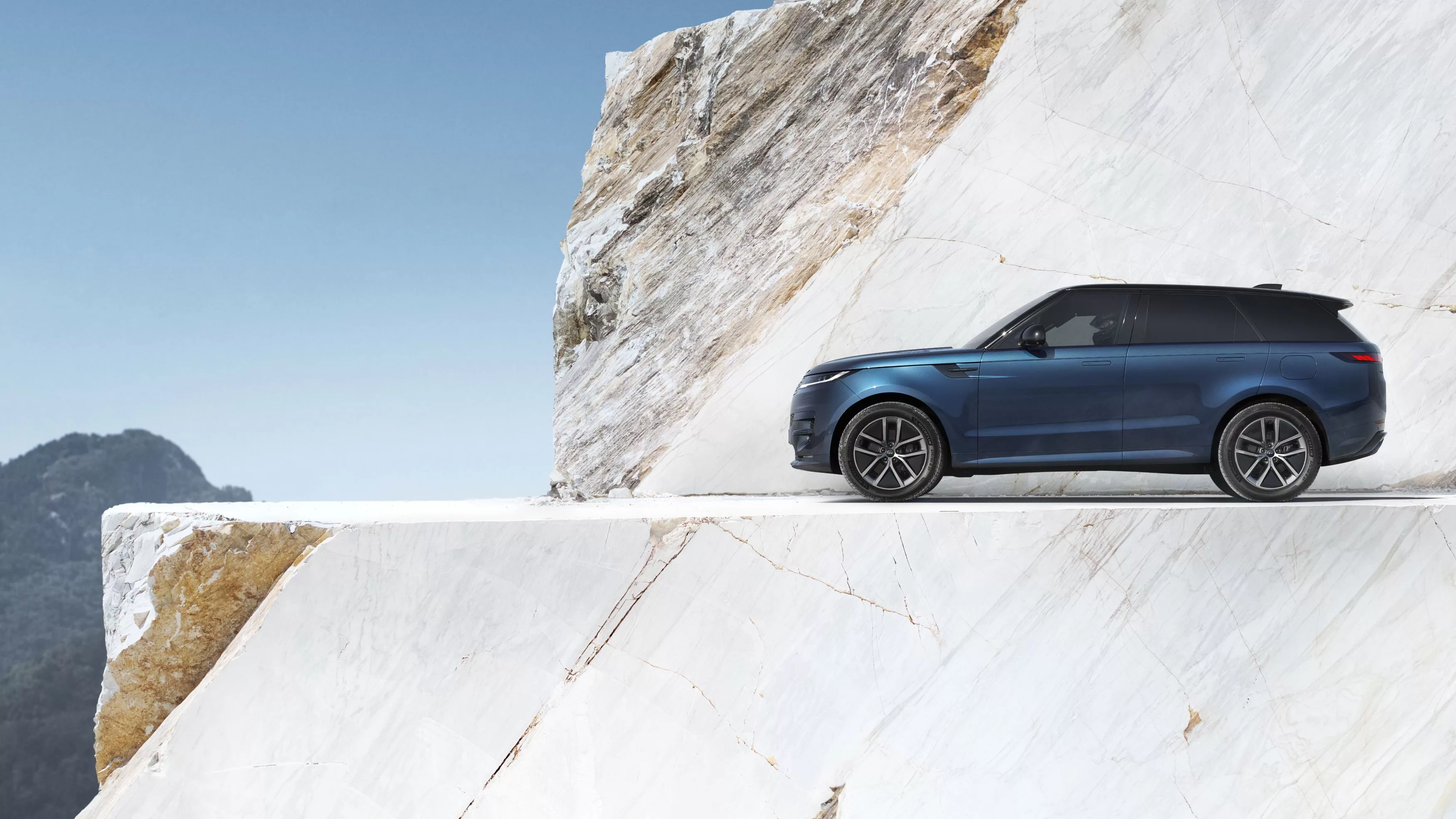
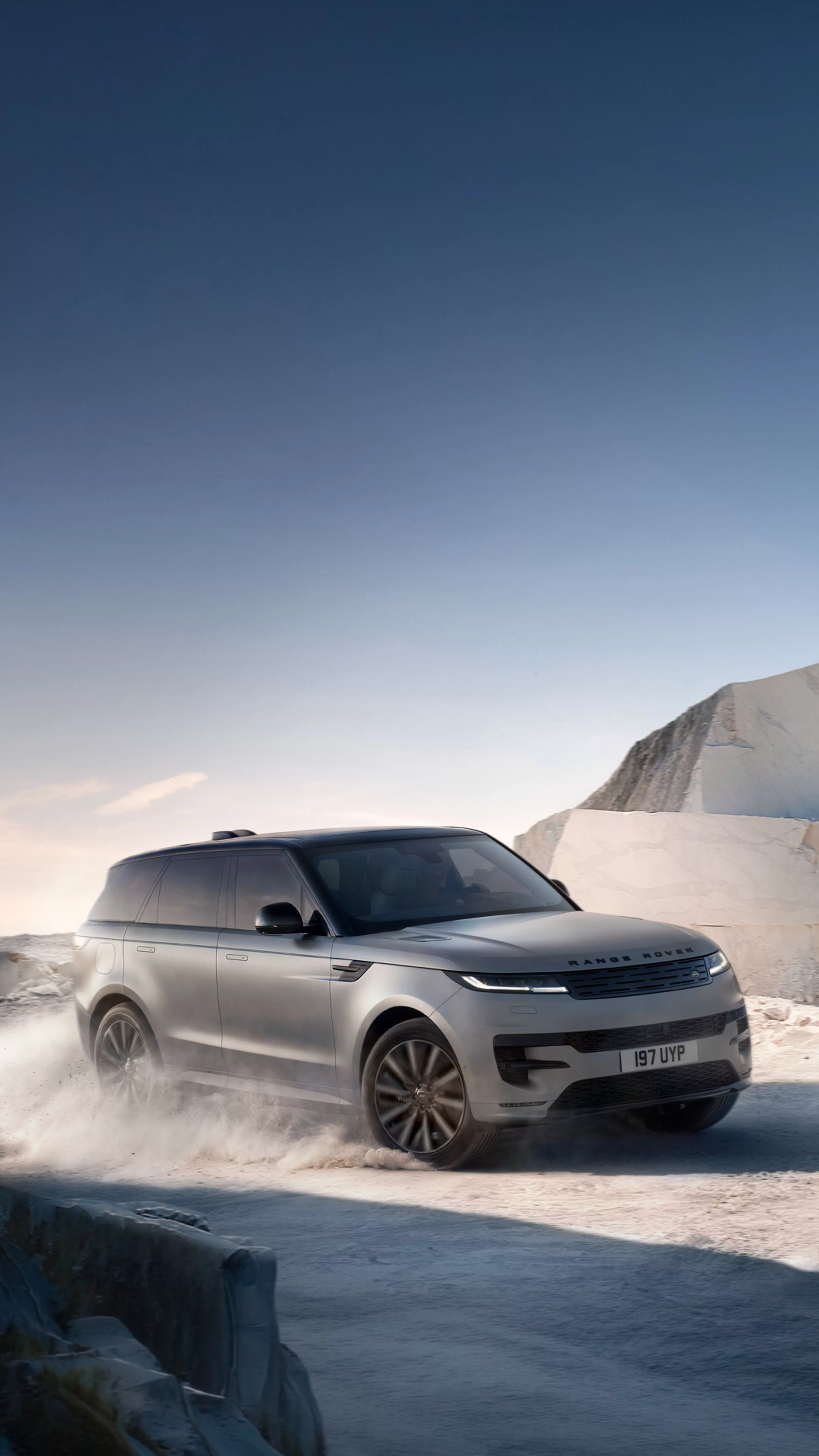
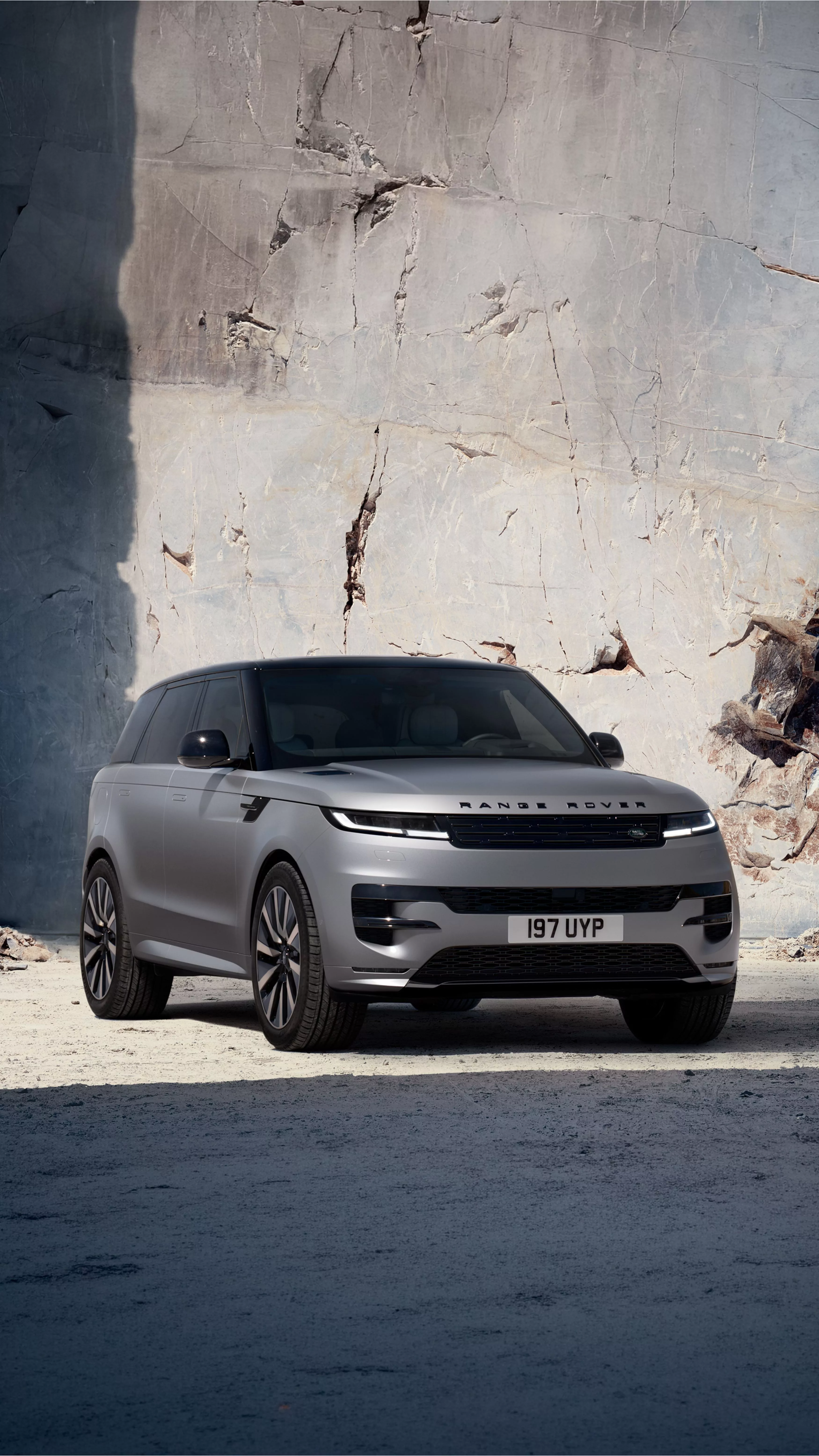
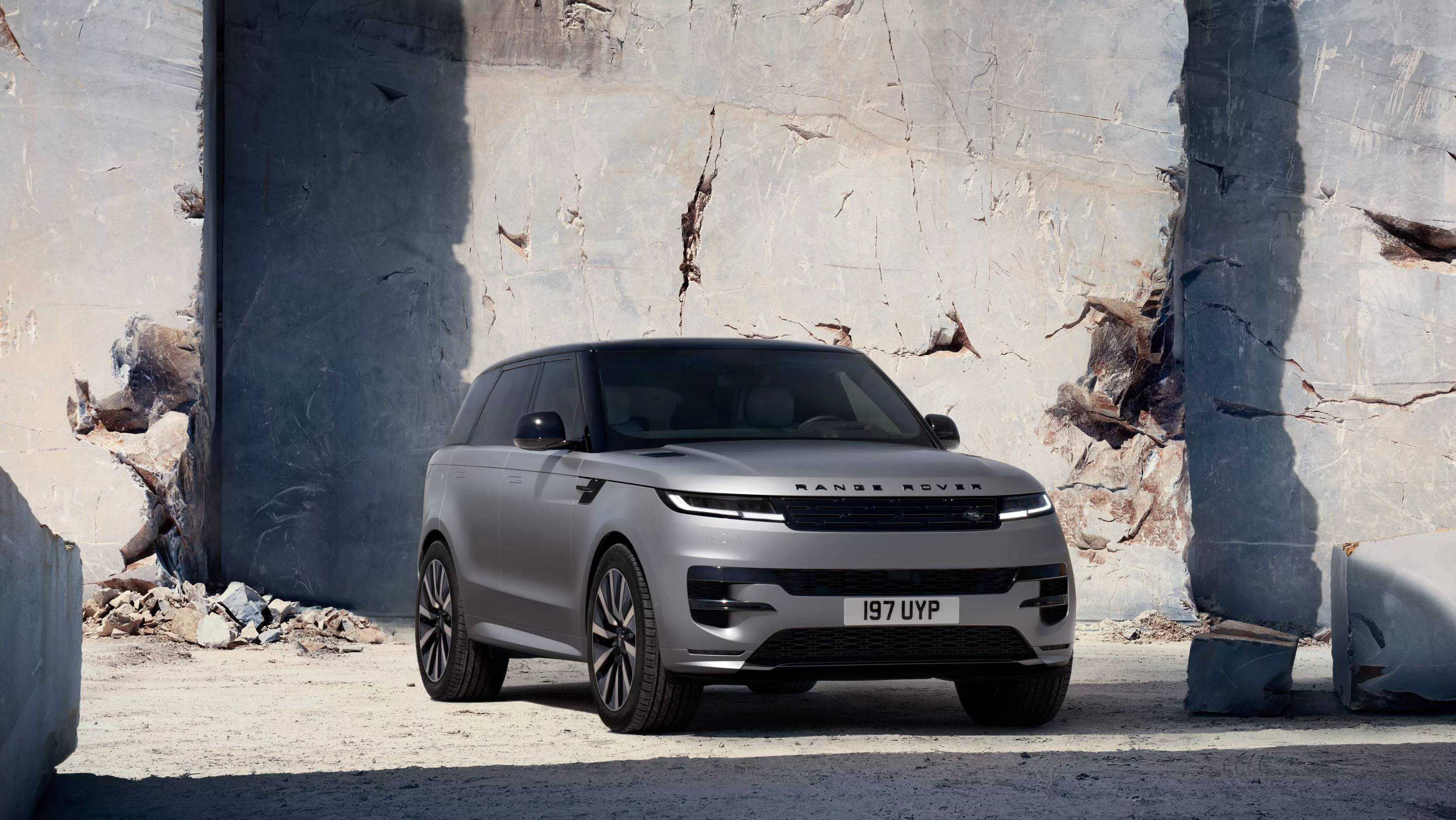
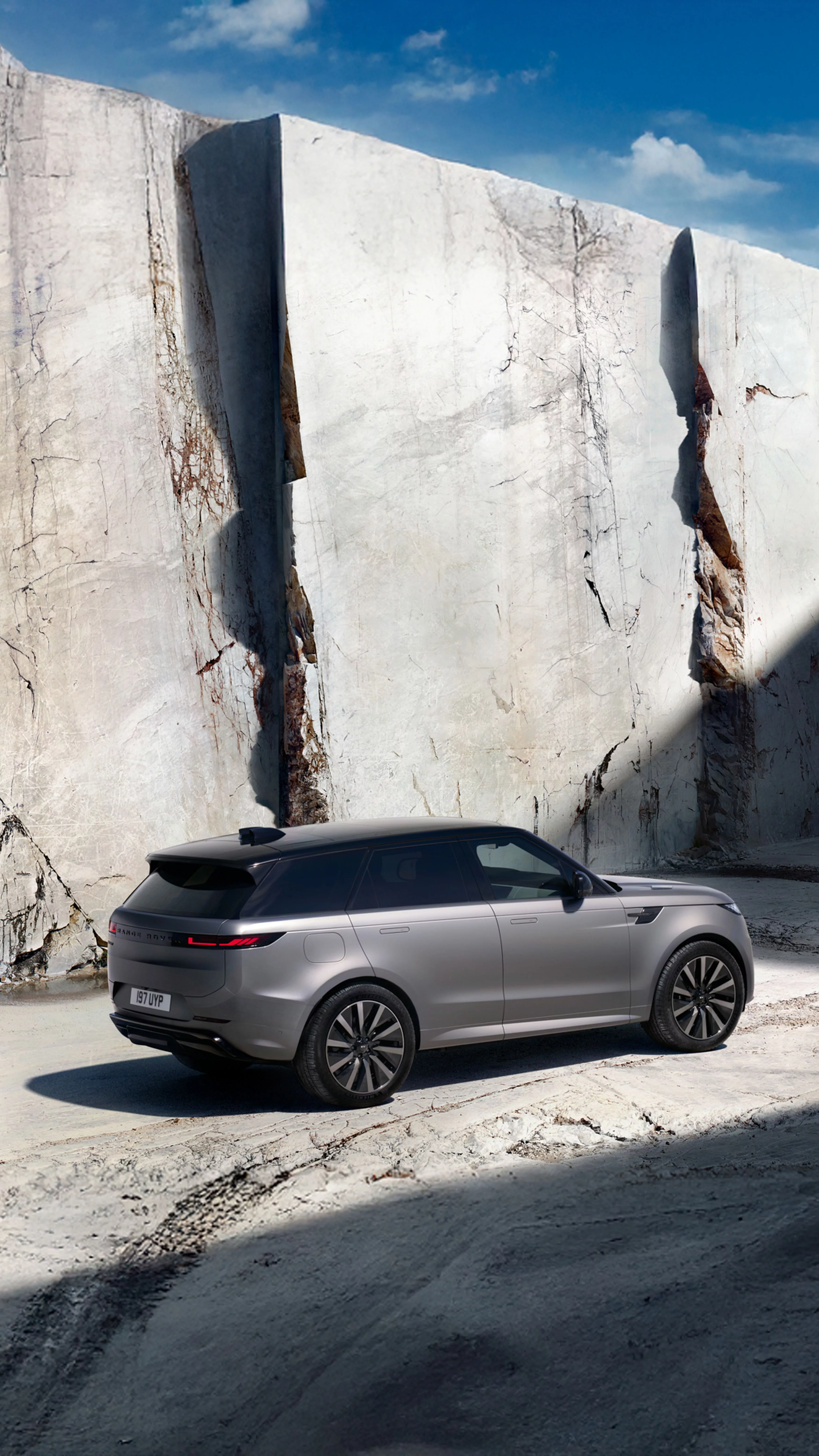
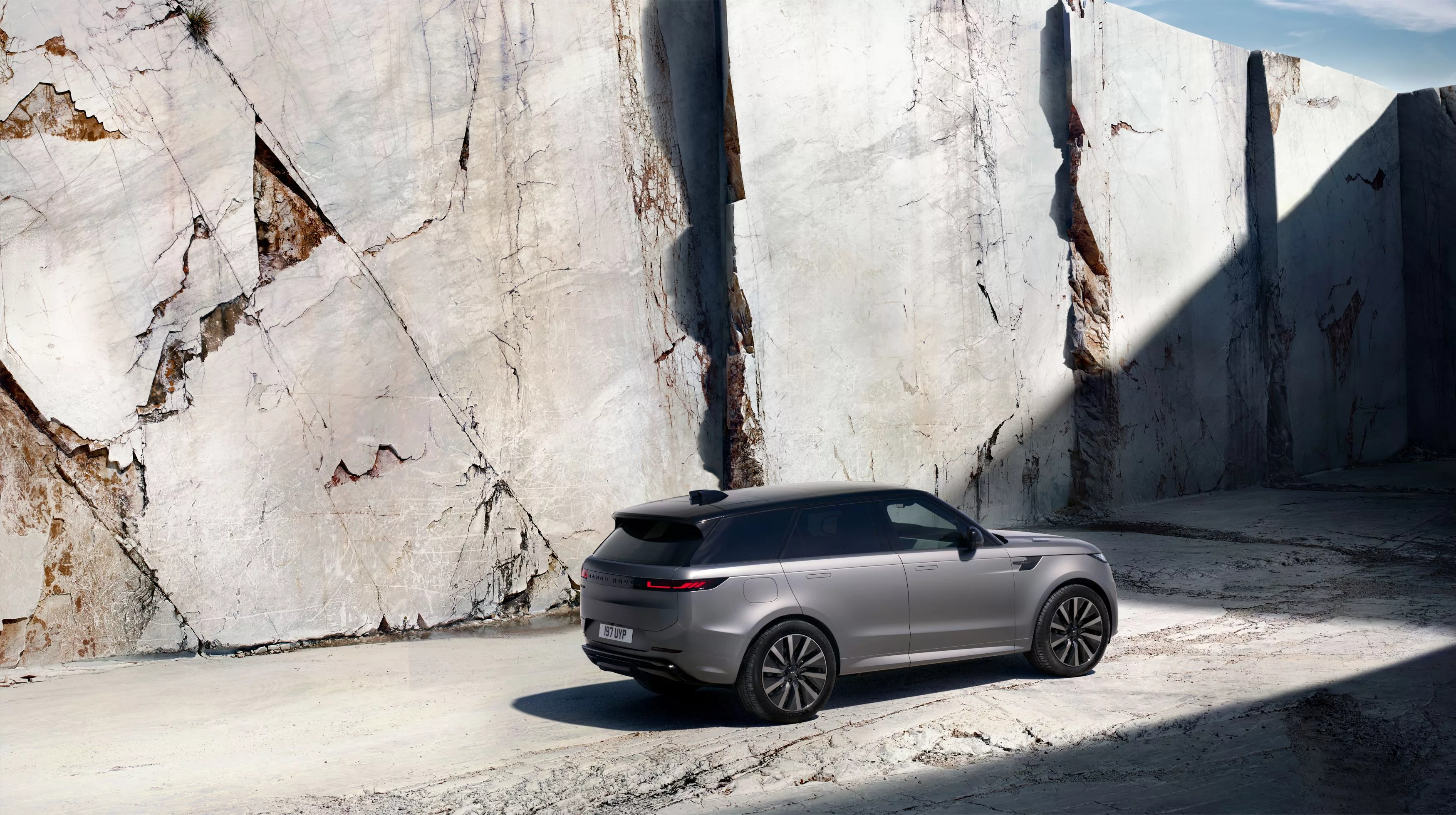
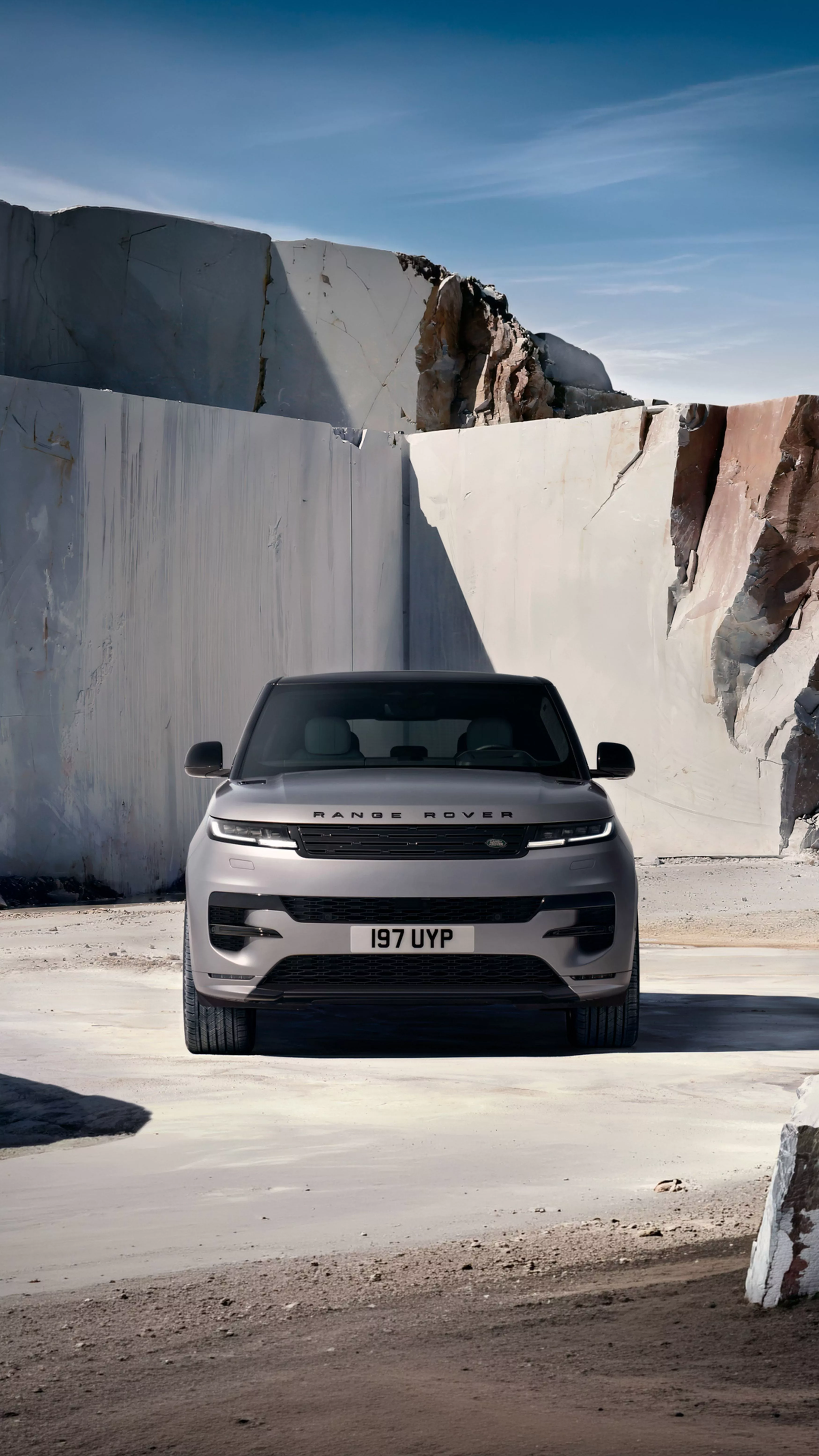
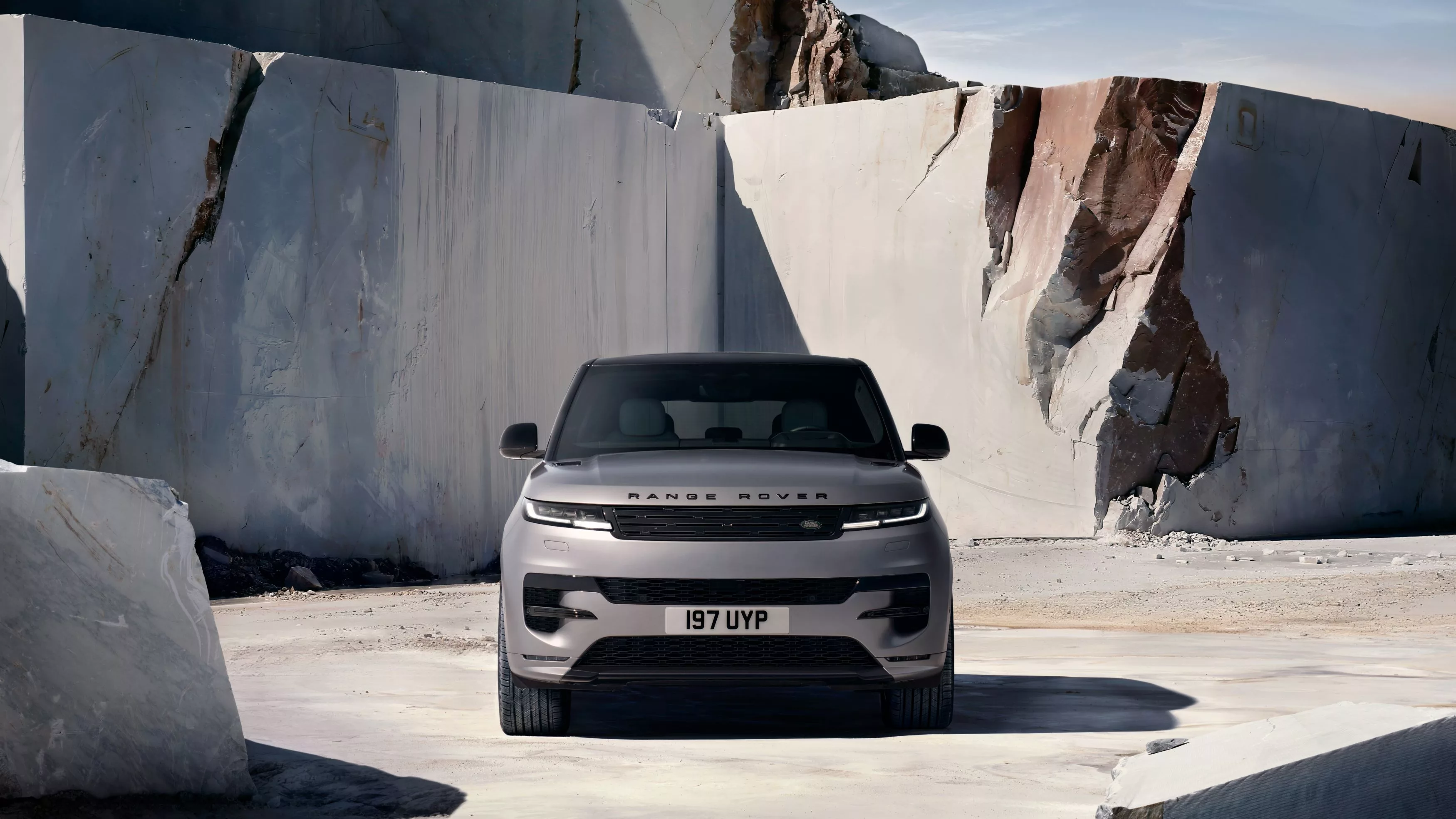
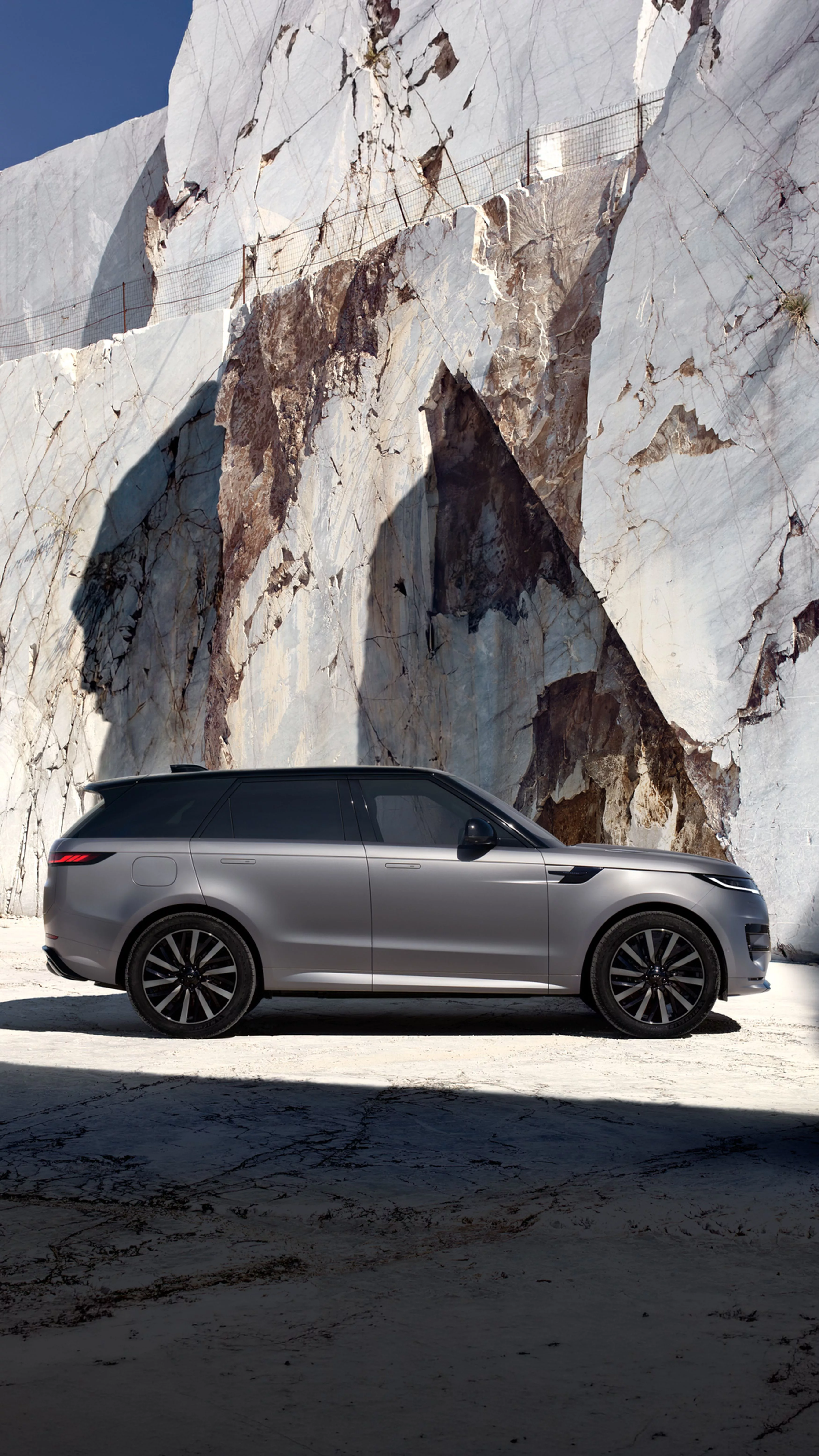
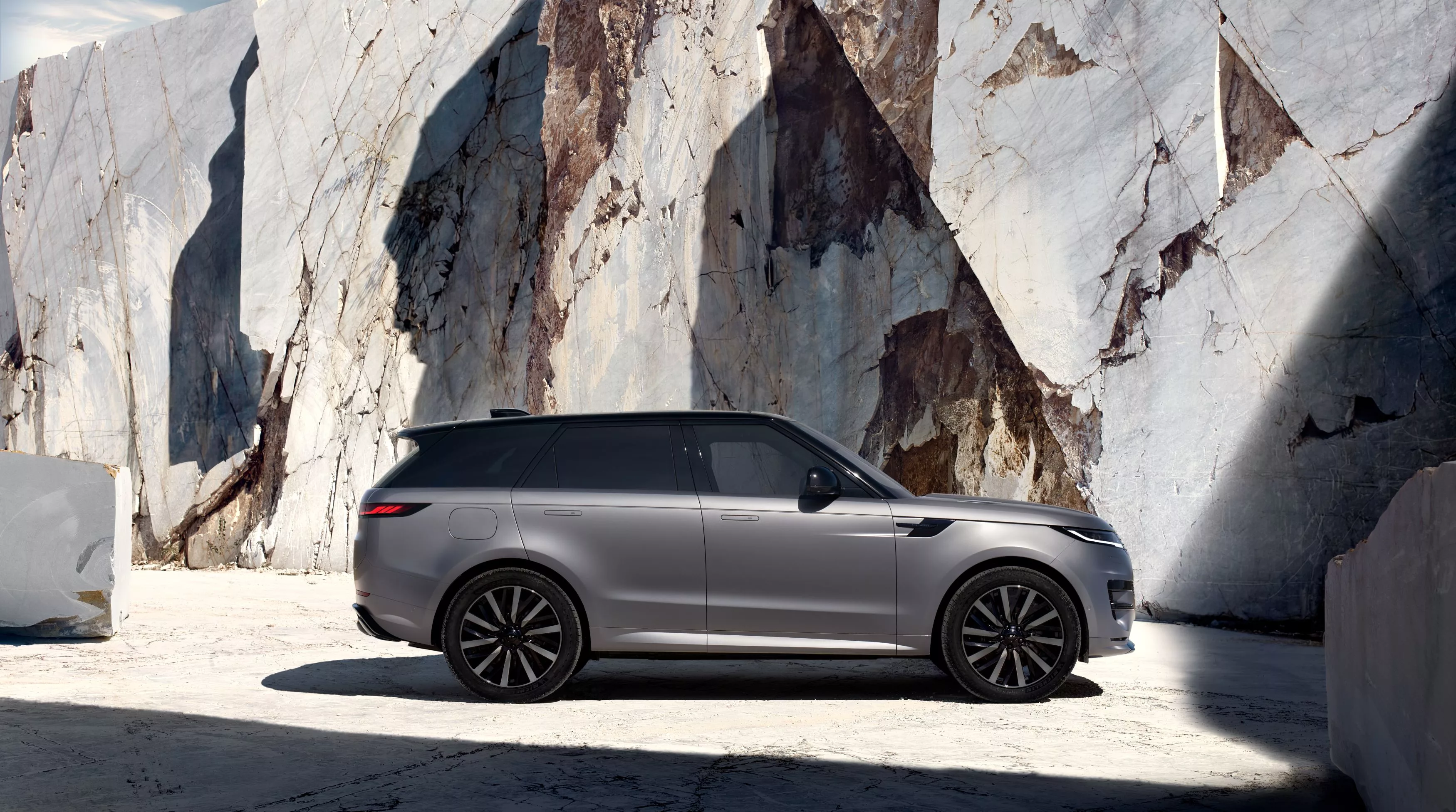
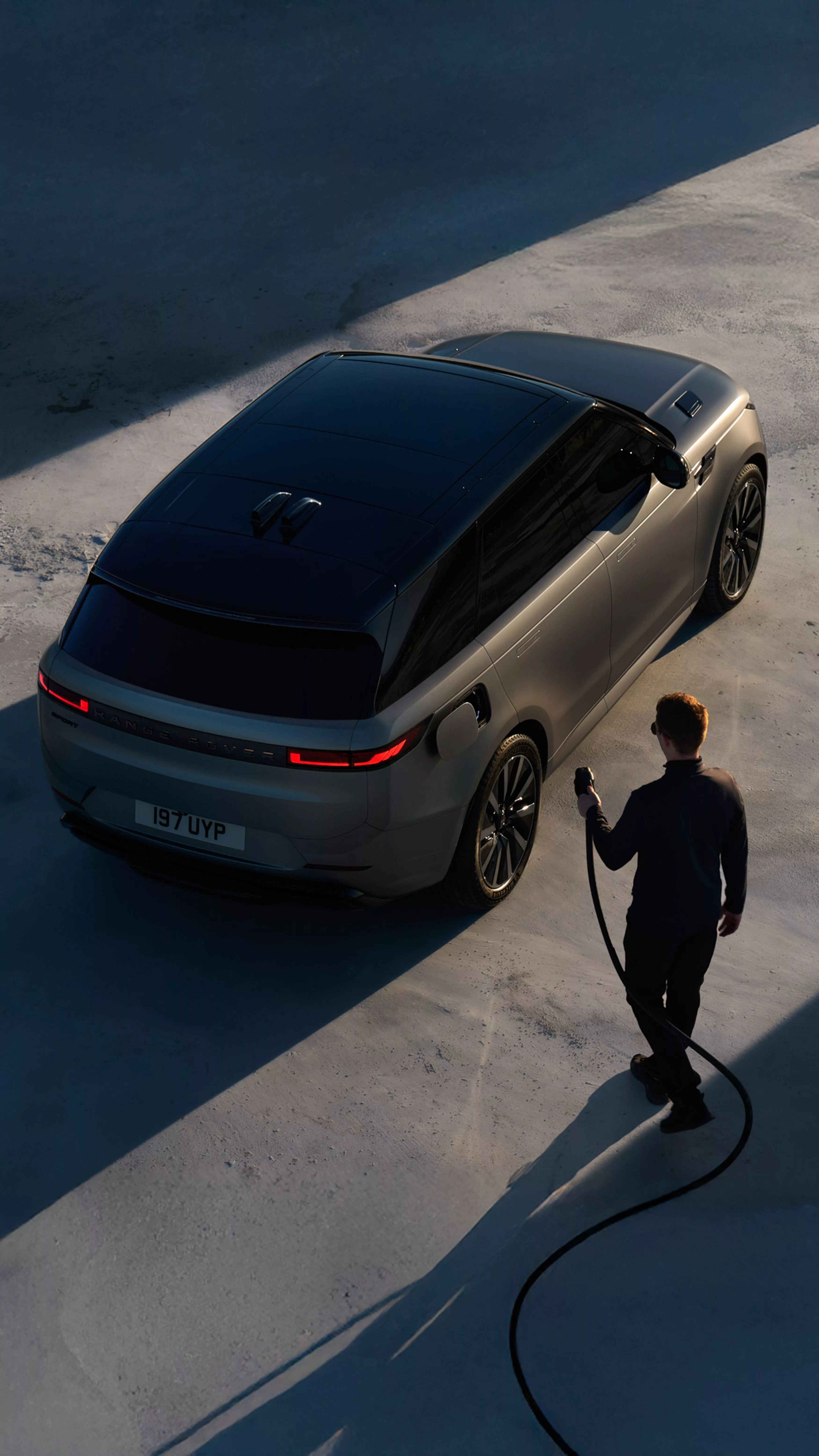
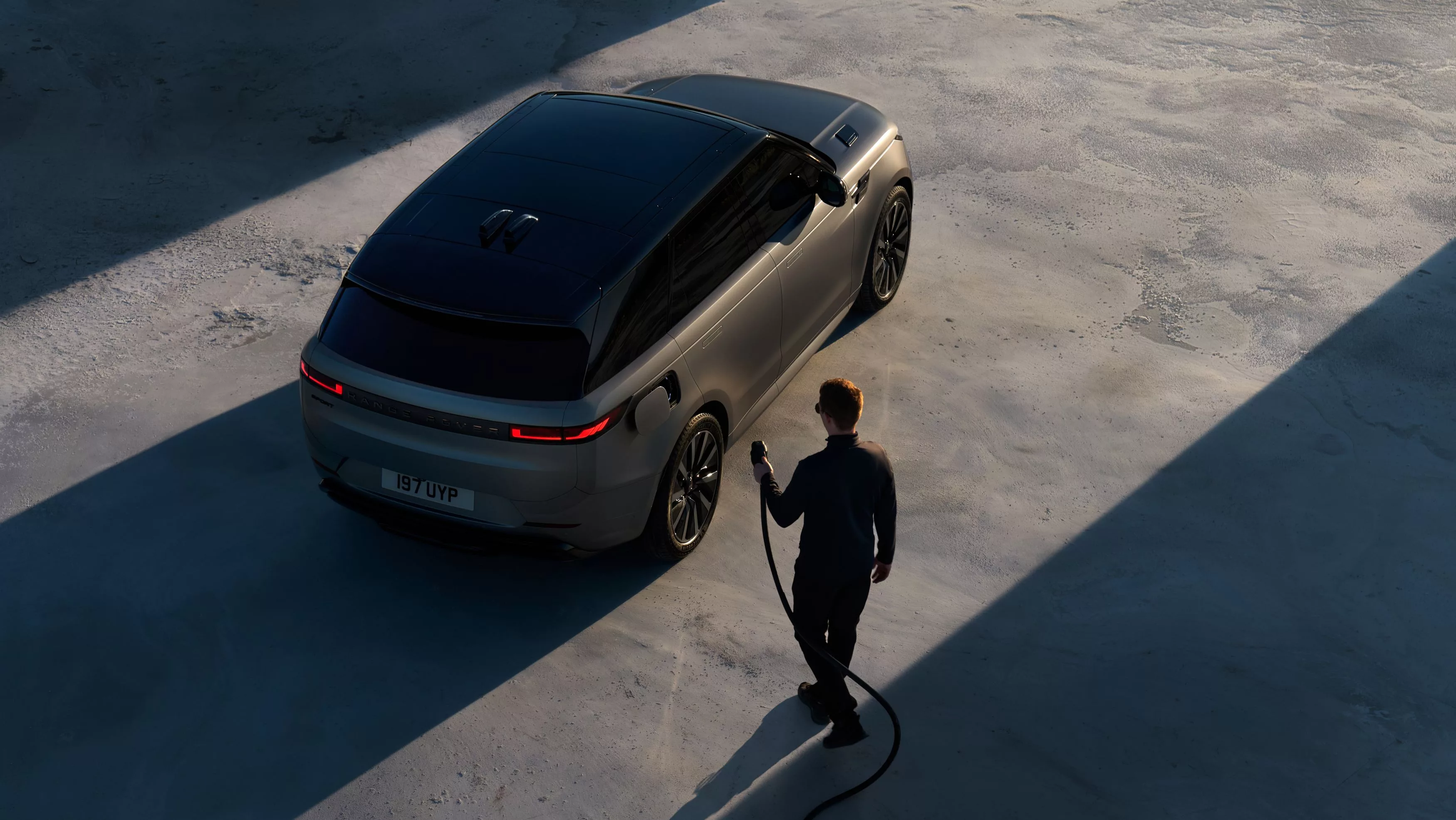
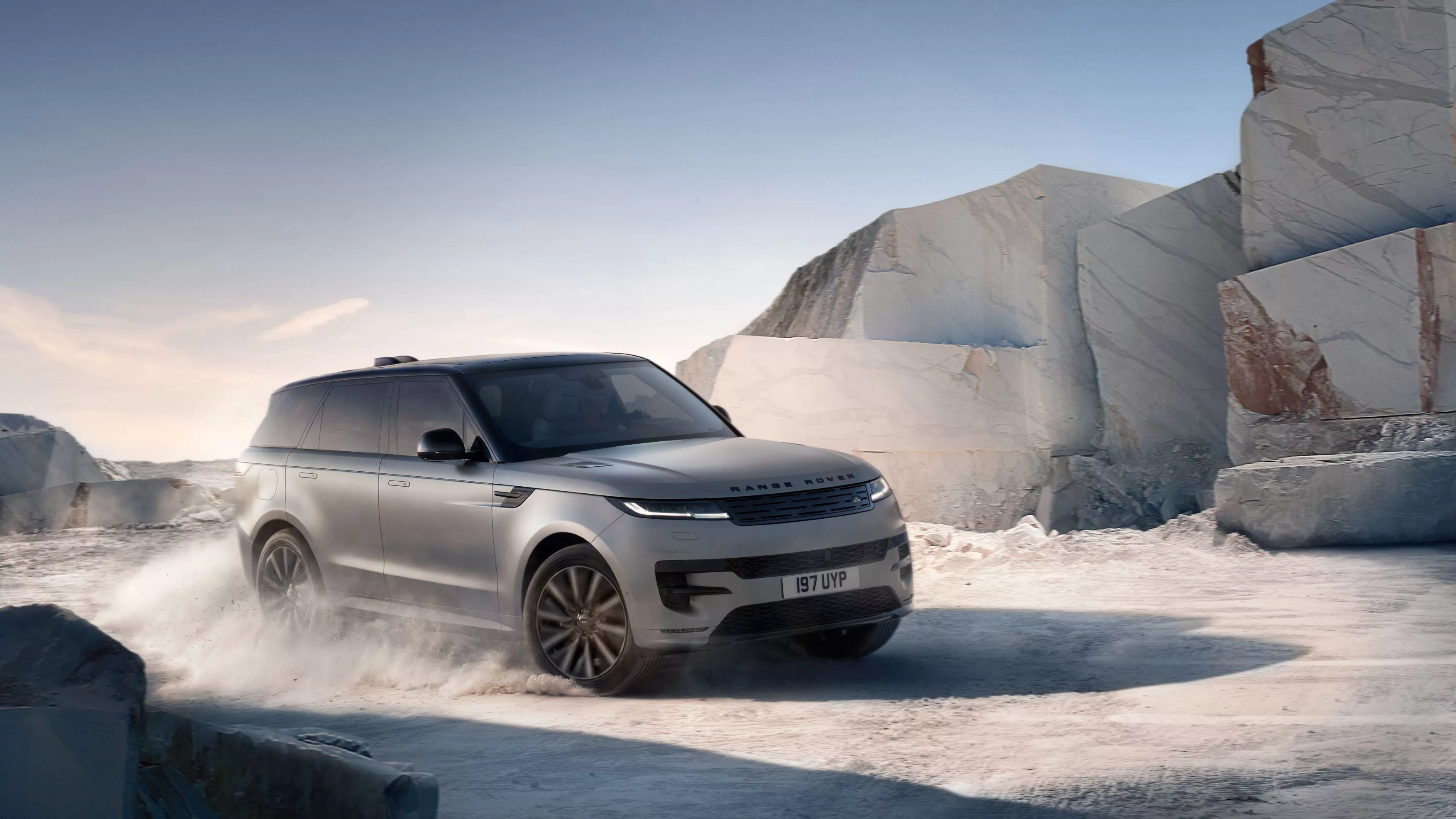
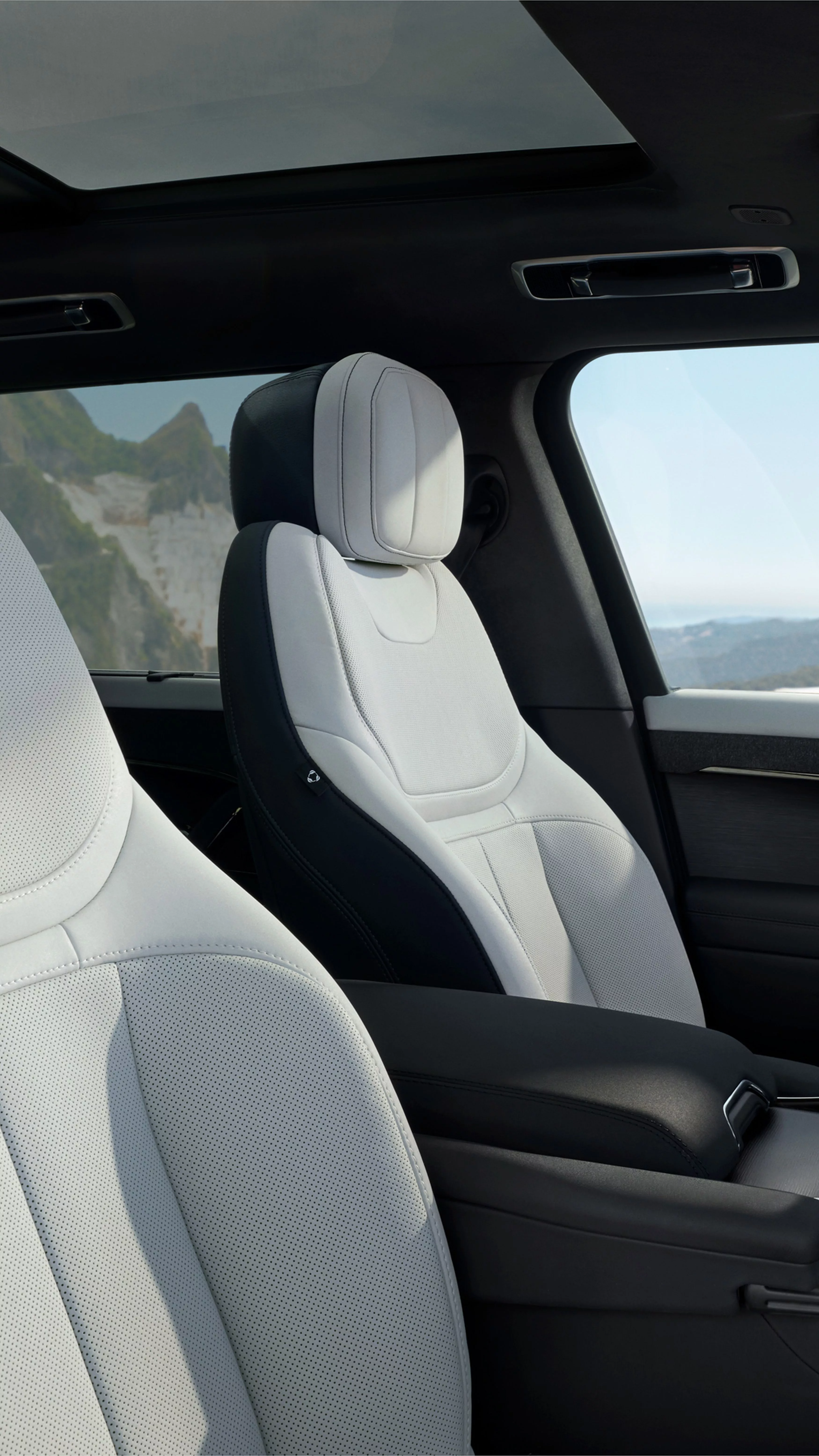
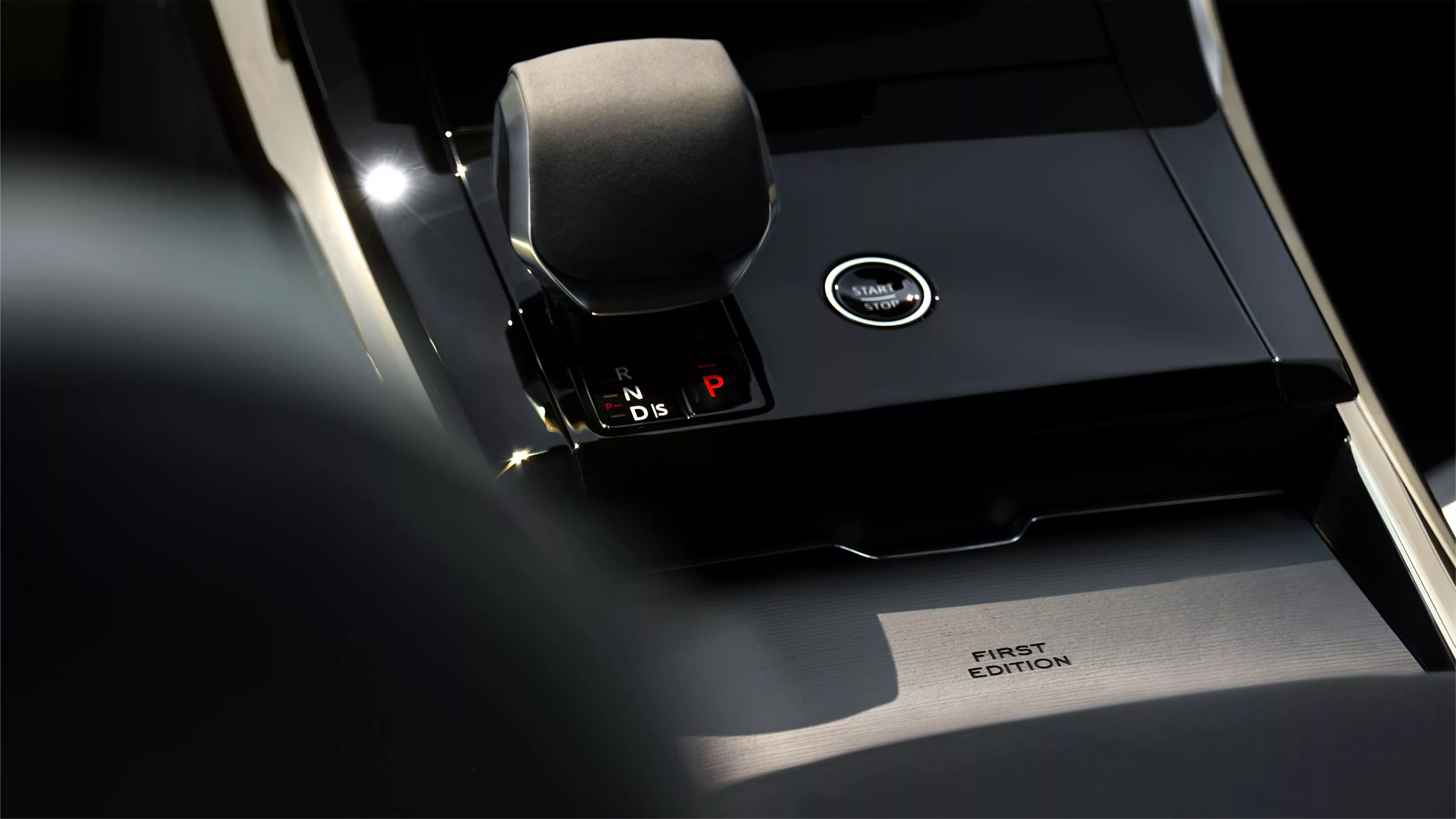
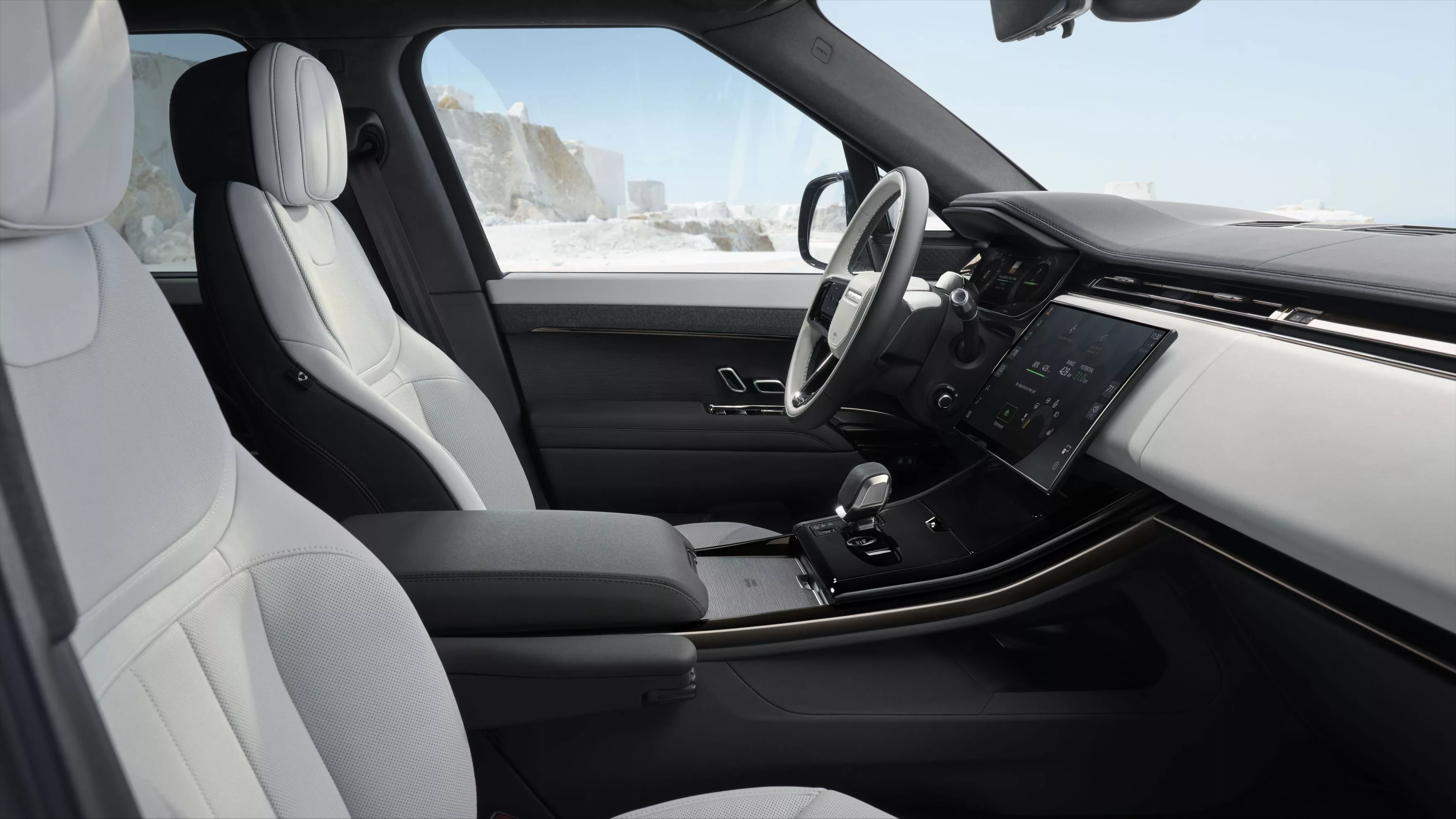
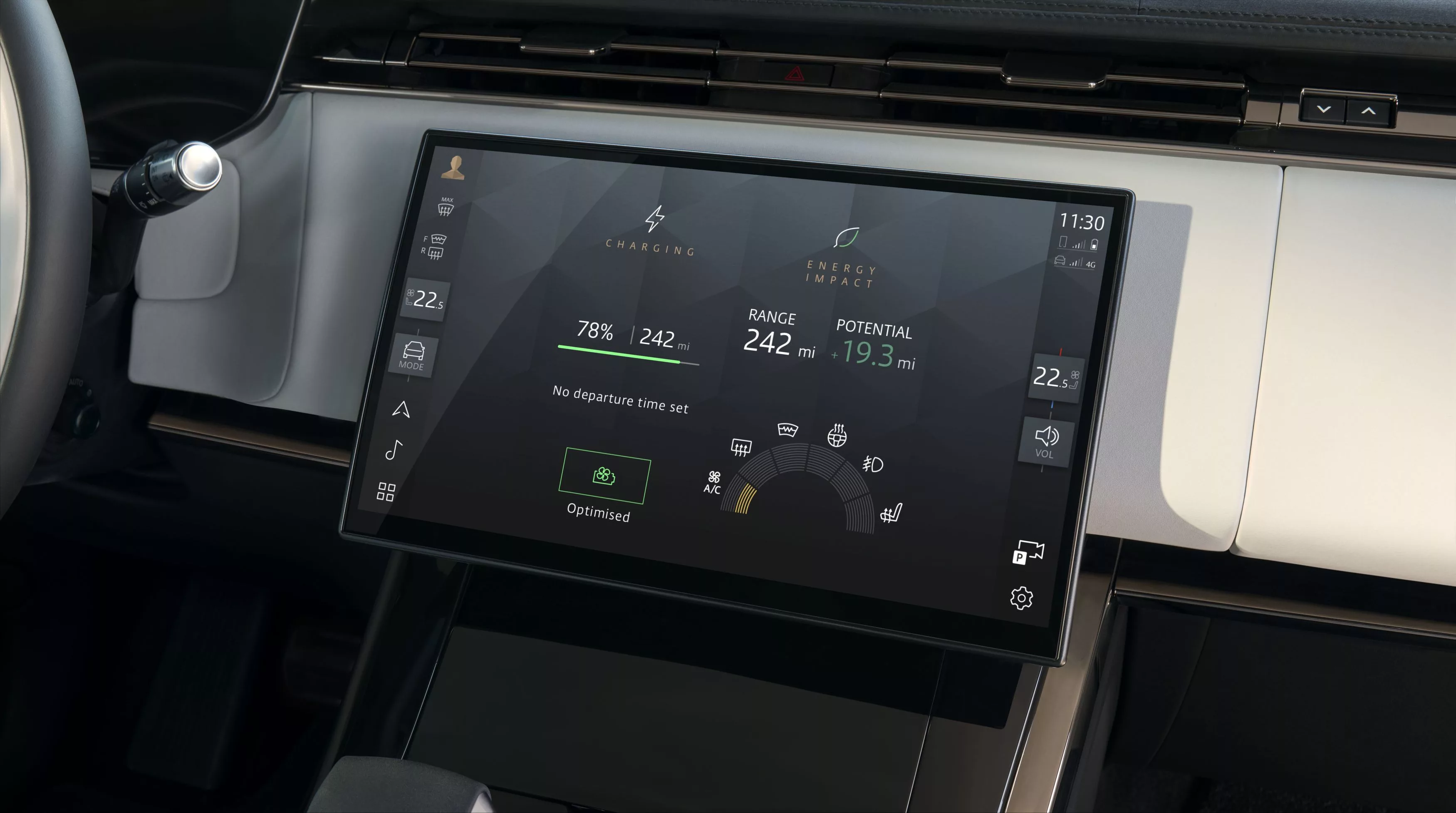
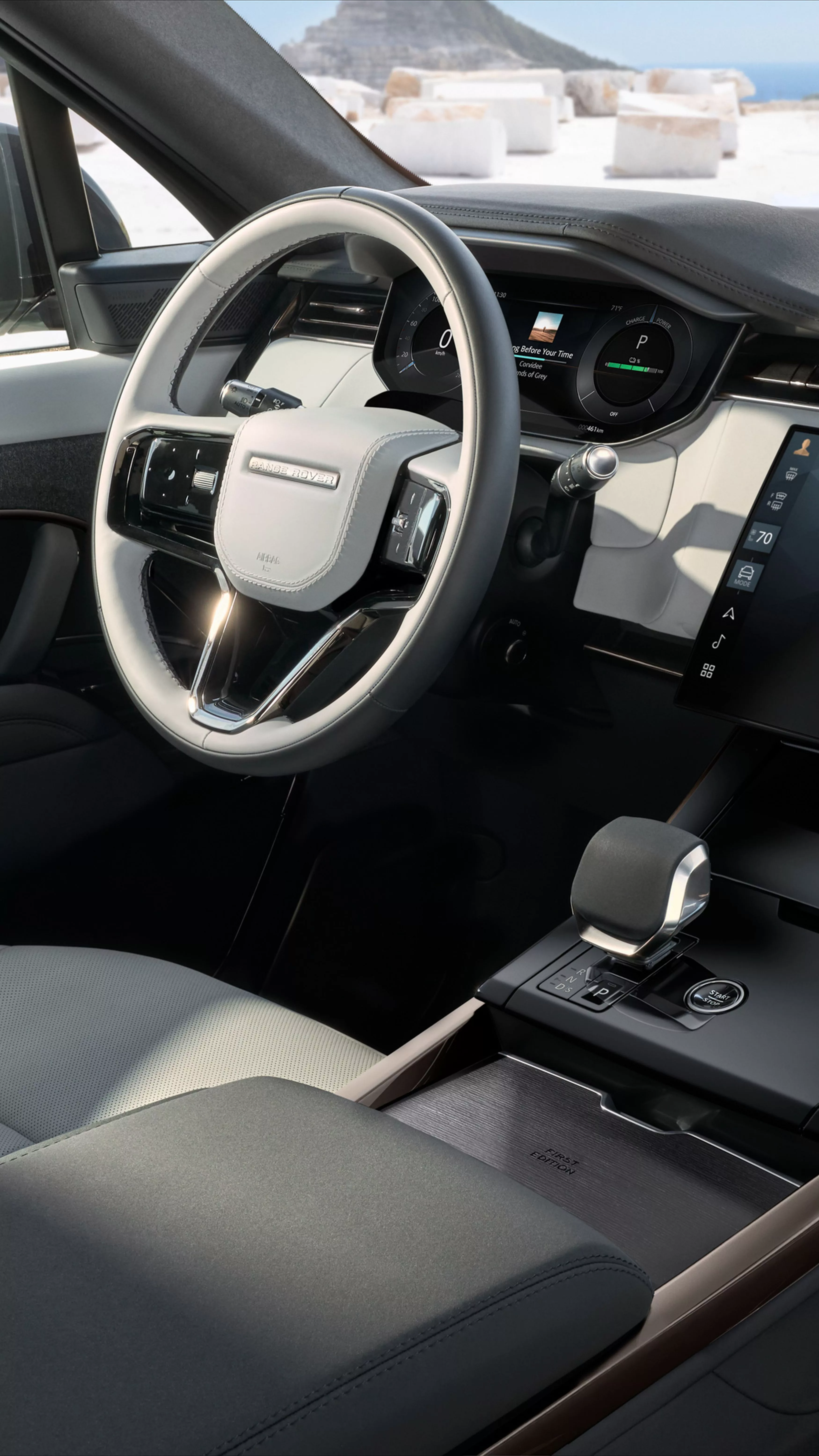
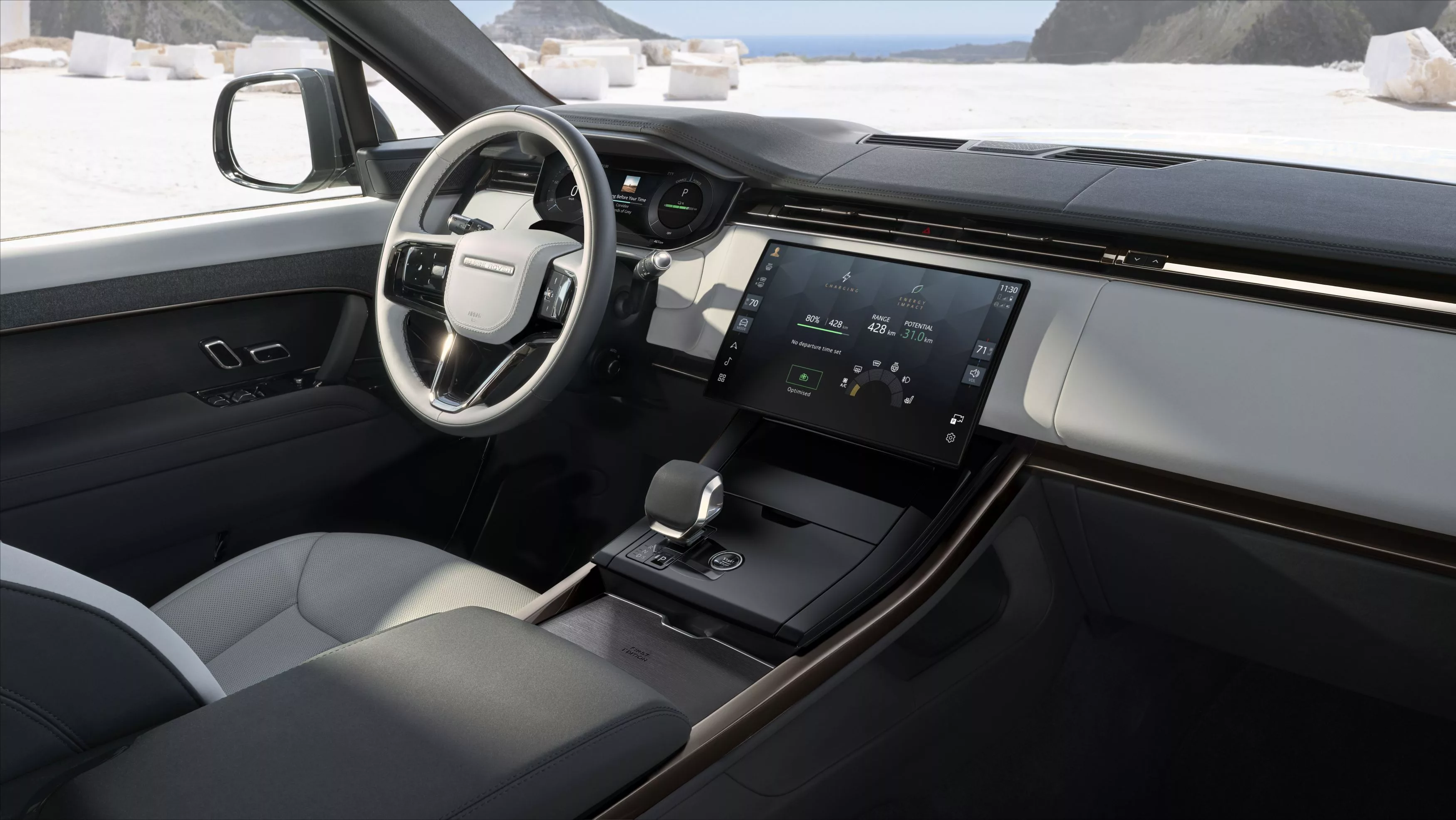
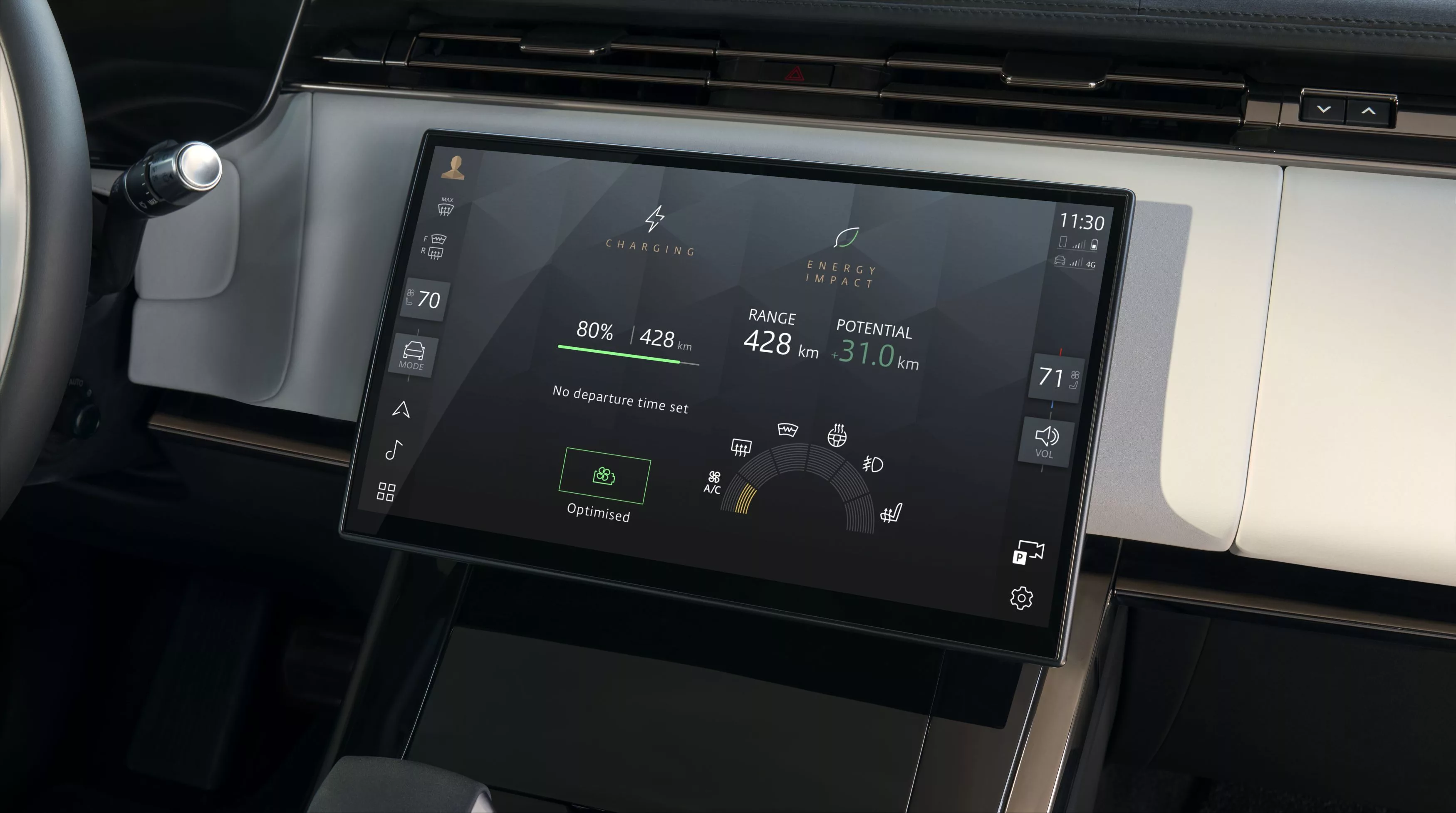
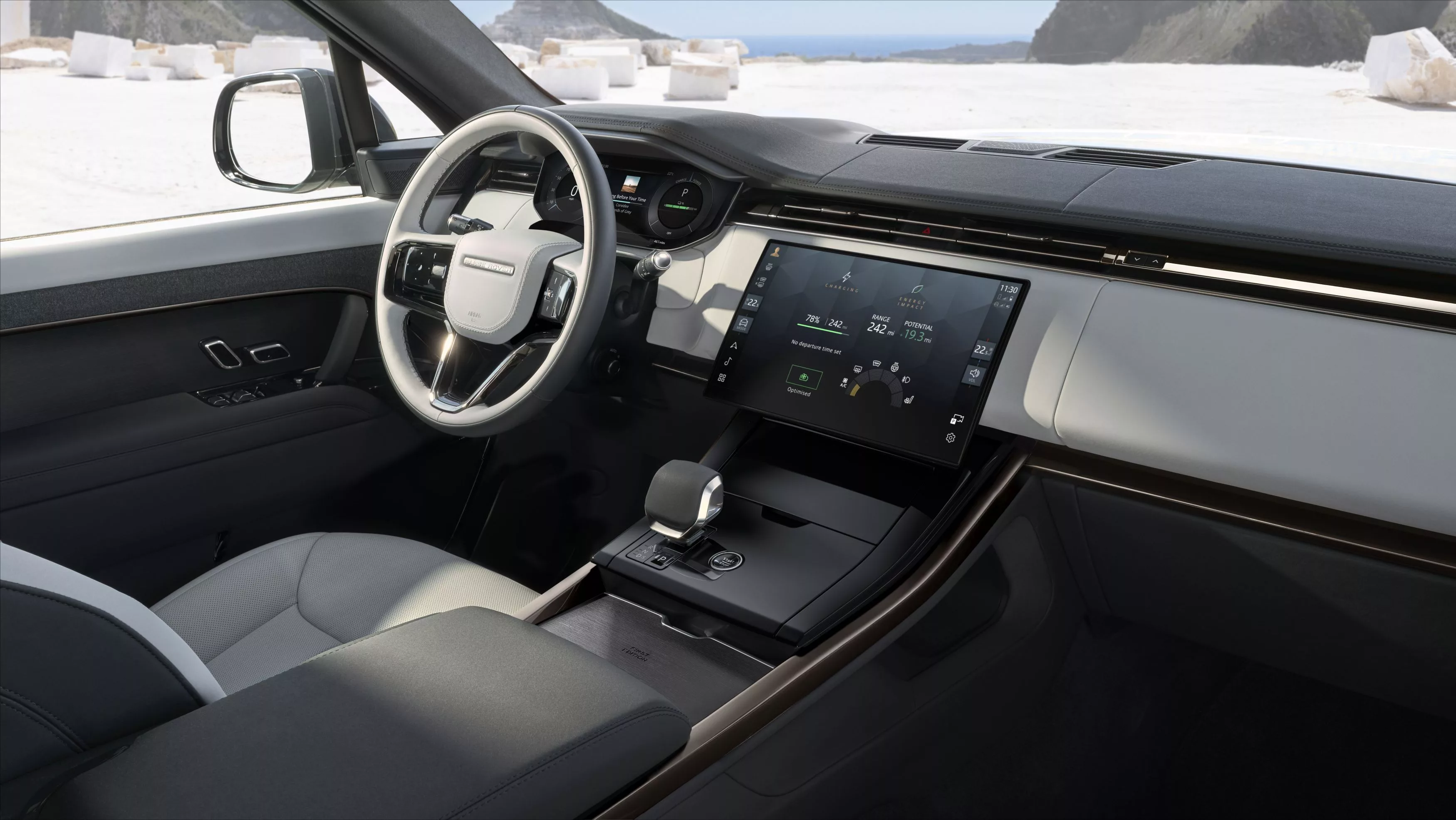
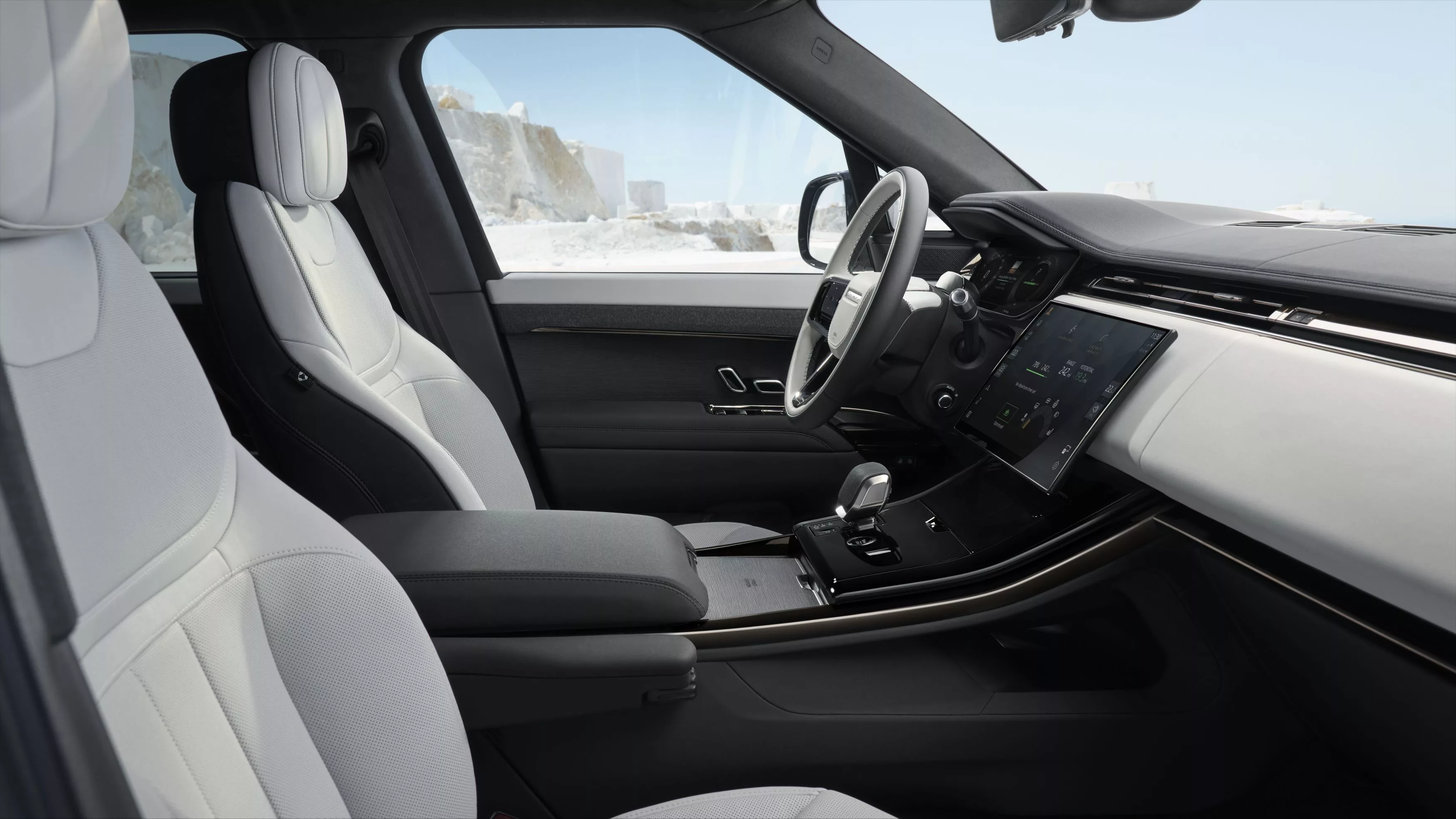
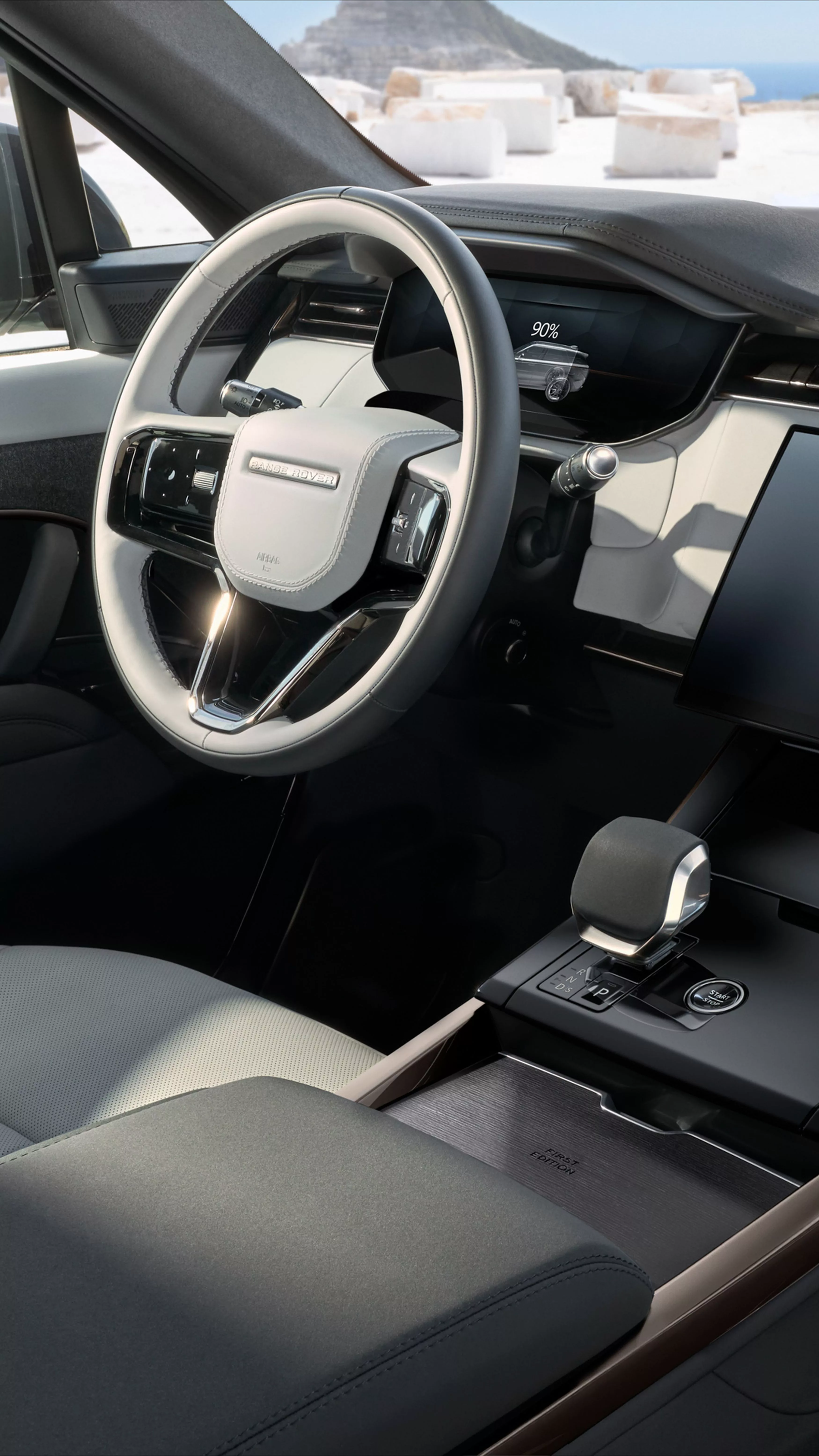
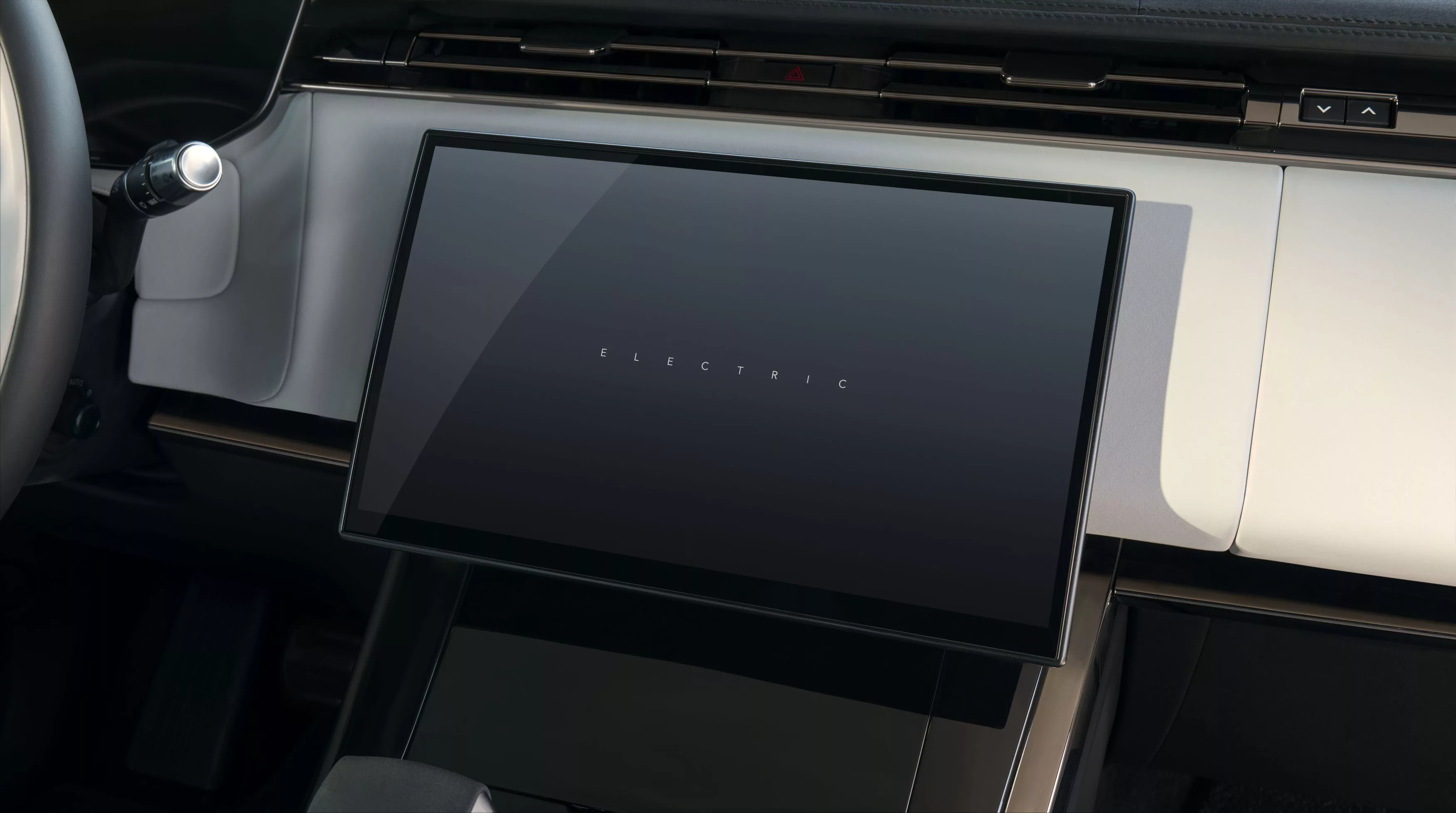
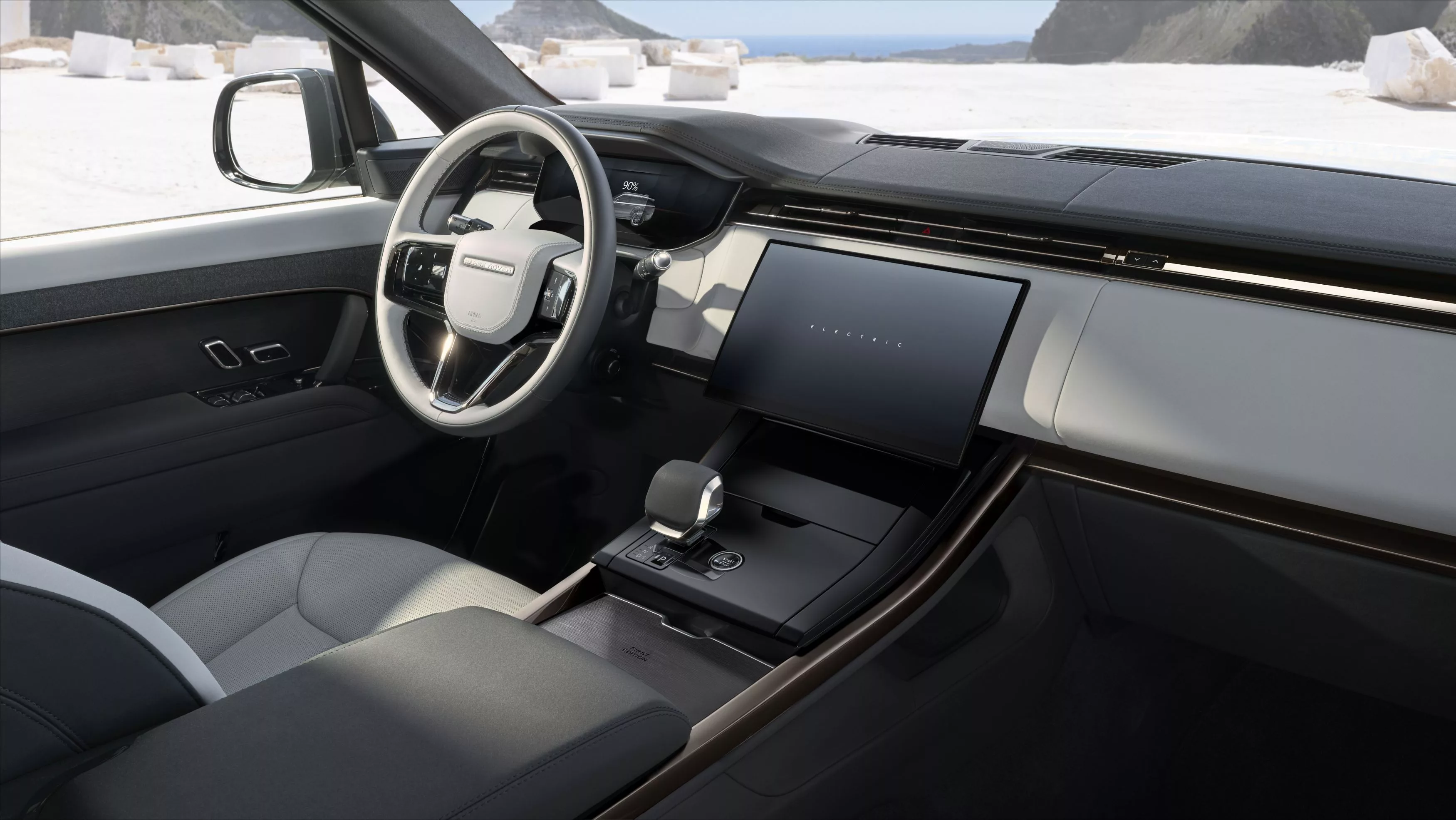
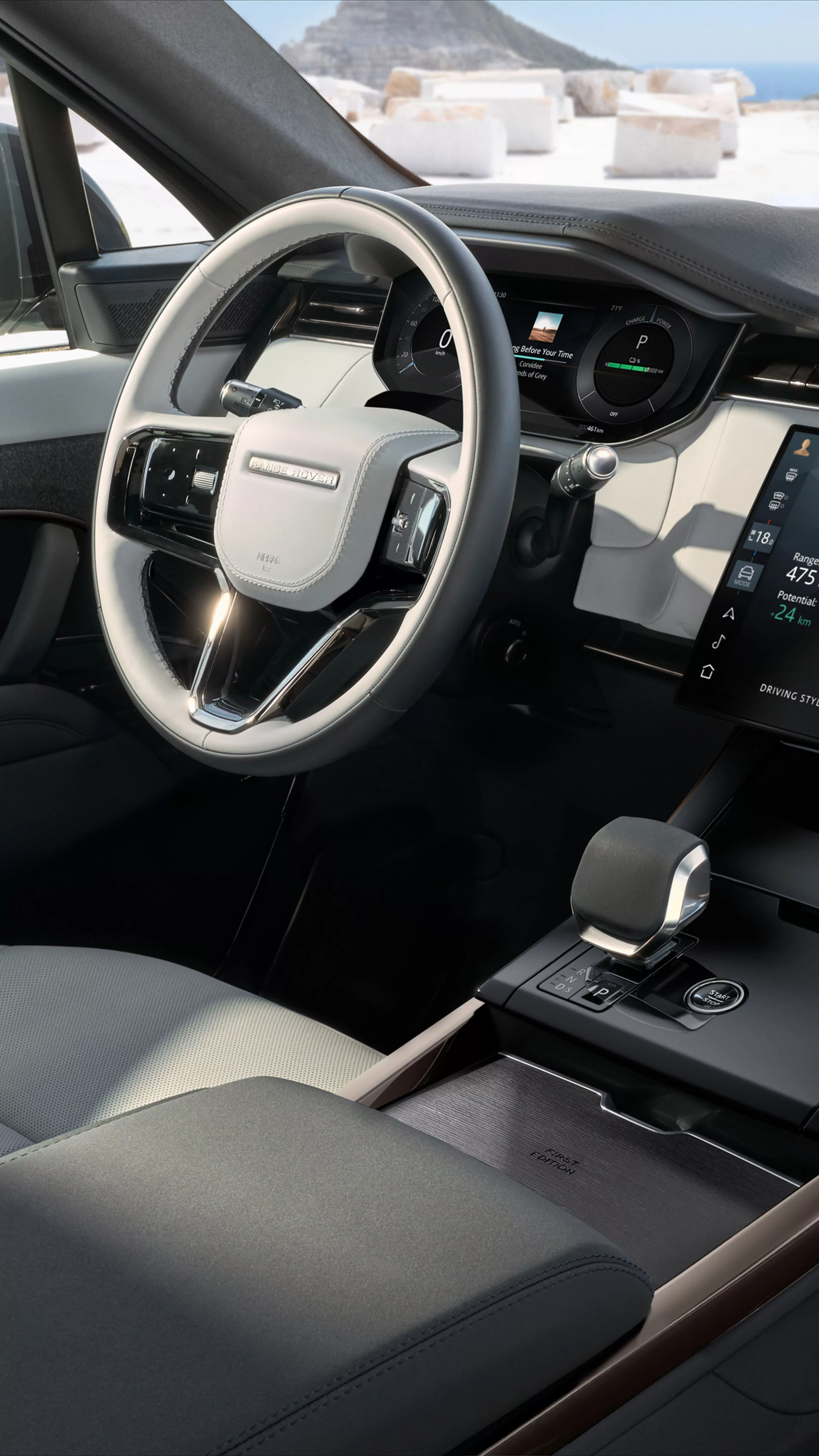
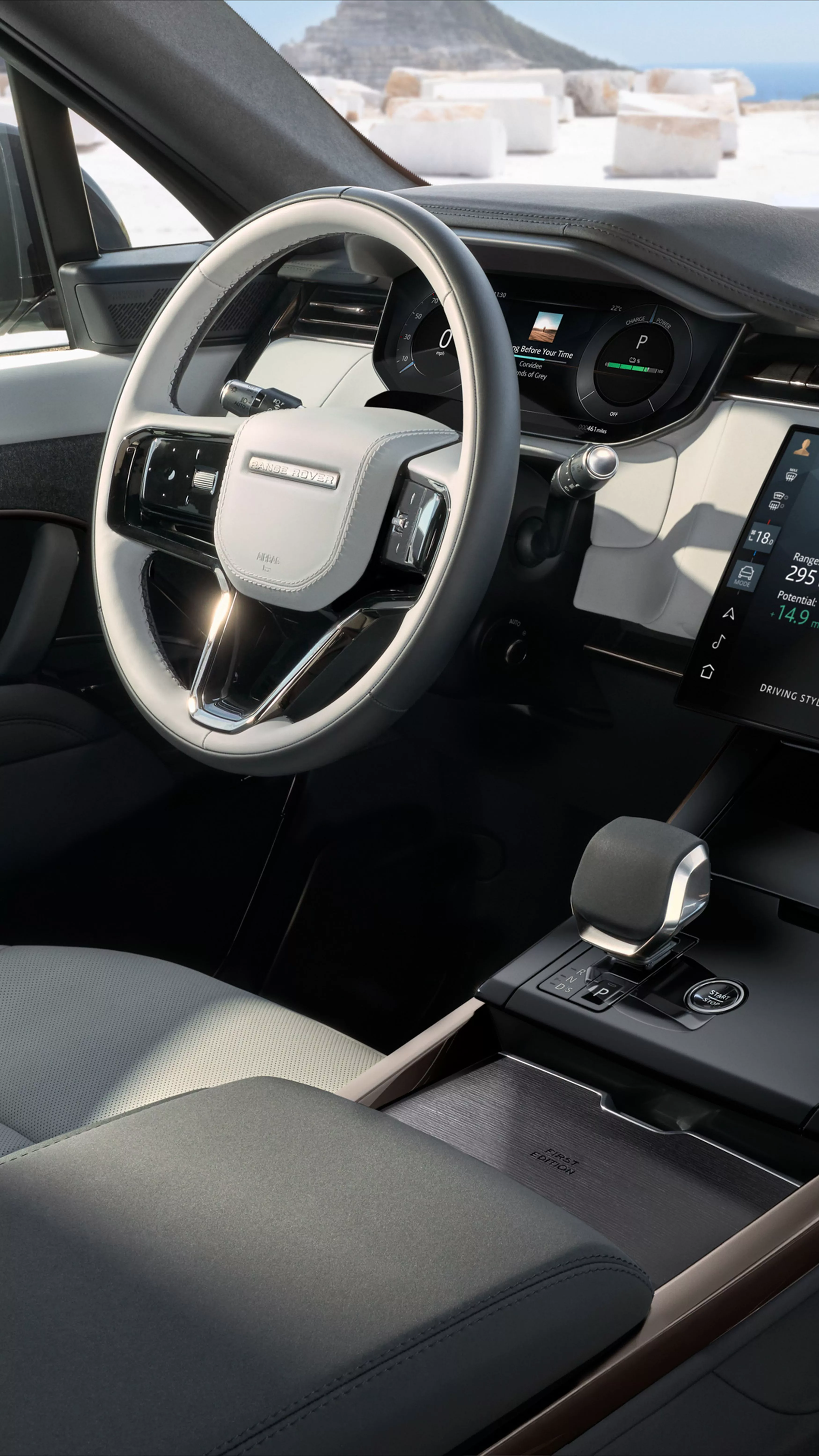
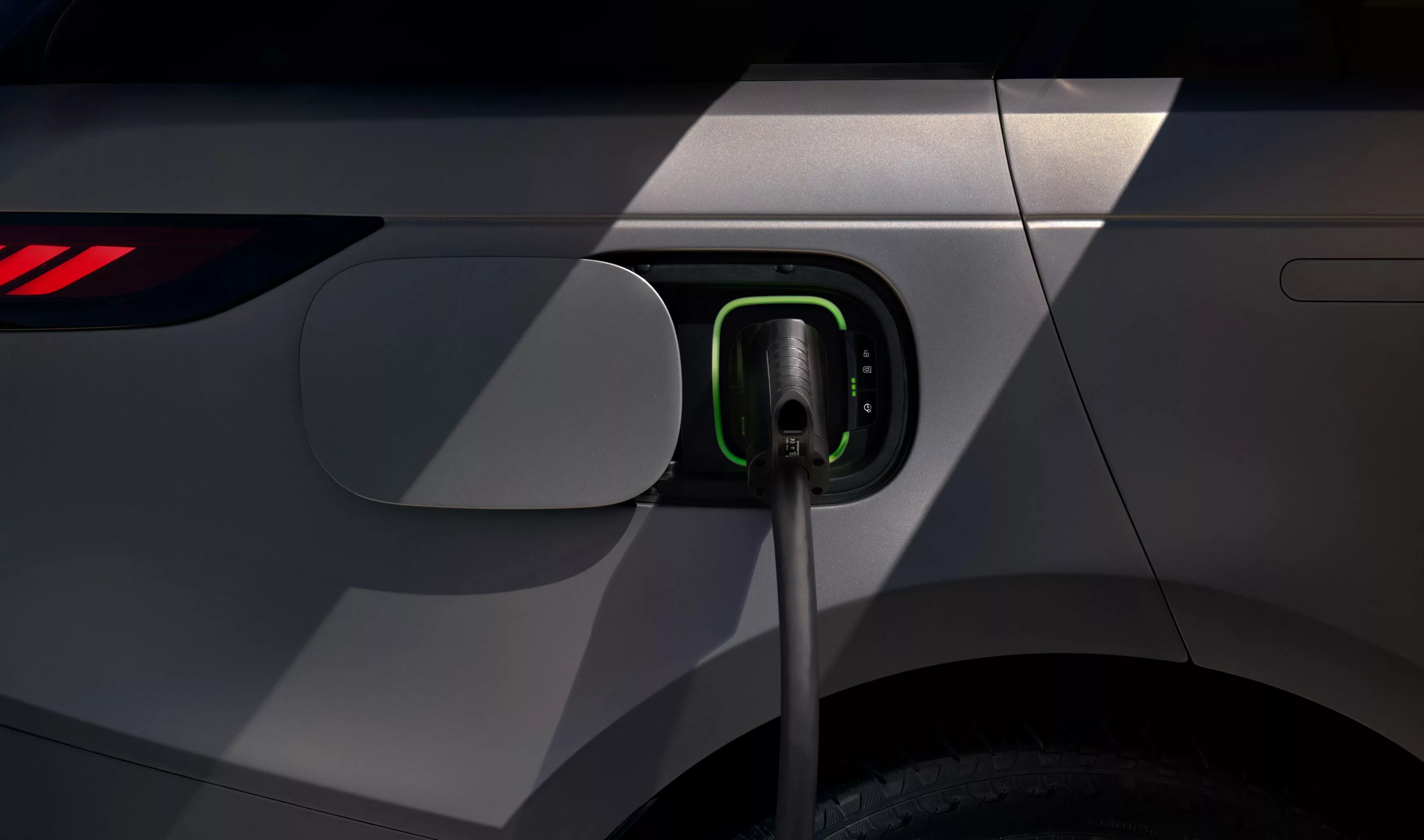
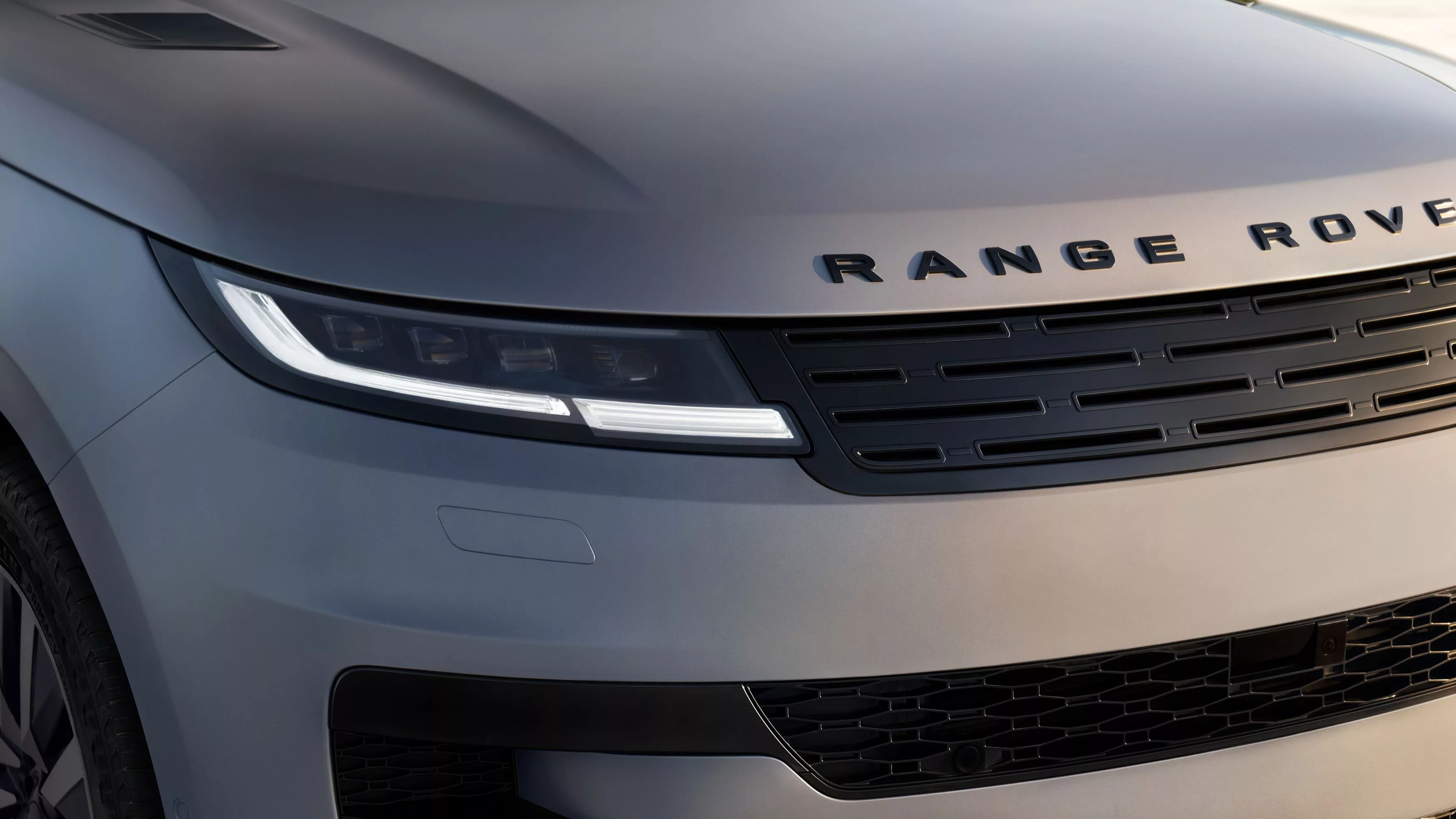
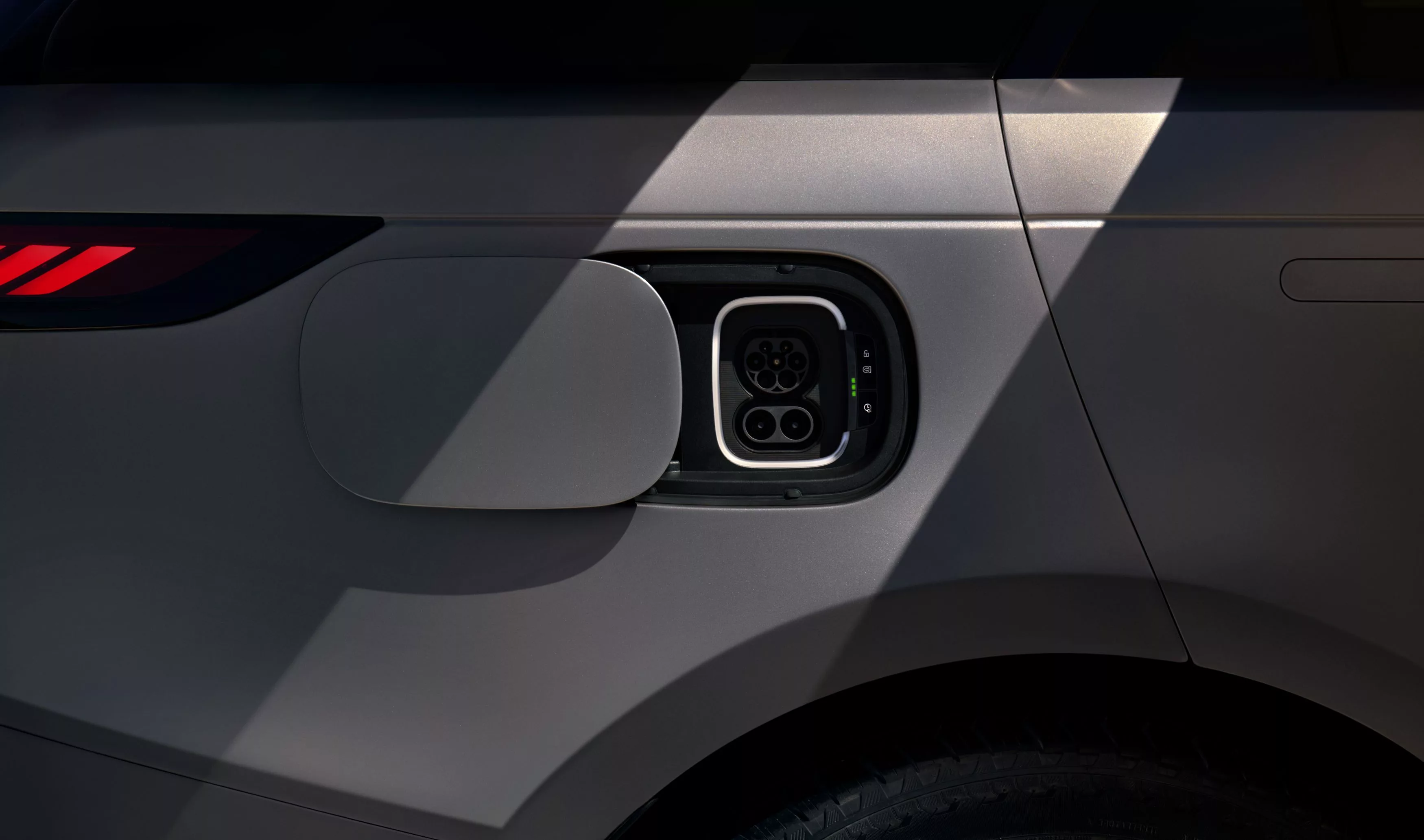
Range Rover has unveiled the first all-electric Sport, using two 260 kW electric motors, a 118.5 kWh battery and an 800V electrical system. The system develops up to 404 kW and 850 Nm, taking the large SUV from 0-100 km/h in around 4.5 seconds. WLTP range reaches 609 km. The key point is not straight-line speed, but how extensively JLR has revised the chassis to retain the Range Rover Sport’s established character in an electric vehicle.
Two motors and more torque than the V8
The Range Rover Sport Electric uses 260 kW electric motors on the front and rear axles. In Dynamic Launch mode, the system delivers a combined 404 kW and 850 Nm. The latter is also more torque than in the combustion-engined Range Rover Sport SV.
The manufacturer quotes a 0-60 mph time of 4.3 seconds, which equates to around 4.5 seconds from 0-100 km/h. The Sport Electric is therefore not intended as an electric replacement for the SV, but there is clearly no shortage of performance for a luxury SUV weighing nearly 2.7 tonnes.
Range Rover uses virtual all-wheel drive for the electric powertrain. The system can vary the torque of the front and rear motors much faster than a mechanical all-wheel-drive setup, and the manufacturer says the Sport Electric responds to the accelerator more quickly than the larger Range Rover Electric.
118.5 kWh battery delivers up to 609 km
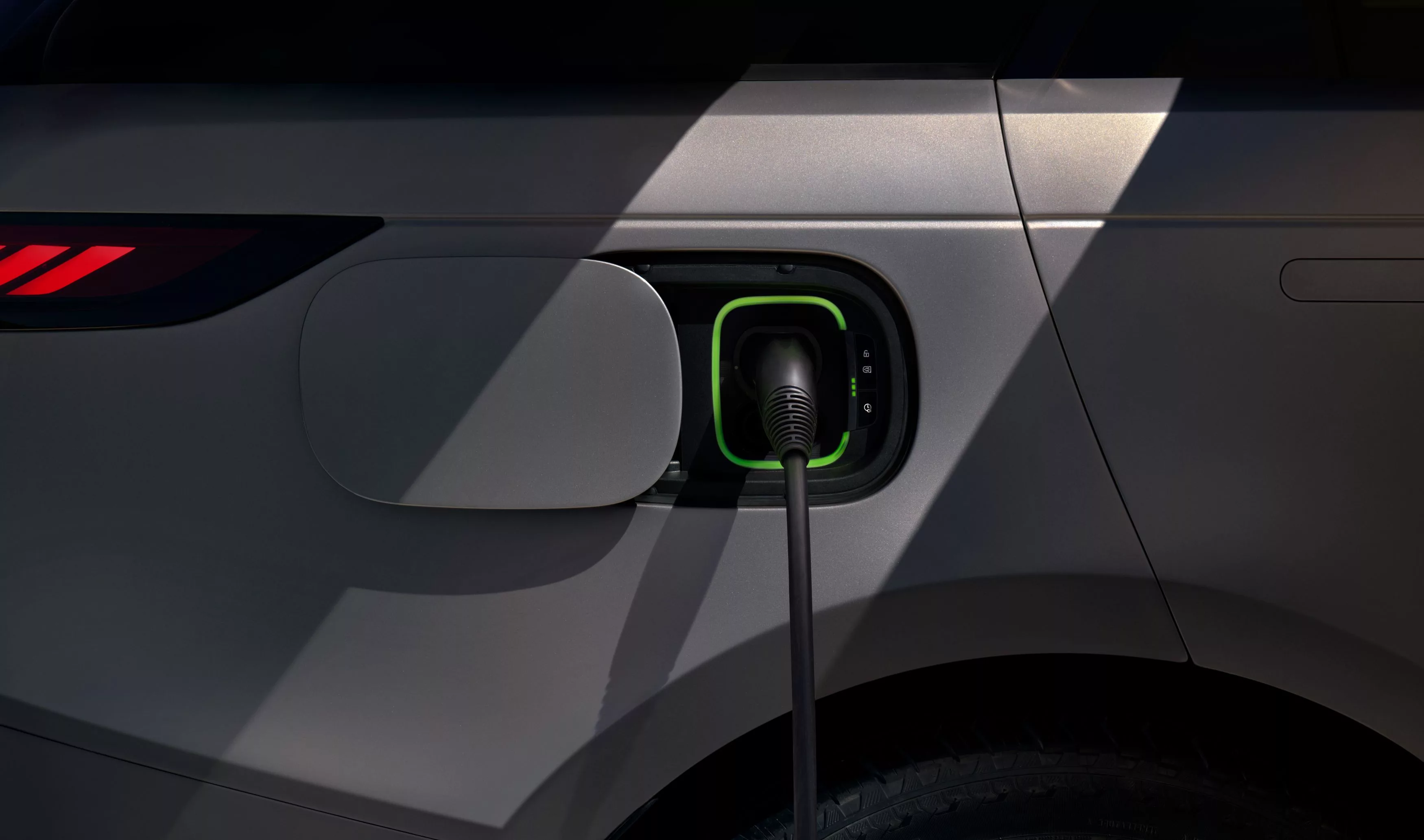
A 118.5 kWh lithium-ion battery is housed beneath the floor. Under the WLTP cycle, maximum range reaches 609 km. Range Rover itself estimates a realistic everyday range of around 515 km.
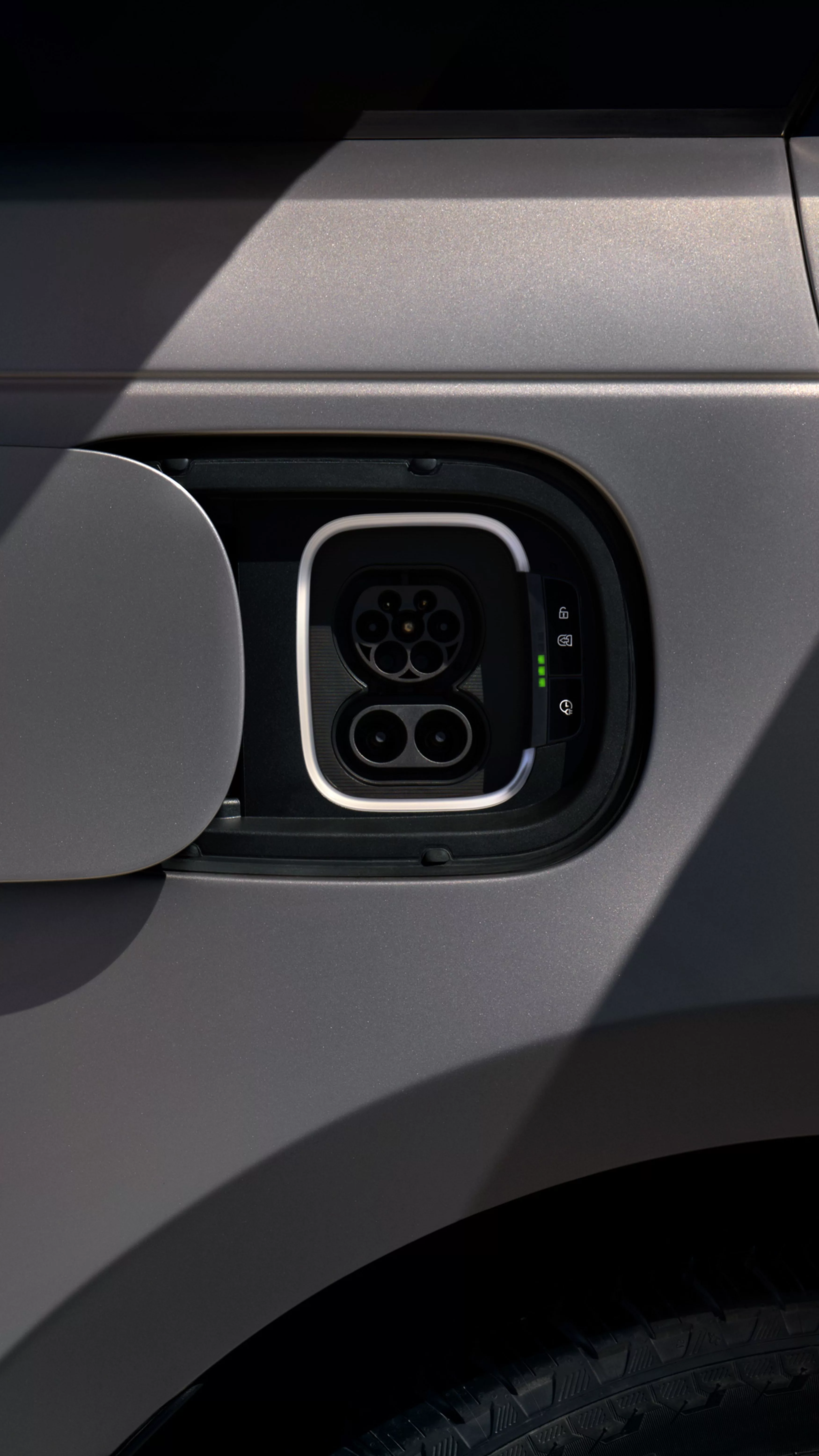
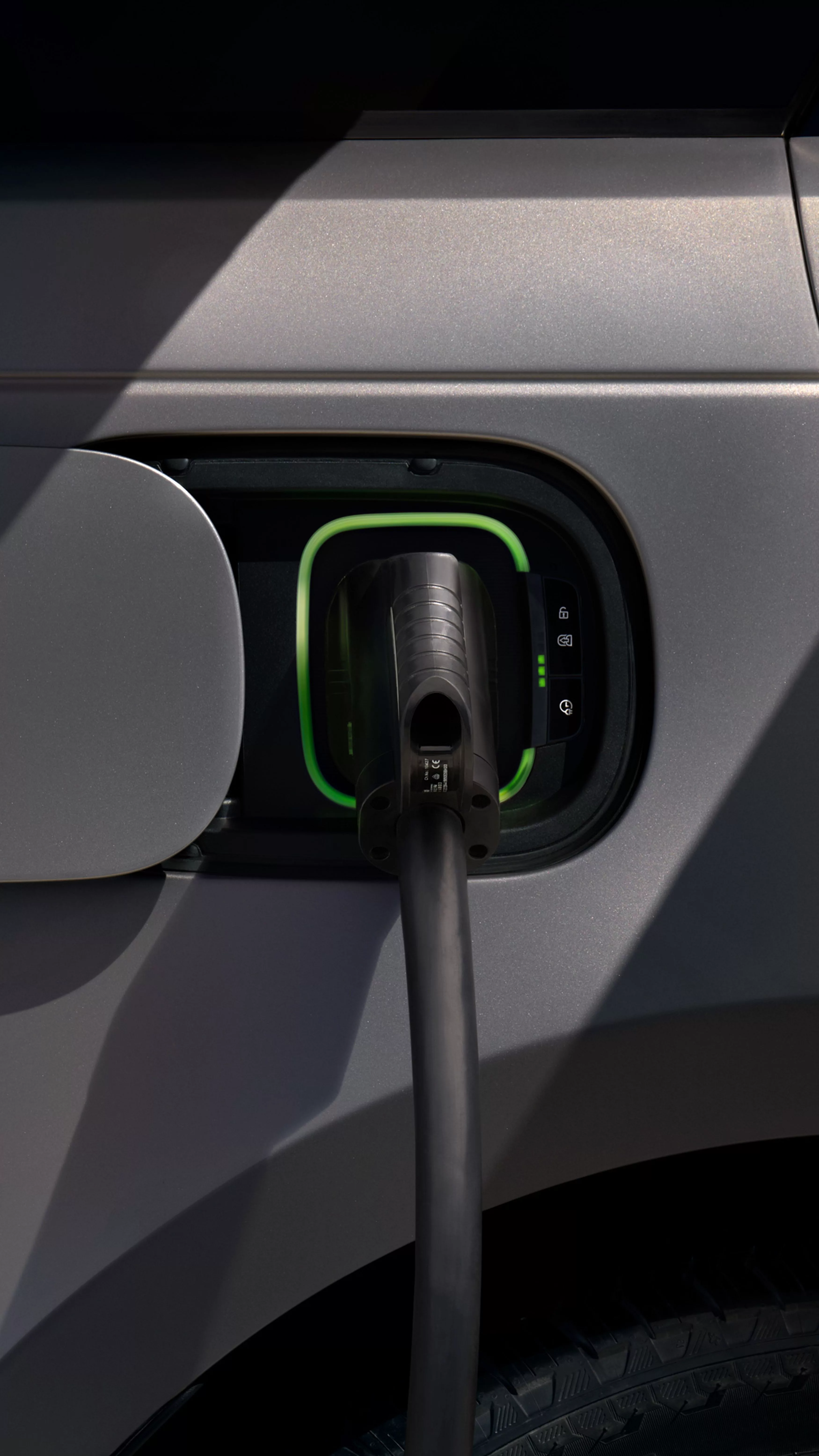
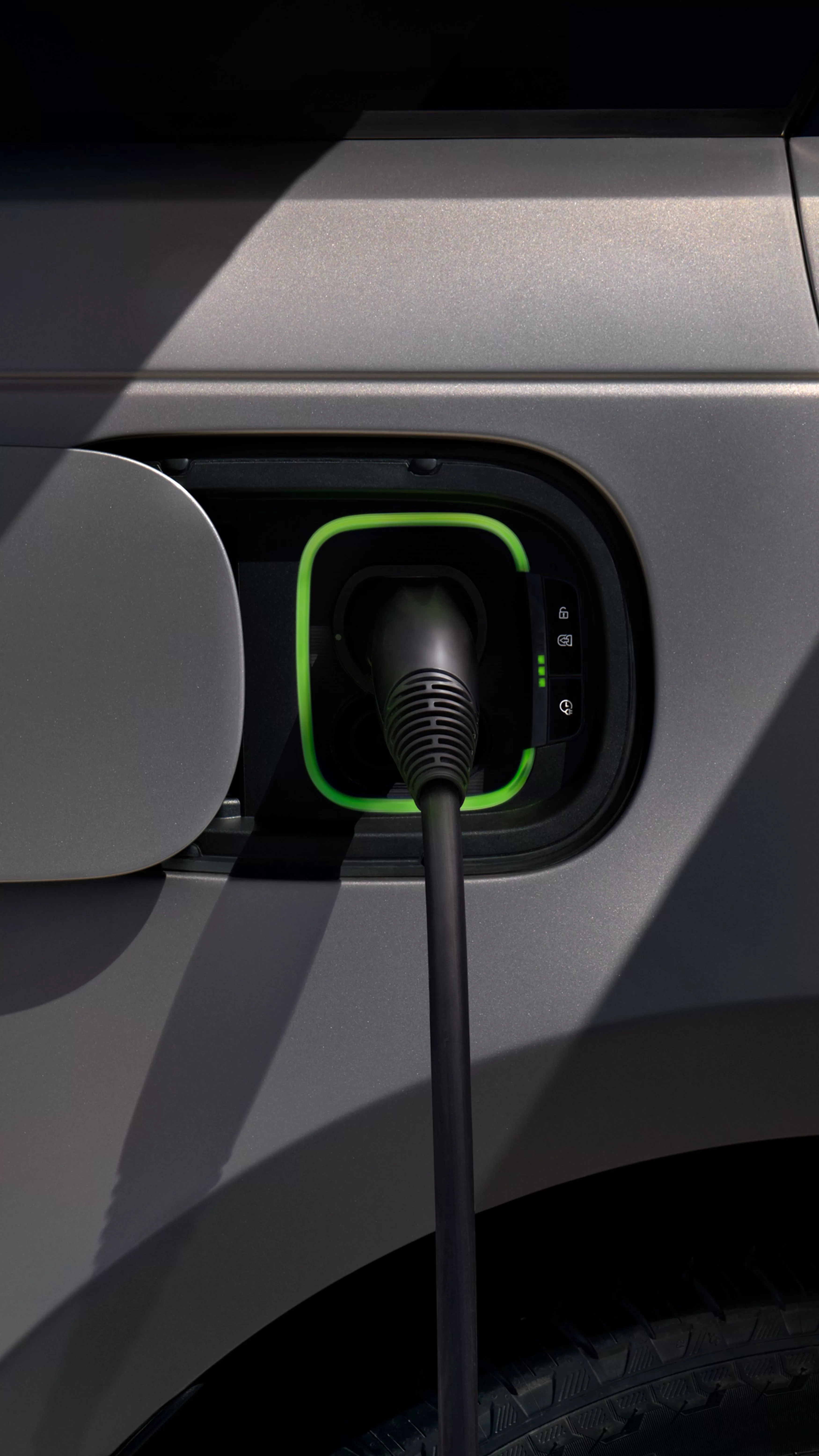
The battery operates on an 800V electrical architecture. Under ideal conditions, rapid charging can add up to 220 km of WLTP range in 10 minutes.
JLR also uses a so-called split-charging solution, enabling the 800V battery to be charged from 400V infrastructure without a separate large, heavy voltage converter. In effect, the system divides the battery into two 400V sections for charging. This saves weight and space while retaining compatibility with older charging infrastructure.
The electric vehicle is stiffer than the plug-in hybrid
Adding a large battery is not solely a disadvantage for the Range Rover Sport. The electric version has a lower centre of gravity than the plug-in hybrid, while body torsional rigidity is also higher.
Range Rover uses adaptive suspension with Twin Valve dampers, air suspension and an electronically controlled active anti-roll system. The rear wheels steer by up to 7.3 degrees to improve manoeuvrability at low speeds and stability at high speeds.
This is where the Sport Electric must differentiate itself from the larger Range Rover Electric. Both use similar electric technology, but the Sport receives sharper chassis tuning and faster torque control. Range Rover wants to retain the models’ existing division of roles even when V8 roar is replaced by inverters and electric motors.
900 mm of water and a 45-degree incline
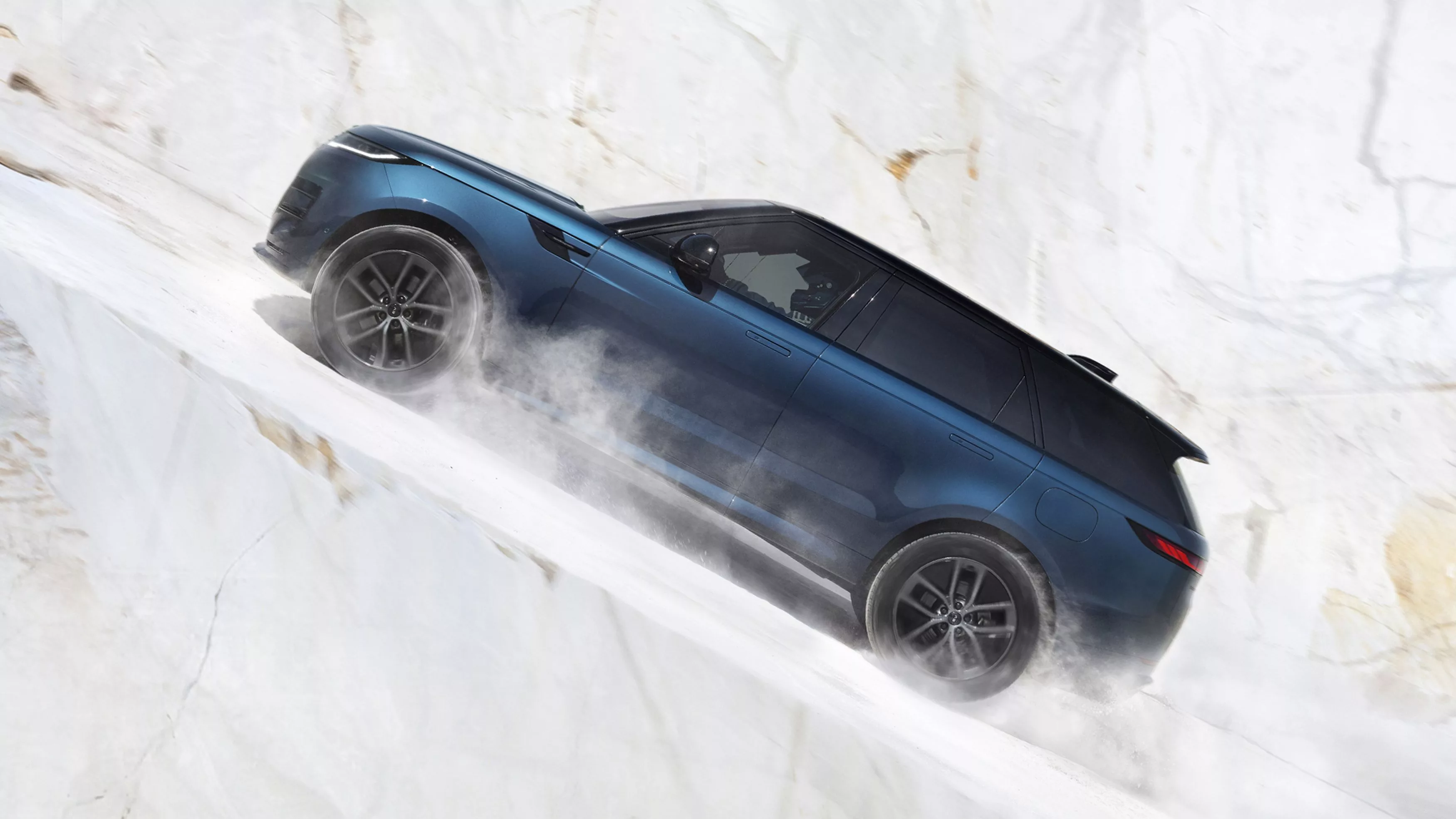
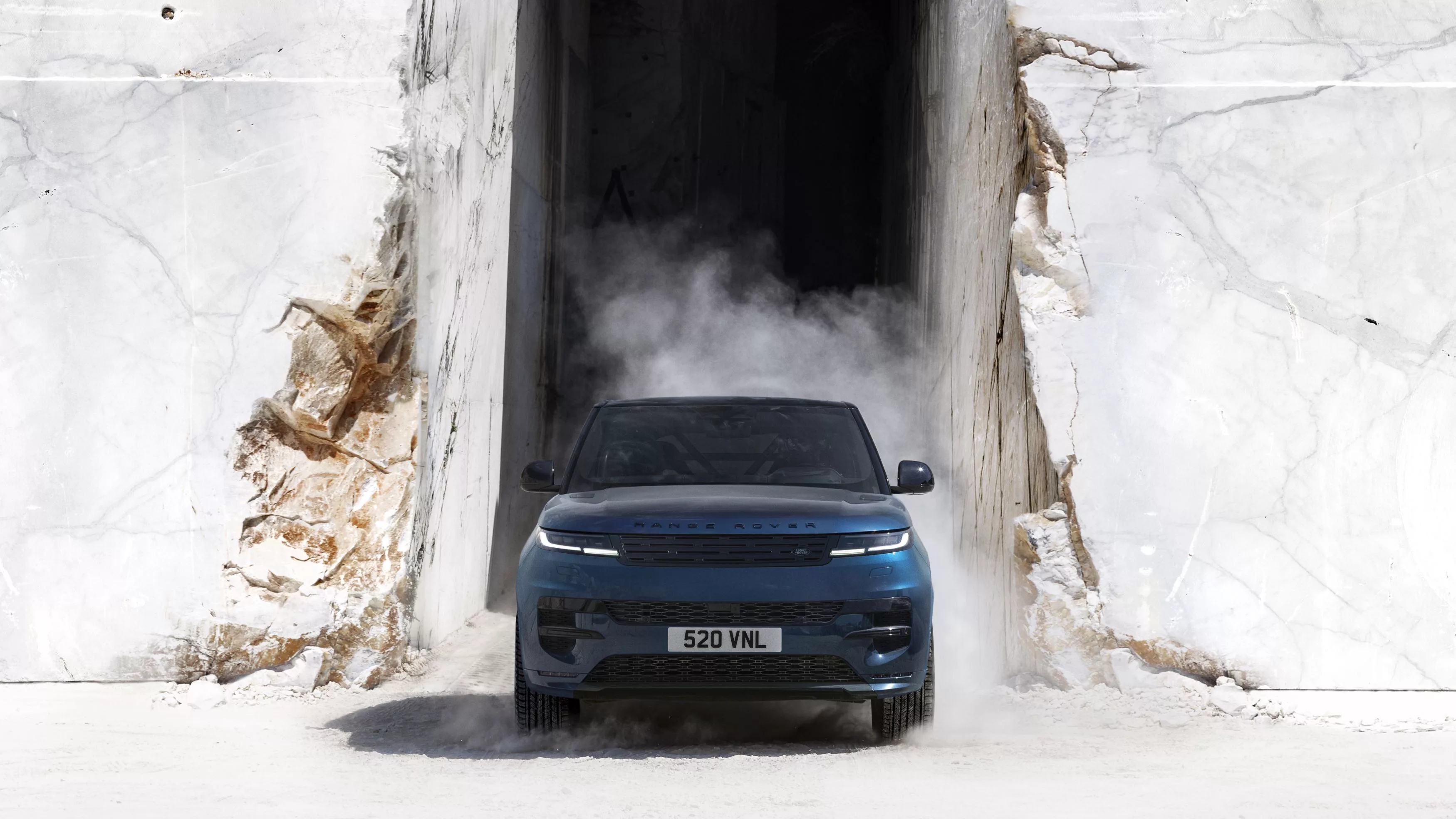
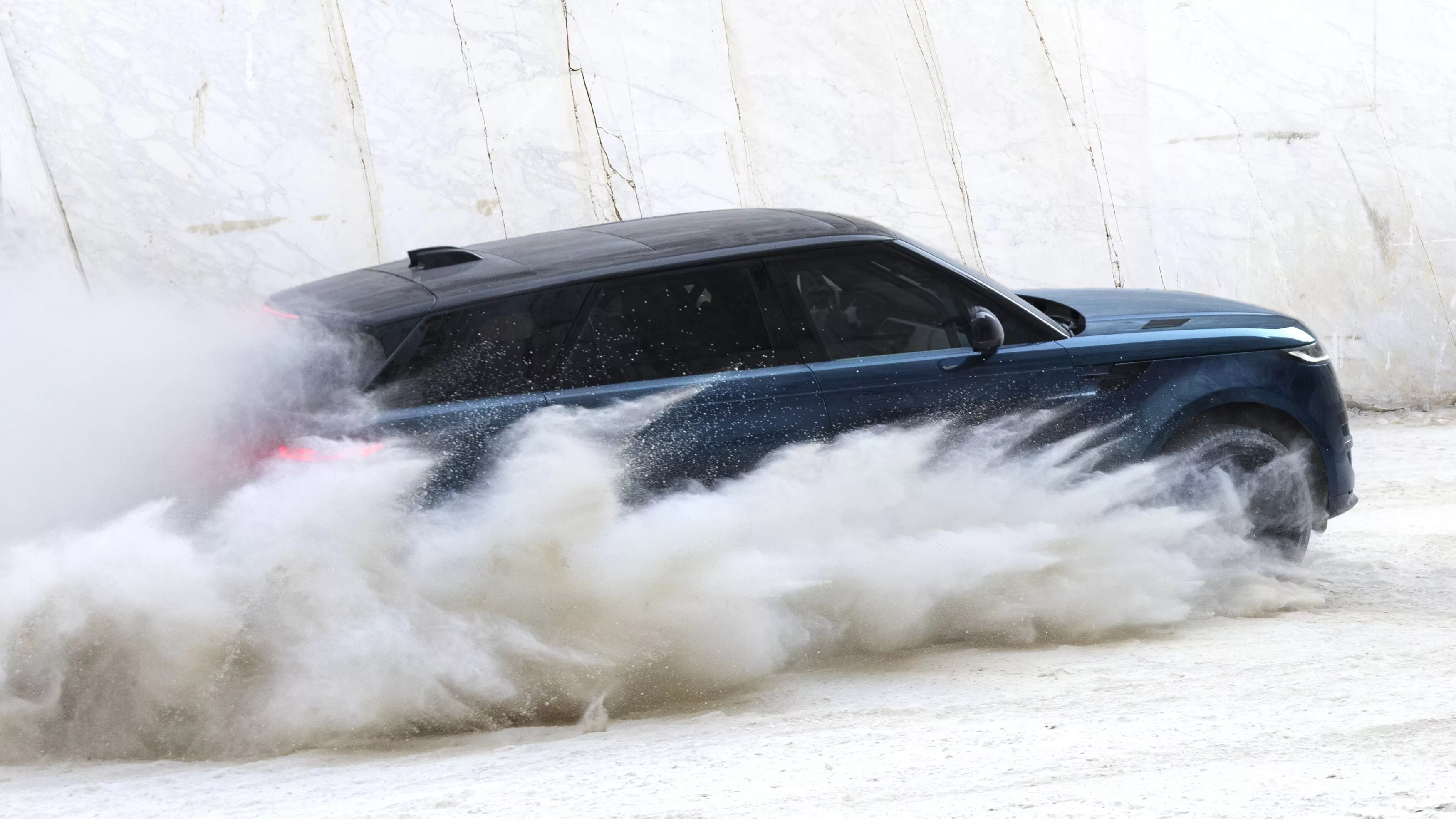
Range Rover has not sacrificed the electric Sport’s off-road capability. The vehicle can wade through water up to 900 mm deep and climb a 45-degree incline. The manufacturer tested the vehicle, among other locations, in the Carrara marble quarries in Italy.
The electric powertrain actually offers one advantage off-road. Electric-motor torque can be metered very precisely, without gear changes or managing combustion-engine revs. JLR uses new traction control that controls the motors directly and responds to changing wheel grip faster than a conventional brake-based system.
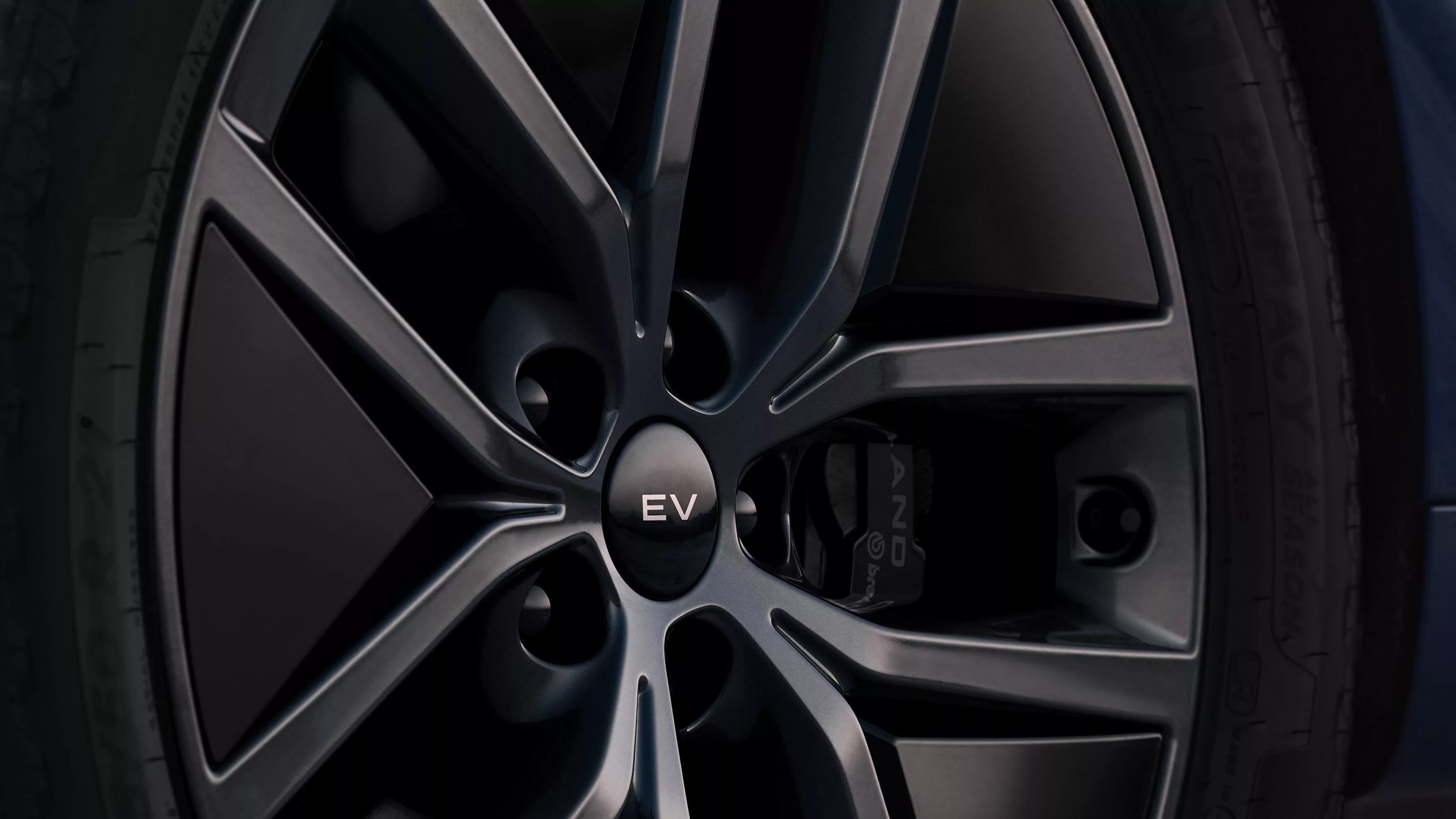
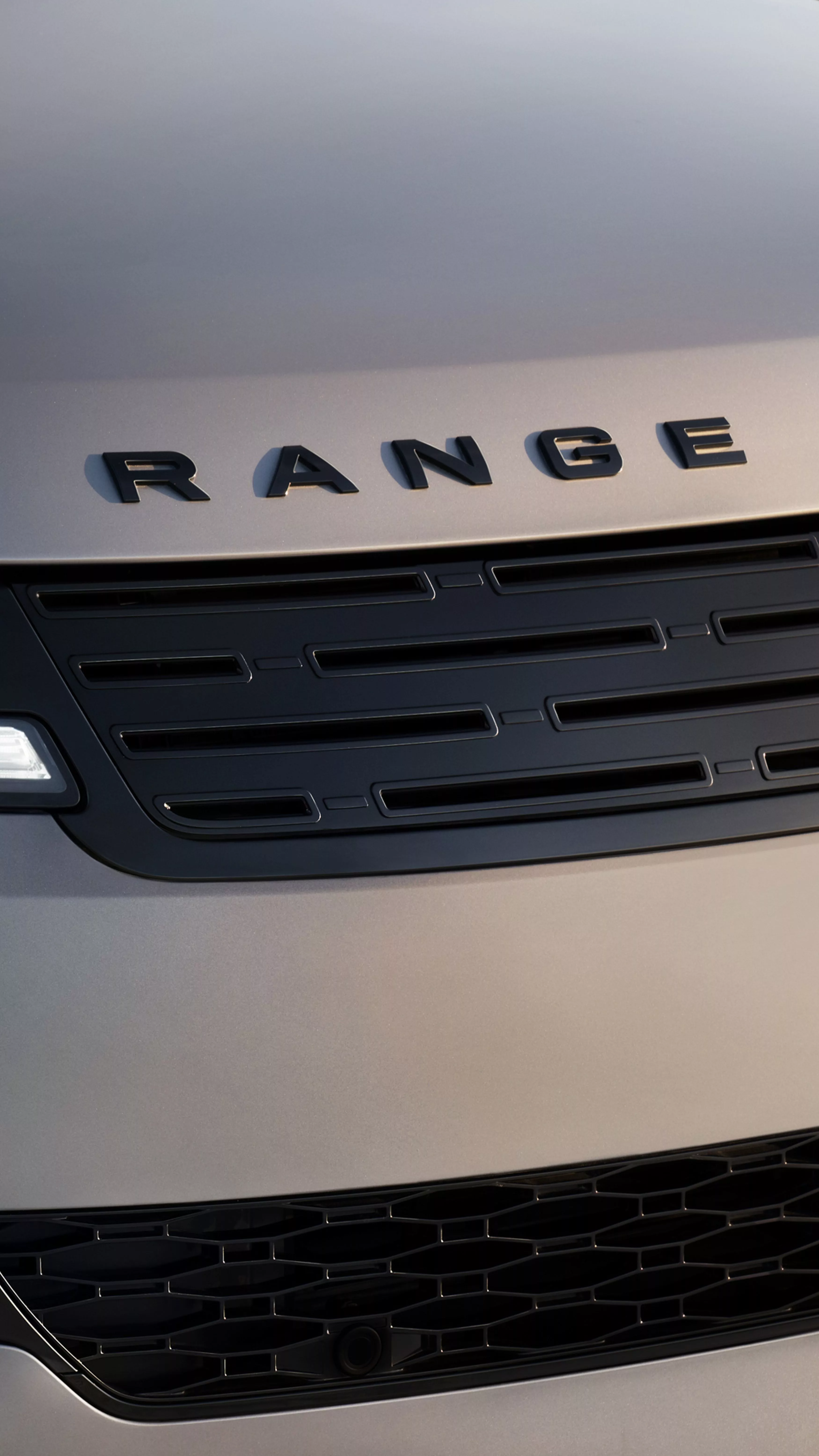
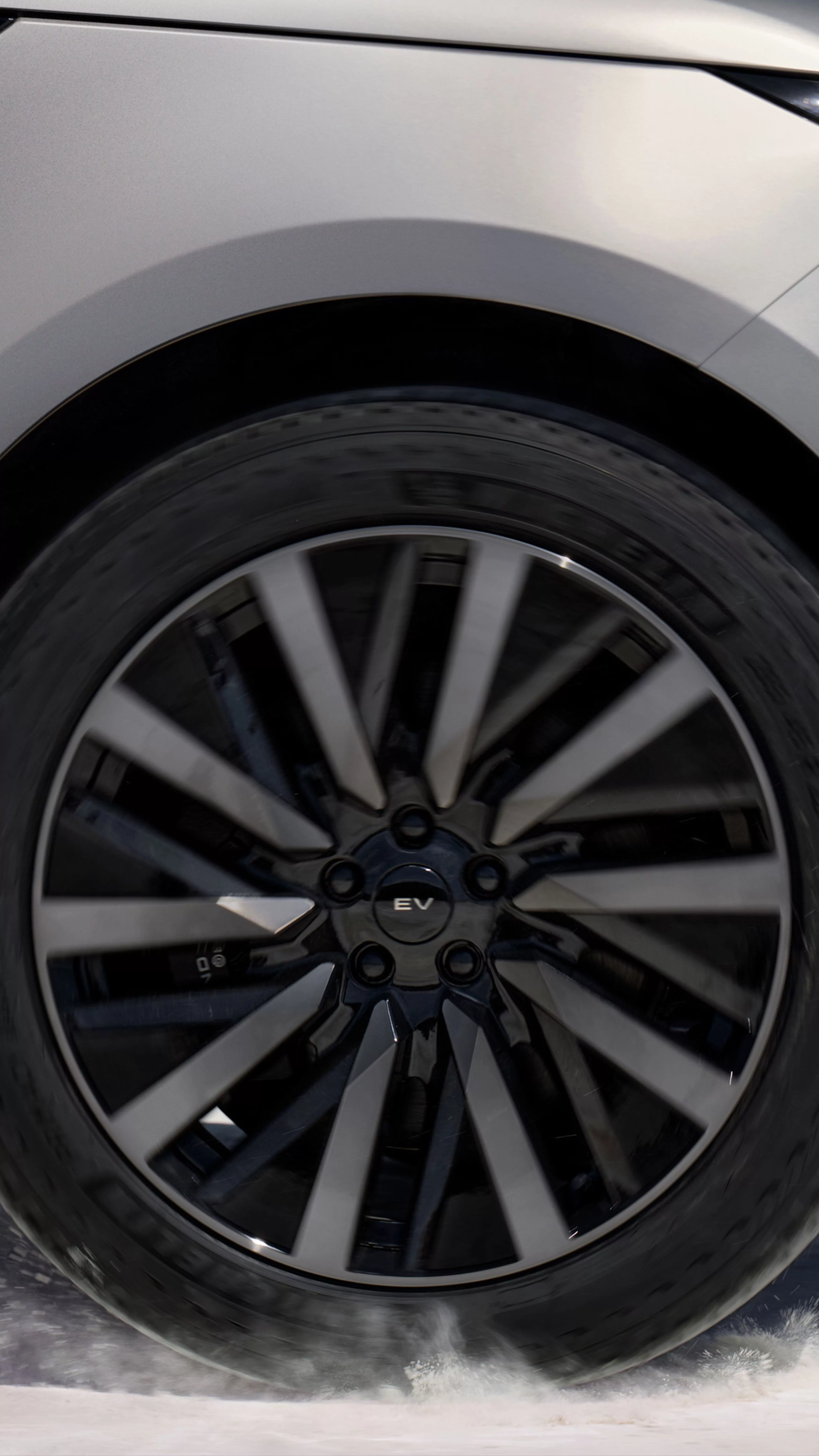
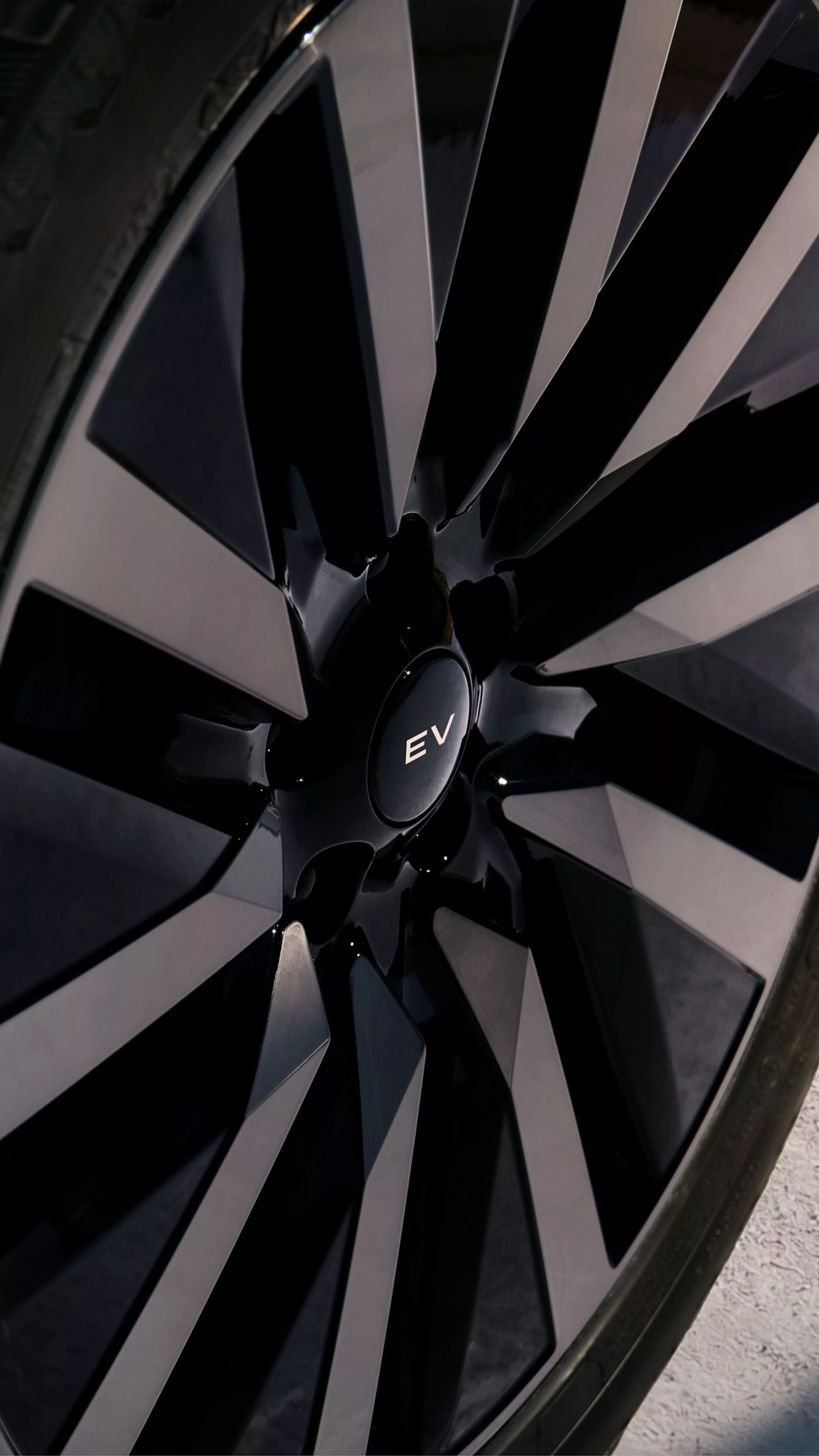
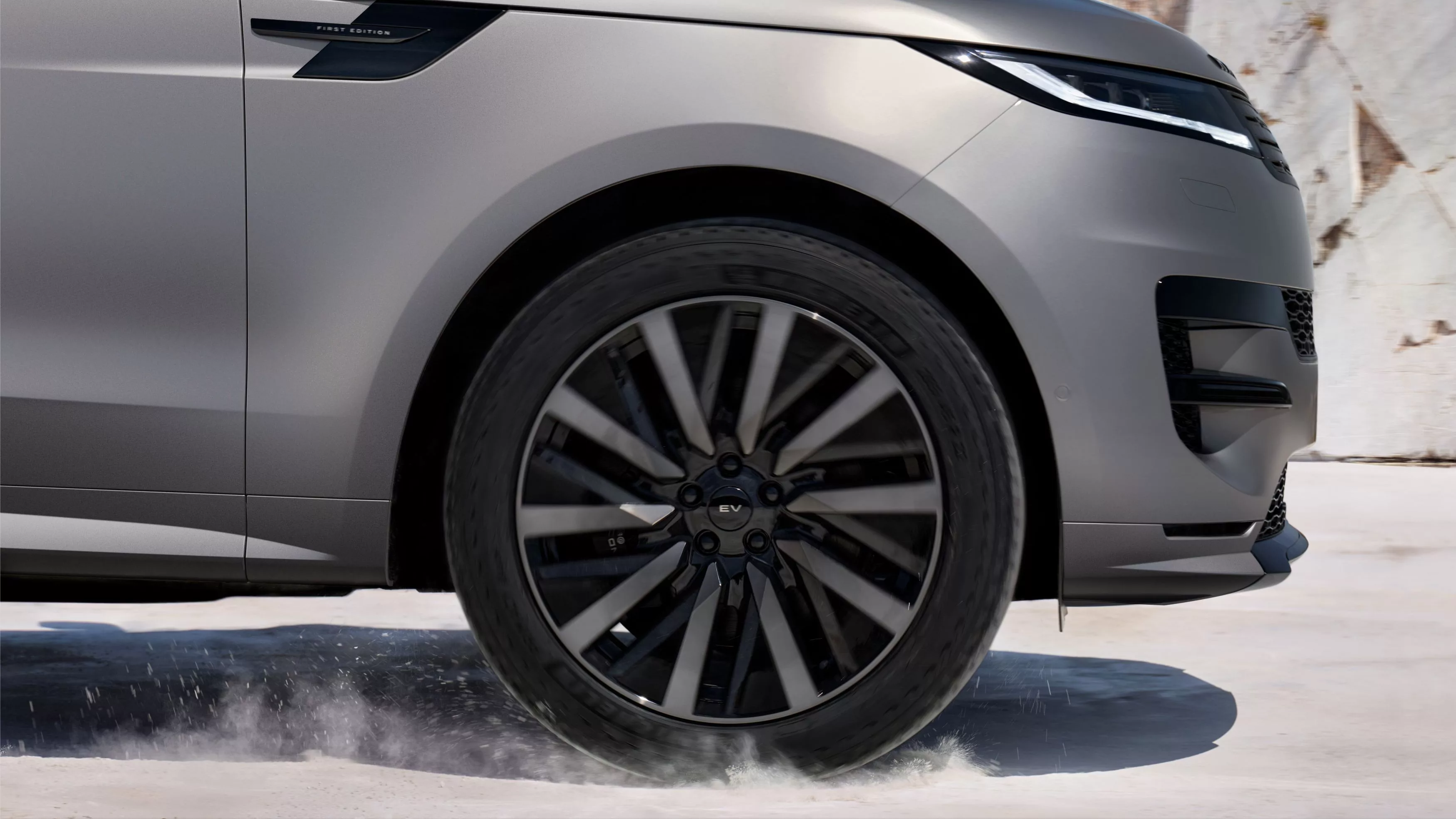
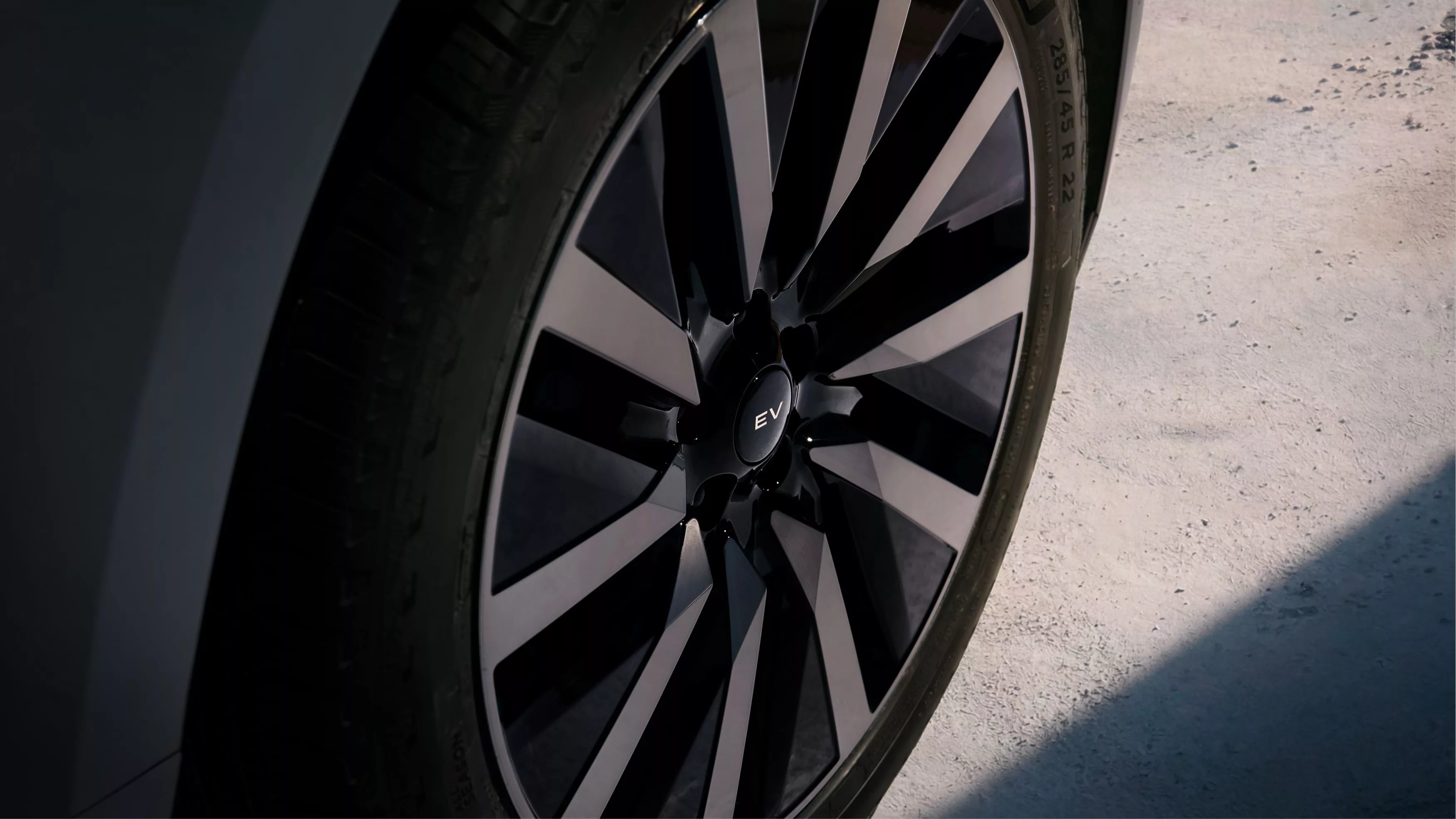
Externally, the Sport Electric does not attempt to advertise its powertrain with a large number. It is distinguished from the regular Sport primarily by its aerodynamically optimised grille and wheels. This is a deliberate approach: the electric Sport must remain a Range Rover Sport rather than becoming a separate electric-vehicle sub-model.
Porsche Cayenne Electric gets a strong but heavy rival
In Europe, the Sport Electric will quickly face the Porsche Cayenne Electric. The Range Rover’s 404 kW is not an exceptional figure among today’s electric performance SUVs, but its 609 km WLTP range, 800V architecture and 900 mm wading depth give it a much broader range of capabilities.
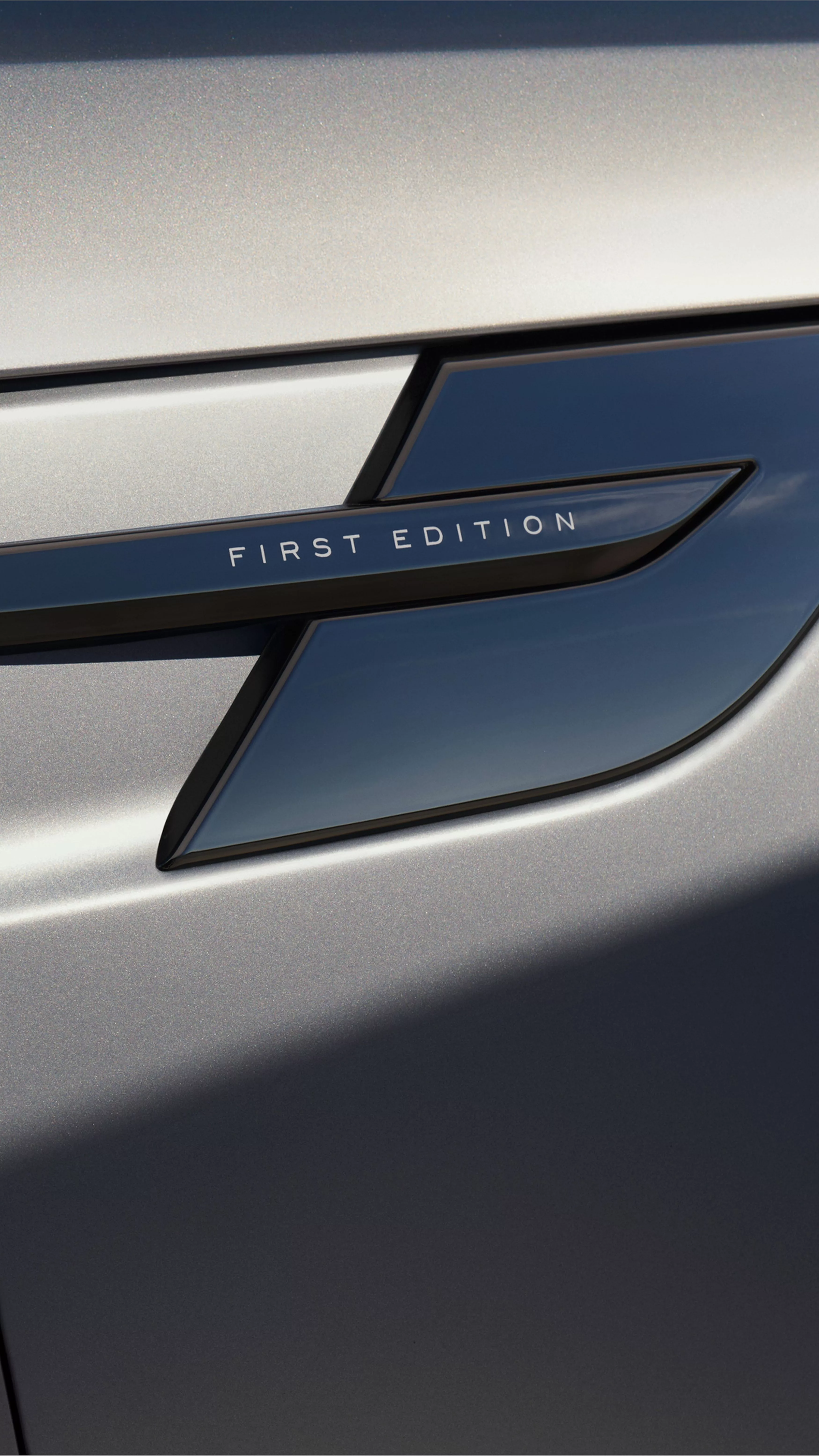
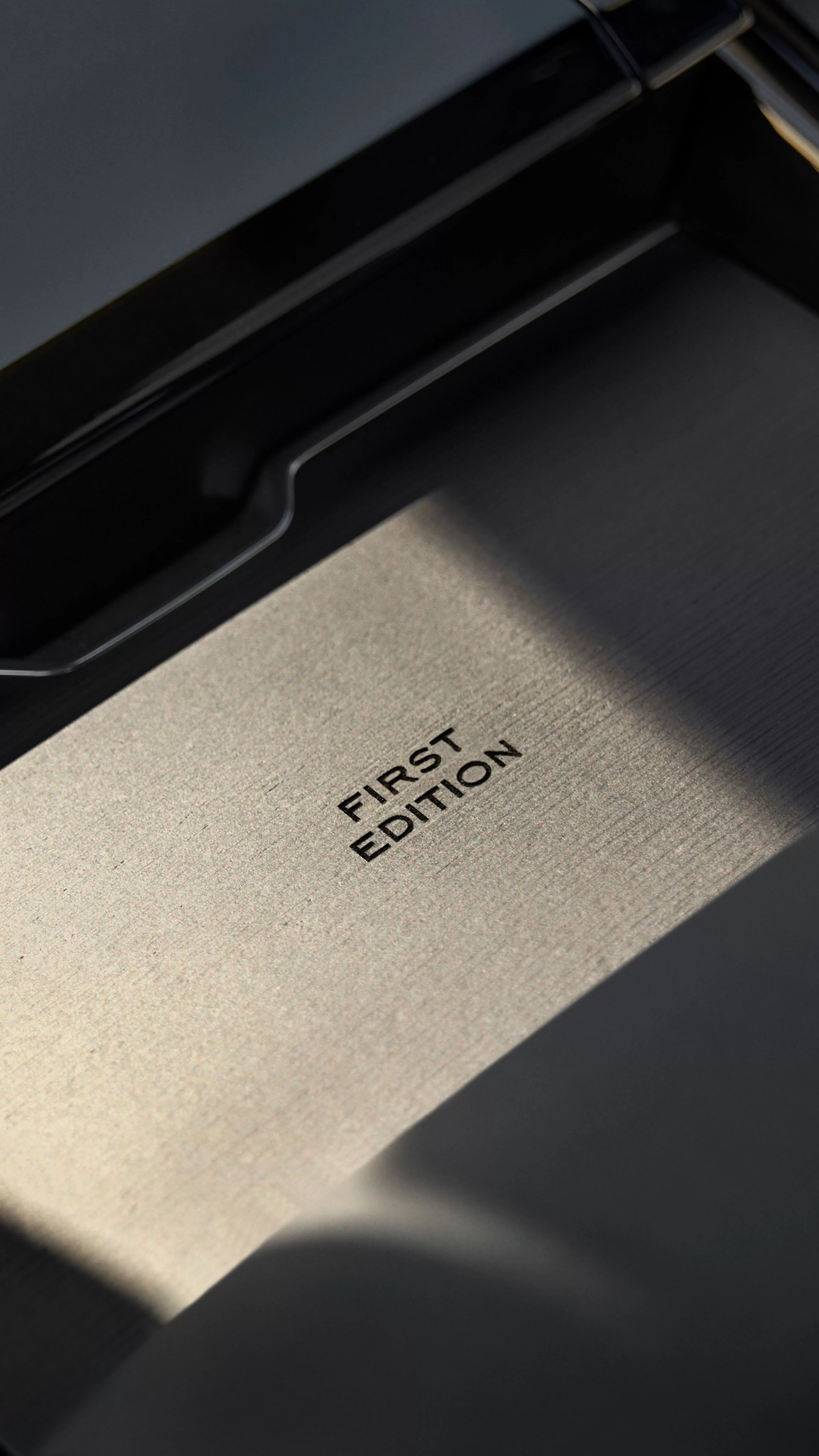
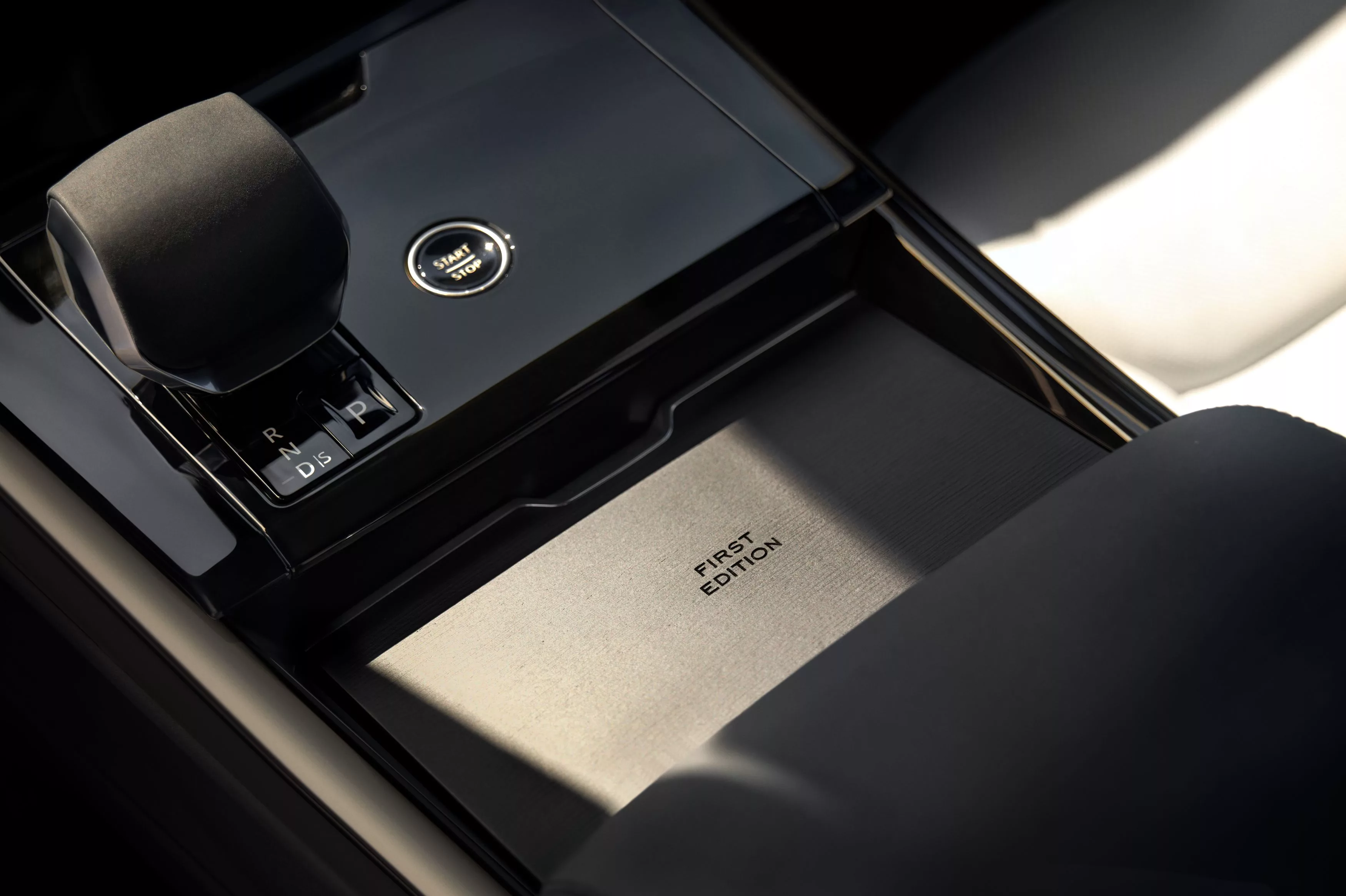
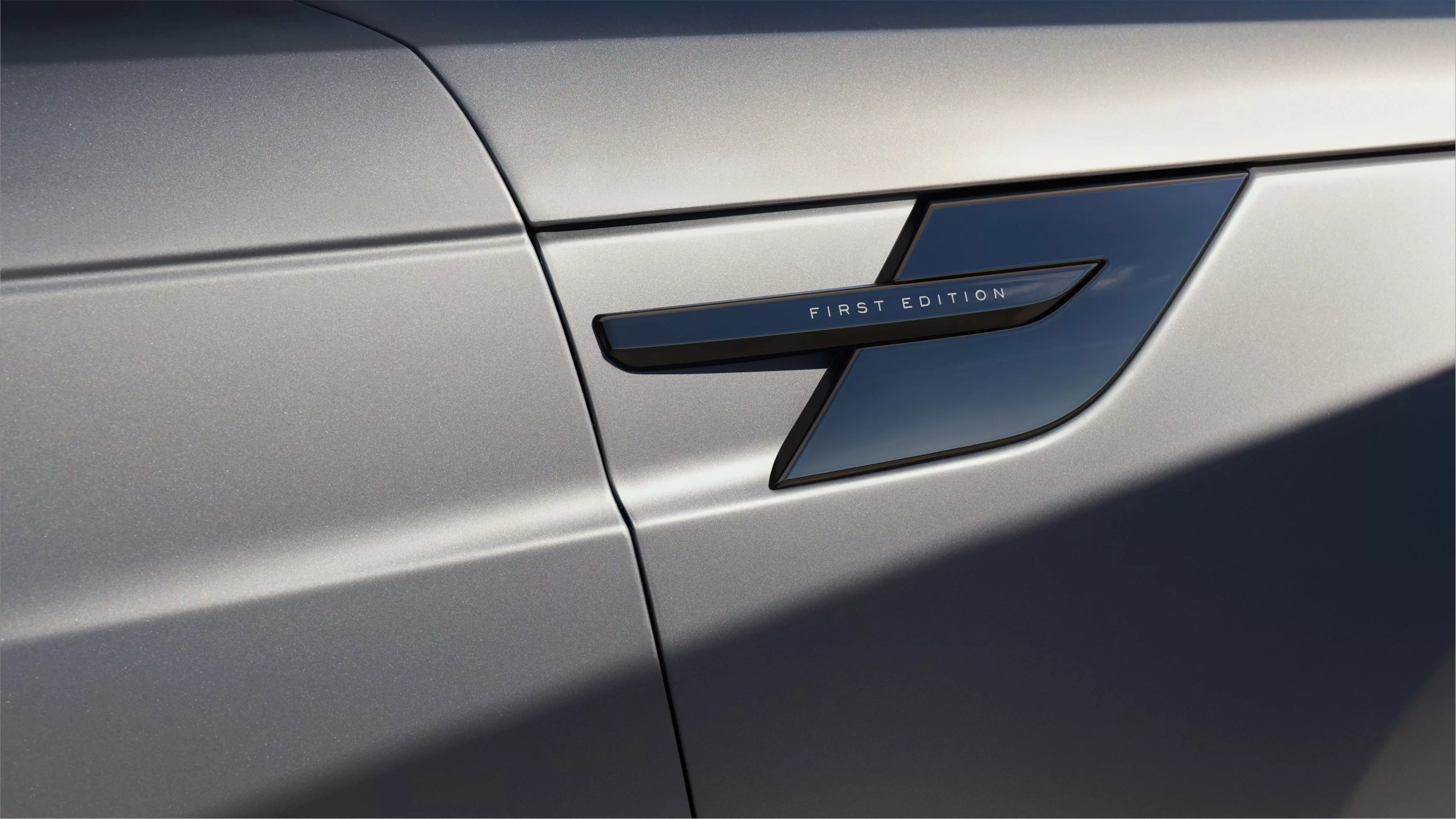
In the UK, the Range Rover Sport Electric starts at £109,810. The range includes Dynamic SE, Dynamic HSE, Autobiography and First Edition versions. Orders are already being taken.
The model is strategically important for Range Rover. The Sport Electric arrives only a few weeks after the unveiling of the larger Range Rover Electric, but existing petrol, diesel and plug-in hybrid versions will remain in the range. JLR is therefore not forcing European Sport customers to switch to another powertrain, but is adding an electric vehicle alongside the existing options.


