
Toyota updates C-HR for 2027 as GR SPORT gets a new look
 1/6
1/6
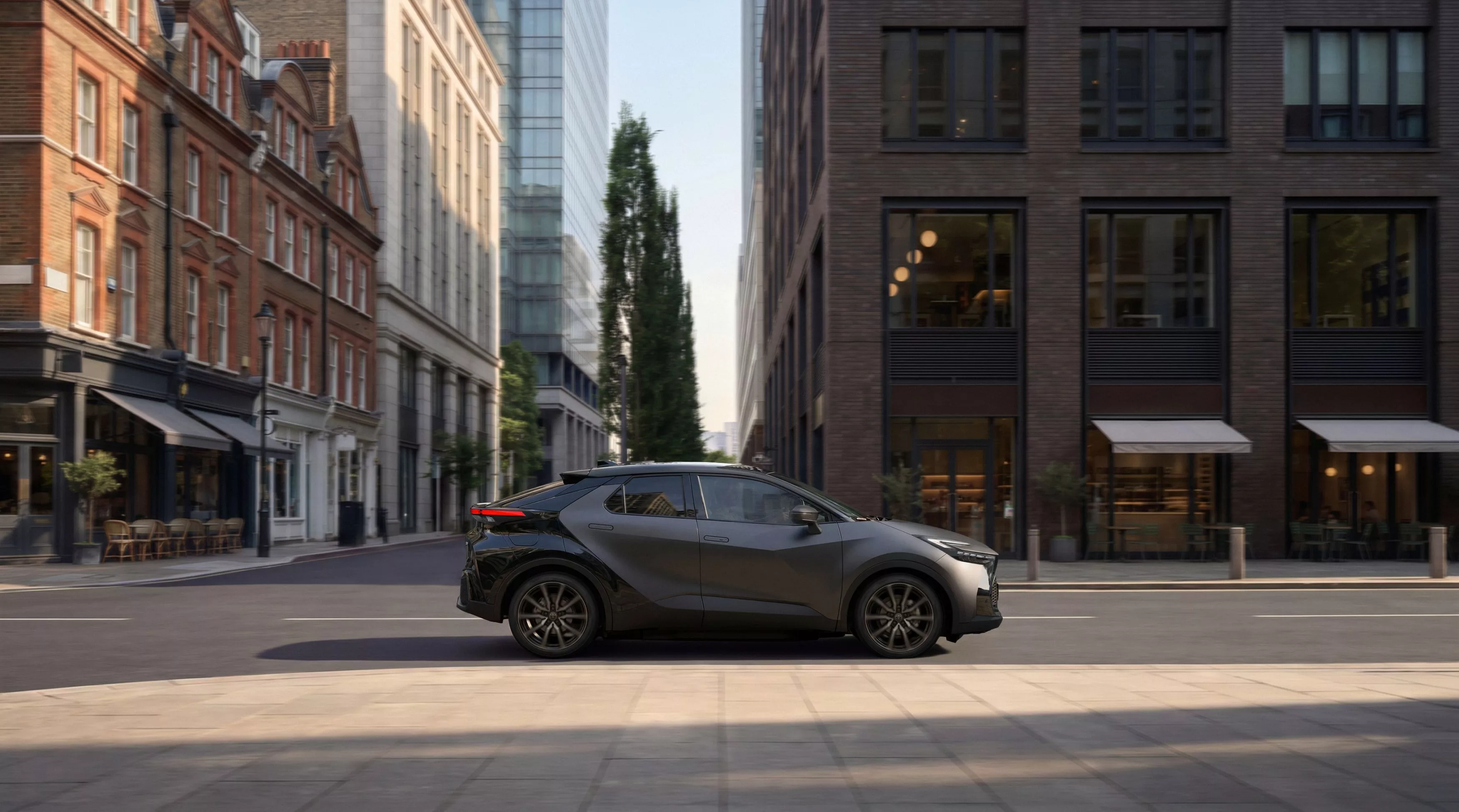
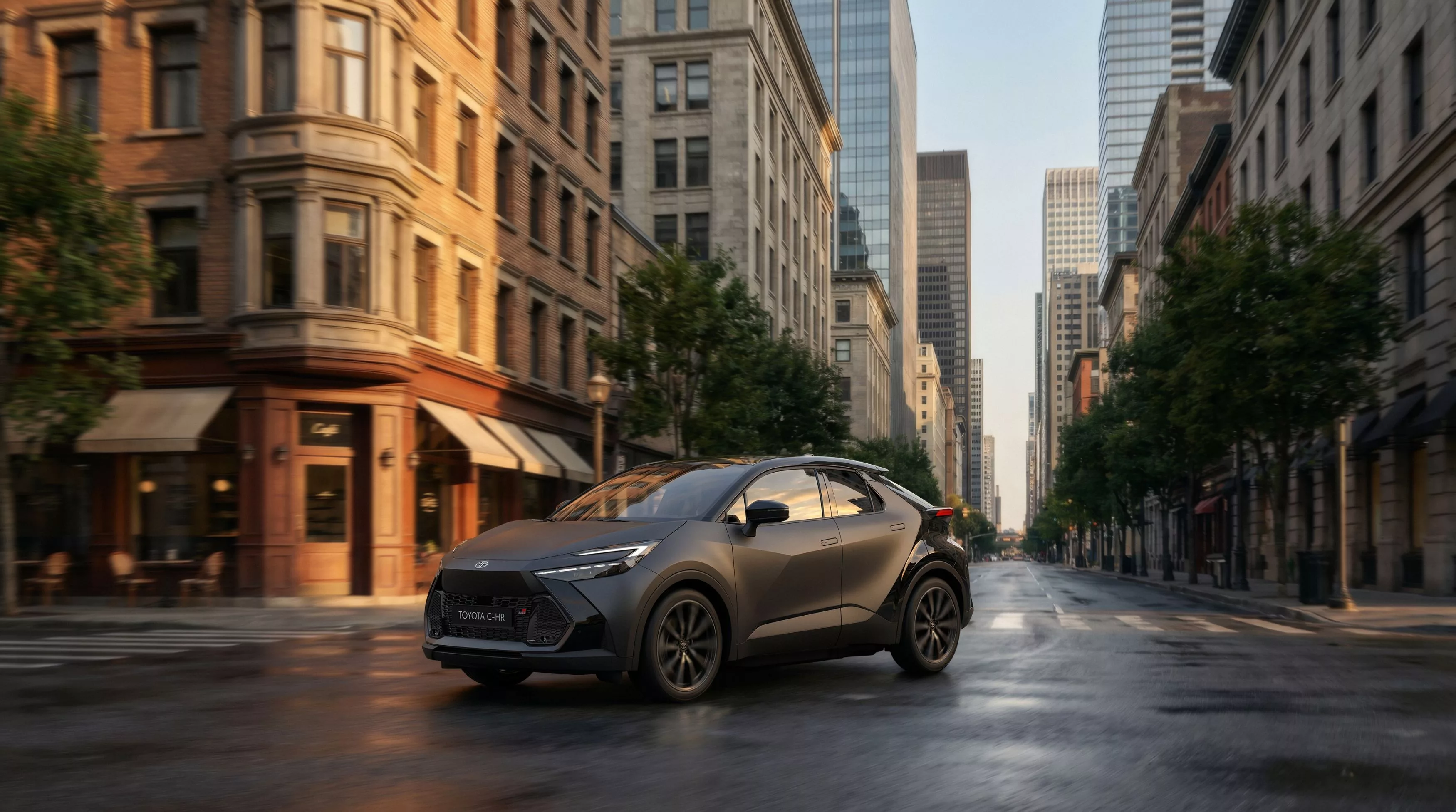
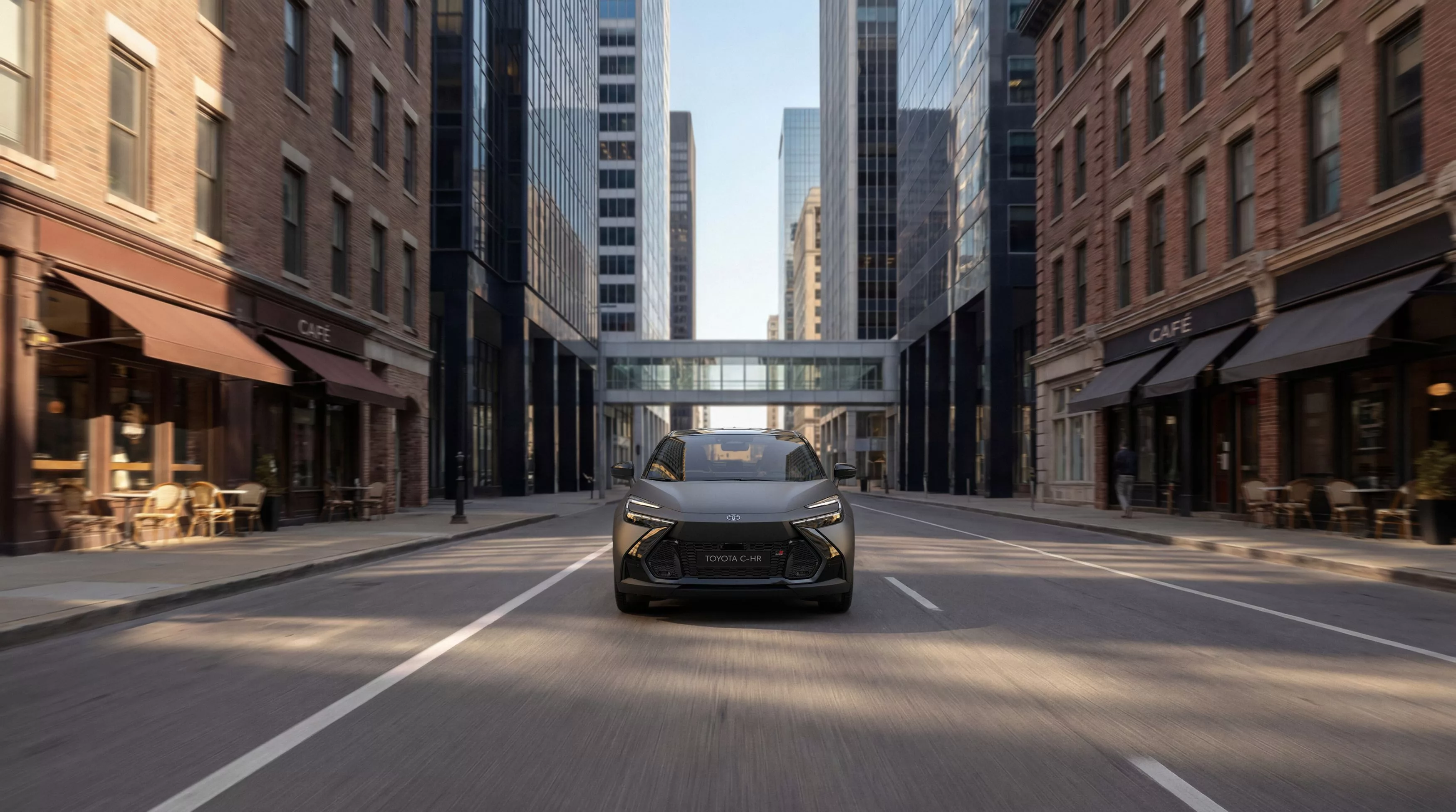
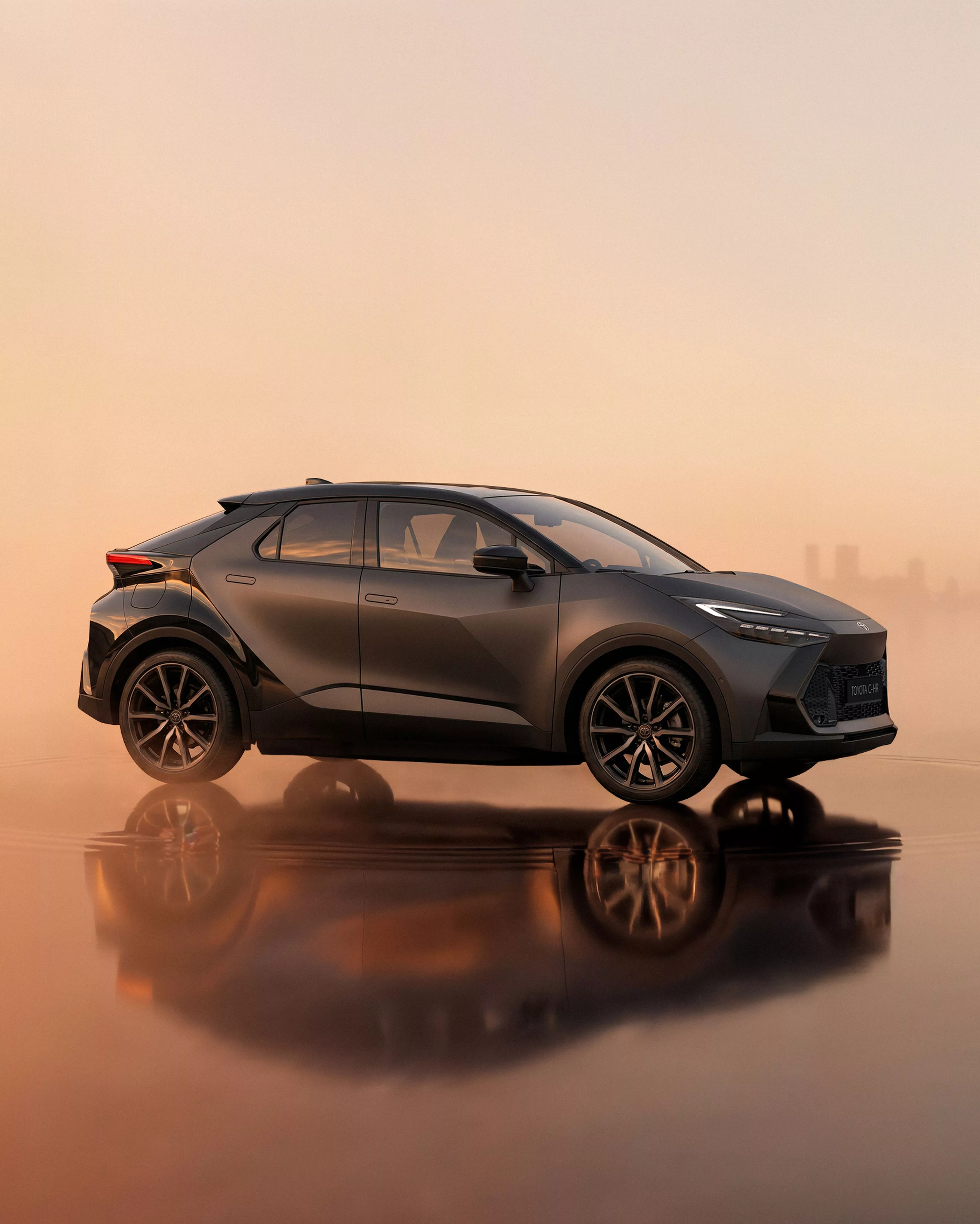
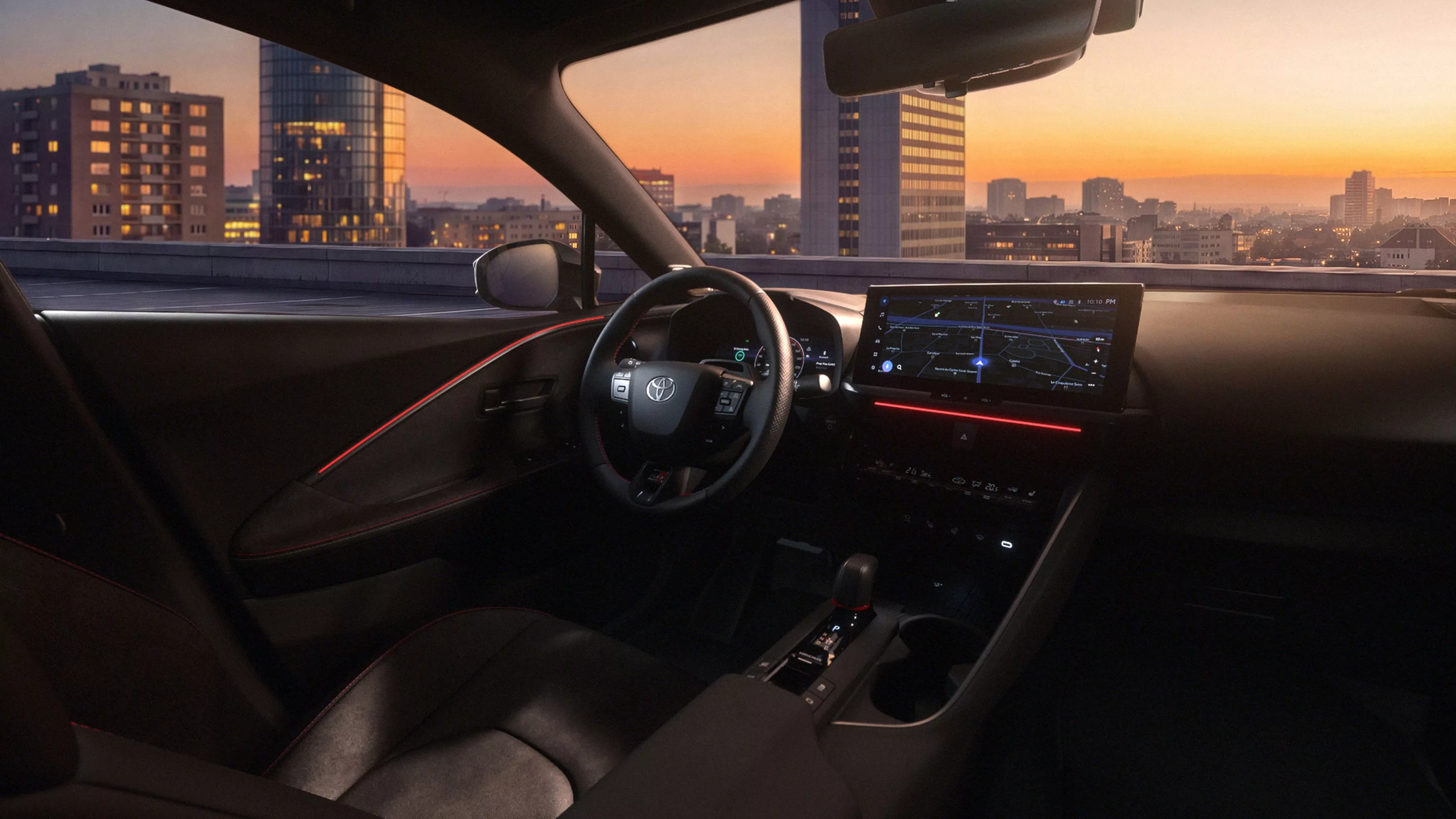
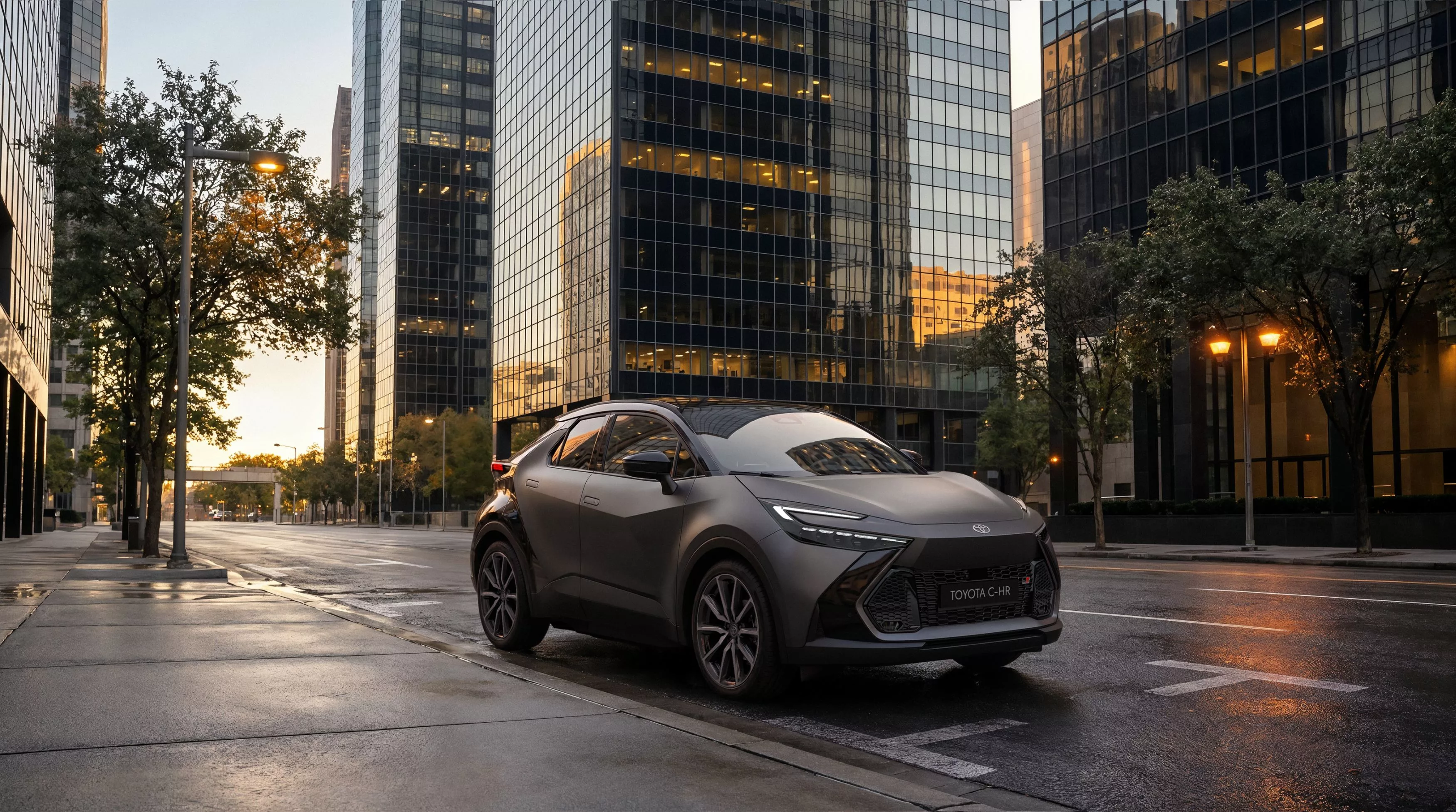
Toyota is updating the C-HR across Europe. The GR SPORT receives the most attention, gaining new 20-inch wheels and a matt Onyx Grey body colour. In Spain, Toyota goes a step further by adding full-leather upholstery and a JBL audio system to higher trim levels. The technical specification remains unchanged, with 1.8- and 2.0-litre full hybrids and a 2.0-litre plug-in hybrid remaining in the range.
GR SPORT gets new wheels and matt paint
The most visible part of the Europe-wide model update concerns the C-HR GR SPORT. Toyota is adding newly designed 20-inch alloy wheels, whose geometric design continues the C-HR’s angular body forms.
Matt Onyx Grey is being added to the colour range and can be combined with a contrasting black roof. The matt paint is new for the C-HR and gives the GR SPORT a clearer visual distinction from the standard model.
According to Toyota Motor Europe, the 2027 model-year European range consists of Mid, Mid+, High and GR SPORT trim levels. Local dealers may vary their names, standard equipment and packages by market.
In Spain, the higher versions are also called Spirit + Skyview, GR SPORT + Skyview and GR SPORT Plus, and these are not automatically trim levels offered across Europe.
Spain adds leather upholstery and JBL
In the Spanish market, the Spirit + Skyview now receives seats upholstered entirely in leather. Instead of the previously used combination upholstery, leather covers the entire seat surface. Skyview refers to Toyota’s panoramic roof.
The GR SPORT + Skyview receives a JBL premium audio system, while the GR SPORT Plus is offered the new matt Onyx Grey colour as a two-tone option.
These changes clearly illustrate the structure of Toyota’s European model range. The vehicle and core technology are shared, but trim levels and packages are configured by local sales organisations according to the market. Therefore, the full-leather upholstery or specific Skyview + JBL combination announced in Spain cannot currently be assumed to be available on C-HR models in other markets.
Powertrains remain unchanged
The 2027 model-year update does not affect the powertrains. The Hybrid 140 remains the entry-level European C-HR configuration, combining a 1.8-litre petrol engine with Toyota’s fifth-generation hybrid system. The system produces 103 kW, and the front-wheel-drive C-HR accelerates from 0-100 km/h in 9.9 seconds.
Above it sits the 2.0-litre Hybrid 200. The all-wheel-drive AWD-i version uses a separate electric motor on the rear axle, meaning there is no mechanical driveshaft between the front and rear axles. The system can direct power to the rear wheels according to traction and driving conditions.
The most powerful electrified version in the range is the Plug-in Hybrid 220. Its 2.0-litre petrol engine and electric drive produce a combined 164 kW. The front-wheel-drive plug-in hybrid accelerates from 0-100 km/h in 7.4 seconds, while its 13.6 kWh battery enables up to 66 km of electric driving range under WLTP. In the urban cycle, electric range reaches around 100 kilometres, according to Toyota.
There will be no all-electric version of the regular C-HR. Despite its name, the Toyota C-HR+ is a separate electric car with its own technical platform and body.
Prices in Spain start at €30,500
Toyota Spain is already taking orders for 2027 model-year vehicles. The Hybrid 140 Advance starts there at €30,500, while the Plug-in Hybrid Advance costs at least €34,500.
These prices cannot be directly applied elsewhere. Taxes, standard equipment and the structure of Toyota’s local model range differ by country.
Ten years of the C-HR
The update coincides with the C-HR’s tenth anniversary. The production version of the first generation arrived in Europe in 2016, and Toyota then made a fairly deliberate choice of a more coupe-like body and bolder design instead of a conservative SUV.
The current second generation continues the same idea, but the competition has changed beyond recognition over the past decade. In the C-segment SUV class, full hybrids now compete for buyers not only with plug-in hybrids but also with an increasing number of all-electric models.
Toyota’s response is not another technical overhaul of the C-HR. The C-HR+ fulfils the electric-car role, while the C-HR continues with three hybrid powertrains. The 2027 changes therefore focus quite pragmatically on what makes sense to change at this stage of the current model’s life cycle: its appearance, interior and equipment.


