
Ferrari frees the 296 from racing rules to create a track weapon three seconds faster than the GT3
 1/9
1/9
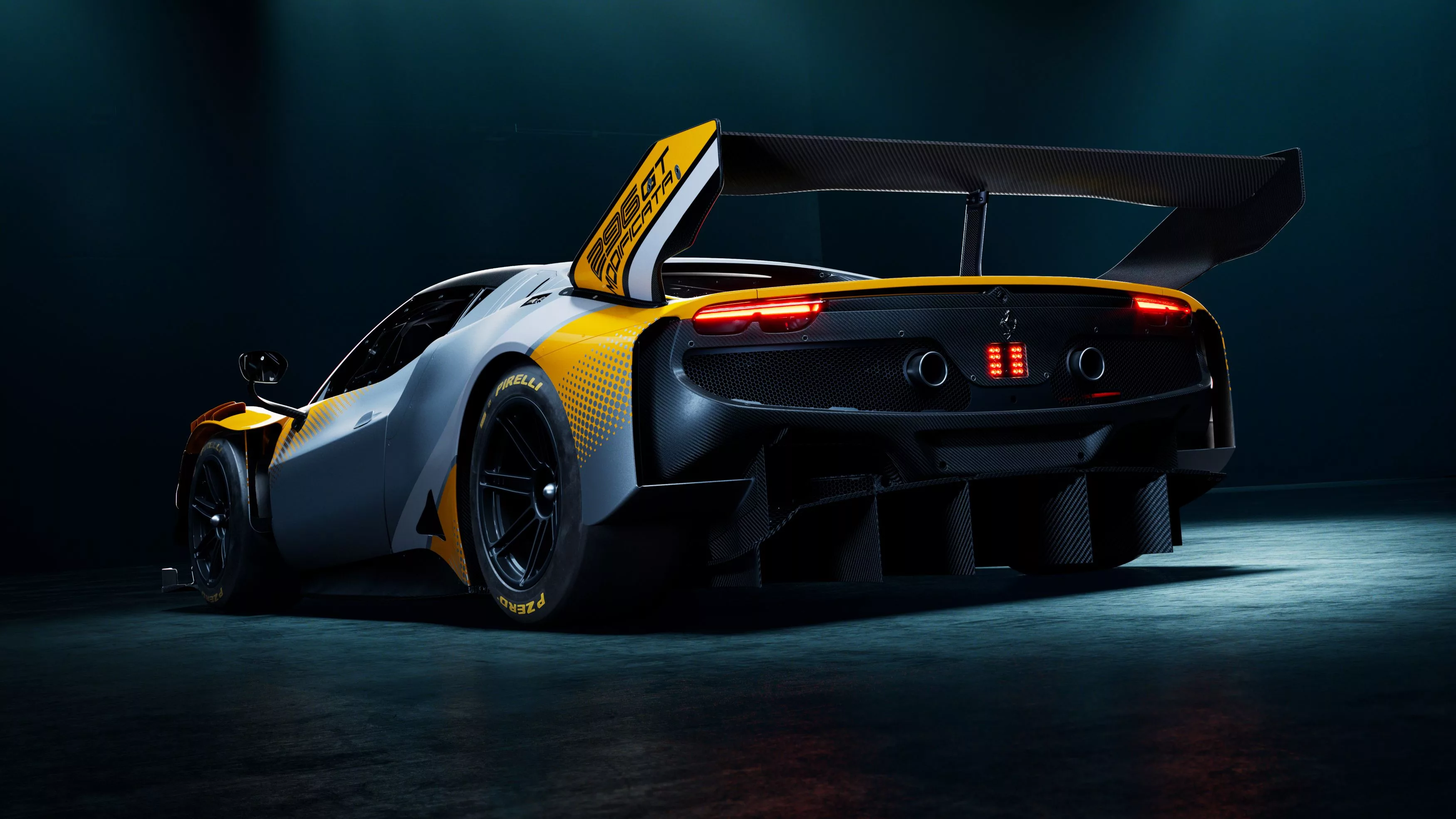

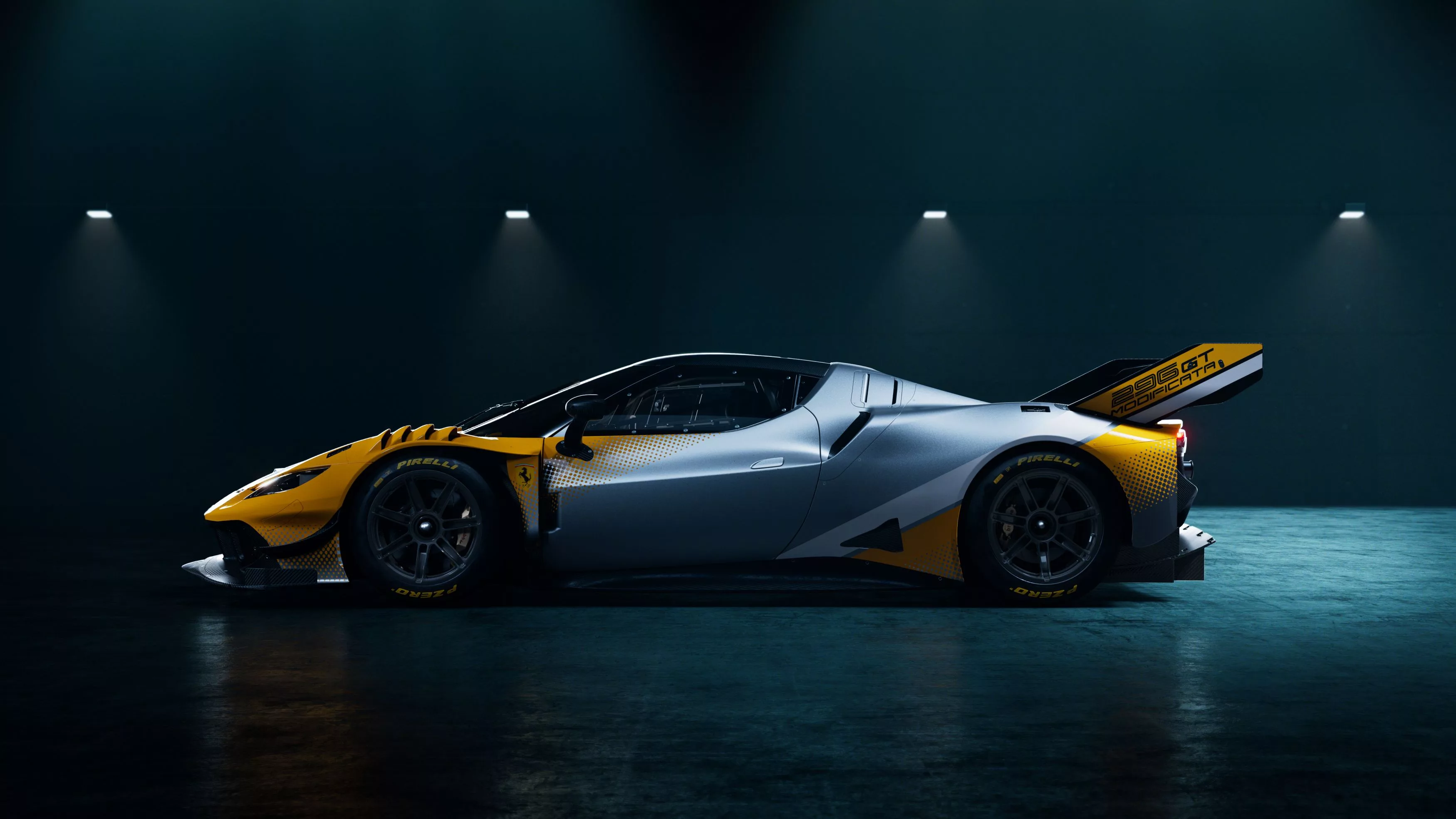
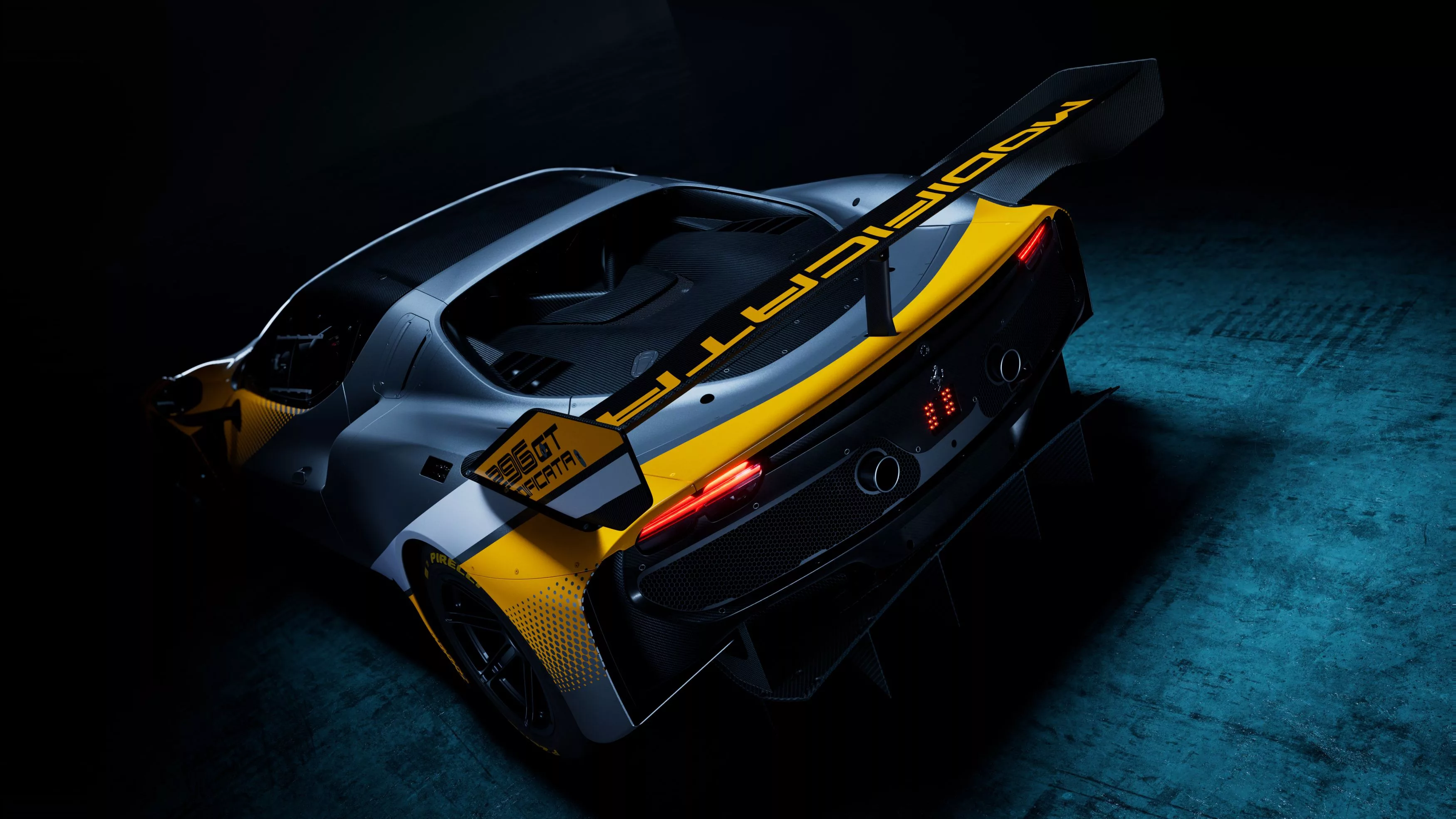
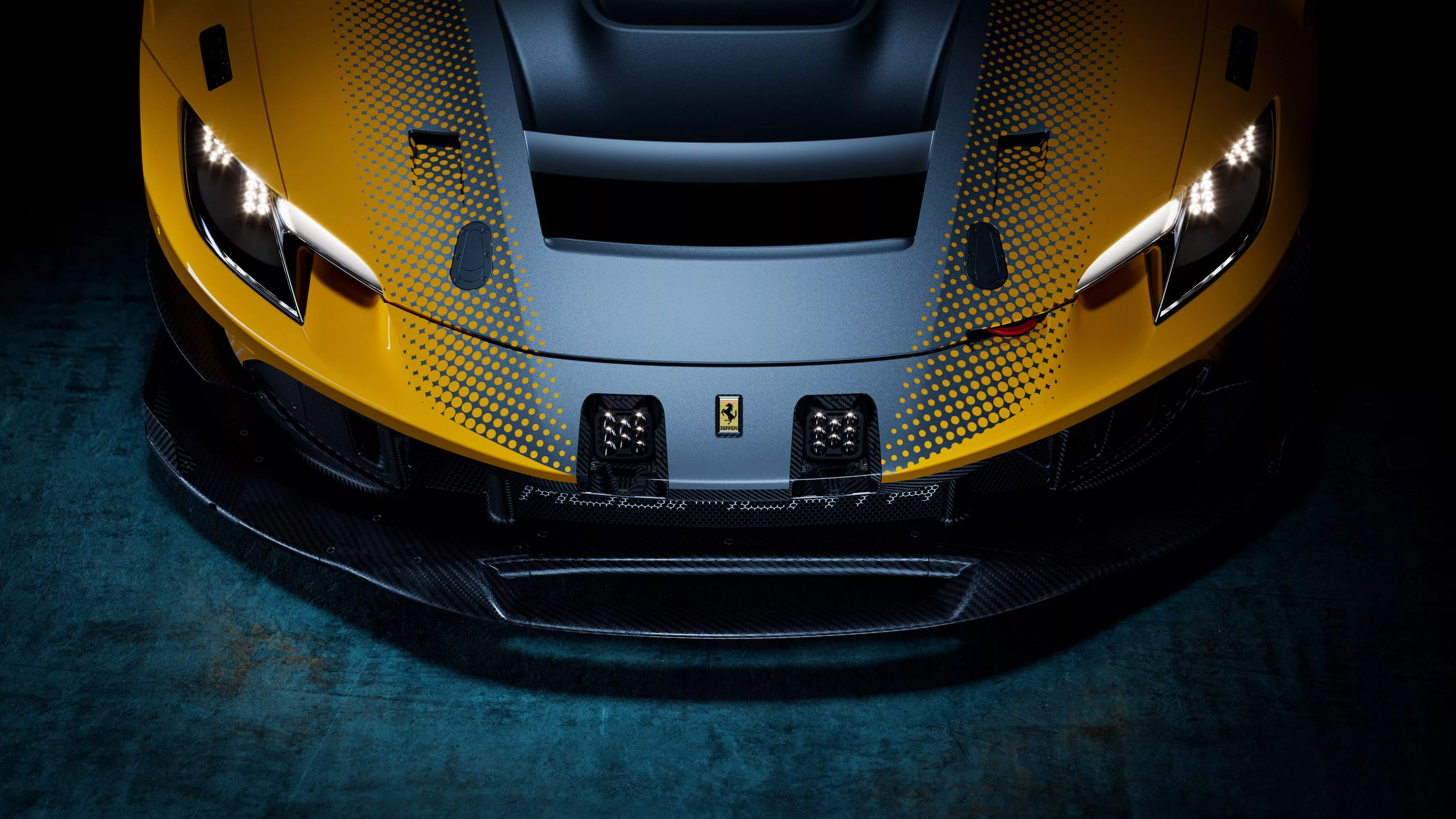
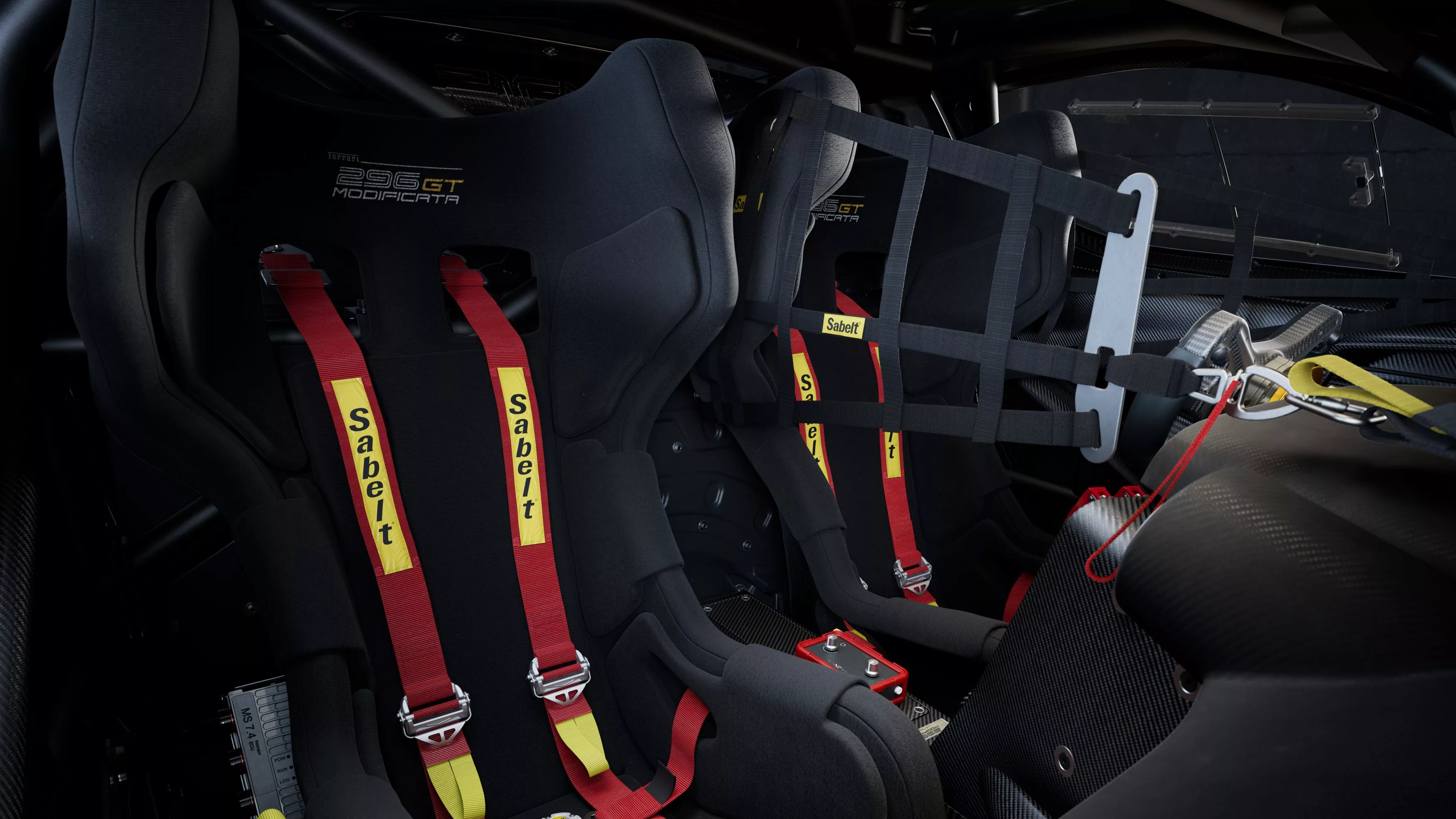
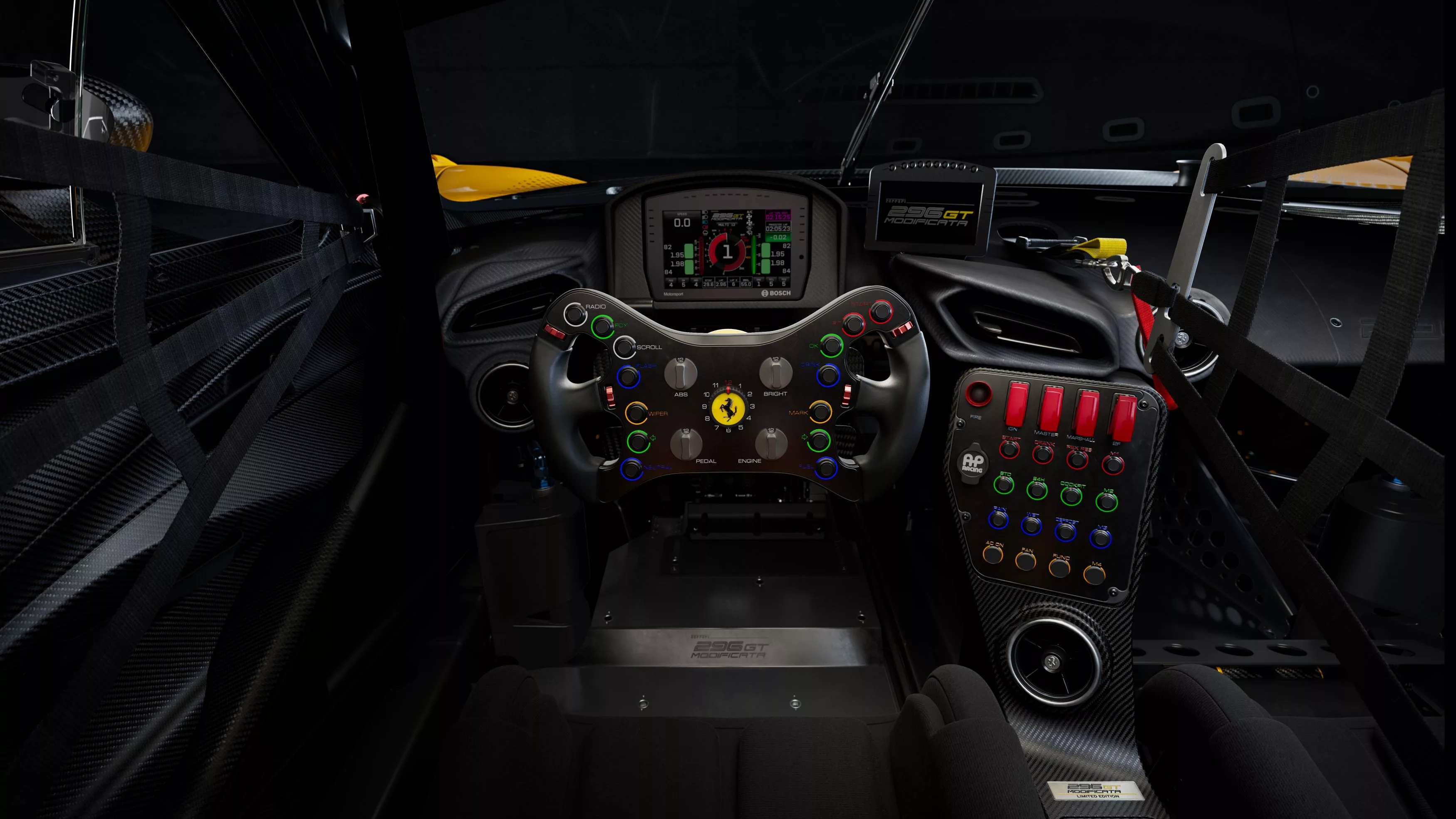
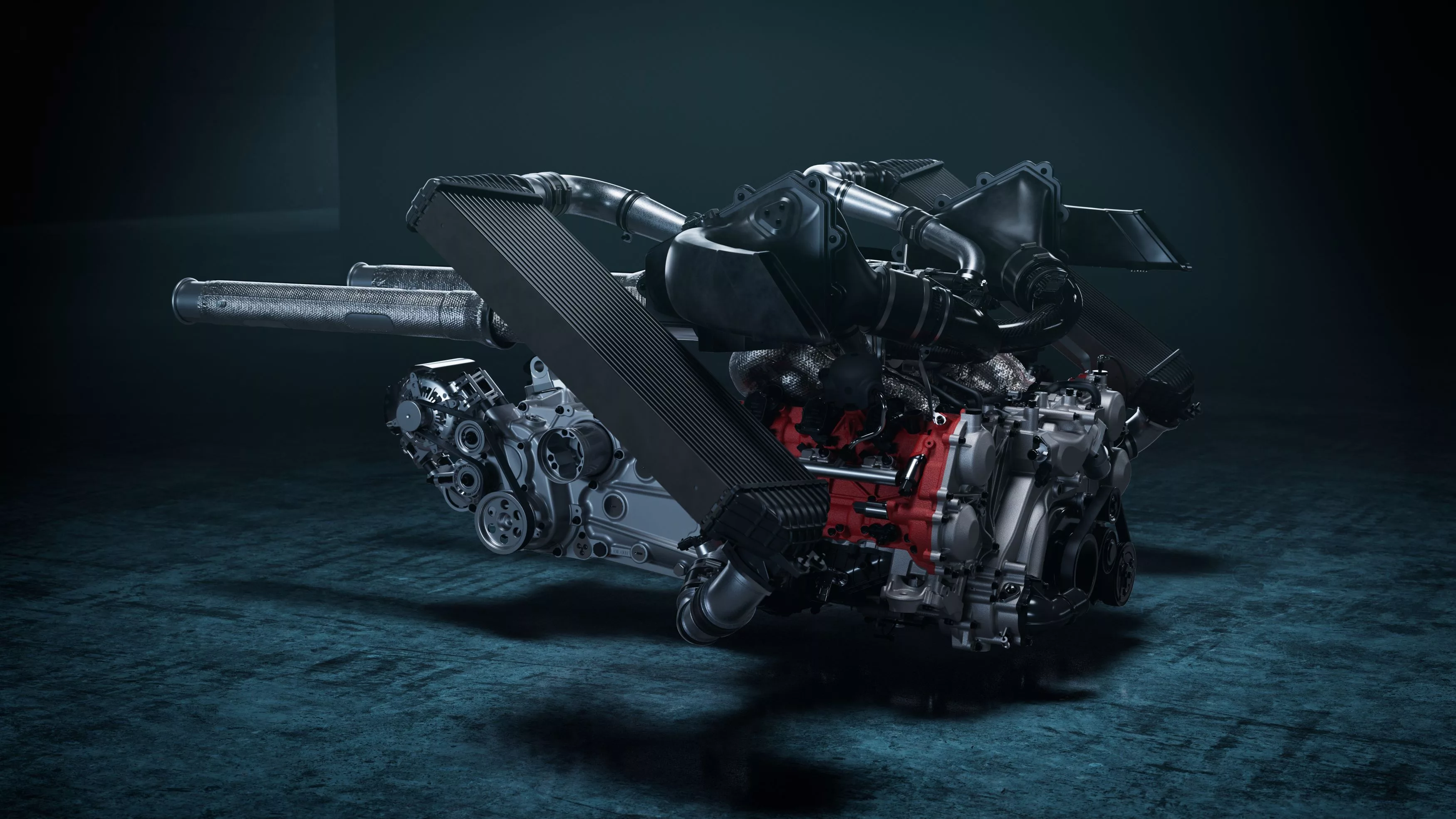
Ferrari has unveiled the 296 GT Modificata, the most extreme member of its 296 family to date. Based on the 296 GT3 Evo race car, it does not have to meet the technical requirements of any racing class. The result is 537 kW, 800 Nm and a Fiorano lap time three seconds faster than the GT3 Evo.
There is one catch, though. The 296 GT Modificata cannot be driven on the road or in an official racing series. Ferrari built it purely for track days for wealthy customers.
A GT3 car without GT3 rules
The 296 GT Modificata takes its starting point from the 296 GT3 Evo, which made its debut in the 2026 season. The race car, however, is constrained by technical regulations and Balance of Performance, or BoP, which organisers use to balance the performance of cars with different designs.
The Modificata can disregard all of that.
The mid-mounted 2.992-litre twin-turbo V6, with a 120-degree bank angle, develops 537 kW at 7,500 rpm and 800 Nm at 5,000 rpm. That is 96 kW more than the GT3 Evo, with a specific output of 179 kW per litre.
Ferrari revised the connecting-rod assembly, camshafts, air ducts, intercoolers and turbochargers. The turbos retain the external dimensions of those in the GT3 Evo, but inside Ferrari uses bespoke components and knowledge gained from the 499P Modificata.
The six-speed sequential gearbox has new ratios and a carbon clutch. Dry weight is 1,330 kg.
Three seconds faster at Fiorano
According to Ferrari, the 296 GT Modificata can lap Fiorano in around 1 minute and 11 seconds, three seconds faster than the 296 GT3 Evo. That is already a huge difference over a single lap.
Extra power alone is not enough to achieve that. Ferrari also reworked the aerodynamics. At the front, the car uses a new slotted splitter and a revised bonnet, while the rear features an entirely new, large wing. Its 5 mm Gurney flap and structural endplates draw on ideas from the 499P racing programme.
The brakes are also based on the GT3 Evo system, but Ferrari has increased cooling capacity. Steel discs measure 400 mm at the front and 332 mm at the rear. The car uses 18-inch wheels, with 325/680 tyres at the front and 325/705 at the rear.
A passenger seat for an instructor
Unlike the race car, the 296 GT Modificata is a two-seater. The second seat is not there simply for comfort: Ferrari envisages it being used by a driving instructor, for example.
Standard equipment includes comprehensive data logging, damper travel sensors, brake temperature measurement, Pitot tubes that measure air pressure, an onboard camera, and tyre pressure and temperature monitoring. The aim is to give the owner tools effectively on a par with those of a racing team to analyse their driving.
Buying a 296 GT Modificata includes two years or 12 events in Ferrari Club Competizioni GT programme. The 2027 calendar takes the cars to circuits including Jerez, Fuji, Indianapolis, Paul Ricard and Spa-Francorchamps.
Faster than a race car precisely because it is not a race car
The most interesting feature of the 296 GT Modificata is not its 537 kW output. Ferrari's own 296 Speciale hybrid powertrain already delivers a combined 647 kW. Instead, the Modificata shows how much potential remains untapped in a genuine GT3 race car because of the rules.
Ferrari did the same thing back in 2020 with the 488 GT Modificata. The new 296 continues this rather unusual niche: a car too extreme for public roads and deliberately outside the rules for official racing.
In Europe, it can be driven exactly where Ferrari intended: on a circuit. And unlike the road-going 296 plug-in hybrids, there is no need for an electric motor here. The 296 GT Modificata is a pure twin-turbo V6 track machine.


