
BMW starts Gen6 battery production for the new i3, cutting cost, weight and charging time
 1/13
1/13
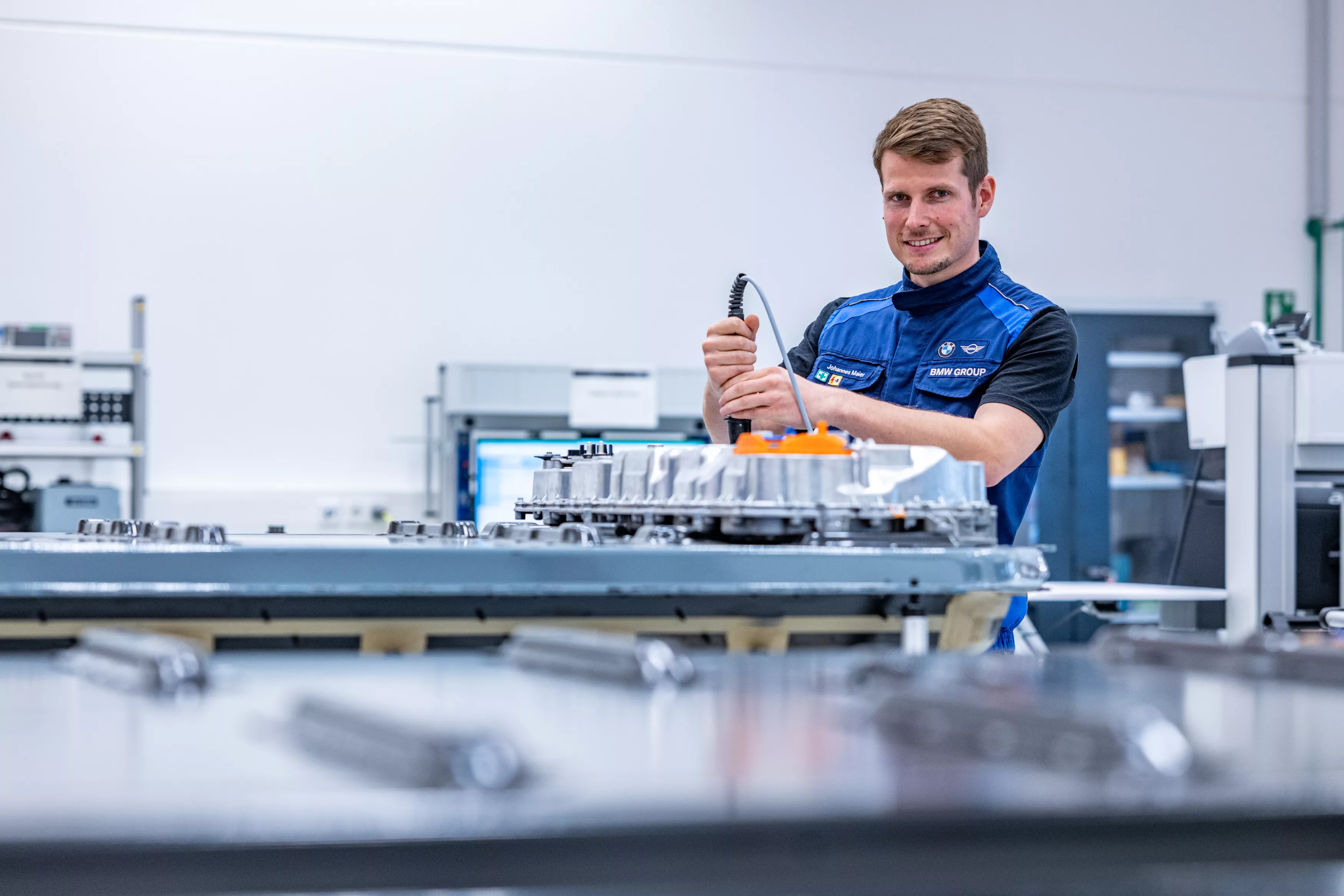
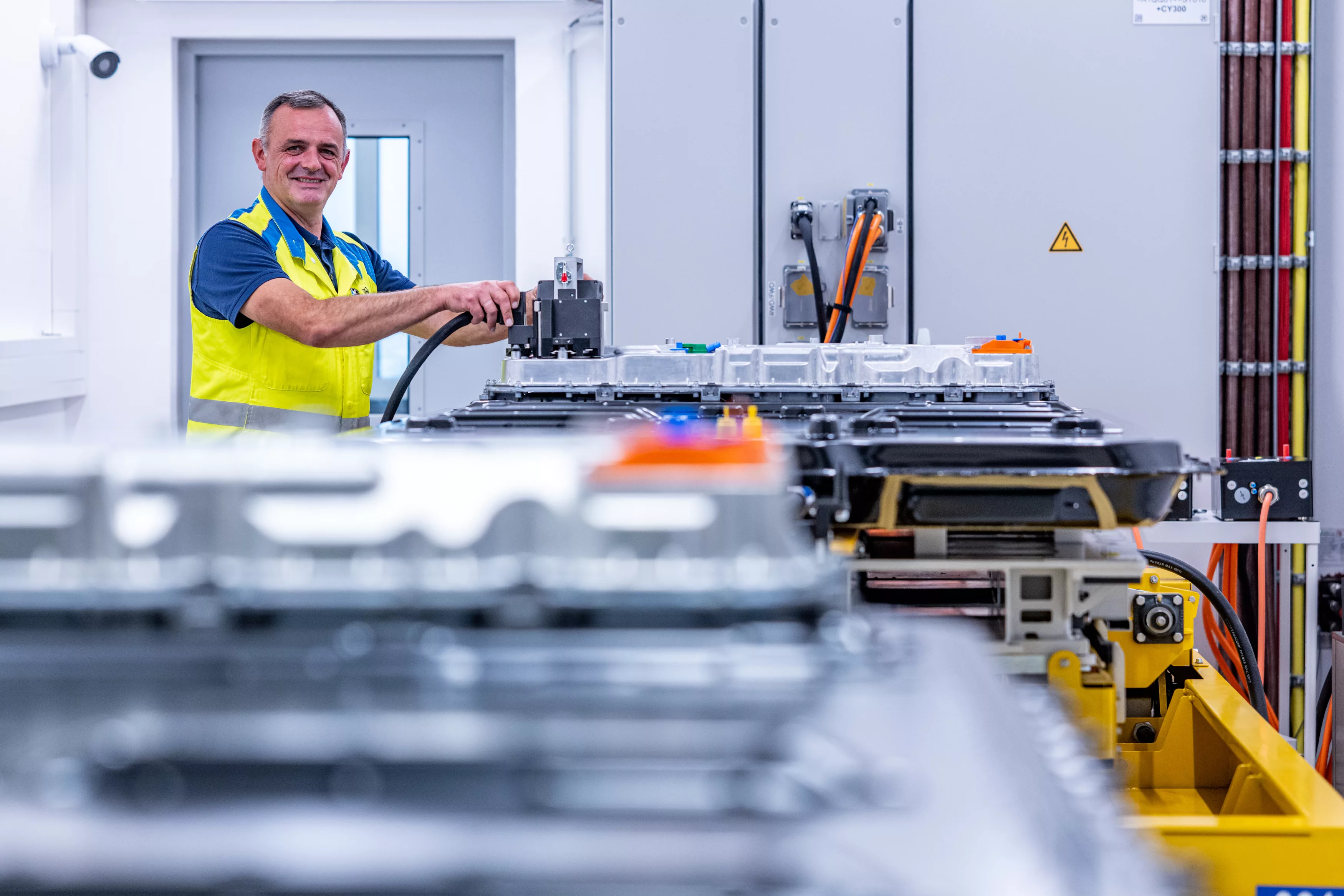
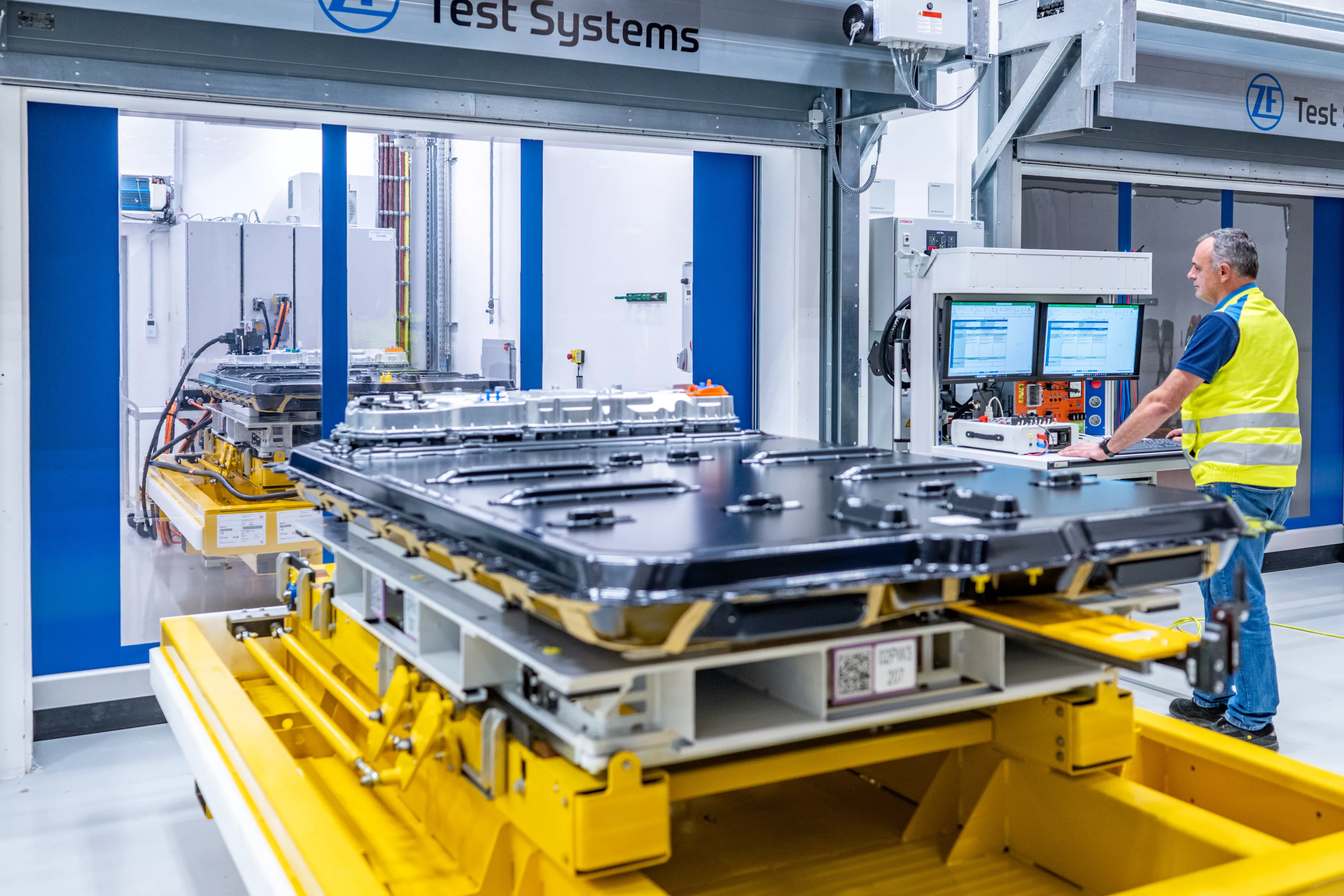
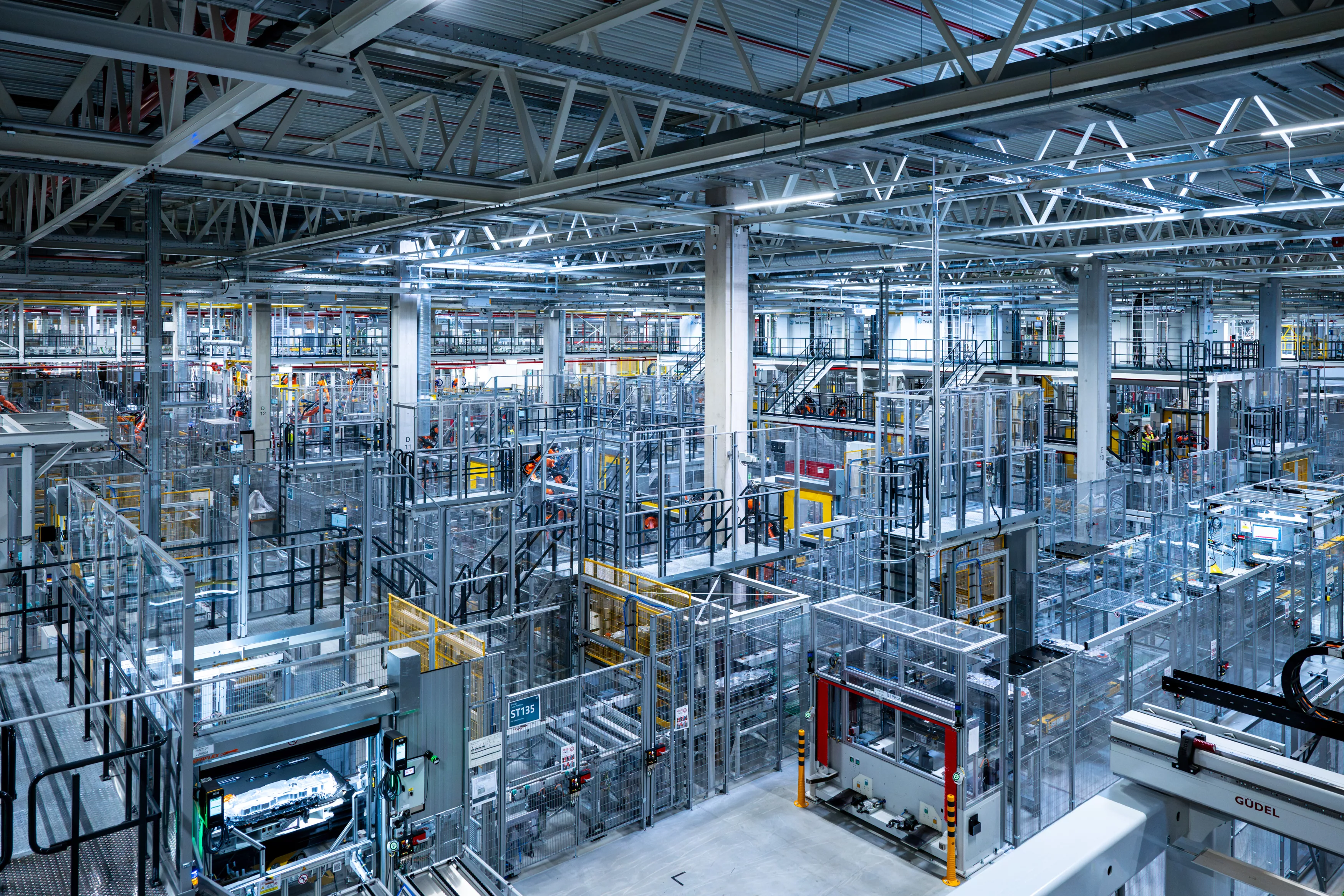
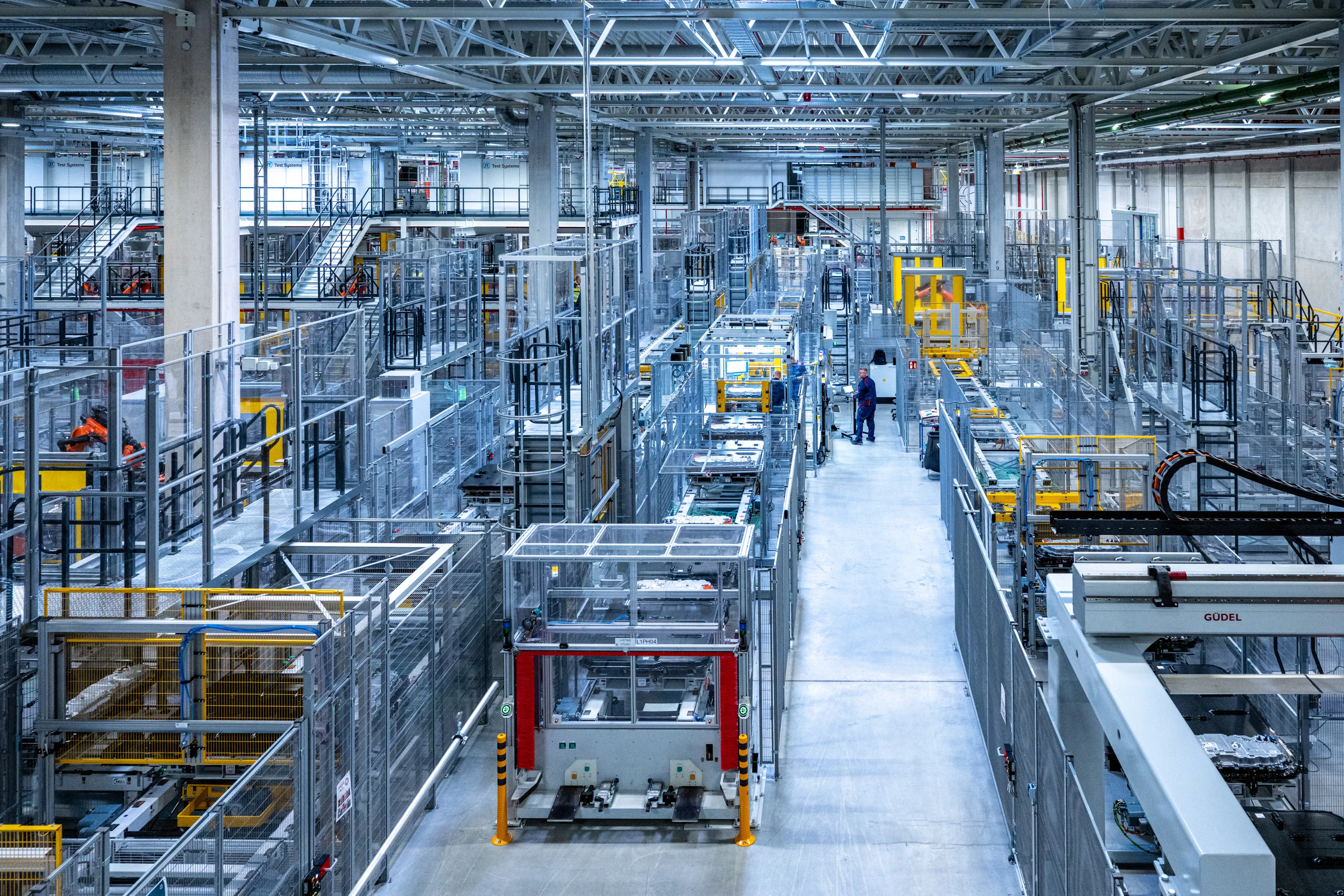
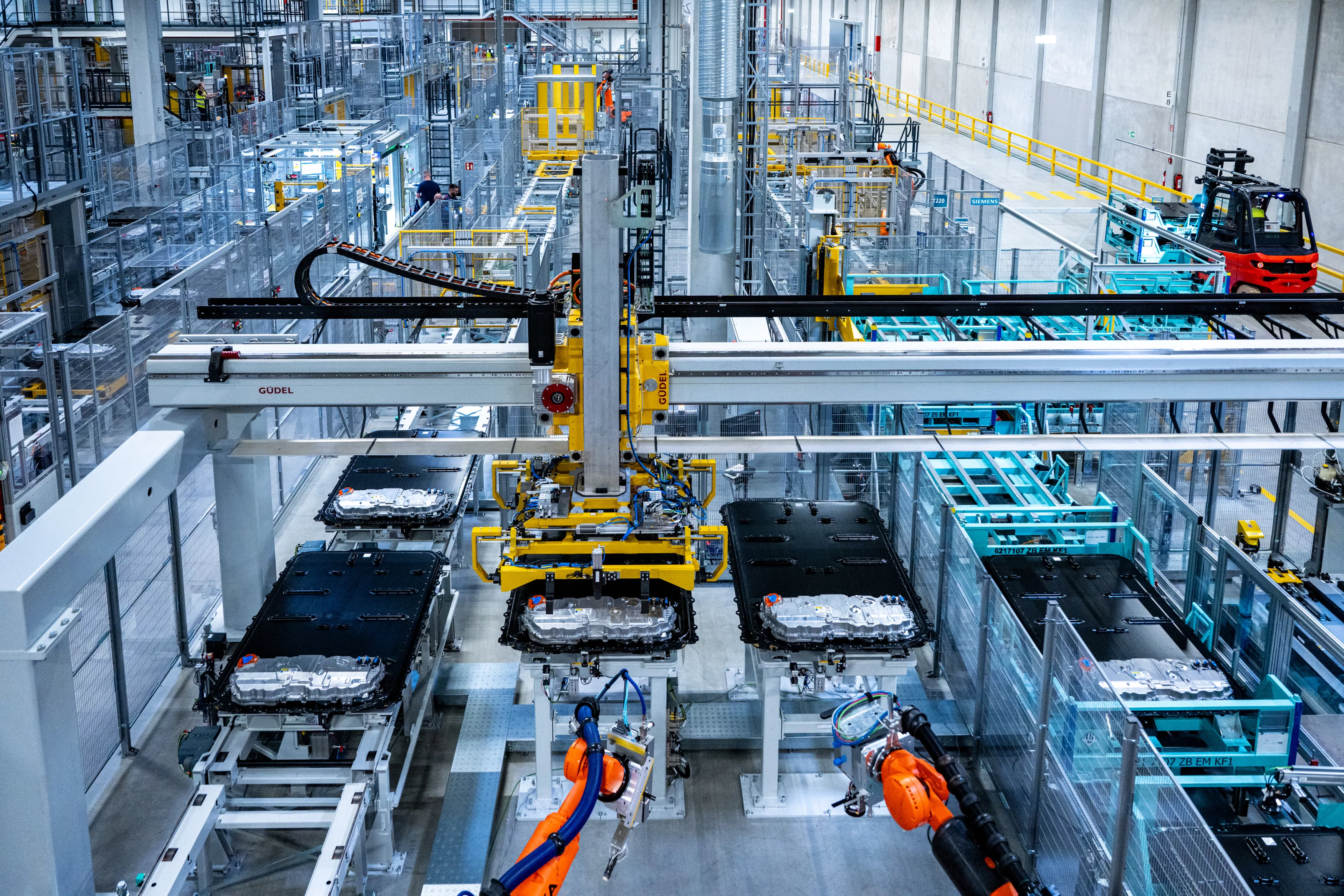
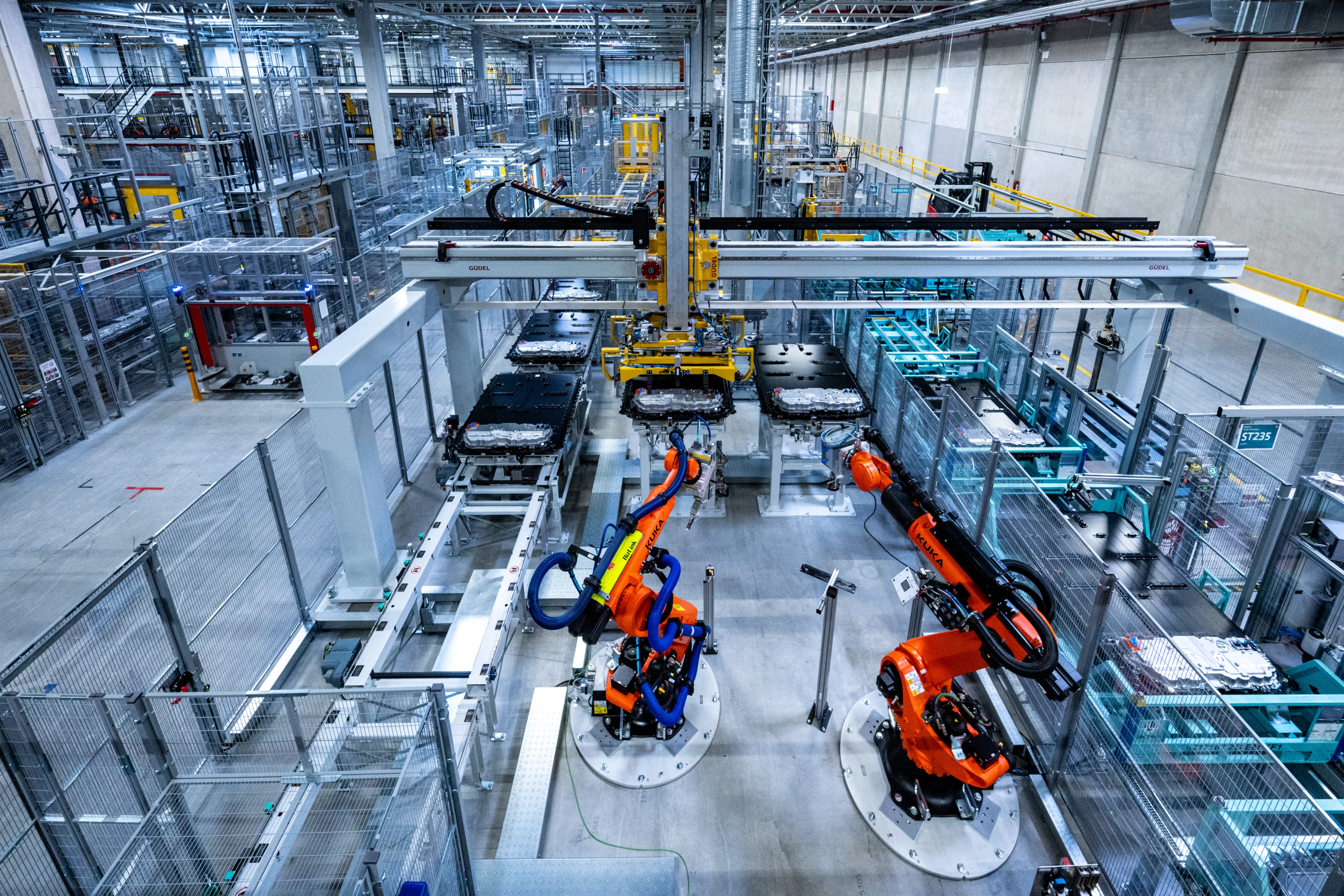
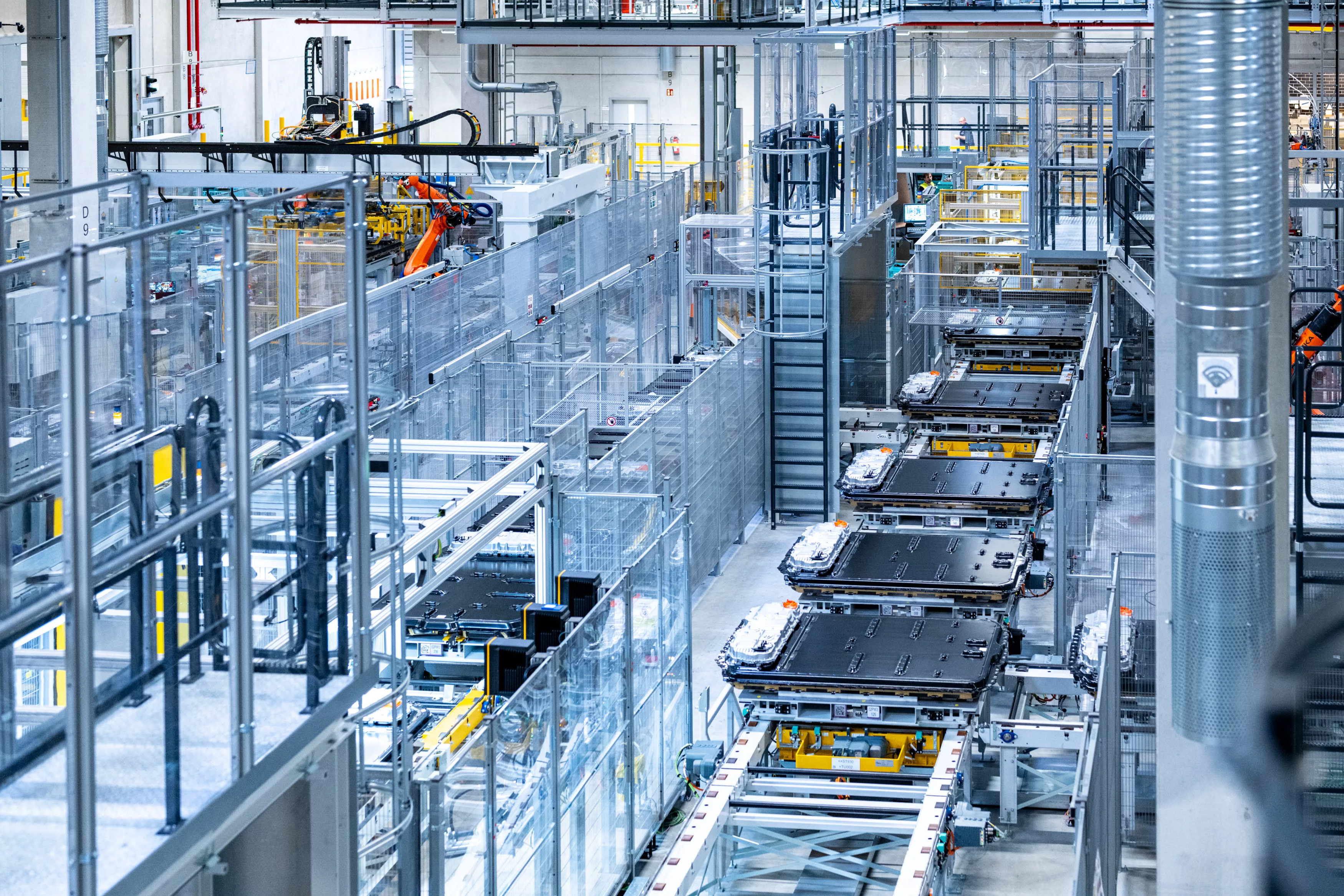
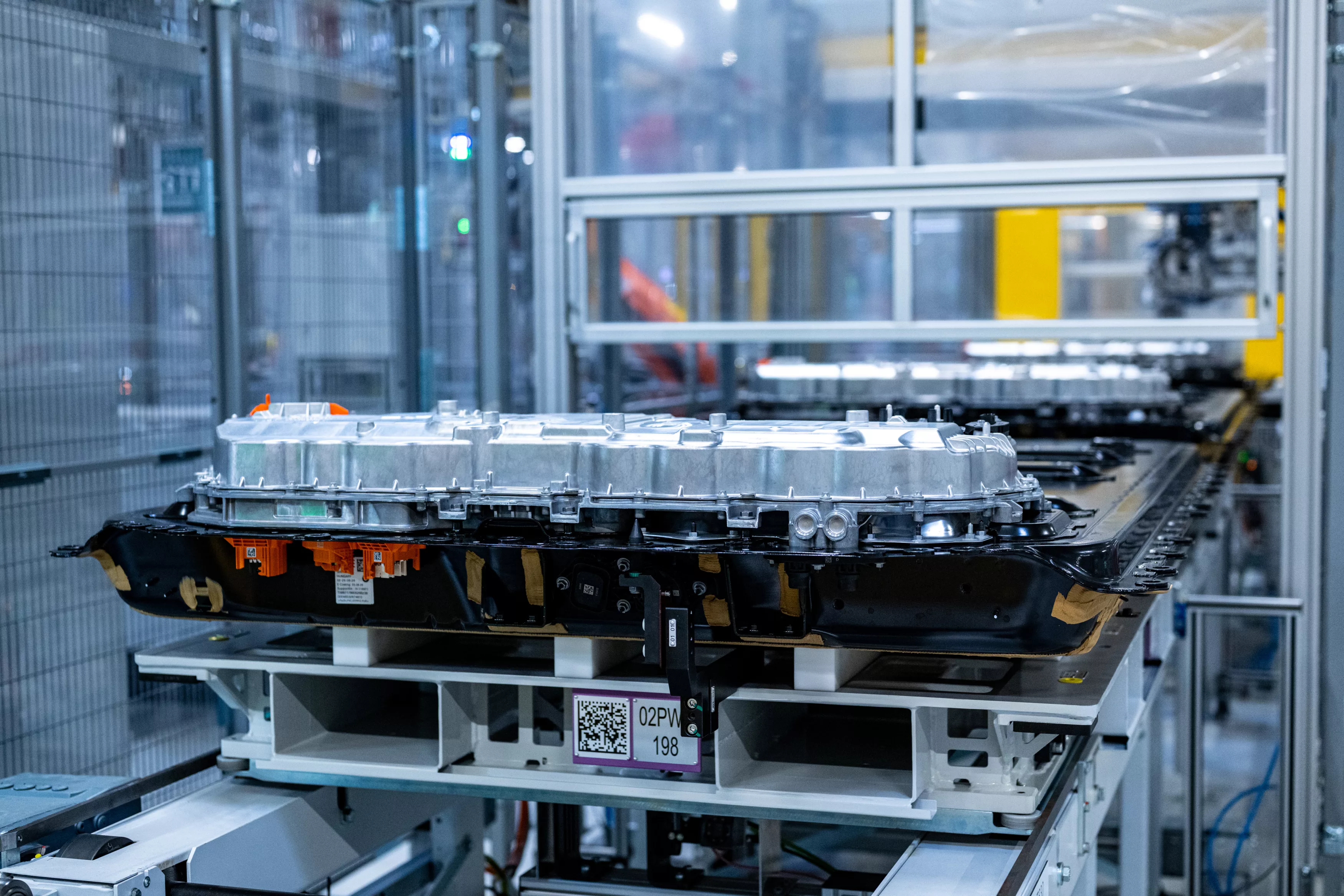
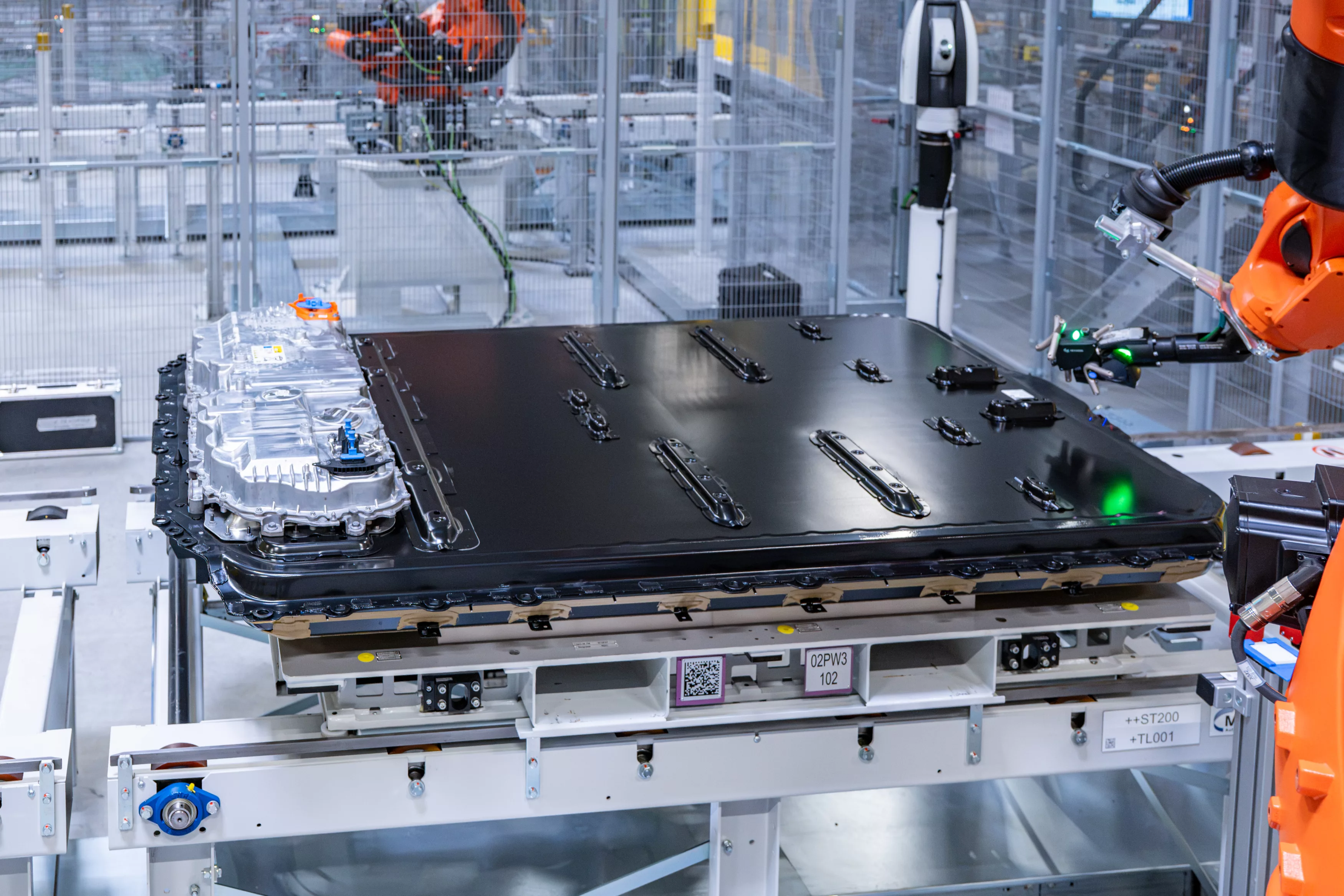
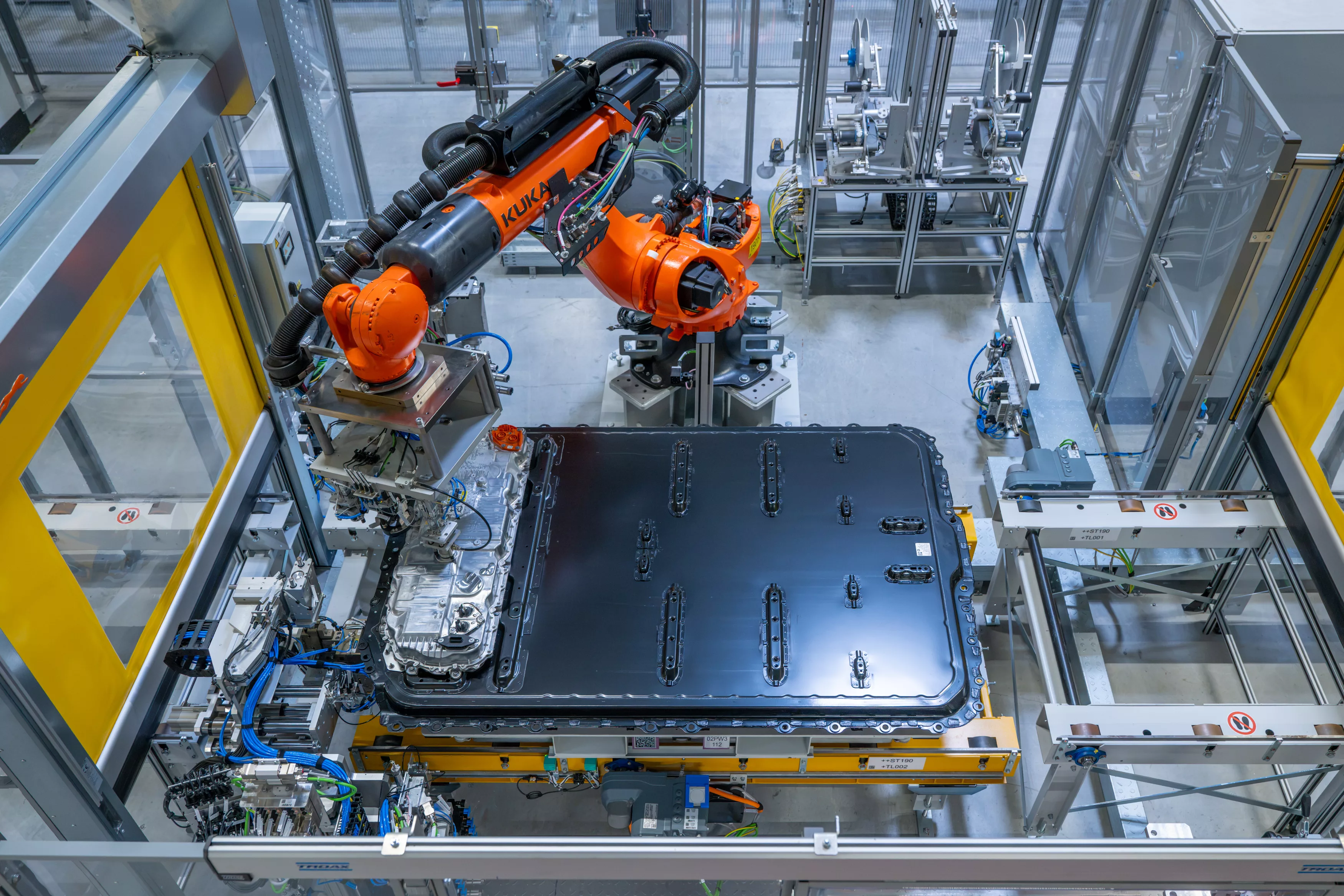
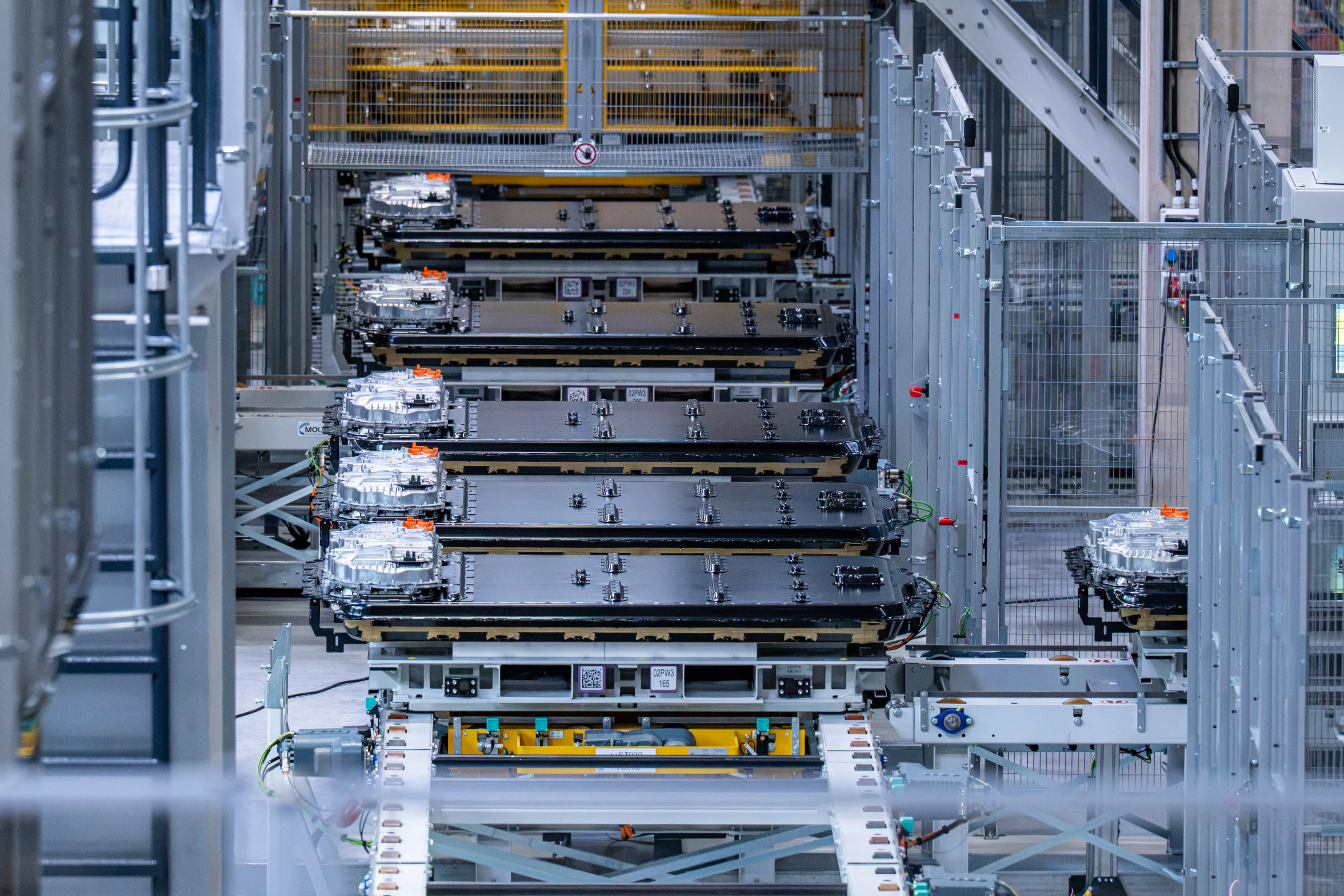
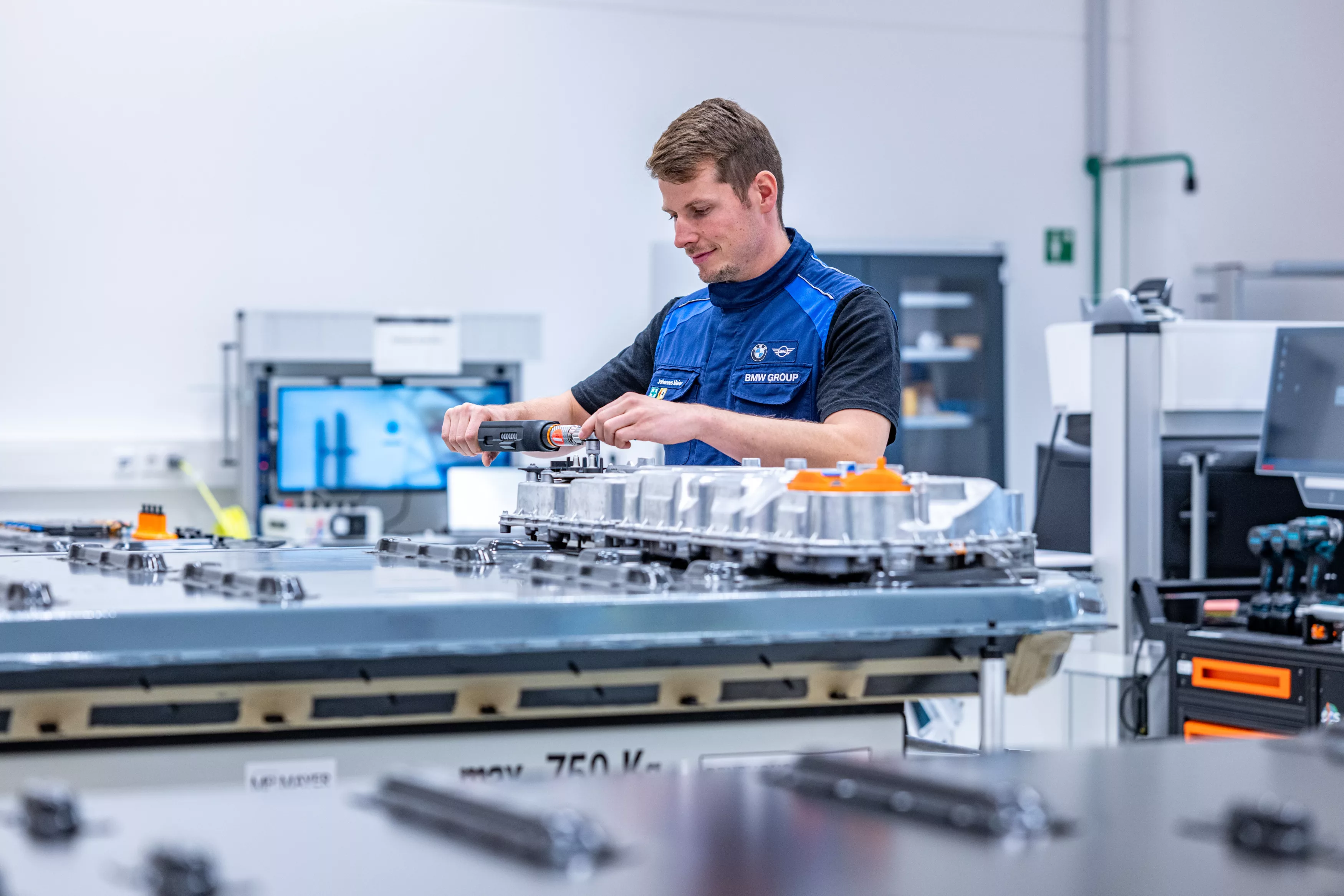
BMW has started series production of sixth-generation high-voltage batteries at its Irlbach-Straßkirchen plant in Bavaria. The first battery packs are heading straight to Munich for the new BMW i3, and strong demand prompted the plant to start with two shifts immediately. More important than the new production building, however, is the battery itself: an 800 V architecture, cylindrical cells, a module-free cell-to-pack design and a cost up to 50 per cent lower than that of the previous generation.
BMW officially opened the Irlbach-Straßkirchen plant on 1 October, just two and a half years after construction began. The company invested around €1 billion in the plant, which supplies Gen6 high-voltage batteries for Neue Klasse models built in Germany, starting with the new i3, which entered series production in August.
BMW does not manufacture battery cells itself in Straßkirchen, but assembles complete high-voltage batteries using cells made by suppliers. The cells' chemistry, format and design have been developed to BMW's specifications, but cell production remains with its partners.
Cylindrical cells replace prismatic cells
With Gen6, BMW is moving away from its existing prismatic cells and using cylindrical cells with a diameter of 46 mm. For the i3, the cells are 95 mm tall.
BMW says volumetric energy density at cell level increases by around 20 per cent compared with Gen5. The cathode has a higher proportion of nickel and a lower cobalt content, while BMW uses more silicon in the anode.
This is not simply a change of cells. BMW is eliminating conventional battery modules altogether and integrating the cells directly into the battery pack. The cell-to-pack design reduces the number of parts, weight and wasted space.
The pack-to-open-body approach takes this a step further. The battery forms part of the car's load-bearing structure, while the lid of the battery housing also serves as the floor. This allows BMW to make the battery thinner, improve the body's torsional rigidity and free up more space for passengers.
800 V and 400 kW finally put BMW in the same league as its leading rivals
The Neue Klasse Gen6 electrical system operates at 800 V, and the new i3's DC charging power reaches 400 kW.
According to the manufacturer, the BMW i3 50 xDrive can add up to 400 km of range in ten minutes at a suitable 800 V charger. The car can also use 400 V DC chargers, as its control unit includes the necessary switching matrix. Optional AC charging at up to 22 kW is available for the i3.
This is a necessary step forward for BMW, not a technical figure for show. The Porsche Taycan, Audi e-tron GT and some Hyundai-Kia E-GMP models have demonstrated the benefits of fast charging for years. Chinese manufacturers, meanwhile, have advanced even more aggressively with 800 V systems.
Neue Klasse puts BMW back among the leaders of this group, at least in terms of architecture.
BMW's own comparison puts the improvement in Gen6 charging speed over the previous generation at around 30 per cent. Range increases by a similar amount, and the improvement could be even greater for some models.
The new i3 can travel up to 912 km
The preliminary WLTP range of the most efficient BMW i3 50 xDrive is between 758 and 912 km, depending on equipment and configuration. Electricity consumption is 13.4 to 16.1 kWh/100 km.
912 km is a very strong figure for a premium electric saloon and makes the comparison with the previous i4 generation rather uncomfortable. The new car's gains are not solely down to a larger battery. Lower electrical losses, aerodynamics, a lighter structure and more efficient power electronics also contribute.
BMW continues to use an electrically excited synchronous motor on the rear axle, whose major advantage is the absence of permanent magnets. On xDrive versions, an asynchronous motor may be used on the front axle, reducing losses when coasting. BMW estimates that the new electric drive reduces energy losses by around 40 per cent and weight by 10 per cent compared with its predecessor.
The most important figure is not 400 kW, but a battery that costs up to 50 per cent less
In global electric car competition, production cost matters more than charging power.
BMW says that, for a comparable range, the Gen6 high-voltage battery costs 40 to 50 per cent less to produce than the Gen5 design. Just a few years ago, the company estimated that a cost reduction of up to 50 per cent was possible; now BMW is citing a figure of the same order for production-ready technology.
This may sum up the significance of Neue Klasse better than any range record.
The main problem European carmakers face against their Chinese rivals is no longer whether they know how to build a good electric car. They do. The question is whether they can do so as profitably.
If BMW can actually cut battery costs by nearly half, one of an electric car's largest cost components will fall enough to make pricing significantly more flexible. That creates scope either to lower prices or to increase margins.
Europe urgently needs both right now.
BMW is building battery plants alongside car factories
Irlbach-Straßkirchen is not a standalone project.
BMW follows a “local for local” principle for Gen6 batteries, meaning complete high-voltage batteries are assembled as close as possible to the car factory. In Debrecen, the battery assembly line is in the same factory complex that builds the iX3. In Germany, Straßkirchen supplies Munich and other local plants. Similar facilities are planned for Shenyang in China and Woodruff, near Spartanburg, in the US.
The logic is simple. A complete high-voltage battery is a large, heavy and expensive component that it makes little sense to ship around the world. Local assembly reduces logistics requirements, simplifies the supply chain and allows production to be synchronised more closely with the car model.
For the Munich-built i3, the battery comes from Straßkirchen, around 90 minutes away, while the electric drive comes from the Steyr plant in Austria. Steyr makes the rotor, stator, inverter and reduction gearbox itself; the motor housing comes from the aluminium foundry in Landshut.
Neue Klasse is more a production programme than a single new model
The new i3 is only the second Neue Klasse production model after the iX3, but BMW's ambitions are considerably greater.
The Munich plant was rebuilt over four years without interrupting ongoing production. From the end of 2027, it will manufacture only fully electric cars. BMW wants to transfer Neue Klasse technology quickly to the rest of its model range, regardless of the model name under which a car goes on sale.
There is an important distinction here from, for example, the first i3, which BMW produced from 2013 to 2022 as a standalone electric car. The new i3 is not a technological offshoot, but an electric 3 Series and the technical foundation for the entire next generation of BMWs.
The battery is a central component in this system.
If BMW's 400 kW charging, WLTP range of more than 900 km and significantly lower production costs come close to their promised levels in practice, Neue Klasse will no longer be merely BMW's answer to Mercedes-Benz and Audi. It will be one of the most serious attempts by one of Europe's largest premium carmakers to reduce Chinese electric cars' technical and cost advantages.


