
California to fine robotaxi operators for blocking roads
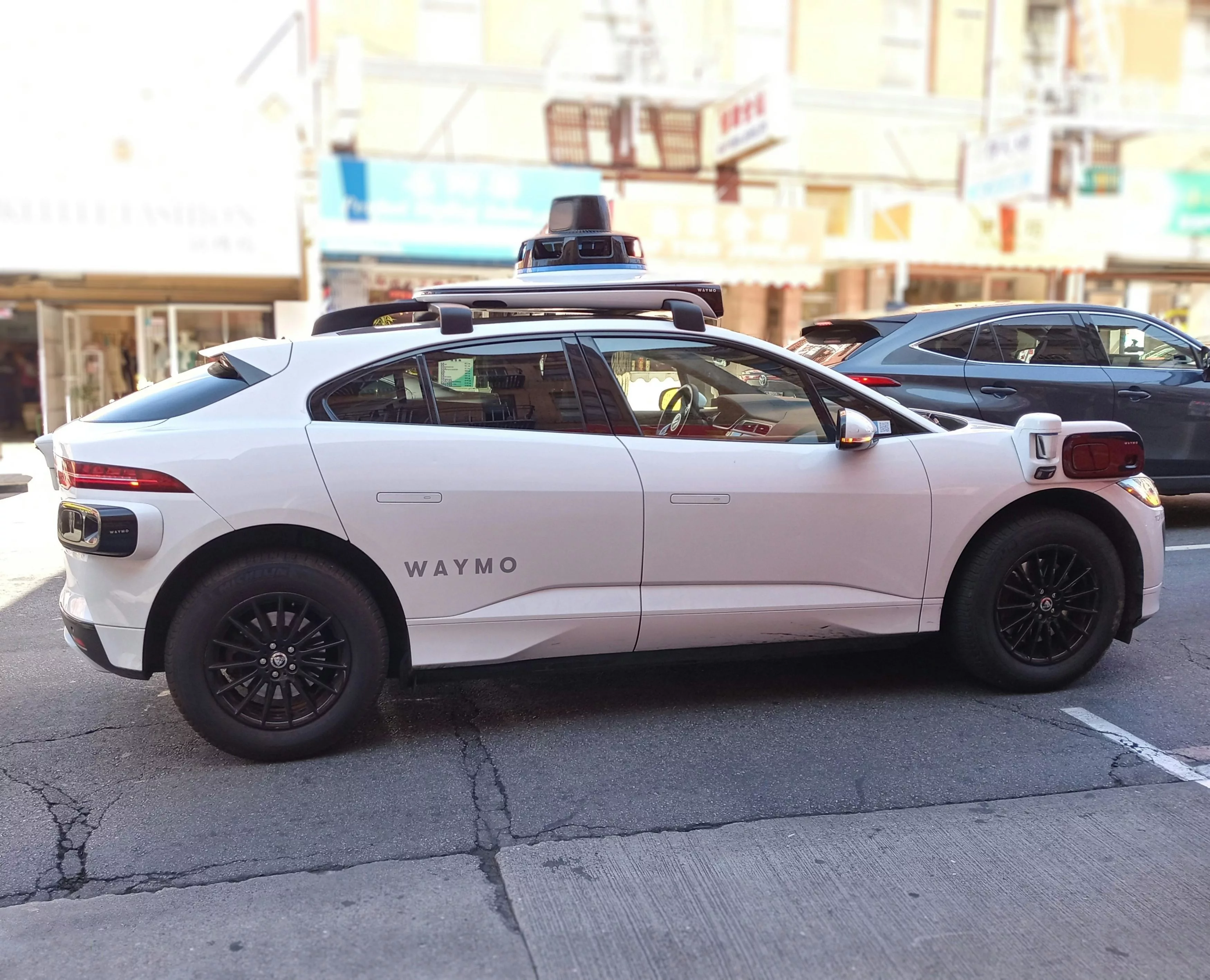
California has introduced new accountability rules for autonomous vehicle operators. If a robotaxi obstructs the work of police, rescue crews or other emergency services for more than 30 minutes, its operator could face a civil penalty of up to $10,000, or approximately €8,900, per vehicle. The new rules take effect on 1 July 2028.
Responsibility shifts from the car to the company
The problem until now was fairly obvious: if a driverless car blocked traffic or ended up in the middle of a rescue operation, there was nobody behind the wheel for a police officer to give instructions or issue a fine.
California's SB 1246 addresses this at company level. A city or county can go to court to seek a civil penalty of up to $10,000 for each commercially operated autonomous vehicle that obstructs an emergency response or police operation for more than 30 minutes after an official has asked the operator to send a technician to the scene.
Violations of other response requirements set out in the law can incur penalties of up to $5,000, or around €4,450.
A local technician must actually be present
The fine is not the most important part of the new law. Operators must establish a system for quickly removing an autonomous car from the road if it breaks down or obstructs traffic.
SB 1246 requires local technicians who can attend the vehicle in the event of an accident or obstruction and physically move it if necessary. Companies must also notify local authorities of system-wide failures and improve communication with emergency services.
Remote operators must be based in the United States and hold a US driving licence.
This is a substantive change for autonomous vehicles. A robotaxi can no longer simply be a car connected to a cloud service whose problems are resolved from a control centre somewhere. The operator must be able to send a person to the car when necessary.
Waymo incidents exposed the weakness
The new requirements were not introduced to solve a theoretical problem.
In August 2025, an autonomous vehicle became stranded in an area affected by an active wildfire near Redwood City, and a California Highway Patrol officer took around half an hour to reach the car and remove it. In December of the same year, a power outage in San Francisco caused widespread problems with Waymo vehicles, and authorities sometimes had to wait nearly an hour for help from the company.
In 2026, Waymo came under scrutiny again after incidents in which autonomous cars drove into closed roadworks areas. The company subsequently restricted highway use by its fleet of nearly 4,000 vehicles to address a software problem. Issuing fines had been strangely difficult
California had already changed its approach to traffic violations by autonomous cars in April 2026. The new rules allow police to issue a notice of an autonomous vehicle's violation directly to the manufacturer or operator. Previously, an absurd situation had arisen in which it was virtually impossible to issue a standard traffic fine to a driverless car.
SB 1246 goes a step further, focusing on situations in which an autonomous car interferes with rescue operations or traffic management.
Europe is facing the same issue
Fully driverless commercial services at SAE Level 4 are still far more limited in Europe, but the regulatory problem is exactly the same. If there is no person behind the wheel, the law must determine who is responsible for the car's behaviour, its removal and any traffic violation.
California's solution places responsibility squarely on the operator. This is a logical direction for Europe too: the more autonomous a car becomes, the less traffic law can rely solely on the driver as the responsible party.
Technology may remove the person behind the wheel, but responsibility cannot be taken out of the car along with the driver.


