
Dutch students’ electric car captures up to 42% of tyre dust at urban speeds
 1/19
1/19
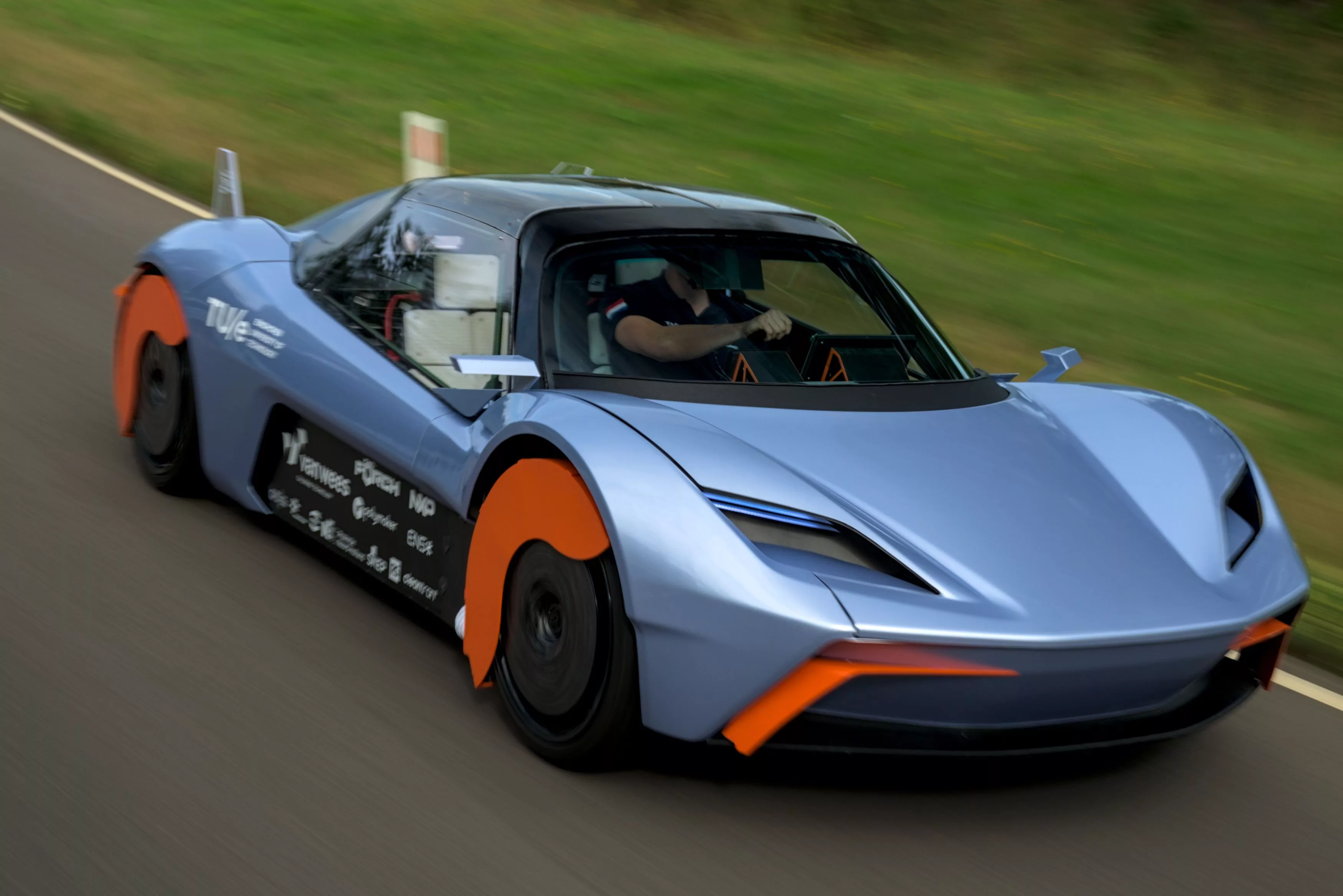
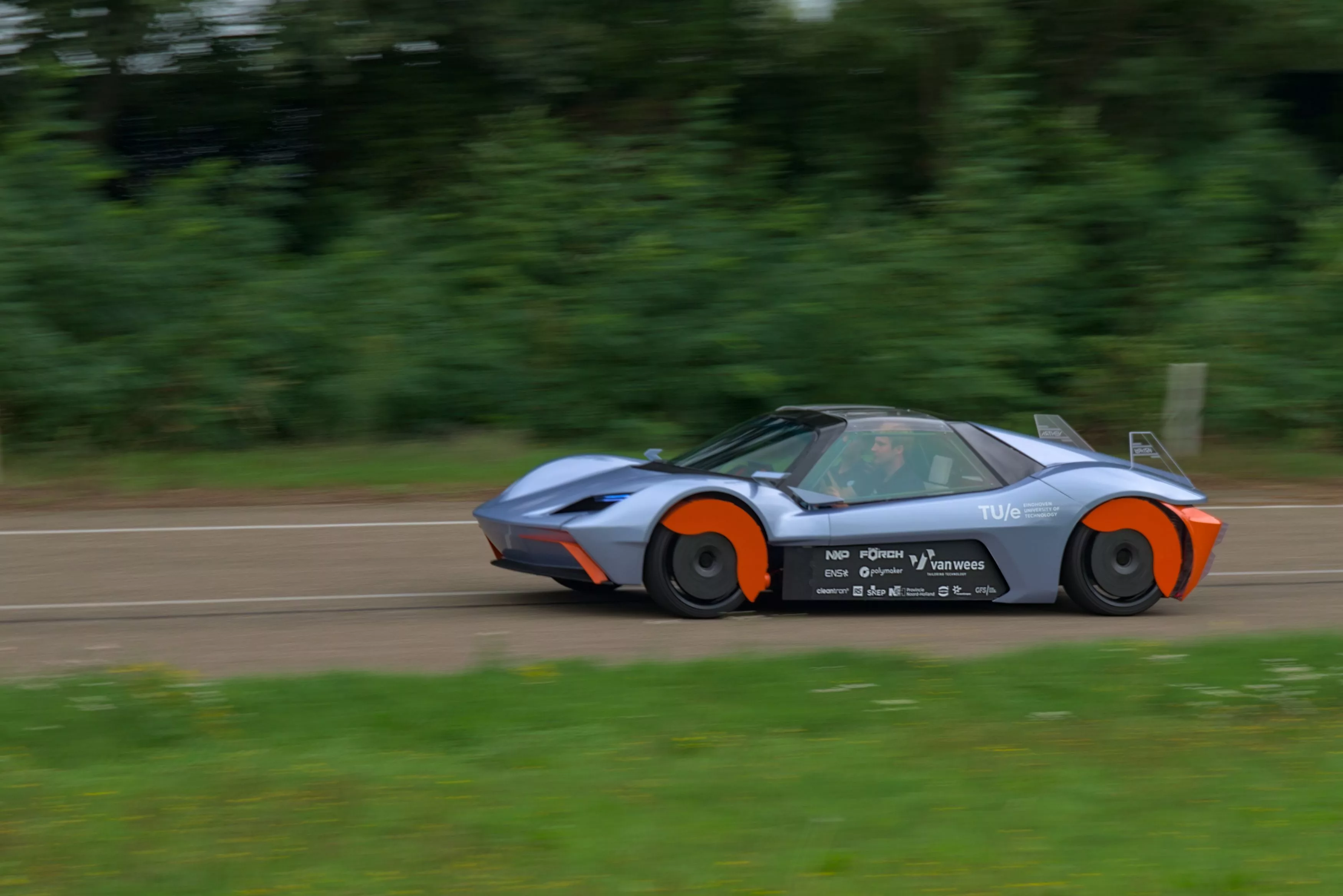
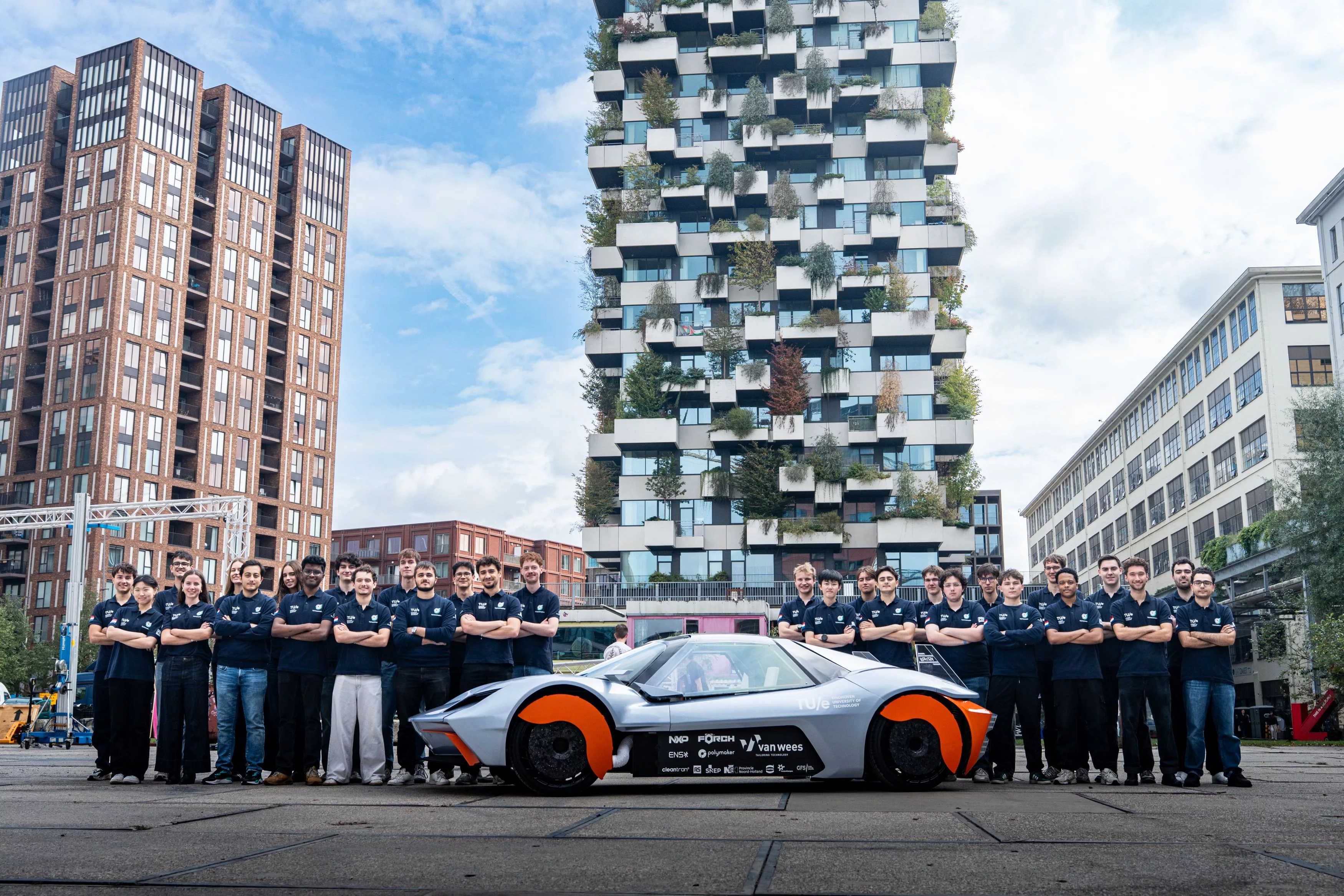
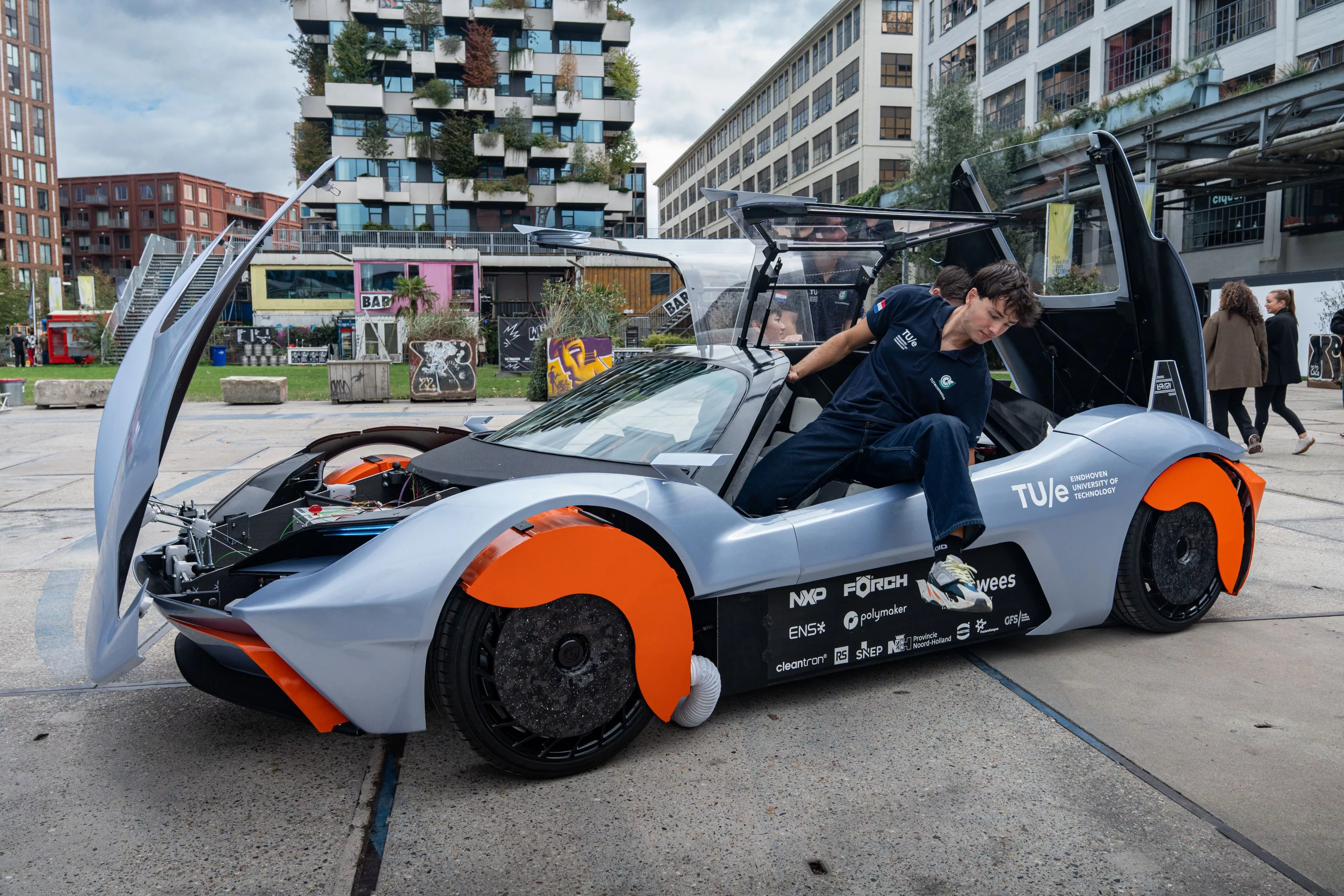
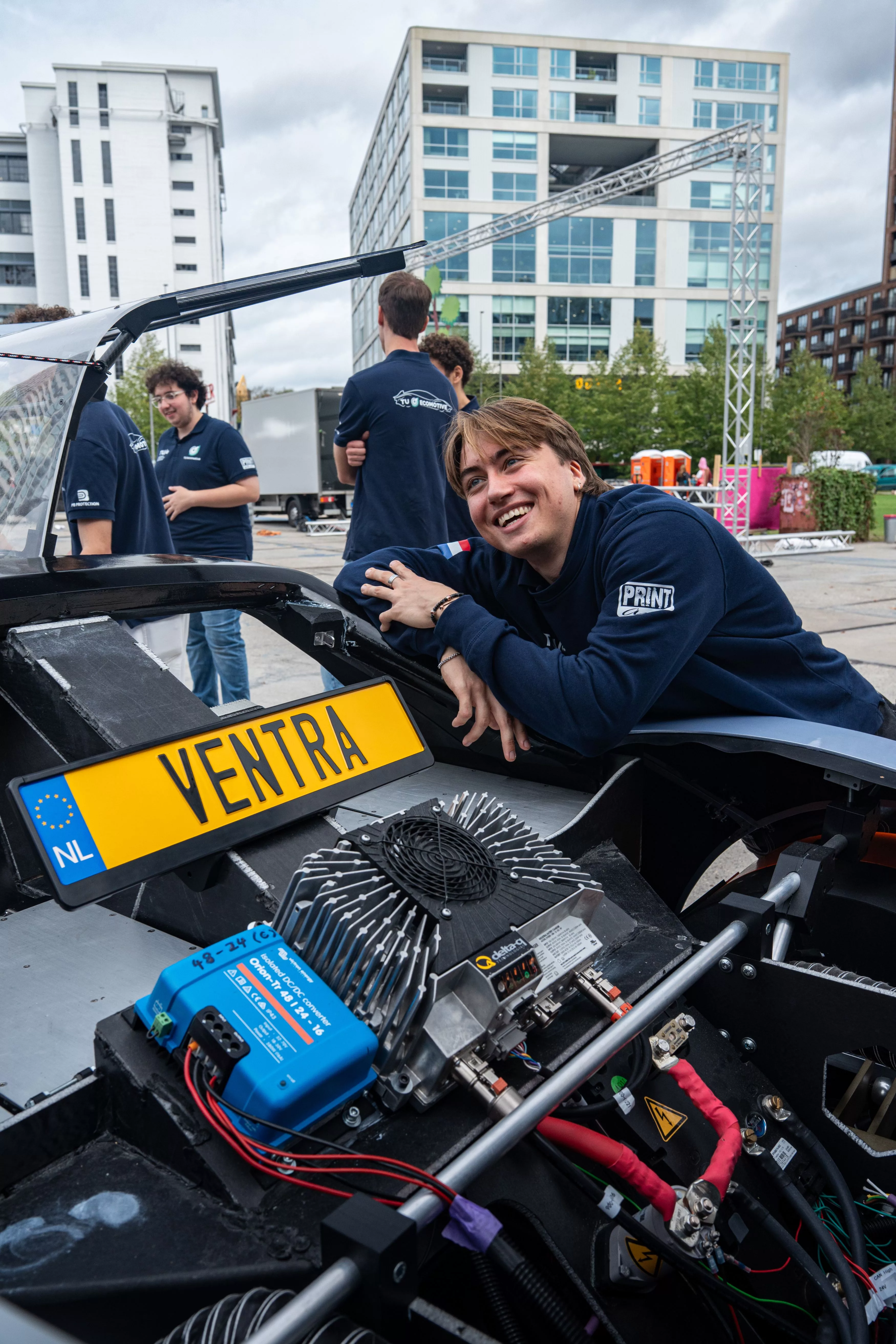
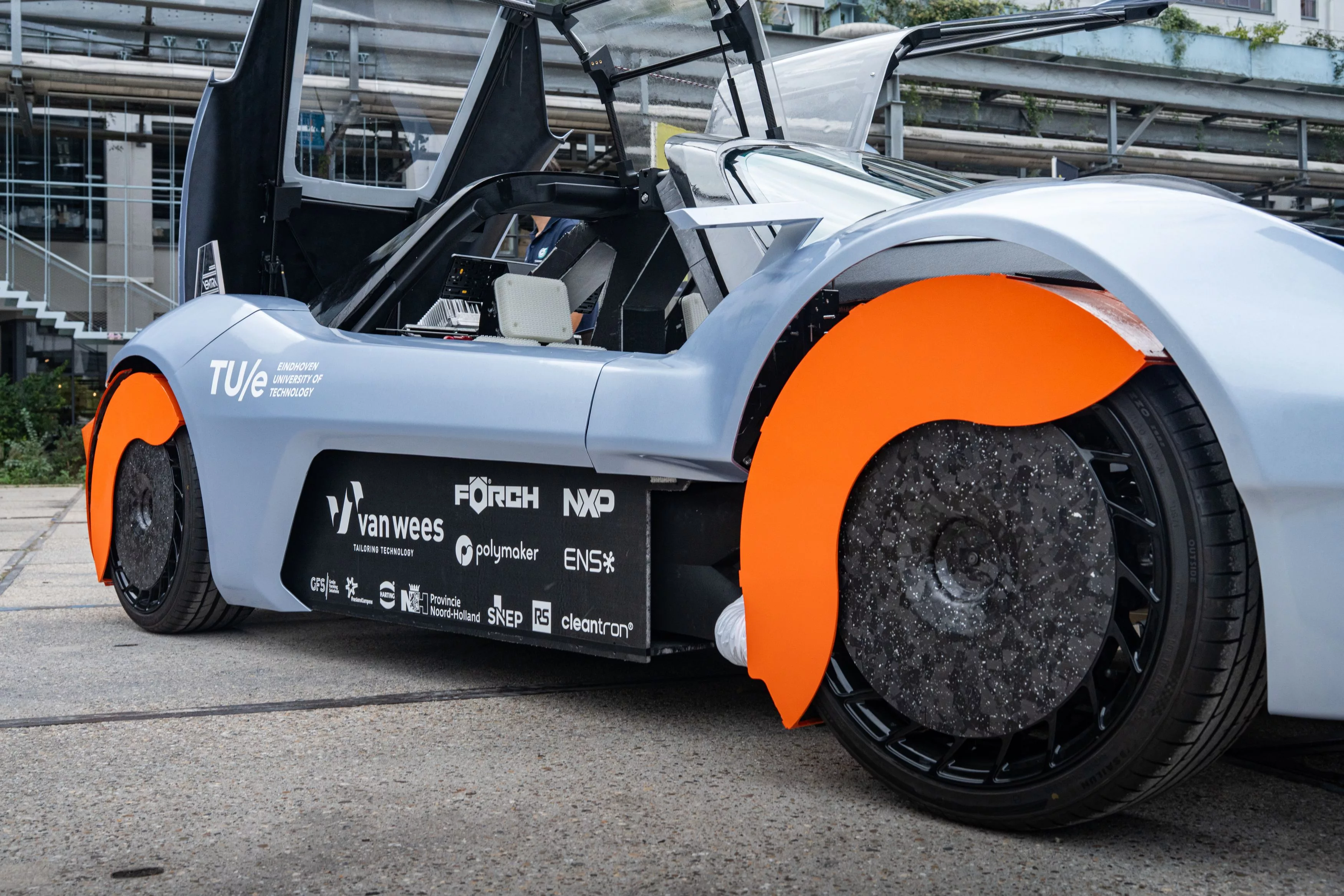
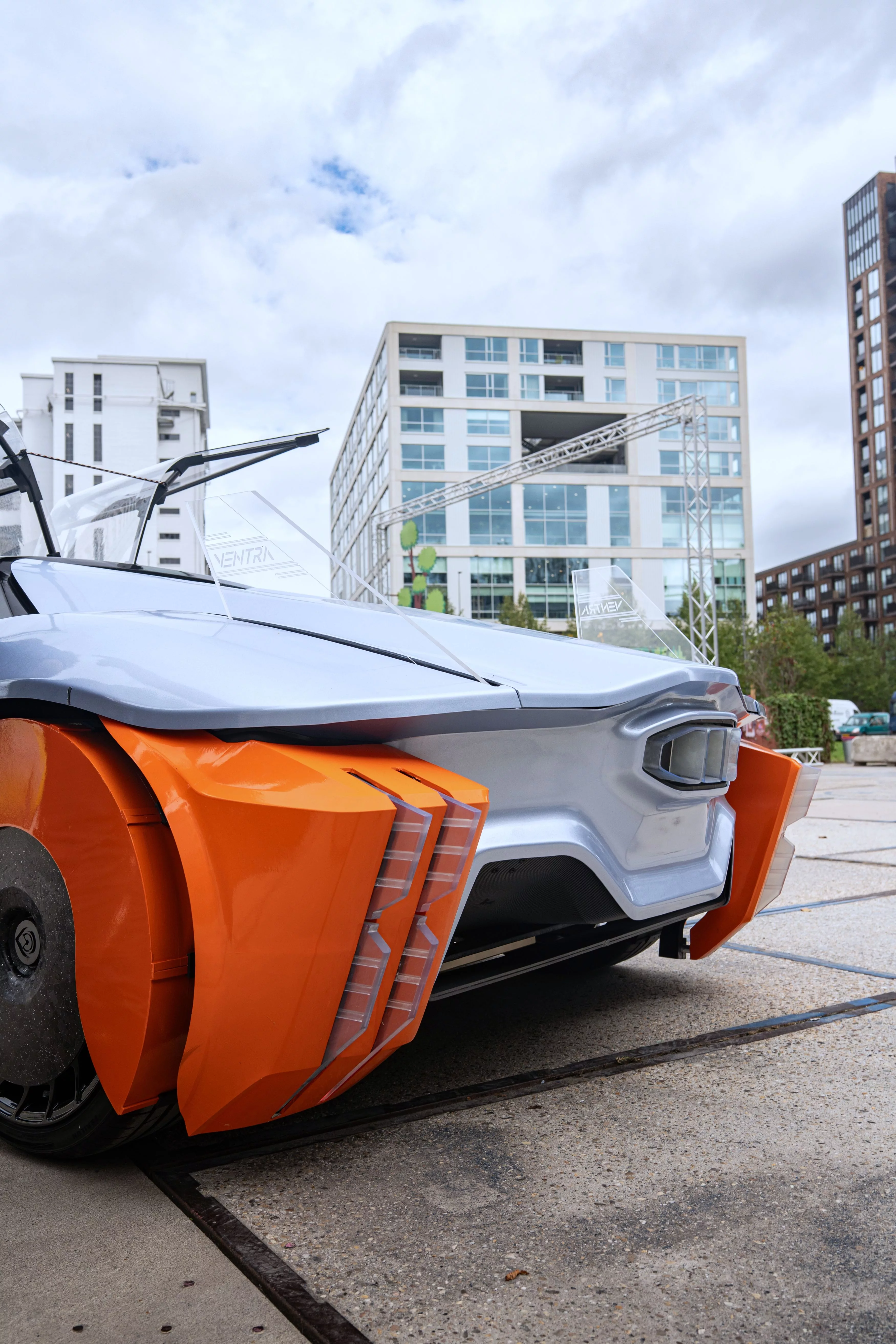
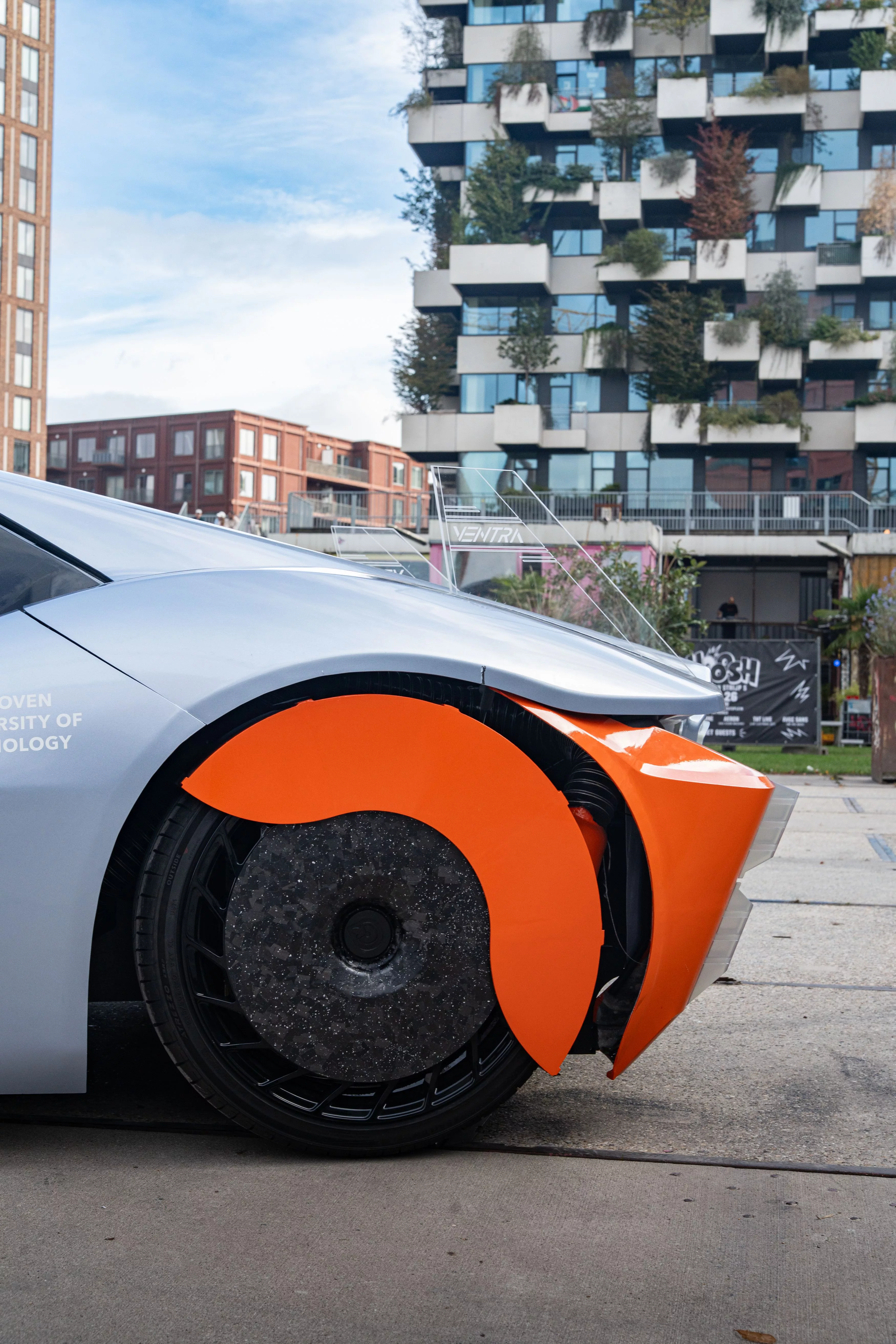
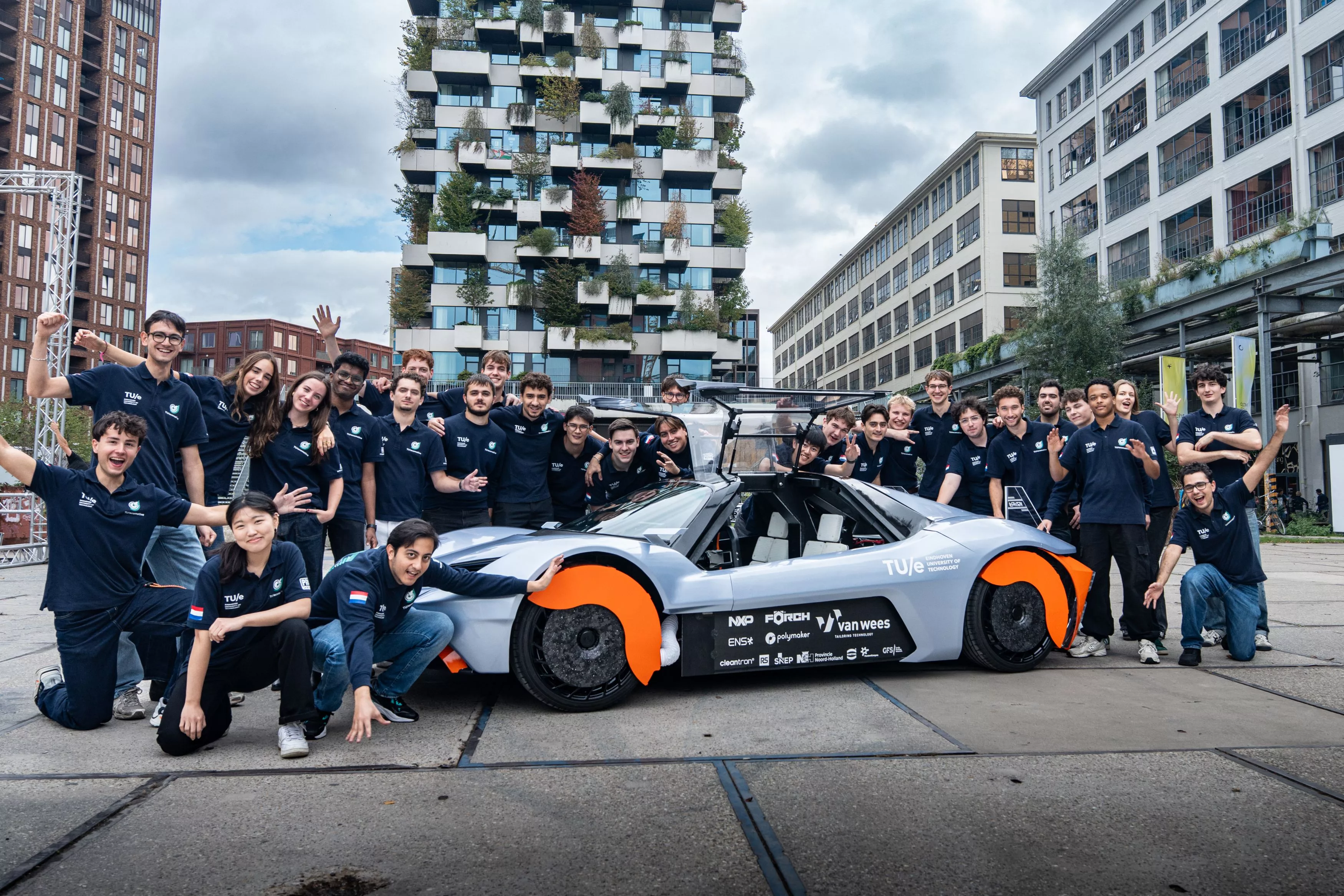
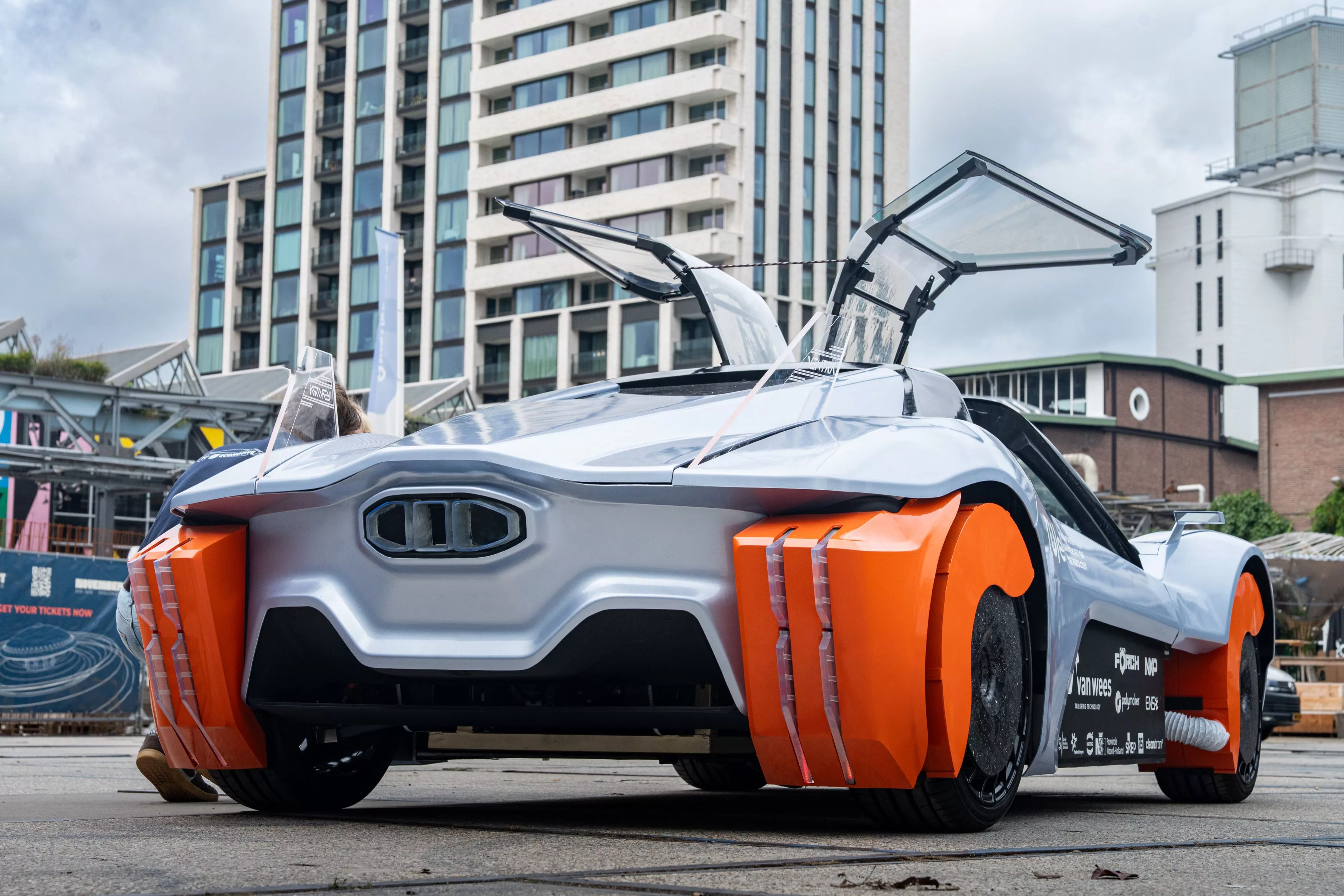
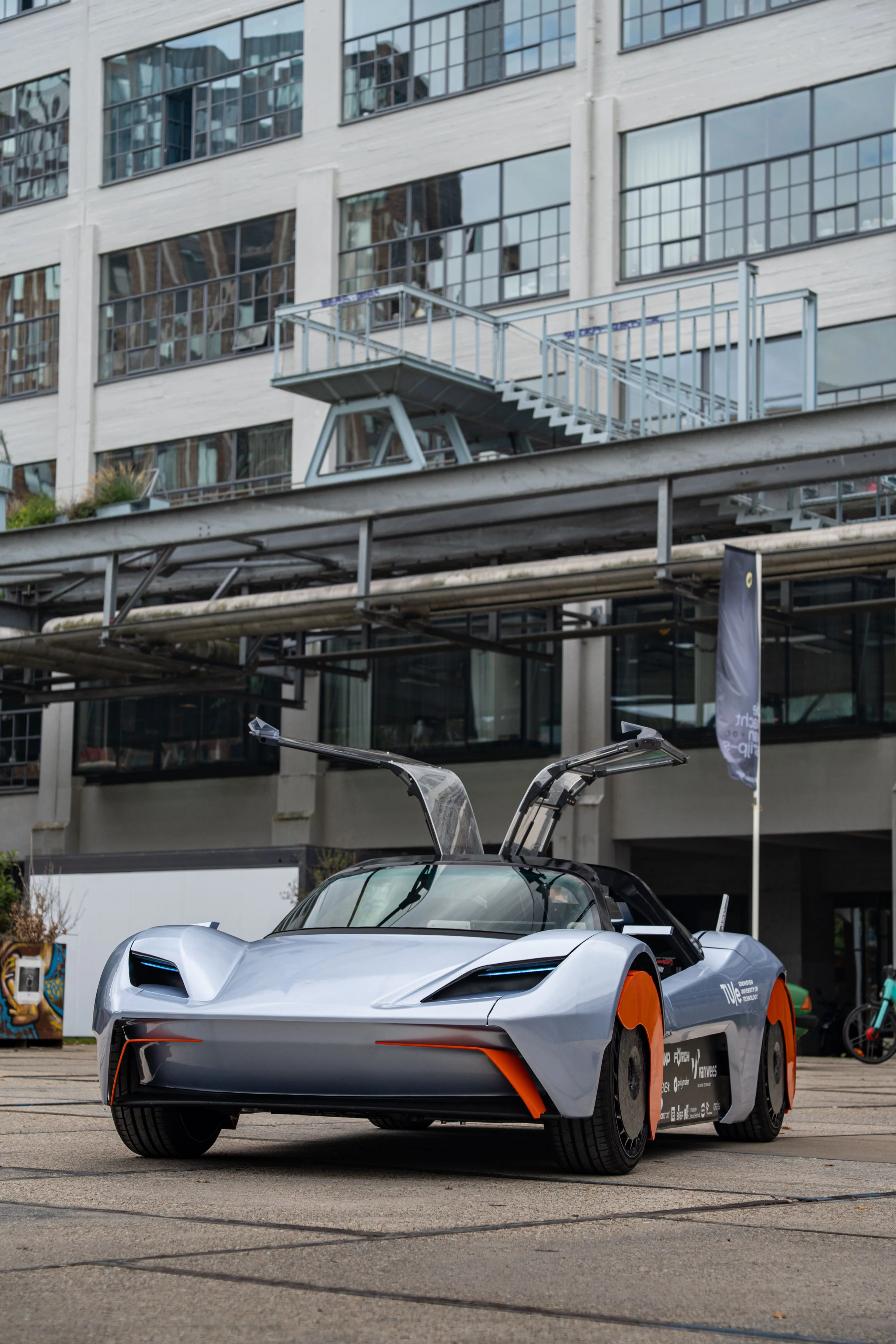
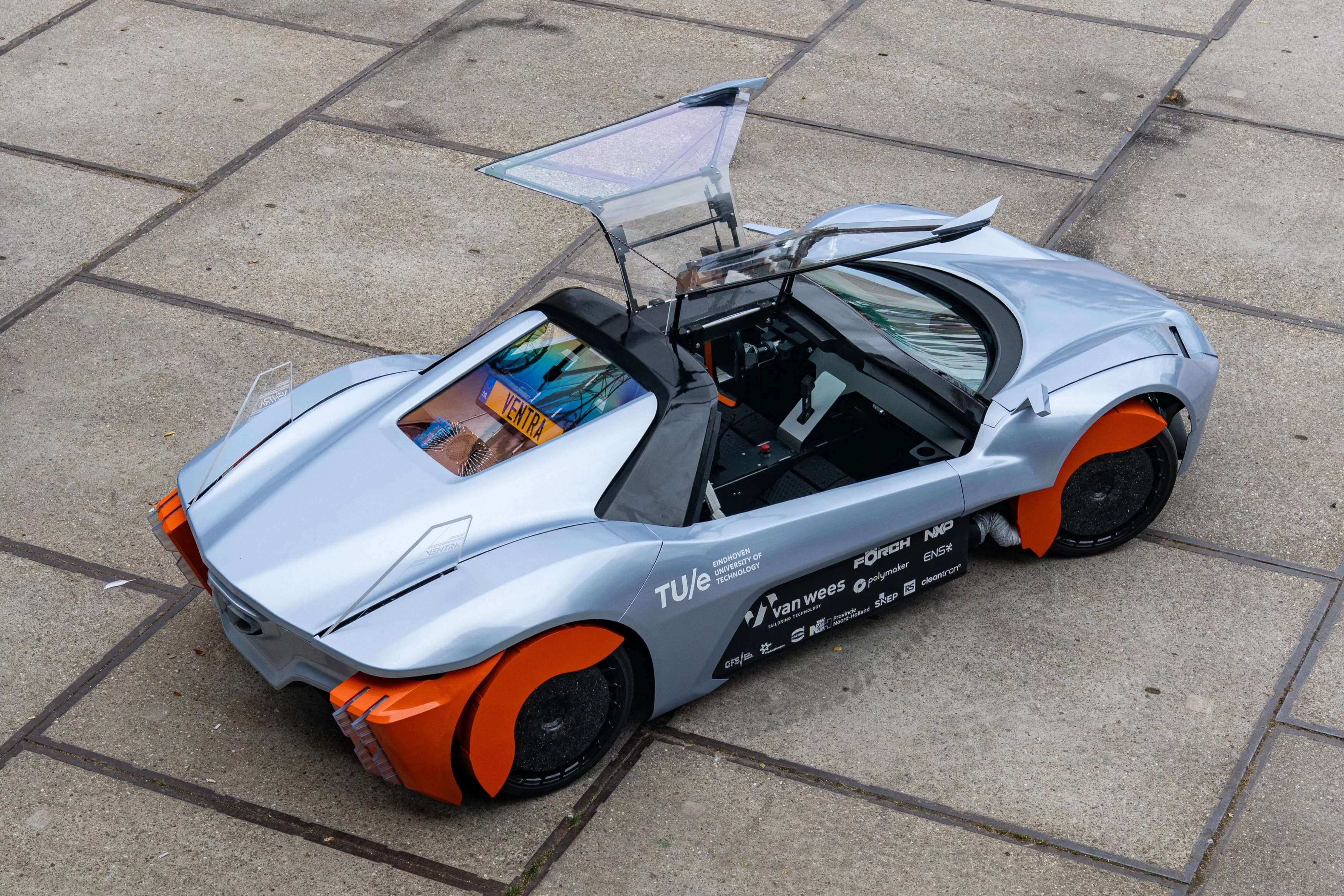
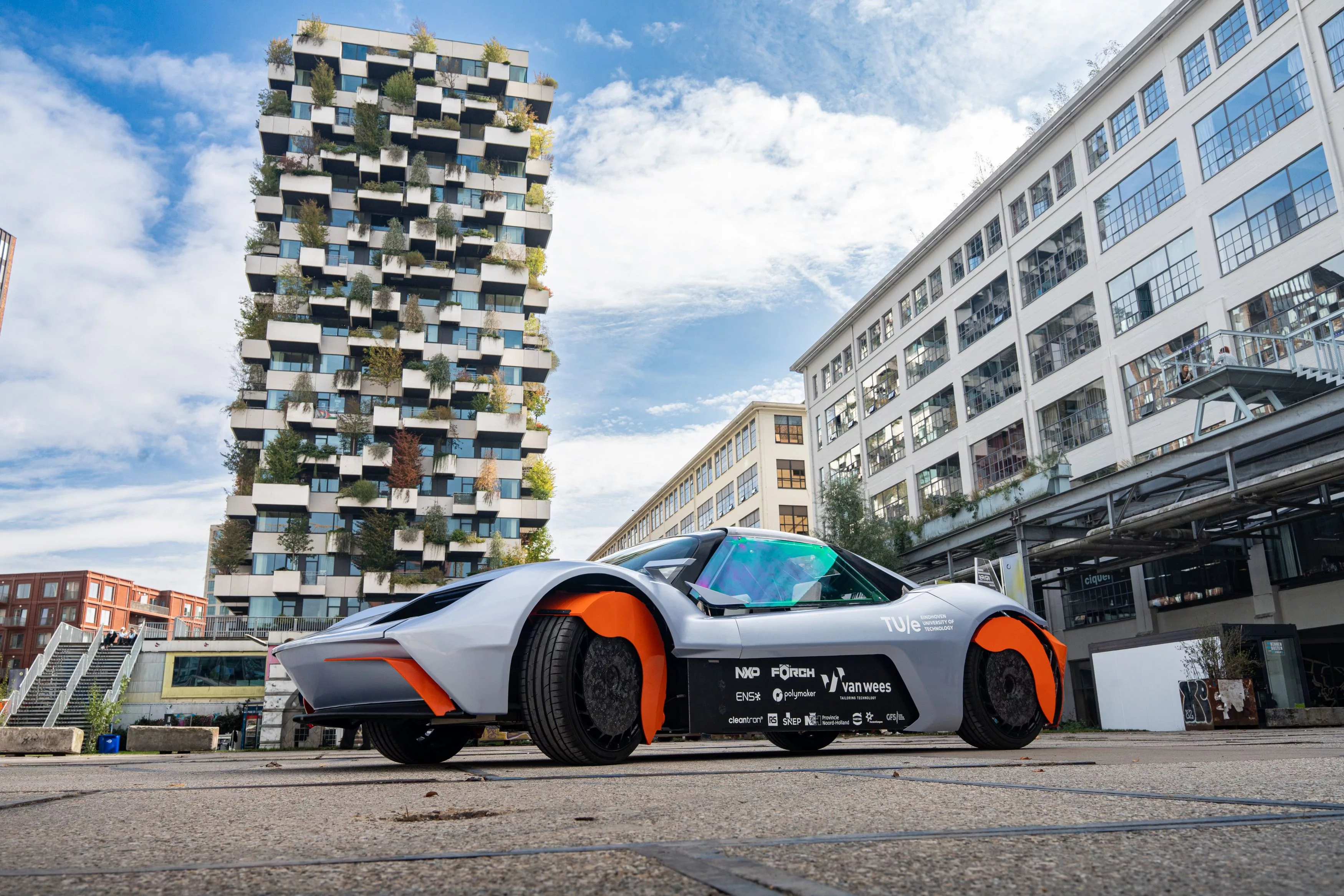
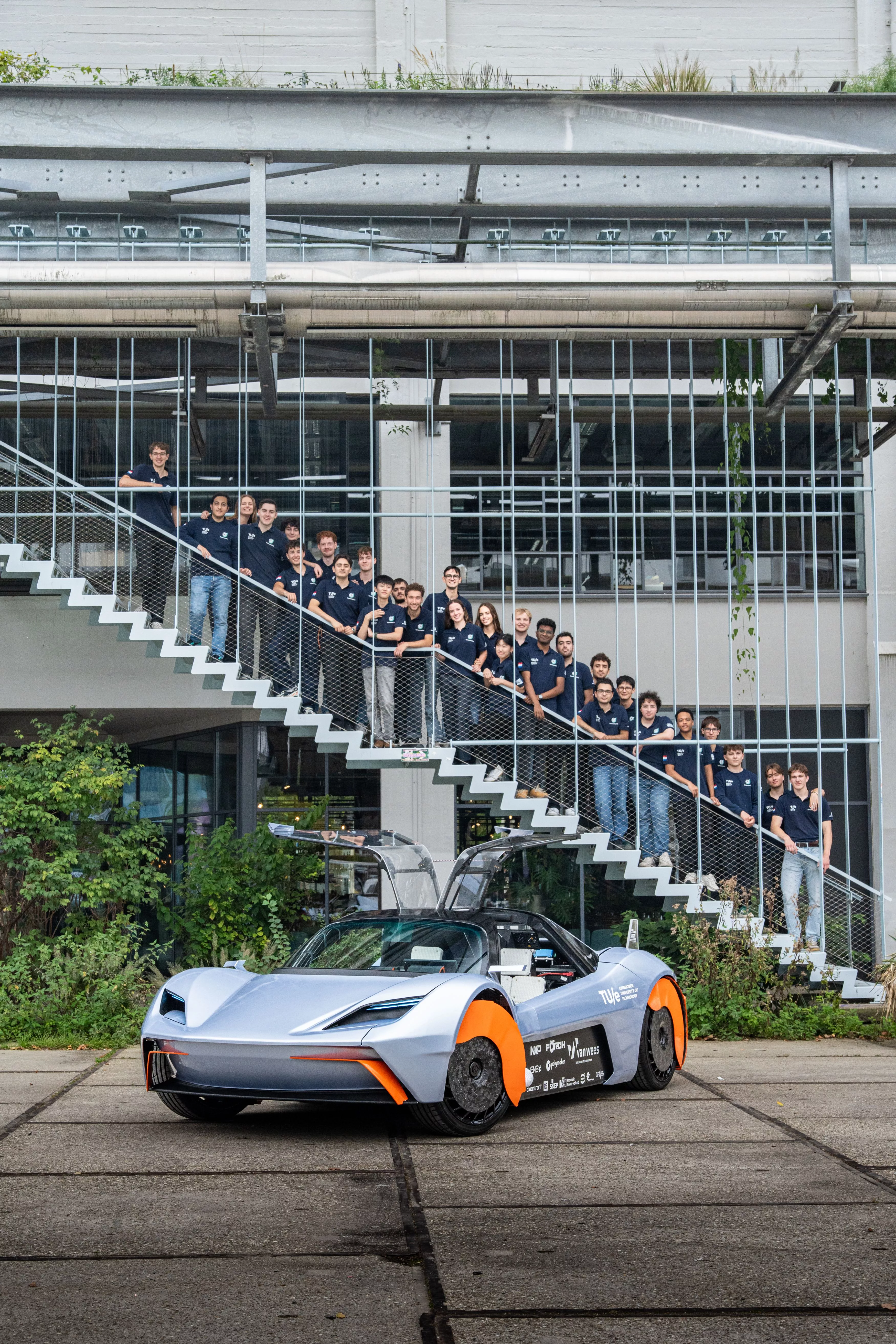
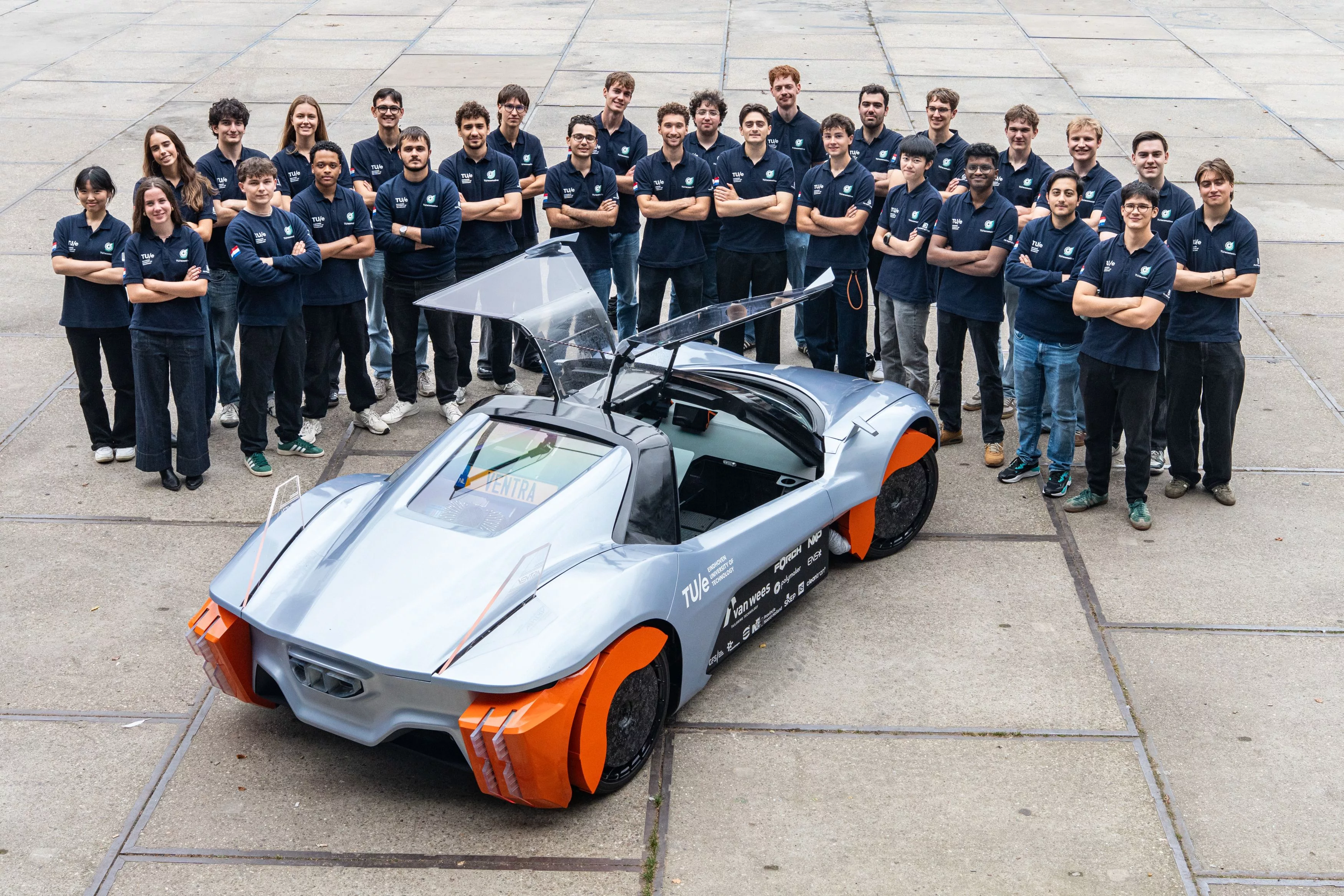
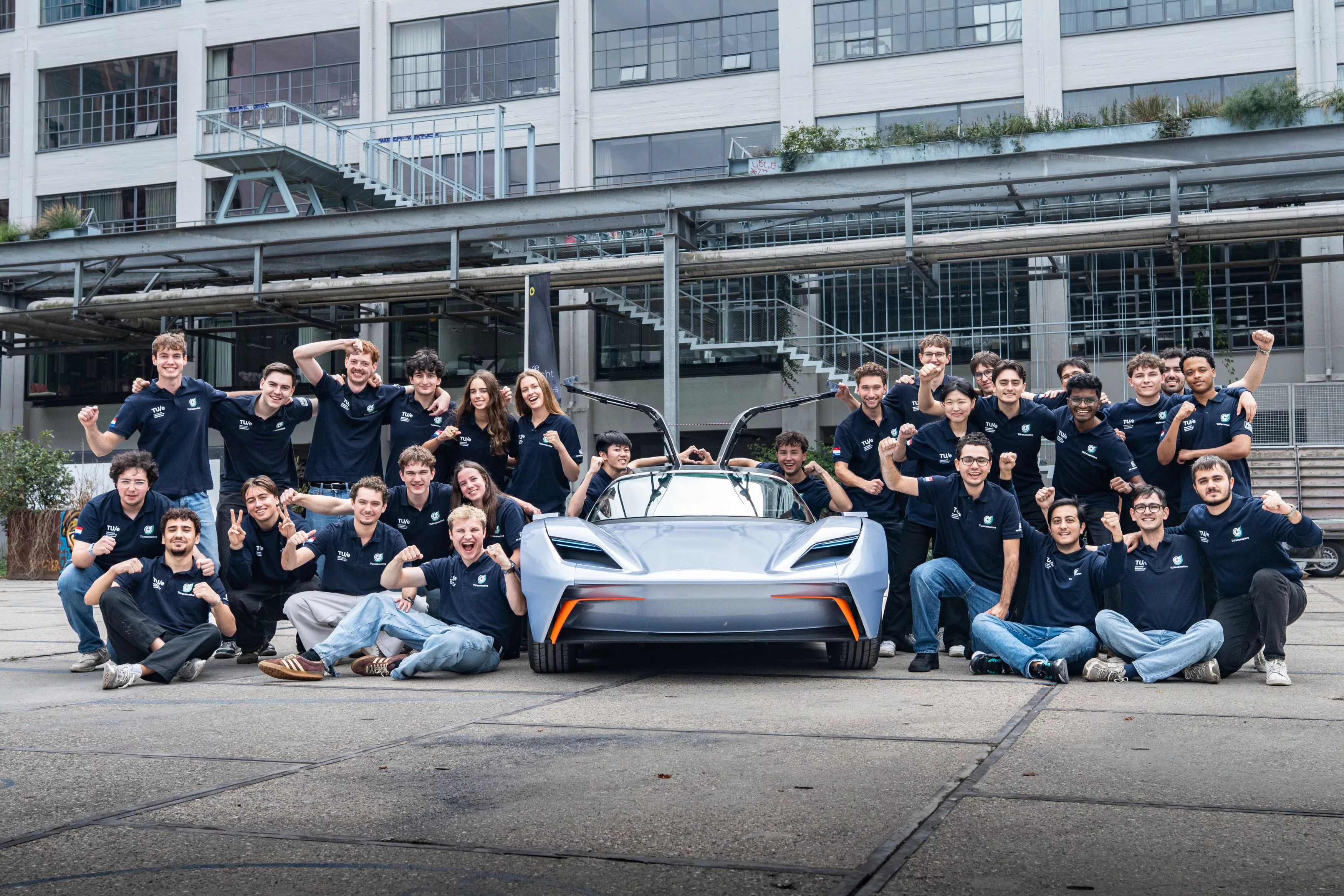
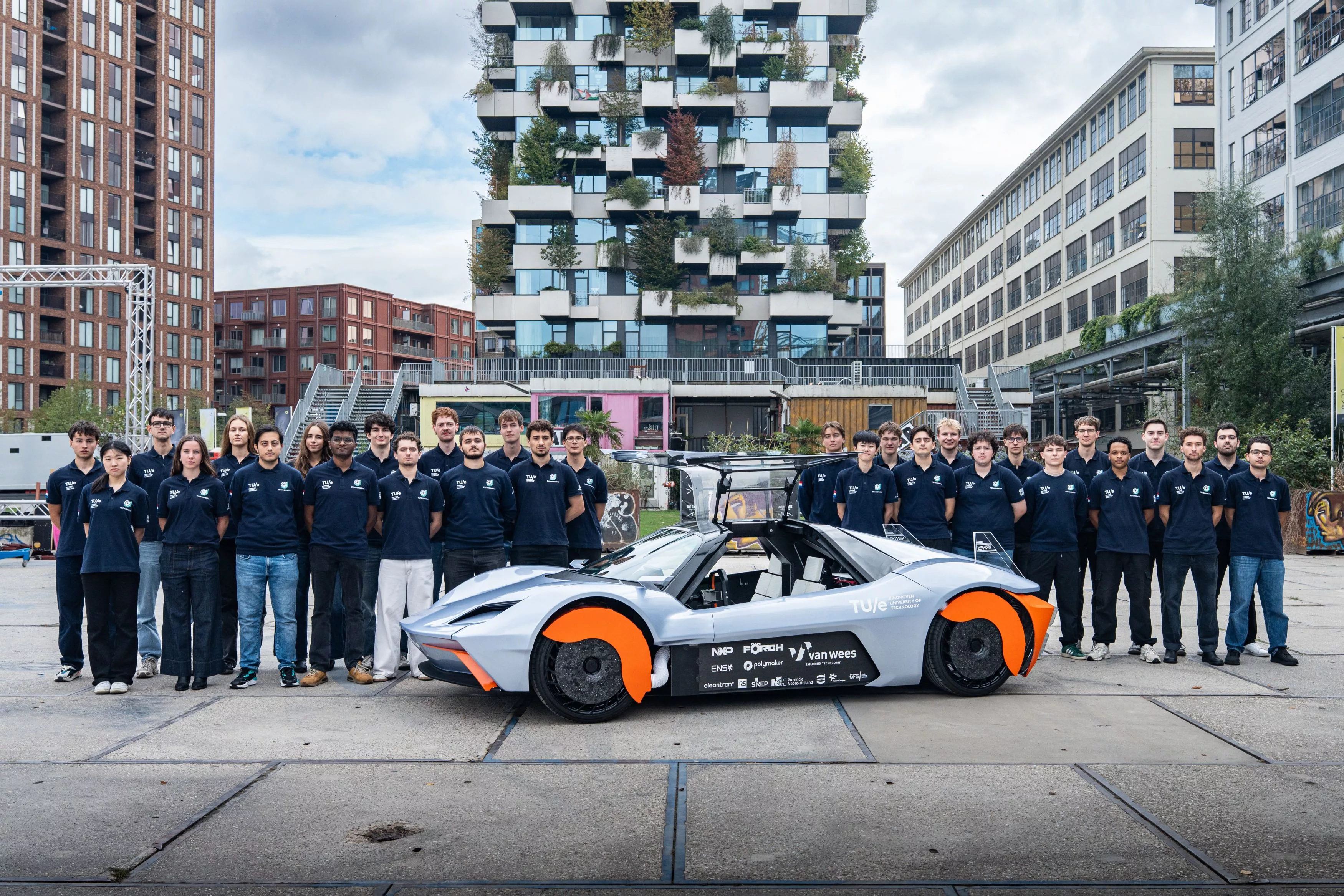
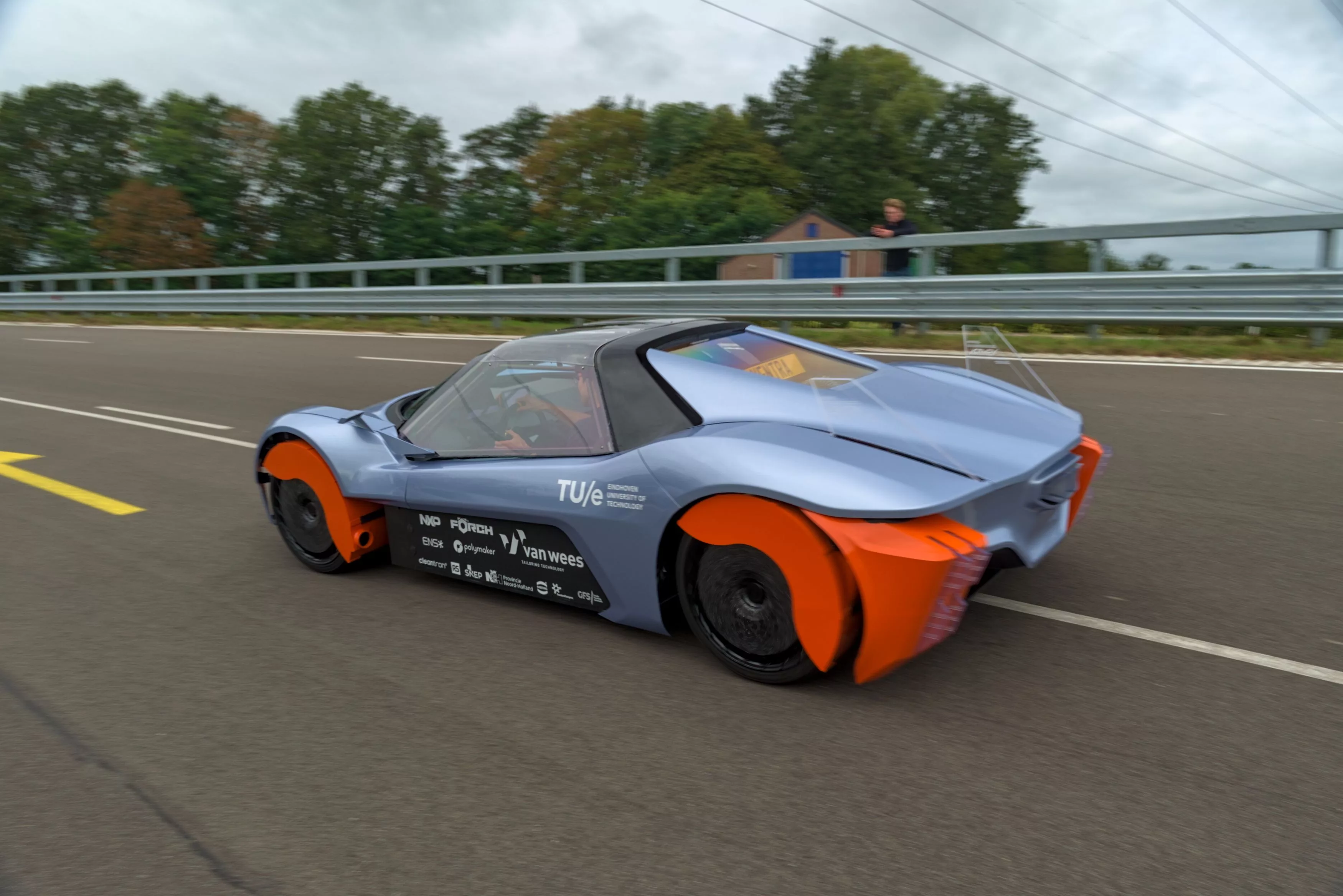
TU/ecomotive, a student team at Eindhoven University of Technology, has built VENTRA, an electric concept car that captures some of the fine particles generated by tyre and brake wear. The key figure is 42%: according to simulations, that is the share of particles released by the tyres that the system can collect at urban speeds. At road speeds of 50–80 km/h, the figure falls to over 24%.
An electric charge instead of a filter
VENTRA’s key technology is called T.R.A.C.E. The system gives particles generated around the wheels an electric charge, then attracts them to an earthed collection surface.
At urban speeds, fans help draw air into the collectors; at higher speeds, airflow does much of the work. There is no conventional replaceable filter: the collection surfaces can be cleaned and the captured material reused. TU/ecomotive used some of the collected particles to make an enamel coating for the interior, for example.
An important limitation is that the 42% and 24% figures currently come from simulations, not long-term measurements in real traffic. VENTRA therefore does not yet prove that the same efficiency can be maintained in rain, snow and mud, or over thousands of kilometres.
Reducing weight is as important as capturing particles
VENTRA does not only attempt to capture particles already generated. The students reduced the car’s weight to limit tyre wear.
The load-bearing body uses carbon-fibre-reinforced thermoplastic sandwich panels. The complete structure weighs around 135 kg, of which the main load-bearing section accounts for 45.5 kg. The team estimates that a comparable structure built using conventional methods would weigh around 230 kg. The entire car weighs 790 kg.
That is exceptionally light for an electric car. Batteries tend to make electric cars heavier than their combustion-engined counterparts, and greater weight increases the load between the tyres and the road surface.
VENTRA has an estimated WLTP range of 290 km. The project’s aim, however, is not to set a range record, but to show that an electric car’s environmental impact does not end with the absence of an exhaust pipe.
Drivers can reduce tyre wear themselves
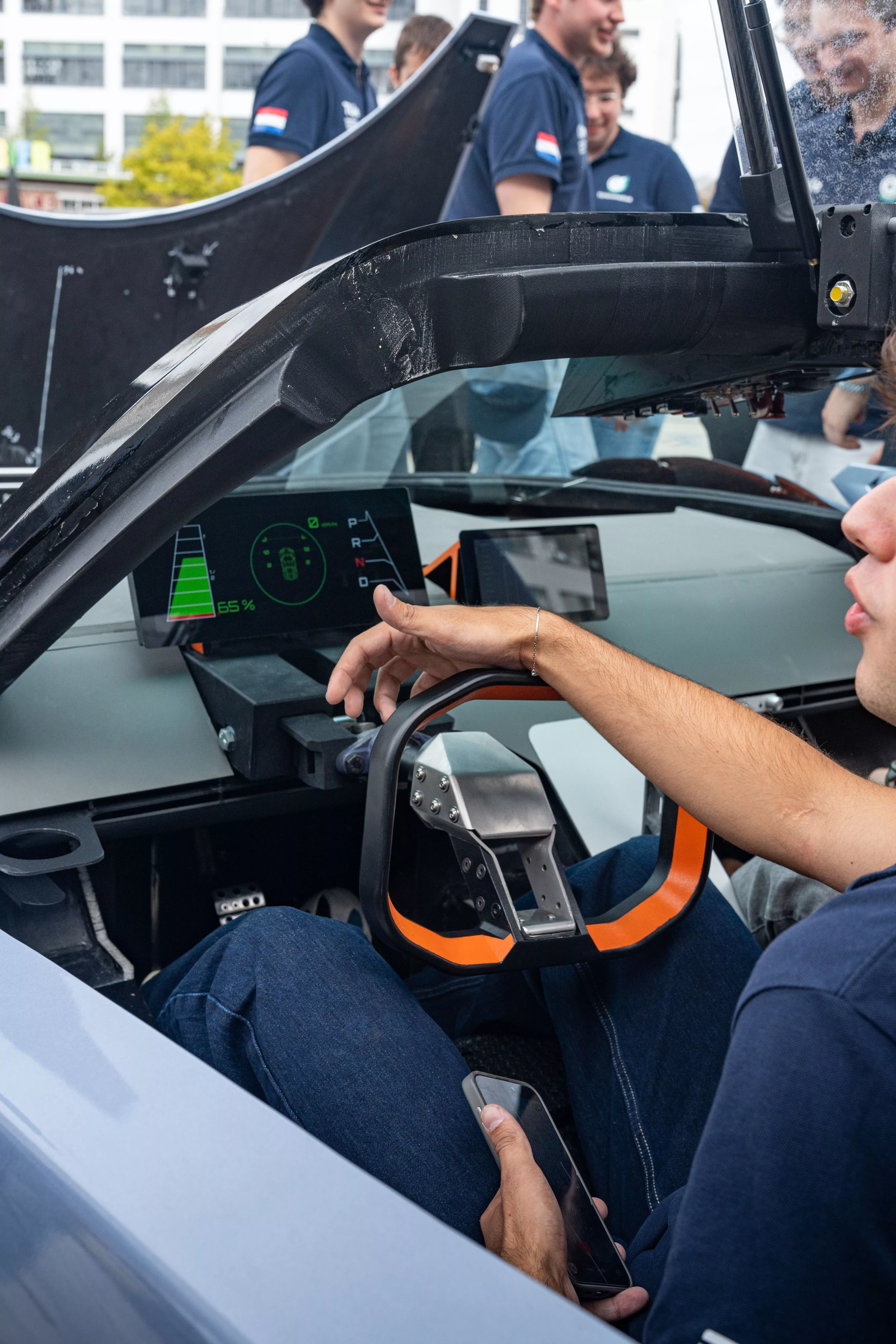
The third part of the system is Clean Drive. The car monitors acceleration, braking and steering inputs, and gives the driver feedback on how to drive more smoothly.
In an electric car, this is far from a cosmetic addition. An electric motor’s instant torque means aggressive accelerator use can wear tyres quickly, while regenerative braking reduces the use of conventional brakes.
VENTRA’s approach is therefore quite logical: first generate as few wear particles as possible, then capture some of the remainder.
Euro 7 makes tyre and brake dust a regulatory issue
The project comes at the right time. Euro 7 no longer focuses solely on exhaust emissions: for the first time, it also regulates fine-particle emissions from brakes and tyre wear. Euro 7 requirements for new M1 and N1 type approvals will begin to apply on 29 November 2026.
This gives solutions such as VENTRA greater significance than a typical student concept car. A production car manufacturer may meet the requirements through lower weight, better tyres, regenerative braking and the development of brake materials, but active particle capture could become another tool.
VENTRA is neither a production car nor a solution ready for industry. It does, however, demonstrate a rather uncomfortable point: an electric car may have no exhaust, but its tyres, brakes and the road surface still produce pollution.


