
CATL promises truck battery with 1.5 million km lifespan and 1,000 km range
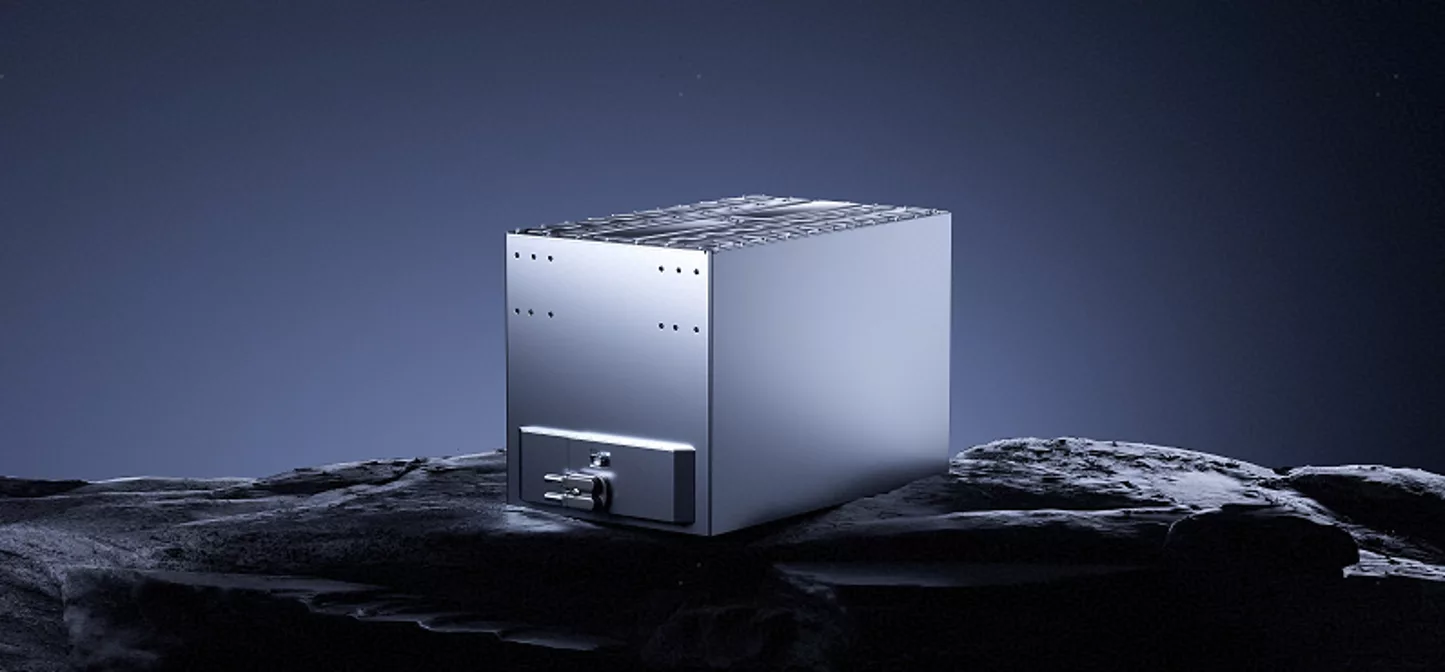
Chinese battery maker CATL unveiled its new TECTRANS II battery in Hannover, which could allow an electric heavy-duty truck to travel up to 1,000 km on a single charge. More important is the battery’s designed service life: 12 years or 1.5 million kilometres, after which it must retain at least 70% of its original capacity.
1,000 km and megawatt charging
TECTRANS II uses standardised modules, the number of which can be adjusted according to the truck’s required range and payload capacity. According to CATL, the largest configuration offers up to 1,000 km of range.
With megawatt-class fast charging, the battery reaches 80% in 25 minutes. However, CATL has not disclosed the capacity of the largest battery pack or specified which driving cycle was used to achieve the 1,000 km figure. It should therefore, for now, be regarded as a manufacturer target figure.
The battery’s energy density reaches 170 Wh/kg, which CATL says is around 13% above the industry average. According to the manufacturer’s calculations, this allows around 600 kg more freight to be carried at the same capacity. The system’s charging and discharging efficiency reaches 96%.
A million kilometres matters more to a truck than acceleration
When it comes to passenger cars, battery discussions mostly focus on range and charging speed. In a heavy-duty truck, profitability is determined far more by the kilometres covered, downtime and how long the expensive battery pack lasts.
That is why the 1.5 million-kilometre service life may be TECTRANS II’s most important figure. CATL designed the heavy-duty truck version to operate for 12 years or 1.5 million kilometres while retaining at least 70% of its capacity by that point.
Interestingly, this is not even CATL’s longest-lasting truck battery. The company’s earlier TECTRANS Long Life was designed for up to 15 years and 2.8 million kilometres. The new TECTRANS II makes a different trade-off, combining a long service life with 1,000 km of range, higher energy density and megawatt charging.
CATL directly targets European diesel trucks
The timing is important for Europe. One of the biggest challenges for electric heavy-duty trucks is no longer just battery capacity, but whether the truck can replenish enough energy quickly during a long working day and whether the battery can withstand millions of commercial kilometres.
CATL took another step in this direction in Hannover by signing a memorandum of cooperation with DHL to develop green freight corridors in Europe. The plan includes work on charging, battery swapping and pilot projects involving electric commercial vehicles.
TECTRANS II will not make diesel trucks obsolete overnight. Alongside the 1,000 km range, the battery’s actual weight, price and the availability of a megawatt charging network will remain decisive. CATL has not yet disclosed the first two.
However, if a 1.5 million-kilometre service life, 25-minute charging and 1,000 km of range make it into the same mass-produced truck at a reasonable price, the economic case for long-haul electric trucks will become considerably more serious.


