
Changan promises 1,500 km range with solid-state batteries, but record figures remain unproven
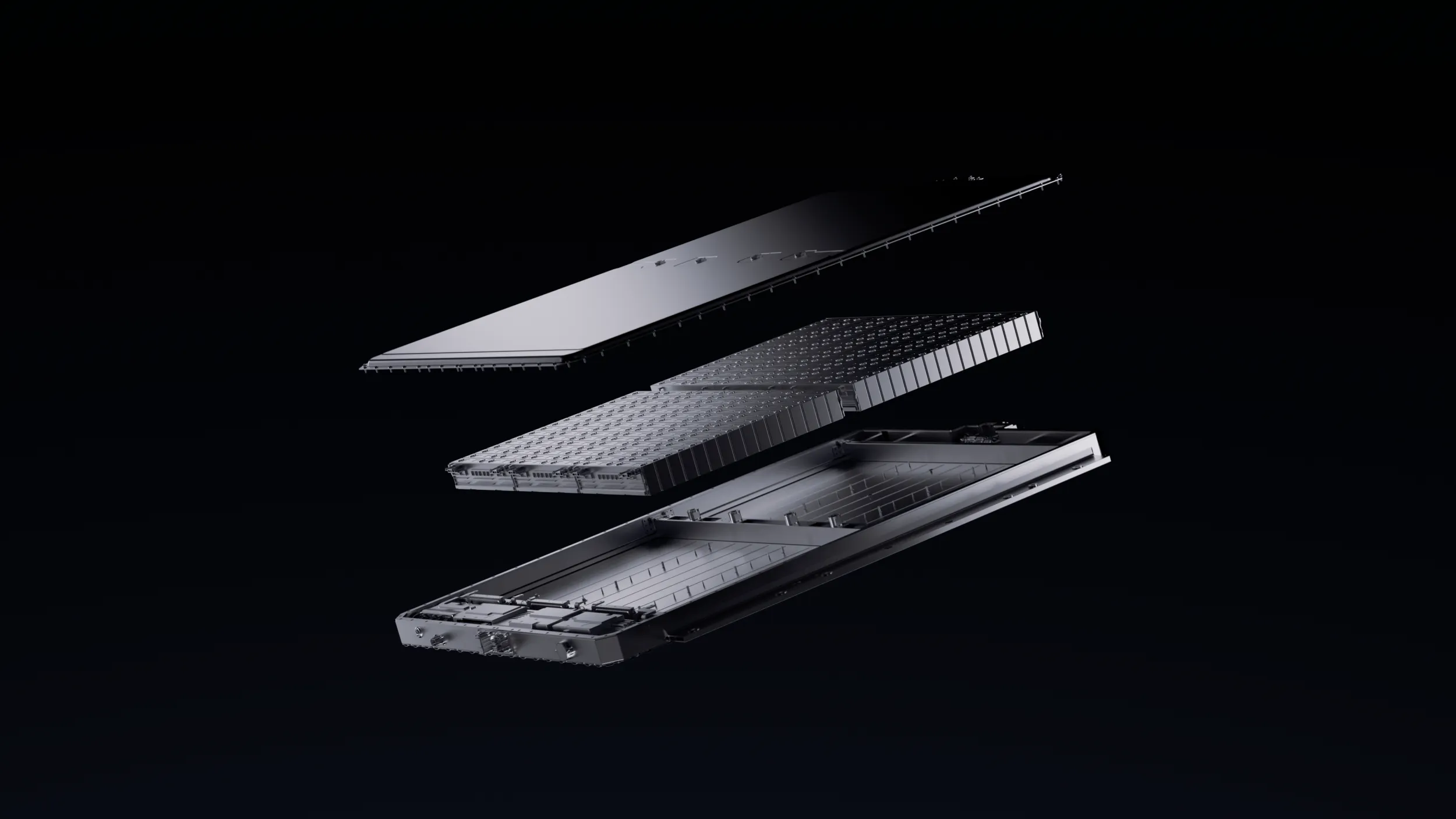
Chinese carmaker Changan and battery giant CATL are expanding their partnership. Their aims include bringing electric cars with solid-state batteries to market. Using its new Golden Bell battery technology, Changan promises a range of more than 1,500 kilometres, nine-minute fast charging and exceptional durability. The first mass-produced batteries are expected in 2027, but these impressive figures still need independent verification.
400 Wh/kg and 1,500 kilometres
The Golden Bell solid-state battery being developed by Changan is expected to achieve an energy density of 400 Wh/kg. That is significantly higher than today's conventional lithium-ion batteries and would allow more energy to be stored without a corresponding increase in battery weight.
The manufacturer's goal is to offer a range of more than 1,500 kilometres on a single charge. However, Changan has not disclosed a specific car model, battery capacity or test cycle on which this figure is based. The promise therefore cannot yet be compared with European WLTP figures.
The battery technology would also support 6C fast charging, which the manufacturer estimates would allow the state of charge to rise from 30 per cent to 80 per cent in nine minutes.
Changan promises a lifespan of more than 5,000 charging cycles for the battery cells and at least 600,000 kilometres of use without significant capacity loss. These, too, are preliminary development targets rather than independently verified results from use.
New plant to increase production capacity
Changan and CATL established their joint battery manufacturing venture, Times Changan, in 2023. The partners now plan to increase its annual production capacity to 75 GWh.
A manufacturing complex covering approximately 70 hectares, planned for the border between Chongqing and Sichuan, would add 25 GWh to existing capacity. The plant is expected to begin operating in 2027 and reach its planned production volume over the following three years.
It is important, however, to distinguish between the two projects. The 75 GWh production capacity does not mean that all of it would be devoted to solid-state batteries. The plant expansion covers CATL's next-generation battery technology more broadly.
The partnership is also expanding into sodium-ion batteries and battery-swapping systems. CATL and Changan have already unveiled a passenger car with a Naxtra sodium-ion battery, with preparations for mass production beginning this year.
New competition on the horizon for European manufacturers
Changan plans to use Golden Bell batteries in future electric cars from Avatr, Deepal and Nevo, among others. The preliminary schedule calls for test drives in 2026 and the start of production in 2027.
For Europe, a battery with an energy density of 400 Wh/kg would represent a significant technological step. Higher energy density would allow a longer range or a reduction in battery weight while maintaining the existing range.
However, a solid-state battery does not automatically solve every problem facing electric cars. Production costs, charging performance in real-world conditions, reliability and compliance with European safety and type-approval requirements will be decisive.
The 1,500-kilometre promise should also be treated with caution. On European motorways and in cold weather, actual range may differ significantly from results achieved under Chinese test cycles.
Changan undoubtedly has ambition, but so far the company is selling more of a promise for the future than a finished technology. If a 1,500-kilometre range and nine-minute charging reach production cars at a reasonable price, competition among electric cars will change fundamentally. First, however, it must be demonstrated that the laboratory results hold up in real-world driving.


