
BMW M chief acknowledges hybrid technology could spell the end of manual gearboxes
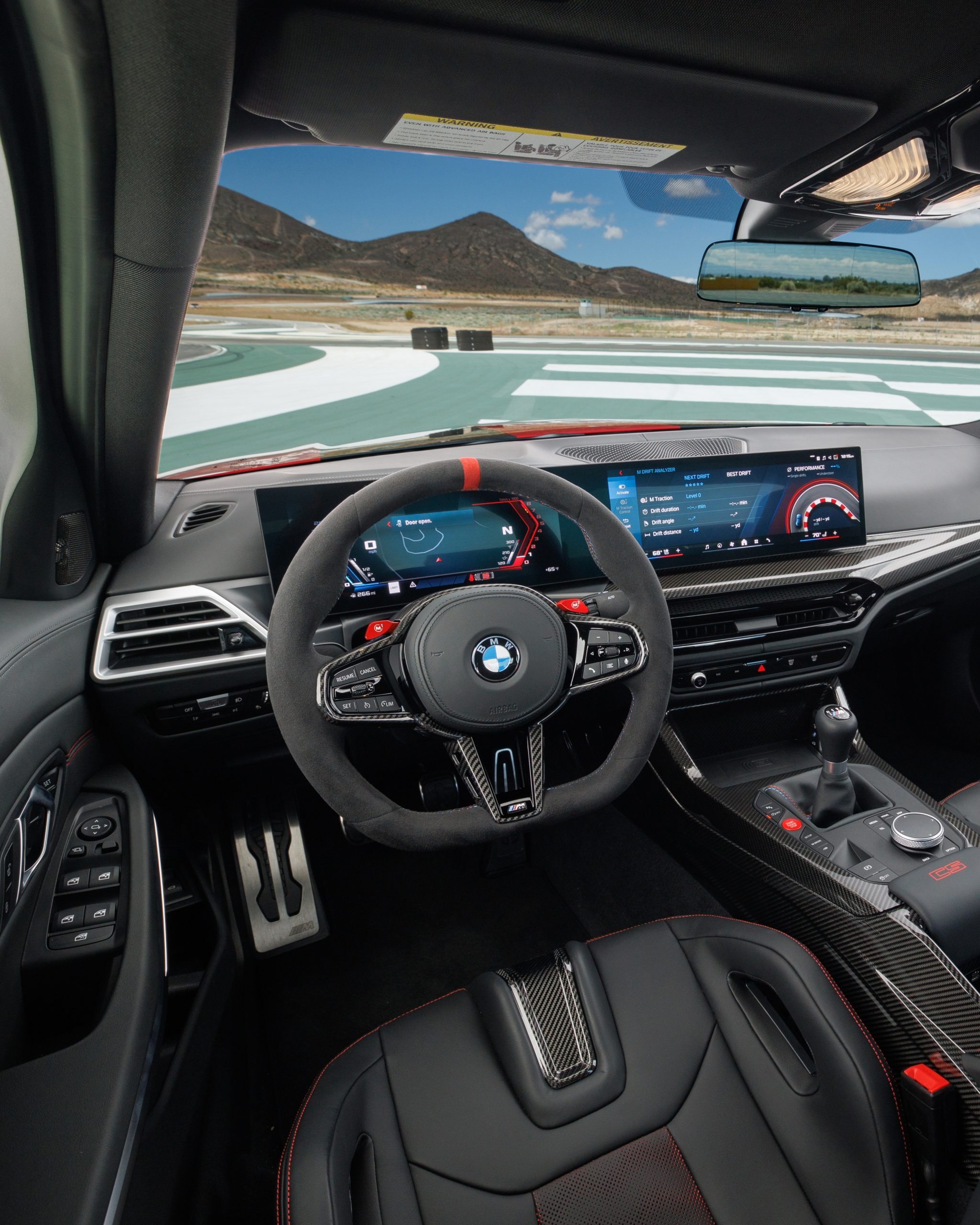
The end is looming for manual gearboxes in BMW M sports cars, but this time rising power outputs and stricter emissions requirements are not the only factors. A new obstacle is 48-volt mild-hybrid technology, which is proving difficult for engineers to integrate. BMW M chief Frank van Meel acknowledges that the future of three-pedal sports cars is becoming increasingly uncertain.
Hybrid powertrains make retaining manual gearboxes difficult
BMW M chief Frank van Meel explained in an interview with BMWBLOG that several factors are threatening the future of manual gearboxes. Alongside increasingly powerful engines and a dwindling number of gearbox manufacturers, the introduction of 48-volt mild-hybrid systems is creating difficulties.
A mild-hybrid system combines an internal combustion engine with an electric starter-generator, which helps reduce fuel consumption, assists acceleration and allows smoother control of engine shutdowns and restarts.
Integrating such a system with a manual gearbox, however, requires additional technical solutions. According to van Meel, this is particularly difficult for BMW’s future M models.
This does not mean that such a gearbox and a 48-volt hybrid system are fundamentally incompatible. The problem lies in the combination of BMW’s specific power units, high torque and development costs.
Manual gearboxes already limit engine output
The BMW M2 illustrates why the manufacturer prefers an automatic gearbox. Although both versions produce 353 kW, BMW has to limit torque in the manual model to 550 Nm.
The M2 with an eight-speed automatic gearbox, by contrast, offers 600 Nm. The three-pedal version therefore loses 50 Nm, or more than eight per cent of maximum torque.
The same issue affects the M3 and M4, whose more powerful Competition versions use automatic gearboxes.
In addition to technical limitations, low production volumes make retaining a manual gearbox expensive. Fewer and fewer suppliers are willing to develop new gearboxes for niche products.
Buyers have not given up on manual gearboxes
Notably, the problem is not a lack of demand. According to van Meel, roughly half of BMW M2 buyers in the US choose the six-speed manual gearbox.
An even more striking example is the M3 CS Handschalter, whose limited allocation sold out in almost a week, despite a price of more than €100,000.
BMW has not, however, formally decided to end manual gearbox production. Van Meel confirmed that the company understands the emotional value of three pedals, but cannot promise to retain them in future models.
The next-generation M3, expected in 2028, is set to use a 48-volt mild-hybrid powertrain, all-wheel drive and an automatic gearbox. BMW has not yet definitively confirmed these technical details.
The era of European sports cars is beginning to change
BMW is among the few premium manufacturers that still offer powerful sports cars with manual gearboxes. In the European market, some versions of the Porsche 911, for example, maintain a similar tradition.
Automatic gearboxes, however, allow higher torque, faster gear changes and easier integration of electrified powertrains.
It is therefore becoming increasingly difficult for BMW to justify developing a separate manual gearbox for a relatively small customer base.
The paradox is clear: BMW M customers still want this type of gearbox, but the very technology that makes new sports cars faster and more efficient could ultimately displace it.


