Chery Tiggo 7 Pro flops in Global NCAP crash tests
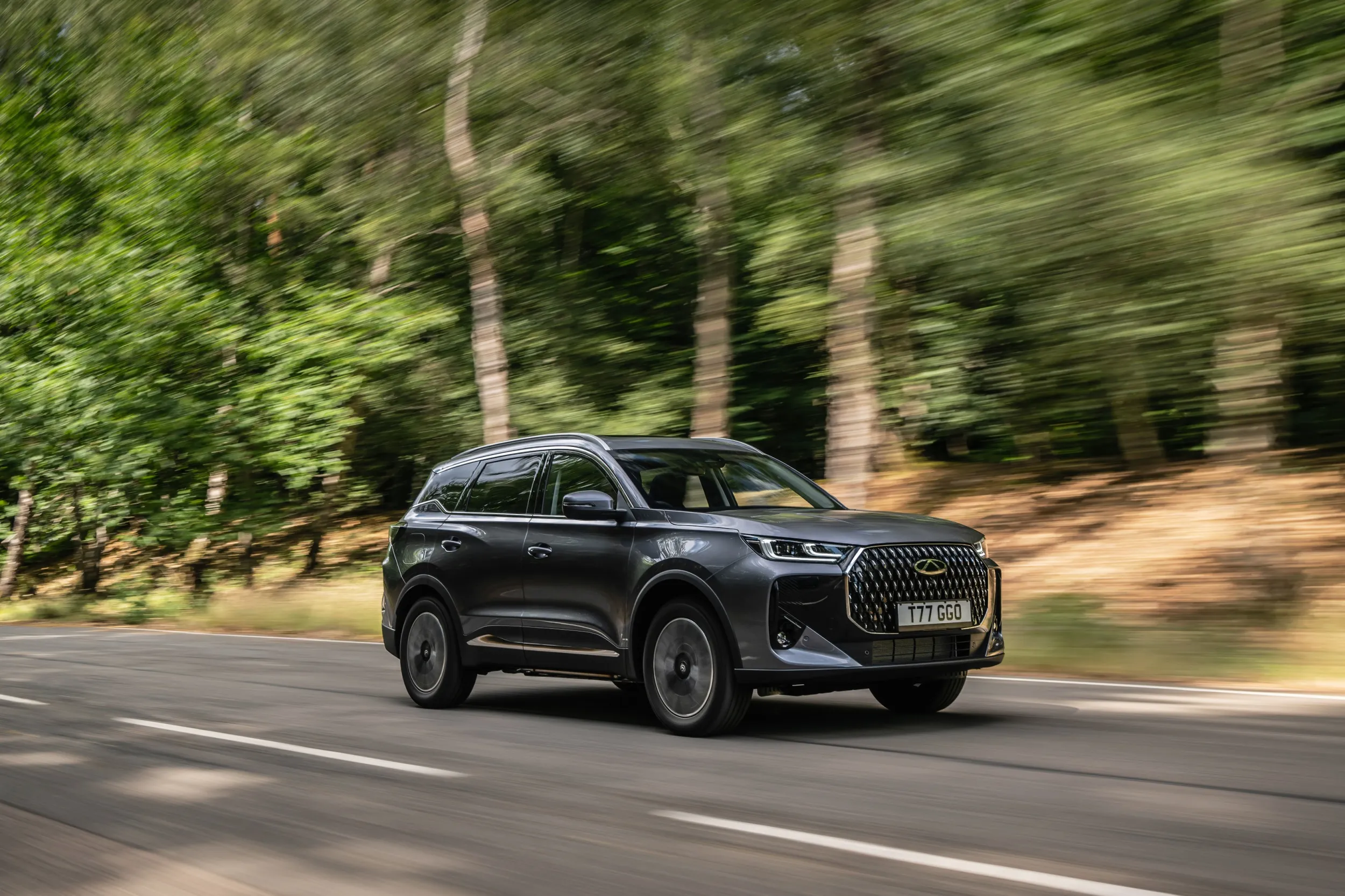
The modern car market thrives on contradiction. European brands bombard buyers with increasingly intrusive driver assistance systems, while some manufacturers continue to sell vehicles in emerging markets that struggle to meet basic safety benchmarks.
The latest report from Global NCAP places the Chery Tiggo 7 Pro squarely in the spotlight, and not in a flattering way.
The model earned just two stars for adult occupant protection. That is not a near miss. It is a warning.
Structural shortcomings behind the chrome
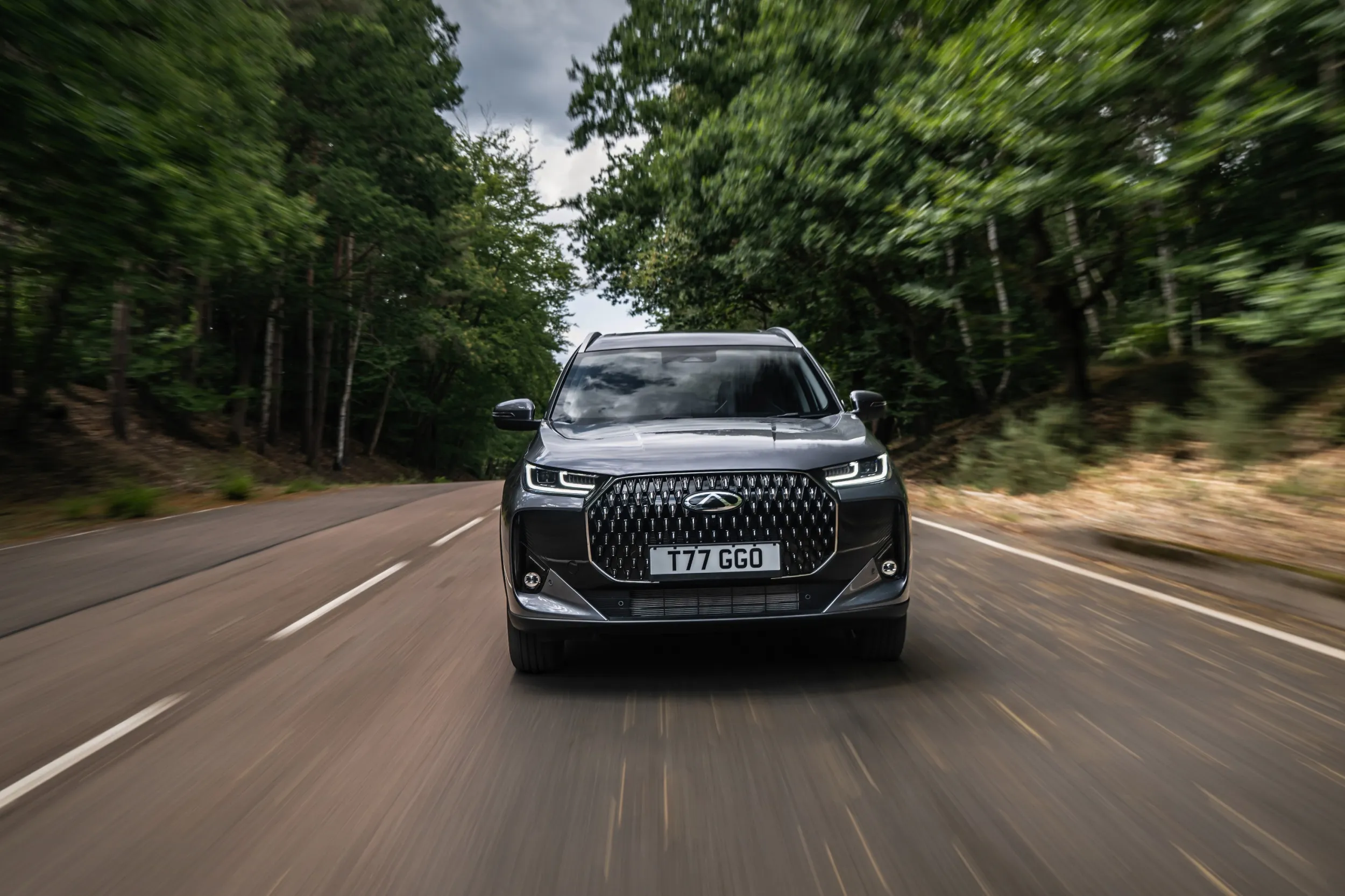
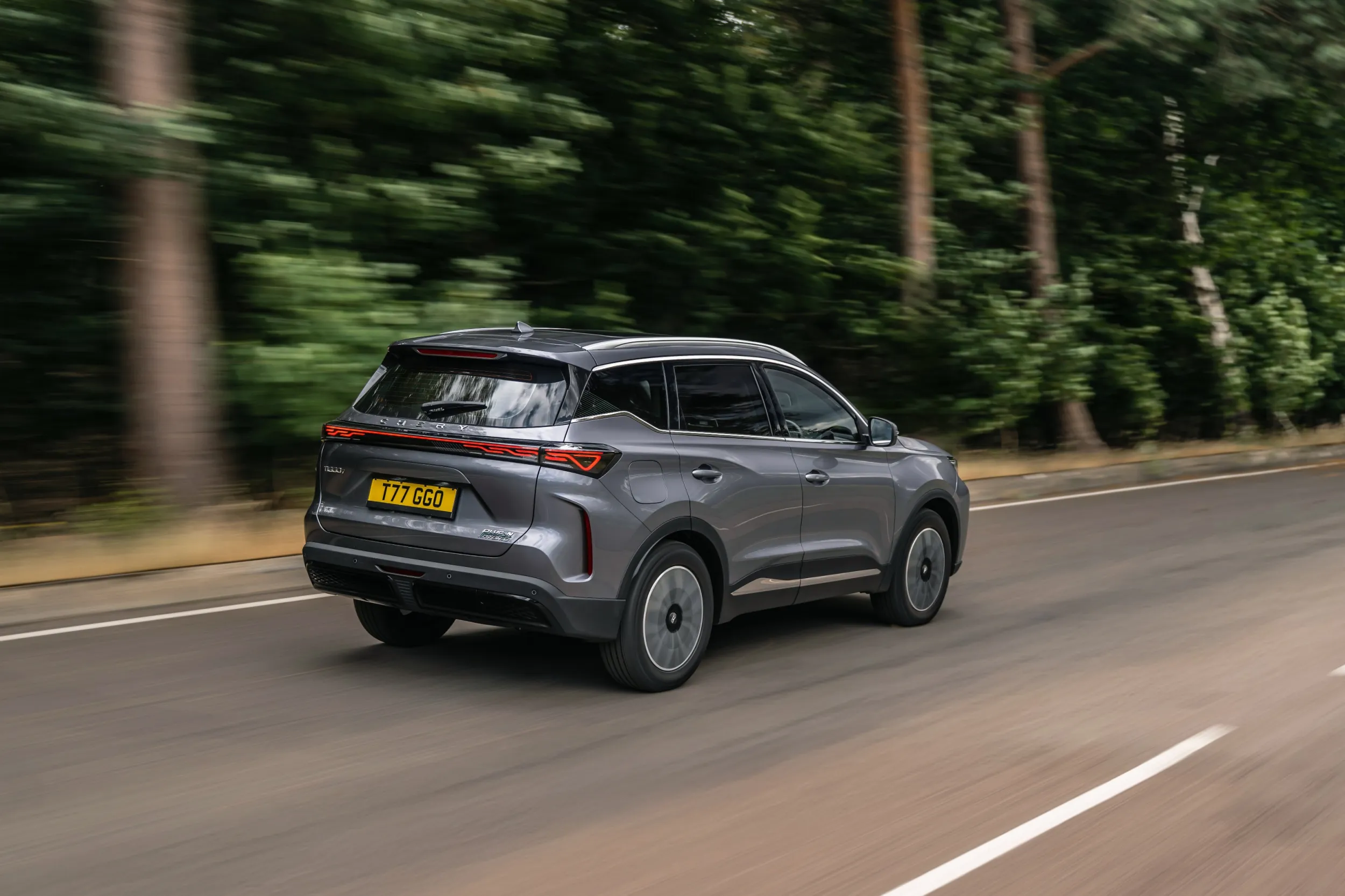
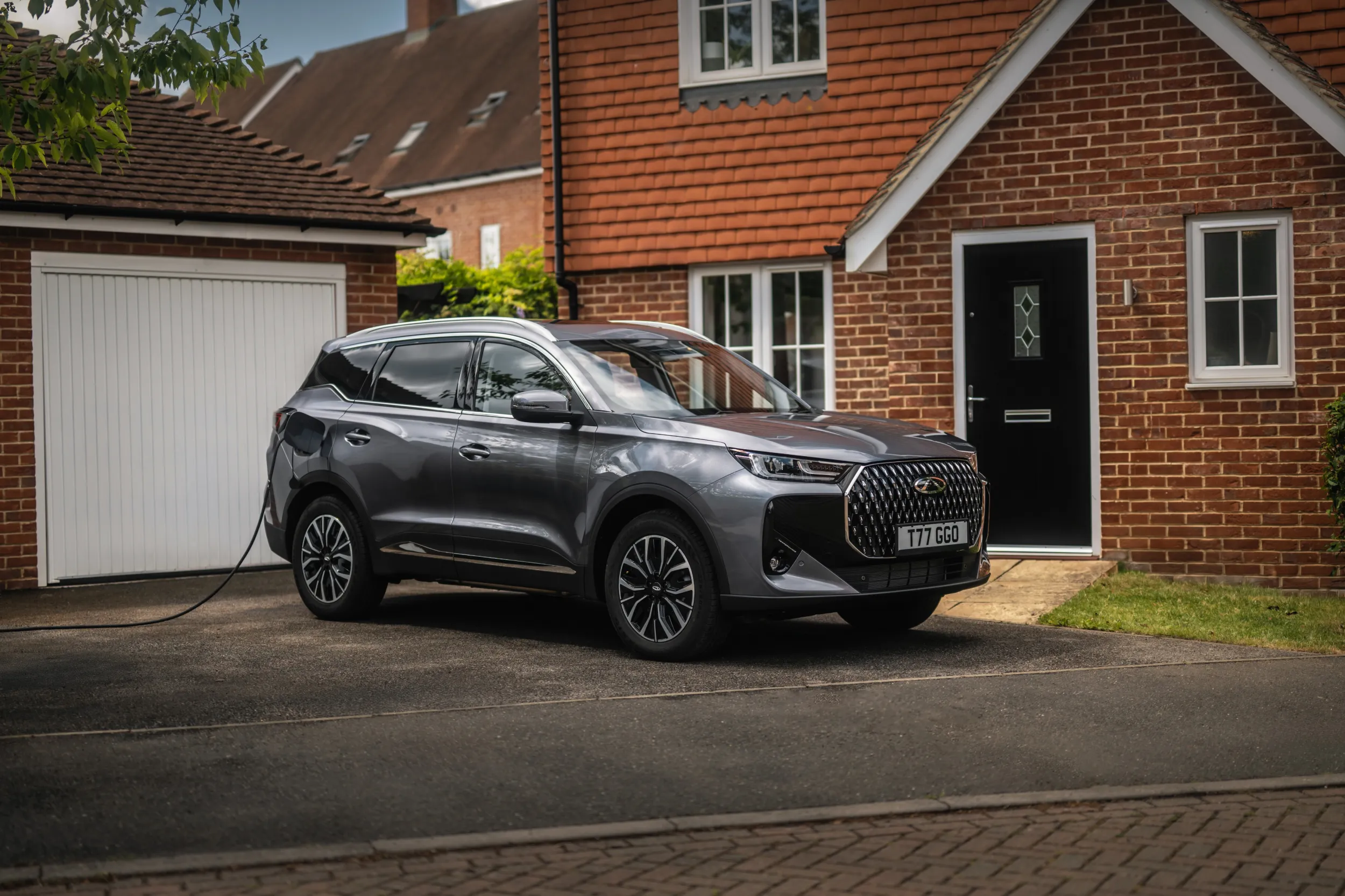
At first glance, the Tiggo 7 Pro looks contemporary. Large screens dominate the cabin. Chrome details attempt to signal aspiration. Yet beneath the surface, cost cutting appears to have taken priority over crash resilience.
According to Global NCAP’s findings, the vehicle lacks curtain airbags designed to protect occupants’ heads in side impacts. As a result, the organisation did not proceed with a pole impact test, concluding that such a scenario at even modest speeds could result in severe or fatal injuries.
The car also does not allow deactivation of the front passenger airbag, making the use of a rear facing child seat in the front passenger position unsafe. While electronic stability control is fitted, seatbelt reminder systems reportedly fall short of the body’s recommended performance standards.
On paper, certain safety boxes are ticked. In practice, critical gaps remain.
A stark contrast within the segment
The result stands out even more when compared with similarly priced rivals. Models such as the Haval H6 have achieved far stronger crash test ratings. Indian manufacturers including Tata Motors consistently deliver five star performances in the same Global NCAP protocols.
That contrast undermines any argument that low cost markets must accept low safety standards.
Richard Woods, head of Global NCAP, described the outcome as disappointing. The implication runs deeper. In regions where regulatory frameworks remain less stringent than in Europe, manufacturers face fewer barriers to selling cars that would struggle to pass more demanding assessments.
Reputational risk
For Chinese brands attempting to establish credibility abroad, results like this carry long term consequences. Companies such as MG Motor and BYD invest heavily in demonstrating parity with established European manufacturers. A weak crash test performance from one high profile brand risks reinforcing old stereotypes.
Safety is rarely visible in a showroom. Buyers notice screen size and trim finish long before they inspect structural reinforcements hidden within the doors. Yet crash performance defines real value.
A car that underperforms in independent safety testing may appear affordable at purchase. Over time, concerns about occupant protection can erode resale values and damage brand trust.
In a market where consumers increasingly research ratings before signing contracts, two stars are not just a number. They are a verdict.