
Tesla and Ford trade on emotion while Audi struggles to keep up
Electric vehicle sales charts may be sliding, yet something curious is happening behind the wheel. Owners report rising satisfaction. According to the latest study from J.D. Power, overall EV owner contentment has climbed back to levels last seen in 2021, when battery cars still felt like bold promises rather than regulatory obligations.
It is a paradox. Demand cools, yet those who buy in appear happier than ever.
Satisfaction up, expectations adjusted
J.D. Power’s survey shows premium EVs averaging 786 points out of 1000, while mass market models score 727. That gap suggests buyers paying more still expect more. It also hints that mainstream customers accept certain compromises, provided the touchscreen is large and the branding persuasive.
Analysts credit improved range figures and better charging infrastructure. The reality is more nuanced. Carmakers have become adept at refining user interfaces, smoothing over software quirks and managing expectations. Range estimates look stronger. Charging apps function more reliably. The experience feels less experimental.
In many cases, owners are not celebrating mechanical perfection. They are validating their own leap into electrification.
A clear hierarchy emerges
The study reveals a distinct pecking order among manufacturers, where software capability increasingly outweighs mechanical pedigree.
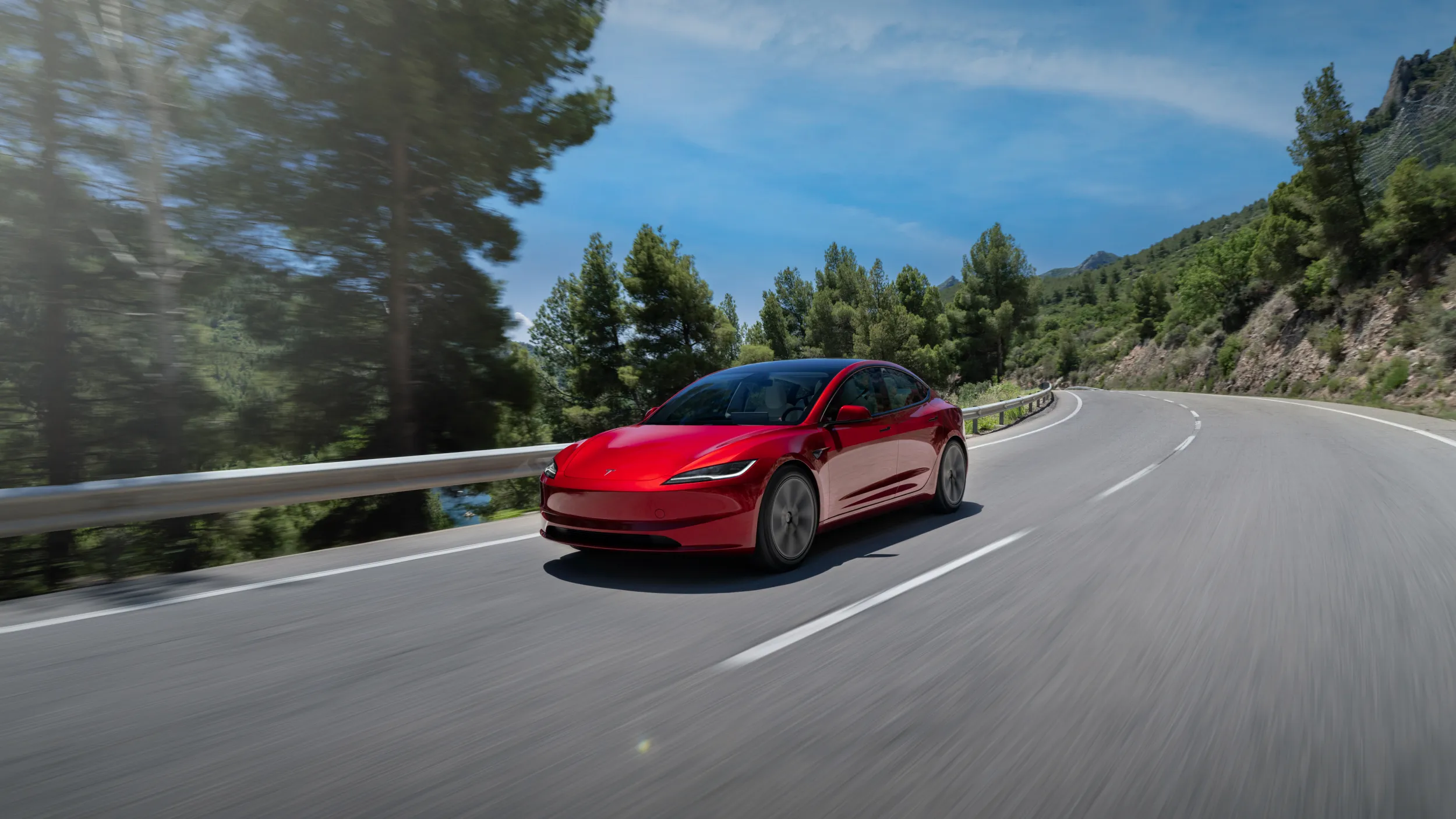
Tesla remains dominant with the Tesla Model 3 and Tesla Model Y. Buyers tolerate inconsistent build quality because the Supercharger network removes much of the anxiety surrounding public charging. Vertical integration pays dividends. Tesla controls hardware, software and infrastructure, and it shows.
BMW earns praise with the BMW i4. The Bavarian brand proves that traditional driver focused ergonomics still matter in the electric age. The i4 feels familiar, composed and engineered rather than improvised.
Ford scores strongly with the Ford Mustang Mach-E. Despite controversy around the Mustang badge, the car delivers credible dynamics and emotional appeal. Owners respond to character as much as to kilowatts.
From Korea, Hyundai and Kia continue to impress with the Hyundai Ioniq 6 and Kia EV9. Their 800 volt E GMP platform enables genuinely fast charging, turning long distance travel from ordeal into manageable routine.
At the lower end of the satisfaction scale sit the Audi Q6 e-tron and Honda Prologue. Audi continues to battle software stability issues, while Honda’s late arrival on a platform developed with General Motors leaves the Prologue feeling less cohesive than rivals.
Software over suspension
The lesson for Europe’s traditional manufacturers is uncomfortable. Billions invested in battery chemistry mean little if the user interface lags behind. In the electric era, a flawless chassis and supple leather cannot compensate for glitchy infotainment.
Tesla and Ford understand this. They sell a lifestyle narrative, not just transport. Their buyers feel part of a movement. Audi attempts to persuade with engineering precision, yet in a software defined market, code quality trumps panel gaps.
The data also confirms that fully electric cars outperform plug in hybrids in owner satisfaction. The hybrid compromise often leaves drivers carrying both the complexity of combustion and the weight of a battery, without fully committing to either world.
The winter reality check
There is, however, a geographical caveat. Survey respondents in sunnier regions report fewer range losses and fewer cold weather charging frustrations. In northern climates, a claimed 500 kilometre range can shrink dramatically once temperatures drop below freezing. Charging infrastructure remains concentrated along major corridors, making rural travel a planning exercise rather than spontaneous freedom.
For now, the electric car buyer remains pragmatic. Tesla’s advantage lies in delivering a product that rarely makes its owner feel like a beta tester. Lower ratings for Audi and Honda should concern dealers. Premium pricing demands premium execution.
Satisfaction may be rising, but it rests on fragile foundations. In the electric market, loyalty belongs to brands that combine hardware discipline with software competence. Those who fail on the latter risk watching their engineering heritage fade into irrelevance.
Satisfaction up, expectations adjusted
J.D. Power’s survey shows premium EVs averaging 786 points out of 1000, while mass market models score 727. That gap suggests buyers paying more still expect more. It also hints that mainstream customers accept certain compromises, provided the touchscreen is large and the branding persuasive.
Analysts credit improved range figures and better charging infrastructure. The reality is more nuanced. Carmakers have become adept at refining user interfaces, smoothing over software quirks and managing expectations. Range estimates look stronger. Charging apps function more reliably. The experience feels less experimental.
In many cases, owners are not celebrating mechanical perfection. They are validating their own leap into electrification.
A clear hierarchy emerges
The study reveals a distinct pecking order among manufacturers, where software capability increasingly outweighs mechanical pedigree.
Tesla remains dominant with the Tesla Model 3 and Tesla Model Y. Buyers tolerate inconsistent build quality because the Supercharger network removes much of the anxiety surrounding public charging. Vertical integration pays dividends. Tesla controls hardware, software and infrastructure, and it shows.
BMW earns praise with the BMW i4. The Bavarian brand proves that traditional driver focused ergonomics still matter in the electric age. The i4 feels familiar, composed and engineered rather than improvised.
Ford scores strongly with the Ford Mustang Mach-E. Despite controversy around the Mustang badge, the car delivers credible dynamics and emotional appeal. Owners respond to character as much as to kilowatts.
From Korea, Hyundai and Kia continue to impress with the Hyundai Ioniq 6 and Kia EV9. Their 800 volt E GMP platform enables genuinely fast charging, turning long distance travel from ordeal into manageable routine.
At the lower end of the satisfaction scale sit the Audi Q6 e-tron and Honda Prologue. Audi continues to battle software stability issues, while Honda’s late arrival on a platform developed with General Motors leaves the Prologue feeling less cohesive than rivals.
Software over suspension
The lesson for Europe’s traditional manufacturers is uncomfortable. Billions invested in battery chemistry mean little if the user interface lags behind. In the electric era, a flawless chassis and supple leather cannot compensate for glitchy infotainment.
Tesla and Ford understand this. They sell a lifestyle narrative, not just transport. Their buyers feel part of a movement. Audi attempts to persuade with engineering precision, yet in a software defined market, code quality trumps panel gaps.
The data also confirms that fully electric cars outperform plug in hybrids in owner satisfaction. The hybrid compromise often leaves drivers carrying both the complexity of combustion and the weight of a battery, without fully committing to either world.
The winter reality check
There is, however, a geographical caveat. Survey respondents in sunnier regions report fewer range losses and fewer cold weather charging frustrations. In northern climates, a claimed 500 kilometre range can shrink dramatically once temperatures drop below freezing. Charging infrastructure remains concentrated along major corridors, making rural travel a planning exercise rather than spontaneous freedom.
For now, the electric car buyer remains pragmatic. Tesla’s advantage lies in delivering a product that rarely makes its owner feel like a beta tester. Lower ratings for Audi and Honda should concern dealers. Premium pricing demands premium execution.
Satisfaction may be rising, but it rests on fragile foundations. In the electric market, loyalty belongs to brands that combine hardware discipline with software competence. Those who fail on the latter risk watching their engineering heritage fade into irrelevance.


