
Citroën revives the legendary 2CV with a new €15,000 electric car
 1/7
1/7
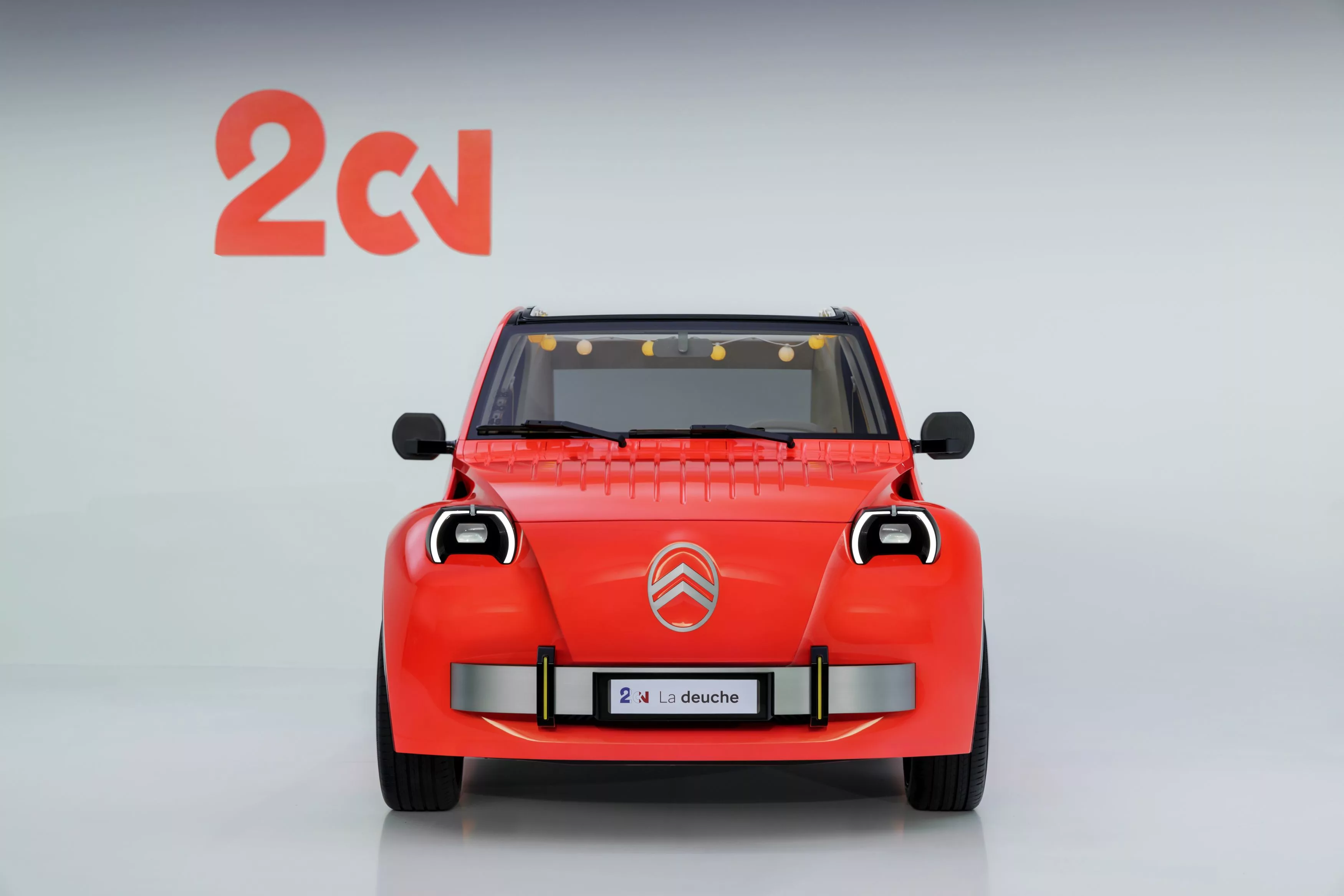
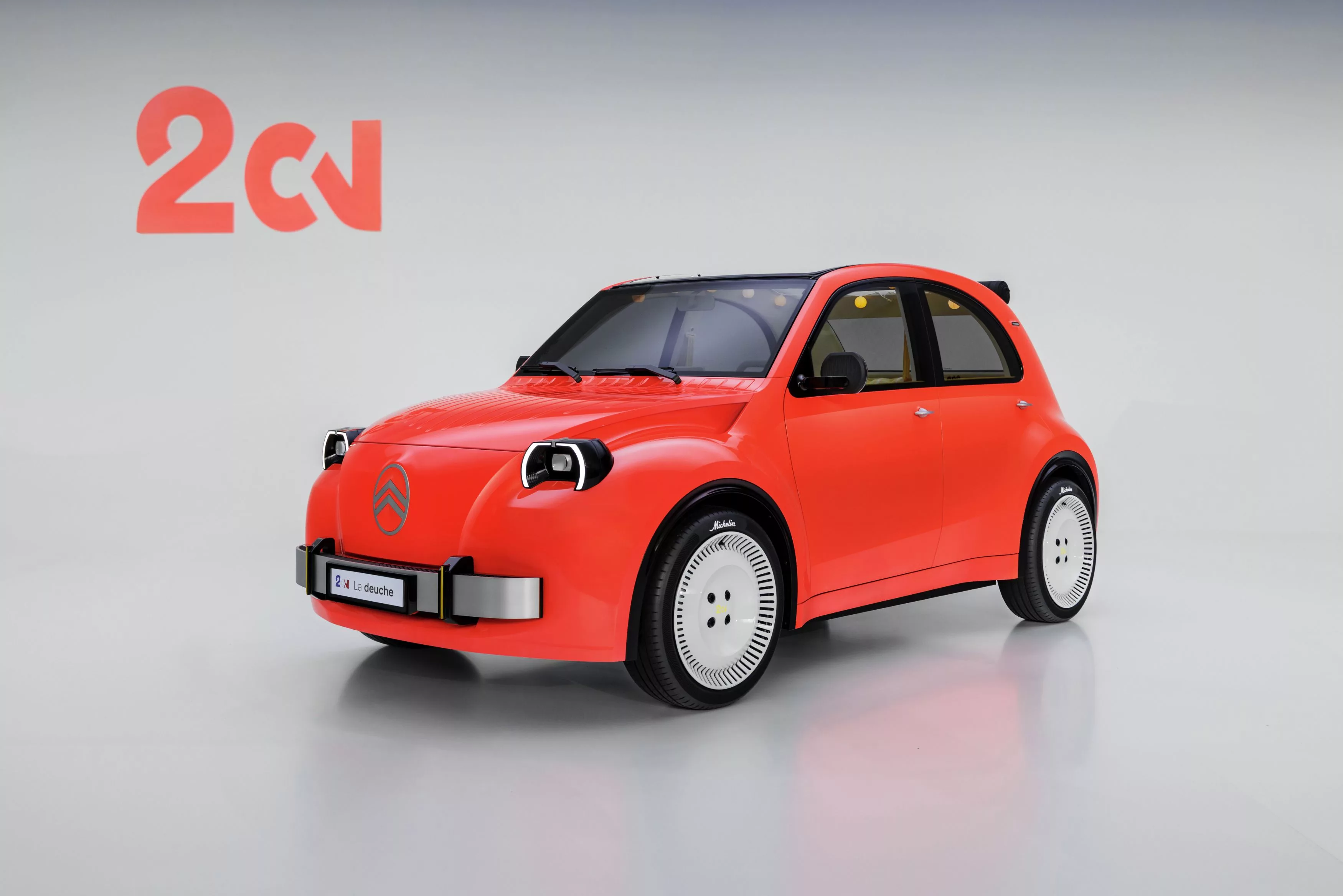
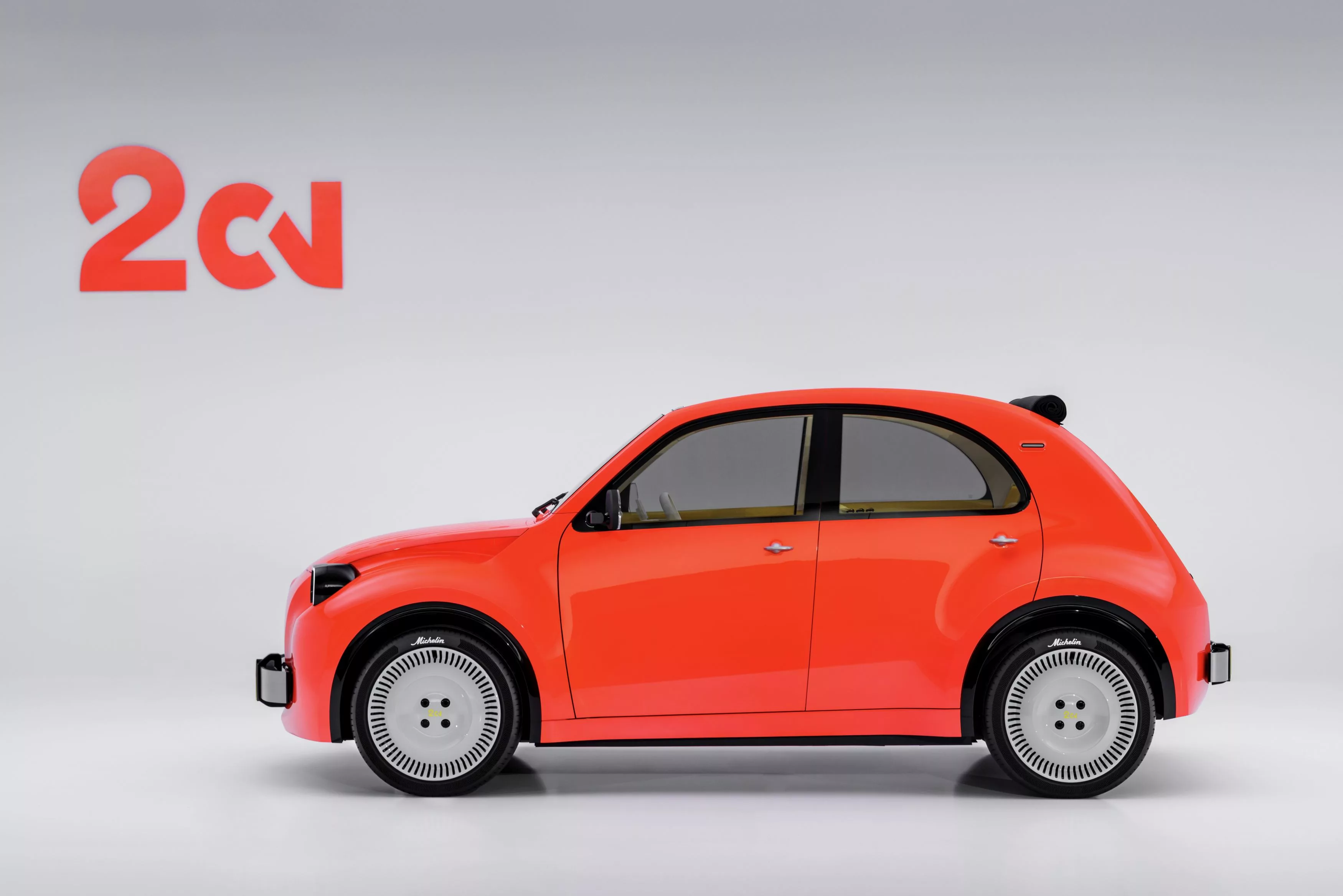
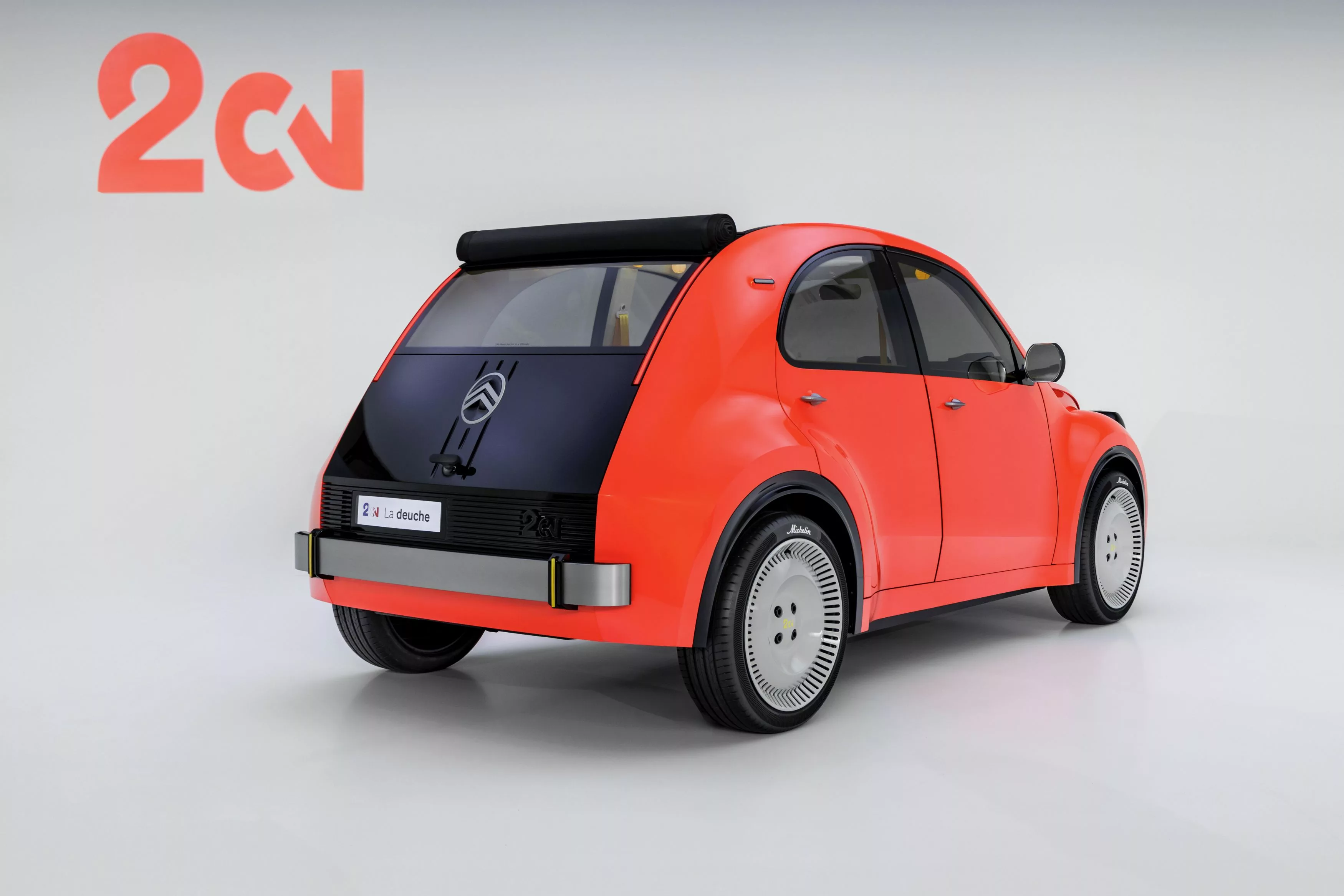
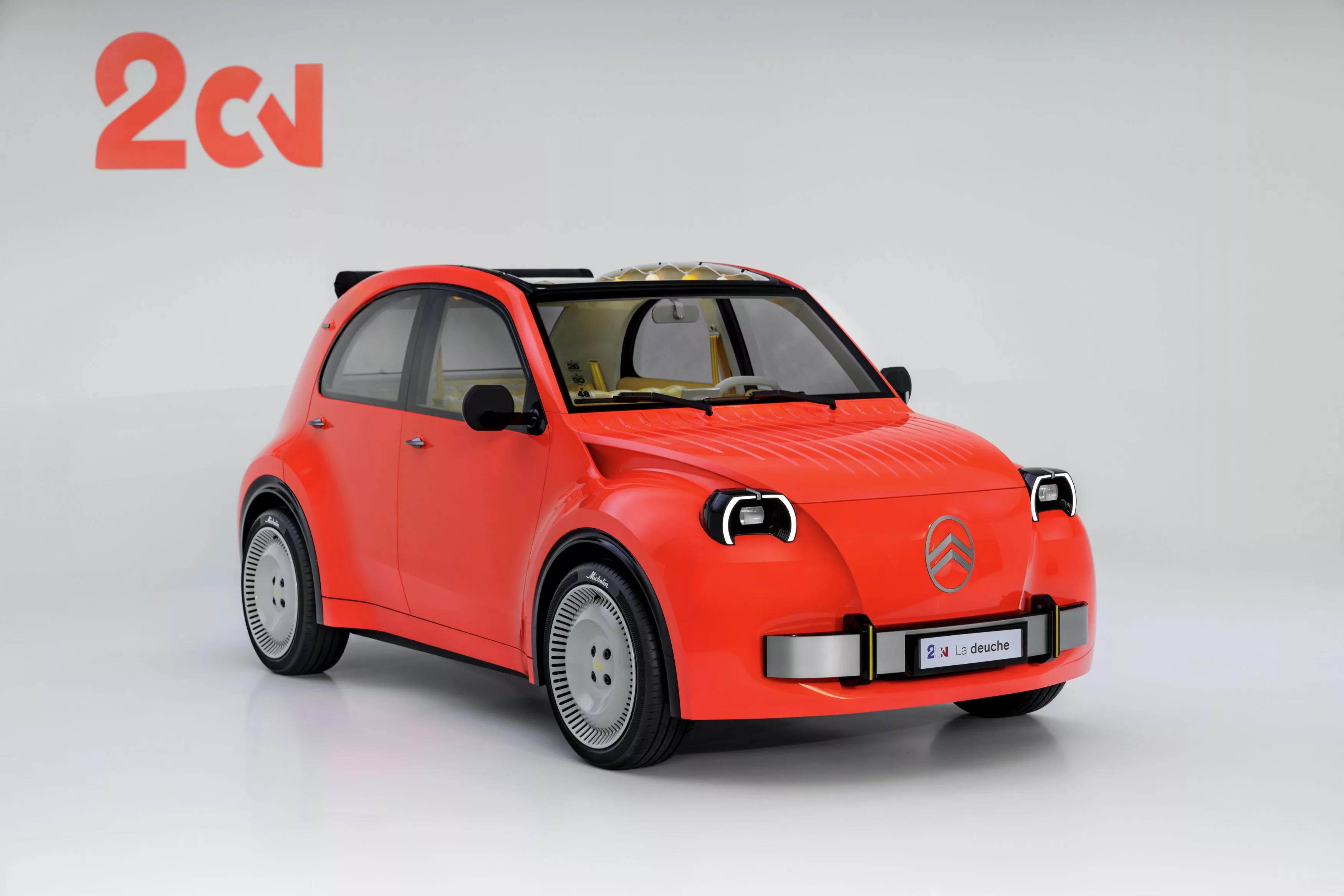
Citroën brought a modern interpretation of the legendary 2CV to the Paris Motor Show, paving the way for an affordable electric car by 2028. The new model has a target price of just €15,000, and the manufacturer promises to keep its weight at around one tonne. The French carmaker wants to restore the original 2CV’s most important quality: a simple car that does not cost a fortune to buy.
New 2CV will be even shorter than the original
According to official information from Citroën, a new model based on the 2CV Concept will reach the European market by 2028. The manufacturer plans to build the car in Europe and design it to comply with the European Union’s proposed E-Car vehicle category.
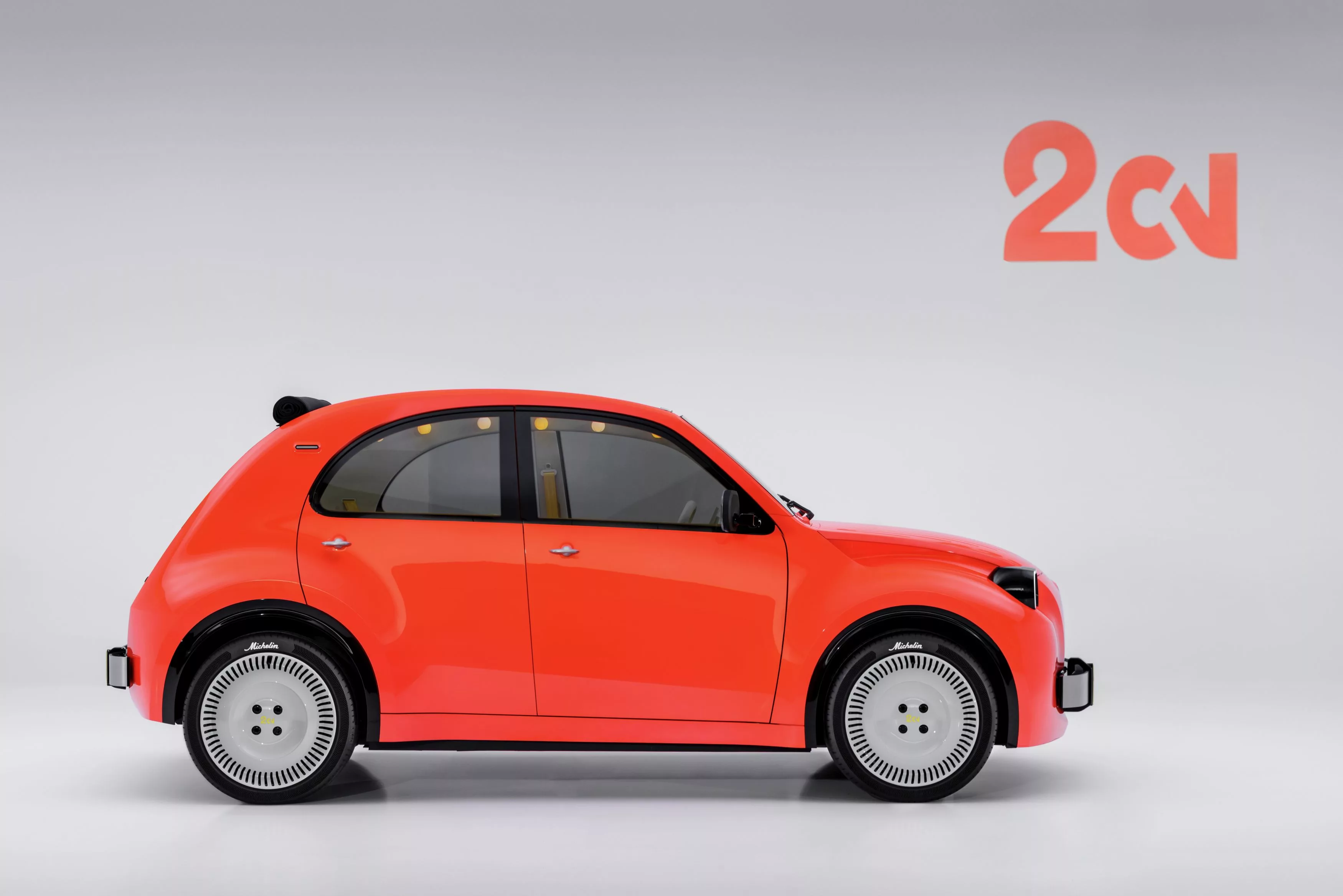
The concept car is 3760 mm long, making it even shorter than the original 2CV. Citroën wants to keep its weight at around 1000 kg to reduce energy consumption and allow the use of a smaller, cheaper battery.
The exterior takes direct inspiration from its predecessor, unveiled in 1948. Round headlights, a high, arched roof, separate wings and an opening fabric roof make the family resemblance unmistakable. Eighteen-inch steel wheels are fitted with specially designed Michelin tyres.
Citroën has yet to reveal the electric motor’s power output, battery capacity or range. The model’s positioning is clear, however: the new 2CV will sit between the small Ami and the larger C3.
Clever simplicity defines the cabin
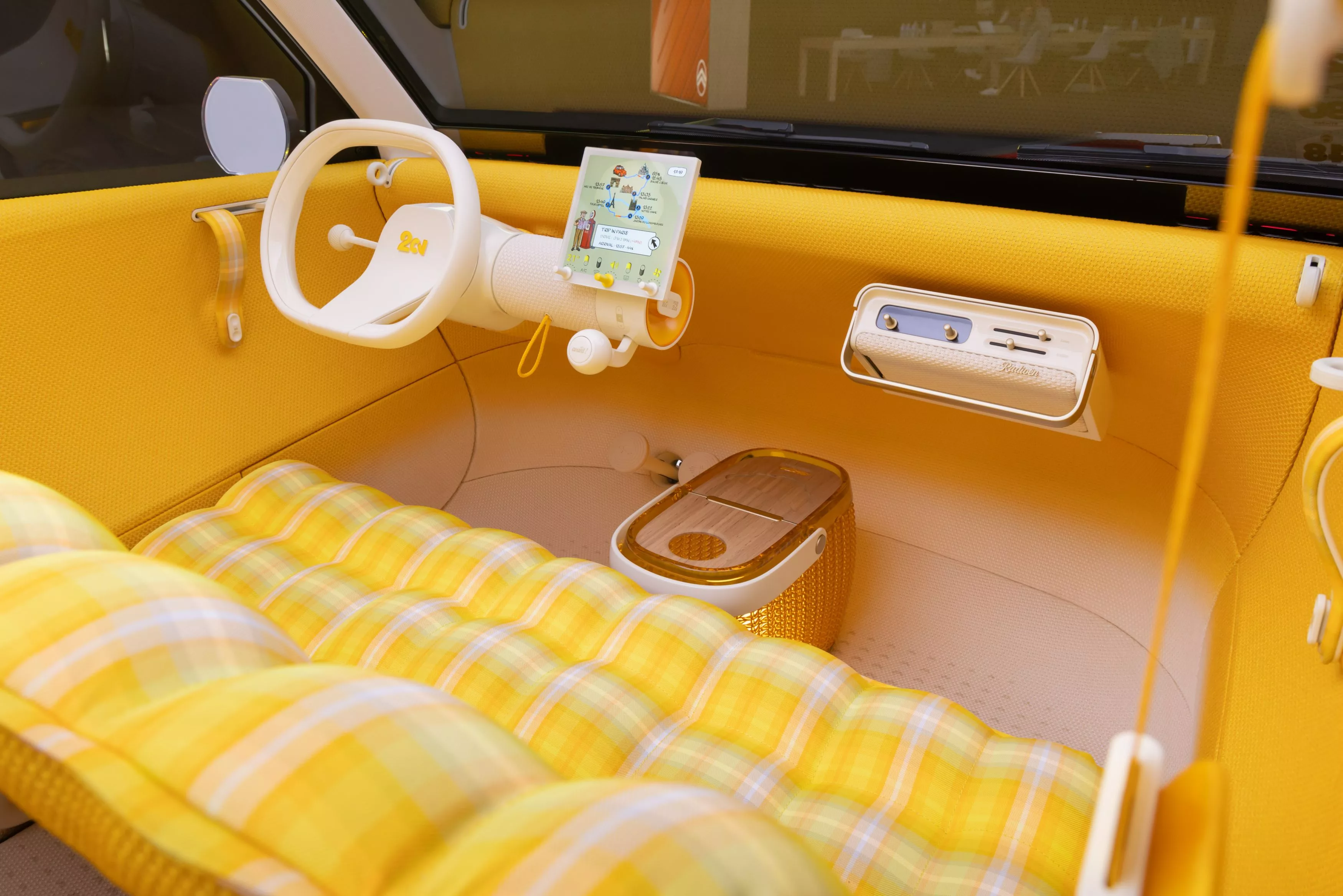
The new 2CV’s cabin feels more like a playful living room than a conventional modern electric car. Instead of a traditional dashboard, Citroën uses a horizontal cylindrical structure to which the single-spoke steering wheel and main controls are attached.
The driver has a Smart Vision instrument display and an eight-inch touchscreen. The latter’s graphics resemble French comics.
A removable storage basket replaces the centre console, while Citroën uses fabric straps instead of door handles. The removable “Radioën” works as both a car radio and a portable Bluetooth speaker. The front-row seat can be pulled out for a rest break.
The most amusing detail is tucked away in the door pockets. Egg holders fitted there refer to the original 2CV’s famous development brief, which required the car to carry eggs across an uneven field without breaking them.
Textiles, bio-based plastics and simple structures dominate the choice of materials. Citroën is also paying attention to repairability: the bumpers, for example, are separate components from the body, making damage easier to repair.
A small battery and a low price matter more than high power
Citroën is not trying to create yet another long-range electric car. The 2CV’s aim is to offer affordable everyday transport with low running costs.
For comparison, Renault’s new electric Twingo offers 60 kW of power and a WLTP range of up to 262 km. With a target price of around €15,000, the Citroën would compete with precisely this kind of small European electric car.
From a technical standpoint, a kerb weight of one tonne could offer a significant advantage. Lower weight reduces energy consumption, the load on the tyres and brake wear. It also allows a less powerful motor to be used without noticeably compromising performance in city driving.
Citroën is also working with Michelin to develop a digital twin of the tyres, allowing their condition to be monitored and the car’s behaviour to be adapted to driving conditions.
Can the 2CV repeat its predecessor’s success?
The original Citroën 2CV went on sale in 1948 and remained in production until 1990. Its success was based on simple construction, exceptional practicality and a low price.
The new model’s biggest challenge is applying the same formula in today’s European market. Safety requirements, battery technology and production costs make creating a €15,000 electric car difficult even for a major manufacturer.
Nevertheless, Citroën’s approach makes sense. Europe’s electric car market needs cheaper, lighter models, not just larger batteries and more powerful motors.
If Citroën can offer a practical electric car with a decent range for around €15,000 in 2028, the new 2CV could become a far more important model for the brand than an expensive electric SUV. First, however, it must prove that the promised price can withstand the actual costs of series production.


