
Peugeot revives RCZ as a 368 kW electric coupe with 10-minute charging
 1/34
1/34
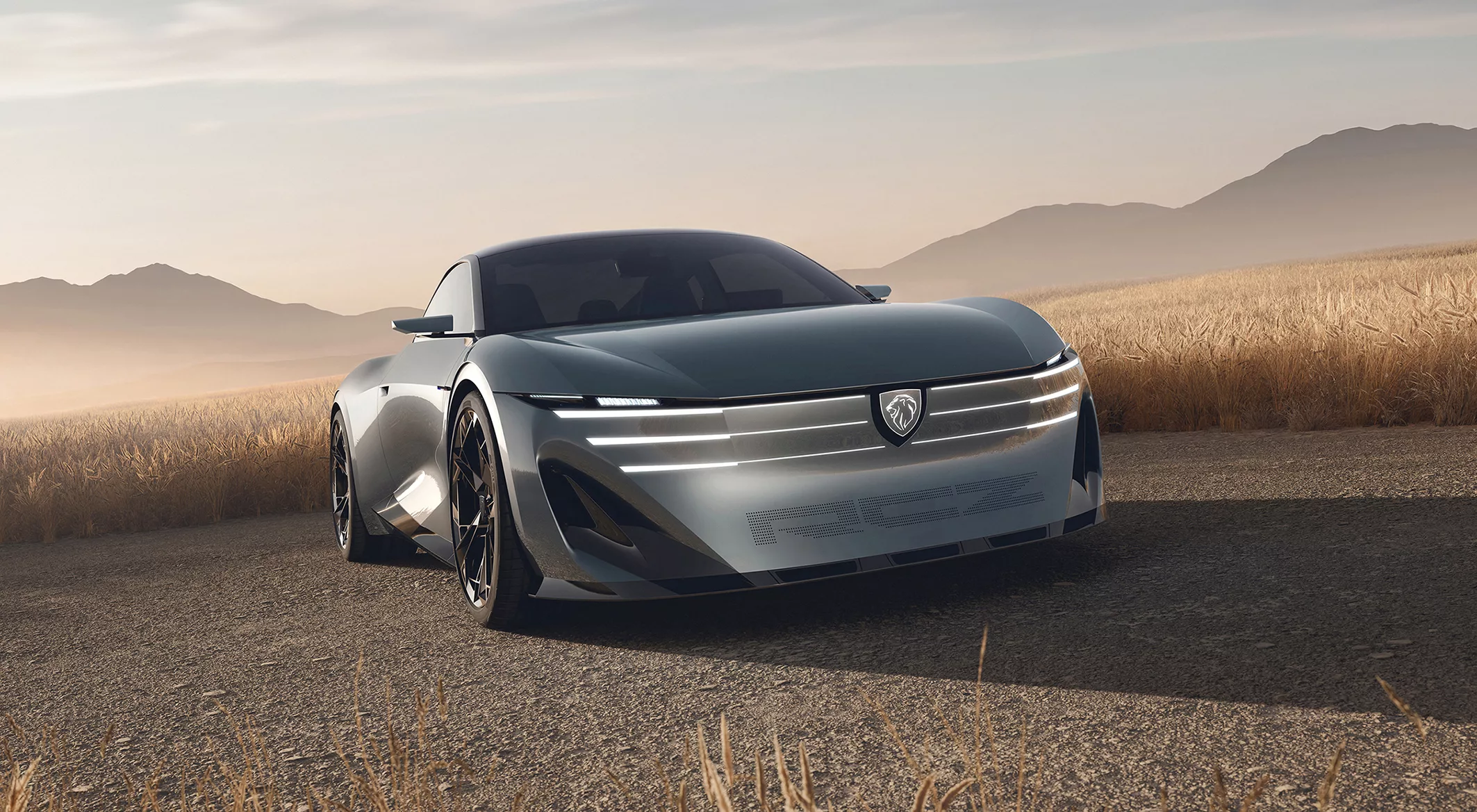
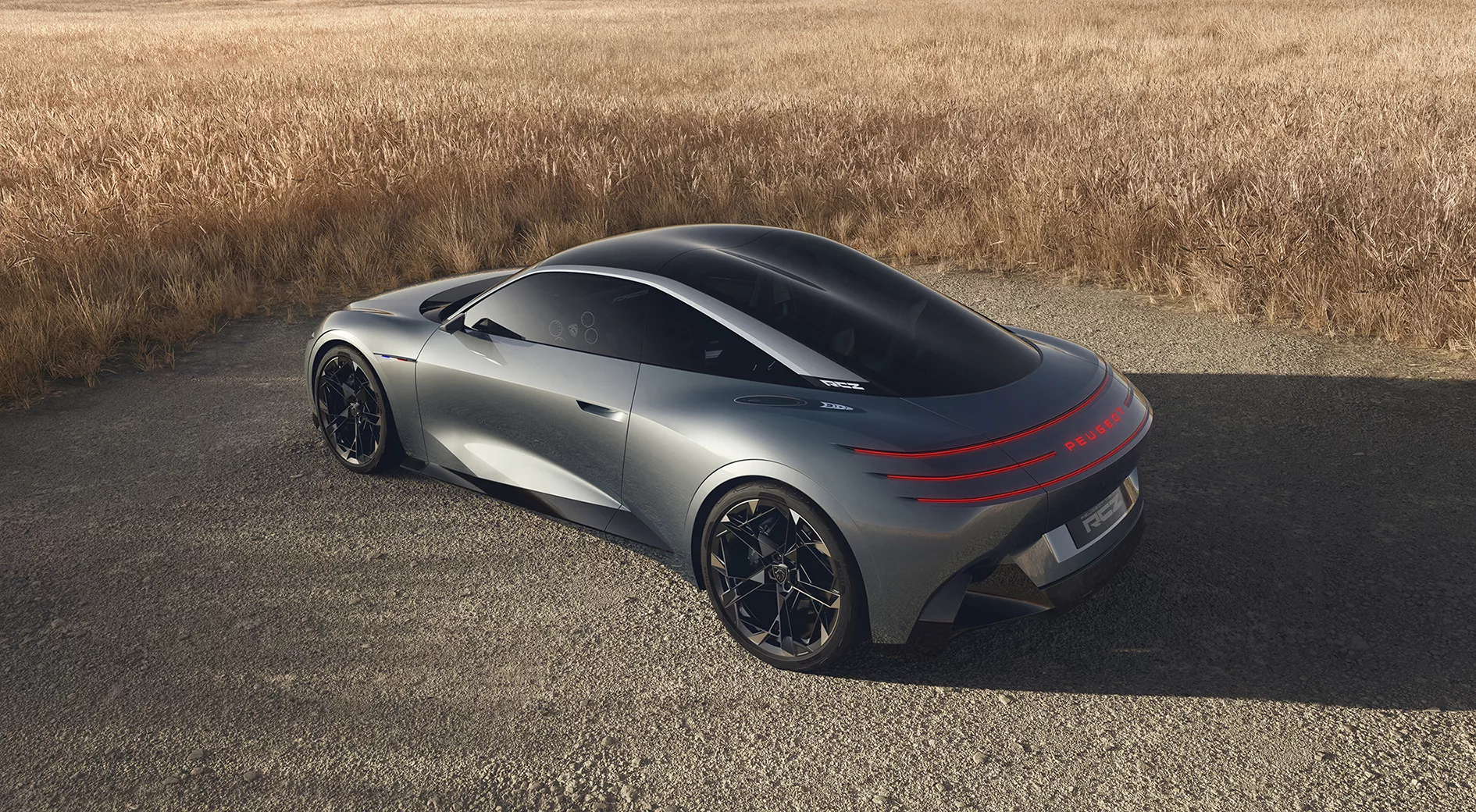
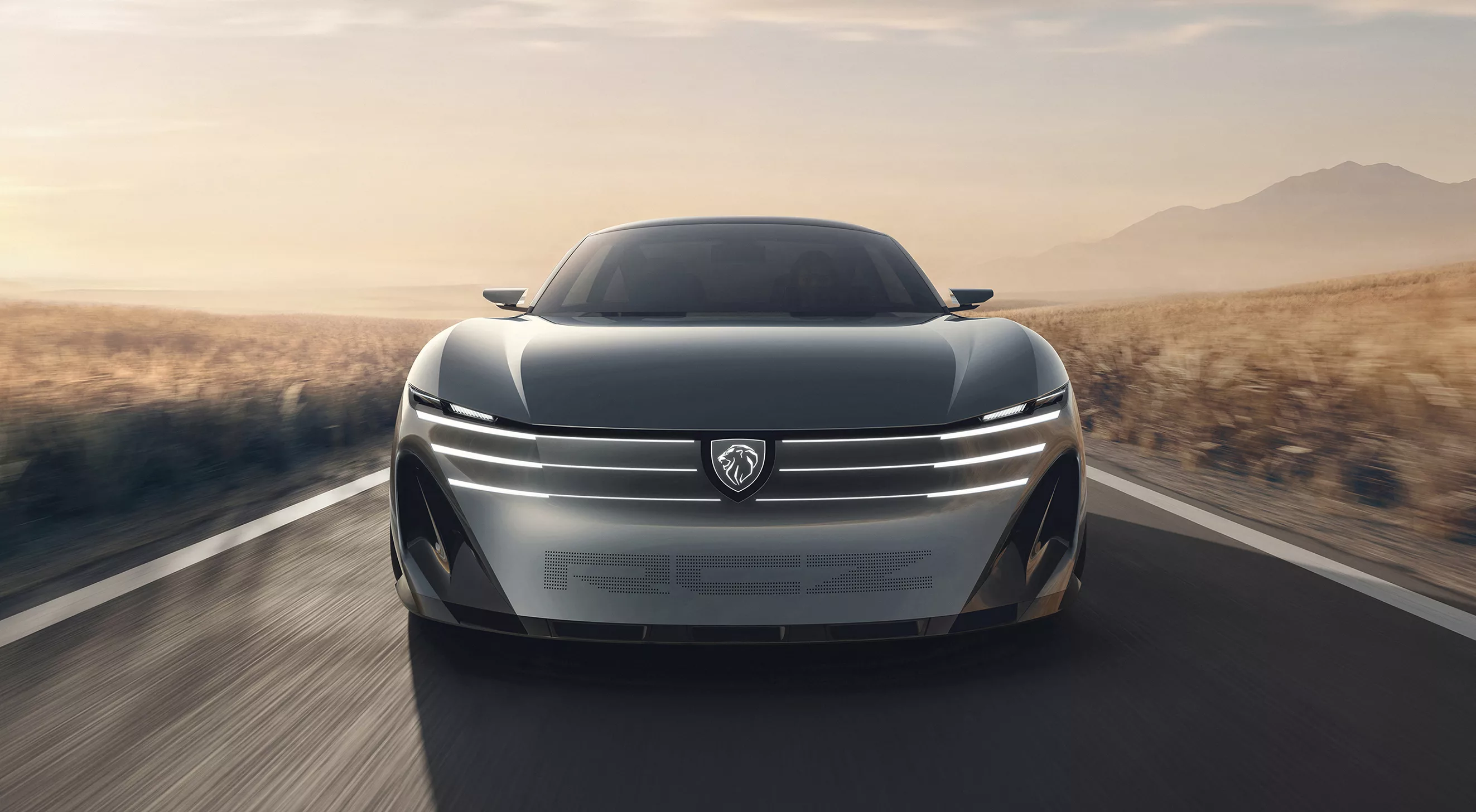
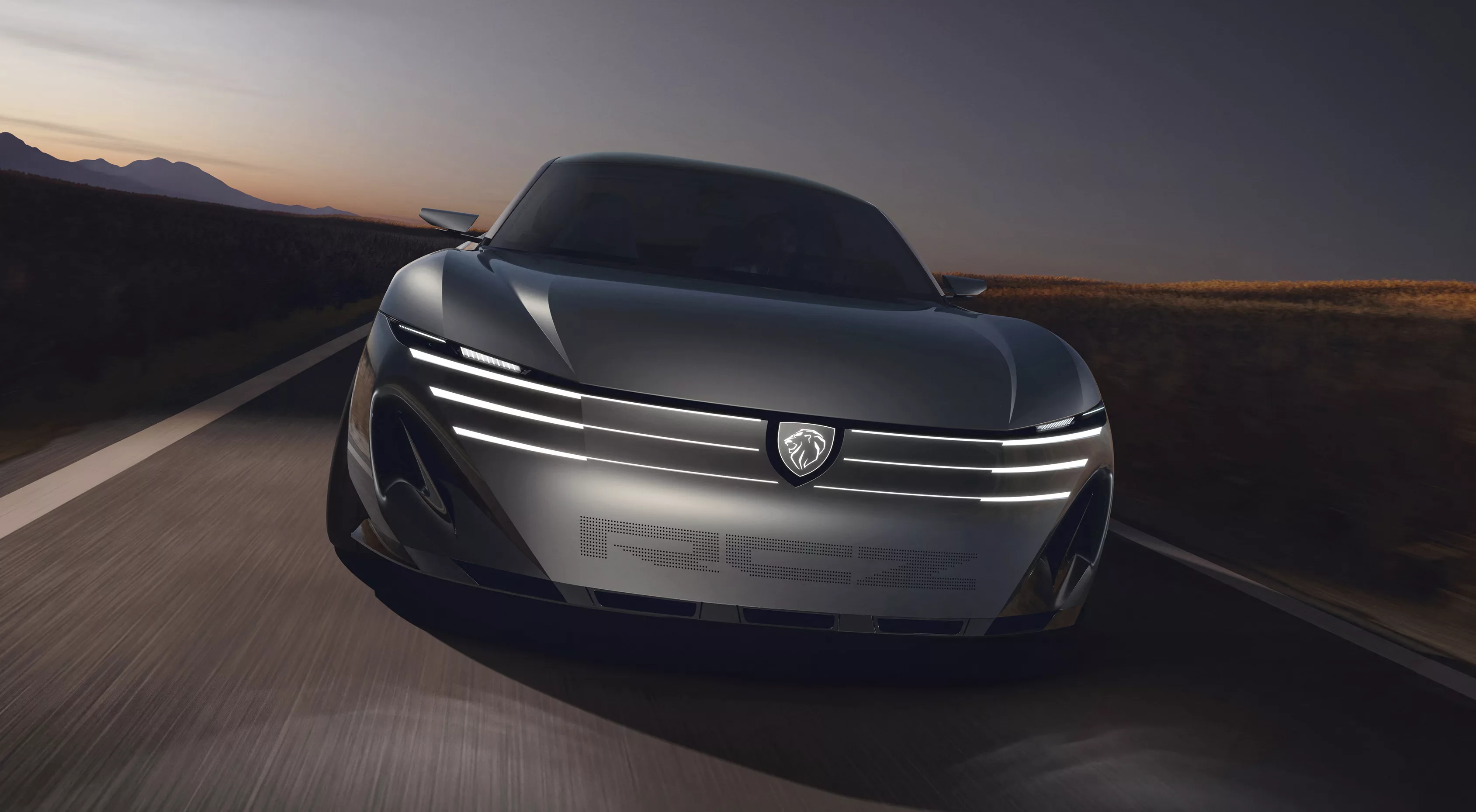
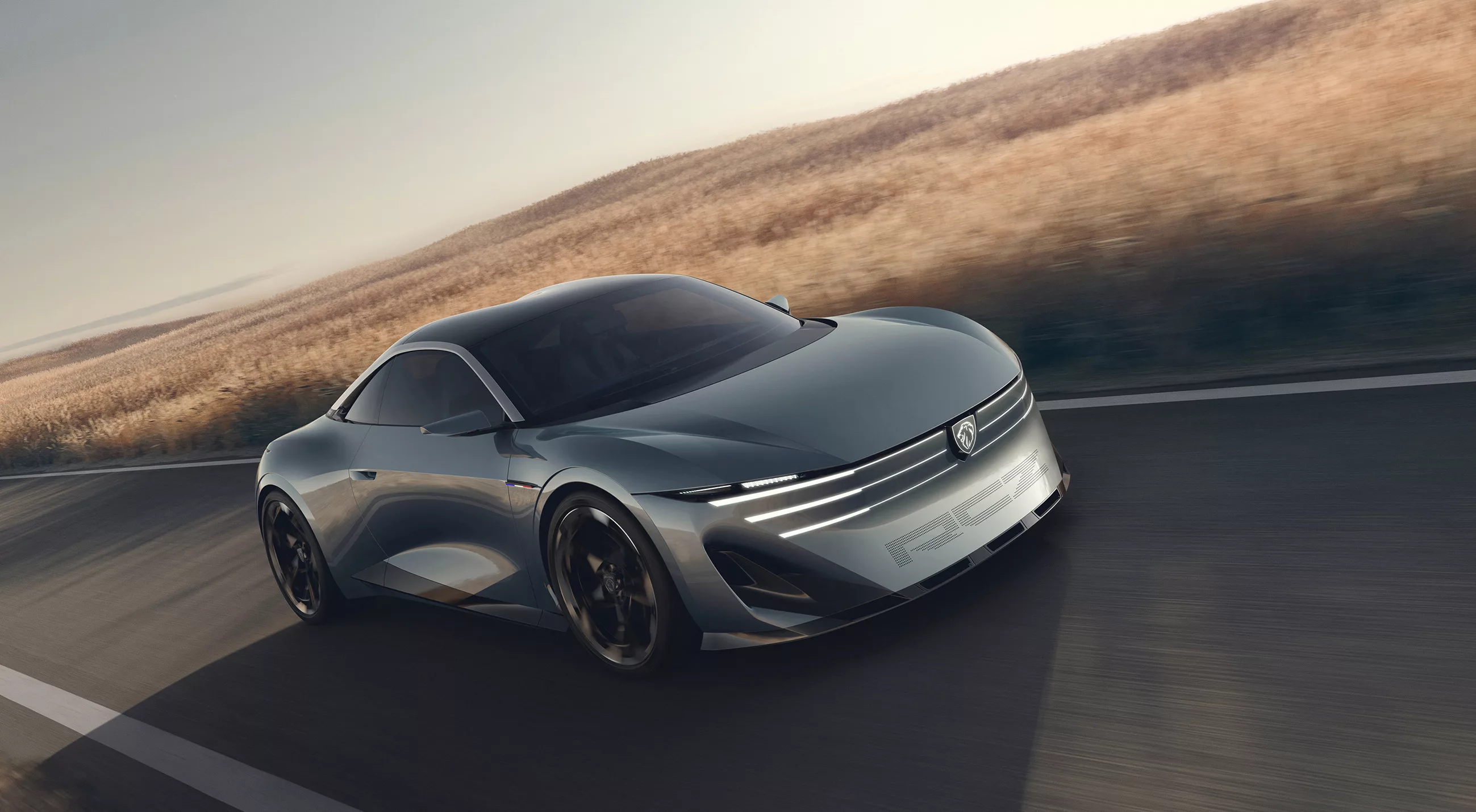
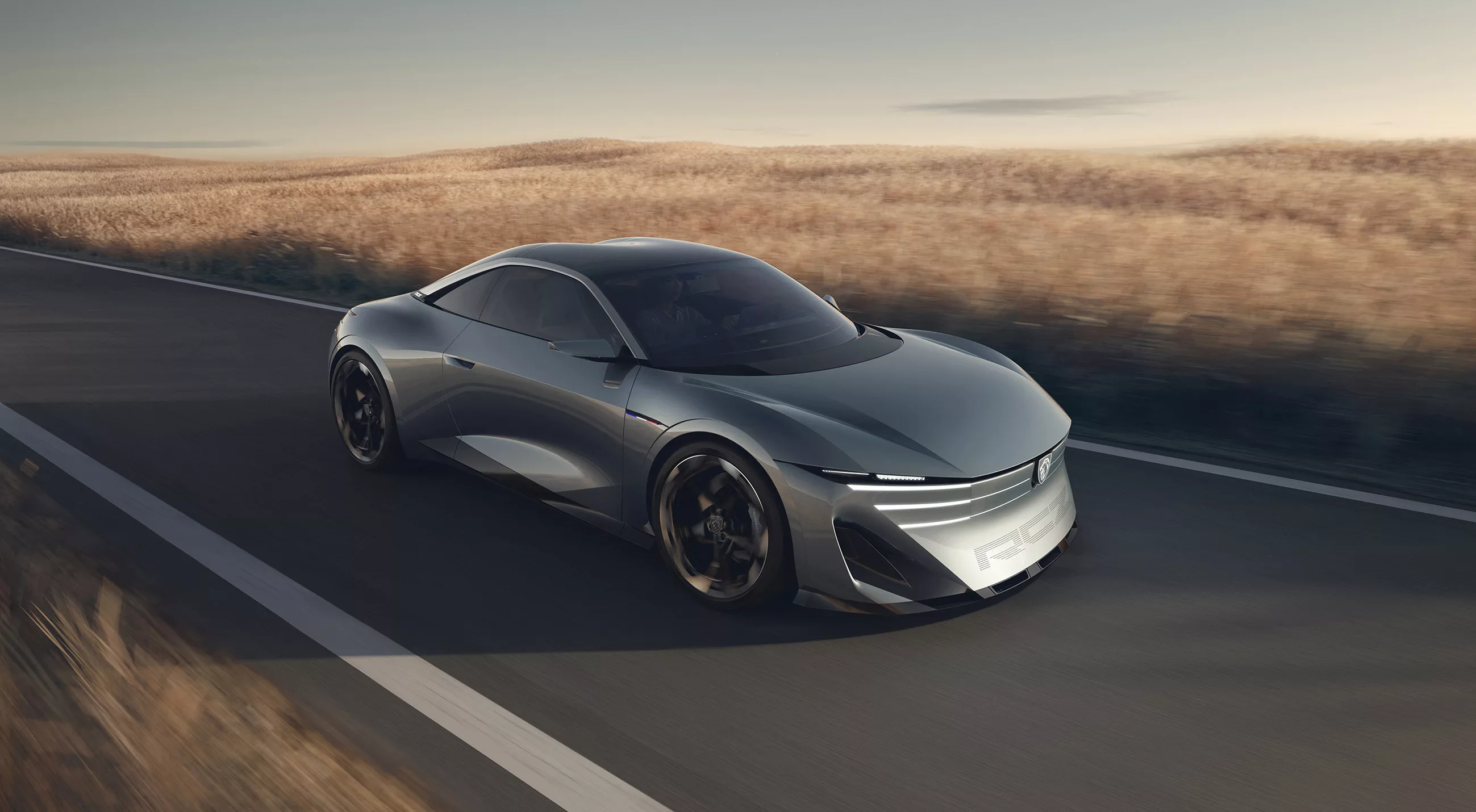
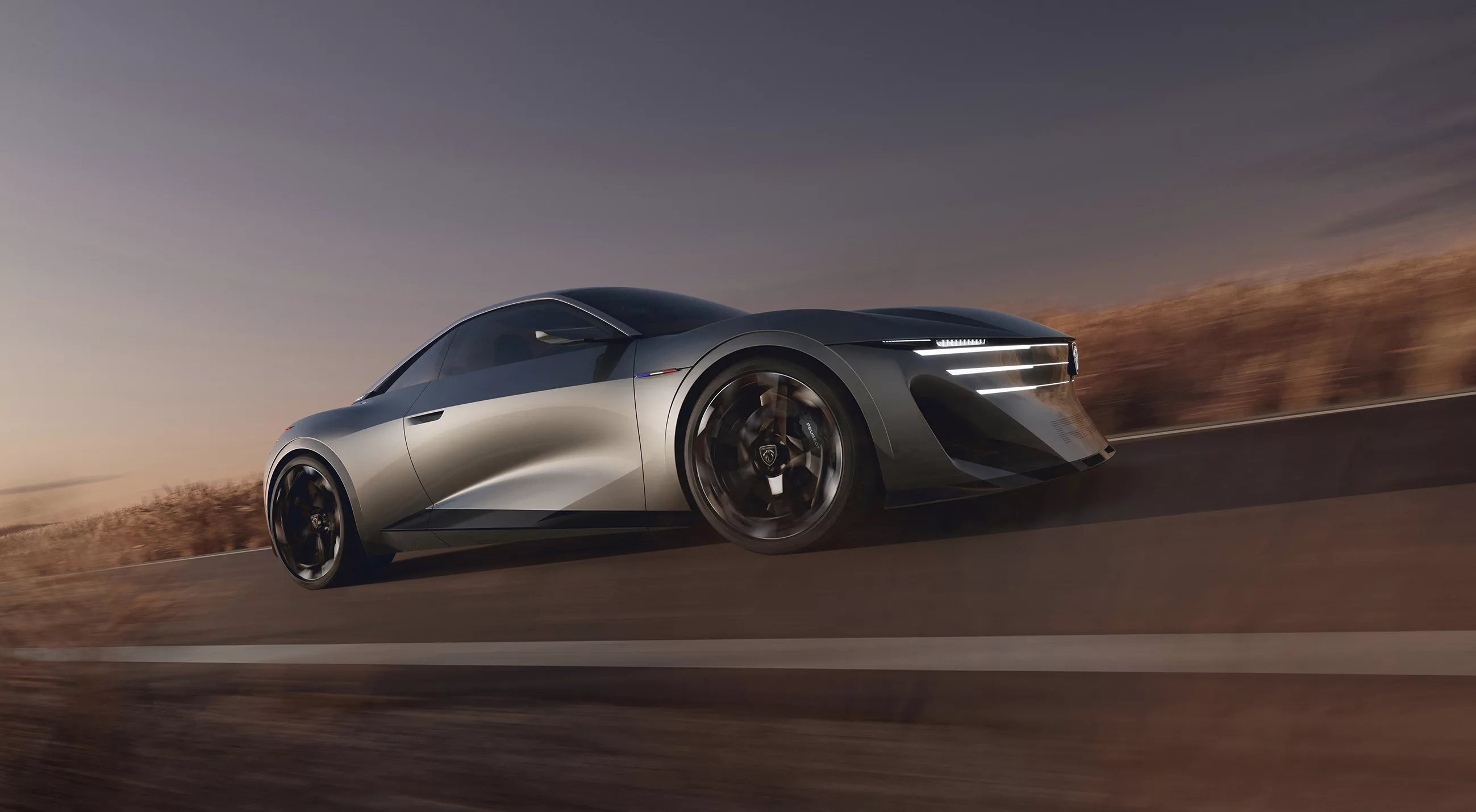
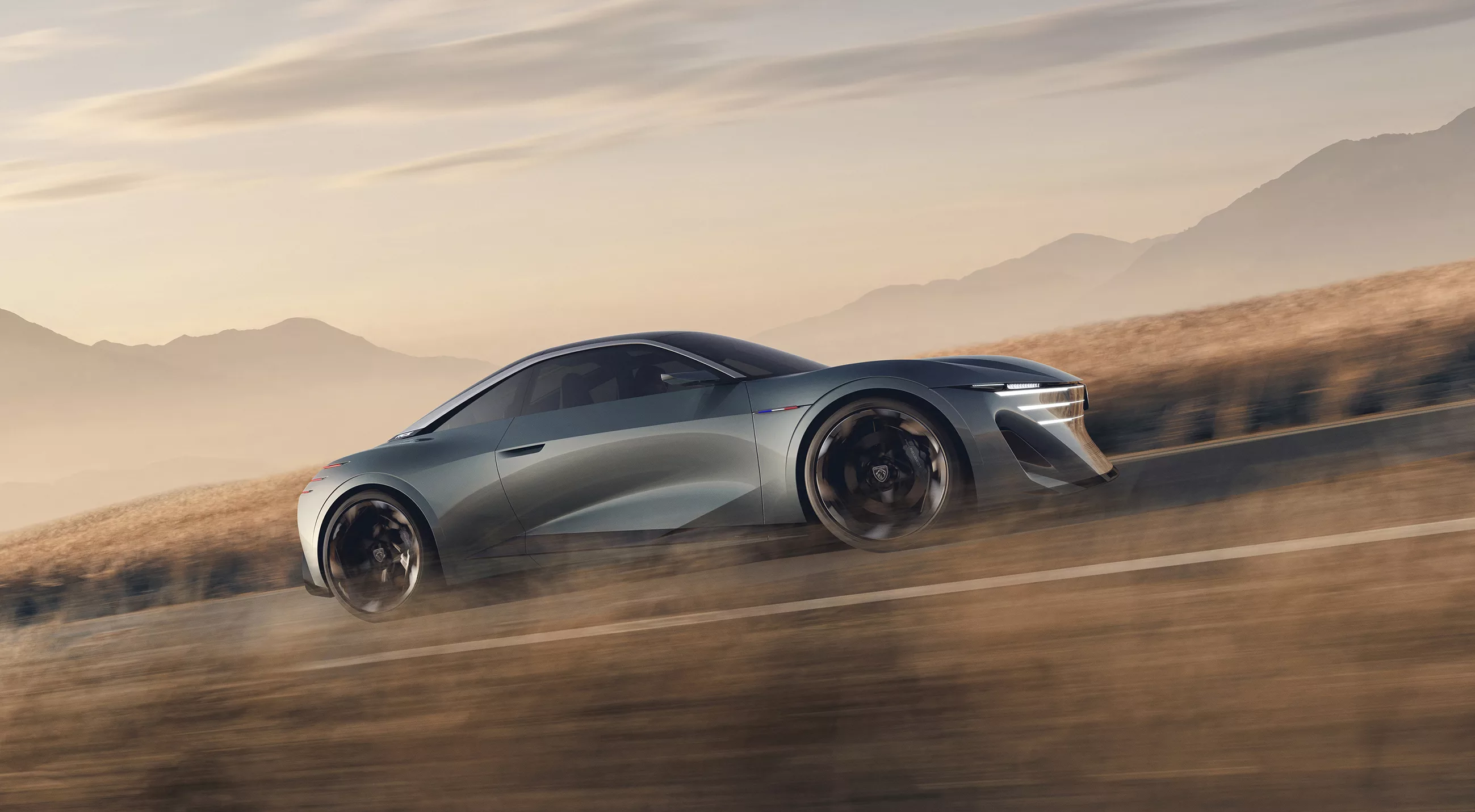
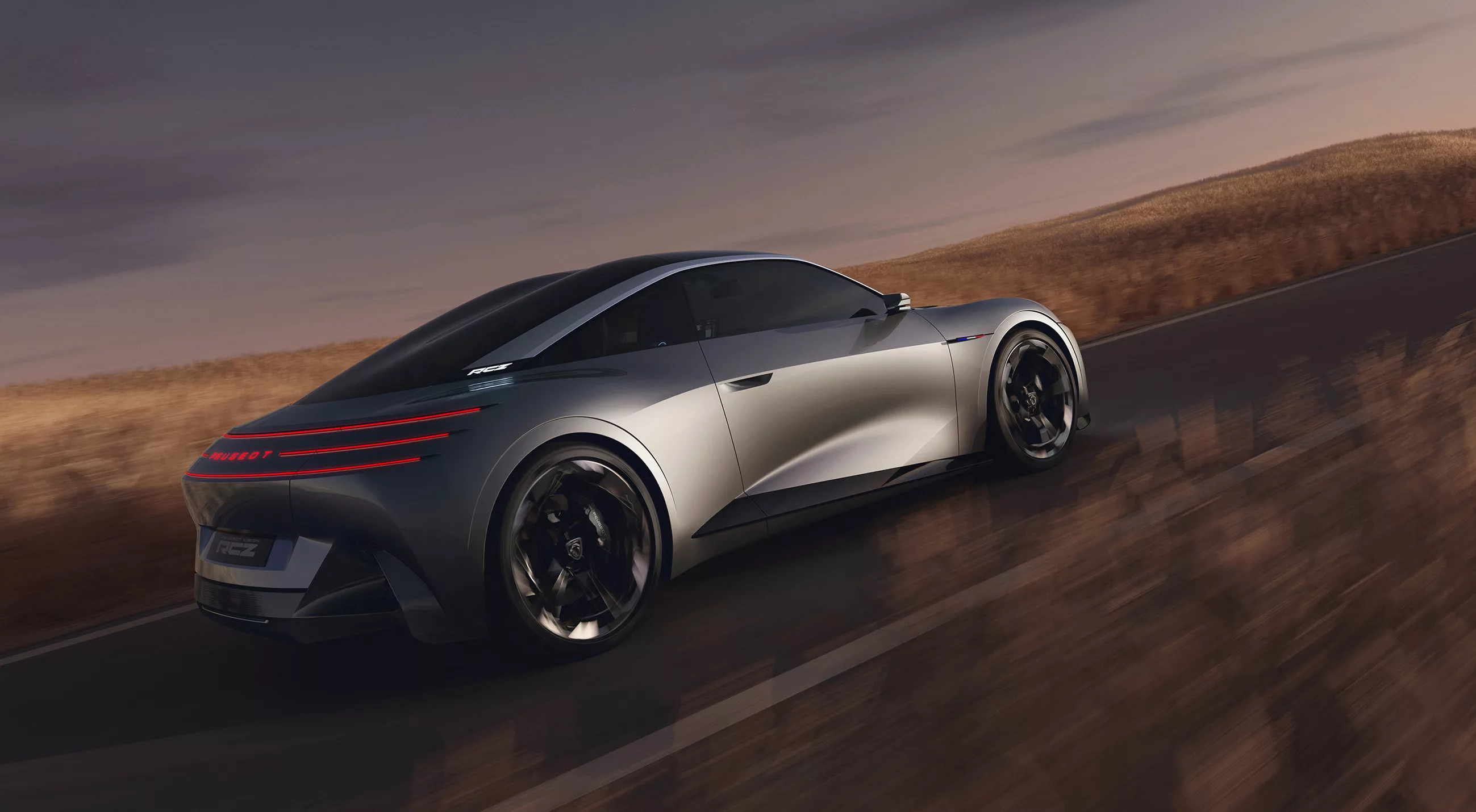
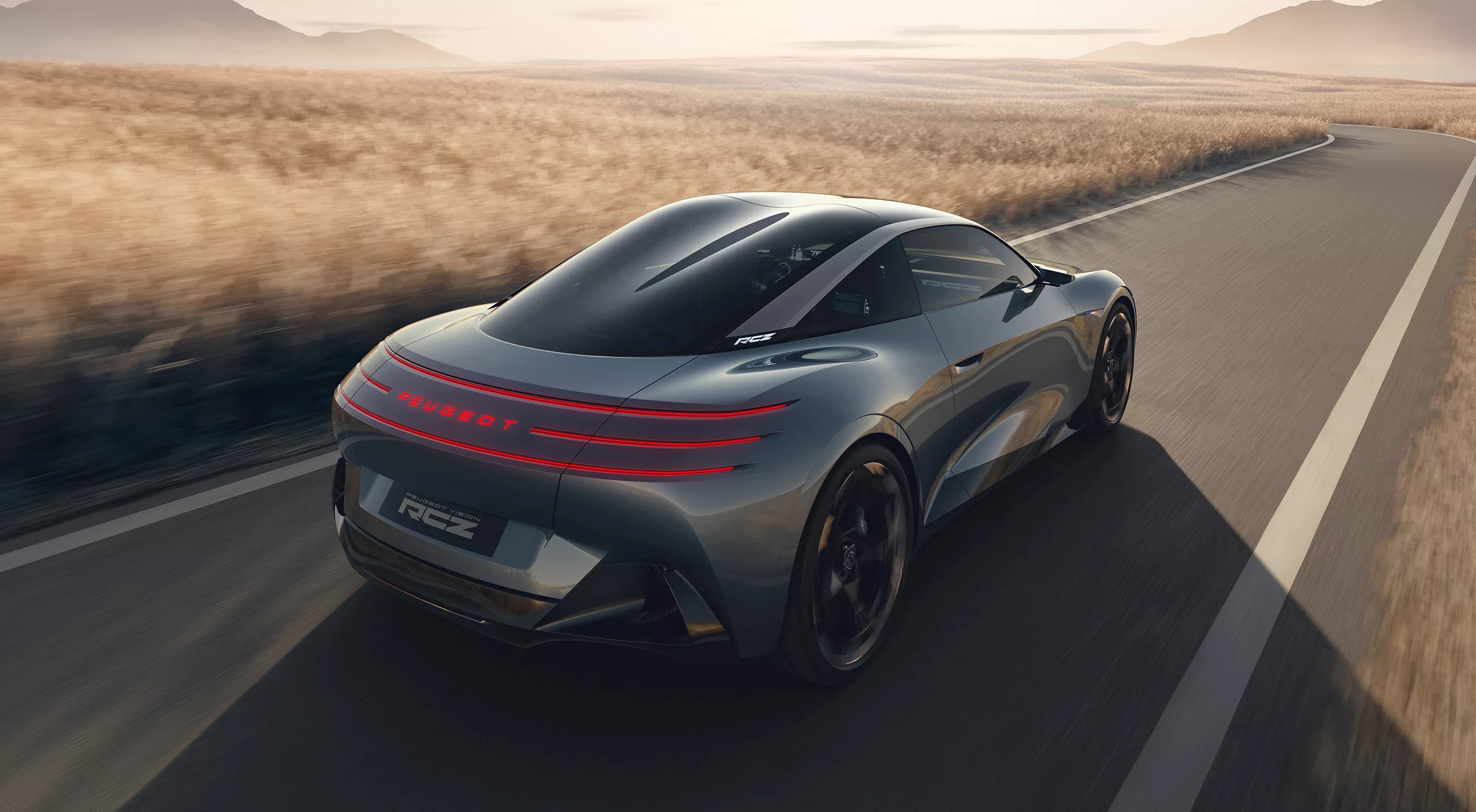
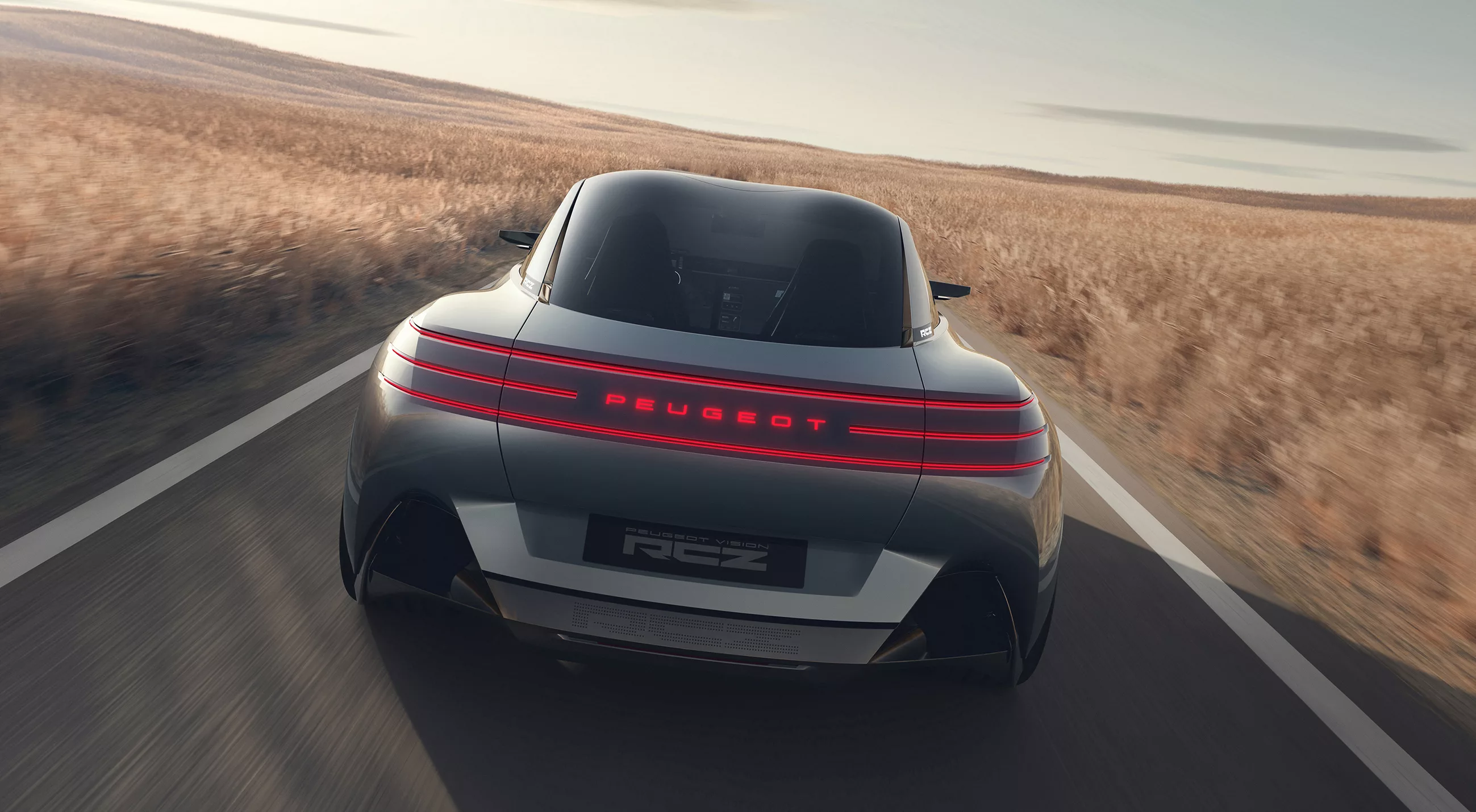
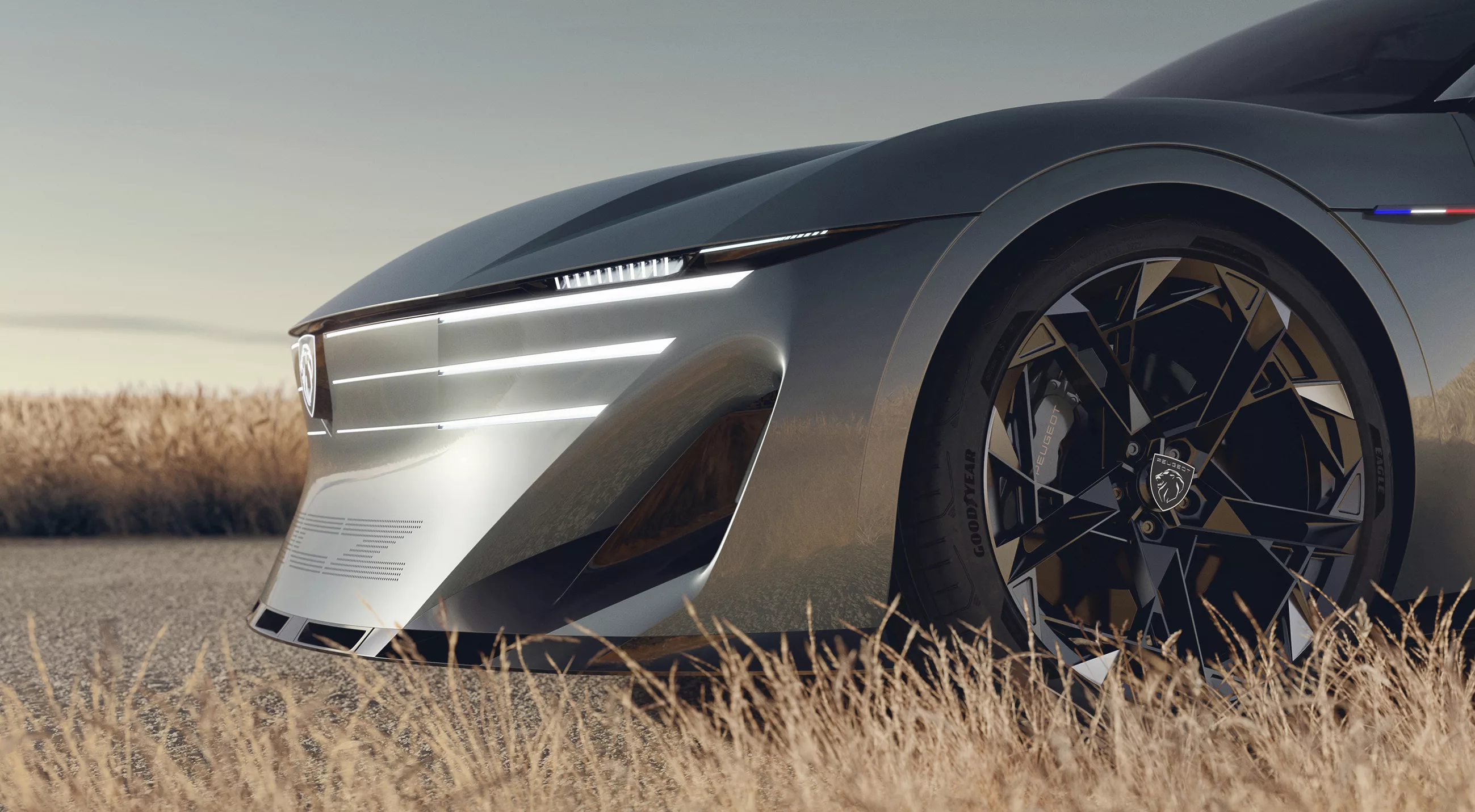
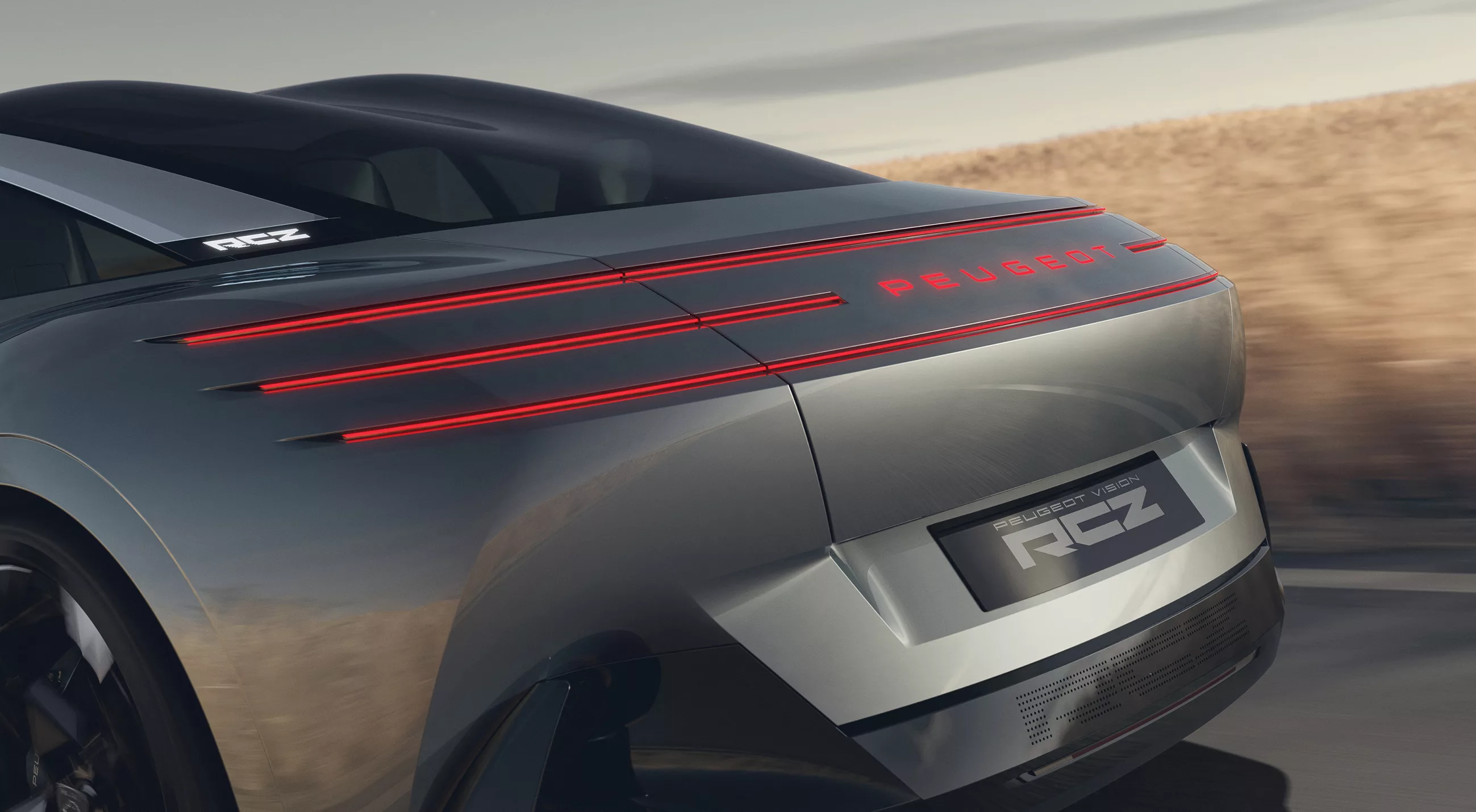
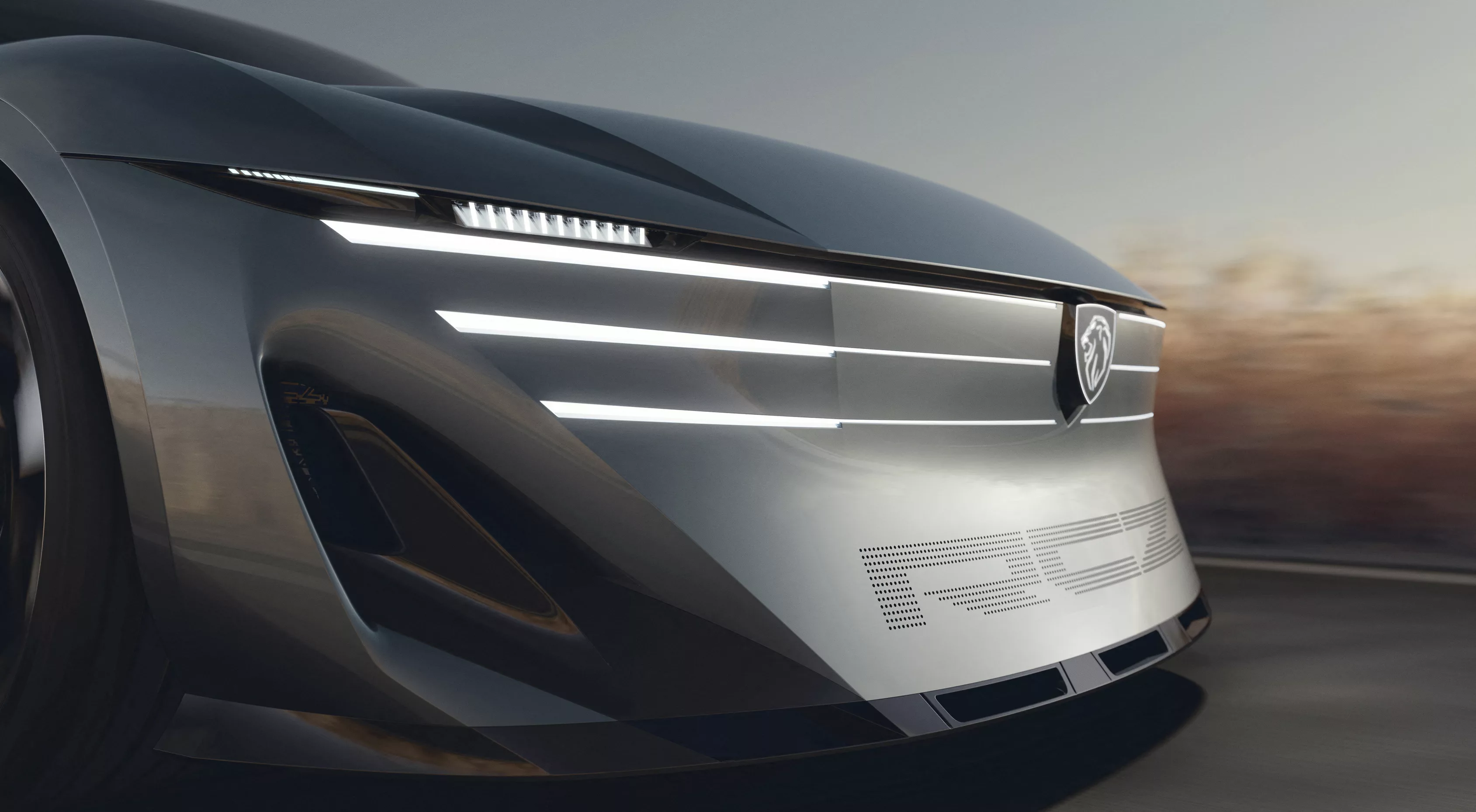
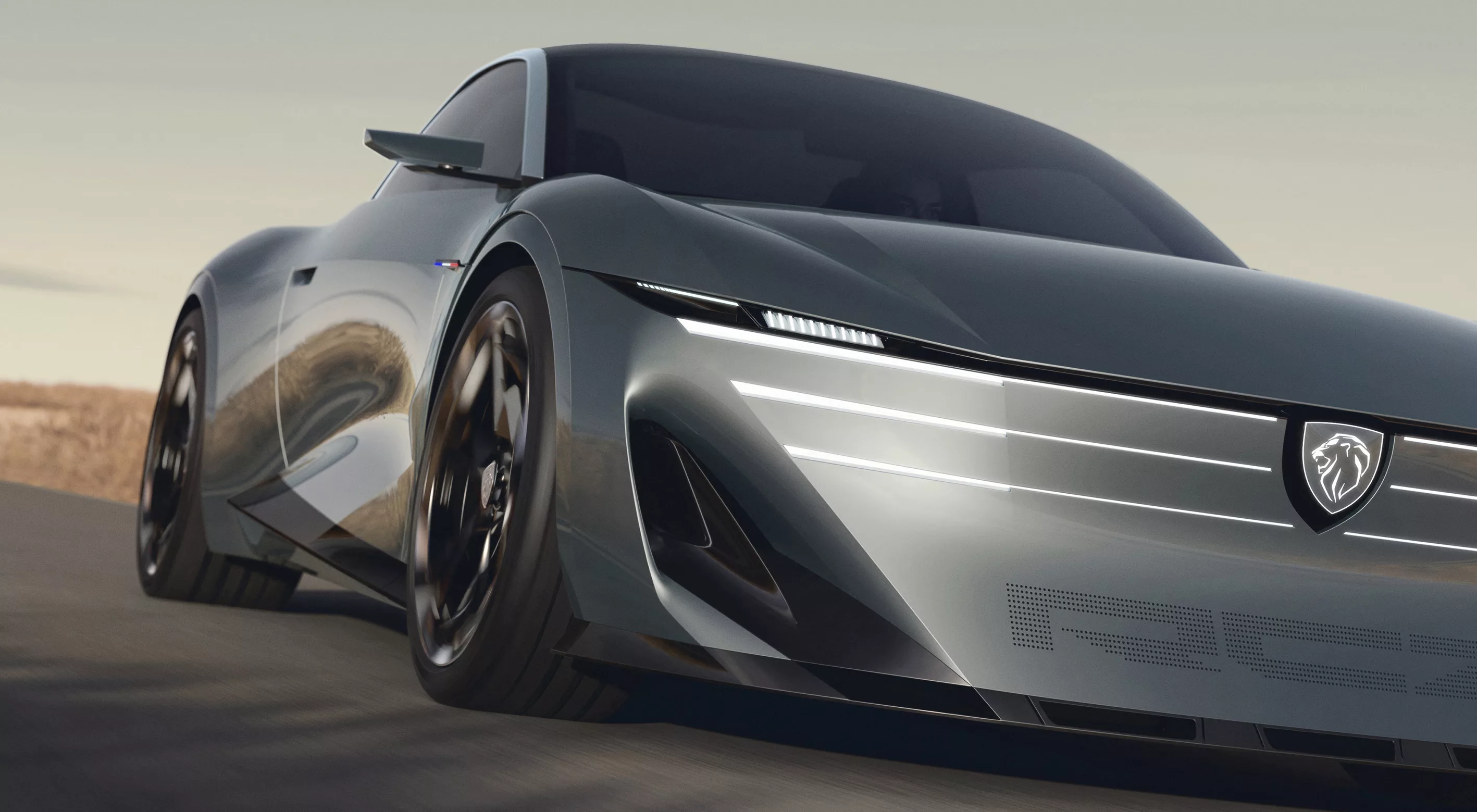
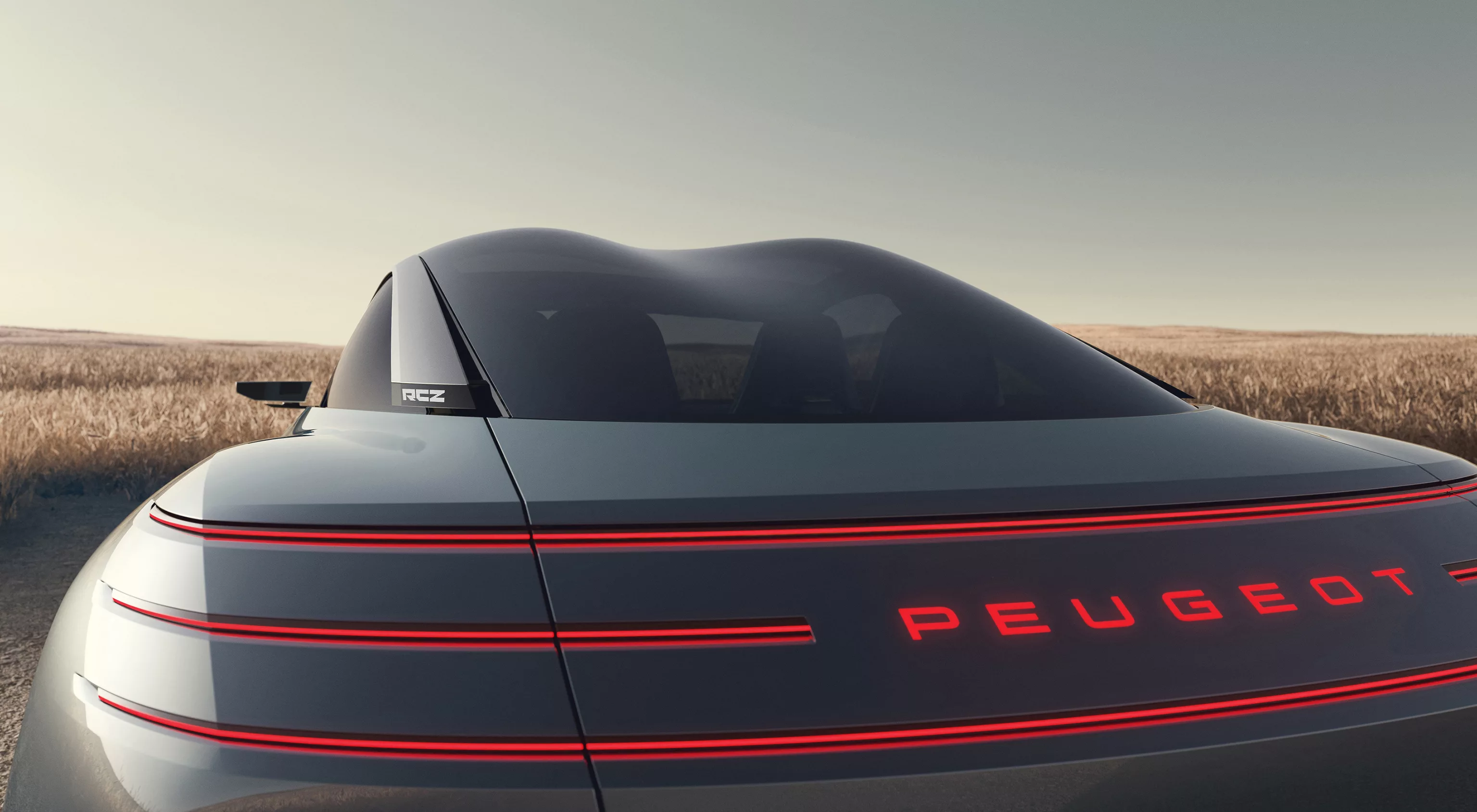
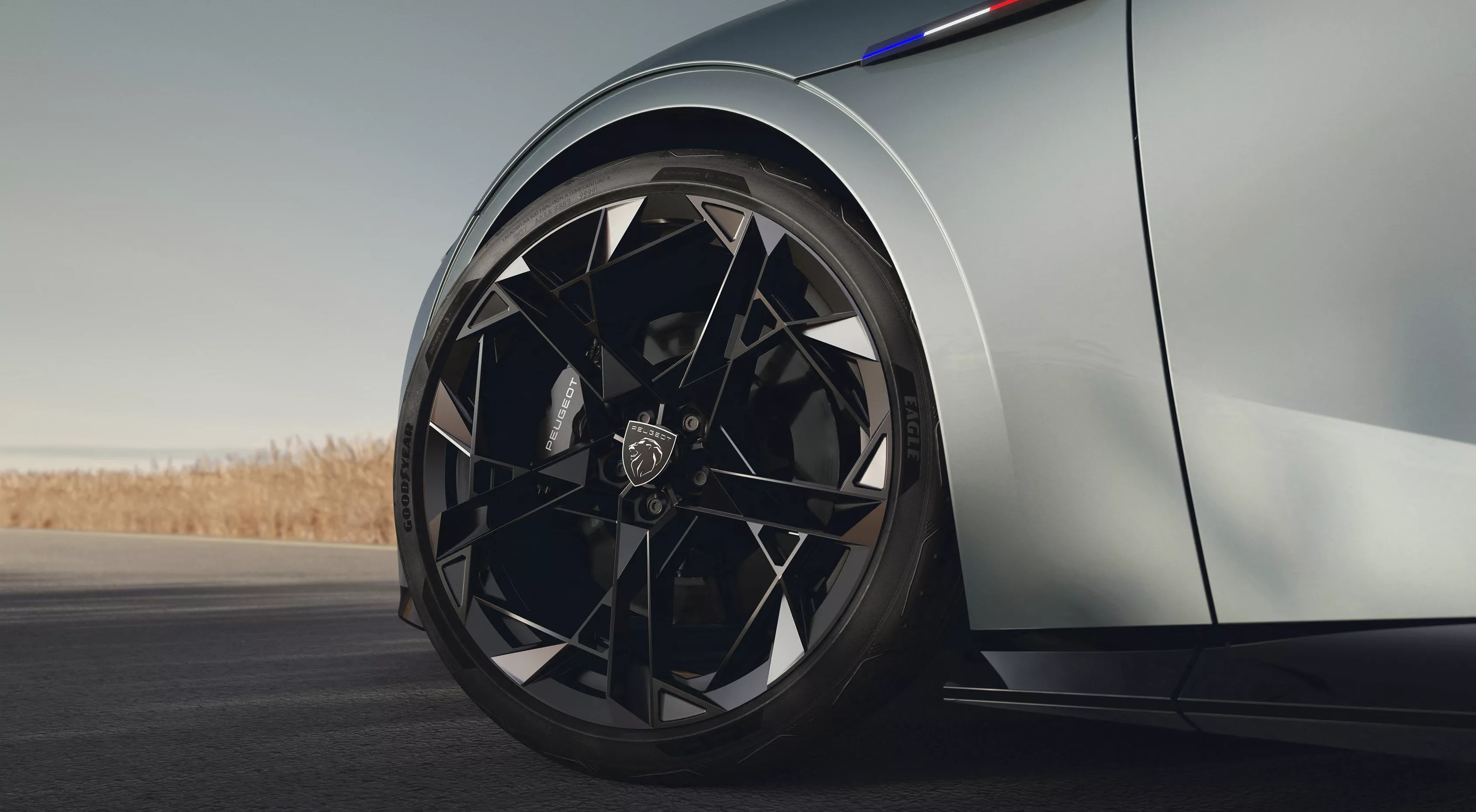
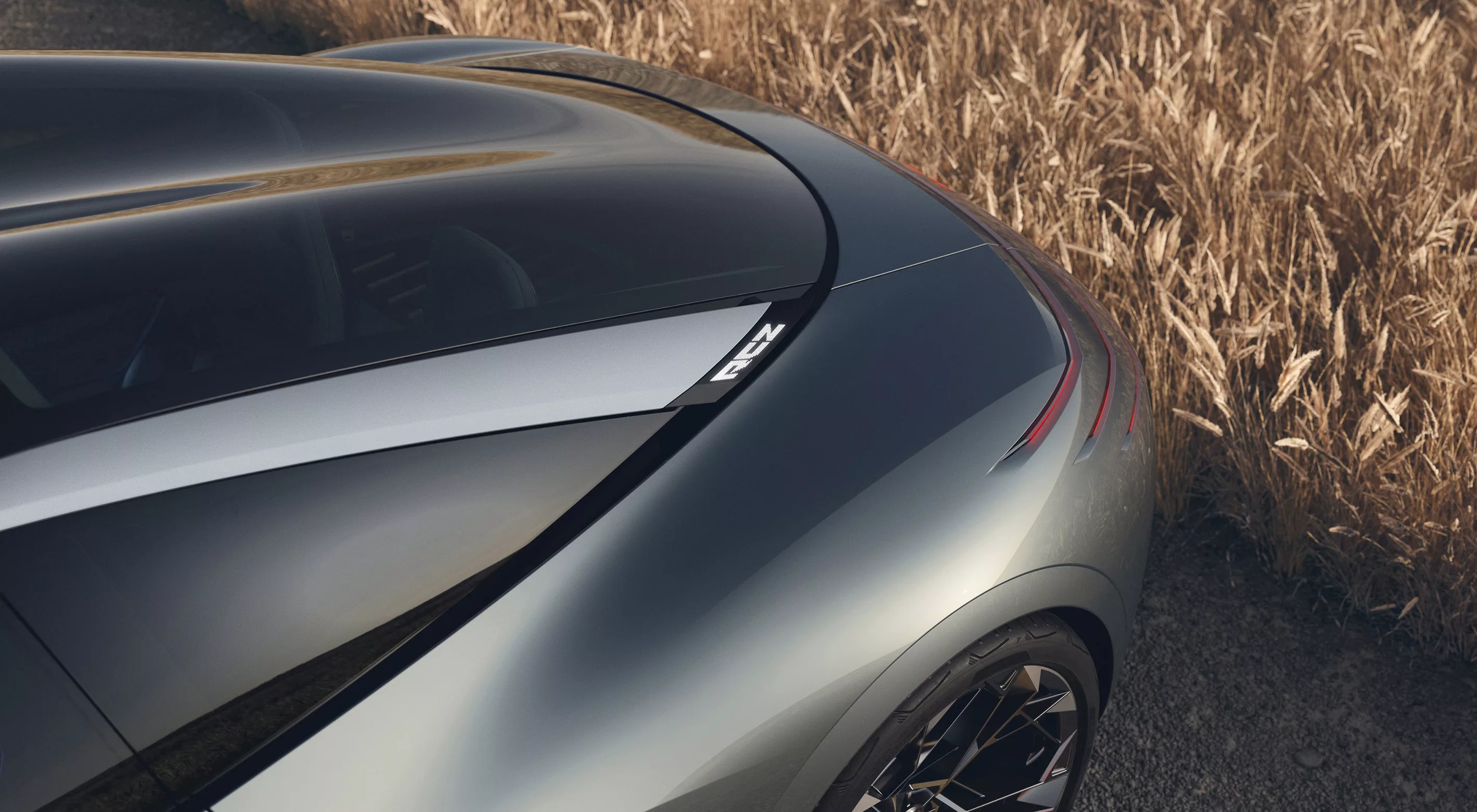
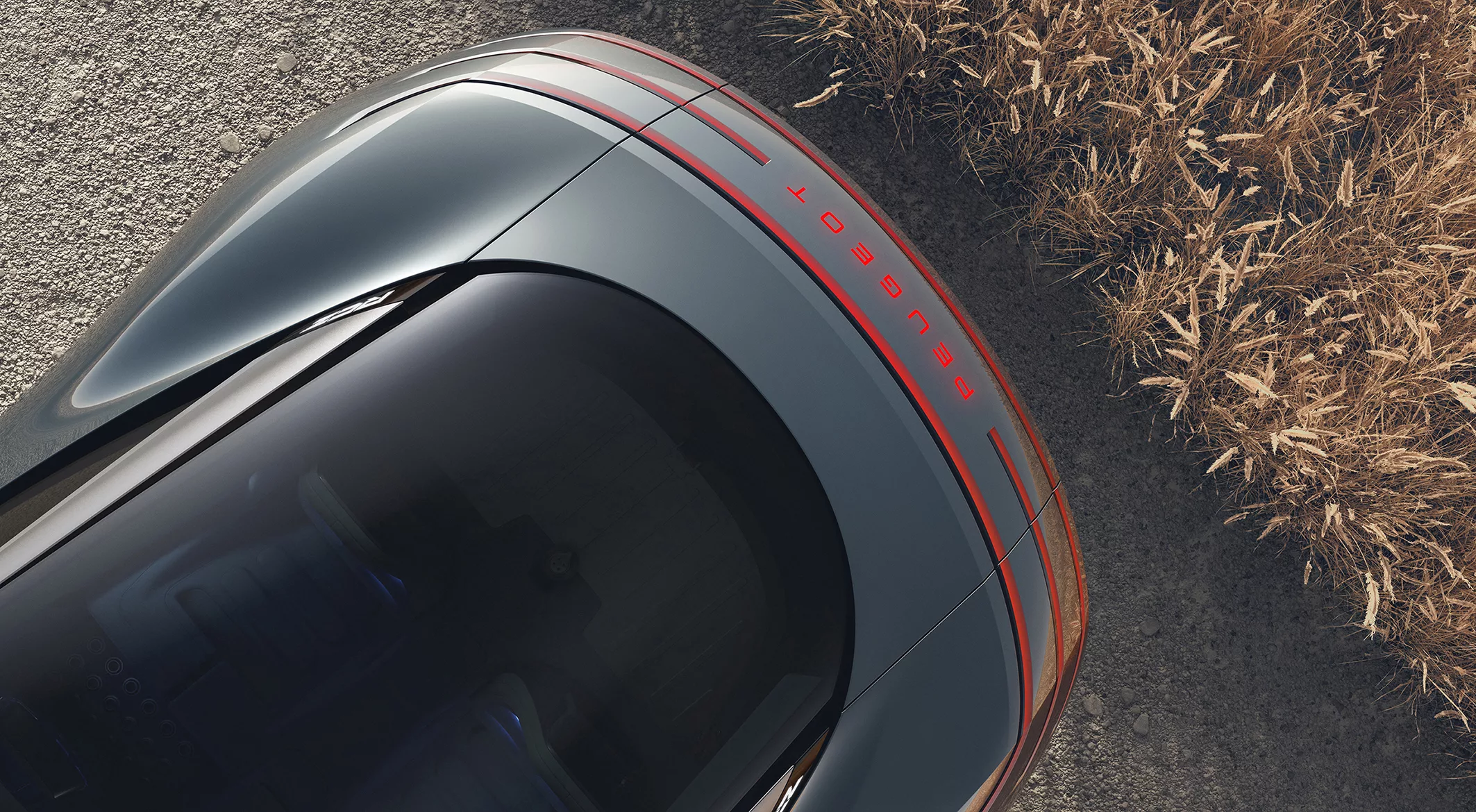
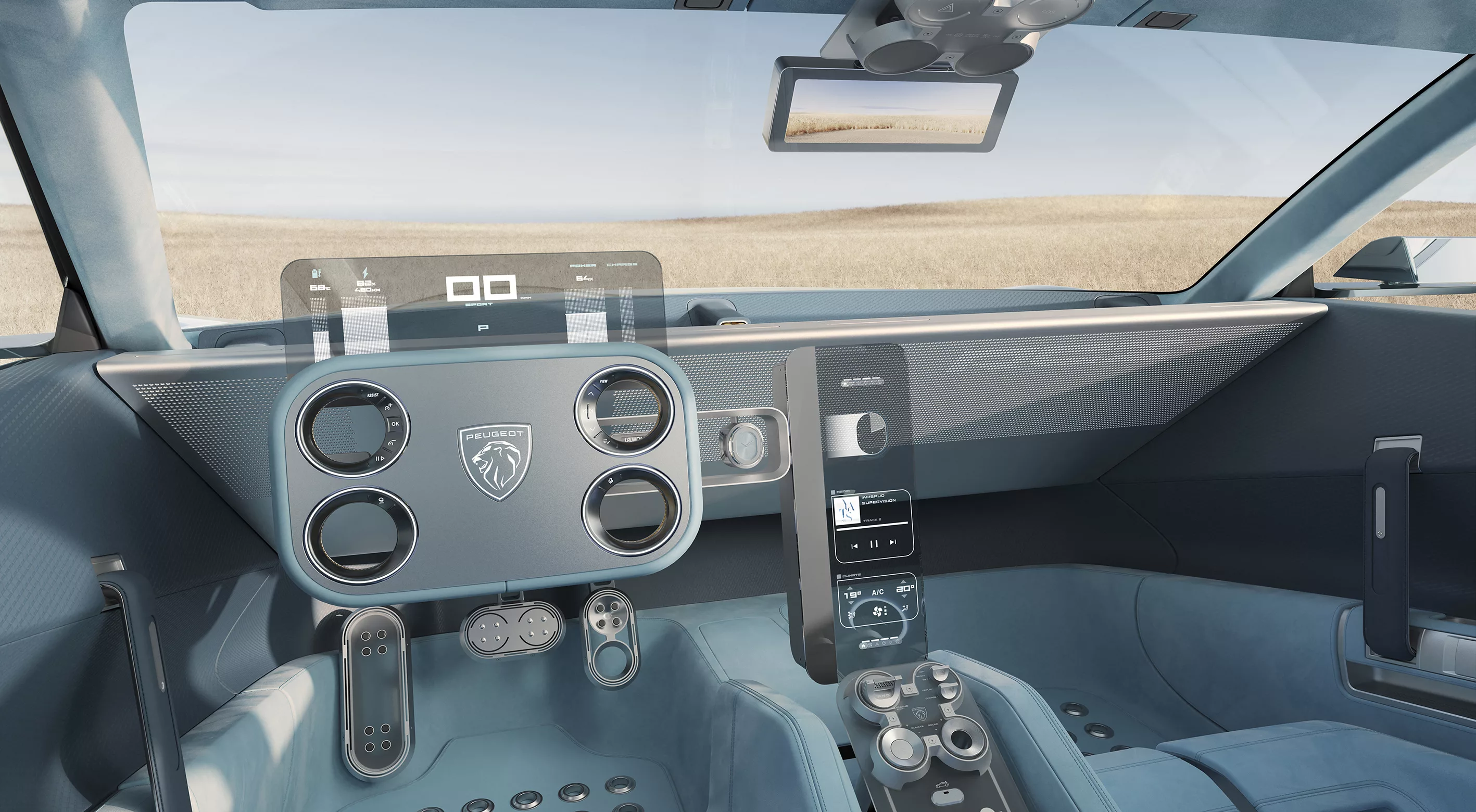
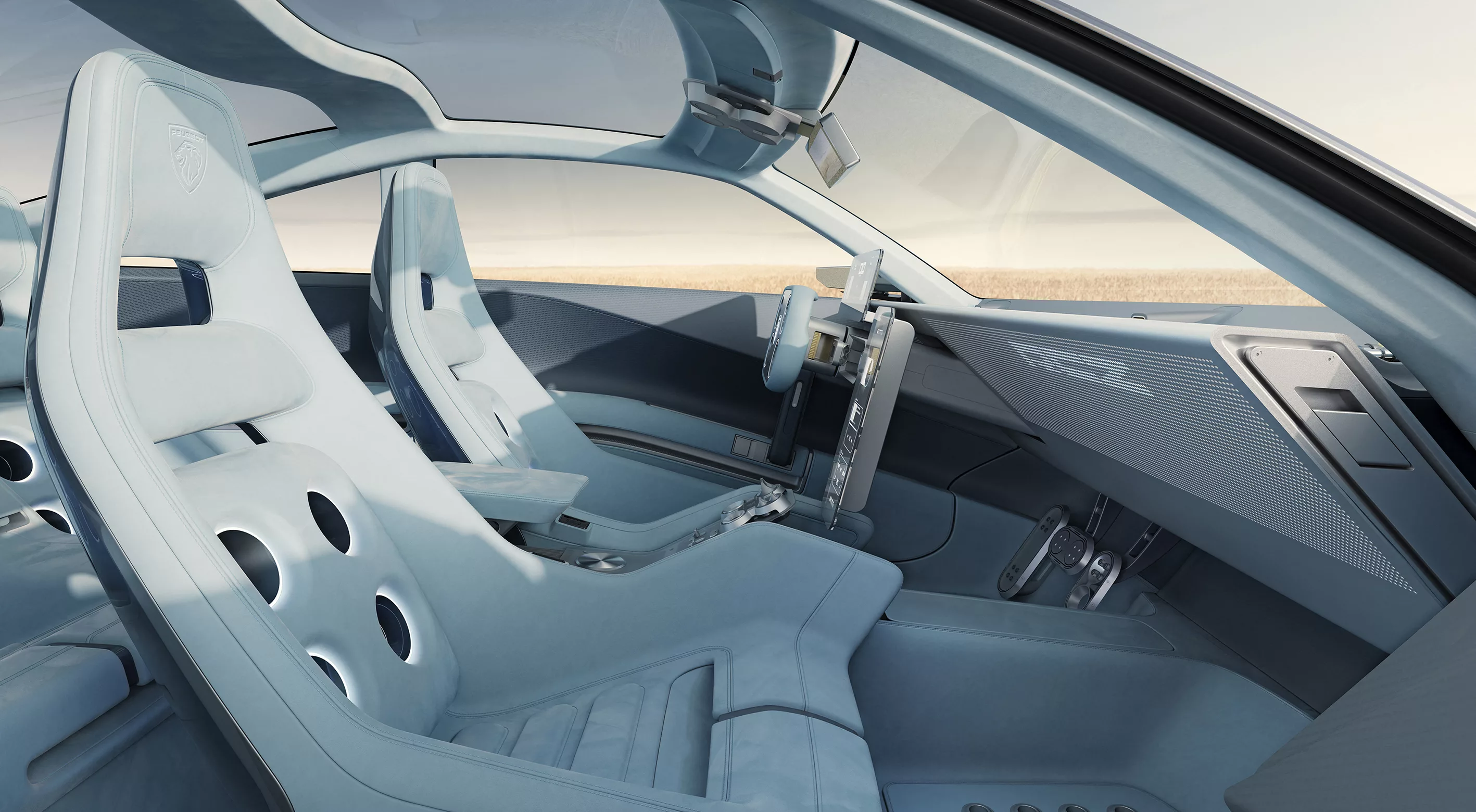
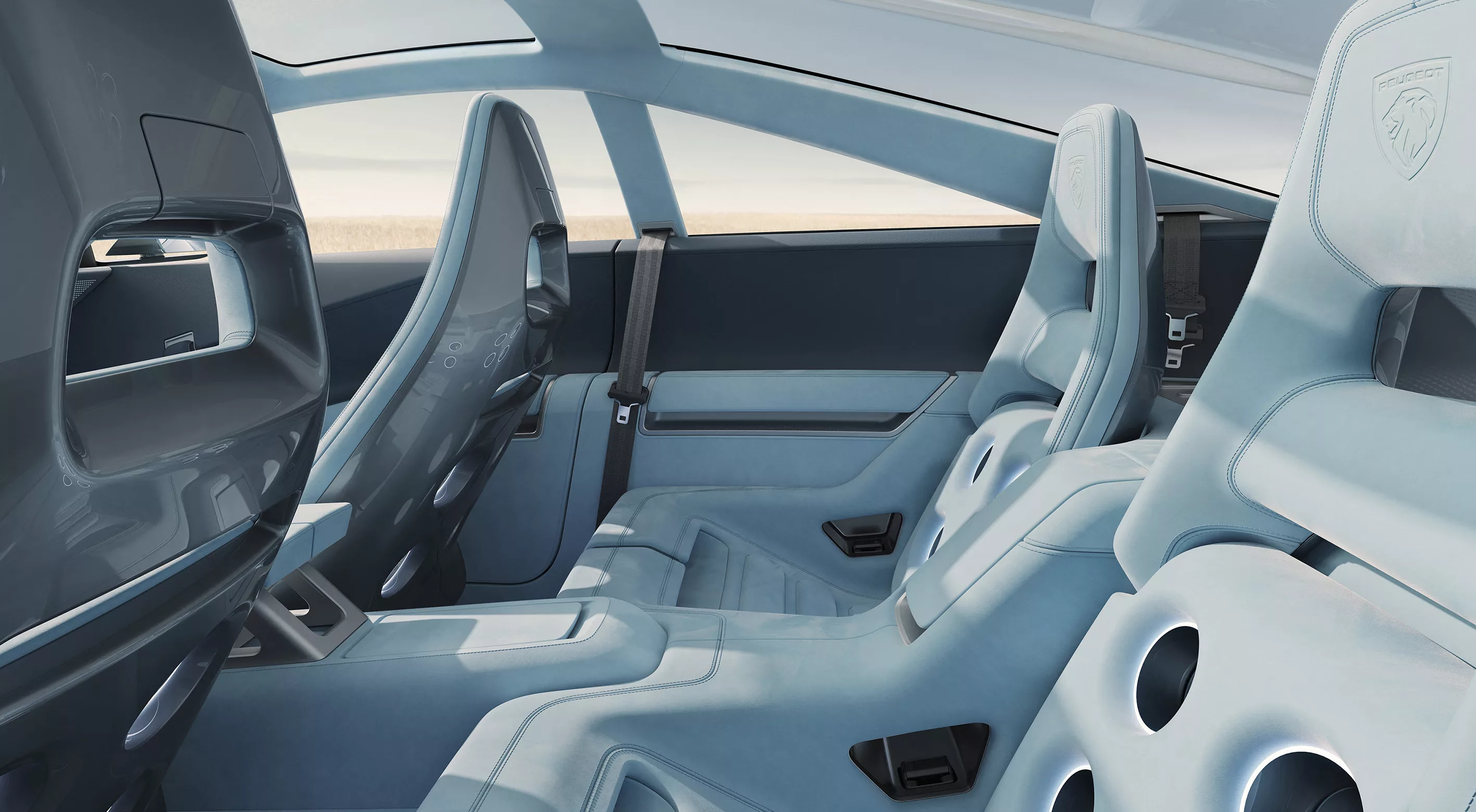
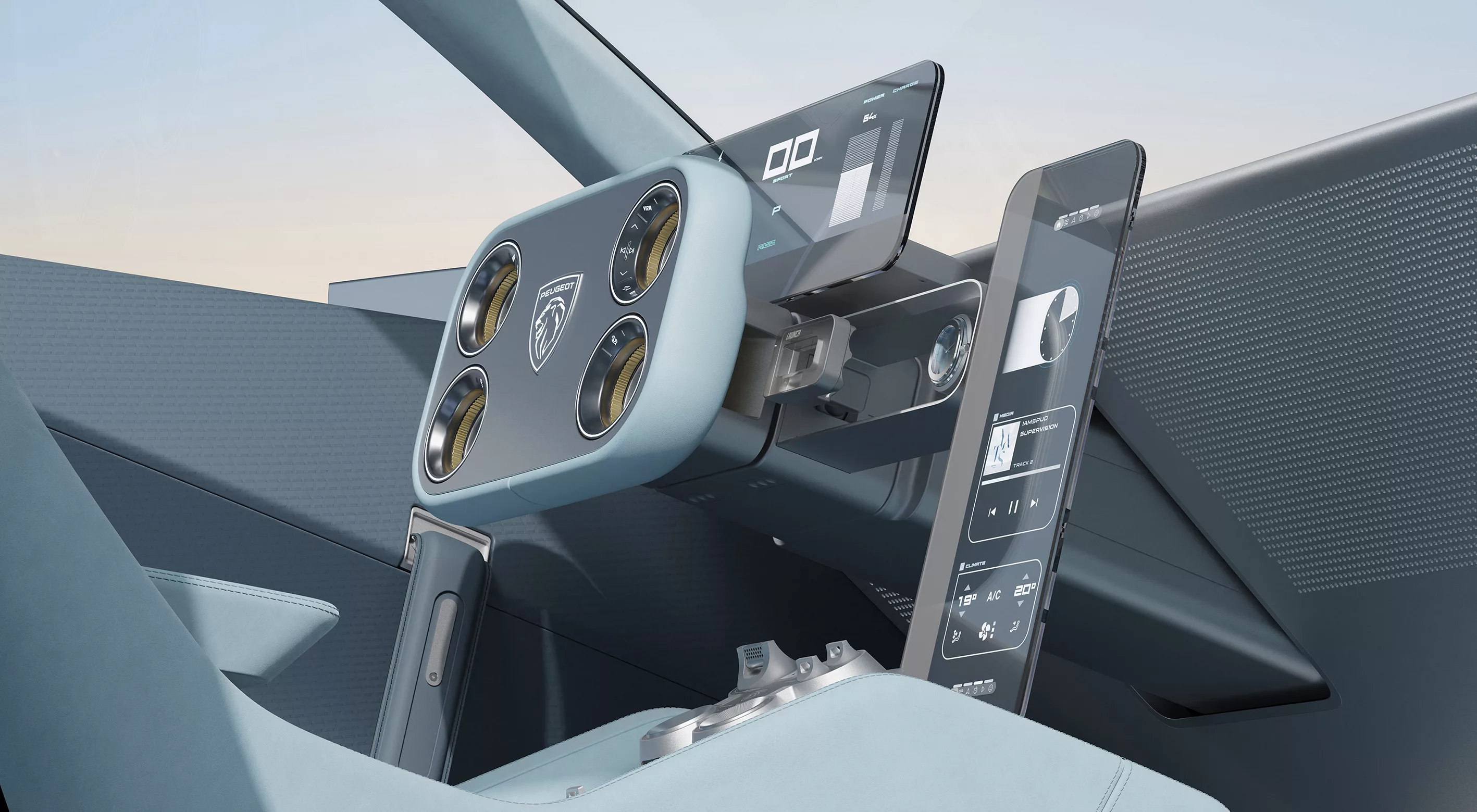
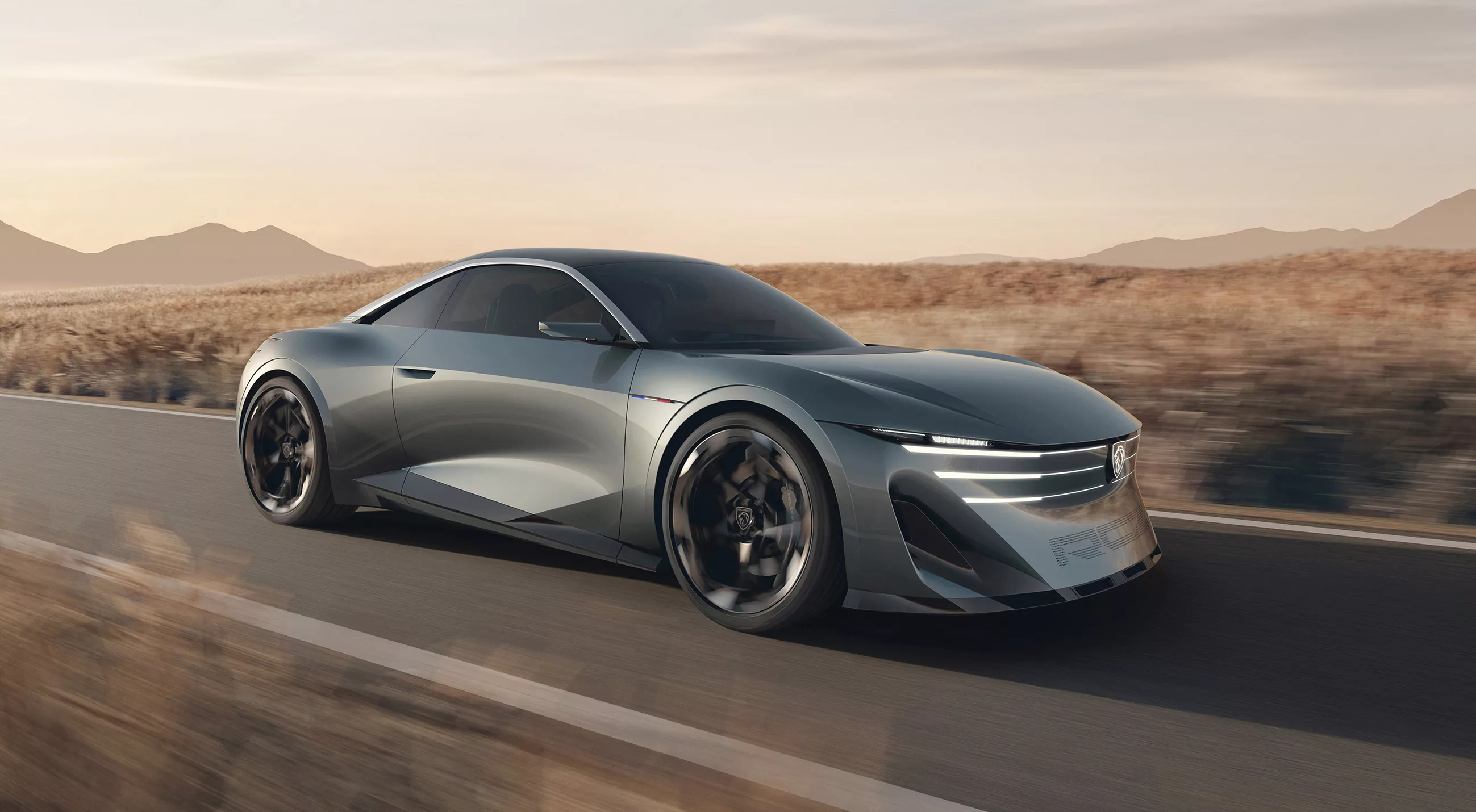
Peugeot brought the RCZ Vision sports coupe to the Paris Motor Show, with a 368 kW electric powertrain, solid-state battery and 1,000-volt electrical system promising a range of up to 600 kilometres. Even more impressive is the ability to charge the battery from 10 to 80 per cent in just ten minutes. However, a production return for the RCZ, which went out of production in 2015, remains uncertain.
Solid-state battery promises exceptional charging speeds
The Peugeot RCZ Vision is based on the new STLA One platform, which incorporates a solid-state battery developed in collaboration with Factorial Energy. At just 110 mm thick, the battery pack allows the car to remain low and aerodynamic while offering high energy density.
The 1,000-volt electrical system should allow the battery to charge from 10 to 80 per cent in ten minutes. Peugeot promises a WLTP range of up to 600 km and is targeting average energy consumption of just 11.5 kWh/100 km.
These are the concept car's intended figures, not results confirmed by independent testing. The manufacturer has not disclosed the battery capacity or maximum charging power.
The RCZ Vision demonstrates next-generation electric technology and a new “Feline Future” design language. Electronic steering and brakes change the driving experience
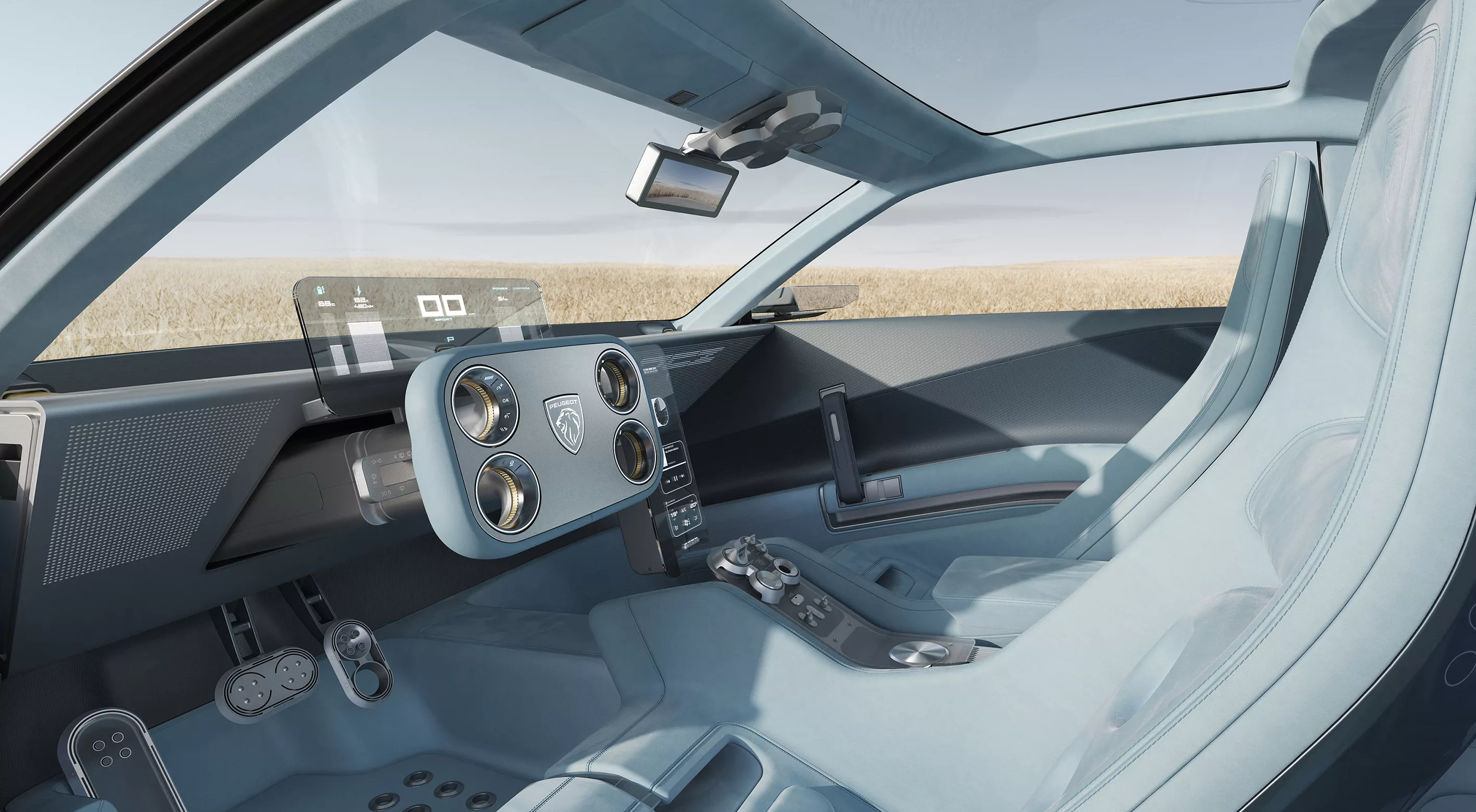
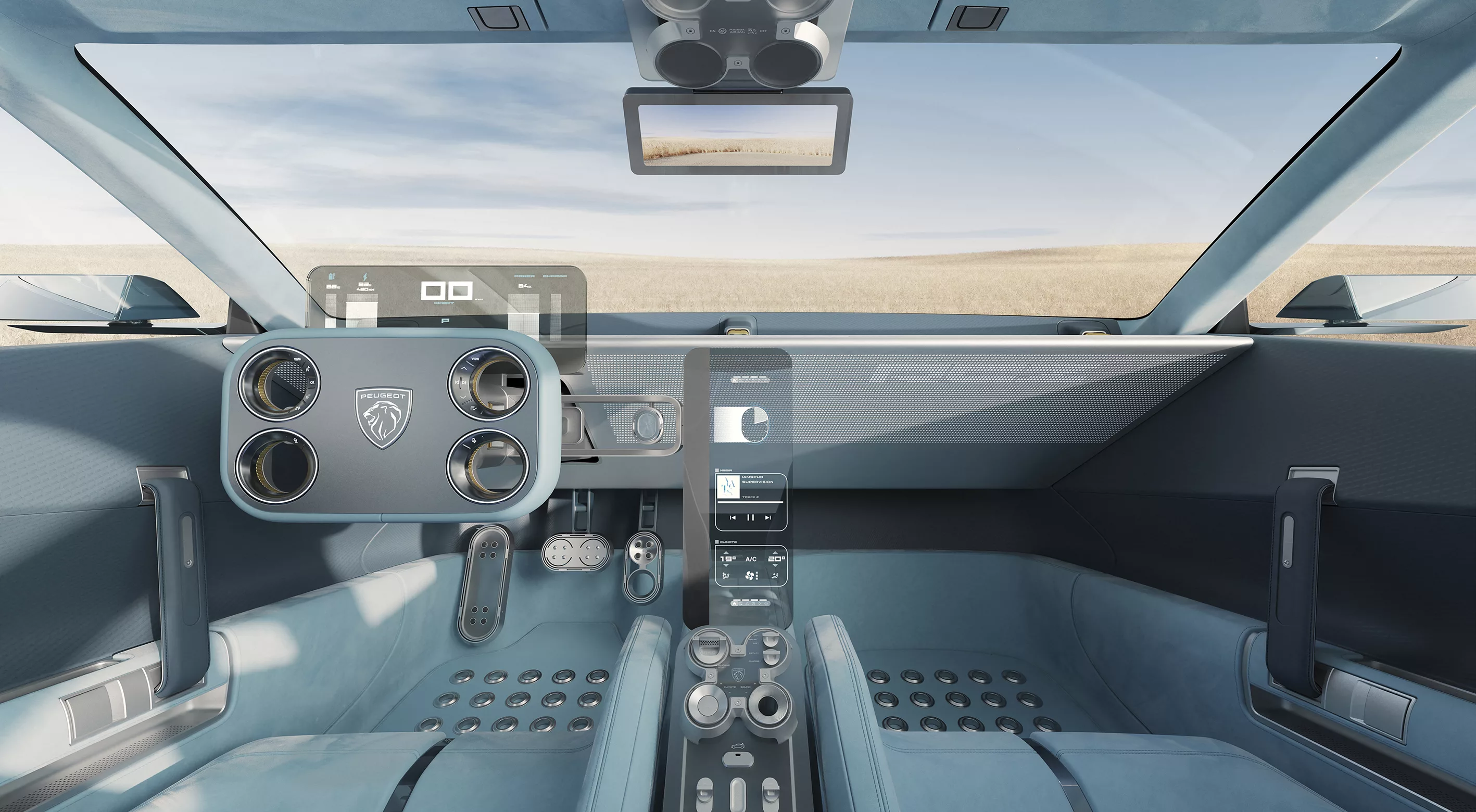
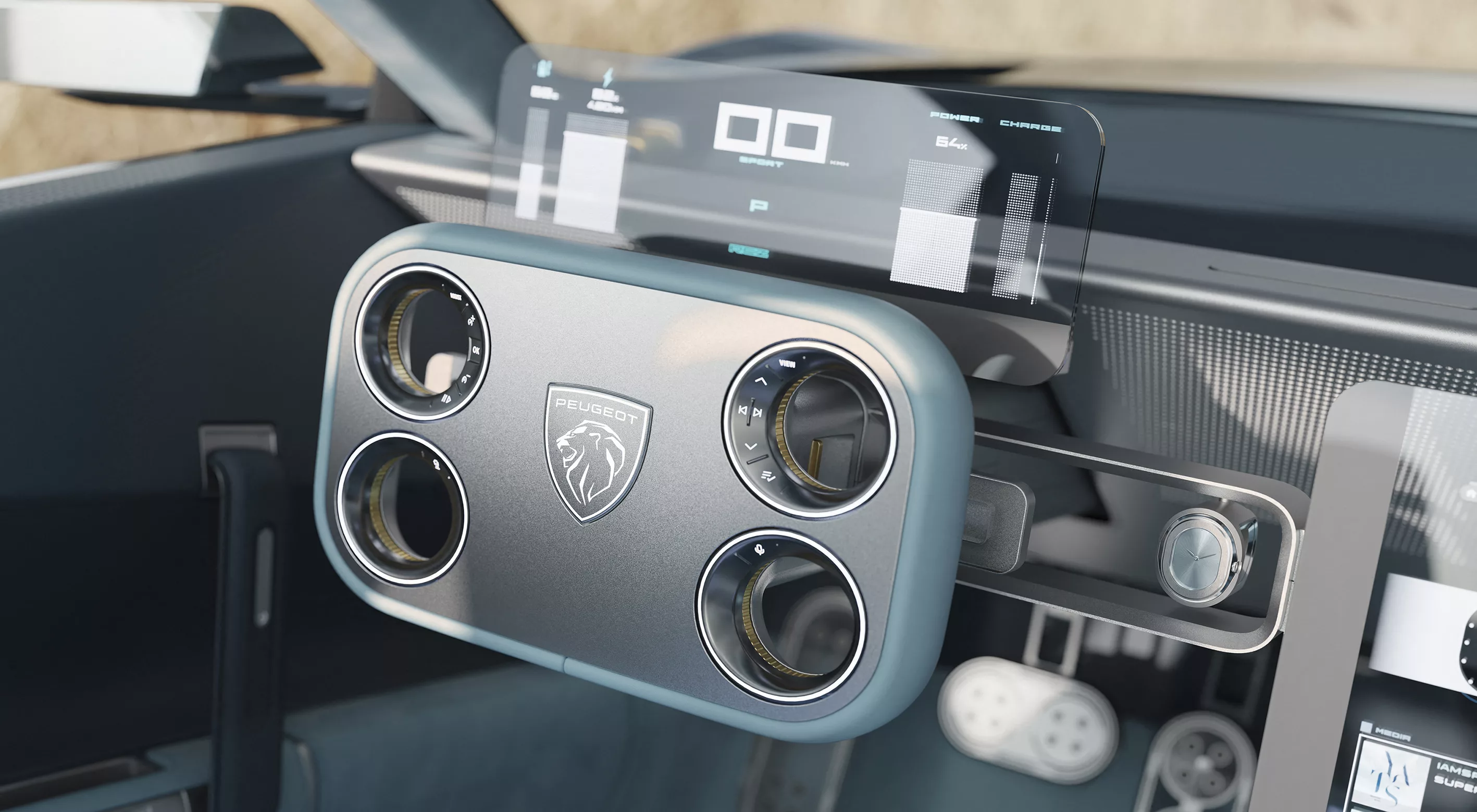
The RCZ Vision uses the square Hypersquare steering wheel with a fully electronic steering system. There is no mechanical connection between the steering wheel and the front wheels, and the electronics adjust the steering ratio according to vehicle speed.
At low speeds, small steering inputs are enough to manoeuvre. At higher speeds, the steering becomes calmer and more precise.
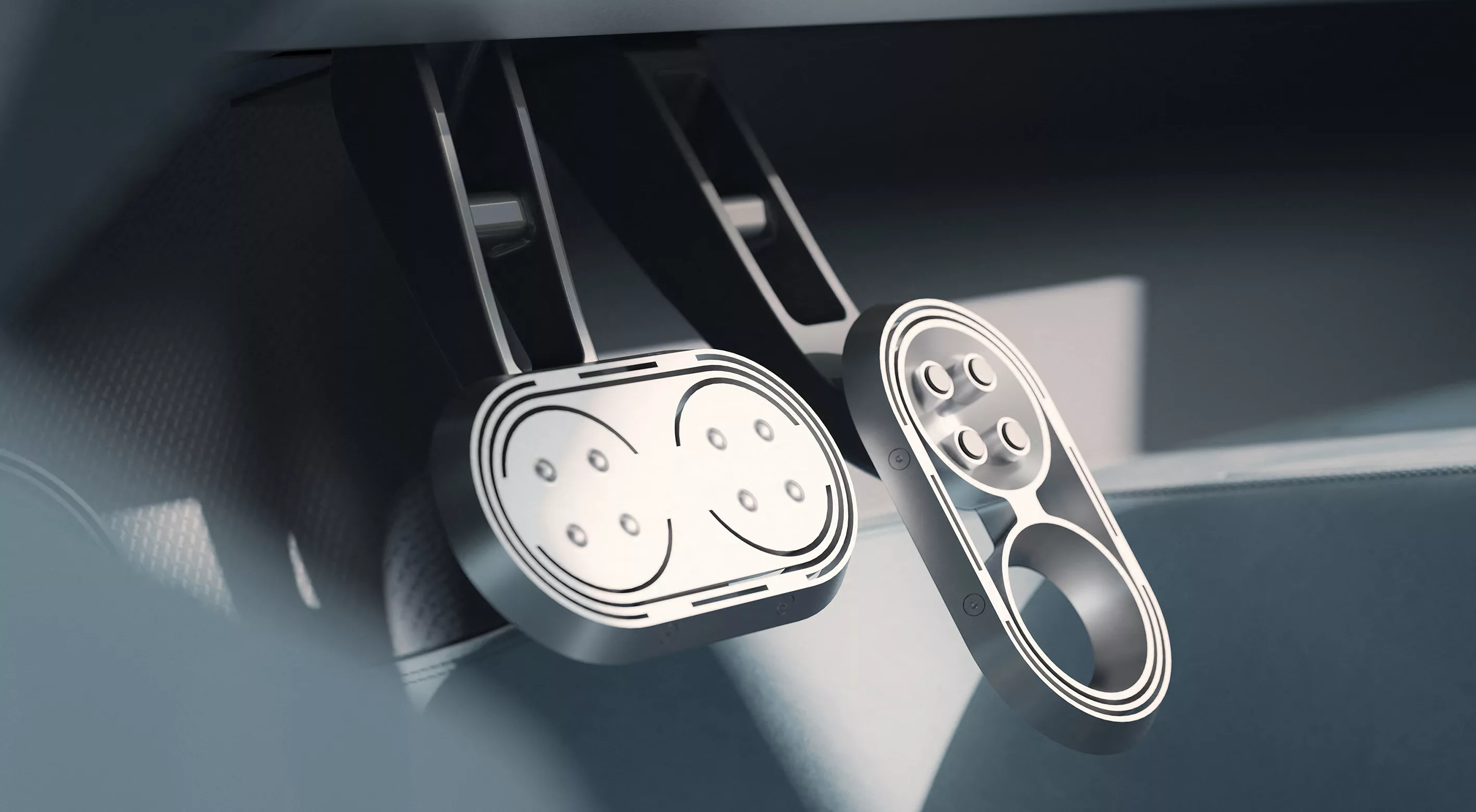
The braking system also uses electronic control, allowing conventional braking and energy recuperation to be blended more smoothly.
Transparent Micro LED displays stand out in the cabin. The instrument display ahead of the driver presents key information directly in their field of vision, while the central screen can become almost invisible when switched off.
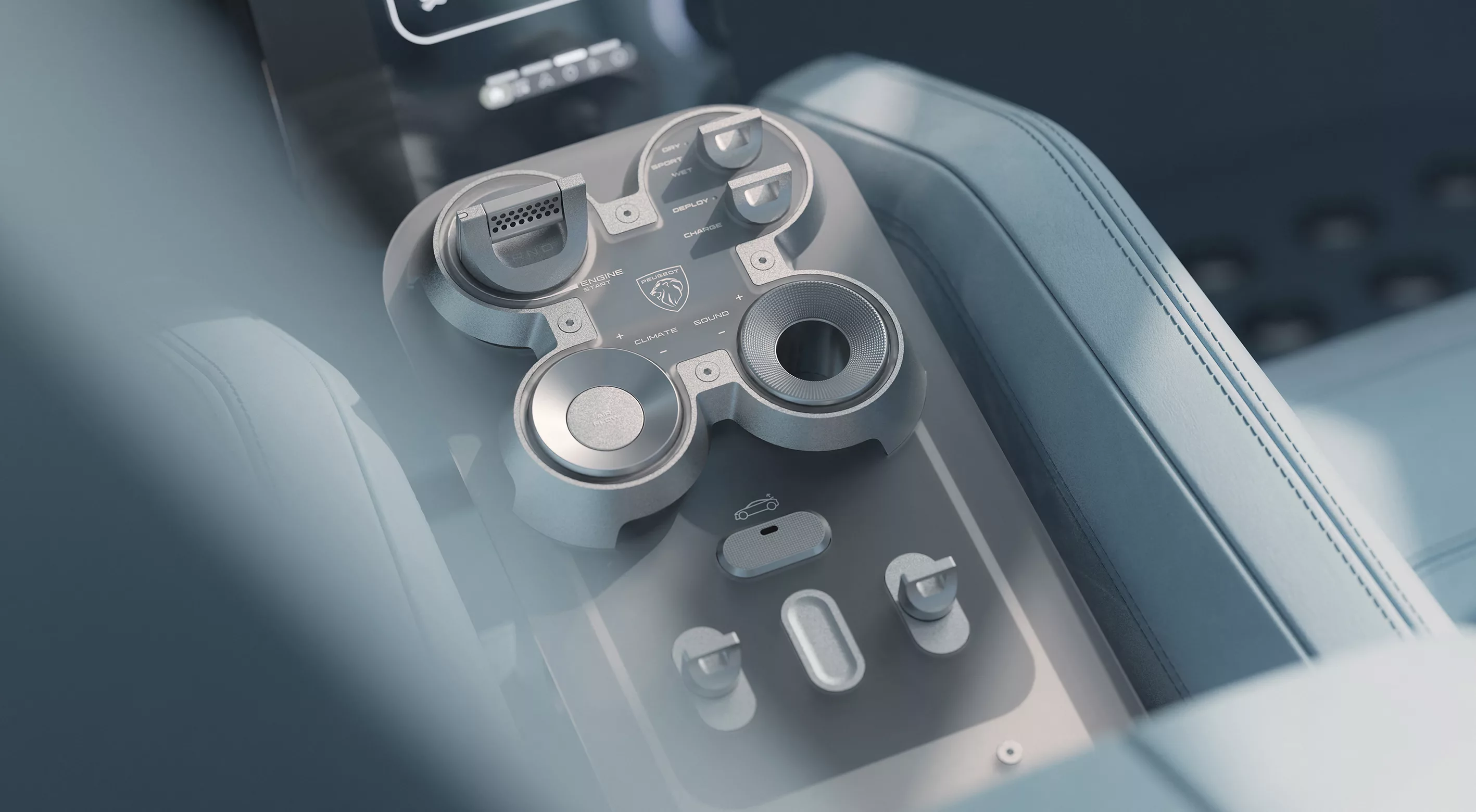
Unlike many modern concept cars, the Peugeot also retains physical controls, including those for the climate control and driving mode selection.
The legendary RCZ design gets a new interpretation
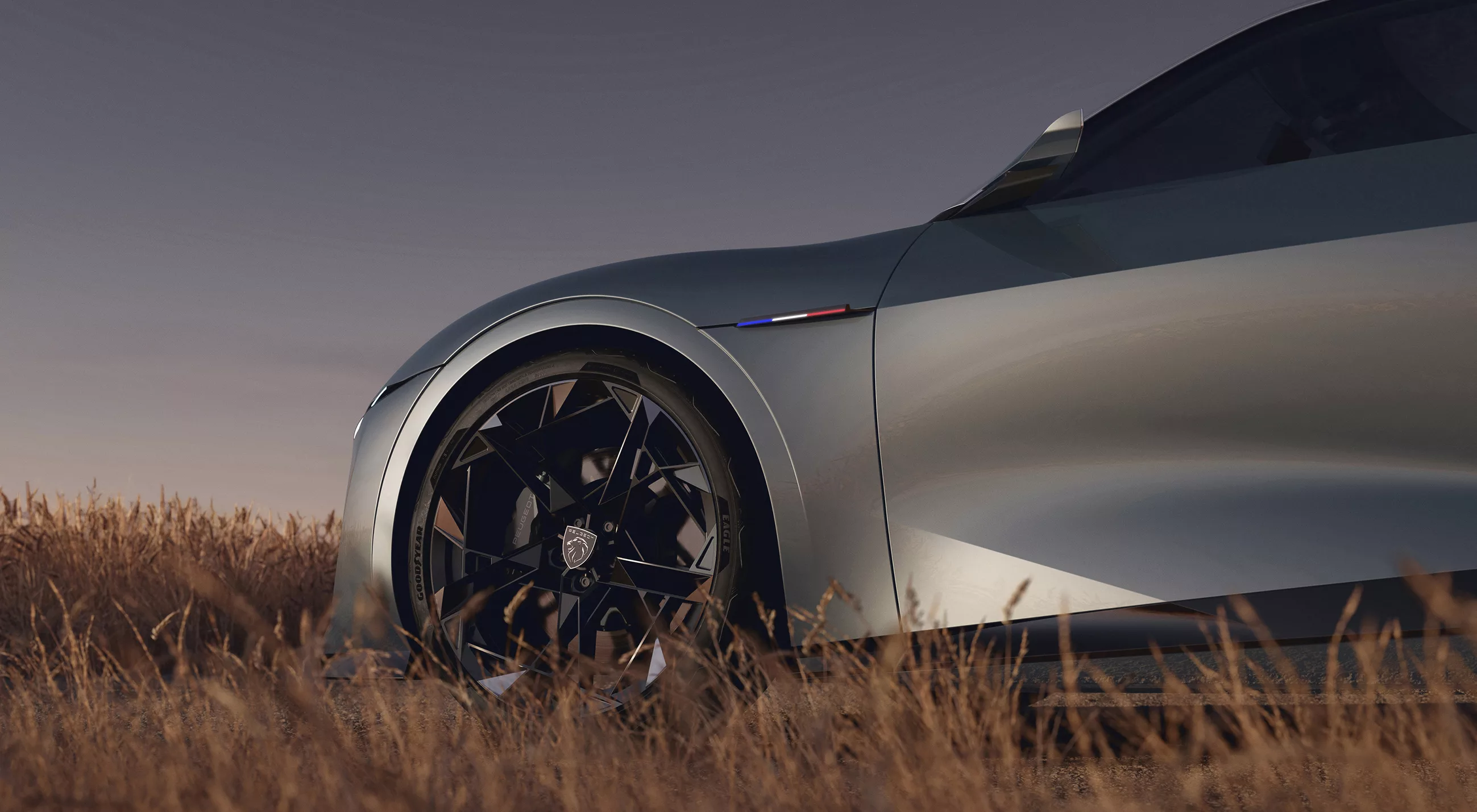
Produced from 2009 to 2015, the Peugeot RCZ stood apart from the coupes of its era with its double-bubble roof and muscular wheel arches. The RCZ Vision retains both features but gives them a futuristic interpretation.
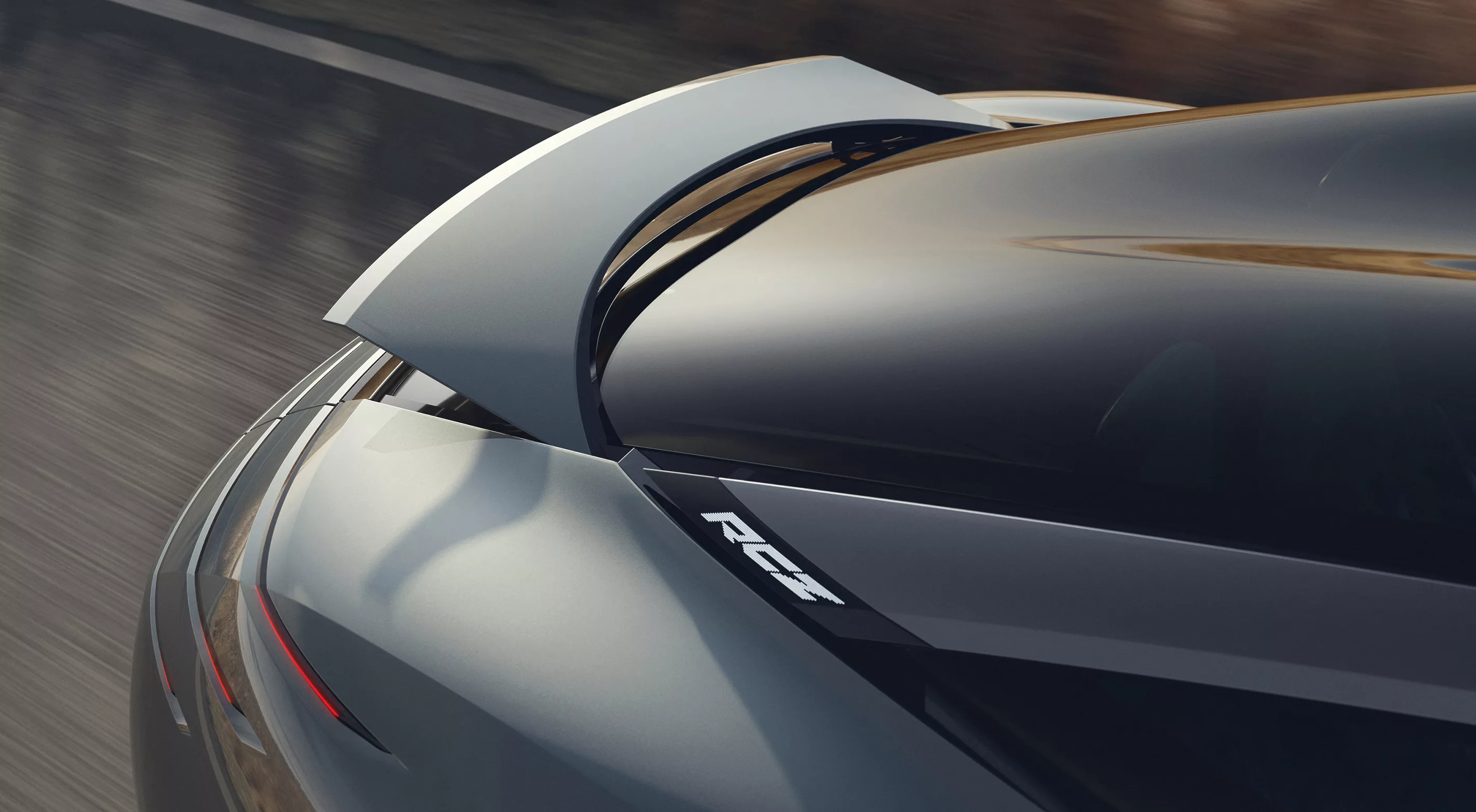
The glass roof structure extends along almost the entire length of the passenger compartment. The front features Peugeot's new lighting signature with three horizontal light strips, while an active spoiler is concealed at the rear.
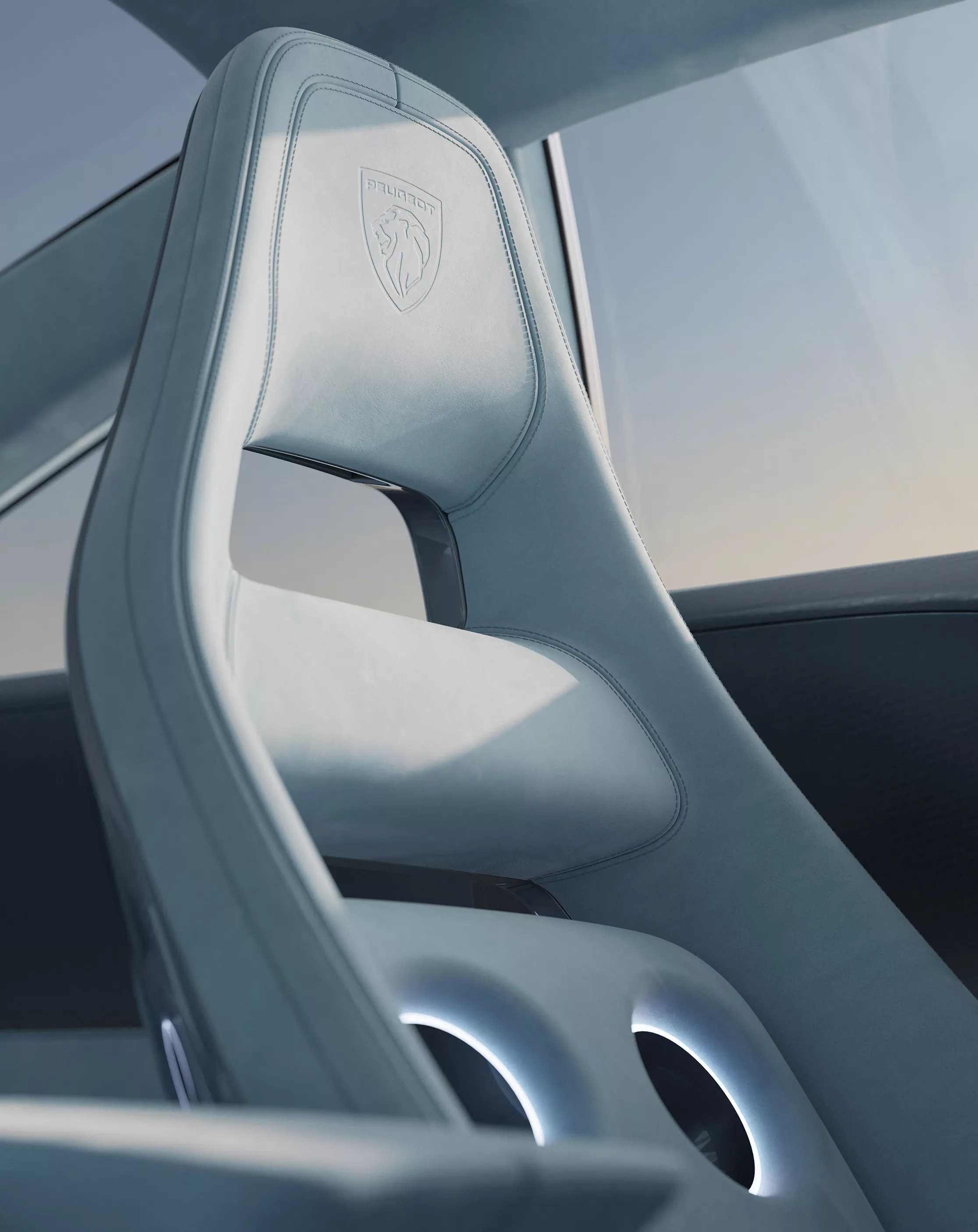
Peugeot uses 21-inch forged aluminium wheels at the front and 22-inch forged aluminium wheels at the rear. The four-seat cabin features Alcantara, recycled leather and aluminium trim.
The most powerful production version of the original RCZ, the RCZ R, developed 199 kW. The new concept car's 368 kW represents roughly 85 per cent more power, although Peugeot has yet to disclose the electric prototype's actual performance.
Will Peugeot dare to put the sports coupe into production?
The RCZ Vision shows that Peugeot wants to retain its sporting identity in the electric era. However, there is currently no confirmation that the model will enter series production.
In the European market, a 368 kW electric coupe could compete with the likes of the BMW i4 M60 and other powerful electric GT models. Lower weight and an exceptionally efficient powertrain could become strengths for Peugeot, but there is still too little technical information to confirm those advantages.
The RCZ Vision's most realistic legacy may instead be the introduction of its technology into more mainstream Peugeots. For example, the manufacturer plans to use the Hypersquare steering system in the next-generation E-208.
The RCZ Vision proves that Peugeot still has the courage to create exciting sports cars. The much harder question is whether there are enough buyers who would actually take such a coupe home from the showroom.


