
Cupra Raval finally steps into the spotlight
 1/34
1/34
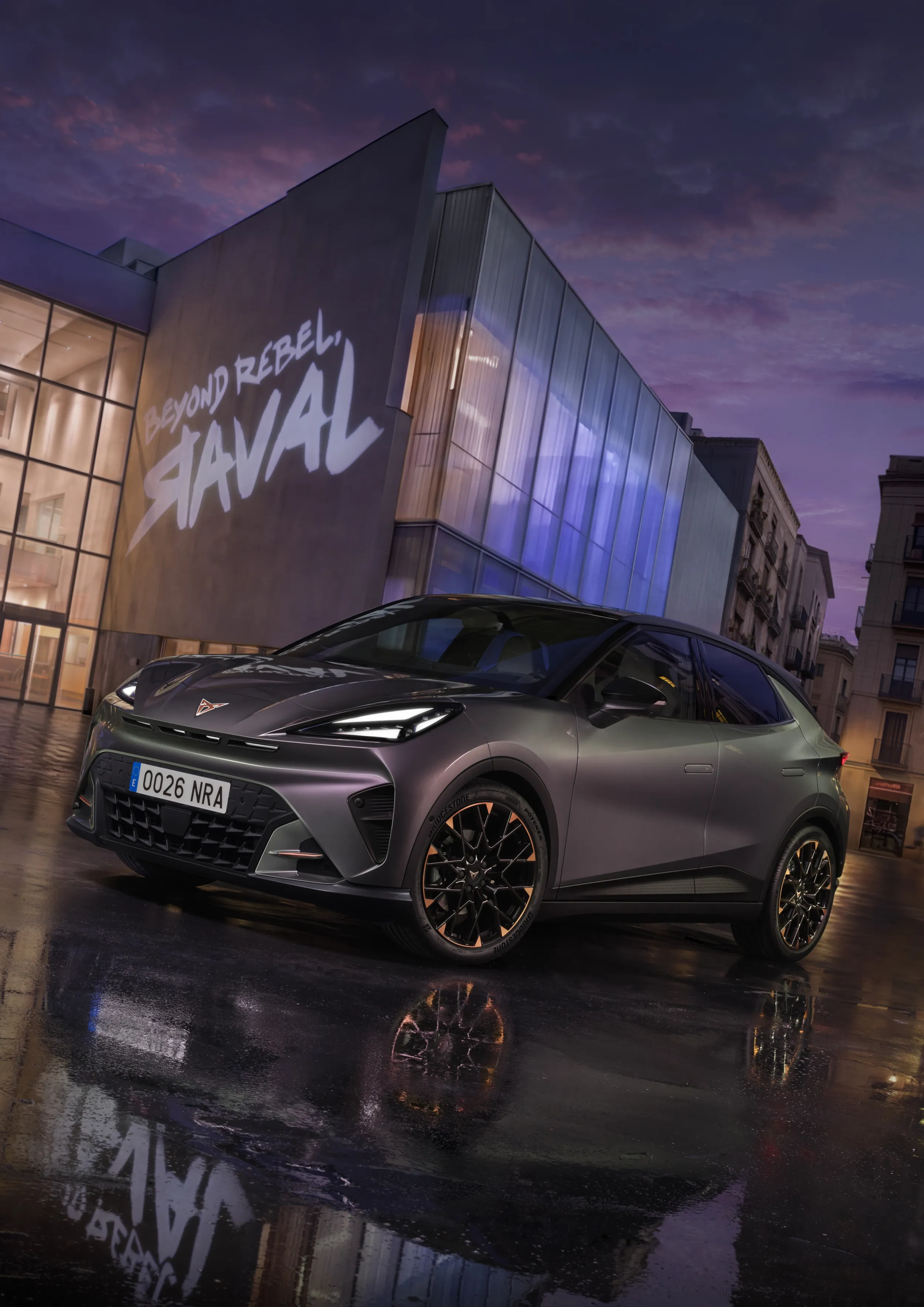
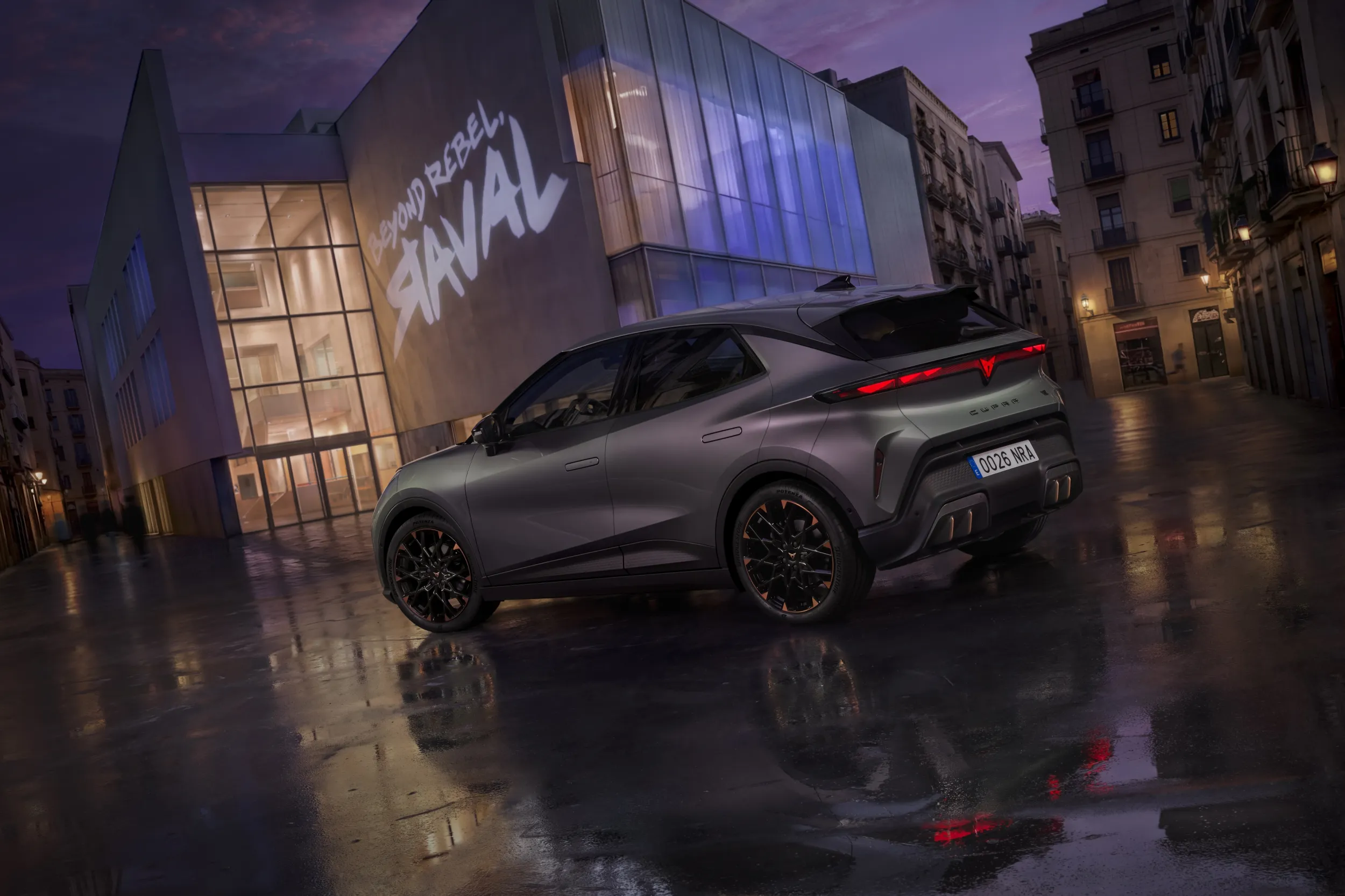
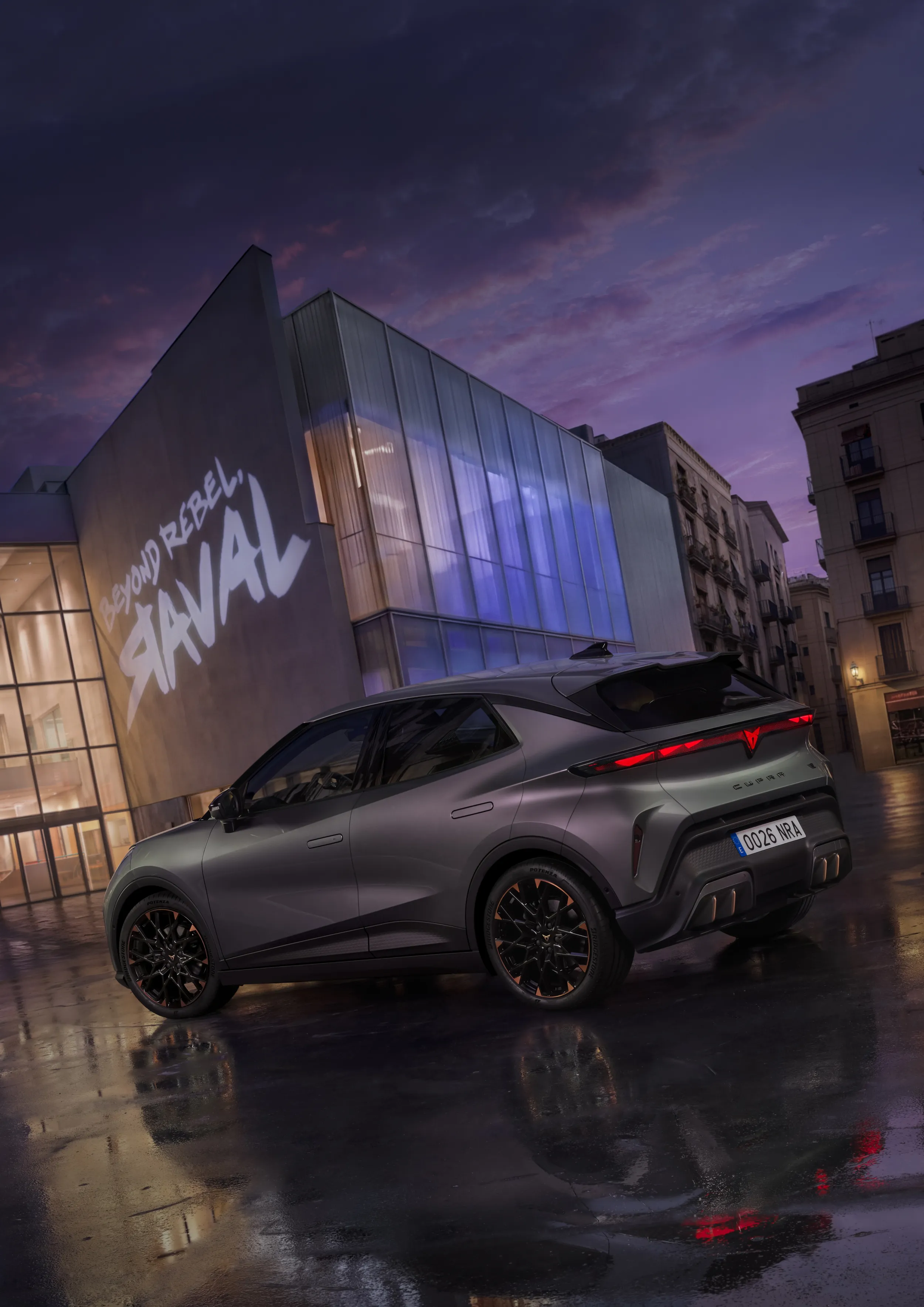
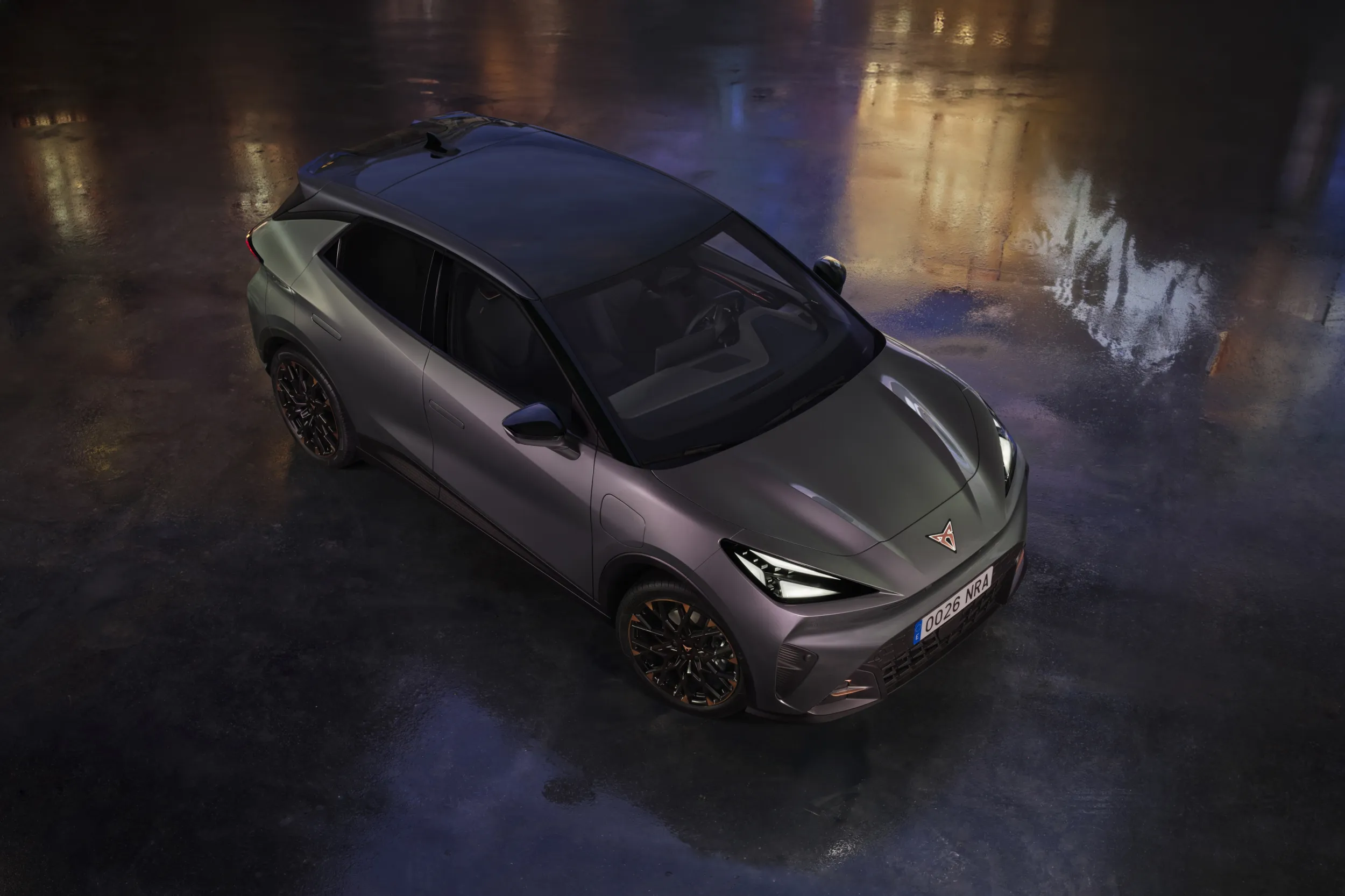
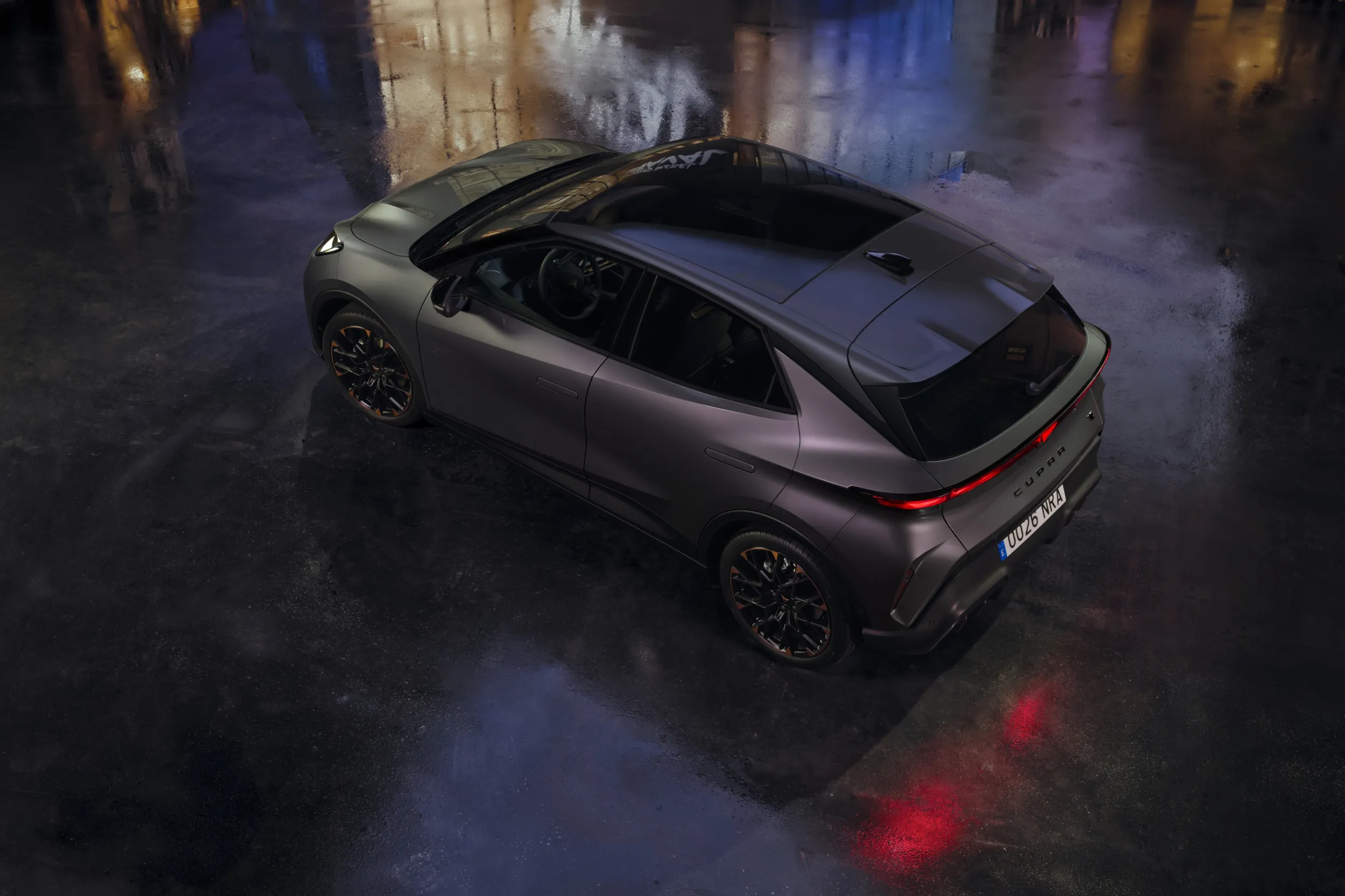
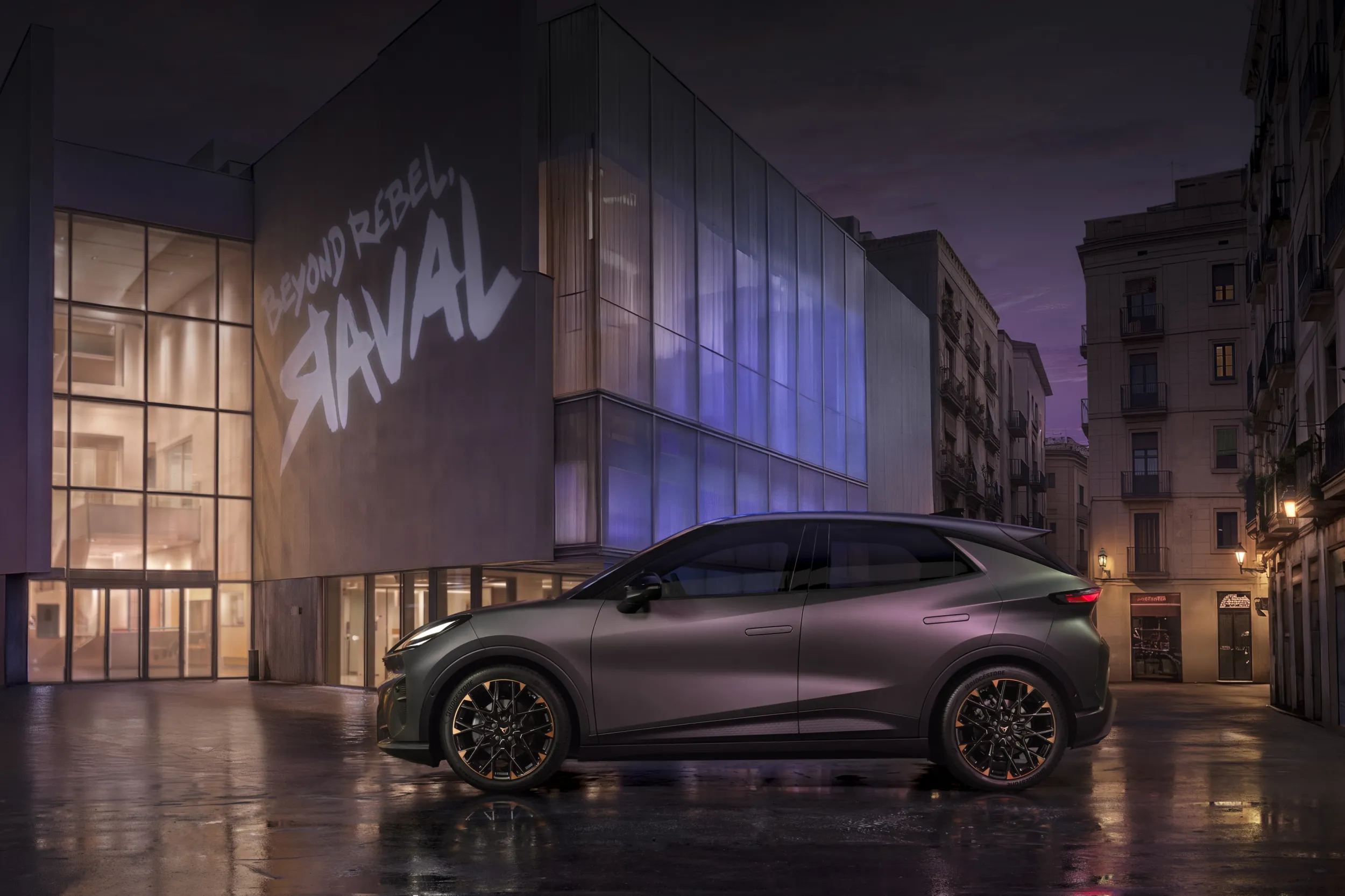
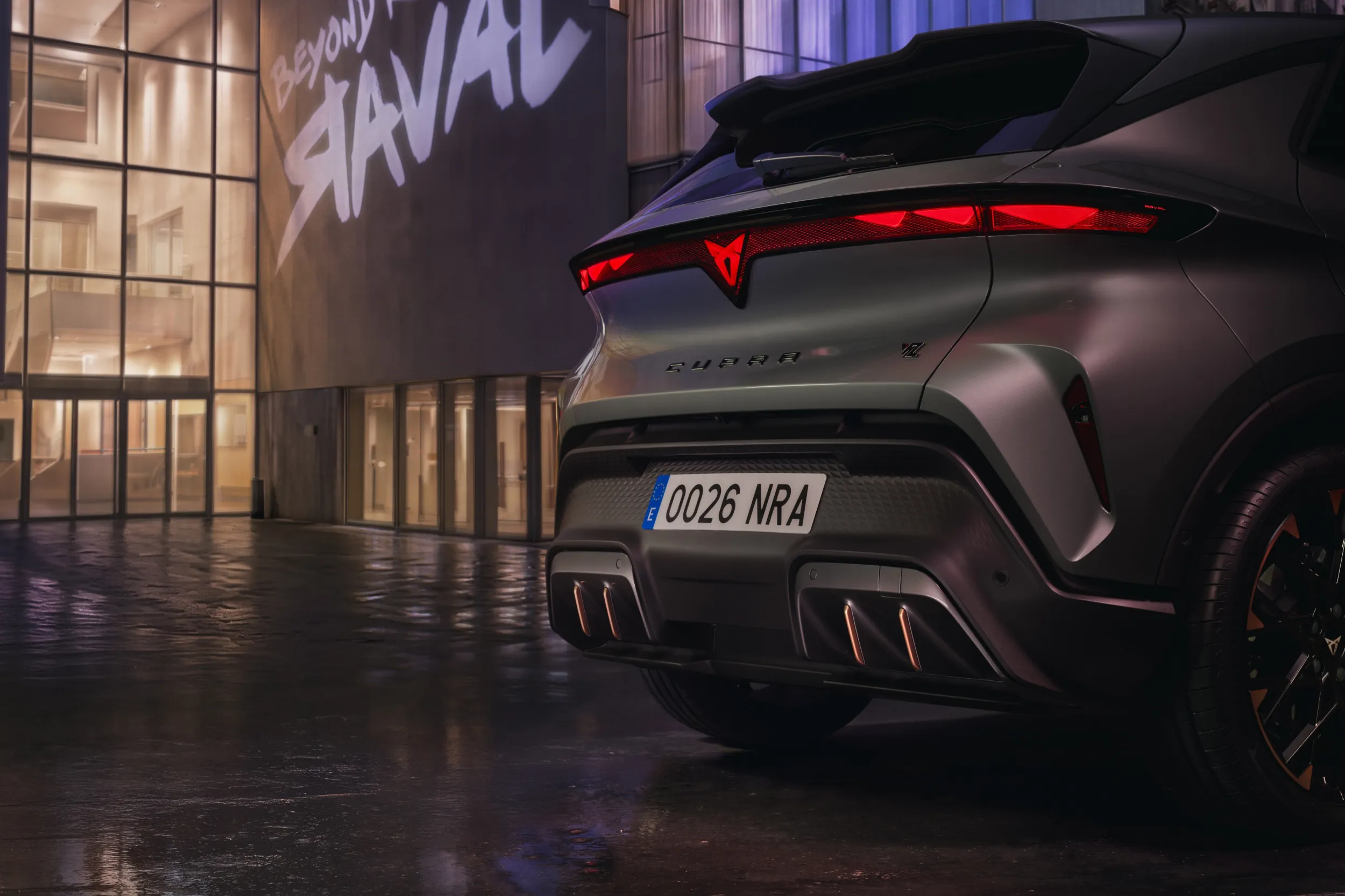
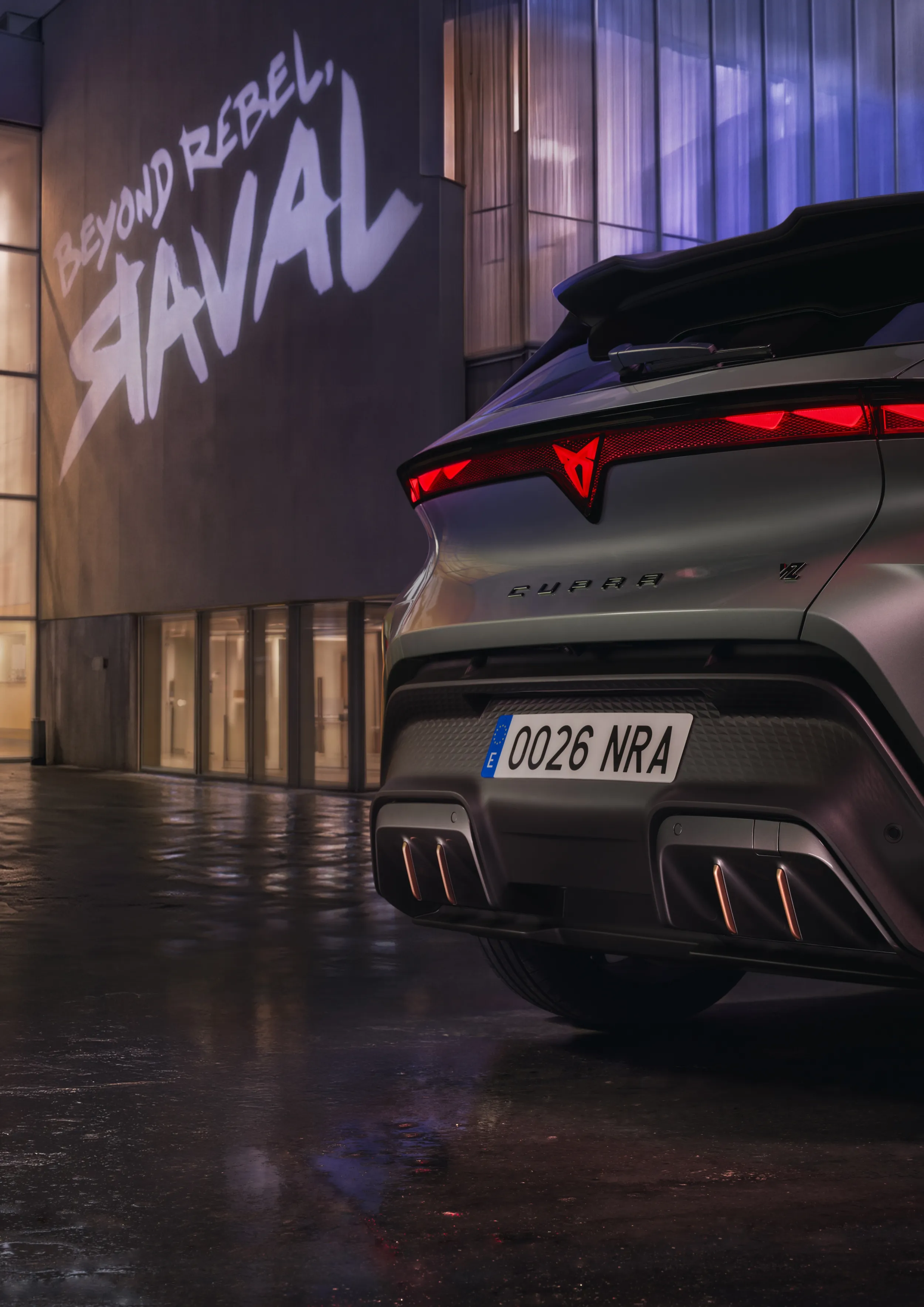
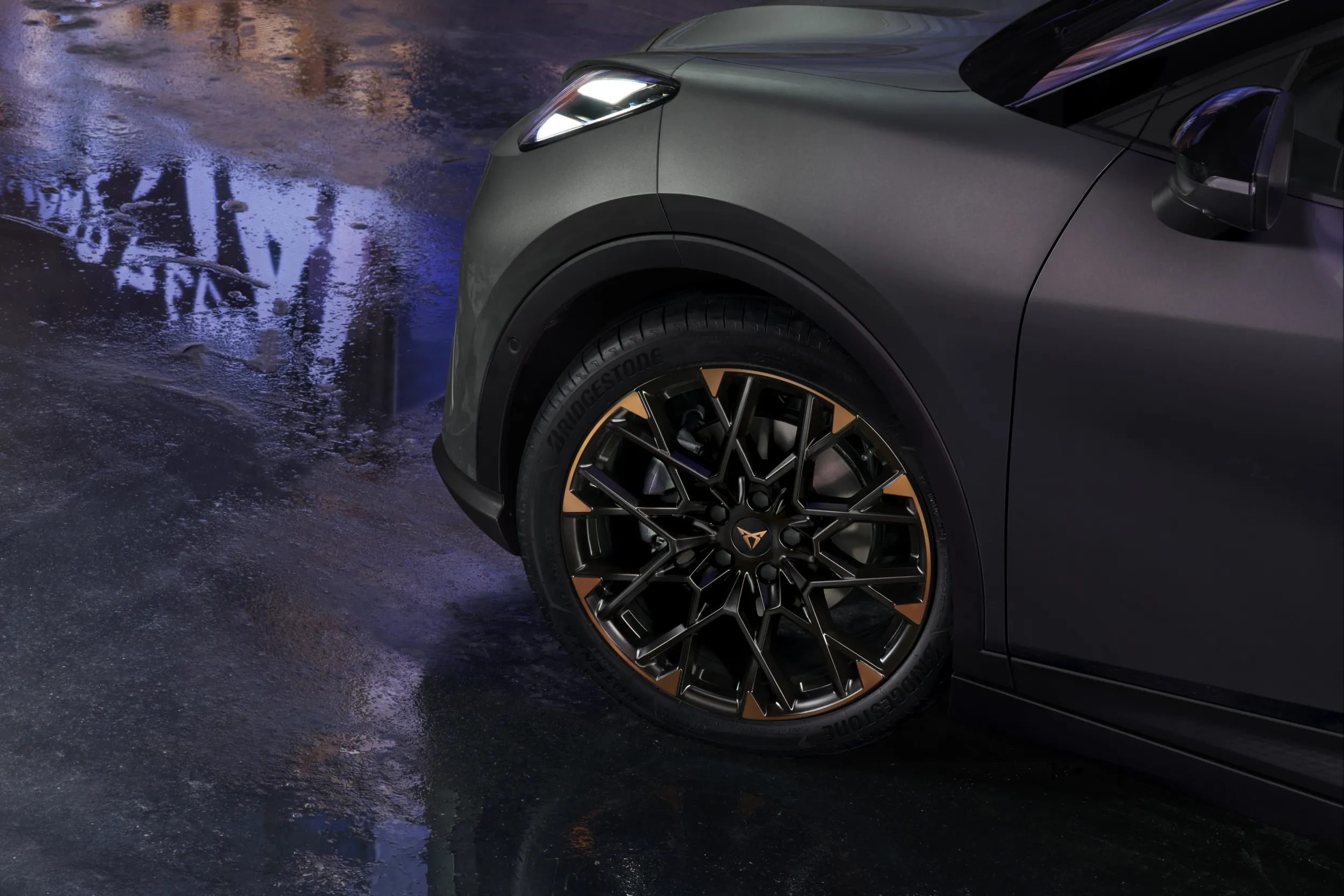
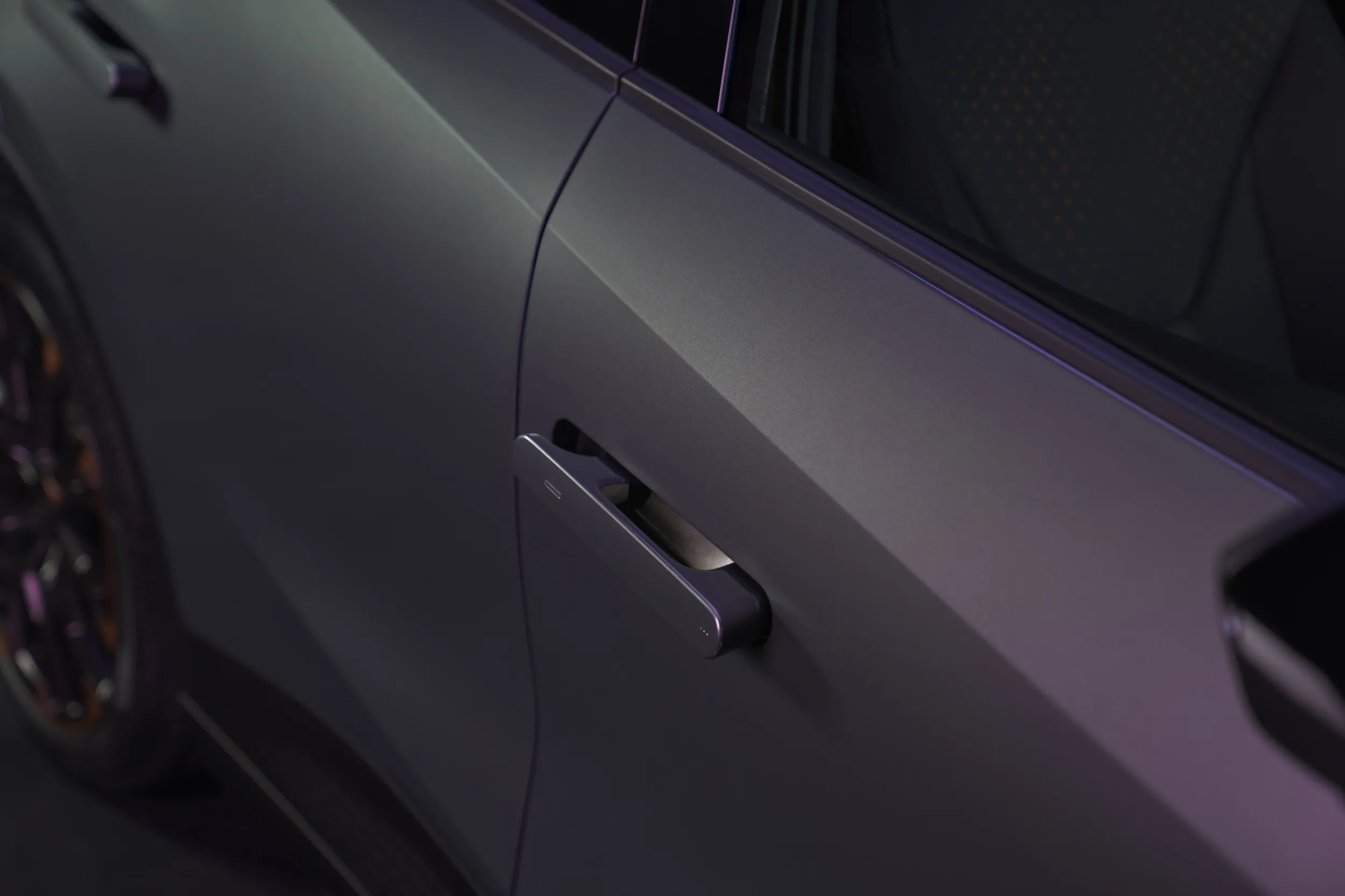
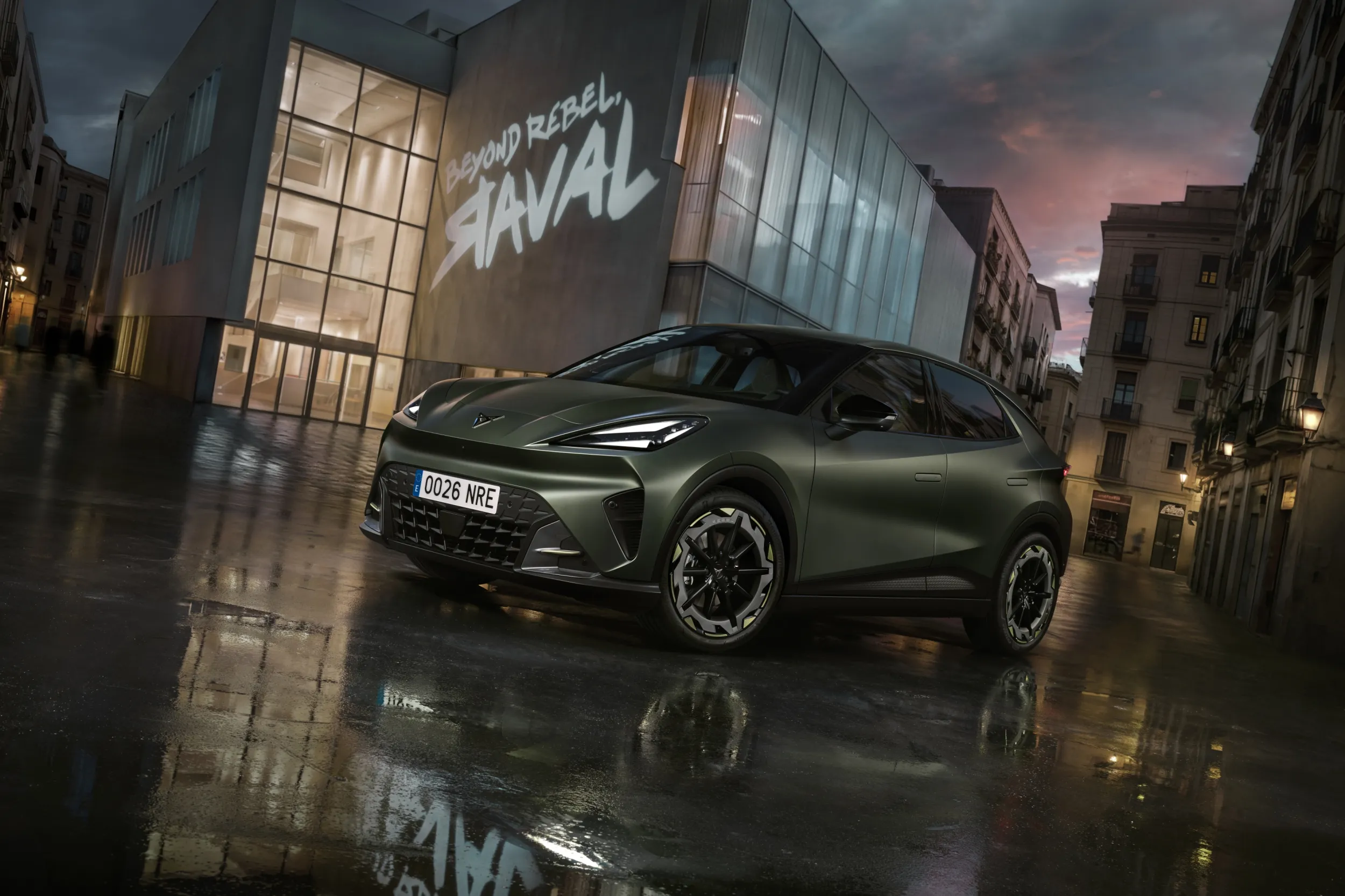
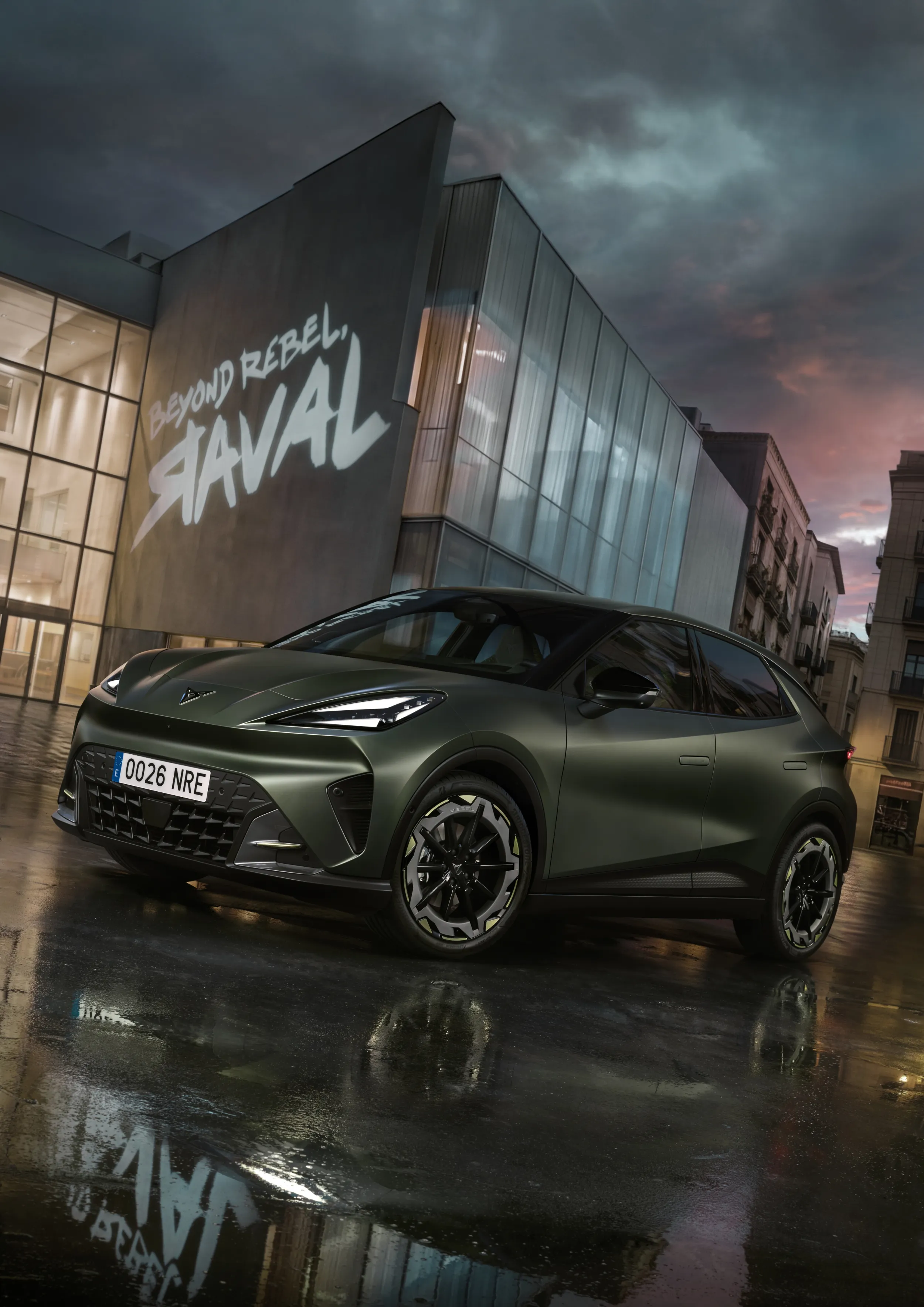
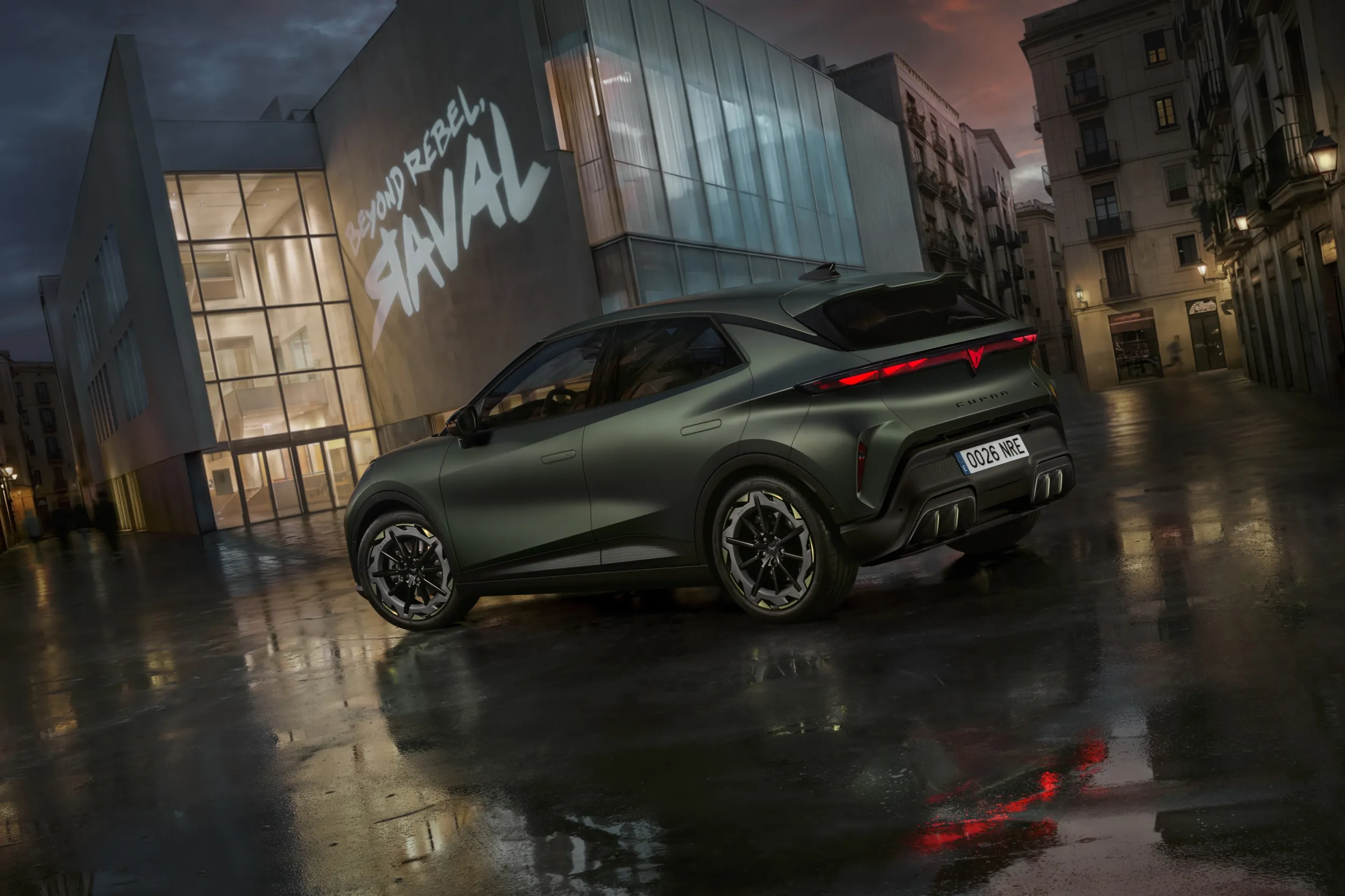
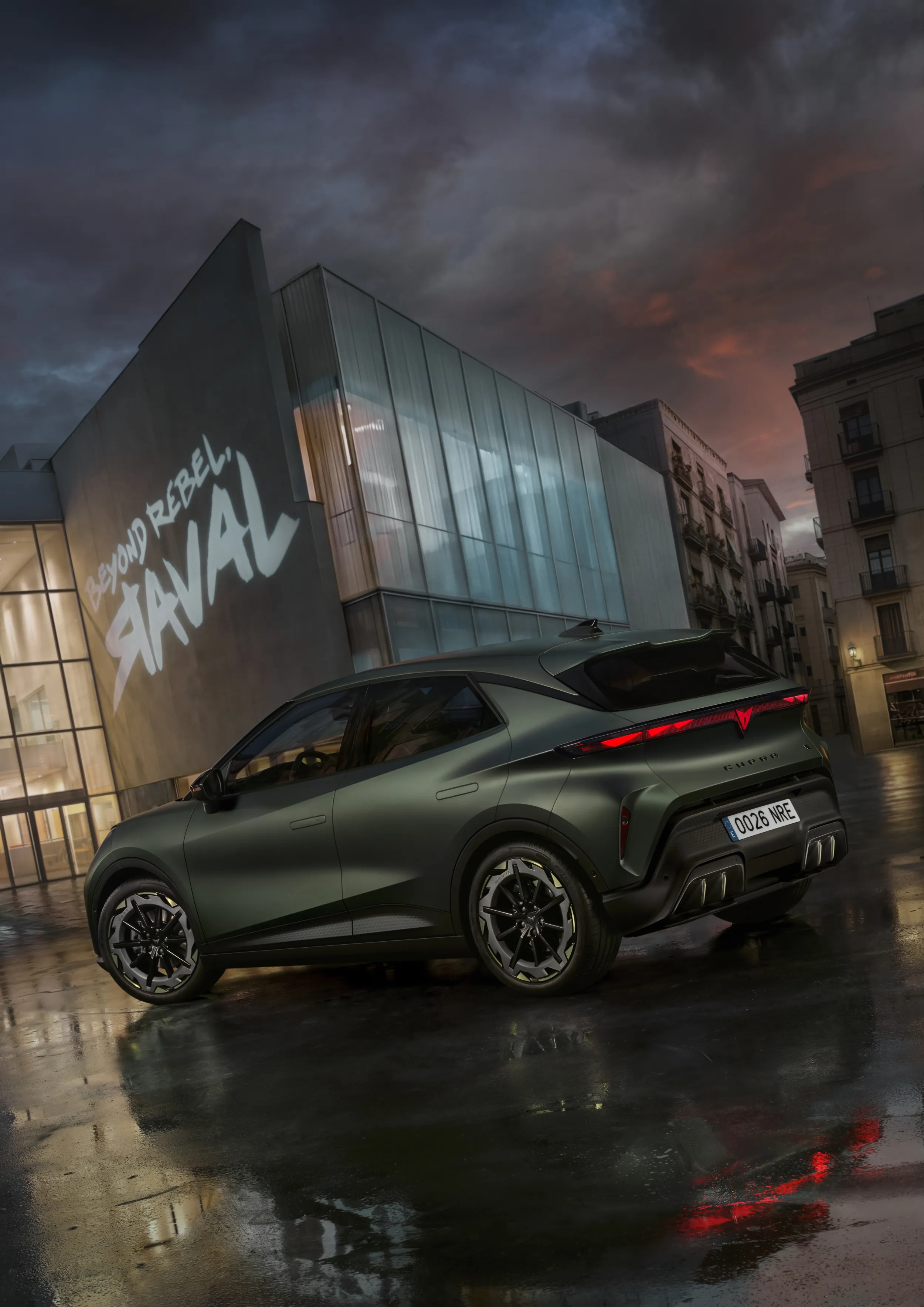
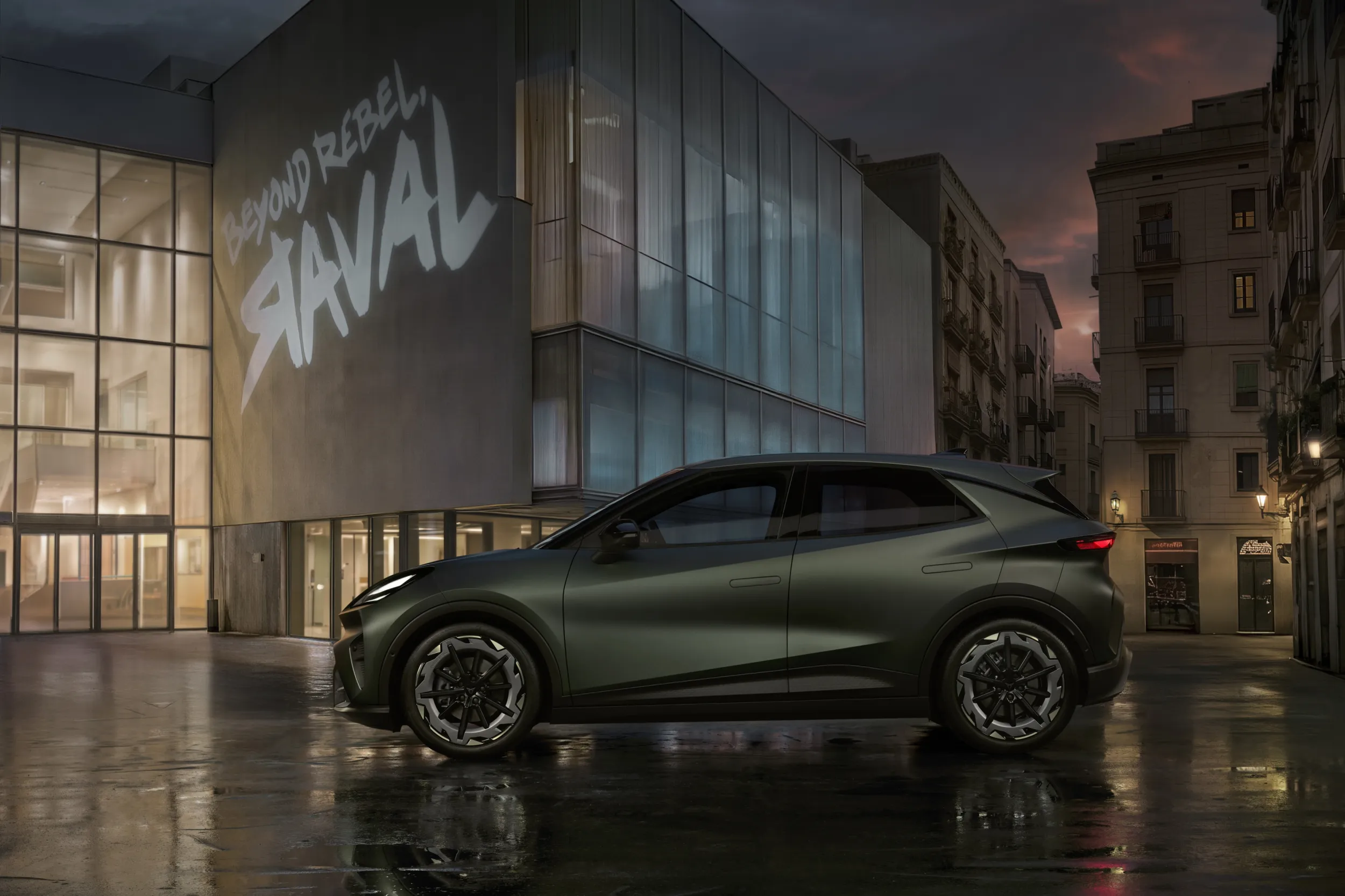
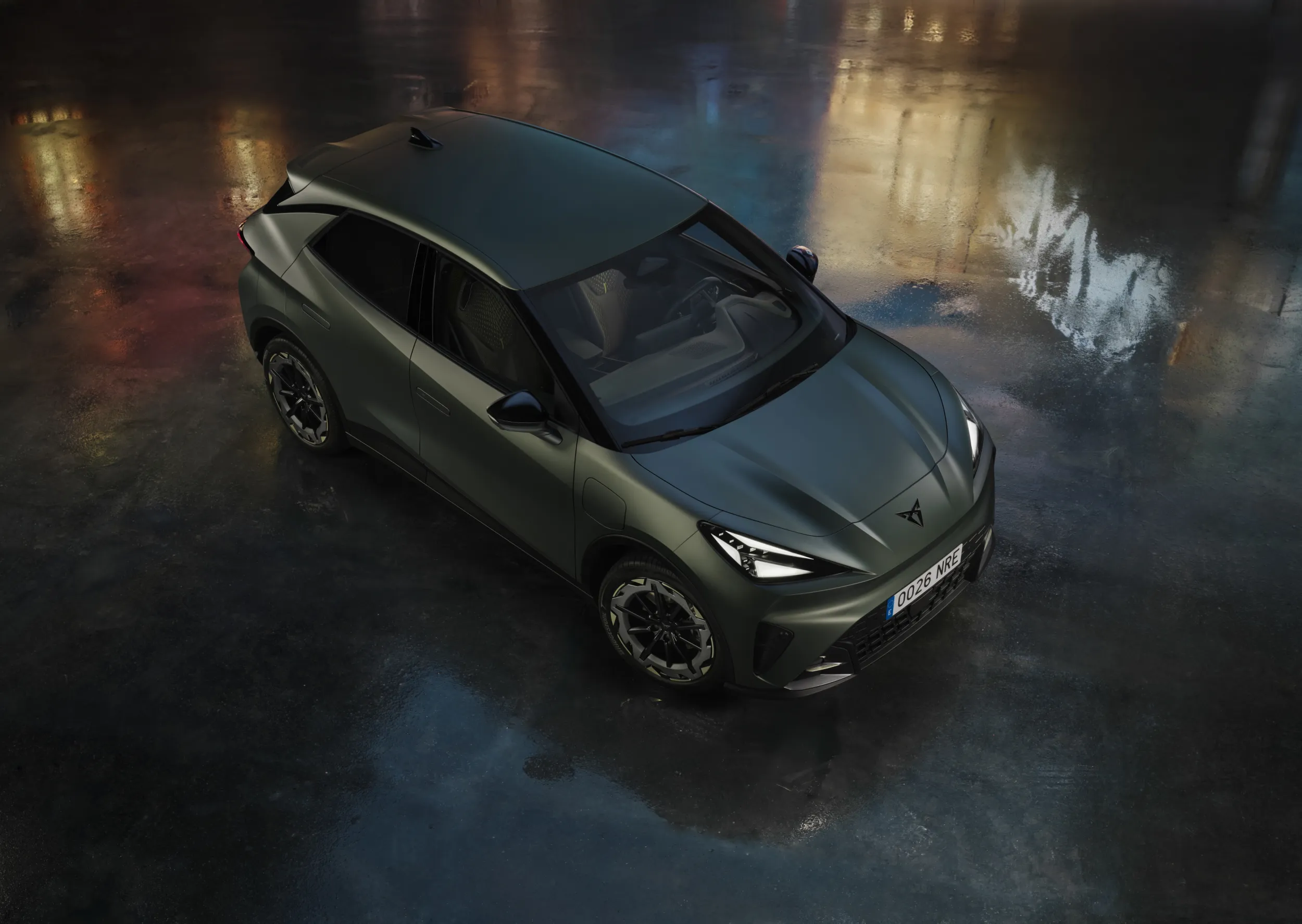
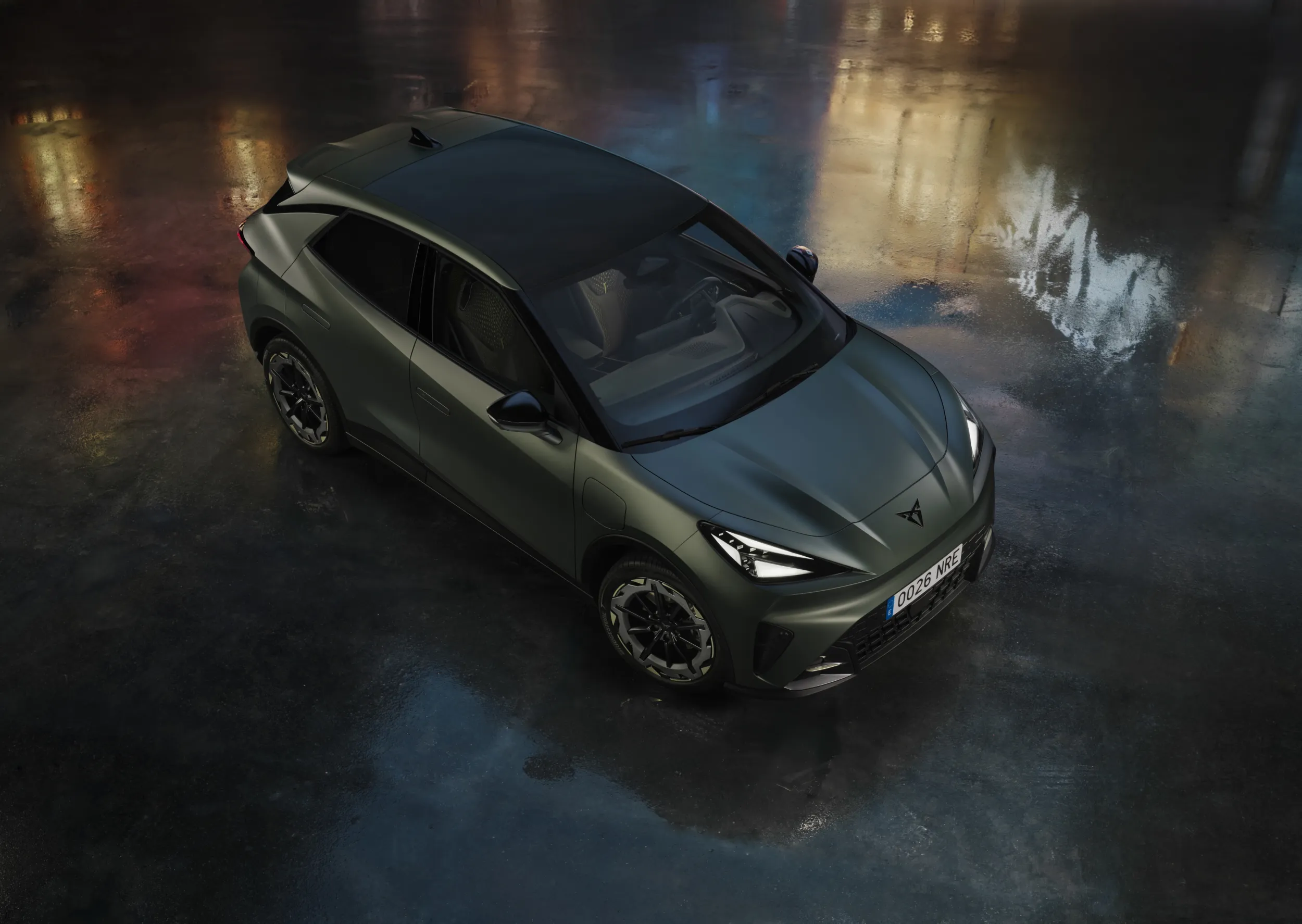
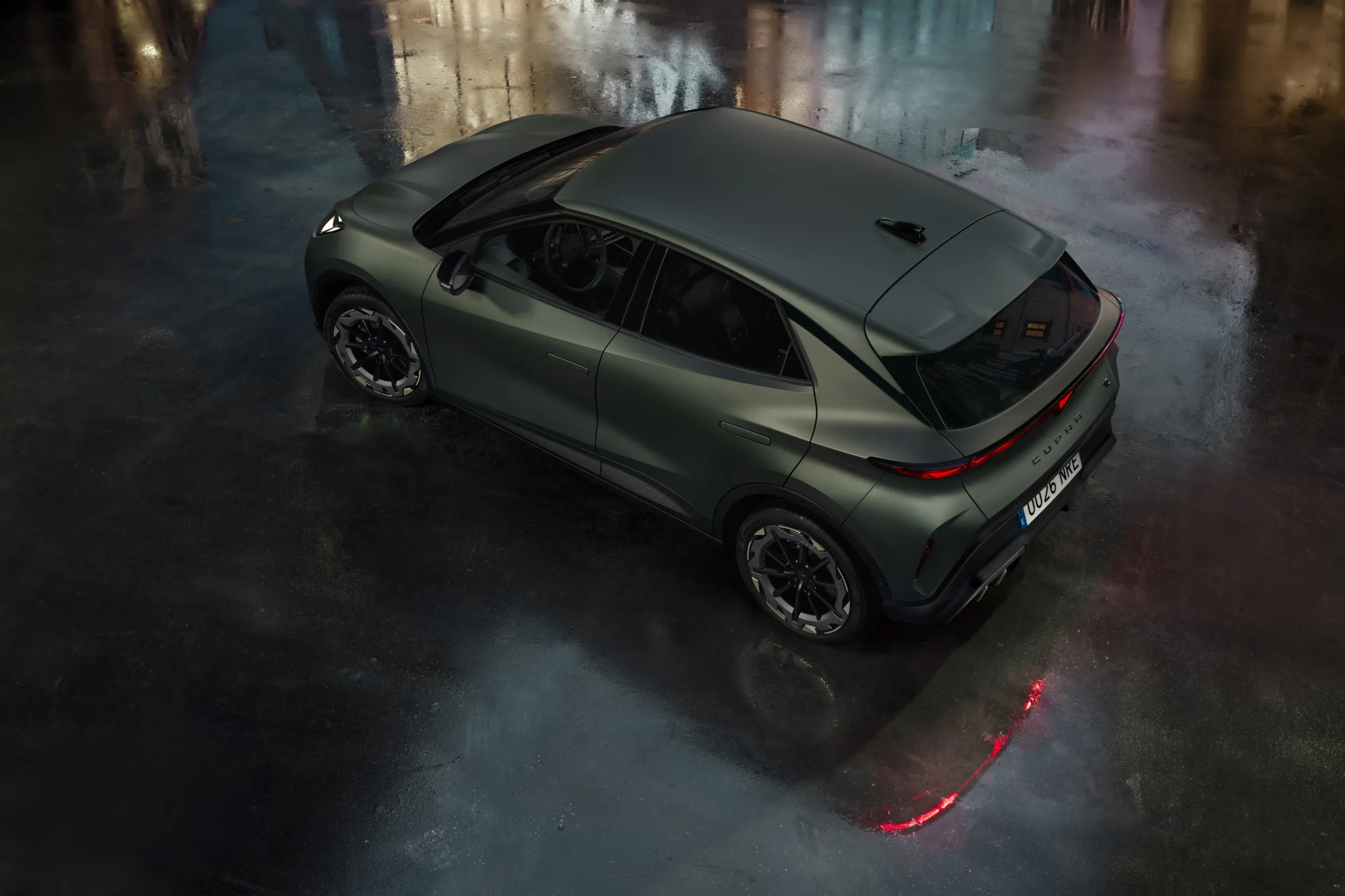
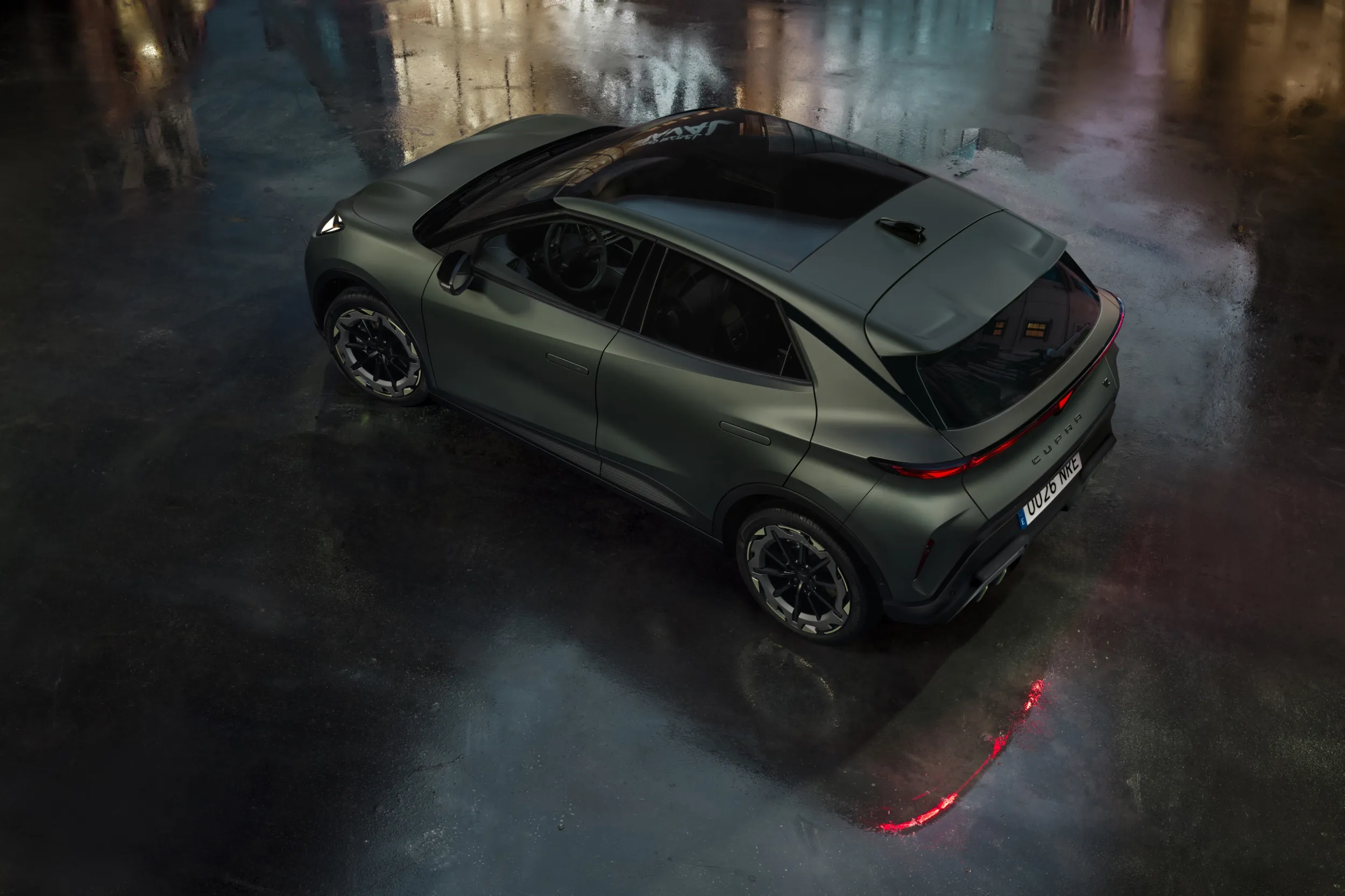
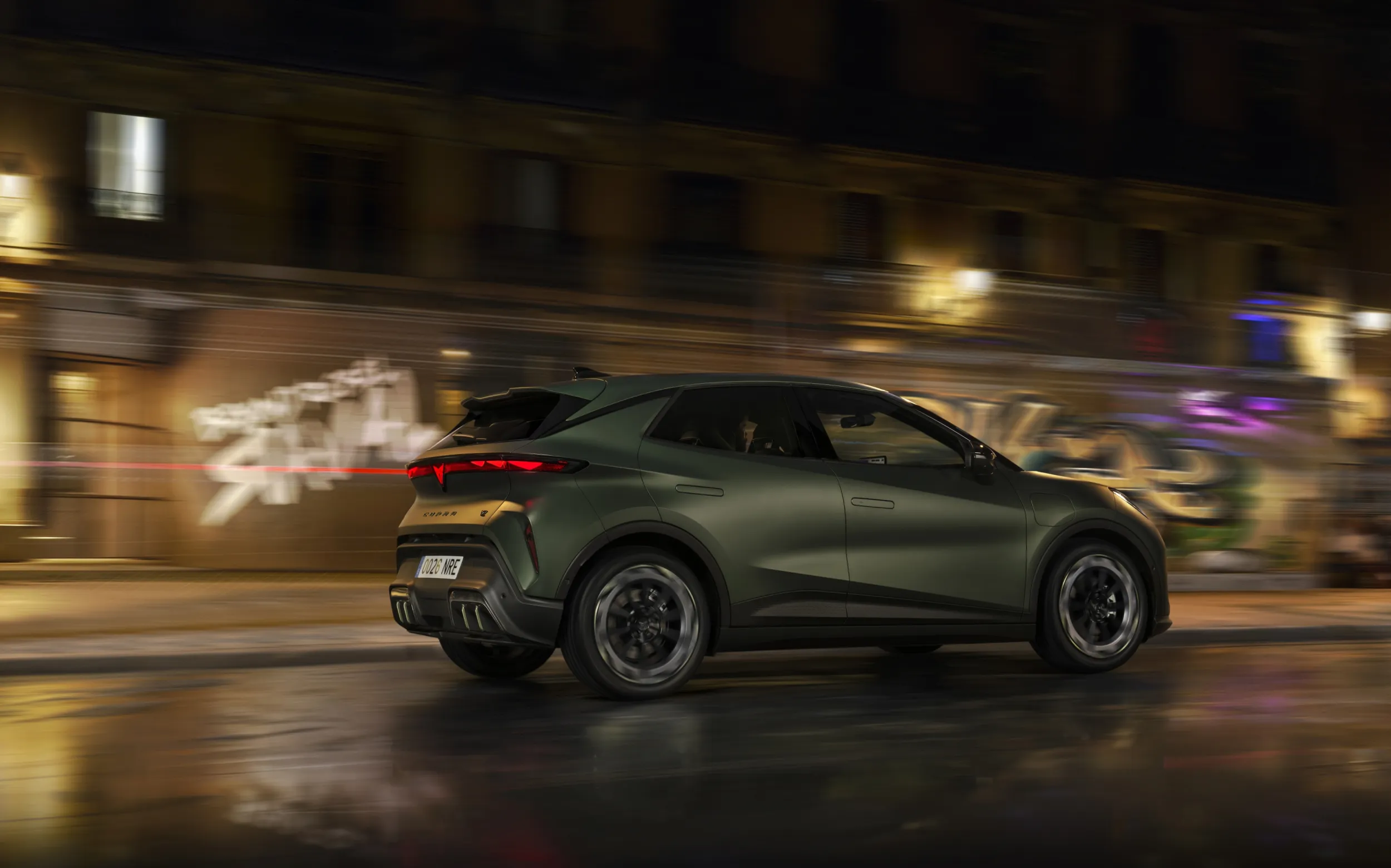
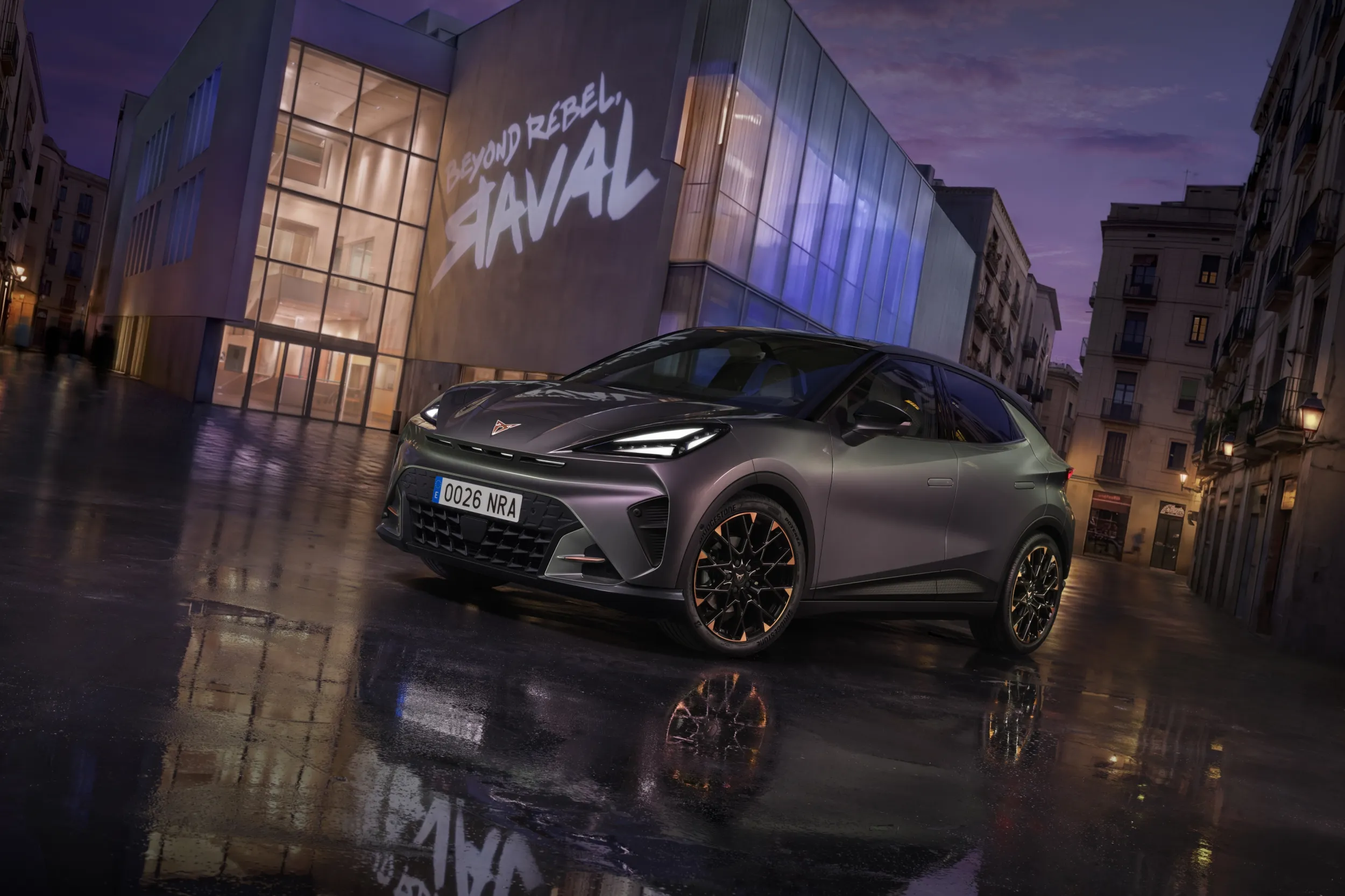
Cupra today unveiled the Raval, a 4,046 mm long electric hatchback that must juggle two jobs at once. It needs to make the small EV segment feel more emotional, and it needs to bring Cupra’s electric push into a lower price bracket. On paper, the package looks convincing enough: up to 226 bhp, a 441 litre boot, a 12.9 inch central screen and an official starting price of €26,000.
For Cupra, the Raval is far more than just another new model. SEAT and Cupra have described it as the cornerstone of their electric pivot. It is the first fully electric Cupra to be built in Martorell and the first production car from the Electric Urban Car Family. That also explains the volume of the marketing noise. The Raval does not merely need to sell. It needs to prove that Cupra can build a small electric car that does not feel like a cheap compromise or yet another lightly reworked Volkswagen Group product.
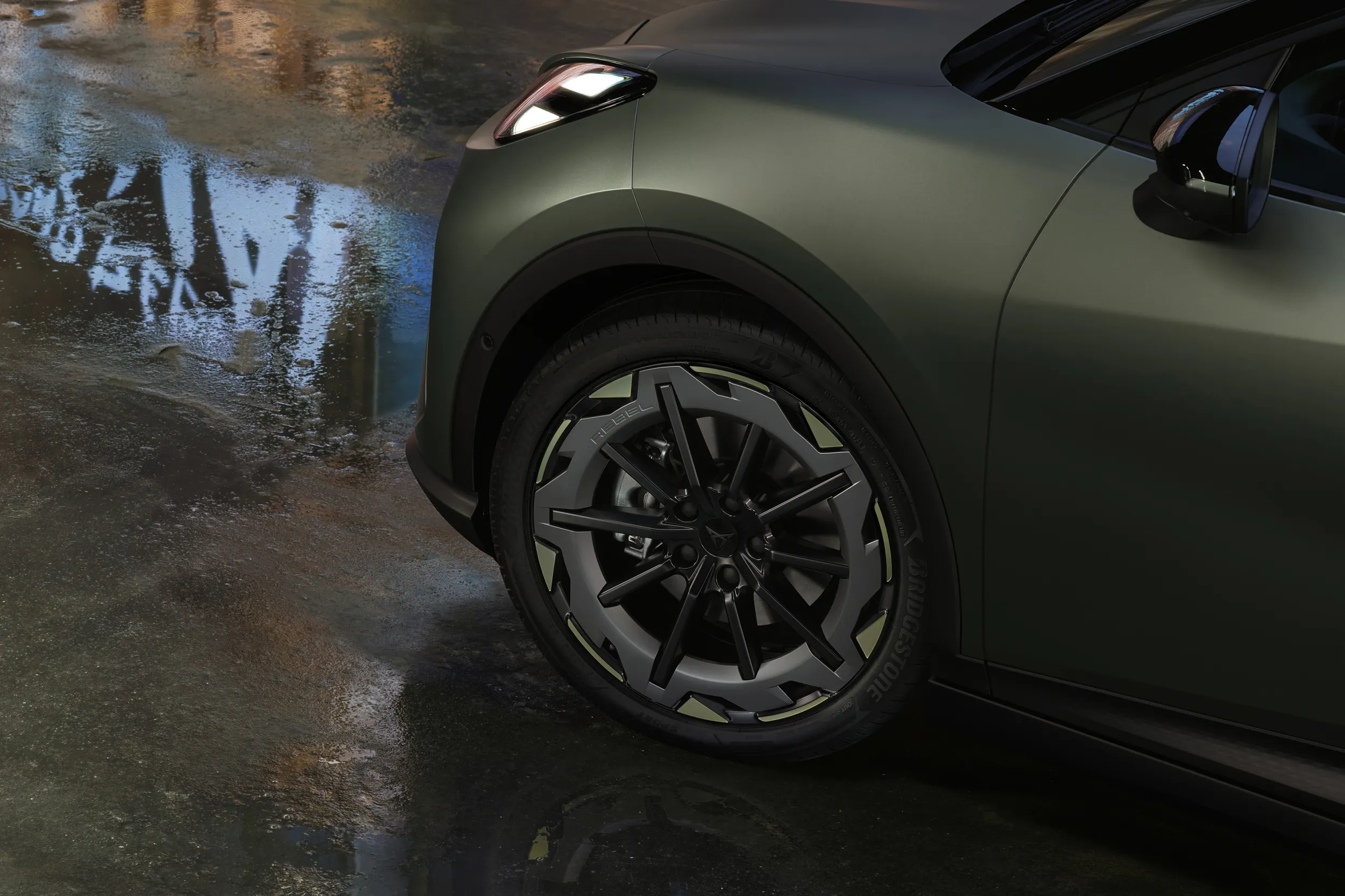
The first piece of good news is that Cupra seems to have done some proper engineering, at least on the technical side. The Raval uses the MEB+ architecture, but Cupra lowered the chassis by 15 mm, sharpened the suspension and steering set up and gave the VZ version DCC Sport suspension, an ESC OFF mode, 19 inch wheels with 235 mm tyres and an electronic VAQ differential. The range topping version produces 166 kW, or 226 bhp, delivers 290 Nm, reaches 100 km/h from rest in 6.8 seconds and tops out at 175 km/h. That sounds less like a design studio concept and more like a deliberate attempt by the engineers to make a small EV that people might actually want to drive.
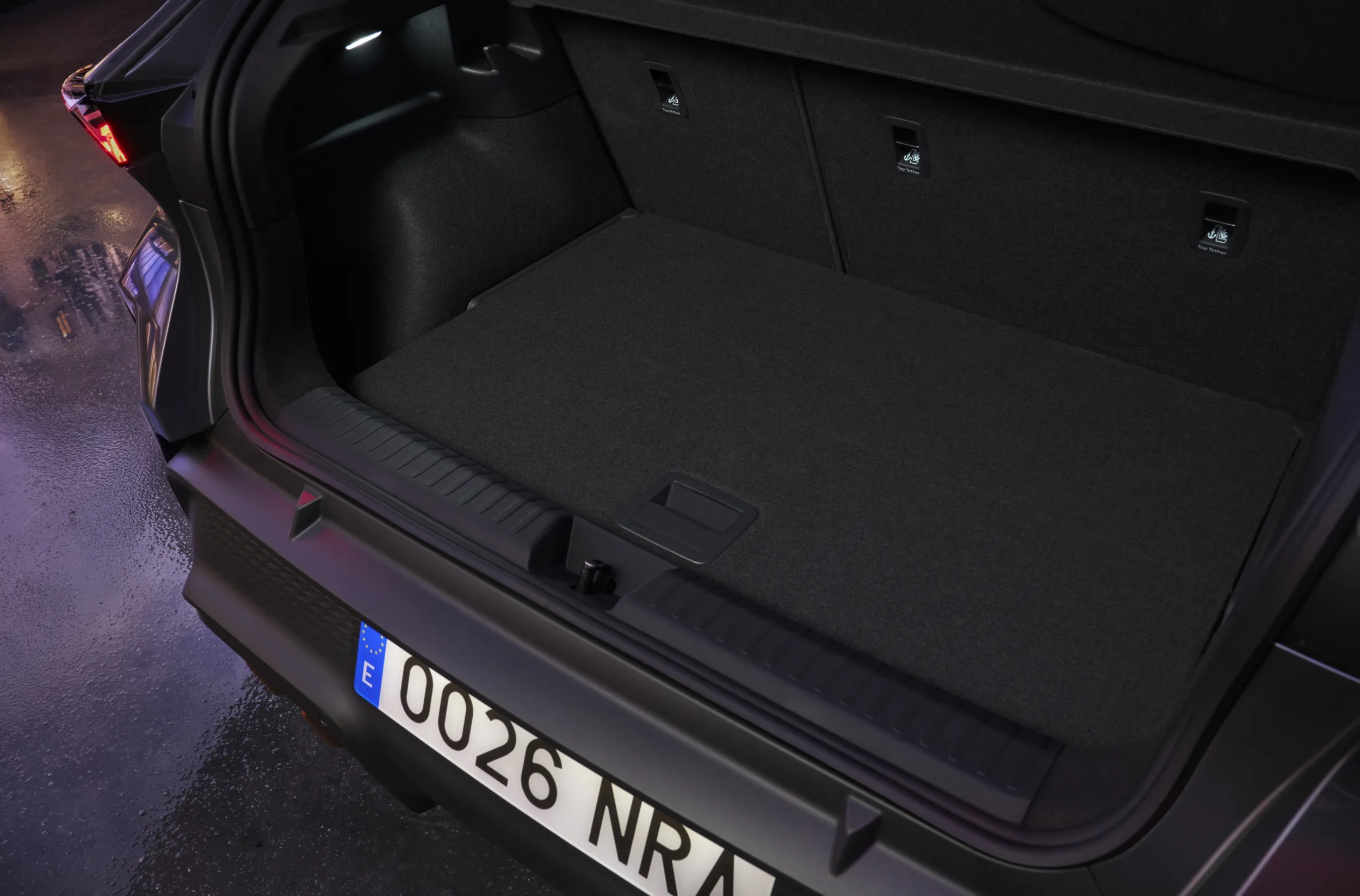
There is more substance on the practical front too than you usually get in an emotion first project. Cupra promises a 441 litre boot, a 2,600 mm wheelbase and a cabin that sounds unusually spacious for a car just over four metres long. That matters, because this is exactly where many stylish small EVs fall apart. They look intriguing in the pictures, then turn out to be cramped and awkward in real life. The Raval is trying to pair hatchback agility with the sense of space people associate with a class above. If that promise holds up on the road, it becomes one of the model’s strongest selling points.
Range figures, with the usual reality check
When it comes to range, though, it is worth dragging the marketing numbers back down to earth straight away. Cupra’s official Spanish website lists up to 444 km of WLTP range for the Dynamic launch version, up to 438 km for the Dynamic Plus and up to 384 km for the VZ Extreme. The official charging figure for the 52 kWh battery is a 10 to 80 per cent top up in 24 minutes, while the smaller 37 kWh pack does the same in 23 minutes. In other words, the headline friendly “450 km” figure is a rounded impression, not the full story. In the VZ especially, you pay for the extra performance with a very visible hit to range.
The most important question, however, still sits in the price list. The €26,000 figure does not describe the car that customers will get first. Cupra ties that number to the entry level Raval due later, which uses a 37 kWh battery and is expected to go on sale from September 2026. The first launch versions are pricier. On Cupra Spain’s official site, the recommended price for the Dynamic Launch Edition is €29,896.11. So in the real world, the Raval does not begin at €26,000. At least in its first phase on the market, it starts at very nearly €30,000. That is where the line between people’s electric car and carefully packaged brand product begins to blur.
A cabin aiming above the bargain basement
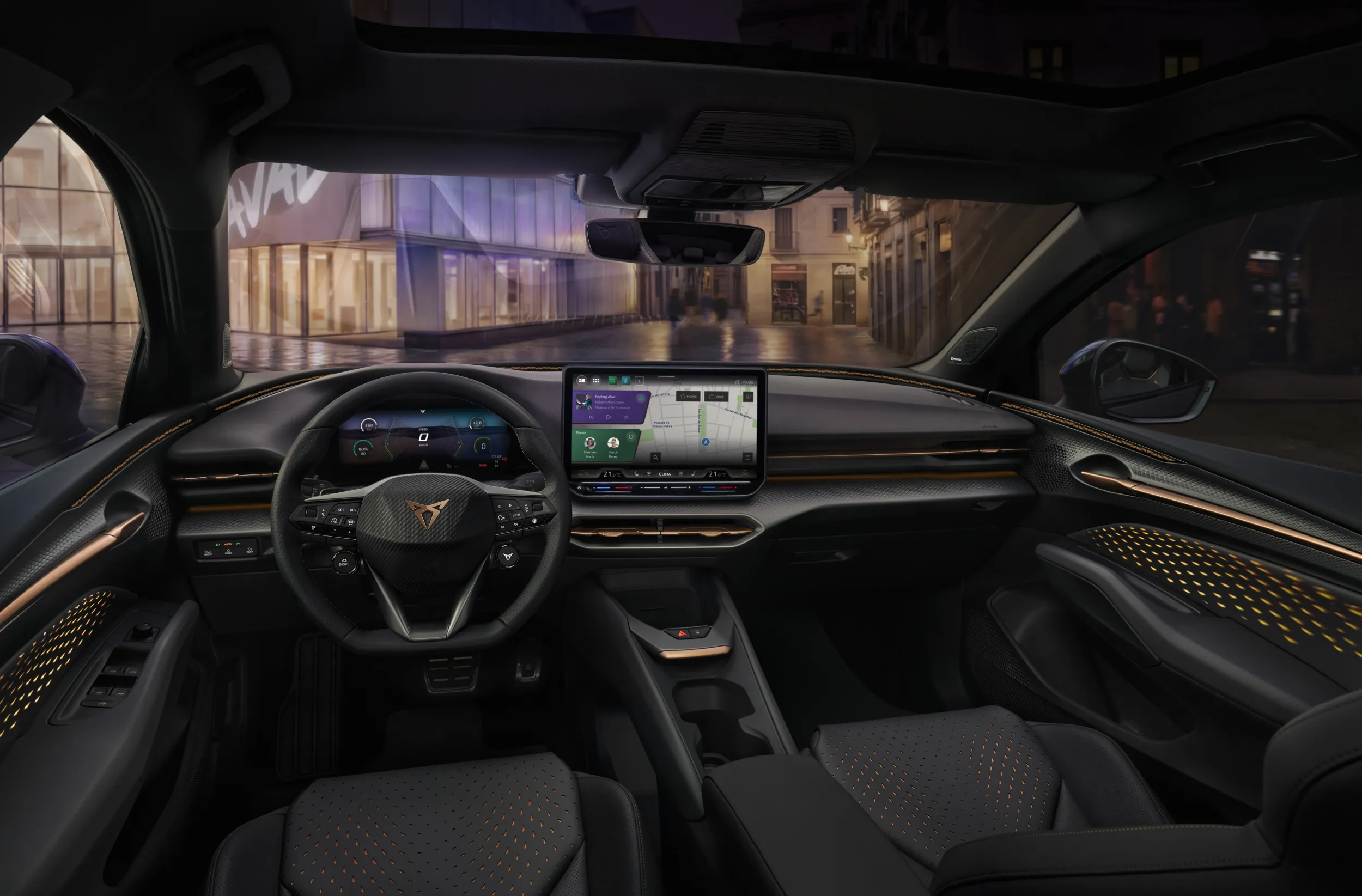
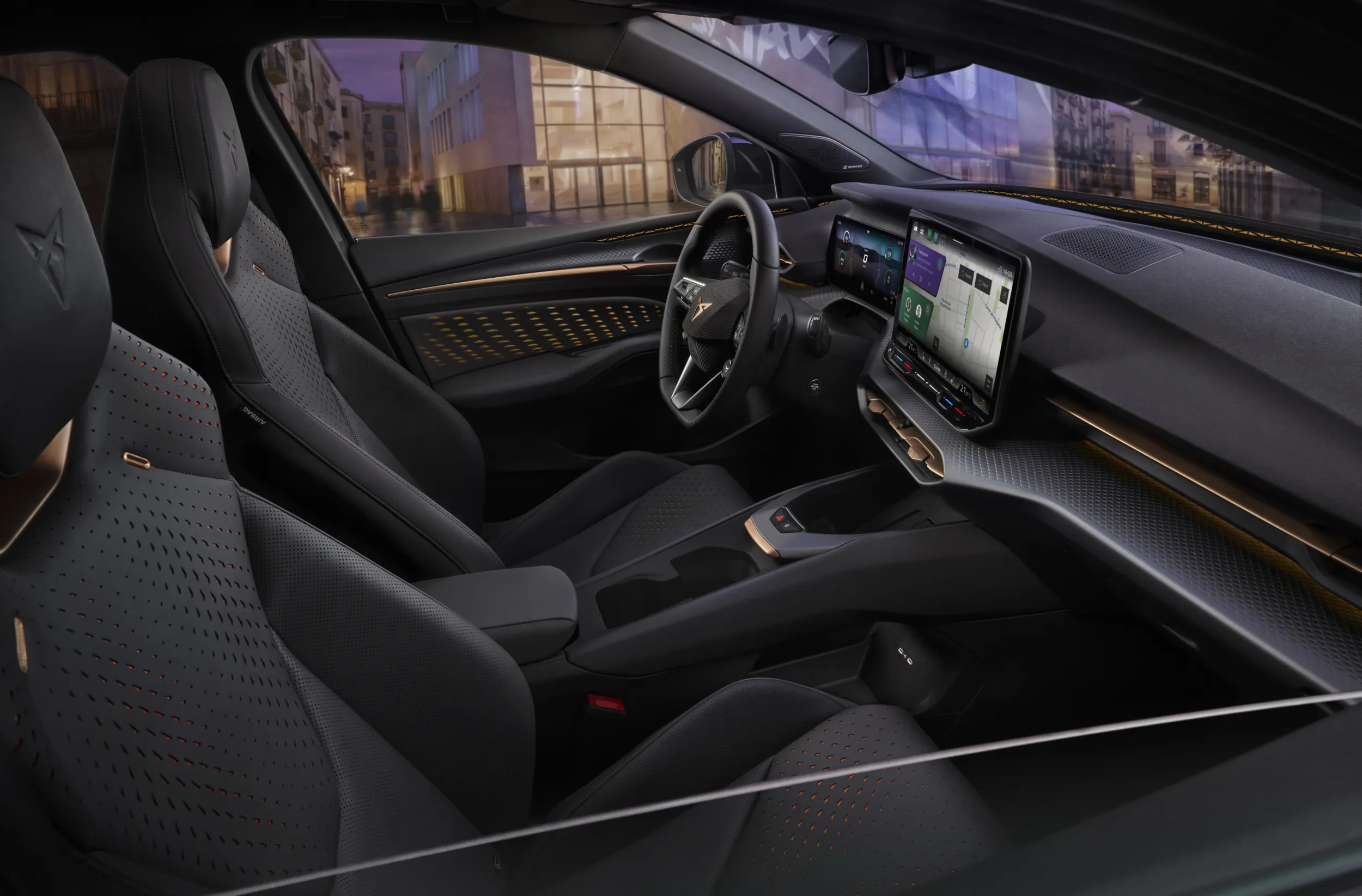
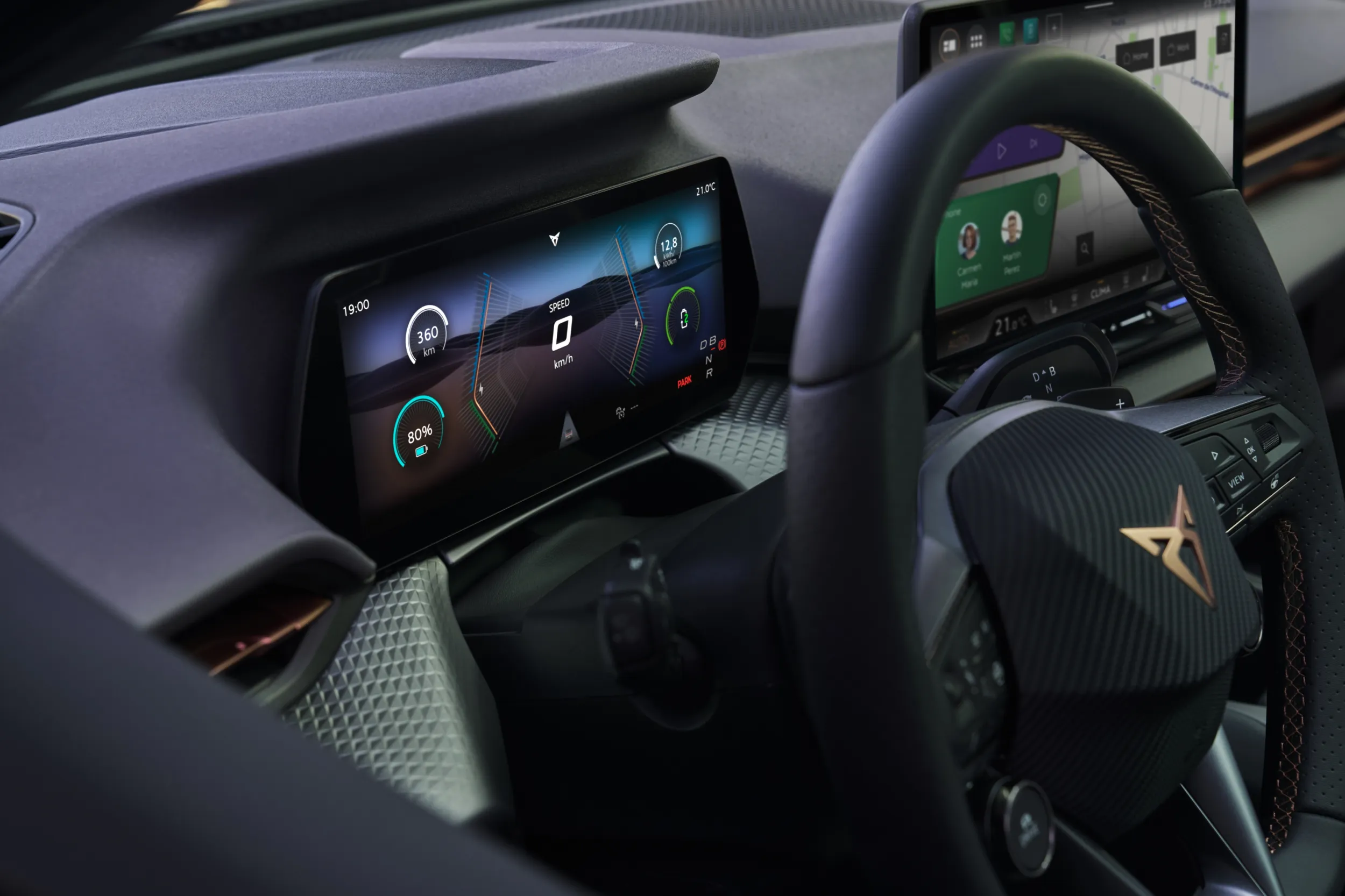
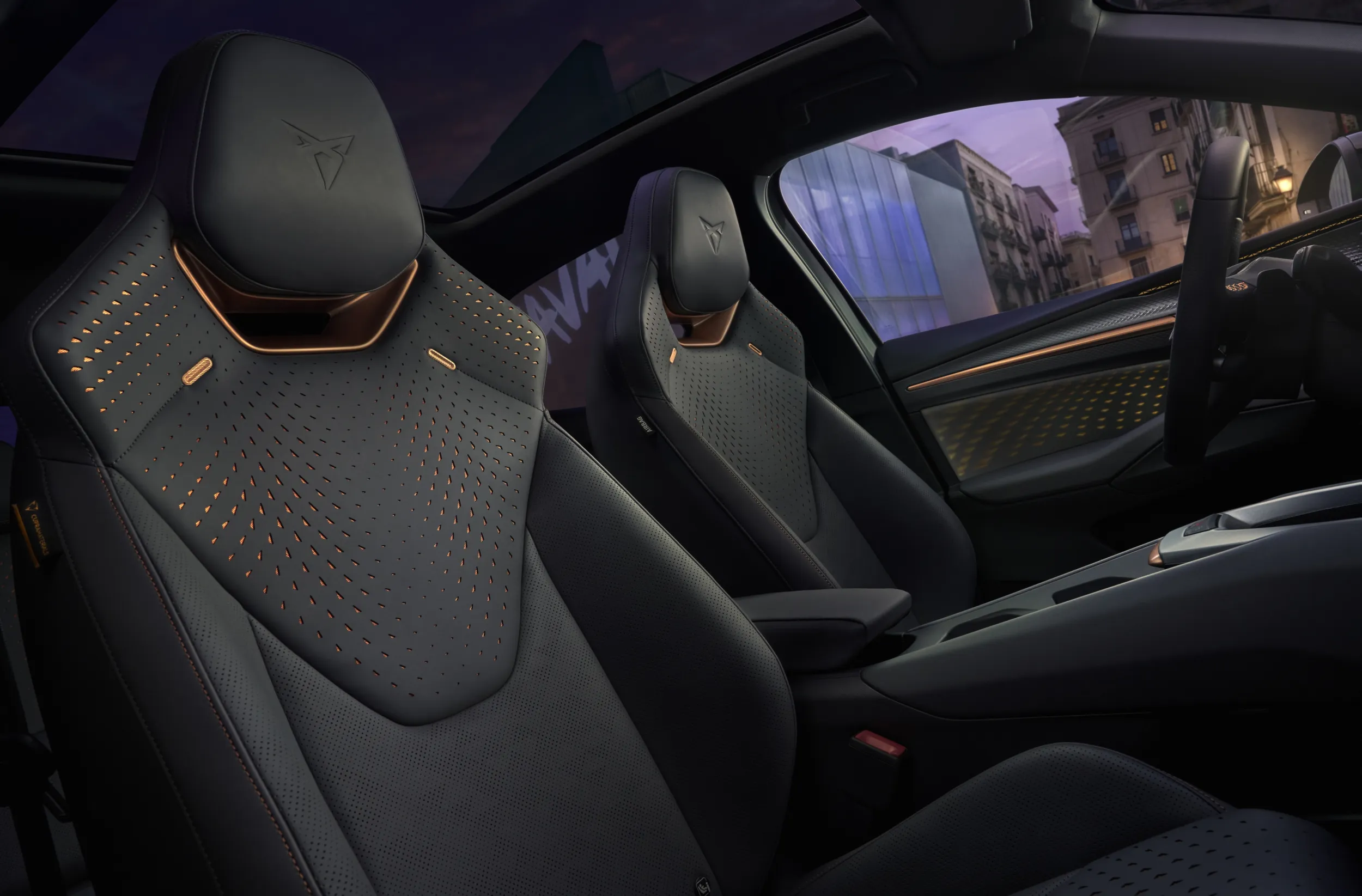
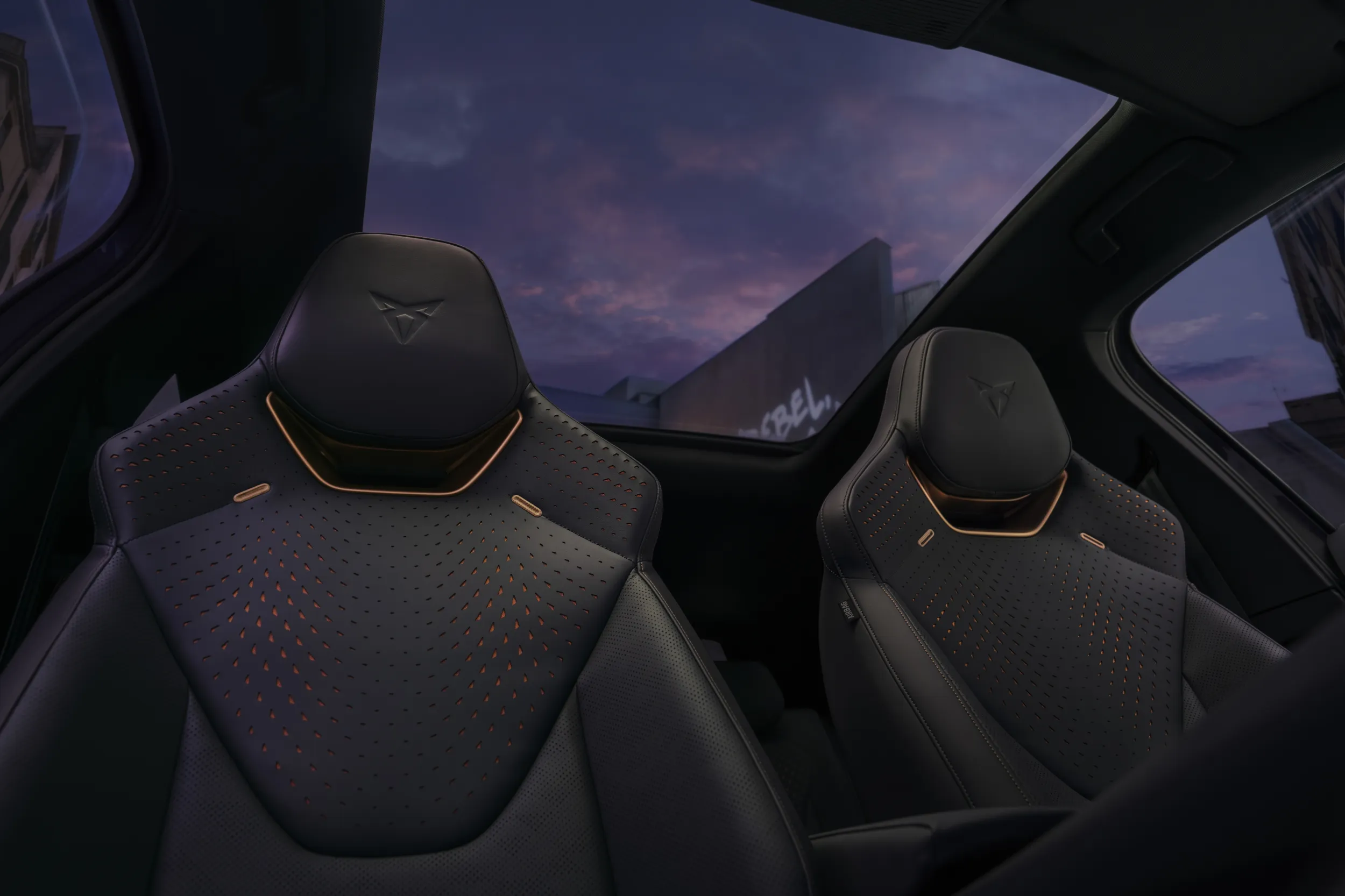
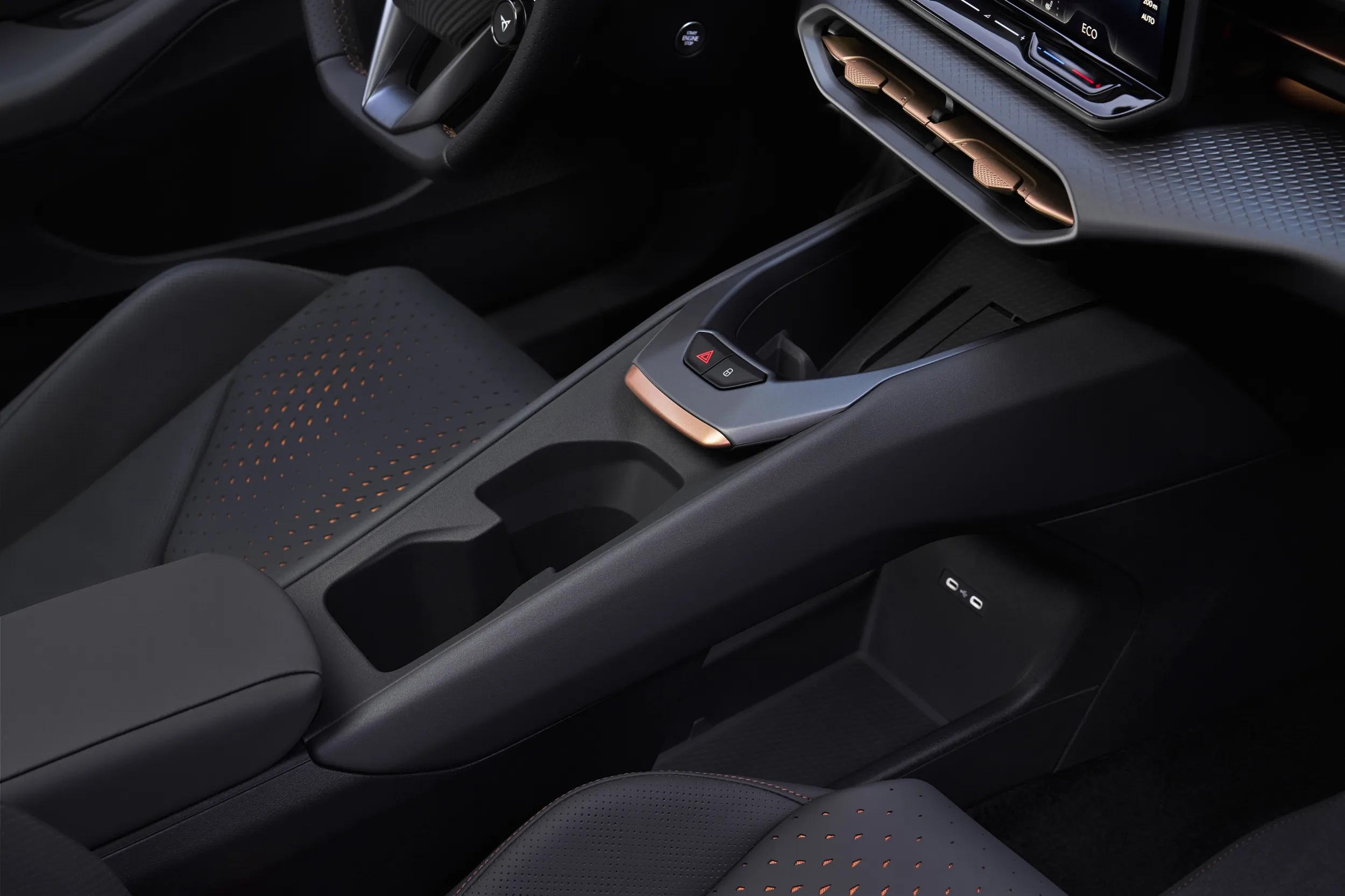
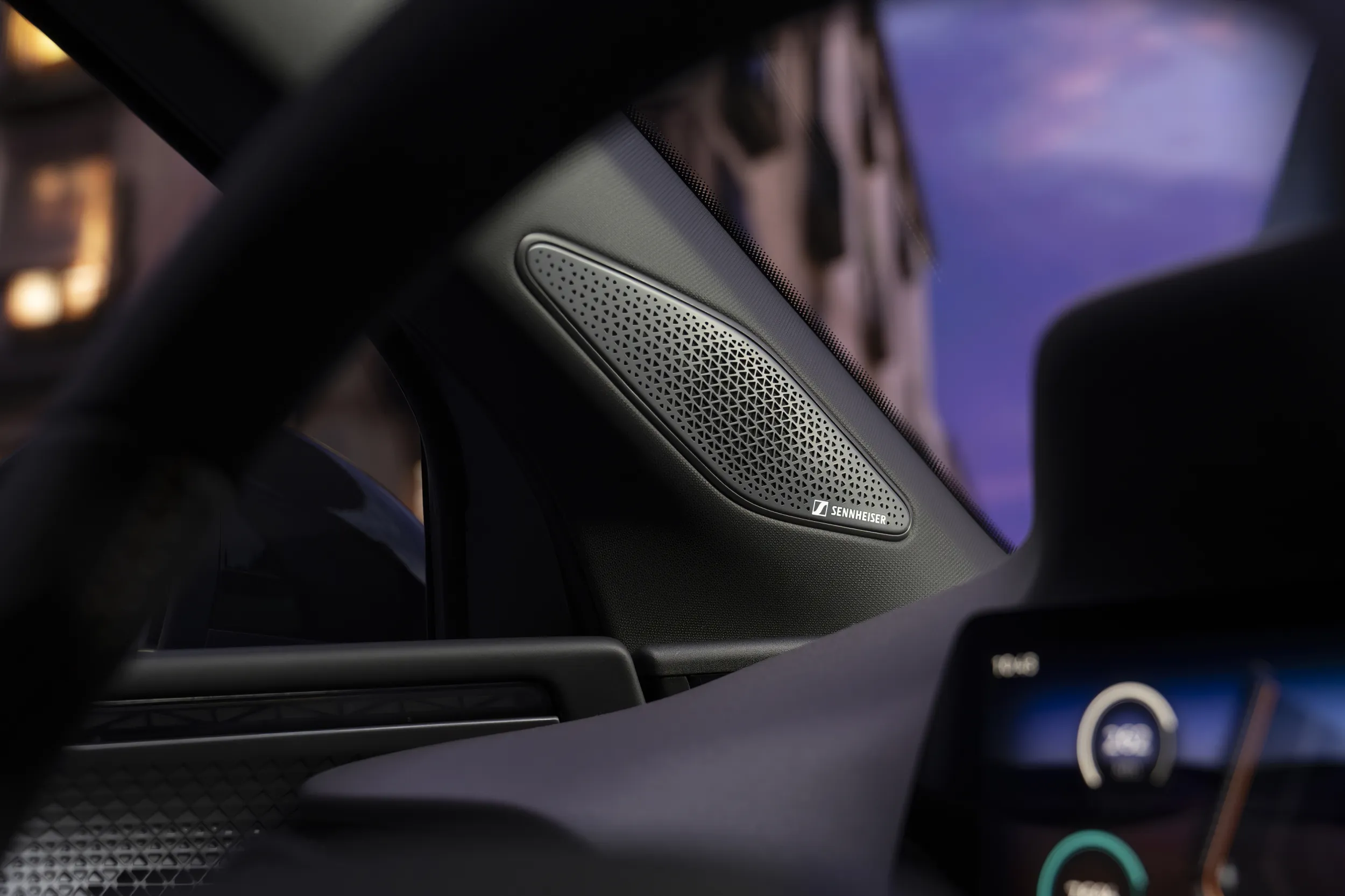
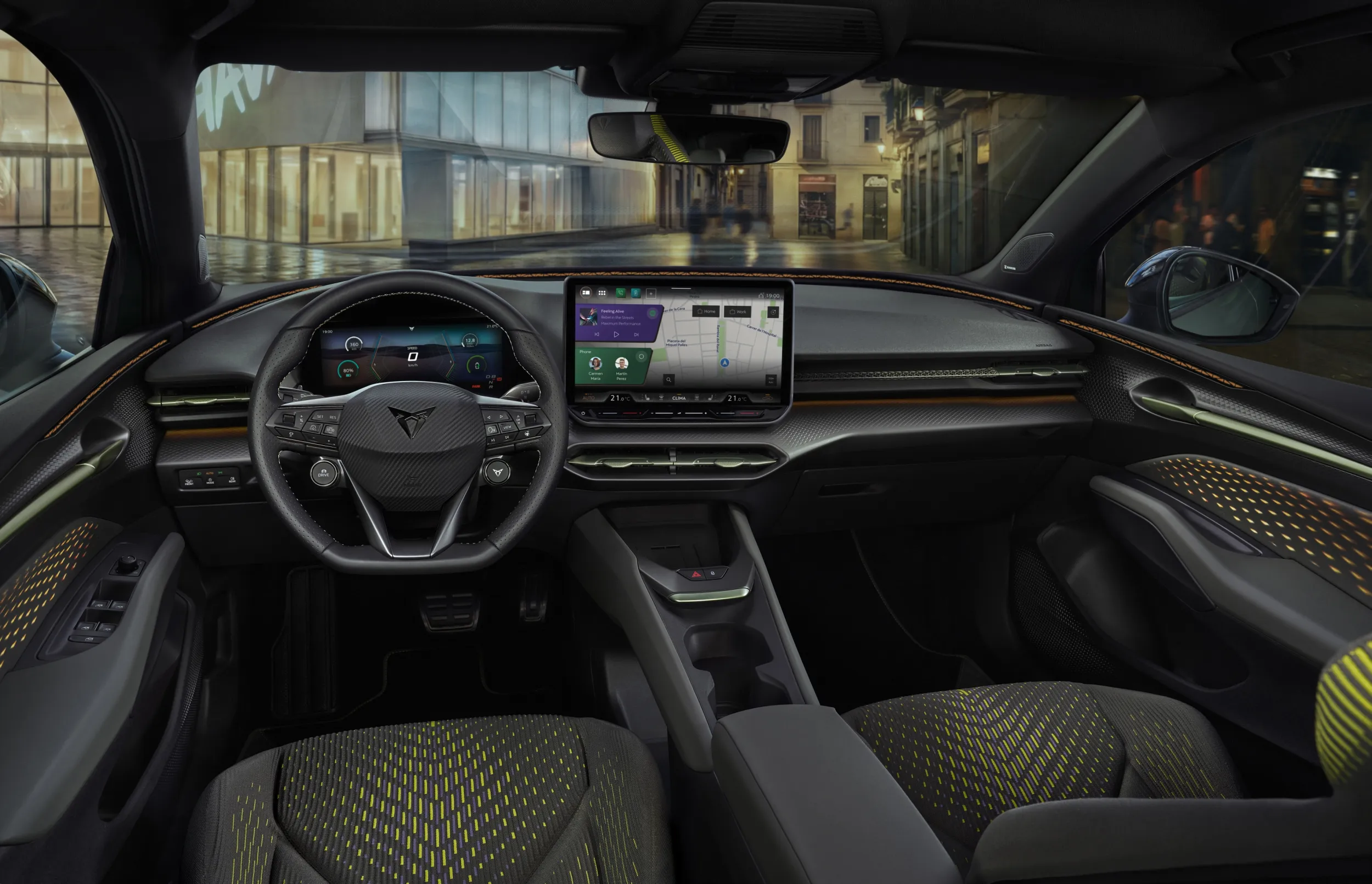
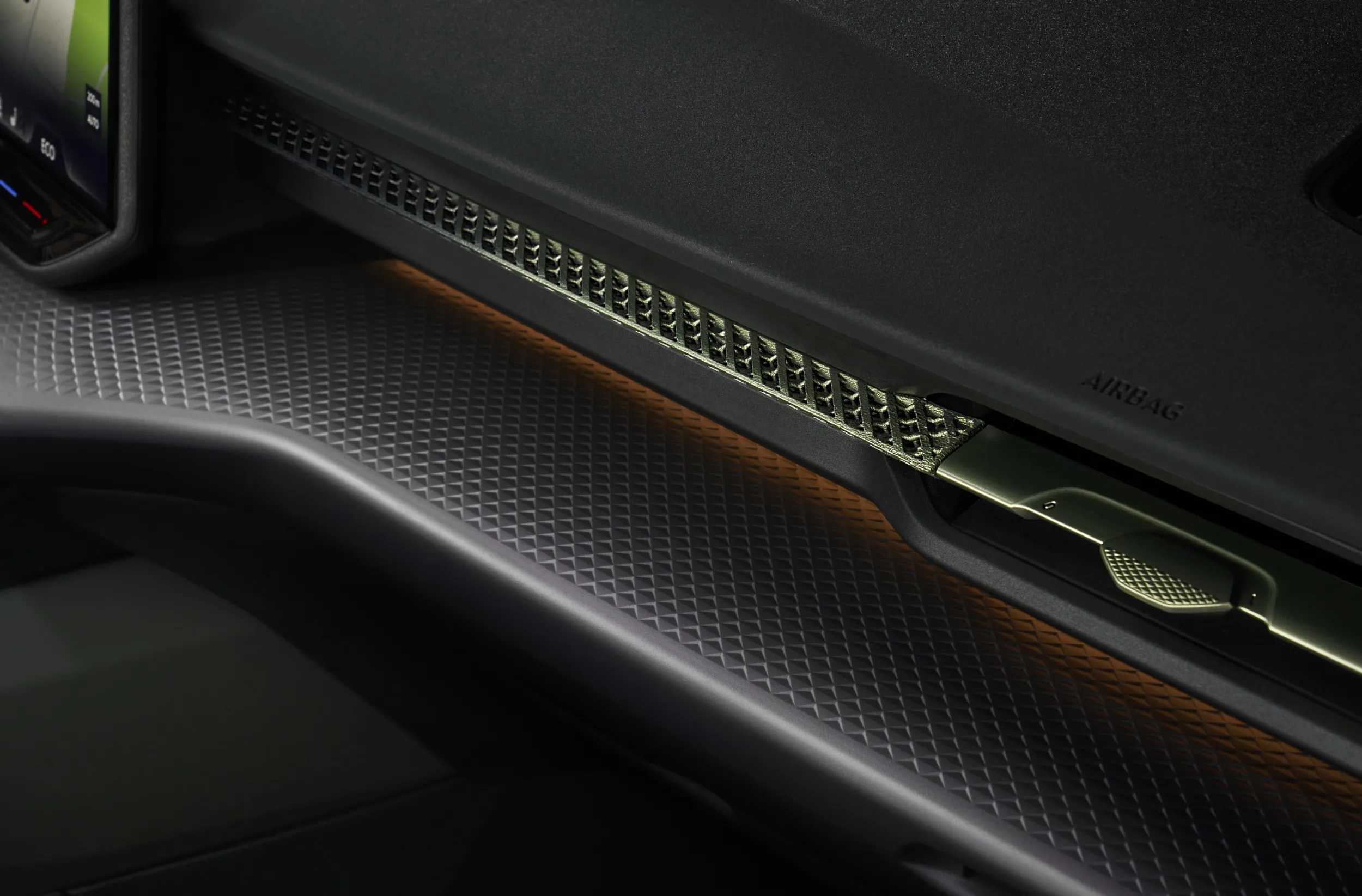
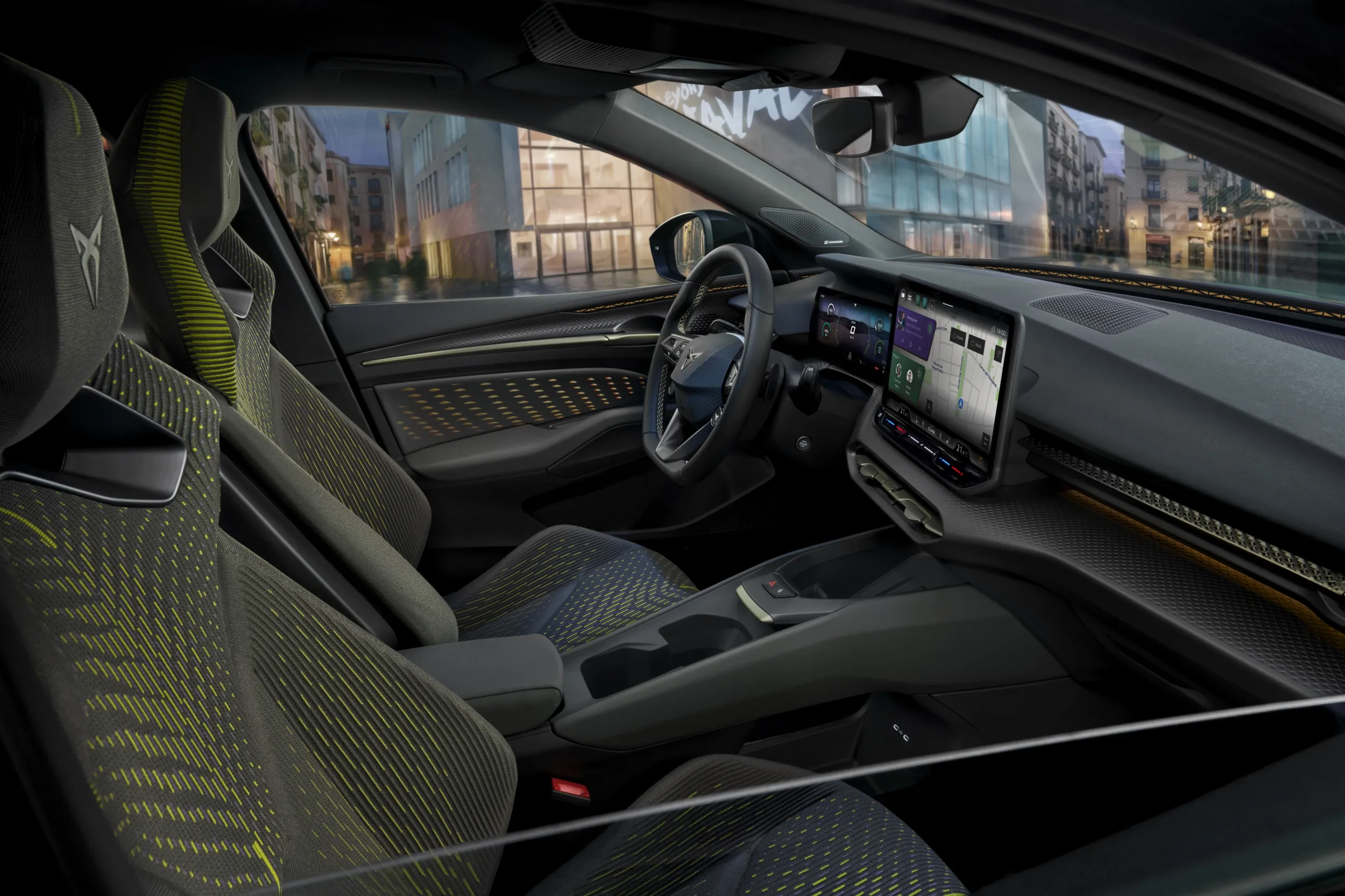
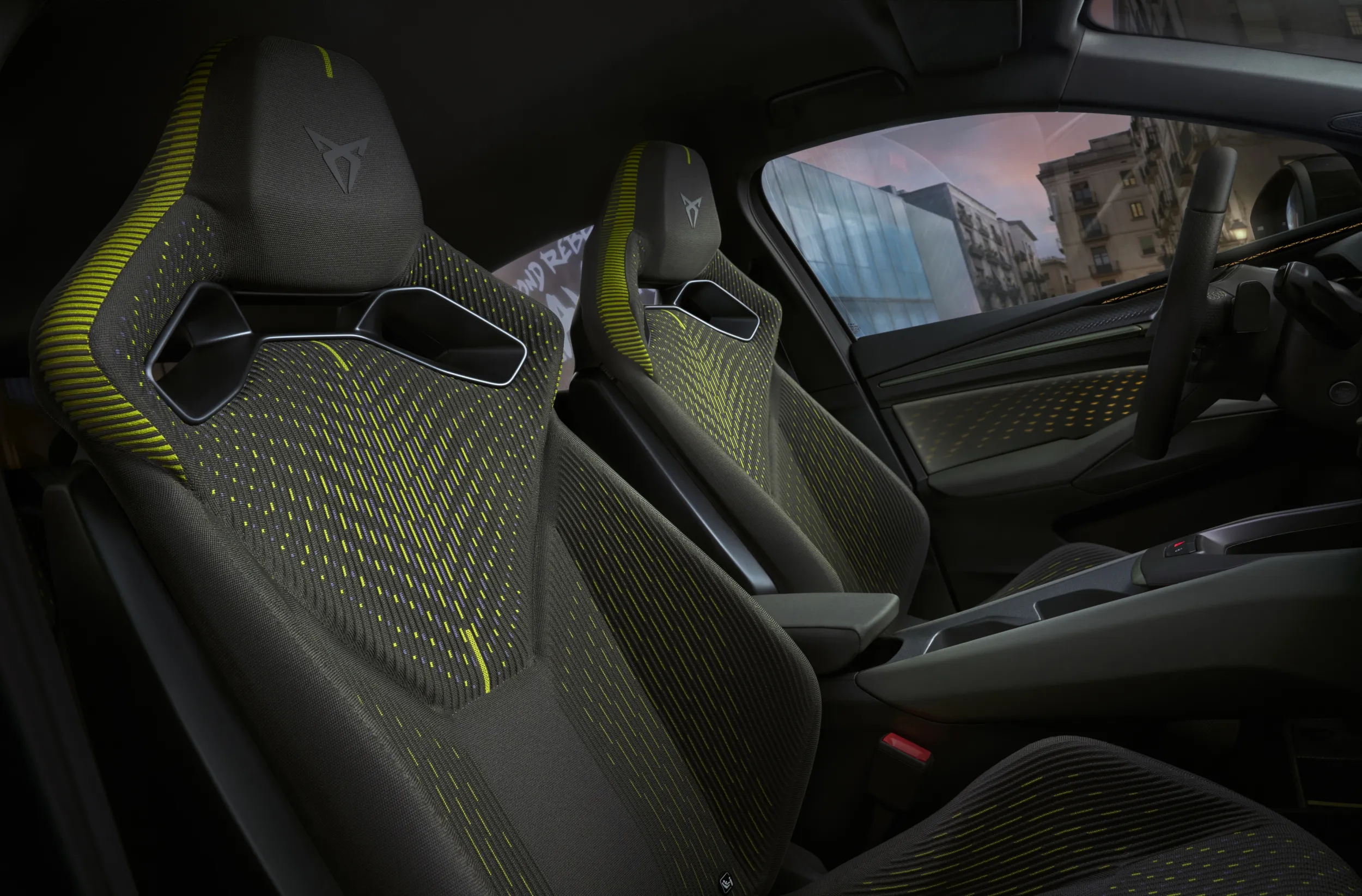
Inside, Cupra is clearly trying to show that the Raval does not belong to the school of cut price electric cars. It gets a 12.9 inch central touchscreen, a 10.25 inch digital instrument display, a new Android based operating system, apps such as YouTube and Spotify and, in higher trims, a 475 W Sennheiser sound system with up to 12 speakers. One welcome detail is that the steering wheel still keeps physical buttons, although the car continues to rely on touch sensitive sliders beneath the central screen. Cupra is not really selling thrift here. It is selling a small car that wants to feel like something from a class above.
So, is the Raval a genuine people’s EV or just another design exercise? On the evidence so far, the answer sits somewhere in between, though it leans much more towards the former than the latter. The Raval does not look like an empty, stylised show car. The chassis work, the more serious VZ version, the ambition on interior space and the genuinely useful tech package all suggest Cupra is trying to build a proper car. At the same time, the promised €26,000 entry point belongs to a later, less powerful version, while the first cars arrive at a noticeably higher price. So today, the Raval is not yet an electric car for the masses. It is a well sorted small EV that could become one, but only when the cheaper version finally arrives and manages not to feel cheap.
The first piece of good news is that Cupra seems to have done some proper engineering, at least on the technical side. The Raval uses the MEB+ architecture, but Cupra lowered the chassis by 15 mm, sharpened the suspension and steering set up and gave the VZ version DCC Sport suspension, an ESC OFF mode, 19 inch wheels with 235 mm tyres and an electronic VAQ differential. The range topping version produces 166 kW, or 226 bhp, delivers 290 Nm, reaches 100 km/h from rest in 6.8 seconds and tops out at 175 km/h. That sounds less like a design studio concept and more like a deliberate attempt by the engineers to make a small EV that people might actually want to drive.
There is more substance on the practical front too than you usually get in an emotion first project. Cupra promises a 441 litre boot, a 2,600 mm wheelbase and a cabin that sounds unusually spacious for a car just over four metres long. That matters, because this is exactly where many stylish small EVs fall apart. They look intriguing in the pictures, then turn out to be cramped and awkward in real life. The Raval is trying to pair hatchback agility with the sense of space people associate with a class above. If that promise holds up on the road, it becomes one of the model’s strongest selling points.
Range figures, with the usual reality check
When it comes to range, though, it is worth dragging the marketing numbers back down to earth straight away. Cupra’s official Spanish website lists up to 444 km of WLTP range for the Dynamic launch version, up to 438 km for the Dynamic Plus and up to 384 km for the VZ Extreme. The official charging figure for the 52 kWh battery is a 10 to 80 per cent top up in 24 minutes, while the smaller 37 kWh pack does the same in 23 minutes. In other words, the headline friendly “450 km” figure is a rounded impression, not the full story. In the VZ especially, you pay for the extra performance with a very visible hit to range.
The most important question, however, still sits in the price list. The €26,000 figure does not describe the car that customers will get first. Cupra ties that number to the entry level Raval due later, which uses a 37 kWh battery and is expected to go on sale from September 2026. The first launch versions are pricier. On Cupra Spain’s official site, the recommended price for the Dynamic Launch Edition is €29,896.11. So in the real world, the Raval does not begin at €26,000. At least in its first phase on the market, it starts at very nearly €30,000. That is where the line between people’s electric car and carefully packaged brand product begins to blur.
A cabin aiming above the bargain basement
Inside, Cupra is clearly trying to show that the Raval does not belong to the school of cut price electric cars. It gets a 12.9 inch central touchscreen, a 10.25 inch digital instrument display, a new Android based operating system, apps such as YouTube and Spotify and, in higher trims, a 475 W Sennheiser sound system with up to 12 speakers. One welcome detail is that the steering wheel still keeps physical buttons, although the car continues to rely on touch sensitive sliders beneath the central screen. Cupra is not really selling thrift here. It is selling a small car that wants to feel like something from a class above.
So, is the Raval a genuine people’s EV or just another design exercise? On the evidence so far, the answer sits somewhere in between, though it leans much more towards the former than the latter. The Raval does not look like an empty, stylised show car. The chassis work, the more serious VZ version, the ambition on interior space and the genuinely useful tech package all suggest Cupra is trying to build a proper car. At the same time, the promised €26,000 entry point belongs to a later, less powerful version, while the first cars arrive at a noticeably higher price. So today, the Raval is not yet an electric car for the masses. It is a well sorted small EV that could become one, but only when the cheaper version finally arrives and manages not to feel cheap.


