
Opel and Alfa Romeo development is moving to China
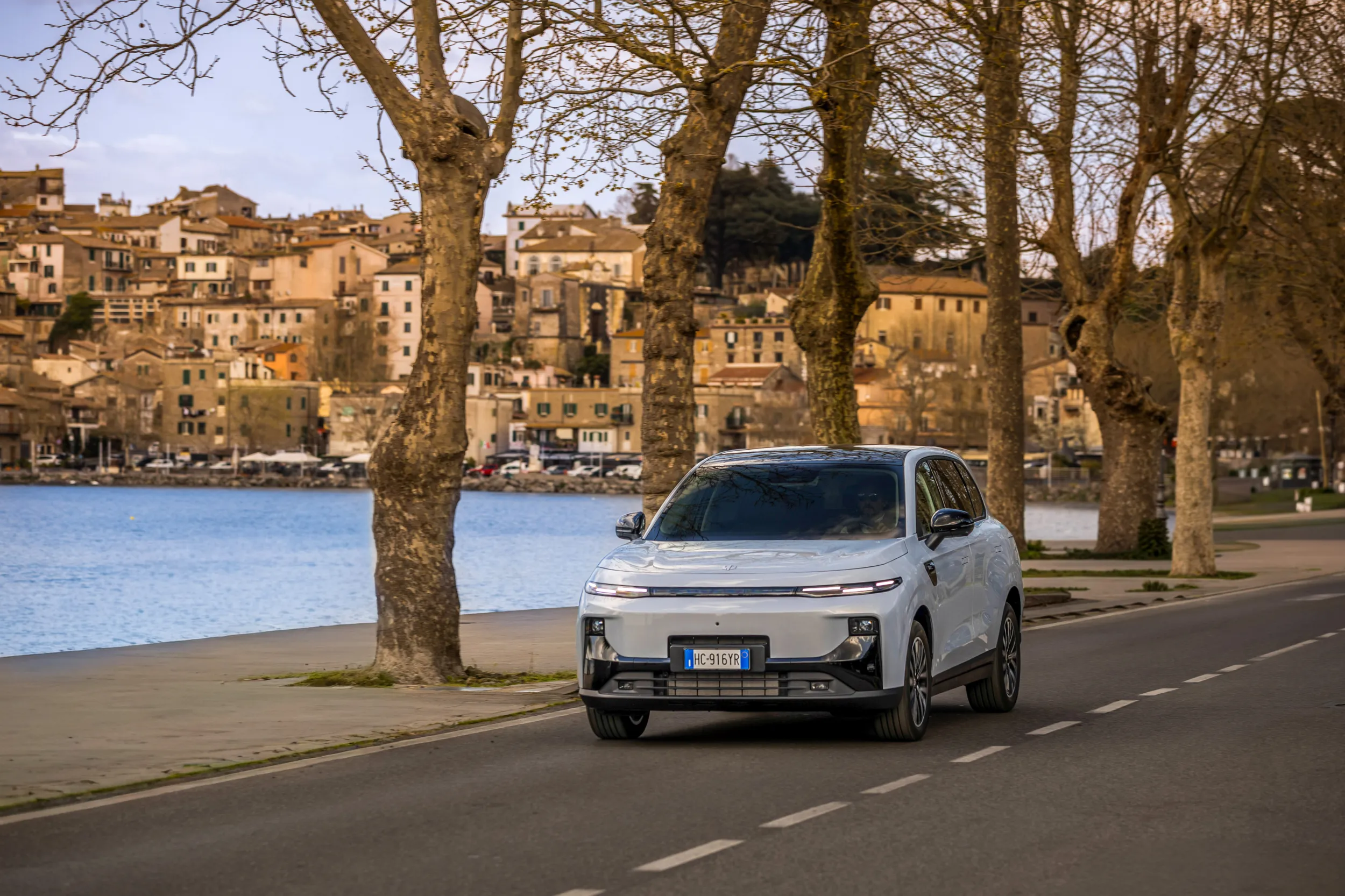
Stellantis is in talks with China’s Leapmotor to develop a new electric sport utility vehicle under the Opel badge, using the Chinese partner’s technology and heading into production in Spain. More important, though, is what sits behind that first project. Early discussions have also begun around a future Alfa Romeo model based on the same architecture, showing just how quickly Europe’s car industry is turning towards Chinese engineering in search of cheaper and faster development.
According to Reuters, the most advanced project concerns an Opel electric sport utility vehicle carrying the internal code O3U. The plan is for the model to use Leapmotor’s technical base, share its architecture with the Leapmotor B10 compact sport utility vehicle and be built at Stellantis’ Zaragoza plant in Spain. Production is being targeted for 2028, with annual output of about 50,000 cars.
Stellantis wants to cut the cost of developing a new electric model and shorten the time it takes to reach the market, at a moment when the group admits it was too optimistic about the pace of the electric transition and is now taking write downs as a result. At the same time, it needs to defend its European market share against pressure from BYD and other Chinese manufacturers, while keeping its factories better utilised. Opel accounted for about 21 per cent of Stellantis’ European sales in 2025, making the brand important enough for this kind of engineering shortcut to look strategically sensible.
The most sensitive detail lies in how much of the actual work would move to China. Reuters says Leapmotor would provide the core technologies, along with major electronic and electrical systems, while Opel would shape the exterior design. One source said a significant share of the development work would take place in China. This is no longer just a question of buying components. It points instead to possible dependence on a Chinese platform, Chinese software and Chinese development capability.
The Alfa Romeo part of the story is still at an earlier stage, but it may prove just as significant. Reuters reports that Stellantis has started preliminary talks on a possible Alfa Romeo model using the same architecture and the same Zaragoza factory, partly to optimise production capacity. That means the Opel project may not remain a one off experiment. It could become the template through which Stellantis starts wrapping Chinese technology in European badges on a much wider scale.
The deal is not done yet, and the official comments remain careful. Stellantis confirmed only that there is regular contact between the partners about expanding cooperation, but declined to discuss details. Leapmotor, for its part, said it is talking with Stellantis and other partners about supplying components it developed itself, but insisted it has no plans for collaboration at platform level. The contradiction is revealing. It suggests the project is probably real enough, but that its final scope is still being negotiated.
Taken more broadly, the possible shift underlines a rather uncomfortable truth for Europe’s car industry. If Opel, and perhaps later Alfa Romeo as well, begin to rely on Leapmotor architecture, Chinese manufacturers will no longer be winning in Europe only under their own logos. They will start shaping the technical substance of Europe’s old brands too. Stellantis may keep the design, the marketing and the factories, but an ever larger share of the value chain will drift towards the place where development is quicker and cheaper.
Stellantis wants to cut the cost of developing a new electric model and shorten the time it takes to reach the market, at a moment when the group admits it was too optimistic about the pace of the electric transition and is now taking write downs as a result. At the same time, it needs to defend its European market share against pressure from BYD and other Chinese manufacturers, while keeping its factories better utilised. Opel accounted for about 21 per cent of Stellantis’ European sales in 2025, making the brand important enough for this kind of engineering shortcut to look strategically sensible.
The most sensitive detail lies in how much of the actual work would move to China. Reuters says Leapmotor would provide the core technologies, along with major electronic and electrical systems, while Opel would shape the exterior design. One source said a significant share of the development work would take place in China. This is no longer just a question of buying components. It points instead to possible dependence on a Chinese platform, Chinese software and Chinese development capability.
The Alfa Romeo part of the story is still at an earlier stage, but it may prove just as significant. Reuters reports that Stellantis has started preliminary talks on a possible Alfa Romeo model using the same architecture and the same Zaragoza factory, partly to optimise production capacity. That means the Opel project may not remain a one off experiment. It could become the template through which Stellantis starts wrapping Chinese technology in European badges on a much wider scale.
The deal is not done yet, and the official comments remain careful. Stellantis confirmed only that there is regular contact between the partners about expanding cooperation, but declined to discuss details. Leapmotor, for its part, said it is talking with Stellantis and other partners about supplying components it developed itself, but insisted it has no plans for collaboration at platform level. The contradiction is revealing. It suggests the project is probably real enough, but that its final scope is still being negotiated.
Taken more broadly, the possible shift underlines a rather uncomfortable truth for Europe’s car industry. If Opel, and perhaps later Alfa Romeo as well, begin to rely on Leapmotor architecture, Chinese manufacturers will no longer be winning in Europe only under their own logos. They will start shaping the technical substance of Europe’s old brands too. Stellantis may keep the design, the marketing and the factories, but an ever larger share of the value chain will drift towards the place where development is quicker and cheaper.


