
Dacia Sandrider Dakar 2026: Less Talk, More Endurance
 1/6
1/6
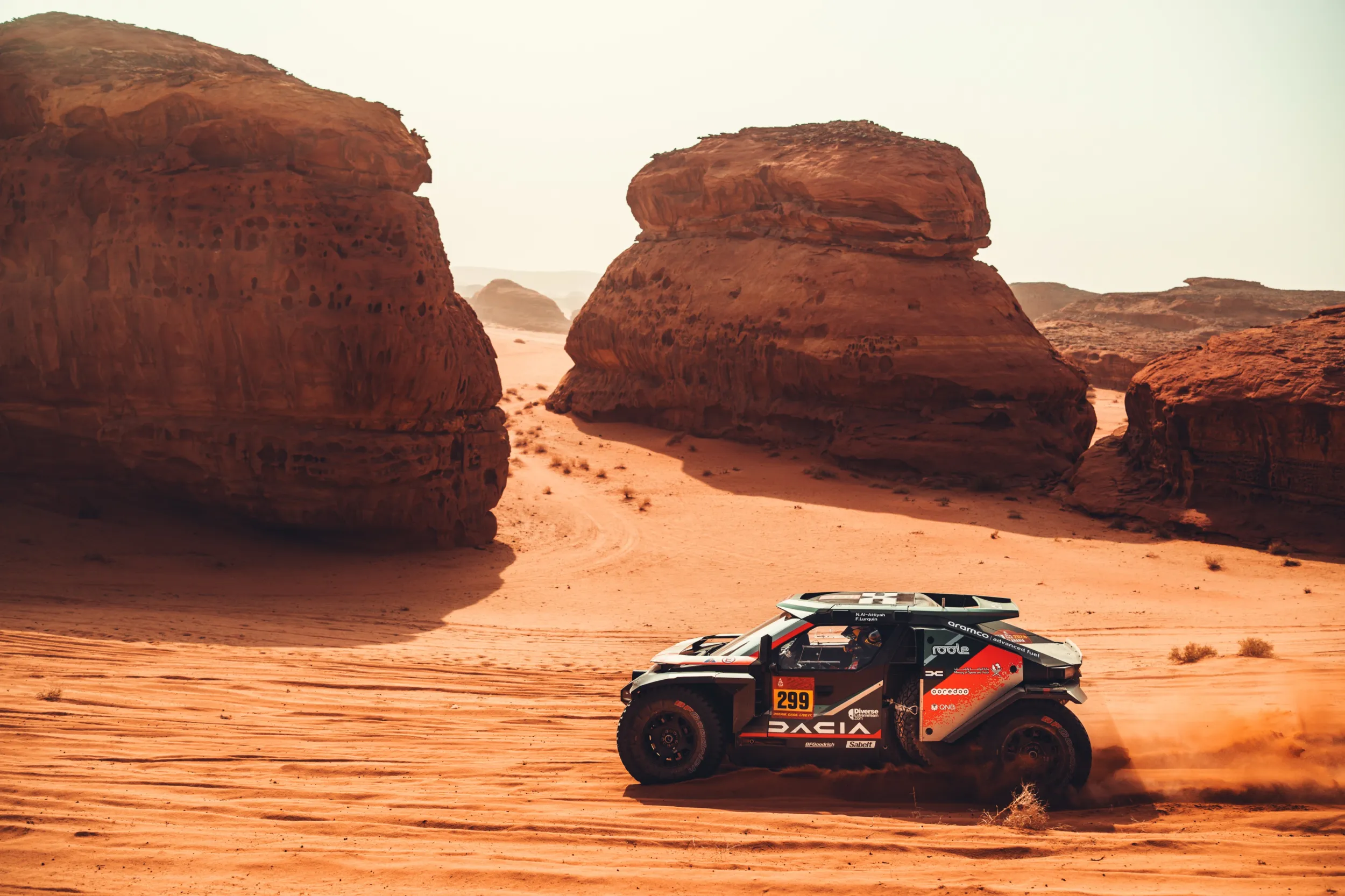
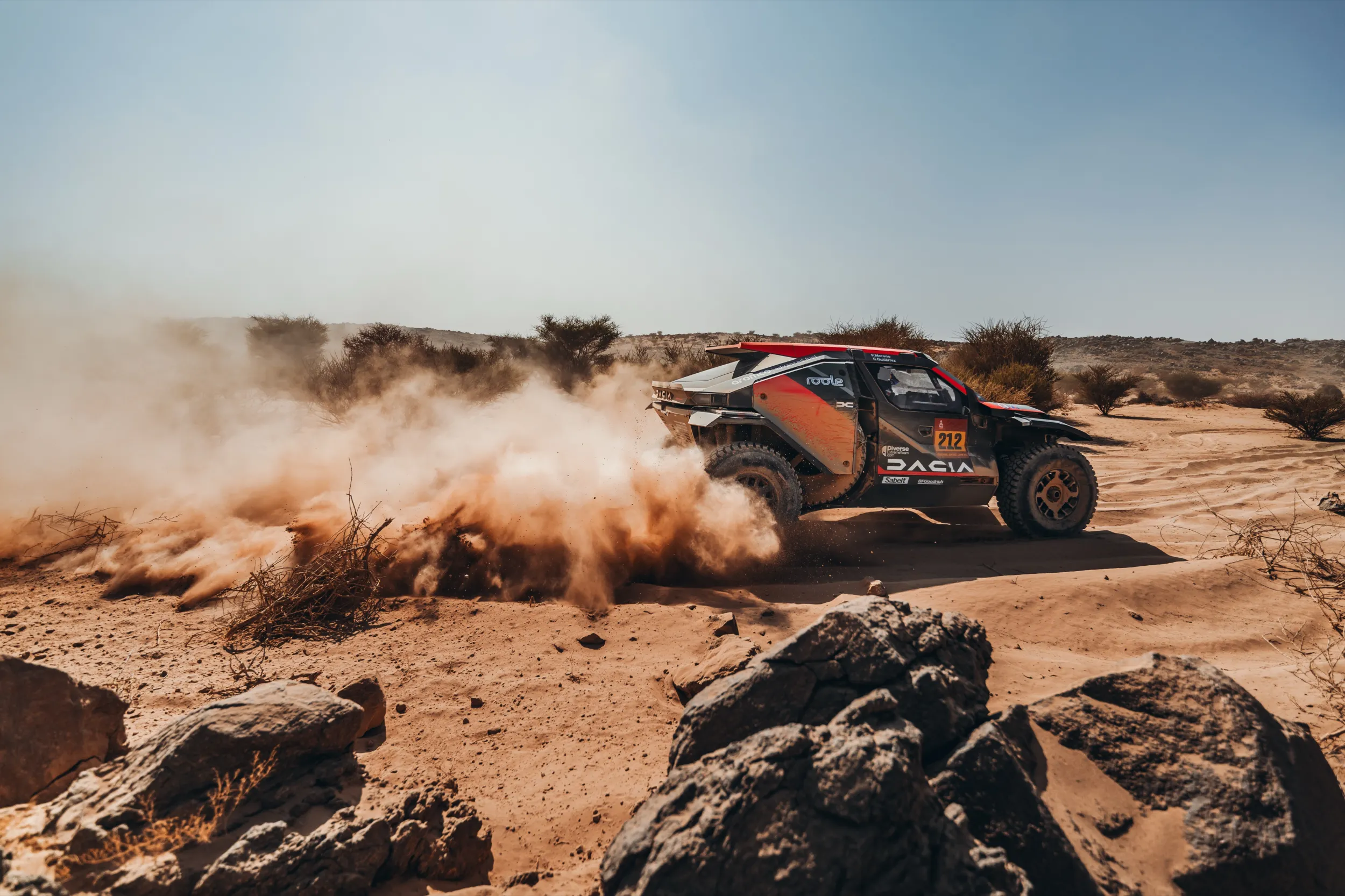
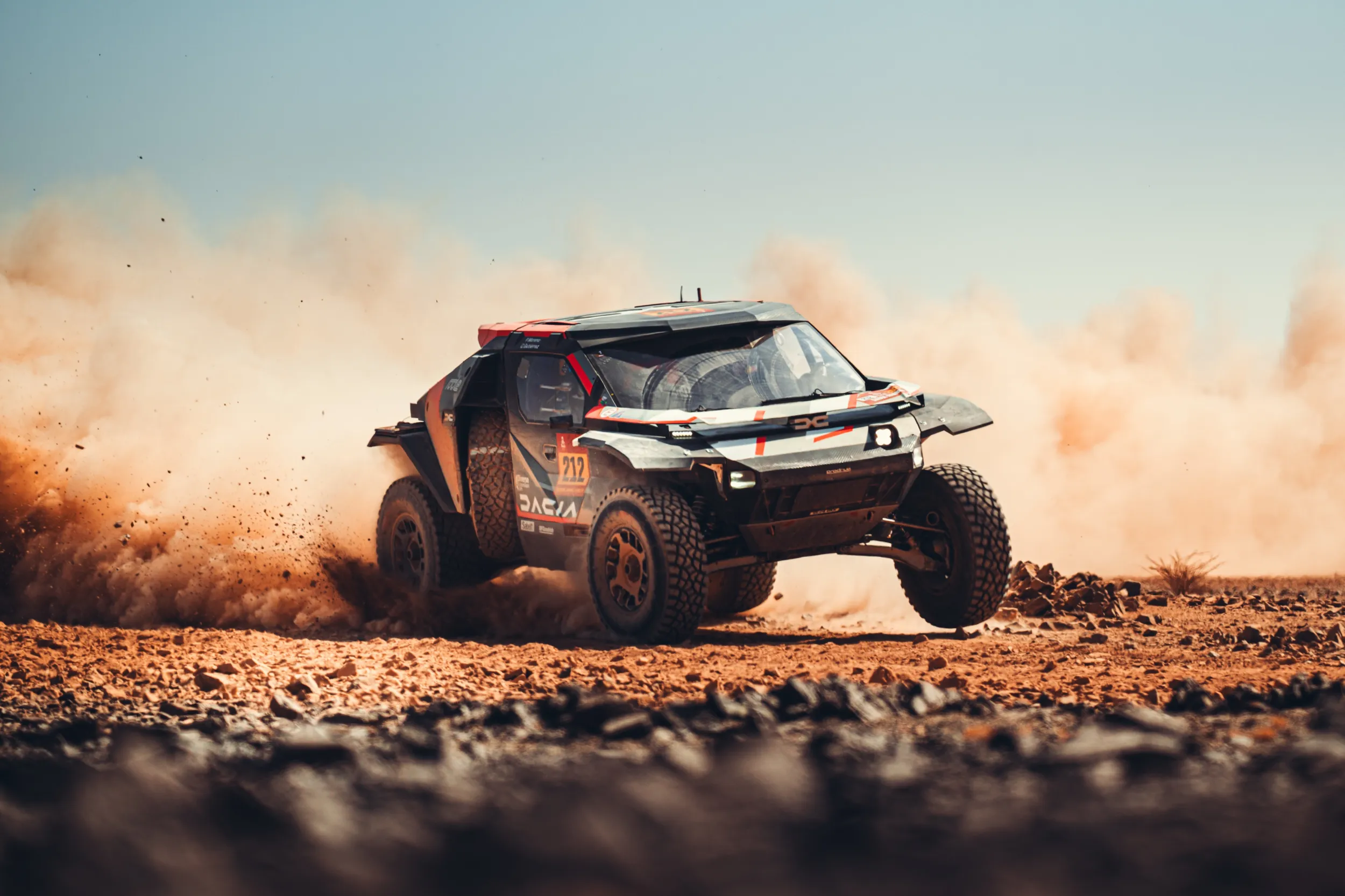
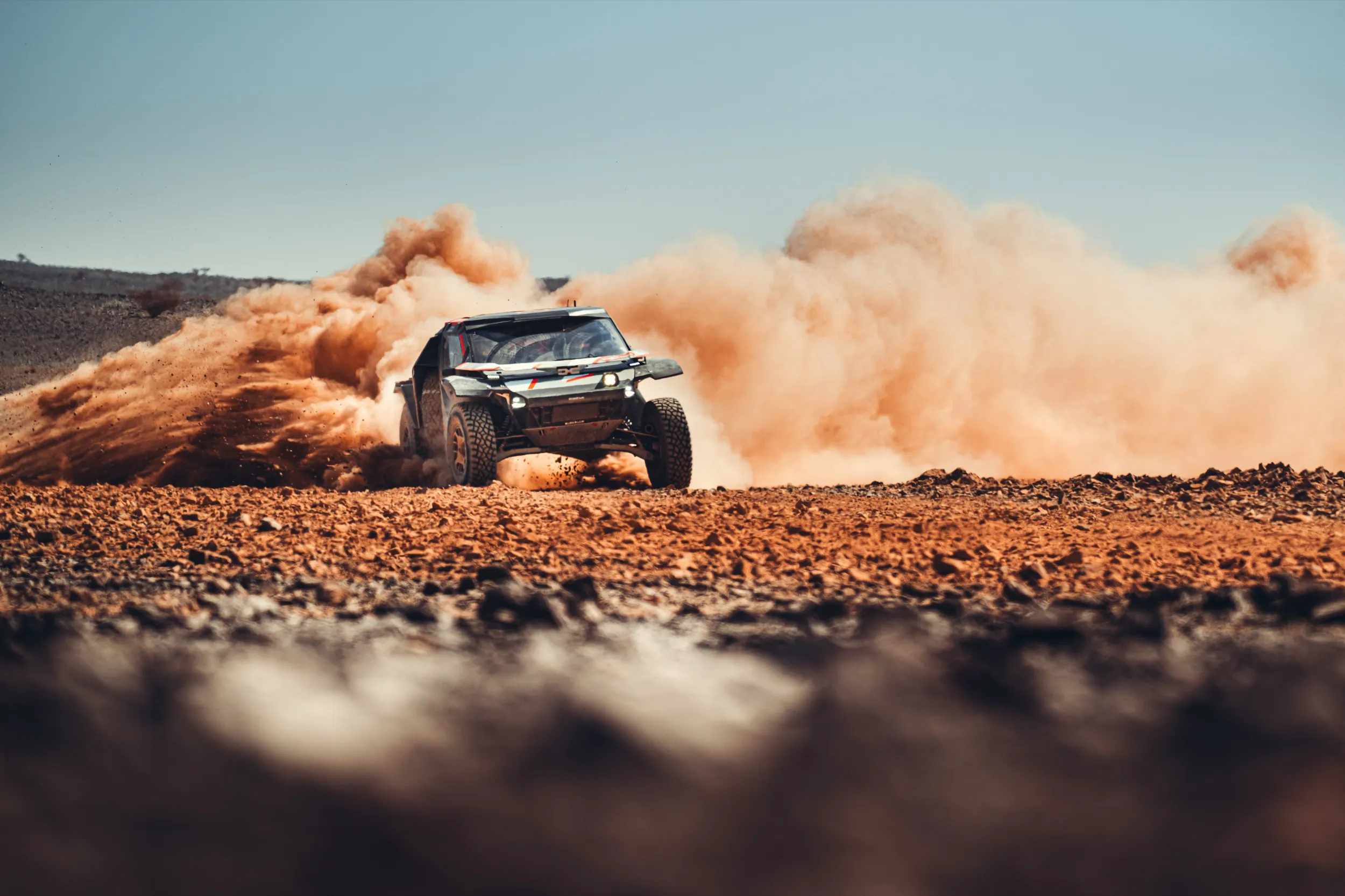
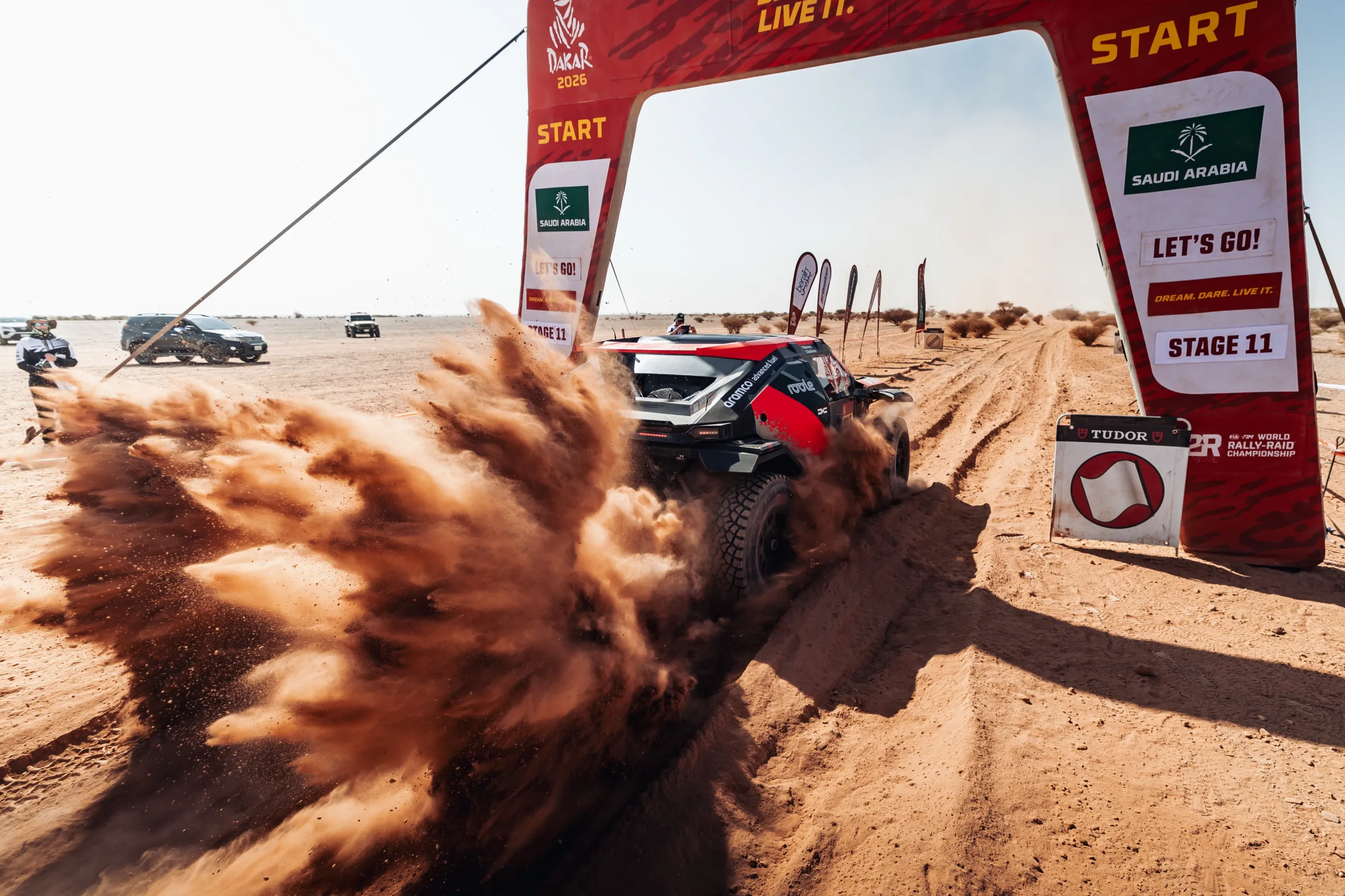
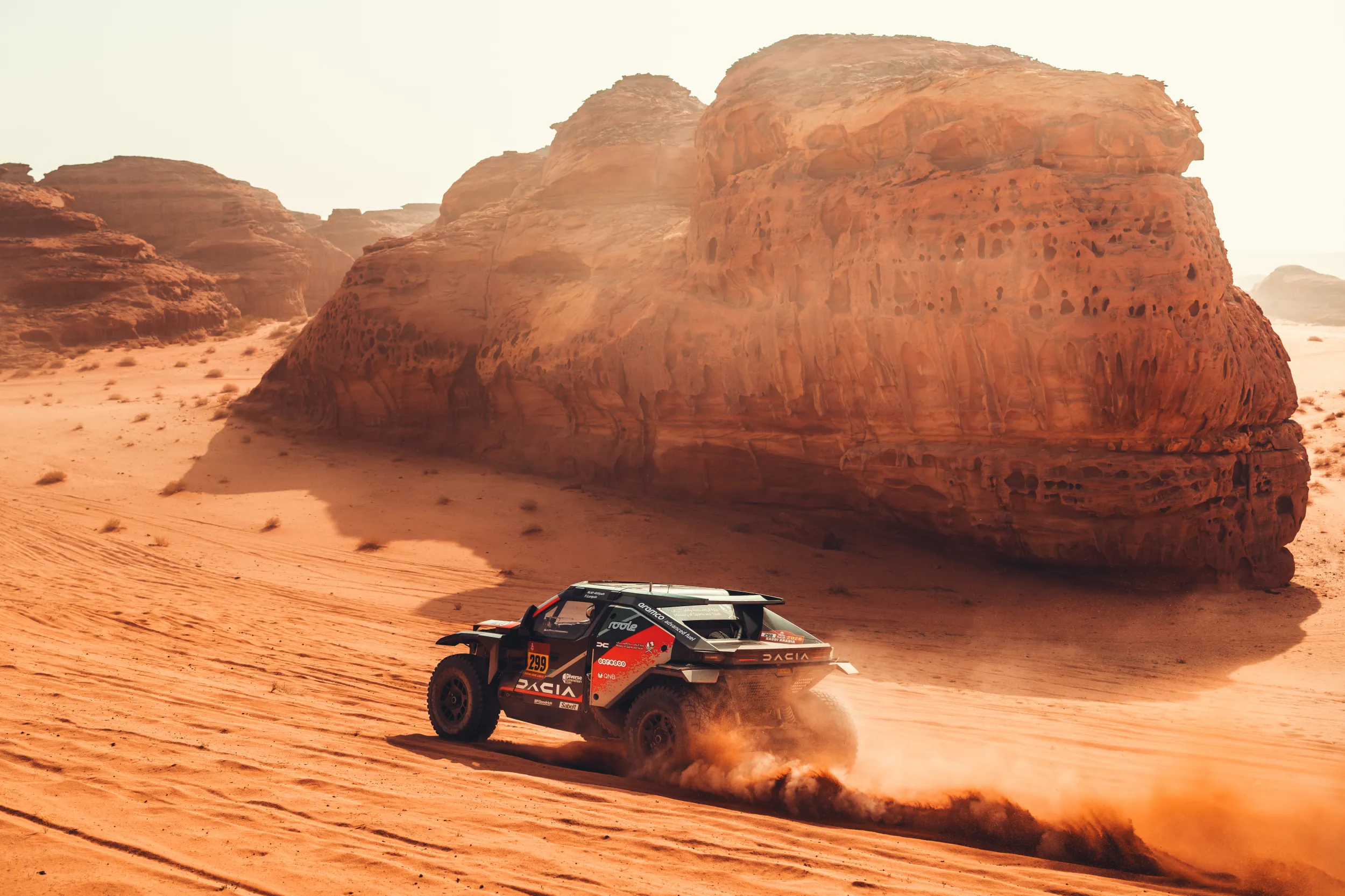
The Dacia Sandriders will soon line up for the start of the Rally Dakar 2026. Development picked up exactly where last year’s race exposed weaknesses: weight, cooling and the durability of small but decisive components. The early signs look promising. What remains is refinement rather than reinvention.
The Sandrider concept, minimalism, short overhangs and wheels pushed to the corners, already proved itself in the World Rally-Raid Championship. Podium finishes and three overall victories did not come by chance. On the eve of Dakar there was no revolution, only careful correction of what already worked. A lighter structure and more effective engine cooling directly answer the heat and punishment of extreme conditions.
New air intakes and further weight reduction follow classic rally raid logic. When thousands of kilometres are the benchmark, every degree and every gram matters. This is not innovation for its own sake but a response to problems that only appear when the pace is genuinely high.
The T1+ prototype developed with Prodrive is conservative in size at 4.1 metres long with a 3 metre wheelbase, yet it is relentlessly practical. For 2026 the upper wishbones of the front axle were reinforced. These are the details that never make posters but decide whether a car reaches the finish.
The front mid mounted 3.0 litre V6 biturbo produces 360 horsepower and 539 newton metres and runs on synthetic fuel supplied by Aramco. This so called Eco Smart approach does not turn the Sandrider green, but it proves that alternative fuel does not blunt performance. More important is that the compact packaging and weight distribution work, and keep working when heat and sand do their worst.
The cockpit follows the needs of the driver and co driver, not a design brief. Seats developed with Sabelt use an impact damping system that reduces loads above 10 G. This is not about comfort, it is insurance for the spine. Antibacterial fabrics, magnetic surfaces to hold loose nuts and a carbon panel that reflects infrared radiation do not make the car prettier. They make it more usable.
Dacia will field four cars at Dakar. Alongside Nasser Al-Attiyah and Sébastien Loeb come Cristina Gutiérrez, Lucas Moraes and Dennis Zenz. Long rallies demand depth and backup. Dakar rewards preparation, not bravado.
New air intakes and further weight reduction follow classic rally raid logic. When thousands of kilometres are the benchmark, every degree and every gram matters. This is not innovation for its own sake but a response to problems that only appear when the pace is genuinely high.
The T1+ prototype developed with Prodrive is conservative in size at 4.1 metres long with a 3 metre wheelbase, yet it is relentlessly practical. For 2026 the upper wishbones of the front axle were reinforced. These are the details that never make posters but decide whether a car reaches the finish.
The front mid mounted 3.0 litre V6 biturbo produces 360 horsepower and 539 newton metres and runs on synthetic fuel supplied by Aramco. This so called Eco Smart approach does not turn the Sandrider green, but it proves that alternative fuel does not blunt performance. More important is that the compact packaging and weight distribution work, and keep working when heat and sand do their worst.
The cockpit follows the needs of the driver and co driver, not a design brief. Seats developed with Sabelt use an impact damping system that reduces loads above 10 G. This is not about comfort, it is insurance for the spine. Antibacterial fabrics, magnetic surfaces to hold loose nuts and a carbon panel that reflects infrared radiation do not make the car prettier. They make it more usable.
Dacia will field four cars at Dakar. Alongside Nasser Al-Attiyah and Sébastien Loeb come Cristina Gutiérrez, Lucas Moraes and Dennis Zenz. Long rallies demand depth and backup. Dakar rewards preparation, not bravado.


