
Renault Filante Record 2025: 1,000 Kilometres Without Recharging
 1/10
1/10
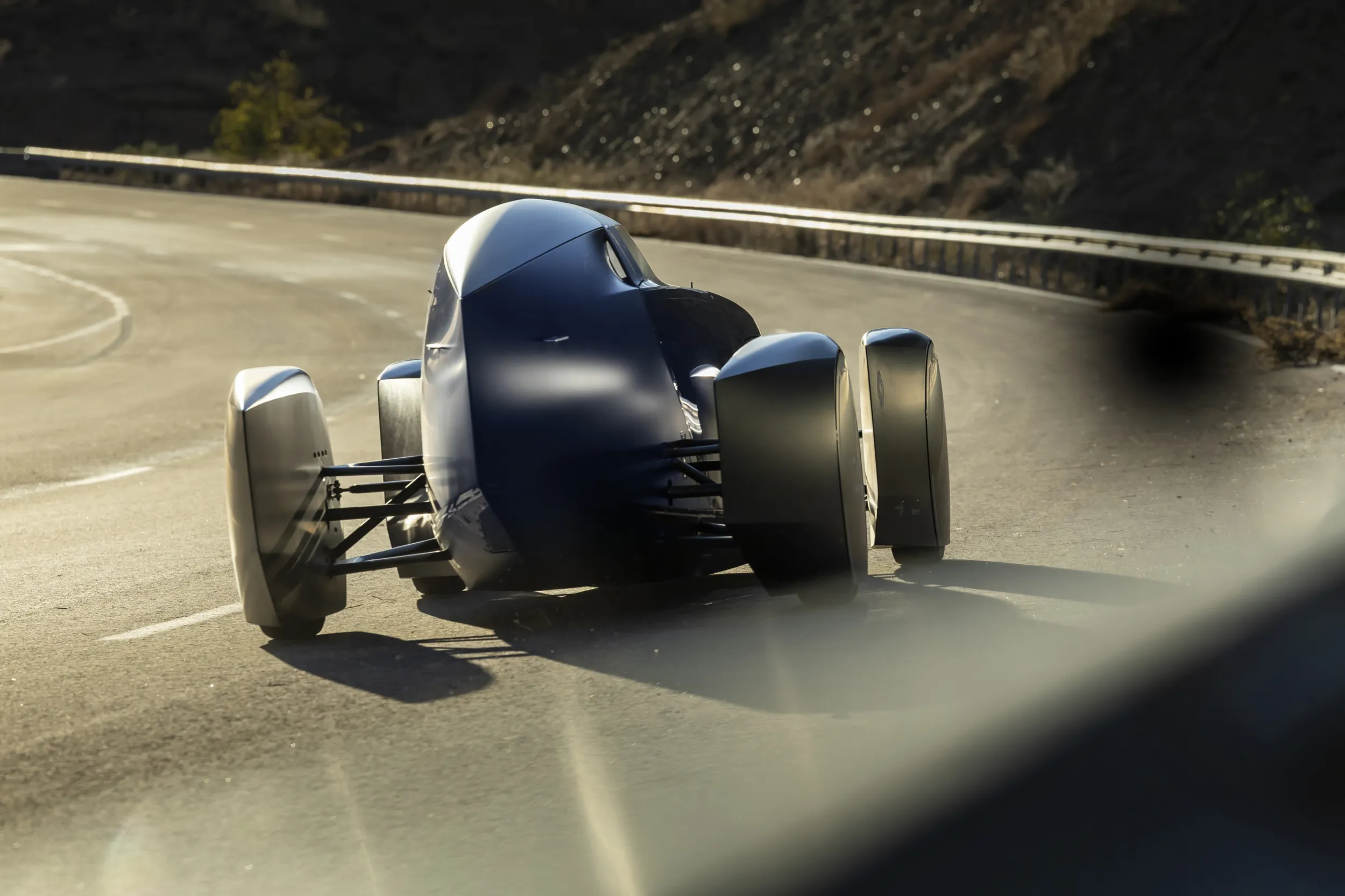
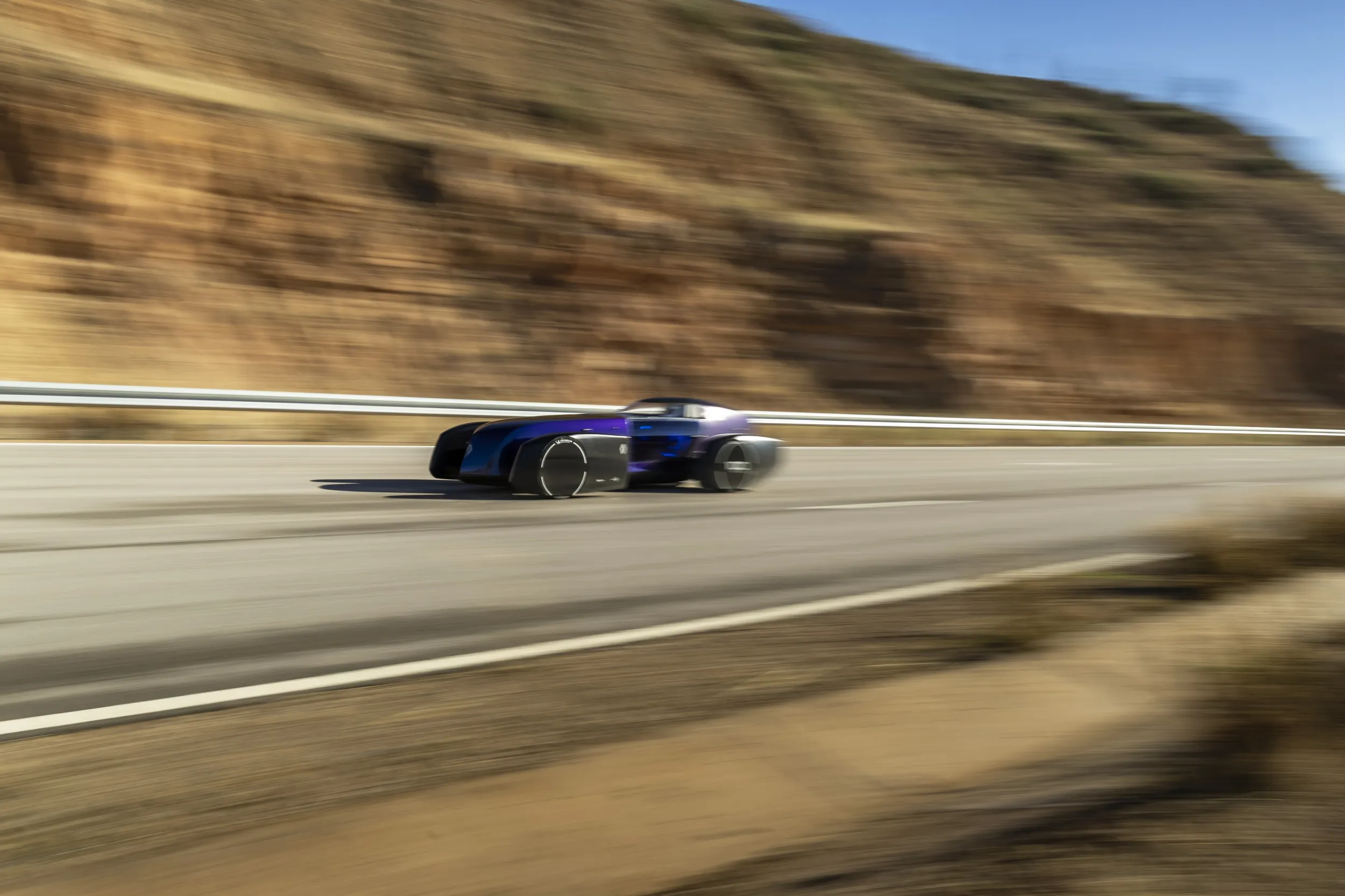
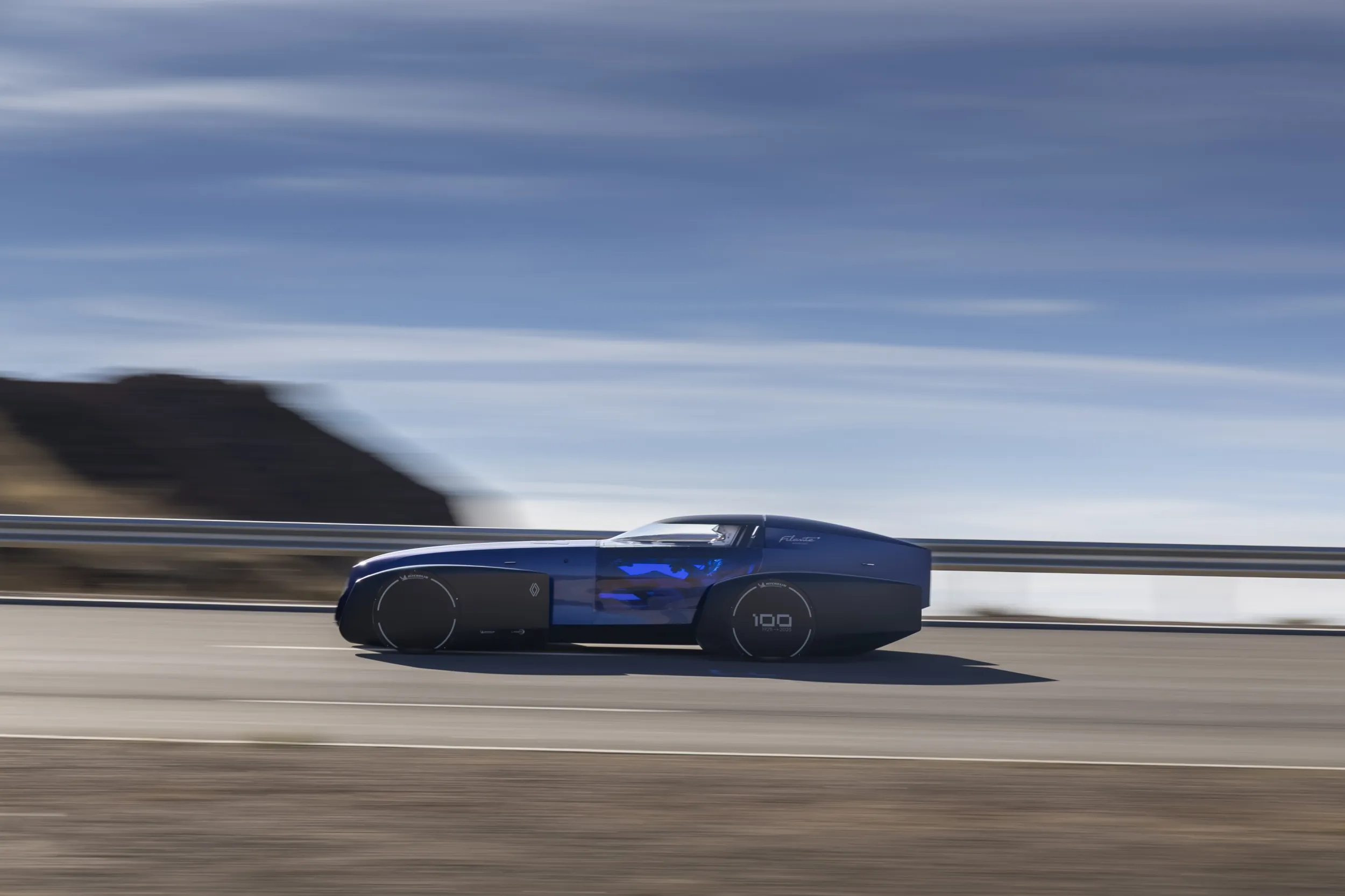
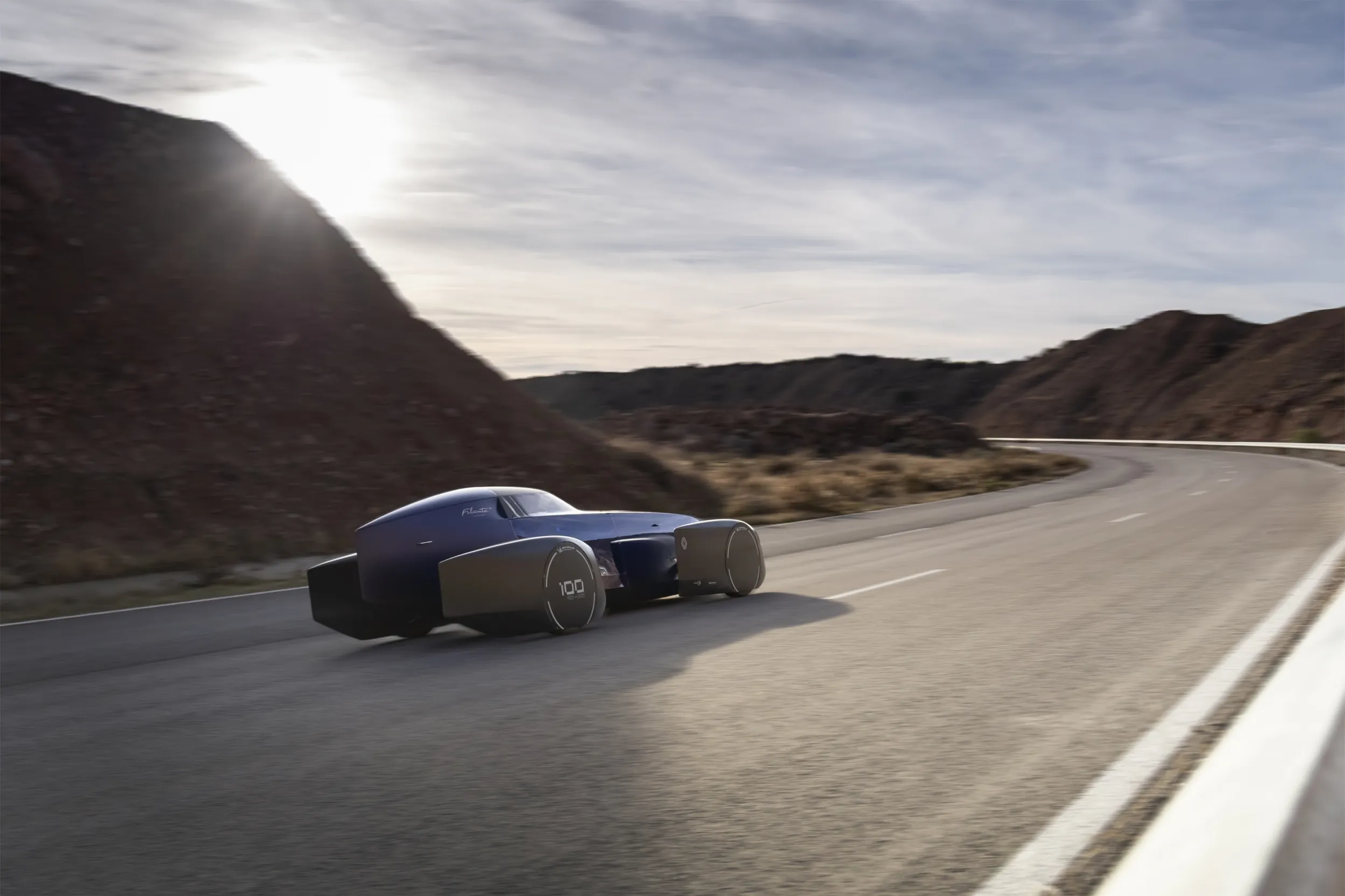
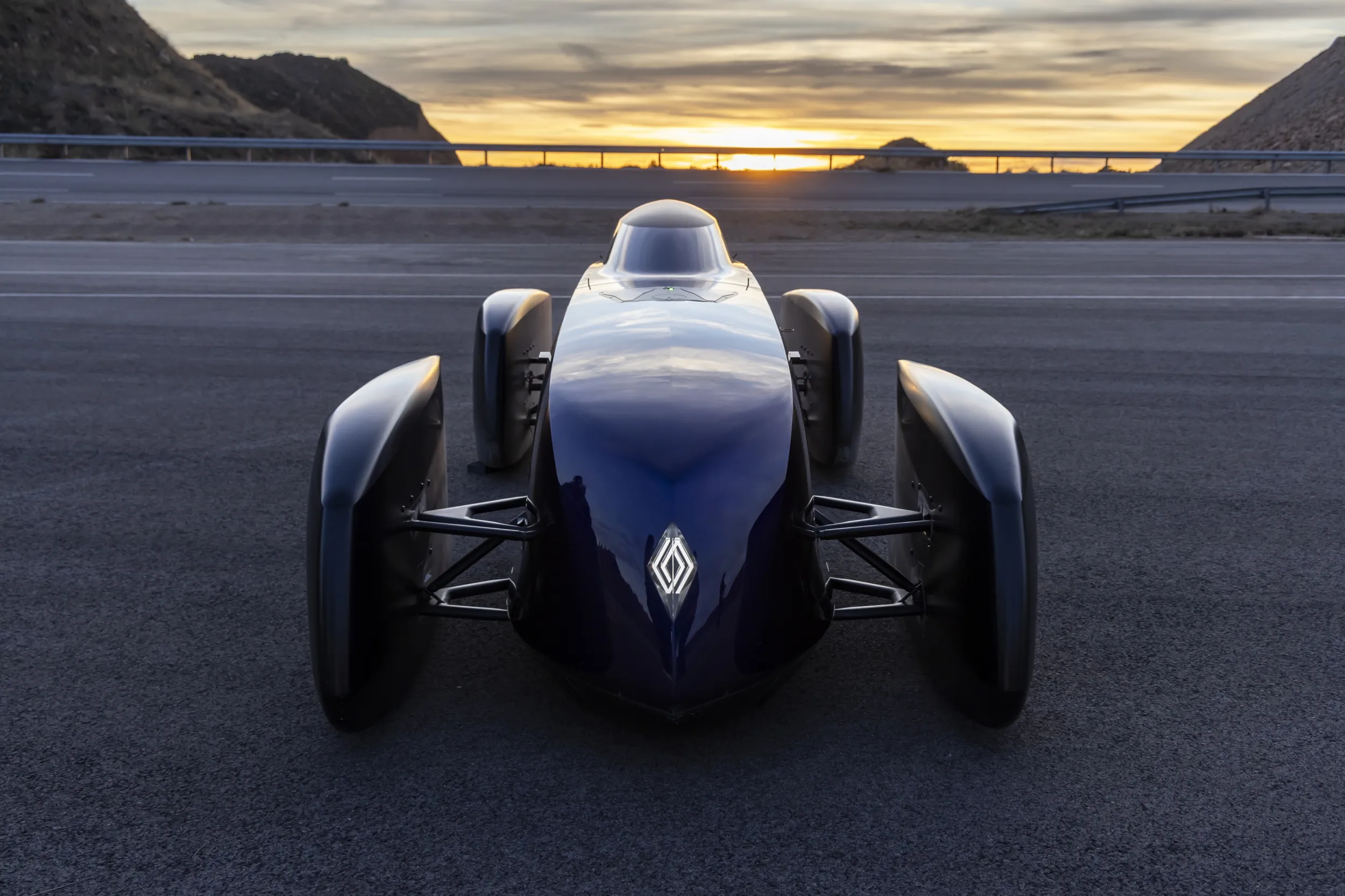
At the end of the year, Renault revealed something the electric car world usually only promises. The Filante Record 2025 covered more than 1,000 kilometres at an average speed above 100 kilometres per hour, using a battery no larger than the one found in a production car. This was not a laboratory trick or a 30 kilometre per hour eco crawl. It was a demonstration that forces efficiency to be taken seriously.
On 18 December 2025, the Renault Filante Record 2025 drove 1,008 kilometres in less than ten hours. Average speed reached 102 kilometres per hour, while energy consumption stayed at 7.8 kilowatt hours per 100 kilometres. Battery capacity stood at 87 kilowatt hours, exactly the same as in the Renault Scenic E-Tech Electric. No recharging took place.
At the finish, 11 percent of the battery remained. That would have allowed more than 120 additional kilometres at speeds still above 100 kilometres per hour. This detail matters, because the goal was not to drain the battery dry but to demonstrate what could be achieved with a margin in hand.
The attempt took place at the UTAC test track in Morocco. An earlier run planned in France was cancelled in autumn due to the weather. This was a technical exercise where conditions mattered. The brief was clear.
A standard battery.
An average speed above 110 kilometres per hour.
More than 1,000 kilometres in under ten hours.
Meeting those targets meant pushing every efficiency lever to its limit, aerodynamics, mass and material use. Filante Record 2025 weighs just 1,000 kilograms. In the context of modern electric cars, that alone is a statement.
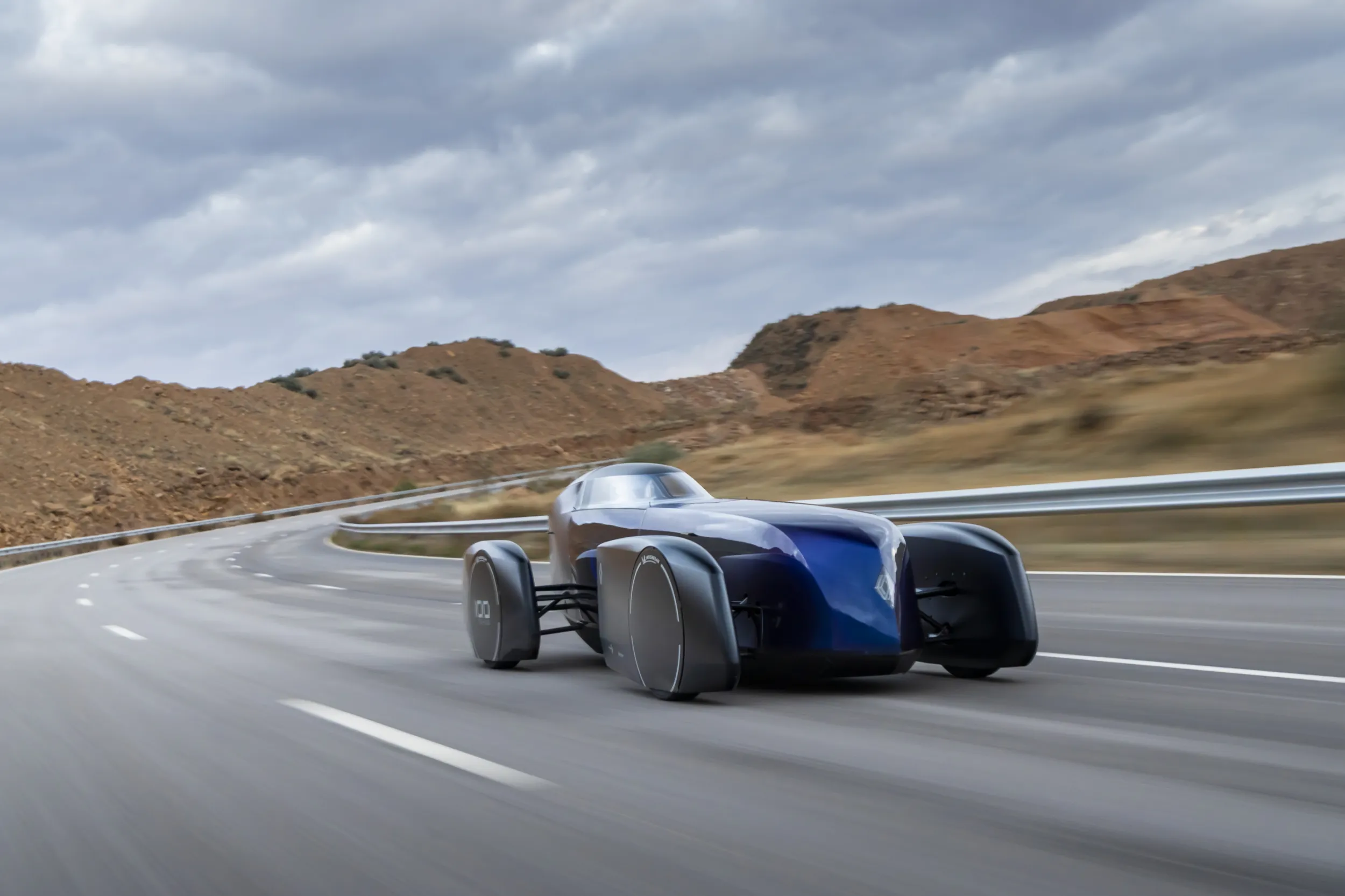
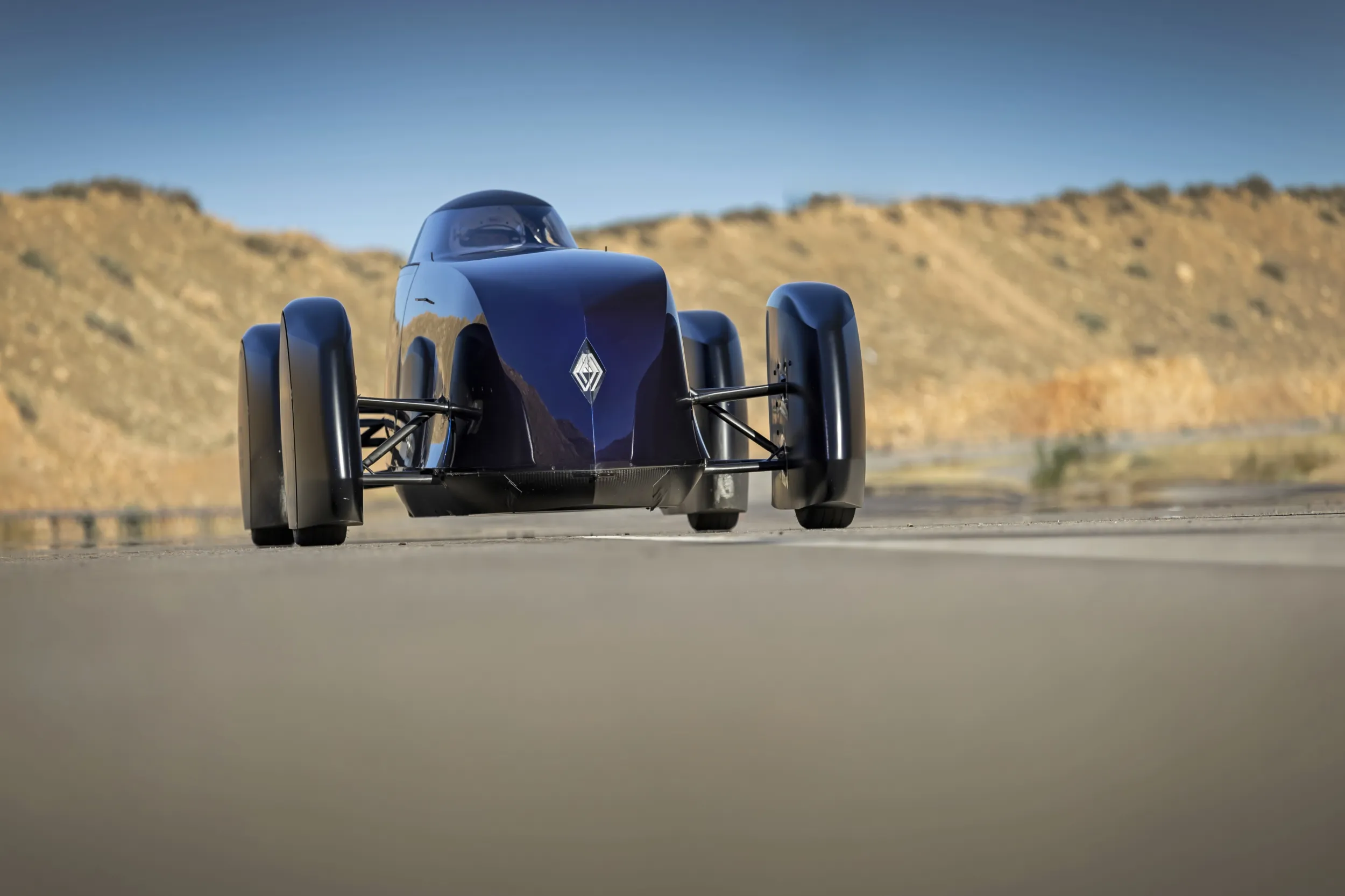
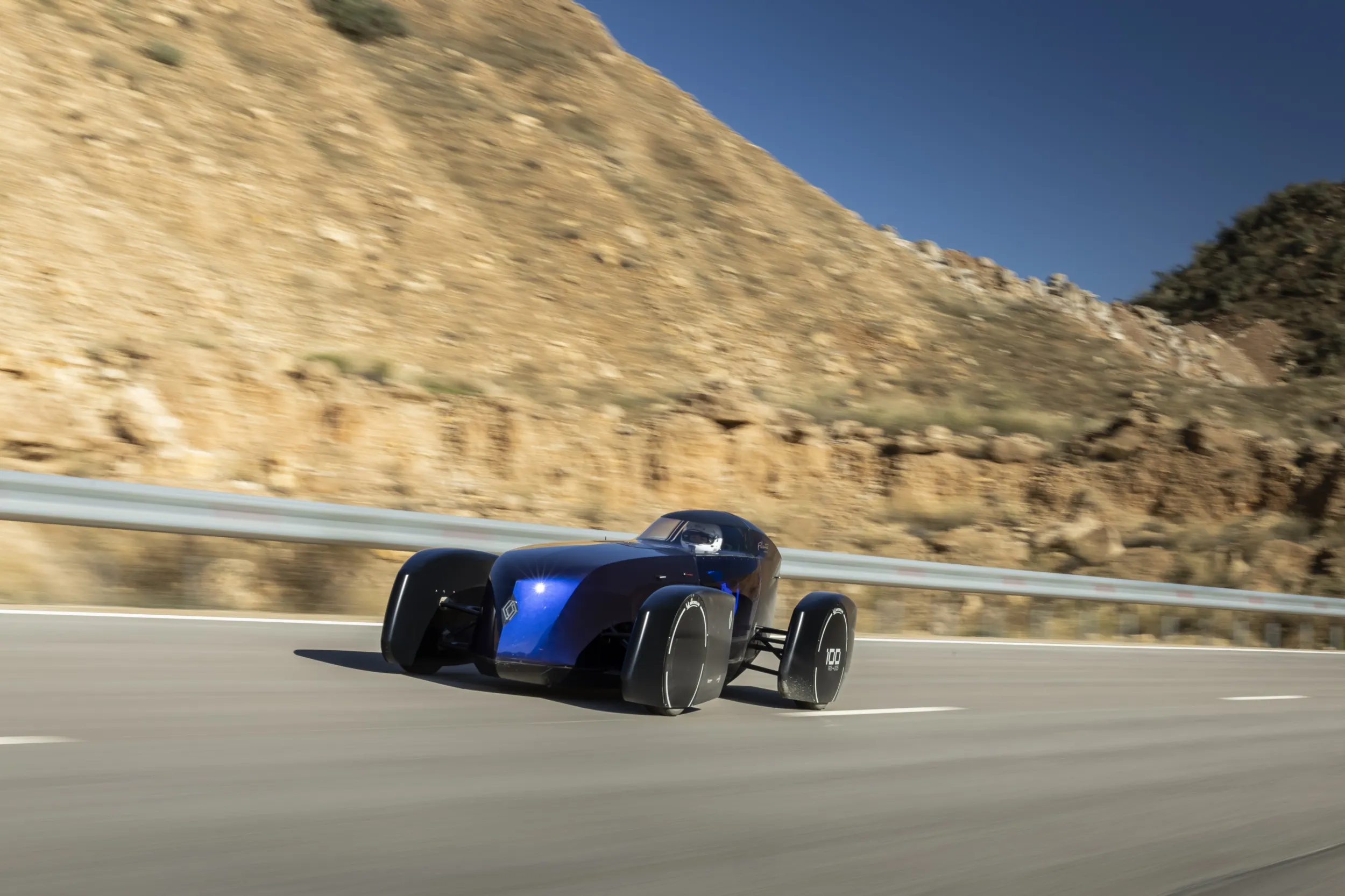
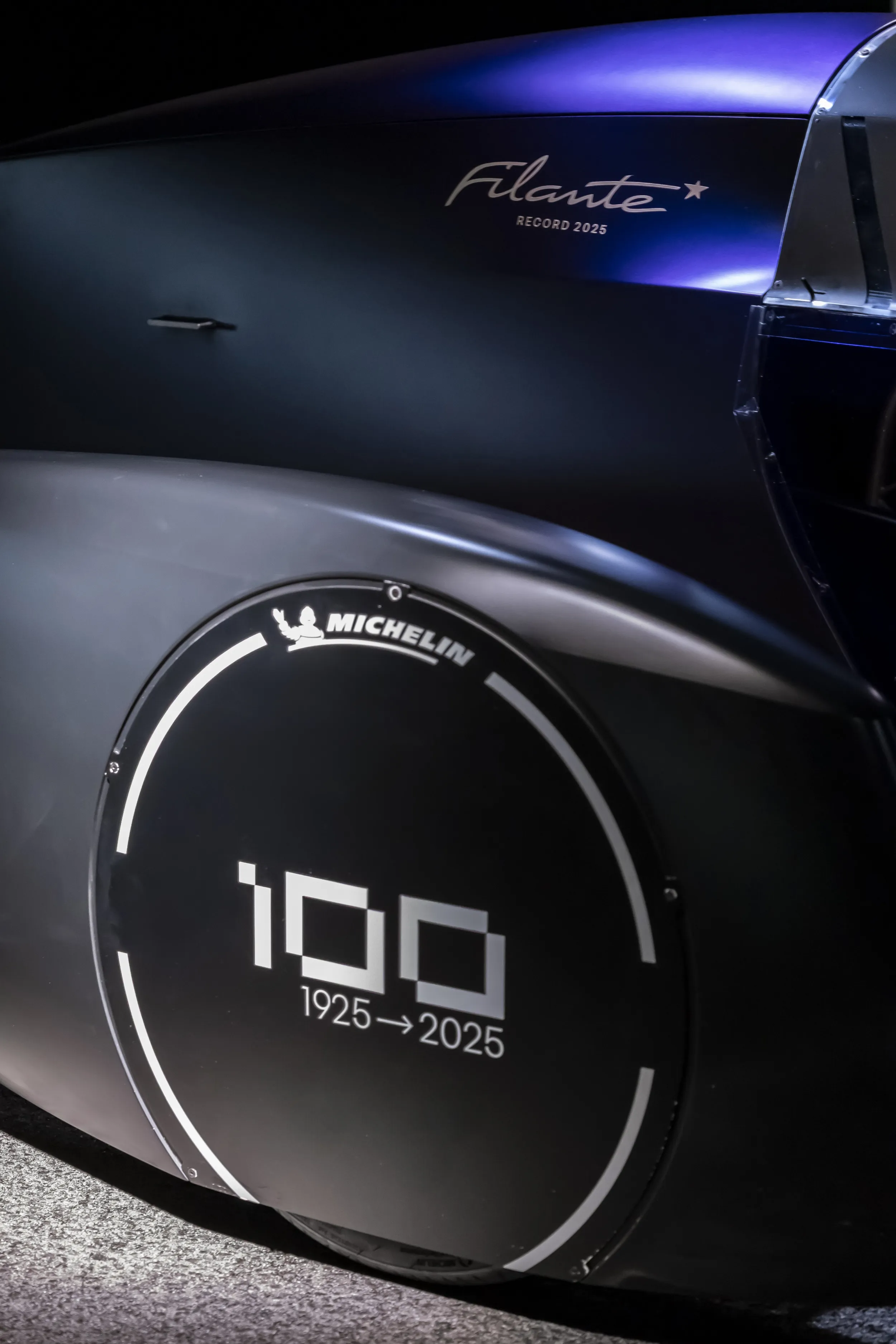
Spring wind tunnel testing forced a comprehensive redraw of the car. Wheel covers were redesigned and fixed directly to the wheels to reduce turbulence. Air intakes were cut to the bare minimum. The central section stayed largely unchanged, it was already clean enough. The final form is not futuristic styling for its own sake but an aerodynamic tool. Filante does not try to look beautiful. It tries not to disturb the air.
Filante Record 2025 is effectively a rolling laboratory. It uses fully electronic steering and braking systems, steer by wire and brake by wire, ultra light materials such as carbon fibre, aluminium alloys and 3D printed Scalmalloy, and component shapes that place material only where it is absolutely necessary.
Special low rolling resistance tyres developed specifically for this car by Michelin matter just as much as the body shape. Efficiency does not come from one grand solution but from dozens of small ones. From the start, the guiding principle was singular, minimal energy consumption. Everything else followed.
Nine hours and 52 minutes of circulating a test track is not glamorous. It demands discipline, focus and constant pressure, with no room for mistakes.
Filante Record 2025 is not a production car and never will be. But its results feed directly into the development of Renault’s next generation of electric models. The record proves that long distances on electric power are possible at real road speeds, not only under ideal conditions or in theoretical calculations.
It does not mean every problem is solved. It does mean the limit of electric car efficiency is not where marketing has drawn it so far, but where engineers are actually able to reach.
At the finish, 11 percent of the battery remained. That would have allowed more than 120 additional kilometres at speeds still above 100 kilometres per hour. This detail matters, because the goal was not to drain the battery dry but to demonstrate what could be achieved with a margin in hand.
The attempt took place at the UTAC test track in Morocco. An earlier run planned in France was cancelled in autumn due to the weather. This was a technical exercise where conditions mattered. The brief was clear.
A standard battery.
An average speed above 110 kilometres per hour.
More than 1,000 kilometres in under ten hours.
Meeting those targets meant pushing every efficiency lever to its limit, aerodynamics, mass and material use. Filante Record 2025 weighs just 1,000 kilograms. In the context of modern electric cars, that alone is a statement.
Spring wind tunnel testing forced a comprehensive redraw of the car. Wheel covers were redesigned and fixed directly to the wheels to reduce turbulence. Air intakes were cut to the bare minimum. The central section stayed largely unchanged, it was already clean enough. The final form is not futuristic styling for its own sake but an aerodynamic tool. Filante does not try to look beautiful. It tries not to disturb the air.
Filante Record 2025 is effectively a rolling laboratory. It uses fully electronic steering and braking systems, steer by wire and brake by wire, ultra light materials such as carbon fibre, aluminium alloys and 3D printed Scalmalloy, and component shapes that place material only where it is absolutely necessary.
Special low rolling resistance tyres developed specifically for this car by Michelin matter just as much as the body shape. Efficiency does not come from one grand solution but from dozens of small ones. From the start, the guiding principle was singular, minimal energy consumption. Everything else followed.
Nine hours and 52 minutes of circulating a test track is not glamorous. It demands discipline, focus and constant pressure, with no room for mistakes.
Filante Record 2025 is not a production car and never will be. But its results feed directly into the development of Renault’s next generation of electric models. The record proves that long distances on electric power are possible at real road speeds, not only under ideal conditions or in theoretical calculations.
It does not mean every problem is solved. It does mean the limit of electric car efficiency is not where marketing has drawn it so far, but where engineers are actually able to reach.


