
New Kia Stonic Facelift: More Screens, the Same Sized Ambition
 1/98
1/98
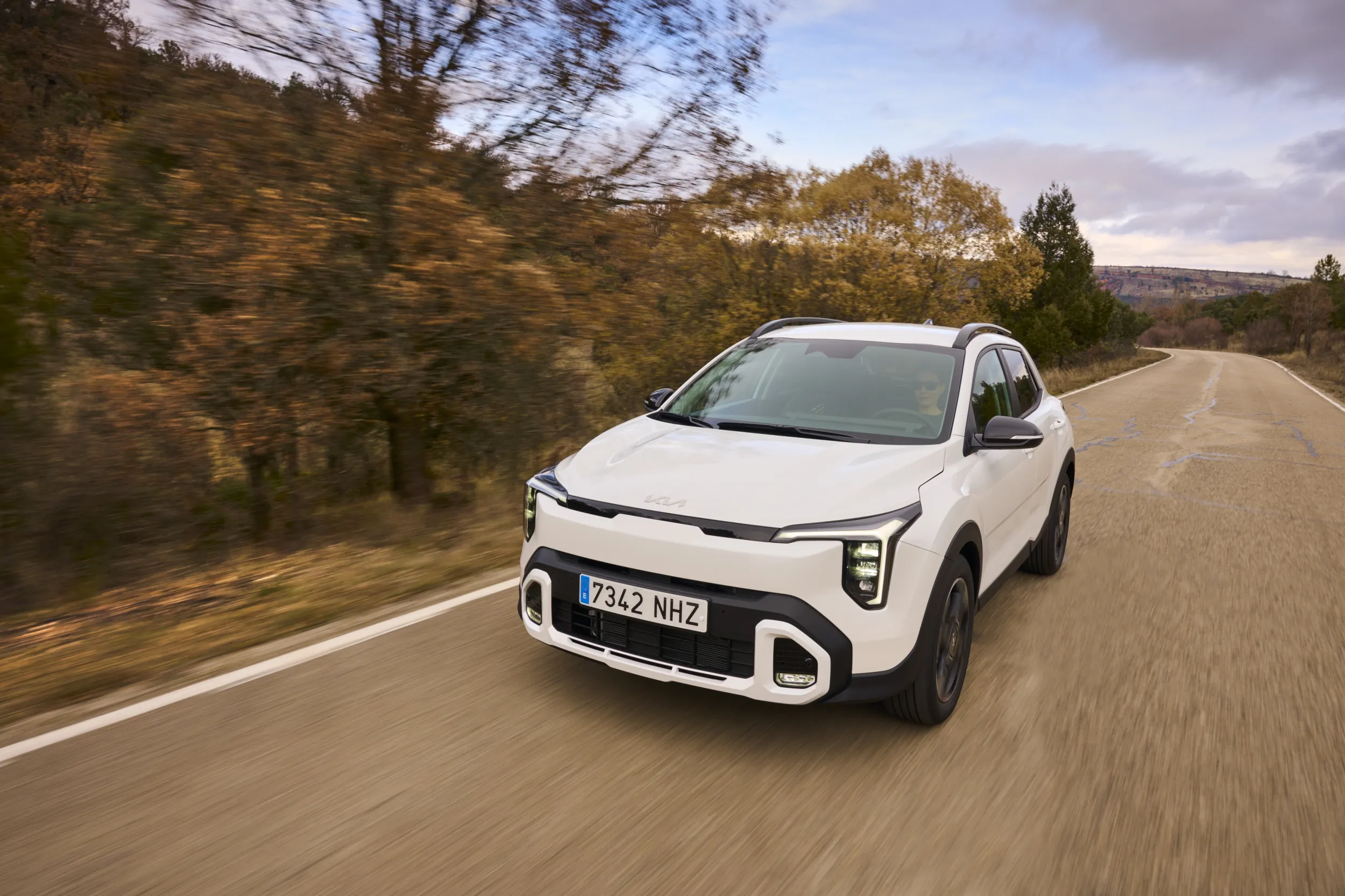
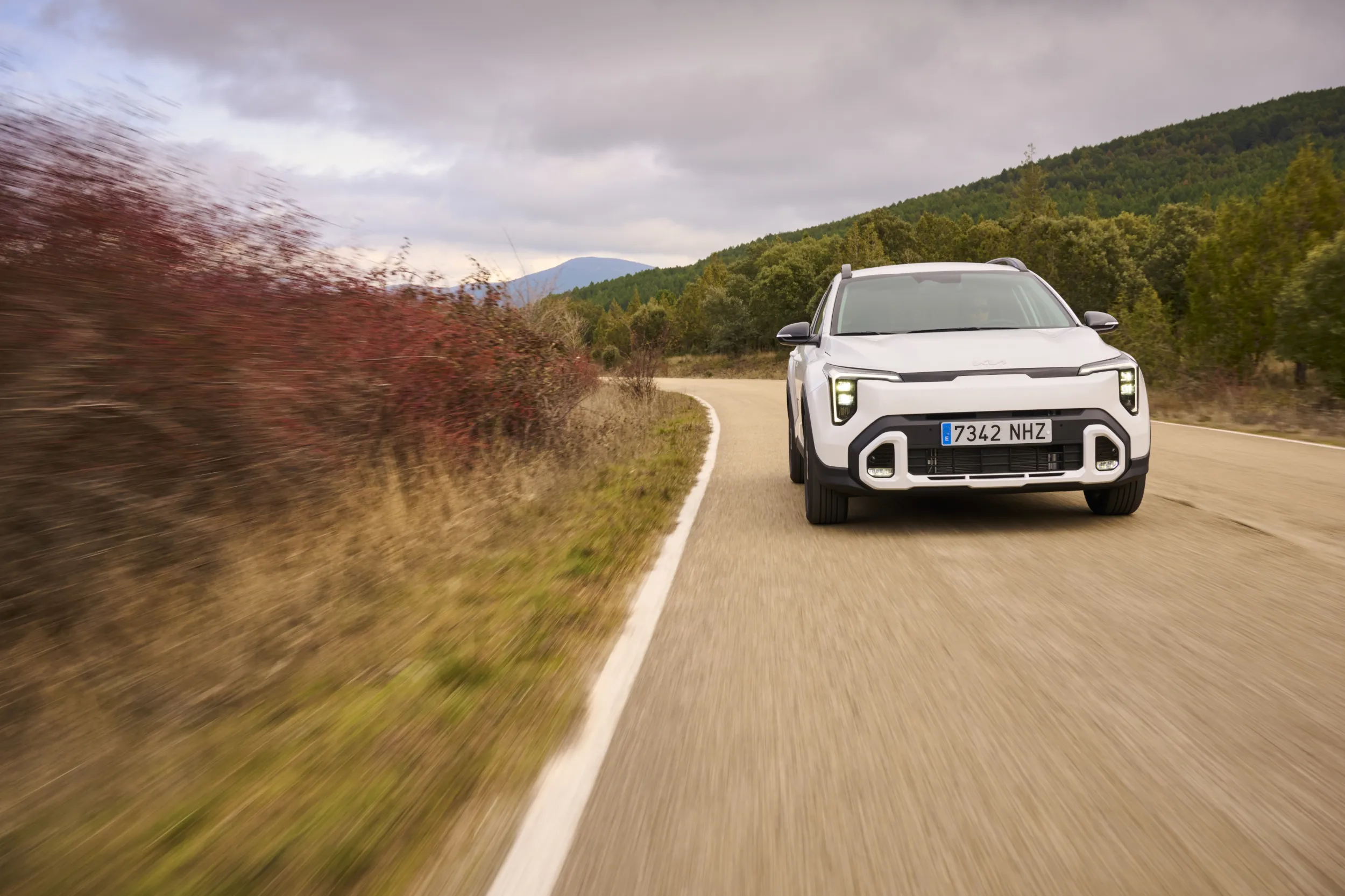
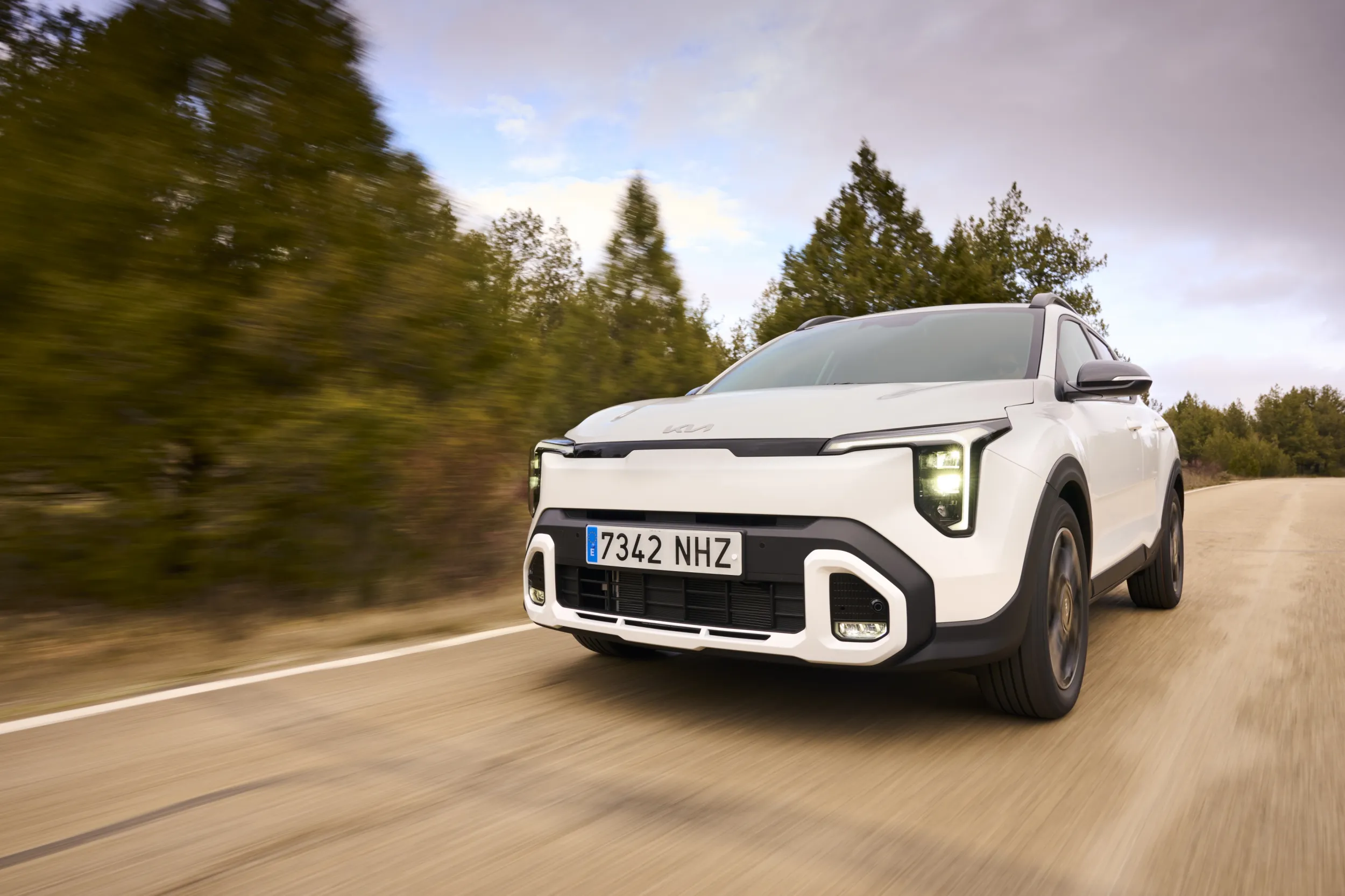
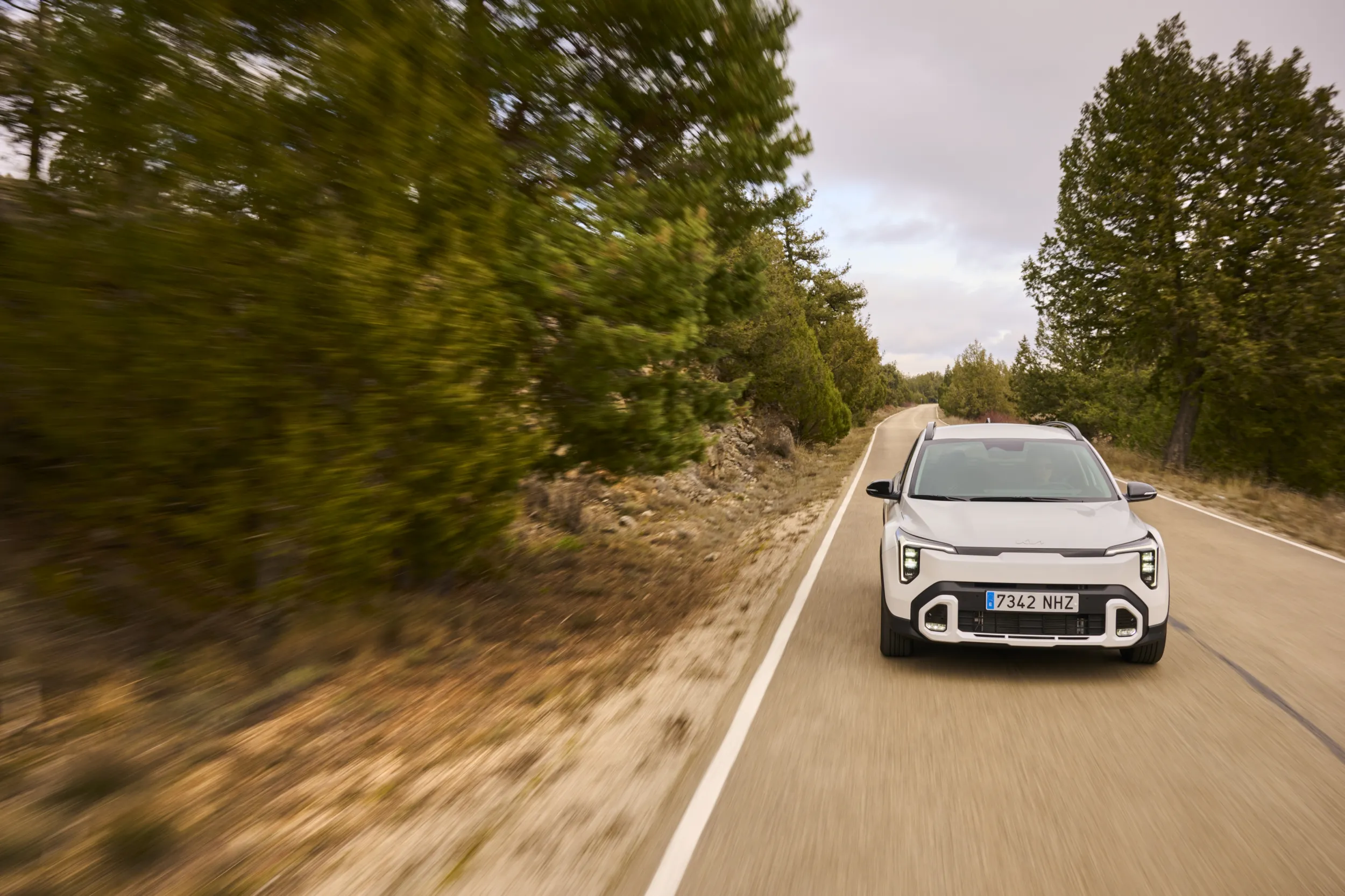
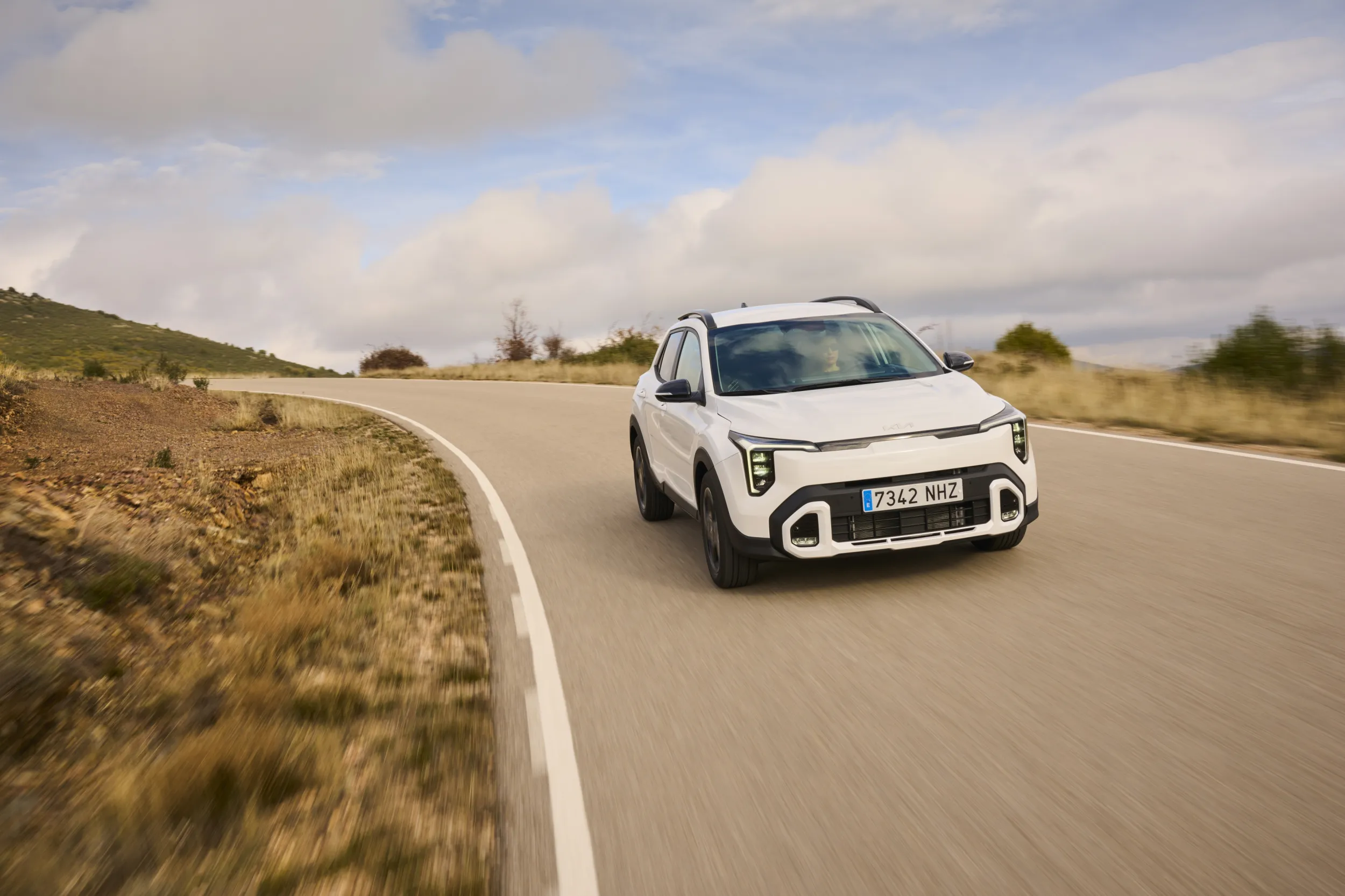
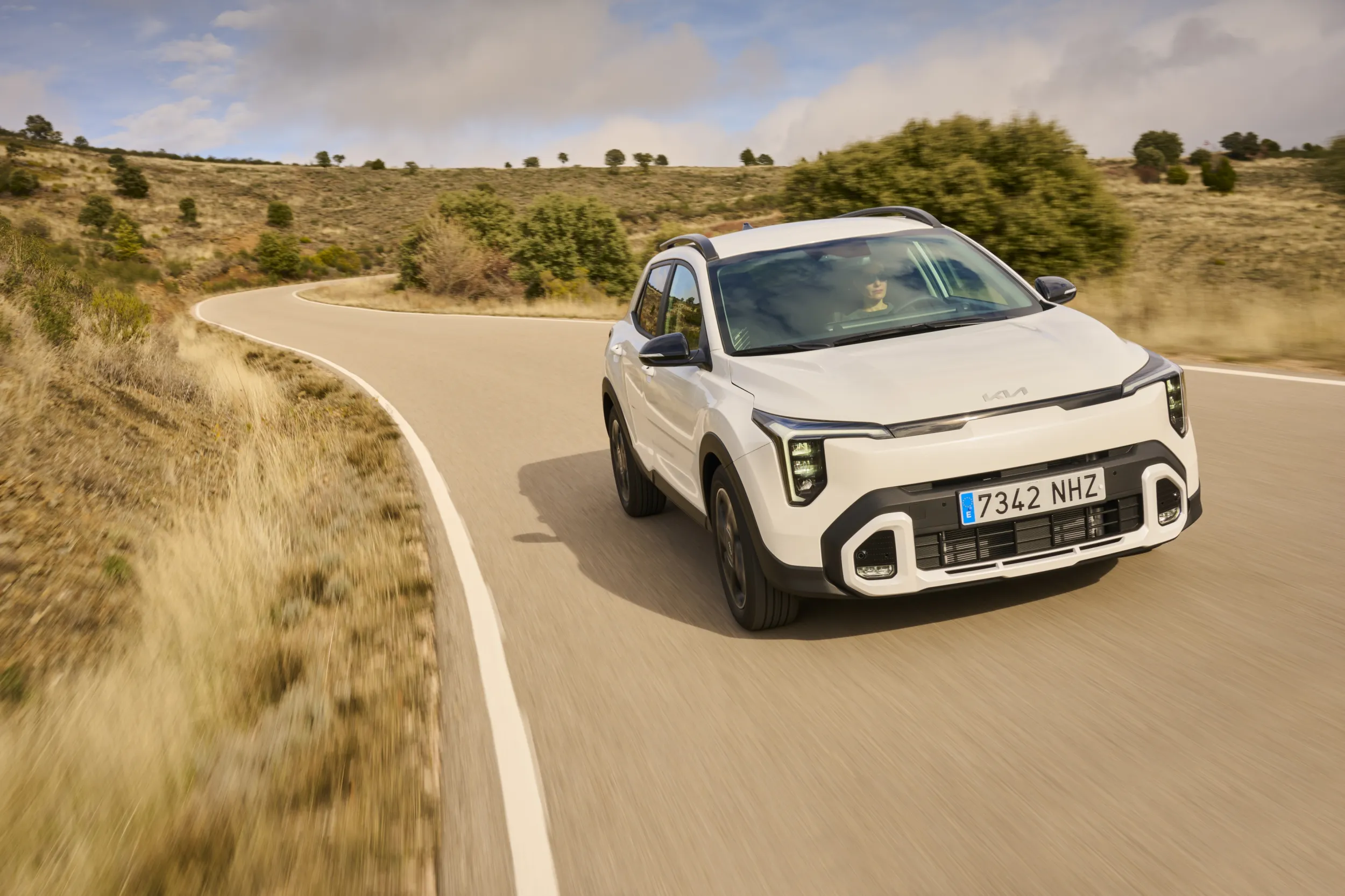
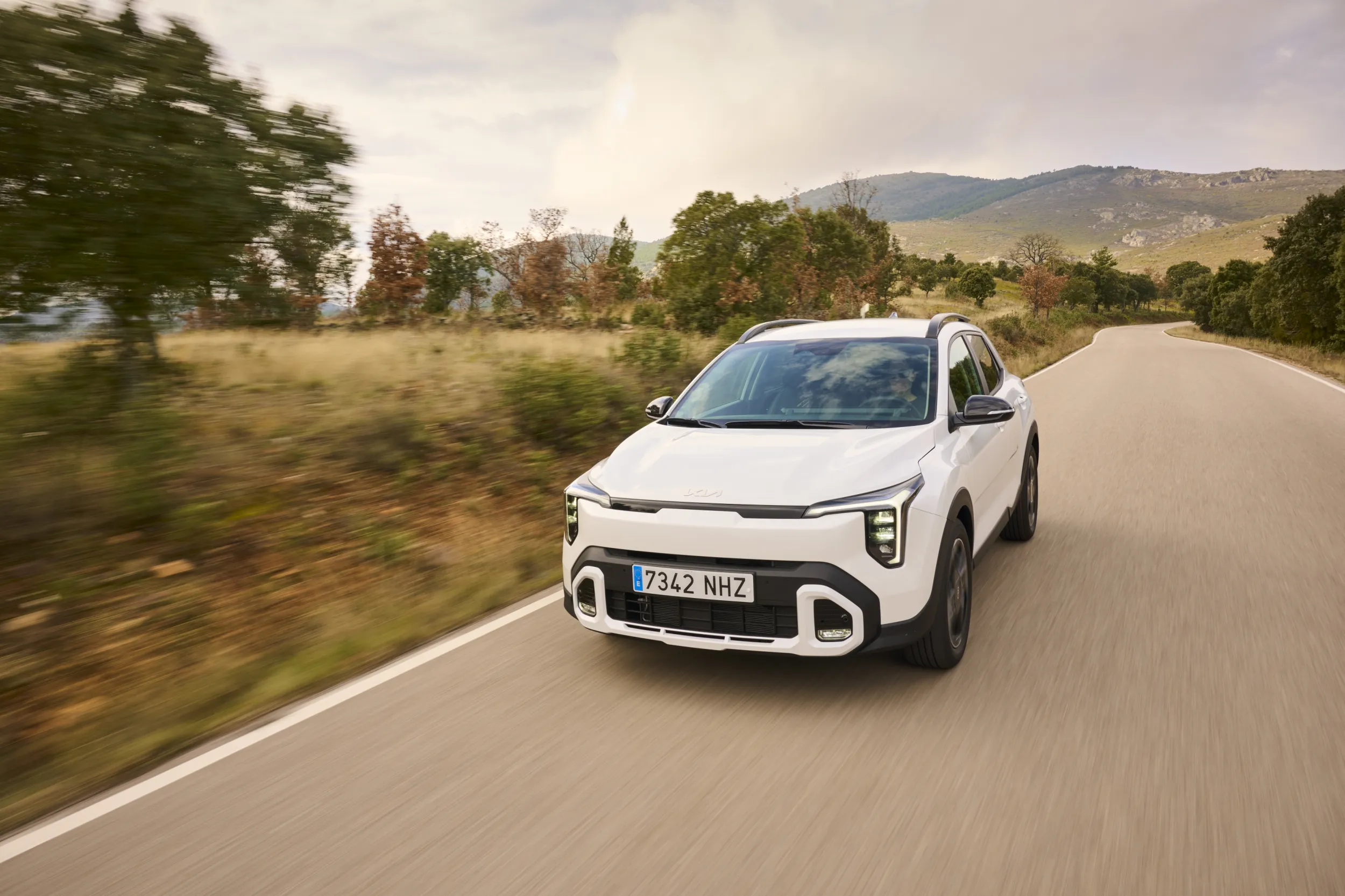
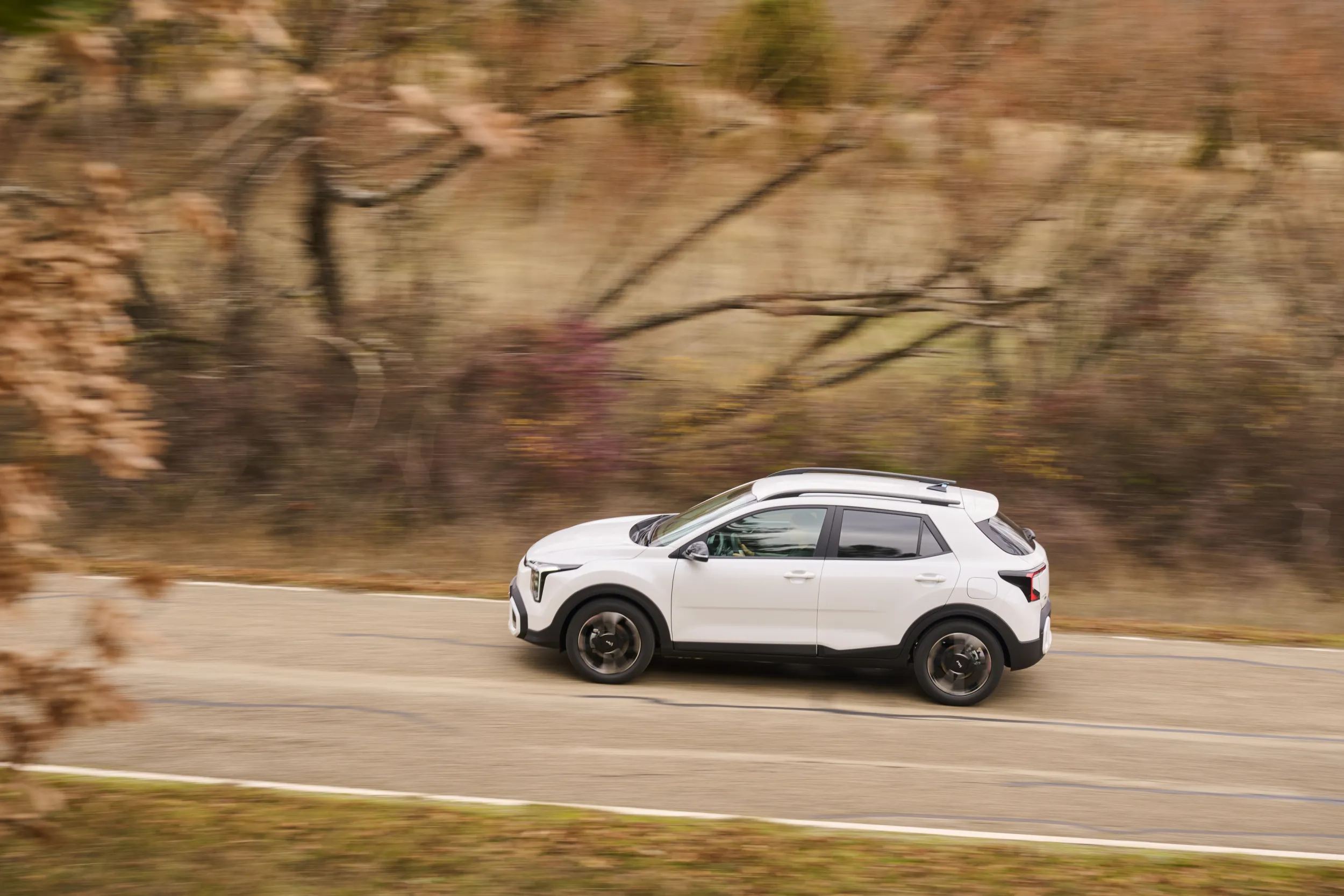
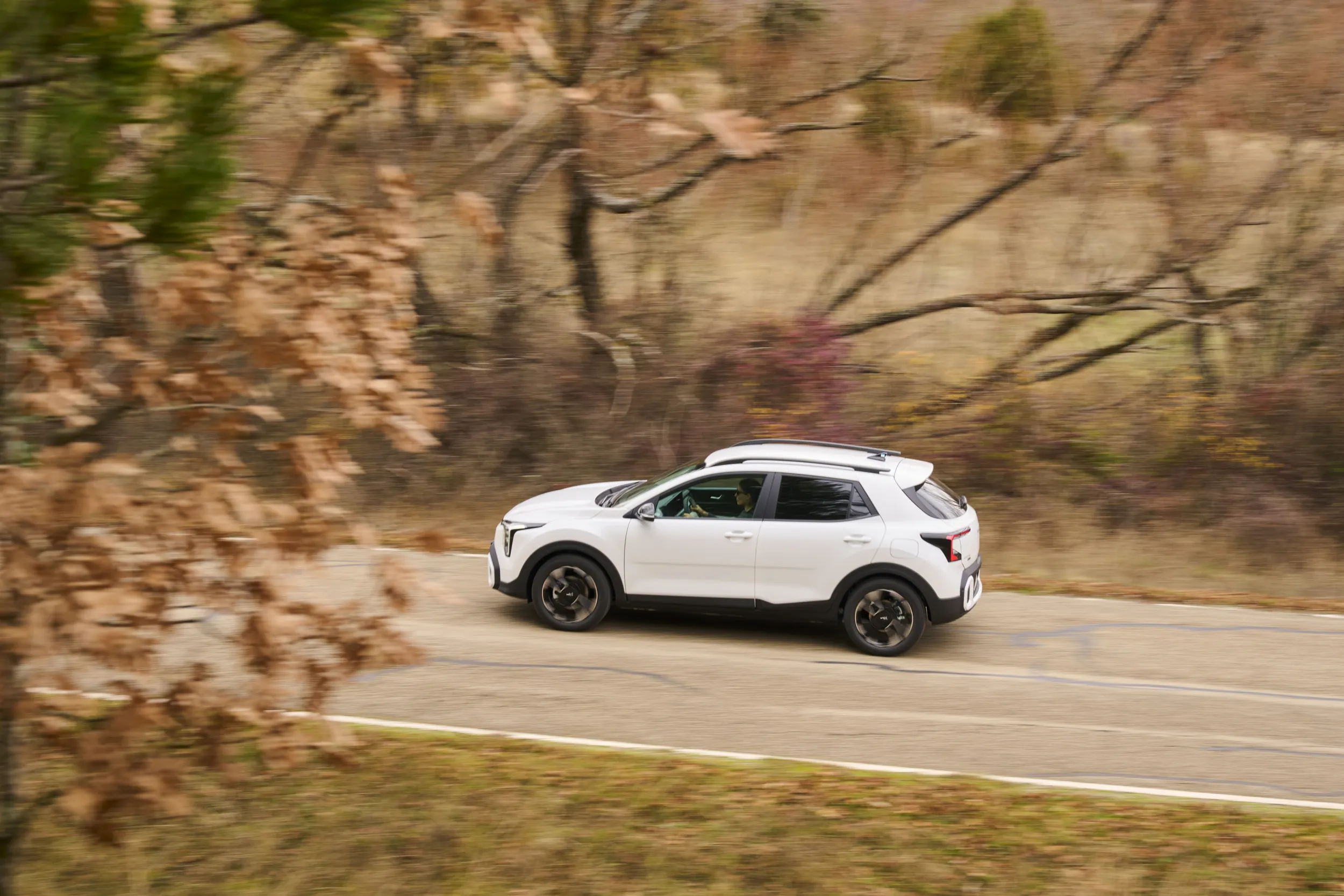
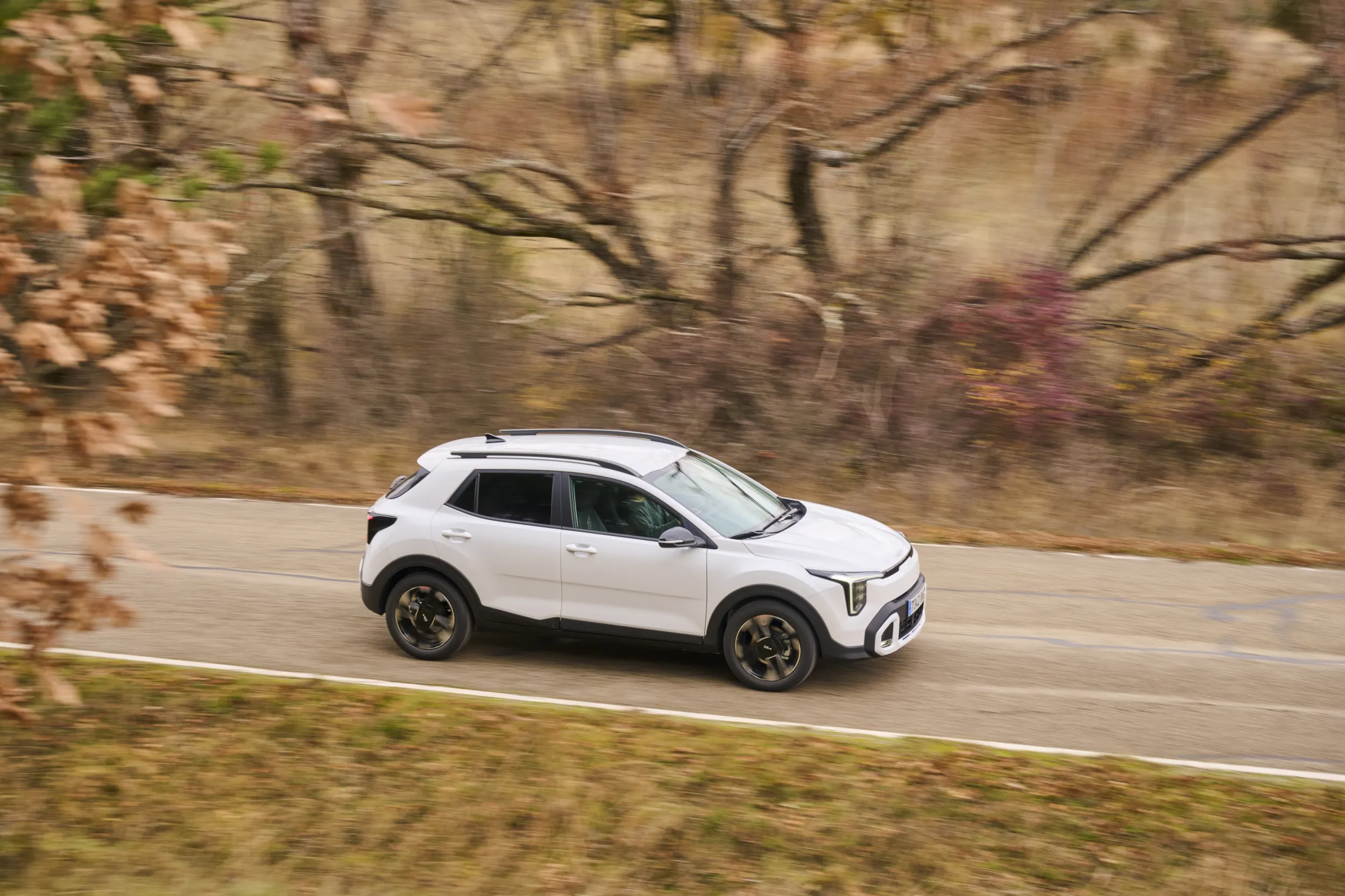
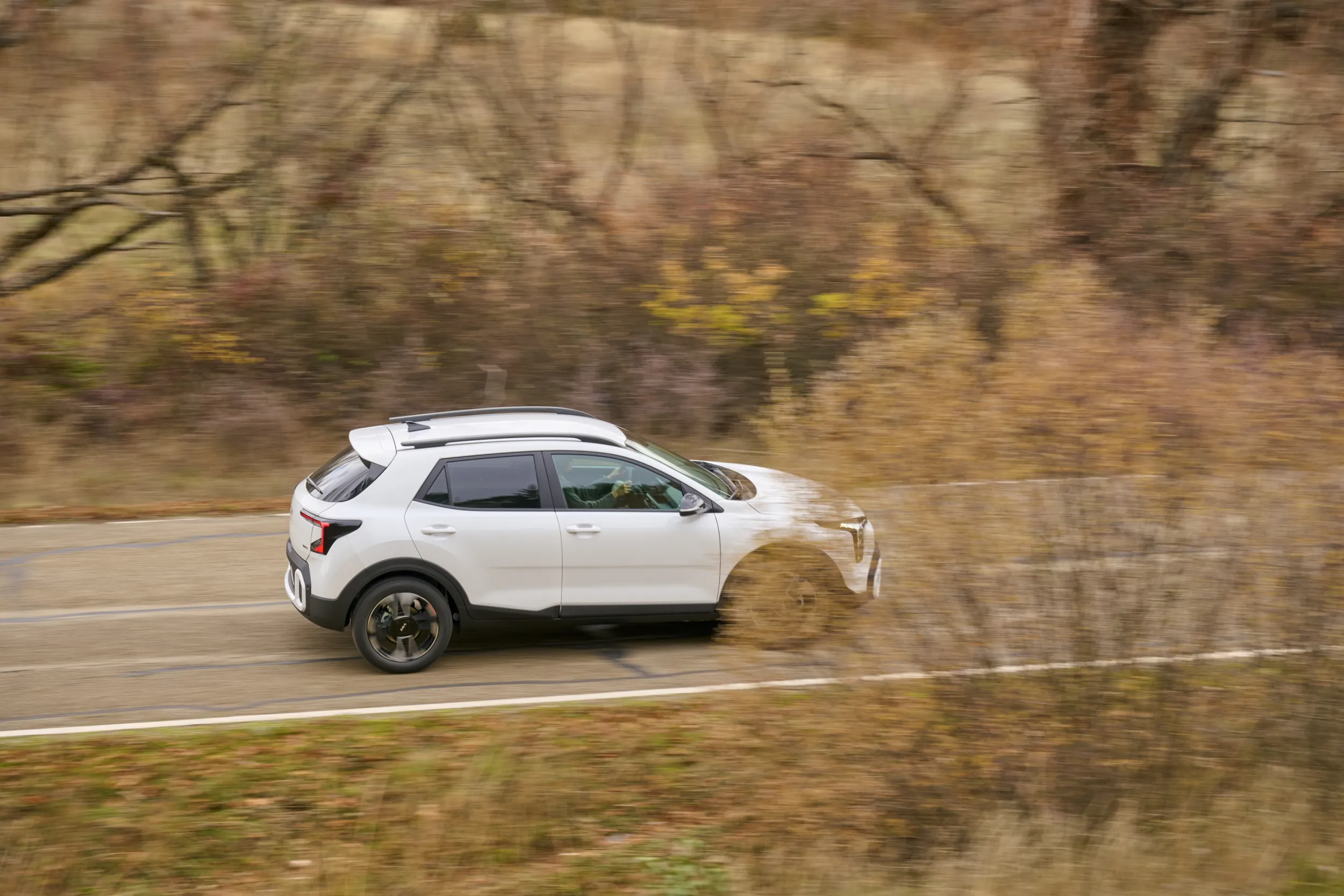
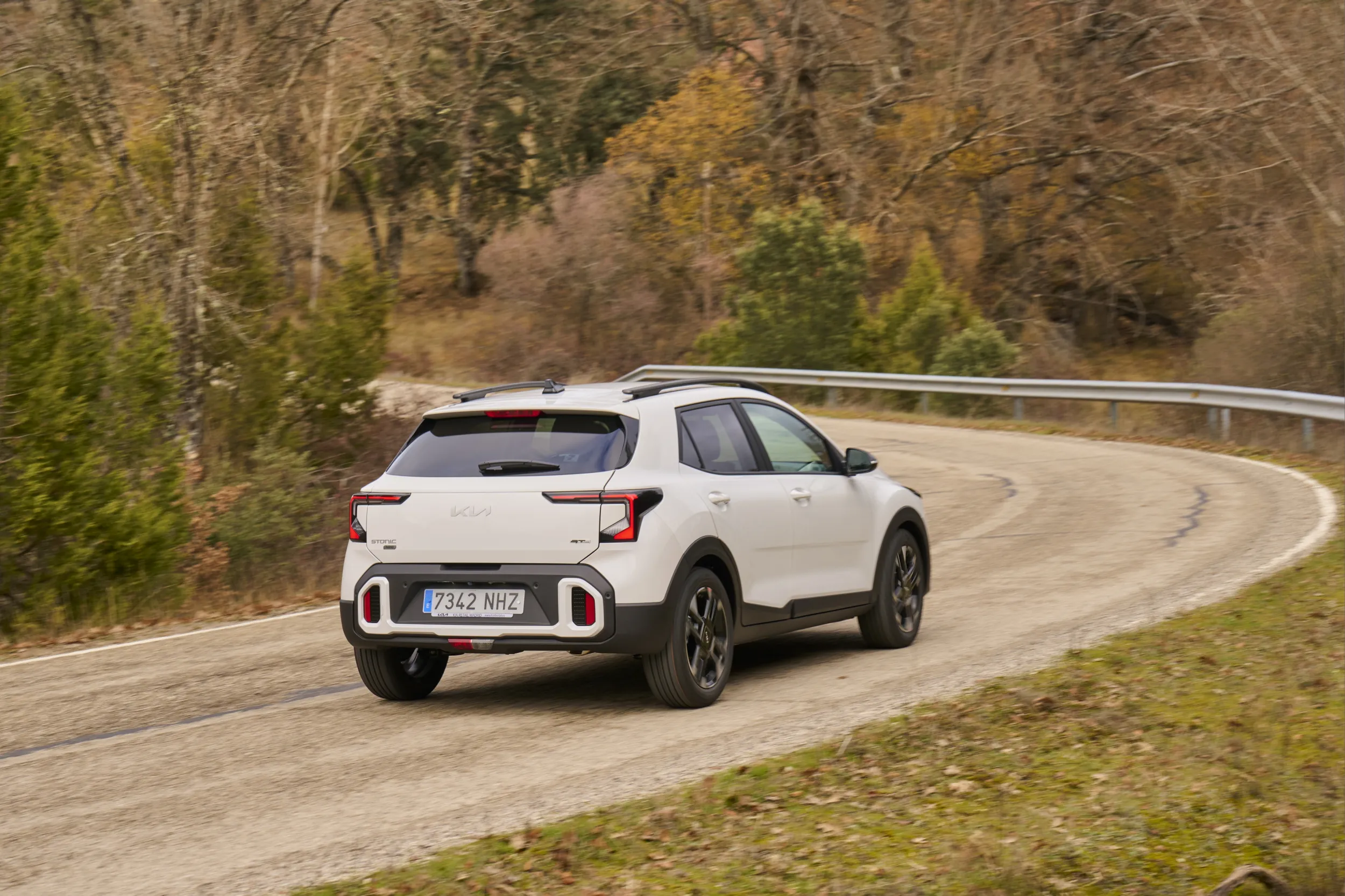
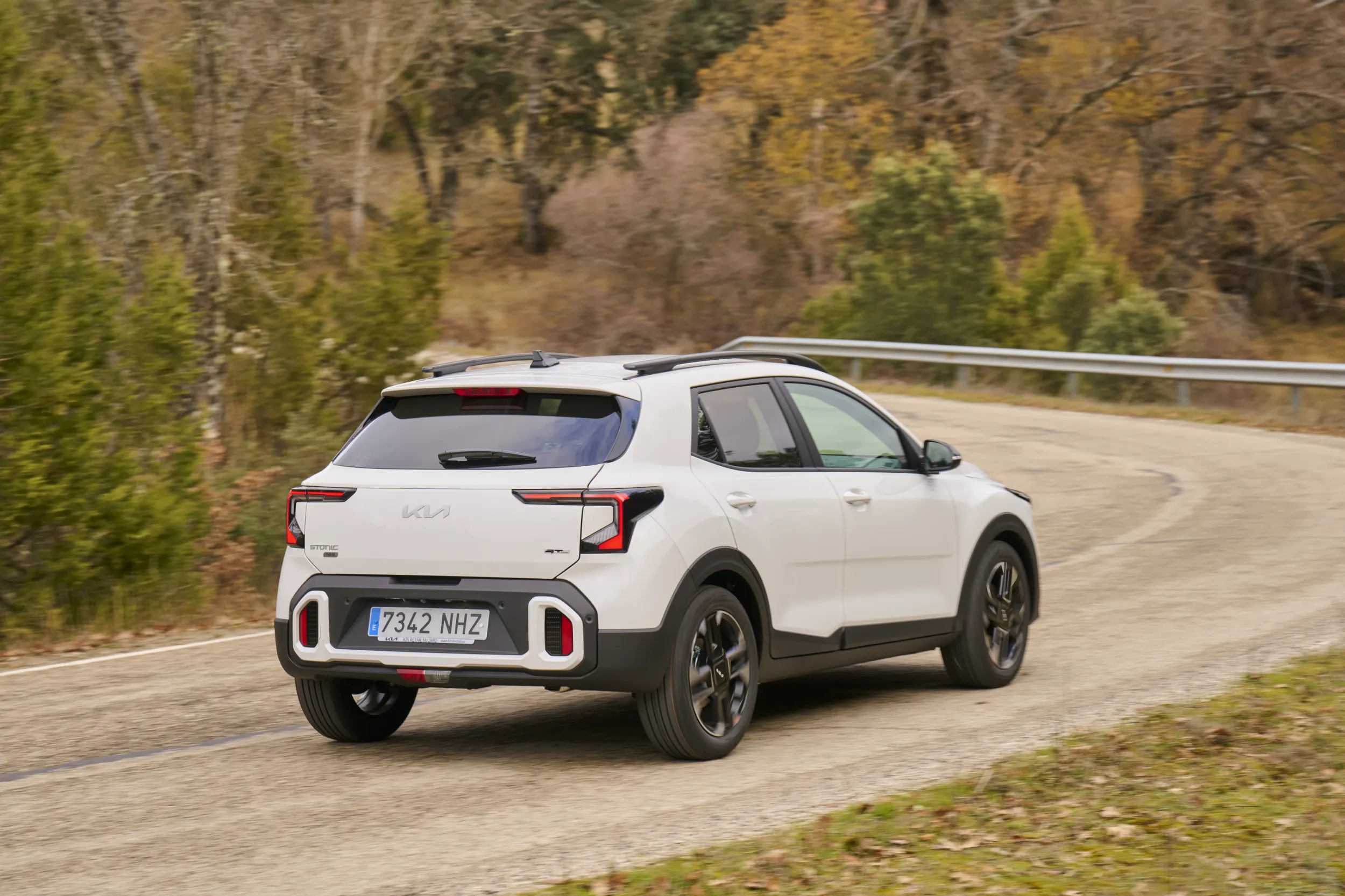
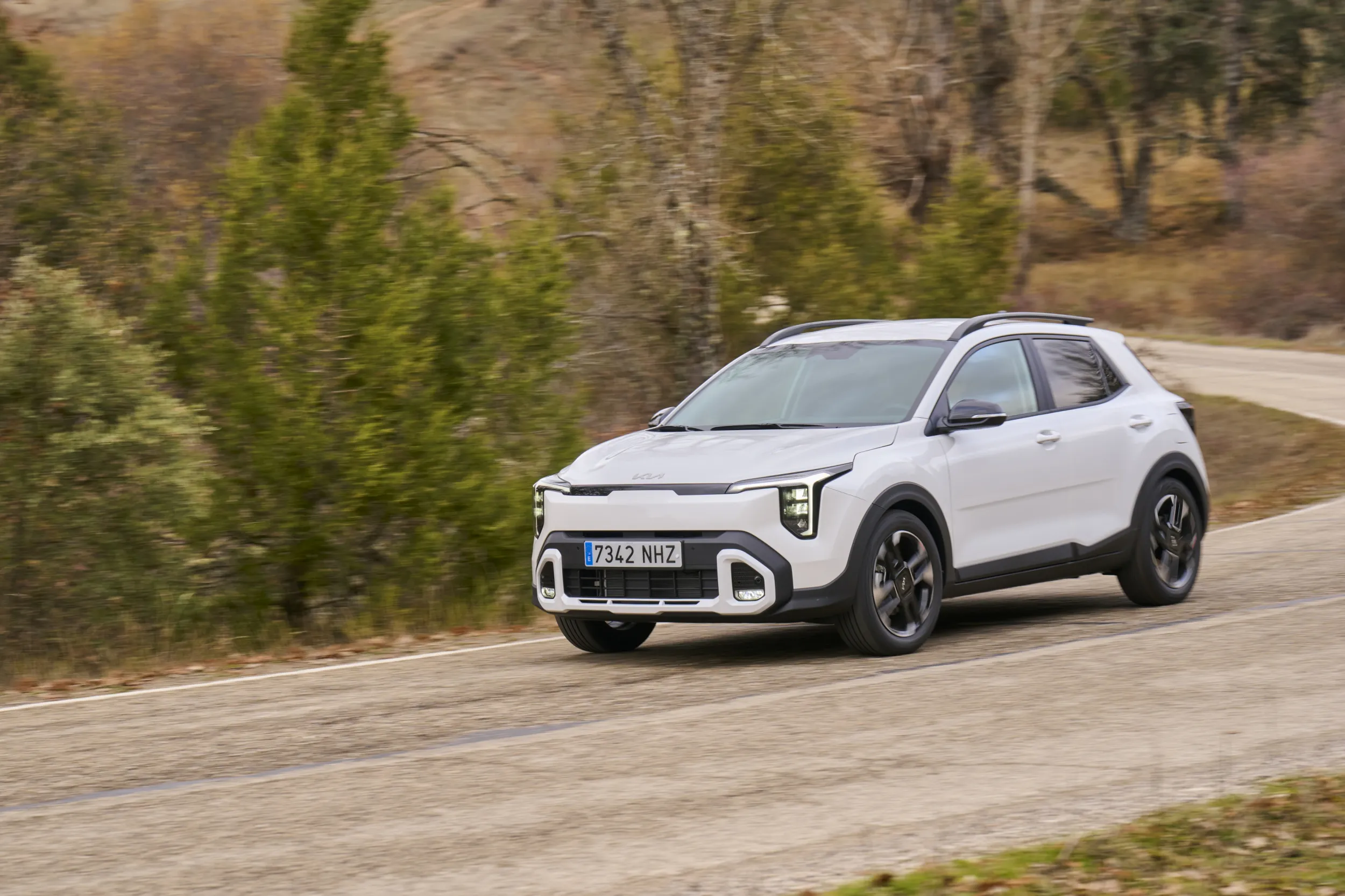
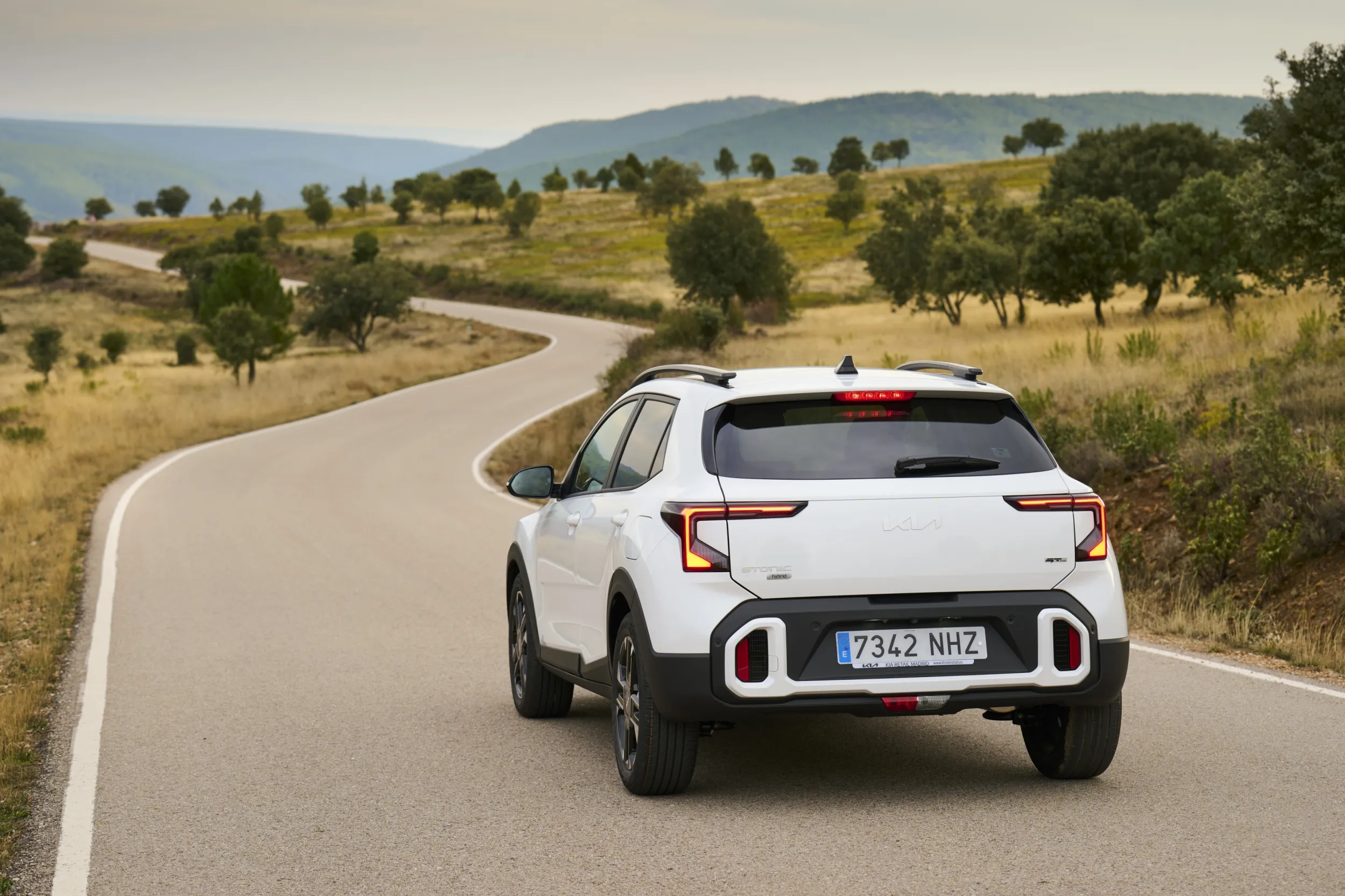
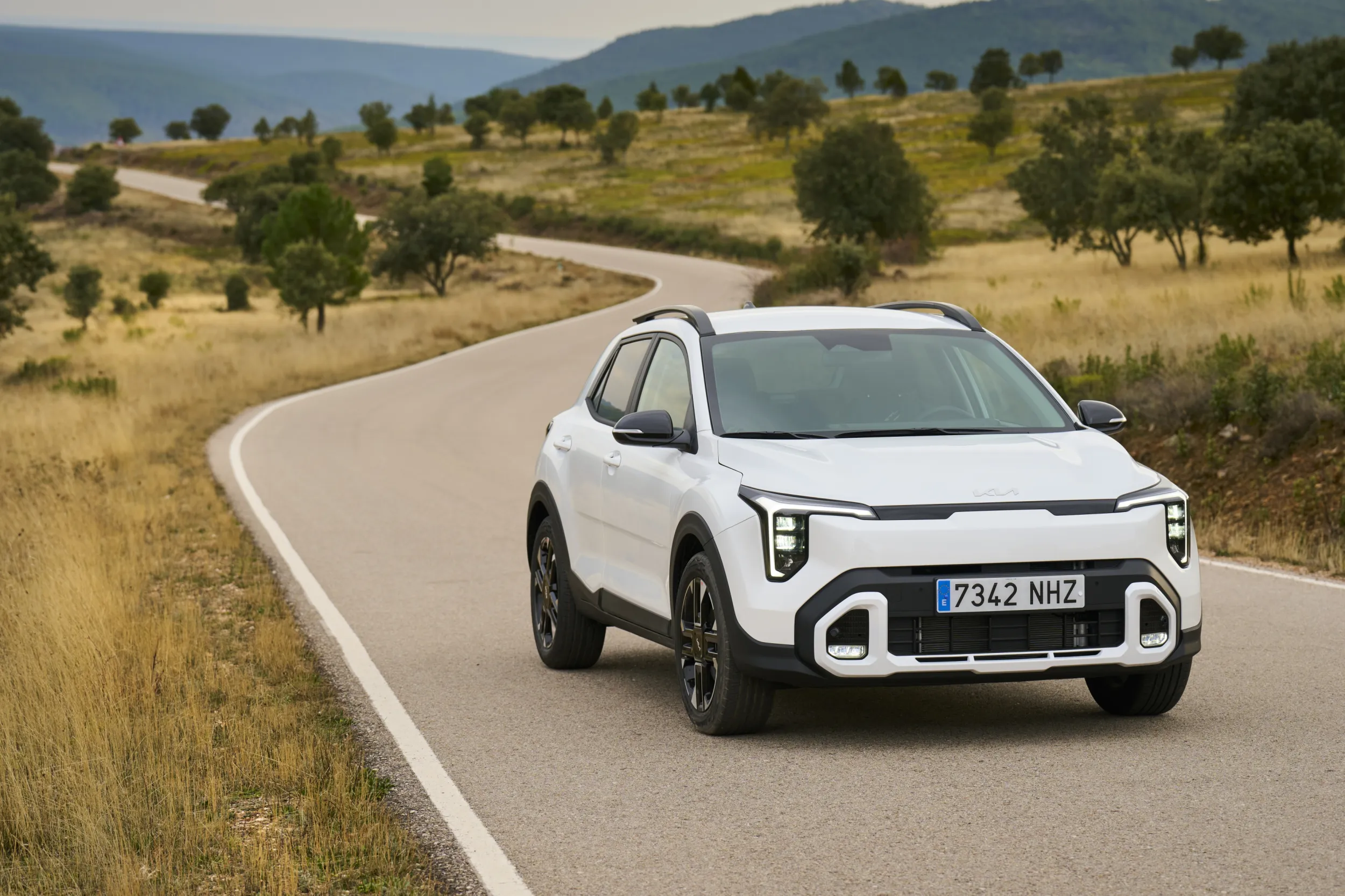
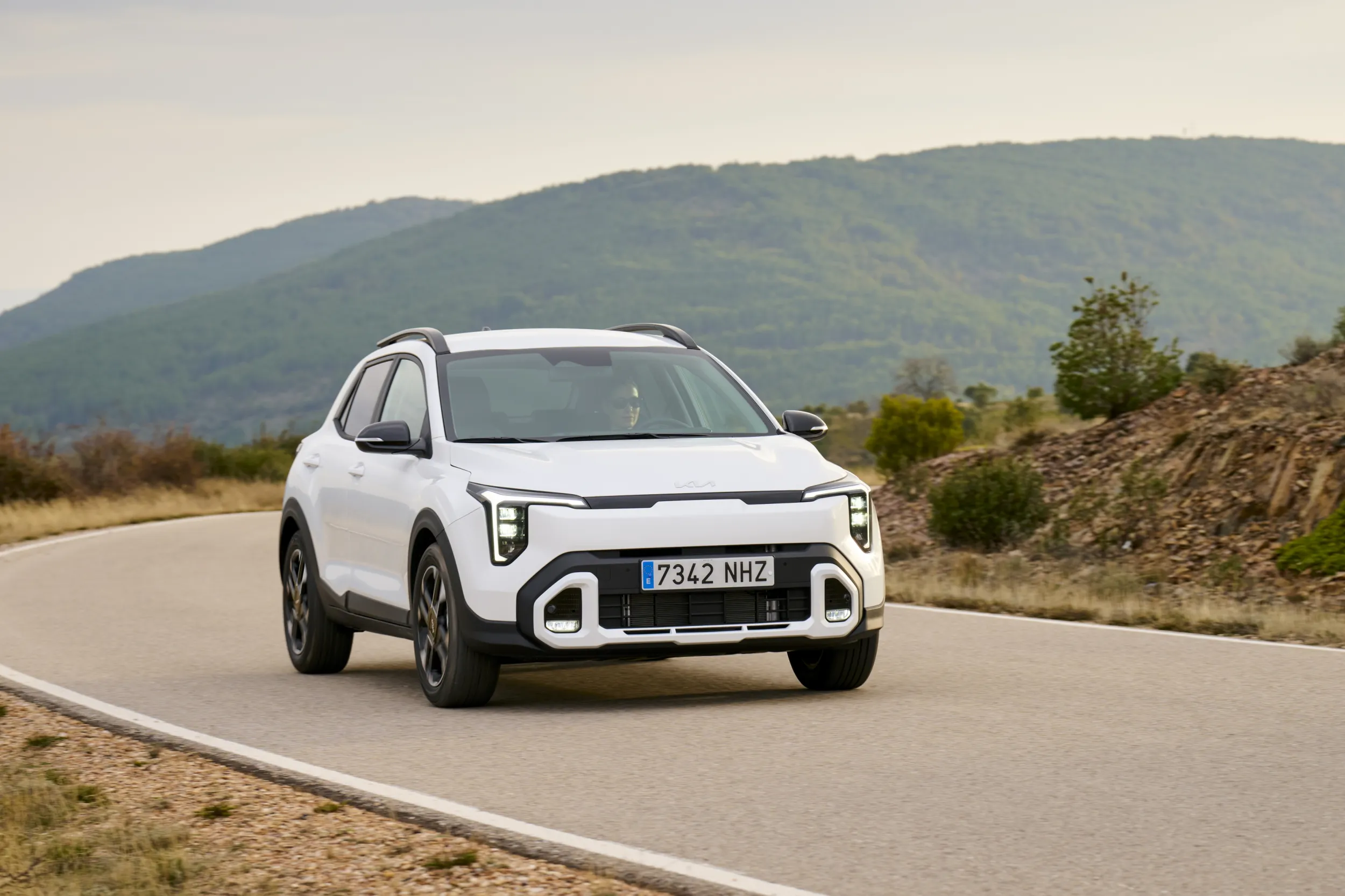
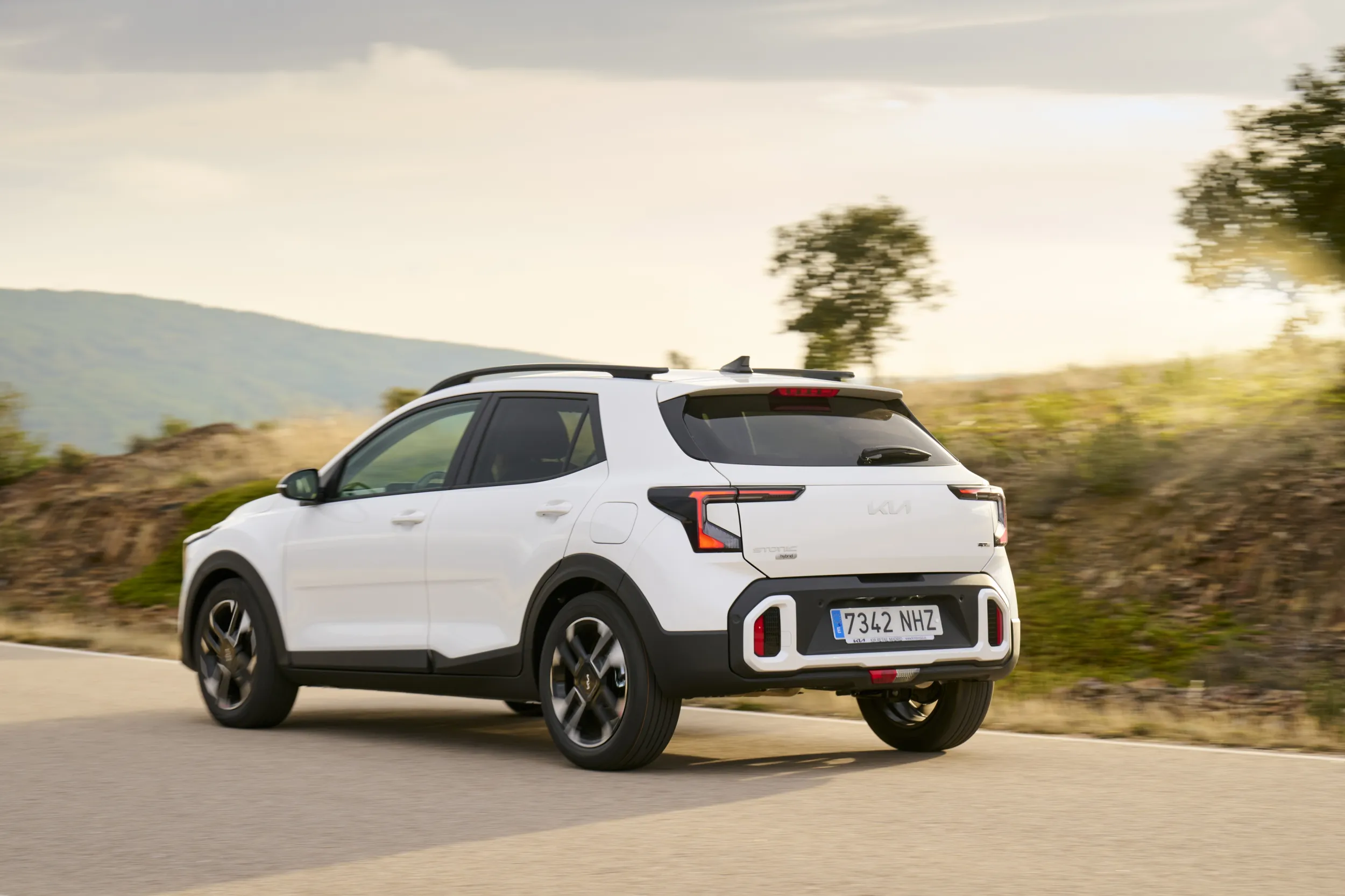
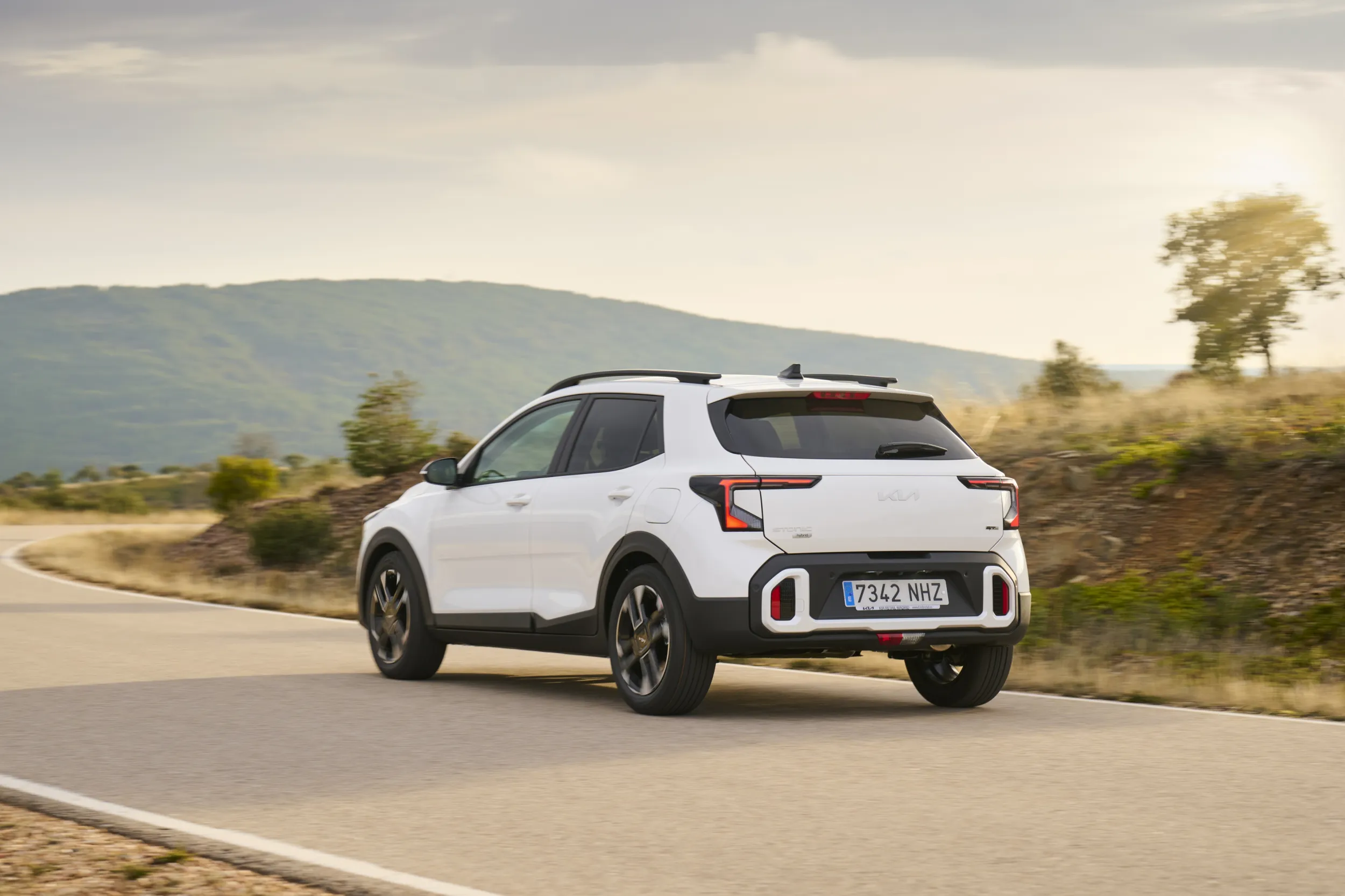
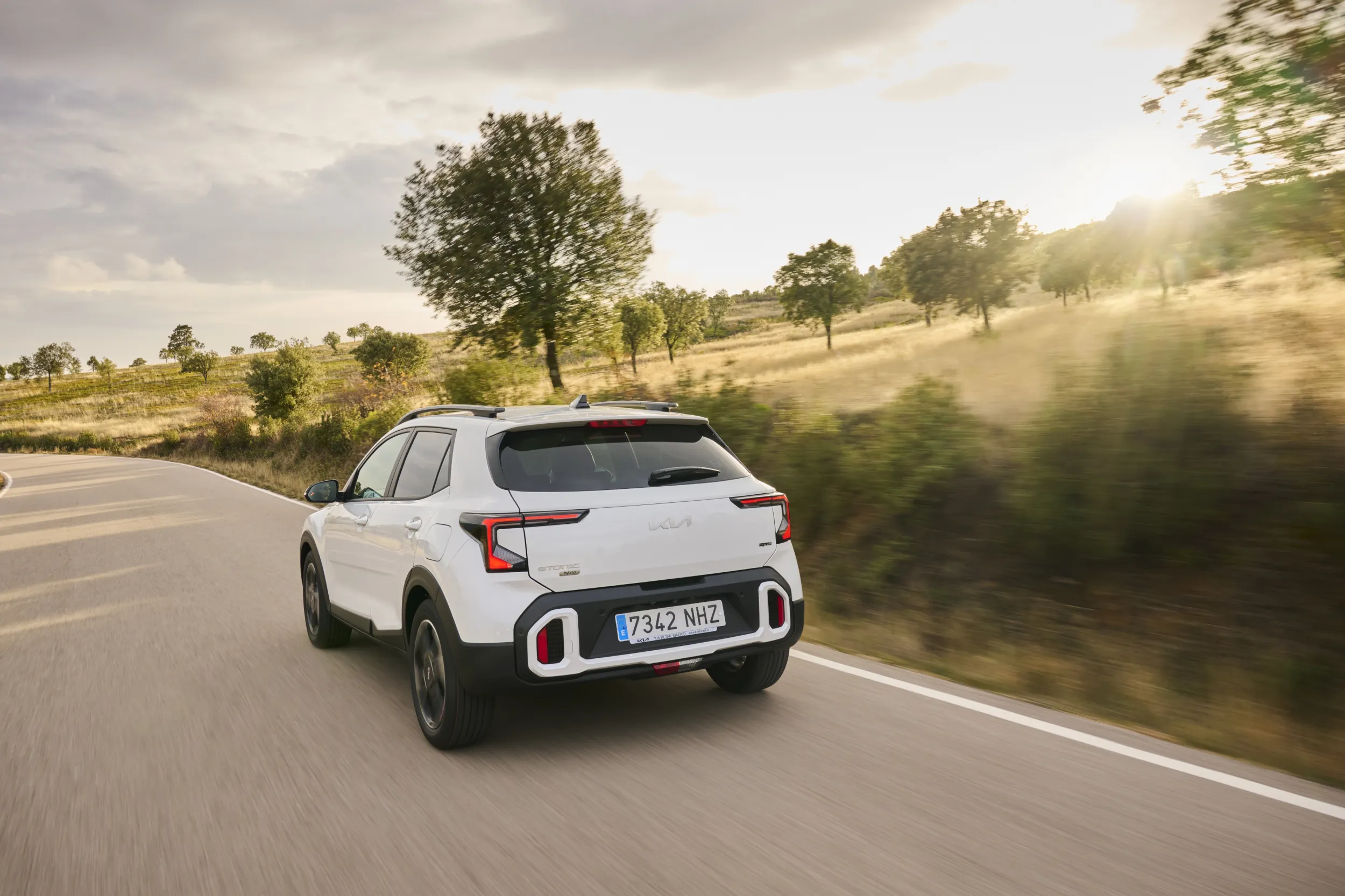
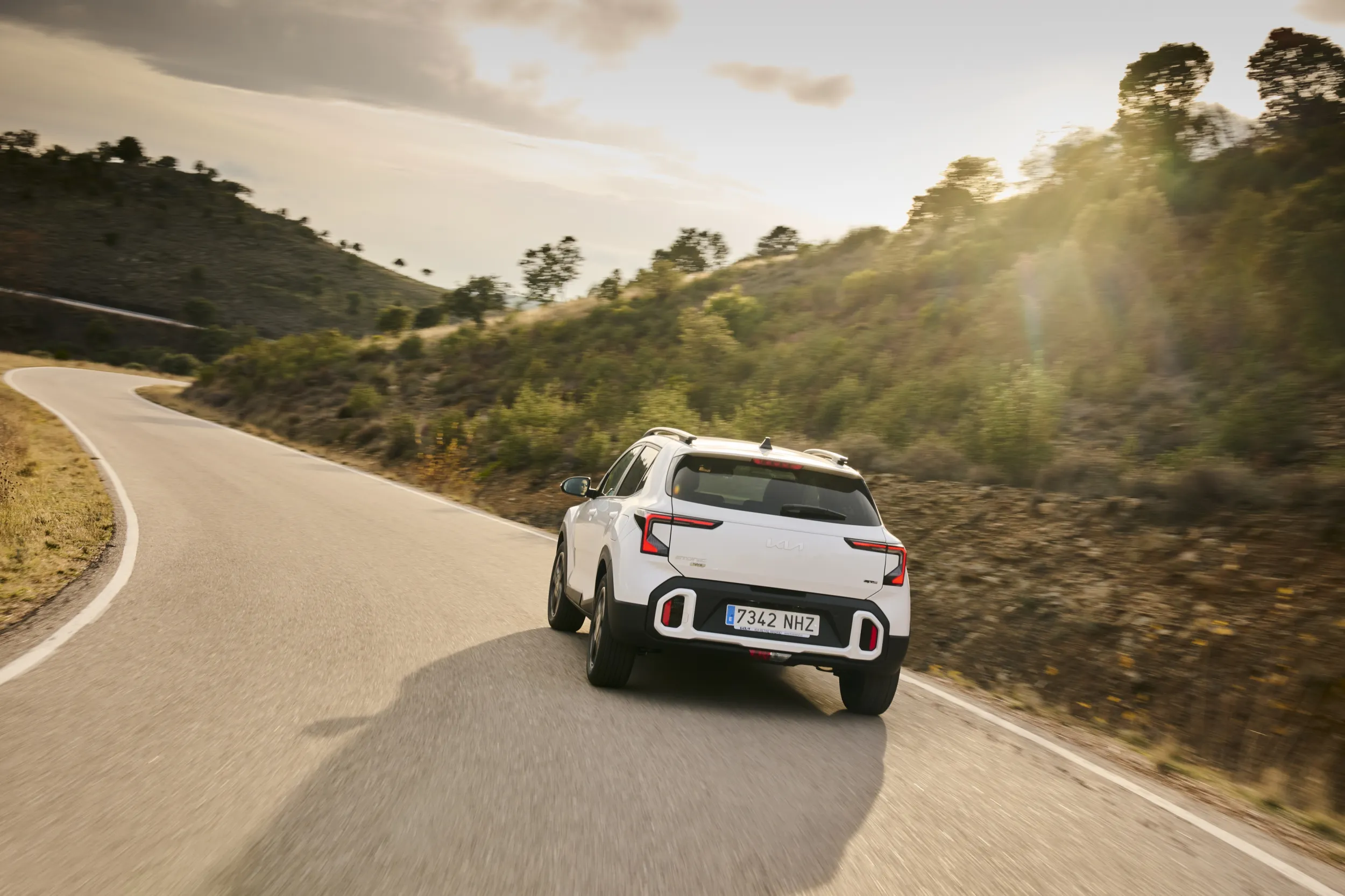
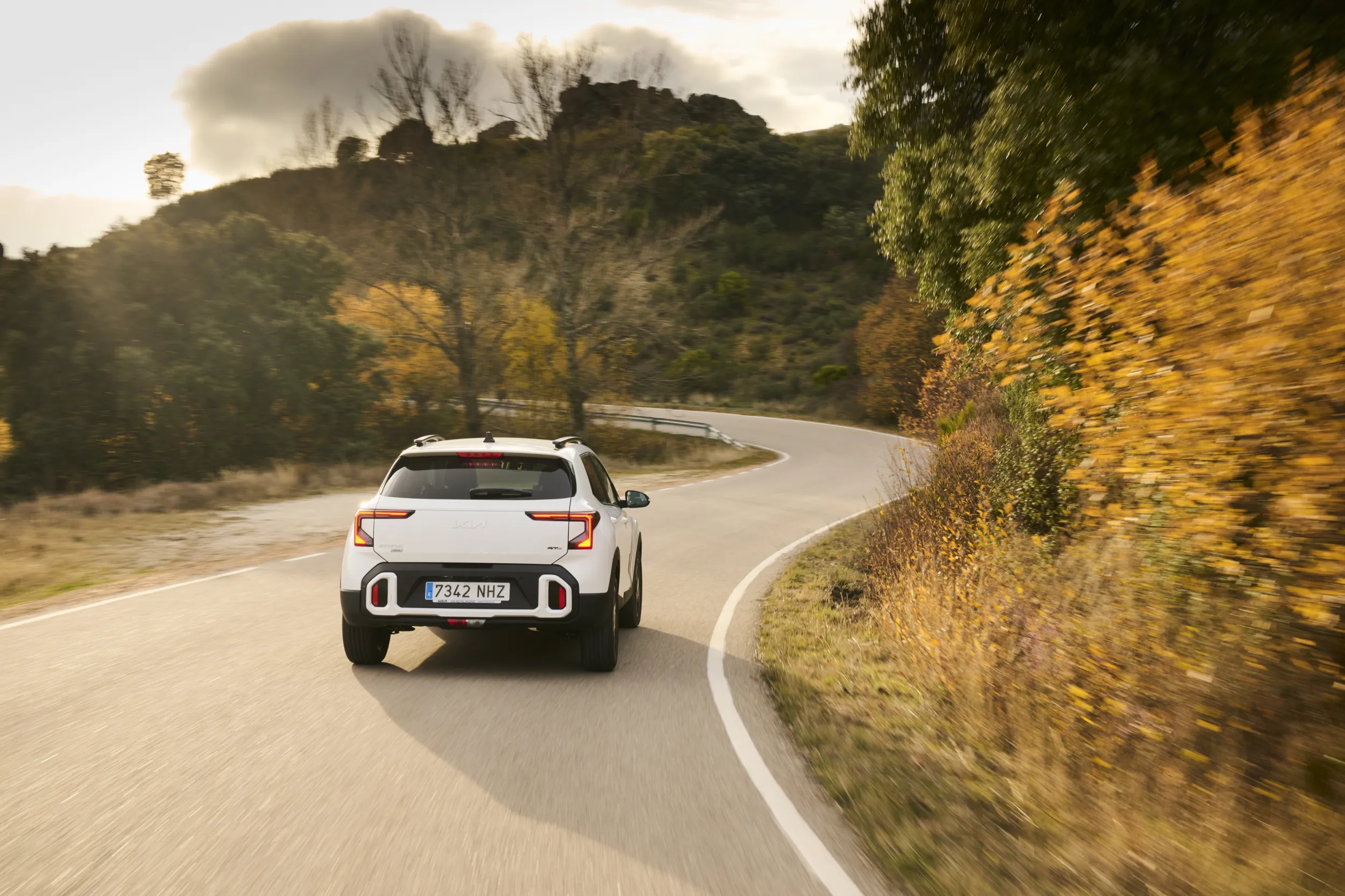
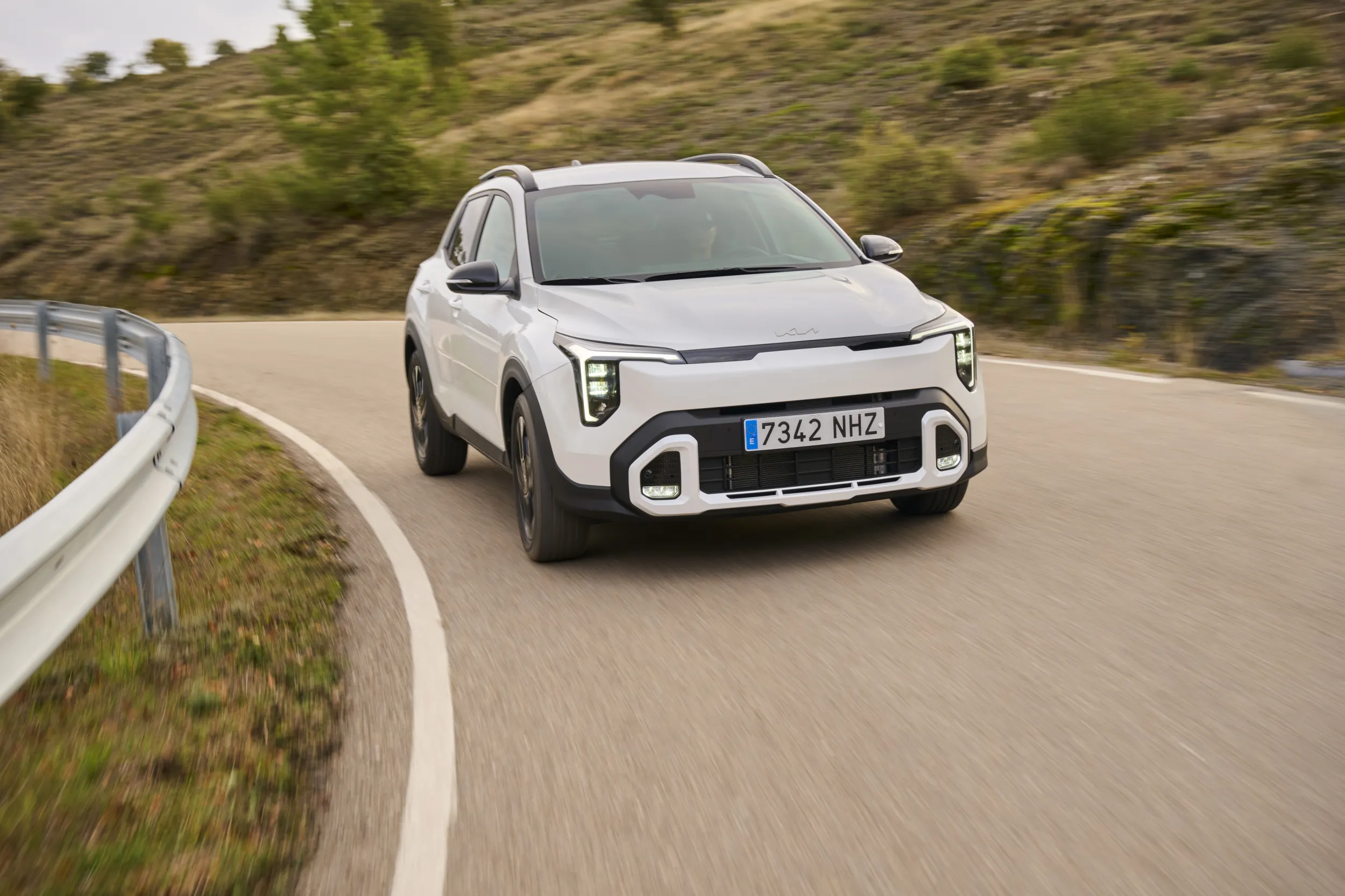
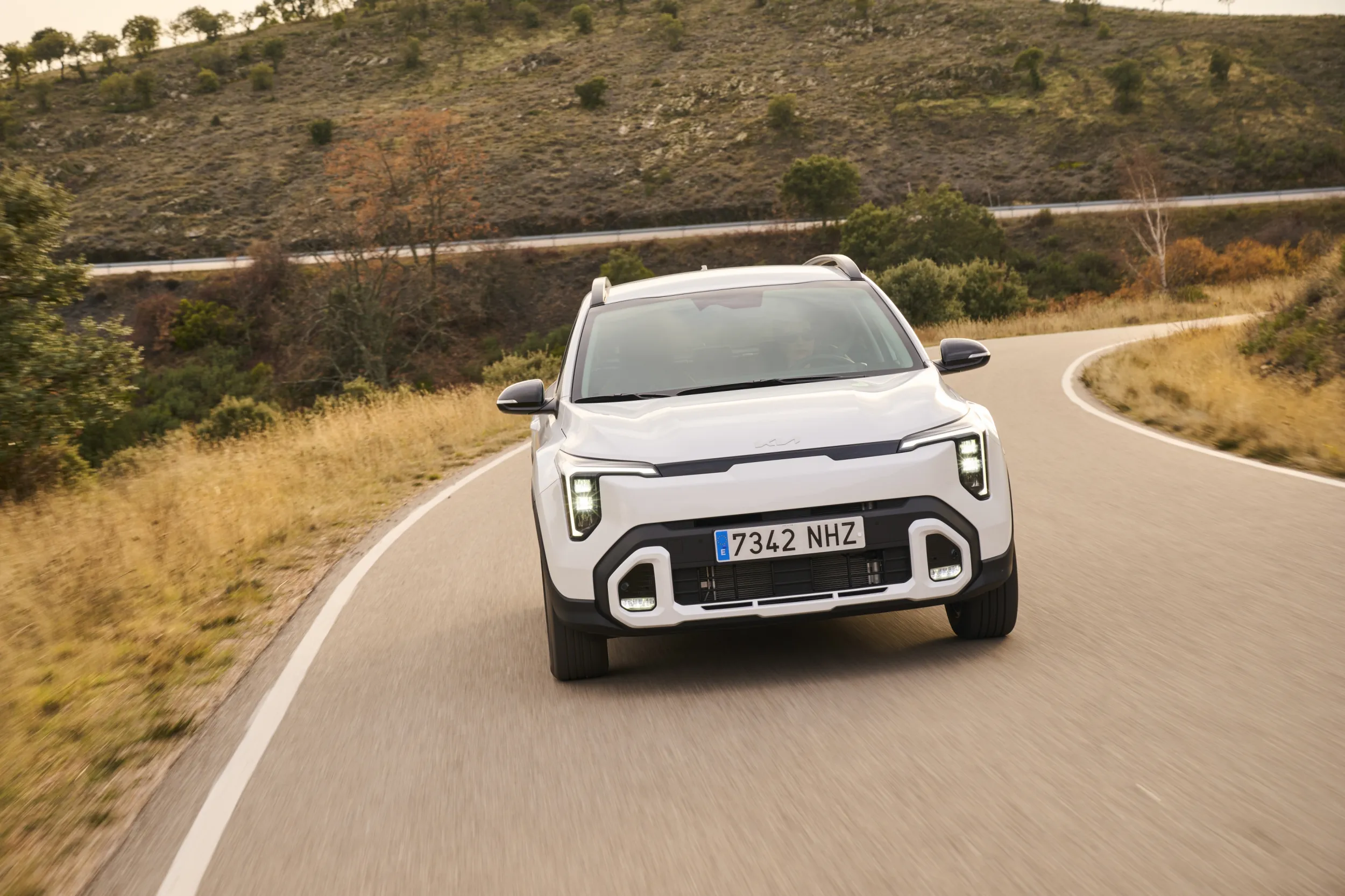
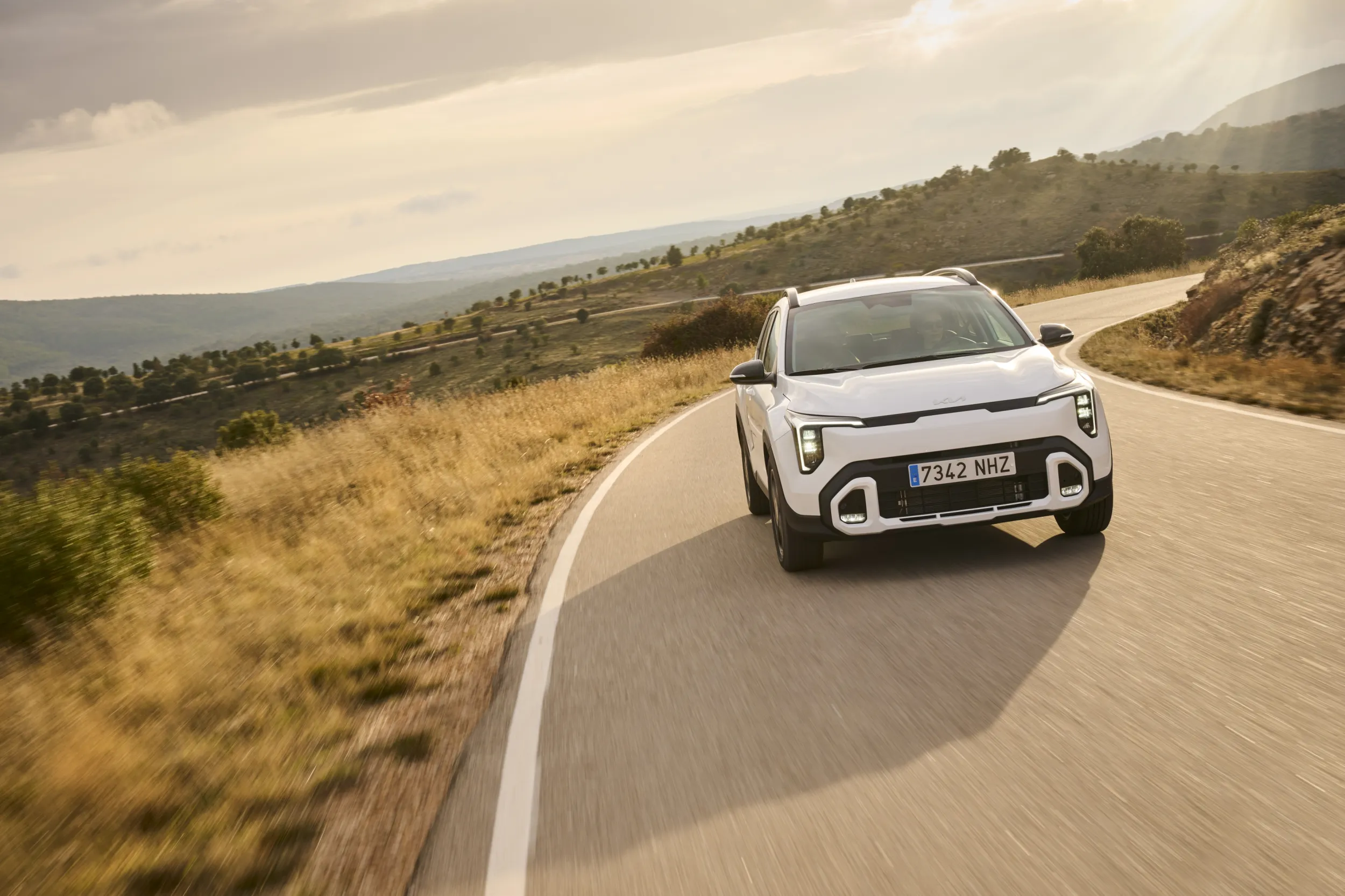
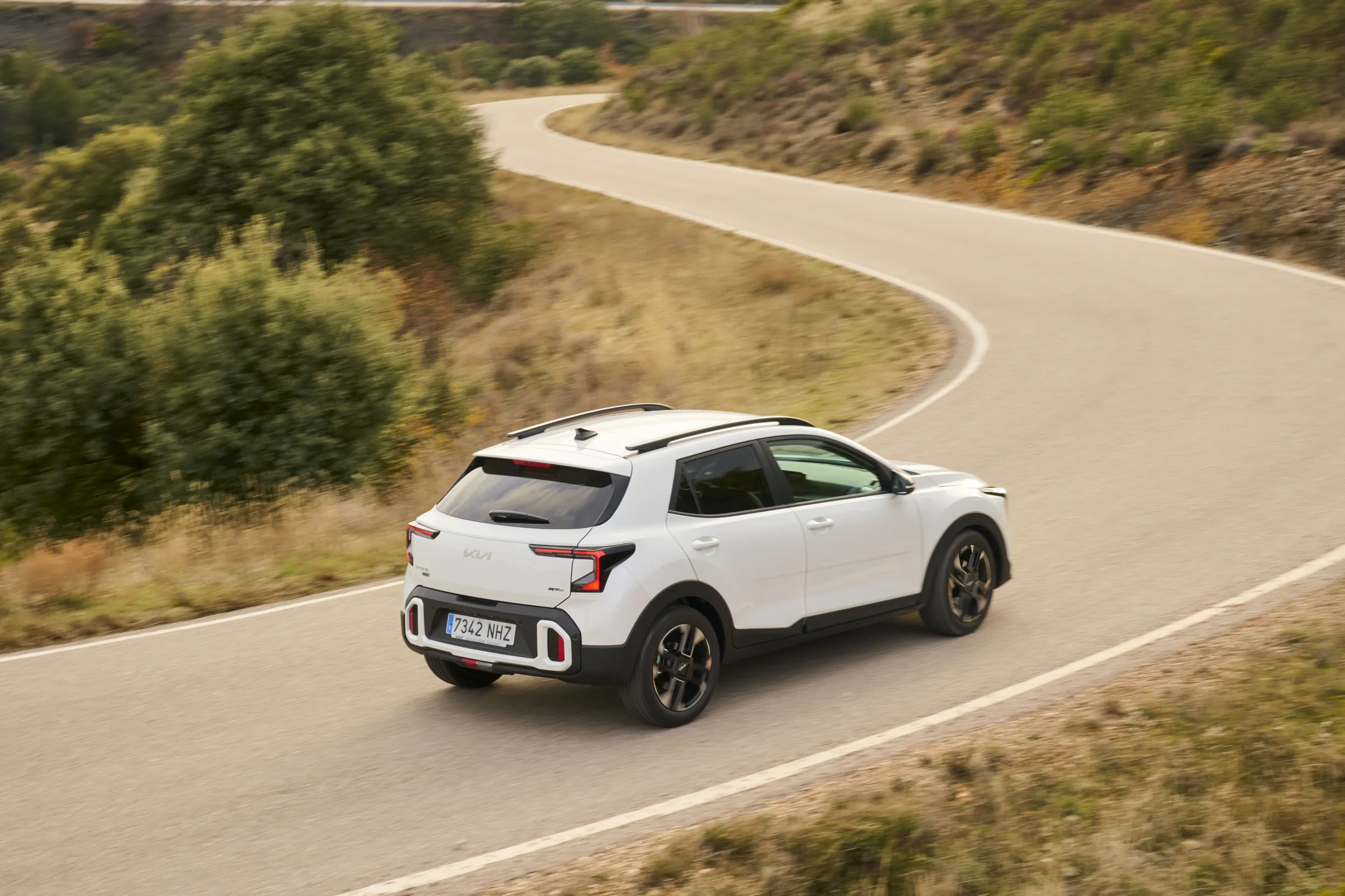
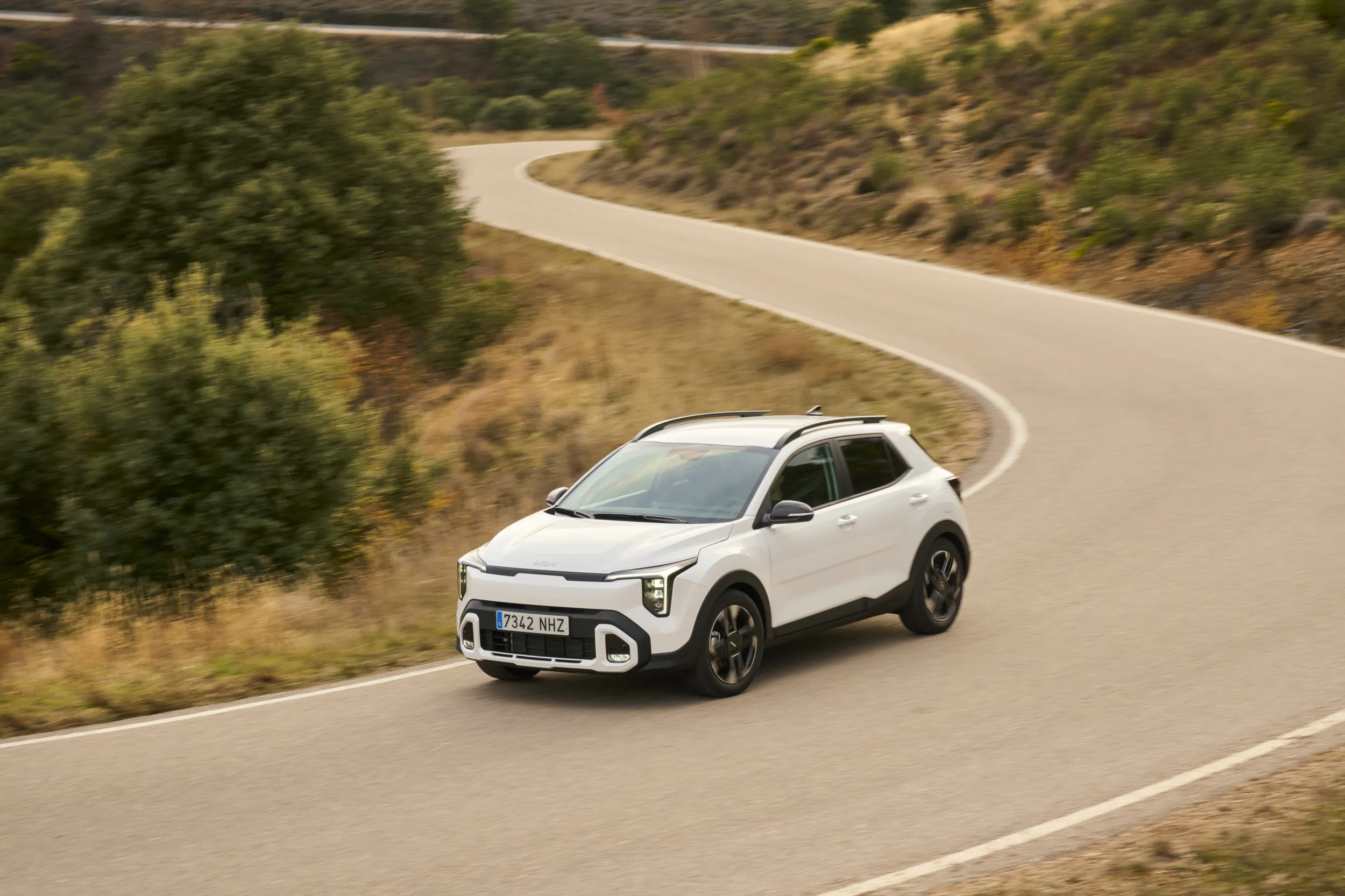
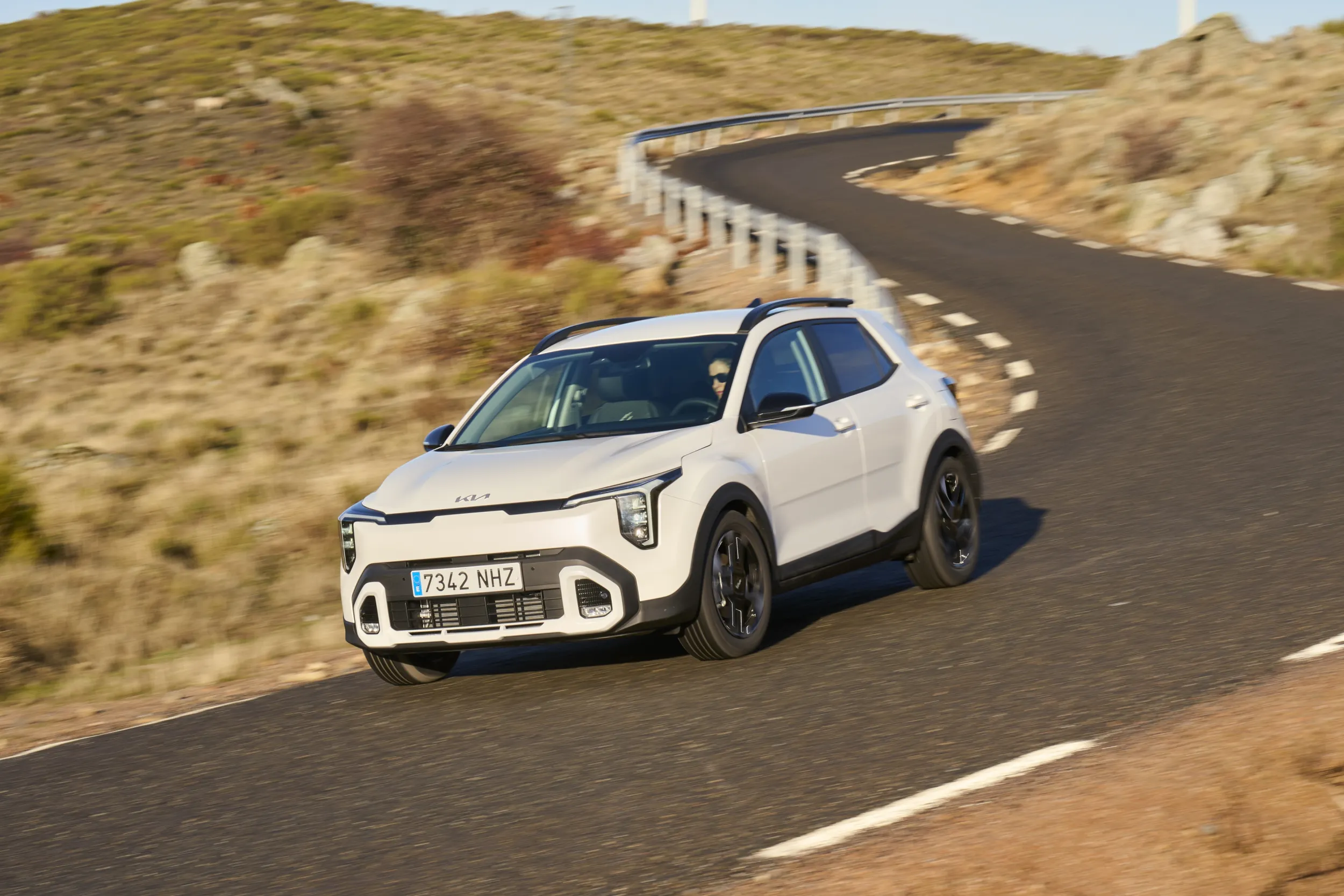
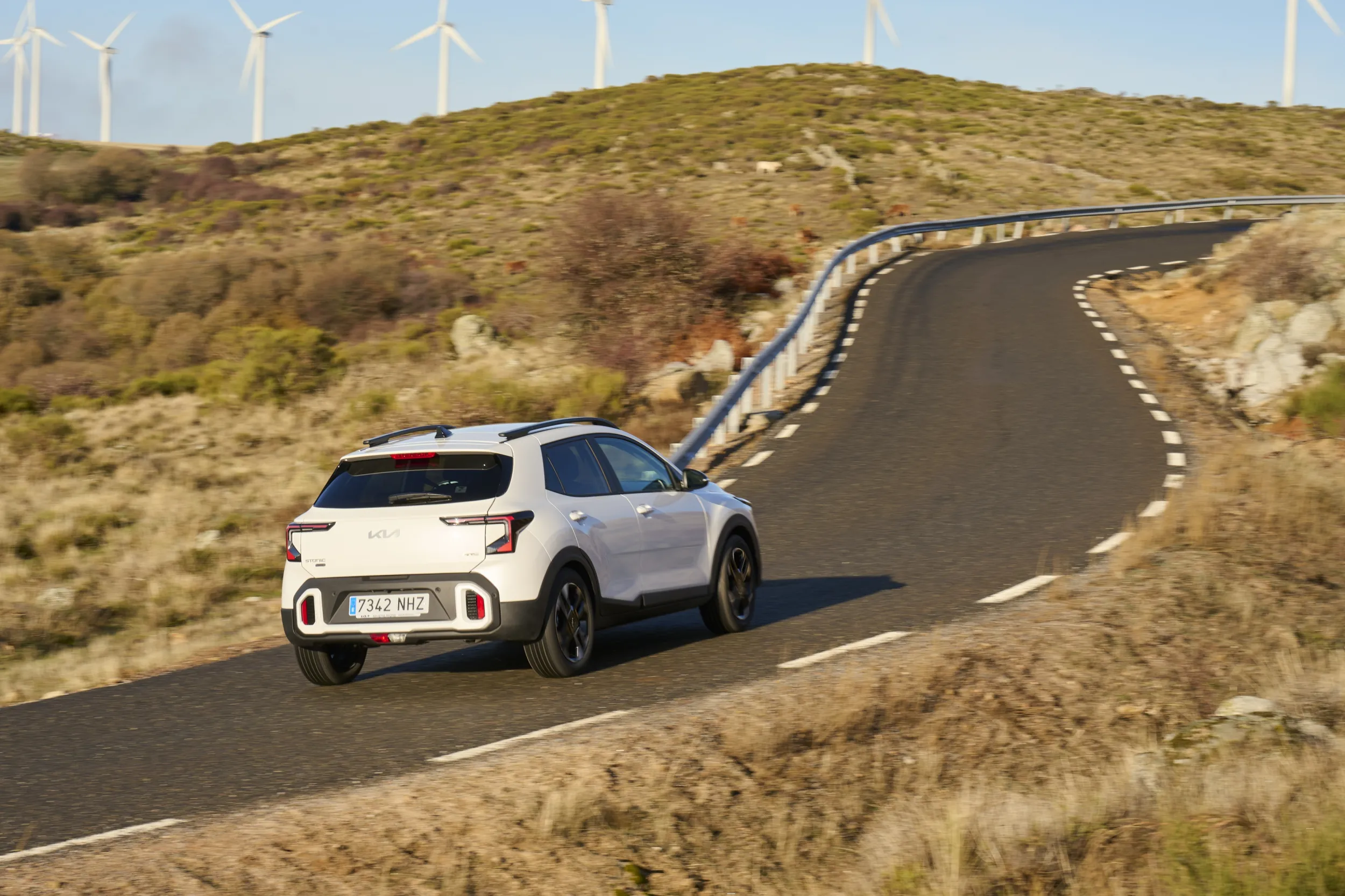
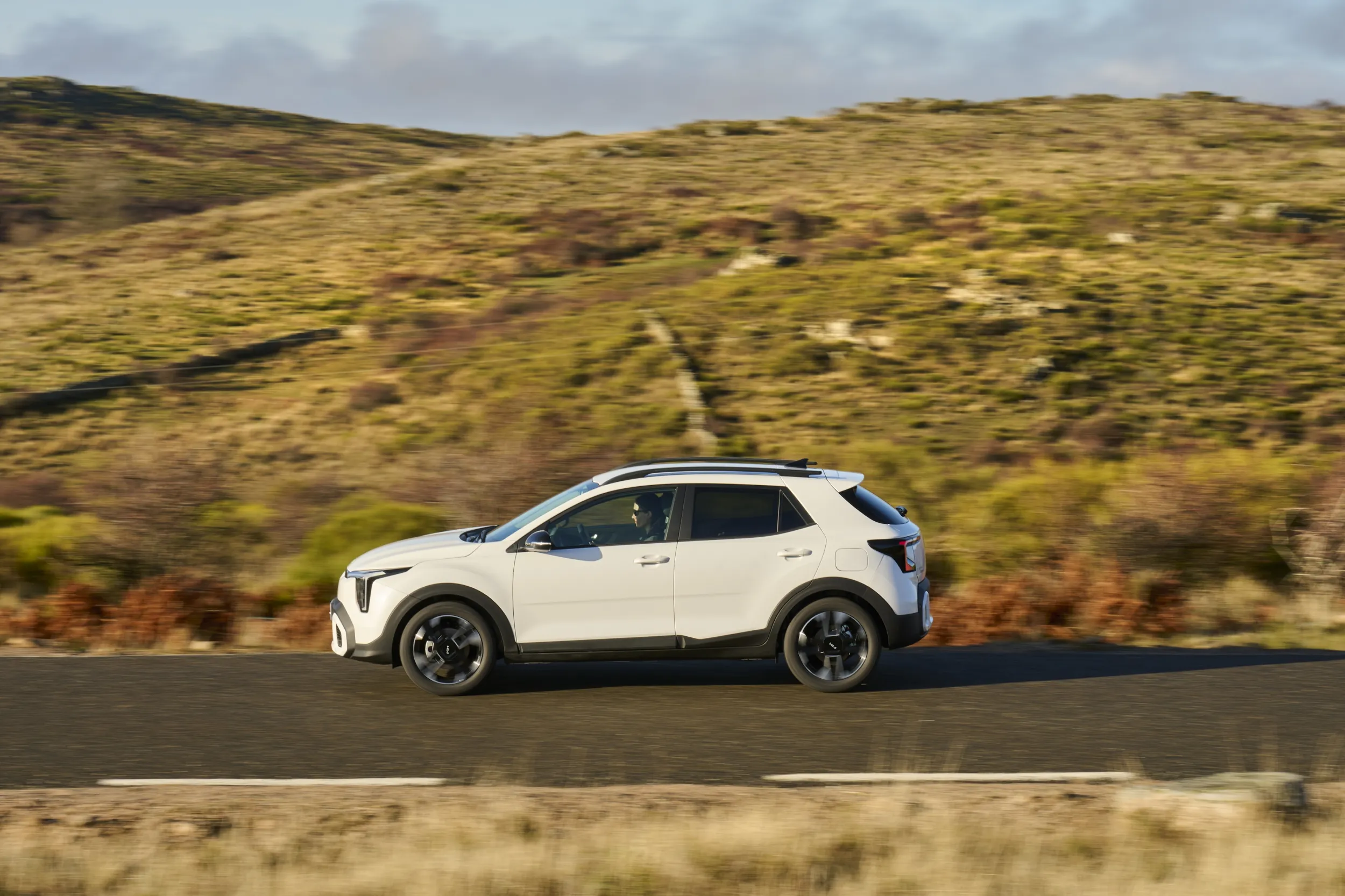
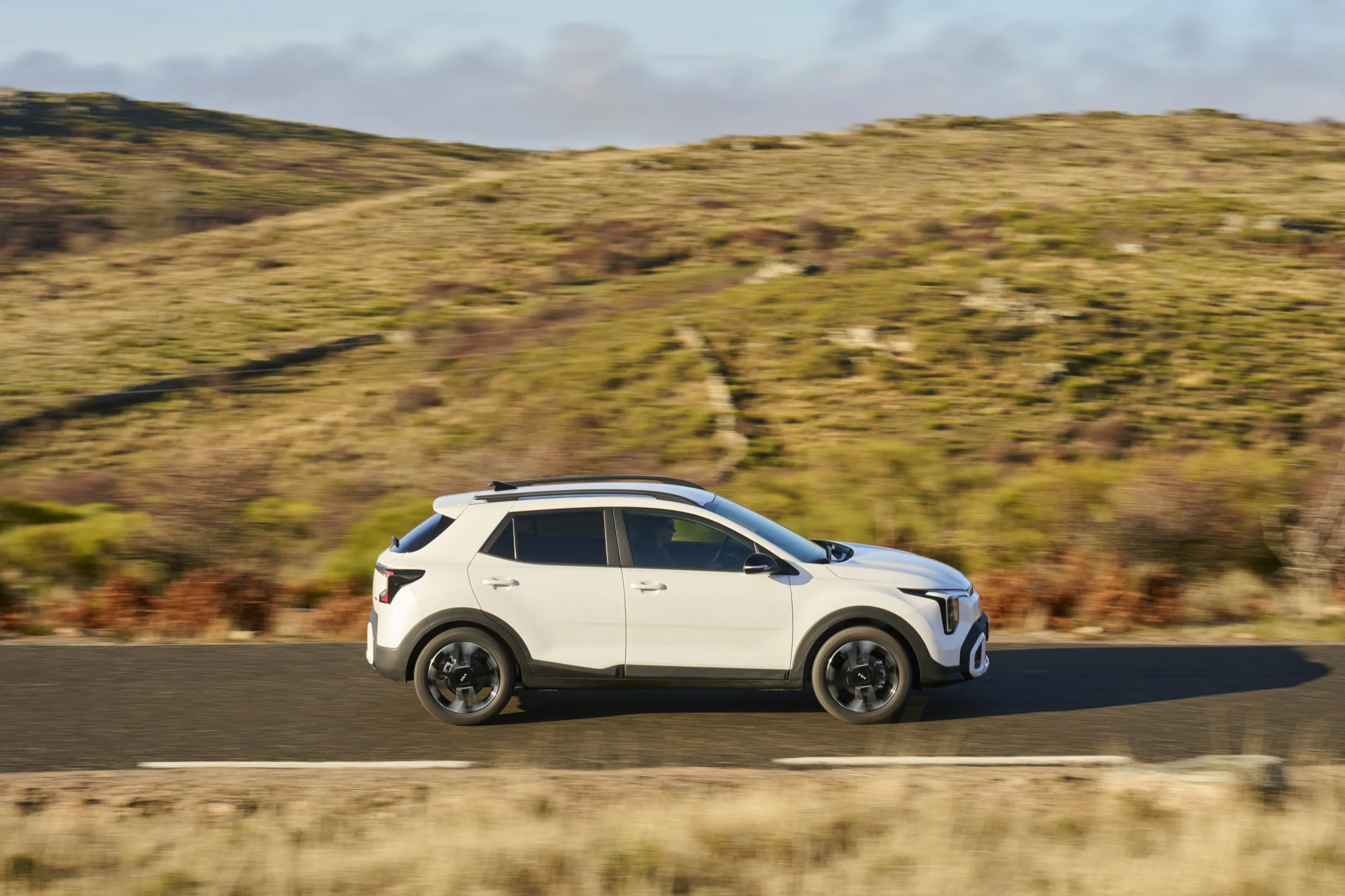
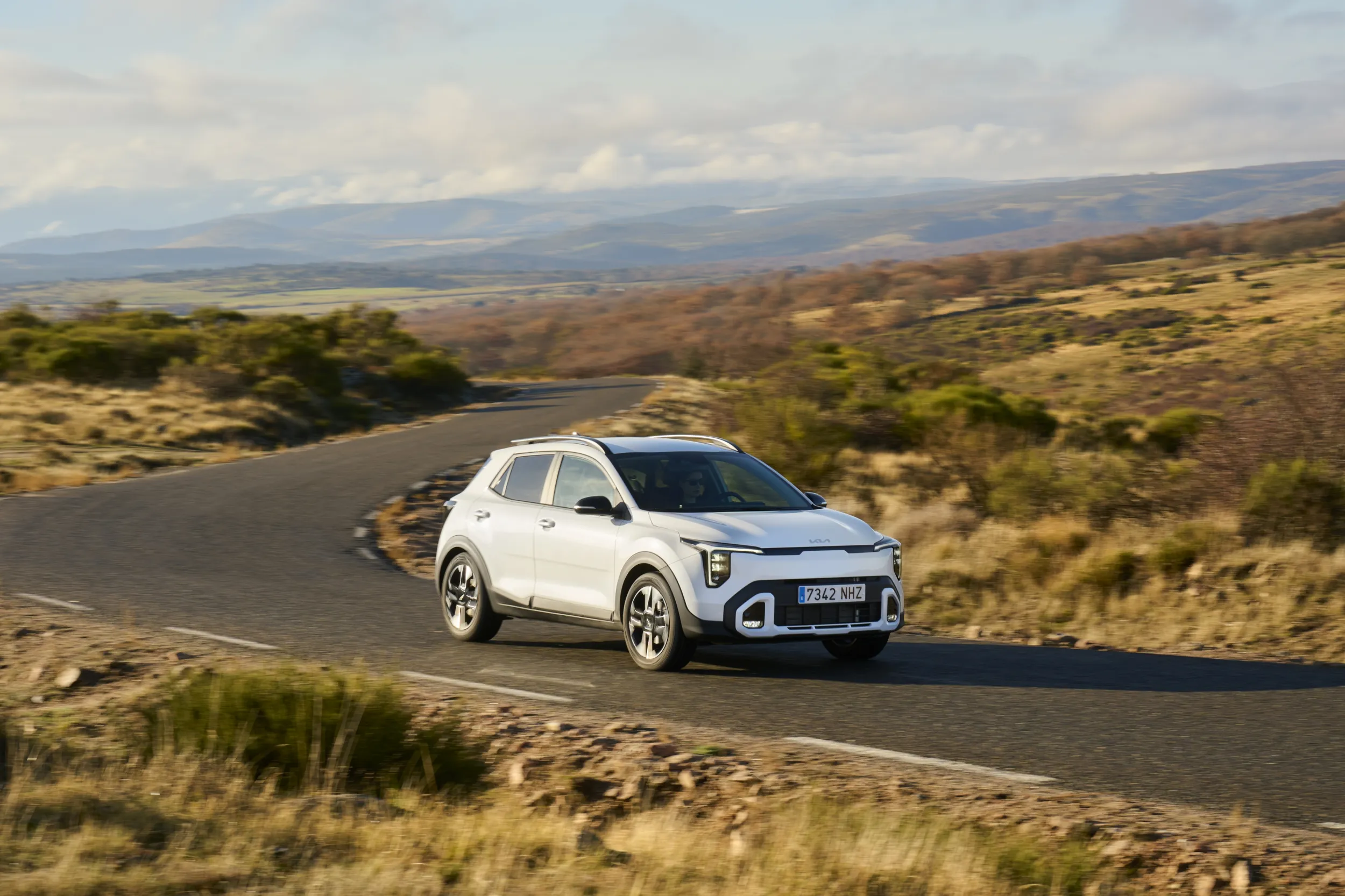
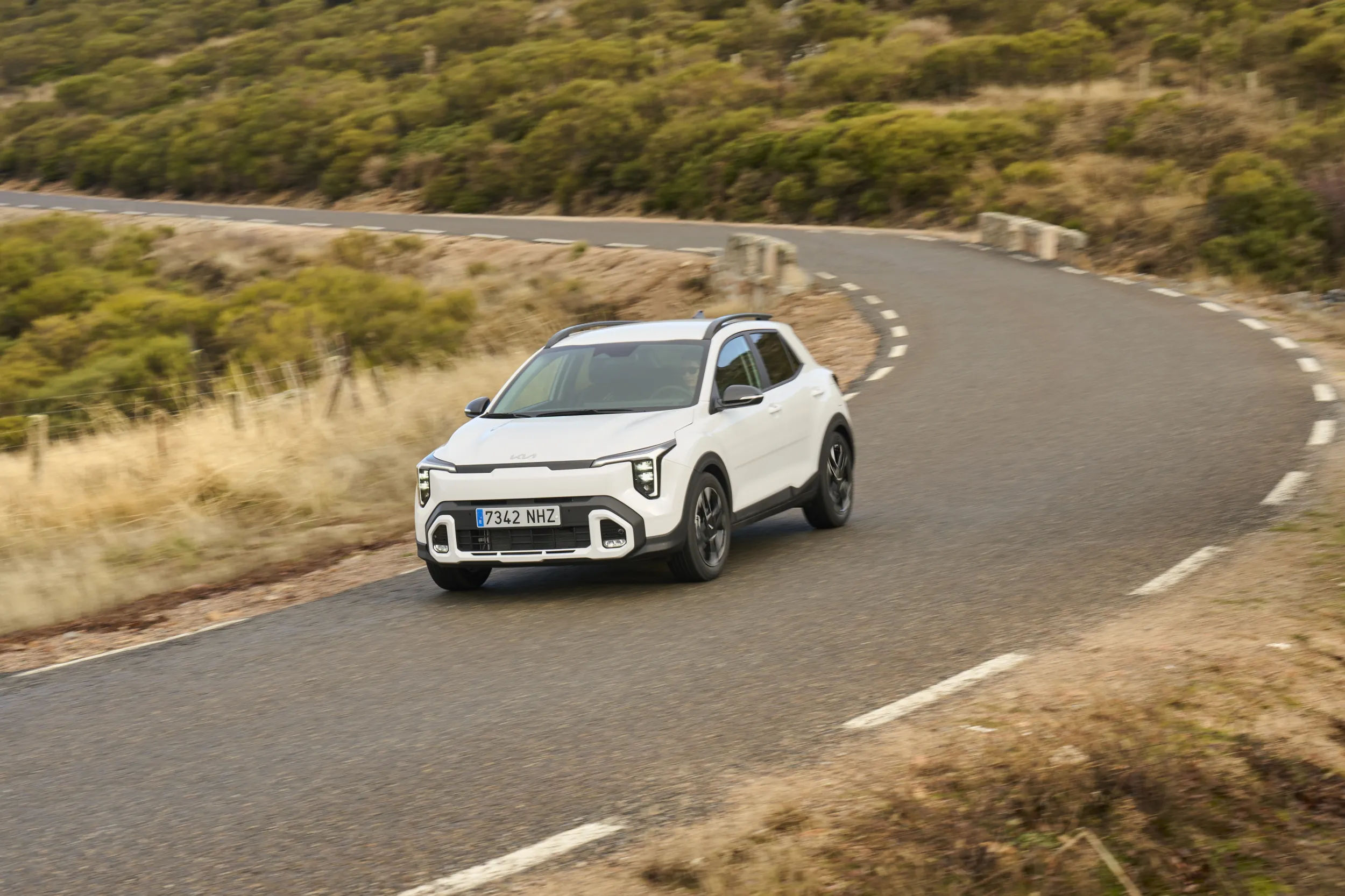
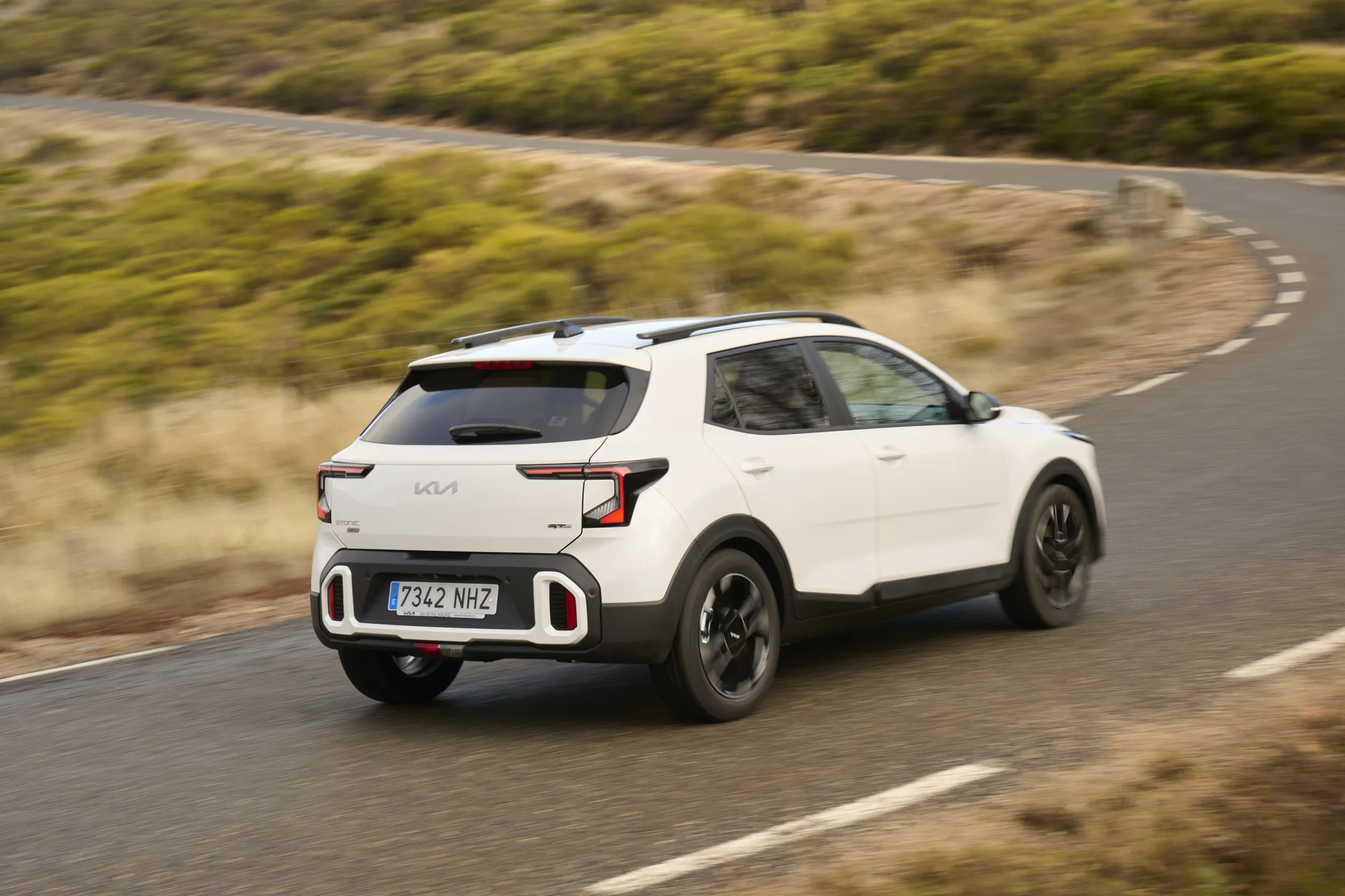
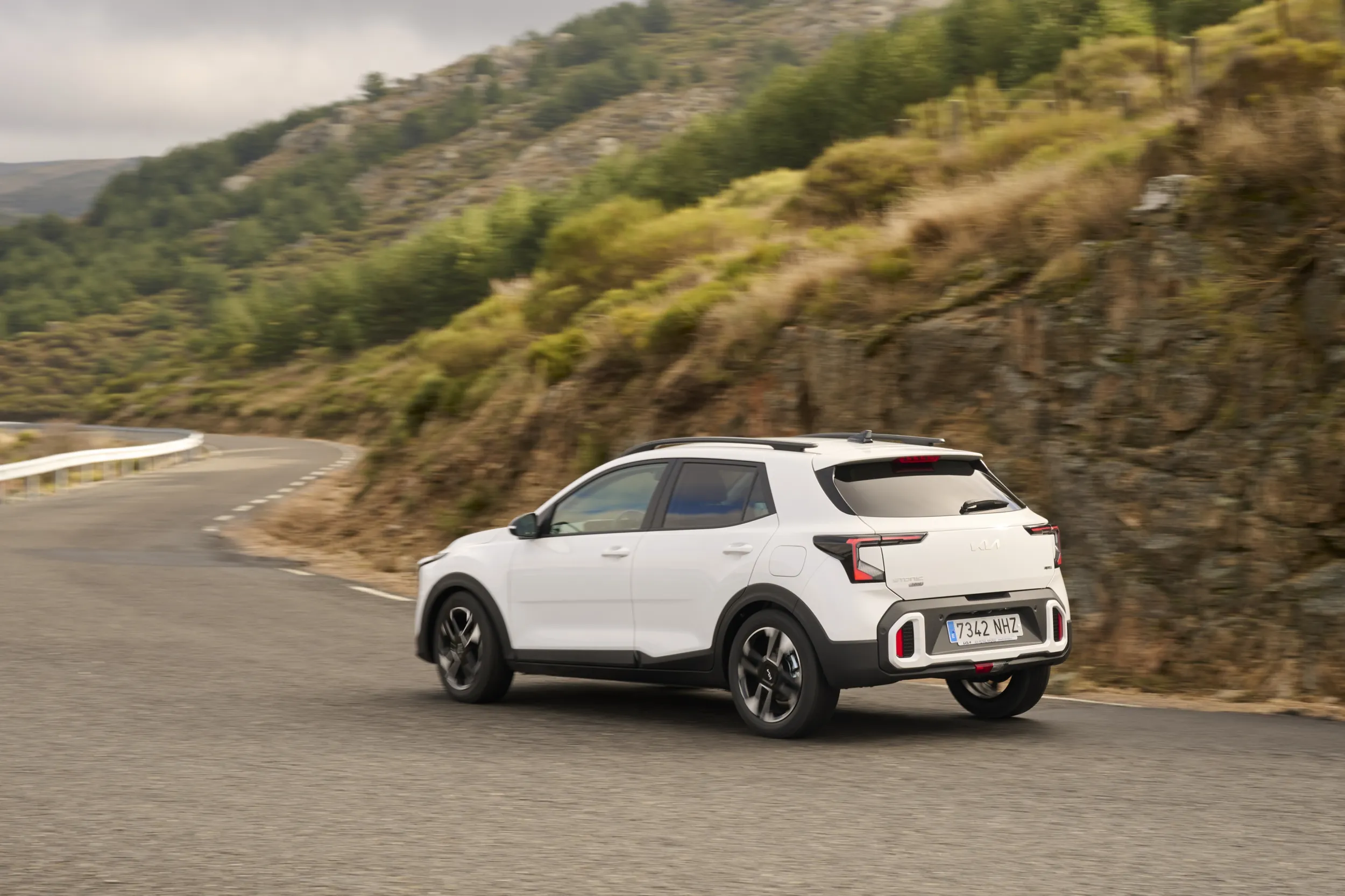
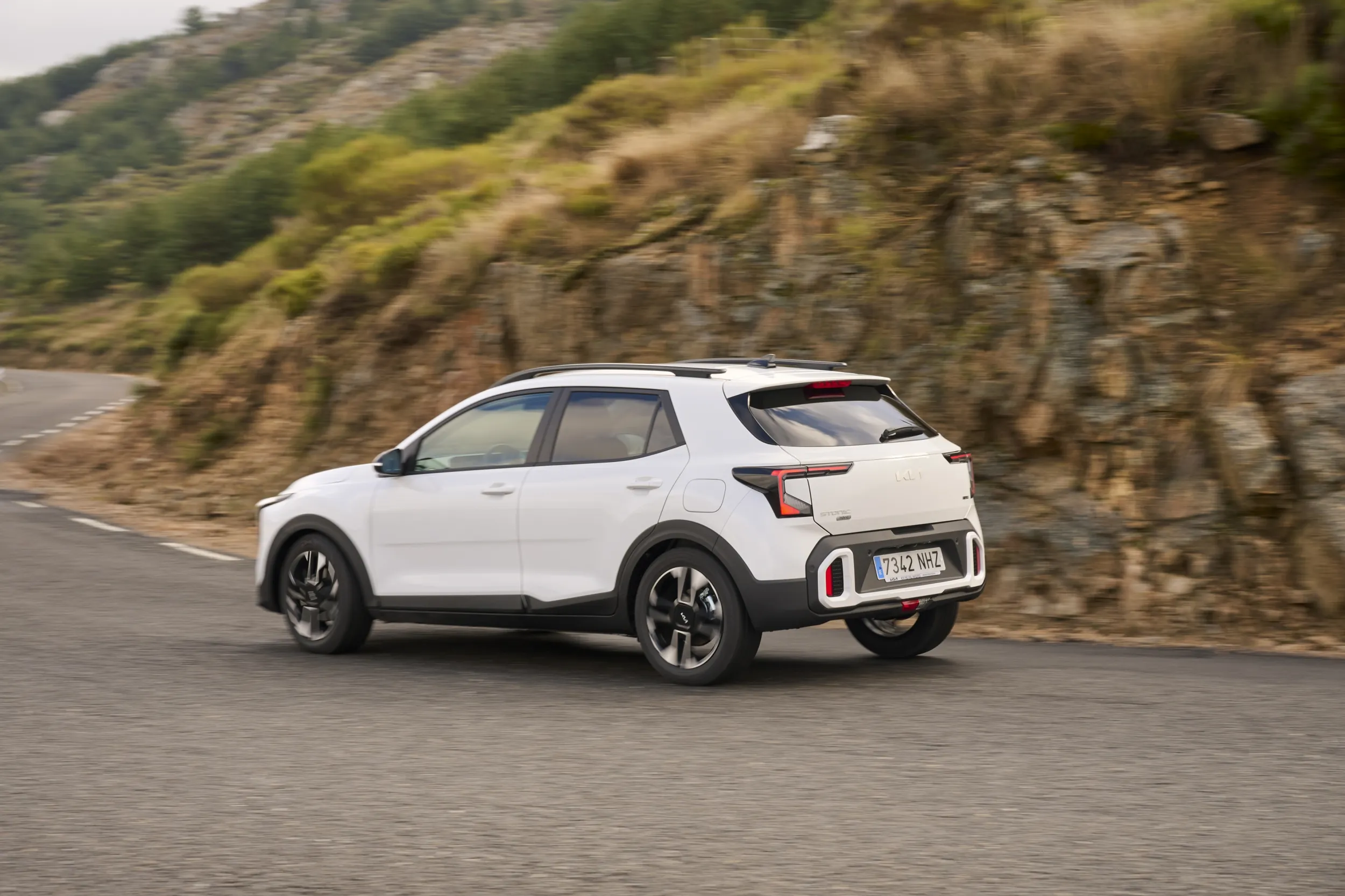
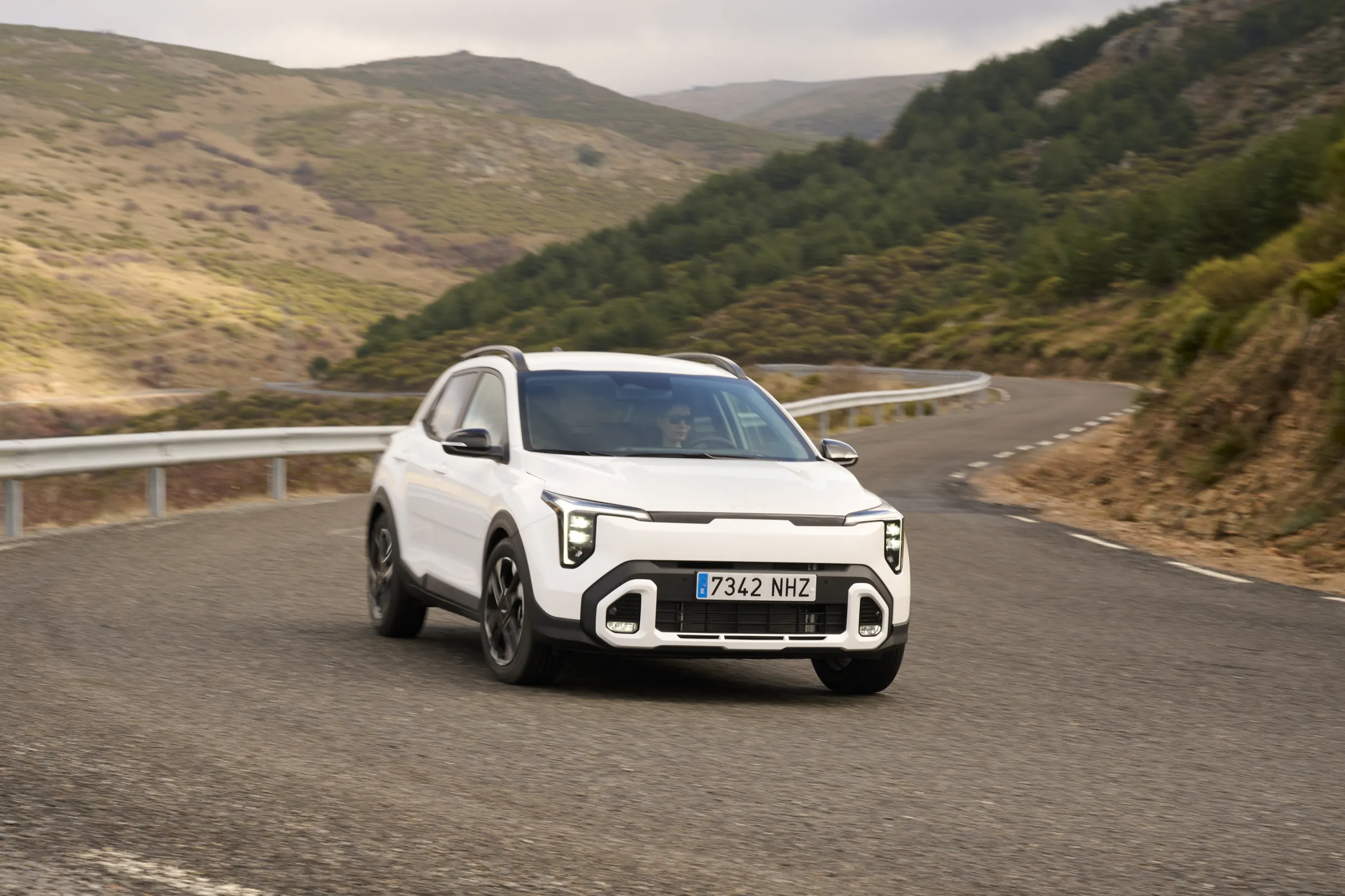
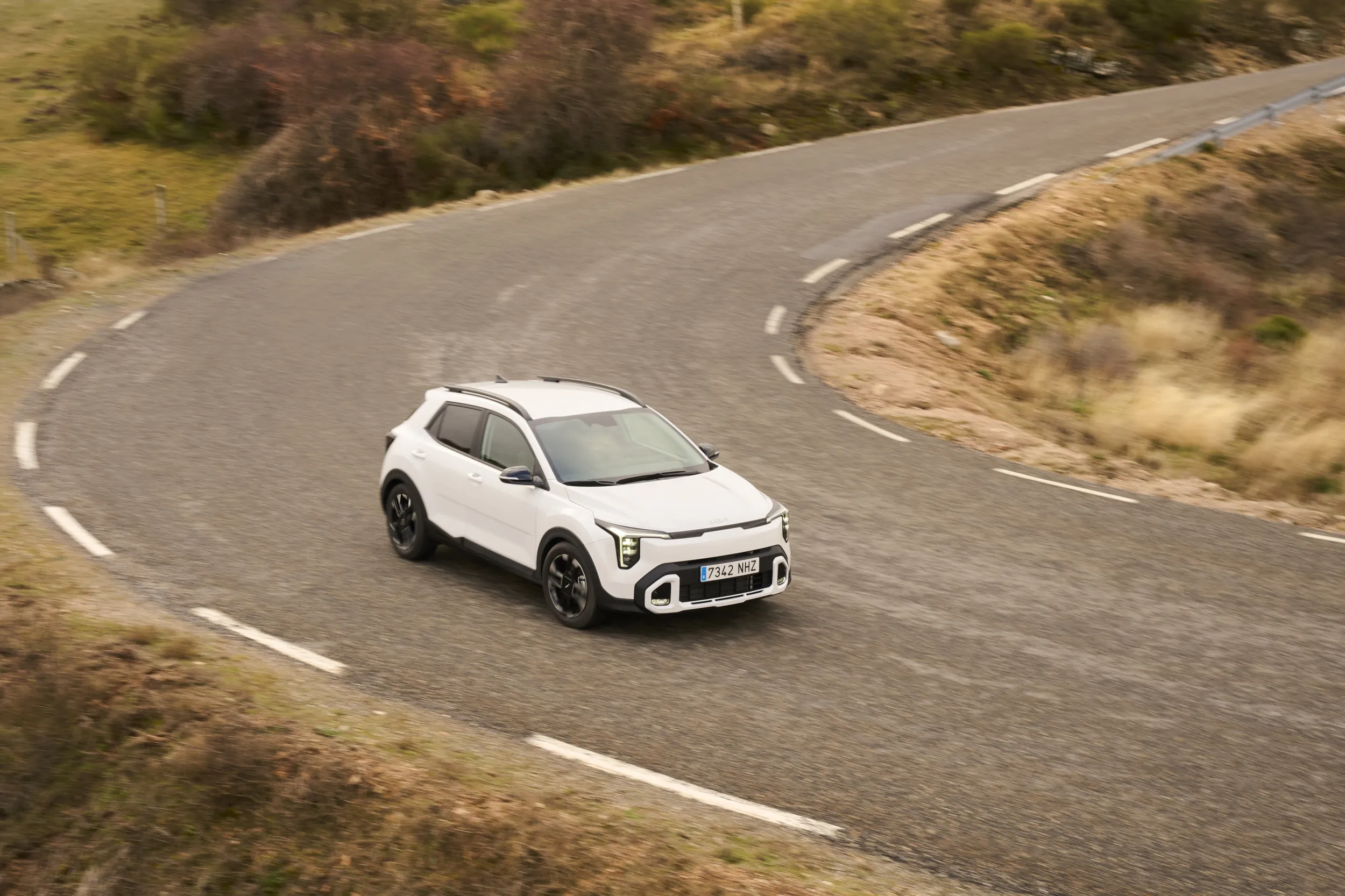
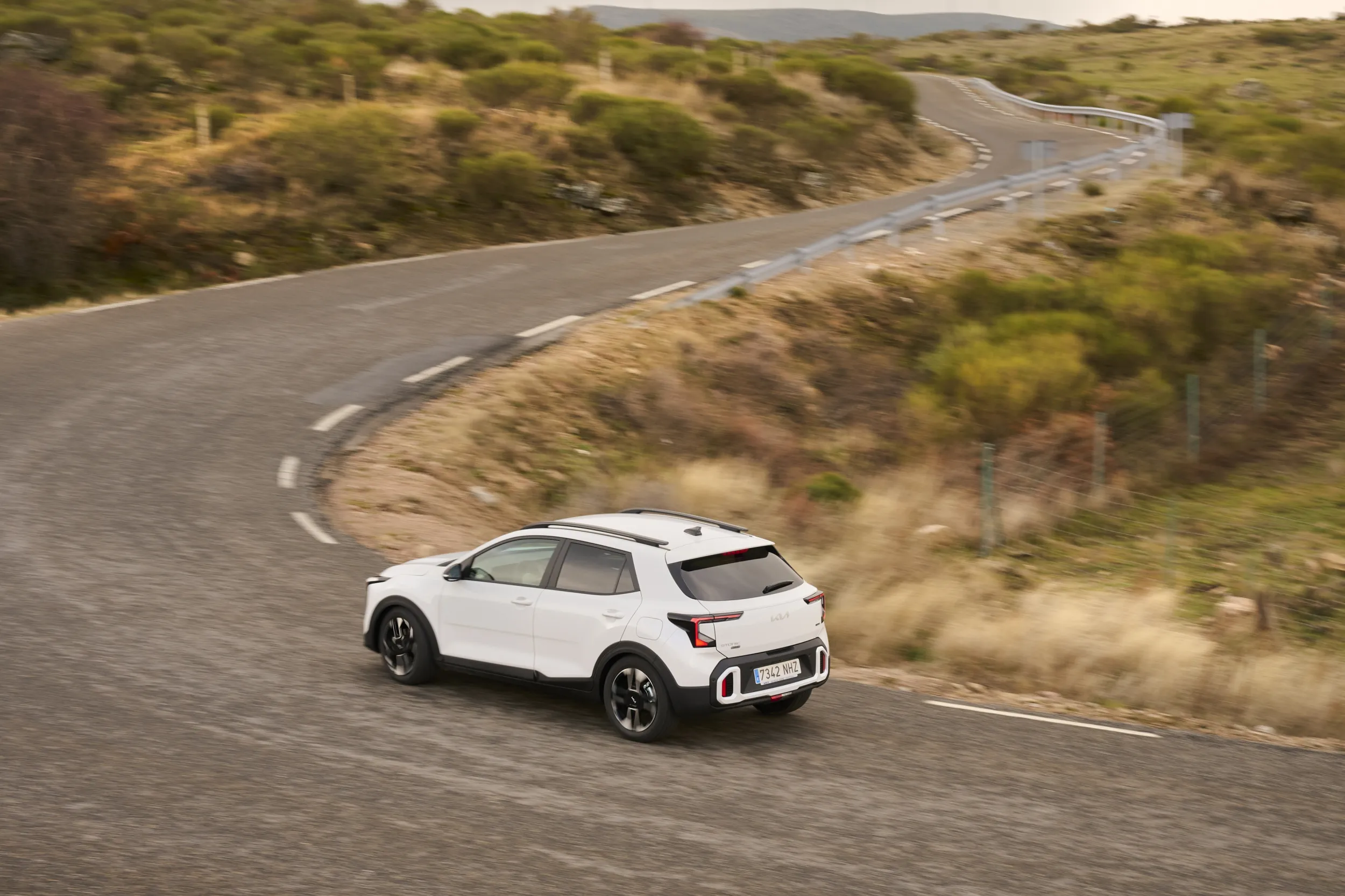
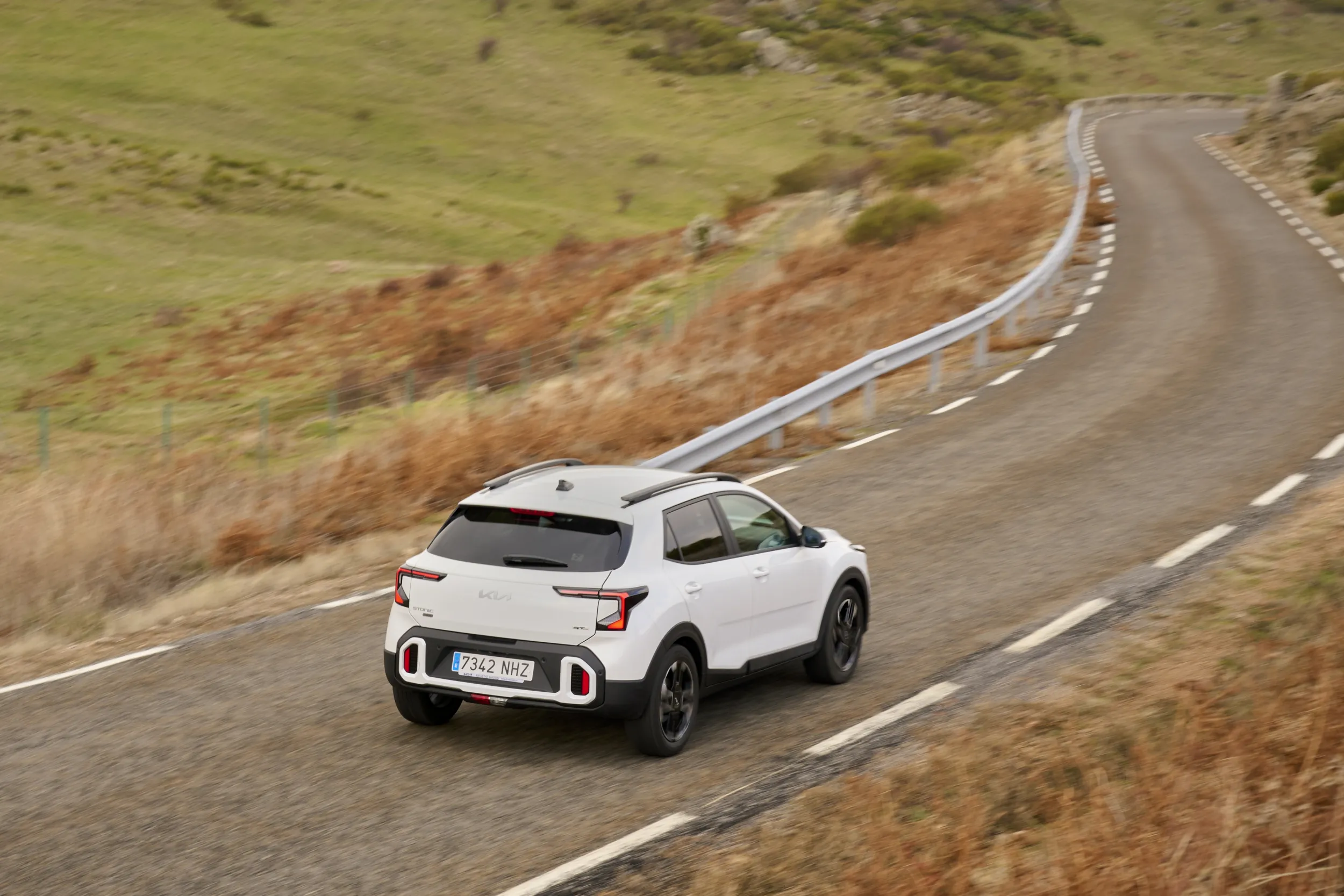
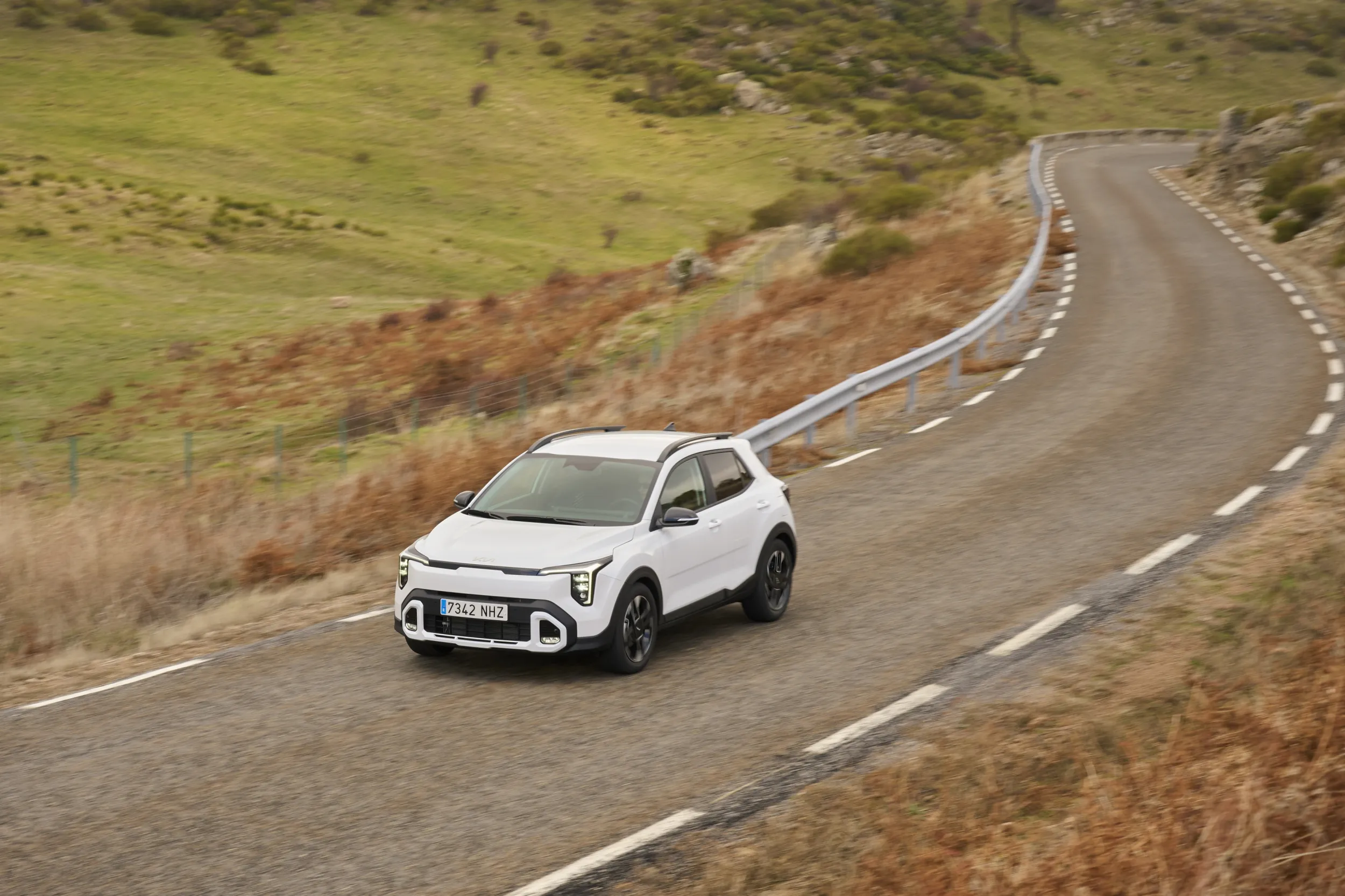
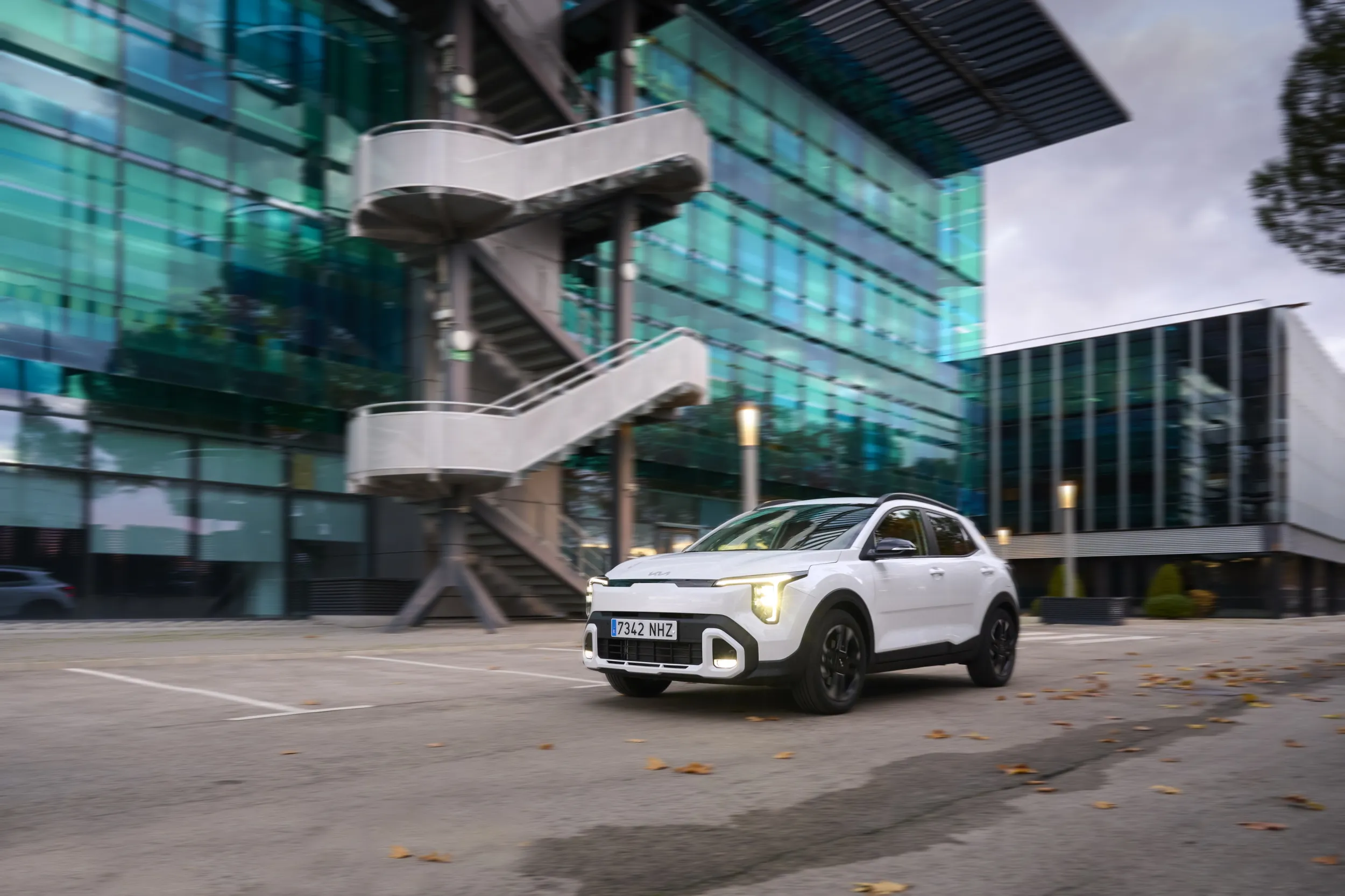
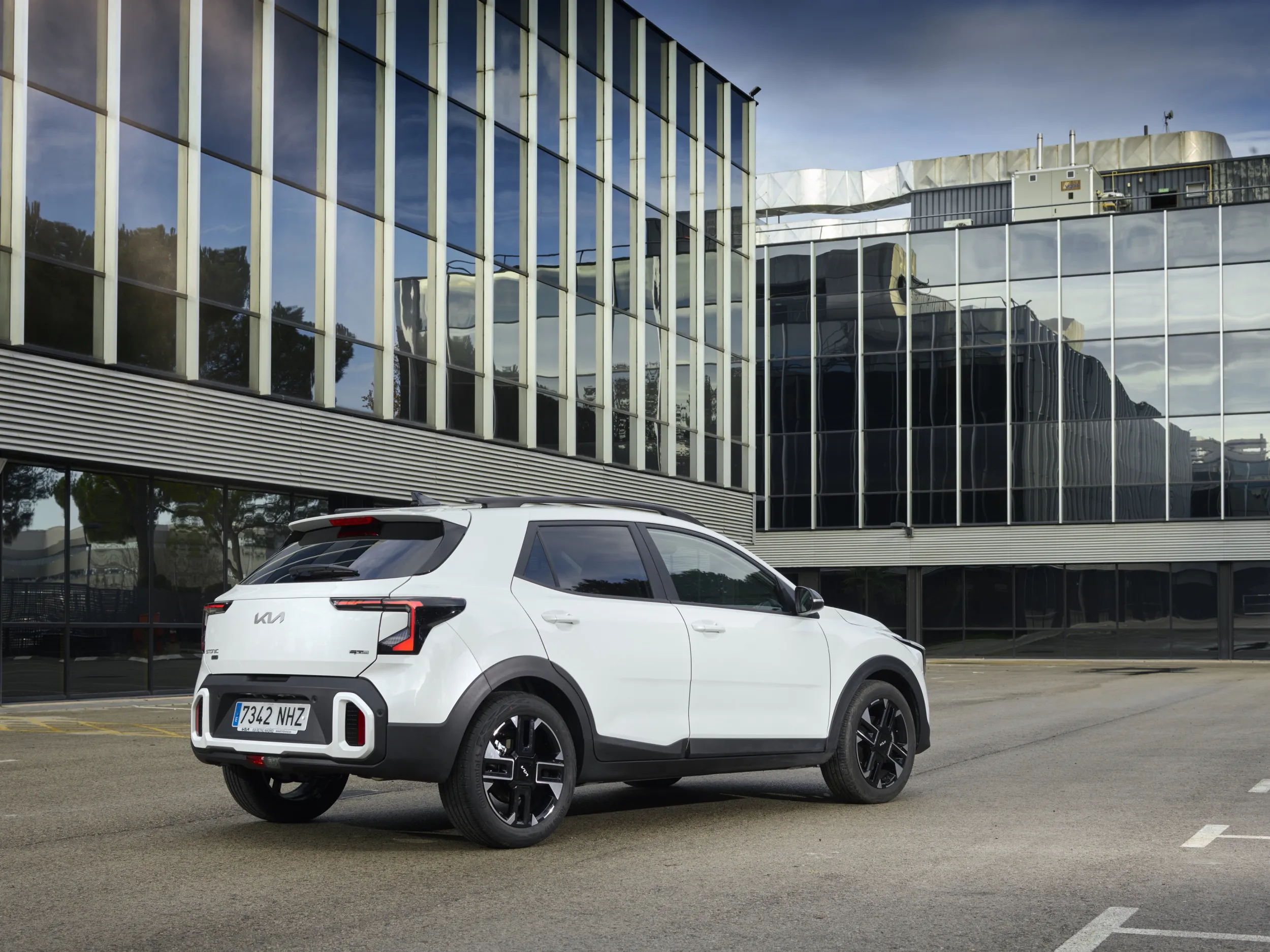
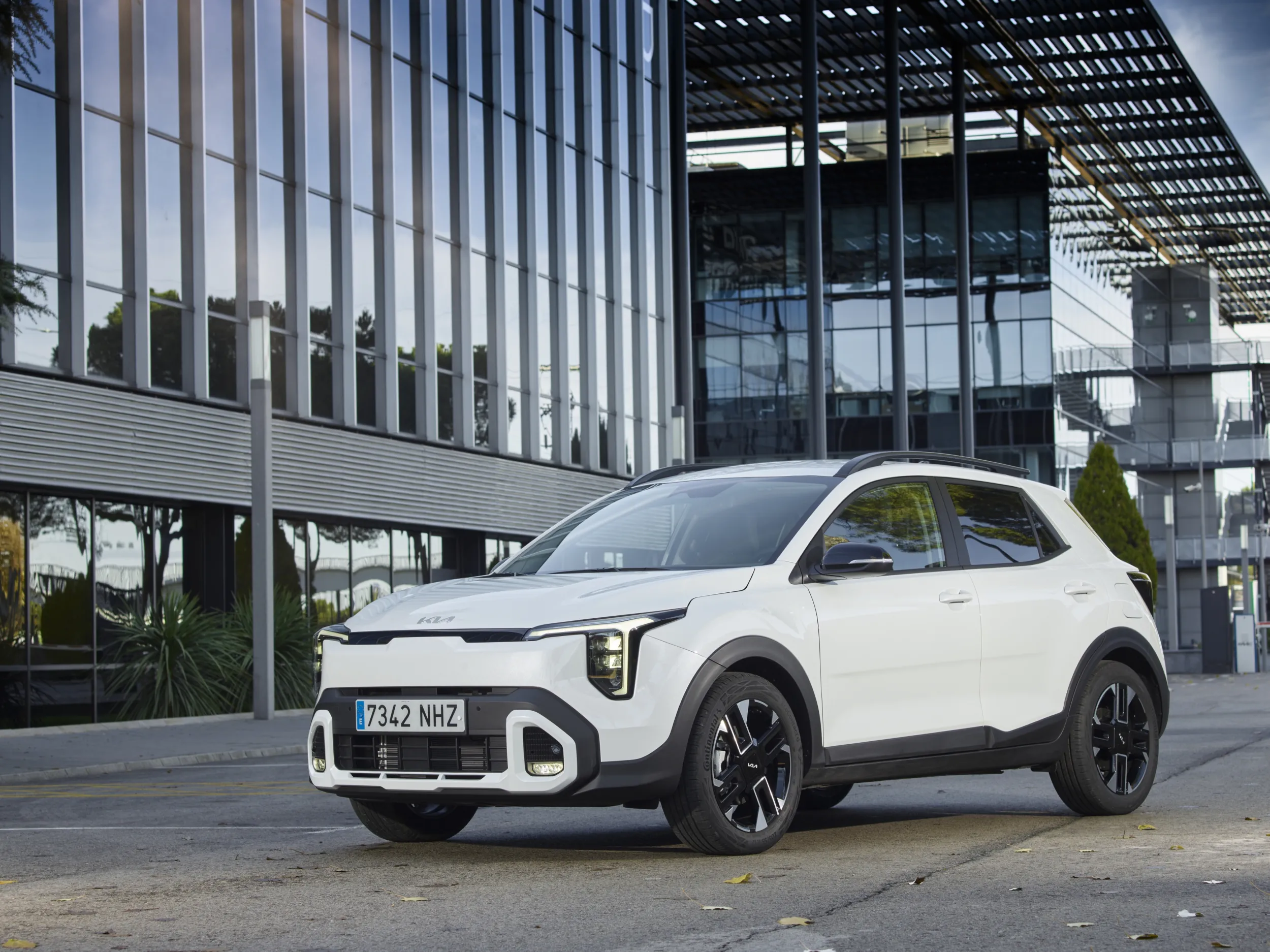
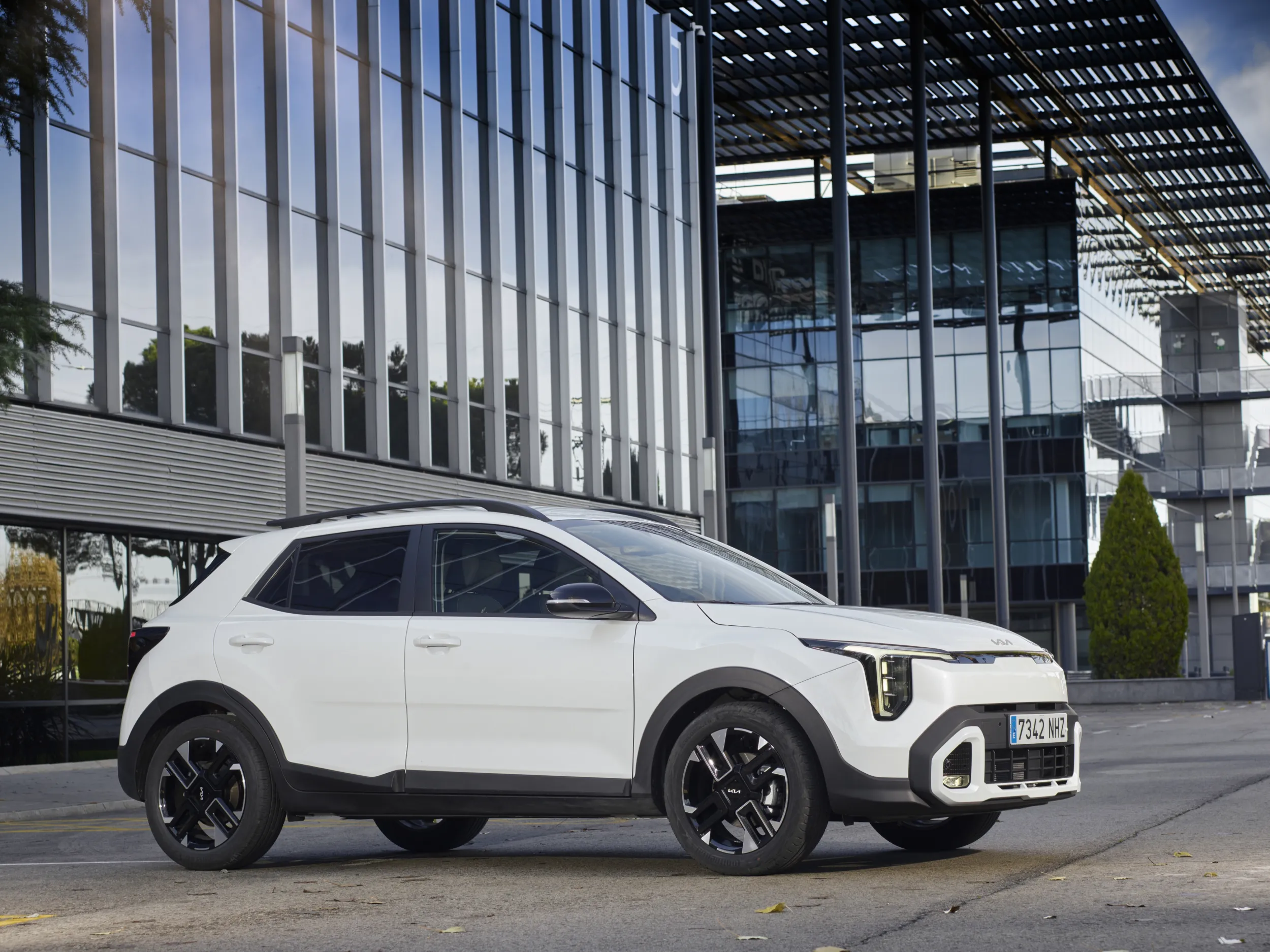
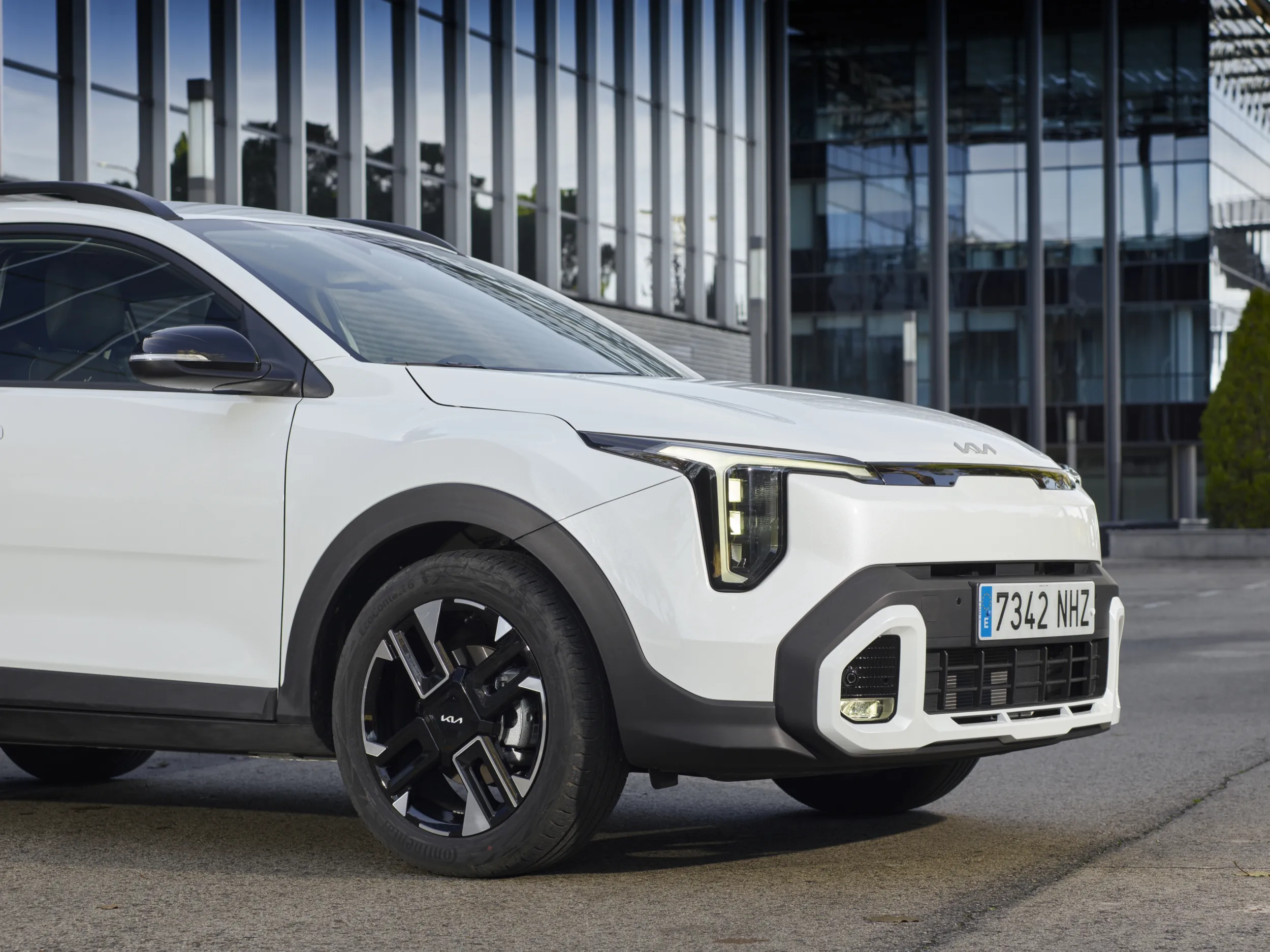
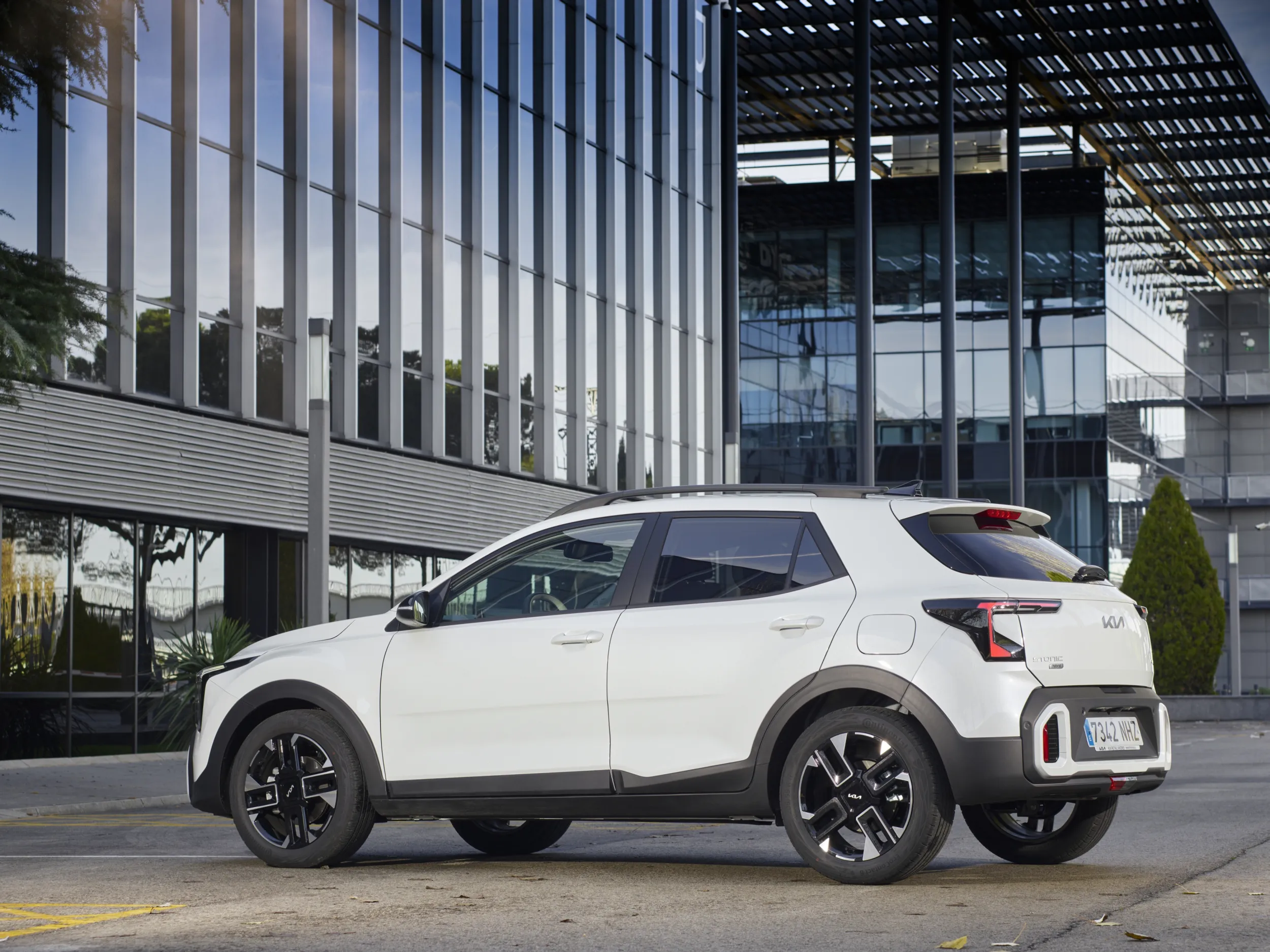
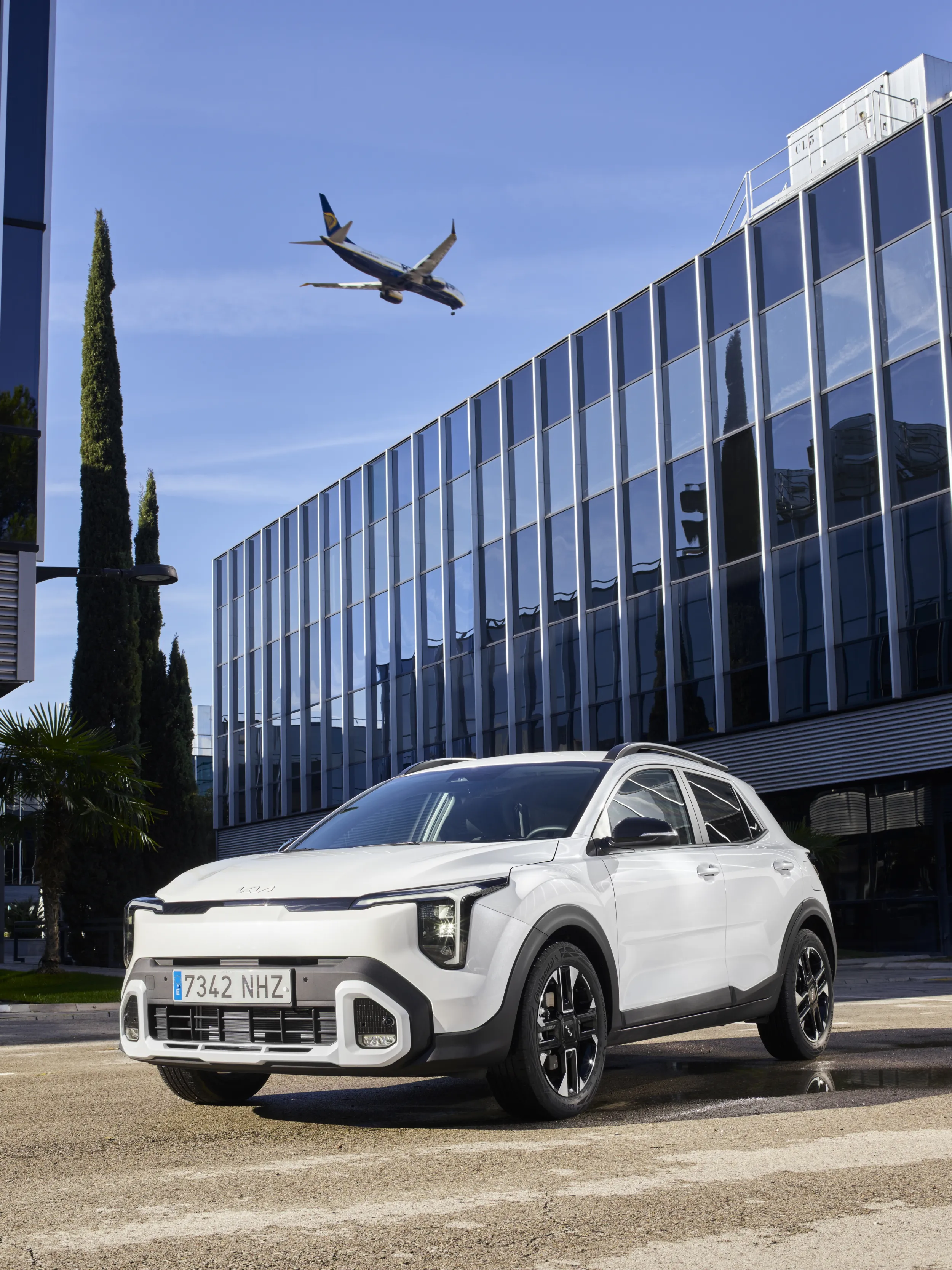
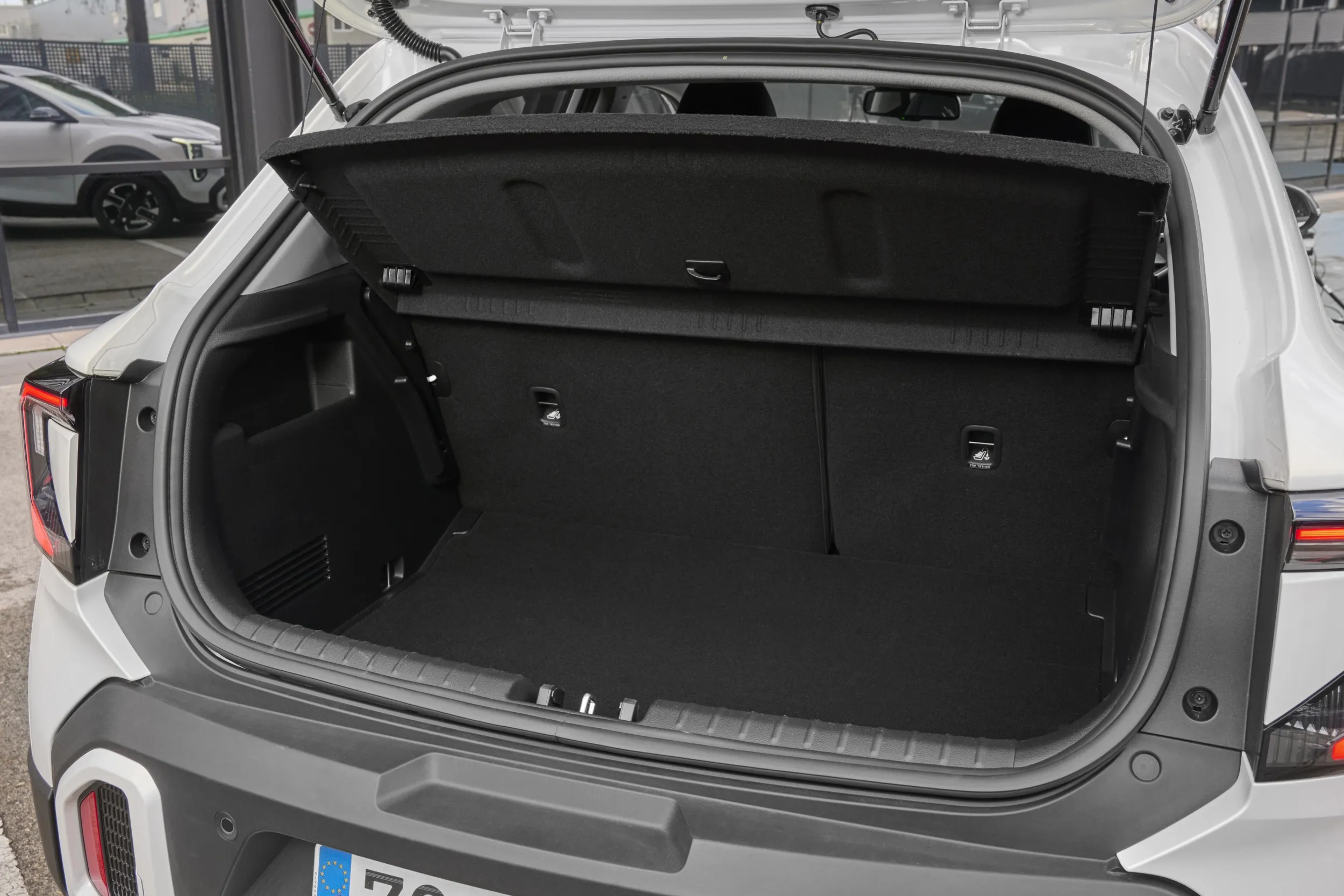
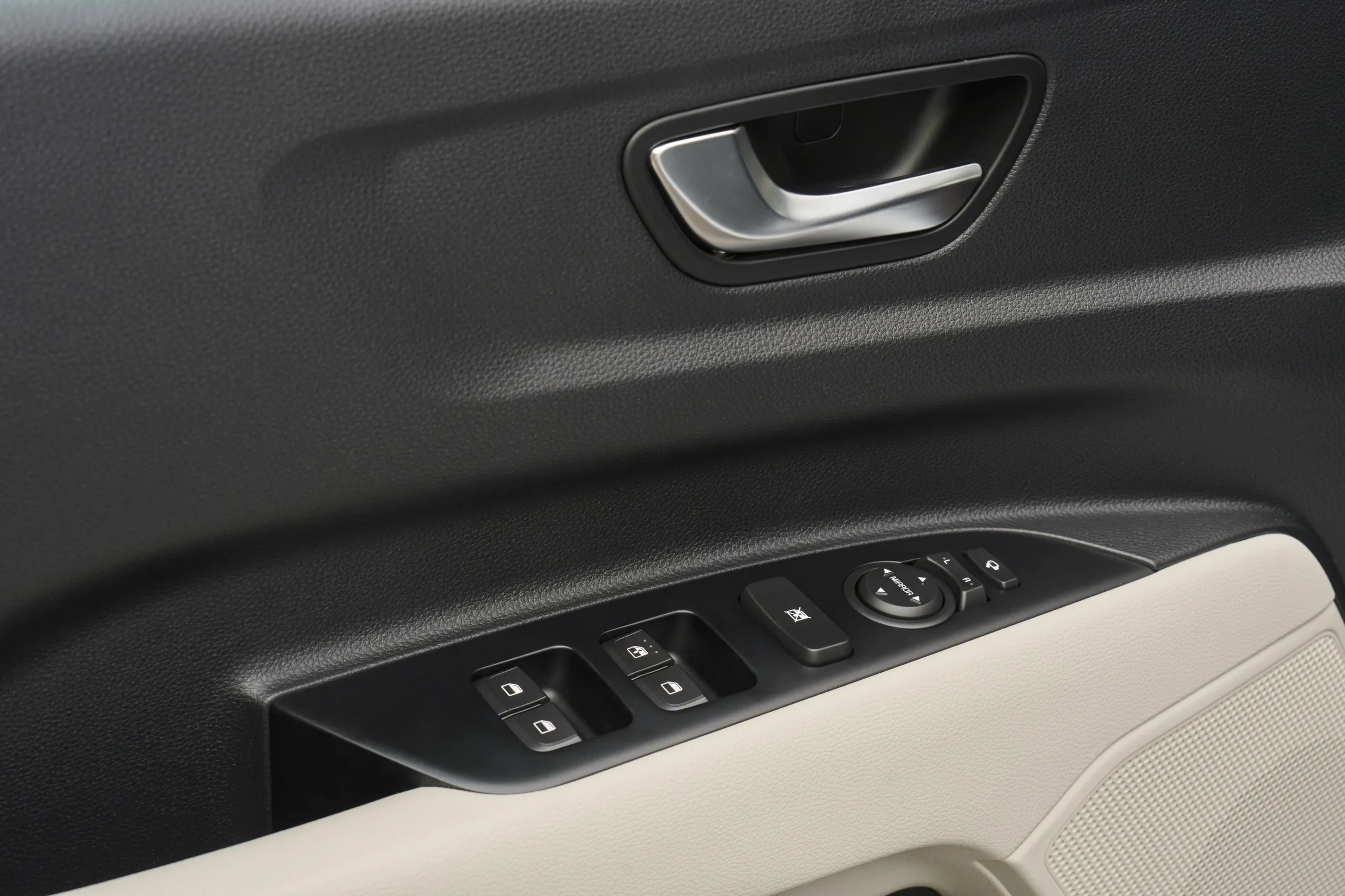
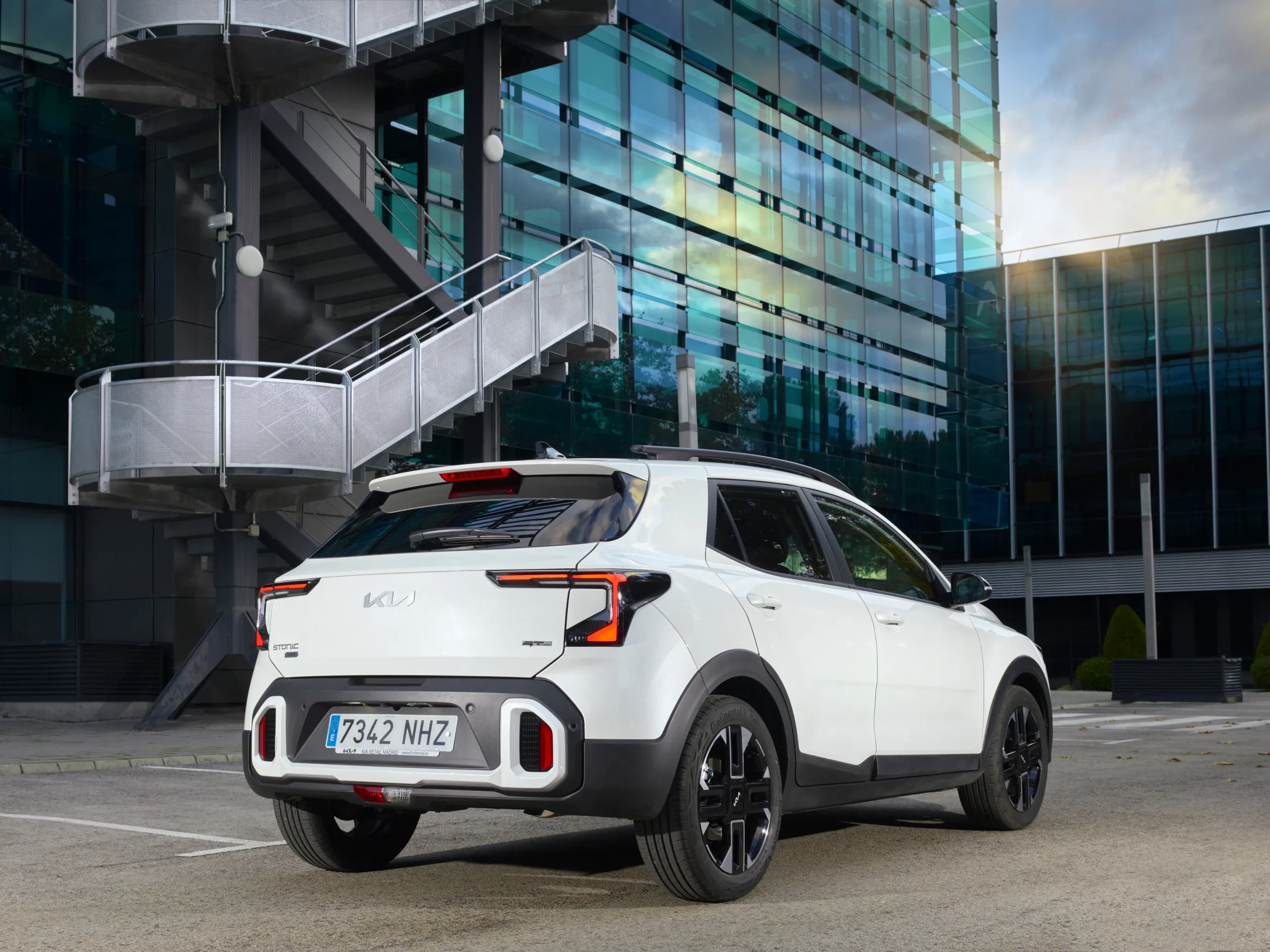
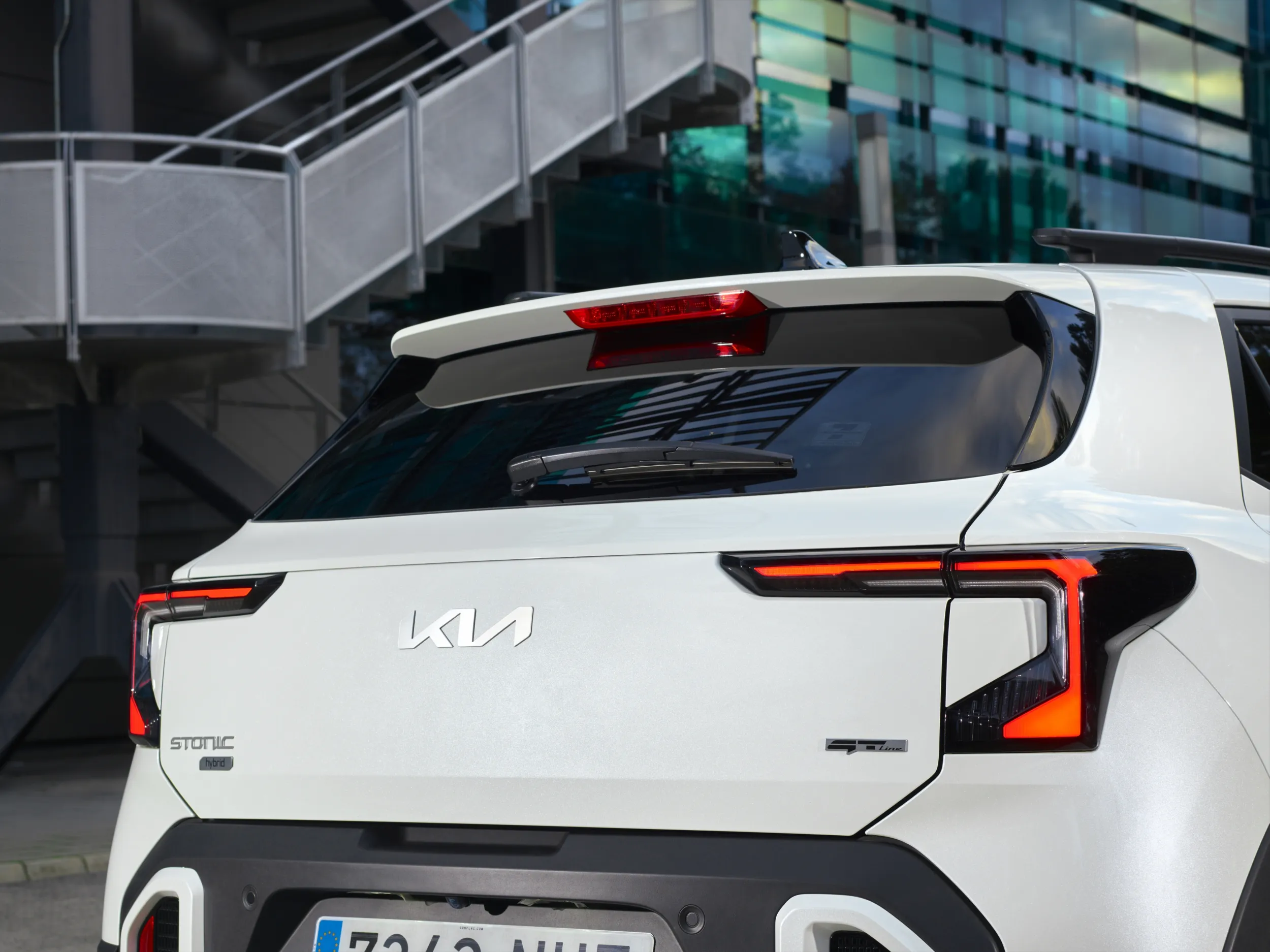
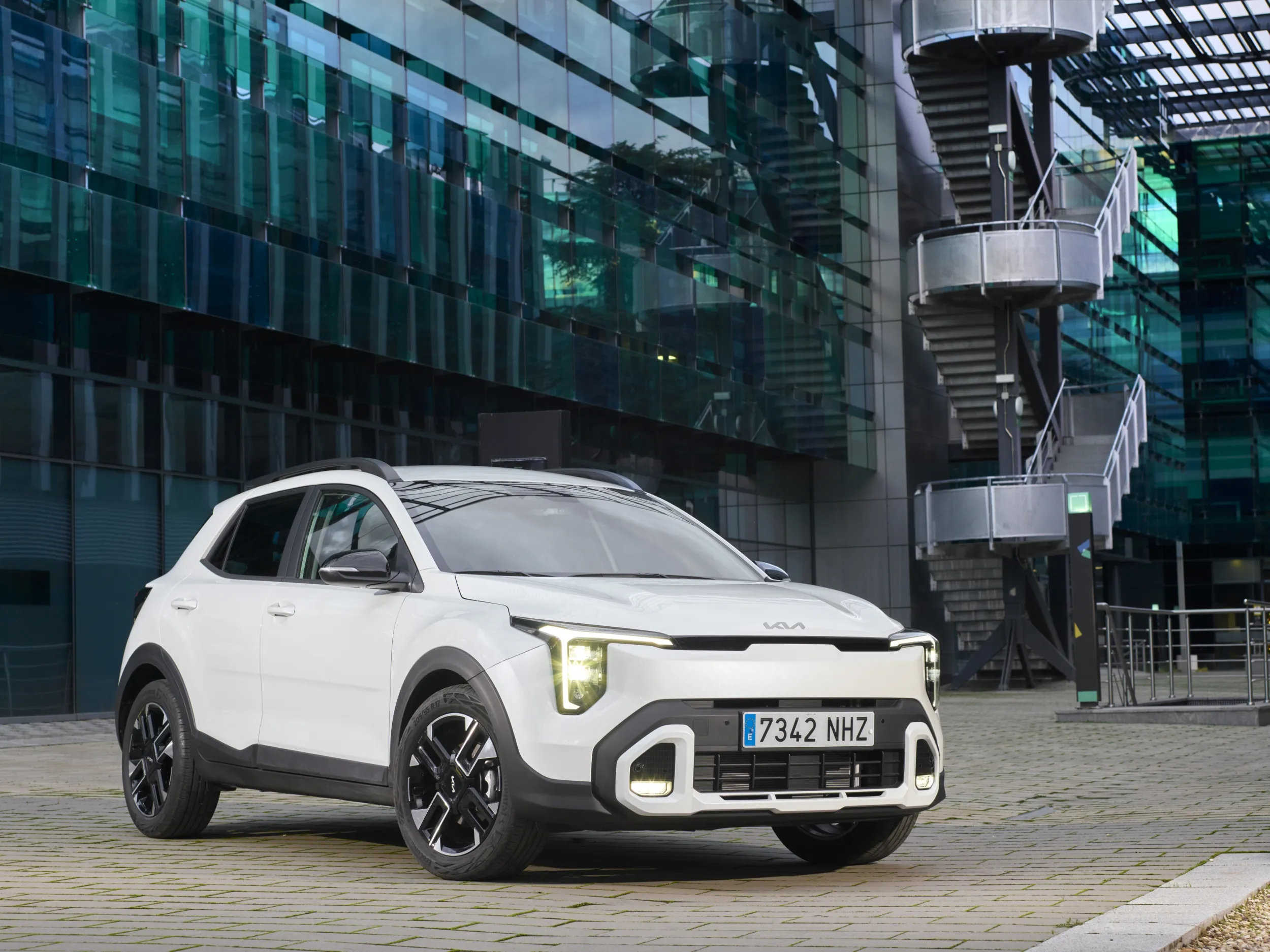
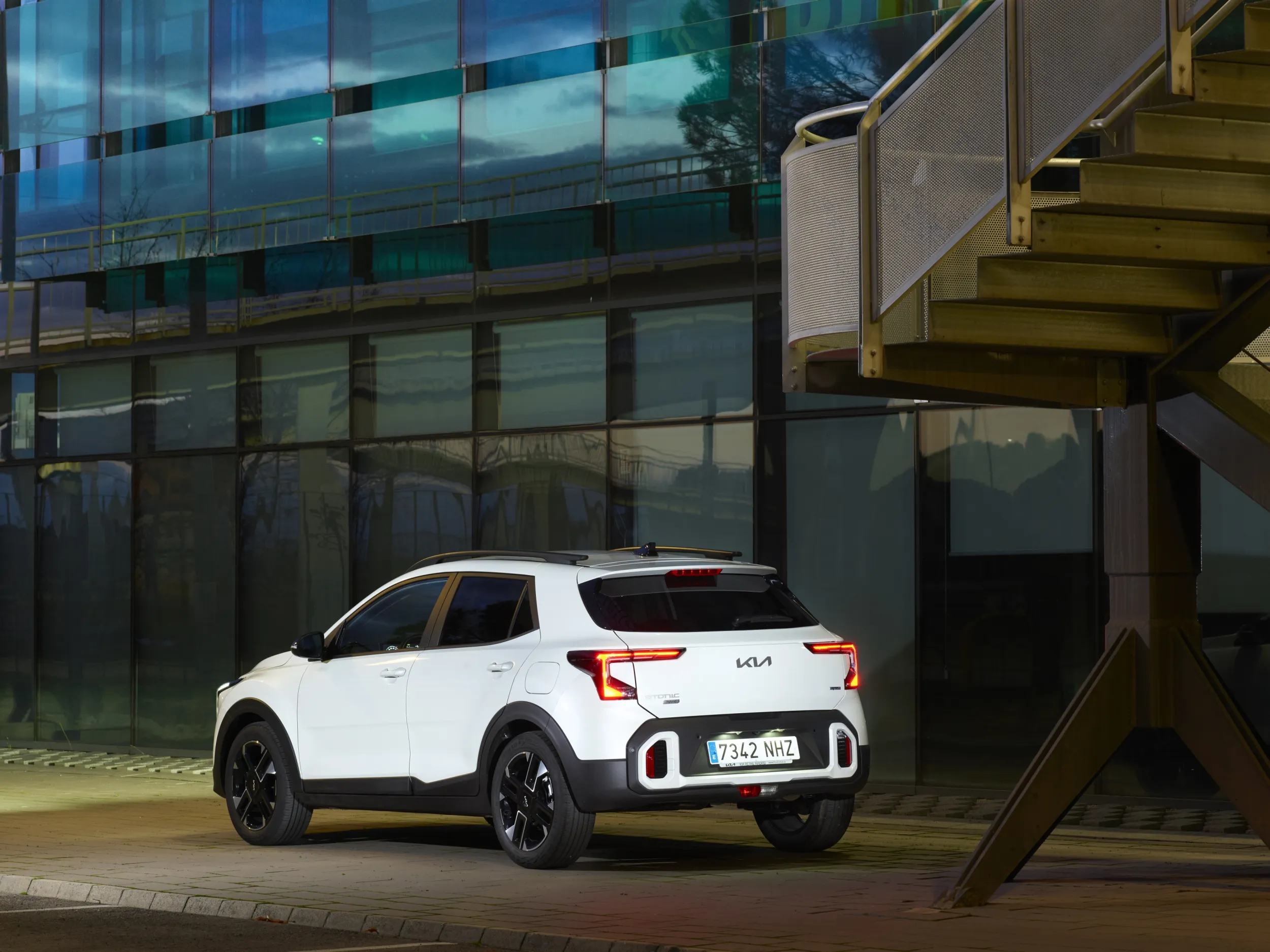
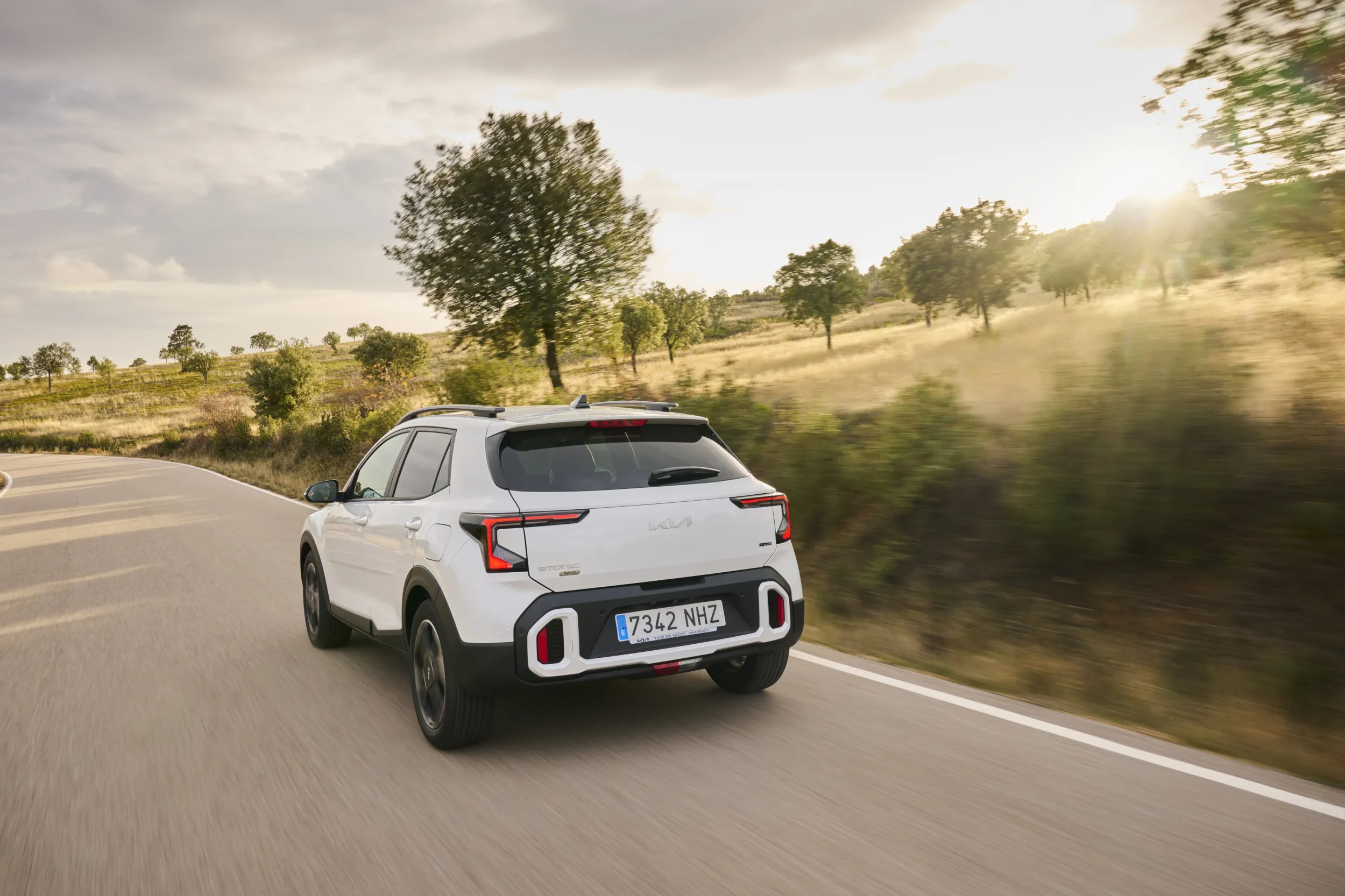
Kia has rolled out an updated Stonic that promises more design, more technology and a stronger hint of premium appeal in the crowded B segment crossover class. This is a thorough but tightly controlled facelift, aimed at keeping the Stonic competitive in an era where novelty is created on screens rather than in the press shop.
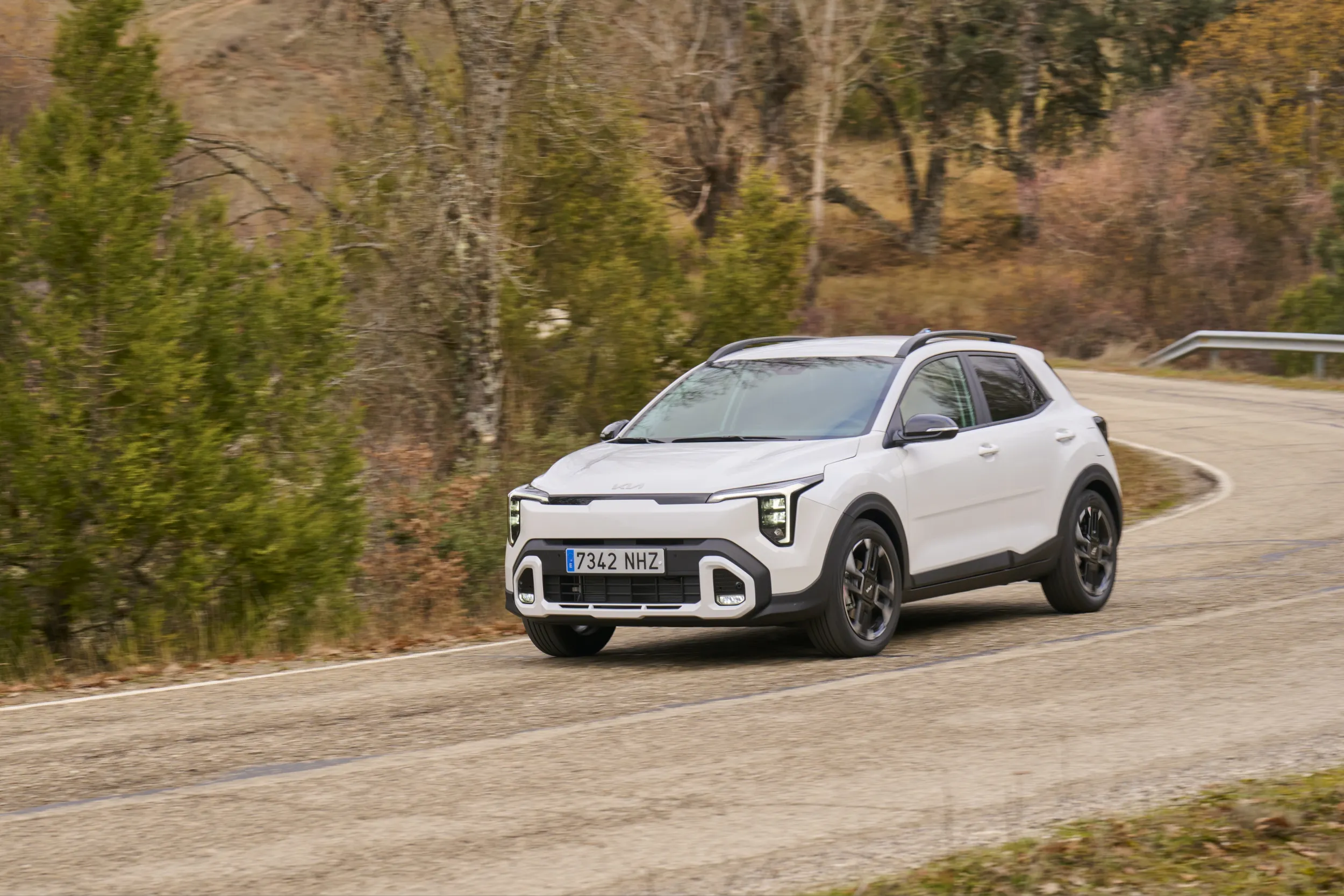
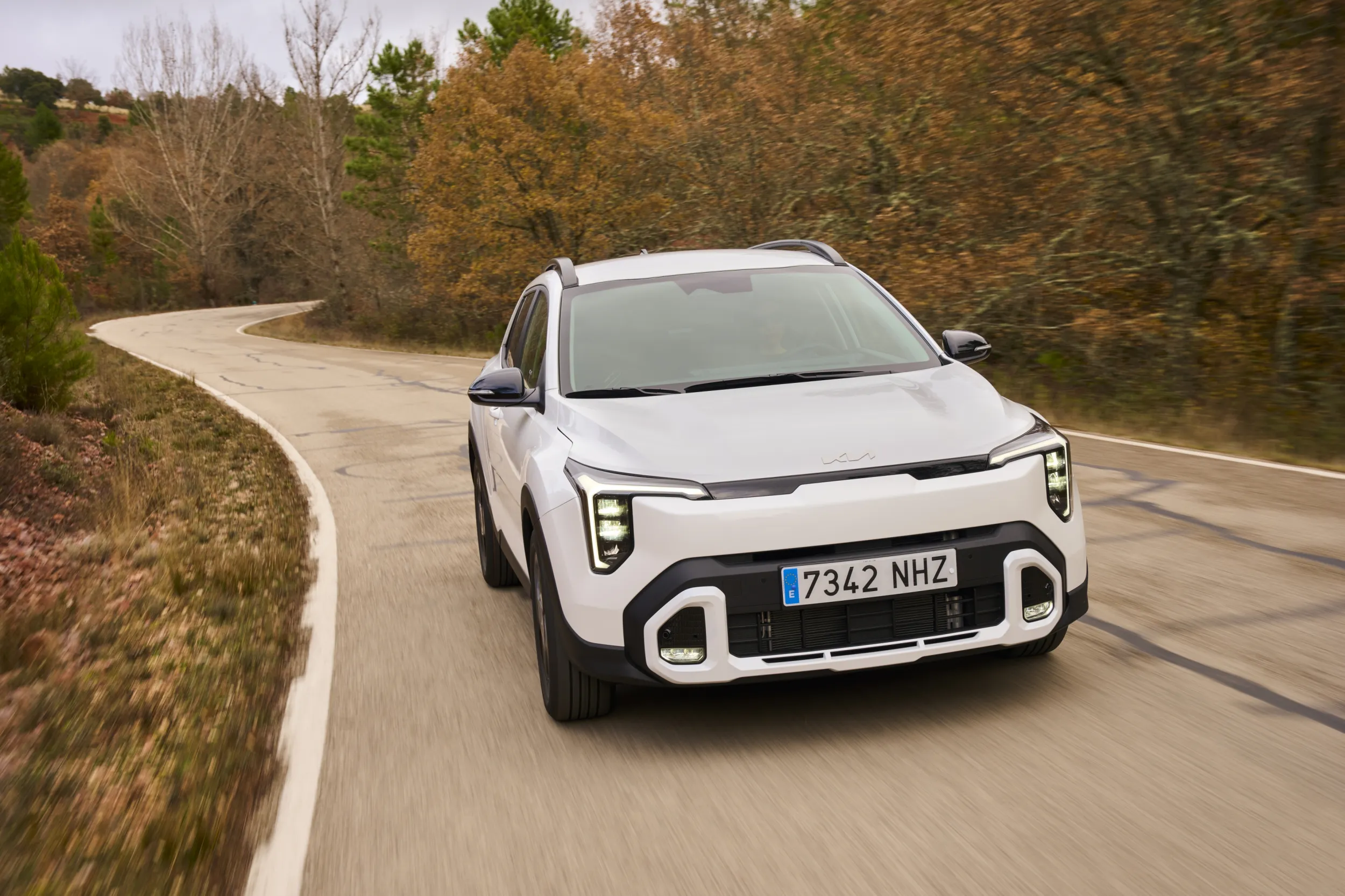
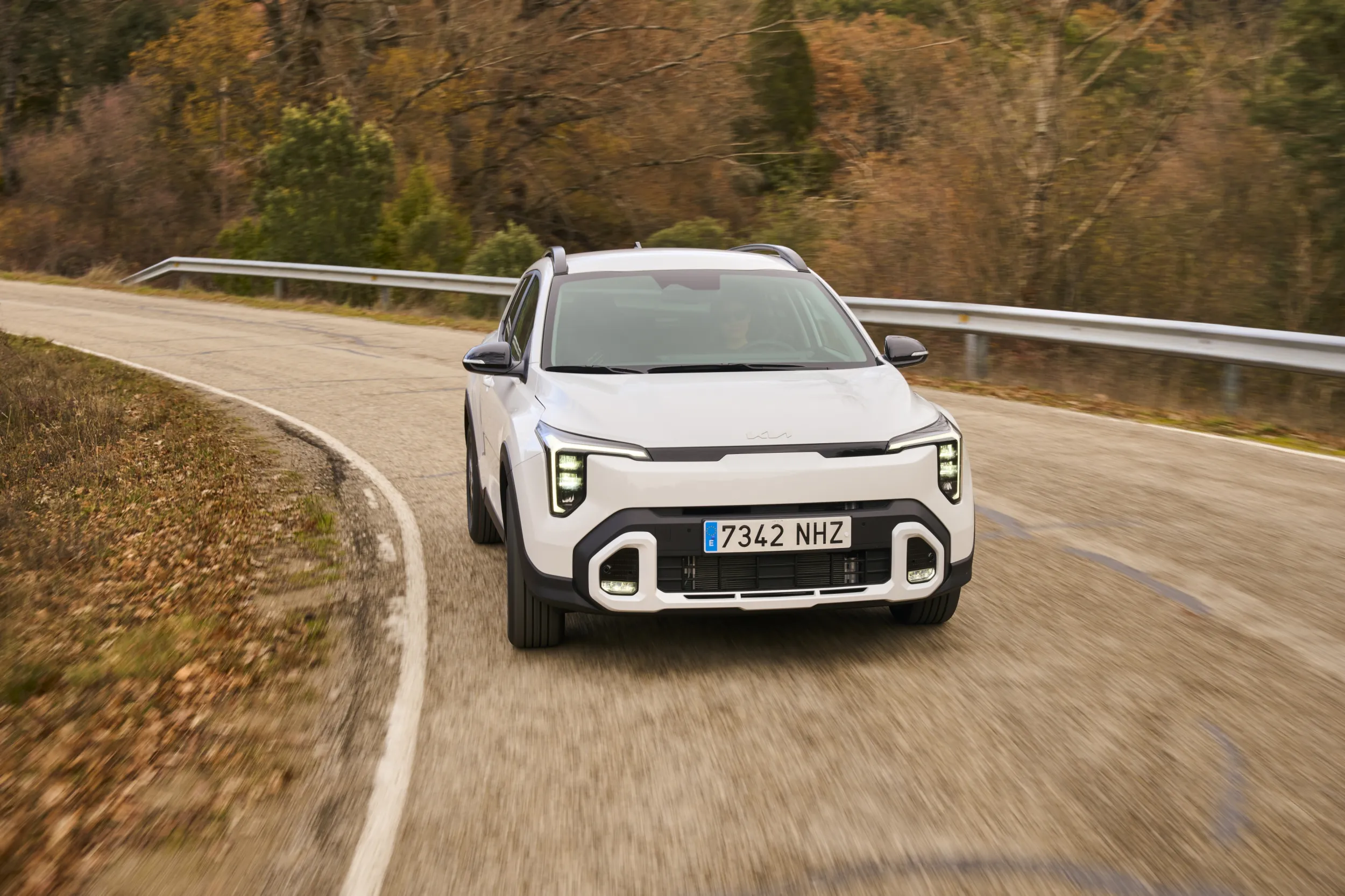
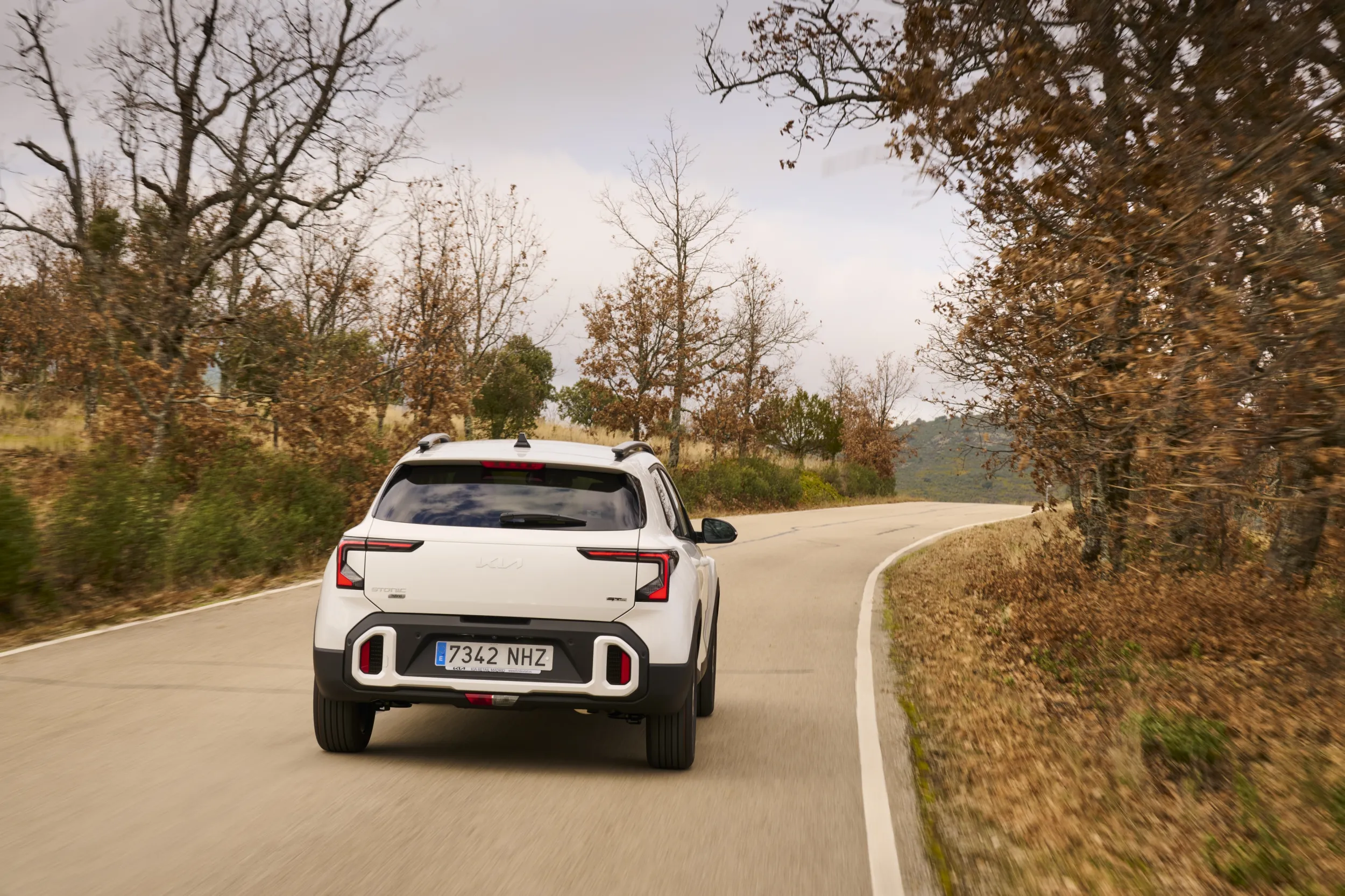
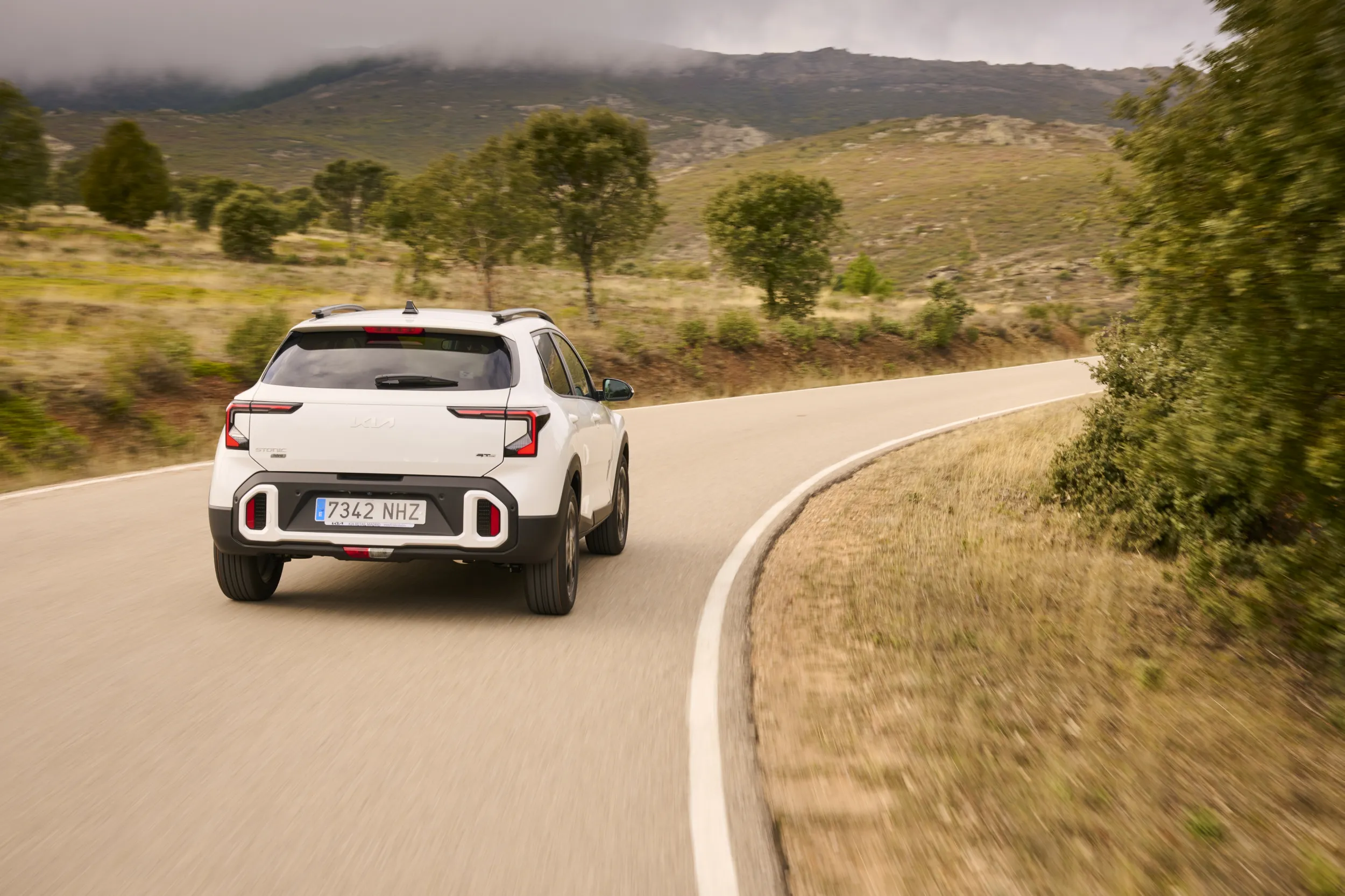
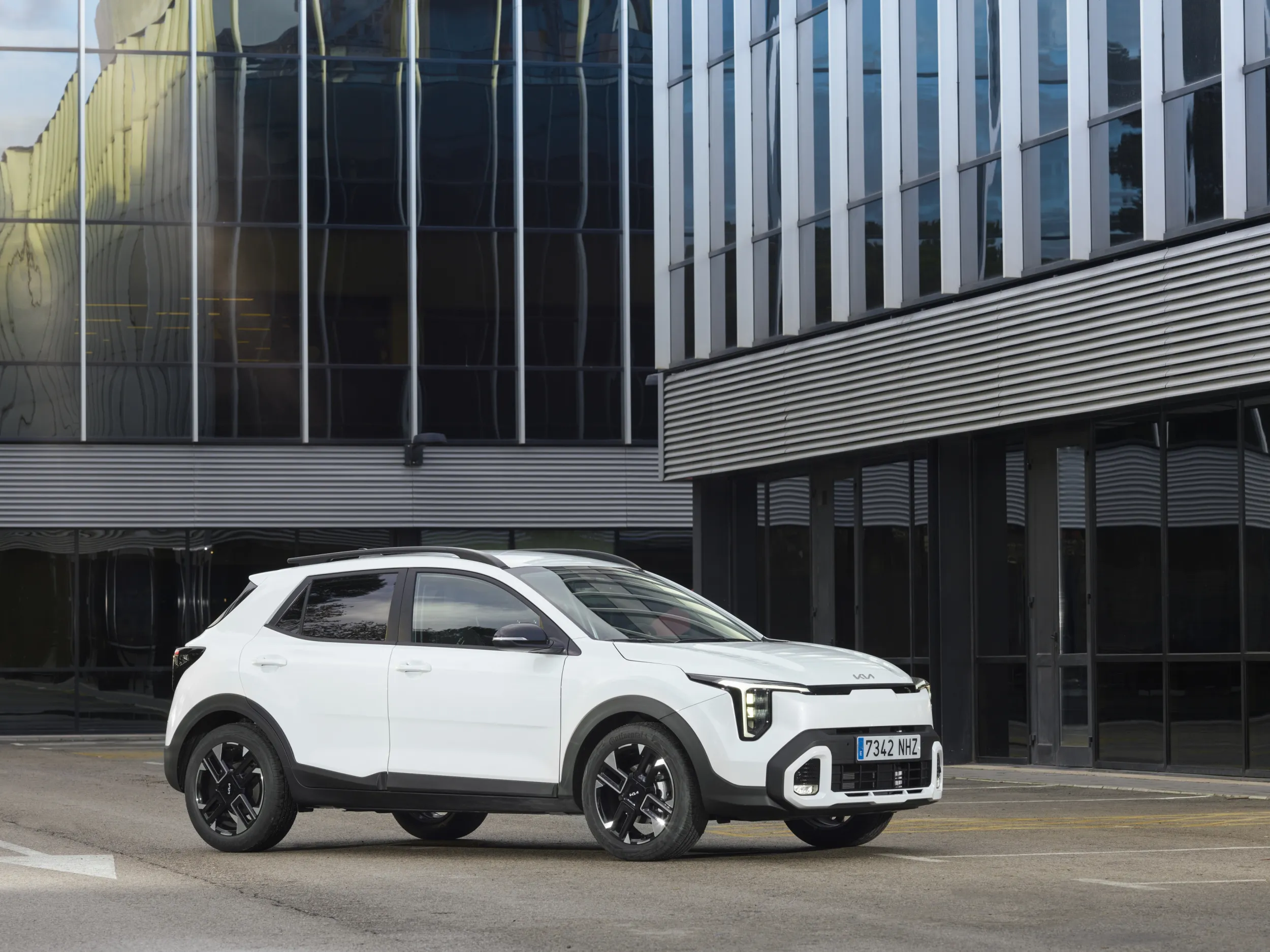
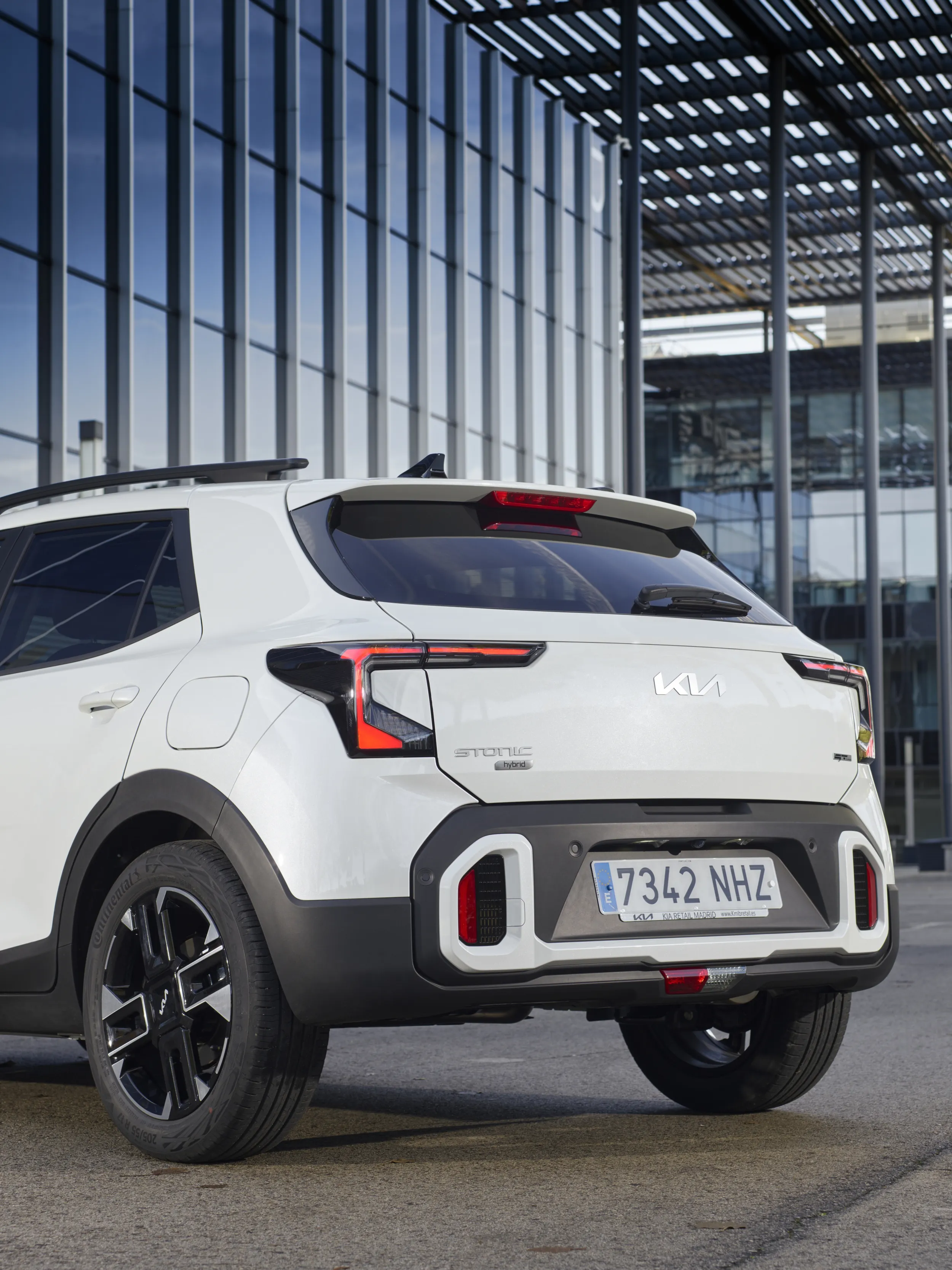
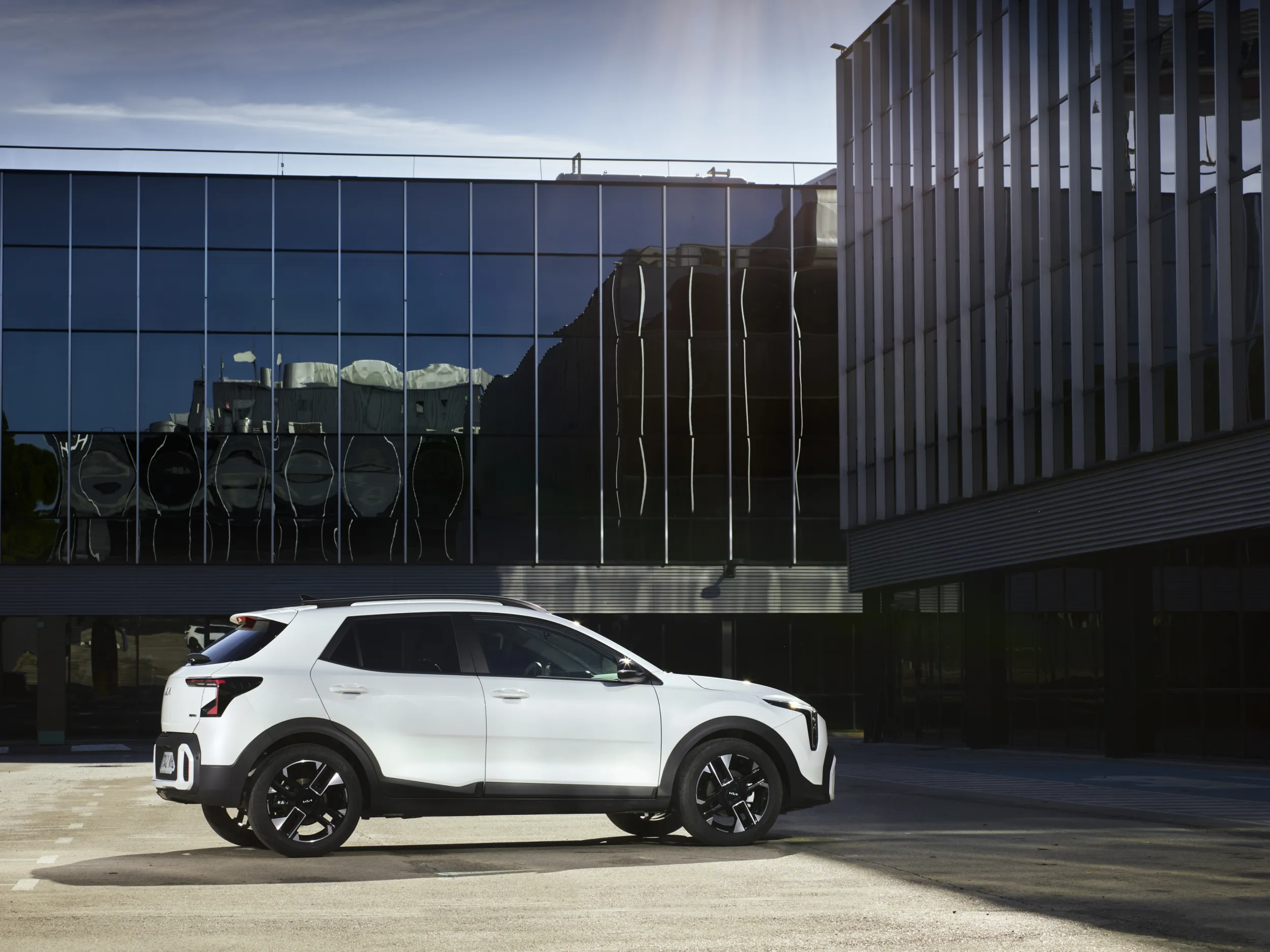
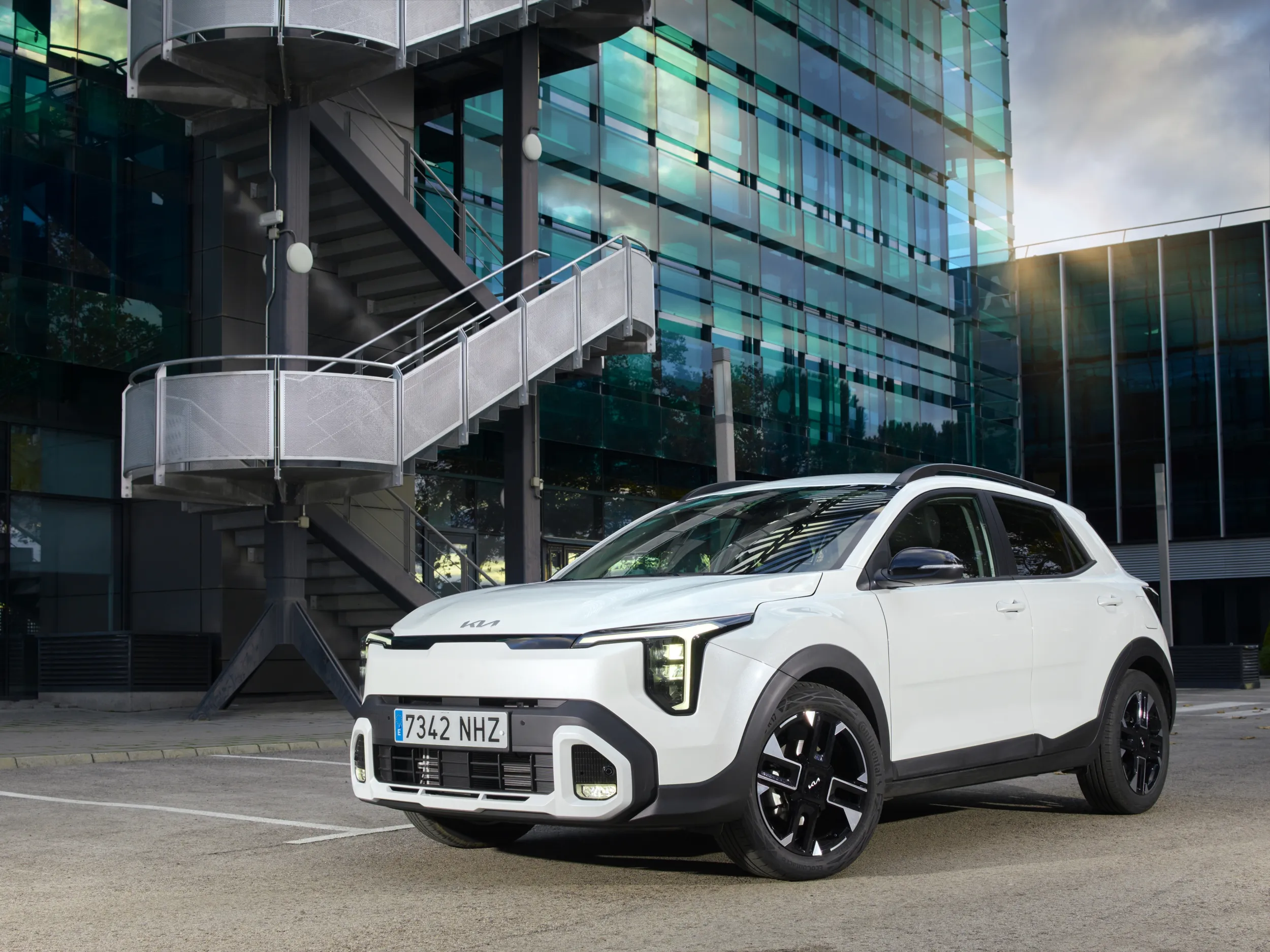
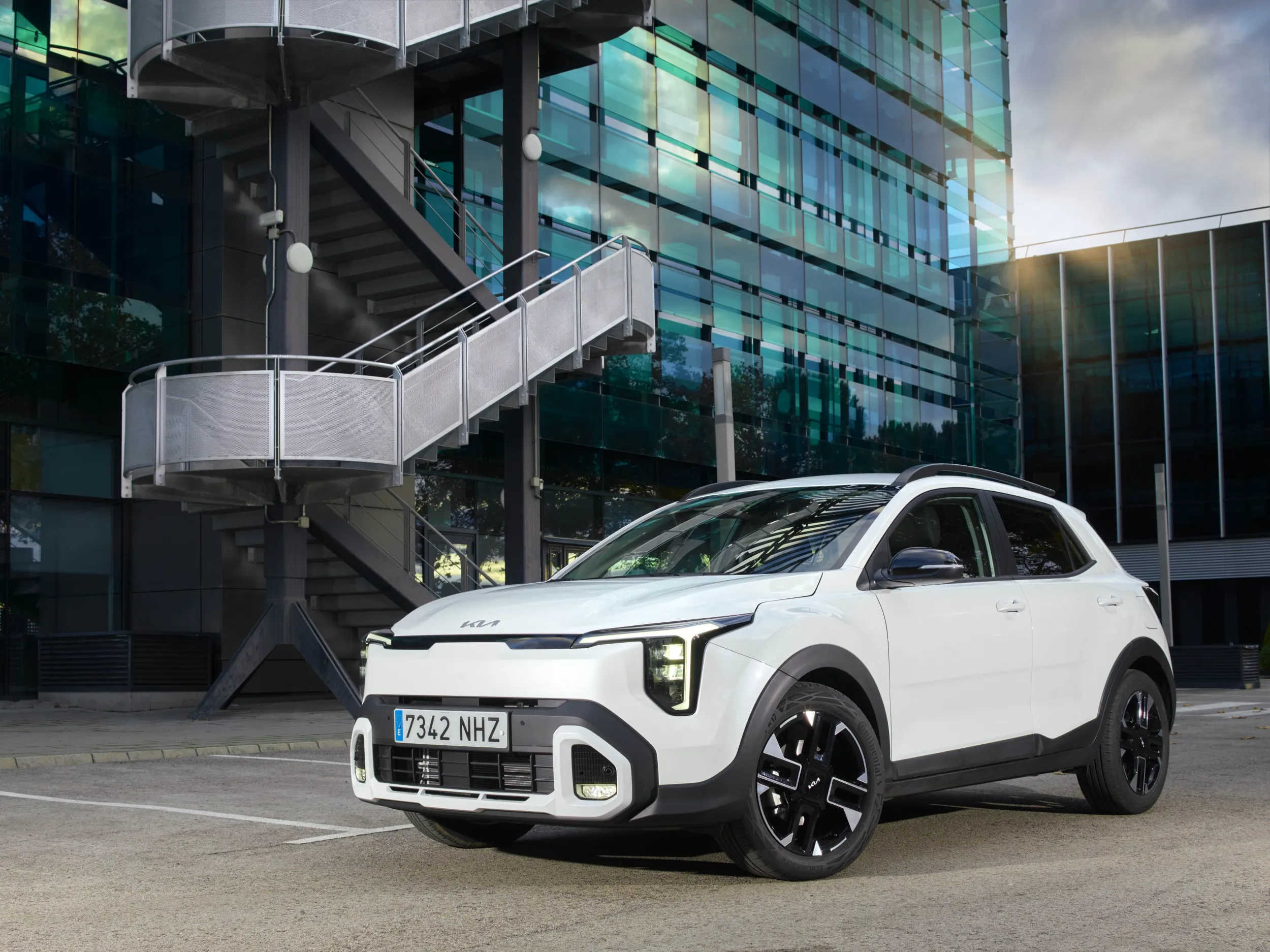
Kia’s Opposites United design philosophy appears here in measured form. The car looks sharper and more confident, but it does not try to reinvent itself. Changes to dimensions are minimal. Overall length grows by 25 millimetres, largely thanks to new bumpers.
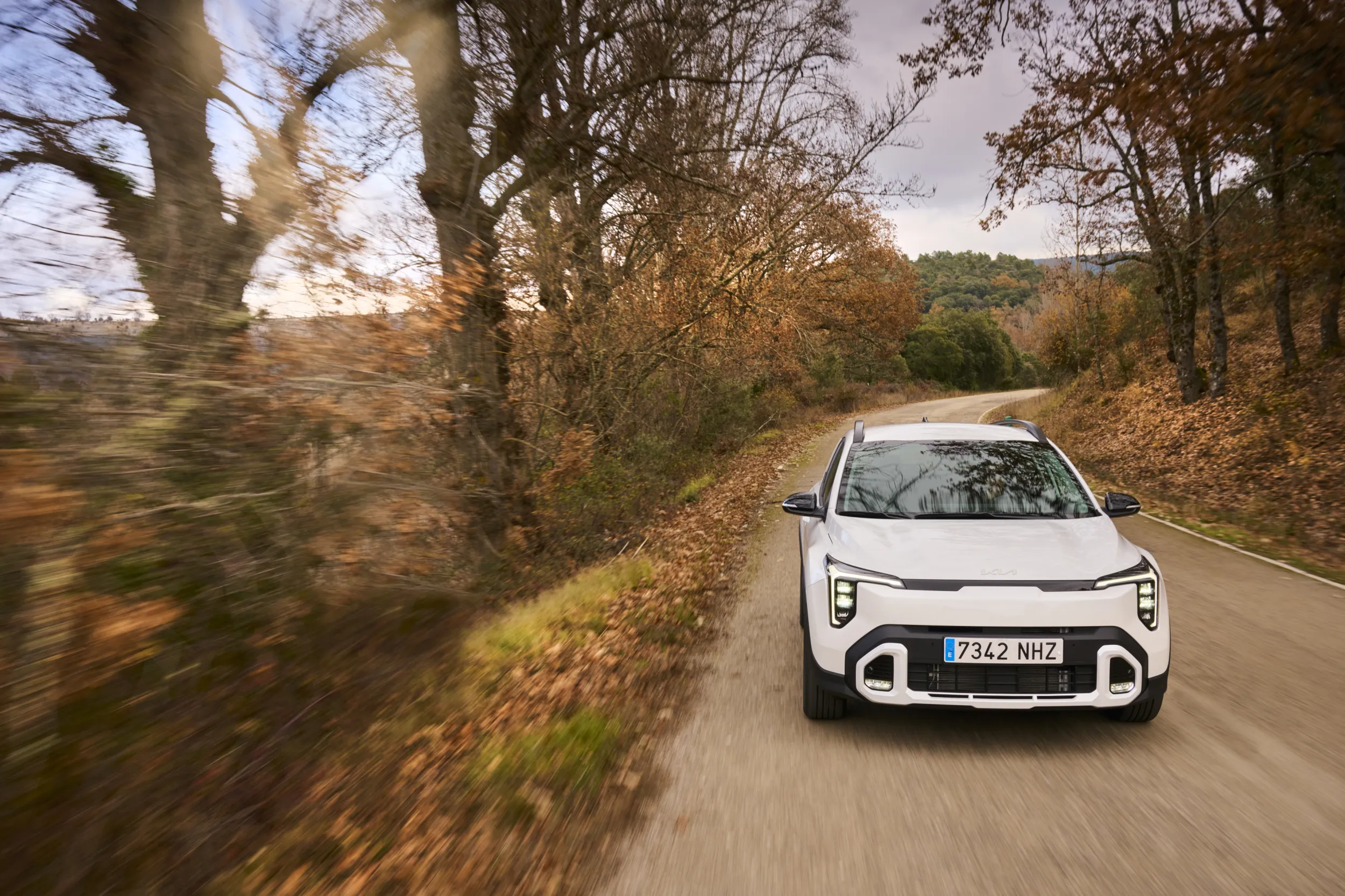
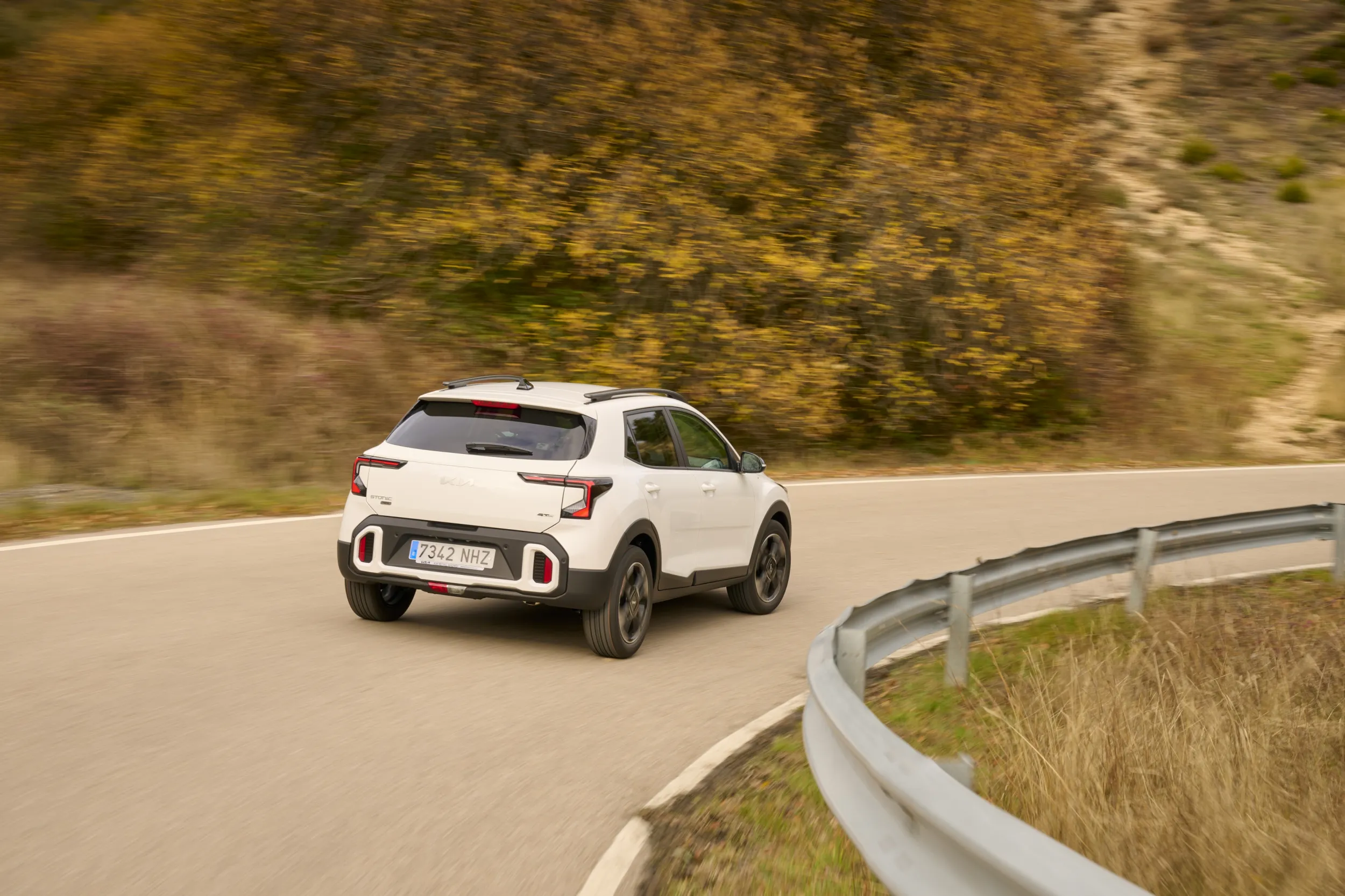
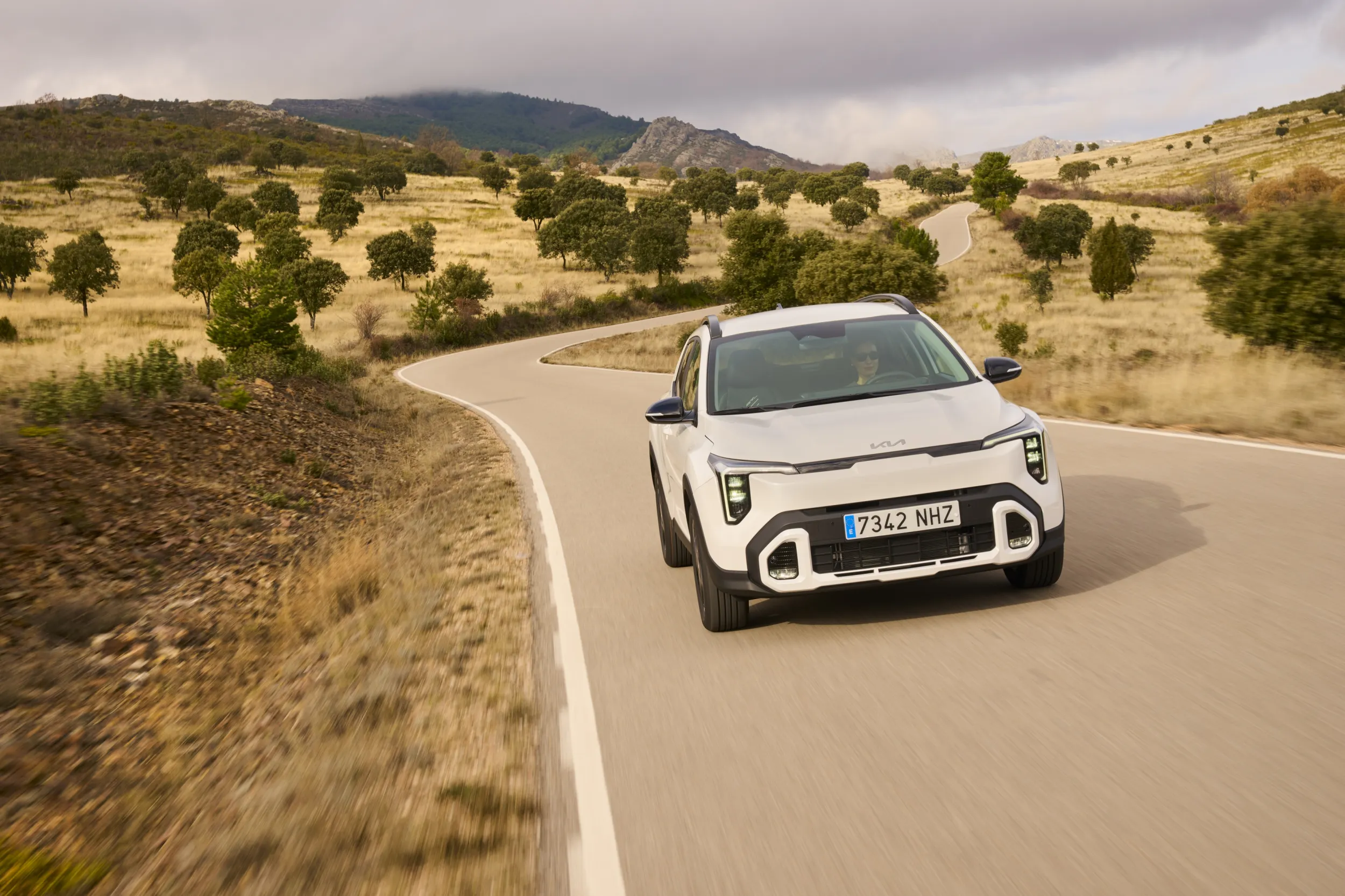
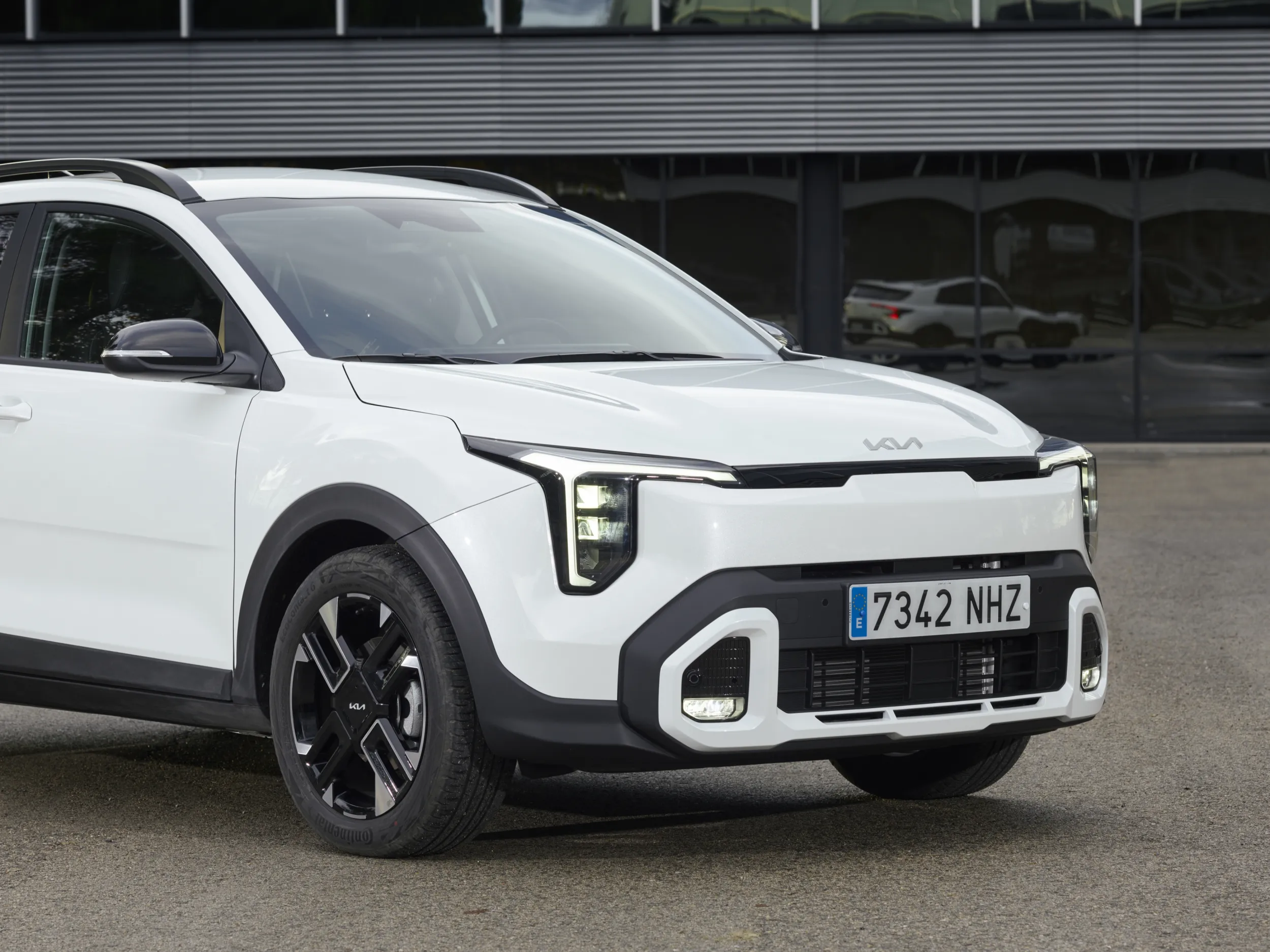
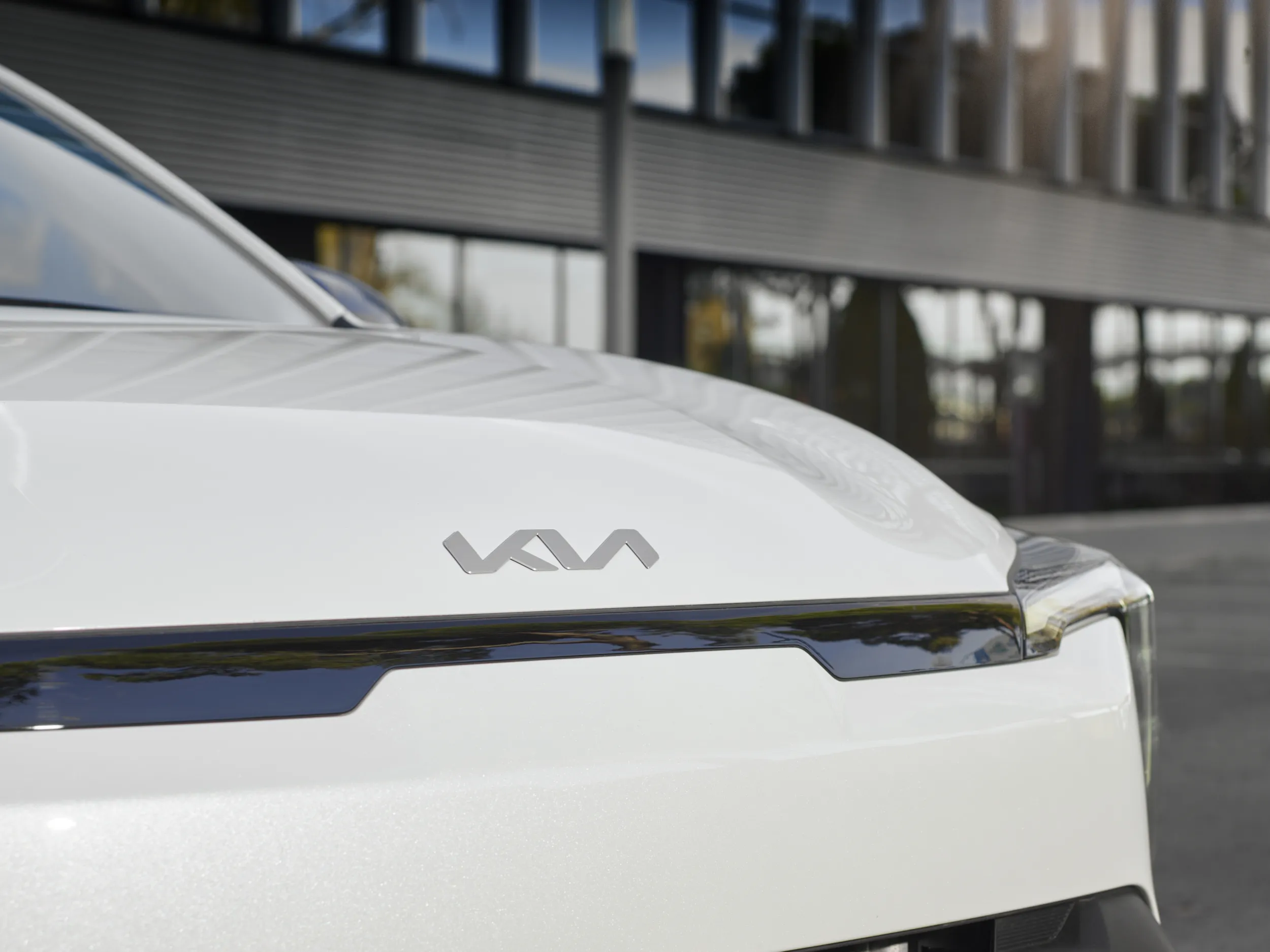
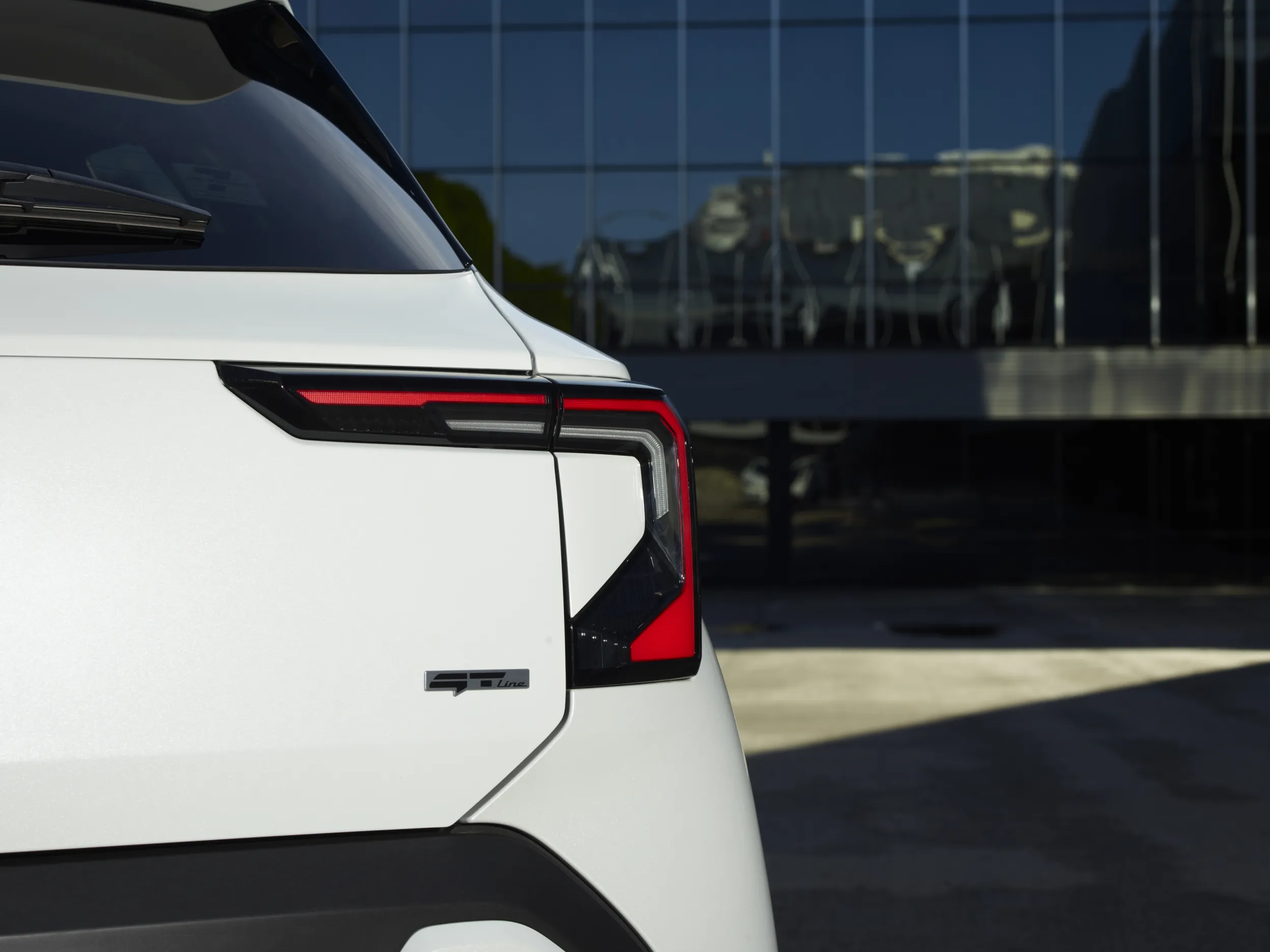
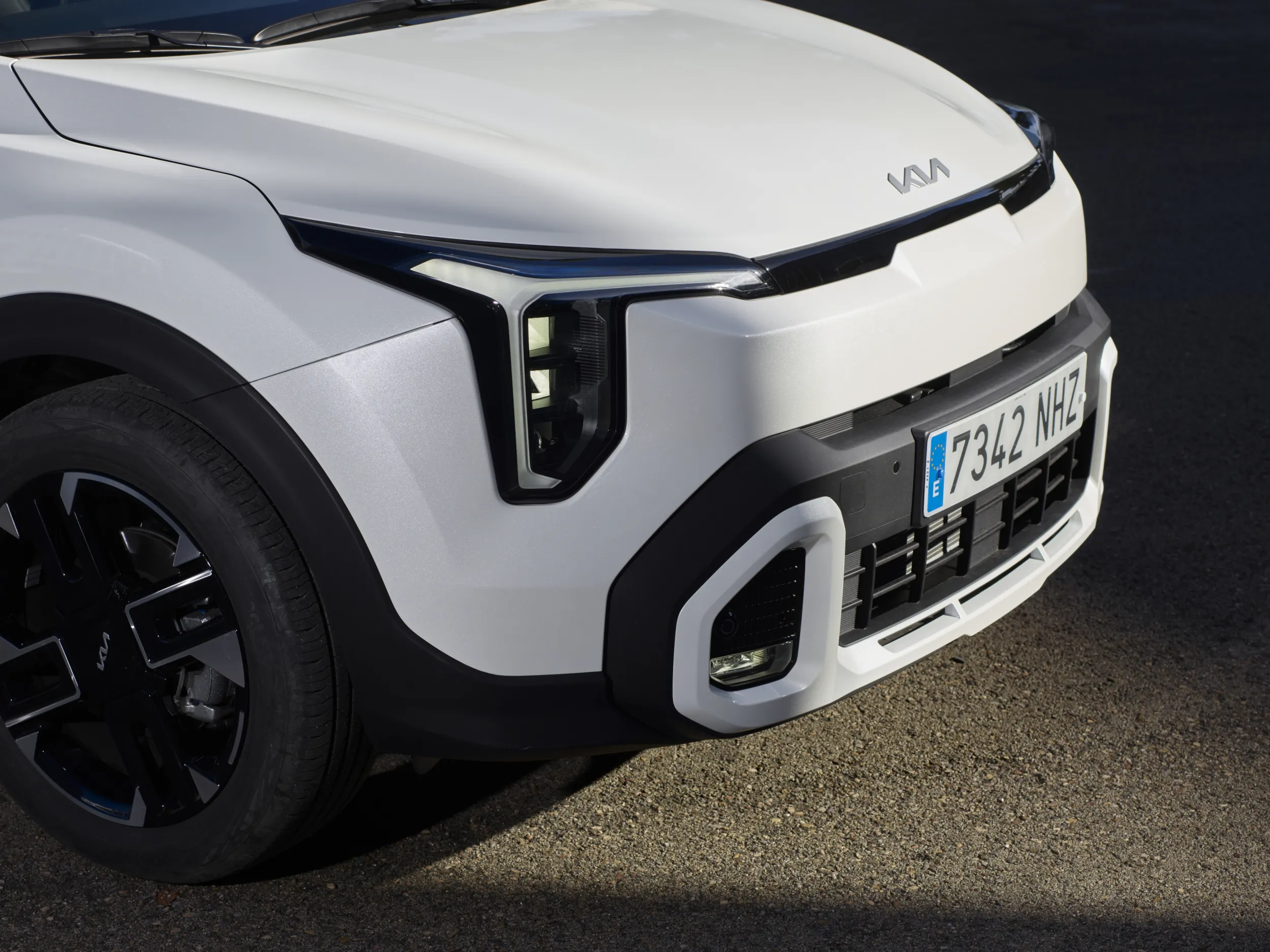
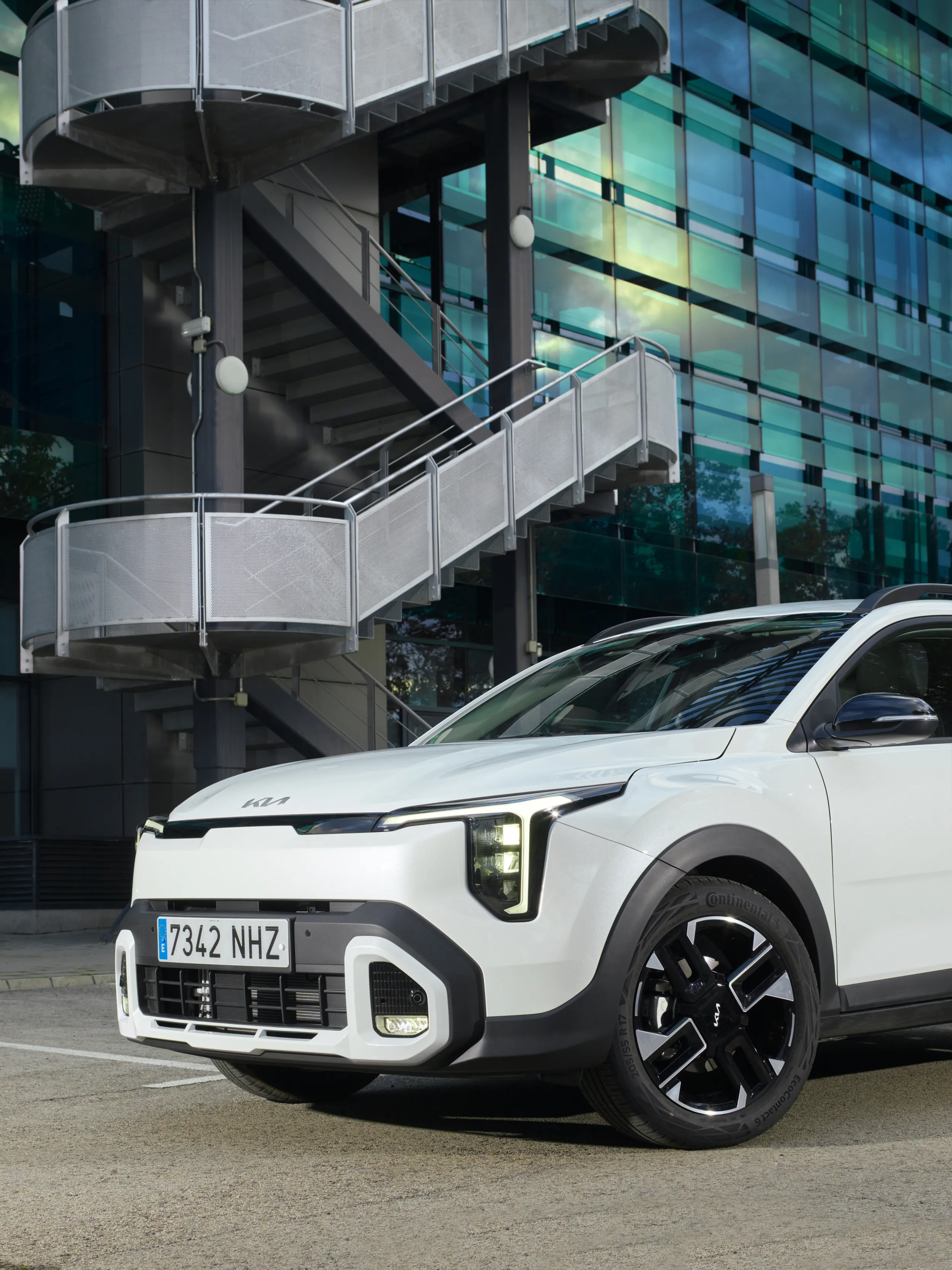
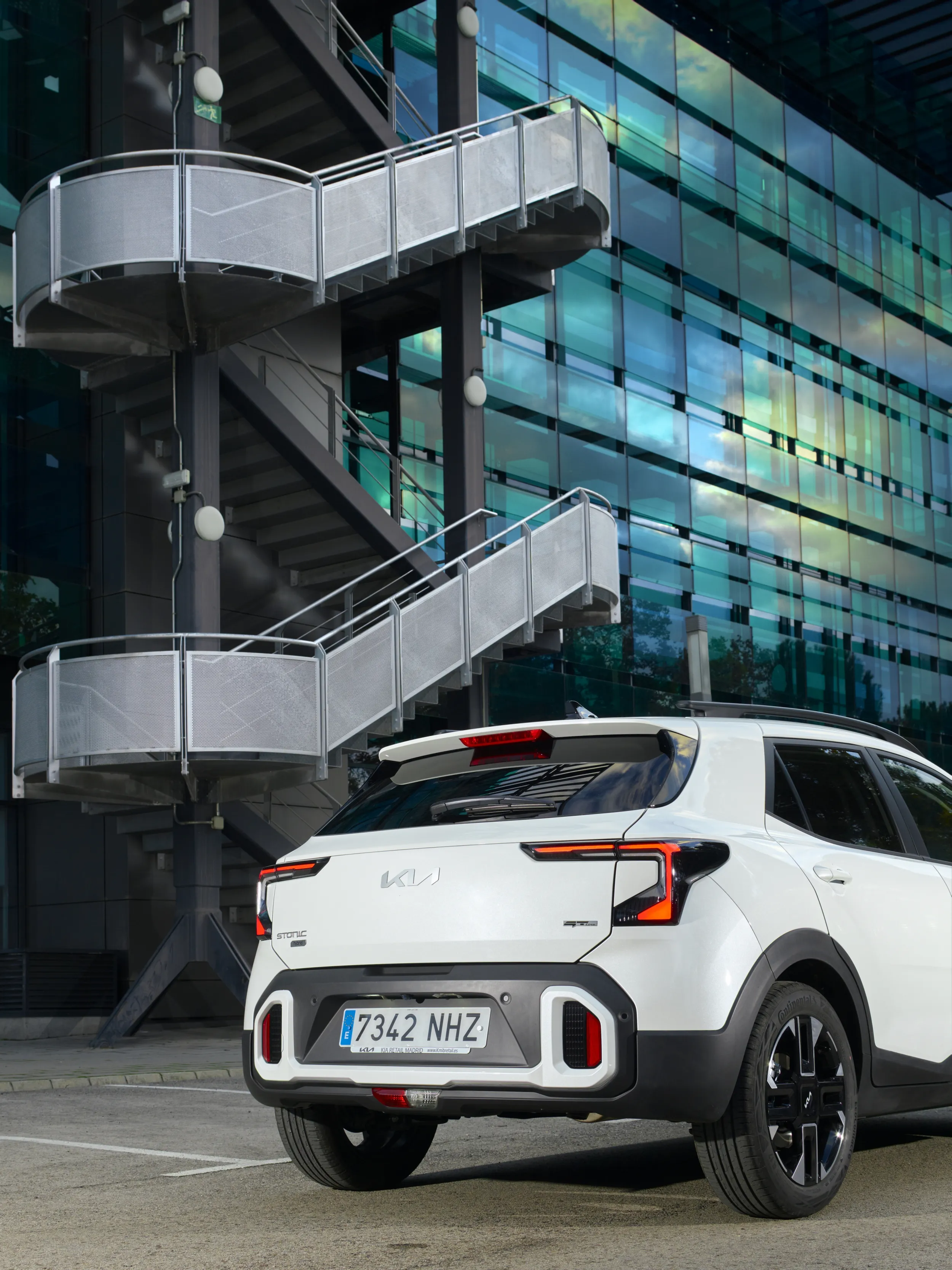
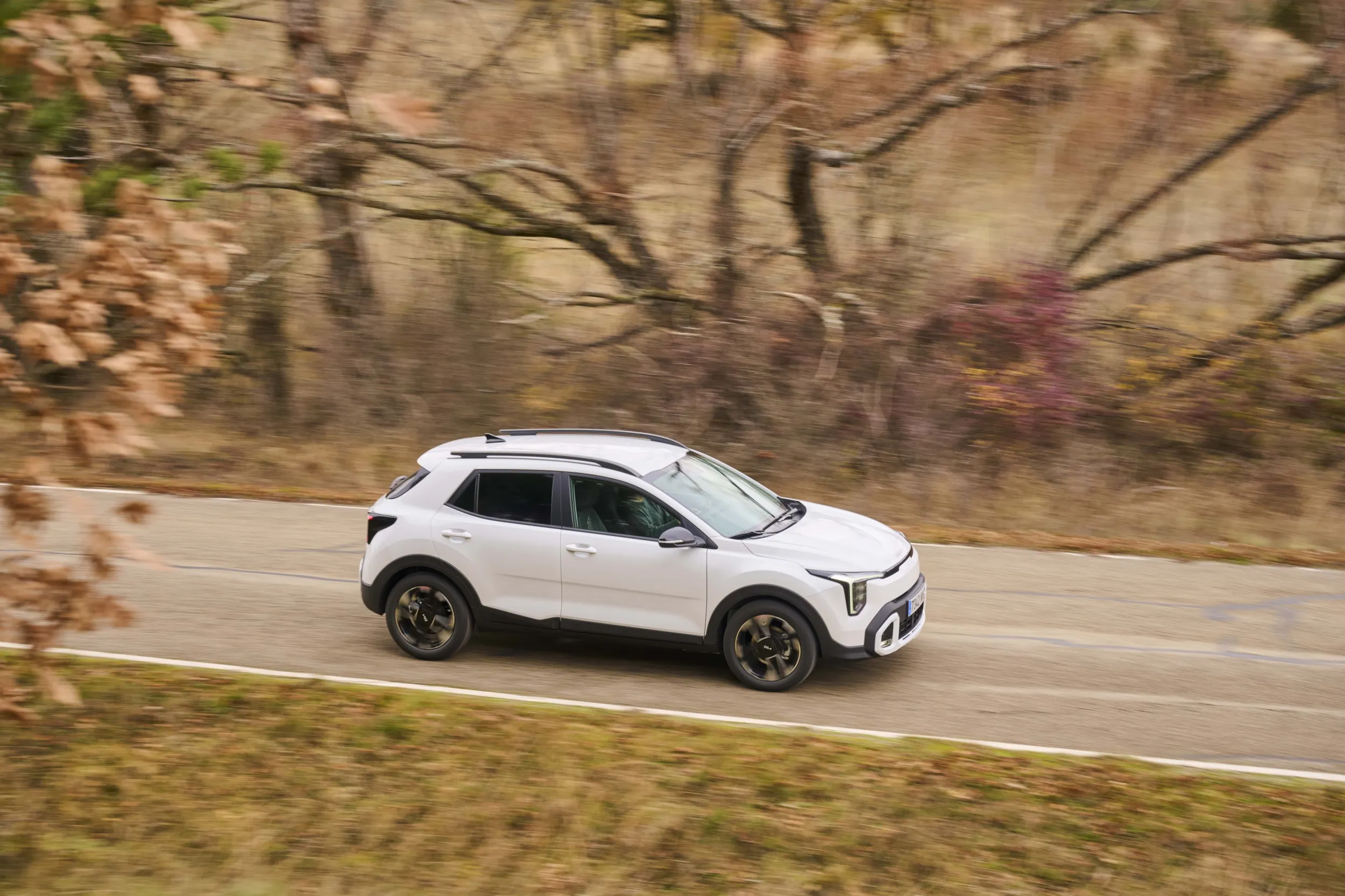
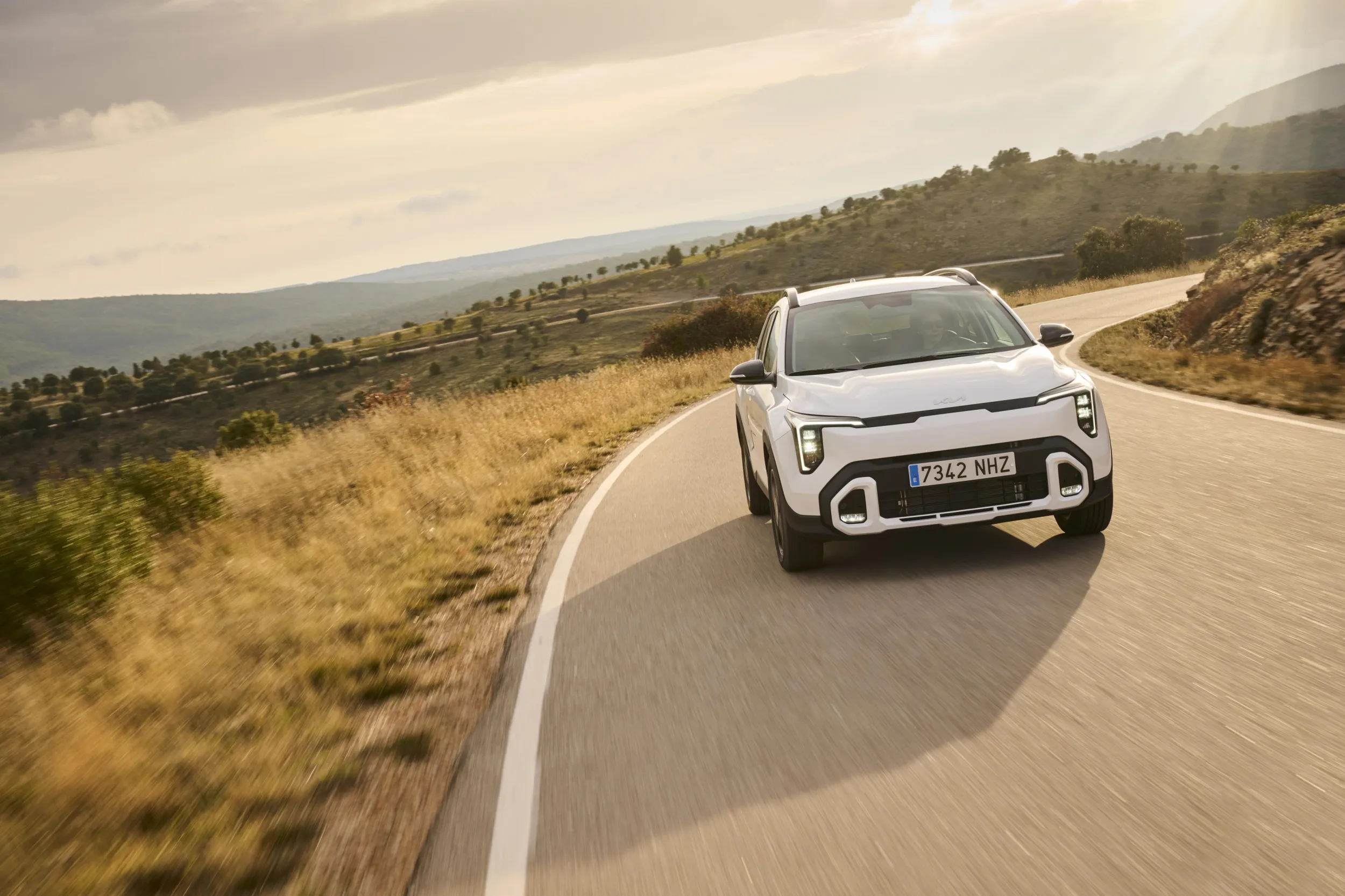
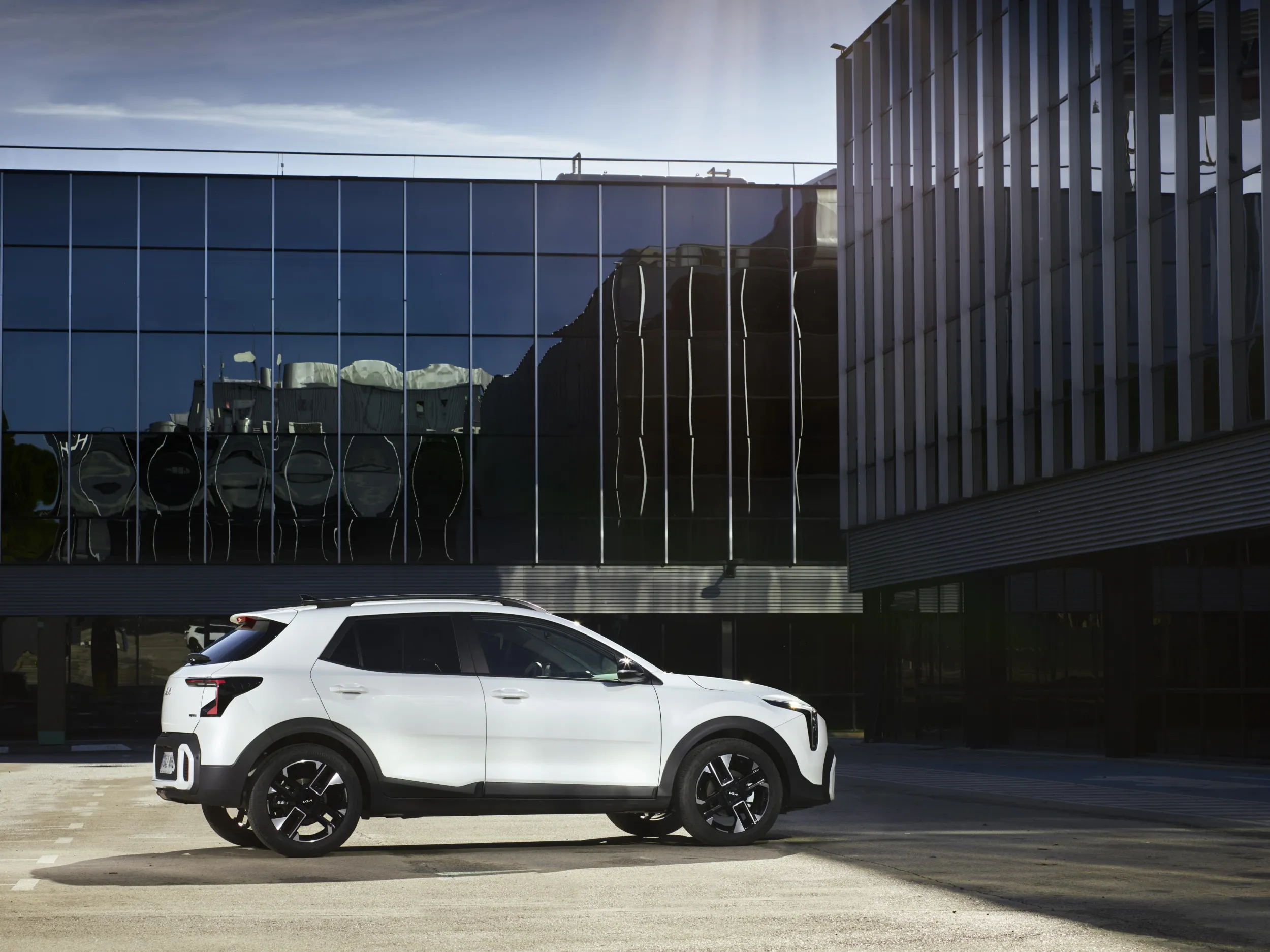
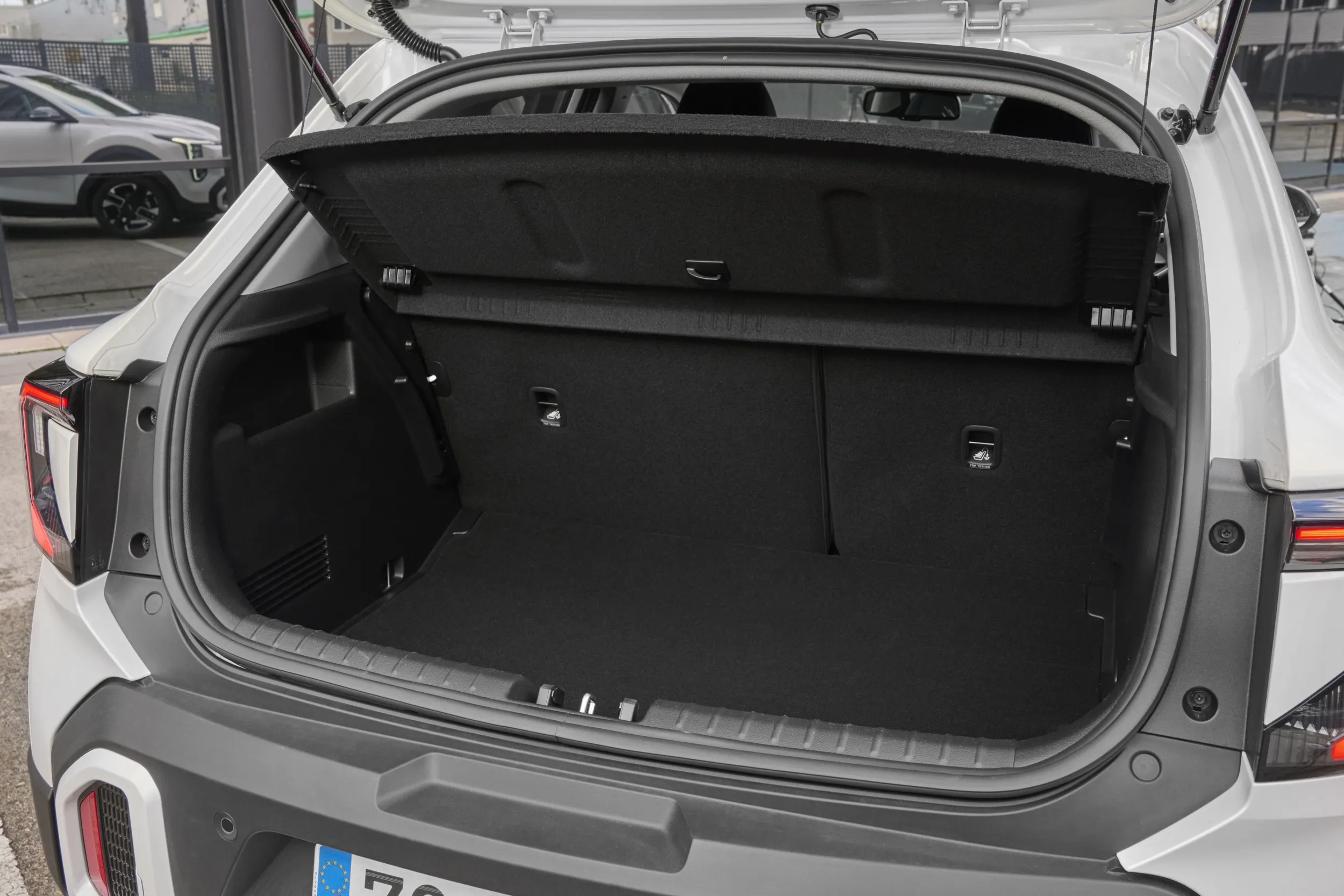
At the front, the Stonic adopts Kia’s current corporate look with the Star Map light signature, a more sculpted grille and cleaner detailing. The rear gains a new tailgate, redesigned rear lights and a calmer bumper profile. It is a correct and cautious update, enough to avoid looking dated, not enough to unsettle the segment.
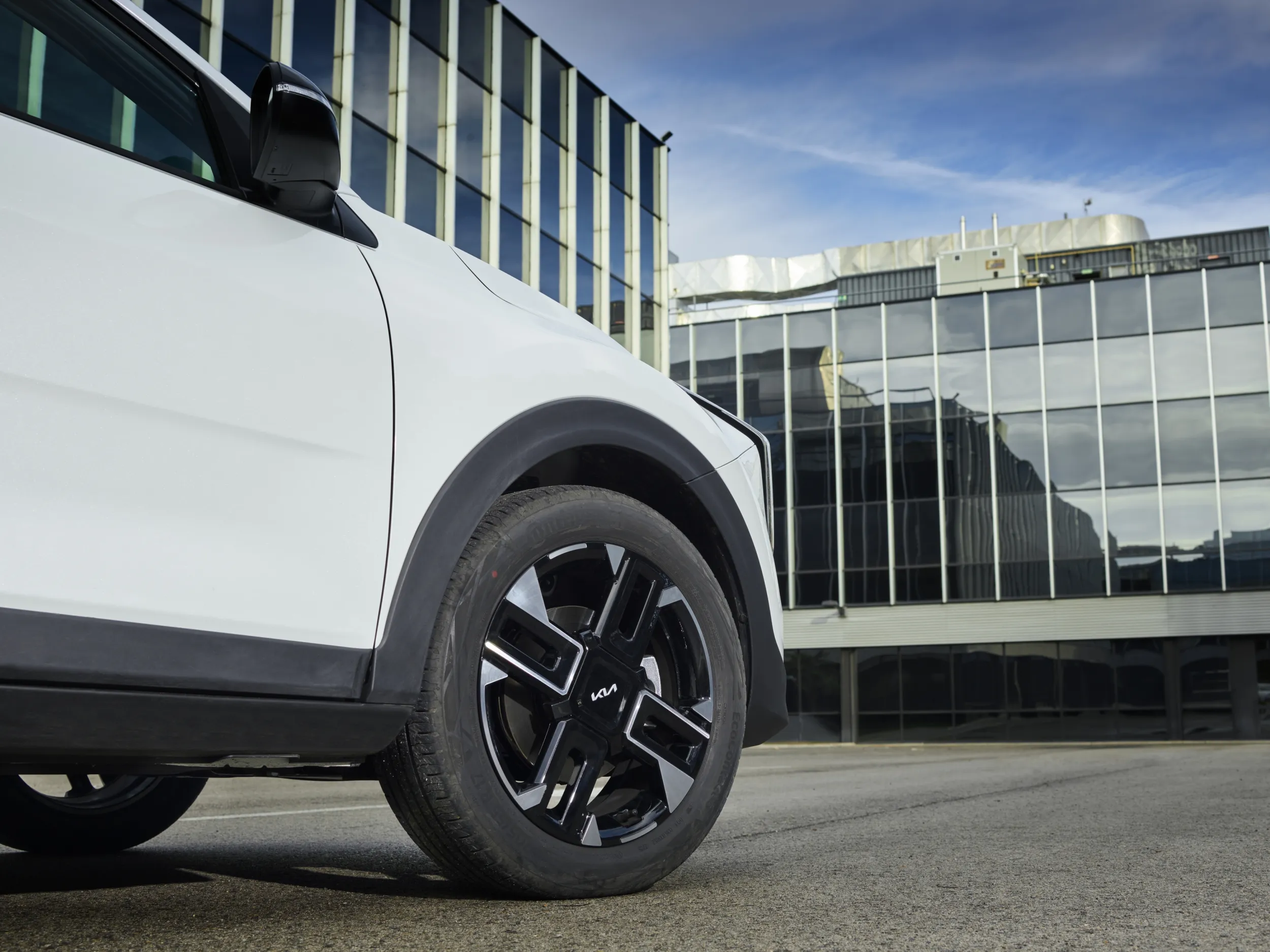
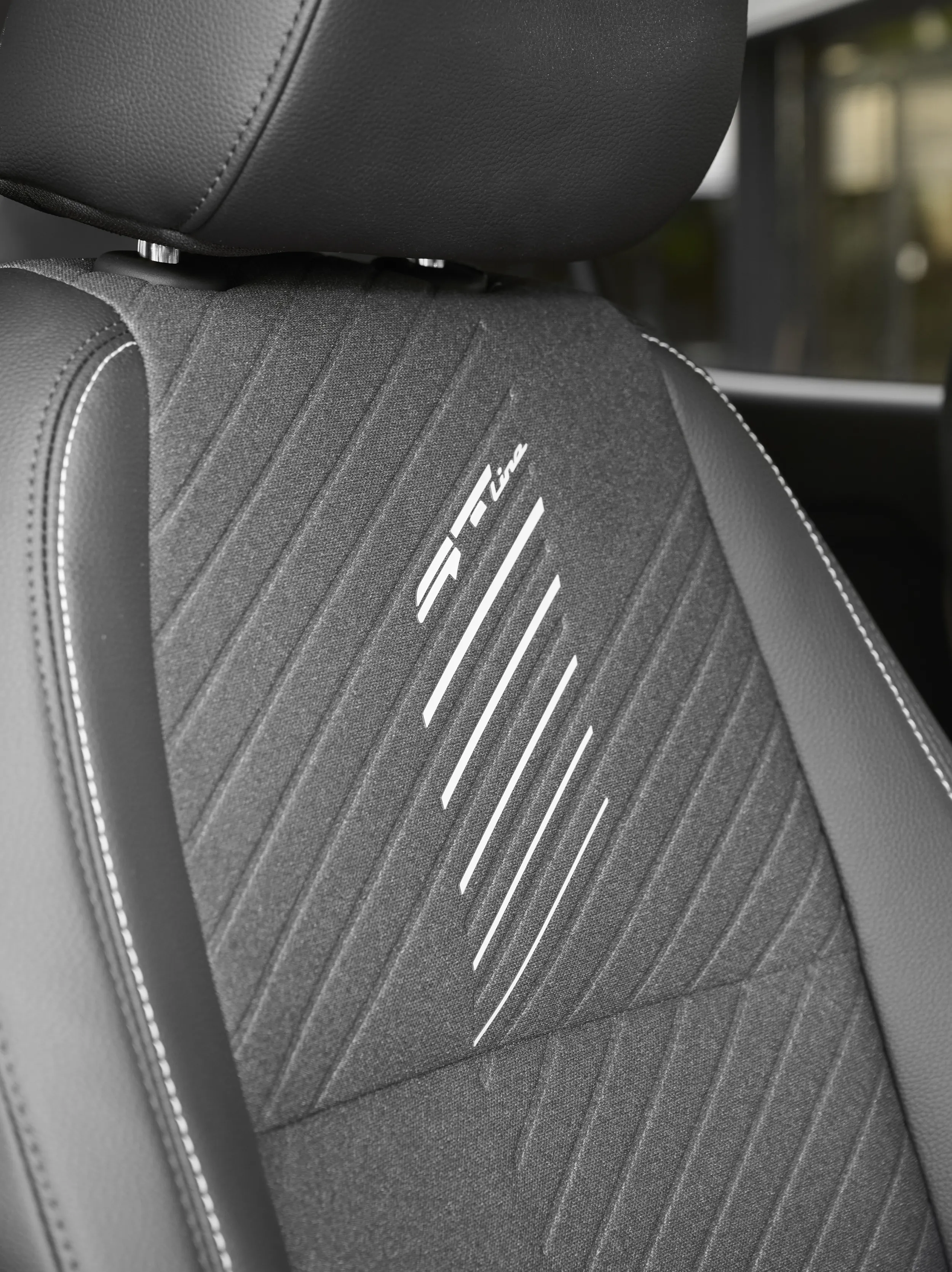
Wheel options range from 16 to 17 inches, with the GT Line receiving its own 17 inch design. Two new colours join the palette, Adventurous Green and Yacht Blue. Both aim to underline youthful intent more through their names than outright boldness.
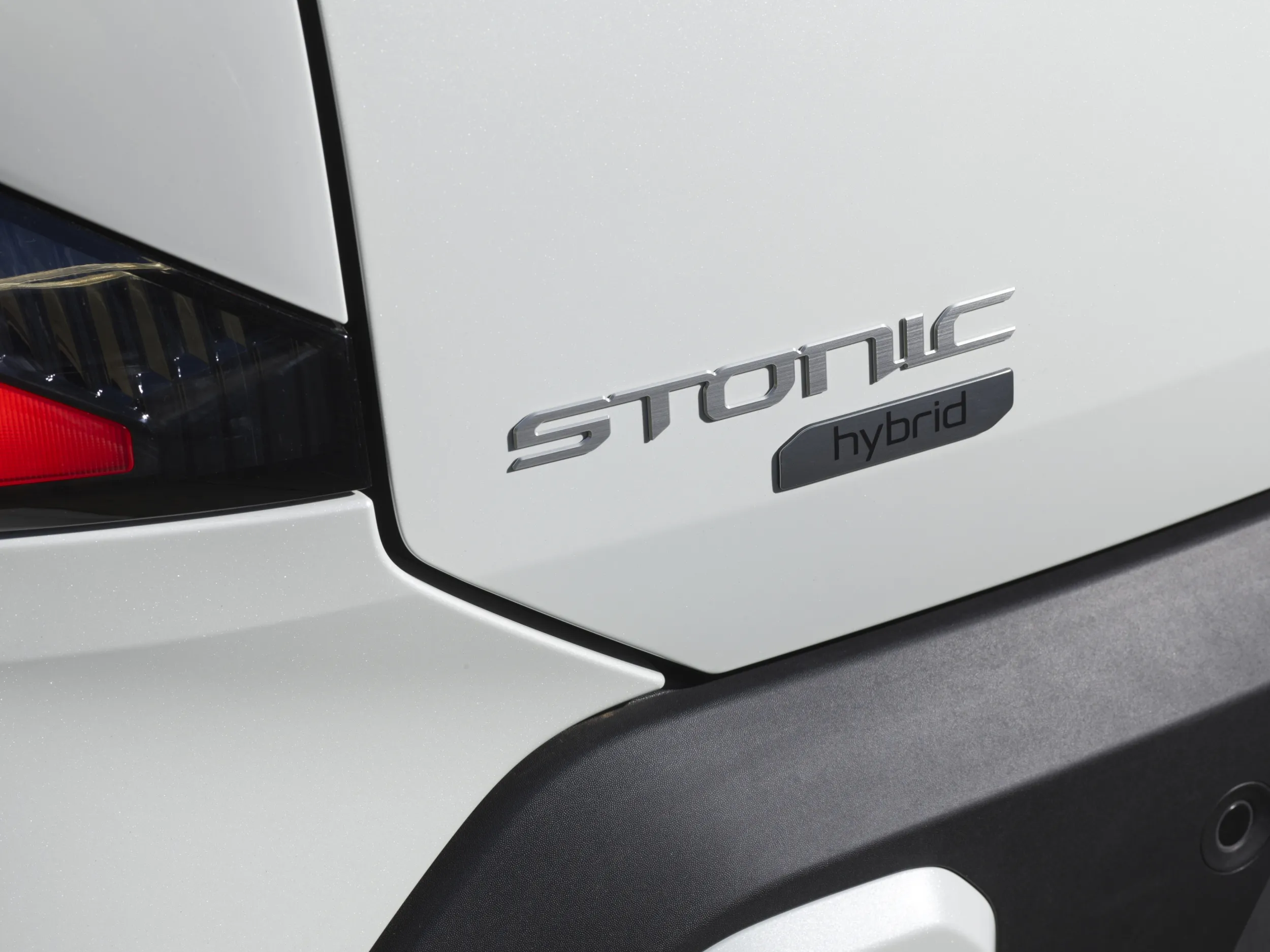
Under the skin, the Stonic reflects current European realities. Electrification continues at an uneven pace and Kia does not force buyers into unfamiliar territory. The line up centres on a 1.0 T GDI petrol engine with 100 horsepower, alongside a 115 horsepower mild hybrid version.
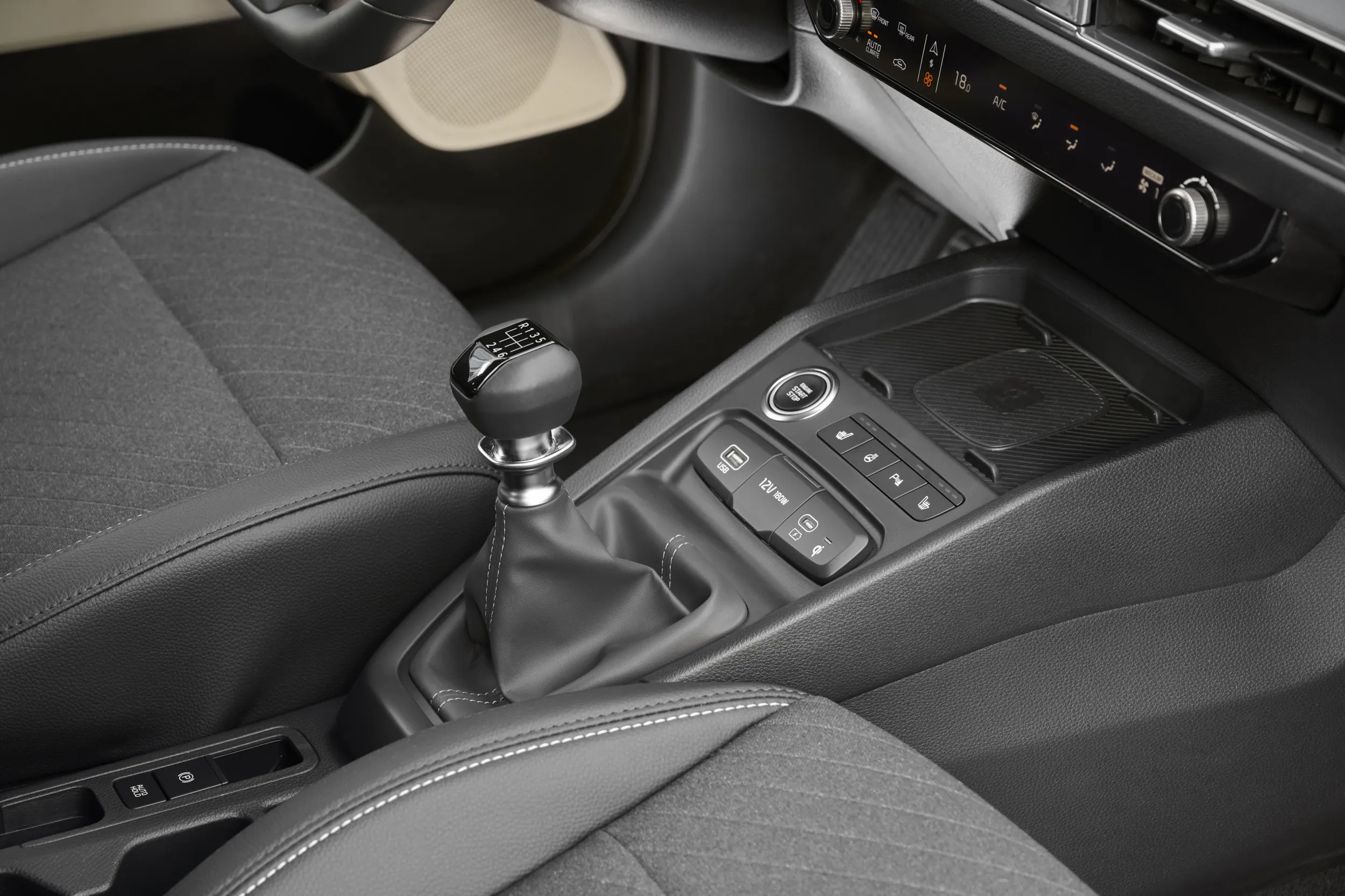
Gearbox choices remain conventional. A six speed manual is standard, while the mild hybrid can be paired with a seven speed dual clutch automatic. It is a conservative approach, but one that aligns with the expectations of this class.
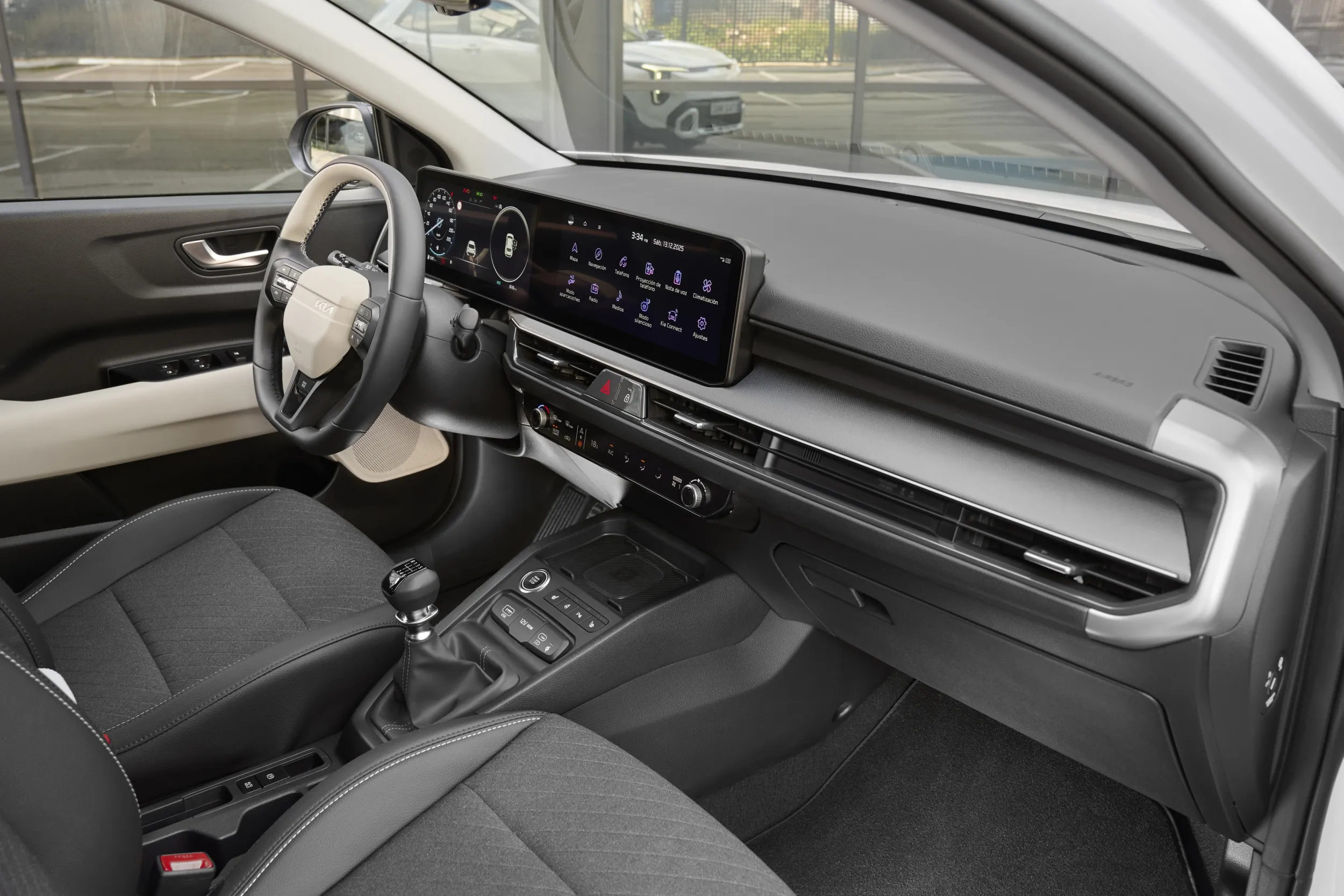
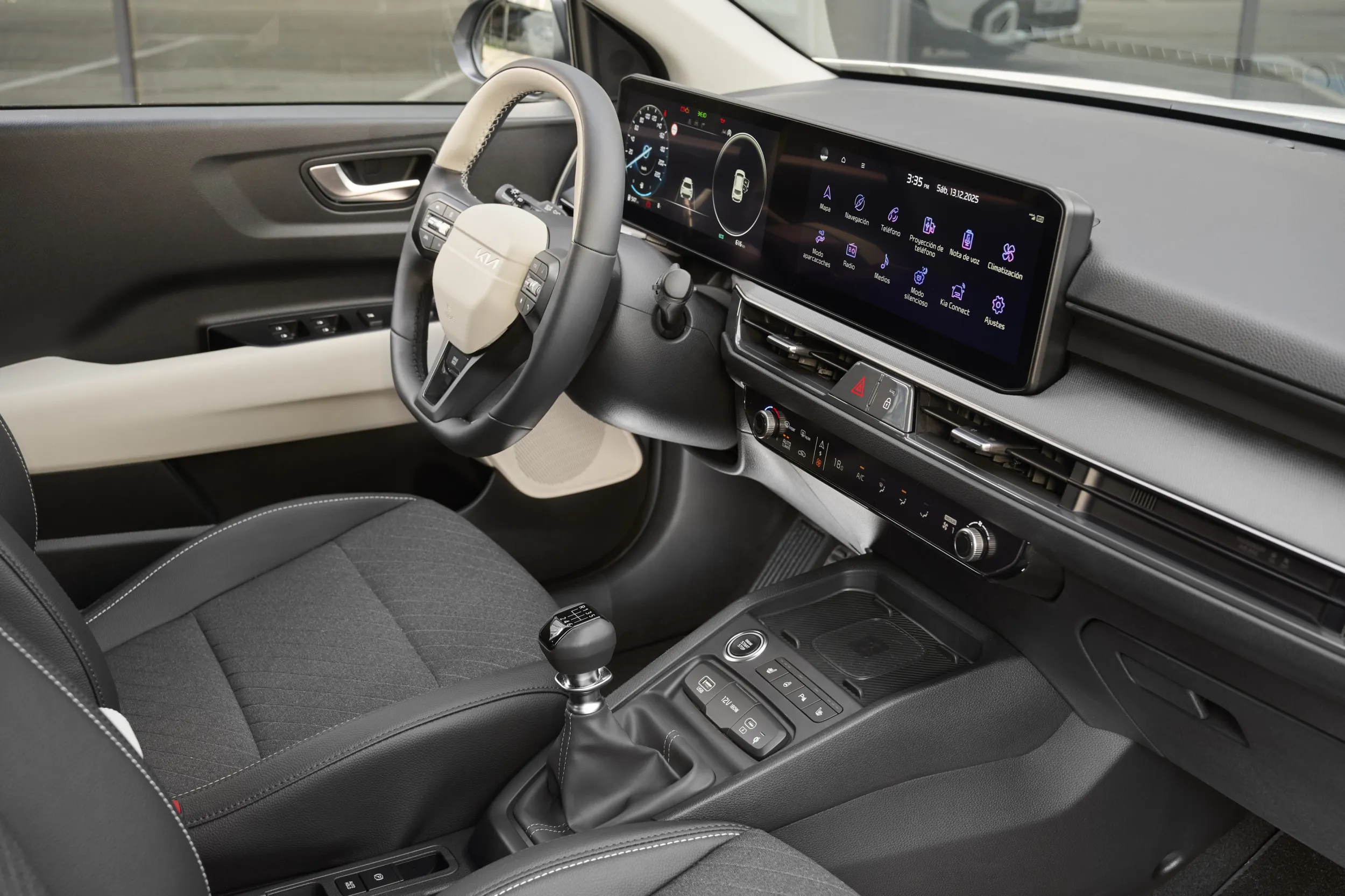
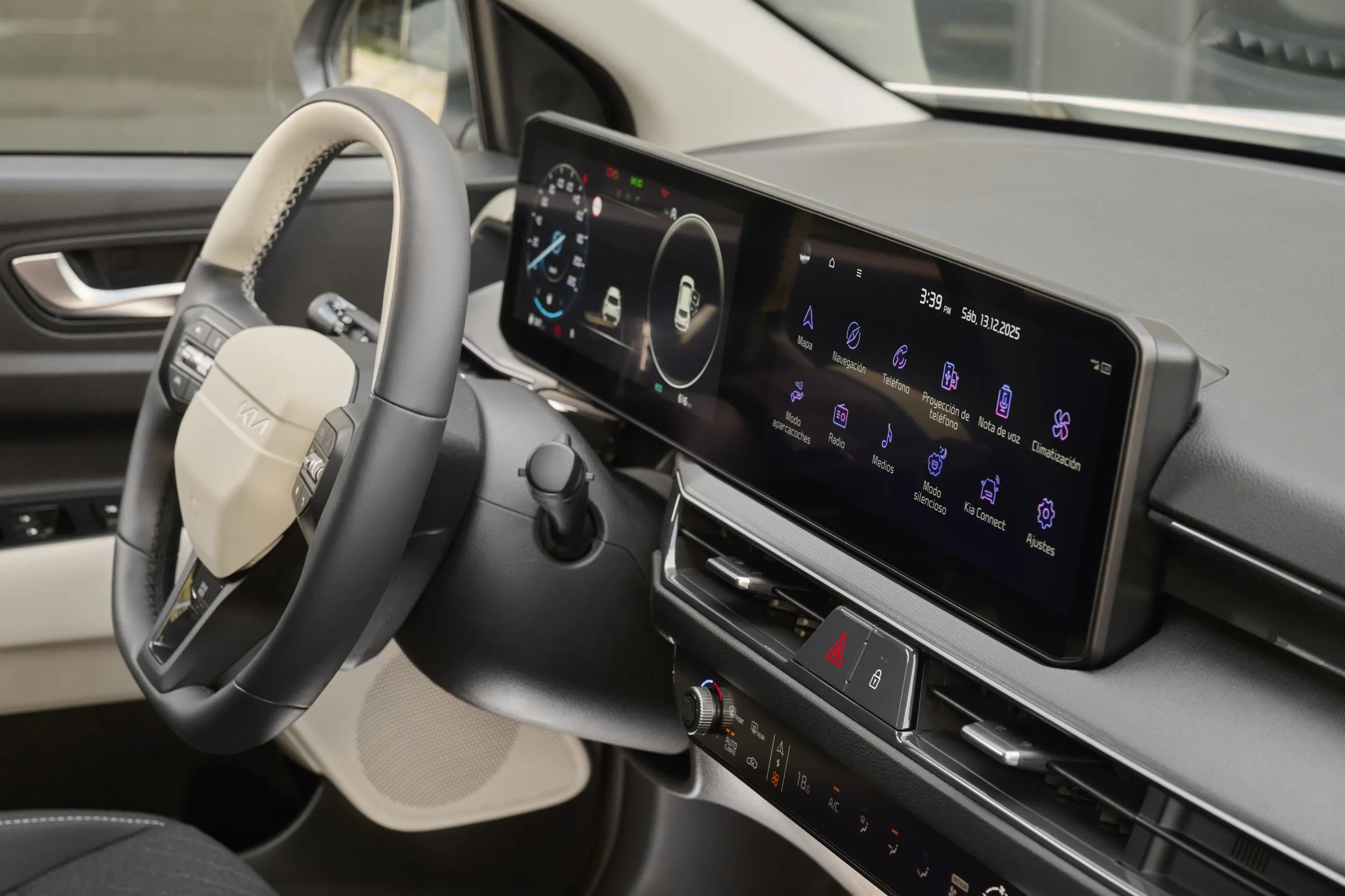
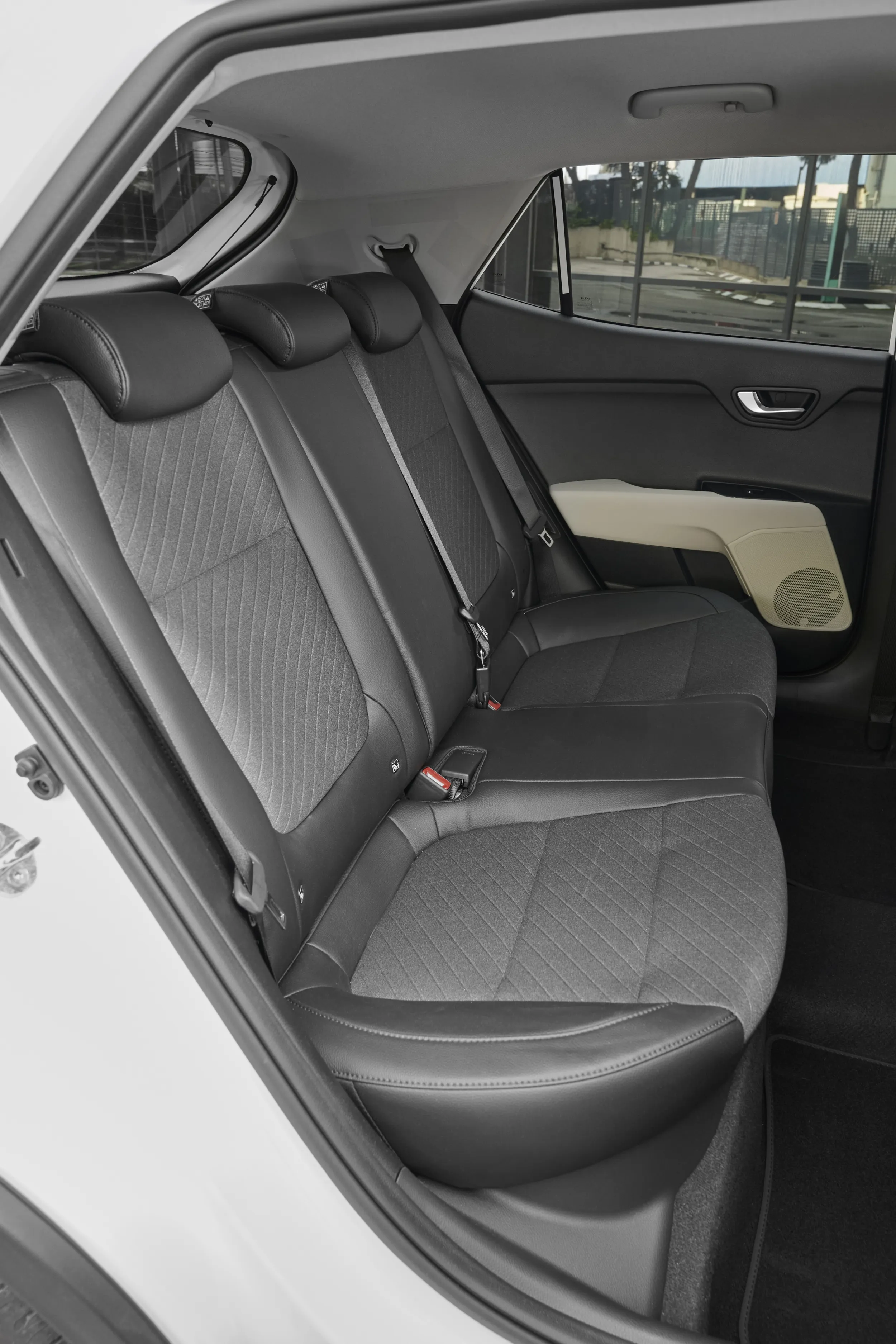
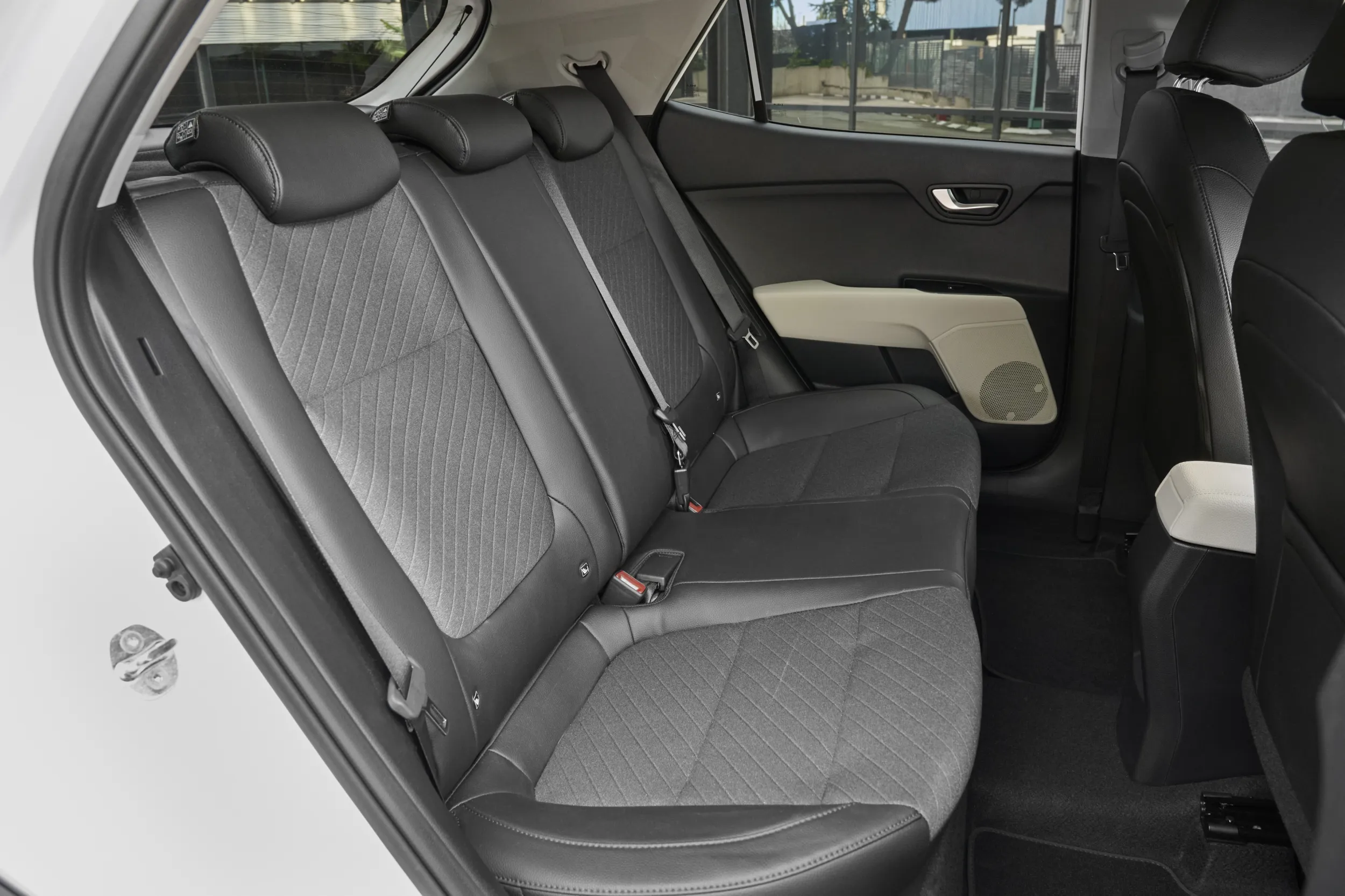
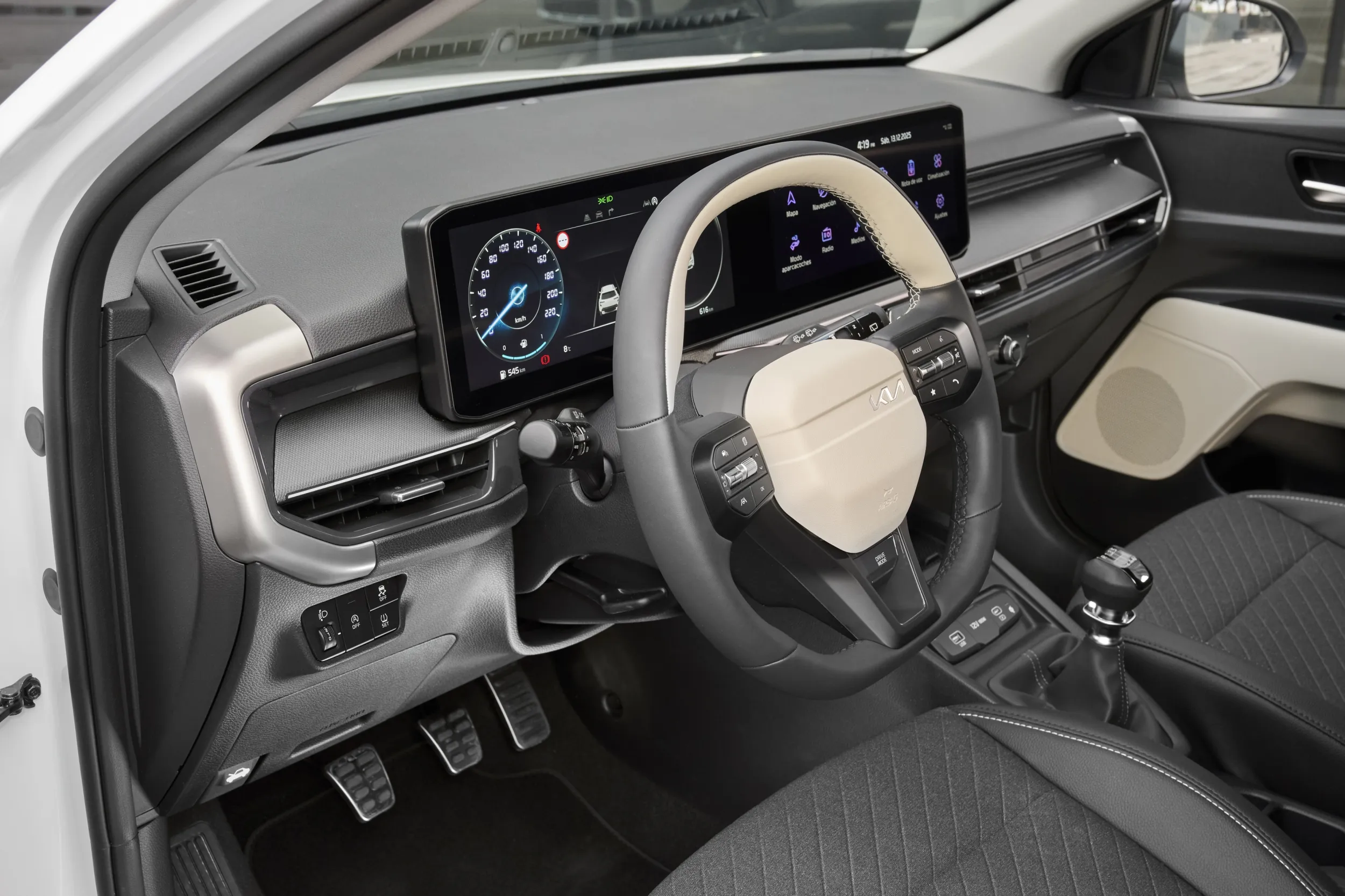
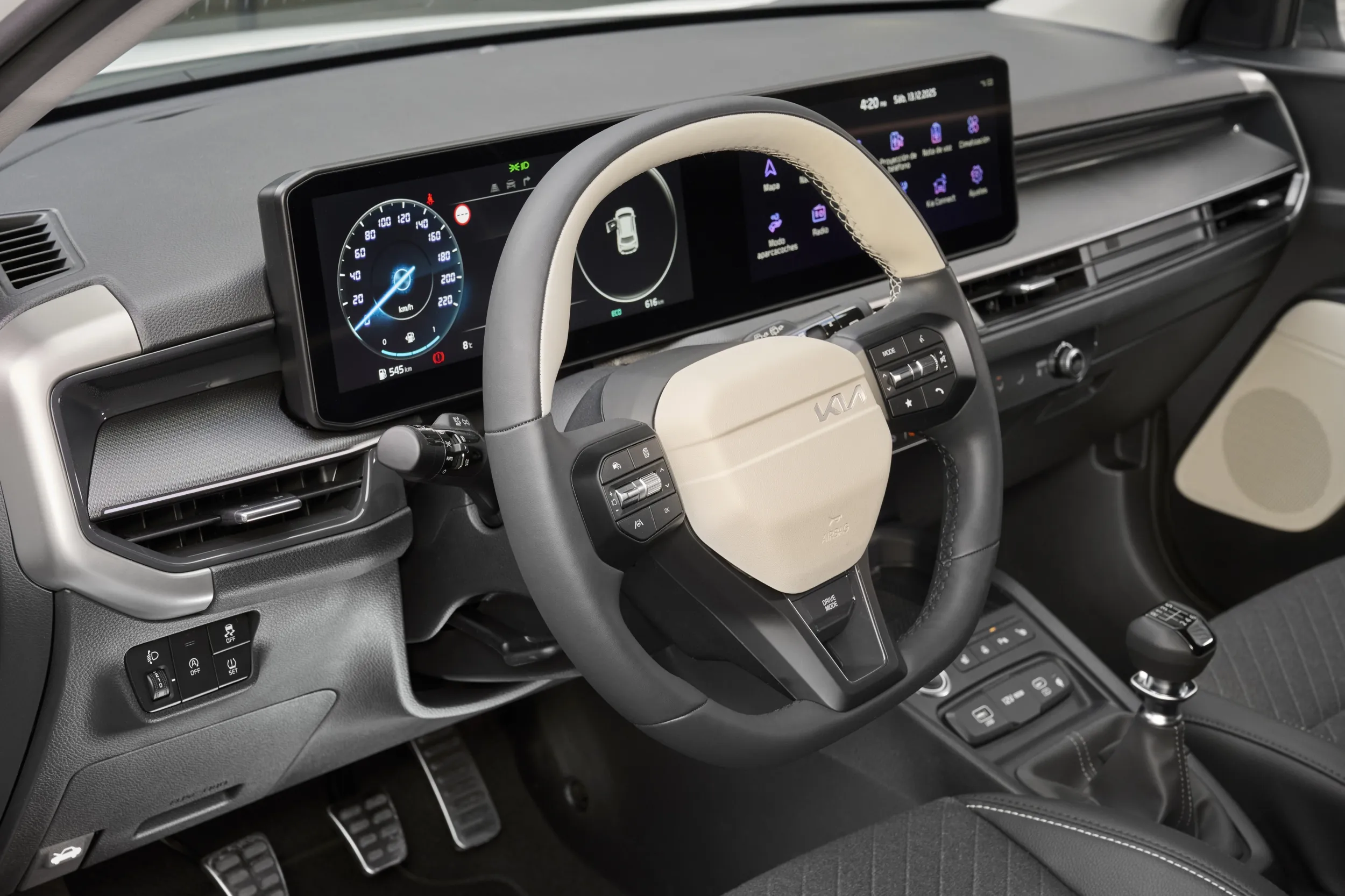
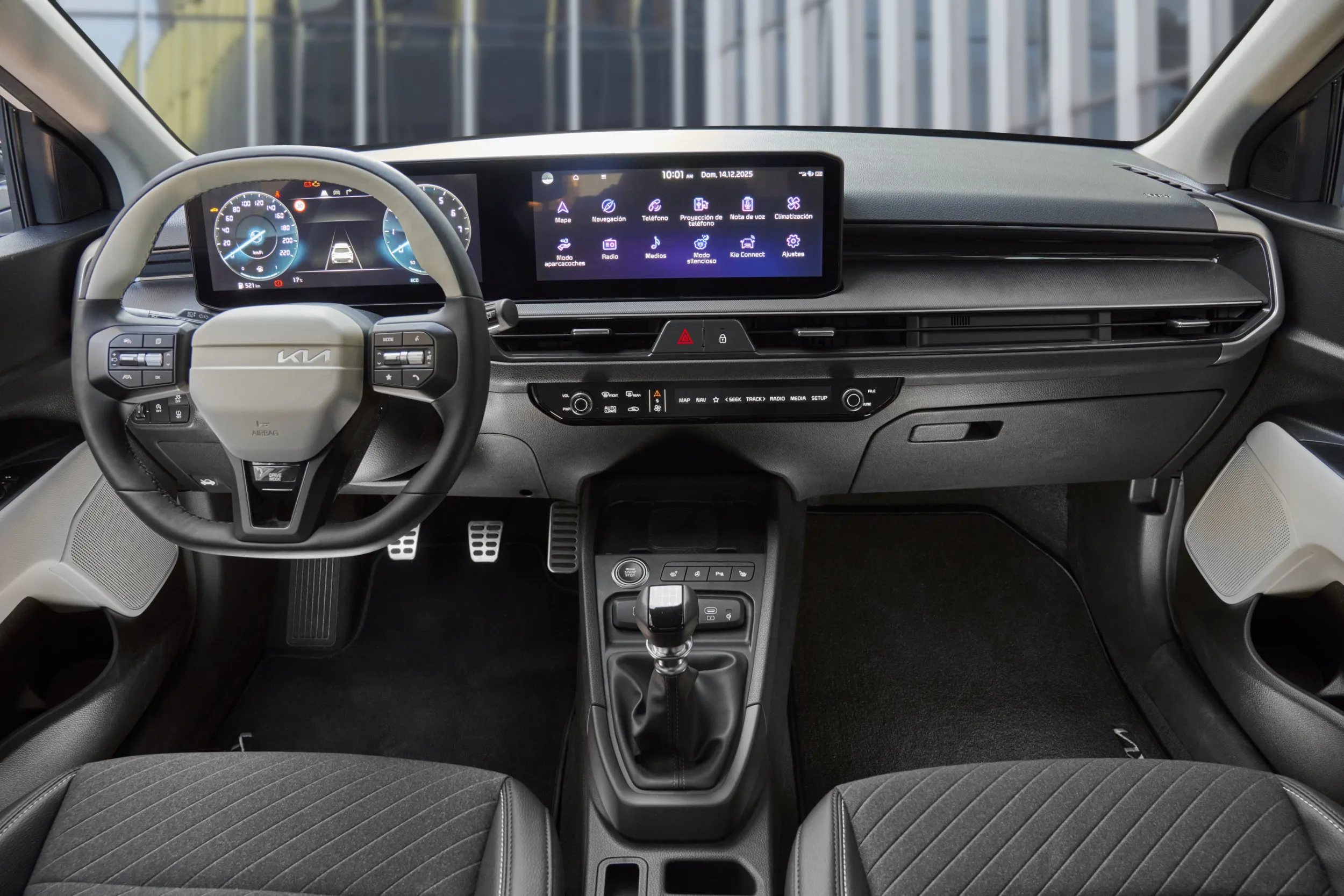
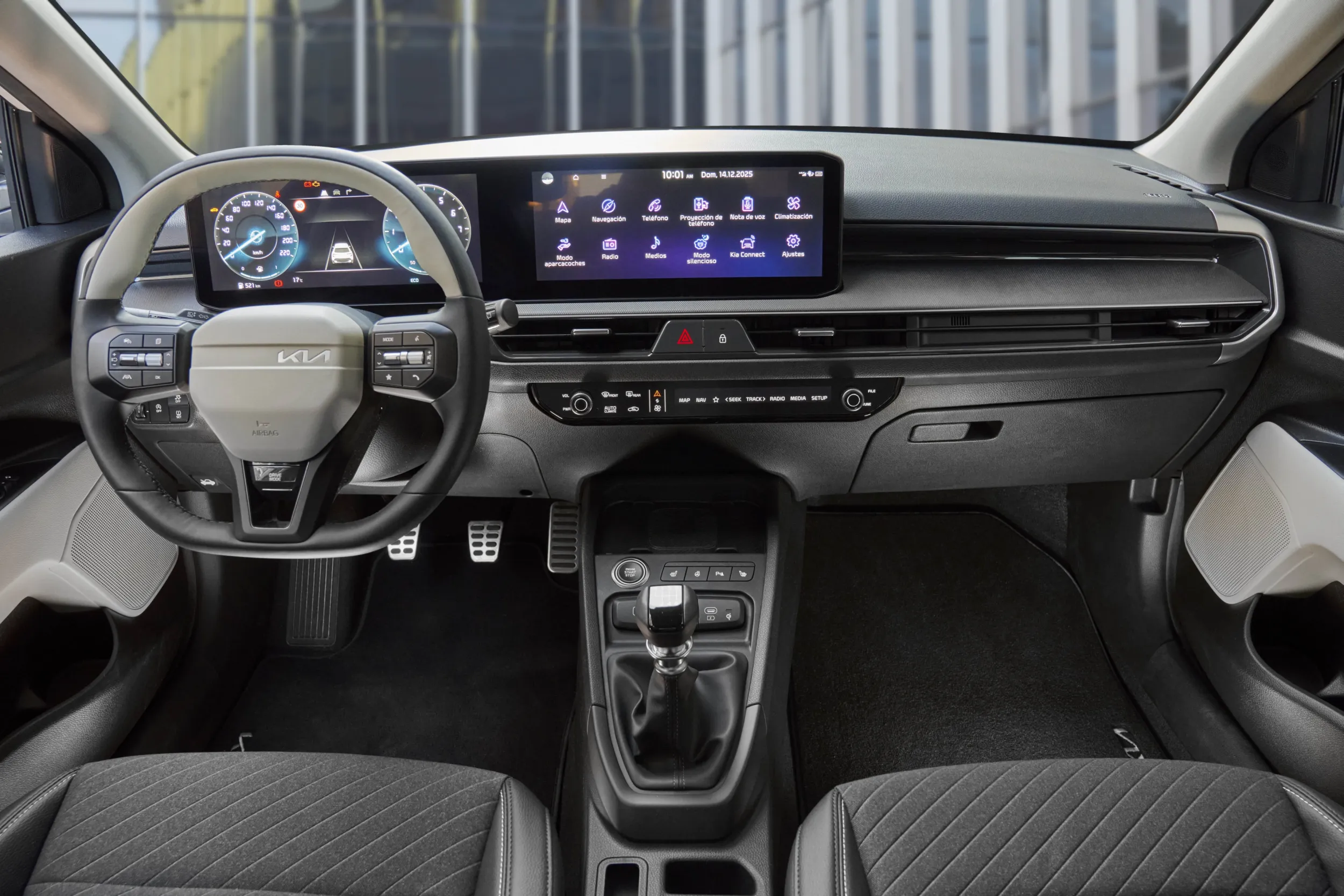
The biggest changes appear inside. Kia introduces twin 12.3 inch panoramic displays to the B segment, combining the digital instrument cluster and infotainment into a single visual plane. In class terms, this is a strong move and it creates the impression of sitting in a larger car than the Stonic actually is.
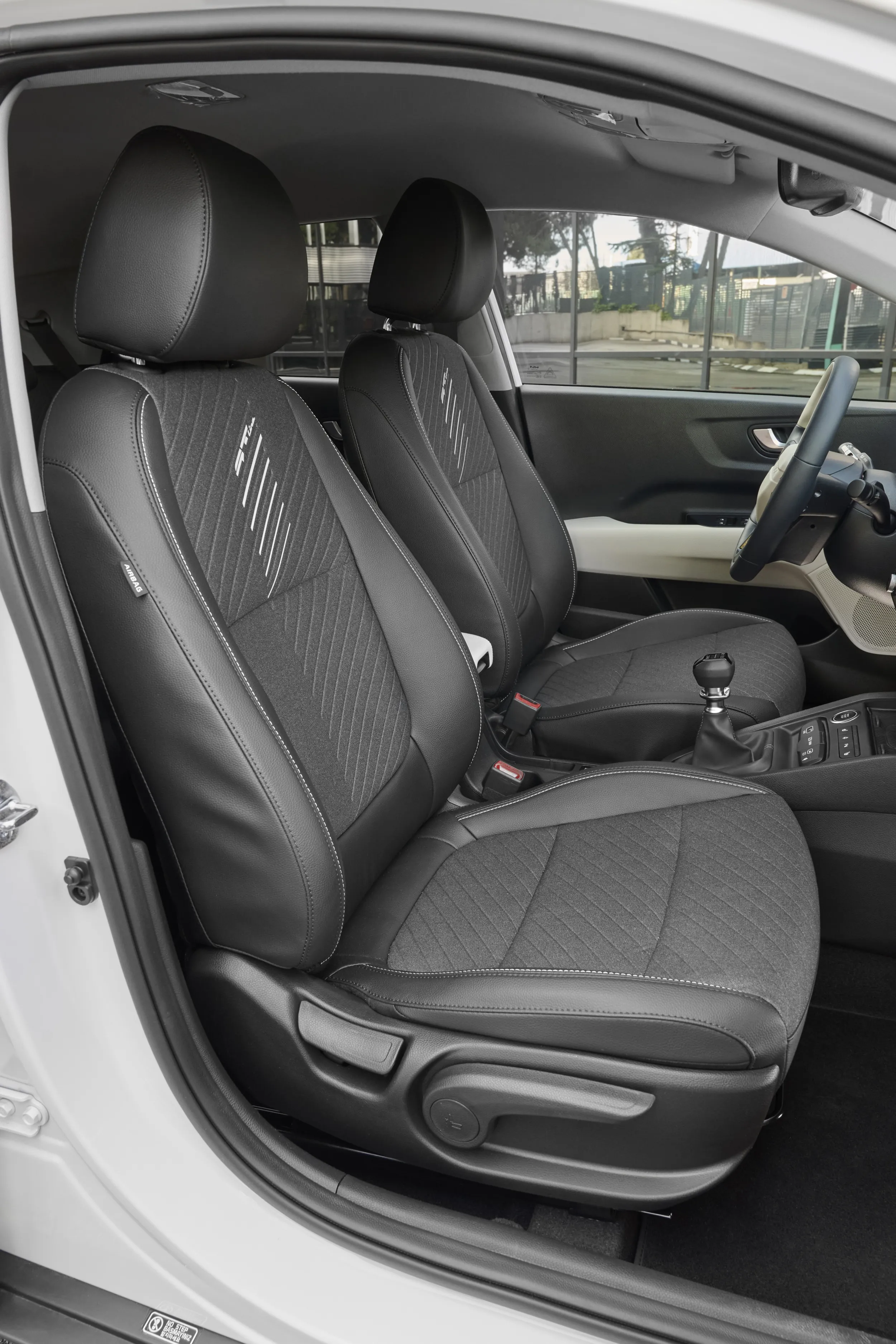
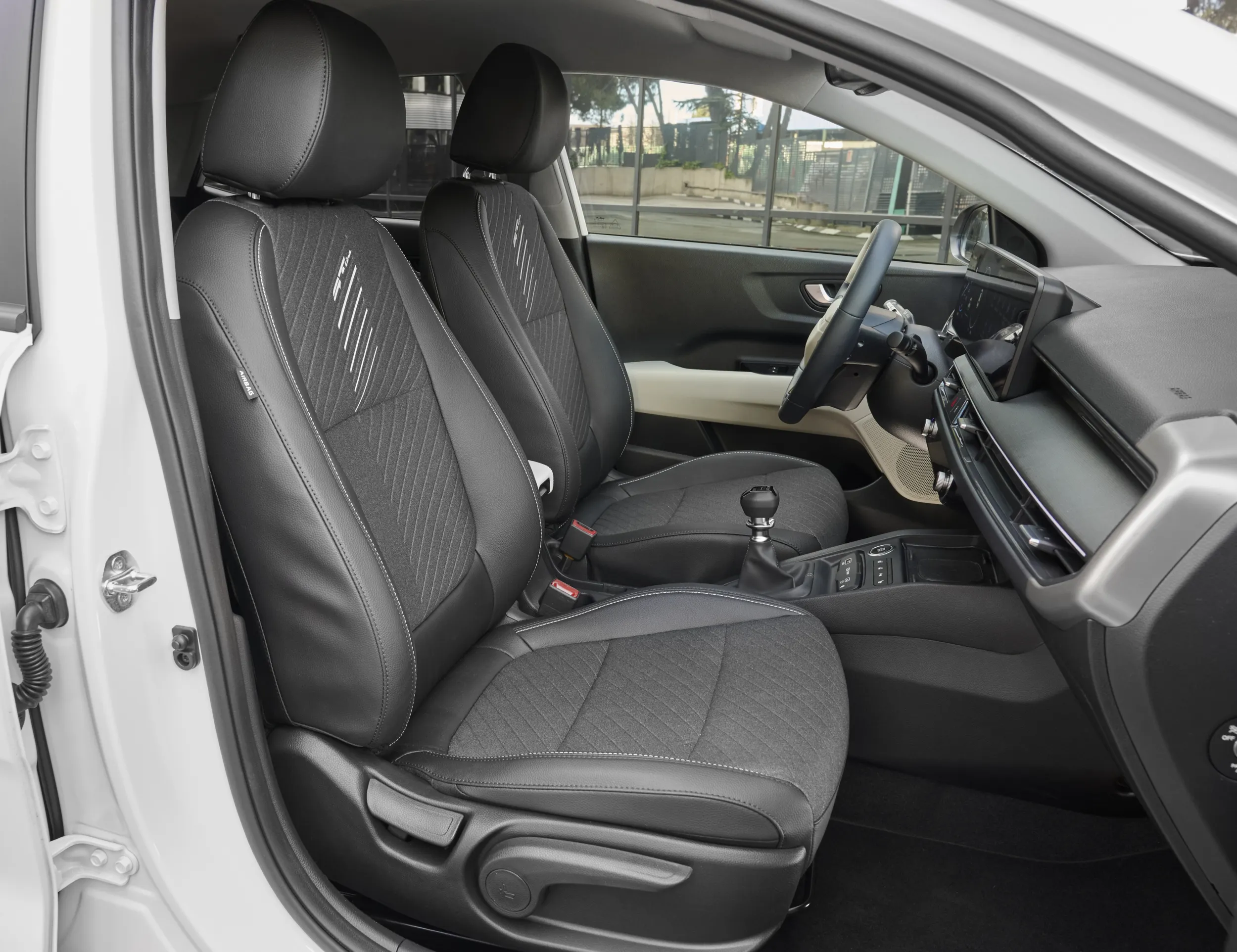
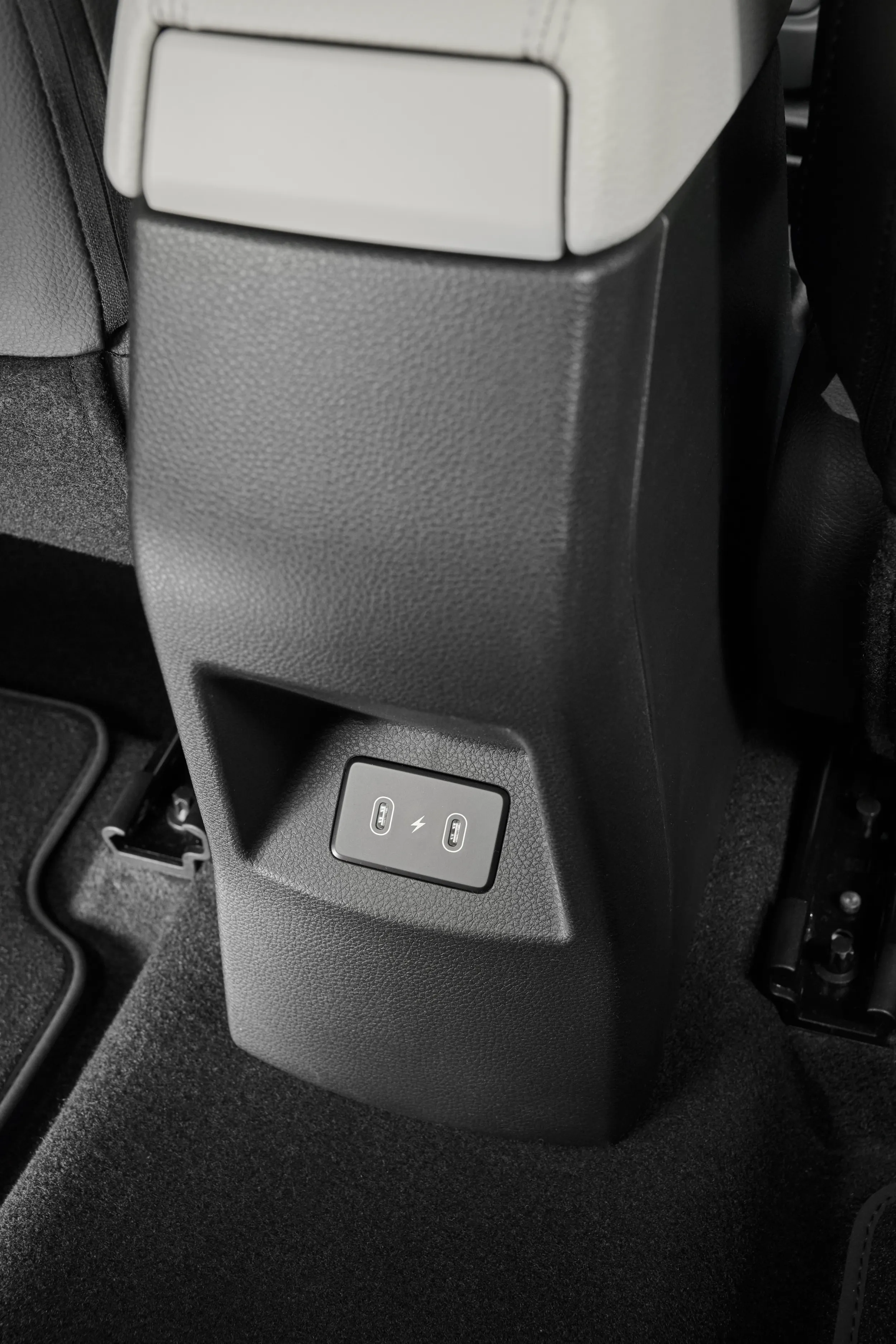
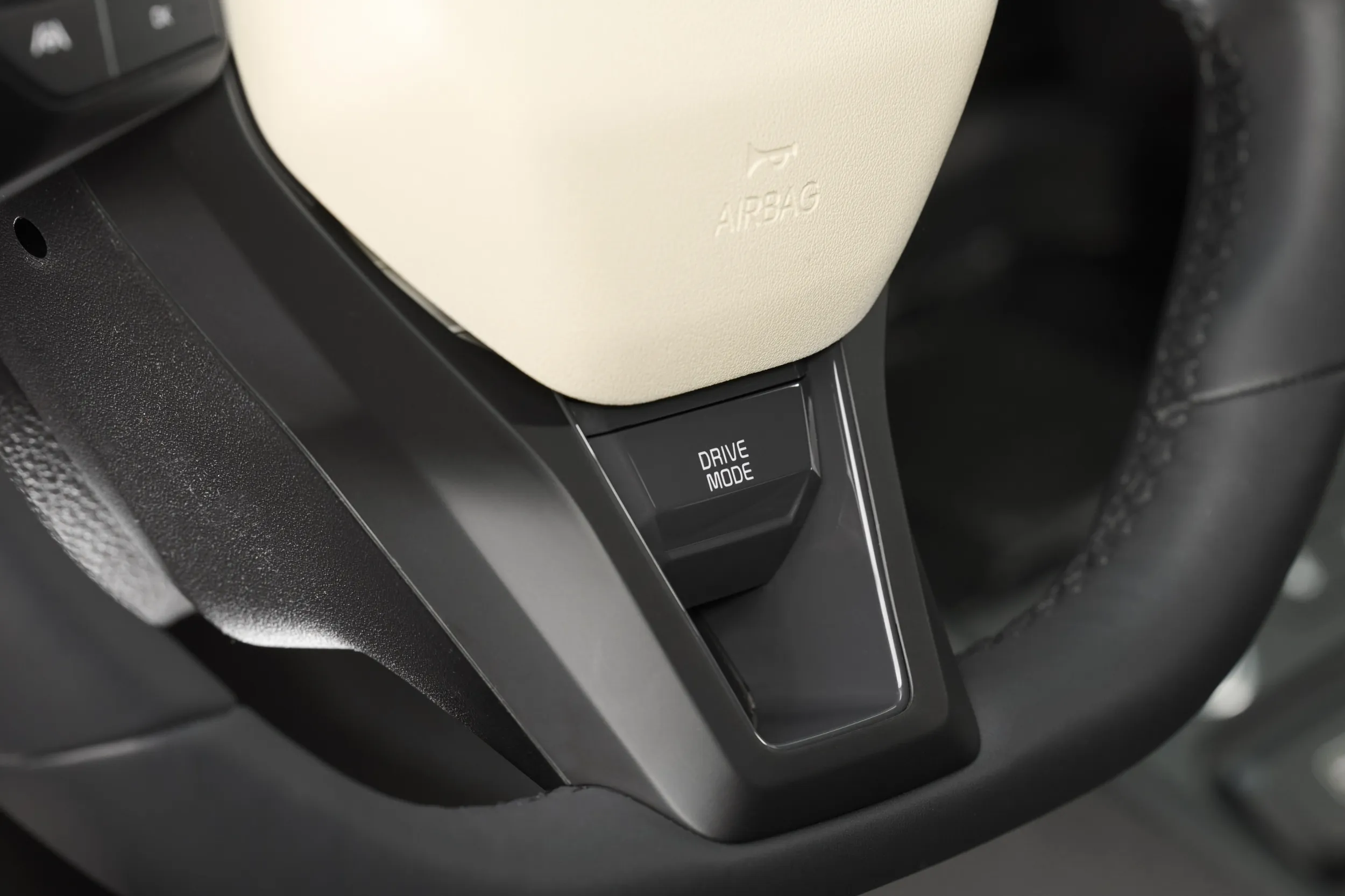
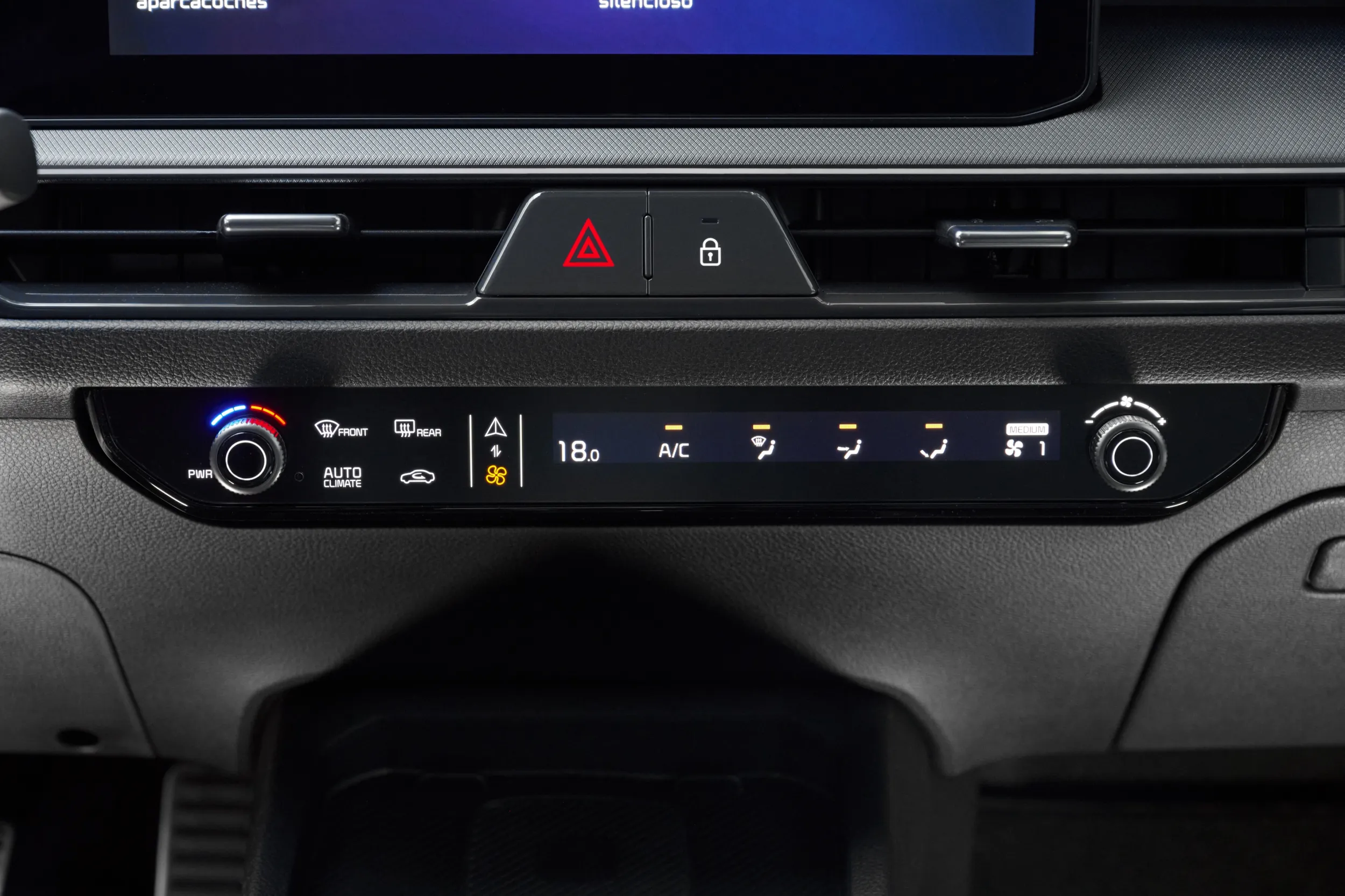
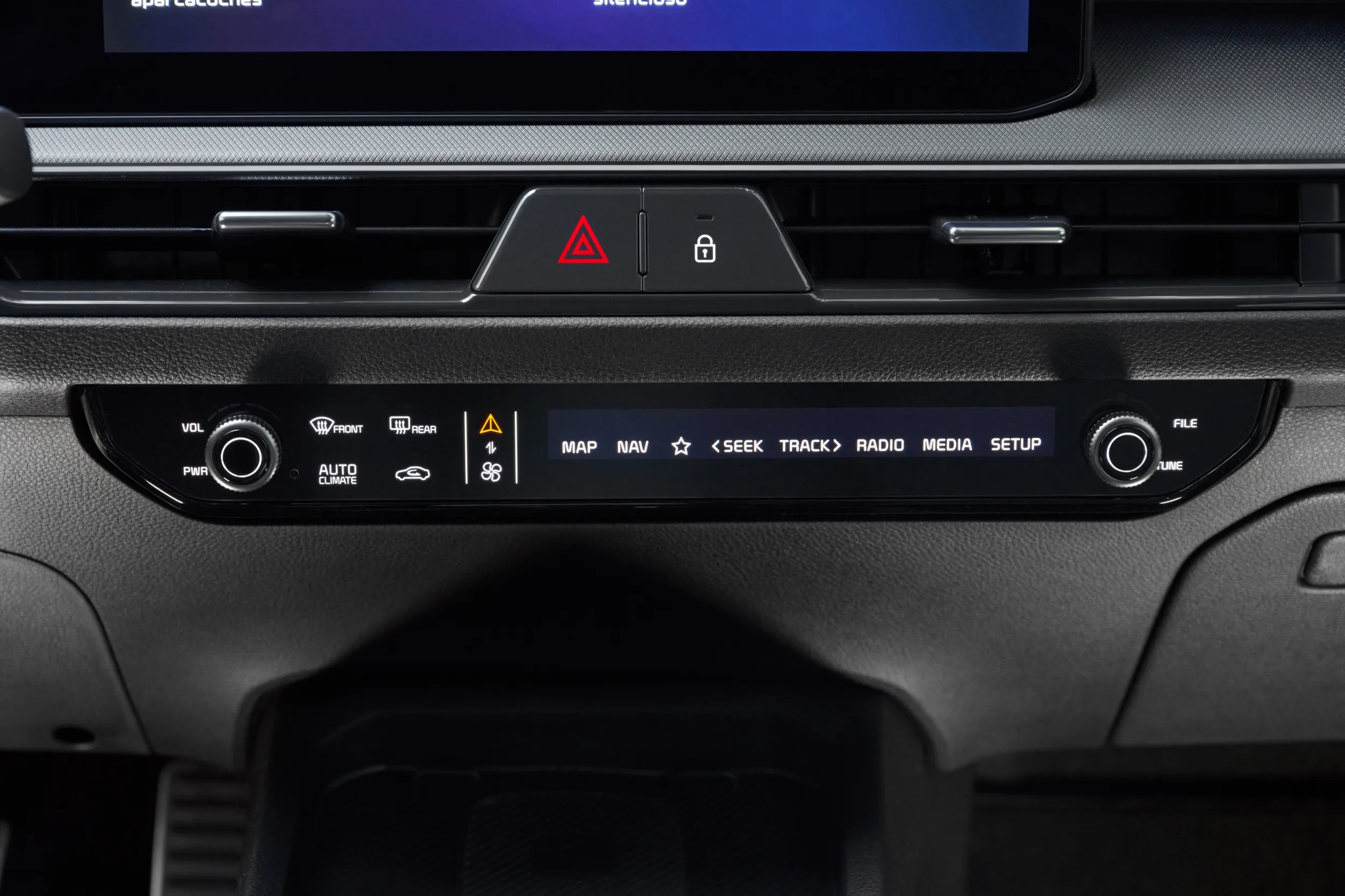
A new multimodal touch interface partially replaces physical climate controls. It looks clean and modern, though it is not always a victory for ergonomics. The steering wheel, gear selector and centre console are refreshed rather than reimagined. Features such as USB C fast charging, wireless smartphone connectivity and ambient lighting now come as expected rather than optional extras. In the Stonic’s case, they are finally present.
Kia Connect and the accompanying mobile app enable remote monitoring, diagnostics and vehicle management. Digital Key allows the car to be unlocked and started via smartphone or smartwatch, a feature once reserved for higher segments. Here it serves more as an argument for younger buyers than a practical necessity.
The list of driver assistance systems is extensive. Blind spot collision avoidance, safe exit warning, forward collision avoidance, highway driving assist and lane following assist all feature. For a B segment crossover, this is a strong safety package and places the Stonic towards the upper end of its class.
The new Kia Stonic is a well timed facelift that invests where today’s buyers look first, screens, connectivity and safety. Design remains measured, powertrains conservative and the strategy unmistakably European.
Those seeking a quiet, sensible and reasonably tech focused small crossover will find plenty to like. Anyone hoping for something disruptive will need to look elsewhere. Kia itself never promised otherwise.
At the front, the Stonic adopts Kia’s current corporate look with the Star Map light signature, a more sculpted grille and cleaner detailing. The rear gains a new tailgate, redesigned rear lights and a calmer bumper profile. It is a correct and cautious update, enough to avoid looking dated, not enough to unsettle the segment.
Wheel options range from 16 to 17 inches, with the GT Line receiving its own 17 inch design. Two new colours join the palette, Adventurous Green and Yacht Blue. Both aim to underline youthful intent more through their names than outright boldness.
Under the skin, the Stonic reflects current European realities. Electrification continues at an uneven pace and Kia does not force buyers into unfamiliar territory. The line up centres on a 1.0 T GDI petrol engine with 100 horsepower, alongside a 115 horsepower mild hybrid version.
Gearbox choices remain conventional. A six speed manual is standard, while the mild hybrid can be paired with a seven speed dual clutch automatic. It is a conservative approach, but one that aligns with the expectations of this class.
The biggest changes appear inside. Kia introduces twin 12.3 inch panoramic displays to the B segment, combining the digital instrument cluster and infotainment into a single visual plane. In class terms, this is a strong move and it creates the impression of sitting in a larger car than the Stonic actually is.
A new multimodal touch interface partially replaces physical climate controls. It looks clean and modern, though it is not always a victory for ergonomics. The steering wheel, gear selector and centre console are refreshed rather than reimagined. Features such as USB C fast charging, wireless smartphone connectivity and ambient lighting now come as expected rather than optional extras. In the Stonic’s case, they are finally present.
Kia Connect and the accompanying mobile app enable remote monitoring, diagnostics and vehicle management. Digital Key allows the car to be unlocked and started via smartphone or smartwatch, a feature once reserved for higher segments. Here it serves more as an argument for younger buyers than a practical necessity.
The list of driver assistance systems is extensive. Blind spot collision avoidance, safe exit warning, forward collision avoidance, highway driving assist and lane following assist all feature. For a B segment crossover, this is a strong safety package and places the Stonic towards the upper end of its class.
The new Kia Stonic is a well timed facelift that invests where today’s buyers look first, screens, connectivity and safety. Design remains measured, powertrains conservative and the strategy unmistakably European.
Those seeking a quiet, sensible and reasonably tech focused small crossover will find plenty to like. Anyone hoping for something disruptive will need to look elsewhere. Kia itself never promised otherwise.


