
Dacia brings new Spring and Striker to Paris and electrifies its entire line-up
 1/2
1/2
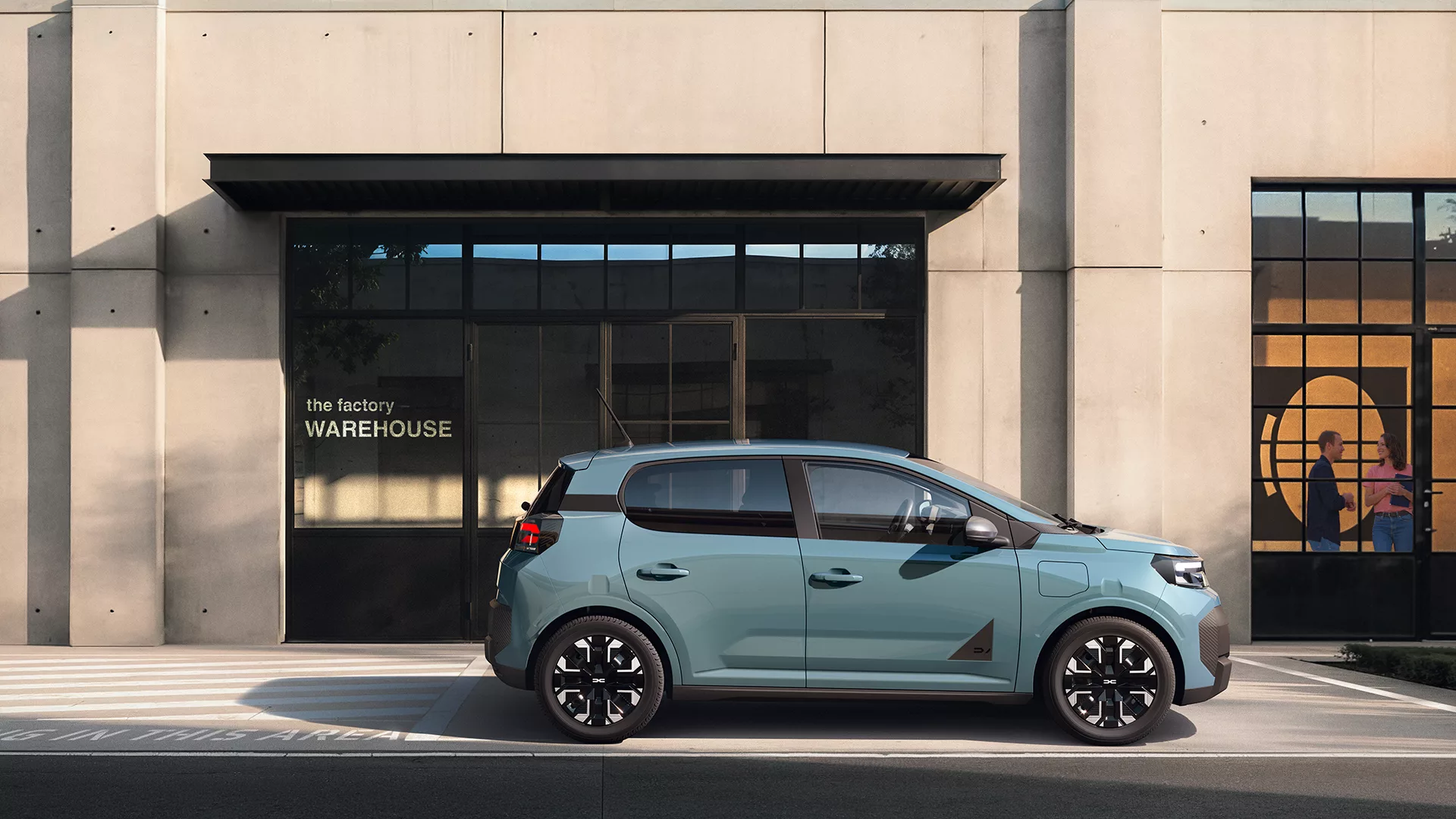
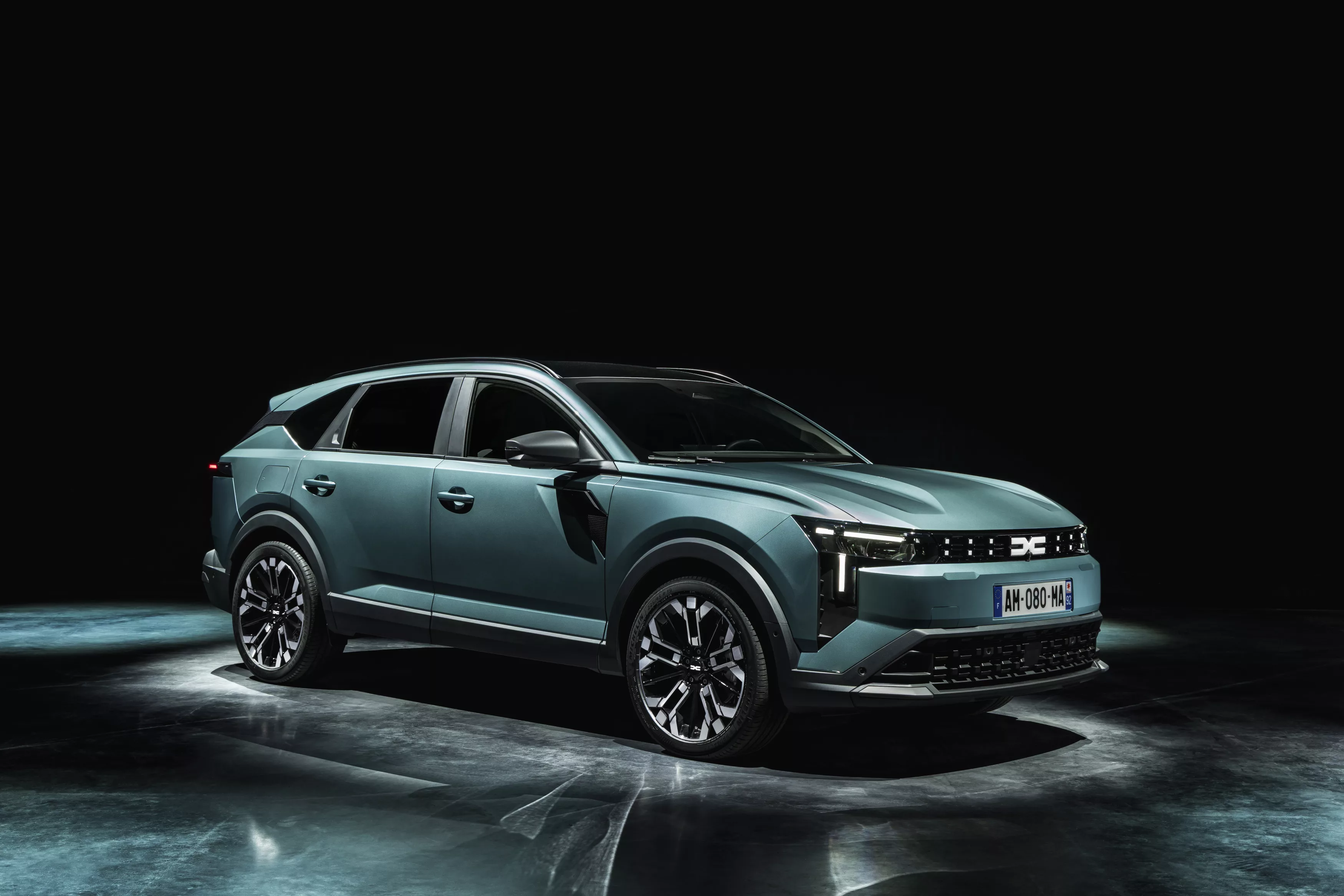
Dacia will stage two world premieres at the 2026 Paris Motor Show. The second-generation Spring will remain the brand’s cheapest electric car, while the new Striker takes Dacia further into the C-segment. Meanwhile, hybrid technology will extend across the rest of the line-up.
New Spring to cost less than €18,000
The second-generation Spring will remain an A-segment electric car, and Dacia stresses that it will be built in Europe. Its starting price will be below €18,000. More importantly, however, the new Spring is not a standalone model. According to Dacia, it will launch a new family of electric cars that is expected to expand through to 2030.
This makes the brand’s strategy fairly clear: Dacia is not trying to stand out in the electric car market through power or screen size, but wants to keep the price of an electric car as low as possible.
Striker expands Dacia’s C-segment range
The second world premiere is the Striker, a new C-segment crossover. It will sit alongside the Bigster, rather than replace it. Dacia is positioning the model for both private and business customers and promises a starting price below €25,000.
Dacia has not yet released technical specifications, so the powertrains, dimensions and how much smaller or cheaper the Striker will be than the Bigster remain unknown.
All that is clear is that Dacia wants a whole family of C-segment models rather than just one.
Hybrid 155 joins the Sandero, Stepway and Jogger ranges
The Sandero, Sandero Stepway and Jogger will receive the new Hybrid 155 powertrain. This will make Dacia’s line-up effectively fully electrified. The Spring will remain fully electric, while every other Dacia model will have at least one hybrid version.
For the brand, this is a bigger change than simply adding a new engine. Dacia has so far built its price advantage around simple powertrains, but European emissions requirements are now pushing hybrid technology into lower price brackets too.
Duster and Bigster get an all-wheel-drive hybrid
The Duster and Bigster will come to Paris with the new Hybrid 150 4x4 powertrain. Dacia has not released detailed technical specifications for the system, but the powertrain’s name confirms that hybrid power and all-wheel drive are now coming together in the brand’s larger SUVs too.
This is particularly important for the Duster, whose affordable all-wheel drive has been one of its strongest selling points across generations. If Dacia can keep the price reasonable for the electrified 4x4 as well, the model will have relatively few direct rivals in Europe.
Dacia prepares for 2030
The Paris display shows Dacia developing in two directions. On the one hand, the brand is moving further up into the C-segment, where the Striker will join the Bigster. On the other, the entire line-up is being electrified, but without treating electrification as a distinct premium technology.
For Dacia, this is logical. The brand does not need to be the most technically sophisticated; it needs to offer a sufficiently modern powertrain at a lower price than its competitors. At the 2026 Paris Motor Show, the new Spring will become the key yardstick for this strategy. If Dacia can still keep the price of a European-built electric car below €18,000, the pressure on other manufacturers of affordable electric cars will increase significantly.


