
The death sentence for electric cars is postponed. Batteries outlast the bodies around them
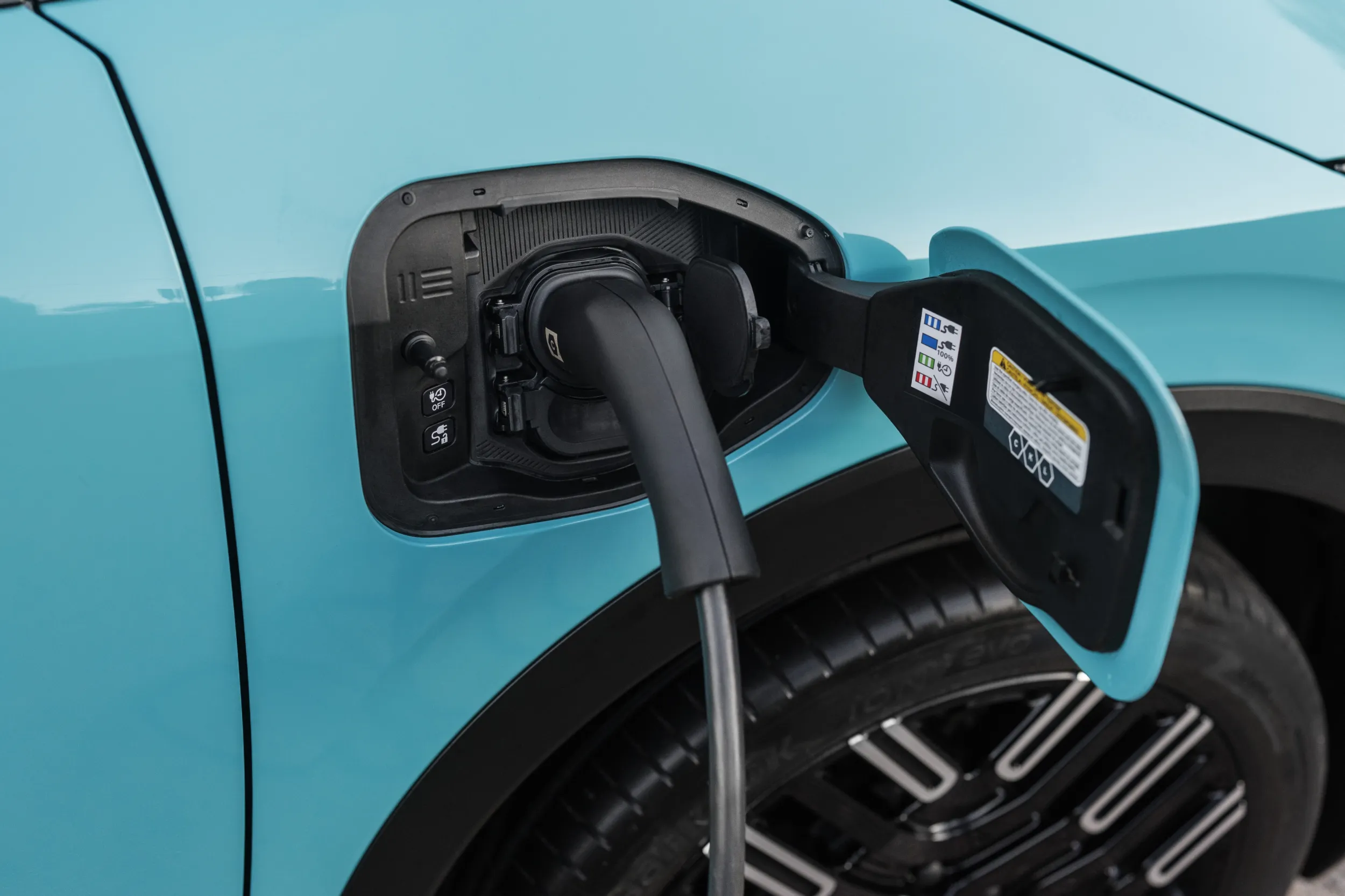
For years, sceptics painted the electric car as a ticking time bomb. The battery, they warned, would expire the moment the warranty ran out, leaving the owner with an expensive slab of scrap metal.
A new British study suggests the opposite. The 2025 Battery Performance Index by Generational analysed the condition of more than 8000 used electric vehicles. Its conclusion is disarmingly positive. The battery is not the weak link. In many cases, it is one of the most durable components in the entire car.
The reality of battery health
At the centre of the study lies State of Health, or SoH. This figure measures a battery’s remaining capacity compared with when it was new. Manufacturers typically guarantee around 70 percent capacity after eight years. Reality looks far healthier.
Across the analysed fleet, the average EV retained 95.15 percent of its original capacity. In other words, fears of rapid battery degradation appear more psychological than physical.
Even older cars held up well. Vehicles aged between eight and twelve years showed a median SoH of around 85 percent. The worst examples in that group still stayed above 82 percent.
Cars aged four to five years were, for all practical purposes, barely broken in. Their batteries averaged 93.53 percent of original capacity.
Then comes the mileage paradox. Cars that travelled more than 160,000 kilometres often showed between 88 and 95 percent health. Regular use and sensible charging habits seem to benefit lithium ion batteries more than prolonged inactivity.
What SoH actually measures
Battery health calculations usually rely on two core parameters monitored by the Battery Management System.
First, capacity fade. If a new battery stored 75 kWh and now manages only 60 kWh after a full cycle, its capacity based SoH stands at 80 percent.
Second, internal resistance. This matters more in dynamic driving. Over time, chemical processes inside the cells increase resistance, which restricts electron flow. Higher resistance means more heat and less current available under acceleration. If resistance doubles, SoH can fall sharply even when nominal capacity still looks respectable.
The headline figure therefore tells only part of the story. True battery condition combines both storage ability and power delivery.
Mileage is no longer king
Oliver Phillpott, chief executive of Generational, highlights a strategic shift in how we judge used cars. Mileage no longer serves as the primary indicator of condition.
A three year old fleet car with 150,000 kilometres on the clock may carry a healthier battery than a six year old weekend car that covered 30,000 kilometres but spent long stretches sitting idle with a depleted pack.
This insight reshapes the used EV market. Insurers, leasing companies and dealers must look beyond the odometer. Proper battery diagnostics become the new currency. In the electric age, SoH replaces mileage as the number that truly matters.
What this means for Europe
In northern Europe, anxiety about cold weather and battery degradation runs deep. The reality appears calmer. Modern thermal management systems regulate temperature effectively, protecting cells from both frost and overheating.
Early examples such as the Nissan Leaf and the first Tesla Model S already demonstrated notable resilience. Many twelve year old cars in the study still retained around 85 percent of their original capacity. Newer models with liquid cooling and more advanced software should perform even better over time.
For buyers, this changes the equation. Purchasing a used electric car no longer resembles a lottery ticket, provided a proper battery health check forms part of the process.
There is also a quiet irony. In climates where winter roads are soaked in salt, the battery may well outlast the bodywork wrapped around it. The true weak point of an electric car might turn out not to be chemistry, but corrosion.
The reality of battery health
At the centre of the study lies State of Health, or SoH. This figure measures a battery’s remaining capacity compared with when it was new. Manufacturers typically guarantee around 70 percent capacity after eight years. Reality looks far healthier.
Across the analysed fleet, the average EV retained 95.15 percent of its original capacity. In other words, fears of rapid battery degradation appear more psychological than physical.
Even older cars held up well. Vehicles aged between eight and twelve years showed a median SoH of around 85 percent. The worst examples in that group still stayed above 82 percent.
Cars aged four to five years were, for all practical purposes, barely broken in. Their batteries averaged 93.53 percent of original capacity.
Then comes the mileage paradox. Cars that travelled more than 160,000 kilometres often showed between 88 and 95 percent health. Regular use and sensible charging habits seem to benefit lithium ion batteries more than prolonged inactivity.
What SoH actually measures
Battery health calculations usually rely on two core parameters monitored by the Battery Management System.
First, capacity fade. If a new battery stored 75 kWh and now manages only 60 kWh after a full cycle, its capacity based SoH stands at 80 percent.
Second, internal resistance. This matters more in dynamic driving. Over time, chemical processes inside the cells increase resistance, which restricts electron flow. Higher resistance means more heat and less current available under acceleration. If resistance doubles, SoH can fall sharply even when nominal capacity still looks respectable.
The headline figure therefore tells only part of the story. True battery condition combines both storage ability and power delivery.
Mileage is no longer king
Oliver Phillpott, chief executive of Generational, highlights a strategic shift in how we judge used cars. Mileage no longer serves as the primary indicator of condition.
A three year old fleet car with 150,000 kilometres on the clock may carry a healthier battery than a six year old weekend car that covered 30,000 kilometres but spent long stretches sitting idle with a depleted pack.
This insight reshapes the used EV market. Insurers, leasing companies and dealers must look beyond the odometer. Proper battery diagnostics become the new currency. In the electric age, SoH replaces mileage as the number that truly matters.
What this means for Europe
In northern Europe, anxiety about cold weather and battery degradation runs deep. The reality appears calmer. Modern thermal management systems regulate temperature effectively, protecting cells from both frost and overheating.
Early examples such as the Nissan Leaf and the first Tesla Model S already demonstrated notable resilience. Many twelve year old cars in the study still retained around 85 percent of their original capacity. Newer models with liquid cooling and more advanced software should perform even better over time.
For buyers, this changes the equation. Purchasing a used electric car no longer resembles a lottery ticket, provided a proper battery health check forms part of the process.
There is also a quiet irony. In climates where winter roads are soaked in salt, the battery may well outlast the bodywork wrapped around it. The true weak point of an electric car might turn out not to be chemistry, but corrosion.


