
Nissan Gravite, budget arithmetic meets seven seats
 1/18
1/18
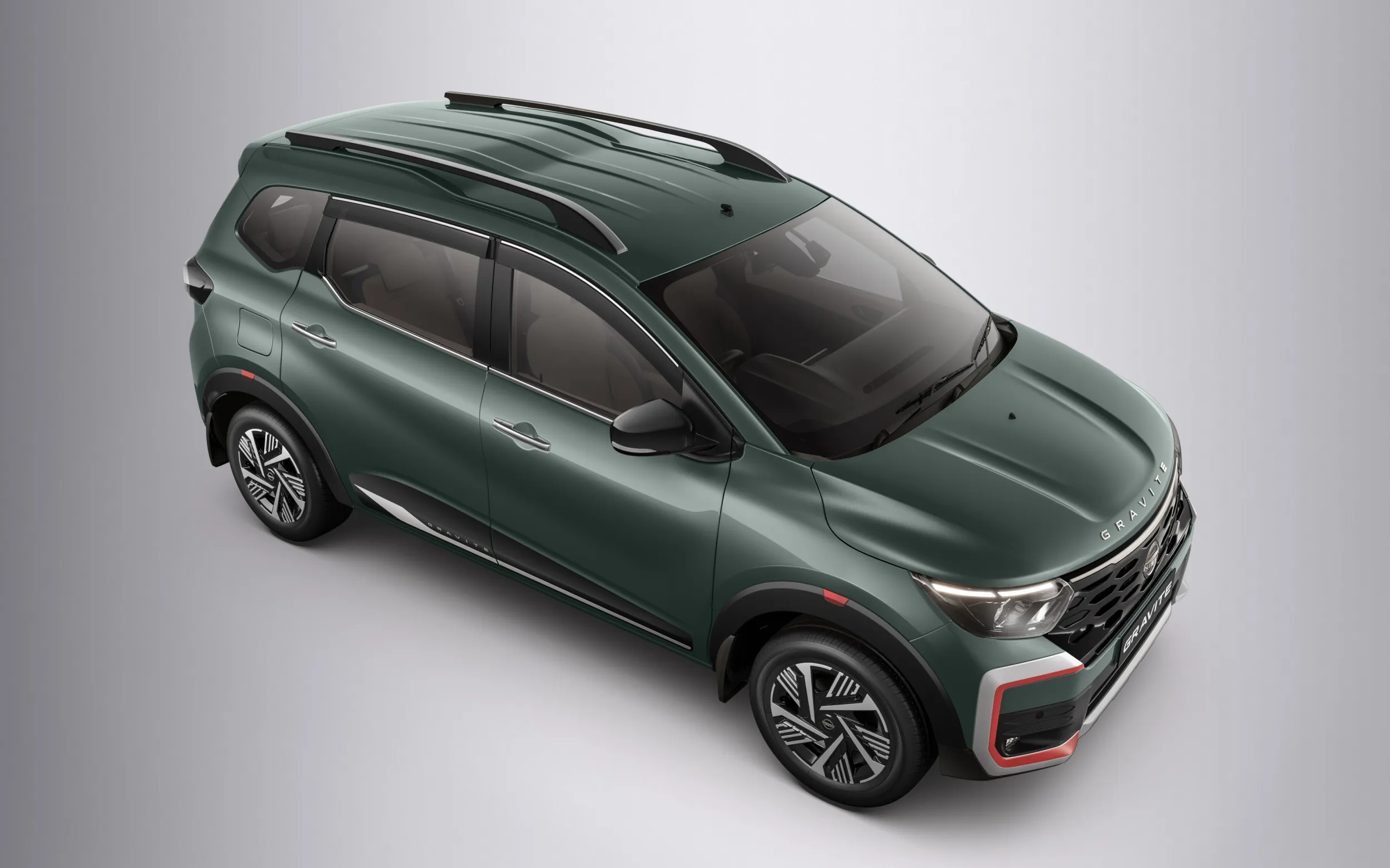
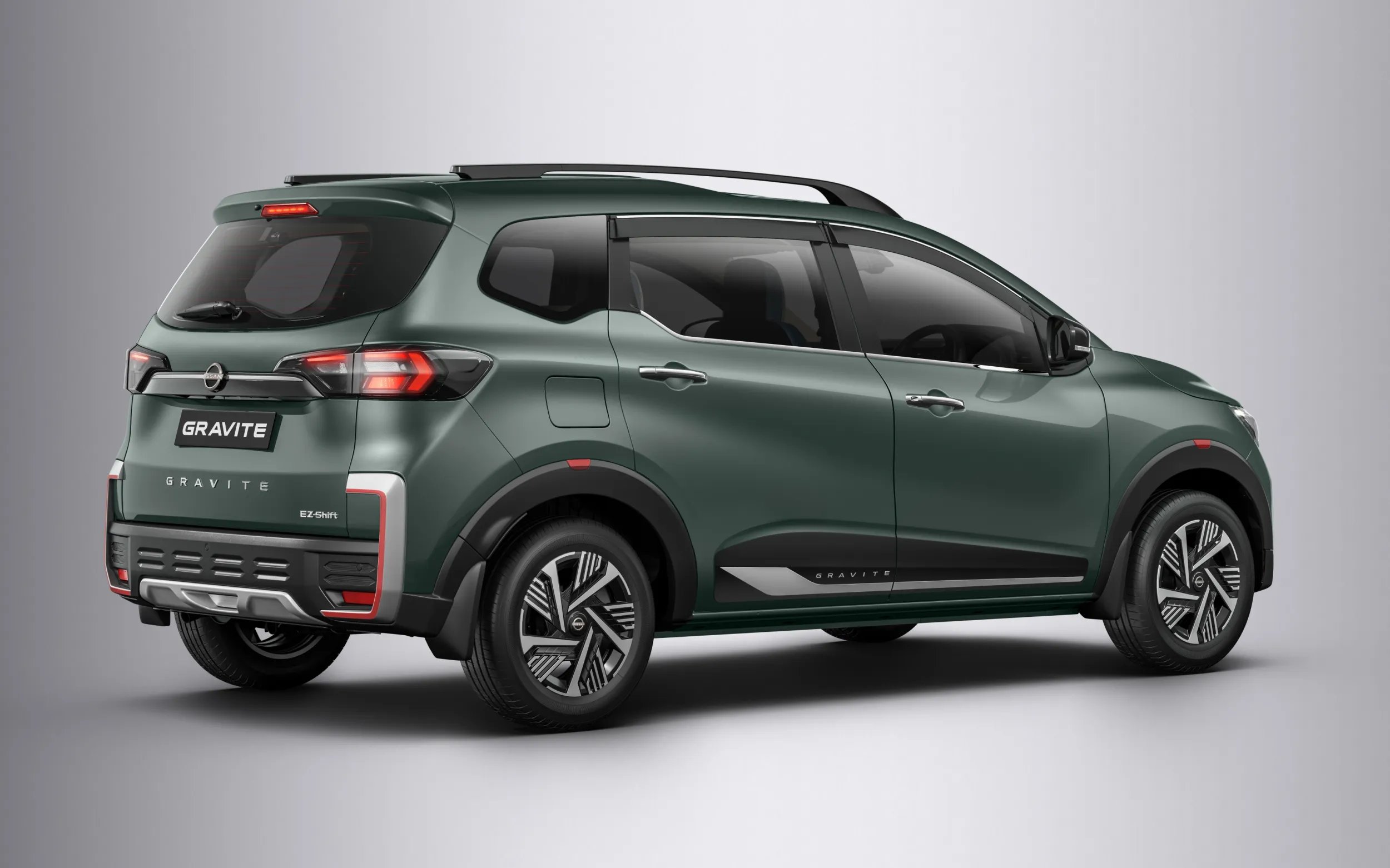
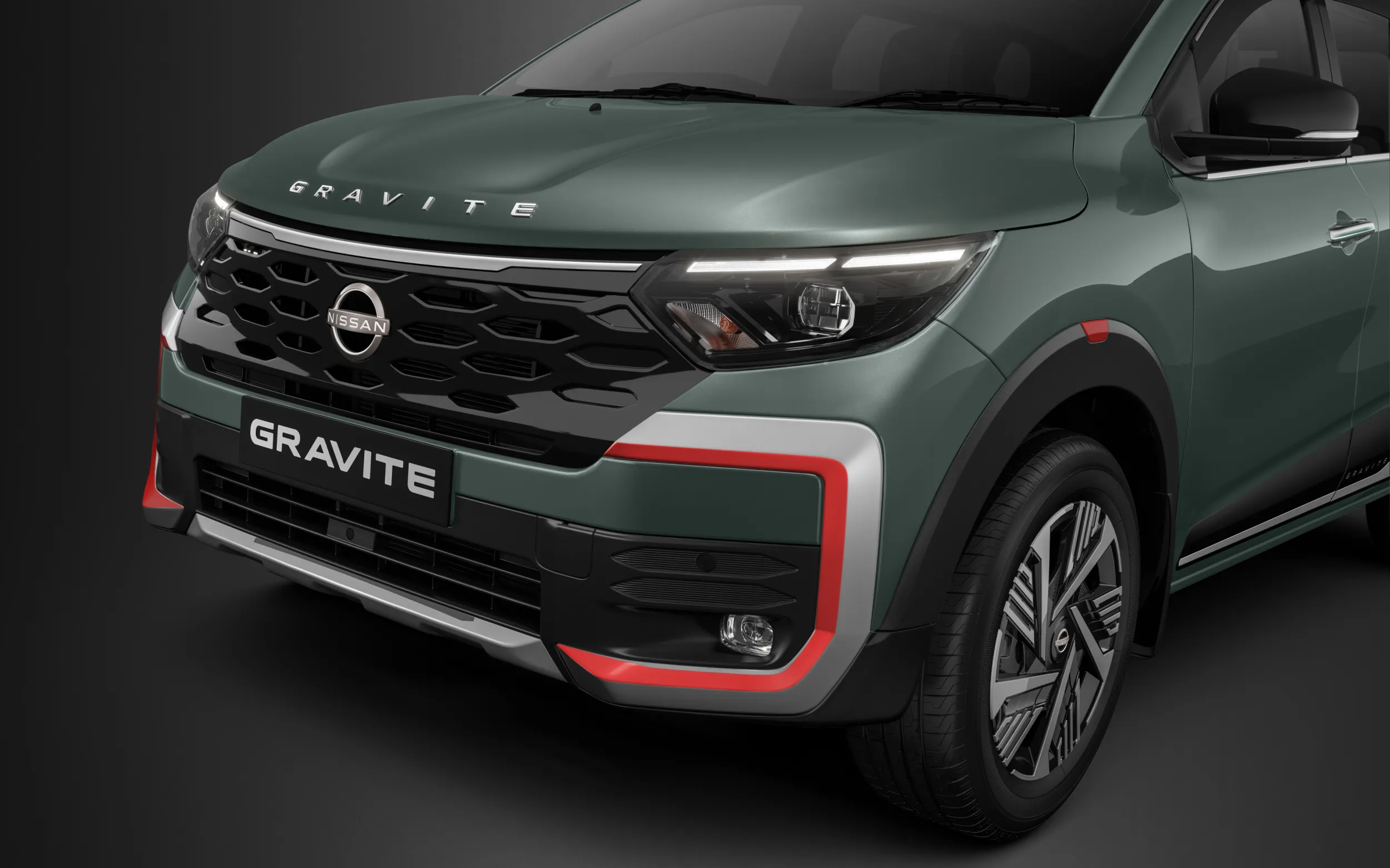
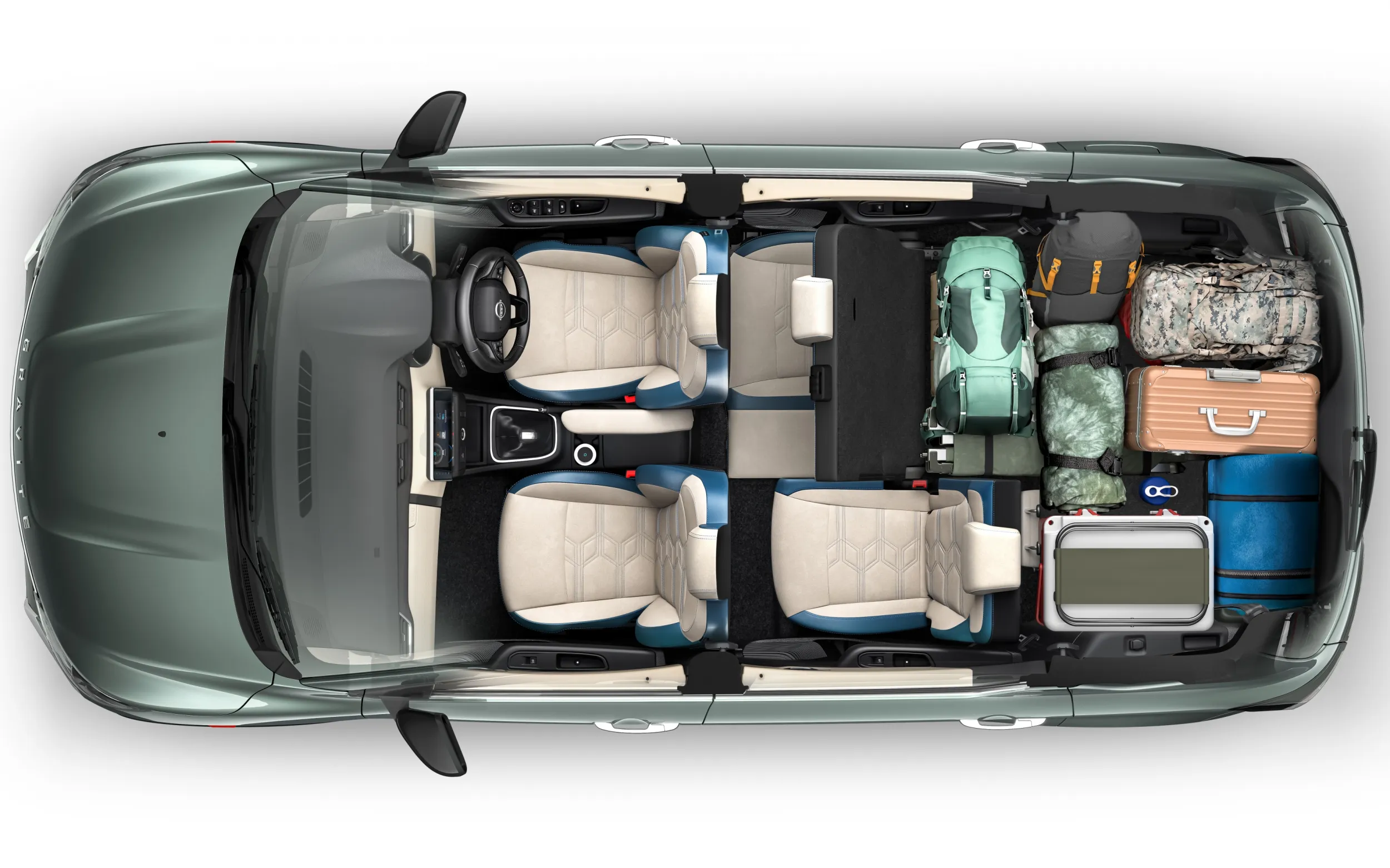
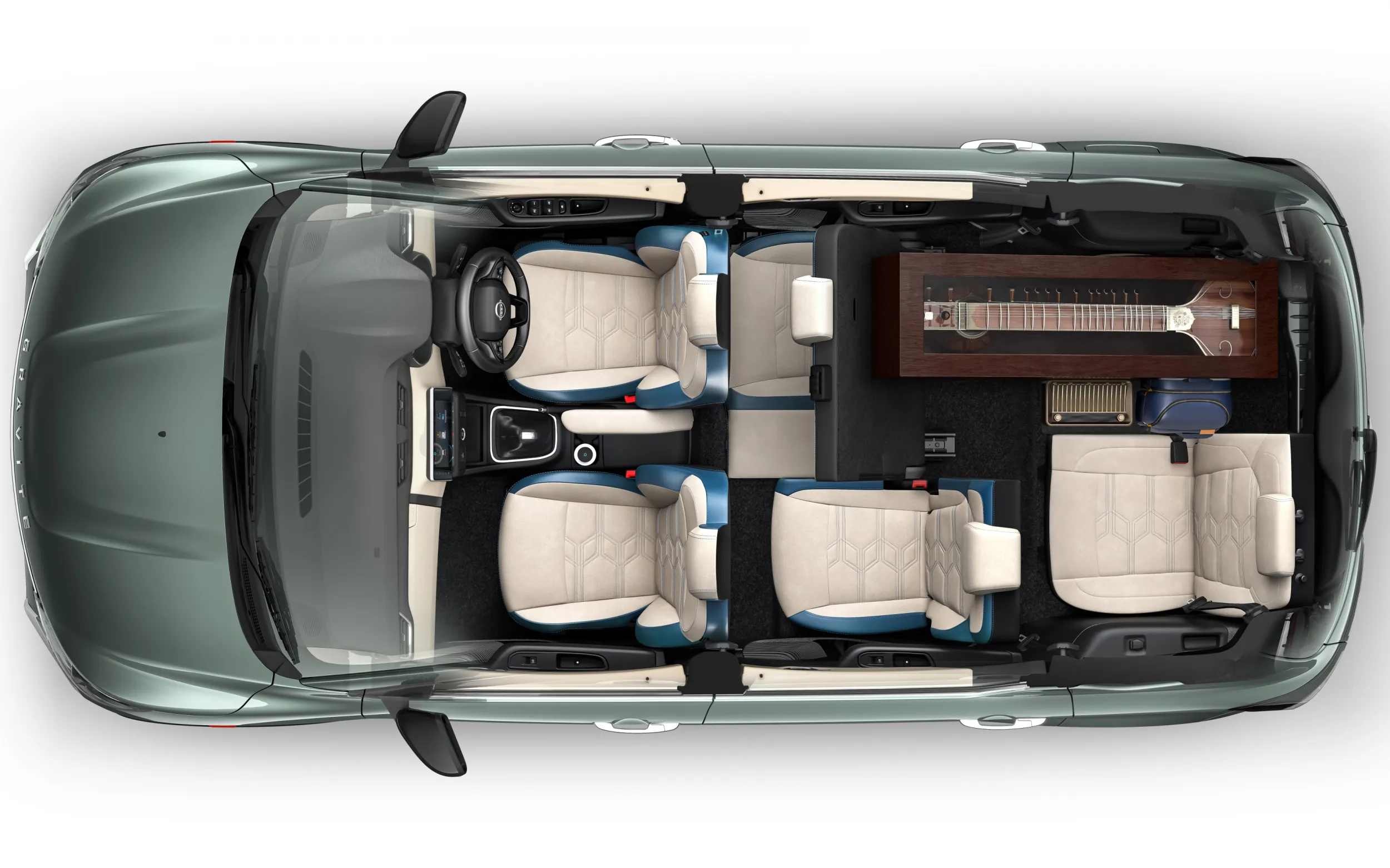
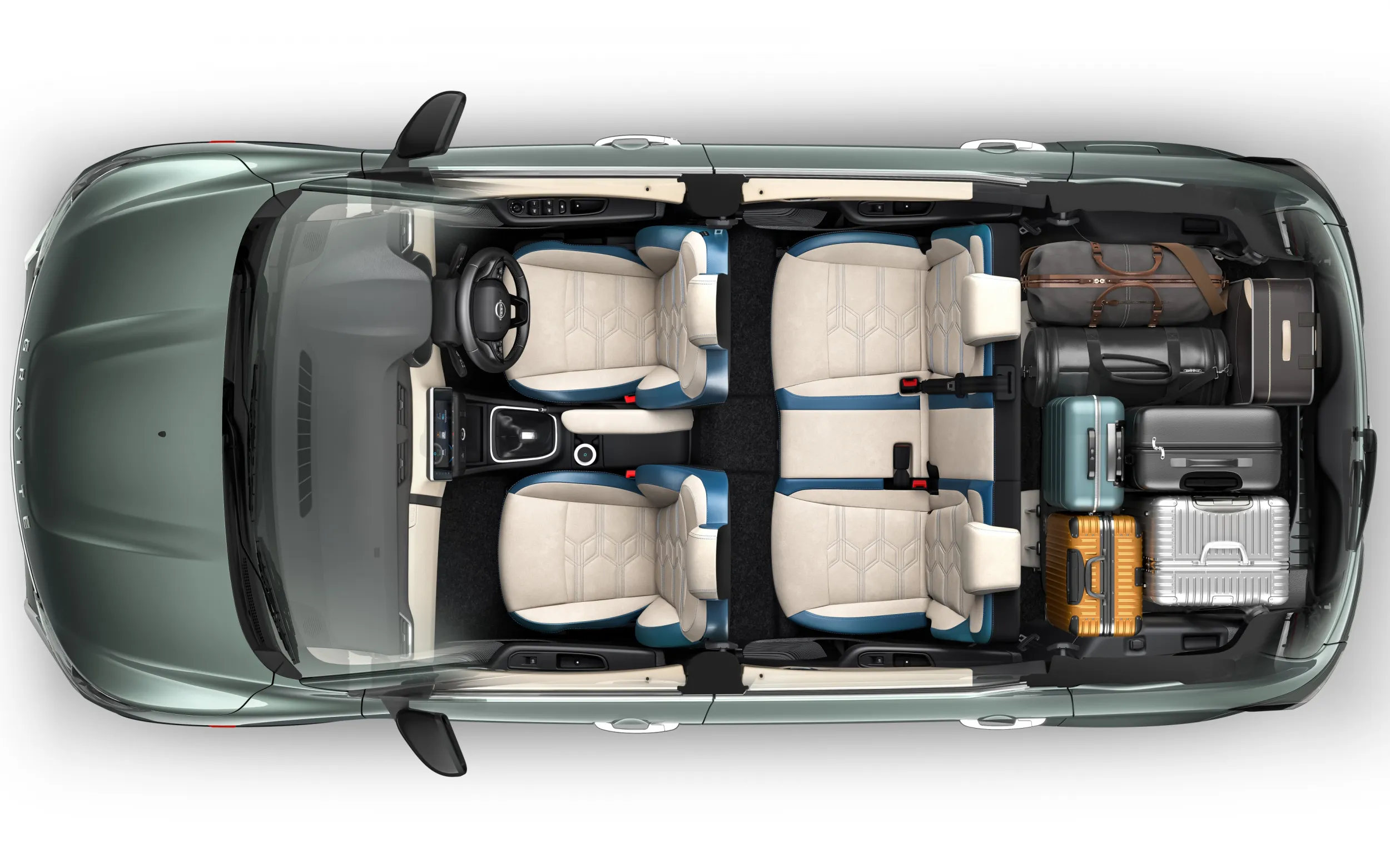
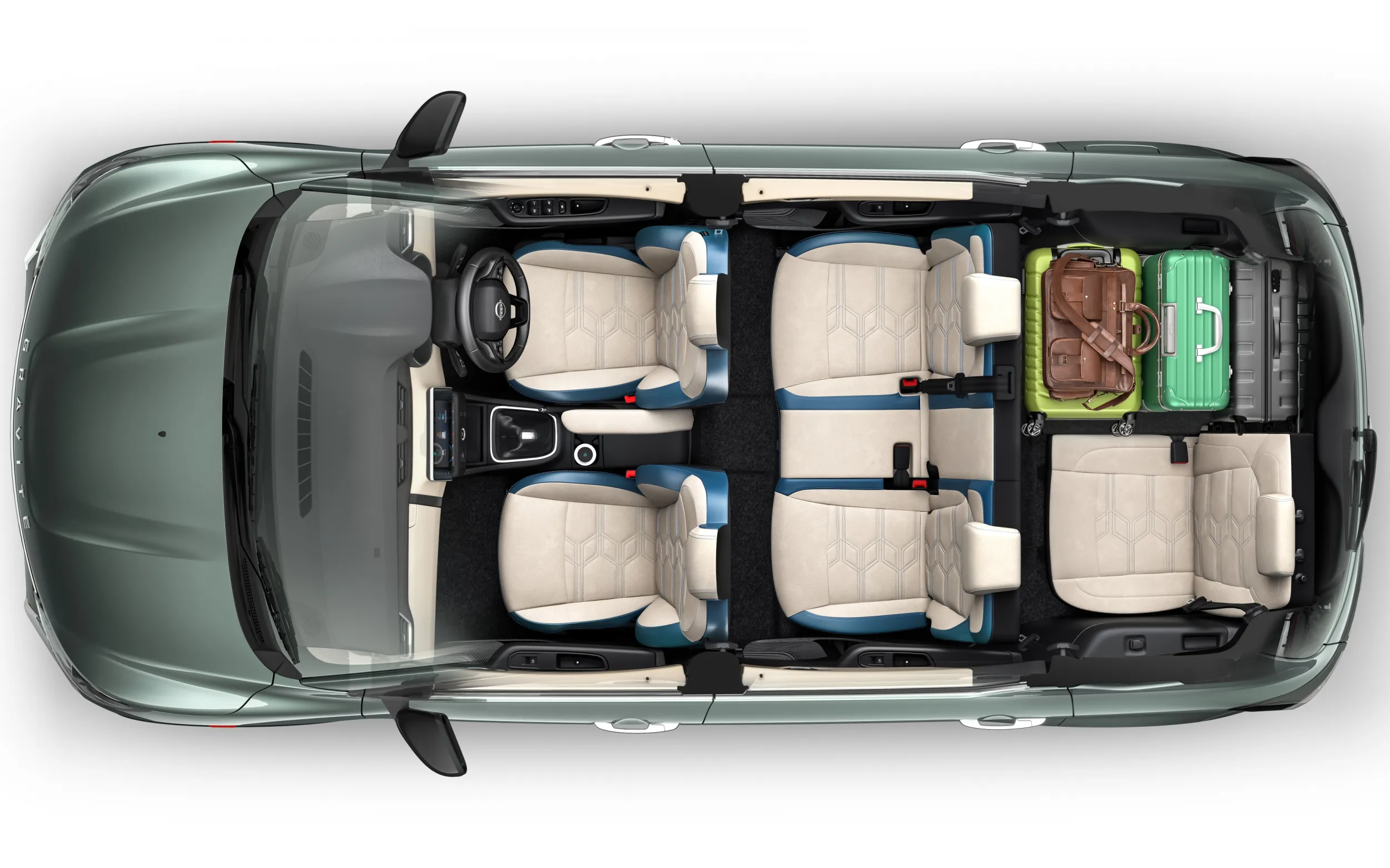
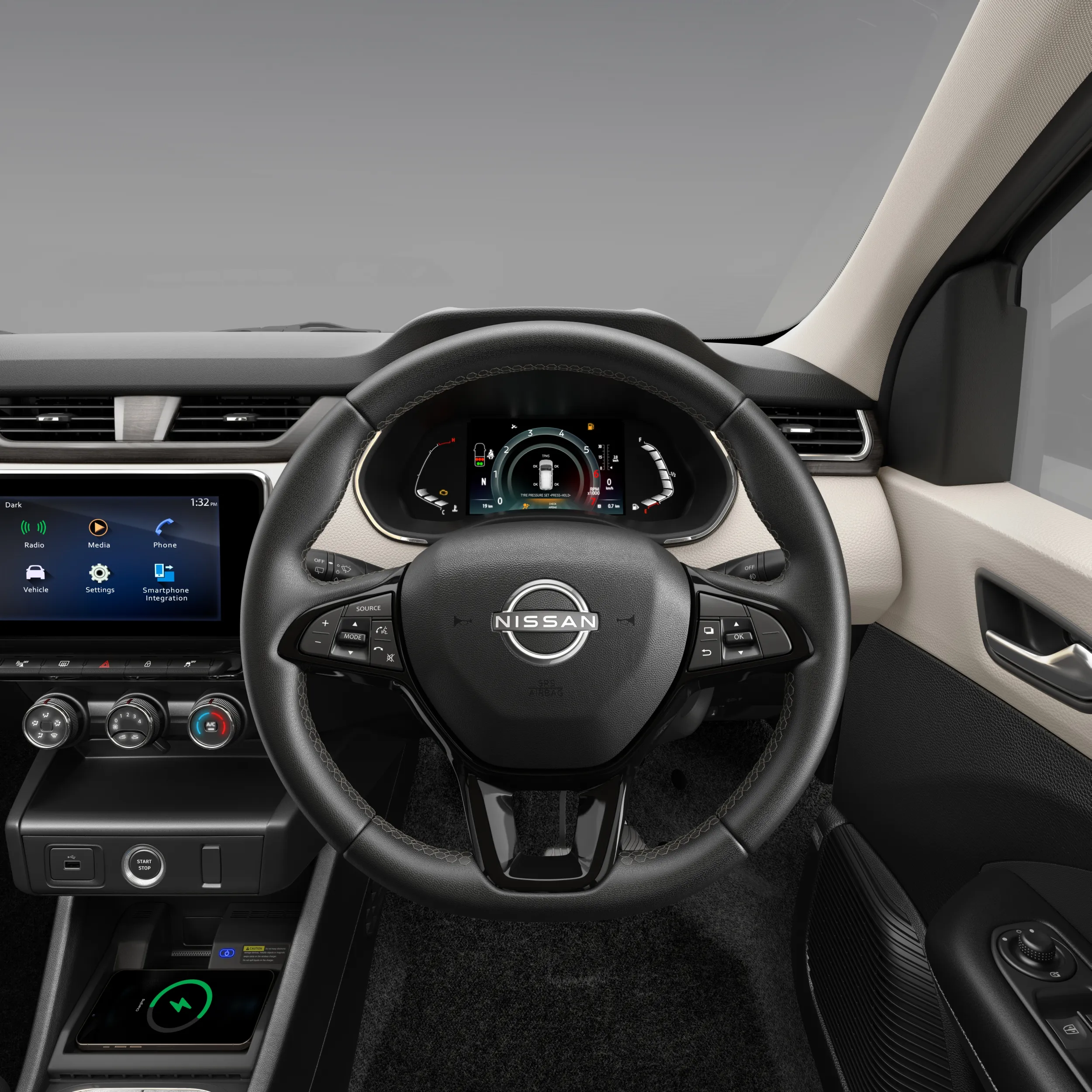
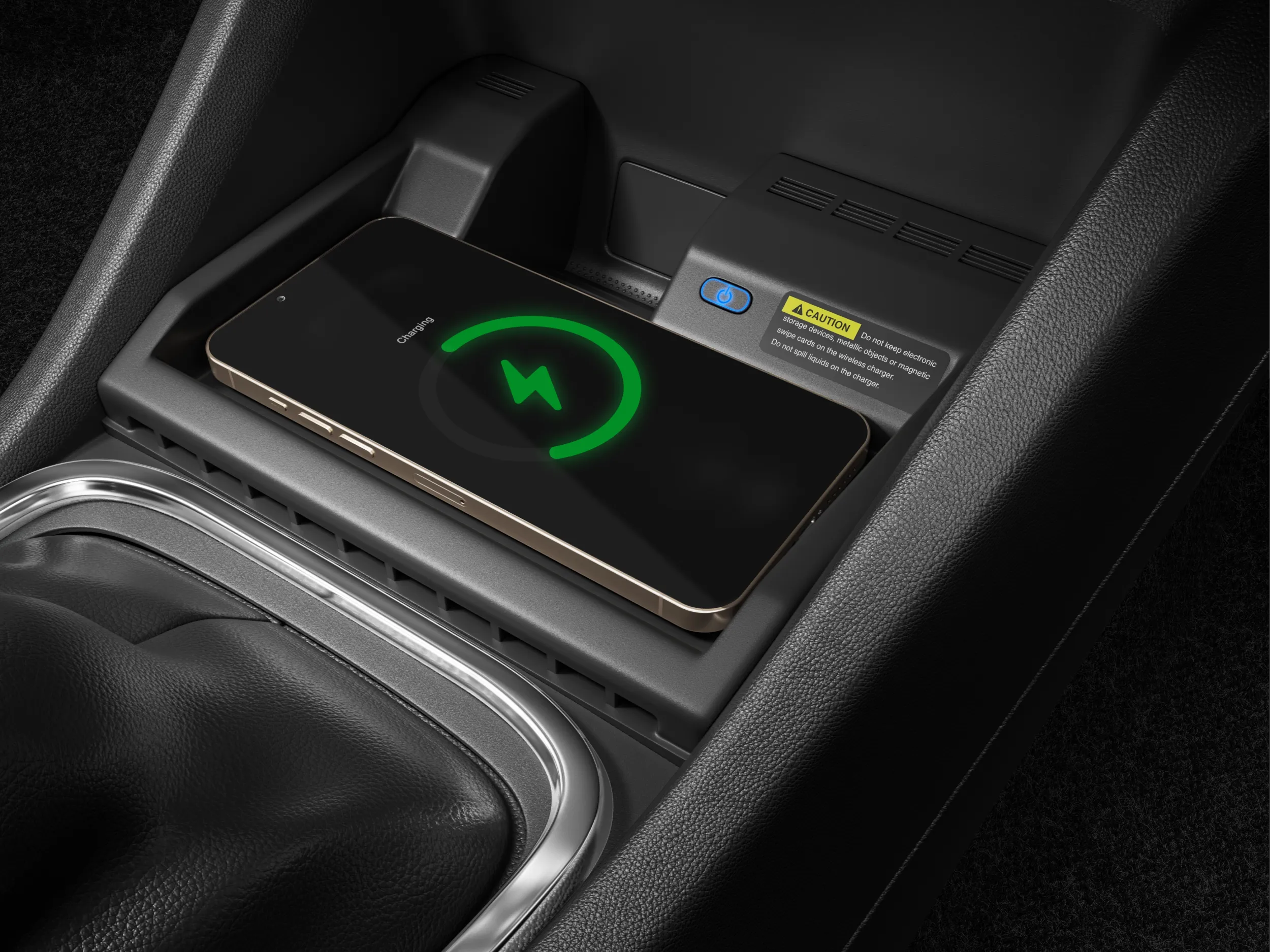
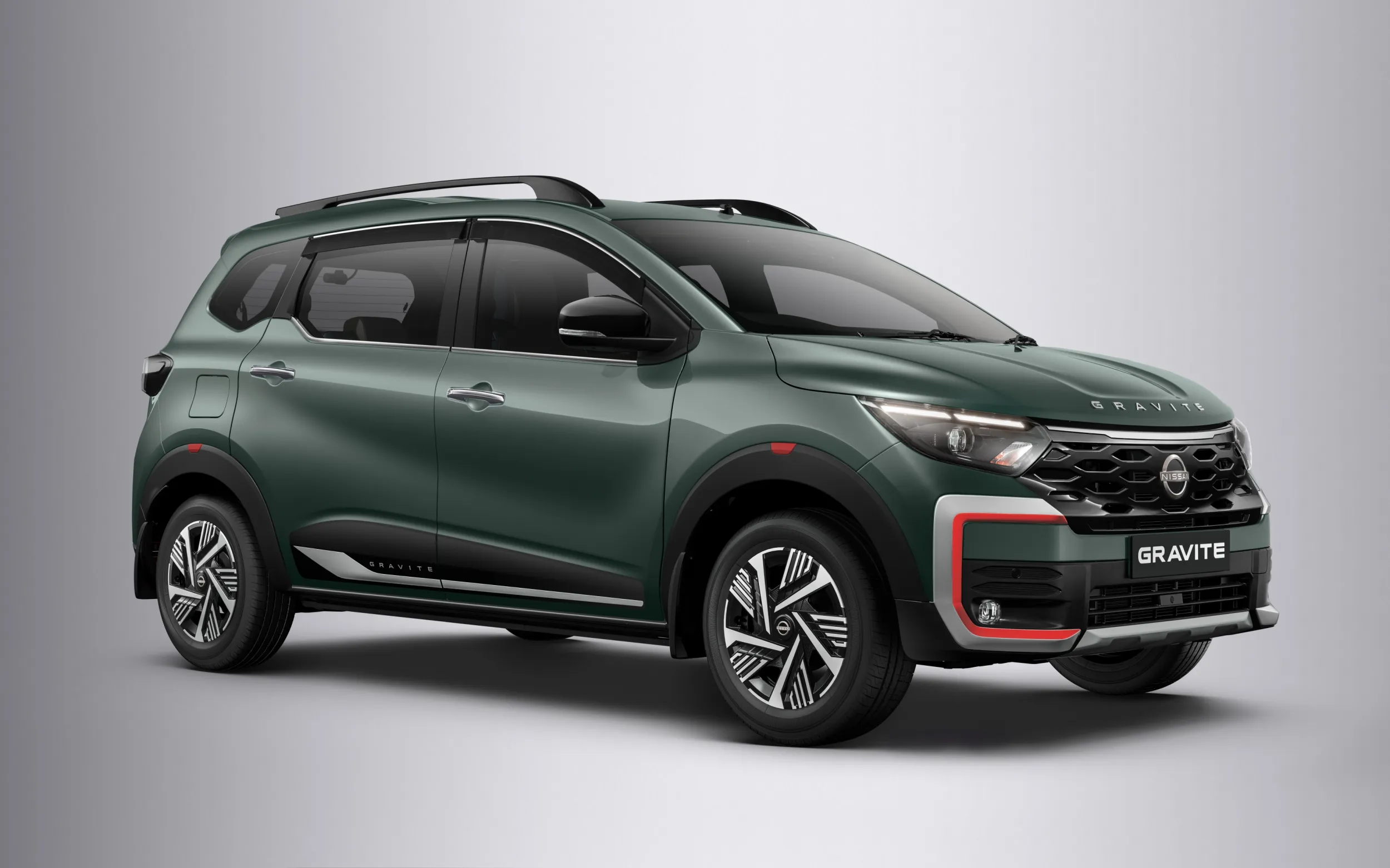
Nissan has long balanced on the thin line between rational and forgettable. The new seven seat SUV Gravite makes no attempt to step away from that image. If anything, it presses it deeper into the asphalt. This is a car for buyers who calculate value in cubic metres and seats per currency unit, not in cornering finesse or the grain of the dashboard trim.
With Gravite, Nissan targets emerging markets where a large family outweighs any desire to enjoy brisk acceleration. Practicality wins. Emotion waits outside.
Built on cost efficiency
Under the bonnet, there is no trace of space age ambition. Instead, you find engineering from a simpler era, when fuel injection still felt novel. The car sits on the CMF A+ platform developed within the Renault Nissan alliance. The same architecture underpins the Renault Triber and Nissan Magnite, which tells you almost everything about the brief.
The CMF A+ formula is a masterclass in cost control. Keep the footprint under four metres, stretch the wheelbase to maximise cabin space, reuse proven components and make sure the car survives roads where tarmac is more suggestion than surface.
Gravite measures around 3987 mm in length, yet its wheelbase stretches to 2636 mm to accommodate three rows of seats. Kerb weight stays below 1000 kg. That modest mass is not a happy accident. It is the only reason the engine copes at all.
The numbers that matter
Power comes from a 1.0 litre three cylinder naturally aspirated petrol unit known internally as the B4D. Output stands at 71 horsepower, or 53 kW, delivered at 6250 rpm. Peak torque reaches 96 Nm between 3400 and 3600 rpm.
On paper, it sounds adequate. With seven people on board, it becomes a lesson in patience. Progress feels less like acceleration and more like continental drift. Drivers will maintain a close and ongoing dialogue with the gearbox.
Buyers can choose between a five speed manual or a five speed automated manual transmission marketed as EZ Shift. Neither promises excitement. Both promise affordability and straightforward maintenance.
Space first, everything else second
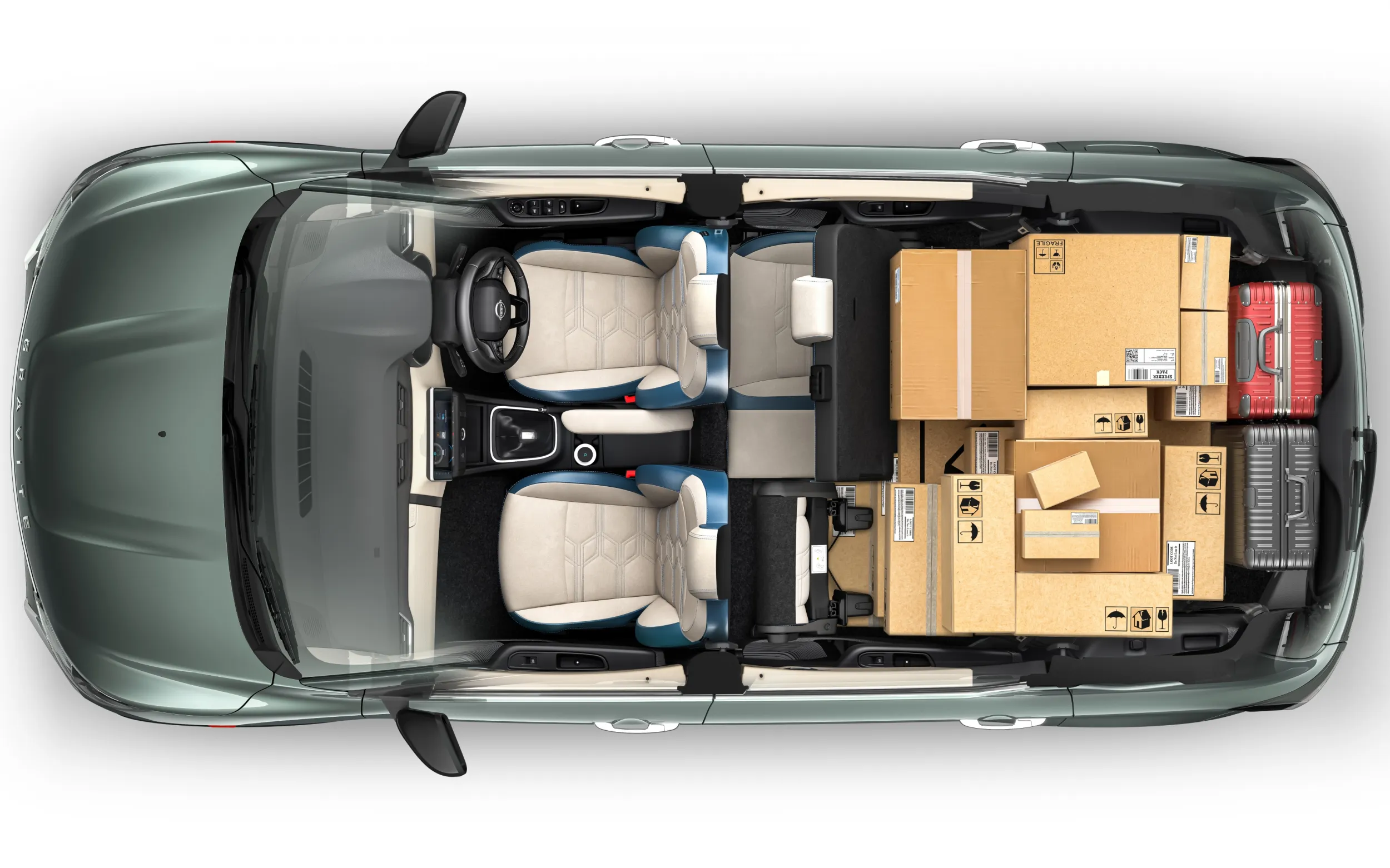
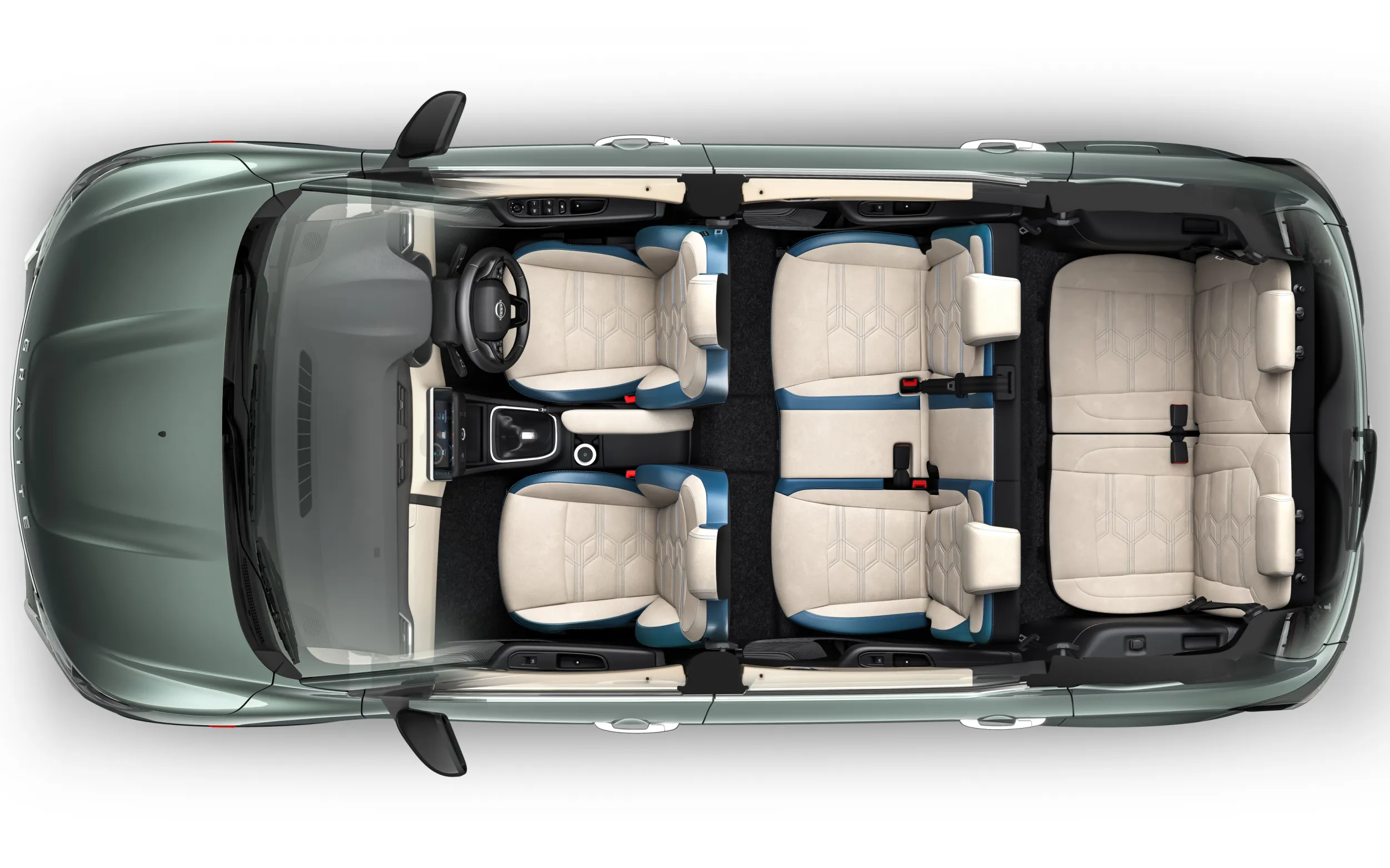
The headline feature is simple. Three rows. Seven seats. The caveat is equally clear. The third row works best for children or particularly flexible adults.
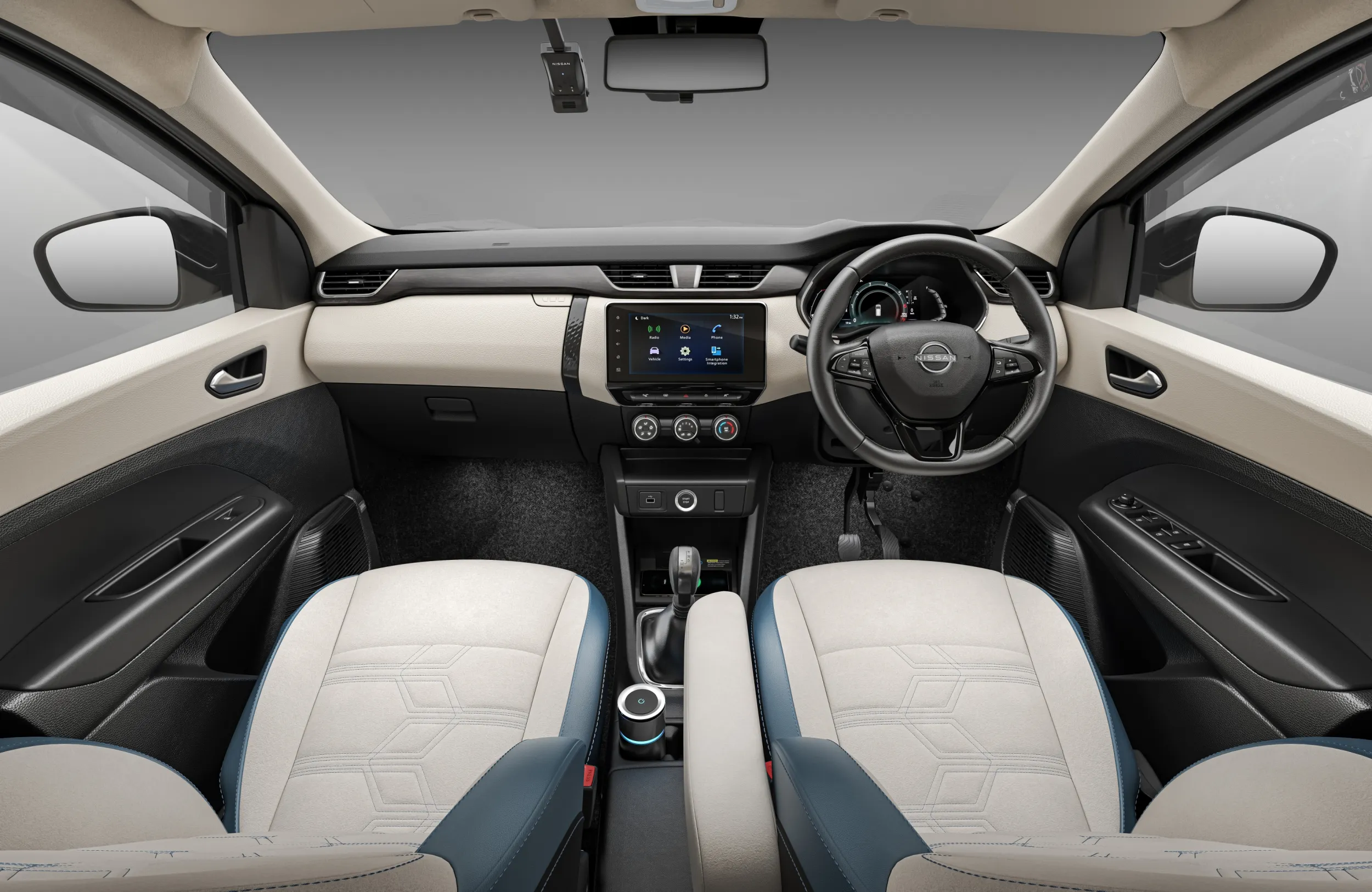
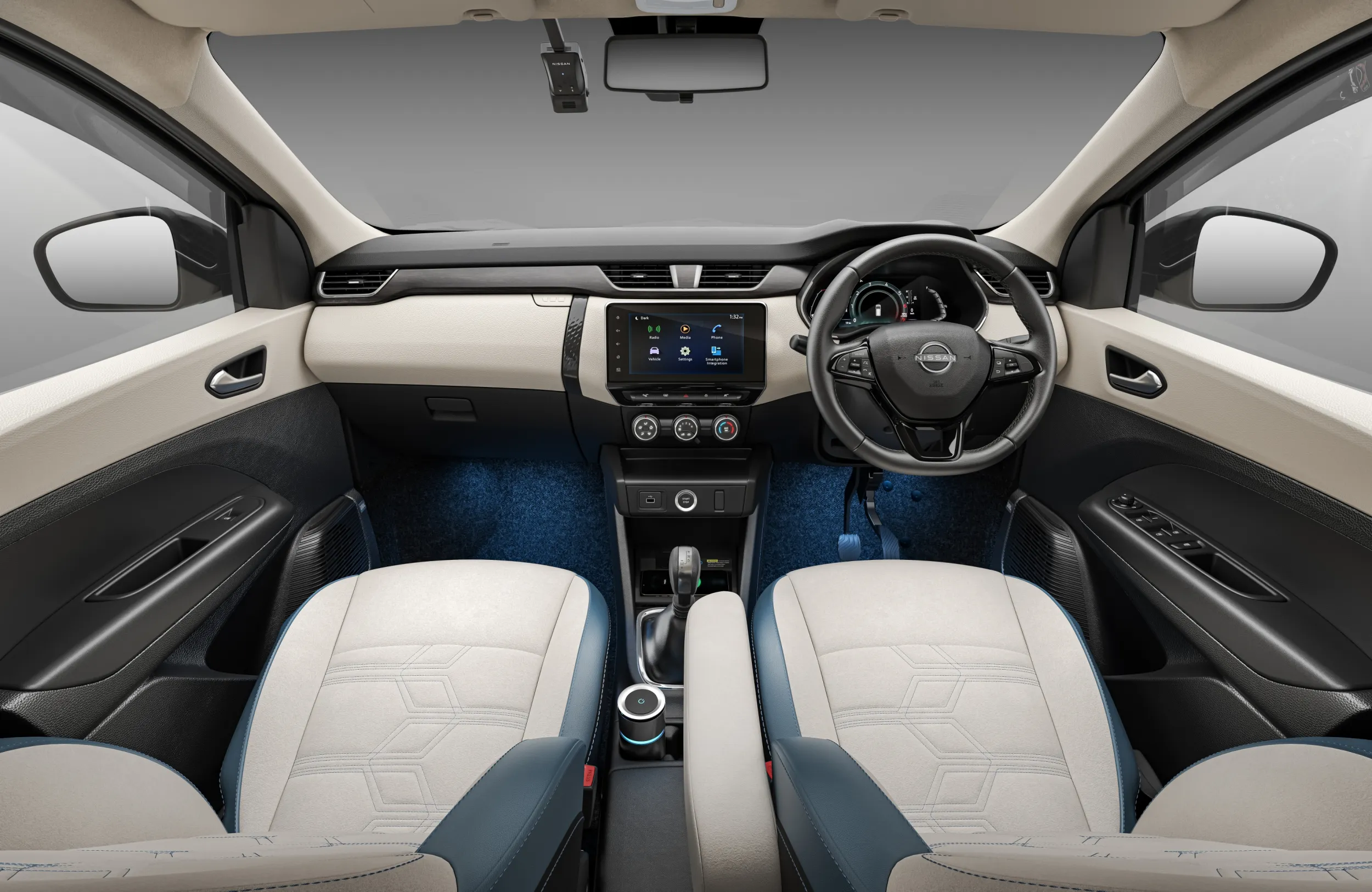
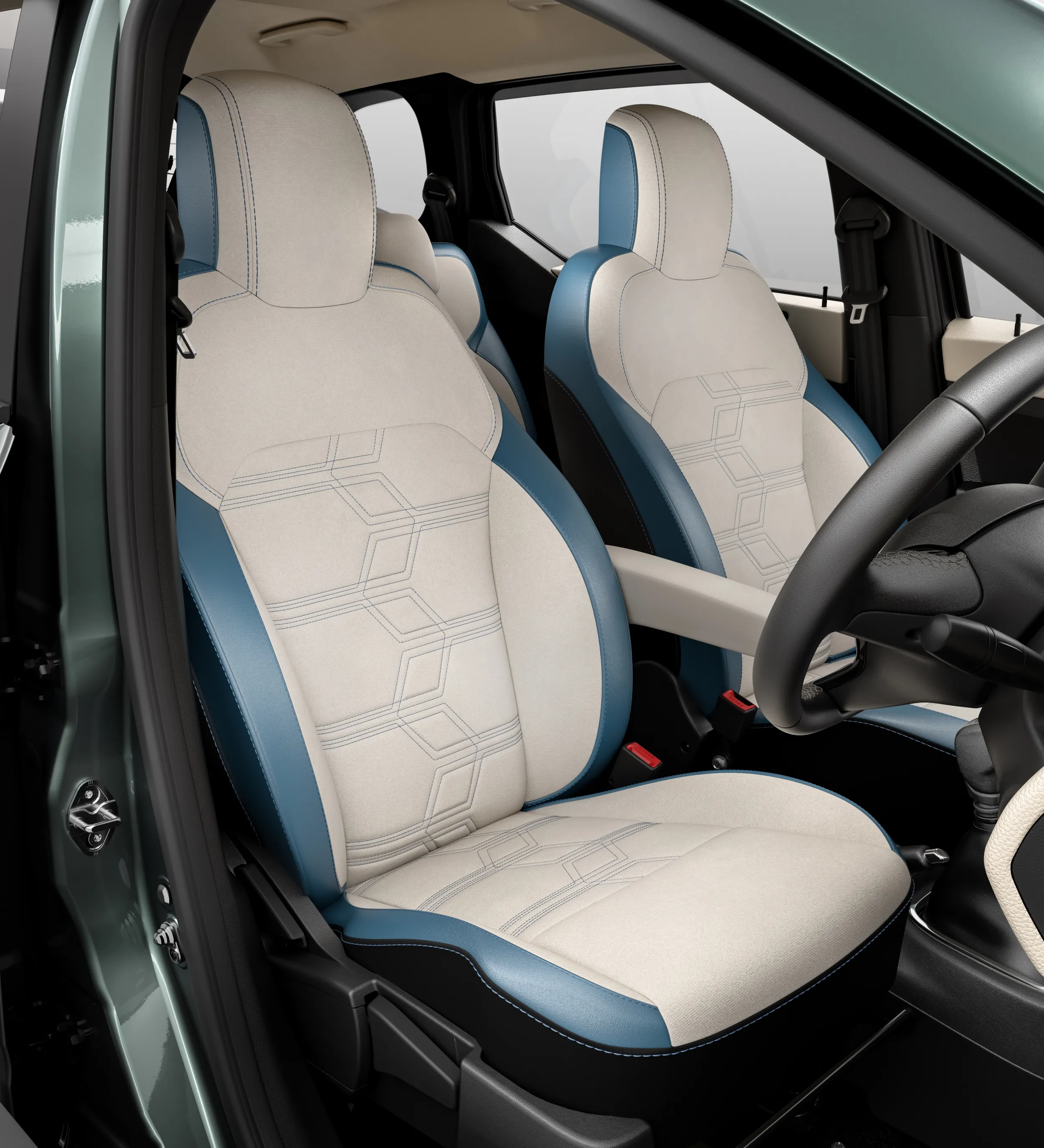
Ground clearance is generous enough to tackle kerbs and uneven roads without fear of ripping open the sump. Inside, hard plastics and durable fabrics dominate. The cabin will survive a lively nursery school outing. It will not win design awards. The visual appeal rivals that of a concrete wall.
Nissan did not build the Gravite to charm juries. It built it to satisfy spreadsheets. In many parts of Asia and other developing regions, demand for affordable, spacious transport remains steady. When rivals such as Mitsubishi and Suzuki offer similar boxes on wheels, Nissan cannot afford to sit out the contest.
Why Europe will not see it
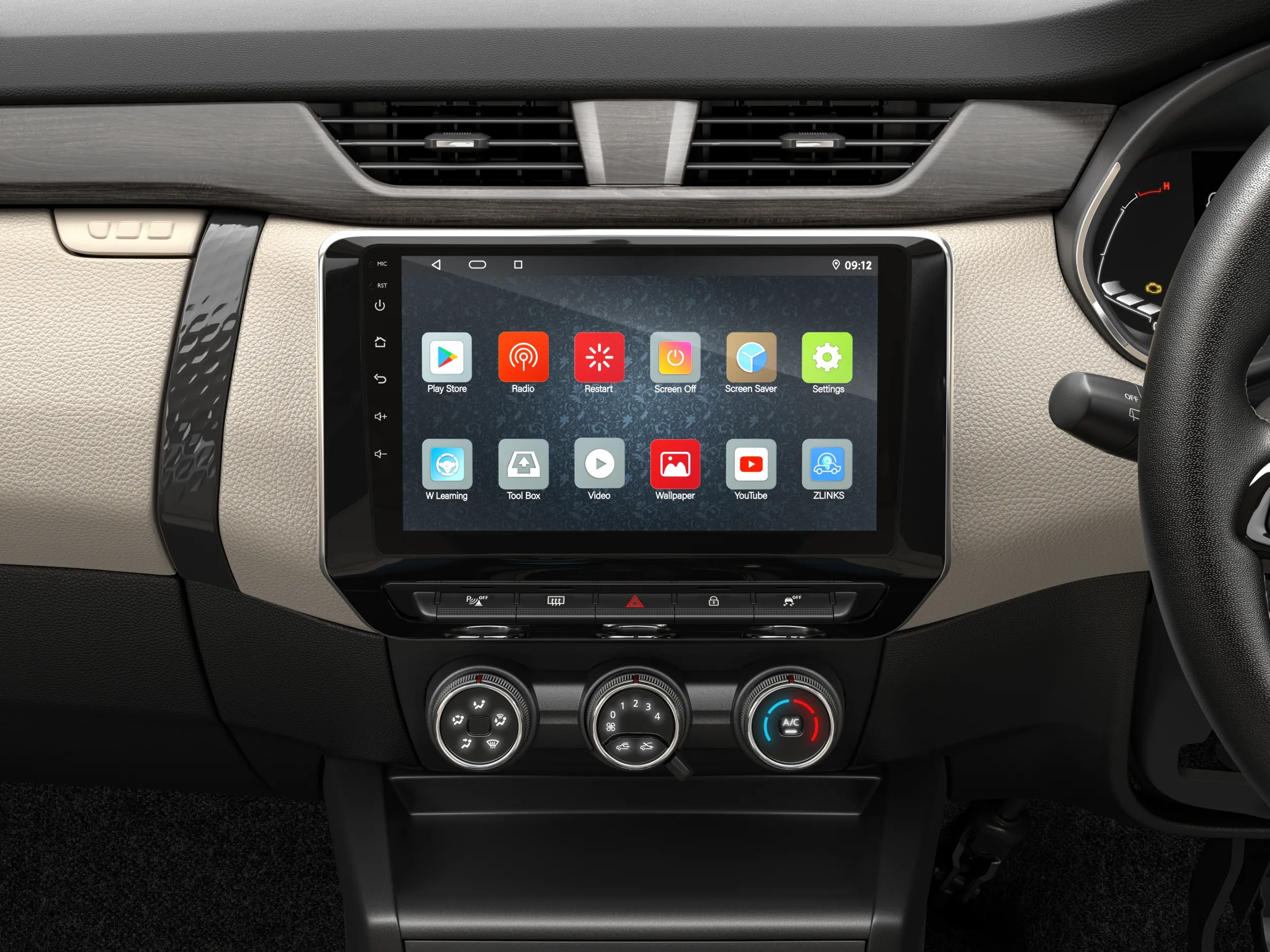
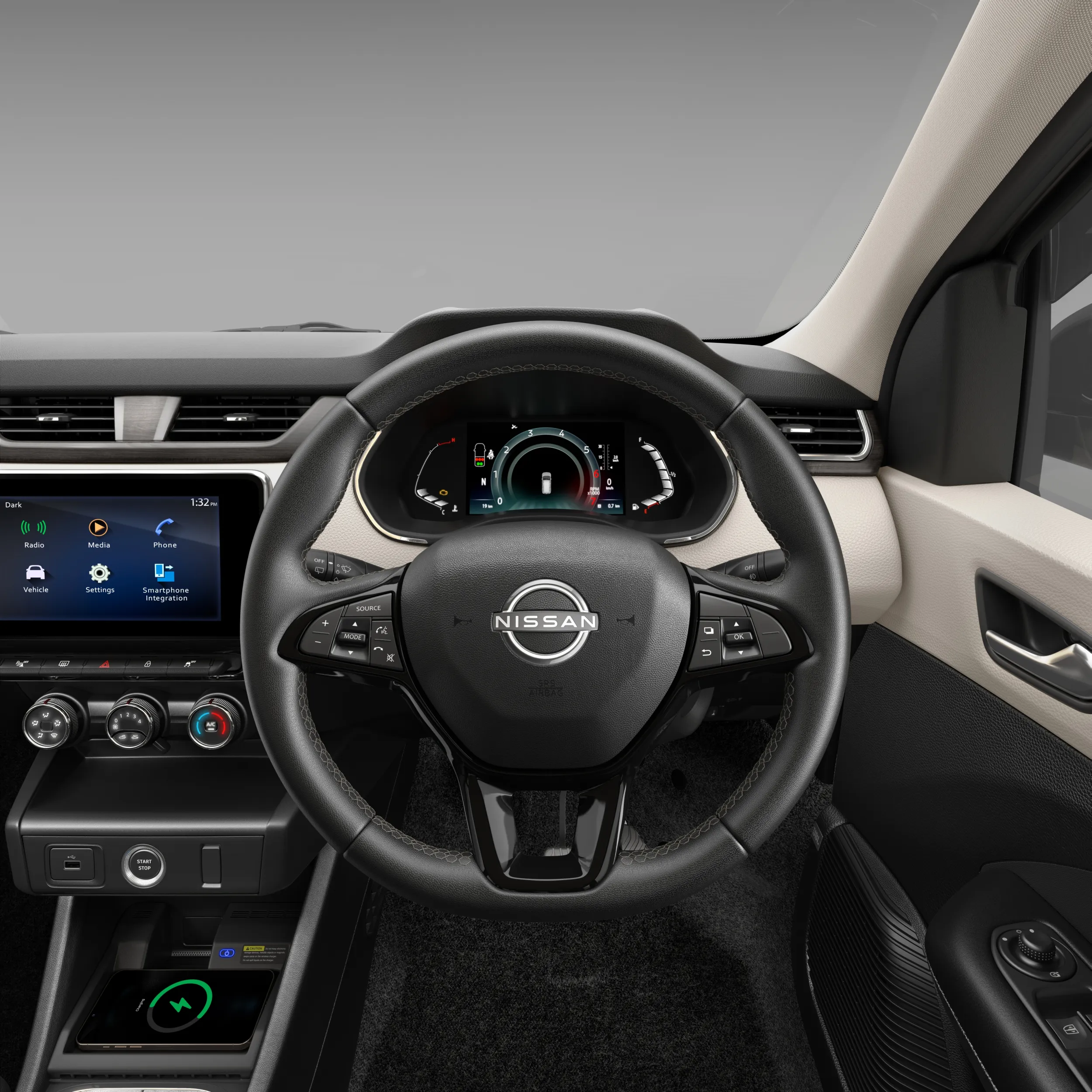
The strategy relies on ruthless cost optimisation. Existing components do the heavy lifting. Expensive driver assistance systems remain absent if local regulations do not demand them. Ease of servicing takes priority over digital theatre.
Such an approach clashes with European Union safety standards, which would make certification complex or prohibitively expensive. Northern European buyers expect heated seats, stability control and a suite of electronic aids, not merely a roof and four doors.
In Europe, the closest equivalent is the Dacia Jogger. It follows a similar concept of affordable seven seat transport, but packages it in a way that meets EU regulations and feels far more contemporary.
Honest, if not inspiring
Physics and economics rarely compromise. A low price always comes at a cost. In the case of the Nissan Gravite, that cost is emotion and technological sophistication.
It is an honest machine for those who need space above all else. For buyers upgrading from a motorbike or travelling on foot, it may even feel like a step into luxury. For anyone else, it remains what it was designed to be. A tool.
Built on cost efficiency
Under the bonnet, there is no trace of space age ambition. Instead, you find engineering from a simpler era, when fuel injection still felt novel. The car sits on the CMF A+ platform developed within the Renault Nissan alliance. The same architecture underpins the Renault Triber and Nissan Magnite, which tells you almost everything about the brief.
The CMF A+ formula is a masterclass in cost control. Keep the footprint under four metres, stretch the wheelbase to maximise cabin space, reuse proven components and make sure the car survives roads where tarmac is more suggestion than surface.
Gravite measures around 3987 mm in length, yet its wheelbase stretches to 2636 mm to accommodate three rows of seats. Kerb weight stays below 1000 kg. That modest mass is not a happy accident. It is the only reason the engine copes at all.
The numbers that matter
Power comes from a 1.0 litre three cylinder naturally aspirated petrol unit known internally as the B4D. Output stands at 71 horsepower, or 53 kW, delivered at 6250 rpm. Peak torque reaches 96 Nm between 3400 and 3600 rpm.
On paper, it sounds adequate. With seven people on board, it becomes a lesson in patience. Progress feels less like acceleration and more like continental drift. Drivers will maintain a close and ongoing dialogue with the gearbox.
Buyers can choose between a five speed manual or a five speed automated manual transmission marketed as EZ Shift. Neither promises excitement. Both promise affordability and straightforward maintenance.
Space first, everything else second
The headline feature is simple. Three rows. Seven seats. The caveat is equally clear. The third row works best for children or particularly flexible adults.
Ground clearance is generous enough to tackle kerbs and uneven roads without fear of ripping open the sump. Inside, hard plastics and durable fabrics dominate. The cabin will survive a lively nursery school outing. It will not win design awards. The visual appeal rivals that of a concrete wall.
Nissan did not build the Gravite to charm juries. It built it to satisfy spreadsheets. In many parts of Asia and other developing regions, demand for affordable, spacious transport remains steady. When rivals such as Mitsubishi and Suzuki offer similar boxes on wheels, Nissan cannot afford to sit out the contest.
Why Europe will not see it
The strategy relies on ruthless cost optimisation. Existing components do the heavy lifting. Expensive driver assistance systems remain absent if local regulations do not demand them. Ease of servicing takes priority over digital theatre.
Such an approach clashes with European Union safety standards, which would make certification complex or prohibitively expensive. Northern European buyers expect heated seats, stability control and a suite of electronic aids, not merely a roof and four doors.
In Europe, the closest equivalent is the Dacia Jogger. It follows a similar concept of affordable seven seat transport, but packages it in a way that meets EU regulations and feels far more contemporary.
Honest, if not inspiring
Physics and economics rarely compromise. A low price always comes at a cost. In the case of the Nissan Gravite, that cost is emotion and technological sophistication.
It is an honest machine for those who need space above all else. For buyers upgrading from a motorbike or travelling on foot, it may even feel like a step into luxury. For anyone else, it remains what it was designed to be. A tool.


