
Electric Nissan Micra earns five stars from Green NCAP
 1/4
1/4
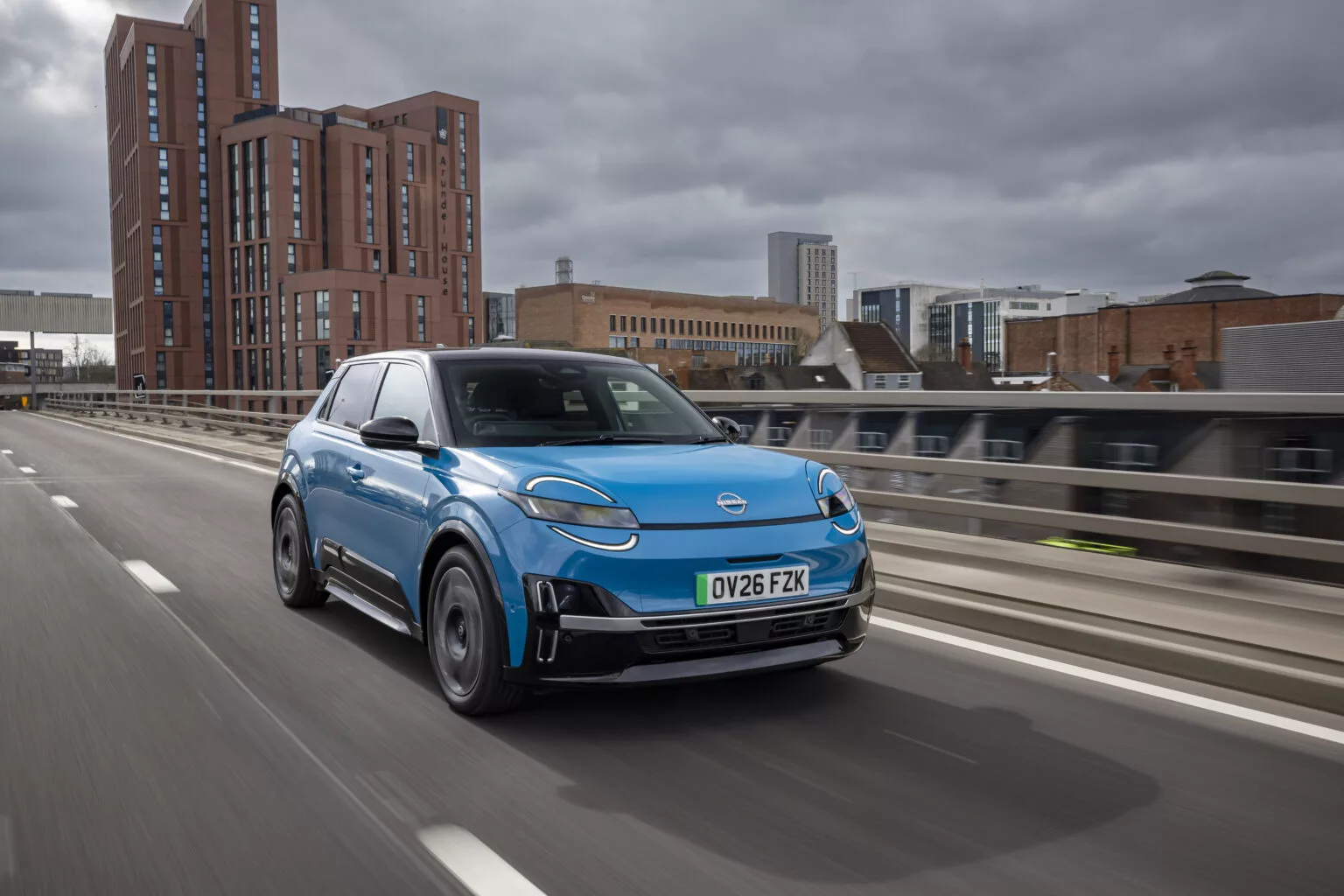
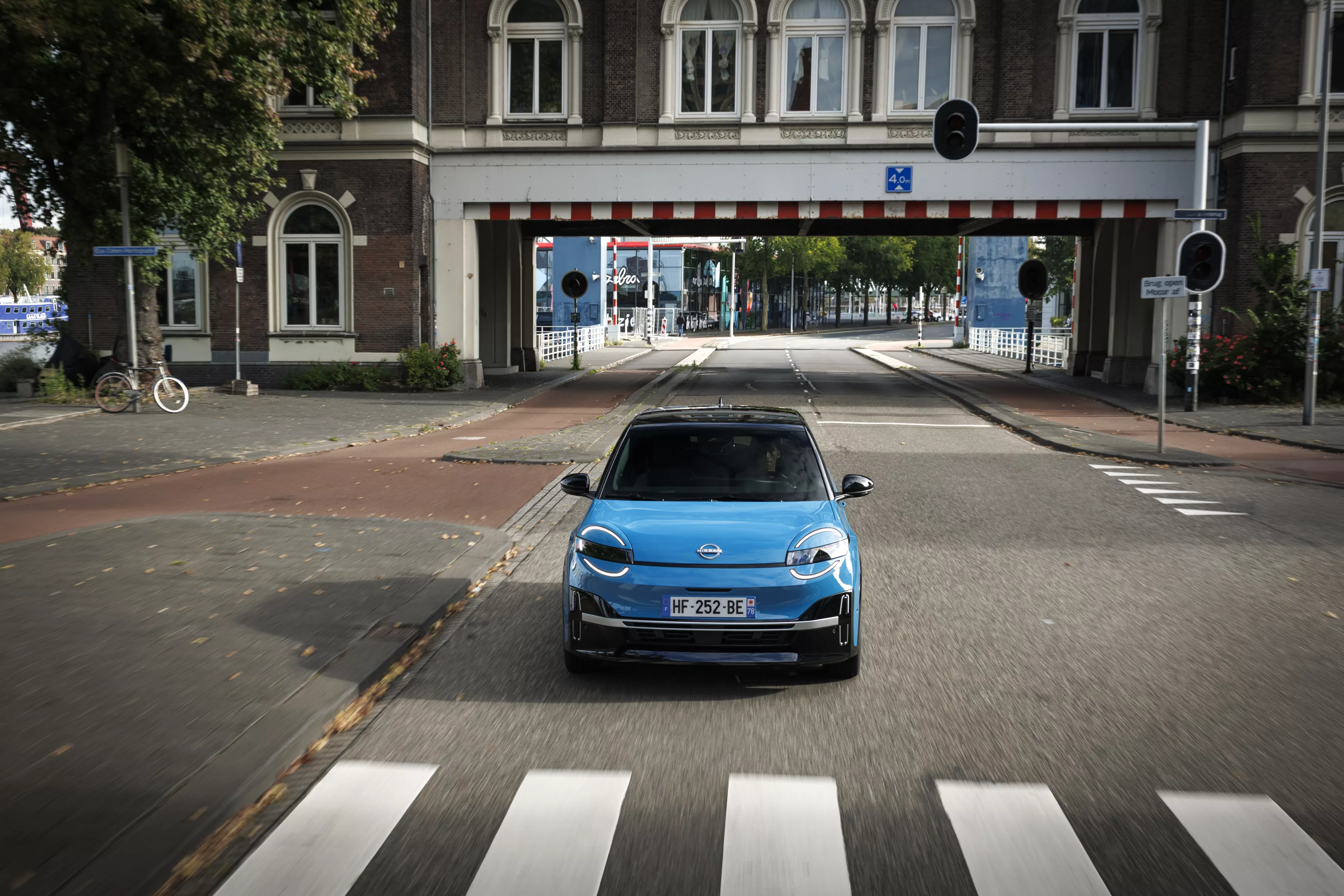
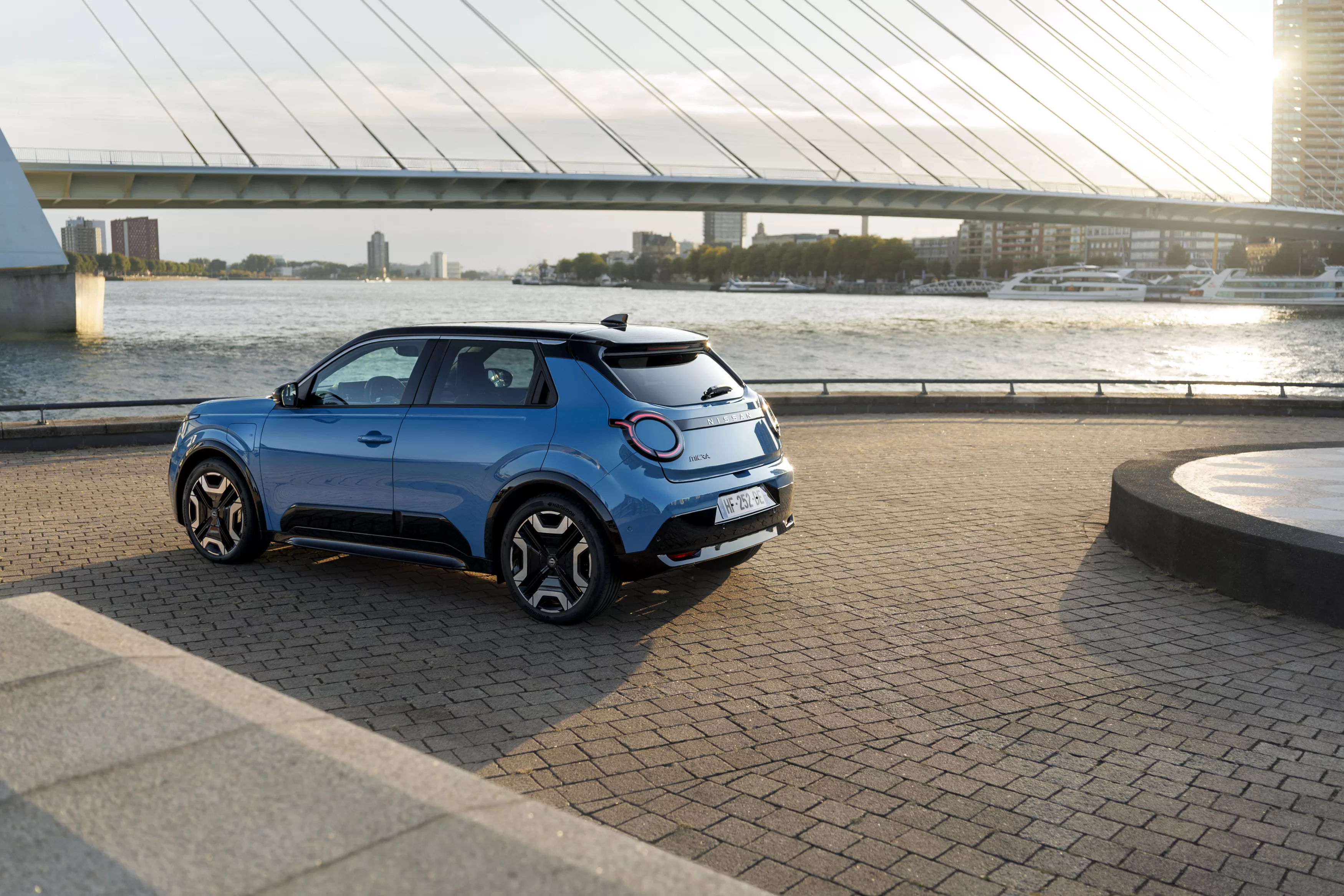
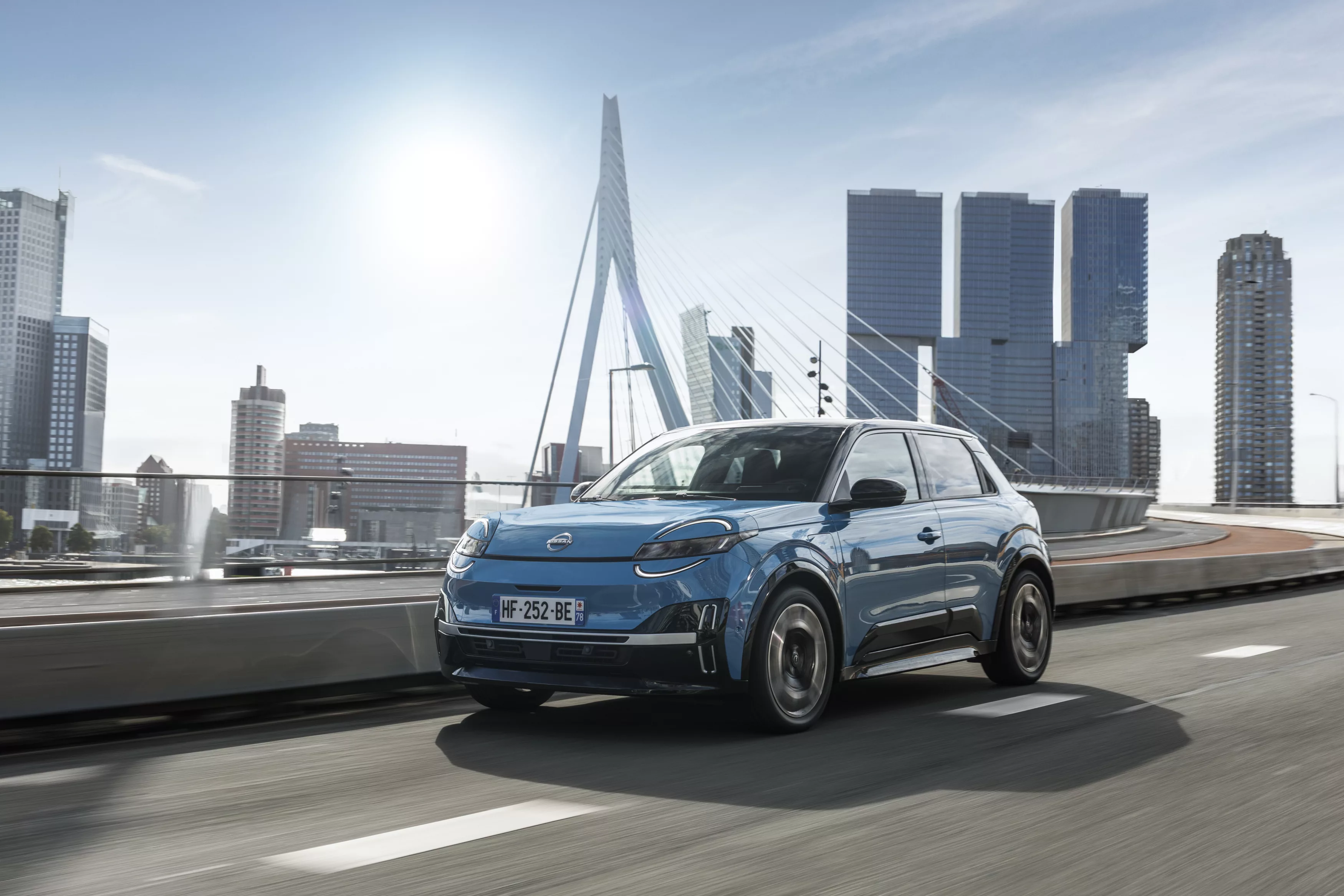
The new electric Nissan Micra has earned the maximum five stars and an overall score of 94% in independent Green NCAP environmental testing. The 52 kWh Micra performed particularly strongly in the energy-efficiency and greenhouse-gas categories.
What is Green NCAP?
Green NCAP is an independent European programme assessing the environmental impact of cars, supported by, among others, motoring clubs, consumer protection organisations and public authorities from several countries. It is linked to the Euro NCAP ecosystem, but does not test vehicles' crash safety.
Instead, Green NCAP measures cars' energy consumption, their impact on air quality and greenhouse gases. In its assessment, the organisation also considers the wider lifecycle, taking into account the environmental impact of manufacturing the vehicle and battery, energy use and the car's end of life.
As a result, an electric car does not automatically achieve an ideal result. High energy consumption, a heavy structure and a large battery affect the overall picture even if the car has no exhaust pipe.
Micra scores 94%
Green NCAP awarded the new Micra 9.3 points out of 10 for energy efficiency and the maximum 10 points in the greenhouse-gas category. Its Clean Air score was 9.1 points.
The organisation also rated the Micra's performance in cold conditions as good. This is important for an electric car, as low temperatures and heating the cabin and battery can significantly increase energy consumption.
Nissan offers the Micra with two battery options. The 40 kWh version has a WLTP range of up to 317 kilometres, while the 52 kWh model reaches 416 kilometres. Peak DC charging power is 80 kW and 100 kW respectively.
It is actually a close relative of the Renault 5
The sixth-generation Micra is the first fully electric Micra, and Nissan developed it specifically for the European market. The exterior of its body, which is less than four metres long, was created at Nissan Design Europe's studio in London.
Under the bodywork, however, the car uses familiar technology. The Micra shares the AmpR Small platform with the Renault 5 E-Tech electric, and both are built at Ampere's plant in Douai, France.
This relationship allows Nissan to share the development costs of its small electric car with Renault. The Micra must now prove whether its different design and Nissan tuning are enough to attract buyers away from the technically very closely related Renault 5.


