
GM’s 6.2-litre V8 is still failing after recall work as NHTSA widens probe to nearly one million vehicles
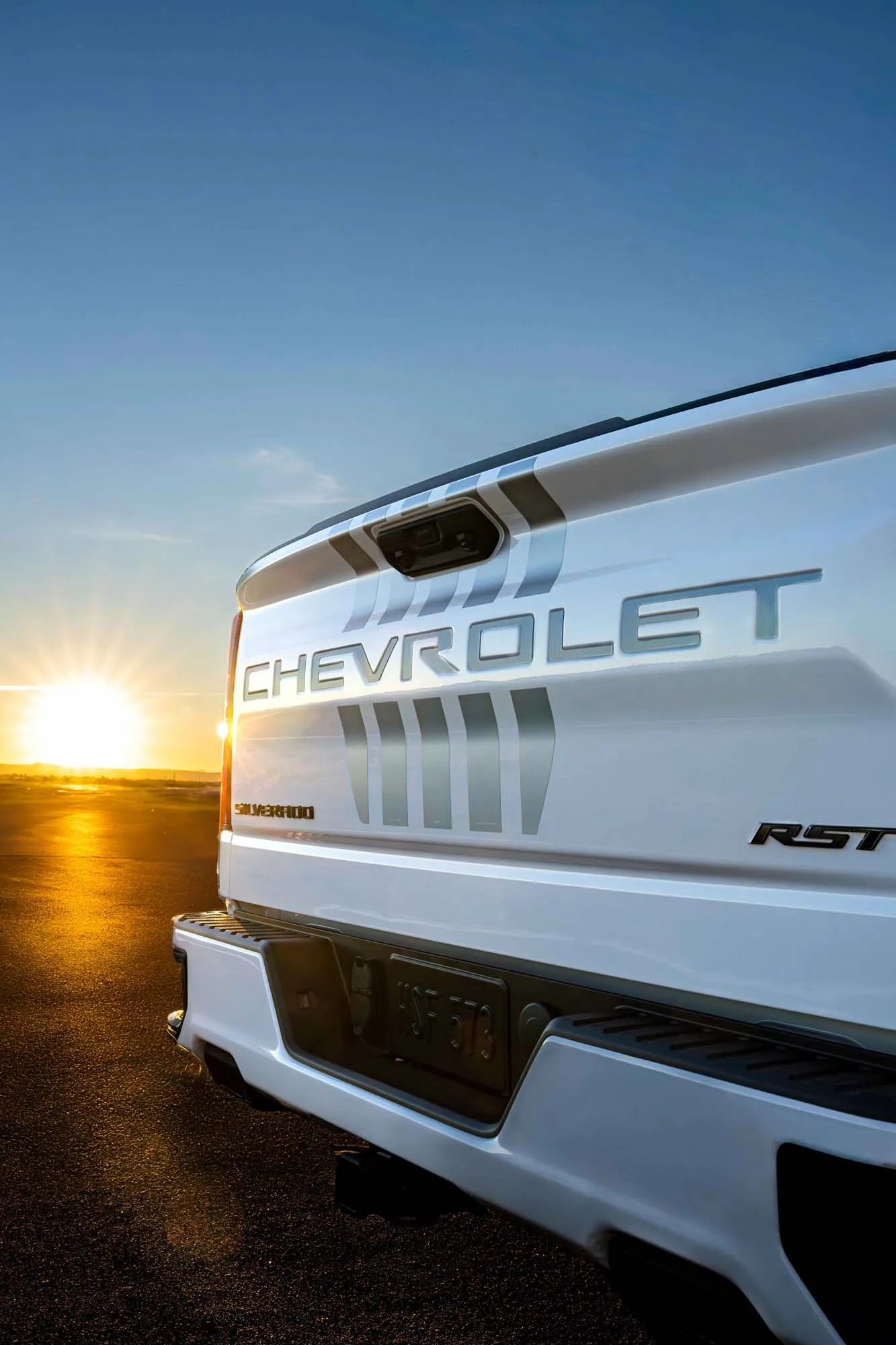
The problems surrounding General Motors’ 6.2-litre L87 V8 did not end with the 2025 recall. The US National Highway Traffic Safety Administration (NHTSA) has upgraded its investigation to an Engineering Analysis and expanded it to cover 997,743 Chevrolet, GMC and Cadillac vehicles. Most concerningly, engine failures are also being reported in vehicles that had already passed the recall inspection or had been fitted with a replacement engine.
Investigation expands to nearly one million vehicles
NHTSA’s Engineering Analysis covers 2021–2026 model-year Chevrolet Silverado 1500 and GMC Sierra 1500 pick-ups, as well as Chevrolet Tahoe and Suburban, GMC Yukon and Yukon XL, and Cadillac Escalade and Escalade ESV SUVs equipped with the L87 engine.
According to NHTSA data reported by Reuters, the agency had received 499 complaints alleging engine failure after the 2025 recall remedy was carried out. Of those, 473 involved vehicles that had passed inspection and been switched to higher-viscosity engine oil, while 26 involved vehicles that had received replacement engines. GM also reported 6,953 engine-failure-related complaints to NHTSA after the recall remedy was introduced.
The regulator had received a further 191 reports involving vehicles whose engines were built outside the production window covered by the original recall. That is why the expanded investigation now includes 2025 and 2026 model-year vehicles as well.
One distinction is important: the 997,743 vehicles are not currently subject to a new recall. NHTSA is investigating whether the 2025 remedy addressed the defect adequately and whether GM may need to launch another, or broader, repair campaign.
Original defect involved crankshafts and connecting-rod bearings
GM recalled 597,630 L87-powered vehicles in the US in 2025, covering the 2021–2024 model years. The suspect engine-production period ran from 1 March 2021 to 31 May 2024.
GM’s teardown and component analysis identified two principal manufacturing and supplier-quality issues. First, sediment or debris left on the connecting rods and in crankshaft oil galleries could damage the connecting-rod bearings. Second, some crankshafts failed to meet the specified dimensional or surface-finish requirements. Either problem can damage the bearings severely enough to cause engine failure and a sudden loss of propulsion.
Under the recall, dealers inspected the engines. Units that failed the inspection were replaced. Vehicles that passed received an oil and filter change, a new oil filler cap and dexosR SAE 0W-40 oil in place of the lower-viscosity lubricant previously specified.
The 26 failures reported after replacement engines had been installed are particularly significant. In the original recall documentation, GM said the connecting rods and crankshafts used in repaired and replacement engines came from outside the suppliers’ suspect production windows. NHTSA must now determine why failures are still occurring.
GM also introduced special coverage for failures caused by the specified connecting-rod or crankshaft condition. It runs for 10 years or 150,000 miles (240,000 km) from the vehicle’s original in-service date, whichever comes first, regardless of ownership. If the investigation identifies a weakness in the recall remedy itself, GM may need a revised technical solution rather than simply repeating engine replacements.
L87 still delivers strong performance
In the Chevrolet Silverado 1500, the naturally aspirated 6.2-litre EcoTec3 L87 V8 produces 313 kW and 624 Nm and is paired with a 10-speed automatic transmission. On paper, it remains one of the most powerful naturally aspirated petrol engines in the US full-size pick-up class.
For comparison, the Ford F-150’s naturally aspirated 5.0-litre V8 produces about 298 kW and 556 Nm. The Toyota Tundra’s 3.4-litre twin-turbo V6 develops roughly 290 kW and 649 Nm, while the hybrid i-FORCE MAX raises total system output to around 326 kW and 790 Nm.
The comparison helps explain why the L87 matters to GM. It preserves the character of a traditional large-displacement V8 while still delivering competitive performance. Buyers who choose a naturally aspirated V8 partly for its perceived simplicity and longevity are likely to regard crankshaft and bearing failures as a more fundamental concern than a mere reliability statistic.
European buyers should check the VIN
These models are far less common in Europe than in North America, but imports of the Silverado, Escalade and other L87-powered vehicles are by no means unusual. Some markets also have specialist official or semi-official sales channels. Anyone considering a used example should therefore check the VIN, the vehicle’s repair history and exactly which recall remedy was previously carried out.
Proof that the 2025 recall work was completed can no longer be treated as an automatic guarantee that the risk has disappeared. Particular care is warranted with a vehicle whose engine only received the inspection-and-oil remedy, although the latest investigation shows that even a replacement engine does not yet provide absolute reassurance.
NHTSA’s Engineering Analysis must now determine whether the post-repair failures are a continuation of the original manufacturing defect, a shortcoming in the recall remedy or a separate problem. The stakes are high for GM: the investigation covers nearly one million vehicles powered by one of the company’s best-known engines in its highly profitable full-size truck and SUV ranges.


