
Fiat Multiplina seats four in a three-metre body and revives the 1956 Multipla
 1/8
1/8
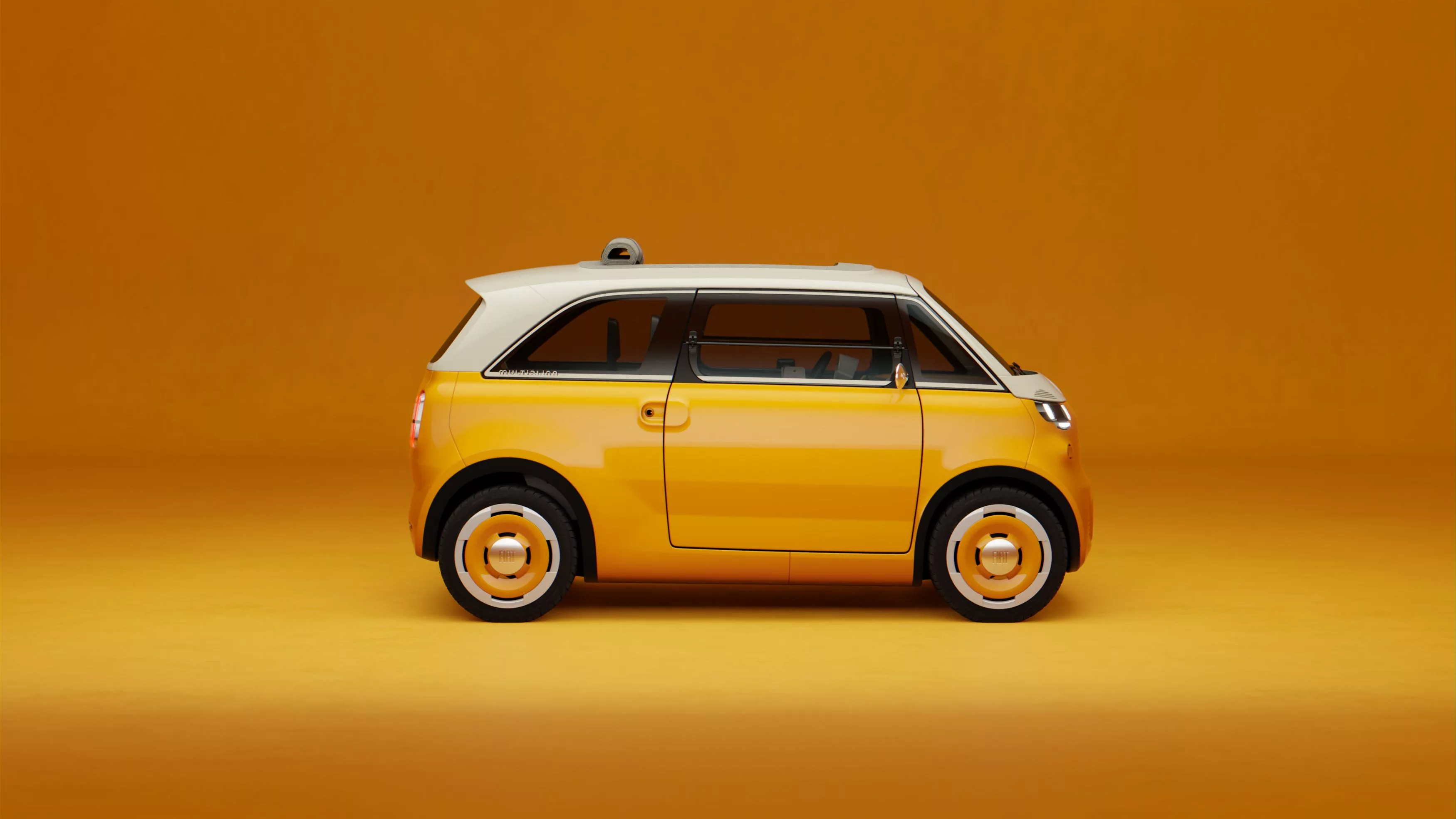
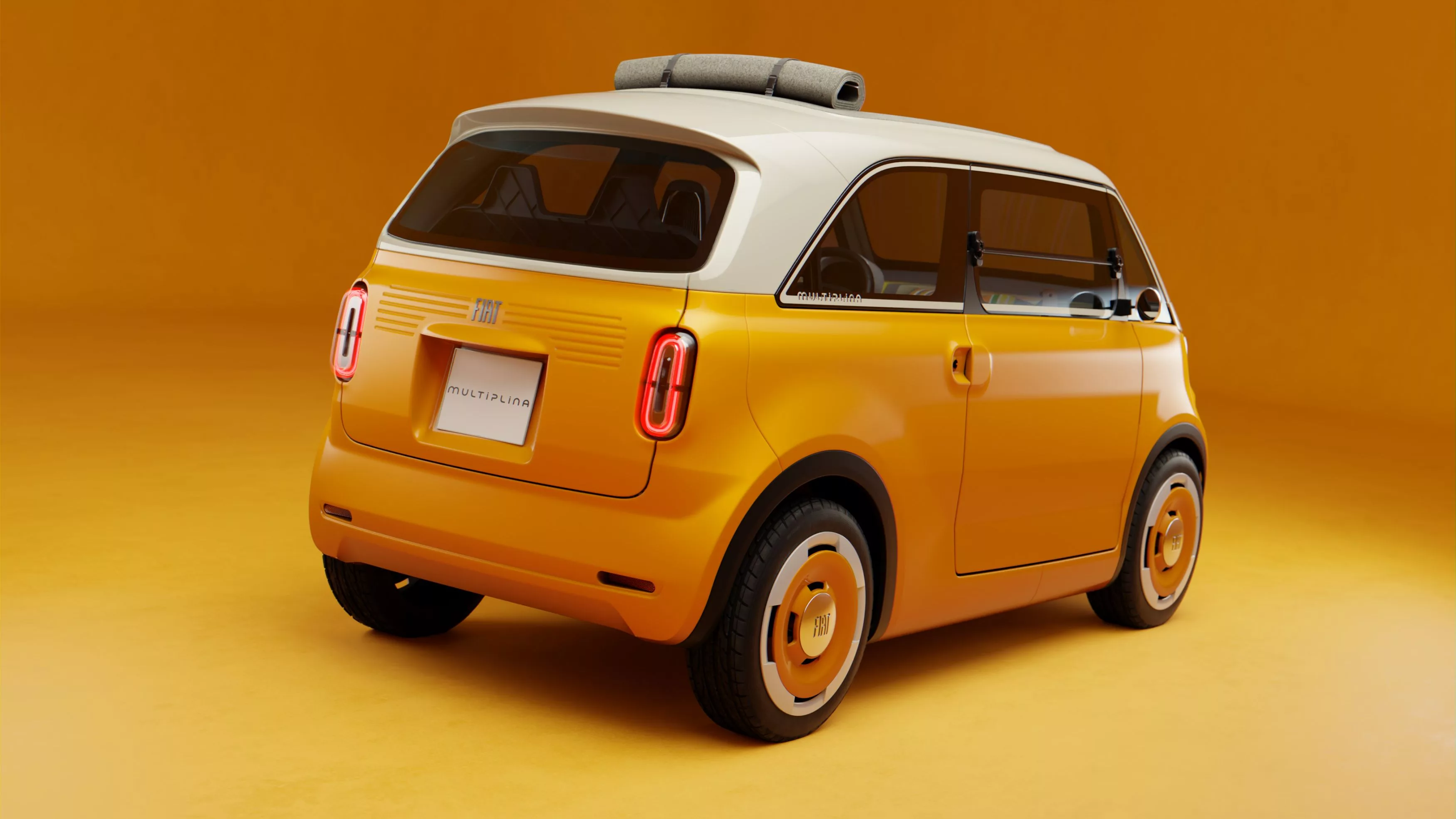
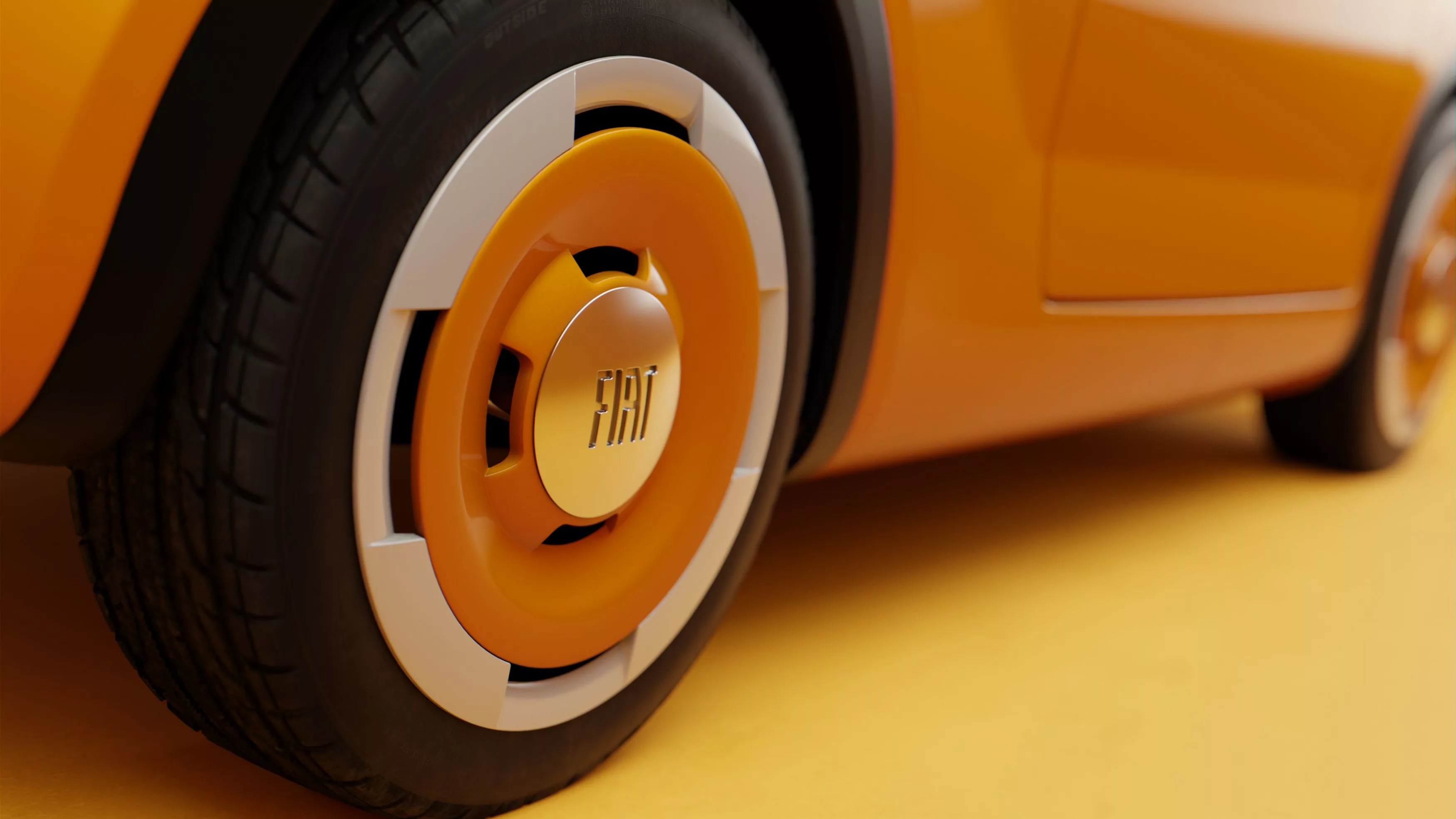
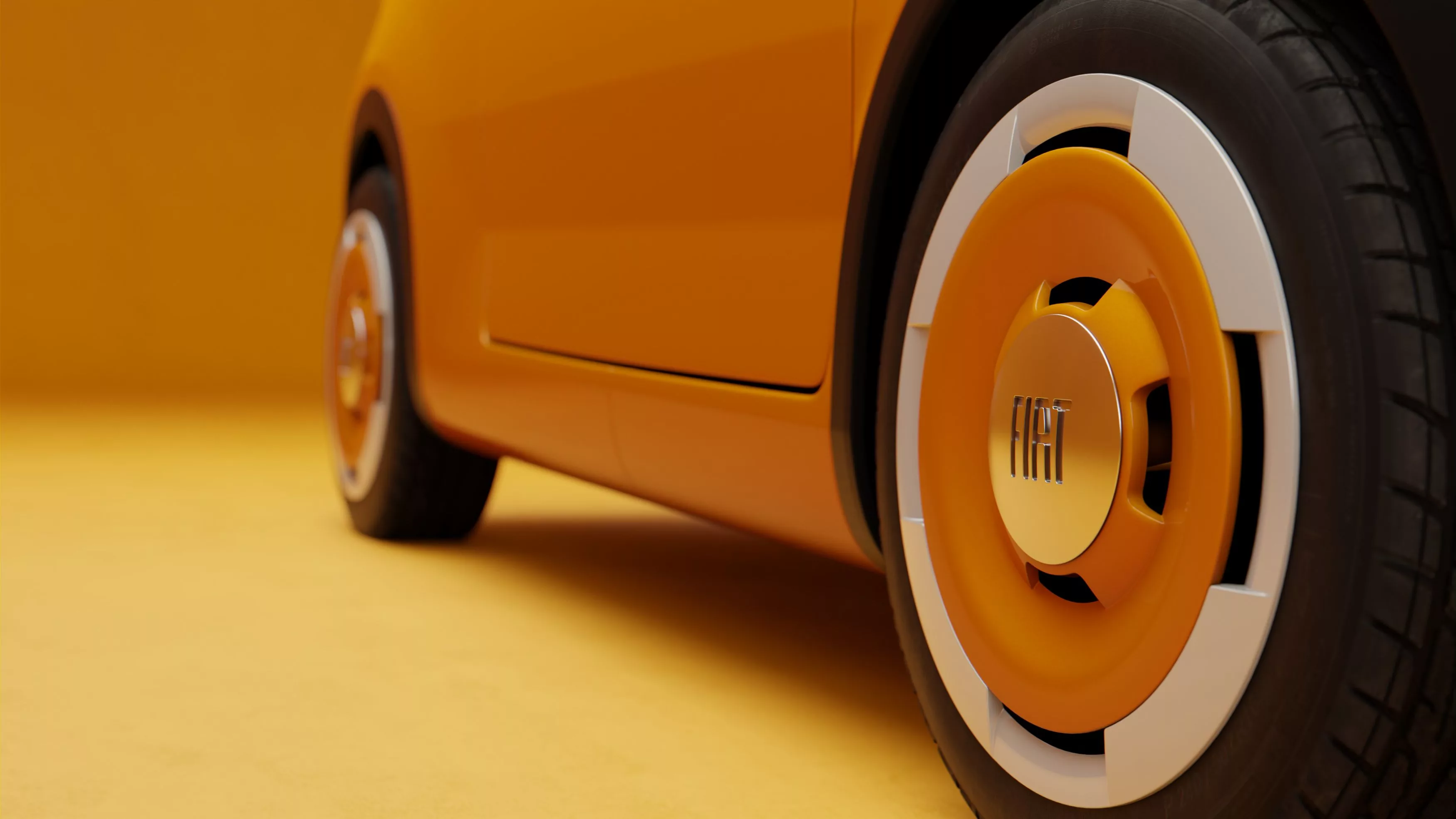
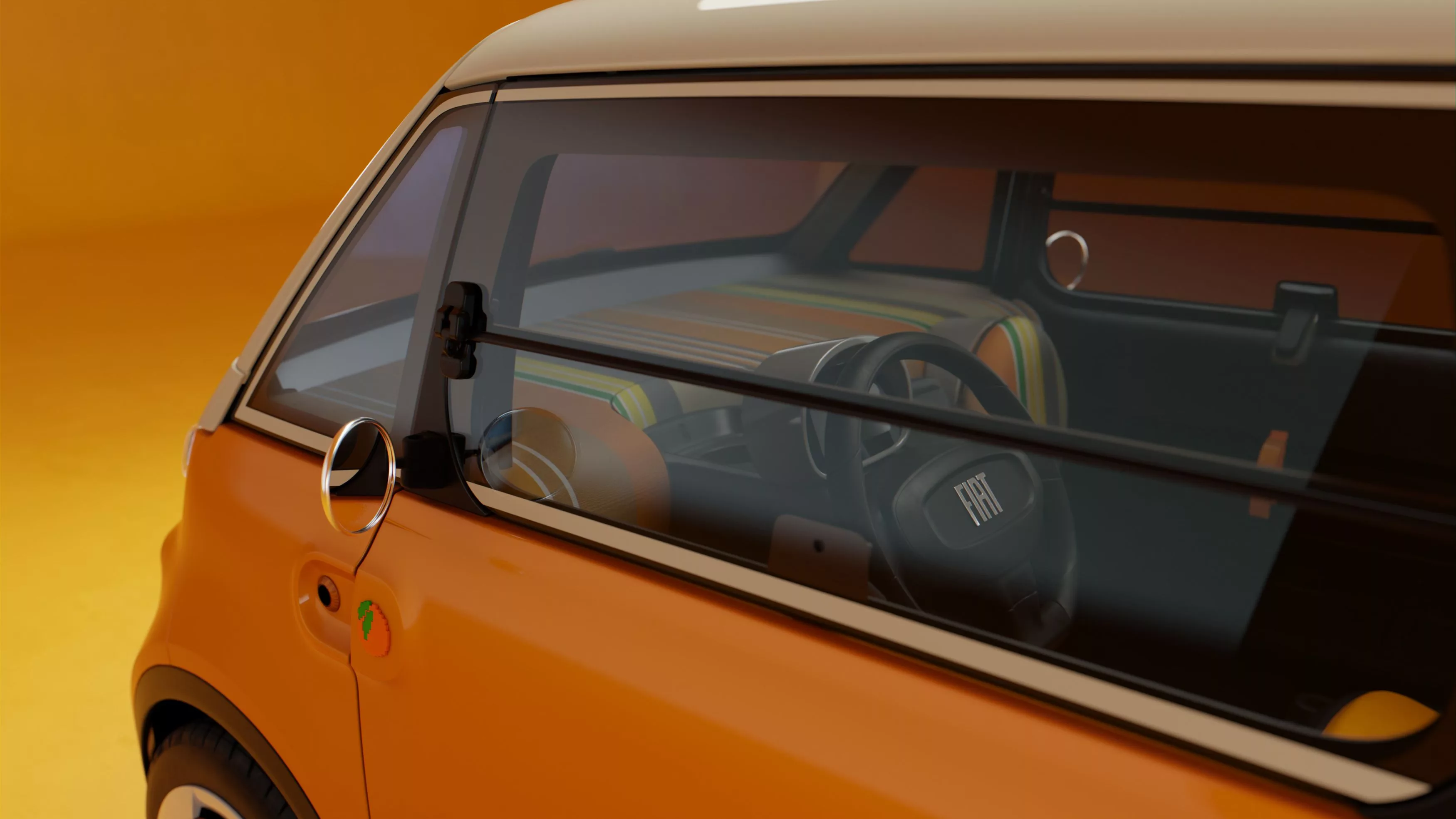
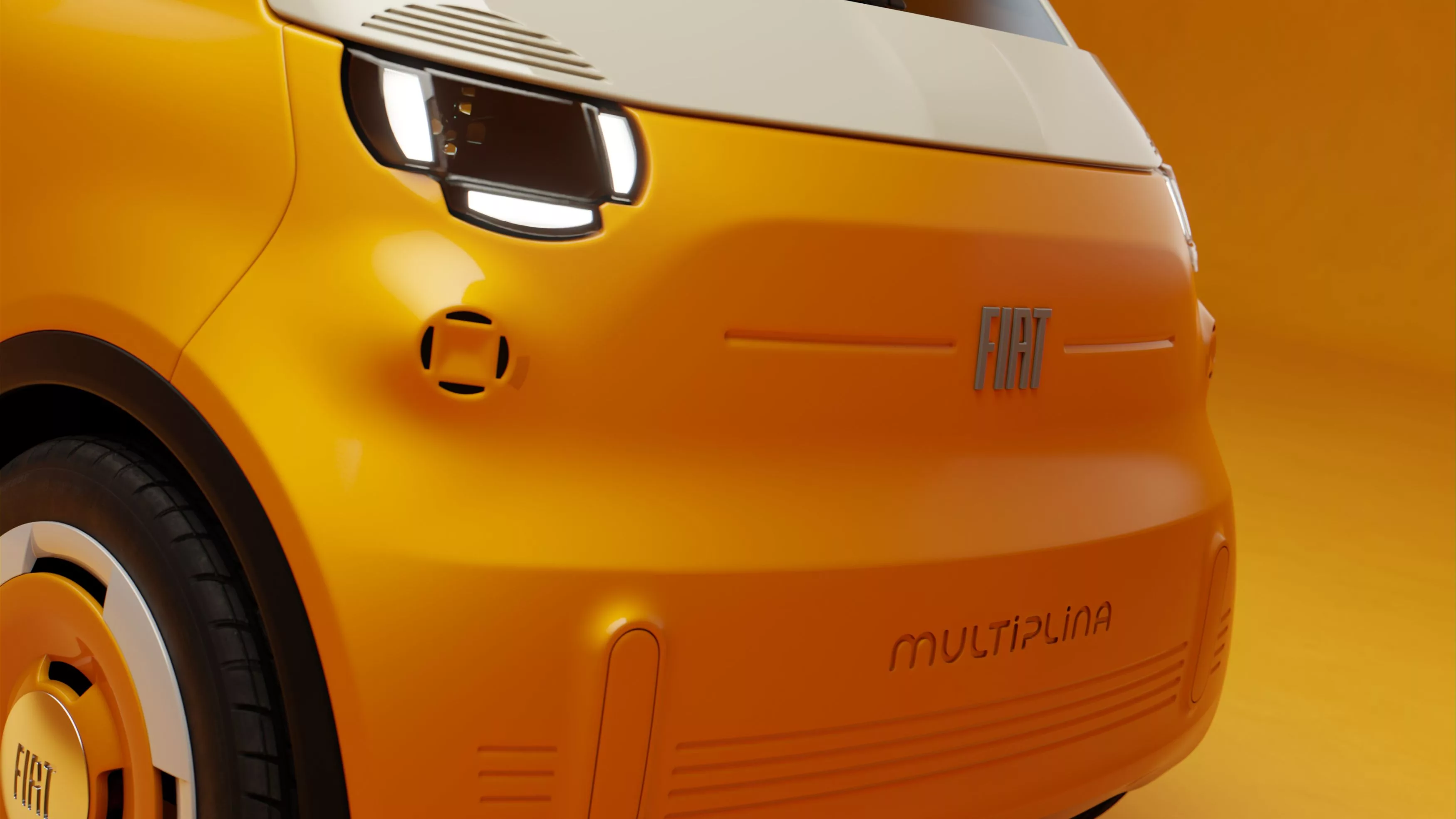
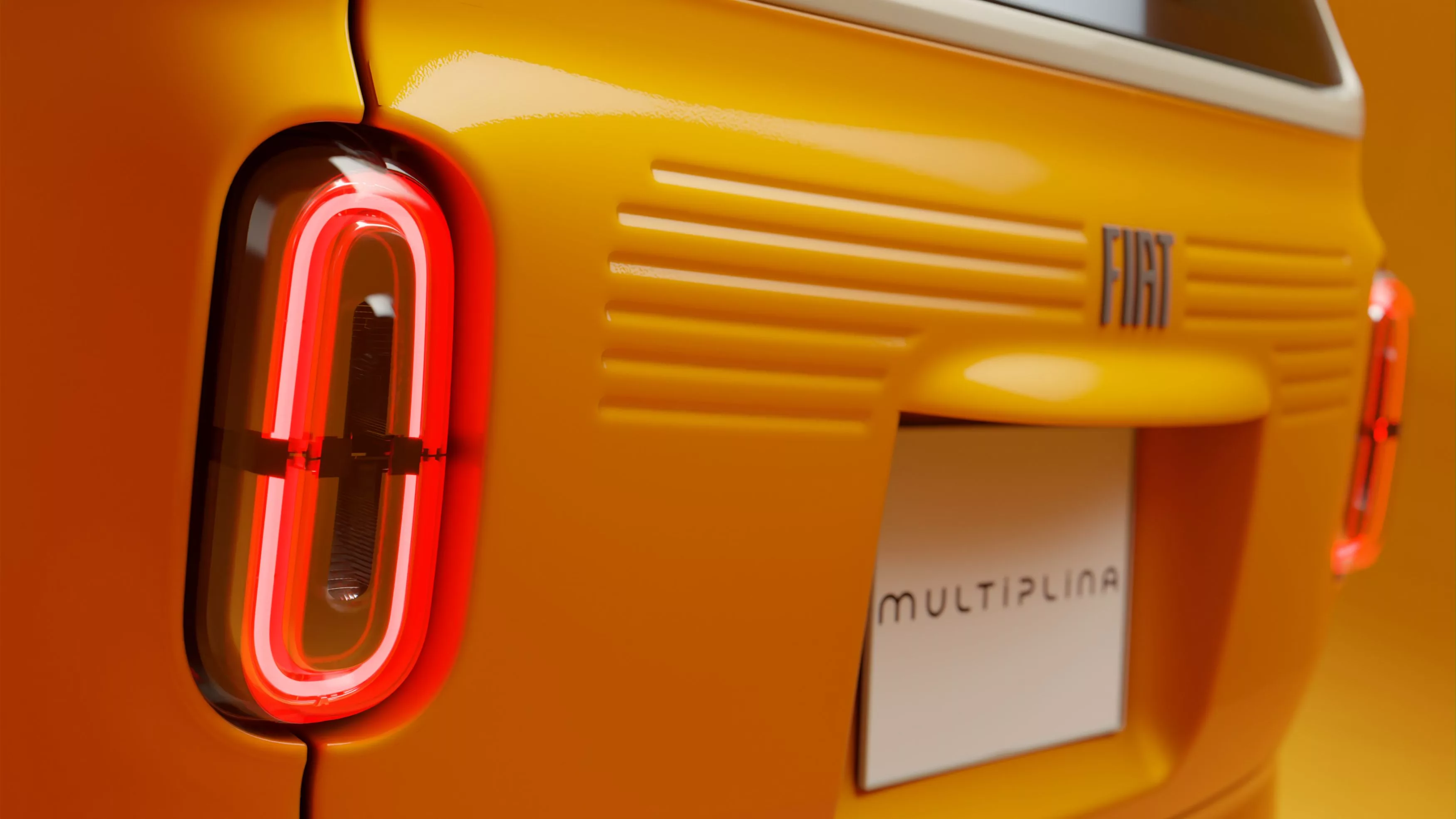
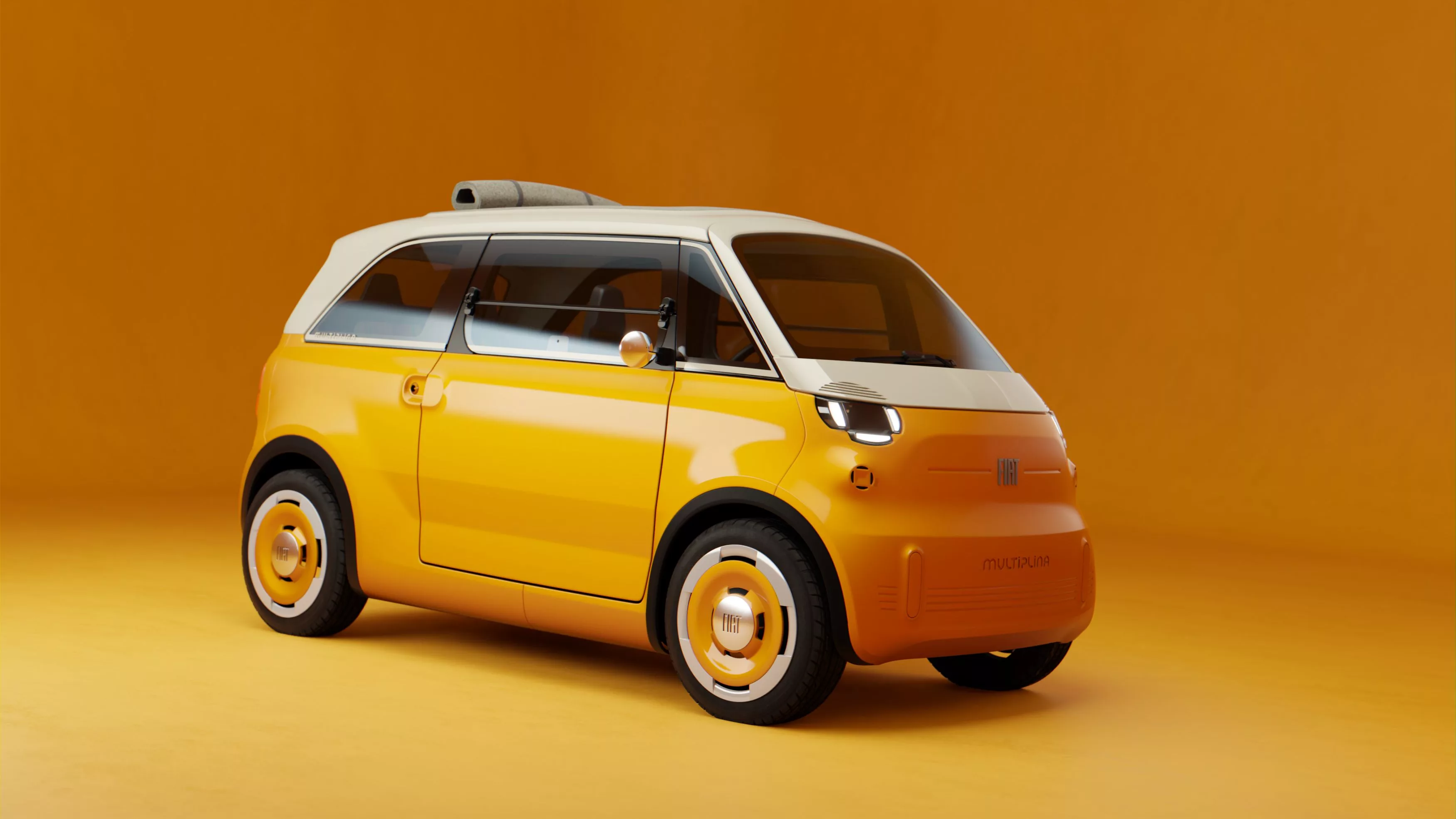
Fiat brought the electric Multiplina concept to the Paris Motor Show, seating four people in a body just three metres long. Evoking the 1956 Fiat 600 Multipla, the vehicle is more than half a metre shorter than its legendary predecessor and would fill a future gap between the two-seat Topolino and conventional city cars.
Four seats in three metres
The Multiplina takes its inspiration from the Fiat 600 Multipla unveiled in 1956, which measured 3534 millimetres in length. The new electric concept measures approximately 3000 millimetres, yet still offers four seats.
Its design echoes the historic Multipla’s upright front end, high roofline and round headlights. Compact dimensions and the most spacious cabin possible follow the same principle that made the original Multipla exceptional in its day.
According to Fiat’s official presentation, the Multiplina shows how an electric powertrain could change the way small urban vehicles use space. A vehicle accommodating four people rather than two would be more practical while retaining exceptionally compact exterior dimensions.
Technically closer to the Topolino than the Panda
The Multiplina is part of Fiat’s development programme for its smallest electric vehicles. The concept is based on an L7e-category heavy quadricycle, distinguishing it from the Topolino, which belongs to the L6e category.
L7e would allow more power and higher speeds than the Topolino’s 45 km/h limit. A possible top speed of 88 km/h has been suggested for the Multiplina, but Fiat has not confirmed this figure in its official presentation.
Reliable figures for motor power, battery capacity, range and charging speed are also not yet available.
A place in European urban traffic
The Multiplina could offer an alternative for those who find the two-seat Topolino too small but do not need a conventional passenger car.
However, the L7e category entails significant compromises. Type-approval and safety requirements for these vehicles differ from those for M1-category passenger cars. The protection and scope of use offered by the Multiplina therefore cannot automatically be compared with those of the Fiat Panda, for example.
Alongside the Multiplina, Fiat also showed the 4.45-metre-long Multiplay concept in Paris. Its movable rear section allows it to transform from a family car designed for seven into a four-seat cargo van.
The two projects share the goal of maximising the use of space, but their target audiences differ significantly.
The Multiplina’s greatest strength is a simple idea: transporting four people around a city may not require a four-metre-long car. Its success would depend above all on price, range and how well Fiat can combine compact dimensions with everyday ease of use.


