
Ford’s 440,000 reasons to look at the competition
For a company that built its reputation on industrial muscle, Ford continues to stumble over the basics. Fresh information from Dearborn confirms that nearly 440,000 vehicles in the United States must return to dealerships because of issues ranging from loose suspension hardware to unstable battery components.
This is not a software tweak delivered over the air. In many cases, it is a spanner job.
The models and the faults
The recall splits into several critical strands.
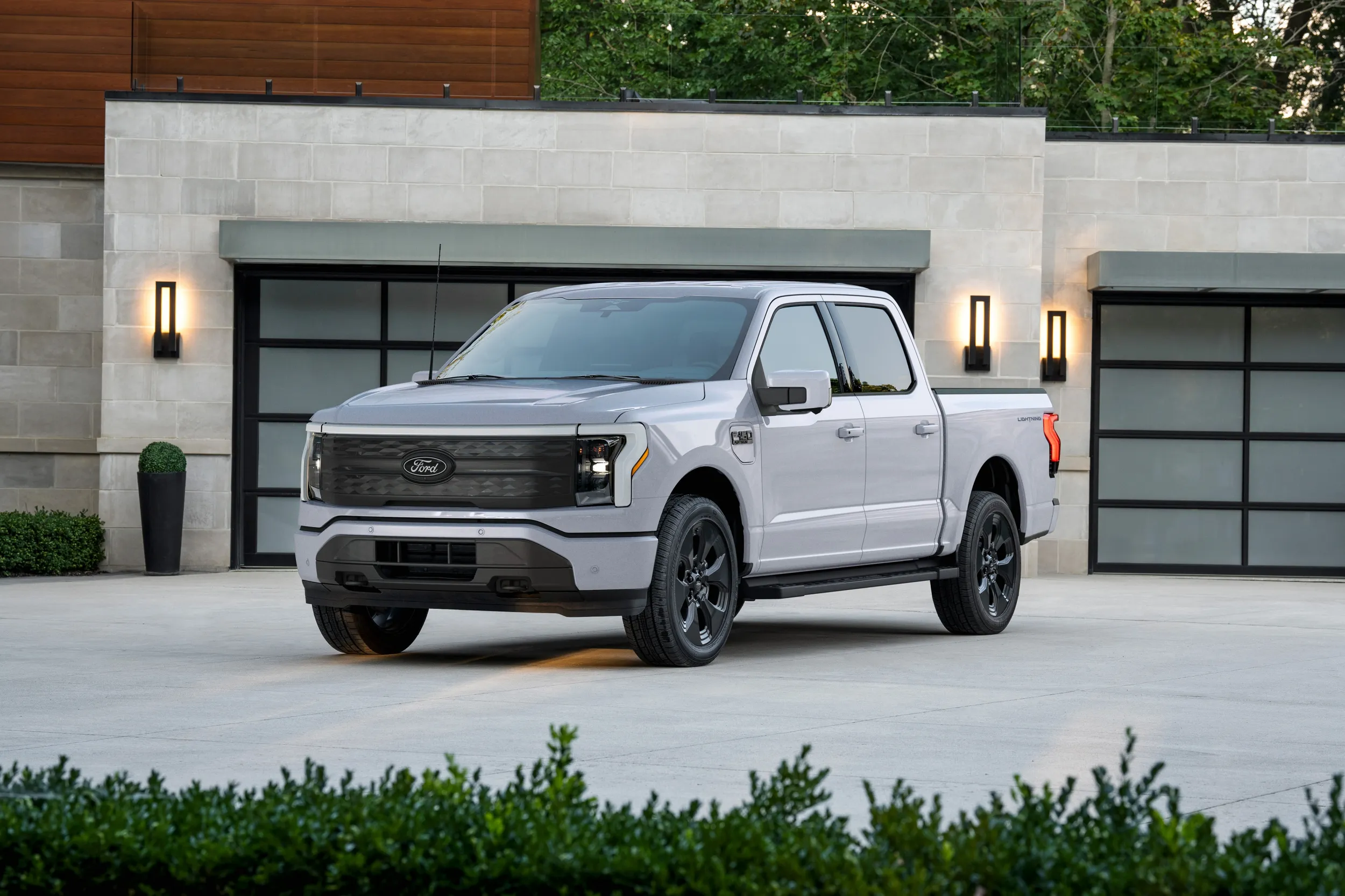
Ford F-150 Lightning, model years 2024 to 2025
On certain electric pick-ups, the upper control arm ball joint nut may loosen due to vibration. If that happens, the wheel can lose proper connection with the steering system. The consequences are as serious as they sound.
Ford Escape PHEV and Lincoln Corsair PHEV, model years 2020 to 2024
A defect in the battery cell separator can trigger internal short circuits. When the system detects irregularities, software may shut down the powertrain entirely. In real traffic, that turns the vehicle into a stationary obstacle.
Ford Explorer, model year 2025
A powertrain control module software fault can reset unexpectedly. In certain scenarios, this may affect the transmission’s park function, creating a risk of unintended vehicle movement.
For many owners, the fix involves a physical visit to the dealership. In the case of the F-150 Lightning, technicians must check and properly torque suspension fasteners. This is mechanical quality control 101.
A quality problem that will not go away
Chief executive Jim Farley declared in 2020 that quality would become Ford’s top priority. Yet recall numbers have continued to climb. In 2025, the company set fresh records for recall volume in the United States.
This is not simply proactive customer care. The National Highway Traffic Safety Administration previously fined Ford 165 million US dollars for slow recall responses. Regulatory scrutiny has sharpened.
Financially, the impact is significant. Warranty and recall costs reportedly rose more than 20 percent in 2024, reaching around 6 billion US dollars. That is capital that could have funded multiple new model programmes. Instead, it is spent correcting preventable defects.
Pressure on an already strained business model
Ford already faces headwinds in electrification. Reports indicate that the company loses thousands of dollars on each electric vehicle sold. When quality issues extend to both EVs and combustion models, the financial strain intensifies.
Each recall not only absorbs cash but also chips away at brand confidence. In segments such as electric pick-ups and plug-in hybrids, trust is still forming. Repeated headlines about loose suspension components or battery risks make that trust harder to secure.
For buyers weighing options between Ford and rivals, these 440,000 vehicles represent more than a statistic. They are a reminder that innovation means little without execution.
In a market where competition grows sharper by the quarter, basic mechanical diligence should not be the weak link. Yet for Ford, it continues to be an expensive lesson.
The models and the faults
The recall splits into several critical strands.
Ford F-150 Lightning, model years 2024 to 2025
On certain electric pick-ups, the upper control arm ball joint nut may loosen due to vibration. If that happens, the wheel can lose proper connection with the steering system. The consequences are as serious as they sound.
Ford Escape PHEV and Lincoln Corsair PHEV, model years 2020 to 2024
A defect in the battery cell separator can trigger internal short circuits. When the system detects irregularities, software may shut down the powertrain entirely. In real traffic, that turns the vehicle into a stationary obstacle.
Ford Explorer, model year 2025
A powertrain control module software fault can reset unexpectedly. In certain scenarios, this may affect the transmission’s park function, creating a risk of unintended vehicle movement.
For many owners, the fix involves a physical visit to the dealership. In the case of the F-150 Lightning, technicians must check and properly torque suspension fasteners. This is mechanical quality control 101.
A quality problem that will not go away
Chief executive Jim Farley declared in 2020 that quality would become Ford’s top priority. Yet recall numbers have continued to climb. In 2025, the company set fresh records for recall volume in the United States.
This is not simply proactive customer care. The National Highway Traffic Safety Administration previously fined Ford 165 million US dollars for slow recall responses. Regulatory scrutiny has sharpened.
Financially, the impact is significant. Warranty and recall costs reportedly rose more than 20 percent in 2024, reaching around 6 billion US dollars. That is capital that could have funded multiple new model programmes. Instead, it is spent correcting preventable defects.
Pressure on an already strained business model
Ford already faces headwinds in electrification. Reports indicate that the company loses thousands of dollars on each electric vehicle sold. When quality issues extend to both EVs and combustion models, the financial strain intensifies.
Each recall not only absorbs cash but also chips away at brand confidence. In segments such as electric pick-ups and plug-in hybrids, trust is still forming. Repeated headlines about loose suspension components or battery risks make that trust harder to secure.
For buyers weighing options between Ford and rivals, these 440,000 vehicles represent more than a statistic. They are a reminder that innovation means little without execution.
In a market where competition grows sharper by the quarter, basic mechanical diligence should not be the weak link. Yet for Ford, it continues to be an expensive lesson.


