
Geely Thor 2.0 promises 2,000 kilometres on a single tank
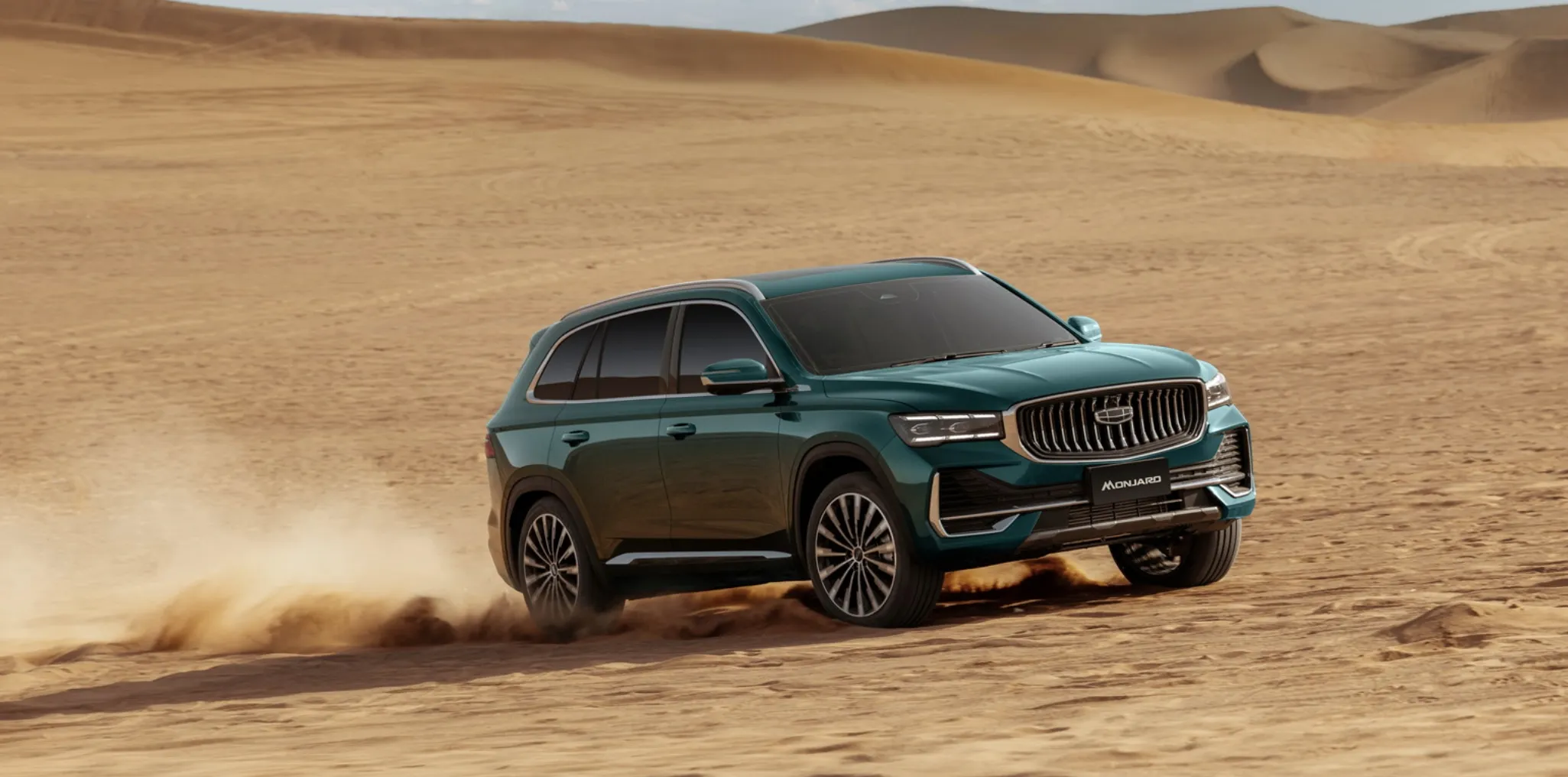
China’s automotive giant Geely is methodically stripping away the West’s last talking points. While European manufacturers still argue over when to ban internal combustion engines, Geely pushed forward with the next generation of its hybrid tech, Thor 2.0, also known as NordThor. This system does not just trim fuel use. It goes after the very idea of the petrol station, with a claimed range on one fill that would test even the toughest bladder.
Geely’s engineers quoted a thermal efficiency of 46.26 percent. In the real world that means less energy disappears as heat and more of it ends up turning wheels. It makes yesterday’s hybrids look less like clever compromises and more like polite fuel guzzlers.
Galaxy saloons fitted with Thor 2.0 reportedly covered more than 2,100 kilometres in testing. In a depleted battery mode, the system settled for 2.5 litres per 100 kilometres. Powertrain control comes via Xingrui AI Cloud Power 2.0, which manages the drivetrain by analysing more than 1,000 driving scenarios in real time. Geespace low orbit satellites supposedly deliver centimetre level positioning, avoiding the patchiness of ground based infrastructure.
Toyota makes a useful benchmark. Its hybrid systems still set the standard for many buyers, but they tend to reach comparable consumption figures only in ideal conditions, with real world range usually closer to half of what Geely now claims. German premium brands, meanwhile, keep insisting that 50 kilometres of electric driving is plenty. Geely’s Galaxy L6 EM i counters with 115 kilometres of pure electric range before the petrol engine even joins the conversation.
Geely also refuses to treat this as a simple hardware race. The group’s strategy looks more like a tech company’s playbook than a traditional carmaker’s product cycle. The acquisition of smartphone maker Meizu and the creation of its own satellite network point to a desire to control the whole ecosystem, from device to vehicle to data.
Where many Western cars rely on GPS that can lose its composure in dense forest or awkward terrain, Geely’s Future Mobility Constellation aims to pipe connectivity straight from space. The car, at least on paper, knows where it is with more certainty than its driver knows what is actually in their wallet.
For colder regions, this kind of hybrid starts to make uncomfortable sense. Limited charging infrastructure and long distances between neighbouring countries make a 2,000 kilometre radius hard to ignore. It offers the reassurance people wanted from electric cars, without requiring blind optimism about the state of public chargers in February.
Geely’s links to Volvo and Polestar mean this technology will likely appear under more familiar badges sooner or later, pairing Chinese efficiency with Scandinavian packaging. That prospect feels less like a collaboration and more like a quiet takeover.
The blunt truth is that Geely stopped copying and started setting the pace. If Europe’s car industry cannot answer with comparable engineering, it risks watching market share slip away, not because the newcomers are cheaper, but because the technology gap becomes too embarrassing to explain away.
Galaxy saloons fitted with Thor 2.0 reportedly covered more than 2,100 kilometres in testing. In a depleted battery mode, the system settled for 2.5 litres per 100 kilometres. Powertrain control comes via Xingrui AI Cloud Power 2.0, which manages the drivetrain by analysing more than 1,000 driving scenarios in real time. Geespace low orbit satellites supposedly deliver centimetre level positioning, avoiding the patchiness of ground based infrastructure.
Toyota makes a useful benchmark. Its hybrid systems still set the standard for many buyers, but they tend to reach comparable consumption figures only in ideal conditions, with real world range usually closer to half of what Geely now claims. German premium brands, meanwhile, keep insisting that 50 kilometres of electric driving is plenty. Geely’s Galaxy L6 EM i counters with 115 kilometres of pure electric range before the petrol engine even joins the conversation.
Geely also refuses to treat this as a simple hardware race. The group’s strategy looks more like a tech company’s playbook than a traditional carmaker’s product cycle. The acquisition of smartphone maker Meizu and the creation of its own satellite network point to a desire to control the whole ecosystem, from device to vehicle to data.
Where many Western cars rely on GPS that can lose its composure in dense forest or awkward terrain, Geely’s Future Mobility Constellation aims to pipe connectivity straight from space. The car, at least on paper, knows where it is with more certainty than its driver knows what is actually in their wallet.
For colder regions, this kind of hybrid starts to make uncomfortable sense. Limited charging infrastructure and long distances between neighbouring countries make a 2,000 kilometre radius hard to ignore. It offers the reassurance people wanted from electric cars, without requiring blind optimism about the state of public chargers in February.
Geely’s links to Volvo and Polestar mean this technology will likely appear under more familiar badges sooner or later, pairing Chinese efficiency with Scandinavian packaging. That prospect feels less like a collaboration and more like a quiet takeover.
The blunt truth is that Geely stopped copying and started setting the pace. If Europe’s car industry cannot answer with comparable engineering, it risks watching market share slip away, not because the newcomers are cheaper, but because the technology gap becomes too embarrassing to explain away.


