
Ford turns its electric pivot into a hybrid rethink
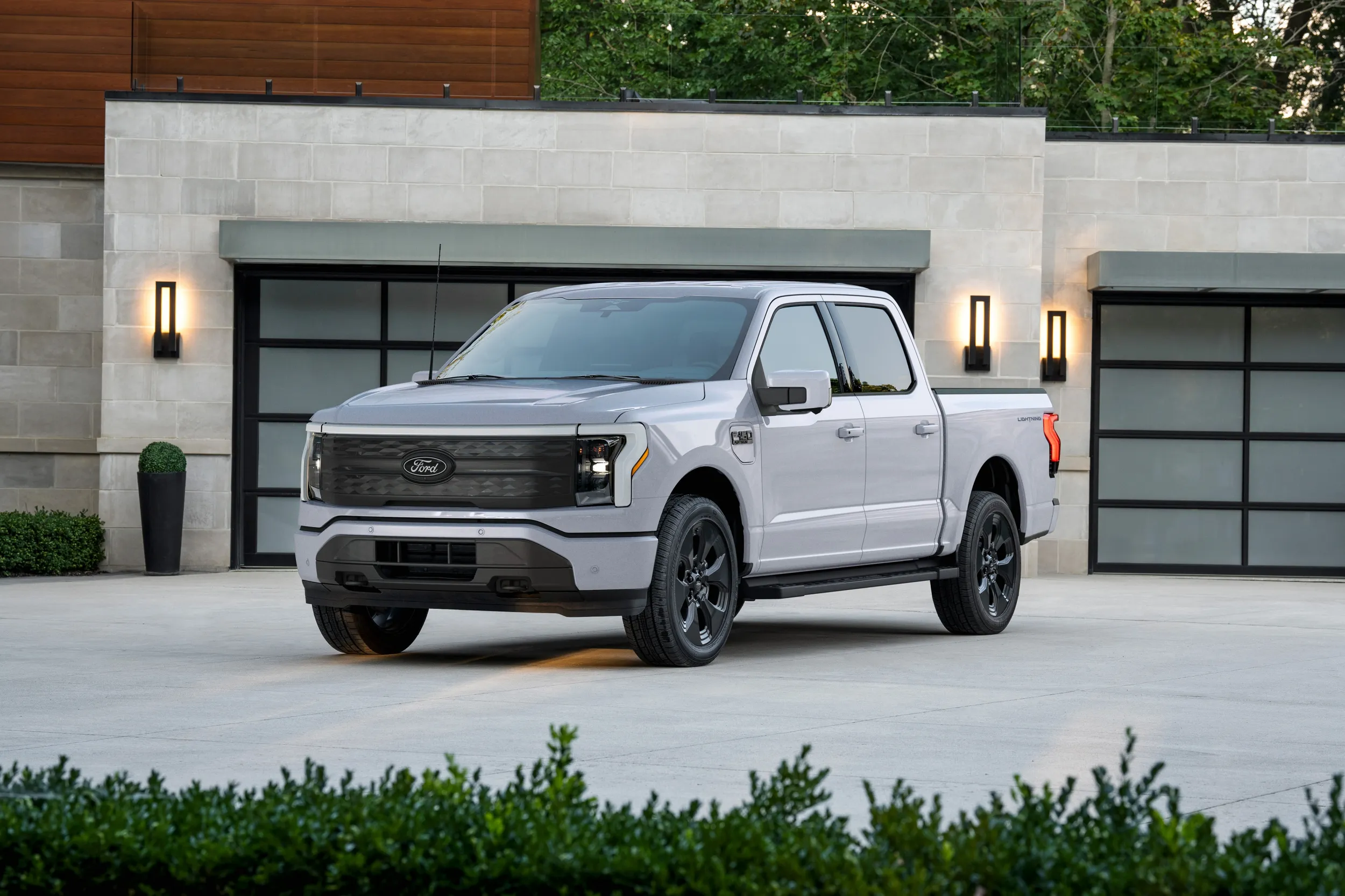
Ford decided to take a step back, or more accurately, a step sideways, drawing a line under its most ambitious electric pickup experiment so far. The F-150 Lightning will leave production before the end of the year. The fully electric truck, once presented as the next chapter in an American automotive icon, is giving way to a hybrid. Electrification is not going anywhere, but its shape is changing, and Ford is making it clear that the search for the right solution continues rather than ending.
Ford confirmed officially that the final examples of the current generation F-150 Lightning will roll off the production line before the New Year. At the same time, the company announced development of a second generation Lightning that will no longer rely solely on batteries. The new model becomes a hybrid, with the wheels still driven by electric motors, while a combustion engine on board generates electricity.
Doug Field, Ford’s head of electric vehicle development, described the F-150 Lightning as America’s best selling electric pickup and a product that proved a battery powered truck could still be a true member of the F Series family. The message sounded confident, but reality proved harsher. Sales failed to meet expectations, and high costs combined with uncertain demand forecasts forced the group to adjust course.
Ending Lightning production does not mean the idea itself failed. Instead, Ford is acknowledging that a fully electric solution does not yet suit every pickup customer, especially those whose work and lifestyle demand long range and fast refuelling.
The next generation F-150 Lightning keeps the logic of electric propulsion but adds a compact internal combustion engine whose sole task is to generate electricity. According to Ford, this approach addresses the biggest weakness of electric vehicles, limited driving range, while preserving the quiet and forceful character of electric driving.
So far, Ford has revealed only one key figure. The new hybrid Lightning is expected to deliver a driving range of more than 1100 kilometres, roughly double that of the current battery only version. The company has not yet shared a timeline for the model’s debut.
Ford’s new electric platform will reach the market in 2027 with a mid size pickup. At the same time, the company is abandoning several previously planned electric commercial vehicles, replacing them with hybrid alternatives. The powertrain portfolio will expand to include new combustion engines and various petrol electric systems, a clear sign that Ford no longer believes in a single universal technology.
In Ford’s view, a hybrid pickup fits the reality of the American market more convincingly, where reliability, range and everyday usability often outweigh ideological purity. Analysts are likely to see this not as retreat, but as adaptation. In the car industry, that ability often proves essential for survival.
Doug Field, Ford’s head of electric vehicle development, described the F-150 Lightning as America’s best selling electric pickup and a product that proved a battery powered truck could still be a true member of the F Series family. The message sounded confident, but reality proved harsher. Sales failed to meet expectations, and high costs combined with uncertain demand forecasts forced the group to adjust course.
Ending Lightning production does not mean the idea itself failed. Instead, Ford is acknowledging that a fully electric solution does not yet suit every pickup customer, especially those whose work and lifestyle demand long range and fast refuelling.
The next generation F-150 Lightning keeps the logic of electric propulsion but adds a compact internal combustion engine whose sole task is to generate electricity. According to Ford, this approach addresses the biggest weakness of electric vehicles, limited driving range, while preserving the quiet and forceful character of electric driving.
So far, Ford has revealed only one key figure. The new hybrid Lightning is expected to deliver a driving range of more than 1100 kilometres, roughly double that of the current battery only version. The company has not yet shared a timeline for the model’s debut.
Ford’s new electric platform will reach the market in 2027 with a mid size pickup. At the same time, the company is abandoning several previously planned electric commercial vehicles, replacing them with hybrid alternatives. The powertrain portfolio will expand to include new combustion engines and various petrol electric systems, a clear sign that Ford no longer believes in a single universal technology.
In Ford’s view, a hybrid pickup fits the reality of the American market more convincingly, where reliability, range and everyday usability often outweigh ideological purity. Analysts are likely to see this not as retreat, but as adaptation. In the car industry, that ability often proves essential for survival.


