
Stellantis weighs a quiet clear out behind the scenes
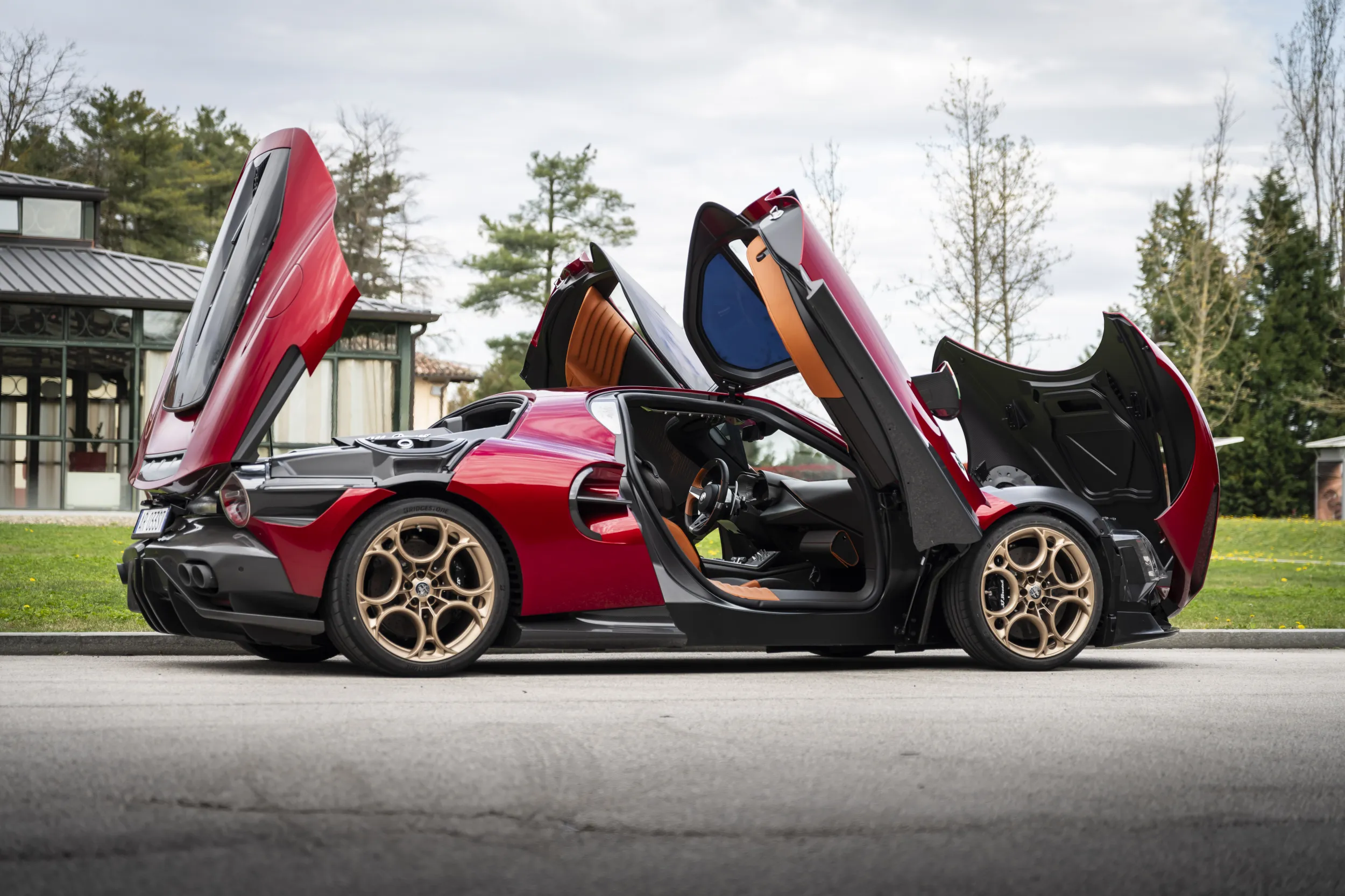
A decision is taking shape inside Stellantis that could redraw the European car market in a very real way. Antonio Filosa, the group’s new chief executive who only took charge this summer, is preparing a fresh strategy. Its aim is disarmingly blunt, to win back market share and restore profitability. According to several sources, the toolbox also includes a willingness to part with multiple car brands, either through sales or outright closures.
Filosa believes the Stellantis brand portfolio grew too large and too fragmented over the years. Several marques operate in the same segments, effectively competing with themselves while burning resources the group can no longer afford to spread so freely.
If the brand cull becomes reality, European manufacturers are likely to feel it first. Peugeot and Opel are often cited as examples, offering similar models and chasing the same customers. Maintaining two parallel brands in the same price bracket no longer looks sensible to the new leadership.
The situation is even more fragile in Stellantis’s premium corner. DS and Lancia continue to miss sales targets and neither brand has managed to establish a clear identity in the market. A handsome past does not pay today’s bills, and this is where Filosa’s thinking turns openly pragmatic.
Discontent does not stop at Europe’s borders. Stellantis executives have made little effort to hide their disappointment with Fiat and Alfa Romeo in the United States, a market the group still sees as strategically vital. Combined, the two brands sell fewer cars there than a single model that hardly counts as a runaway hit, the Dodge Charger Daytona.
Chrysler also raises questions. Brand recognition remains strong, yet the range effectively boils down to two people carriers, the Pacifica and the Voyager. Inside Stellantis, every marque is now being judged on long term viability, not on legends but on hard numbers.
The strategic shift goes beyond brand badges and reaches into technology choices. Sources say Stellantis walked away from former chief executive Carlos Tavares’s ambitious plan to make all European sales electric and at least half of US sales electric by 2030.
Under the new approach, the group is returning more decisively to the development and sale of cars with internal combustion engines. Investment in autonomous driving and hydrogen technology is also being cut back sharply. The priority is solutions that deliver results now, not promises that might pay off a decade from today.
Filosa’s moves may feel painful, but from a market perspective they look increasingly unavoidable. In the car industry, a crisis does not ask whose history shines brightest. It asks who can turn next year’s balance sheet green.
If the brand cull becomes reality, European manufacturers are likely to feel it first. Peugeot and Opel are often cited as examples, offering similar models and chasing the same customers. Maintaining two parallel brands in the same price bracket no longer looks sensible to the new leadership.
The situation is even more fragile in Stellantis’s premium corner. DS and Lancia continue to miss sales targets and neither brand has managed to establish a clear identity in the market. A handsome past does not pay today’s bills, and this is where Filosa’s thinking turns openly pragmatic.
Discontent does not stop at Europe’s borders. Stellantis executives have made little effort to hide their disappointment with Fiat and Alfa Romeo in the United States, a market the group still sees as strategically vital. Combined, the two brands sell fewer cars there than a single model that hardly counts as a runaway hit, the Dodge Charger Daytona.
Chrysler also raises questions. Brand recognition remains strong, yet the range effectively boils down to two people carriers, the Pacifica and the Voyager. Inside Stellantis, every marque is now being judged on long term viability, not on legends but on hard numbers.
The strategic shift goes beyond brand badges and reaches into technology choices. Sources say Stellantis walked away from former chief executive Carlos Tavares’s ambitious plan to make all European sales electric and at least half of US sales electric by 2030.
Under the new approach, the group is returning more decisively to the development and sale of cars with internal combustion engines. Investment in autonomous driving and hydrogen technology is also being cut back sharply. The priority is solutions that deliver results now, not promises that might pay off a decade from today.
Filosa’s moves may feel painful, but from a market perspective they look increasingly unavoidable. In the car industry, a crisis does not ask whose history shines brightest. It asks who can turn next year’s balance sheet green.


