
General Motors returns to hybrids in the US
General Motors is preparing to expand its hybrid range in the US as demand for fully electric cars has cooled and petrol-electric models are rapidly gaining market share. GM, which focused almost entirely on electric vehicles for years, plans to introduce plug-in hybrids in North America from 2027.
Hybrid growth left GM on the sidelines
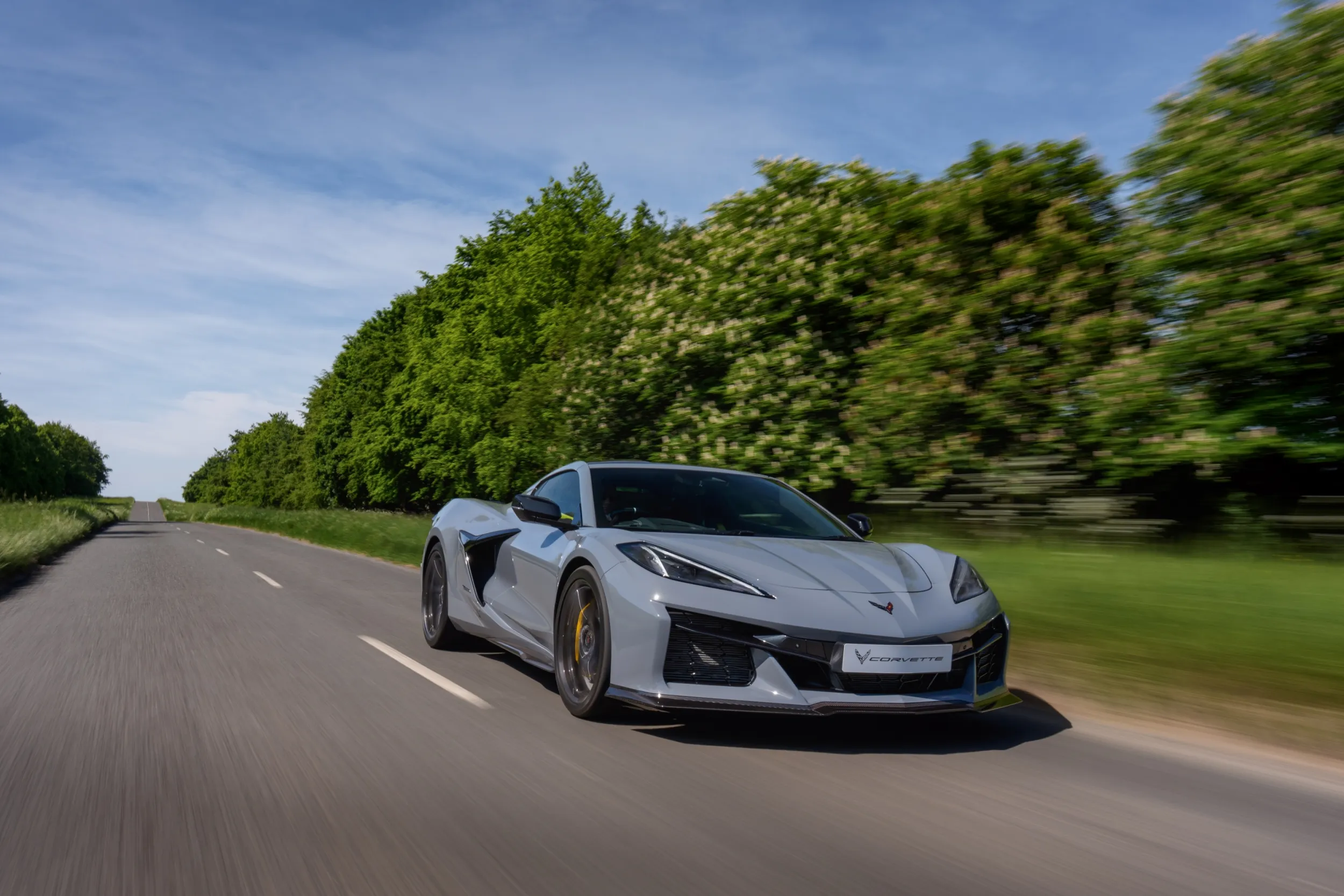
Hybrids accounted for around 19 per cent of US retail sales in August. General Motors has virtually no models in this segment, apart from the electrified Corvette E-Ray.
Toyota, Honda and Ford, meanwhile, have benefited directly from demand for hybrids. GM's US market share fell to 16.8 per cent in the first half of the year, down from 17.6 per cent a year earlier.
The problem deepened after electric vehicle sales began to decline in 2026. US sales of fully electric cars fell by more than 30 per cent in the first nine months of the year, while their market share dropped to around 6 per cent. Hybrid sales grew by more than 20 per cent over the same period.
Plug-in hybrids arrive in 2027
GM has confirmed that it will introduce plug-in hybrids in North America in 2027. The company has yet to announce the specific models.
The group already has the technology, as Buick and Cadillac sell several hybrid models in China. GM therefore does not have to start from scratch, but the US versions will require development and production tailored to local market requirements.
Just a few years ago, Mary Barra described hybrids as a temporary solution on the way to an all-electric line-up. Now the market is forcing GM to take a more pragmatic view.
Electric vehicles remain part of the plan
GM is not abandoning electric vehicles. The Chevrolet Equinox EV, Blazer EV and Silverado EV, along with Cadillac's electric models, will remain in the line-up, and the group will continue developing electric vehicle platforms.
Hybrids, however, fill a gap for customers who want lower fuel consumption but are not ready to rely solely on charging. In the US market, this is particularly important for pickup trucks and large SUVs, where an electric vehicle's large battery significantly increases both weight and price.
Ford already successfully offers hybrid versions of the F-150 and Maverick. Toyota has effectively made hybrid powertrains the default choice on many models. GM is entering this competition late.
GM now has to make up for lost time
GM's strategy until now assumed that customers would move directly from an internal combustion engine to an electric vehicle. Much of the US market, however, is taking an intermediate step.
A hybrid allows drivers to reduce fuel consumption without changing their charging habits, while a plug-in hybrid adds the option of making shorter journeys on electric power. High fuel prices make this combination even more attractive.
GM currently has no significant market share in Europe, but its change of strategy is telling more broadly. One of the world's largest carmakers is effectively acknowledging that the transition to an all-electric line-up is not progressing at the same pace in every market.


