
Hyundai aims to become more American in the US than some local carmakers
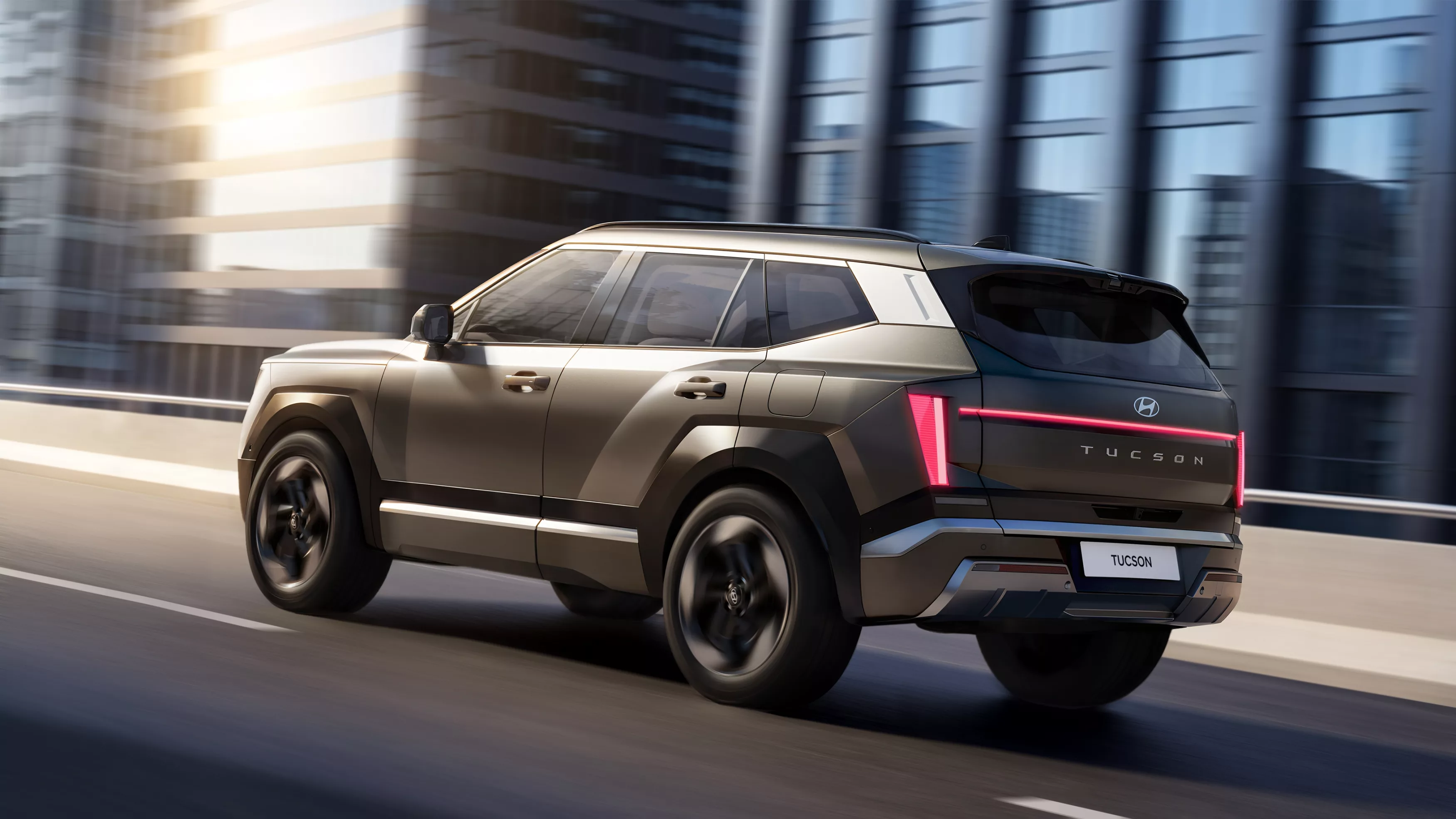
Hyundai aims to produce 80 per cent of the cars it sells in North America locally by 2030. The company’s chief executive, José Muñoz, framed the goal in deliberately provocative terms: Hyundai could become “more American than many American carmakers”.
A bigger role for the US
Hyundai will invest $26 billion in the US between 2025 and 2028, equivalent to around €23 billion at the current exchange rate. Of that, $12 billion will go towards expanding production capacity, $7 billion into the supply chain and $7 billion into developing autonomous driving, robotics and artificial intelligence.
Annual production capacity at the HMGMA plant in Georgia is to rise to 500,000 cars by 2028. Hyundai will also increase the share of components sourced from North America to 80 per cent by 2030.
The Alabama plant will also gain additional hybrid and powertrain production. Hyundai aims to offer more than ten hybrid models in North America by 2030 and increase hybrids’ share of its sales there to 50 per cent.
Production matters more than Ford and GM’s slogans
Muñoz’s claim does not mean Hyundai would become an American brand by virtue of its origins. It refers to the proportion of production and jobs that are local, and to the extent of the local supply chain.
Ford says it produces about 83 per cent of the cars it sells in the US within the country, while GM highlights its larger US workforce. So, rather conveniently, how “American” a company is depends on which metric is being used.
Hyundai’s direction is nevertheless clear. The company aims to reduce its dependence on imports to soften the impact of tariffs and respond more quickly to US demand.
European strategy takes a different direction
In Europe, meanwhile, Hyundai is placing a much stronger emphasis on electric cars. The manufacturer aims to increase its European electric car sales from 116,000 in 2025 to more than 420,000 by 2030.
This clearly illustrates the shift in Hyundai’s global strategy: the US will get more locally produced hybrids and large cars, while Europe will get an increasingly electric model range.


