
Hyundai readies Tucson N, family SUV could get up to 257 kW hybrid powertrain
 1/8
1/8
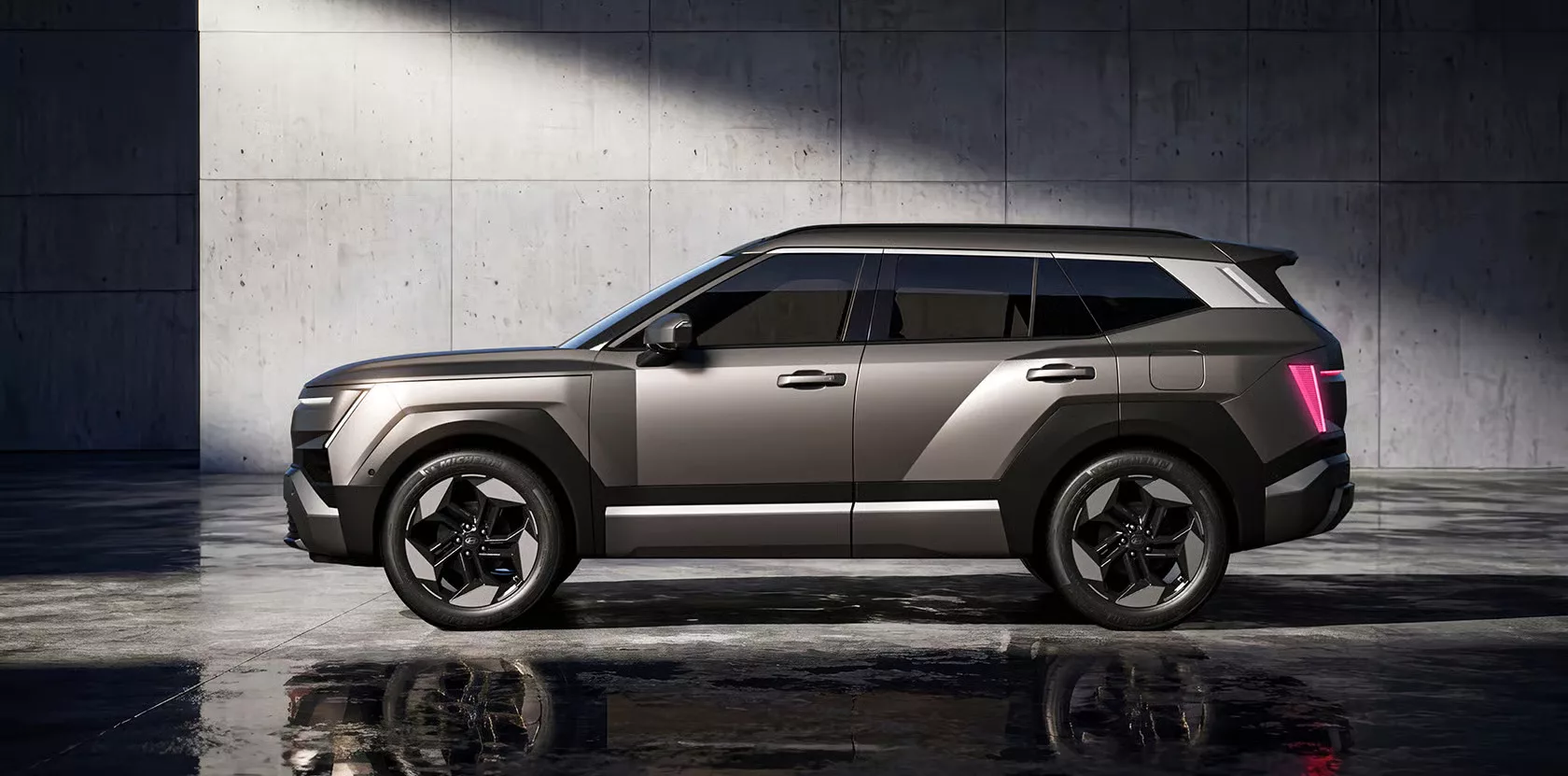
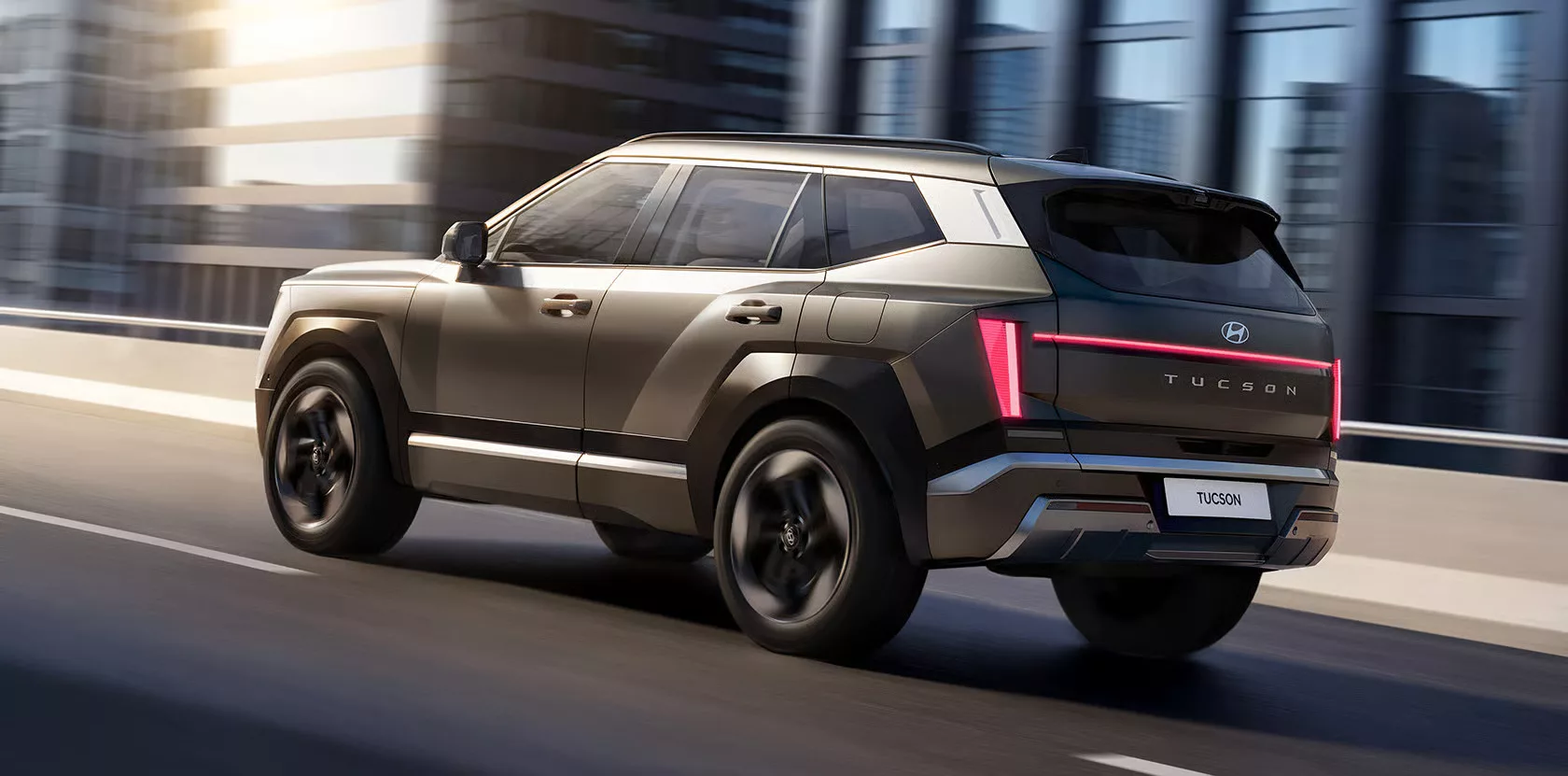
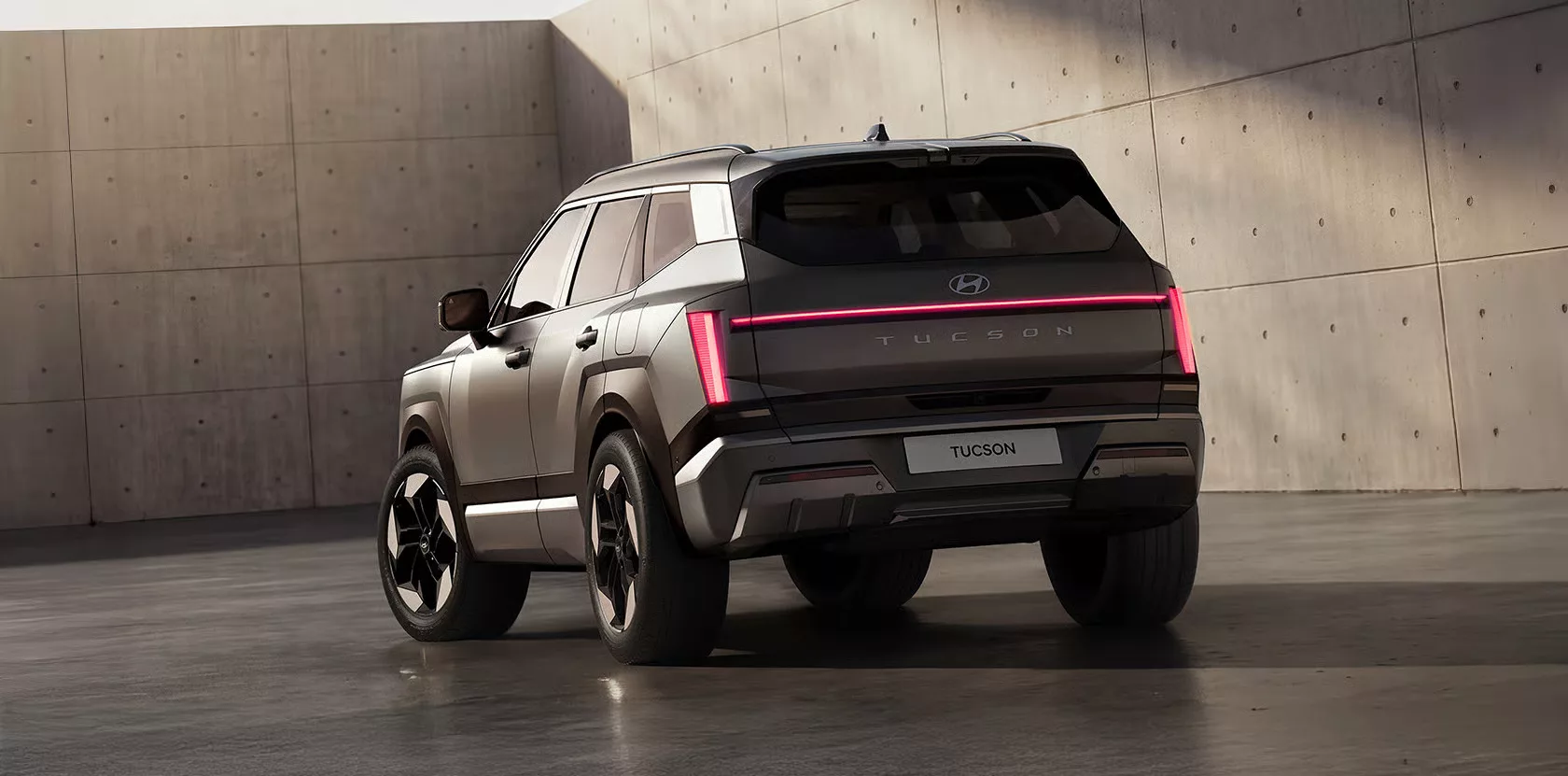
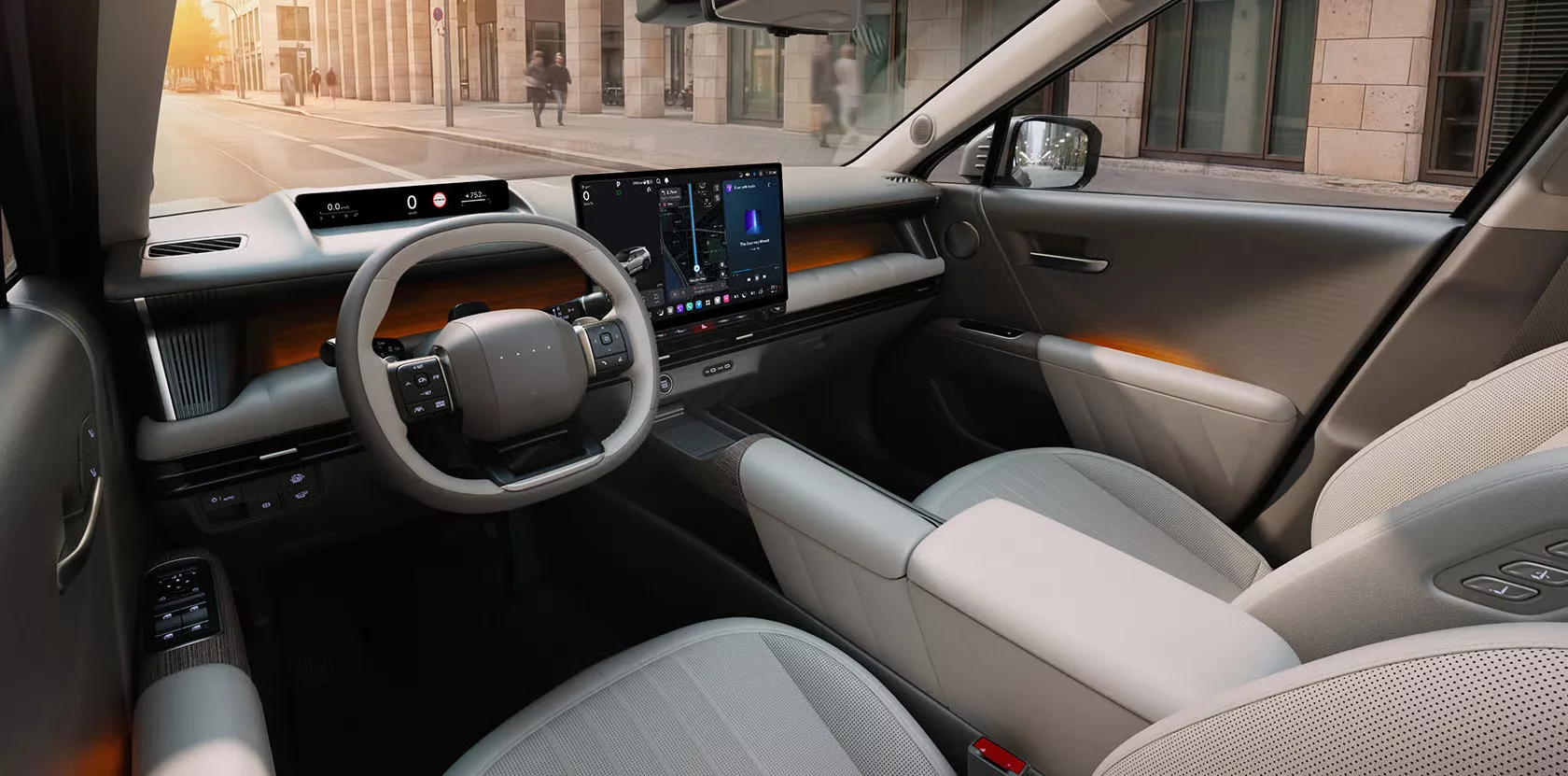
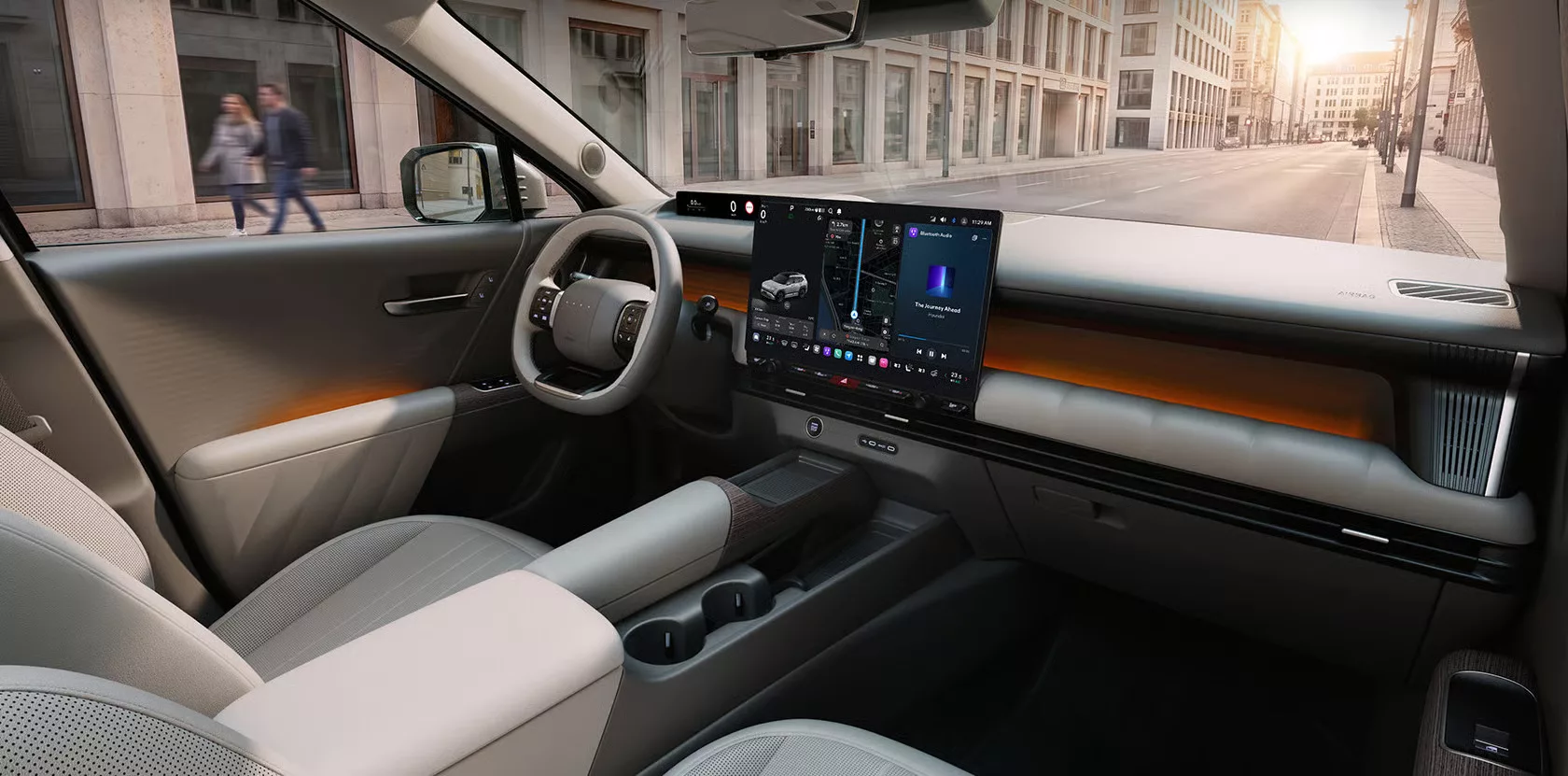
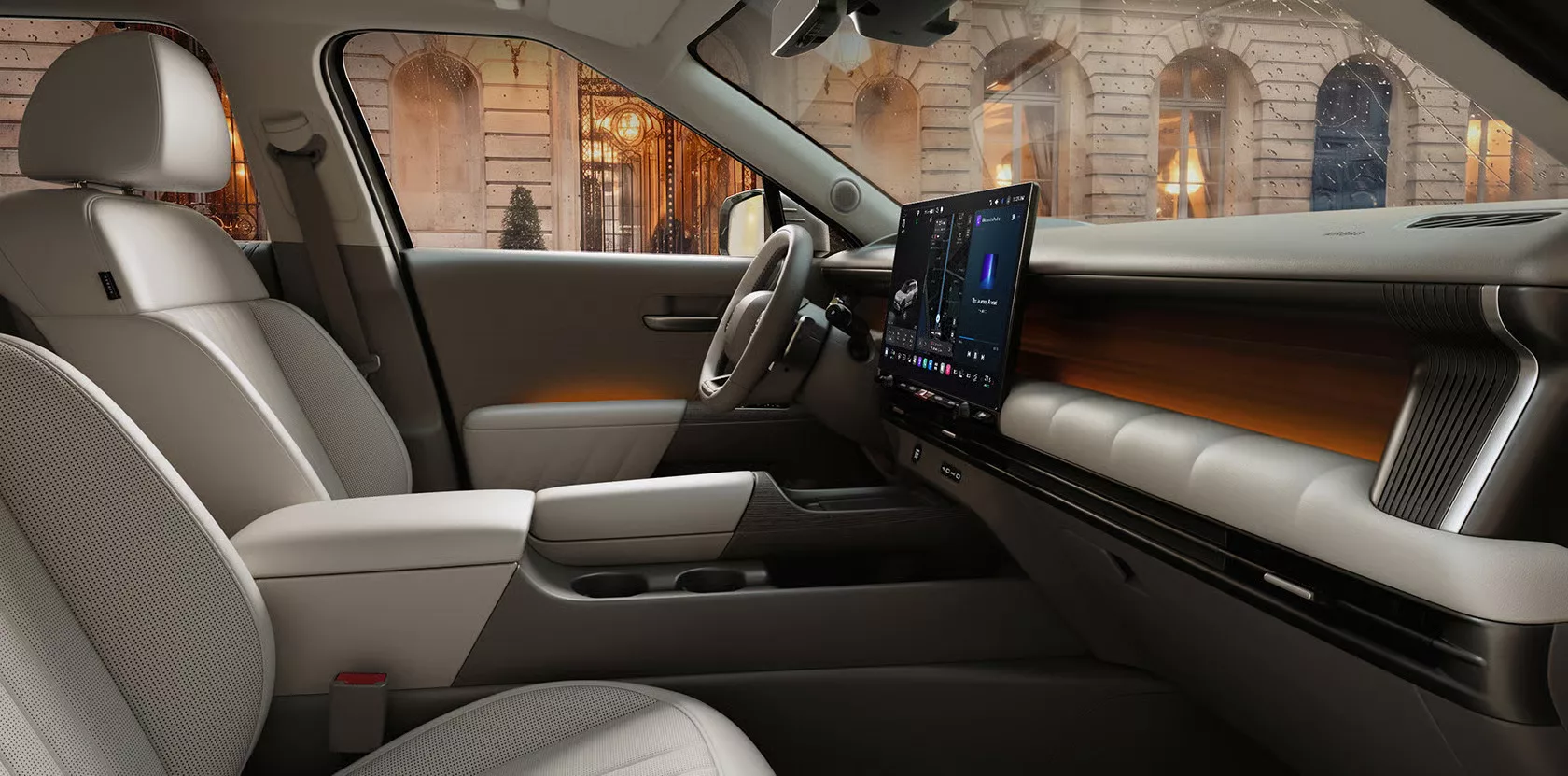
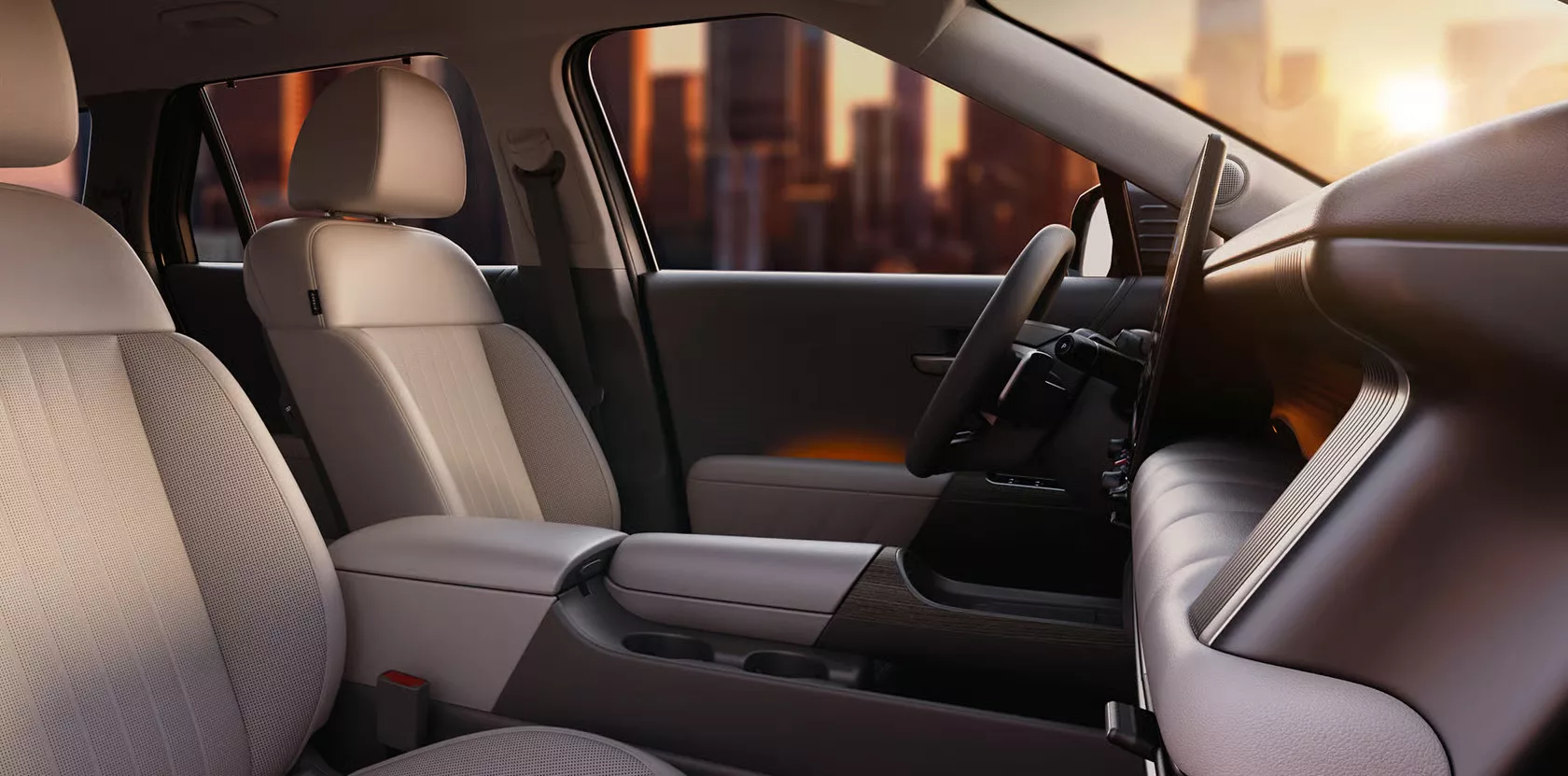
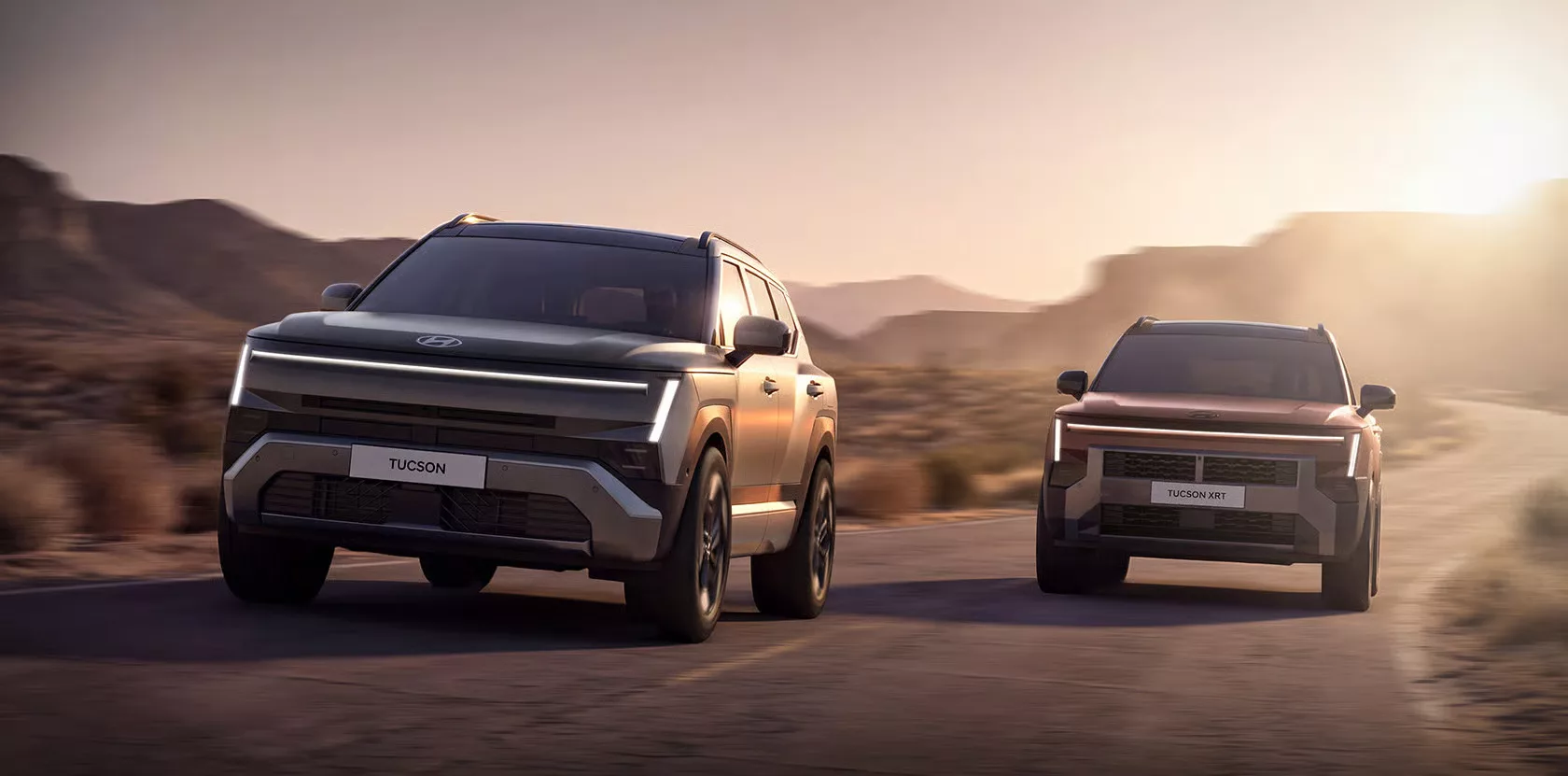
Hyundai’s N division wants to broaden its reach, and one of the most likely new models is the next-generation Tucson N. Until now, the Tucson has largely been limited to the sportily styled N Line role, but a full-fat N version would change the game. Early information suggests the all-wheel-drive hybrid could produce around 221–257 kW, with Hyundai promising to use electrification in N hybrids primarily to improve performance rather than simply fuel economy.
N Line is no longer enough
The Tucson N has been discussed for years, but Hyundai has yet to introduce a proper N version of one of its most popular SUVs. The current model’s N Line is essentially a sporty trim package, rather than a relative of the i30 N or Ioniq 5 N.
The distinction matters. N Line can alter a car’s appearance, equipment and, in some markets, chassis tuning, but a full N division model signals a different level of ambition: more power, stronger brakes, a more aggressive chassis and powertrain calibration capable of handling fast driving.
According to fresh information from Auto Express, the next-generation Tucson could finally take that step. The publication predicts the Tucson N will produce 300–350 hp, or approximately 221–257 kW, and considers all-wheel drive likely. Hyundai has not officially confirmed these figures.
The hybrid must make the car faster, not merely more efficient
The most interesting aspect is not the power figure itself, but how Hyundai plans to achieve it.
N division president Joon Park told Auto Express that the hybrid system in its performance models will operate according to a different logic from a conventional Hyundai hybrid. While the electric motor in a regular car primarily helps save fuel, electrification in an N model will be tasked with boosting performance more intensively.
One possibility is that the next Tucson N could use a new-generation hybrid system built around a 1.6-litre turbocharged petrol engine. An electric drive unit on the rear axle could provide all-wheel drive without a conventional propshaft. Such a solution would allow engineers to control front- and rear-axle traction electronically and deploy electric motor torque where the combustion engine is still building momentum.
257 kW would put the Tucson among genuinely quick SUVs
If Hyundai does indeed reach the 221–257 kW range, the Tucson N would no longer simply compete with top versions of the Toyota RAV4 or Volkswagen Tiguan. European performance compact SUVs would become its target.
257 kW would mean around 350 hp. At that level of power, all-wheel drive becomes virtually unavoidable, especially if the electric motor delivers strong torque from a standstill.
In addition to all-wheel drive, Auto Express considers adaptive suspension, larger wheels and significantly more capable brakes likely. At the same time, the Tucson must retain everyday usability. The N division’s task is therefore not to build a tall i30 N, but to make a family car with nearly 250 kW disguise its mass in corners. And that is precisely where it will be decided whether the Tucson N deserves its letter.
With the Ioniq 5 N, Hyundai has already proved that a heavy, tall car can be made surprisingly lively through skilful calibration of the electronics, powertrain and chassis. The challenge of a hybrid Tucson N is in some respects even more complex, as engineers must integrate the combustion engine, electric drive, gearbox and all-wheel-drive system without adding excessive weight.
Hyundai does not want to surrender the N badge to electric cars
The Tucson N would send another important signal. Hyundai does not intend to turn N into a brand exclusively for electric performance models. At its 2026 investor day in August, the company announced that it would expand the N model range and target annual sales of 100,000 N cars by 2030. At the same time, Hyundai is rapidly increasing the share of hybrids in its line-up.
Joon Park’s comments suggest that the hybrid powertrain will bring those two strategies together. In an N model, the electric motor is not a green obligation but another tool for making the car faster. This could prove particularly well timed for the European market. Emissions requirements are making life increasingly difficult for pure petrol performance models, while an electric powertrain with a large traction battery adds significant mass. A performance hybrid with a smaller battery sits between those two approaches and could offer the character of a combustion engine along with the electric motor’s instant torque.
Hyundai hints that the same formula could also reach smaller N models in the future. This opens the door to hybrid successors to cars that were represented in Europe by the i20 N and i30 N.
The Tucson is a hugely important target for the N division
The business case for the Tucson N is simple. According to Hyundai’s own figures, the Tucson has surpassed 10 million units globally and has become the brand’s most successful global model nameplate in its history. The new-generation Tucson and Tucson Hybrid will reach their first markets in the fourth quarter of 2026.
An N version would give Hyundai’s performance division access to customers who want a fast car but do not want a hatchback or the all-electric Ioniq 5 N.
The competitive landscape for this idea is particularly clear in Europe. The performance SUV market has long demonstrated that customers are willing to pay for a combination of practicality and performance. At the same time, the choice of traditional compact performance cars has dwindled.
In Hyundai’s price list, the current hybrid Tucson N Line costs approximately €42,000 with front-wheel drive and €44,000 with all-wheel drive. A full-fat Tucson N would inevitably sit significantly higher, as it would add not only power but also a more expensive powertrain, chassis and braking system.
The most important question is not the 0–100 km/h time
With the Tucson N, it would be easy to focus solely on power. A family SUV with around 250 kW will not be a sensation in itself by 2026.
Much more important is whether Hyundai can do with the Tucson what the N division has done with its best cars before: give the driver a reason to take the longer route.
If the Tucson N simply gets 257 kW, stiff suspension and large wheels, the result will be another fast SUV. If Hyundai uses the hybrid system for active torque distribution, precisely metering electric motor torque and rotating the car, it could create something far more interesting.
The N division’s reputation so far provides reason to take the latter possibility seriously, at the very least. First, however, Hyundai must officially confirm the Tucson N. For now, all we know for certain is that the N model range is expanding and hybrid technology is part of its future. Everything else, including the 221–257 kW output, remains a well-founded but still speculative forecast.


