
Hyundai Tucson N Line gets 215 kW hybrid powertrain and sportier styling
 1/5
1/5
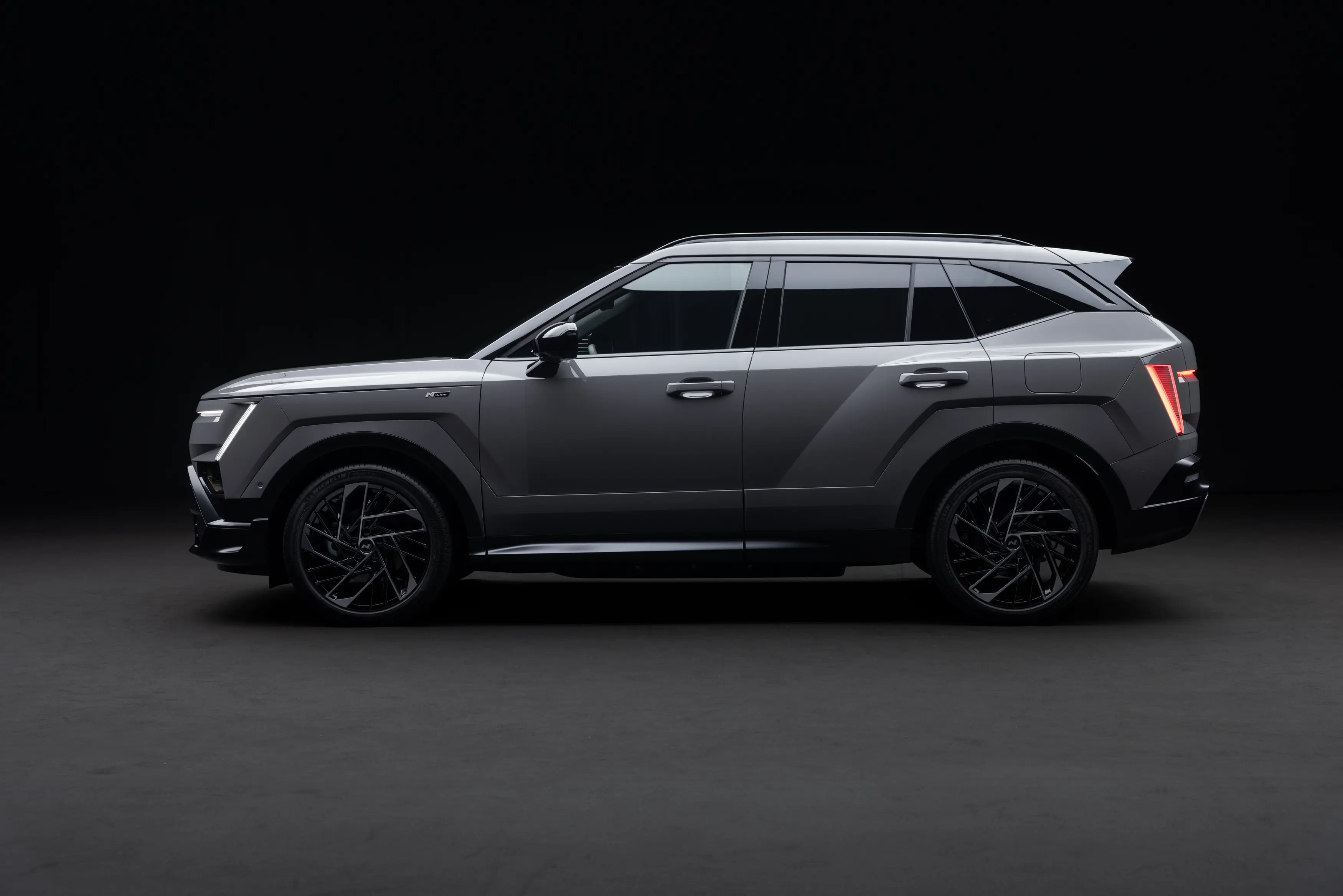
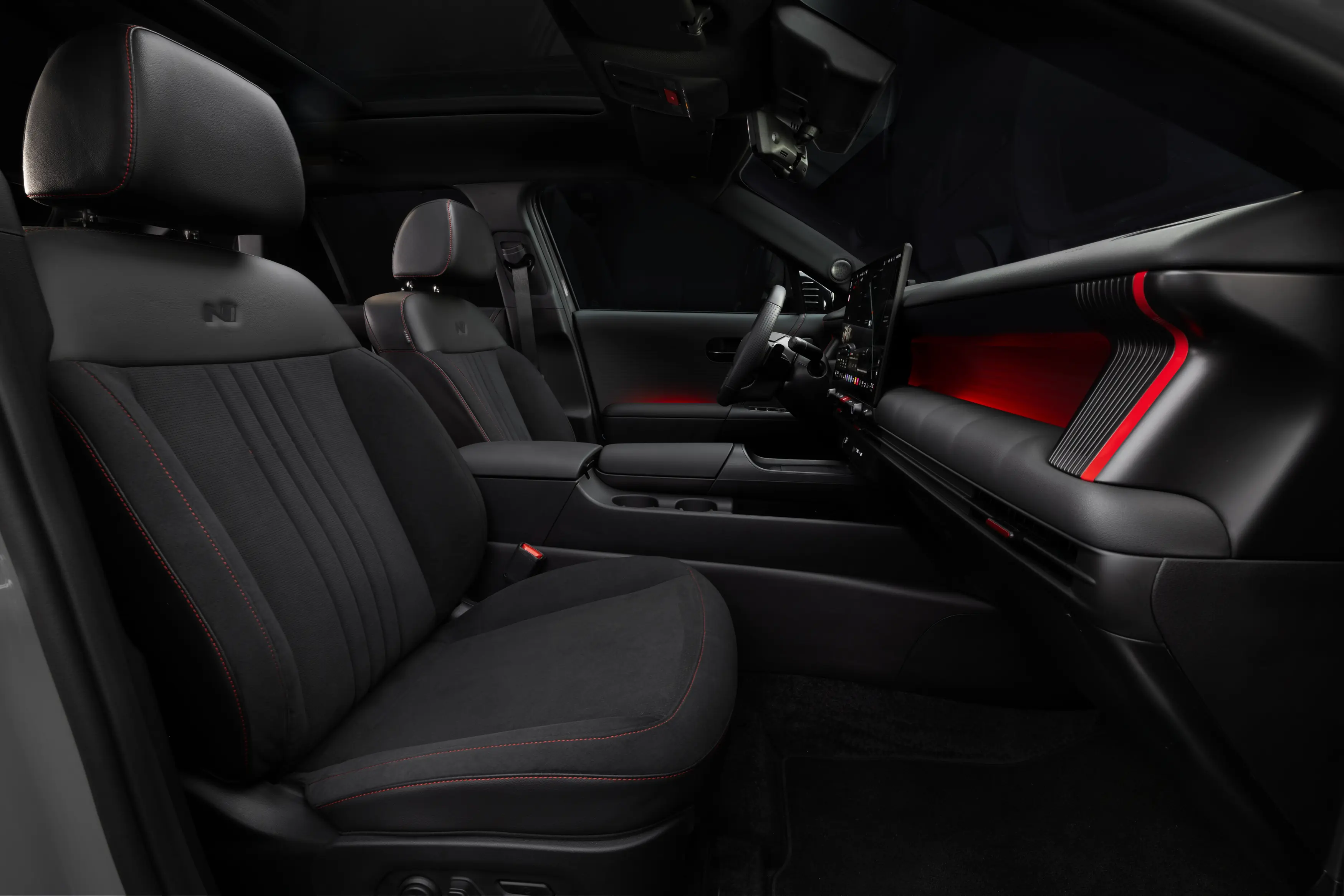
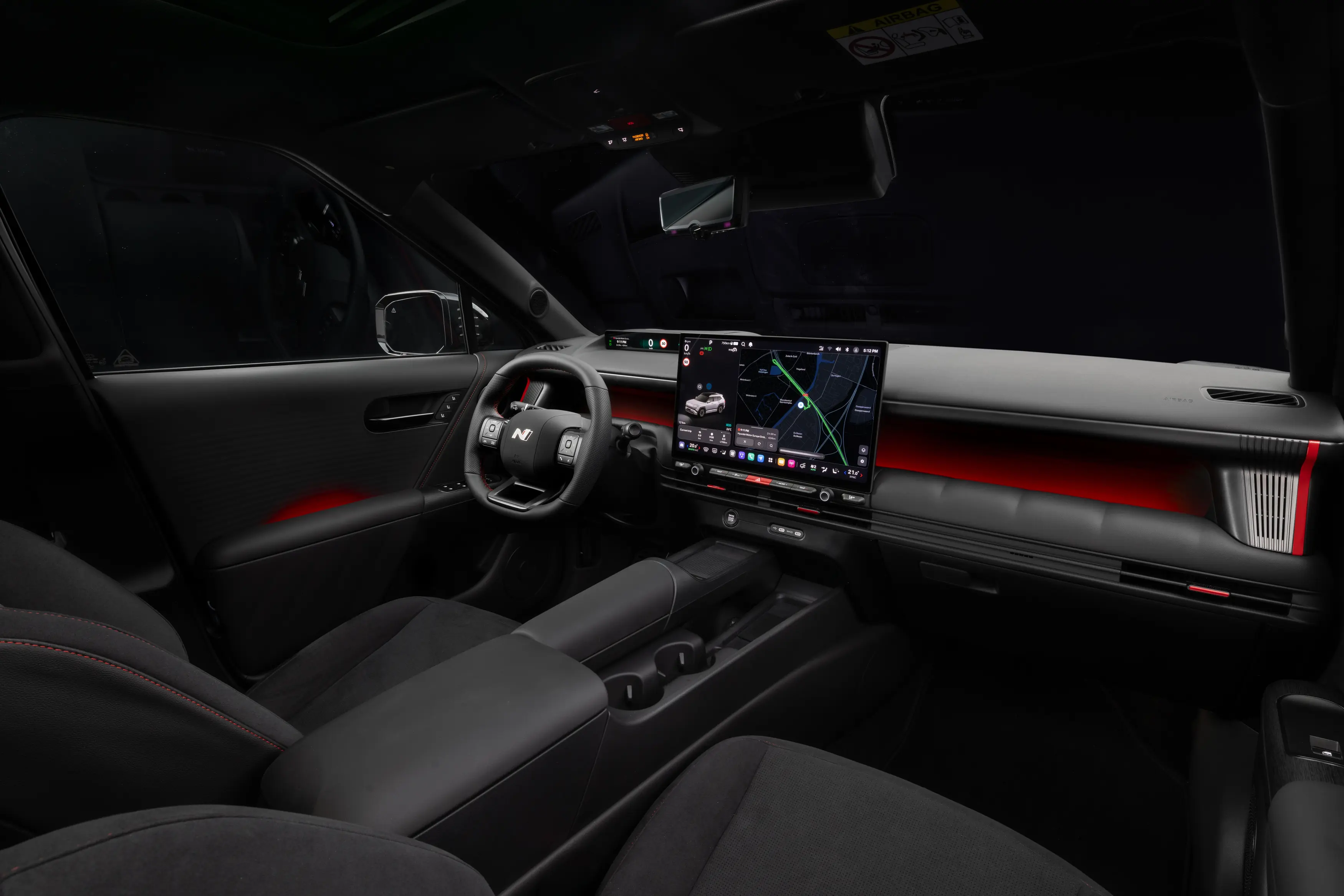
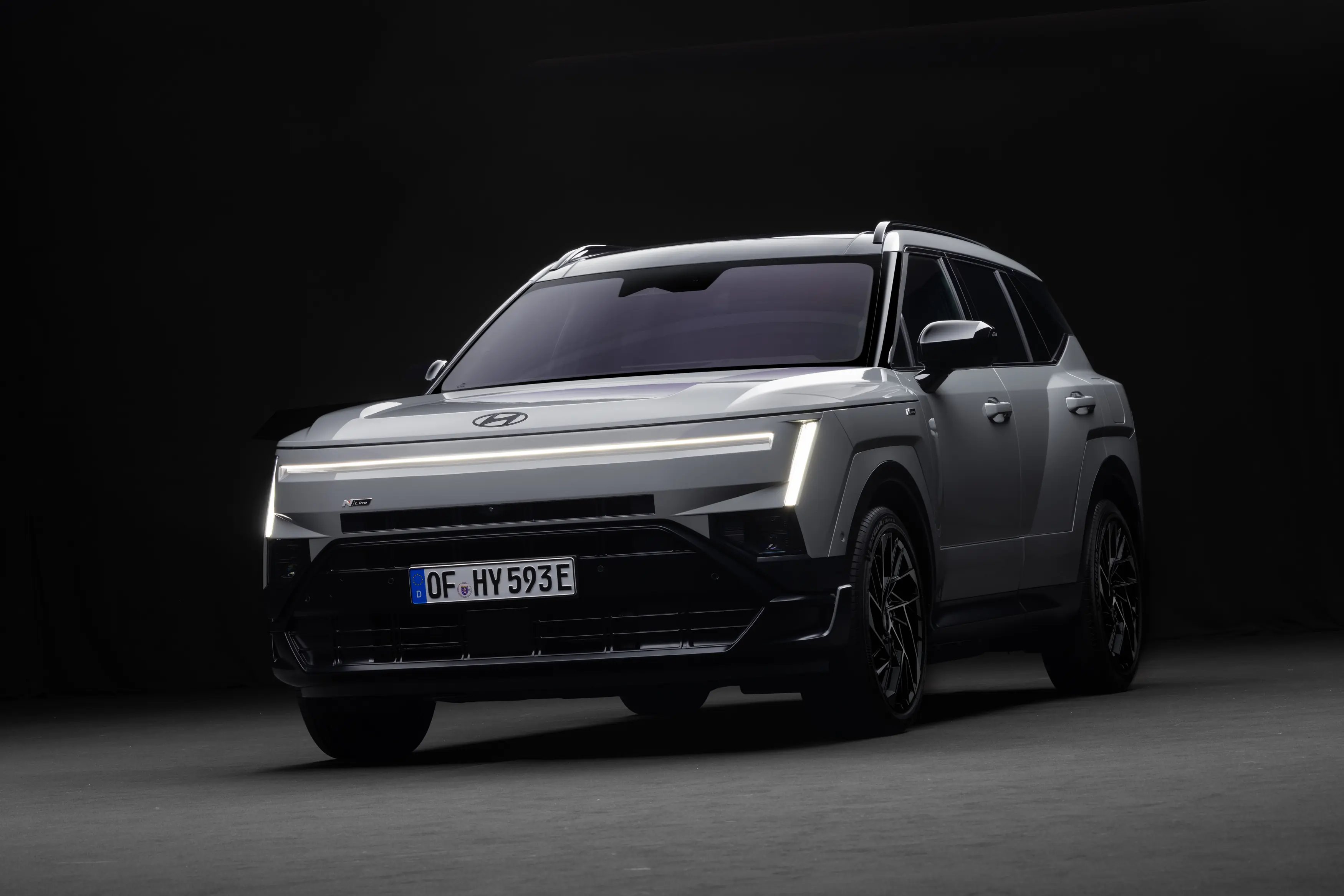
Hyundai unveiled the new-generation Tucson N Line at the Paris Motor Show, combining sportier styling with a plug-in hybrid powertrain producing up to 215 kW. The model gets 20-inch wheels, more aggressive bumpers and a sporty black interior. However, N Line remains primarily a styling package, as its engines and transmissions come from the standard Tucson.
Sportier styling, familiar technology
The N Line differs from the standard Tucson primarily in its body styling. At the front, it features a bumper with larger air intakes and a more pronounced spoiler, with sporty side skirts along the flanks and a diffuser-style rear bumper with two exhaust pipes.
Exclusive 20-inch alloy wheels, black door mirrors and wheel arch trims that blend into the body give the N Line a distinctive look.
Inside, Hyundai uses black leather and synthetic suede, red stitching and metal-covered pedals. A perforated-leather sports steering wheel and front seats with greater lateral support add to the sporty feel.
Unlike Hyundai's full-fledged N models, the Tucson N Line does not get a separate, more powerful engine or a dedicated sports suspension.
Three powertrains, up to 215 kW
The Tucson N Line will reach the European market with three electrified powertrains.
The range starts with a 1.6-litre turbocharged petrol engine paired with a 48-volt mild-hybrid system. It produces 110 kW and drives the front wheels through a seven-speed dual-clutch automatic transmission.
The full hybrid combines a petrol engine of the same displacement with an electric motor and a 1.49 kWh battery. Total system output reaches 180 kW. This model has a six-speed automatic transmission and is available with front- or all-wheel drive.
The most powerful option is the plug-in hybrid, whose system produces 215 kW. Its 17.1 kWh battery allows an electric range of up to 67 kilometres with the N Line's 20-inch wheels taken into account. The plug-in hybrid also offers front- or all-wheel drive.
Hyundai has not yet released final acceleration and fuel consumption figures.
Equipment already rivals more expensive SUVs
The new Tucson N Line retains the practicality of the standard version. Depending on the powertrain, the boot holds up to 613 litres, while the rear seats can slide forwards and backwards by 150 mm.
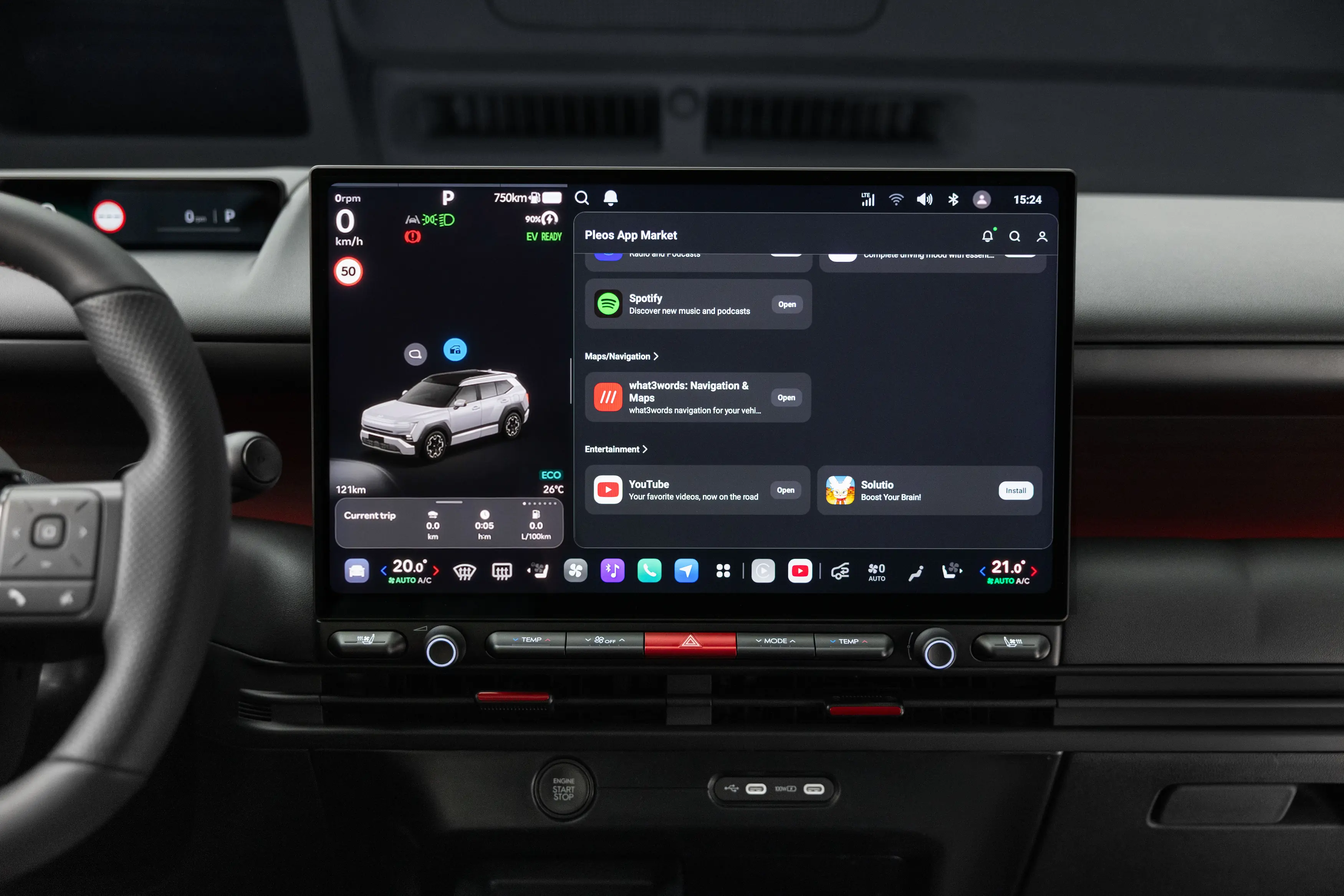
At the centre of the dashboard is a 17-inch screen with the Android Automotive-based Pleos Connect infotainment system. Equipment includes the Gleo AI voice assistant, over-the-air software update capability and a digital key.
Hyundai offers a 12-speaker Bang & Olufsen sound system, remote parking assistance and headlights with 25,600 LED pixels as options.
The hybrid version has a maximum braked towing capacity of 1,910 kilograms, while the plug-in hybrid has a maximum braked towing capacity of 1,810 kilograms.
Price and equipment will be decisive in Europe
The Tucson N Line's main rivals in the European market will be the Volkswagen Tiguan R-Line, Kia Sportage GT-Line and Cupra Terramar.
Hyundai's strengths are its broad choice of electrified powertrains and extensive technology features. However, beyond its sportier appearance, the N Line offers no more performance than the standard Tucson.
This sets the model apart from Cupra's sportier versions, for example, for which the manufacturer also places greater emphasis on driving dynamics.
Hyundai has not yet announced European prices for the N Line or an exact on-sale date.
The Tucson N Line suits buyers who want sports-car looks without sacrificing the comfort of a family car. The 180 kW full hybrid is likely to be the most appealing powertrain, combining solid power with everyday convenience without the need for external charging.


