
Jaguar finally unveils the Type 01 production car — and it is even bolder than the concept
 1/36
1/36
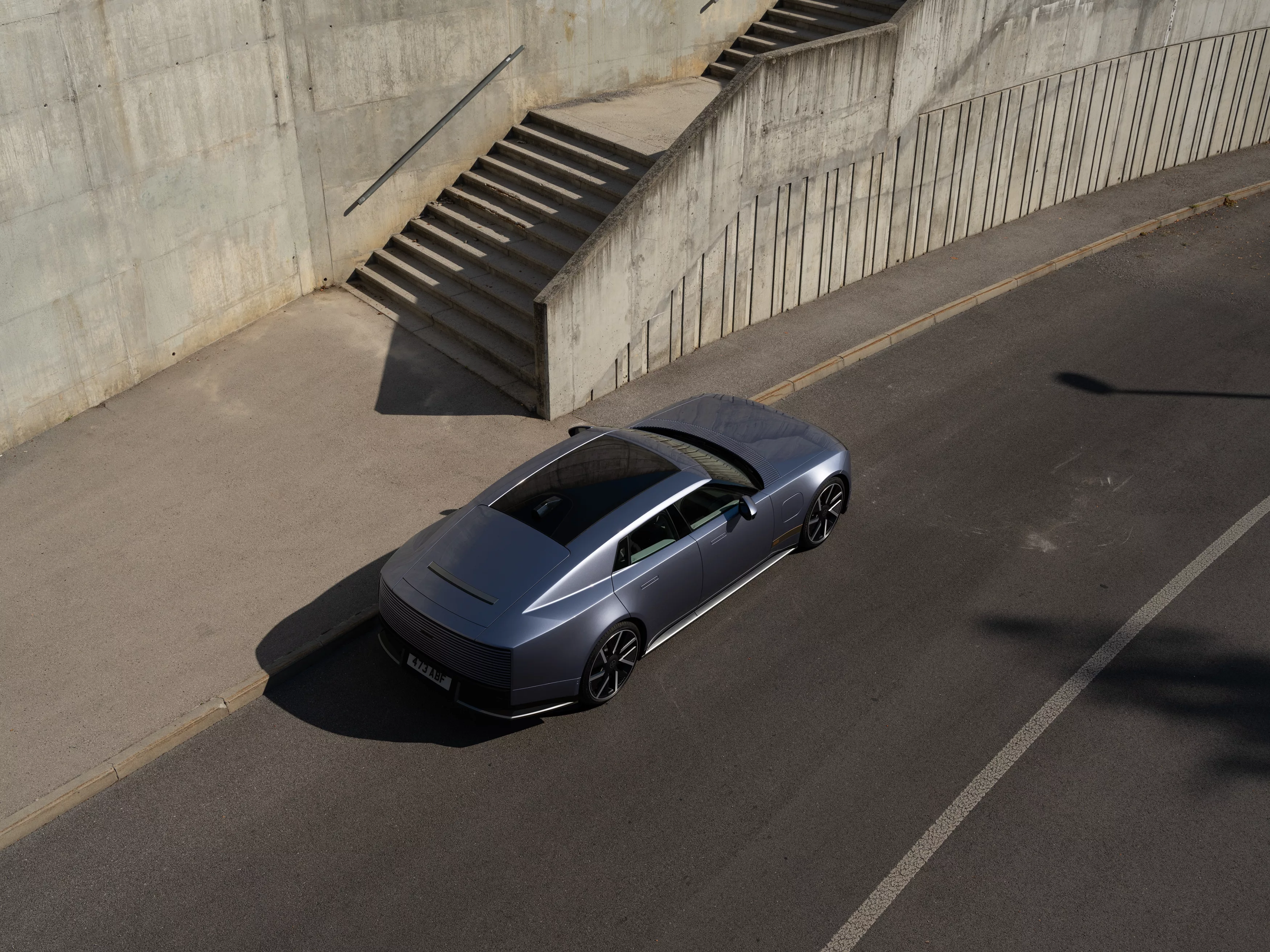
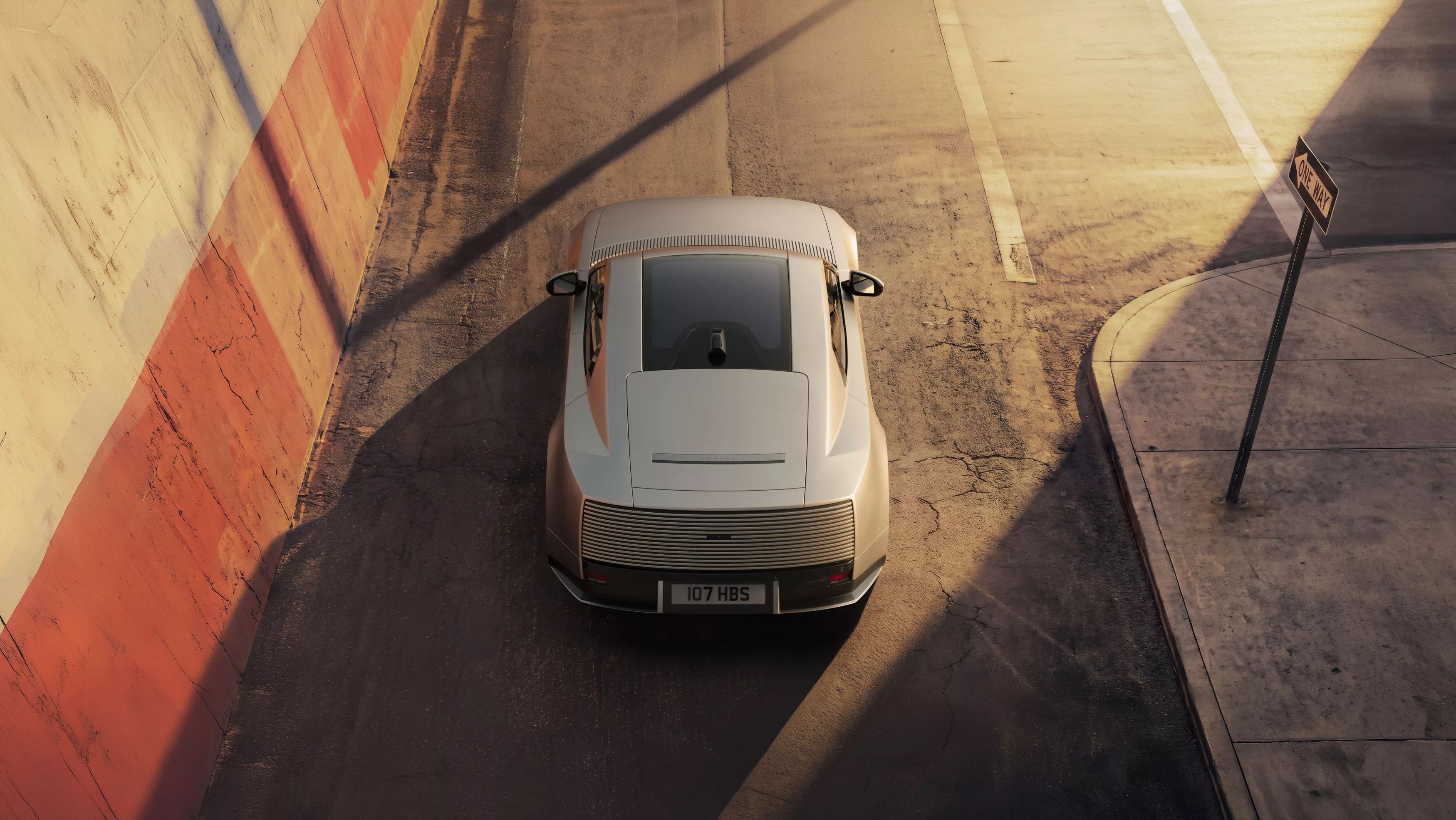
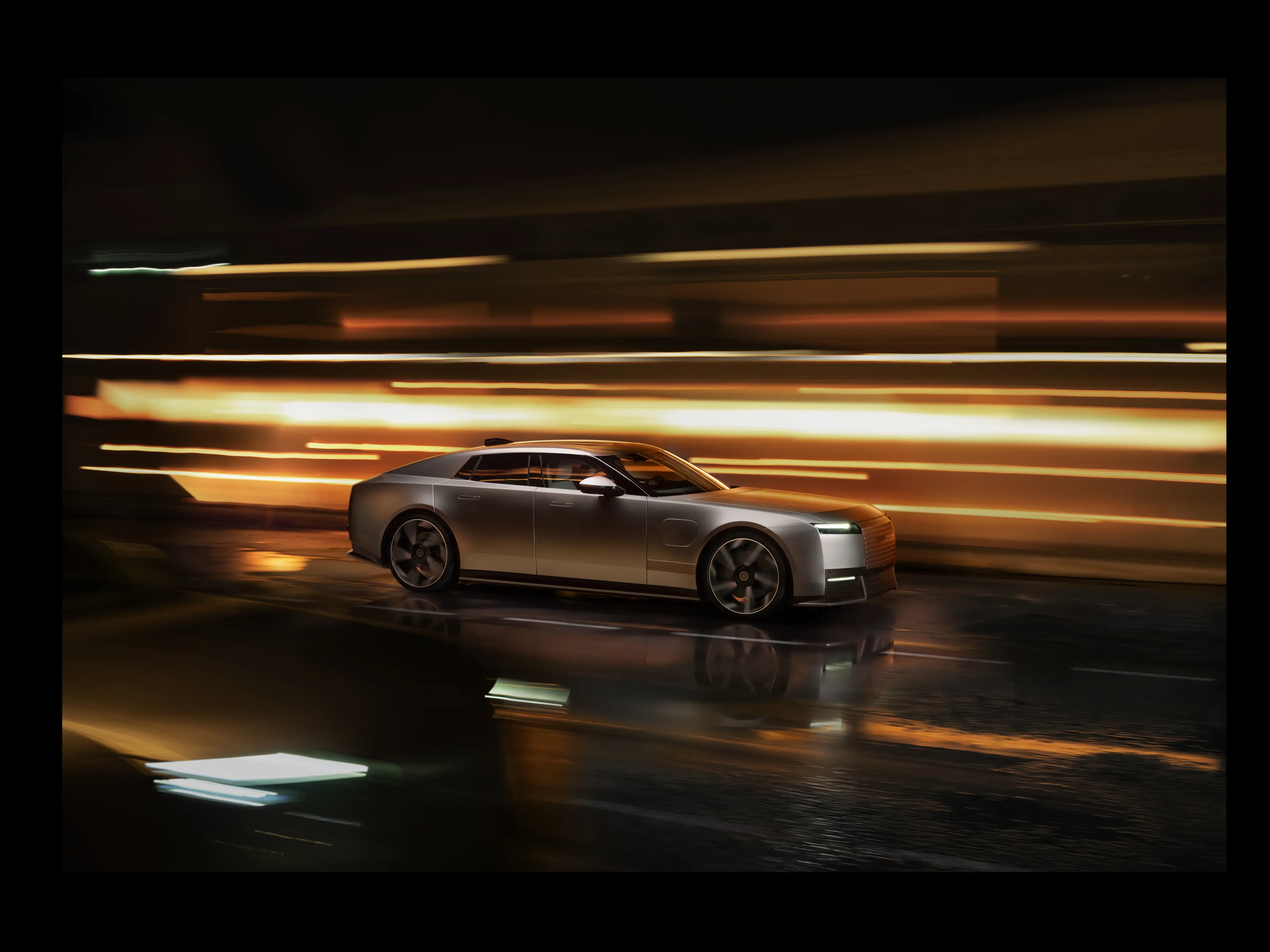
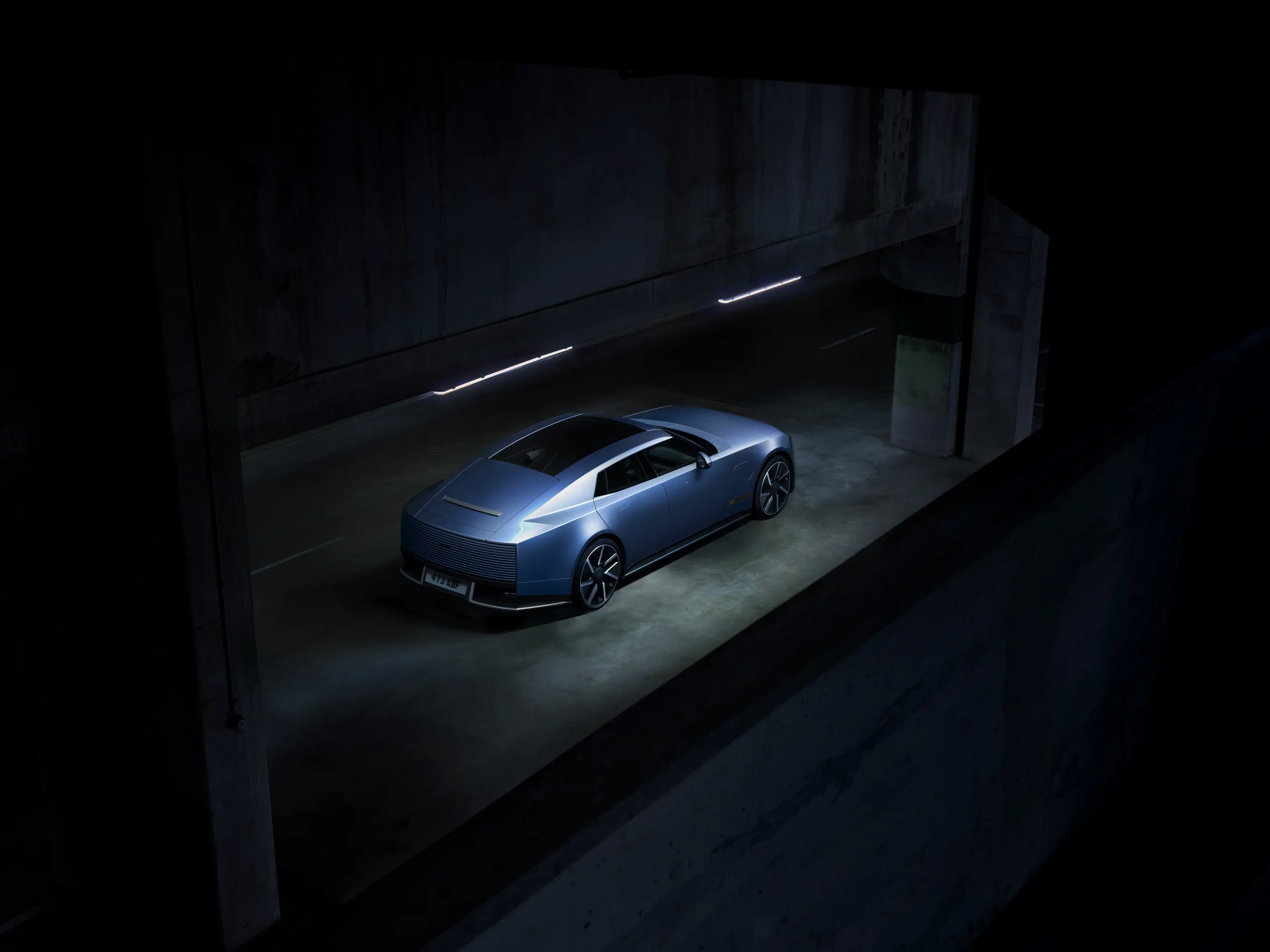
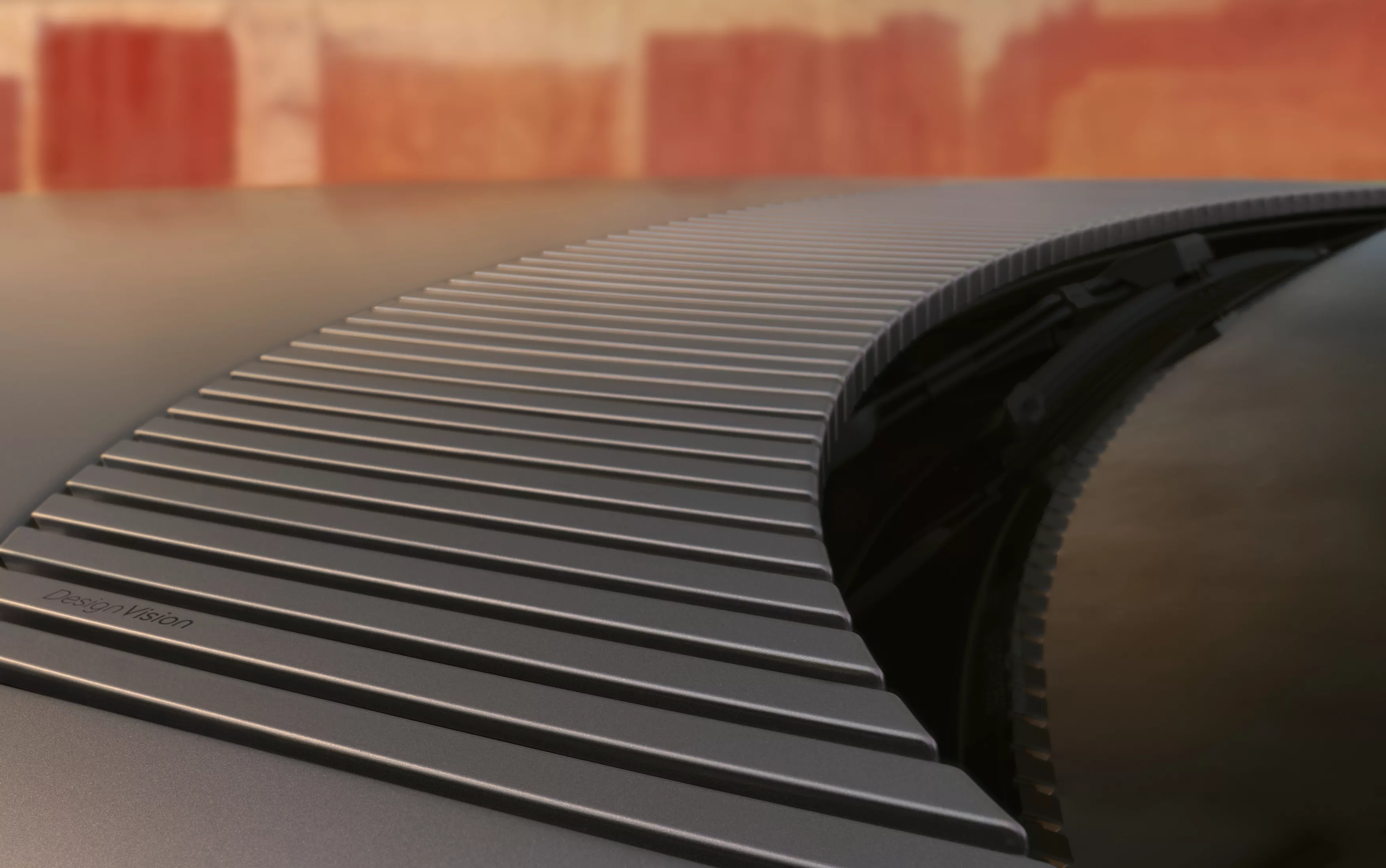
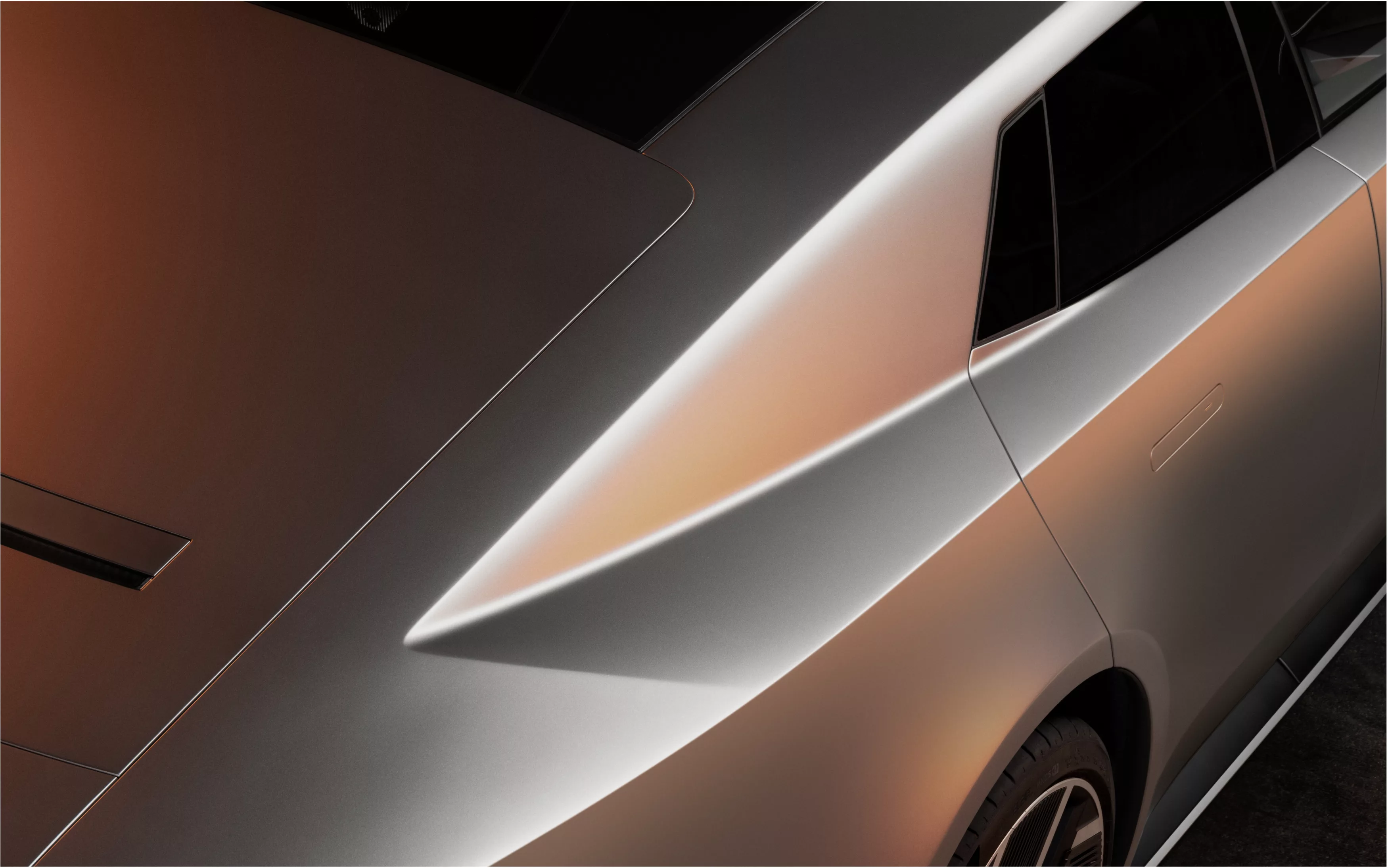
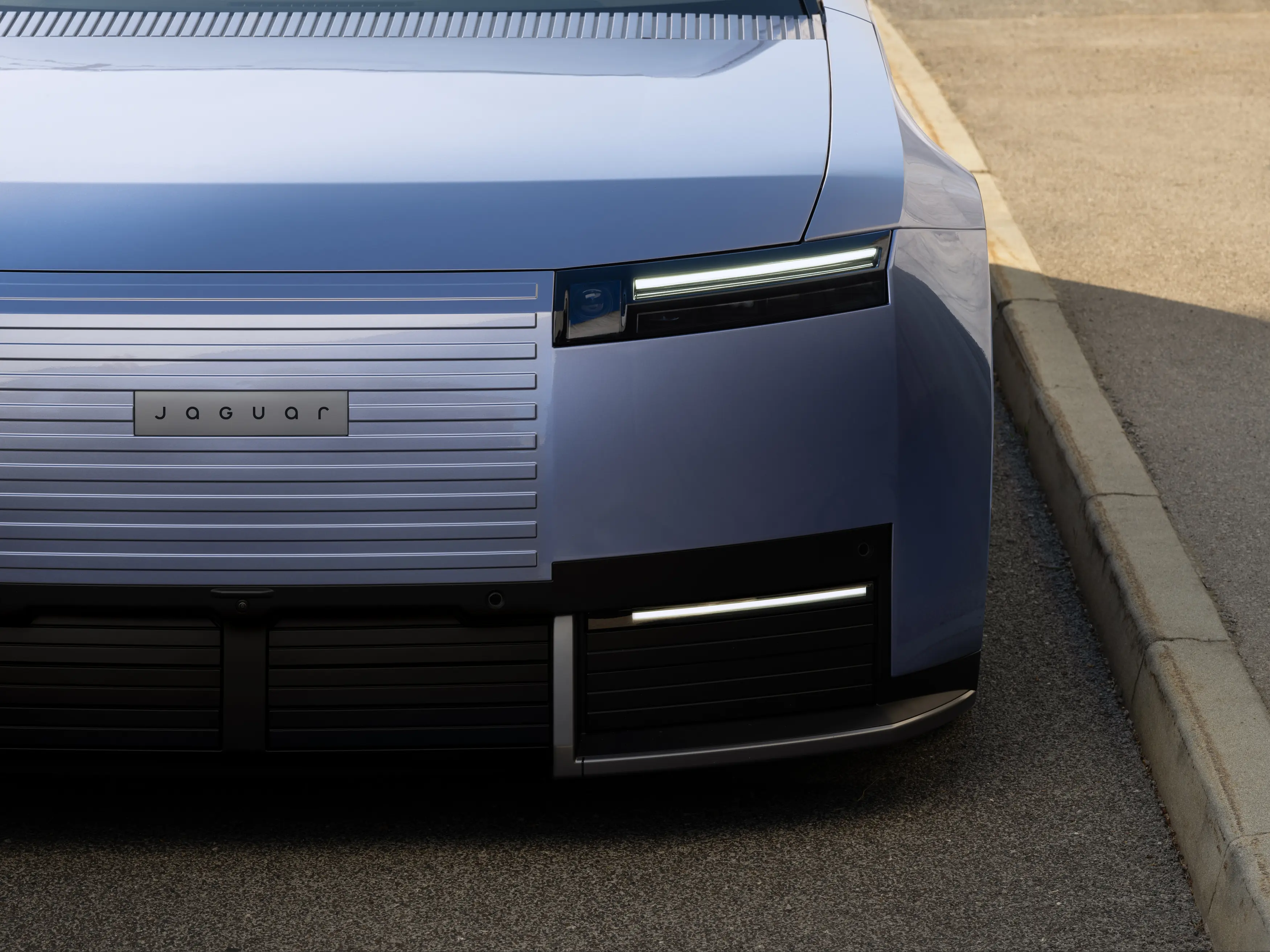
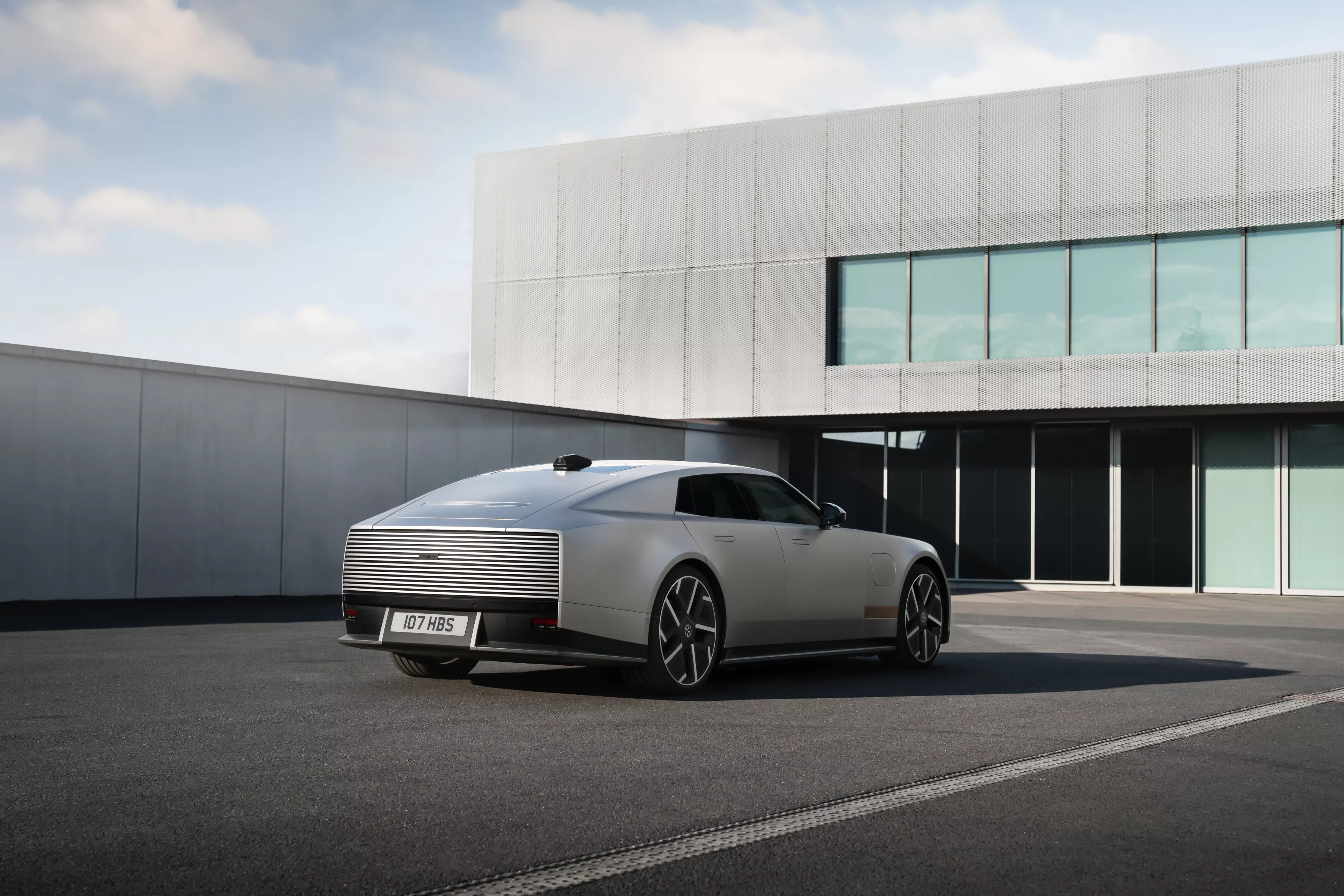
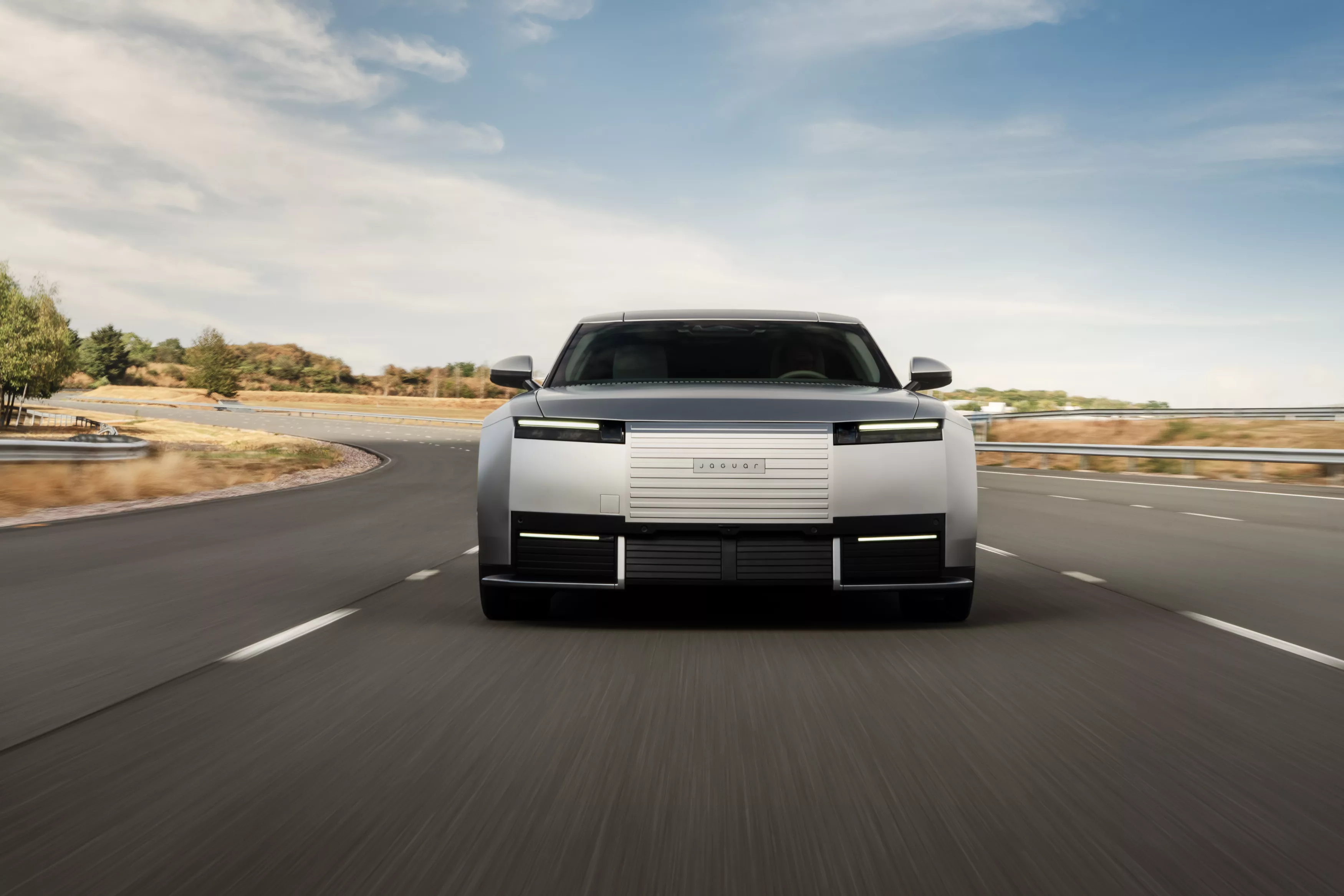
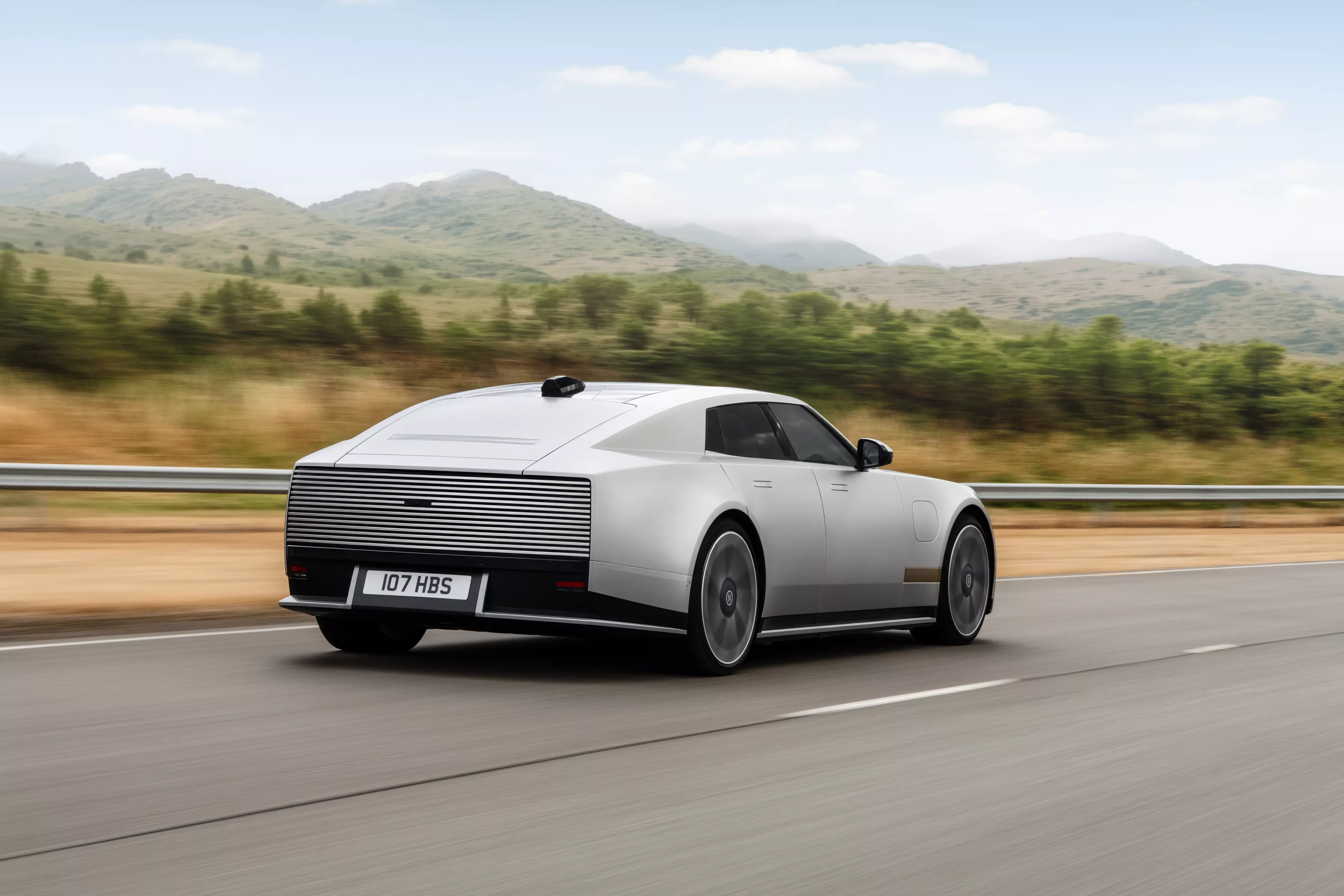
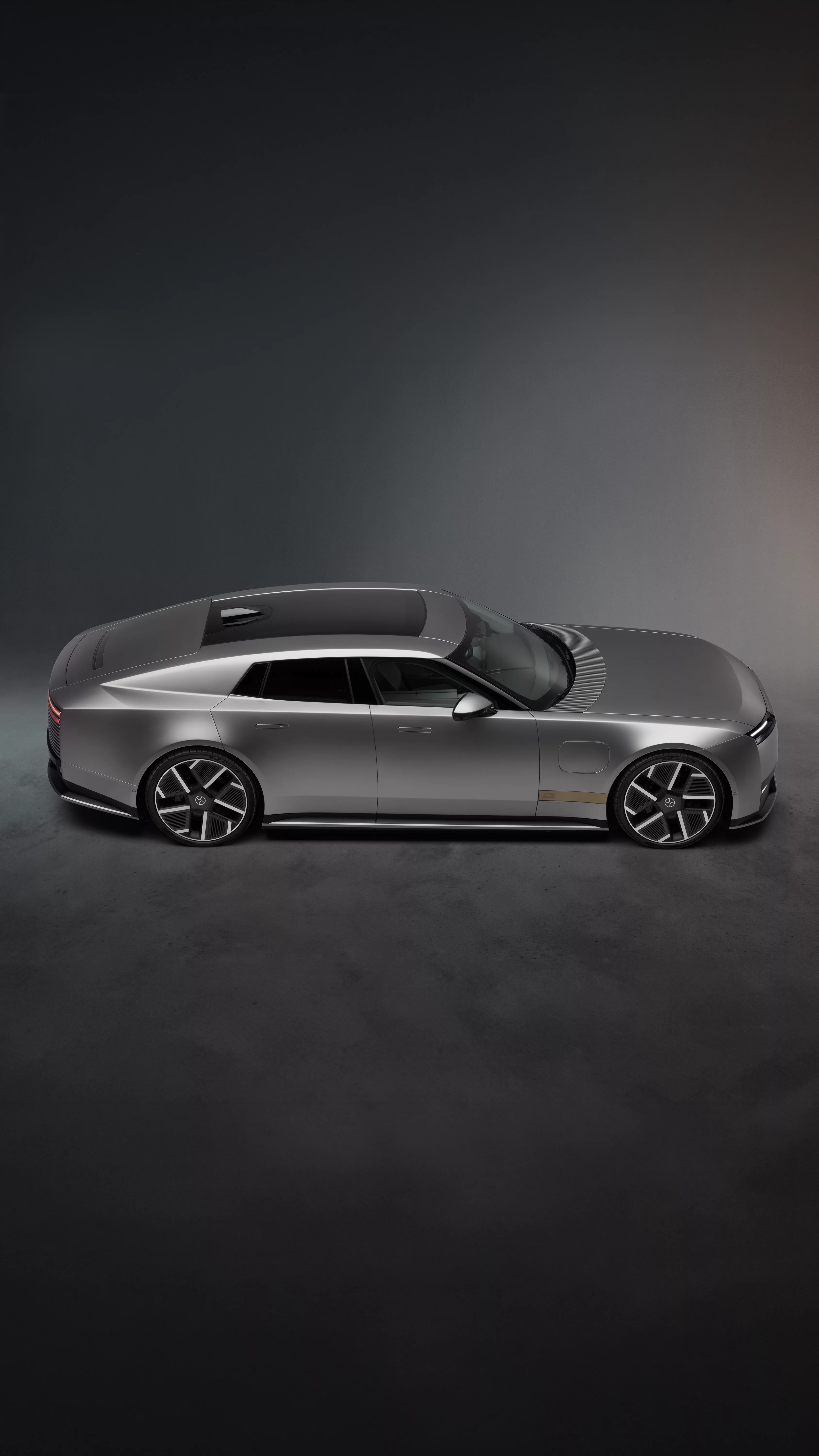
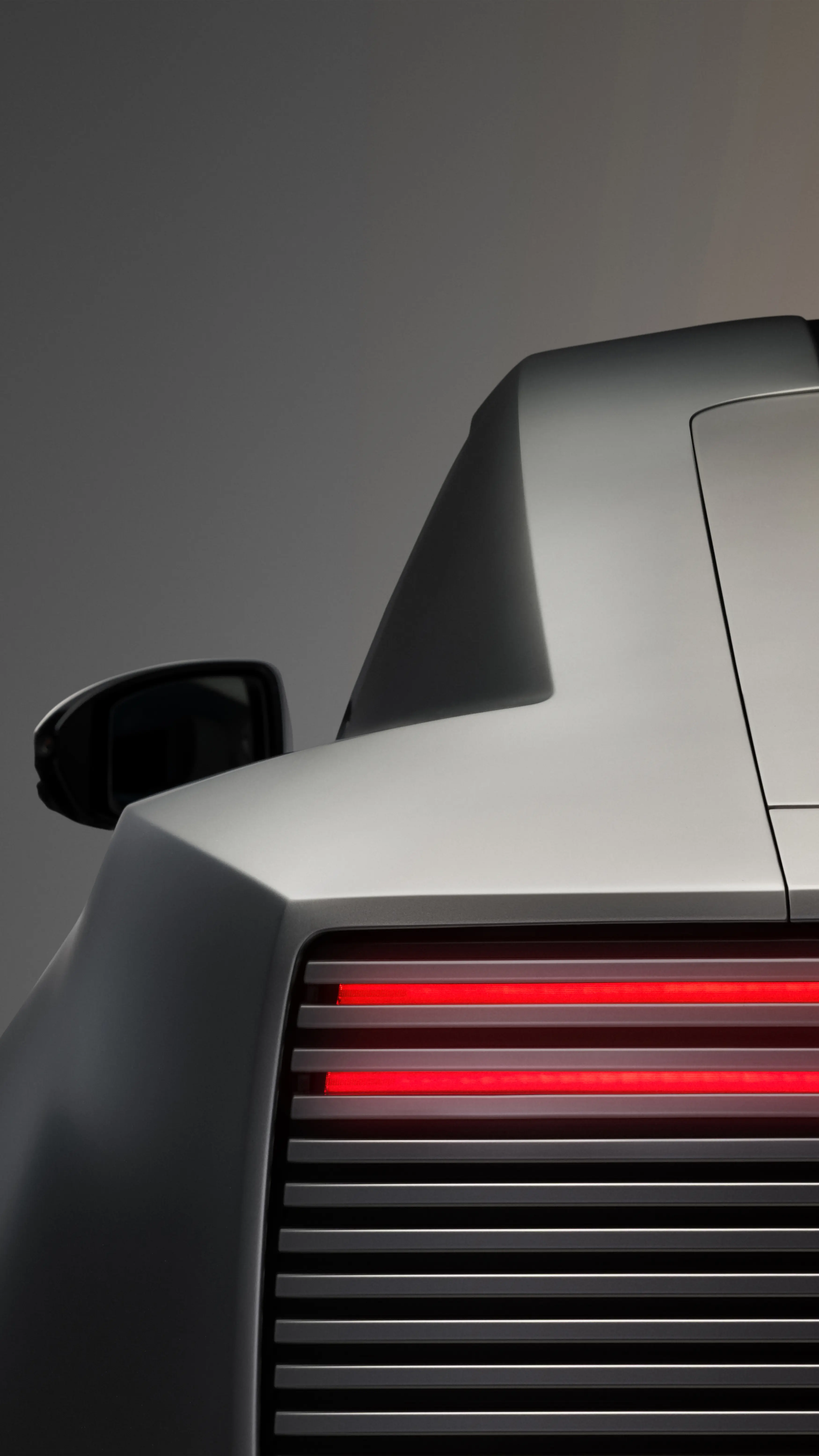
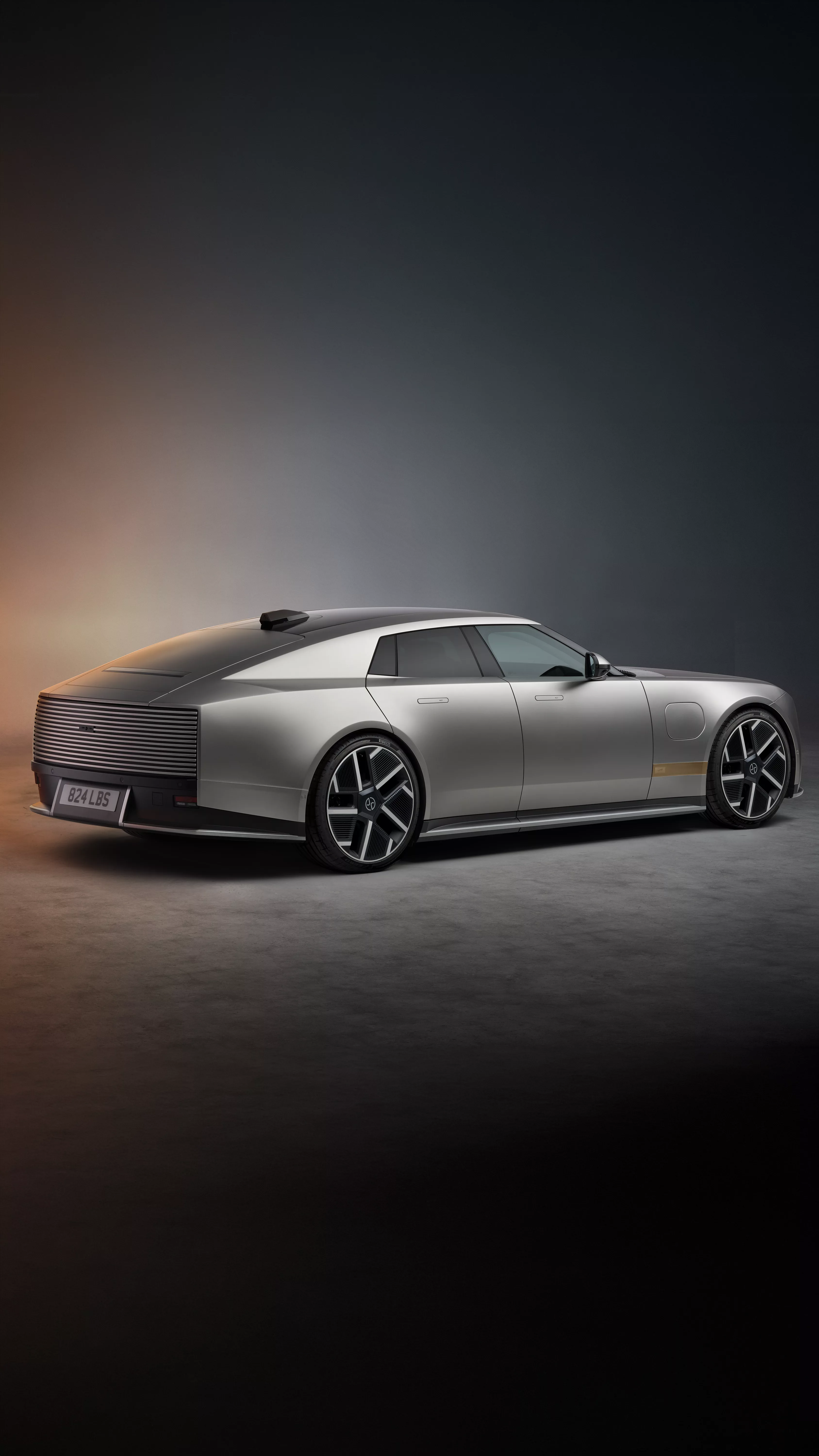
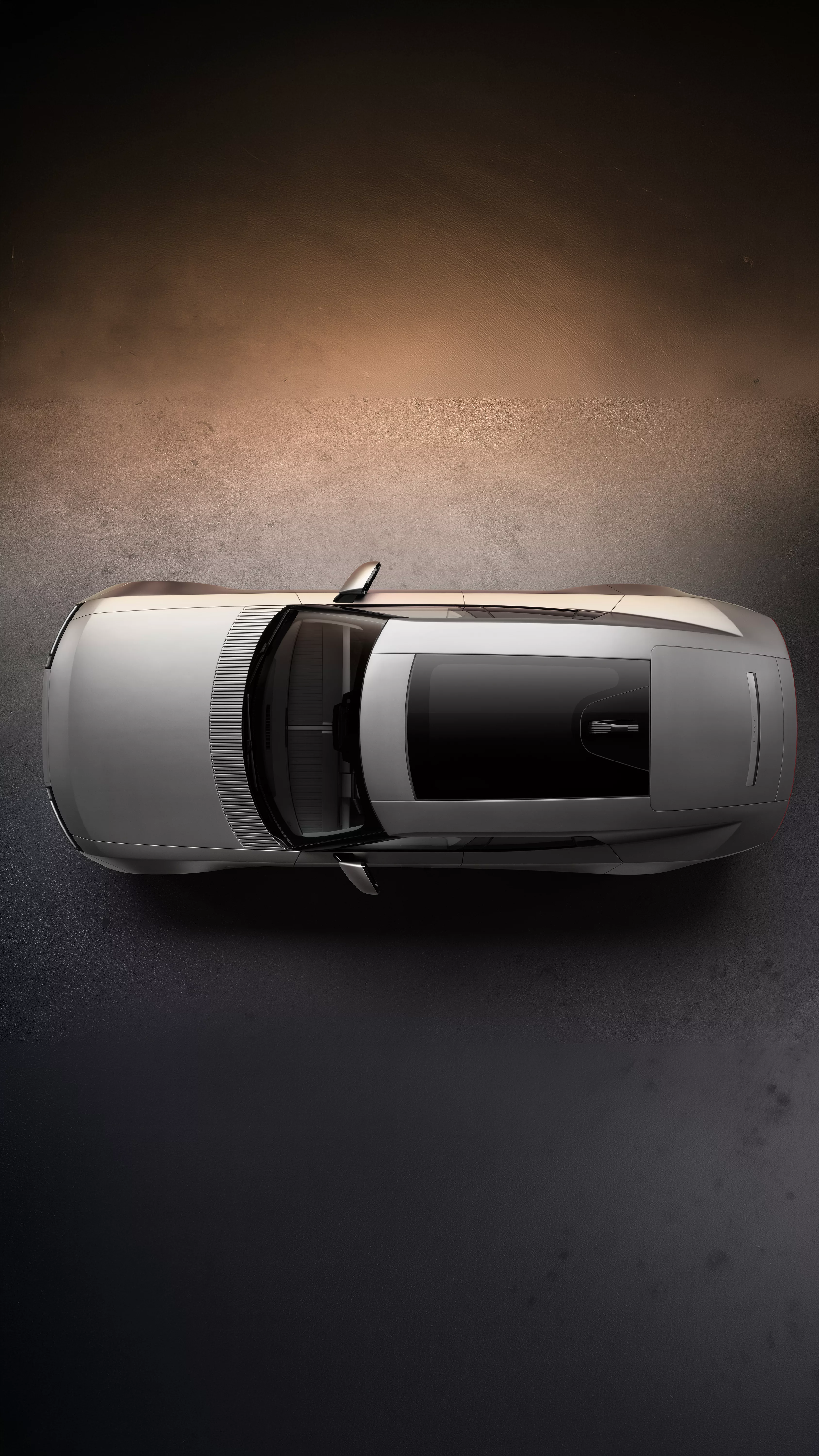

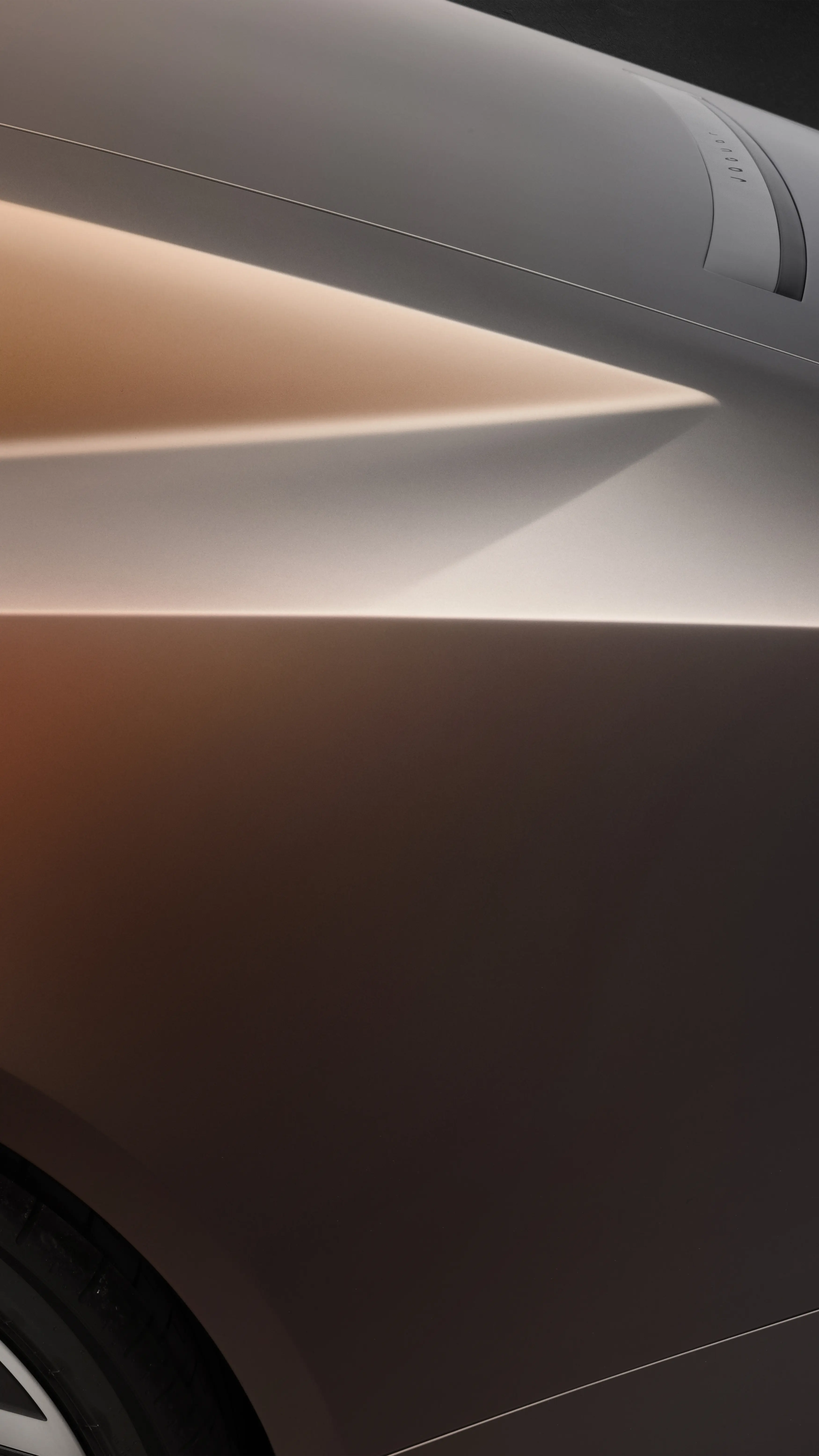
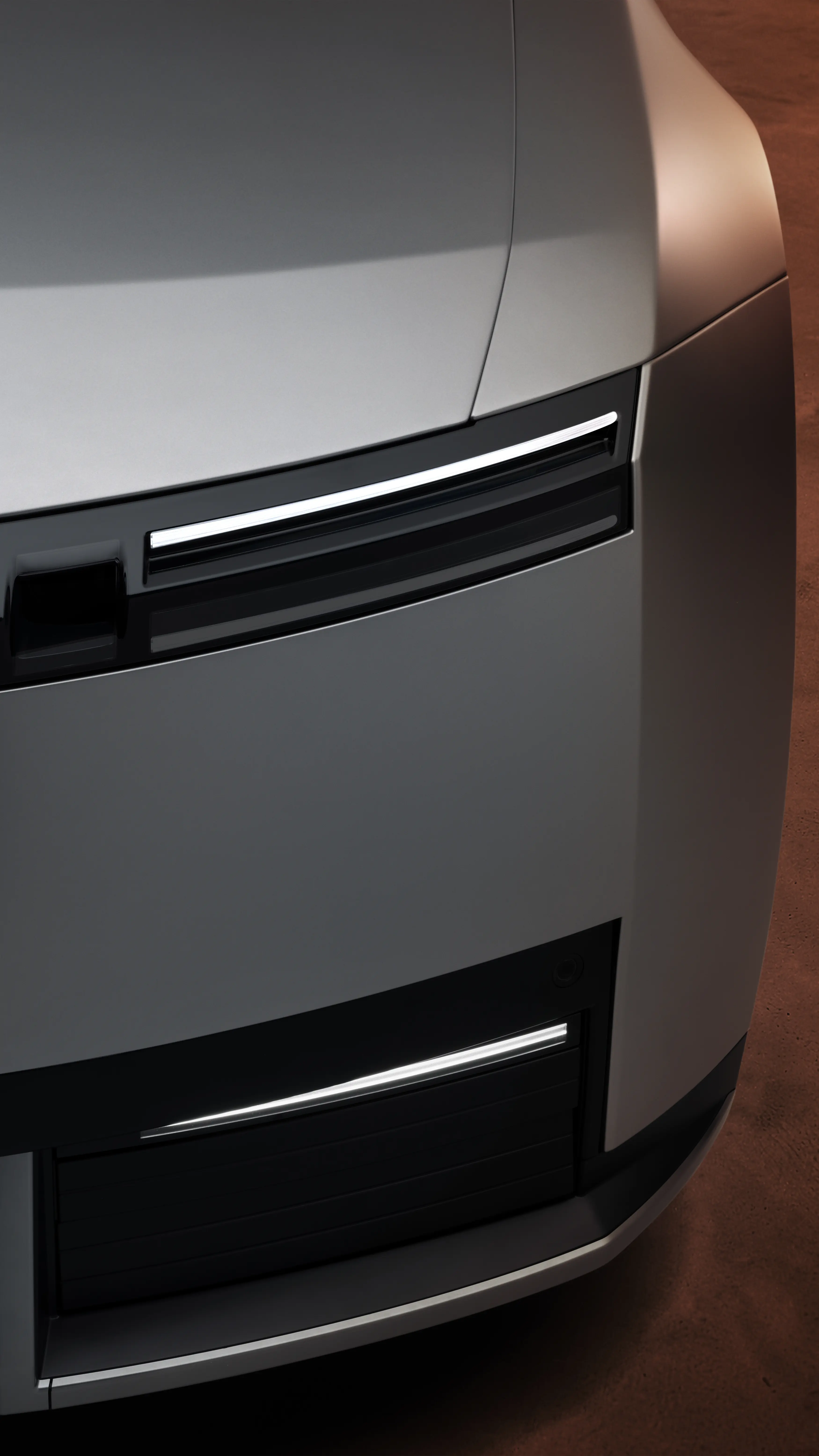
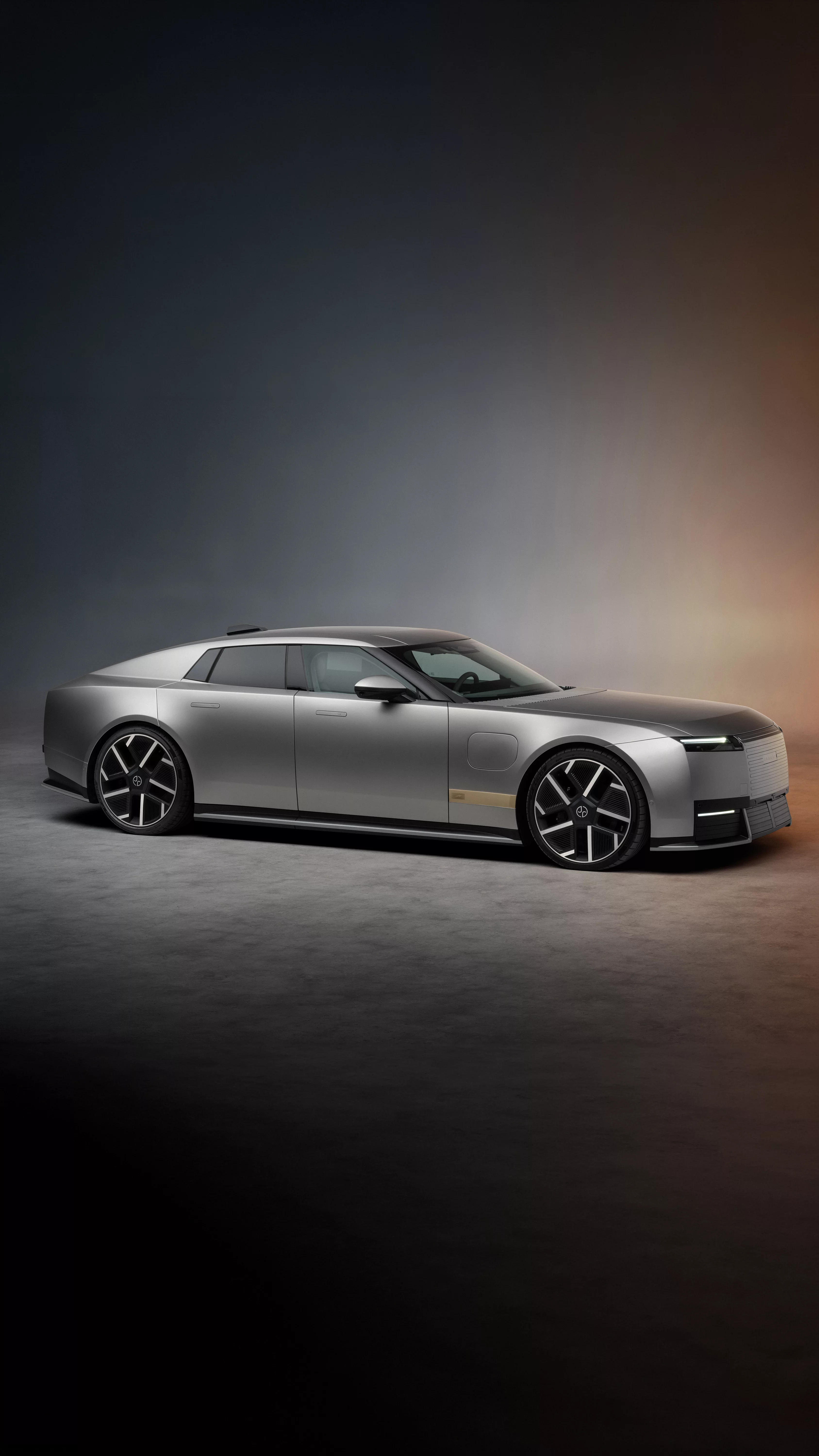
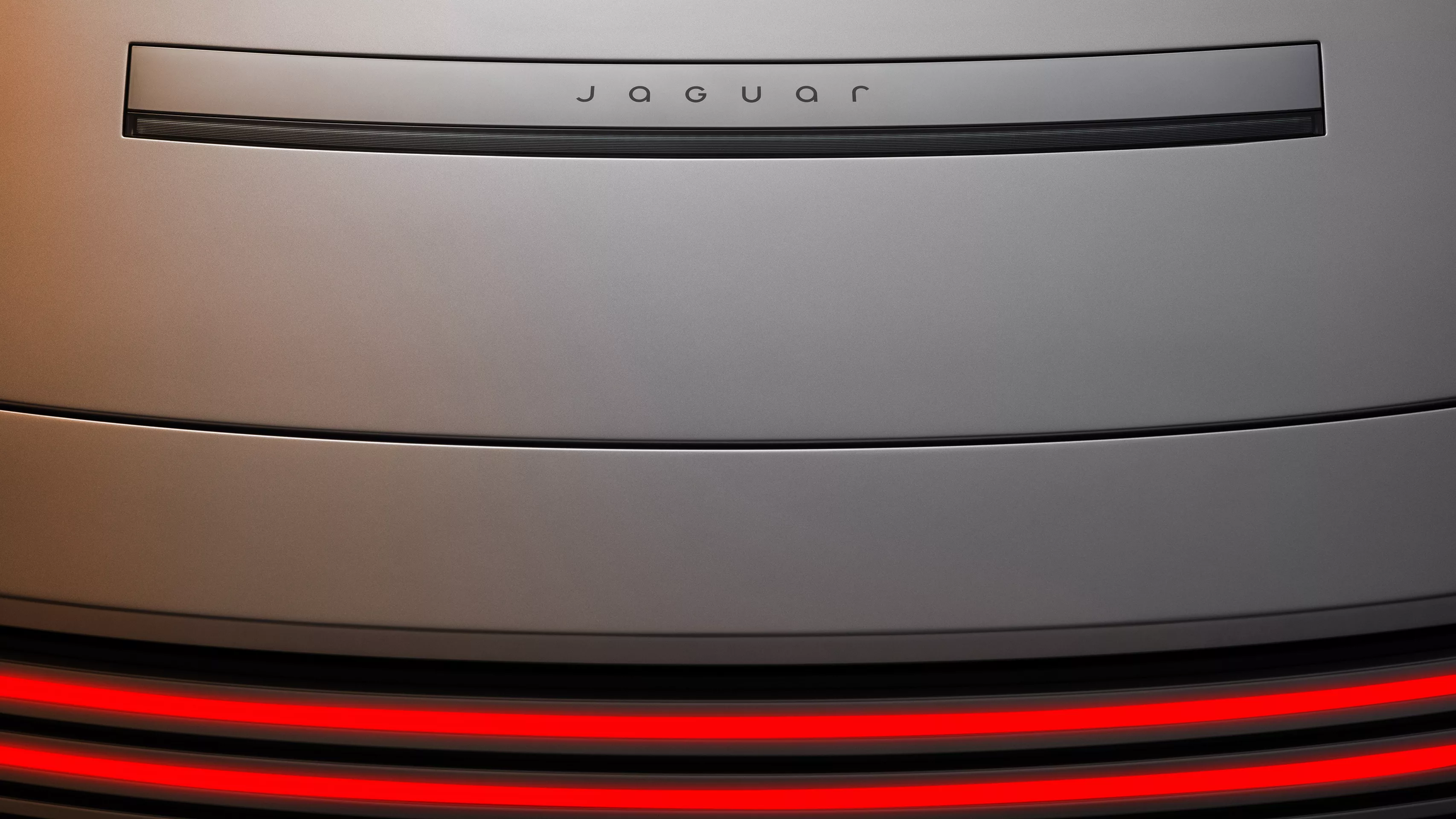
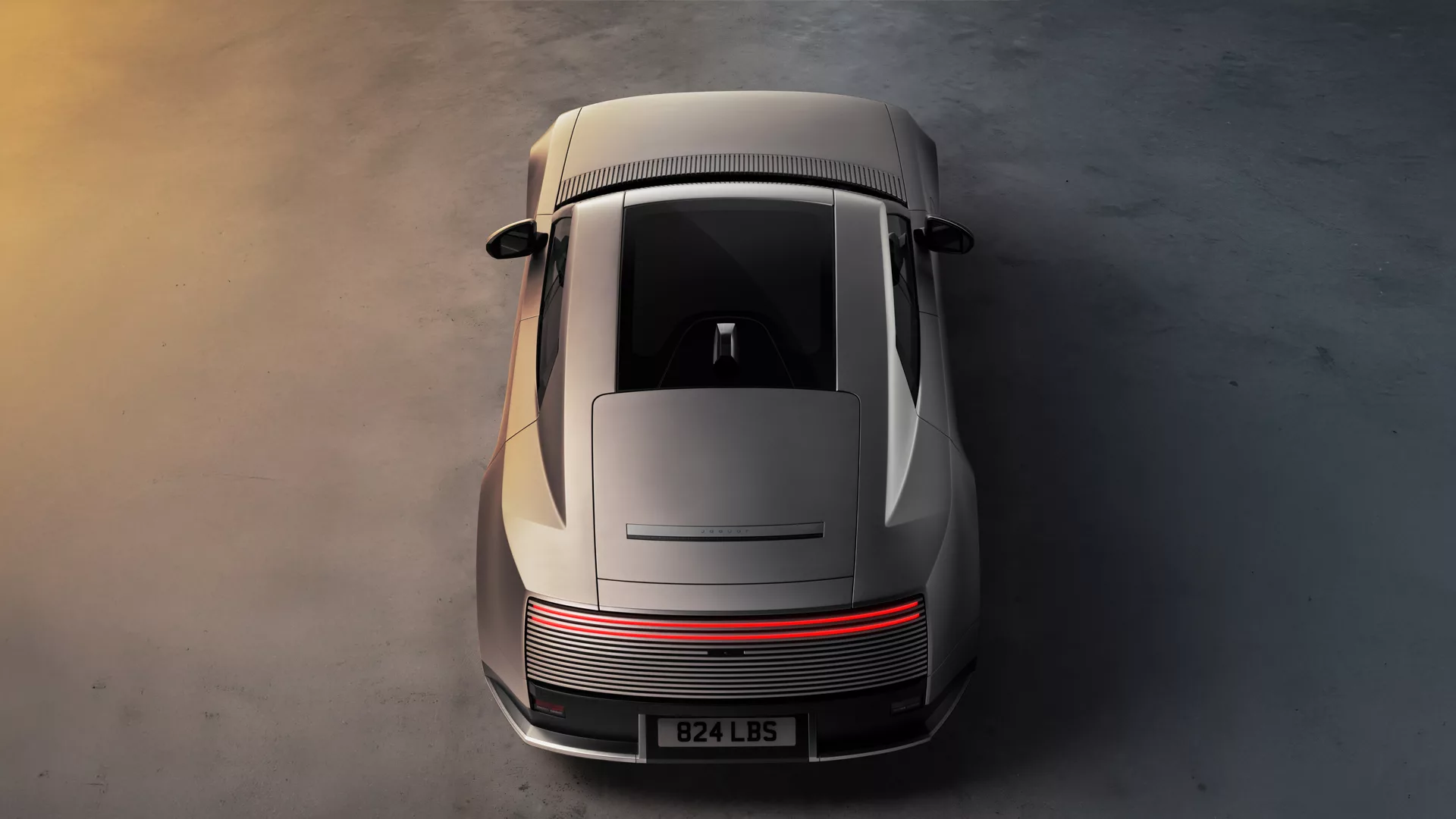
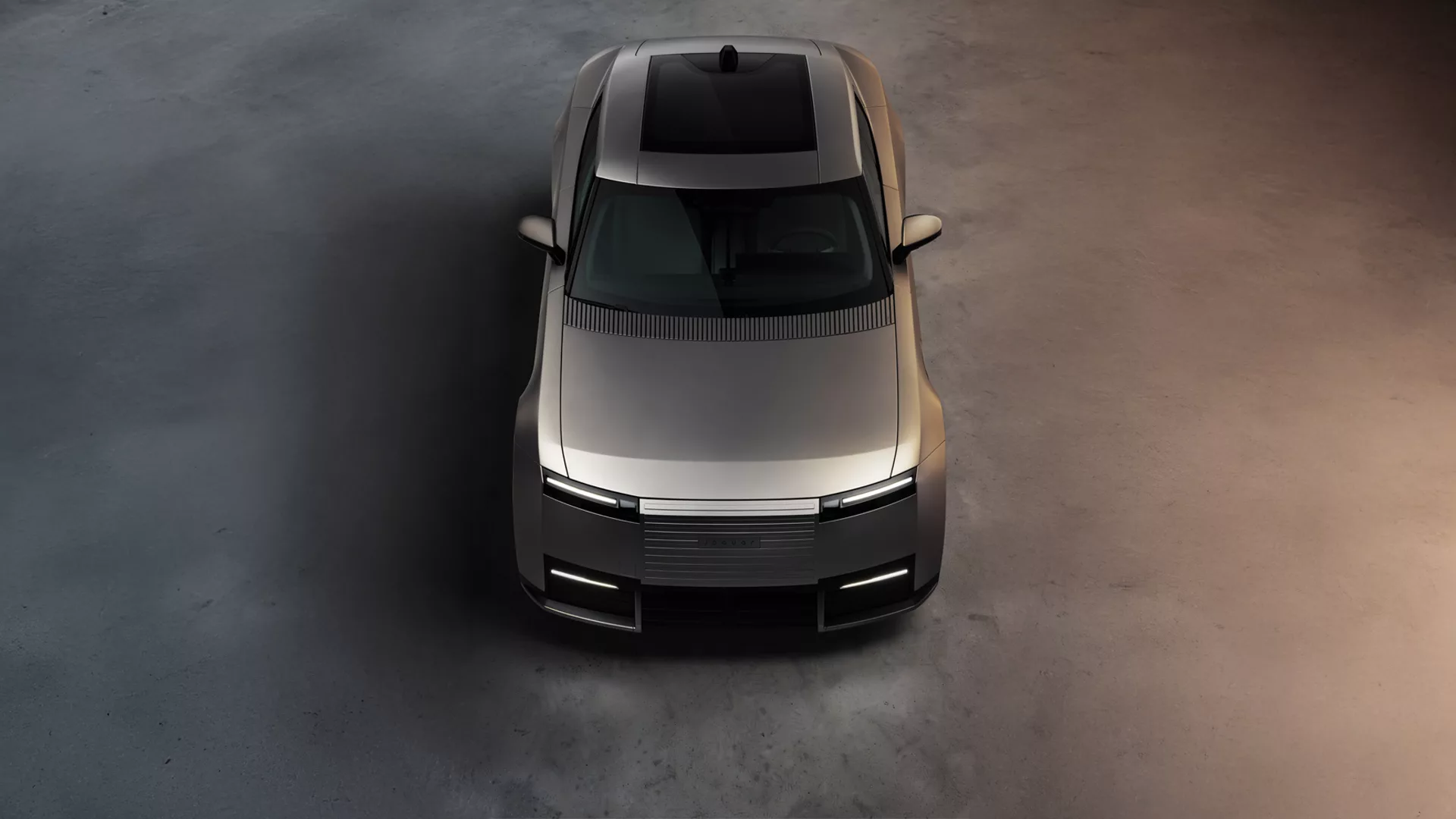
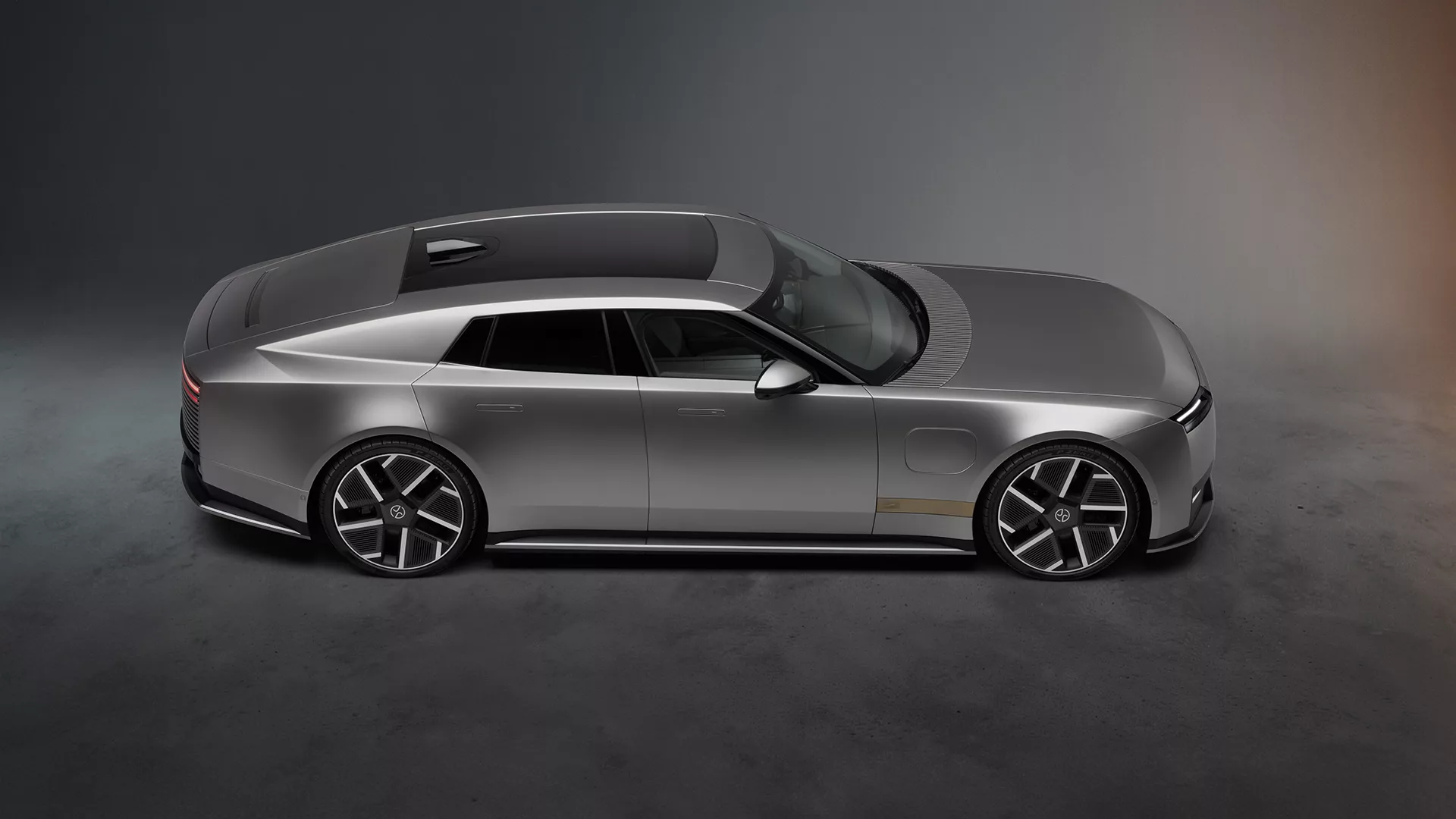
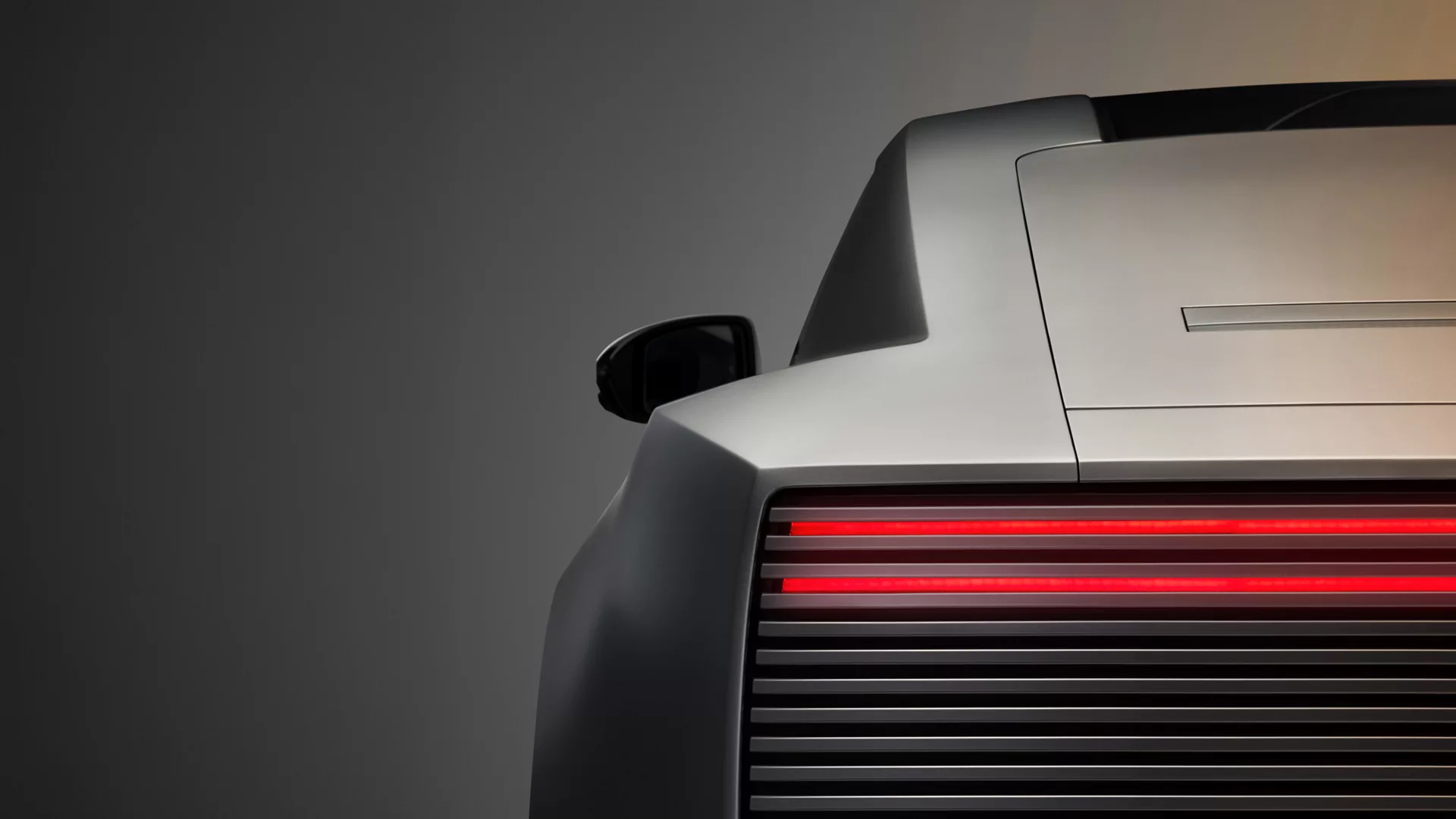
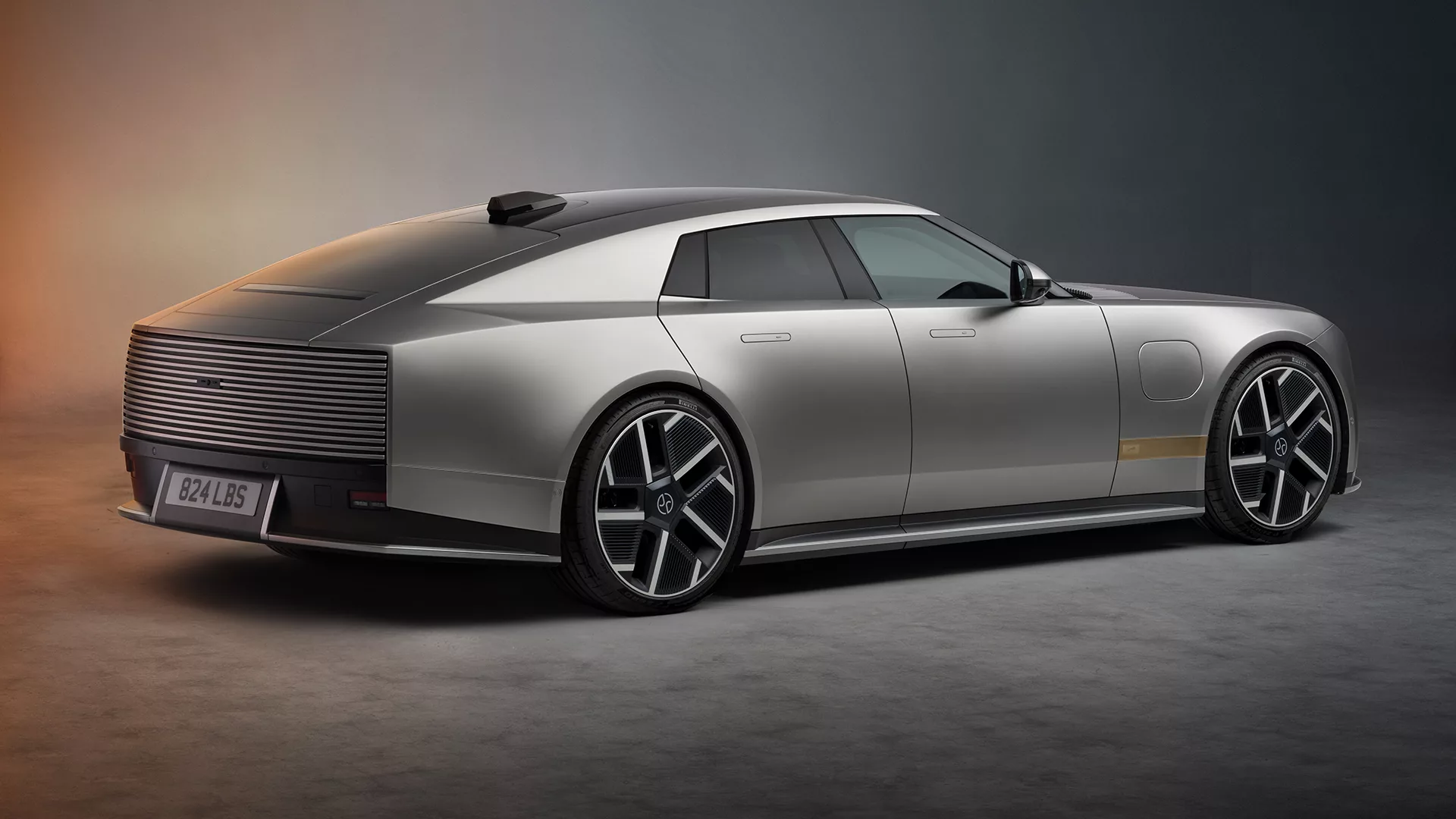
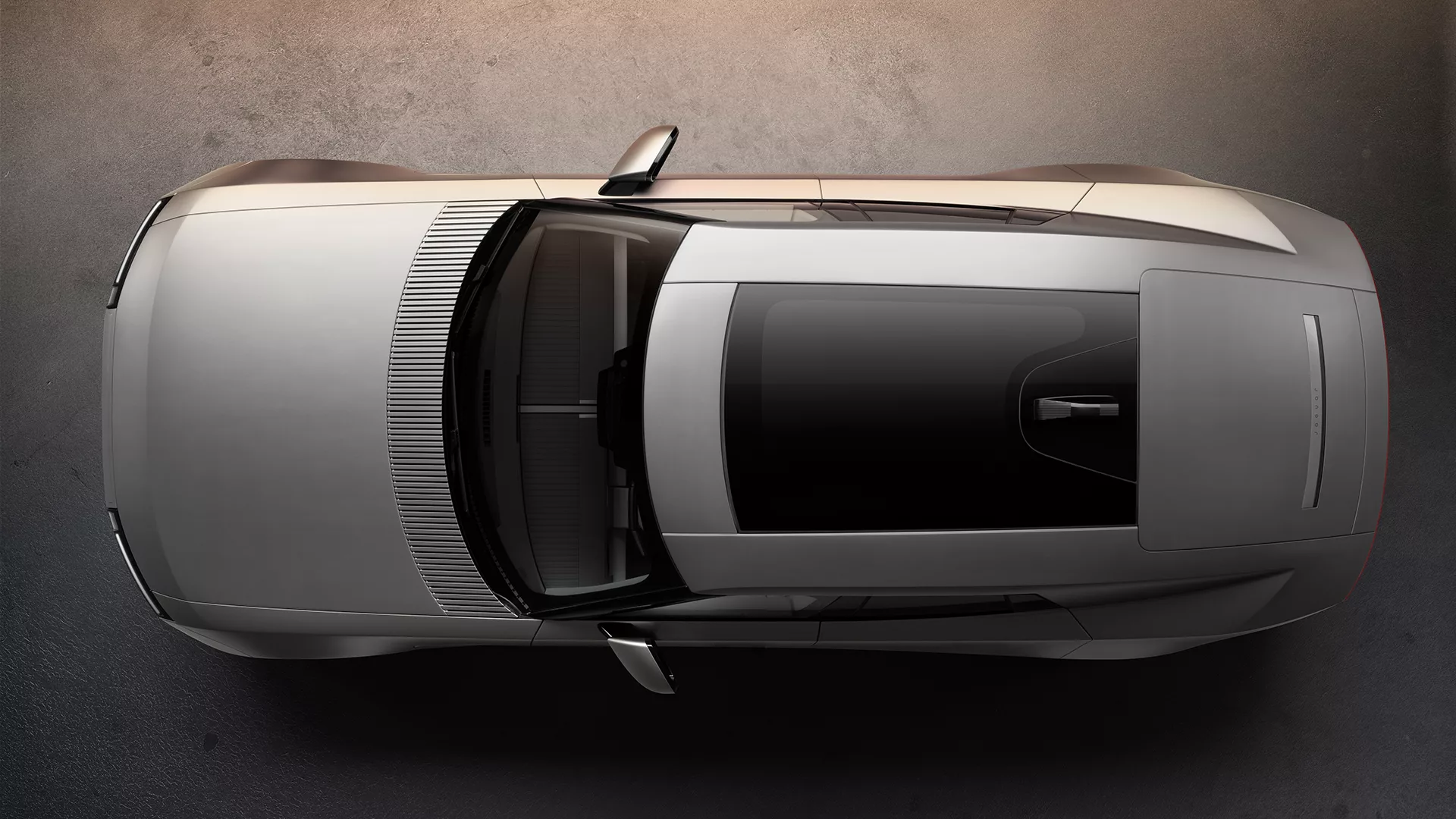
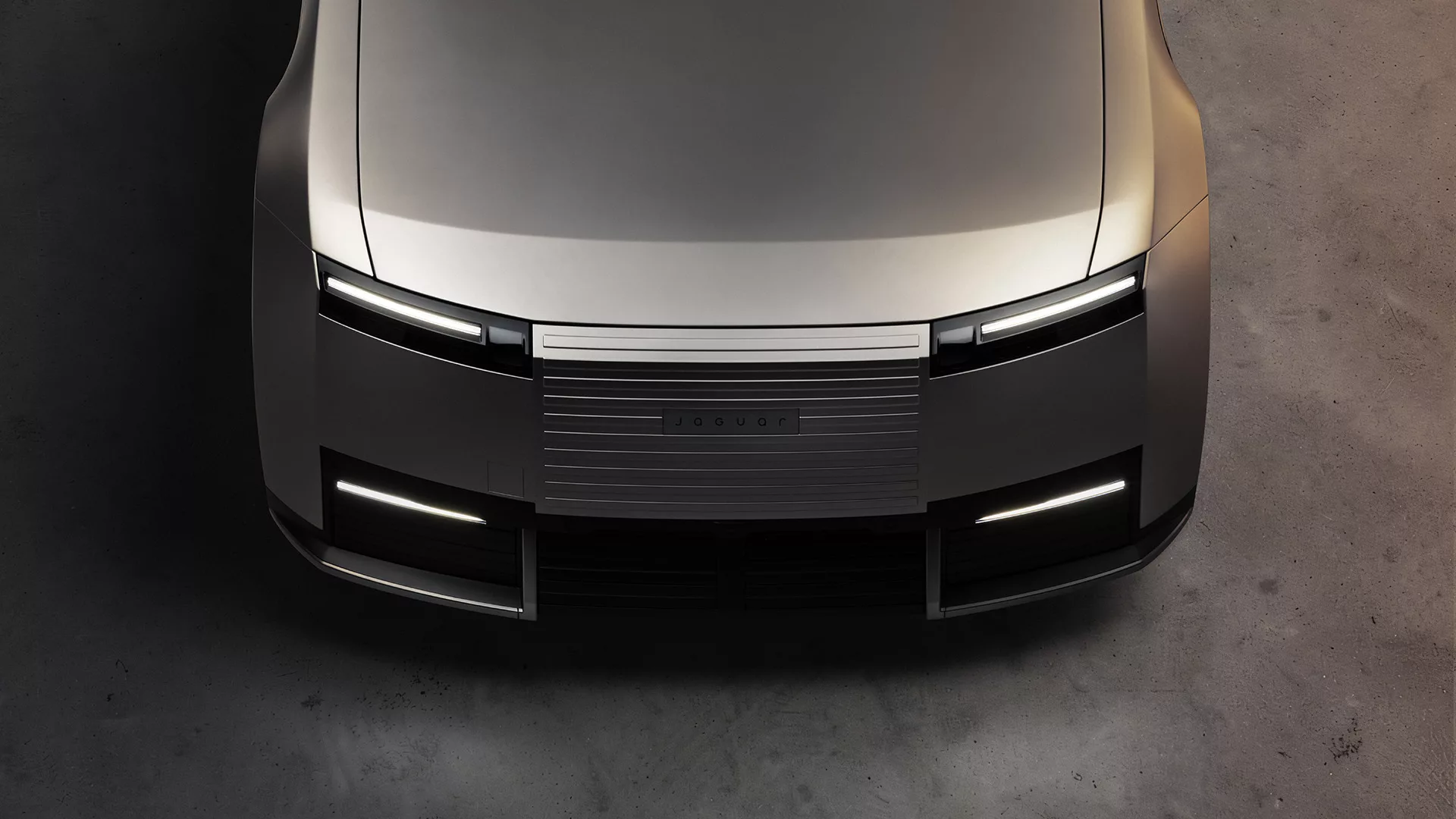
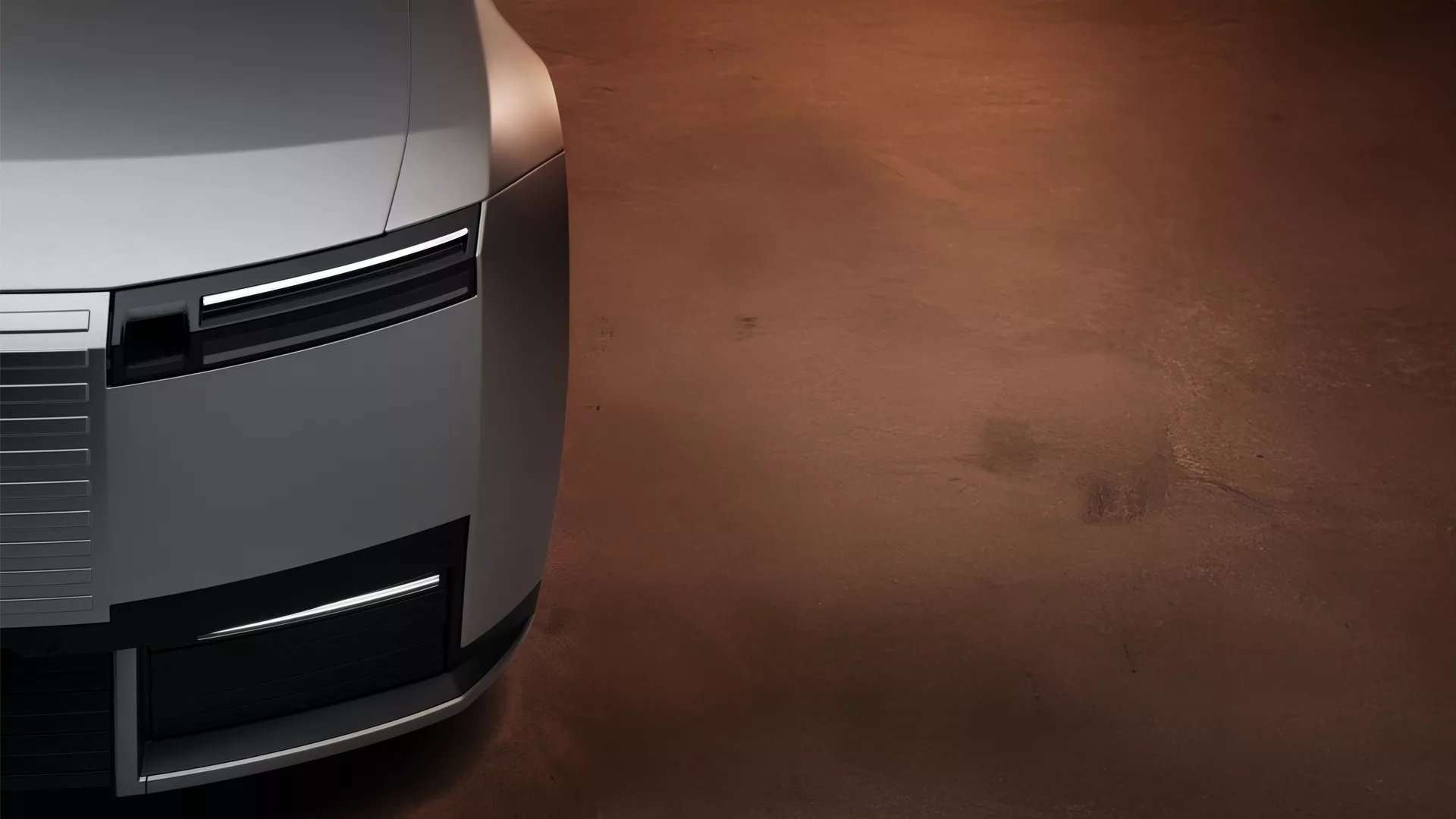
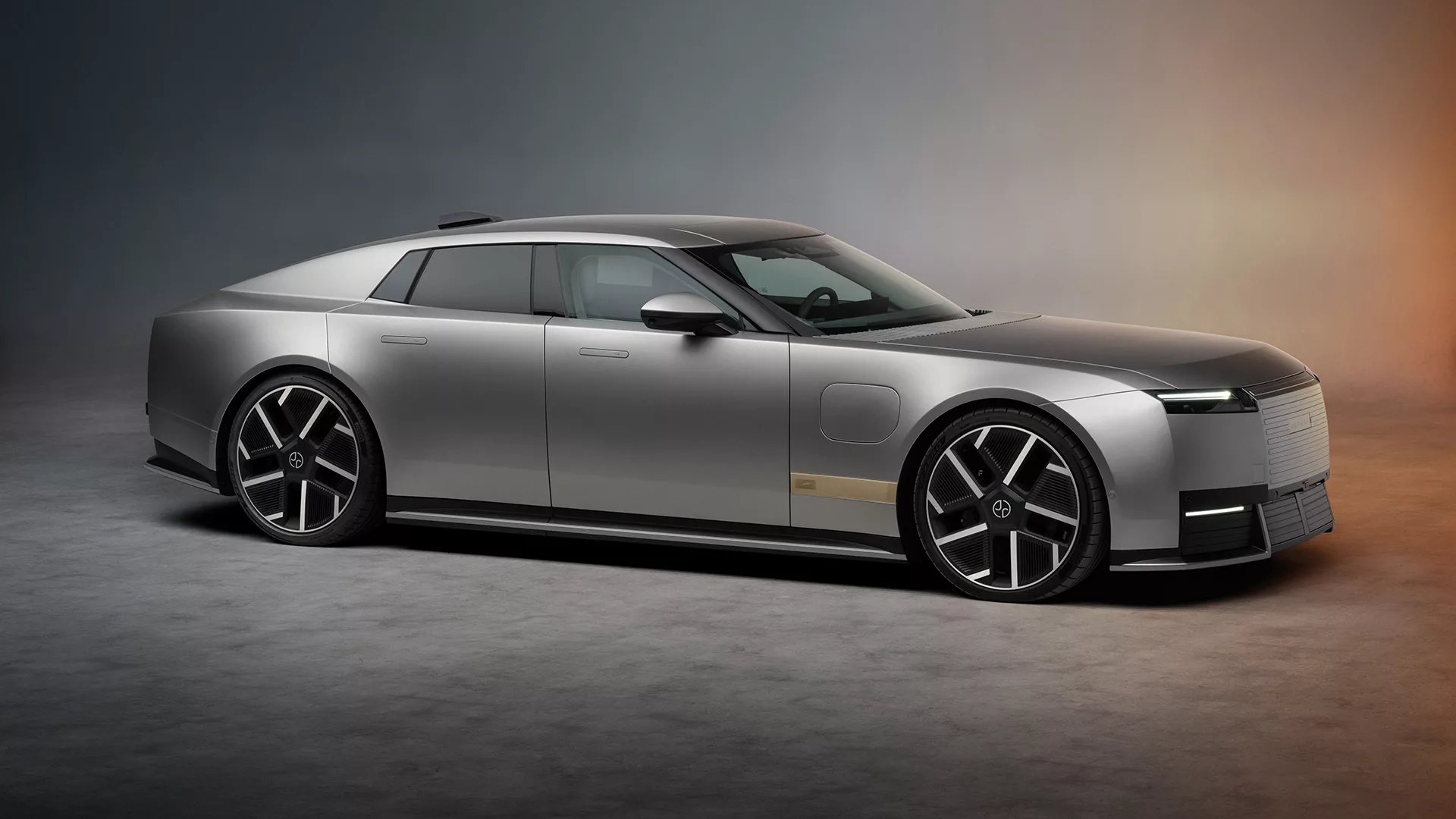

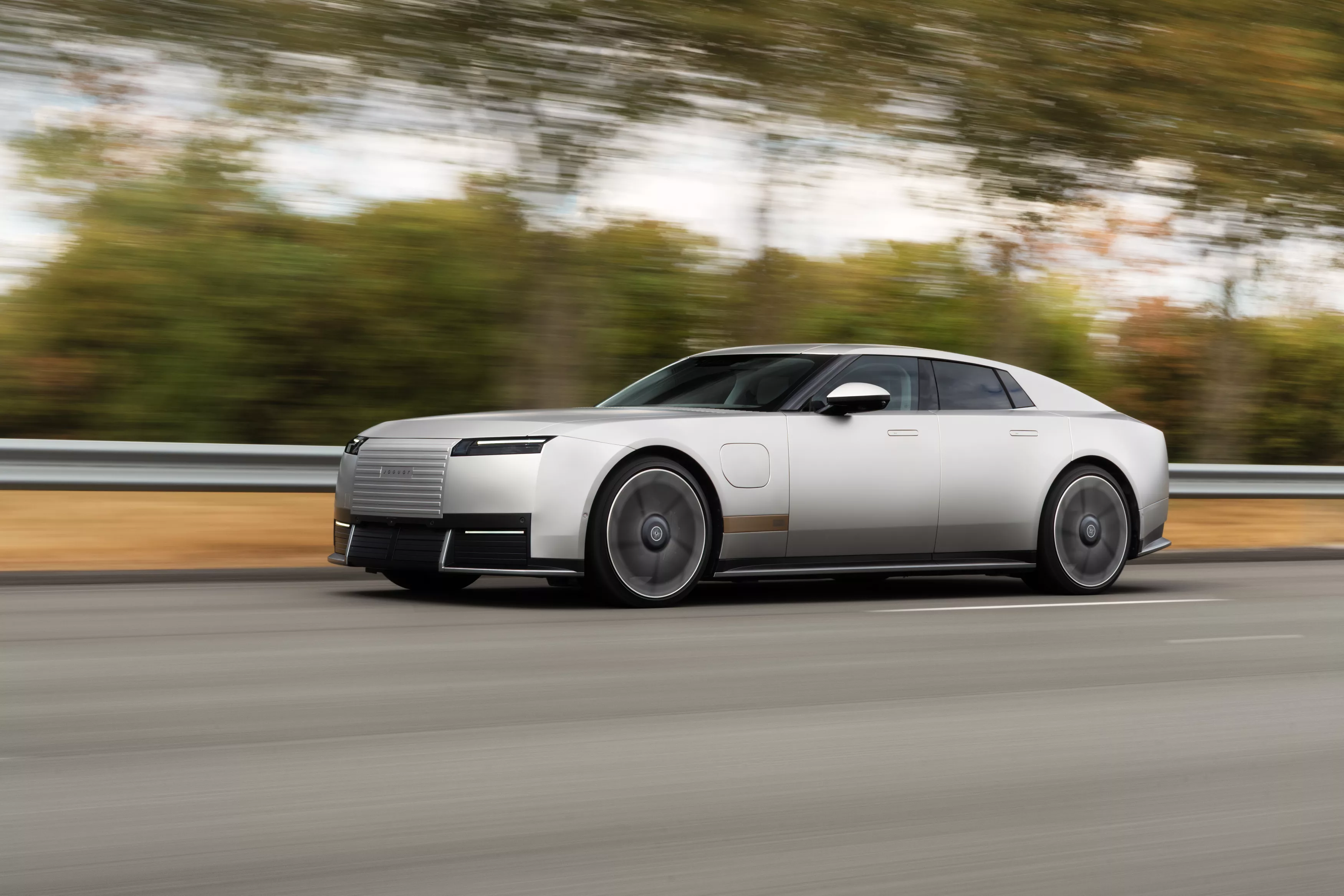
Jaguar has unveiled the Type 01 in New York, the first production car of its new era. The four-door electric GT develops up to 758 kW and 1,365 Nm, uses a 118 kWh battery and, according to the manufacturer's preliminary estimate, offers a WLTP range of up to 720 km. More important, though, is the bodywork: the Type 01 retains a surprising amount of the 2024 Type 00 concept's proportions and makes no attempt to look like yet another aerodynamic electric saloon.
The Type 00 was more than a shock-value concept
The Type 00 unveiled in 2024 looked so extreme that a much more conventional production car seemed likely. The Type 01 proves otherwise.
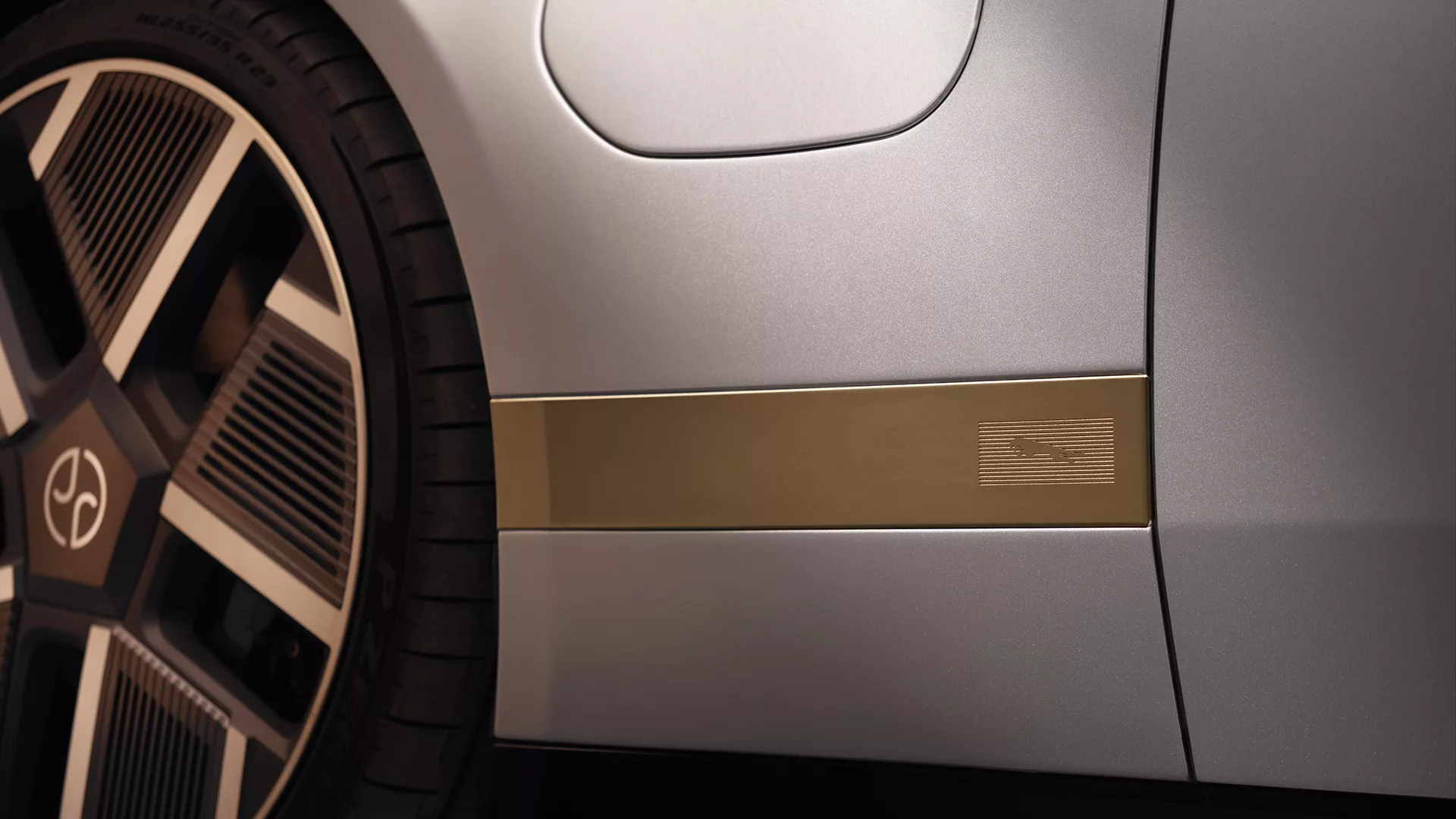
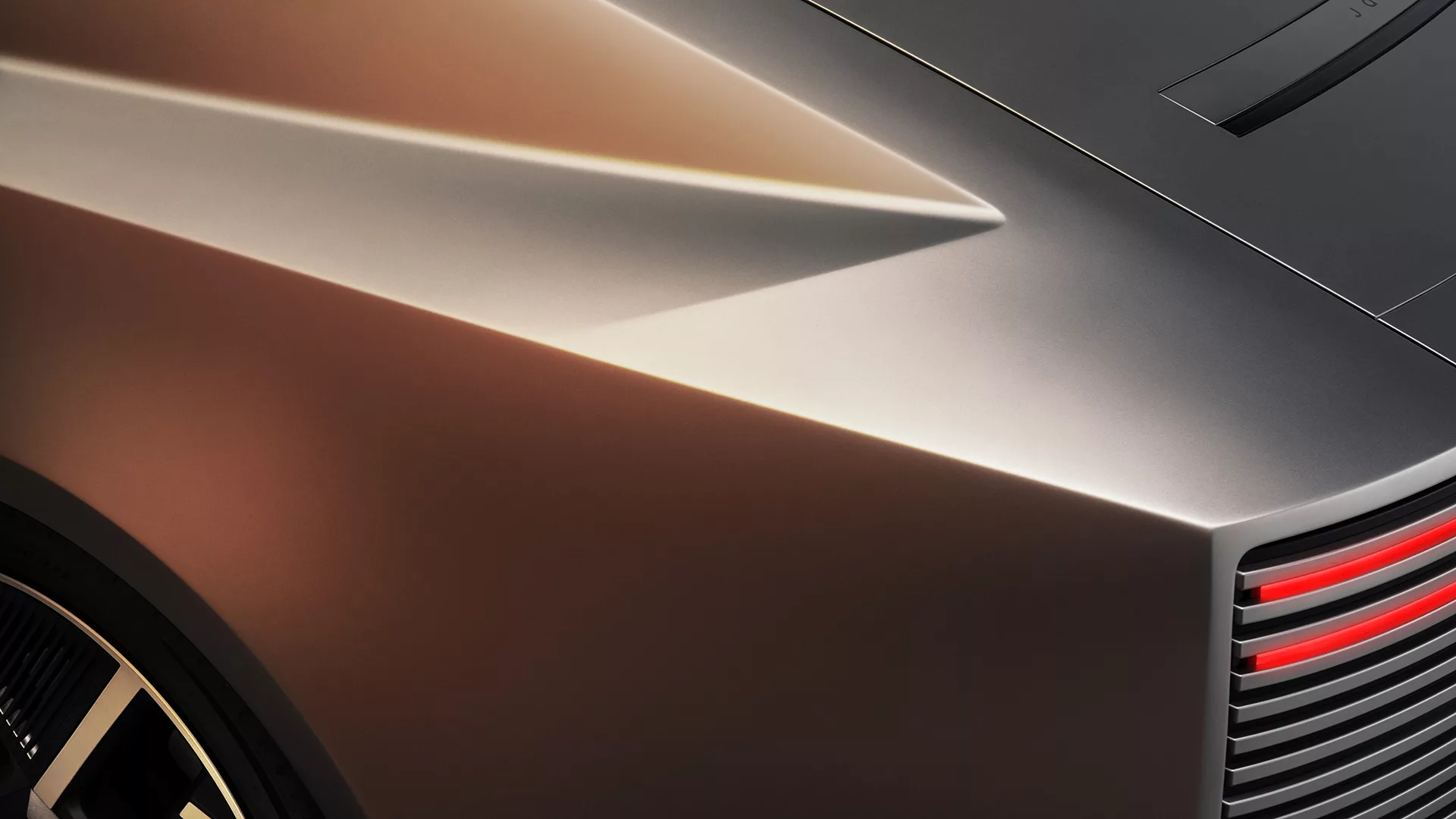
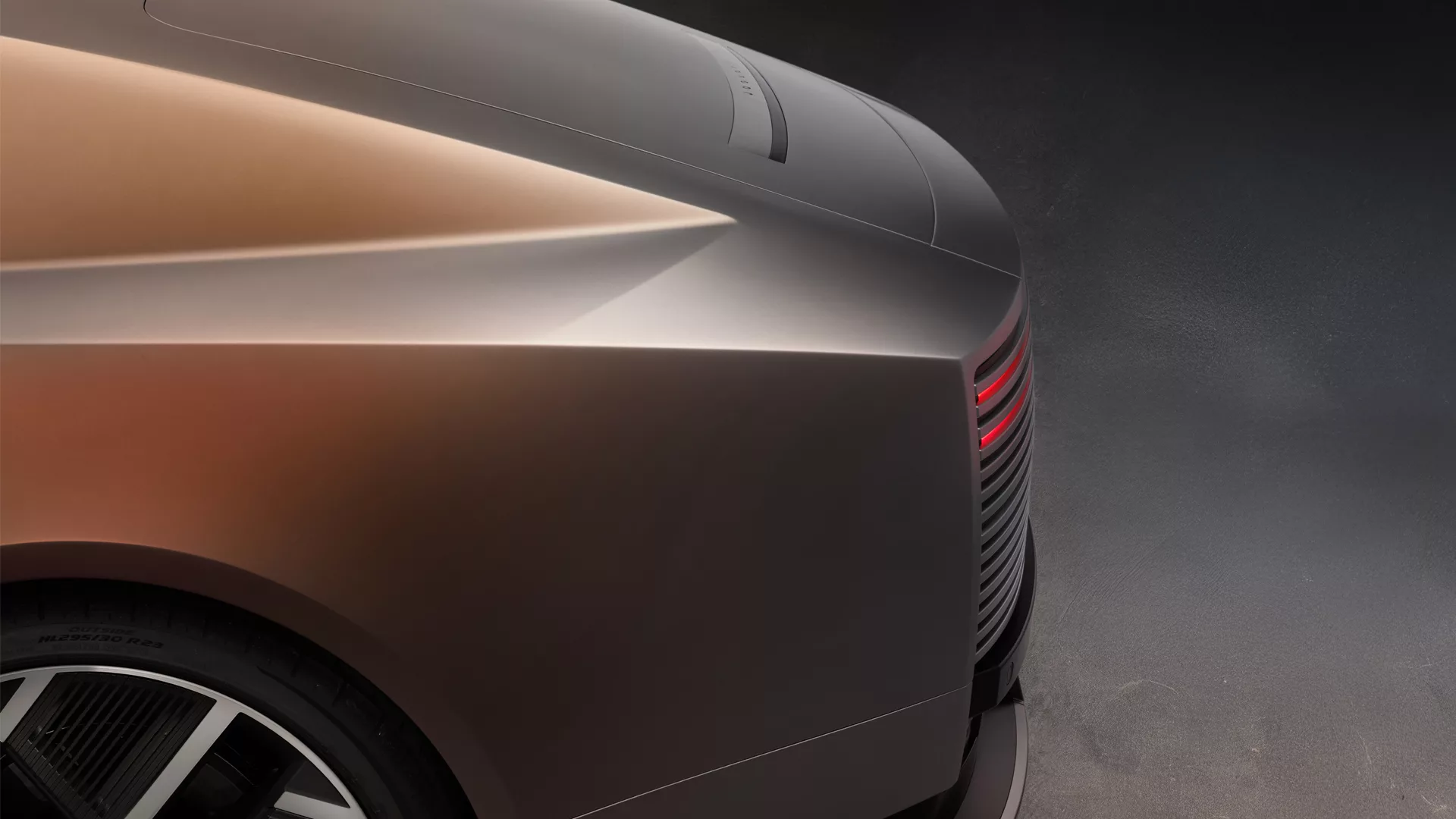
The body is low, the bonnet exceptionally long, the front overhang short and the rear end massive. Wheel diameters reach 23 inches, and Jaguar has dispensed with the rear window entirely, with a camera taking its place. A drag coefficient of Cd 0.23 is achieved with active air deflectors and a rear spoiler that deploys in three stages. Jaguar calls the Type 01 the most aerodynamic car the marque has ever built.
The design is certainly not understated, but at least the Type 01 is not anonymous. In today's electric car market, that is an achievement in itself.
Three motors and more than 1,000 PS
The Type 01 uses Jaguar's own JEA electric architecture and three electric motors. Combined output reaches 1,030 PS, or around 758 kW, with torque of up to 1,365 Nm. Acceleration from 0–100 km/h takes 3.2 seconds, while 100–180 km/h takes 4.0 seconds. Intelligent torque vectoring manages traction, and the car has a 50:50 weight distribution.
Jaguar is not simply chasing acceleration away from the lights. The Type 01 is intended to be a large GT, not another two-tonne rocket that can go fast in a straight line. To that end, it uses an active chassis, rear-wheel steering and control software derived from the Formula E programme.
A 118 kWh battery and up to 720 km of WLTP range
The battery has a usable capacity of 118 kWh, and the electrical system operates at 850 V.
Jaguar promises a WLTP range of up to 720 km. The target under the US EPA test is around 644 km. At a steady 120 km/h, Jaguar estimates a range of around 515 km, which is an even more informative figure for a GT than the maximum achieved in a laboratory test cycle.
Maximum DC charging power is 350 kW. In ideal conditions, up to 321 km of range can be added in 13 minutes.
Technically, this puts the Type 01 squarely in Porsche Taycan, Mercedes-Benz EQS and Lucid Air territory, but Jaguar is trying to distinguish itself through proportions and character, rather than simply a bigger screen.
Four individual seats in the cabin
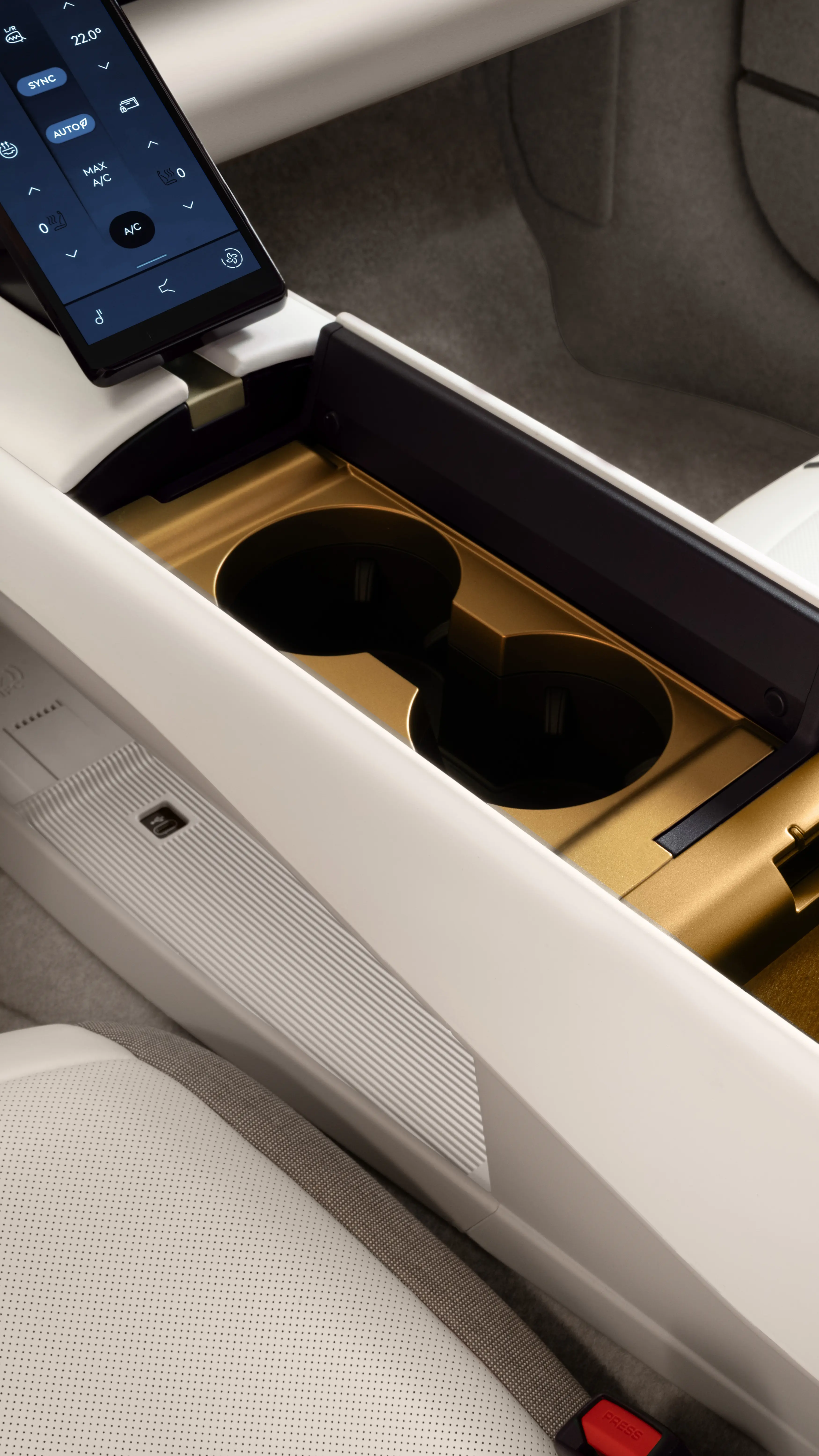
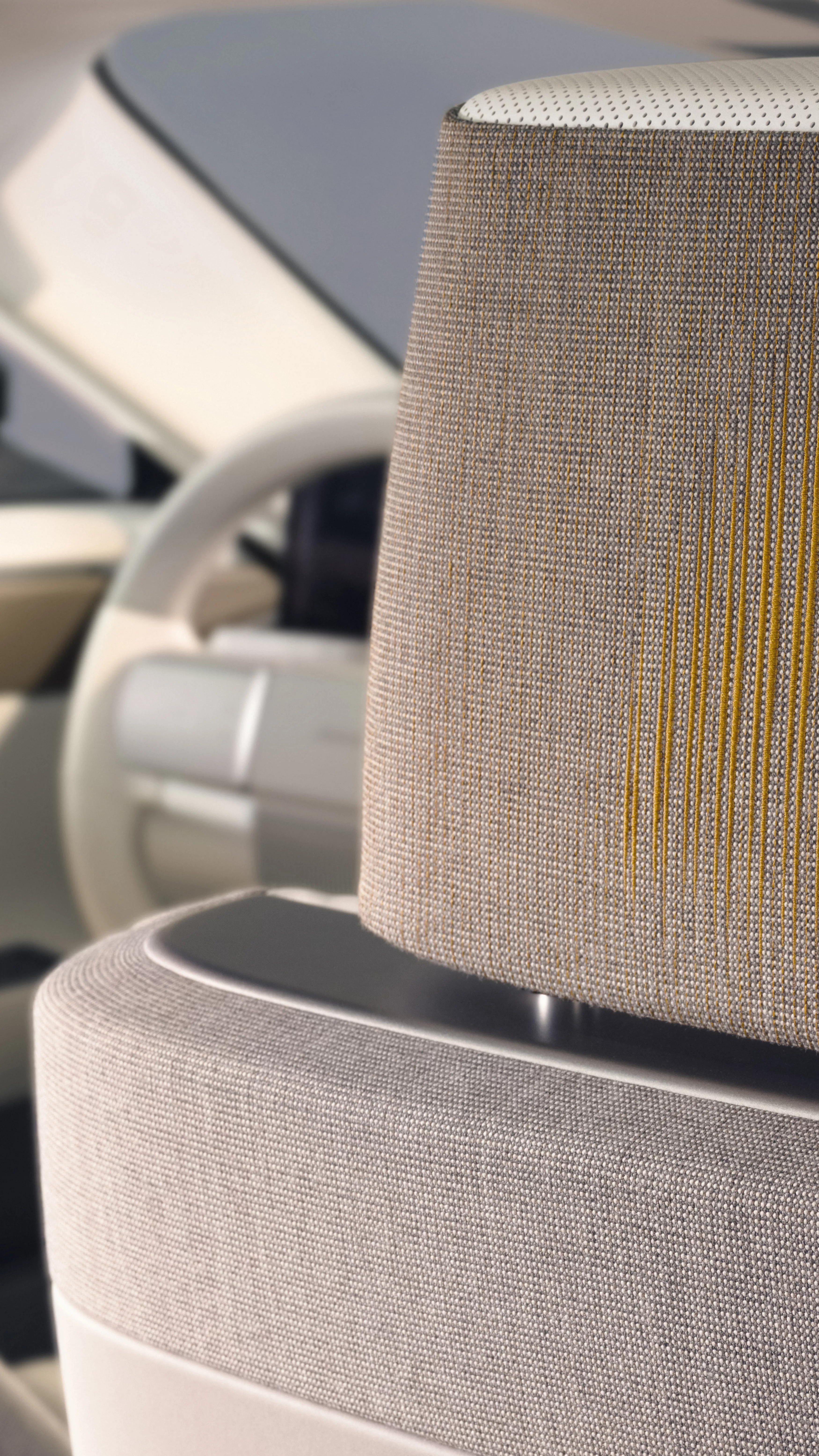
The Type 01 is not a five-seat family car. The centre console runs the full length of the cabin, dividing the space into four individual seating positions. Ahead of the driver is a 24-inch OLED display, with a separate 7-inch touchscreen for the main functions. Jaguar places more emphasis on materials and cabin architecture than on the number of screens.
That fits the model's price bracket. The Type 01 will not be competing in the same price bracket as the Tesla Model S or BMW i5, but will sit clearly above them.
Prices start at around €149,000
The UK starting price is £130,000, equivalent to approximately €149,000 before local taxes and market differences.
Orders will open in early 2027, and the first customers are expected to receive their cars in the second half of the same year. The Type 01 will be built in Solihull, with electric drive units and battery packs coming from Wolverhampton.
Jaguar is not planning high sales volumes for the Type 01. The marque is deliberately positioning itself in a higher price bracket than before and wants to sell fewer cars at higher margins.
For Europe, this is Jaguar's most important car in decades
The Type 01 has to fulfil two roles at once. First, it must prove that Jaguar can return after effectively wiping its model range clean. Second, it must justify the marque's decision to go all-electric at a time when some competitors are slowing their electric plans.
Judging by its technology, the Type 01 is no half-hearted effort. Its 758 kW output, 118 kWh battery, 850 V architecture and WLTP range of up to 720 km are in keeping with its price bracket.
The greater risk is the design. Jaguar has deliberately abandoned the desire to please everyone. If the Type 01 looks as alienating on the street as it does in photographs, it could be either the marque's lifeline or an exceptionally expensive experiment. But at least it is not boring.


