
Lamborghini leaves the door open for a Temerario Sterrato
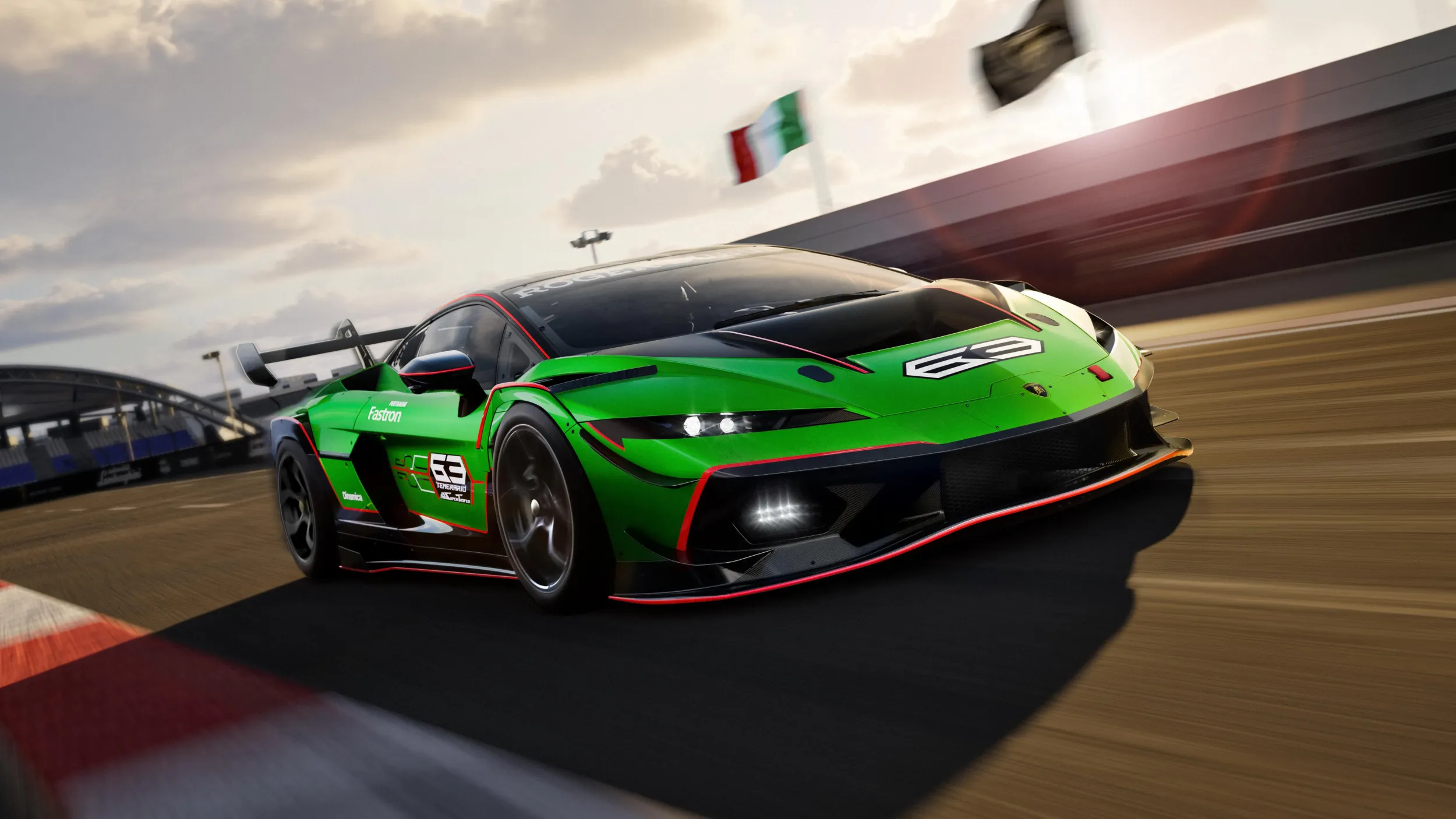
Lamborghini is considering a far bolder expansion of the Temerario range than simply adding a Spyder. A gravel-ready version in the mould of the Huracán Sterrato has not yet been approved for production, but Lamborghini considers it entirely possible.
The Sterrato idea is not dead
Paolo Racchetti, head of the Temerario model line, told CarExpert that the new plug-in hybrid architecture makes it possible to create versions with more distinct characters than before. Lamborghini plans to introduce the Spyder first, but is also considering a more sporting road car in the mould of the Tecnica, a track-focused variant and a possible Sterrato successor. Racchetti stressed, however, that the company has not approved a development programme for the latter.
The idea is far from illogical. Over 11 years, the Huracán spawned a whole range of versions, with the Sterrato proving one of the most distinctive.
Compared with the regular Huracán EVO, the Huracán Sterrato had suspension raised by 44 mm, 162 mm of ground clearance, a wider track, 19-inch Bridgestone Dueler AT002 tyres and a dedicated Rally drive mode. Its 5.2-litre V10 produced 449 kW and 560 Nm, took the car to 100 km/h in 3.4 seconds, and Lamborghini limited its top speed to 260 km/h. Production was limited to 1,499 cars.
The Temerario gives engineers more room to play
The Temerario makes a future Sterrato more technically interesting. Its 4.0-litre twin-turbo V8 works with three electric motors, with the system producing 677 kW and the combustion engine alone delivering 730 Nm. The standard version accelerates from 0-100 km/h in 2.7 seconds and reaches 343 km/h.
The hybrid powertrain gives Lamborghini much greater freedom to alter the distribution and control of traction between the front and rear axles than with the Sterrato’s more mechanical solution. For a gravel version, this would mean the opportunity to develop electronics specifically for lower-grip surfaces, rather than simply raising the car.
In Europe, such a Temerario would continue the small but lucrative gravel-focused supercar niche effectively revived by the Huracán Sterrato and Porsche 911 Dakar. For Lamborghini, it would also be a way to differentiate itself from Ferrari and other supercar makers without pursuing another power record.


