
Dacia Hipster could bring the price of a four-seat EV down to around €11,000
 1/51
1/51
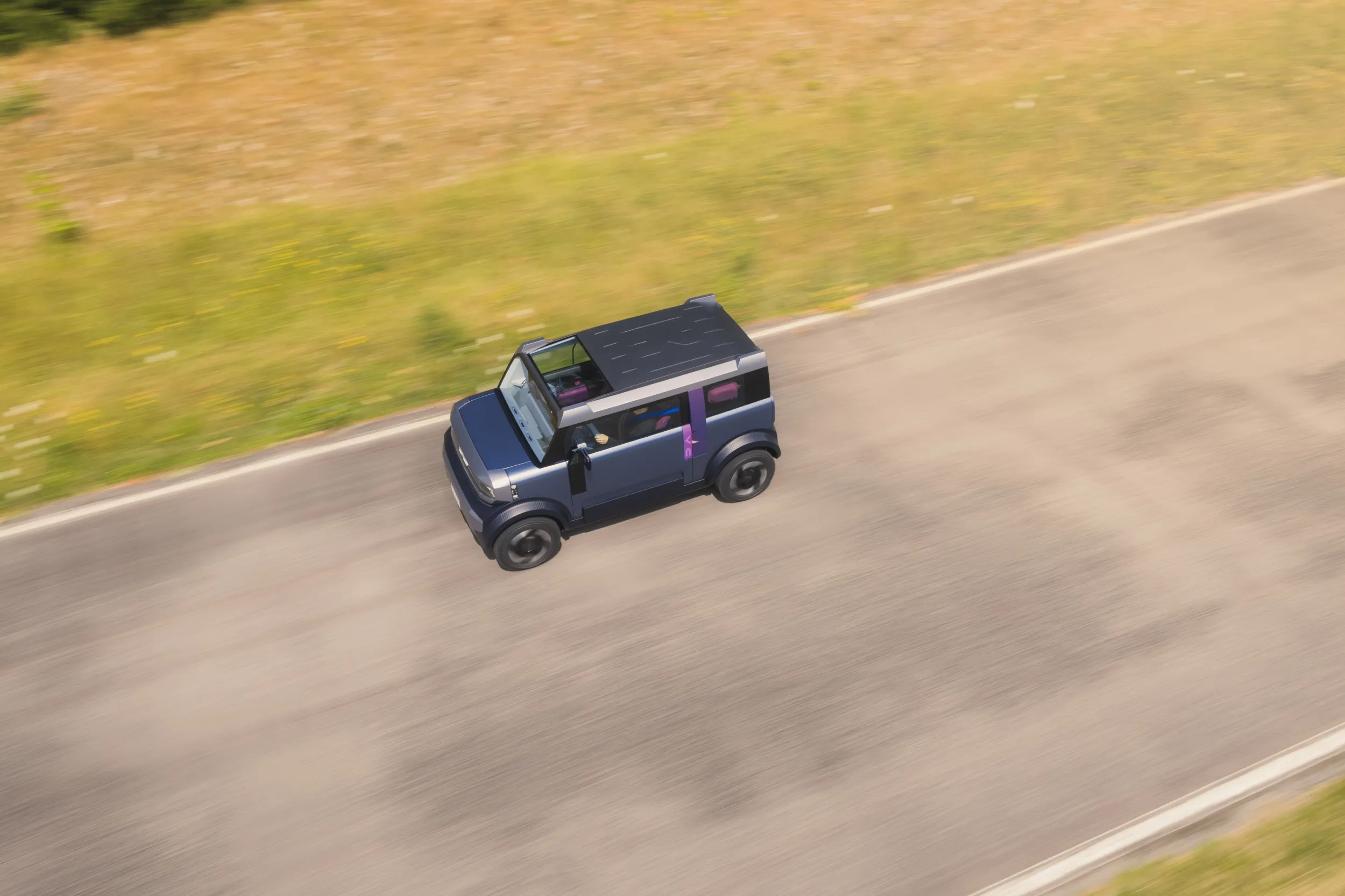
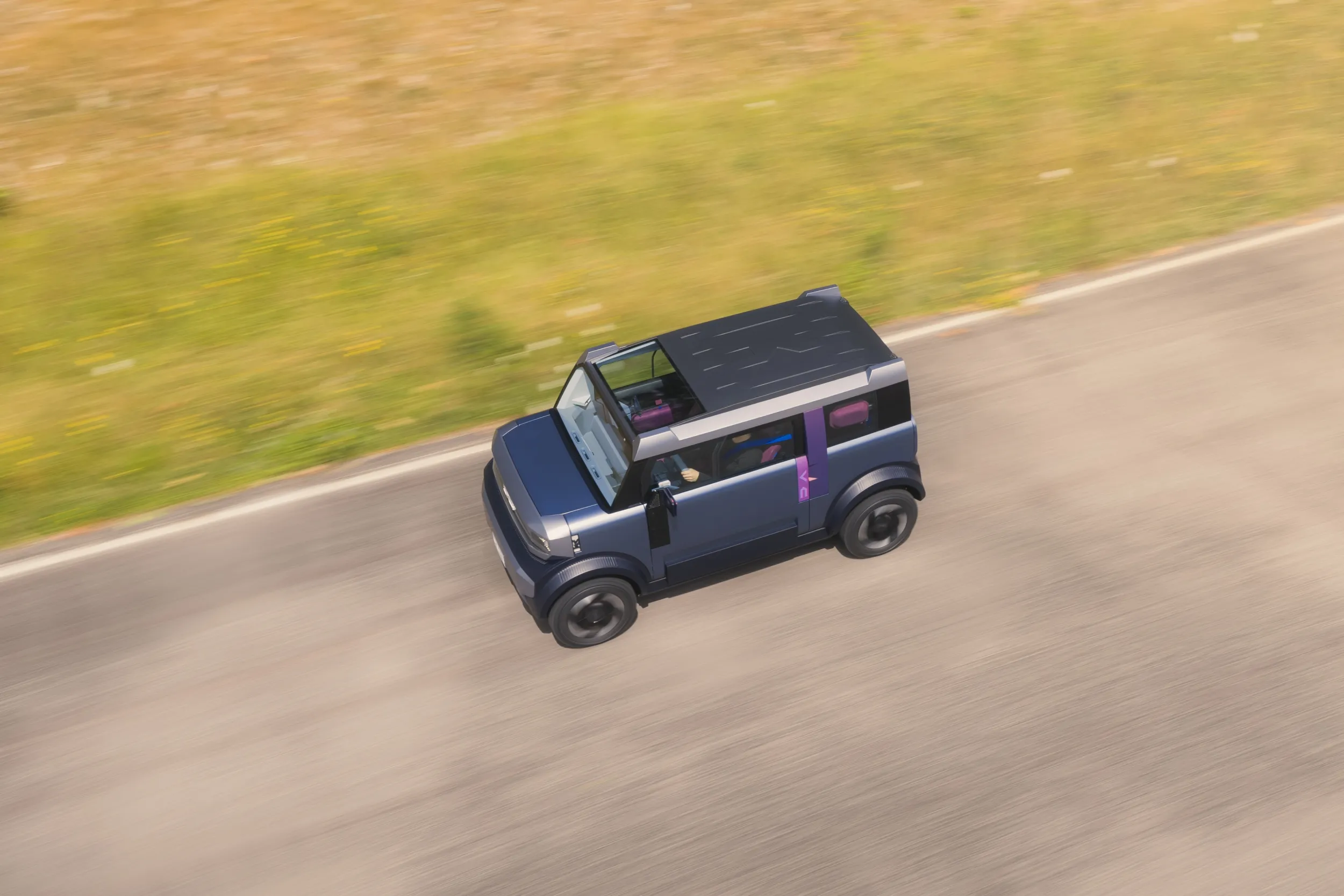
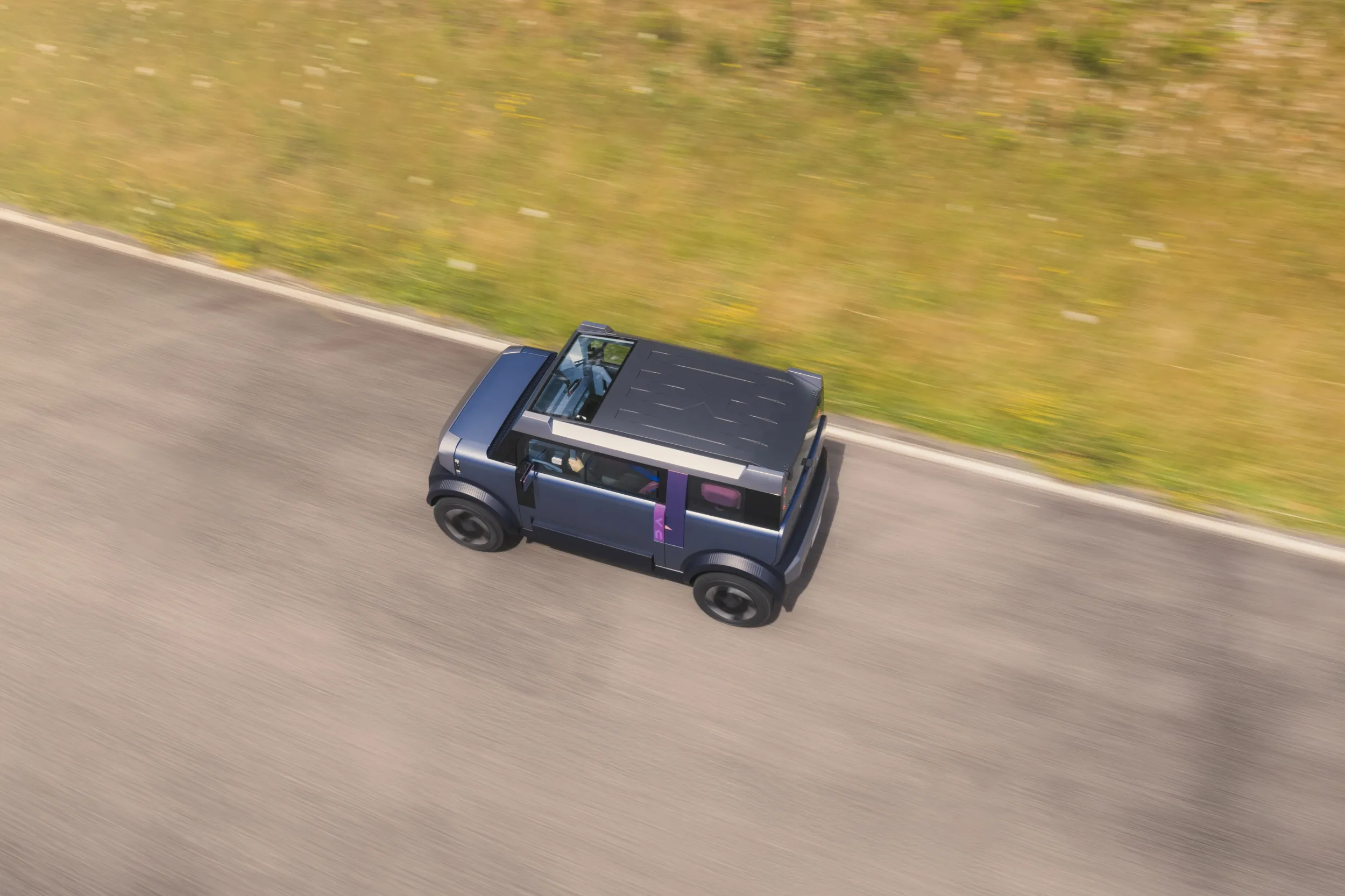
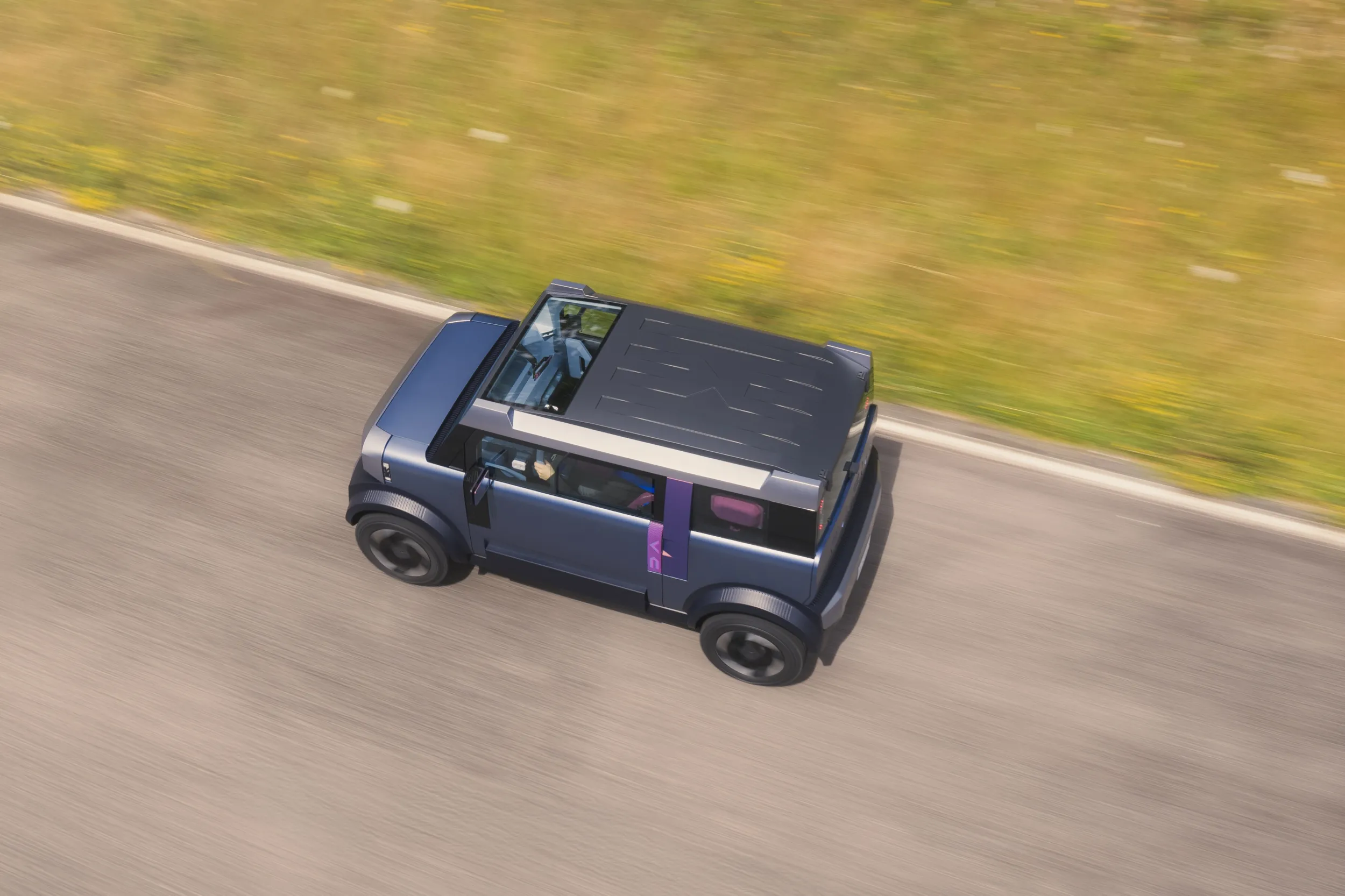
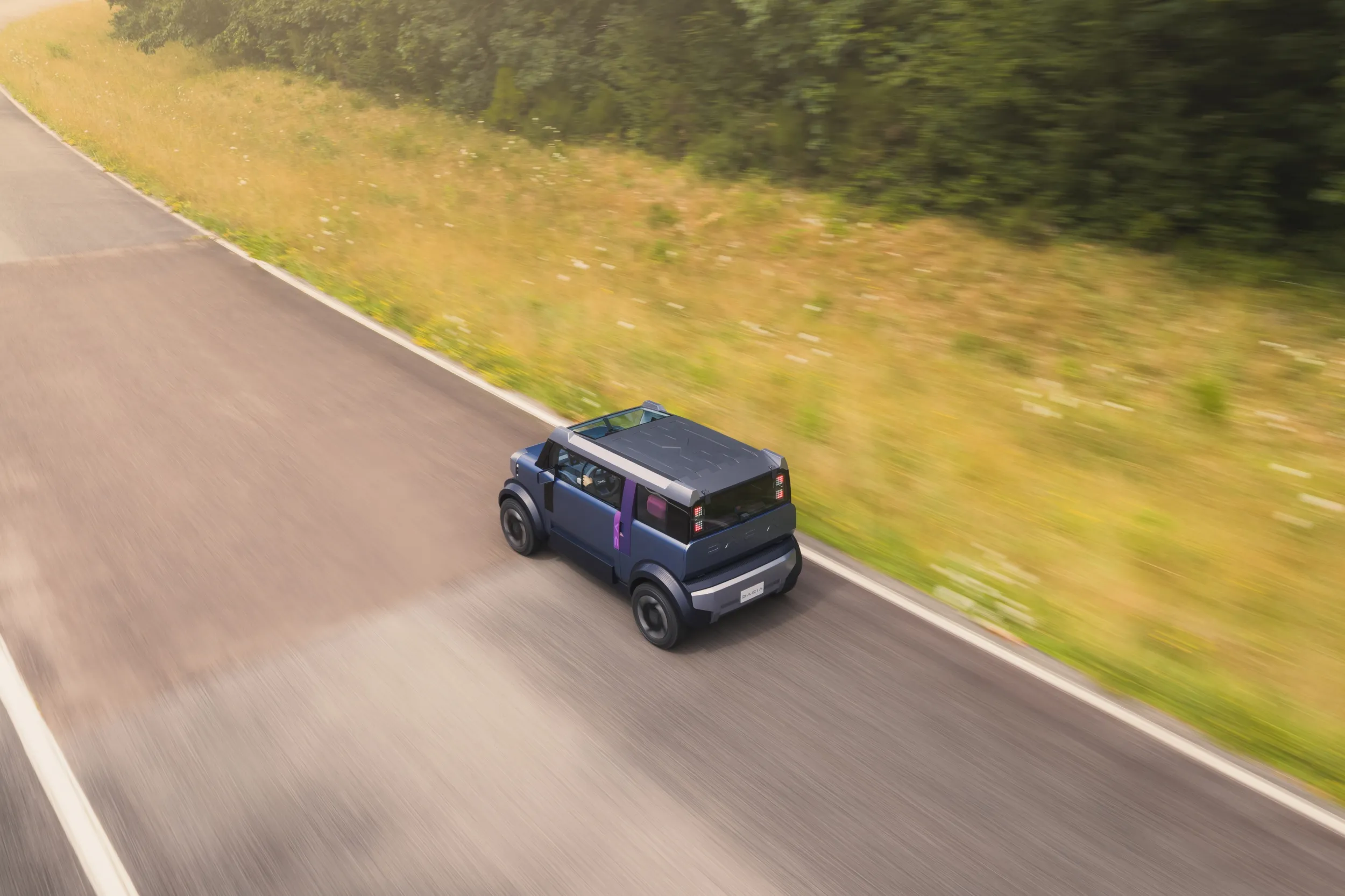
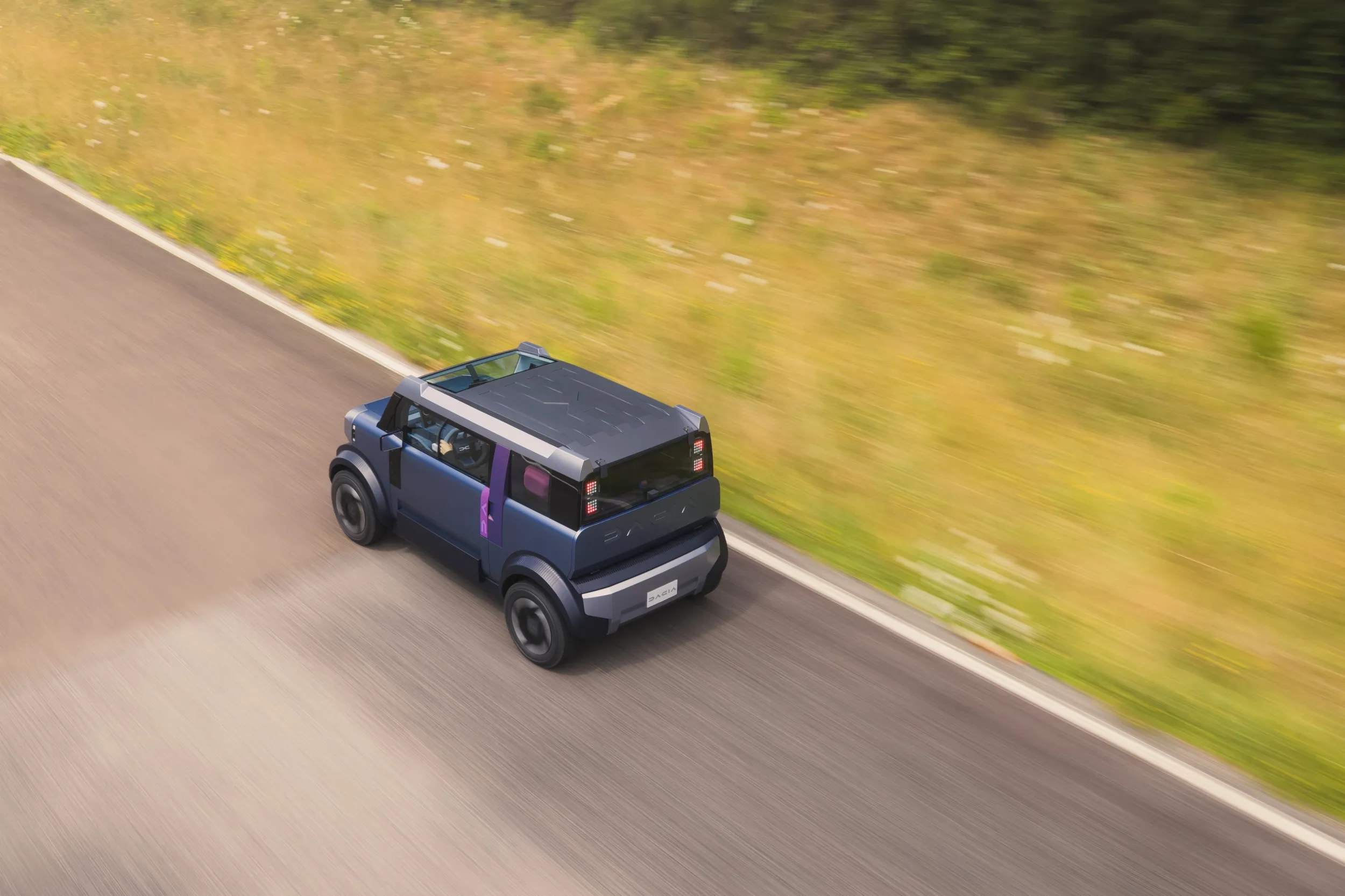
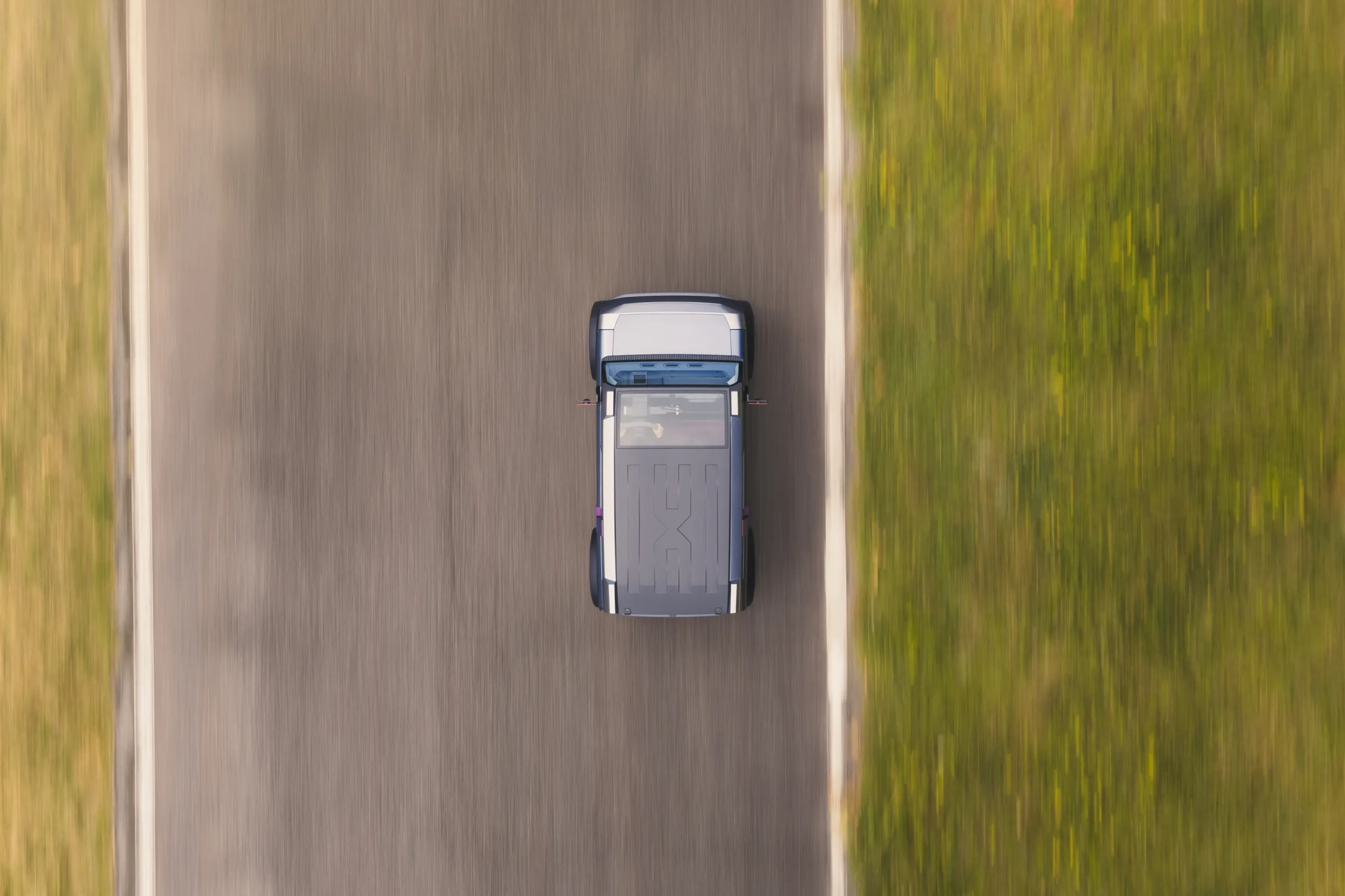
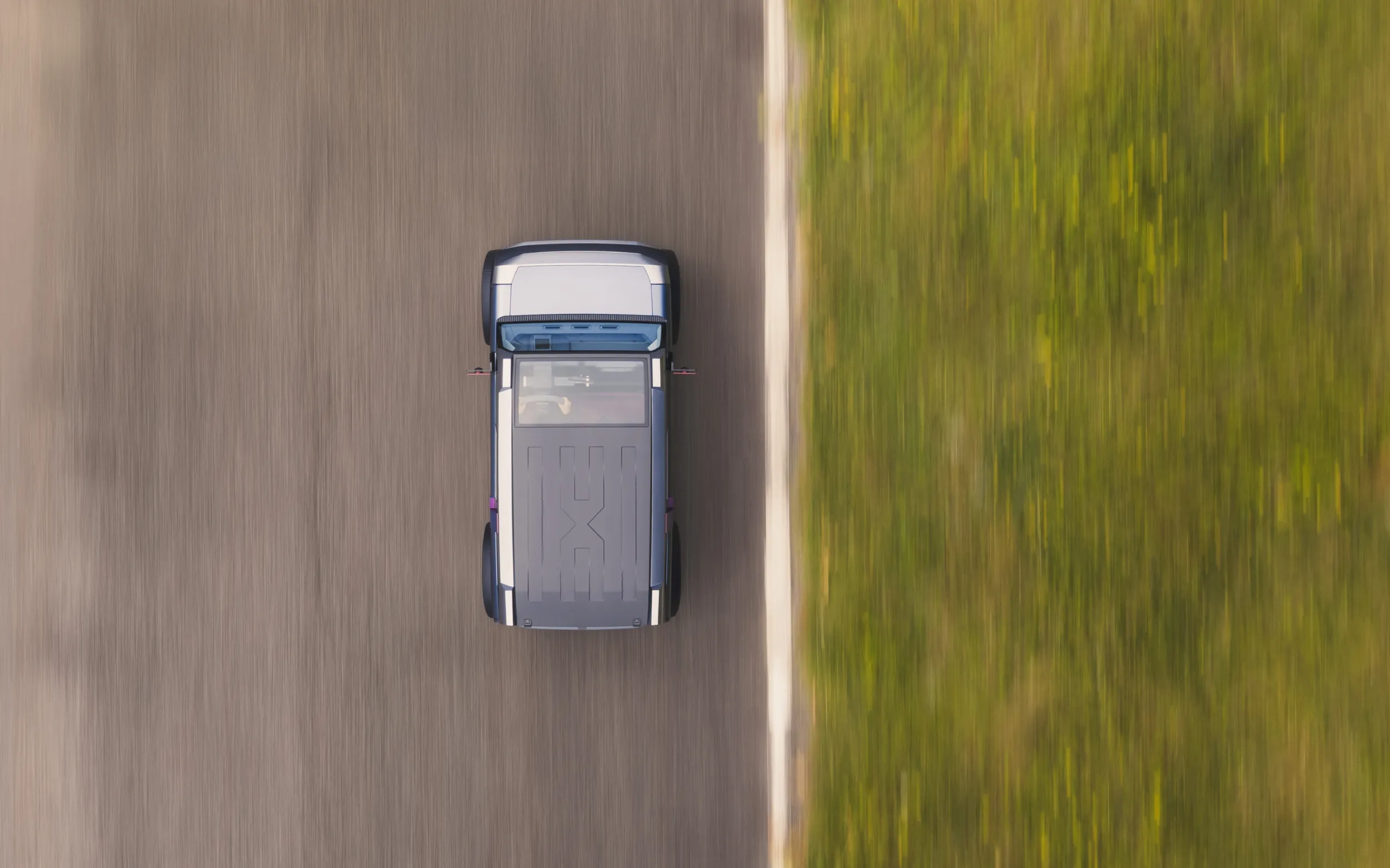
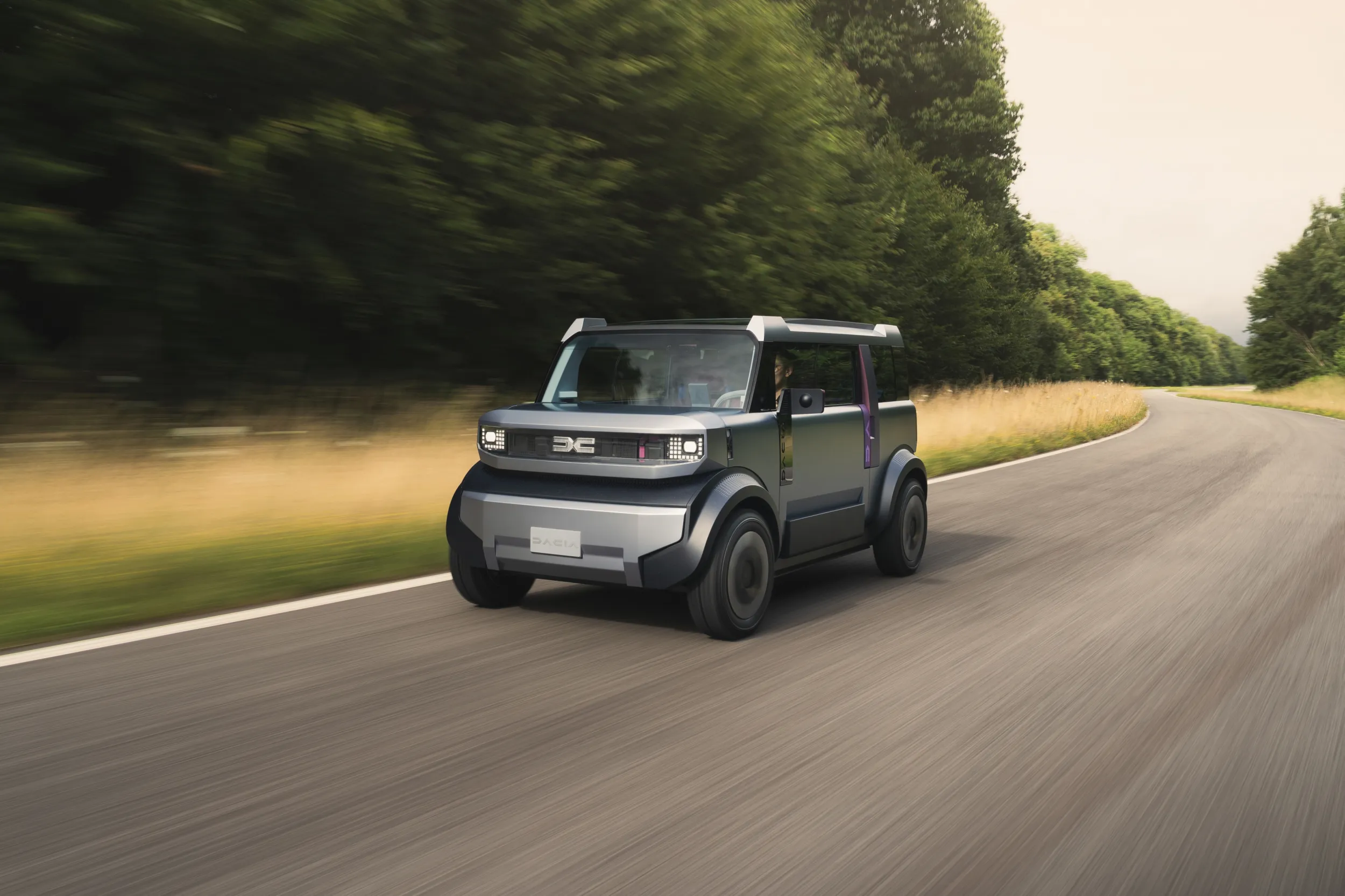
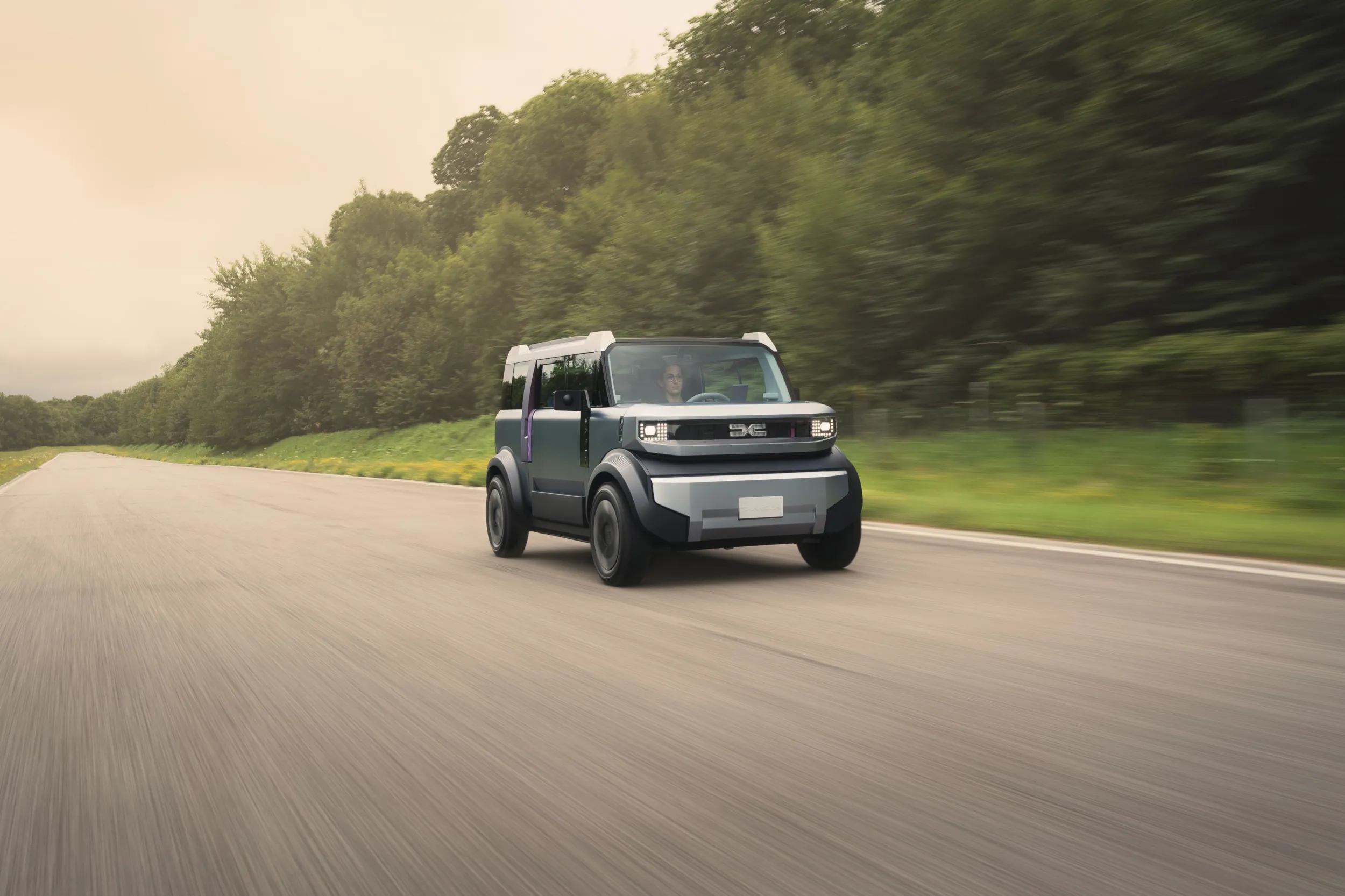
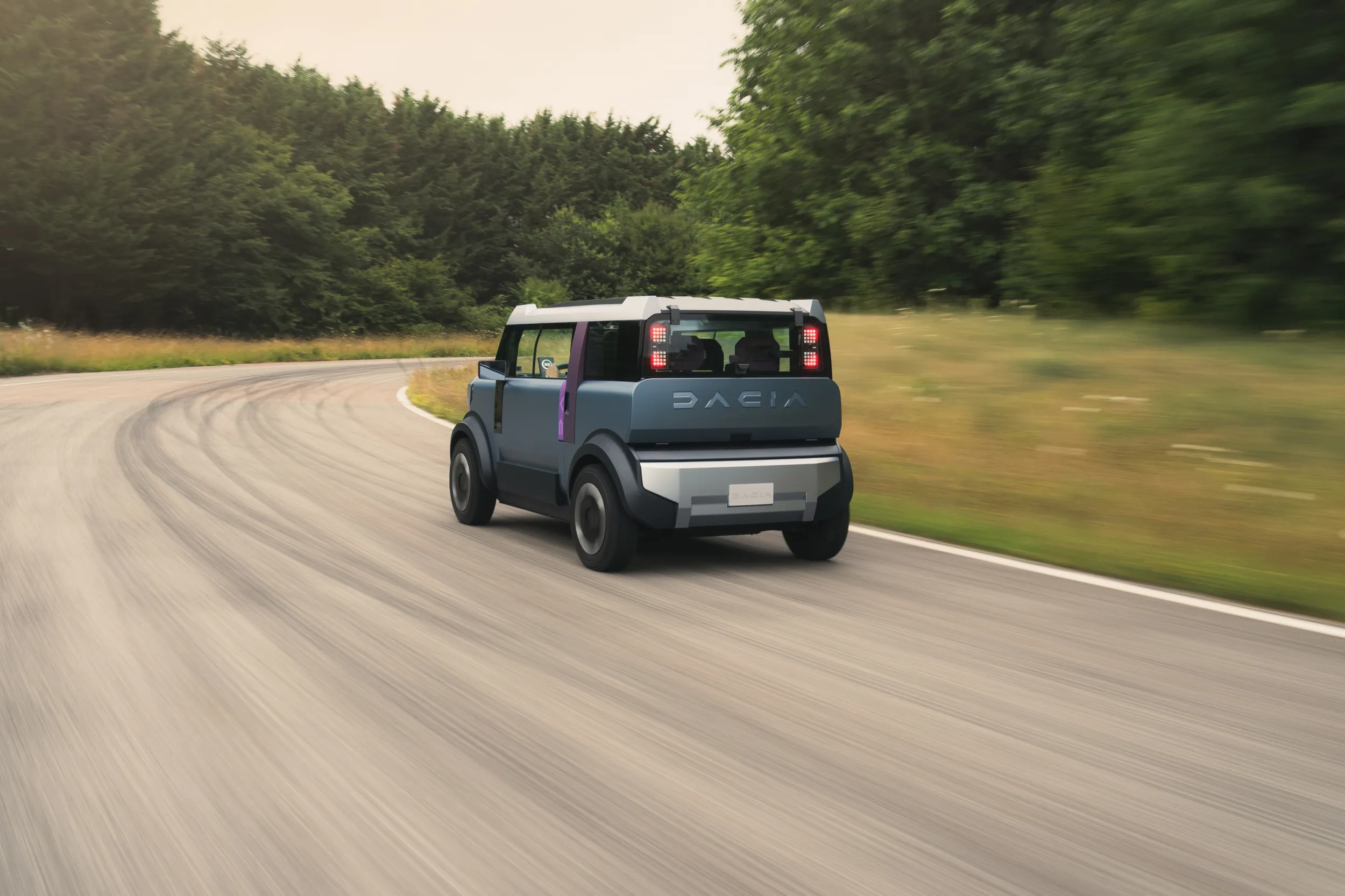
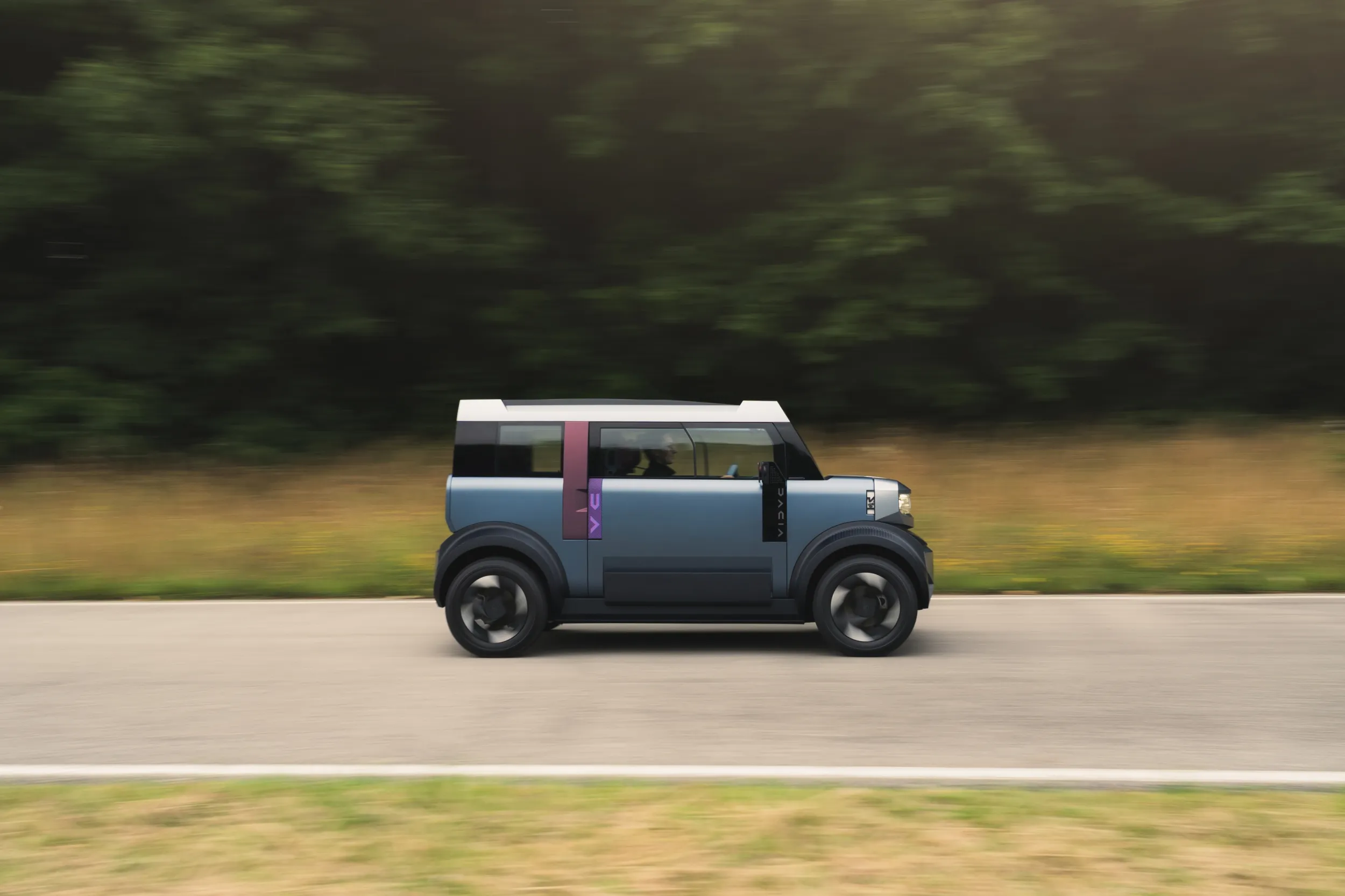
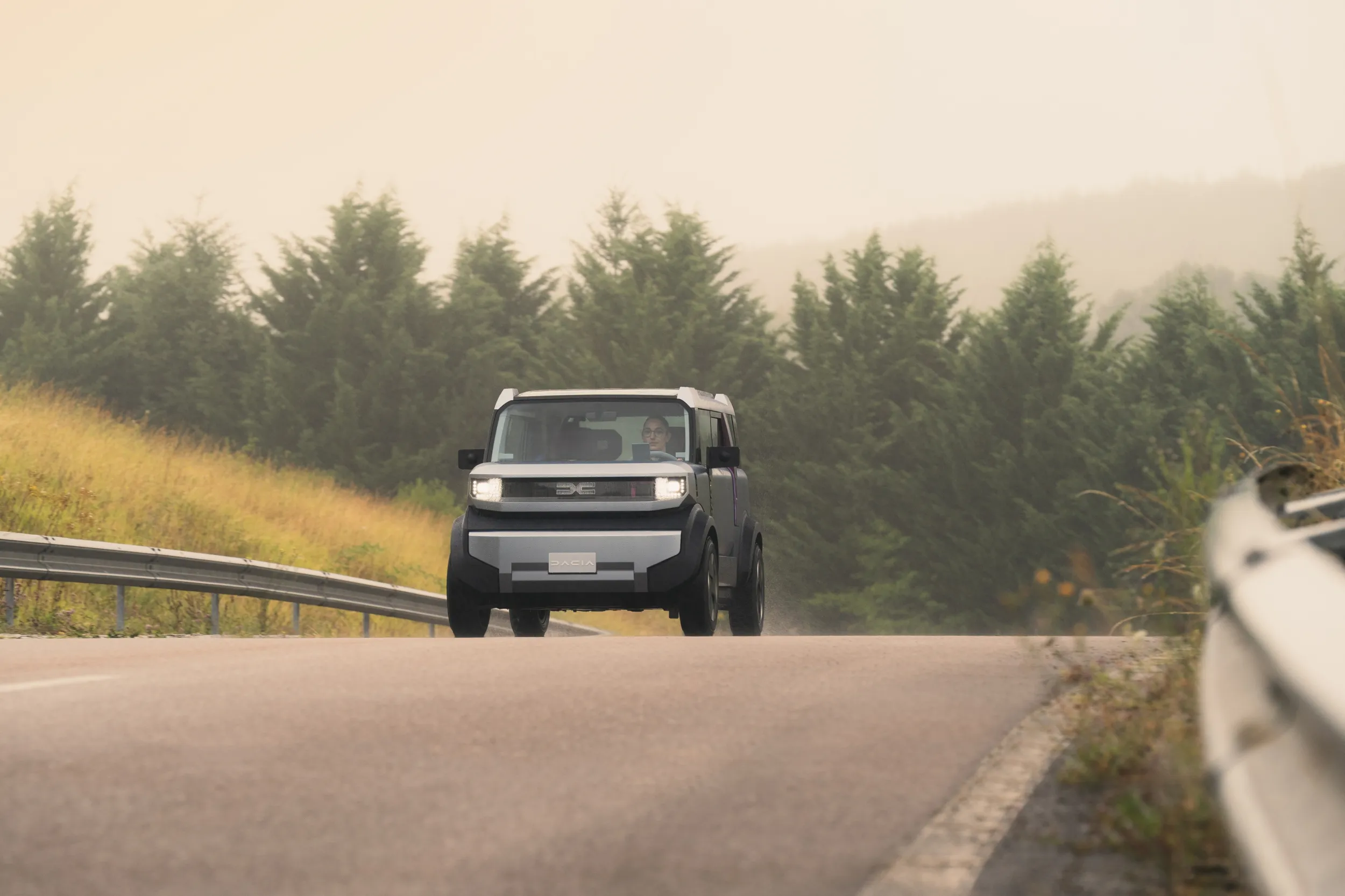
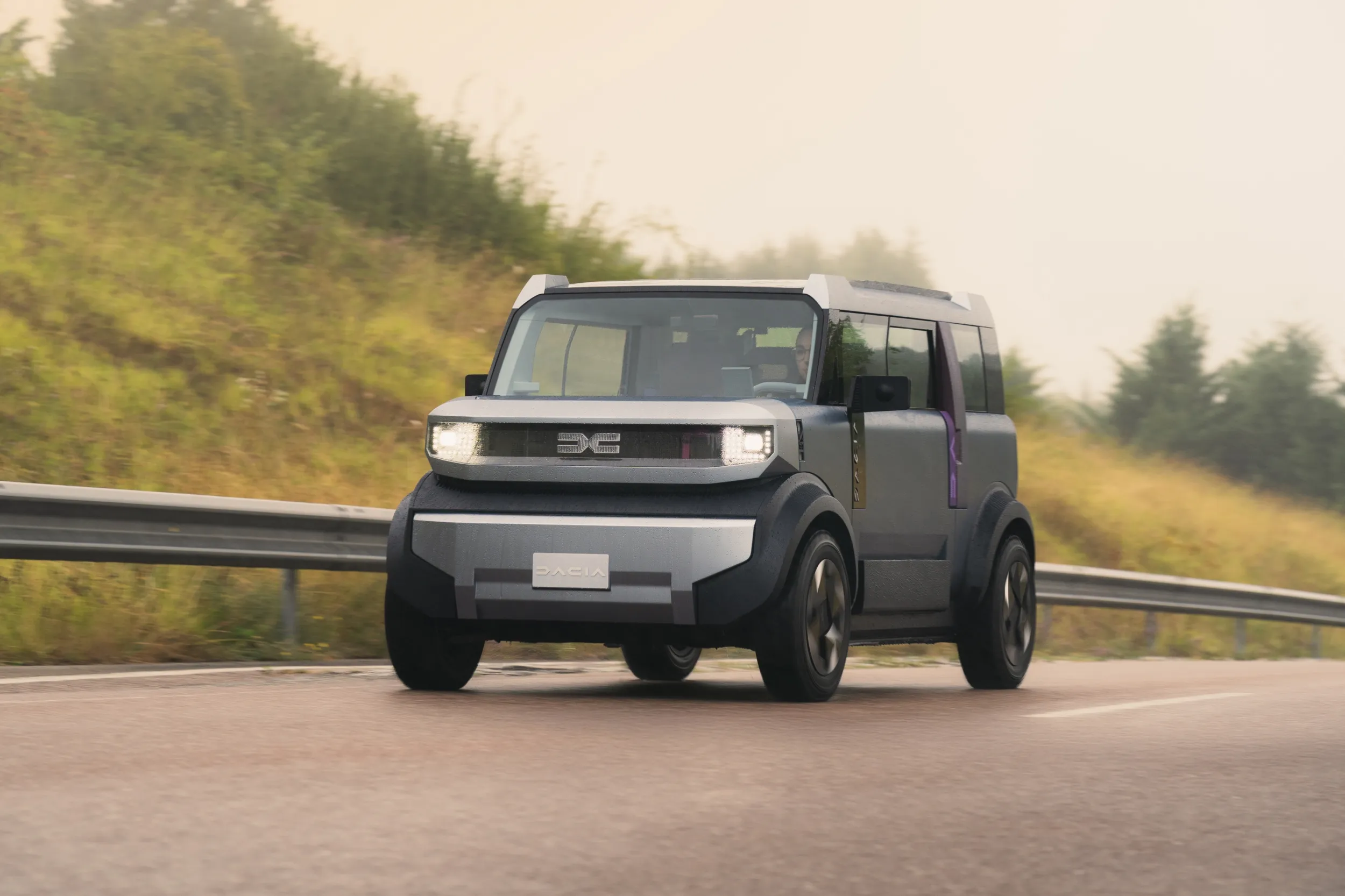
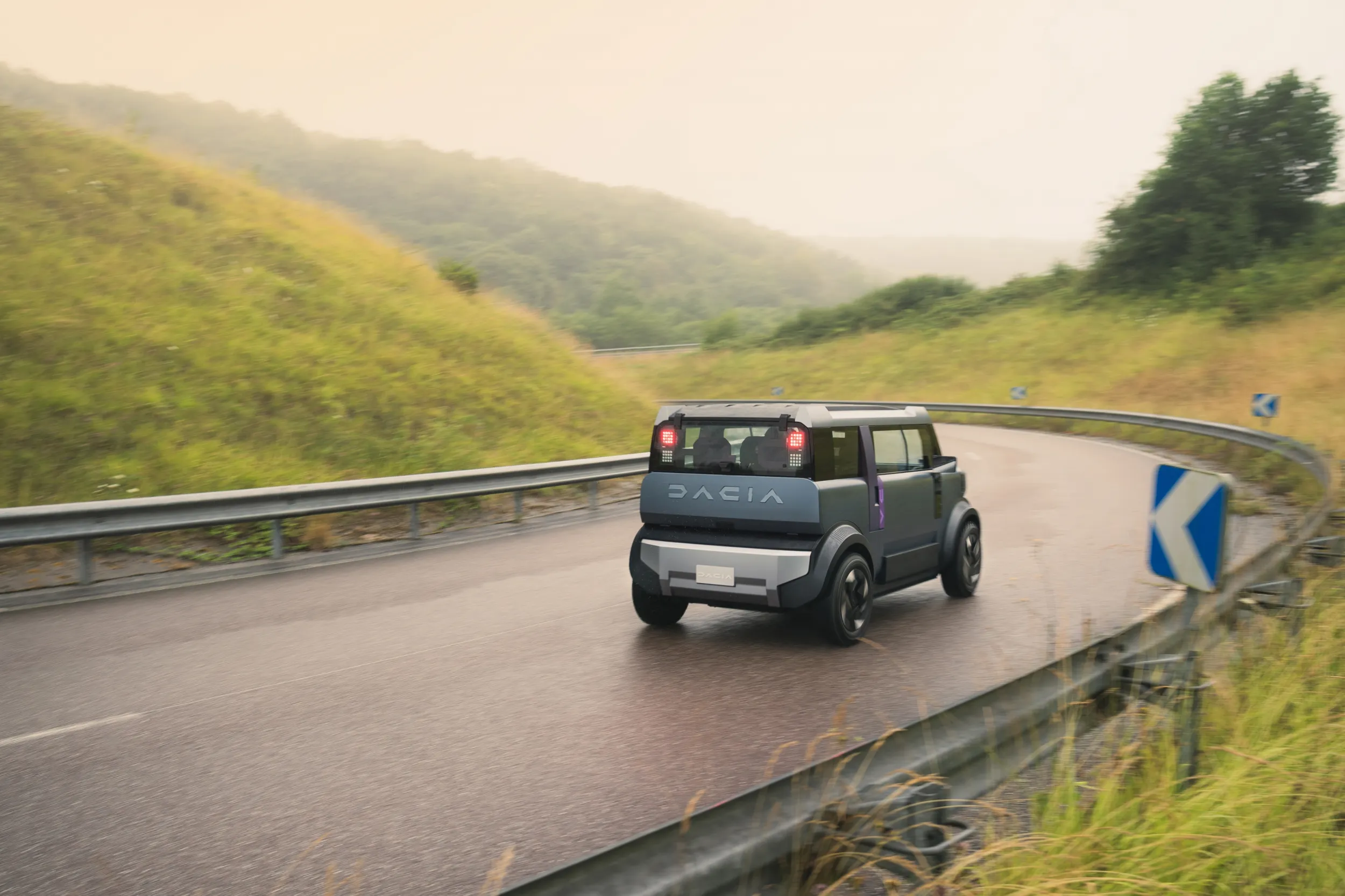
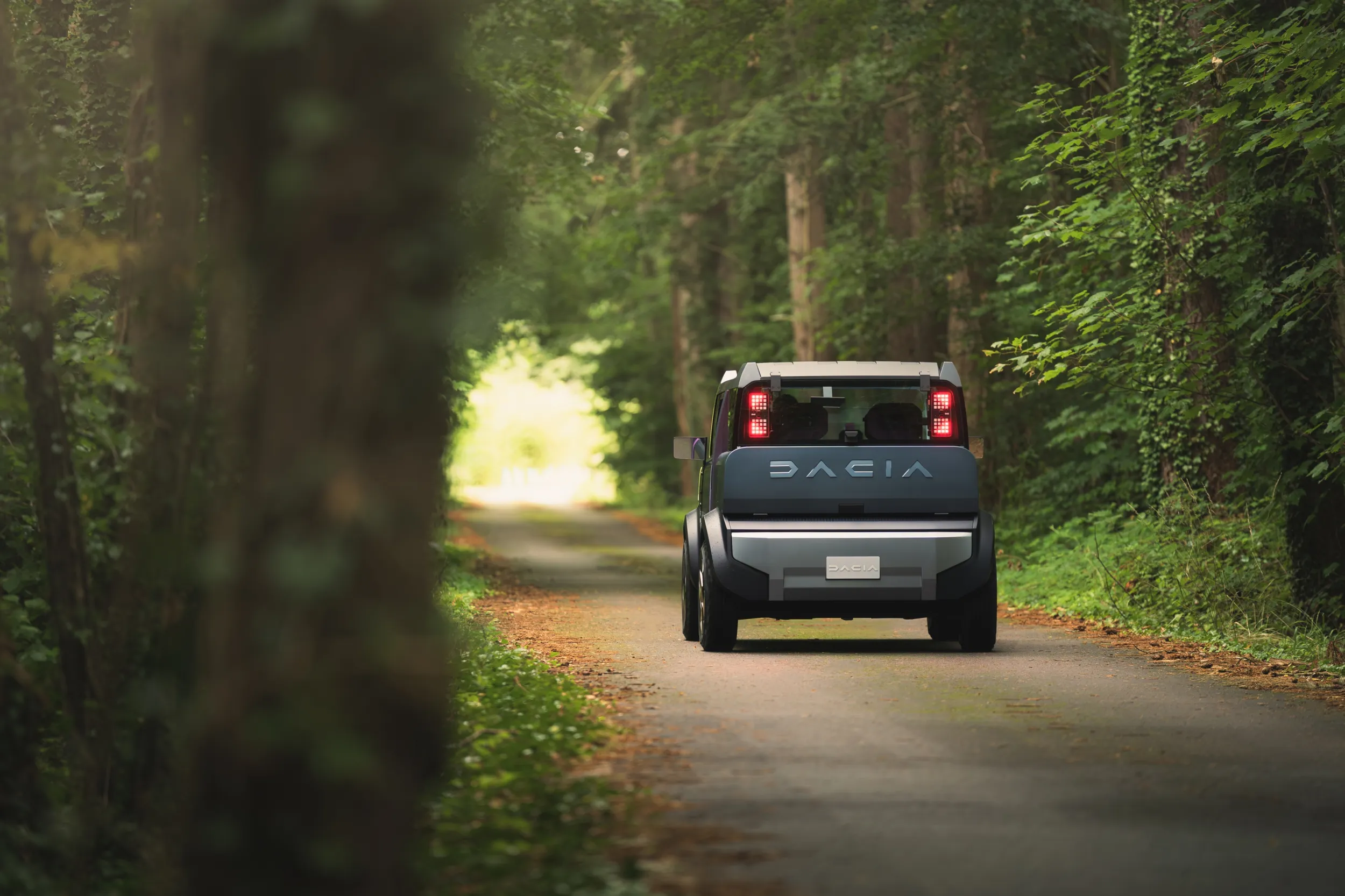
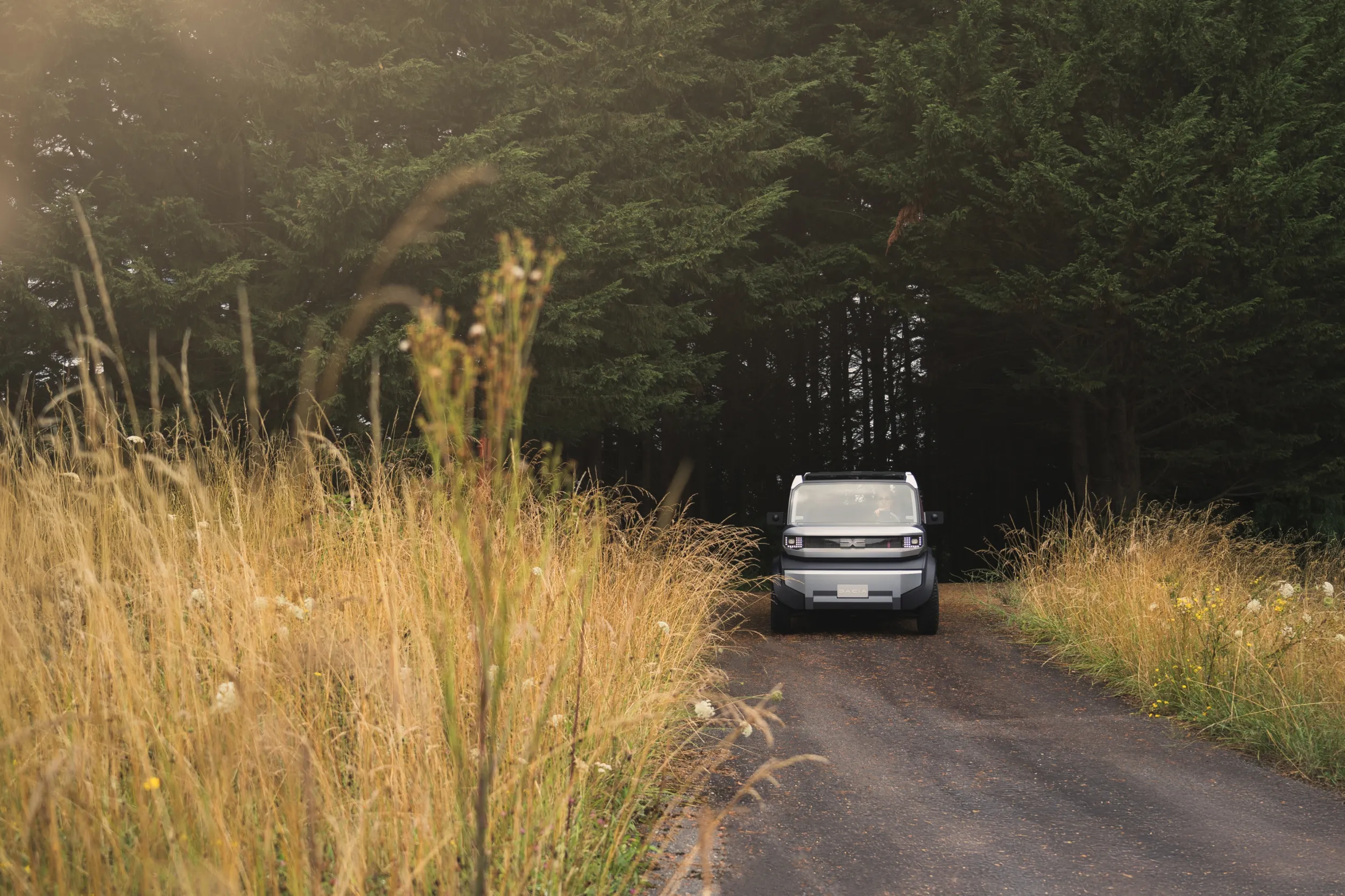
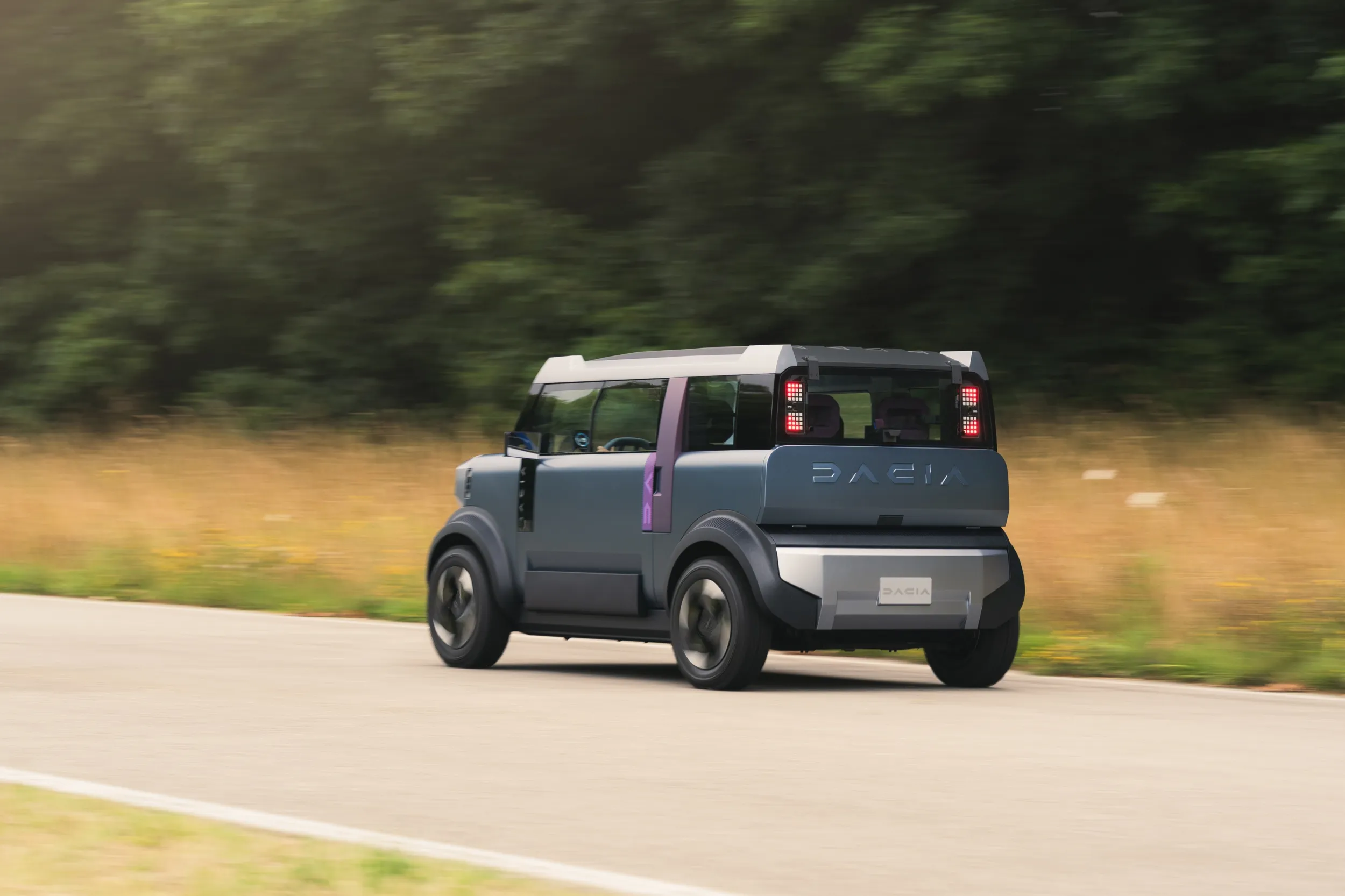
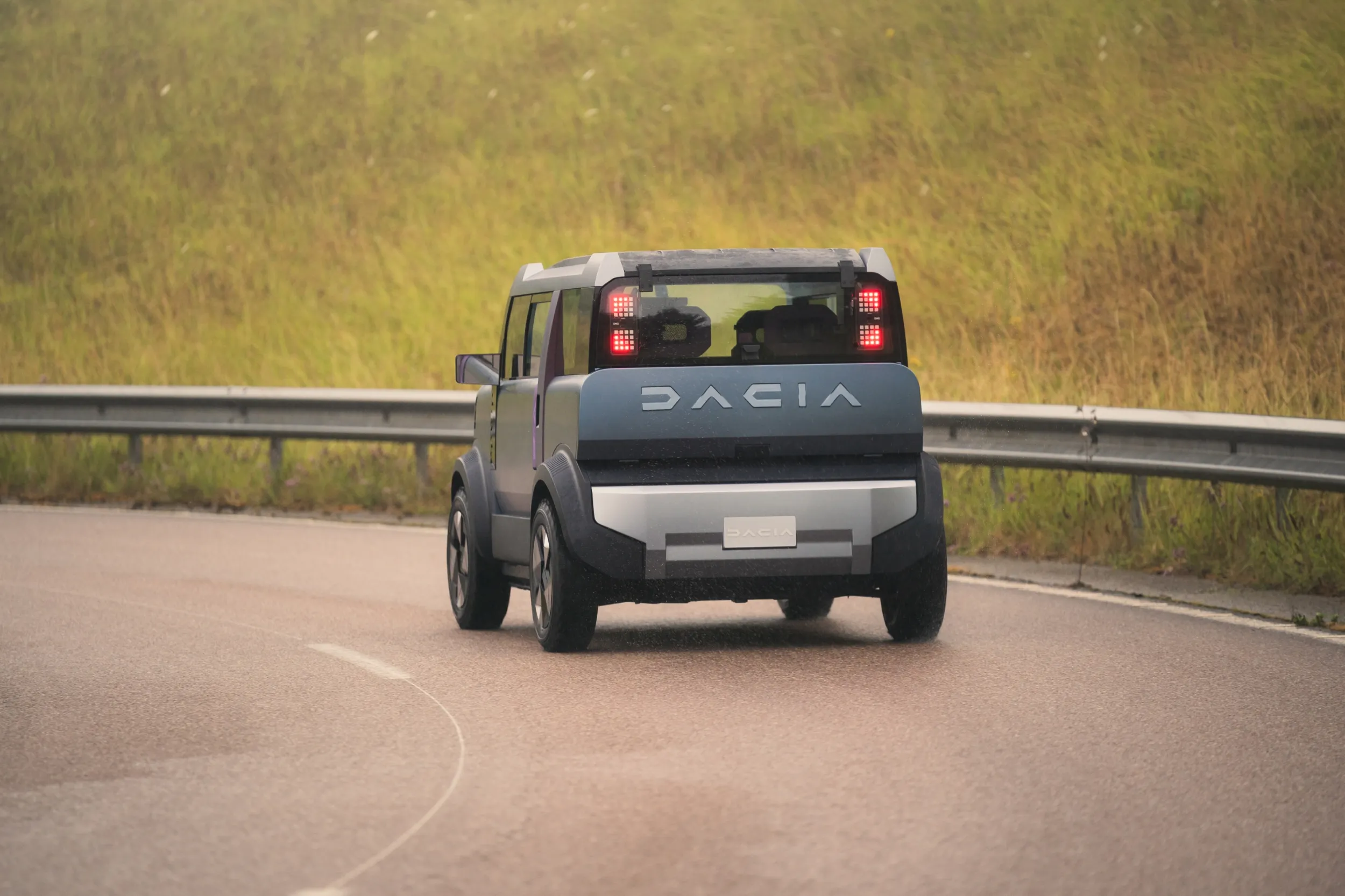
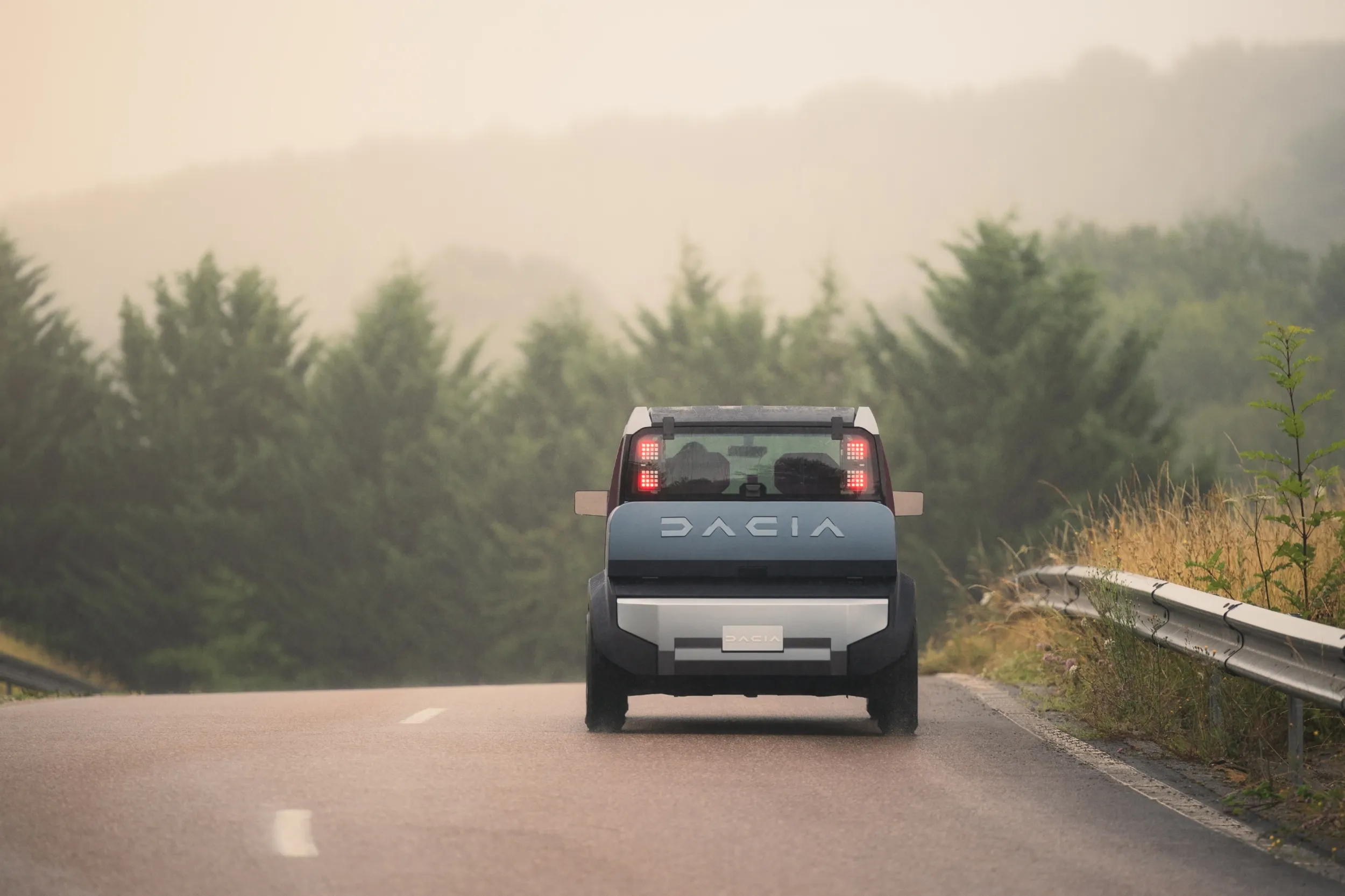
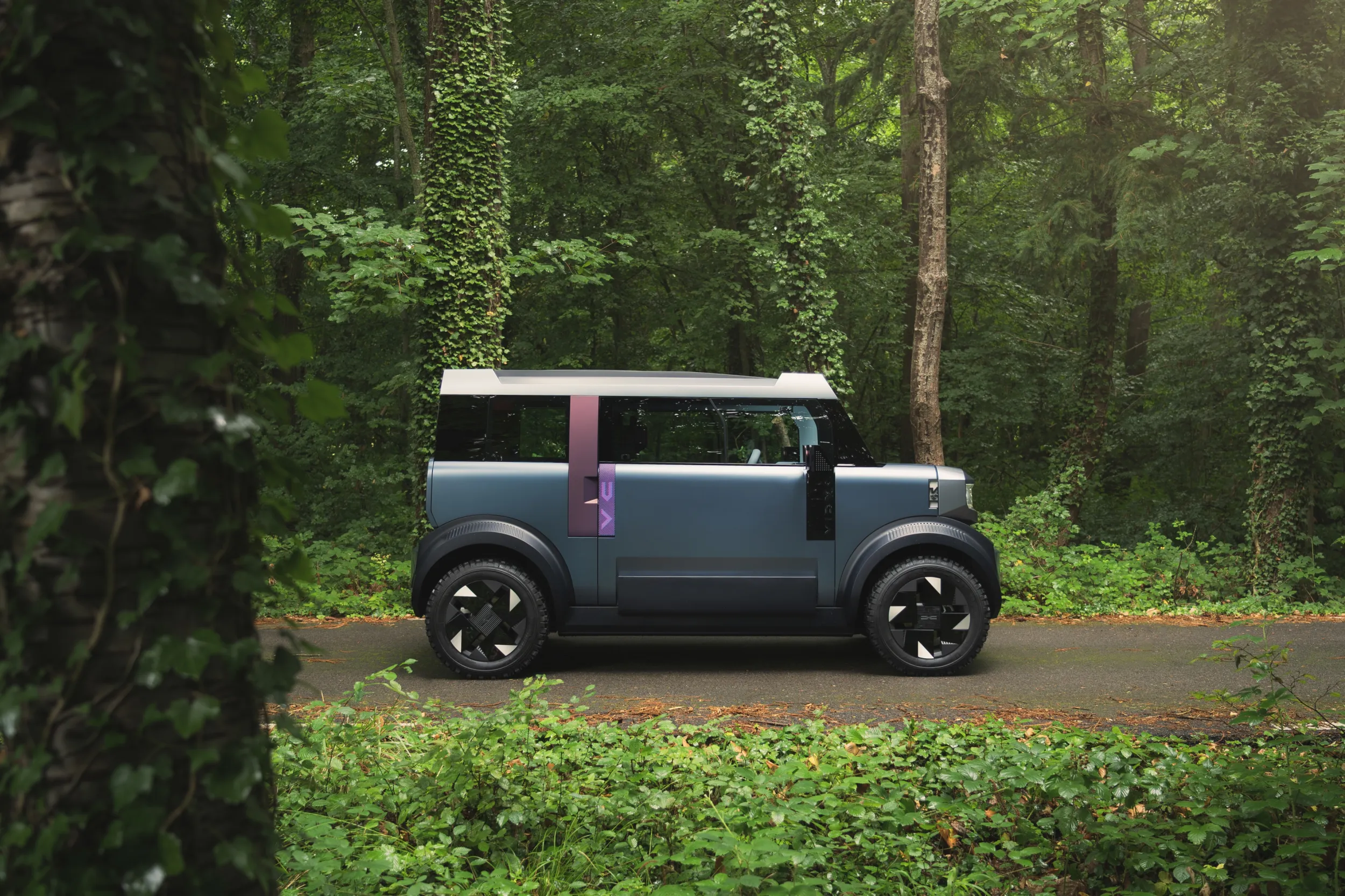
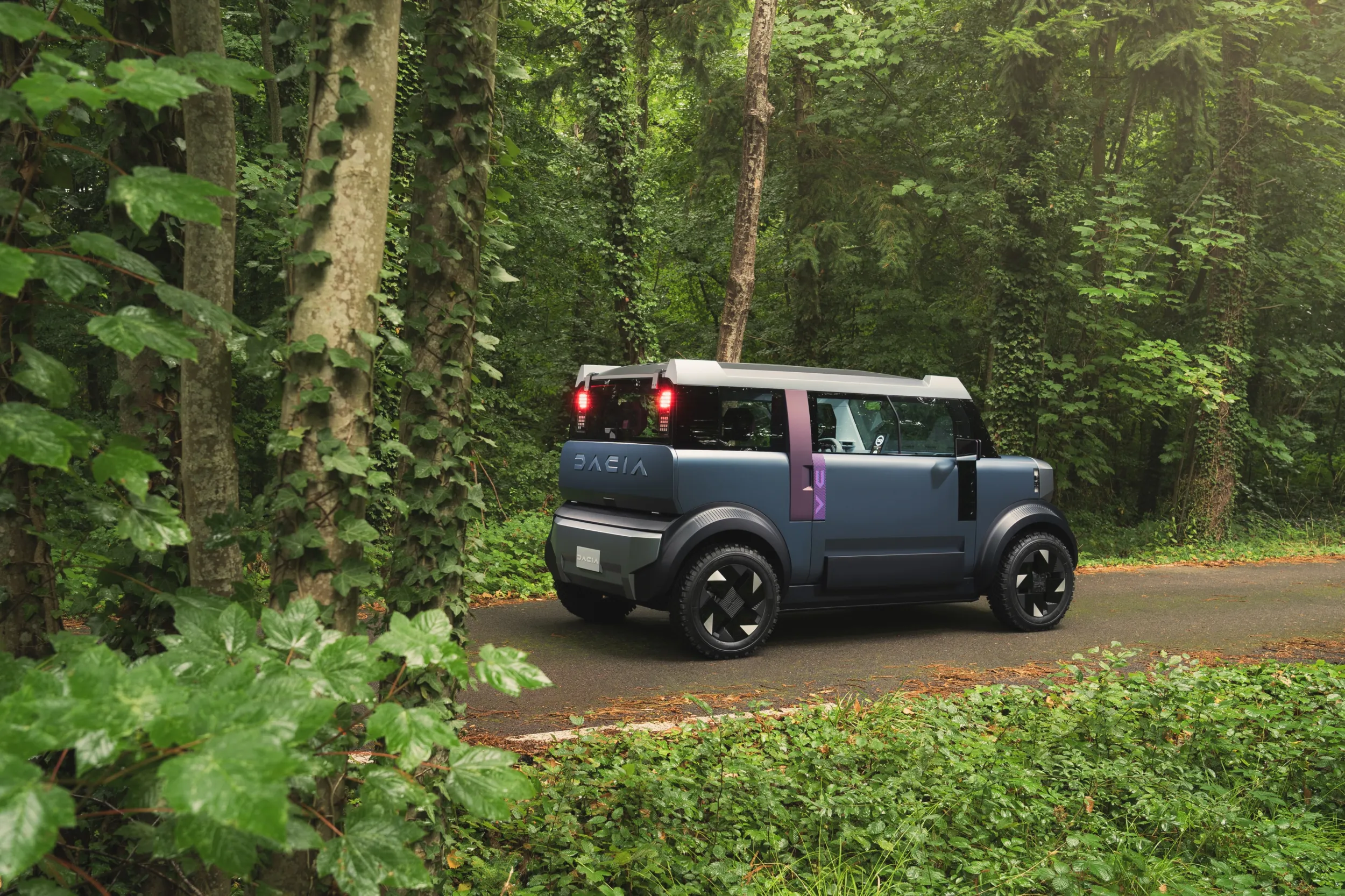
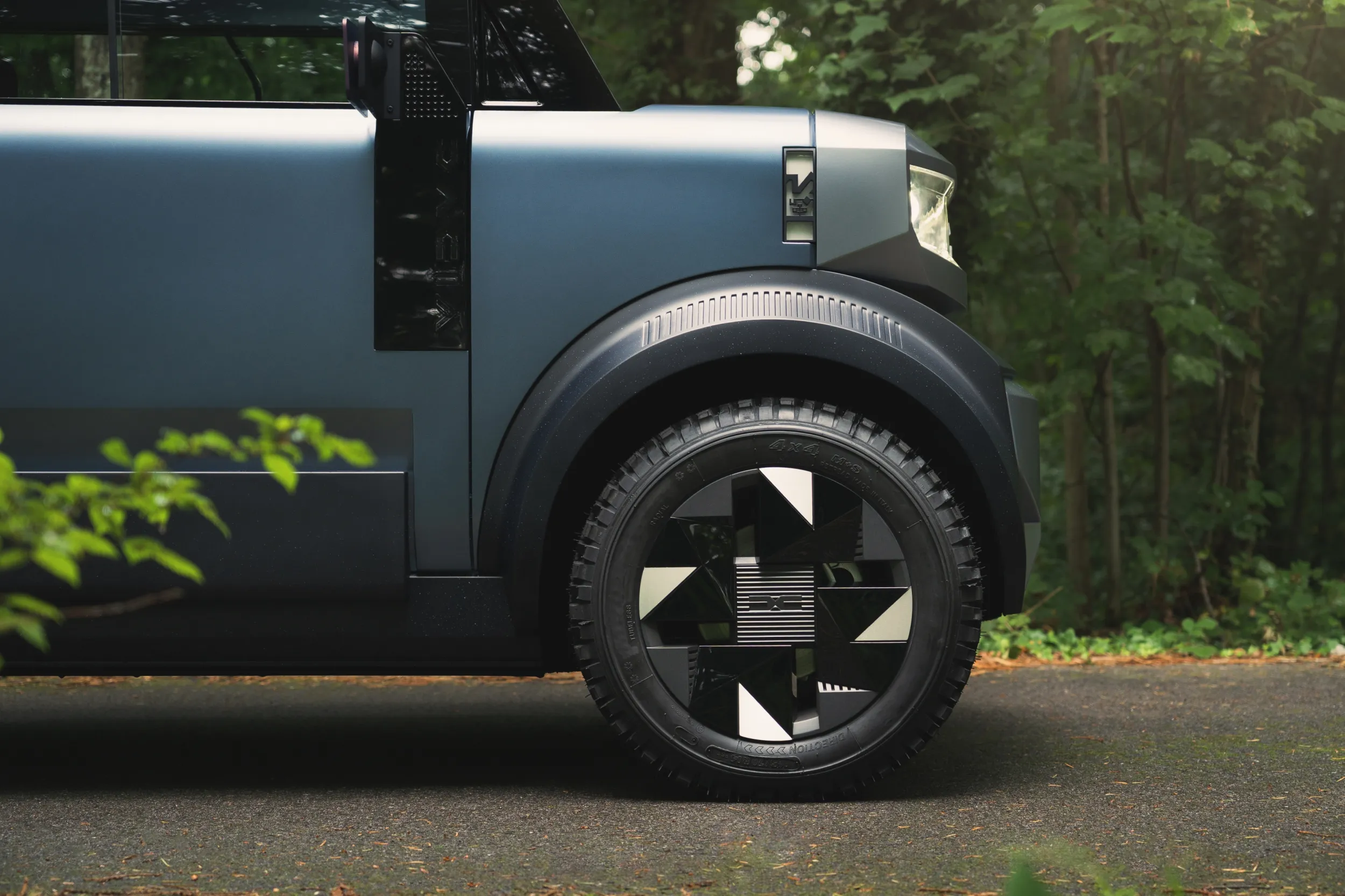
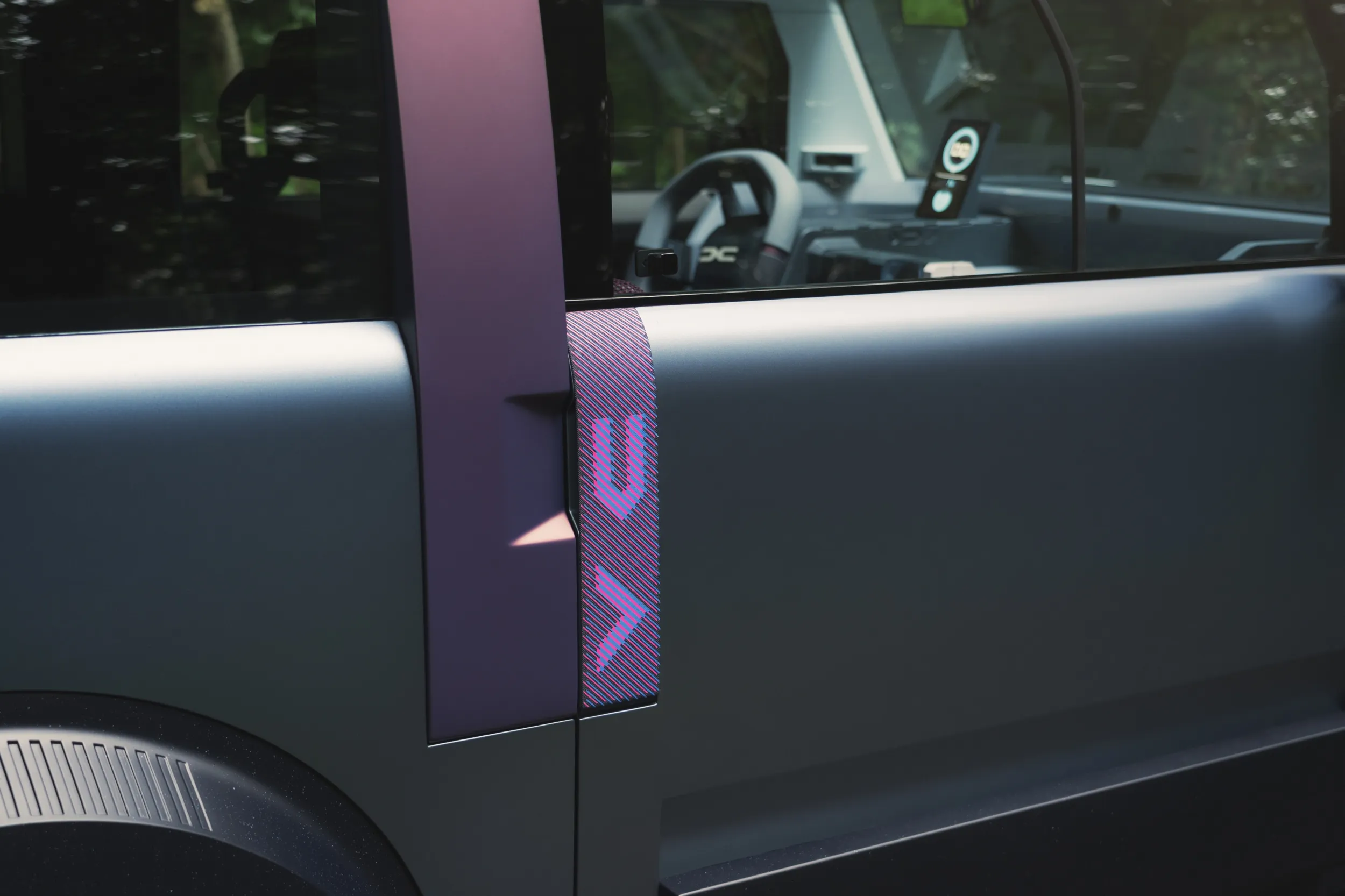
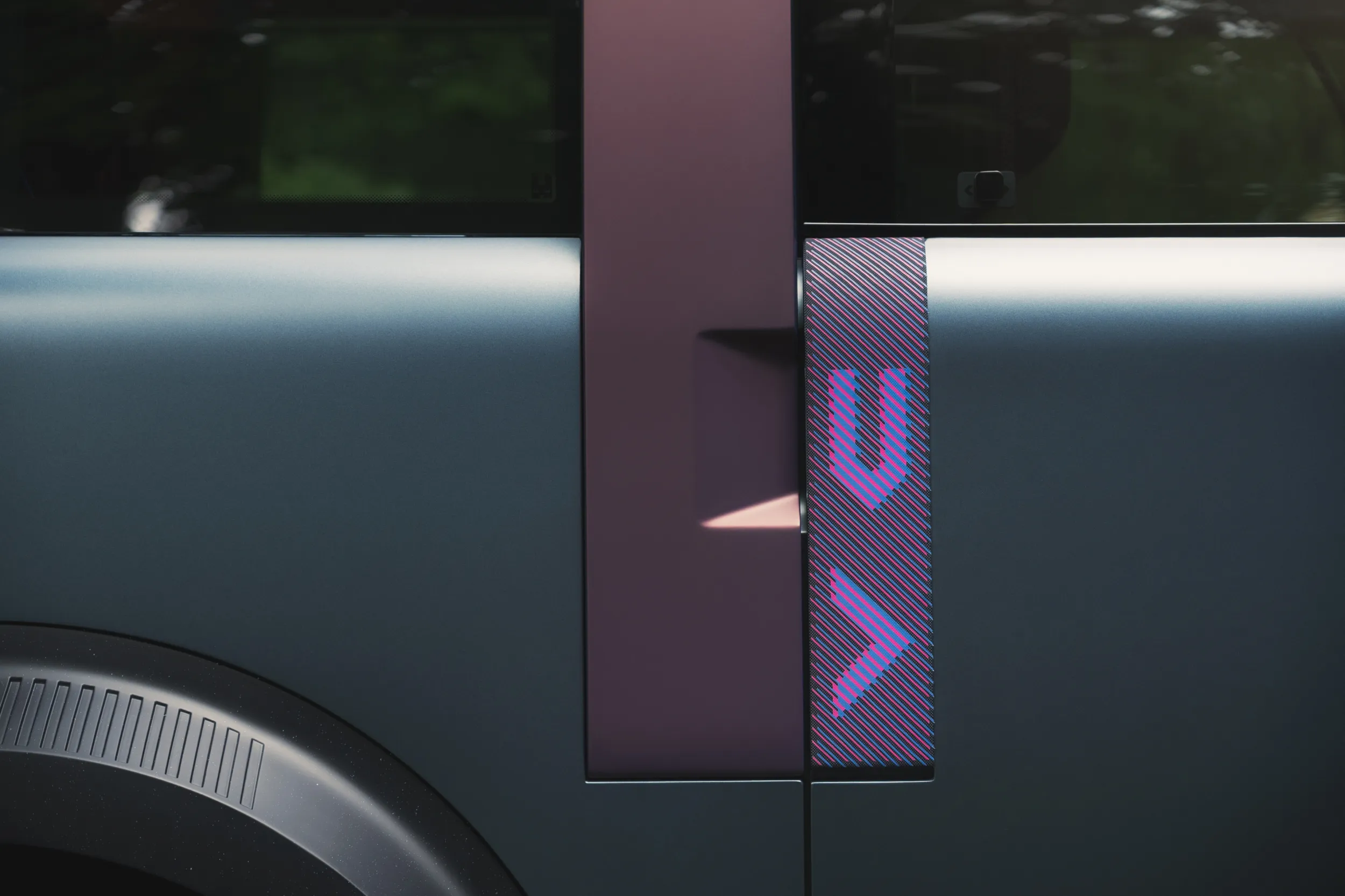
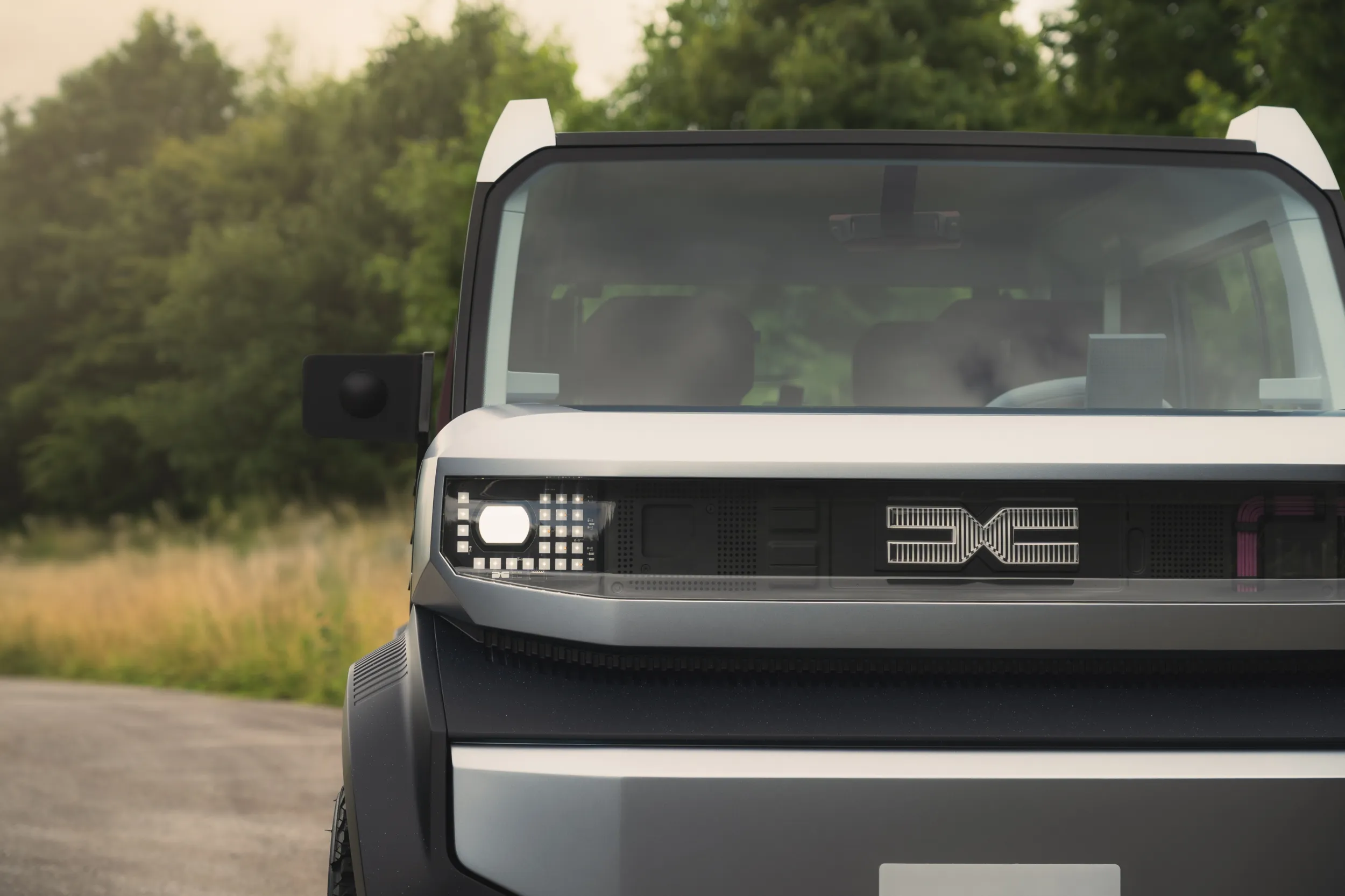
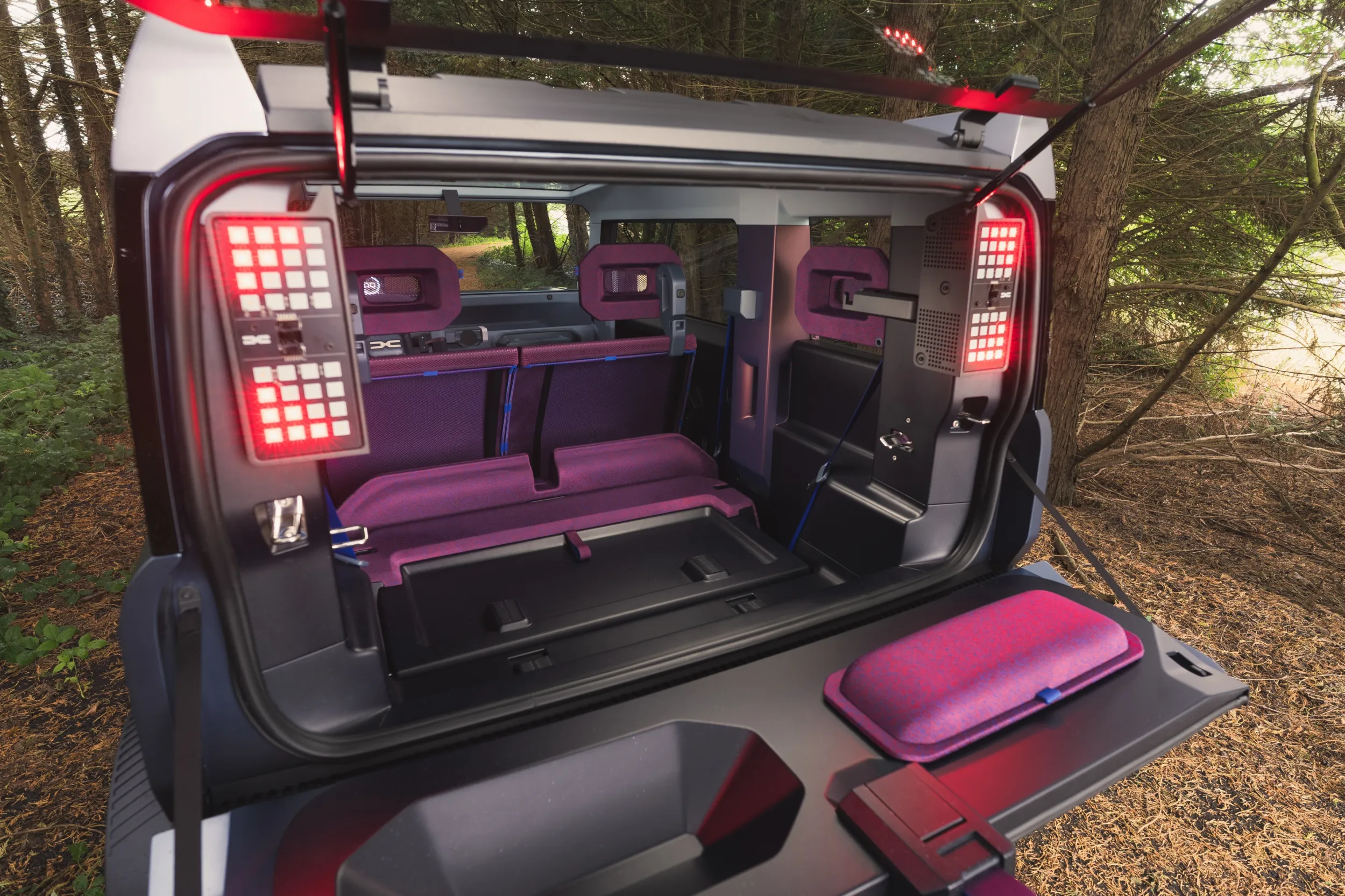
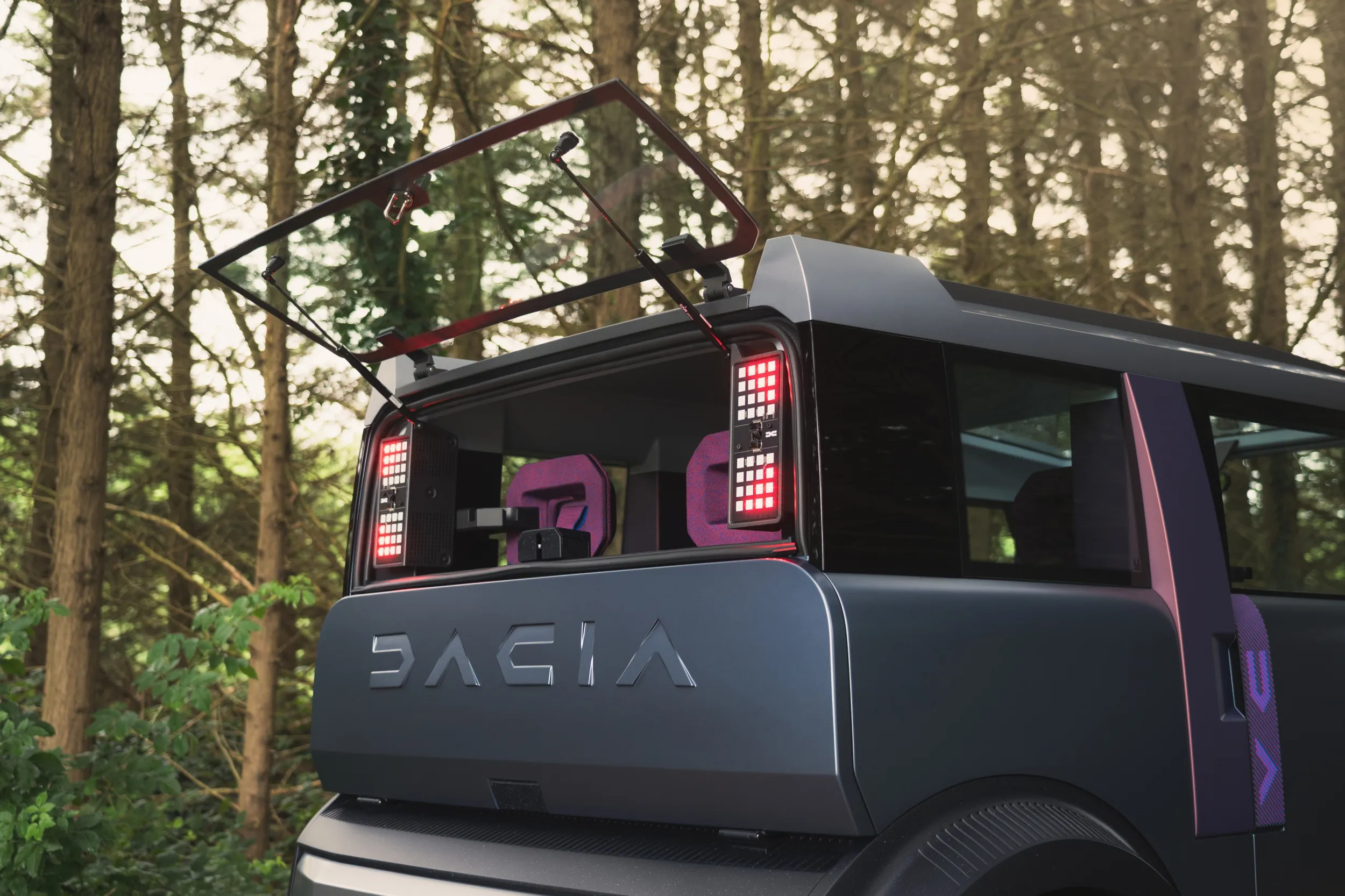
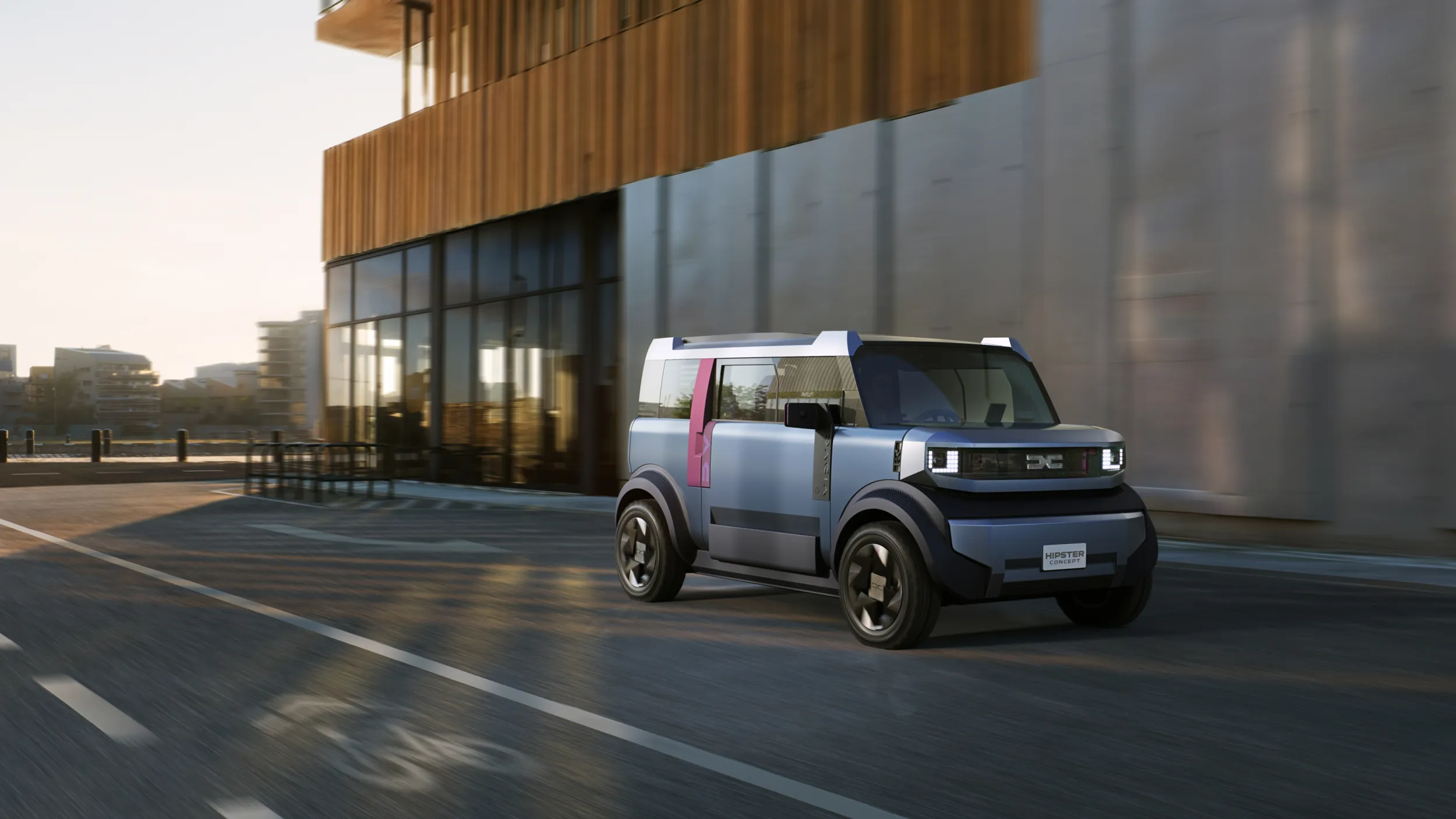
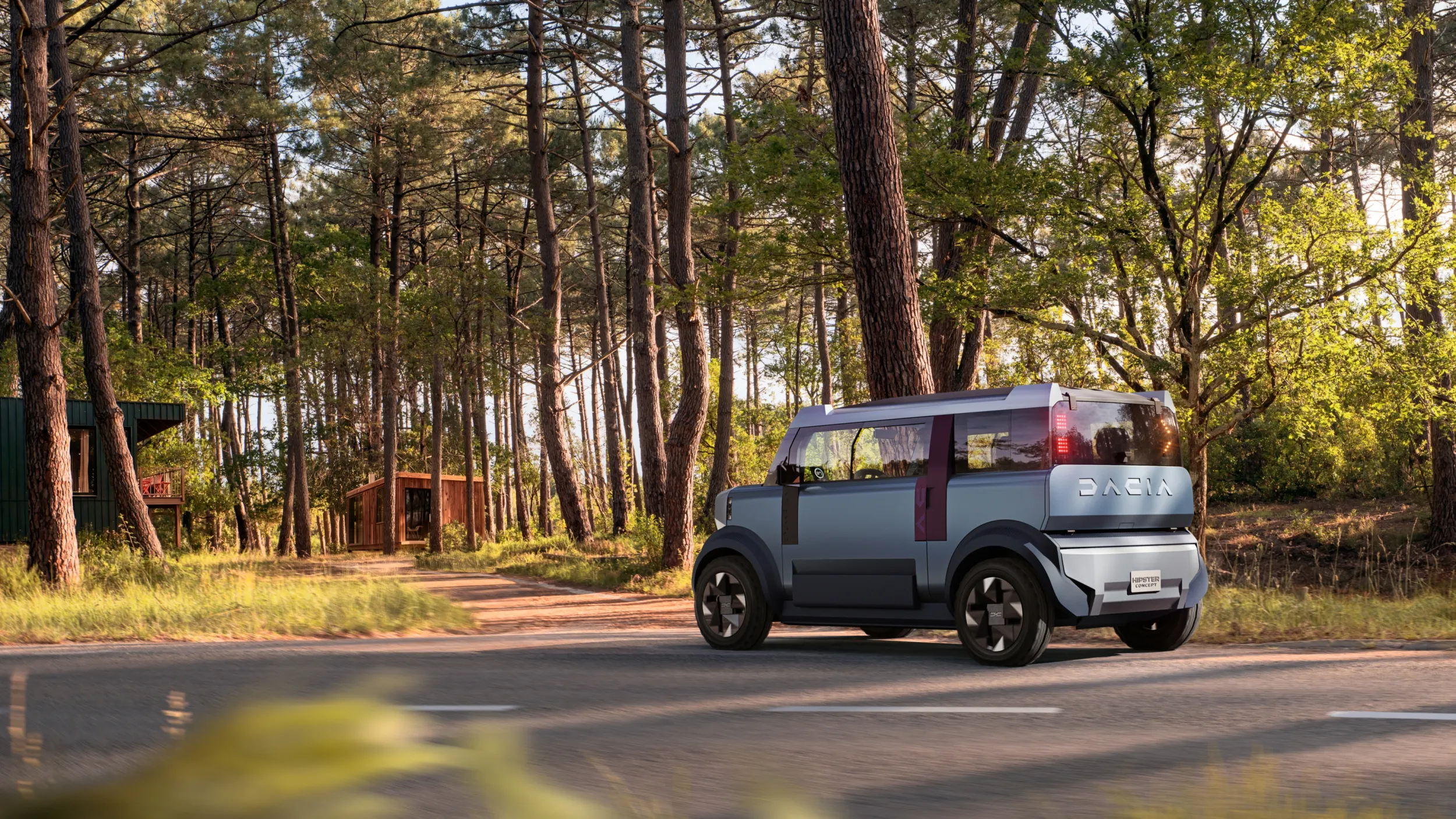
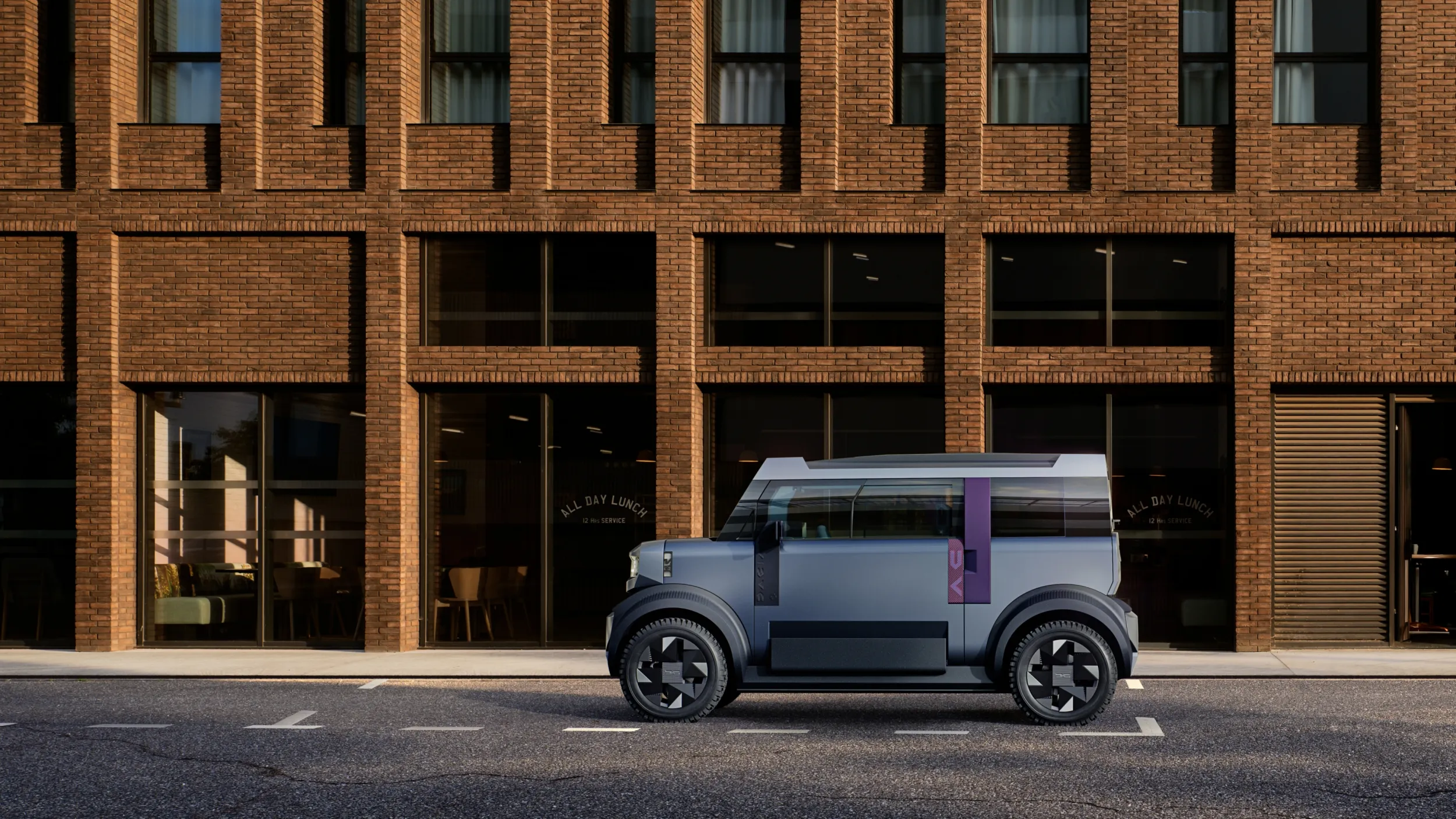
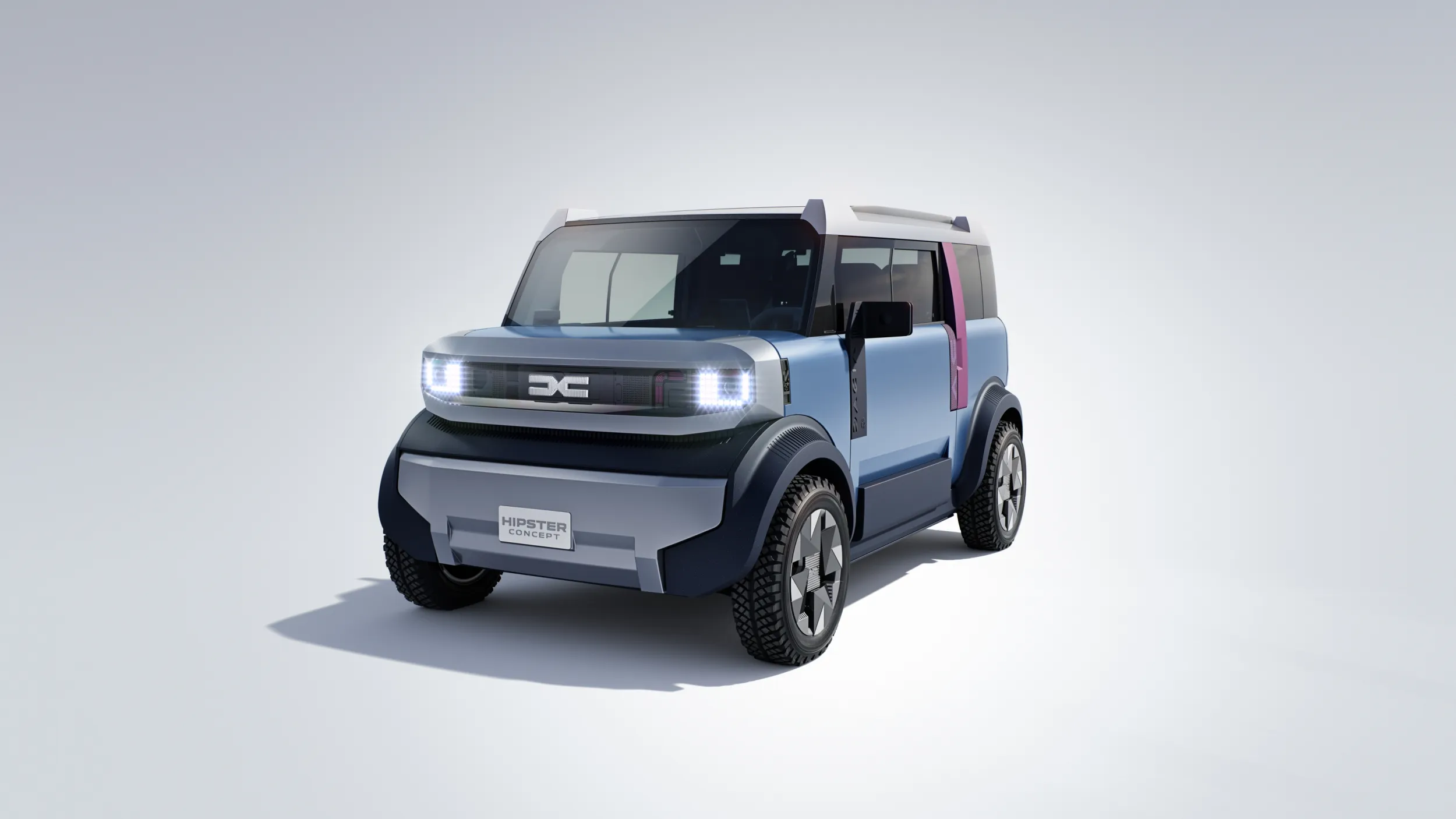
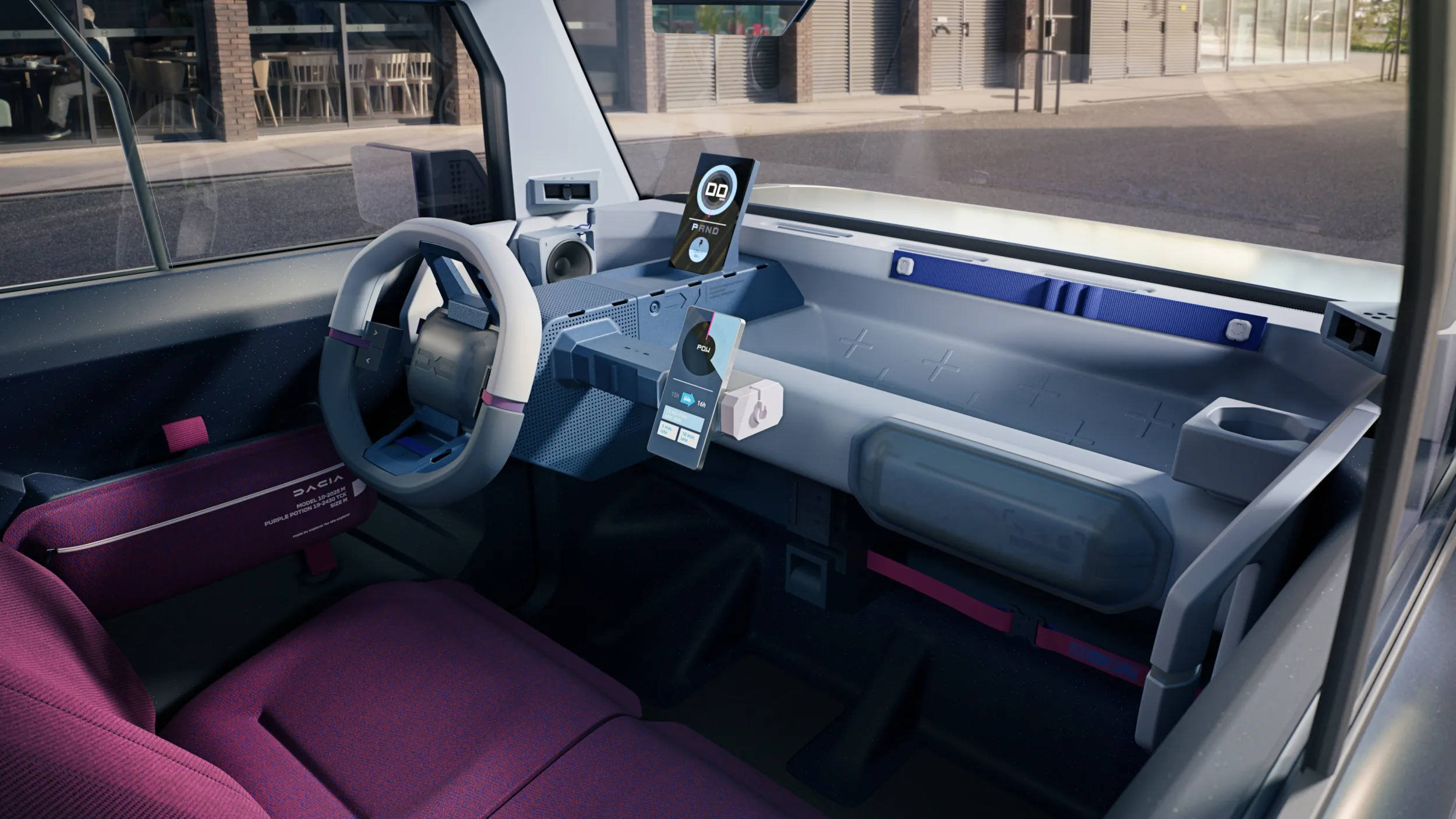
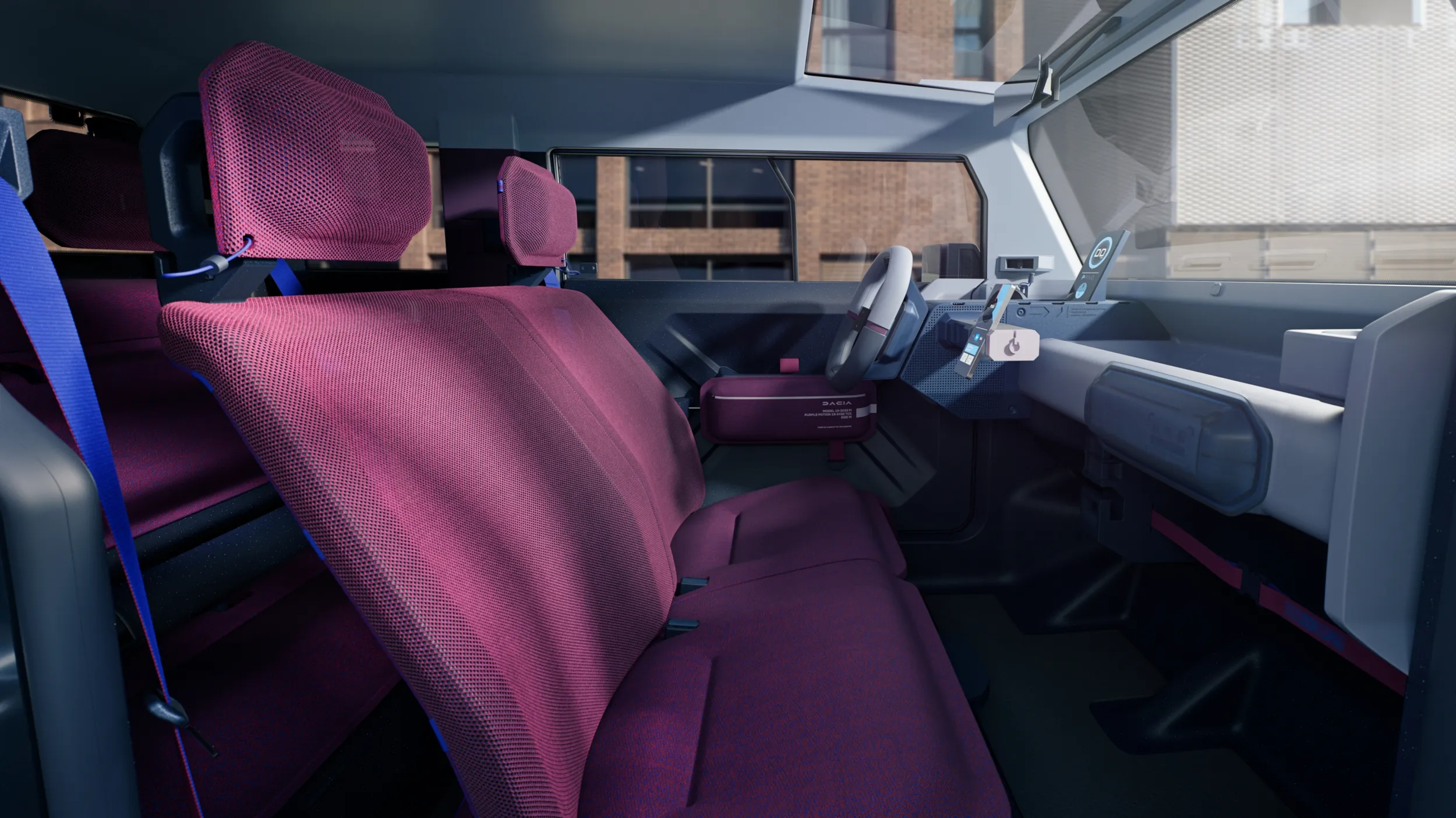
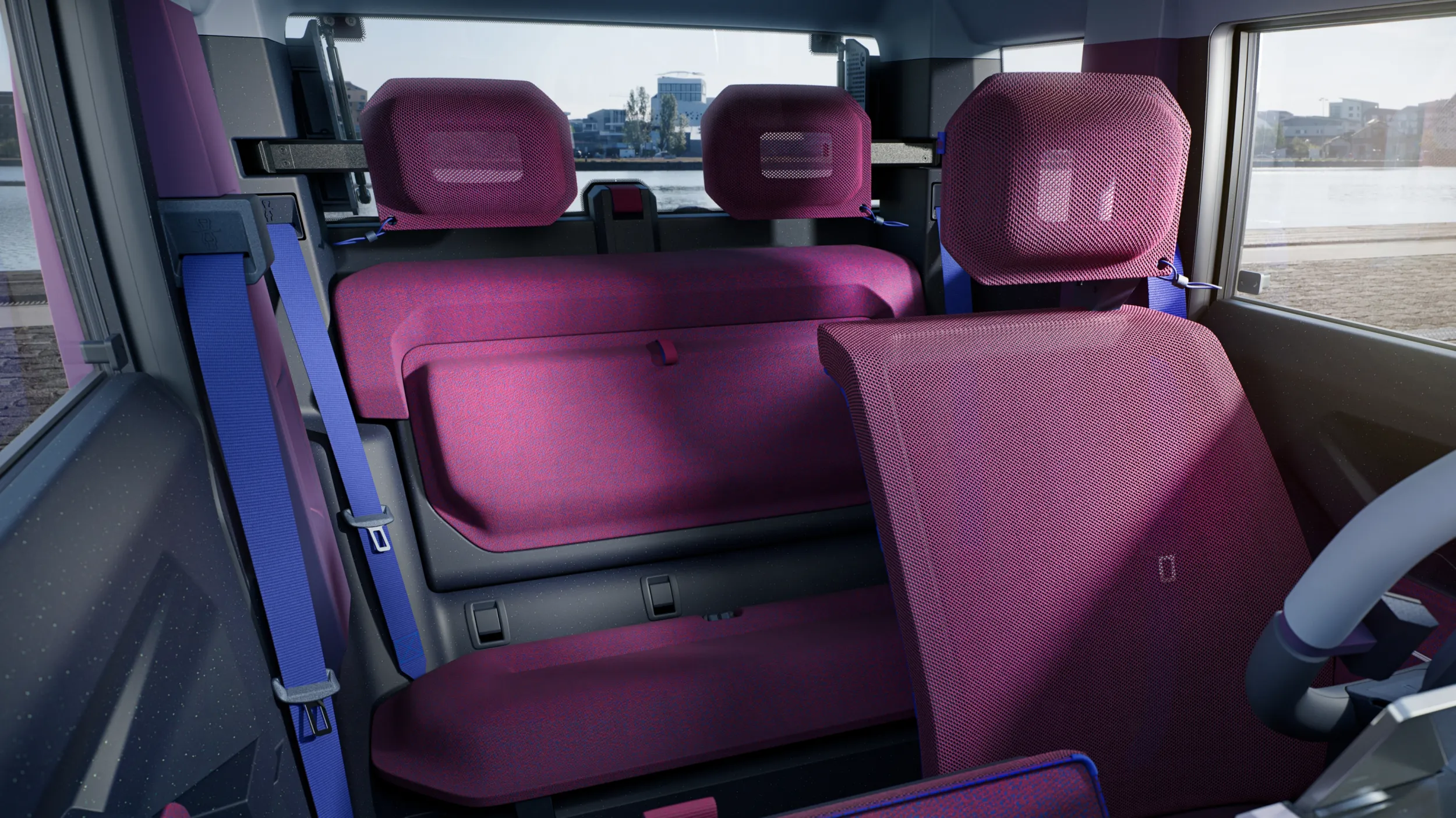
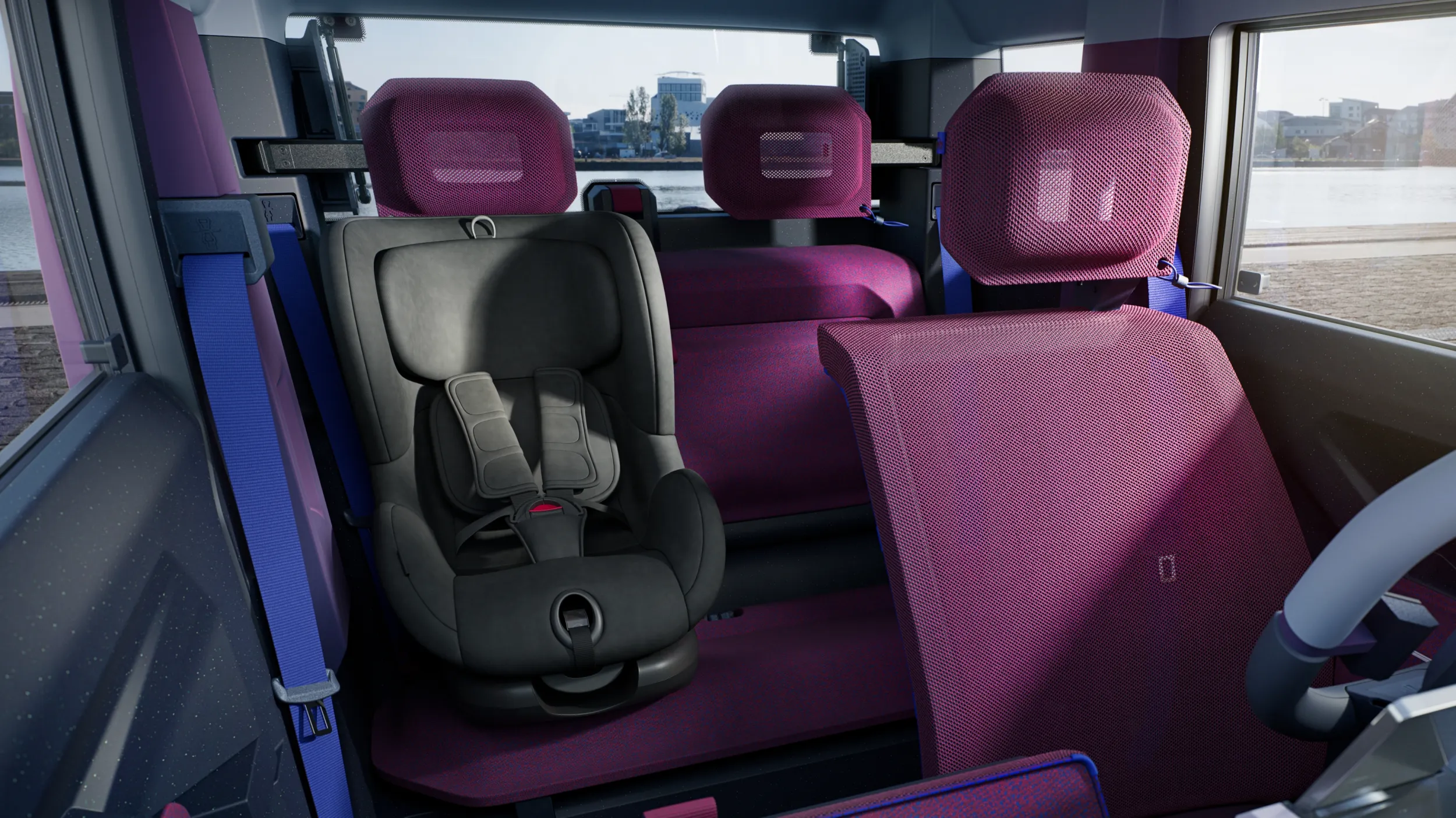
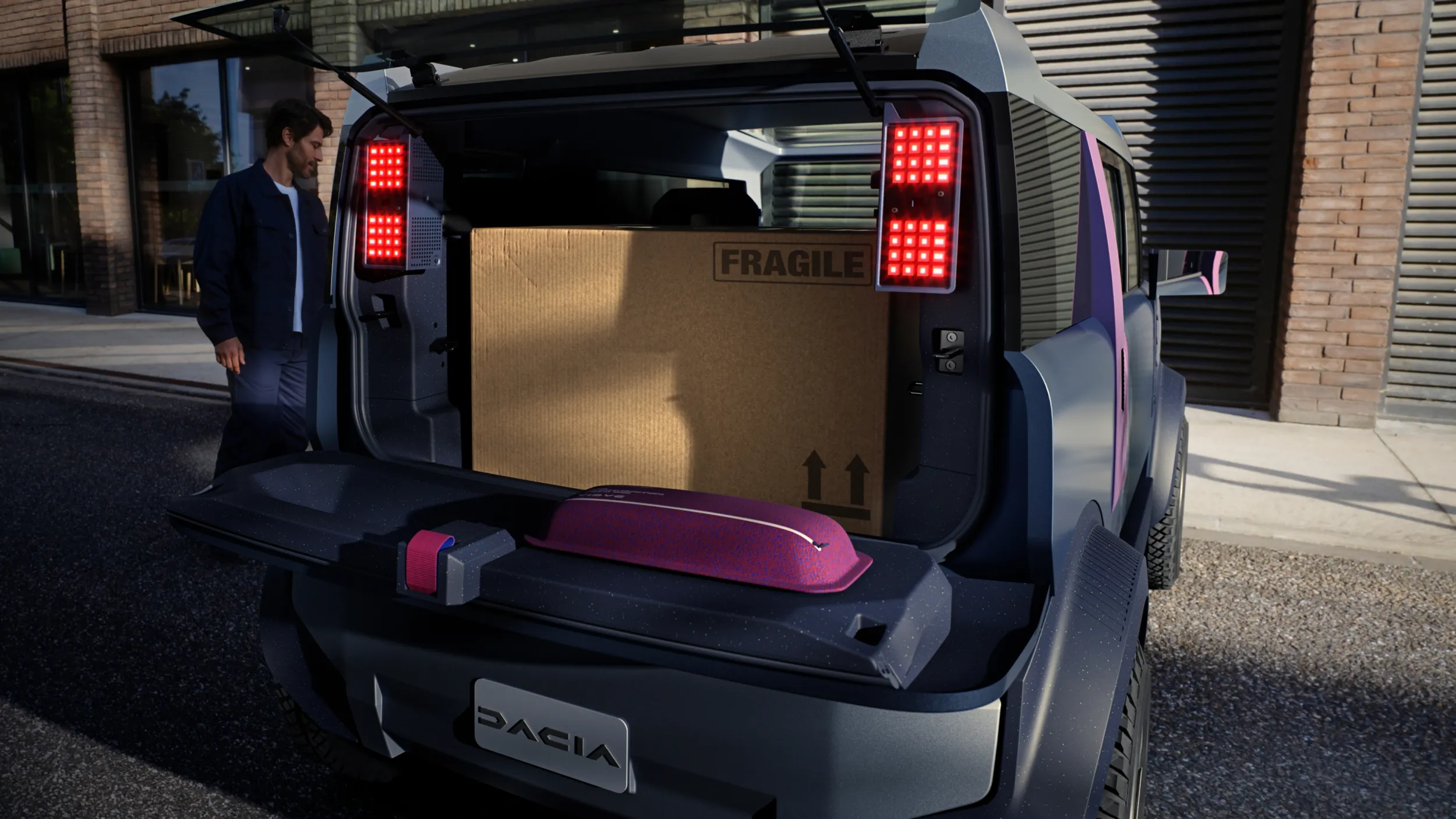
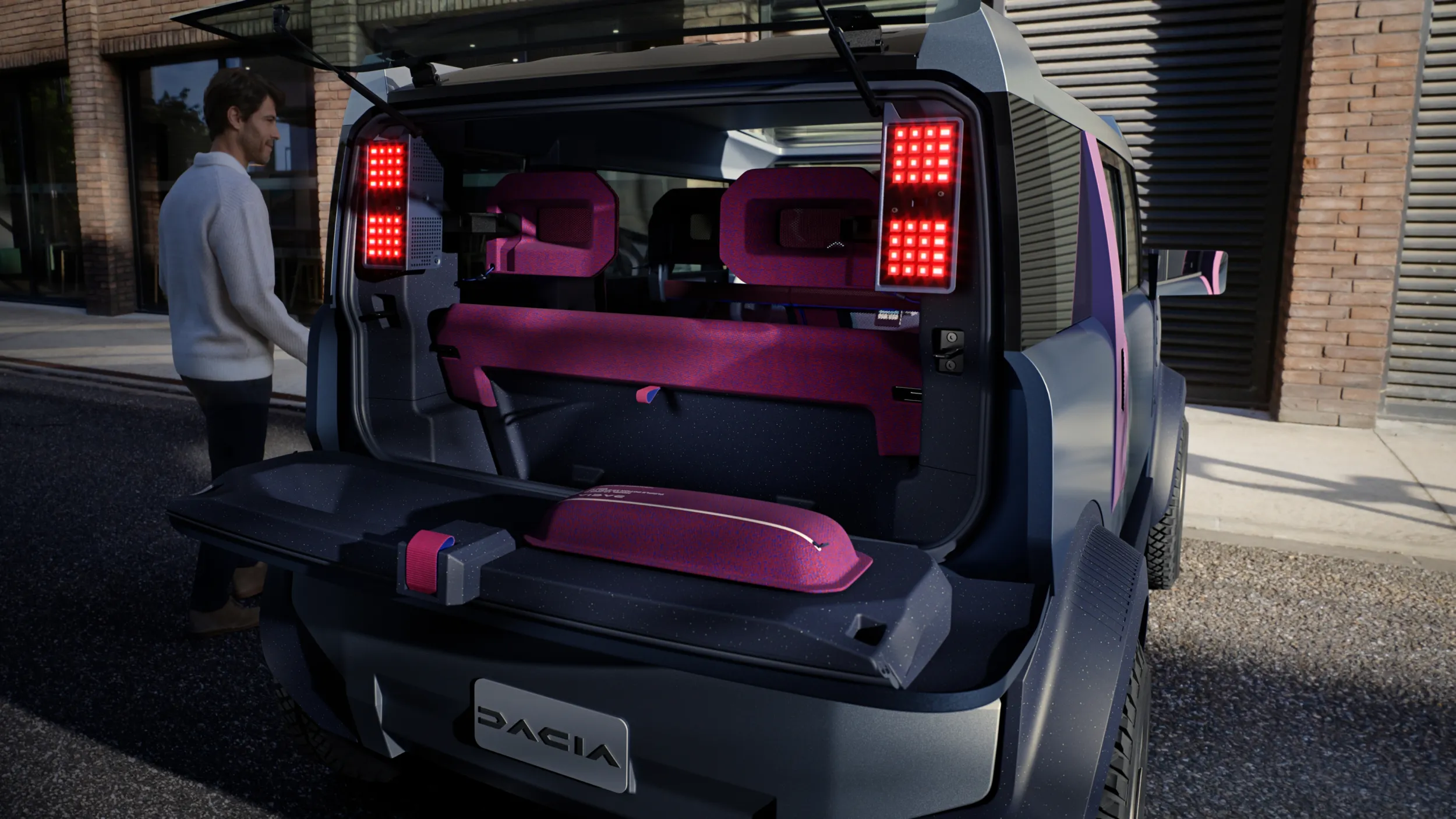
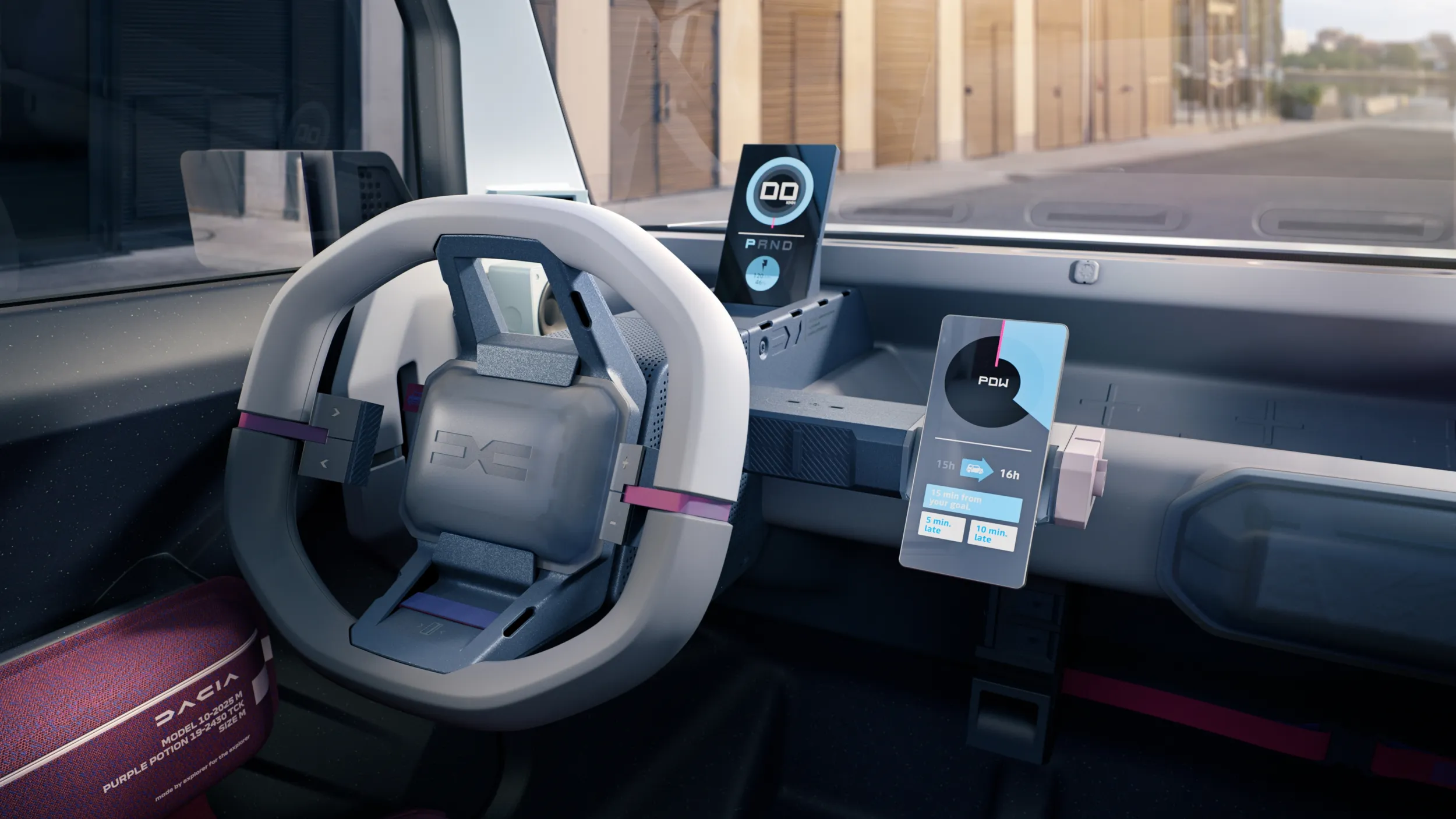
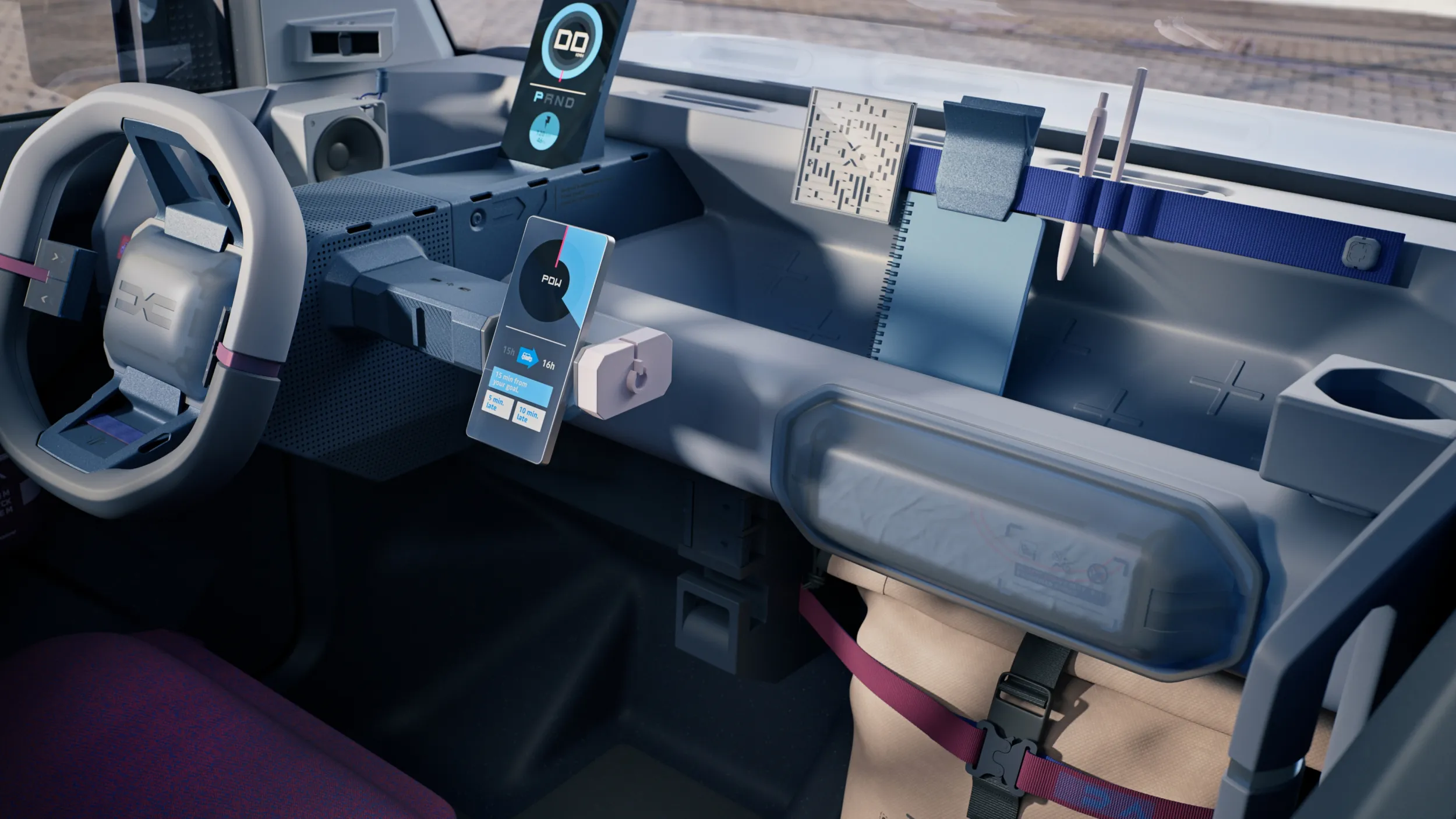
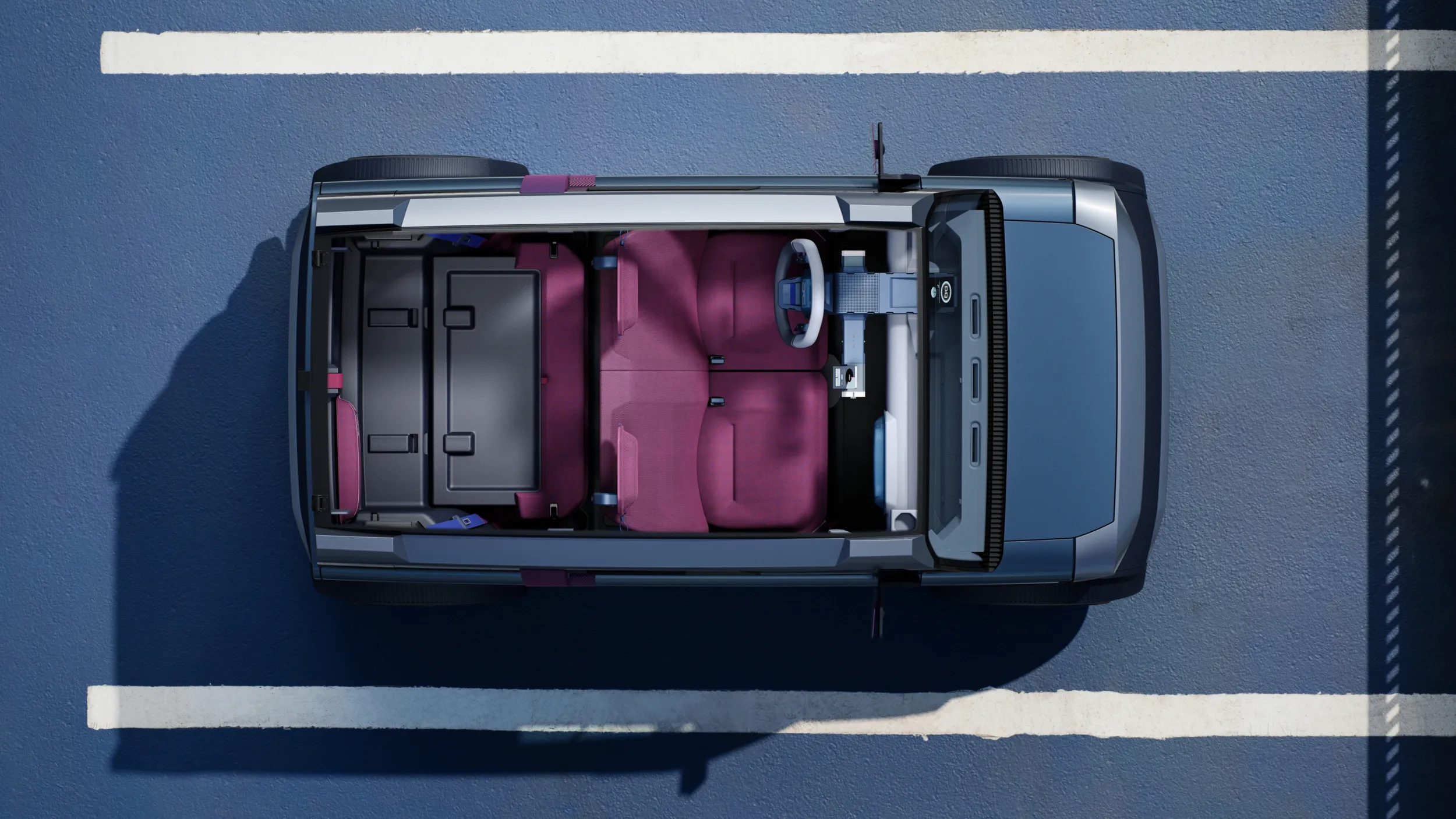
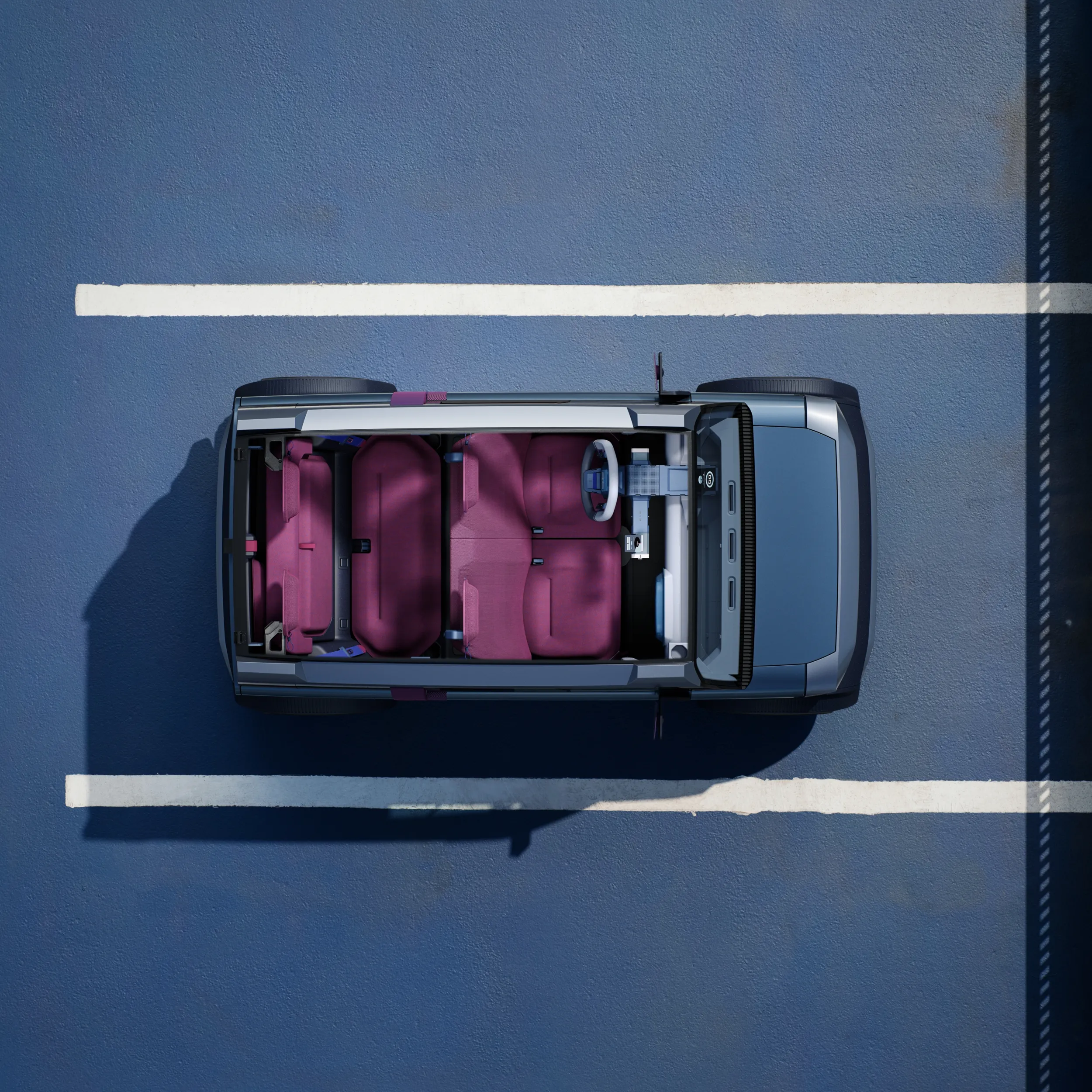
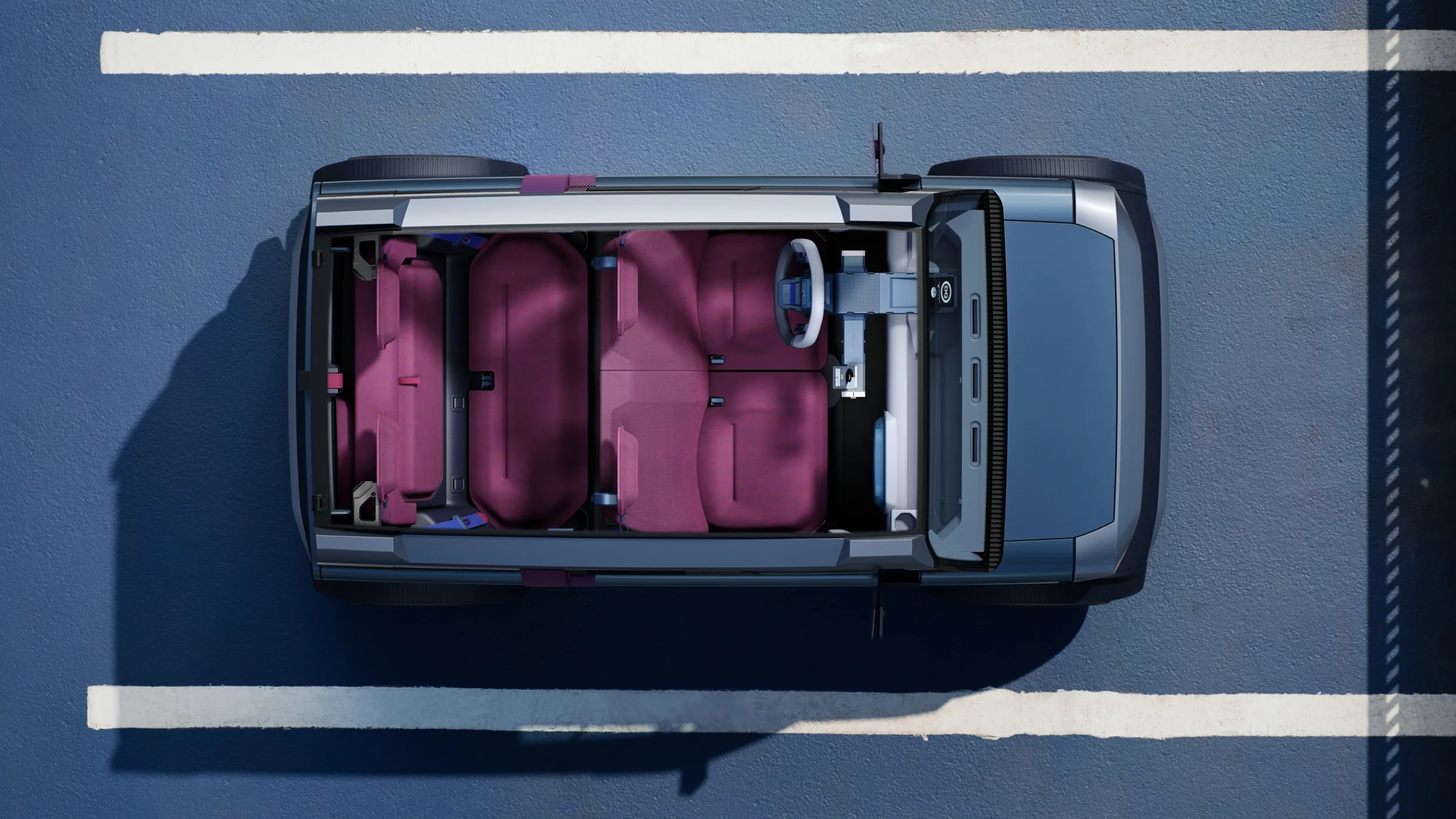
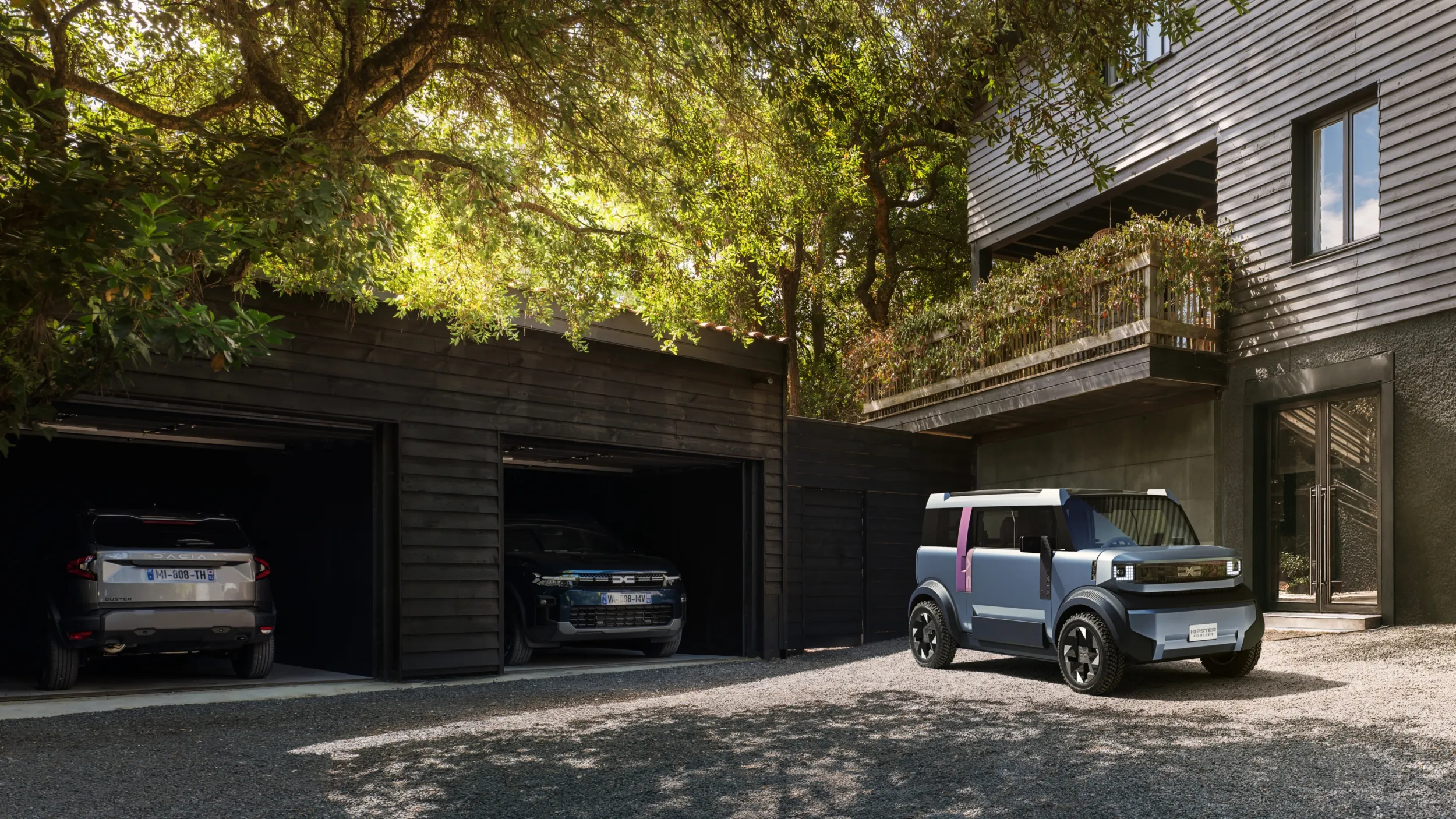
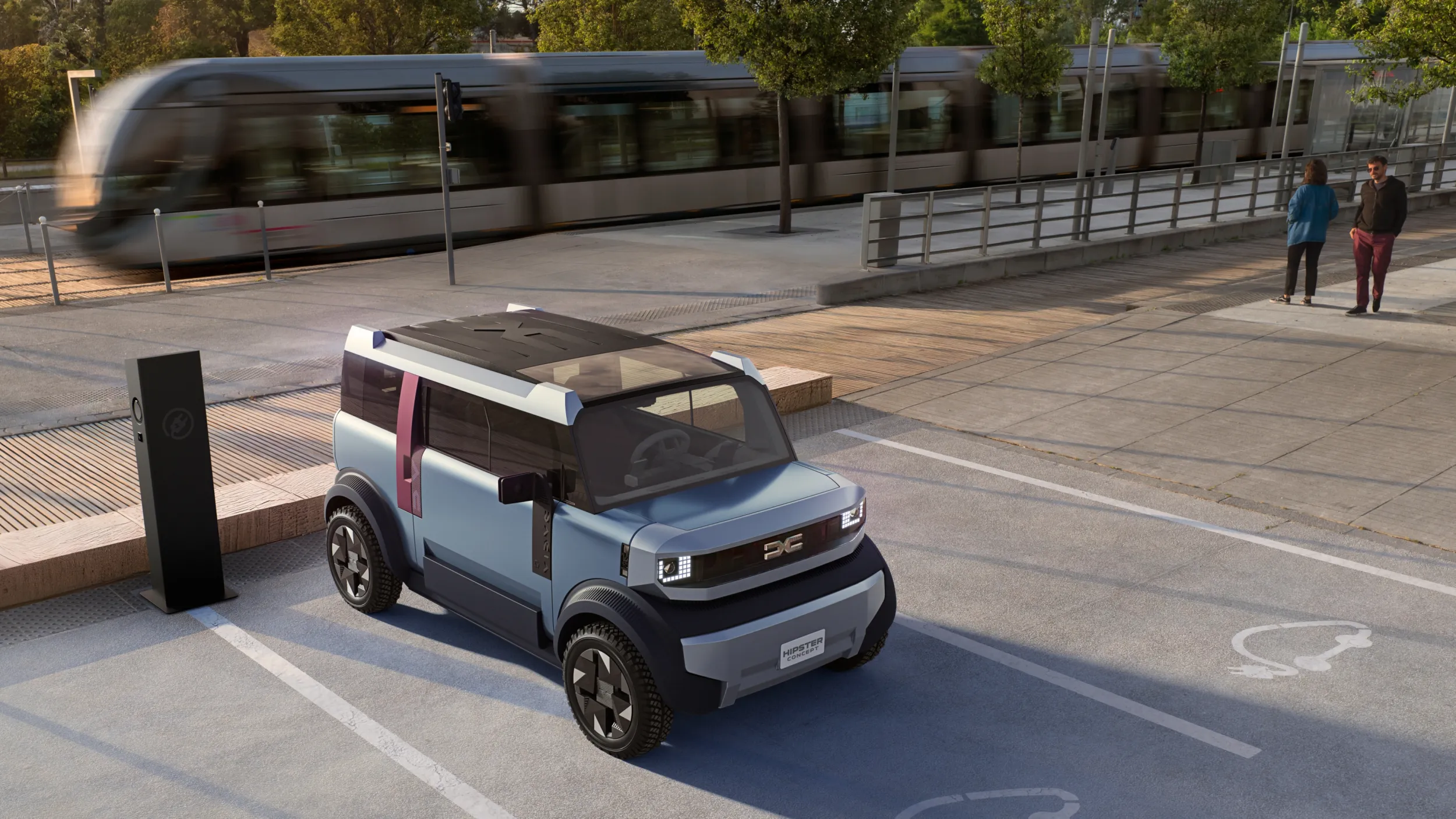
Dacia’s three-metre Hipster may not remain a striking concept car. Information from close to the project points to series production in 2027, a battery of around 15 kWh and a price that would put the four-seat electric Hipster in an entirely new class. There is an important catch: it would not be a conventional passenger car, but a European L7e heavy quadricycle.
A Chinese factory could help push the price towards €11,000
Britain’s Autocar reports, citing a source close to the project, that Dacia intends to put the Hipster into series production in 2027. It would be built at the eGT New Energy Automotive factory in Shiyan, China, where the first-generation Spring was made. Renault Group shares the company with Dongfeng and Nissan, and the factory can produce around 45,000 vehicles a year for Renault. Dacia has not yet officially confirmed production of the model, and design chief David Durand has said the project still needs final approval from management.
The price target is far more interesting than another story of a concept becoming a production model. In the UK, Dacia is targeting a starting price of around £9,500, equivalent to roughly €11,000. At that figure, Dacia would not simply be making a cheap electric car, but would effectively create a new price tier beneath the conventional electric A-segment.
15 kW changes the Hipster’s character completely
The four-seat version of the Hipster is aimed at the L7e-C category, more specifically the L7e-CP category for passenger transport. European rules limit such a vehicle’s continuous rated power to 15 kW and its top speed to 90 km/h. The mass in running order of a passenger L7e vehicle must not exceed 450 kg, although the mass of an electric vehicle’s traction battery is excluded from that calculation. L7e-CP permits up to four seats including the driver.
The Hipster is therefore not technically a new Spring or a conventional M1-category passenger car. Lower power, a lower top speed and a different type-approval framework make it possible to design the vehicle to be much lighter and simpler.
Based on the information available so far, Dacia is considering a battery with a capacity of around 15 kWh, although its chemistry has not yet been finalised. There is no reliable final range figure, so there is no point in inventing one based on battery capacity. Chinese engineers are working on the motor, battery and chassis, while Dacia is seeking to reuse components from the previous Spring where possible to reduce development and production costs further.
Four people must fit within three metres
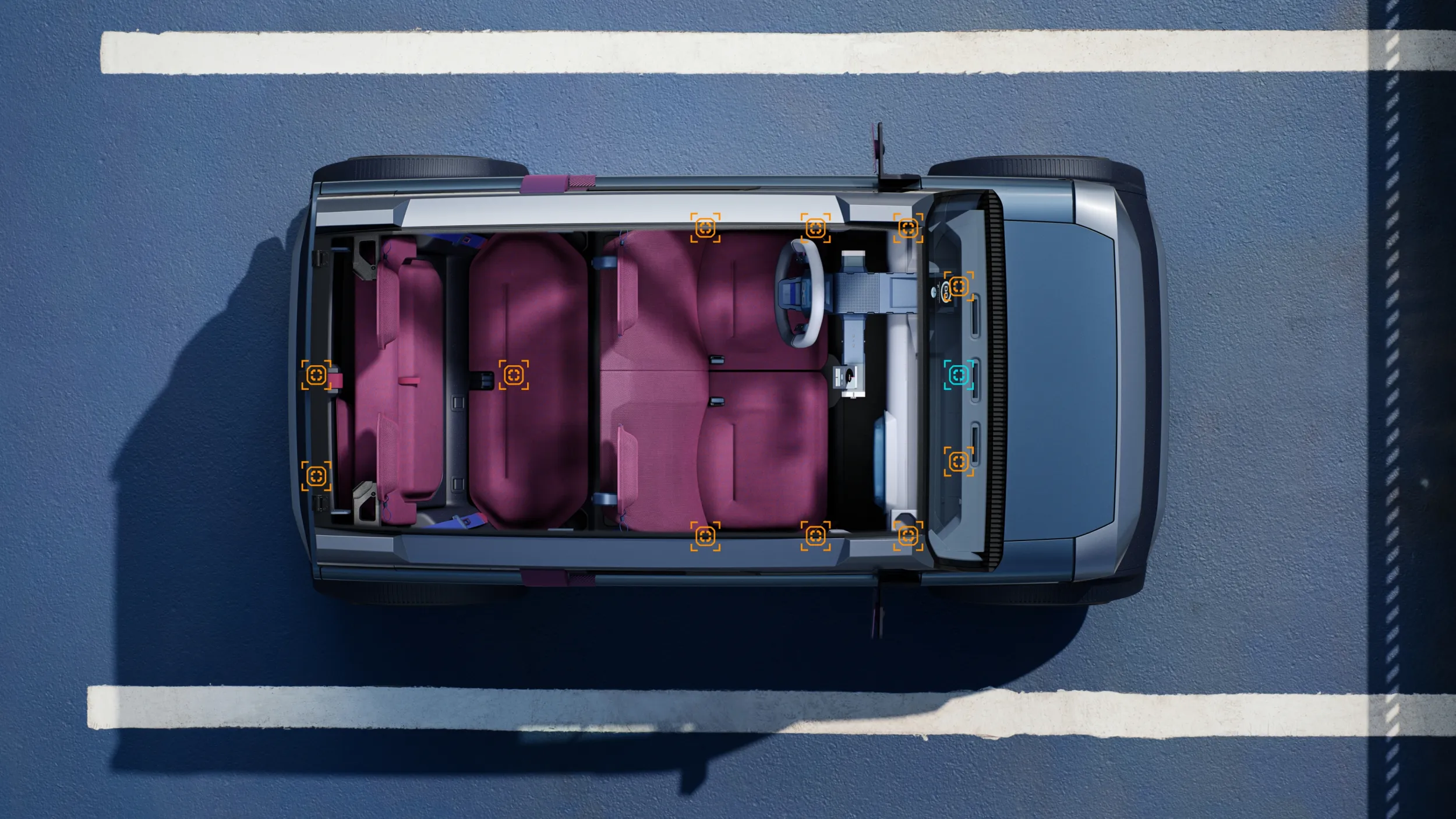
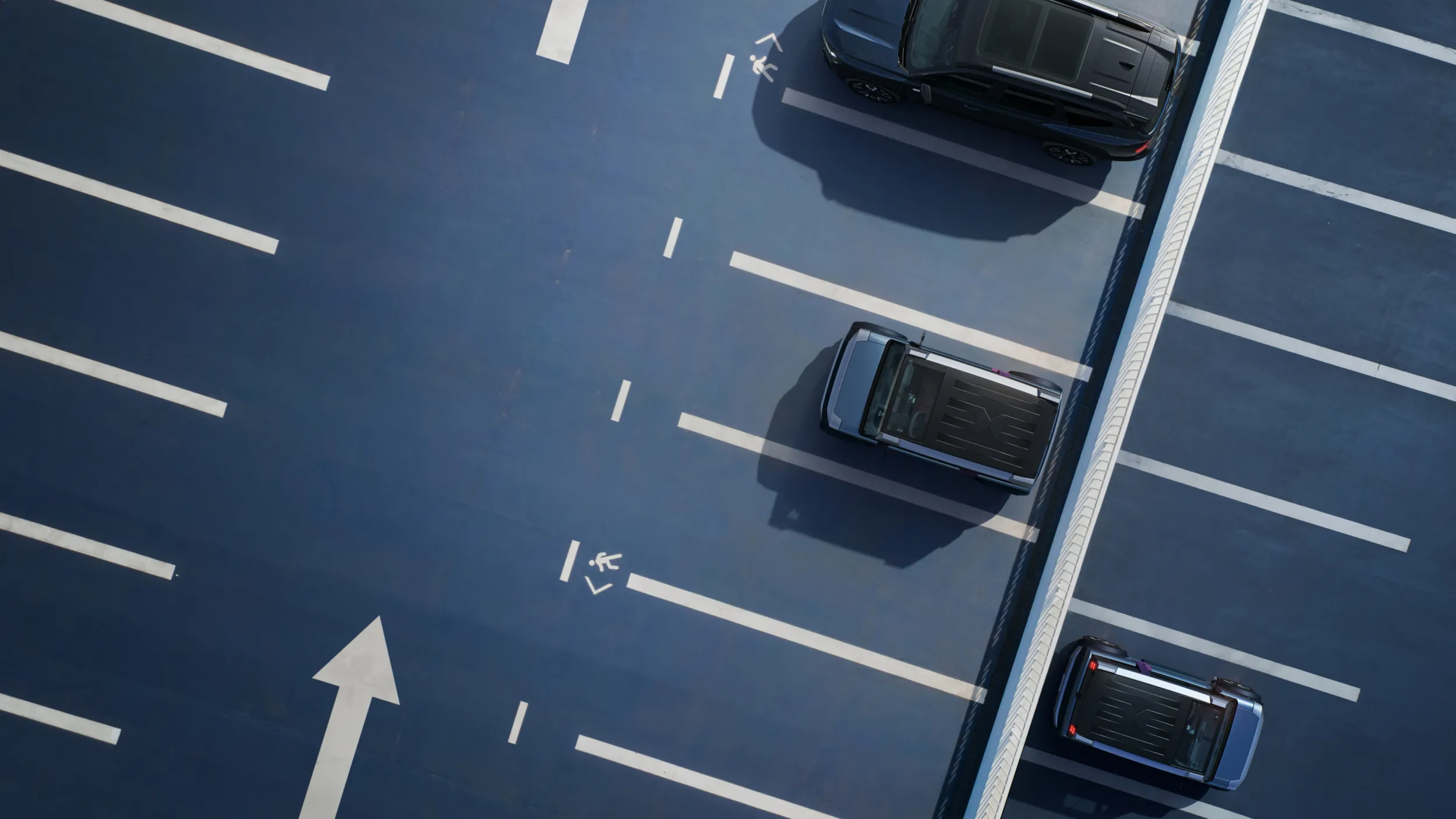
The Hipster Concept, unveiled last year, measures just 3.00 metres long, 1.55 metres wide and 1.53 metres high. Despite this, Dacia designed the cabin for four adults and still left 70 litres of luggage space. With the rear seats folded, that space increases to 500 litres. This is exceptionally aggressive use of space, rather than simply a designer toy.
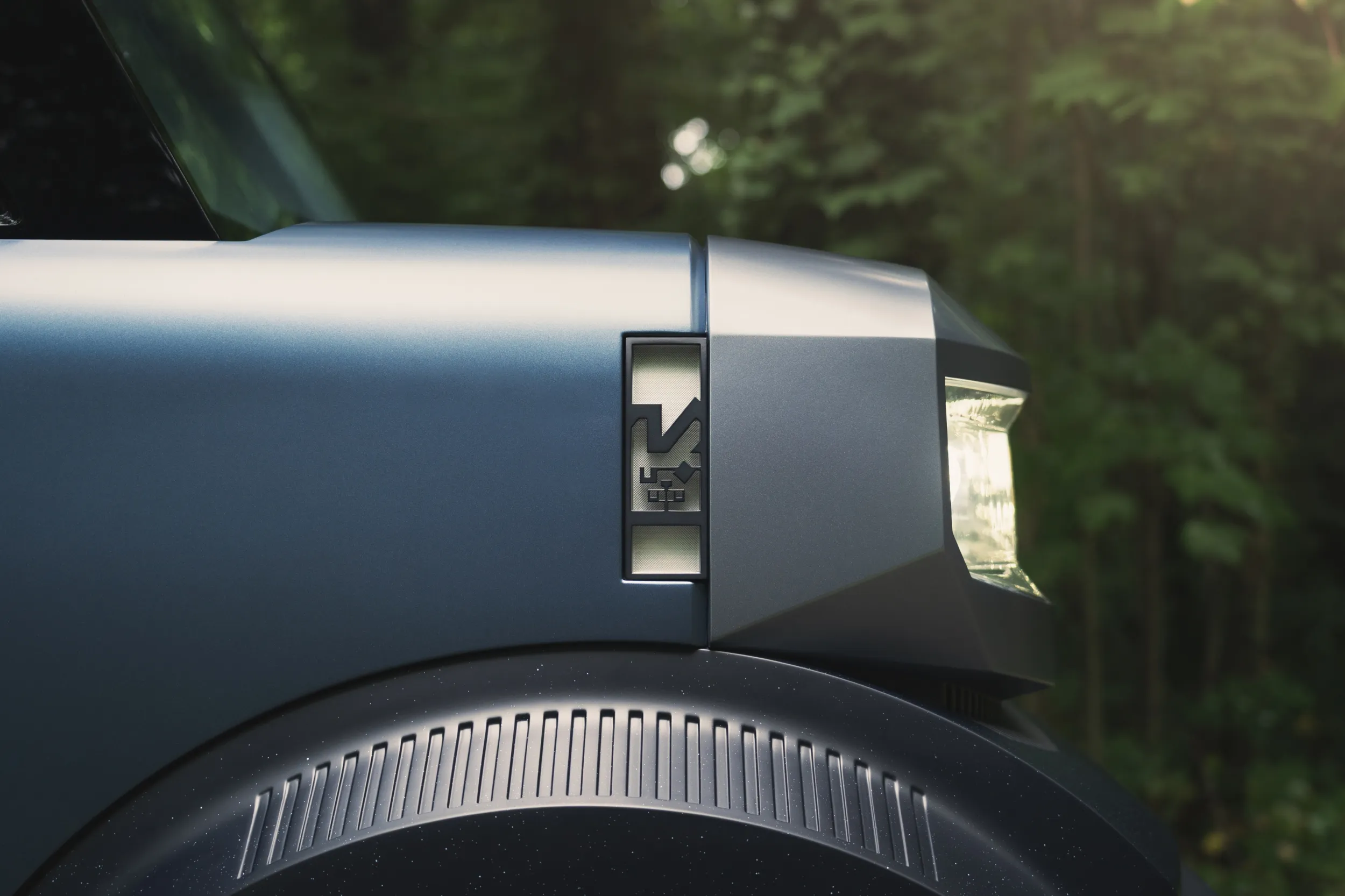
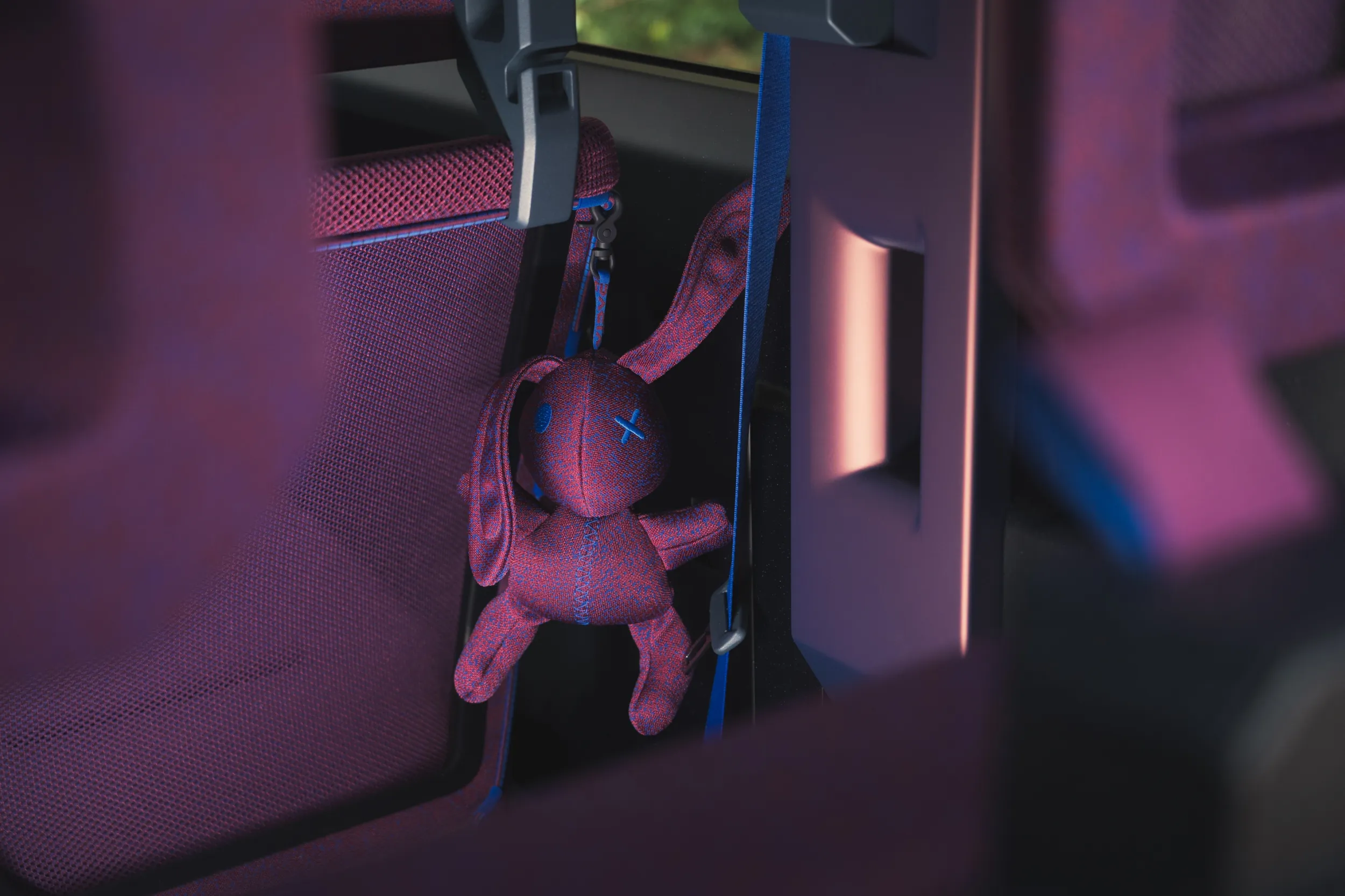
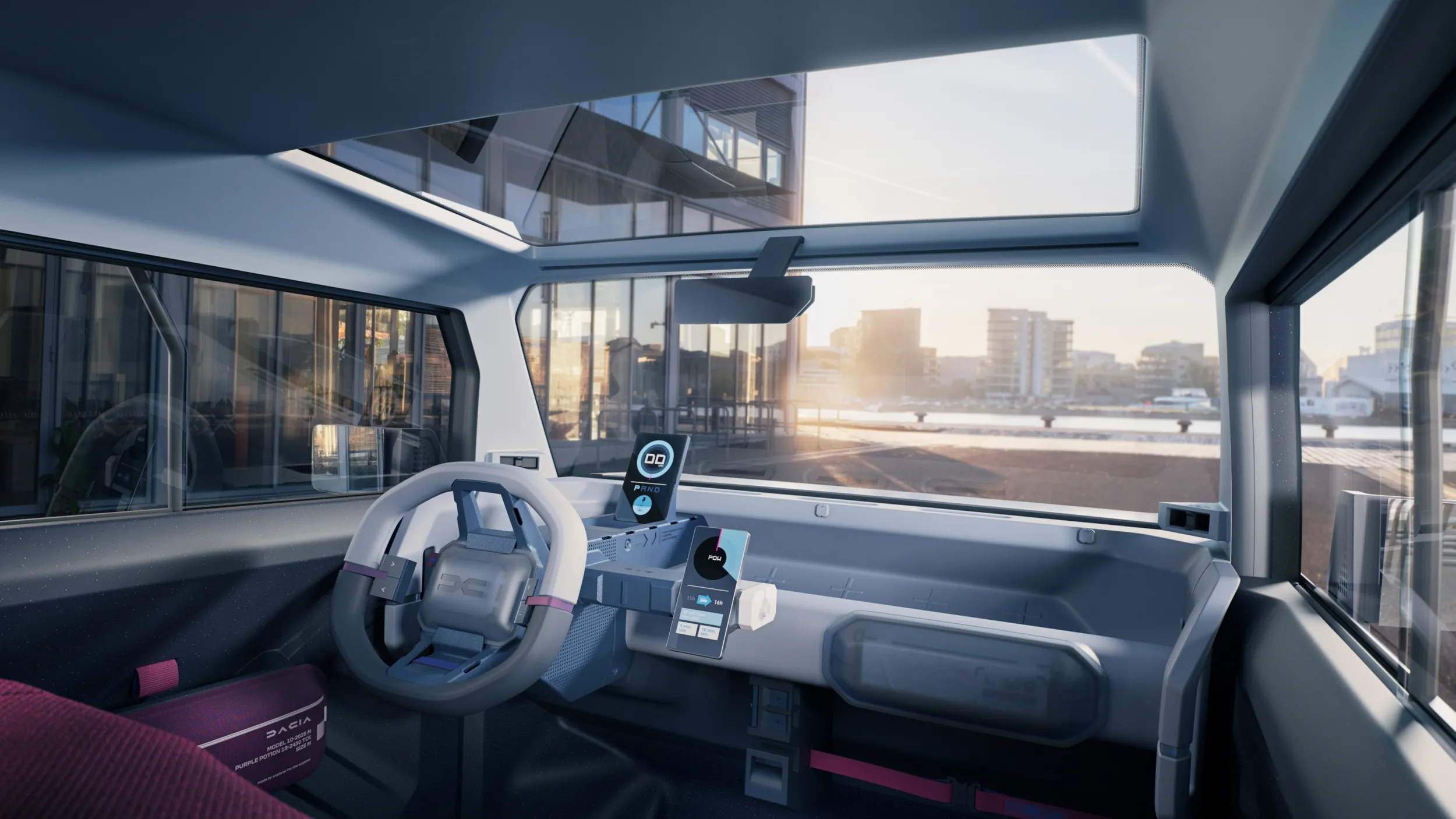
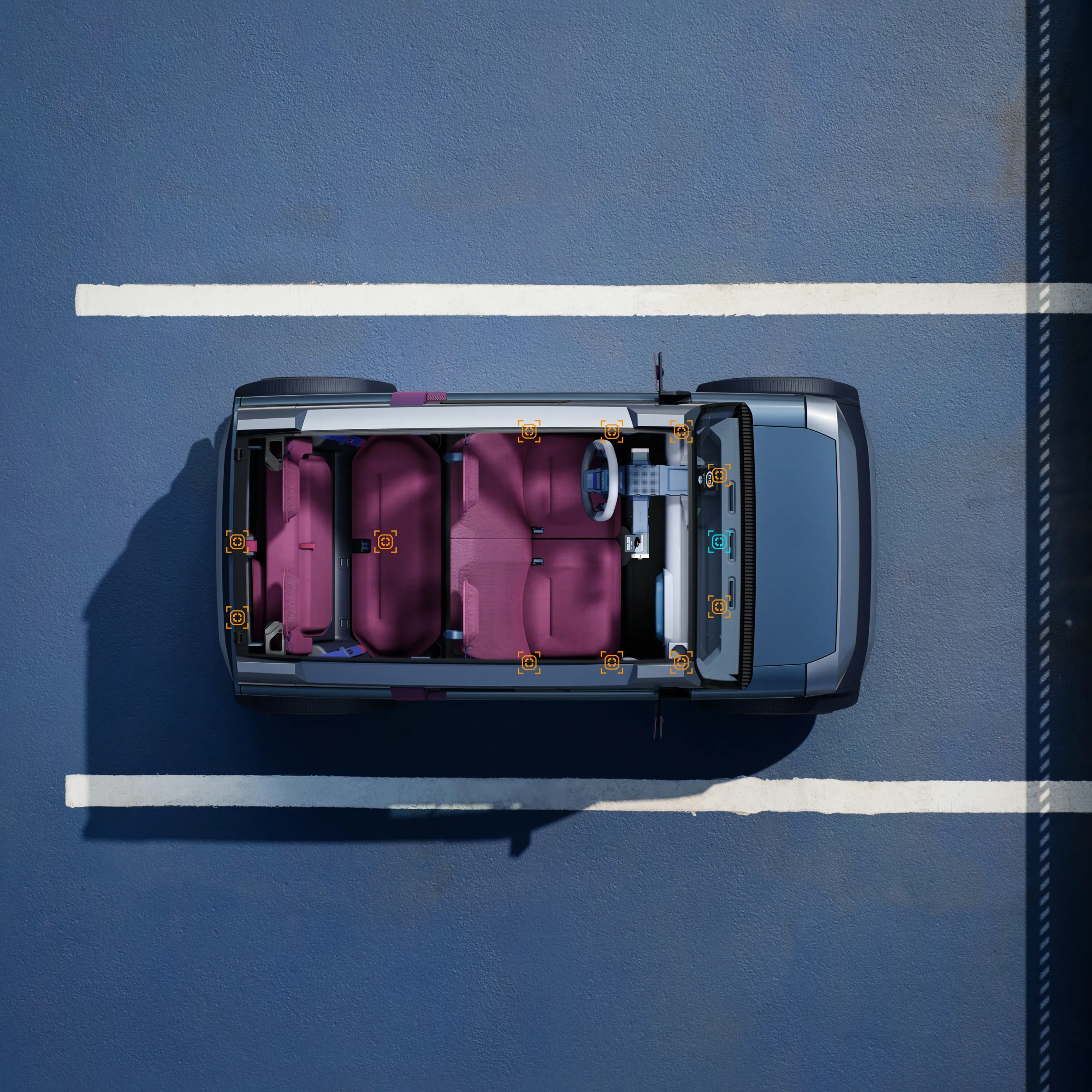
Dacia reduced the concept car’s weight and cost almost everywhere. A strap serves as the door handle, the side windows use a simple mechanism, and the cabin uses a smartphone as a central part of both the display and audio system. Dacia left only three painted elements on the body and used 11 YouClip mounting points in the cabin, avoiding the installation of numerous fixed items of equipment.
The production version is expected to retain the concept’s main dimensions. However, the car seen in patent filings changes the bumpers, front end, lighting signature and windows. The concept’s two-part tailgate could become a large side-hinged door. Materials are an even more difficult question. Plastic panels would help reduce weight, but Dacia itself believes they could prove more expensive than steel panels at the production volumes of a cheap car. It is the 450 kg limit that forces engineers to make difficult but interesting choices.
The new Spring shows just how different the Hipster really is
A comparison with the recently updated Spring puts the scale into perspective. The second-generation Spring uses Renault Group’s RG-EV small platform, its electric motor produces 60 kW and 175 Nm, its LFP battery has 27.5 kWh of usable capacity, and its WLTP range is up to 250 km. The car reaches 130 km/h and weighs from 1,212 kg. In France, the base model costs less than €18,000 before subsidies.
The Hipster’s target price of around €11,000 therefore represents a difference of nearly €7,000, but customers would give up a significant share of the Spring’s power, road speed and conventional passenger-car status in return. That is also why the Hipster should not simply be called an “ultra-cheap Spring”. Dacia is effectively creating a new tier below the Spring.
Fiat Multiplina shows Dacia is not alone with the idea
A very direct rival for the Hipster is already emerging in Europe. Fiat unveiled the Multiplina Concept in the summer of 2026, and it also seats four people, belongs to the L7e class and reaches up to 90 km/h. Fiat describes it as a link between the Topolino and a proper passenger car. The company has not yet disclosed battery size, power or price.
This competition is far more interesting than another battle between electric SUVs costing €50,000. Both manufacturers are essentially asking the same question: how much car is really needed in a European city?
The Hipster’s development and potential production combine the cost advantage of Chinese micro-vehicles with an established European manufacturer’s brand and sales network. If a price close to €11,000 is genuinely maintained, it would put pressure not only on Fiat but on the entire European market for affordable electric urban mobility.
At the same time, buyers need to know exactly what they are purchasing. An L7e Hipster will not offer the Spring’s 60 kW powertrain, 130 km/h top speed or conventional M1 passenger-car concept. Instead, Dacia is trying to remove everything that is rarely needed on short daily journeys. That is the point of the project and its potential for success.


