
Maserati to bring back Levante and radically rethink Quattroporte
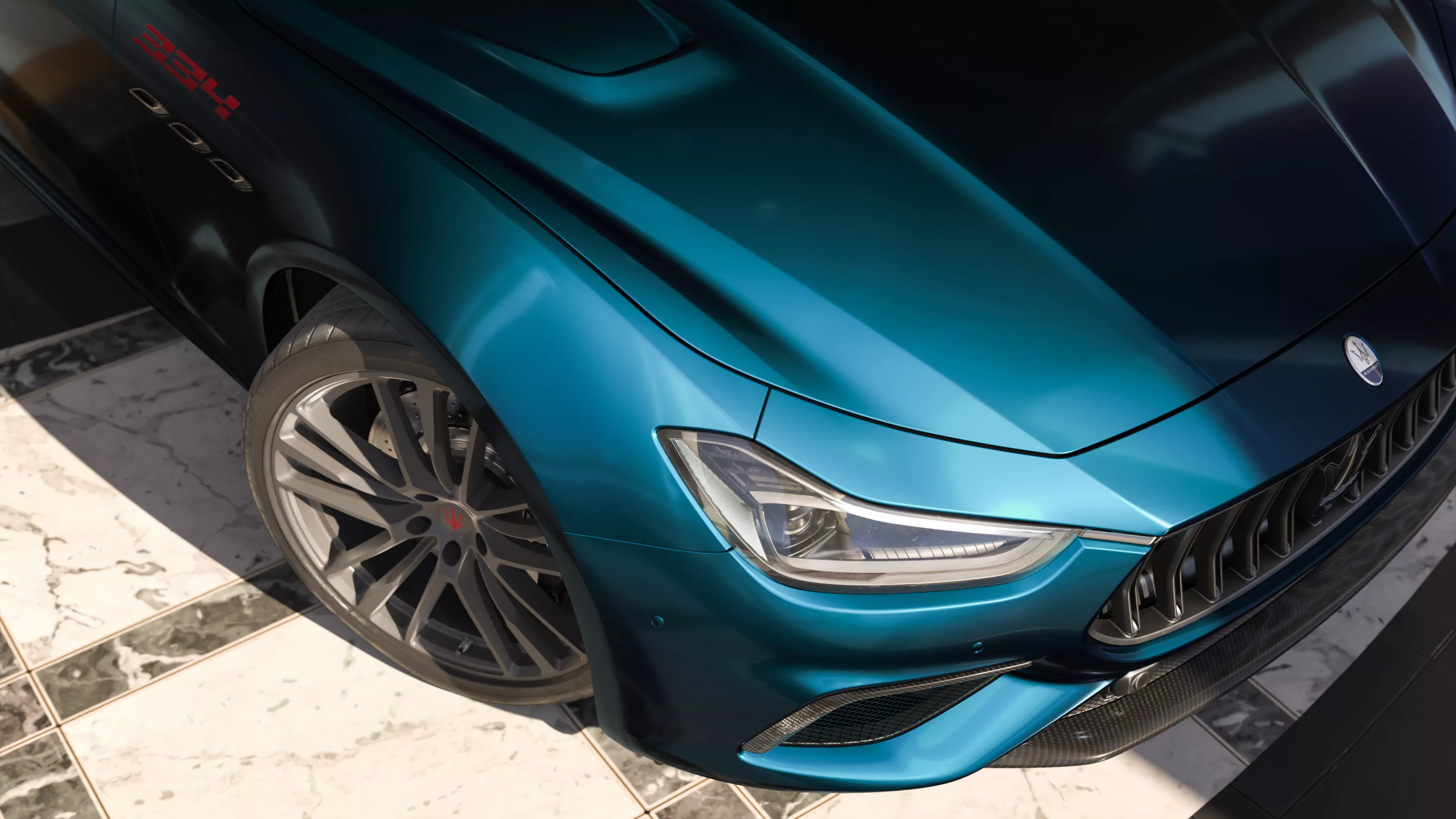
Maserati wants to revive two models whose departure left a sizeable gap in the Italian luxury brand’s range. In December, the manufacturer will unveil a new development plan centred on a successor to the Levante SUV and a thoroughly reimagined Quattroporte. The latter may no longer be a saloon at all, but a low-slung, sporty estate.
Levante returns as Quattroporte changes shape
Stellantis CEO Antonio Filosa confirmed that Maserati will present its future models and technologies in Modena in December. Maserati boss Santo Ficili said the company wants to return to market segments it has left in recent years.
Maserati is first preparing a successor to the Levante. Produced from 2016 to 2024, the SUV competed with the Porsche Cayenne and BMW X5 and offered engines including twin-turbo V6s and V8s. An all-electric powertrain is emerging as one possibility for the new model, but the manufacturer has yet to disclose the final technical configuration.
An even more interesting future may await the Quattroporte. Known as a luxury saloon since 1963, the model could combine the characteristics of a sporty estate and a crossover in its next generation. Ficili described the future car as large and low, suggesting a streamlined grand tourer rather than another tall SUV.
British publication Auto Express reported on the direction of the new models, citing comments from Maserati’s management.
Maserati needs to win buyers back
Maserati’s position is far from enviable. Sales have fallen in recent years, the model range has shrunk, and rumours have even circulated that the company could be sold.
Filosa nevertheless confirmed that Stellantis does not plan to give up the Maserati brand. The development plan to be presented in December must show how the manufacturer intends to restore its position in the luxury car market.
In Europe, the new Levante will face the Porsche Cayenne, BMW X5 and other powerful luxury SUVs. The Quattroporte’s possible switch to a sporty estate body style would be a much bolder move, however, as traditional saloons and SUVs still dominate this price bracket.
Maserati’s problem has never been an inability to build beautiful, fast cars. Selling them in sufficient numbers has proved more difficult. A new Levante could bring back an important group of buyers, but turning the Quattroporte into a sporty estate shows that the Italian manufacturer is also looking for a way to stand out from its competitors.
December will reveal how many of these ideas are backed by actual production plans and how many will remain, for now, a designers’ vision.


