
Tesla Roadster takes flight and accelerates to 100 km/h in 0.9 seconds
 1/40
1/40
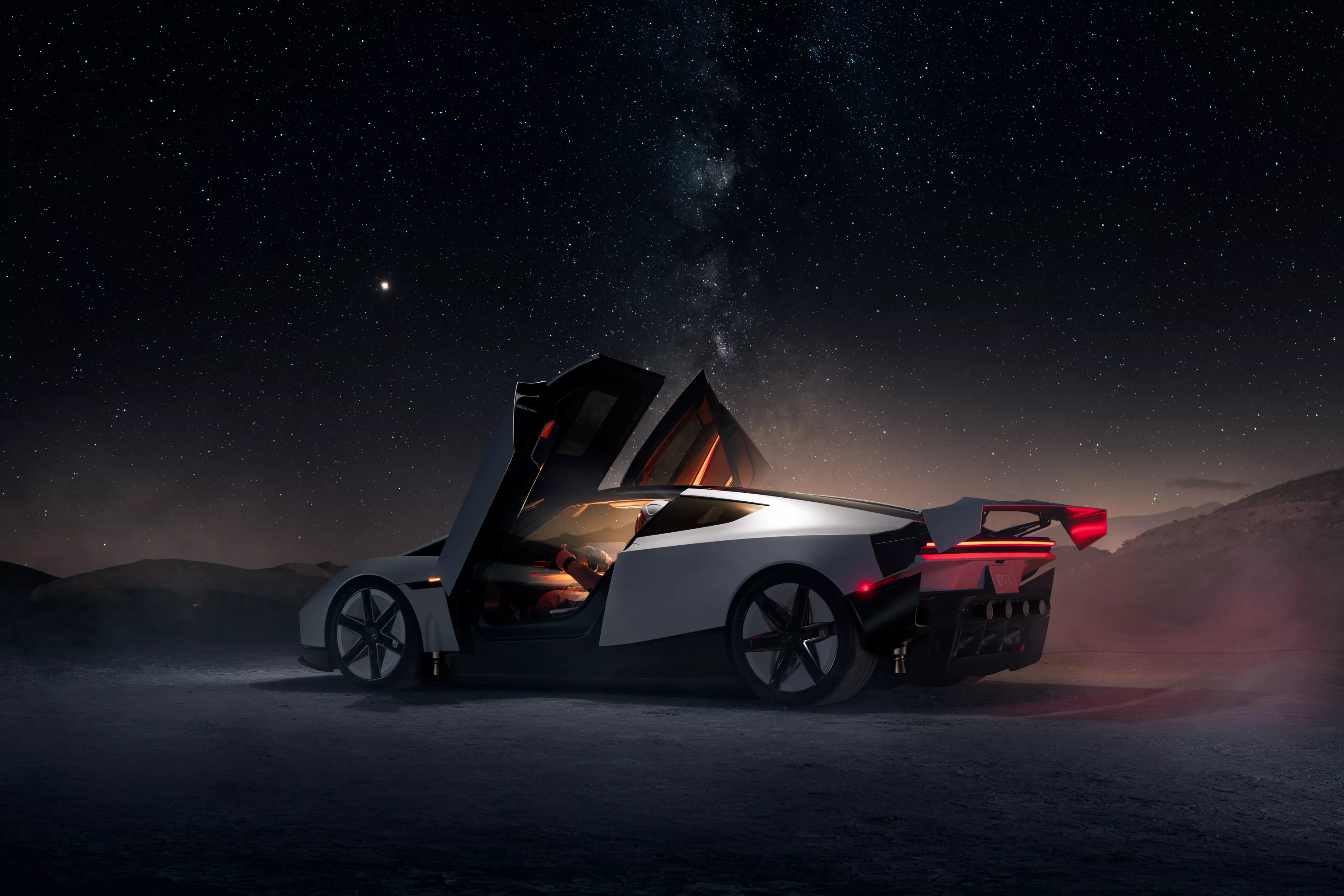
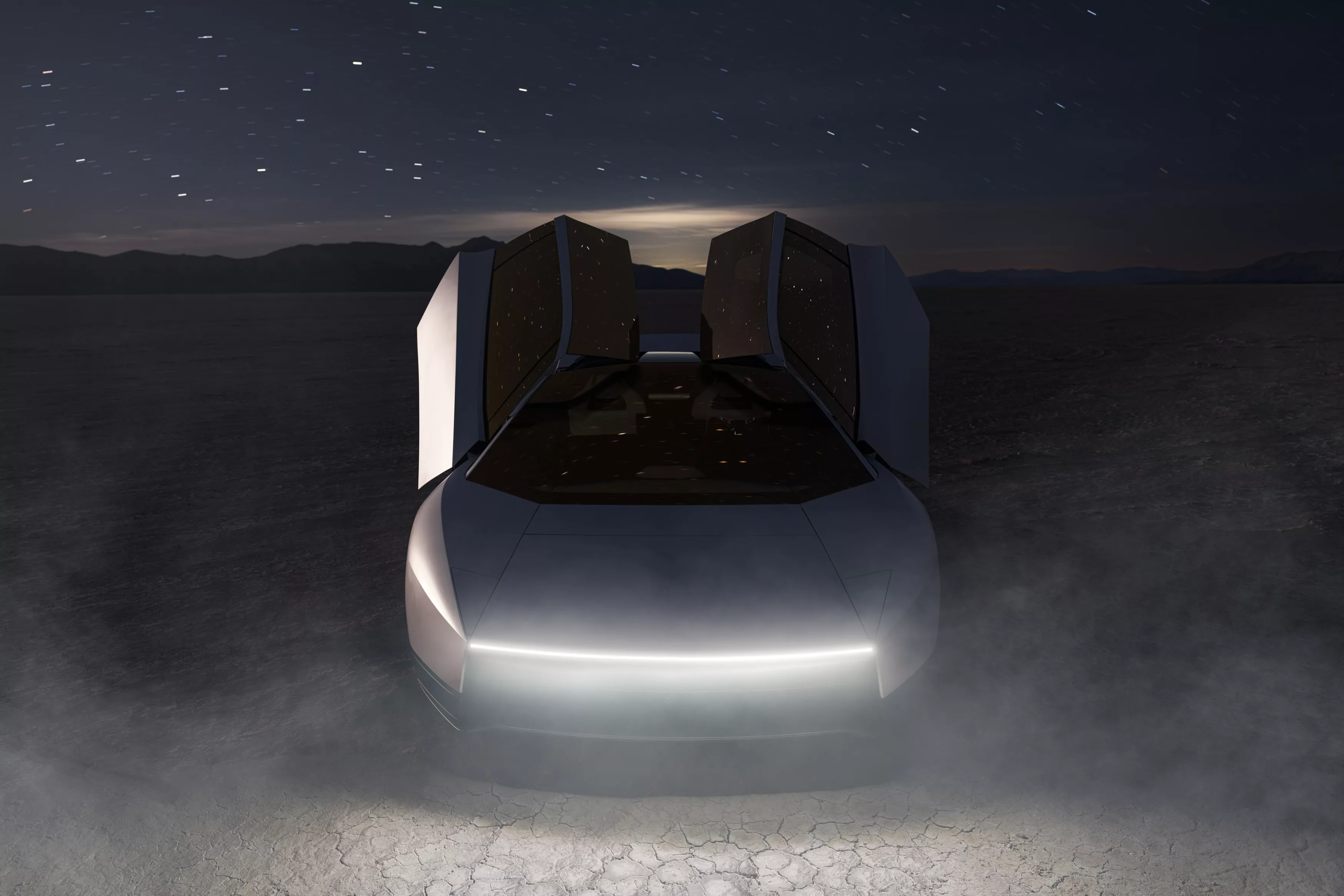
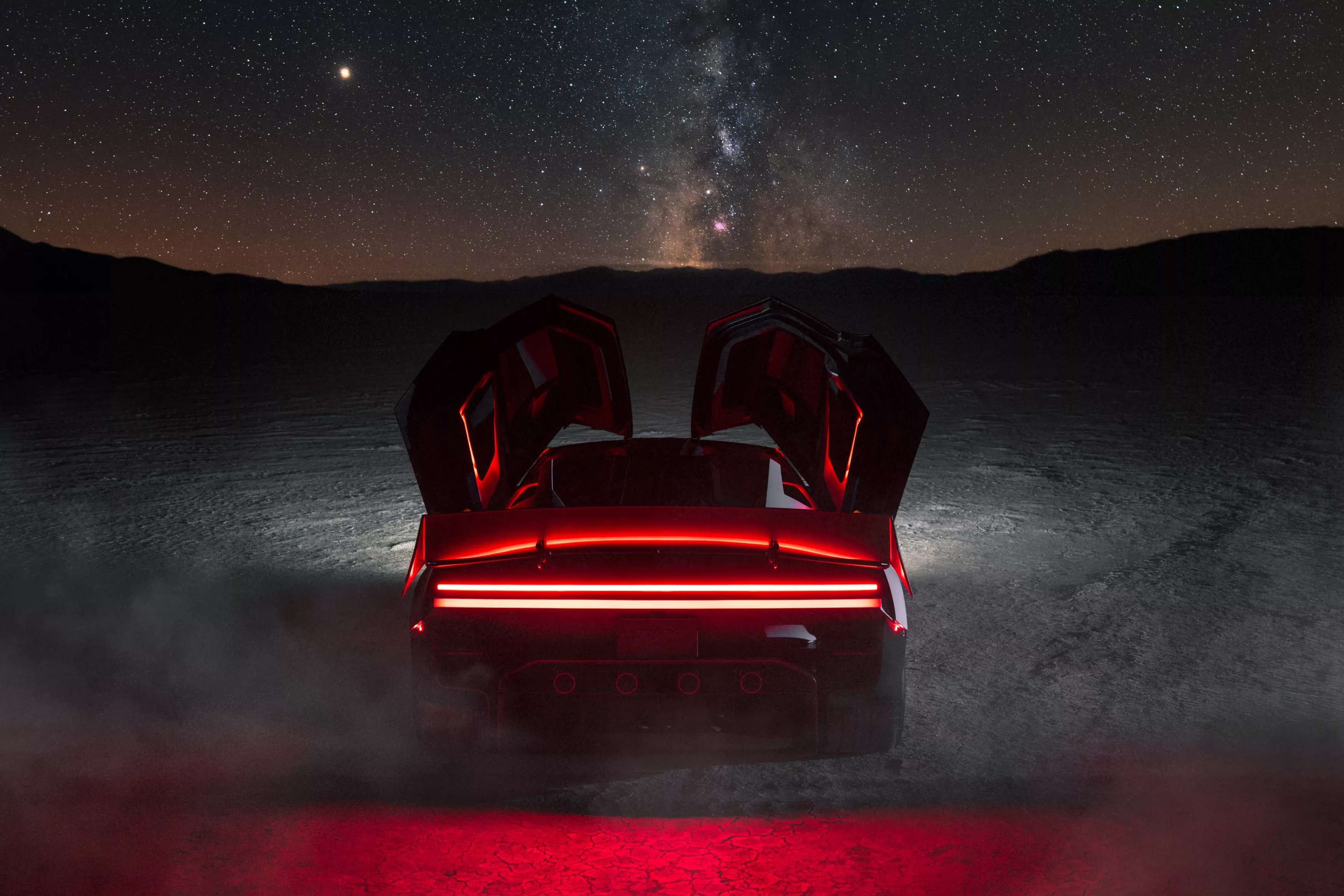
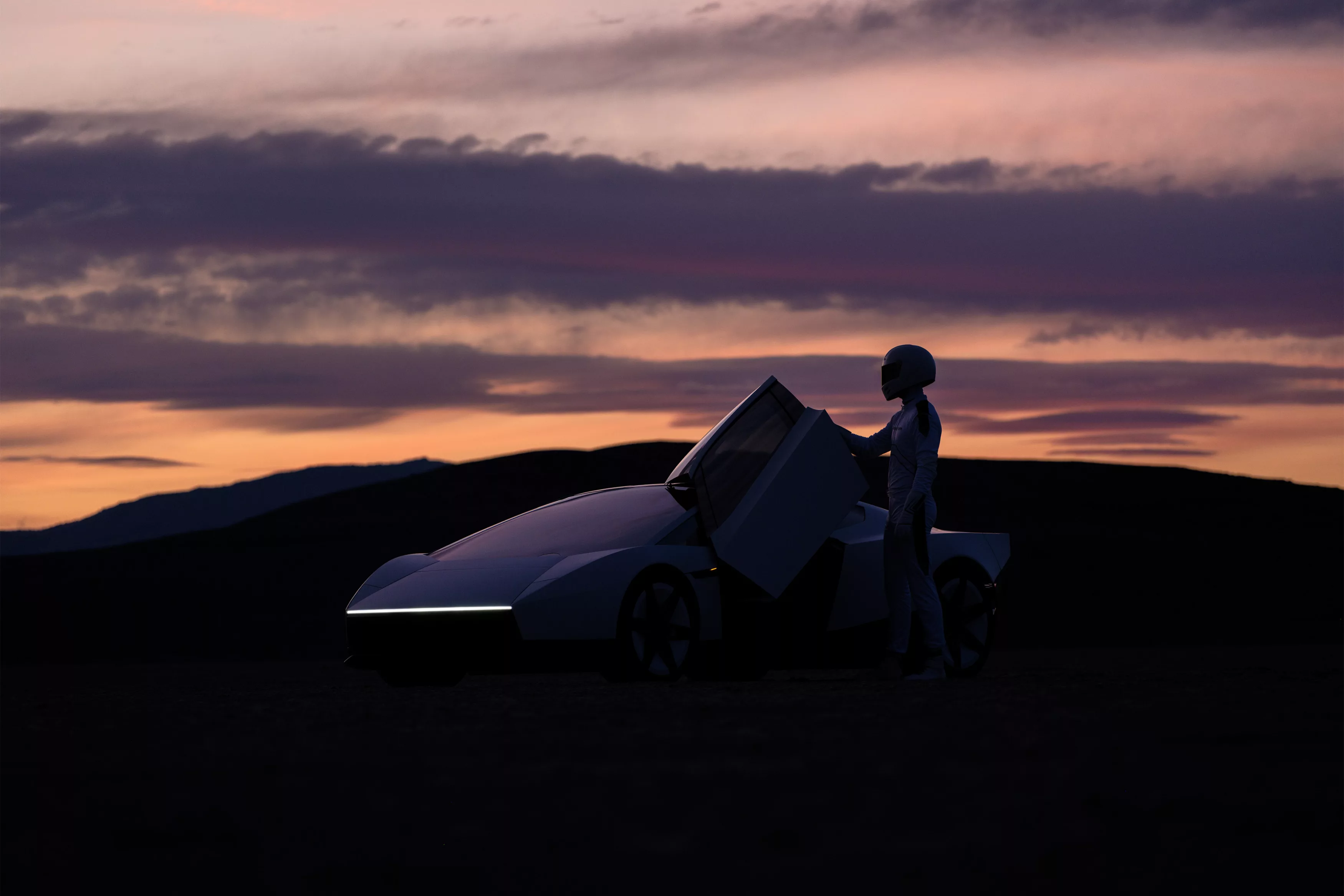
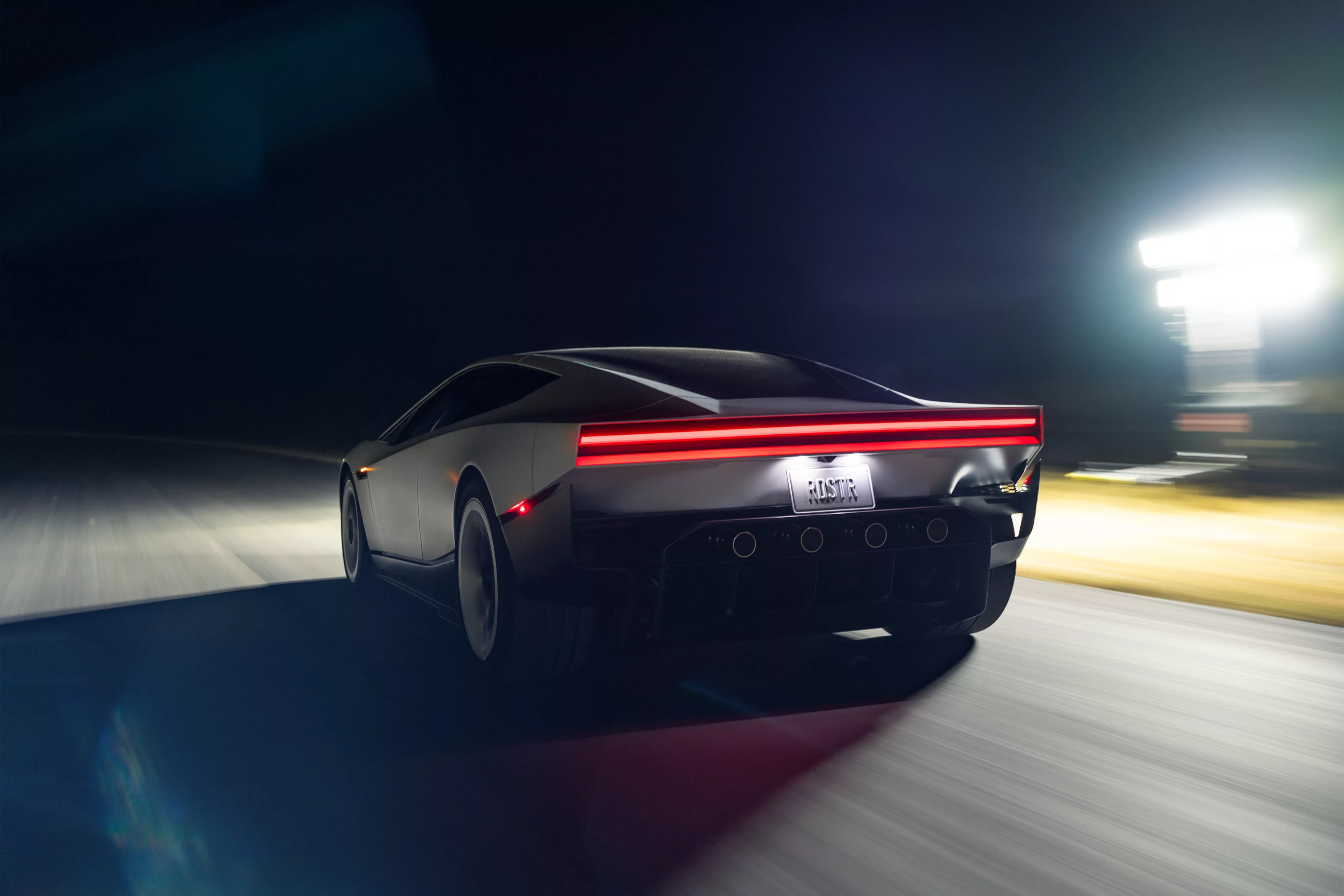
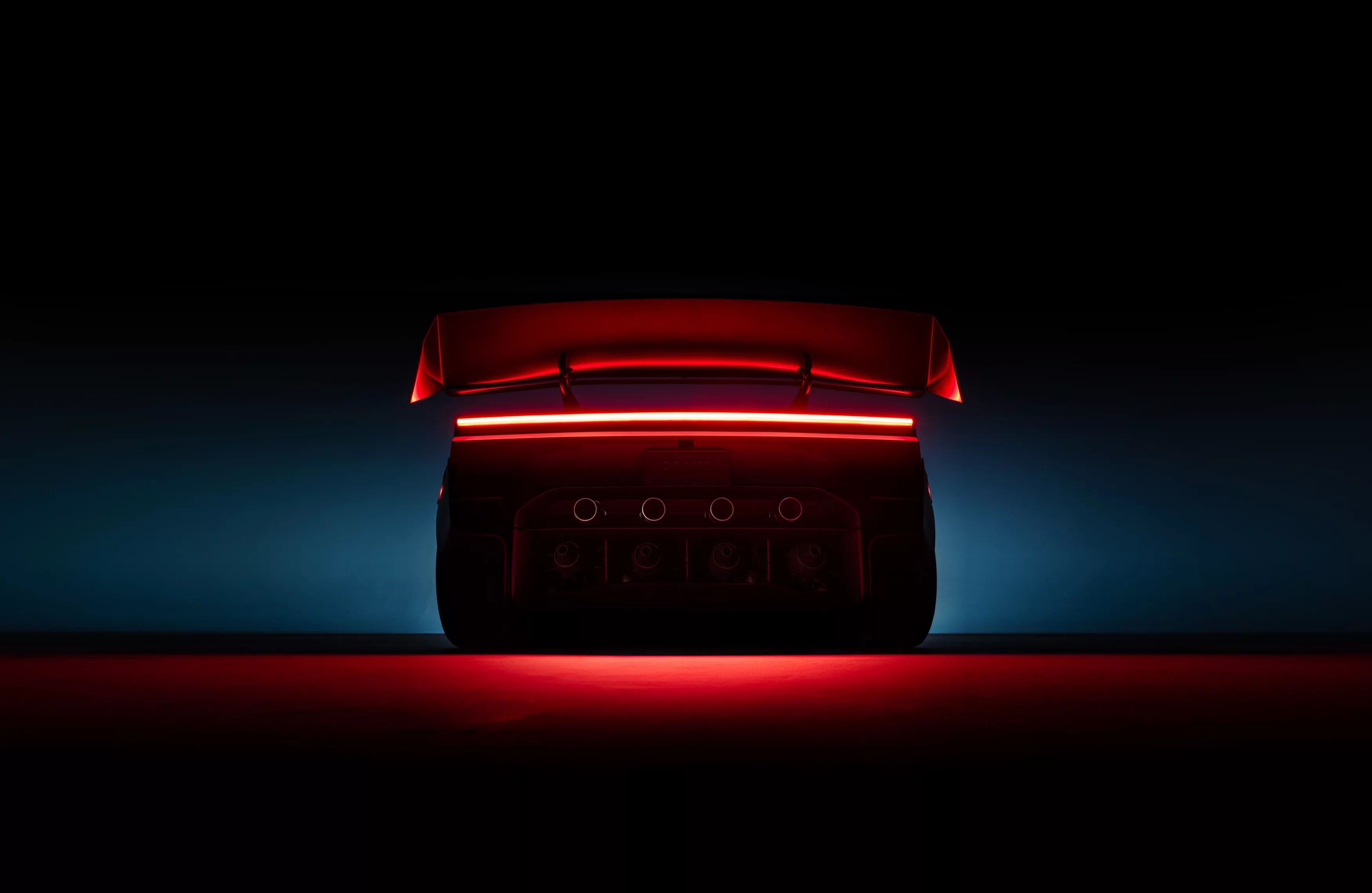
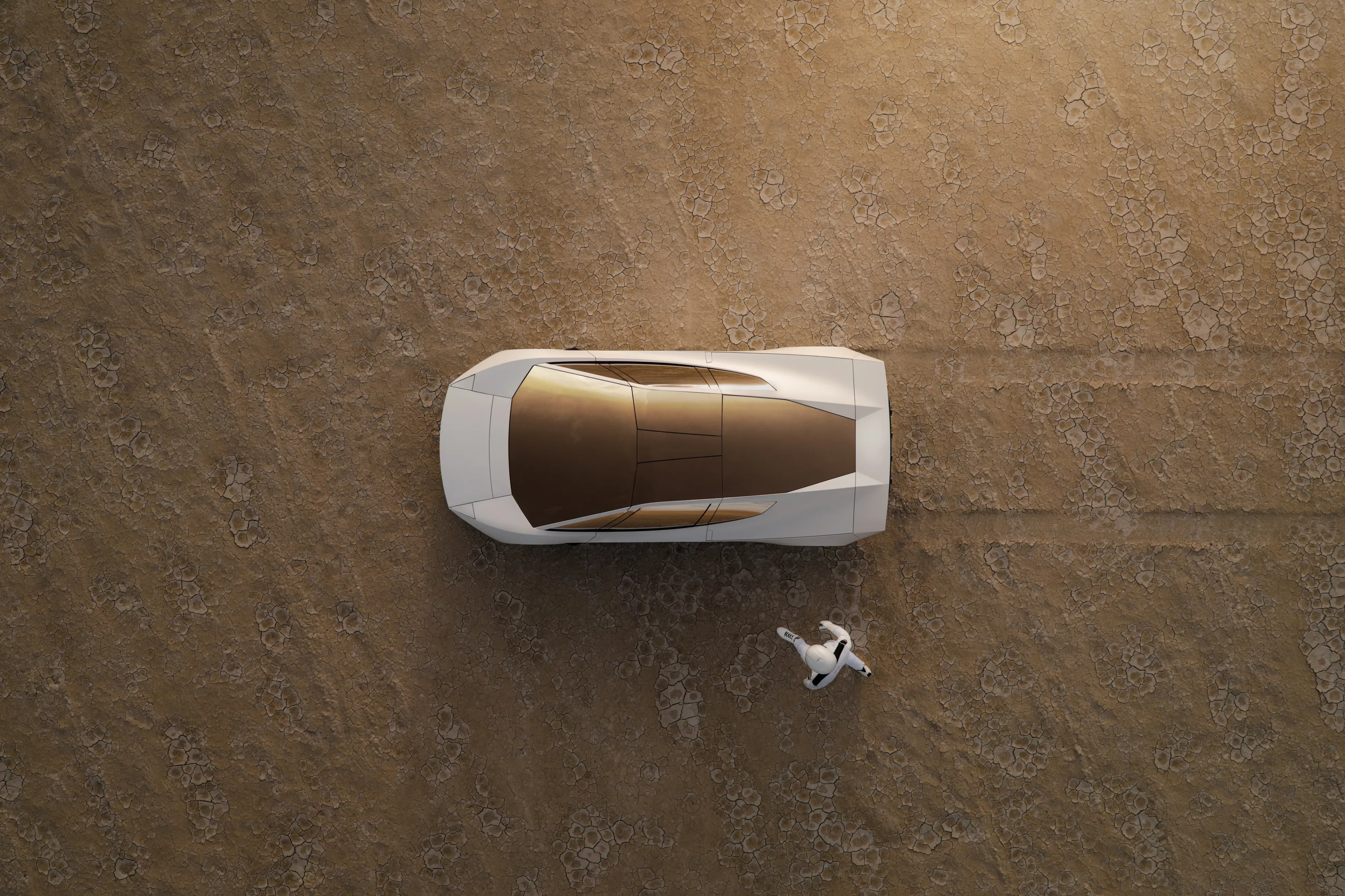
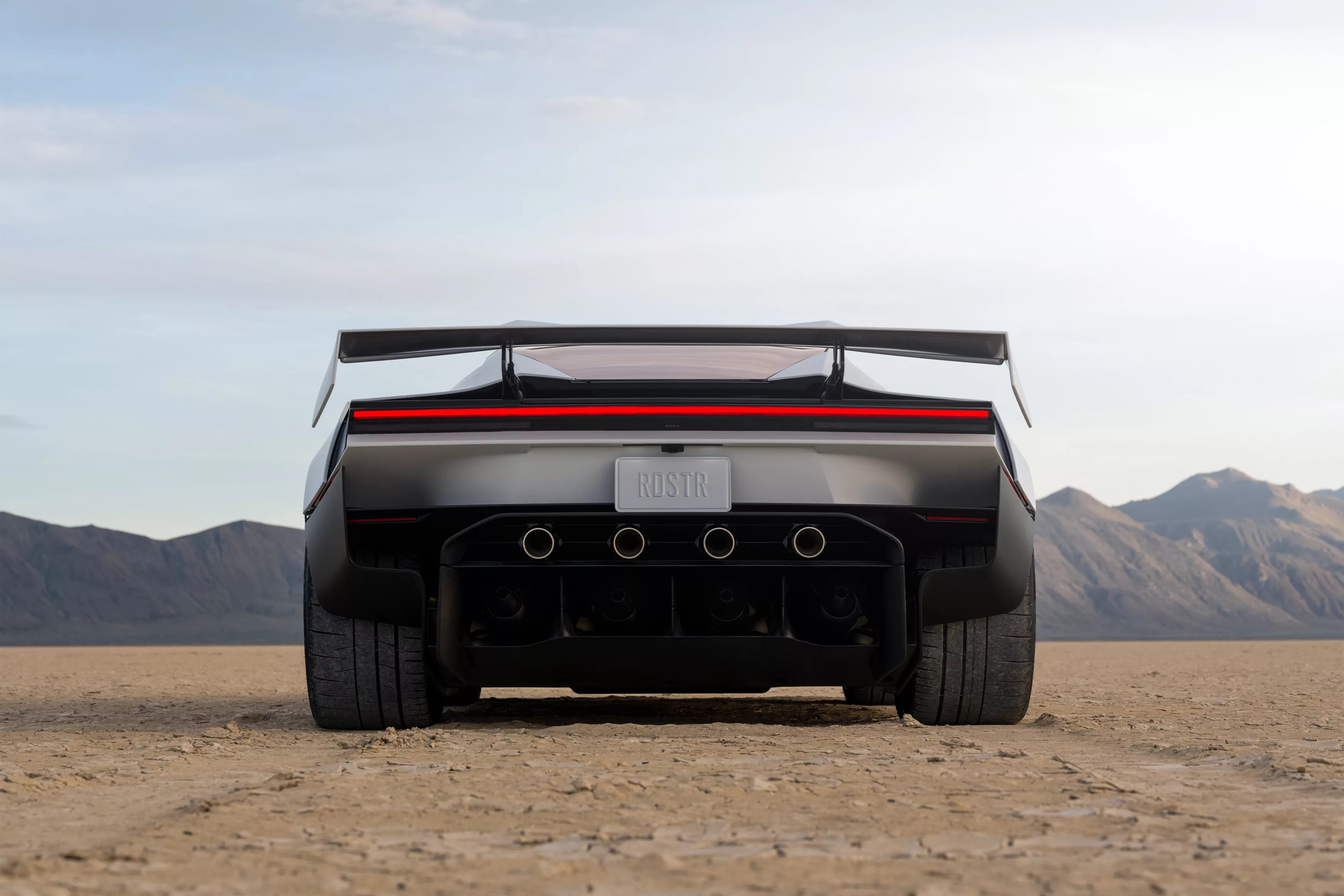
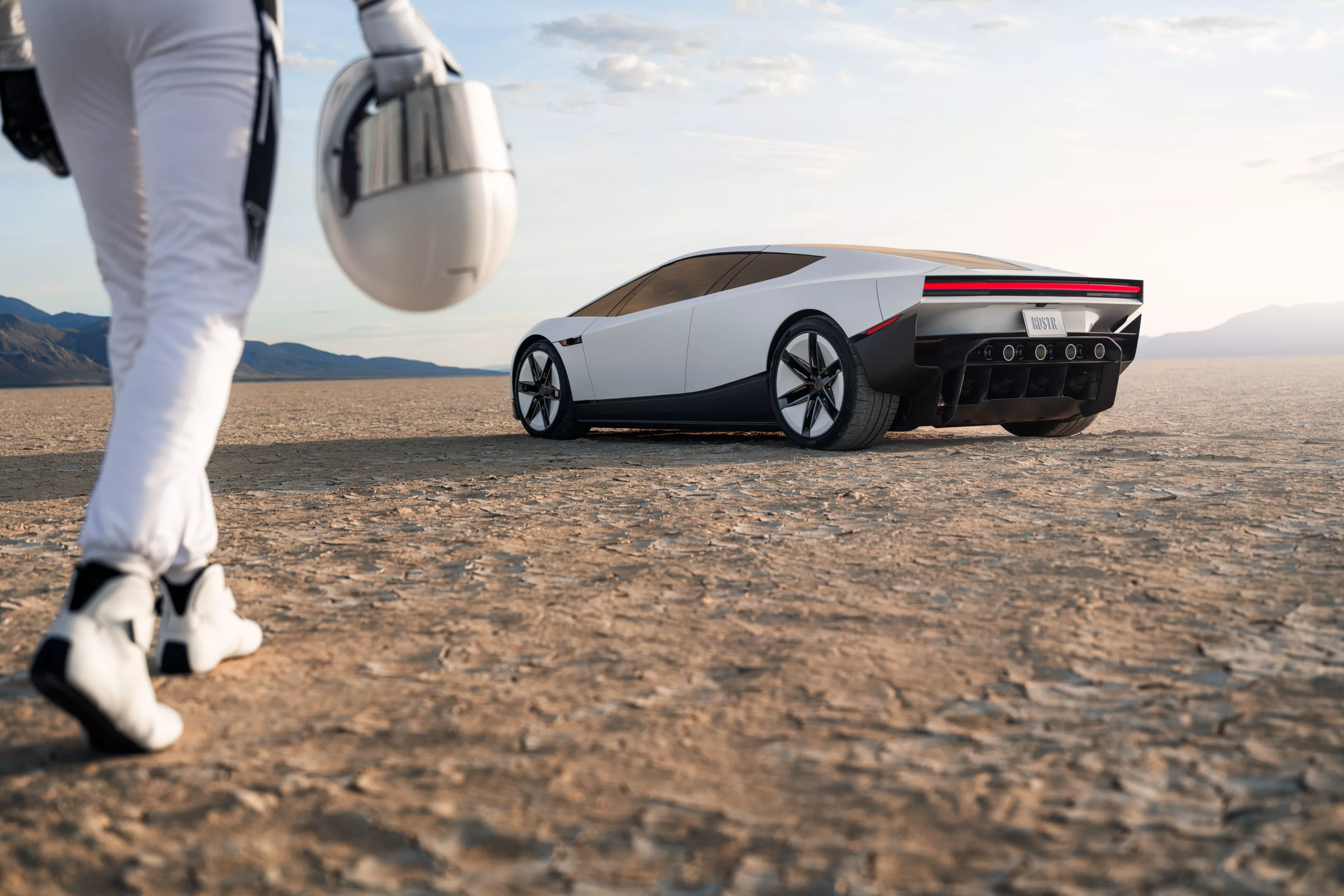
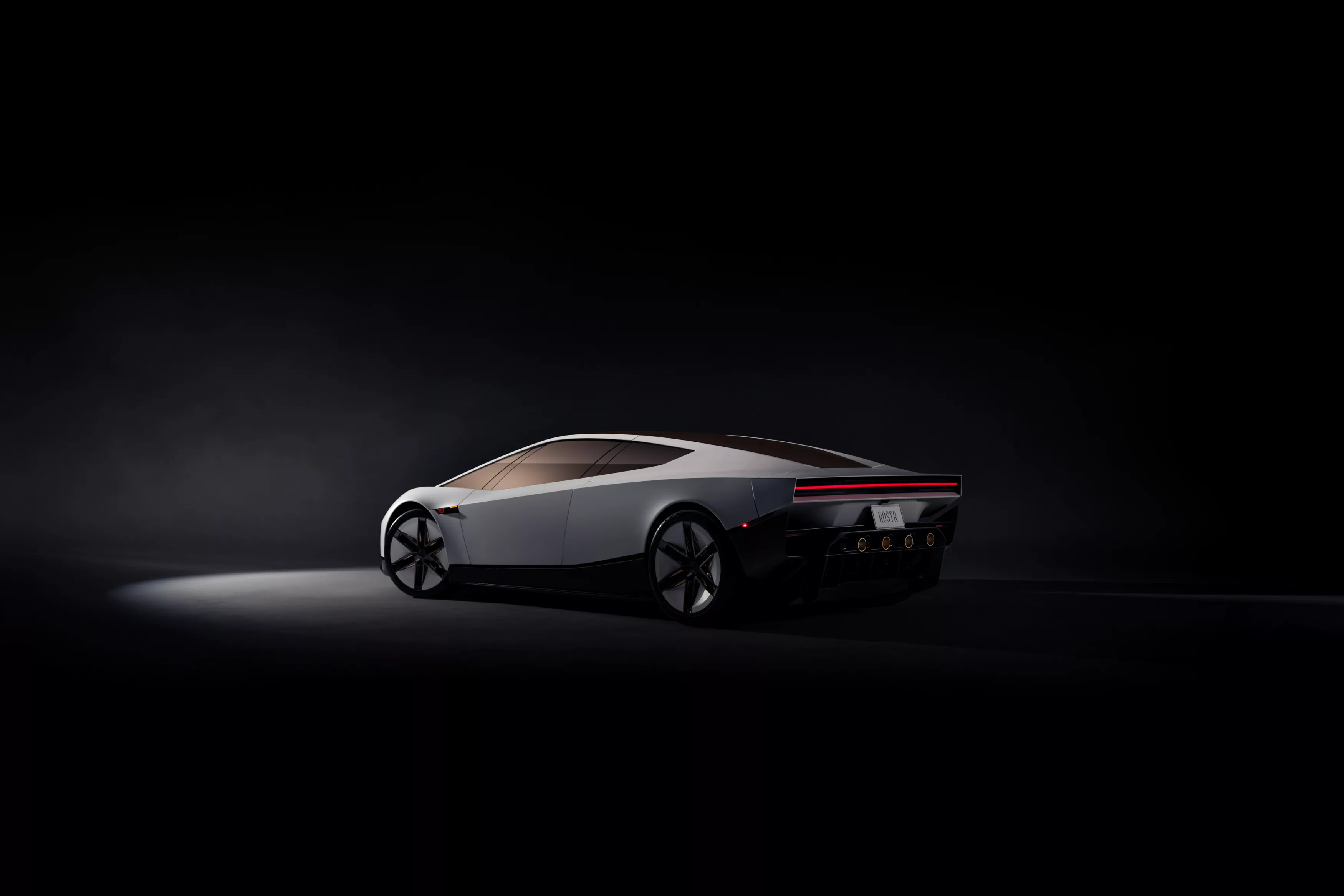
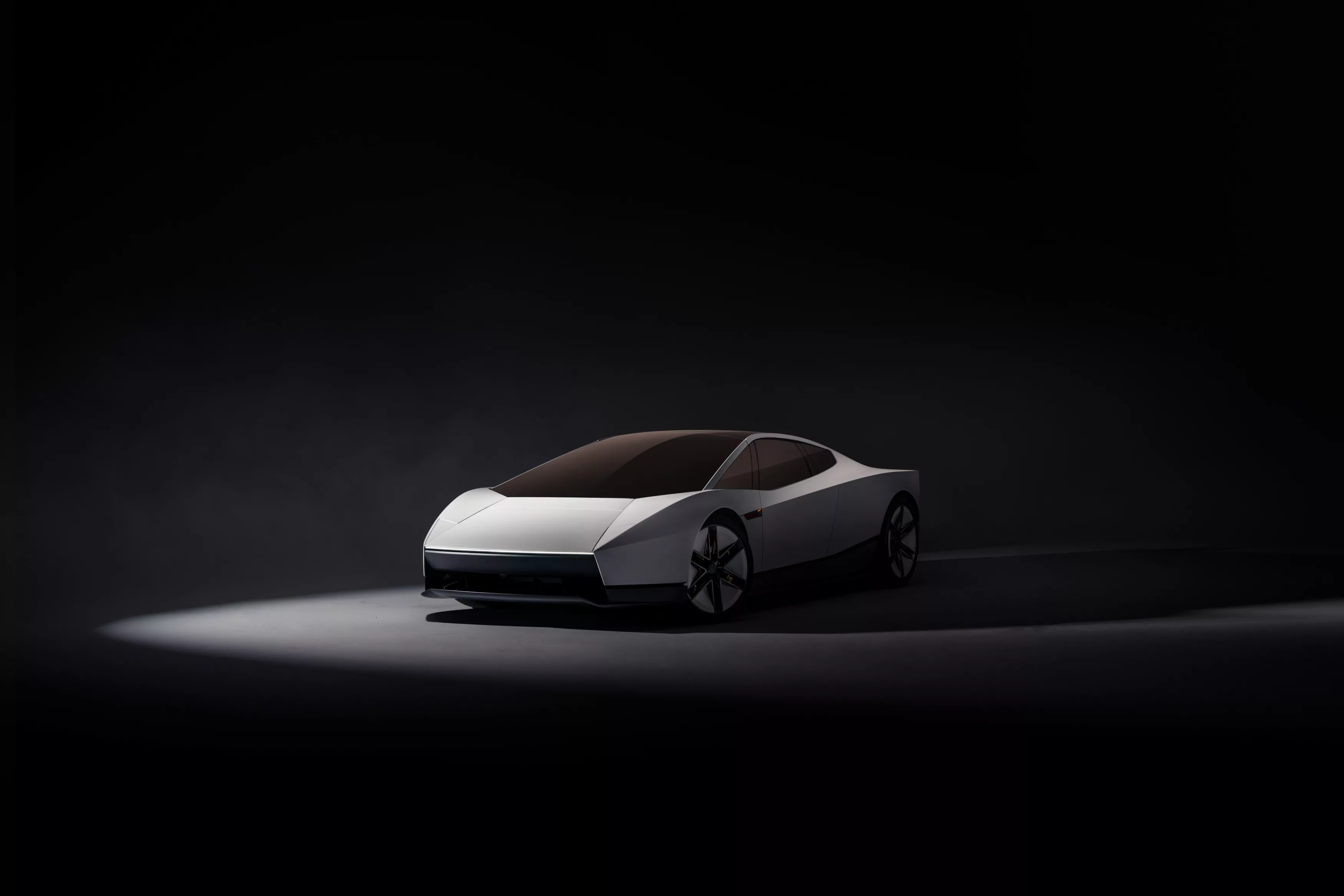
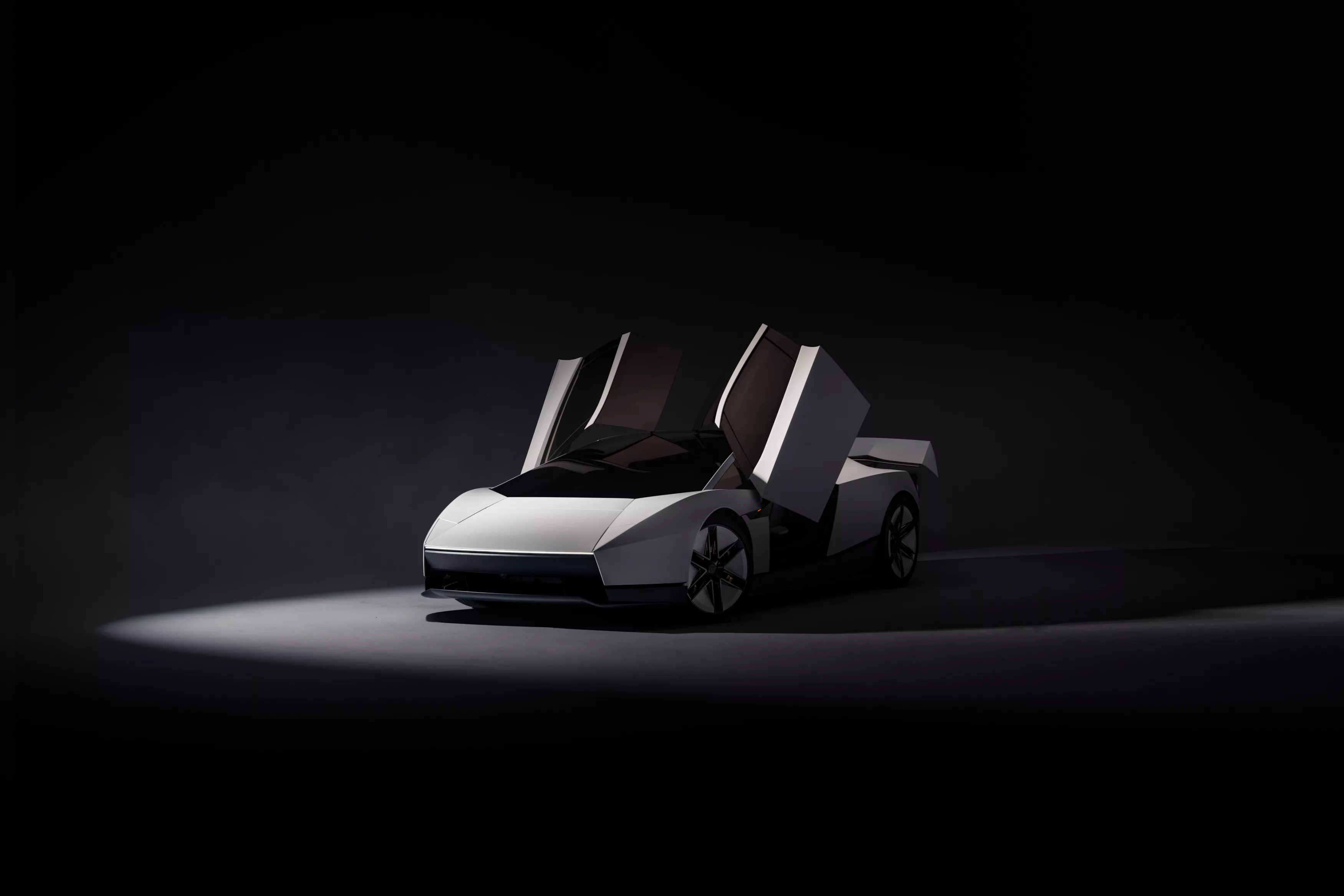
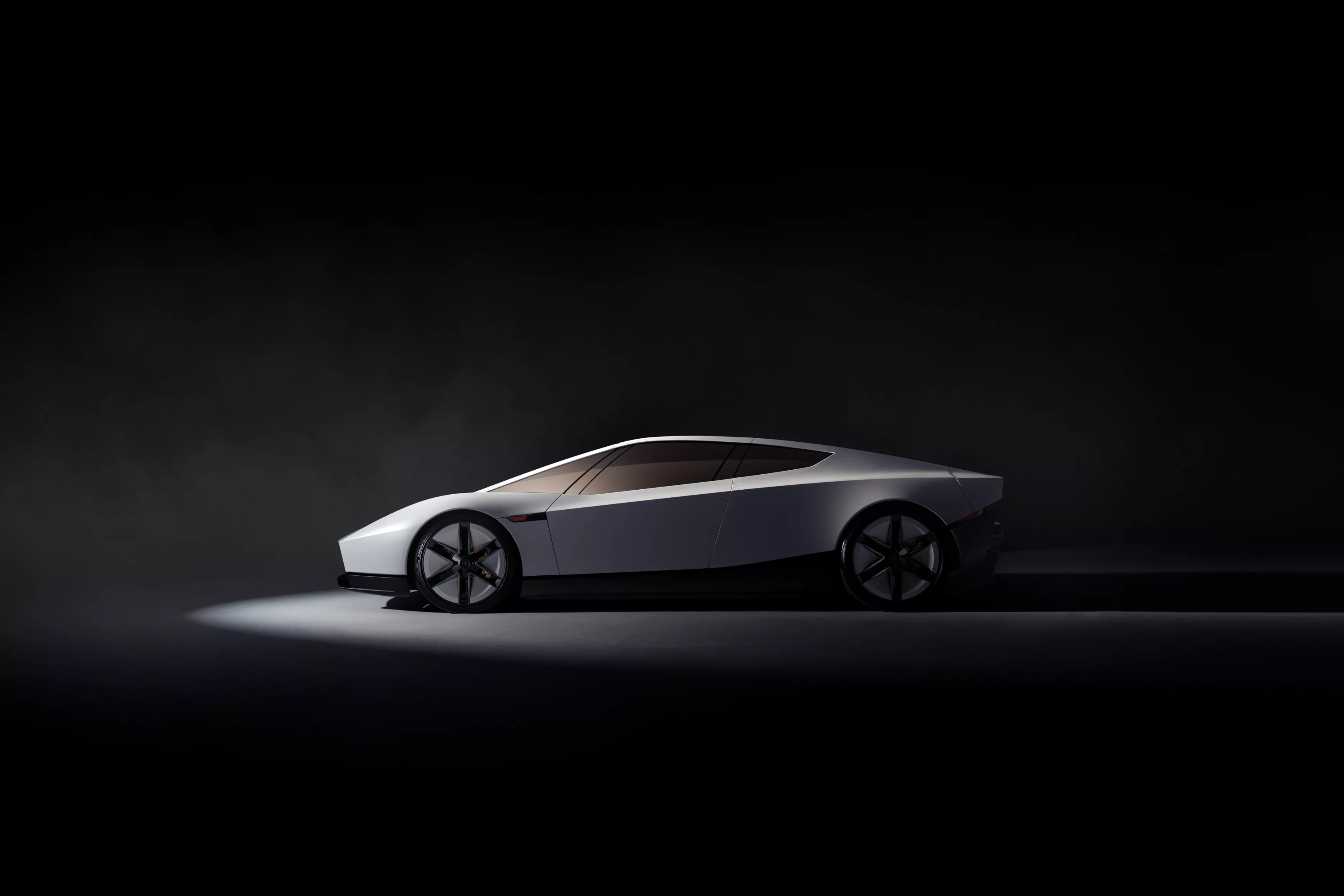
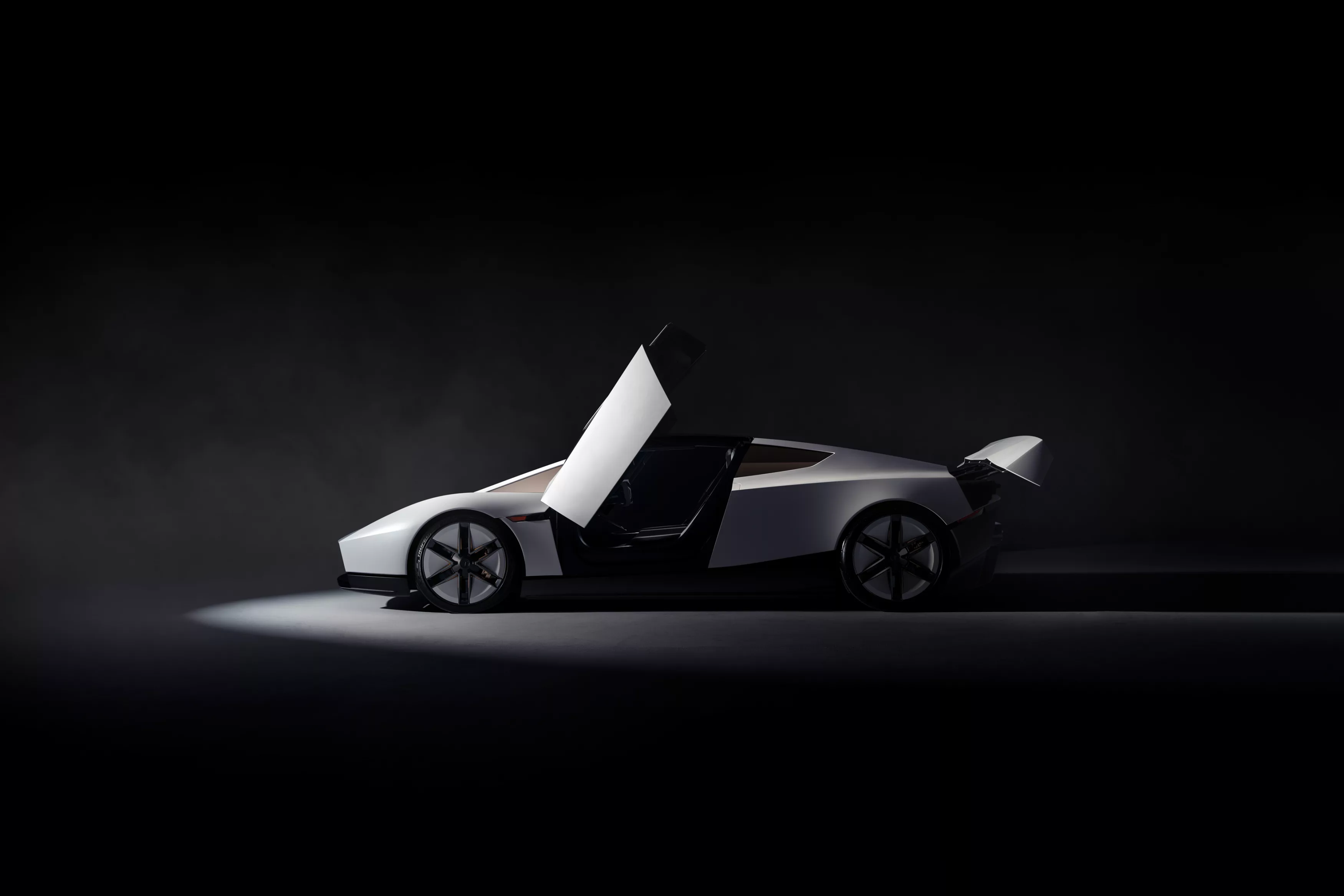
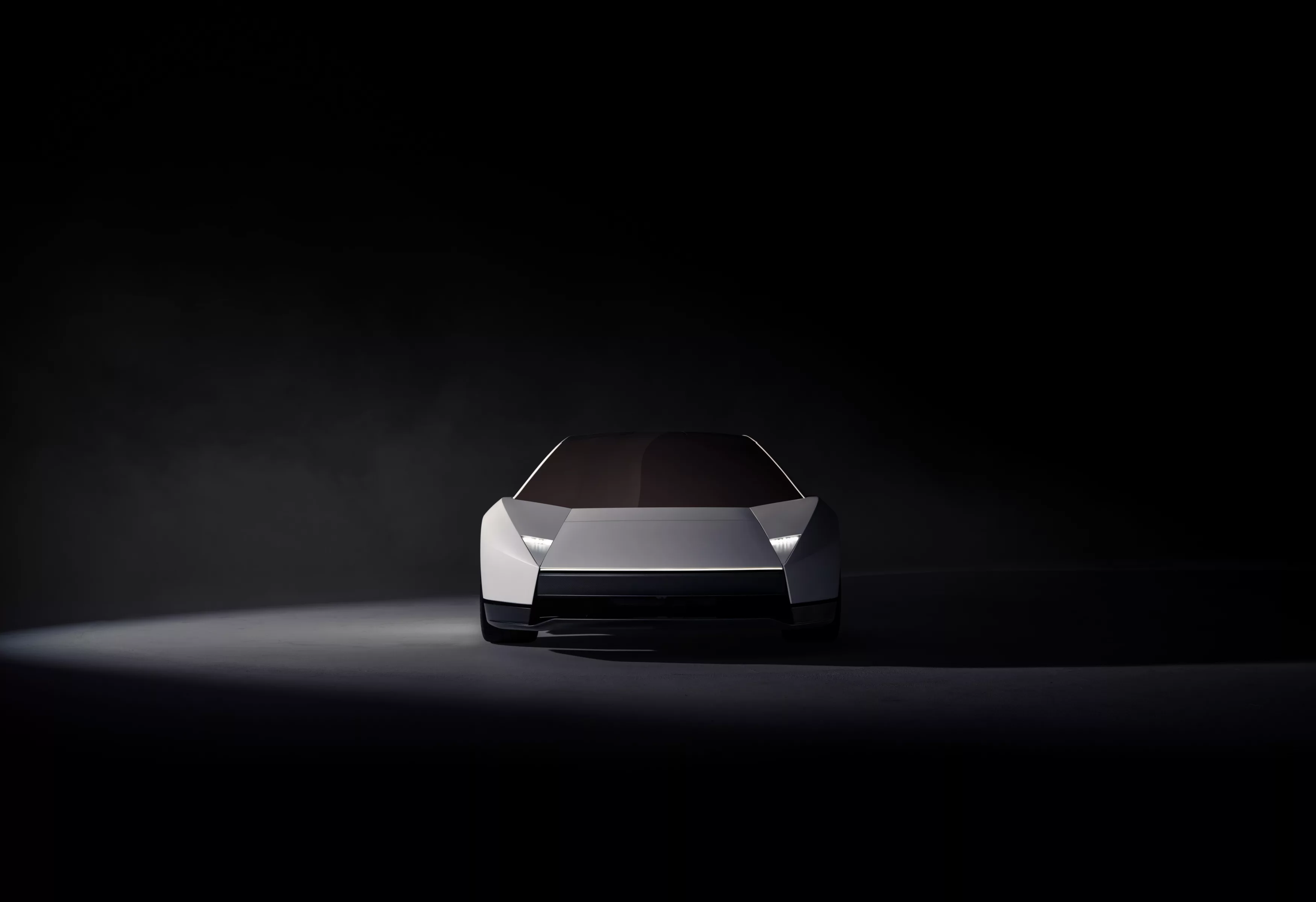
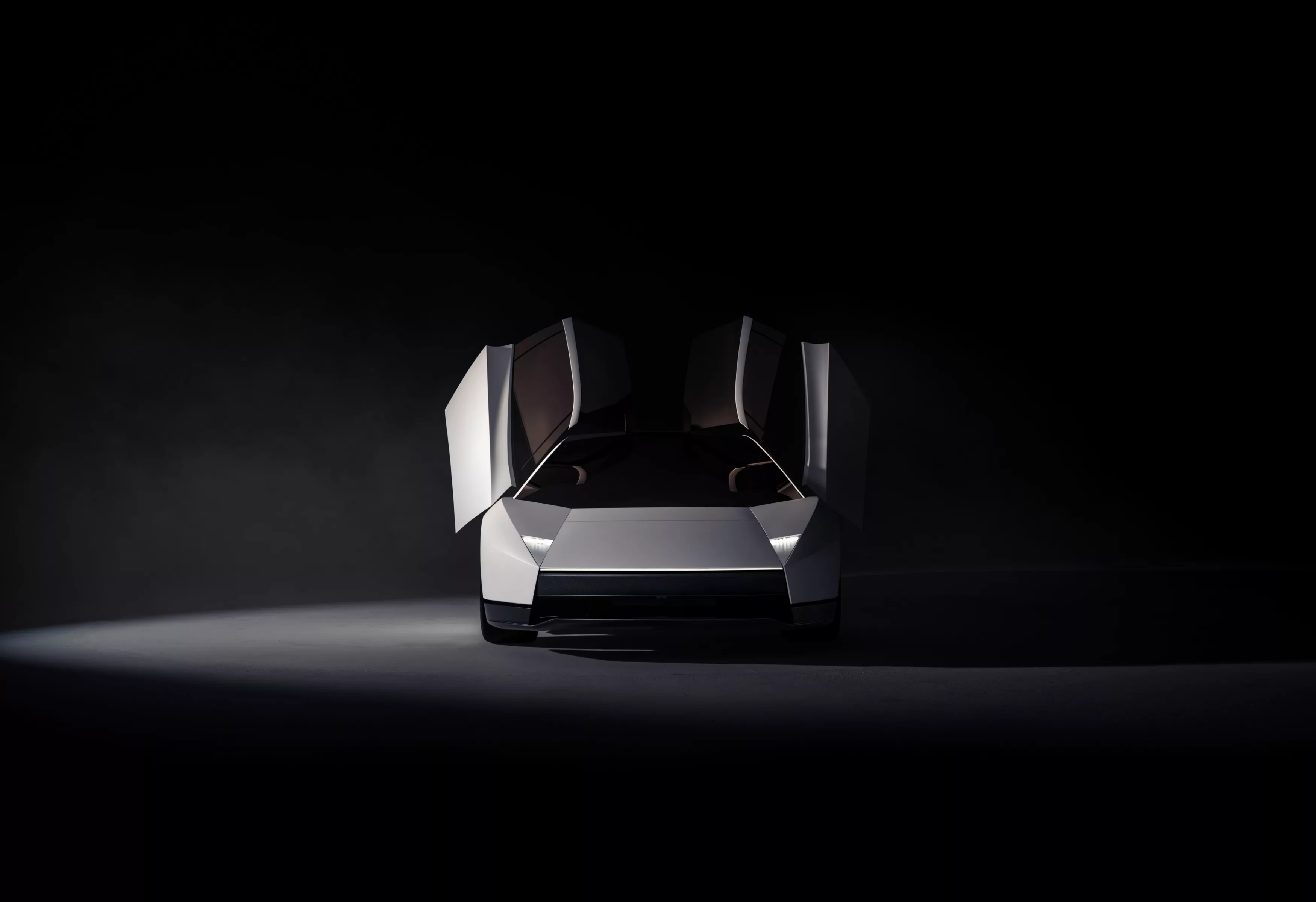
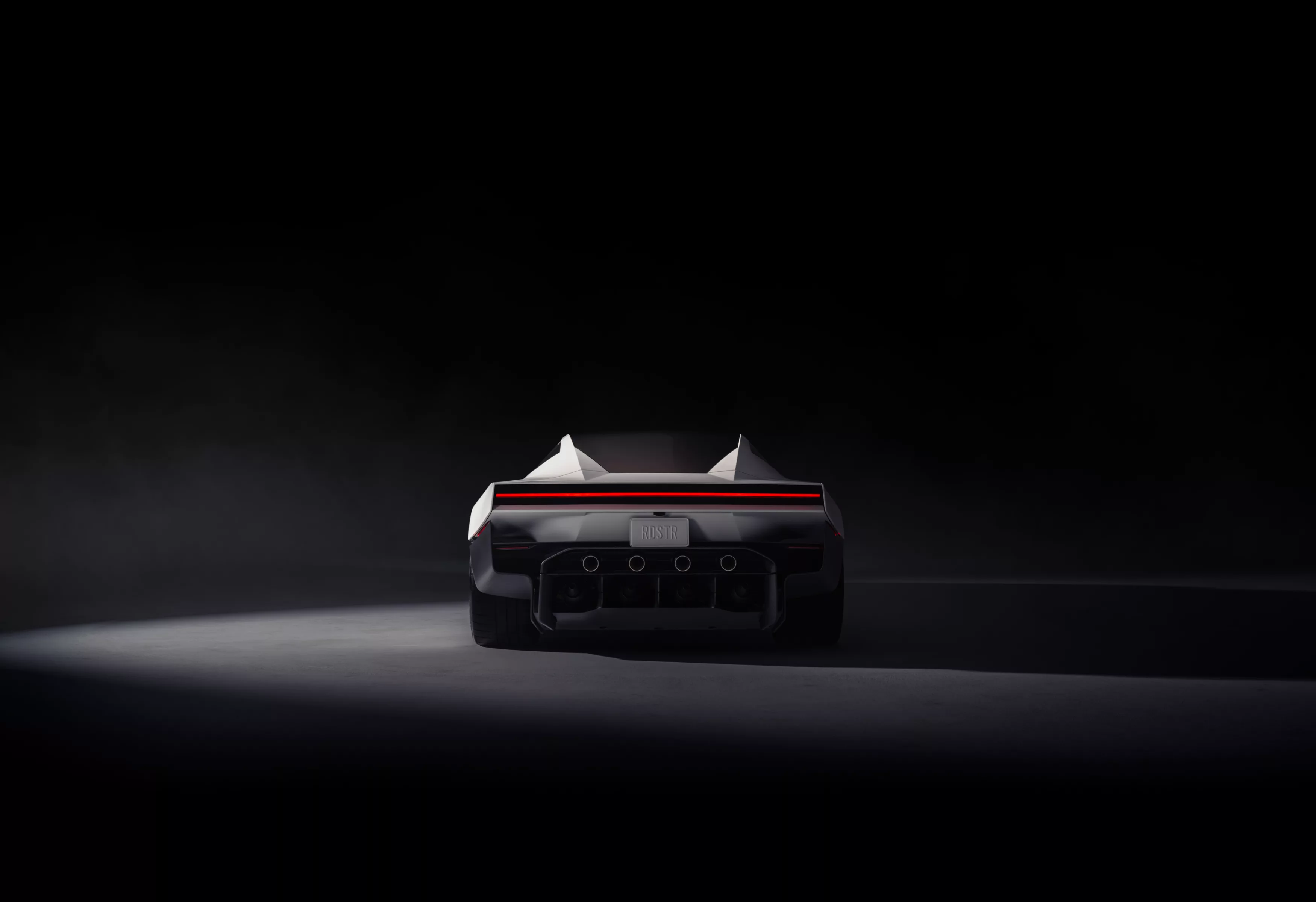
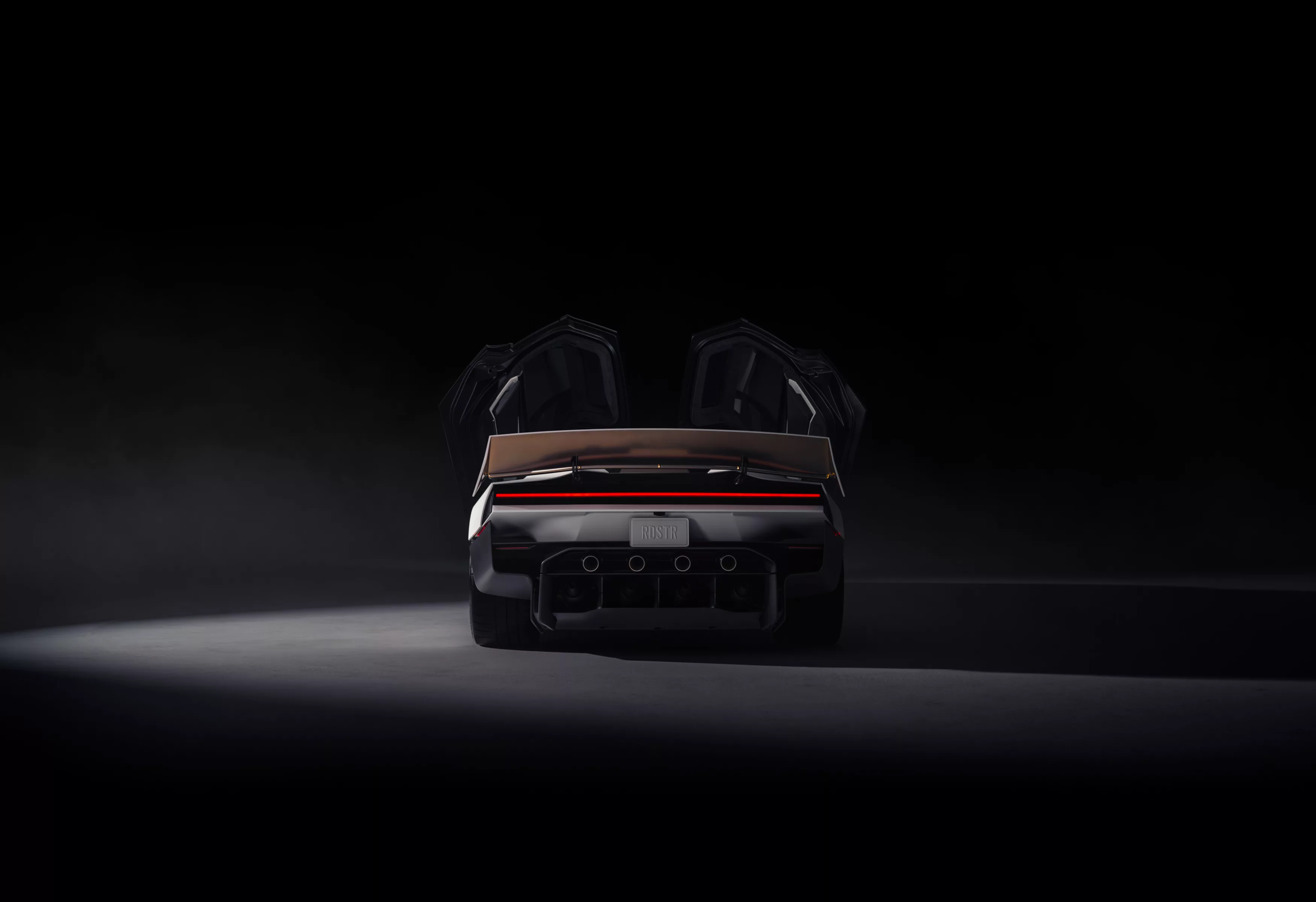
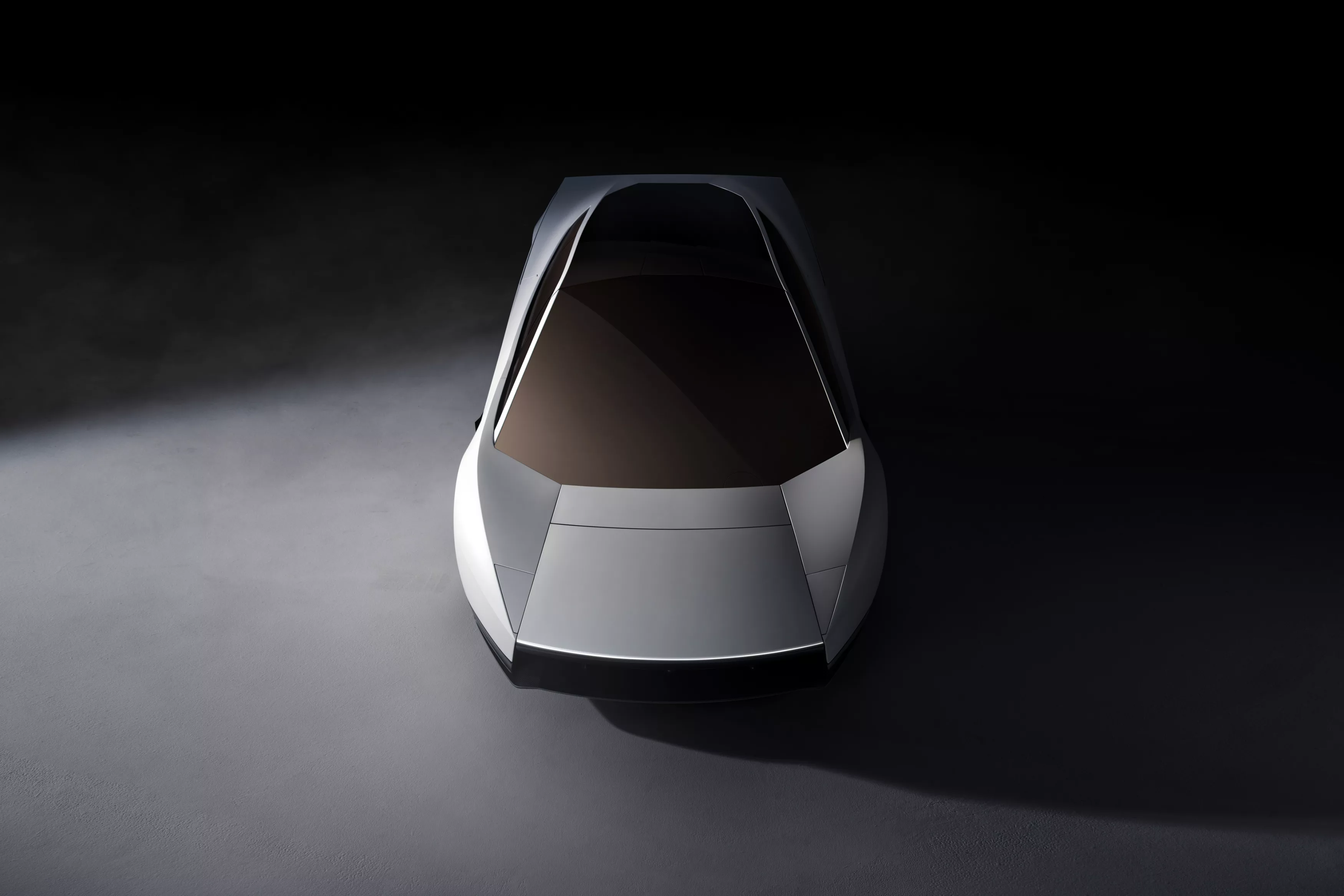
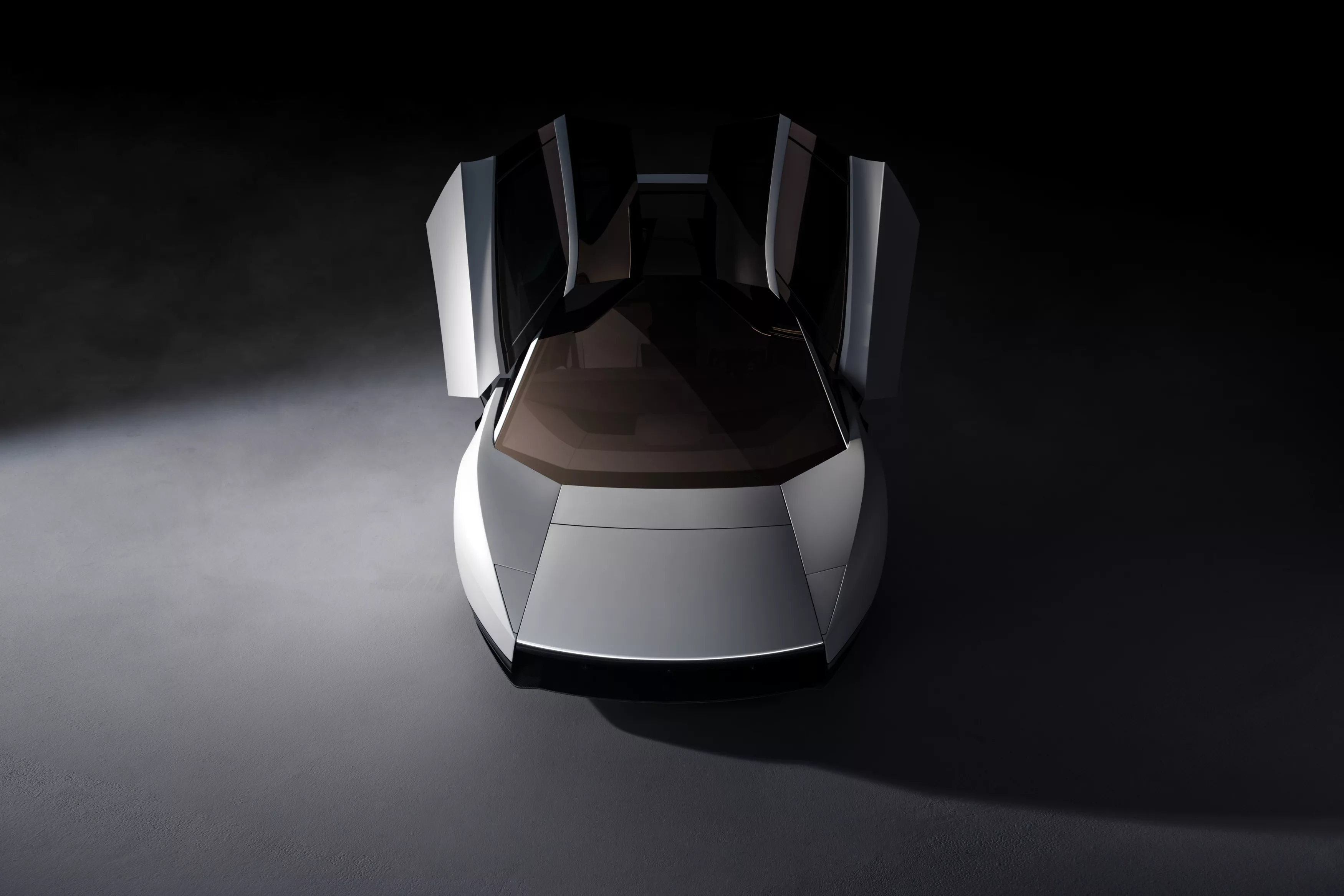
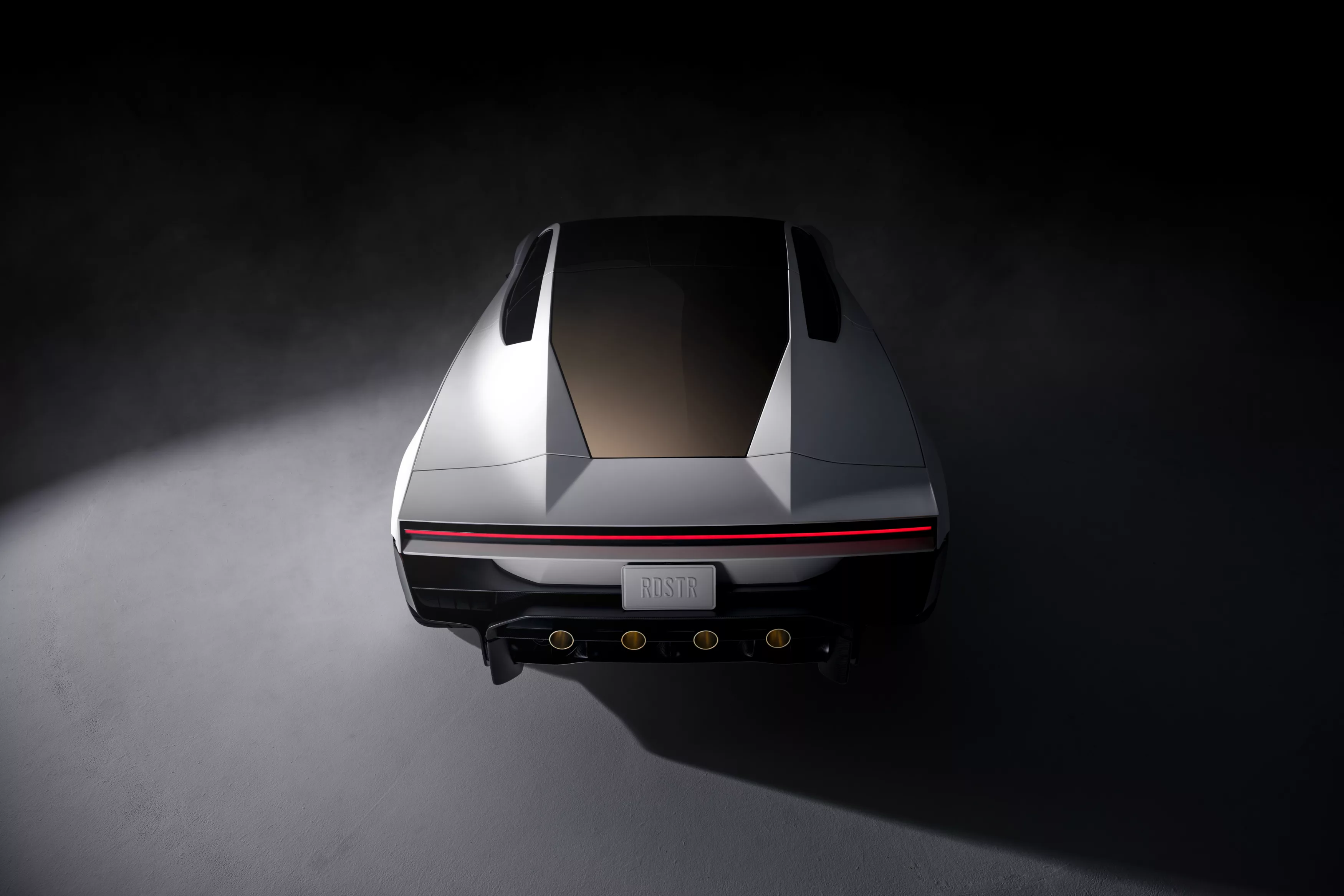
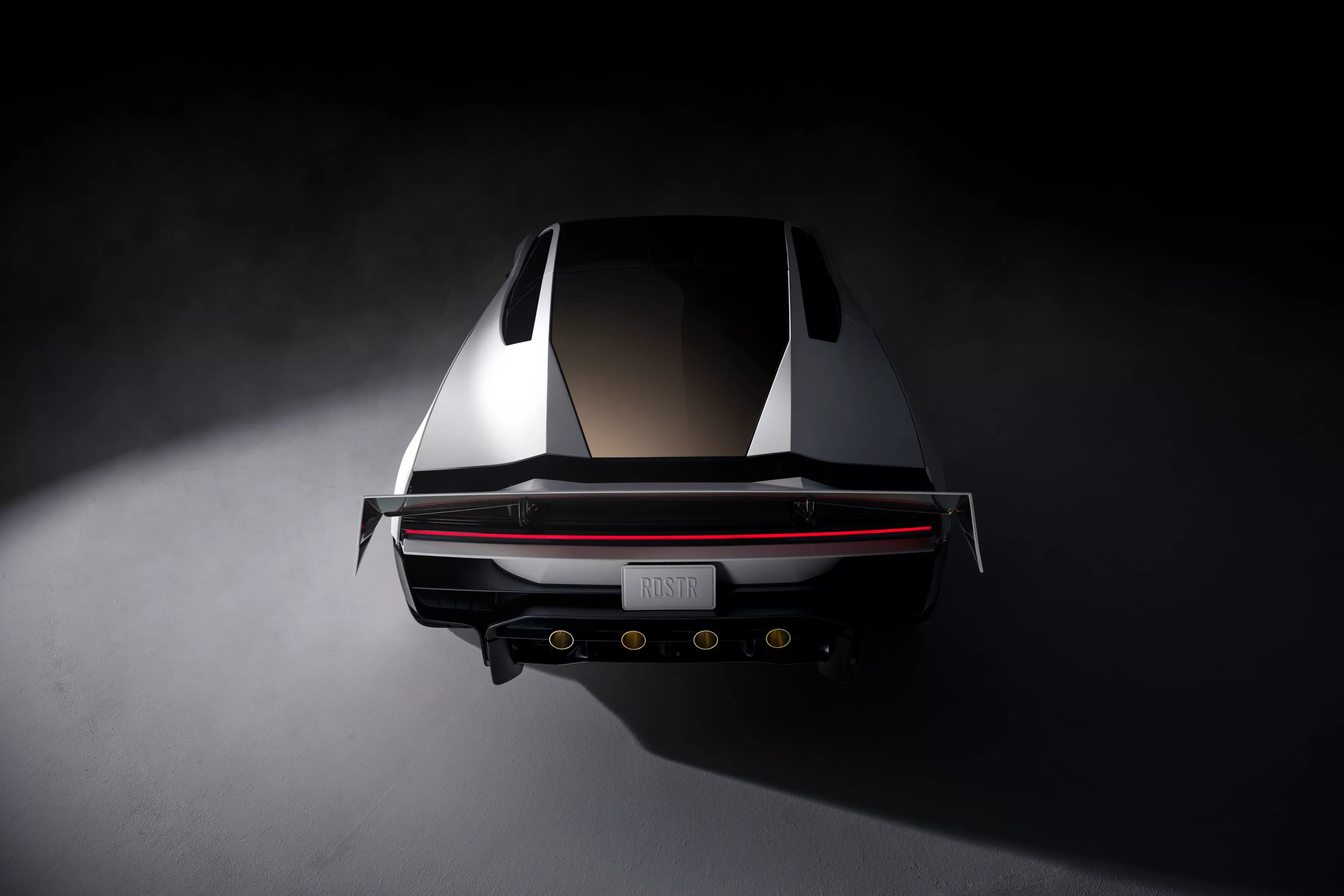
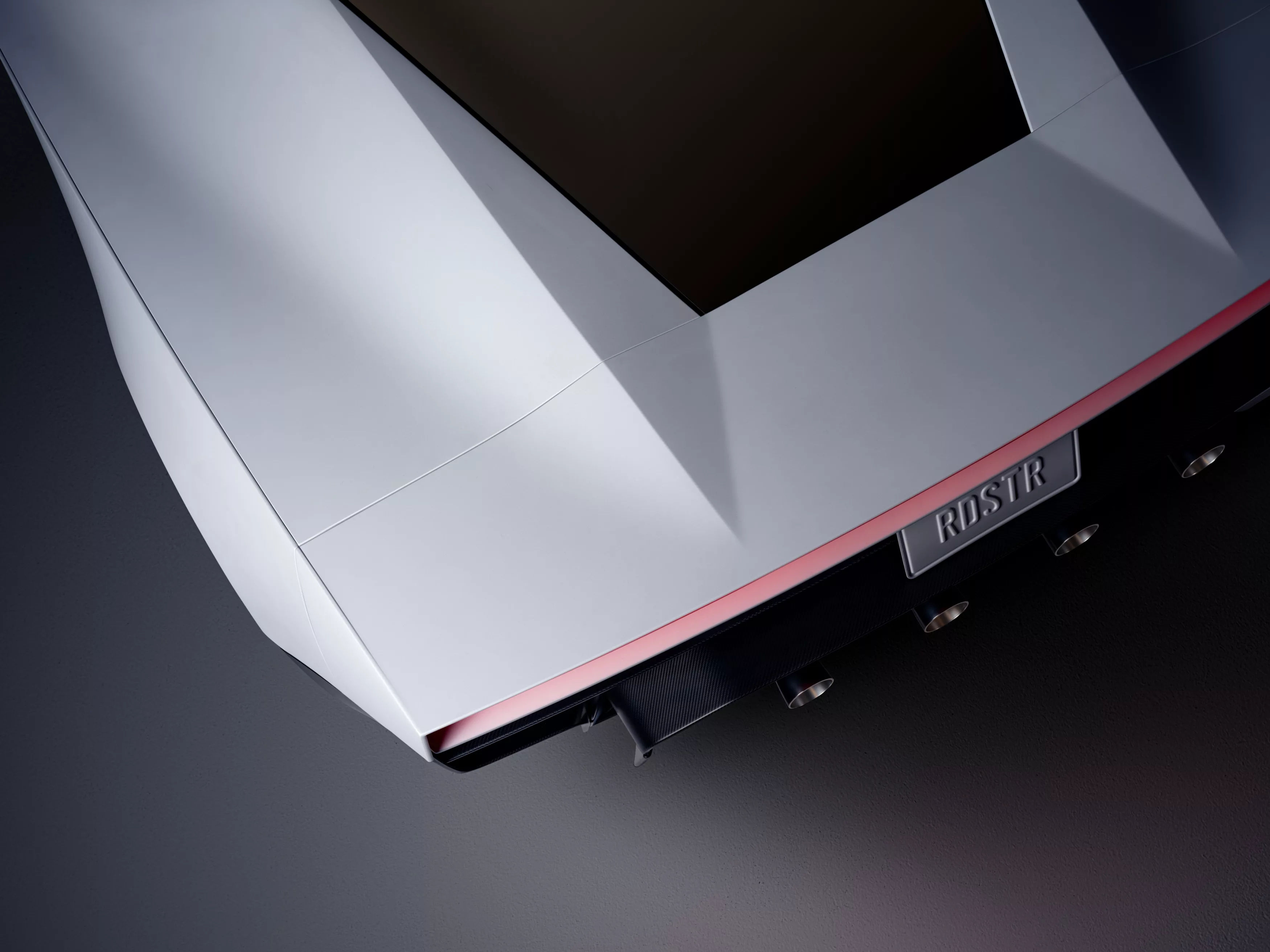
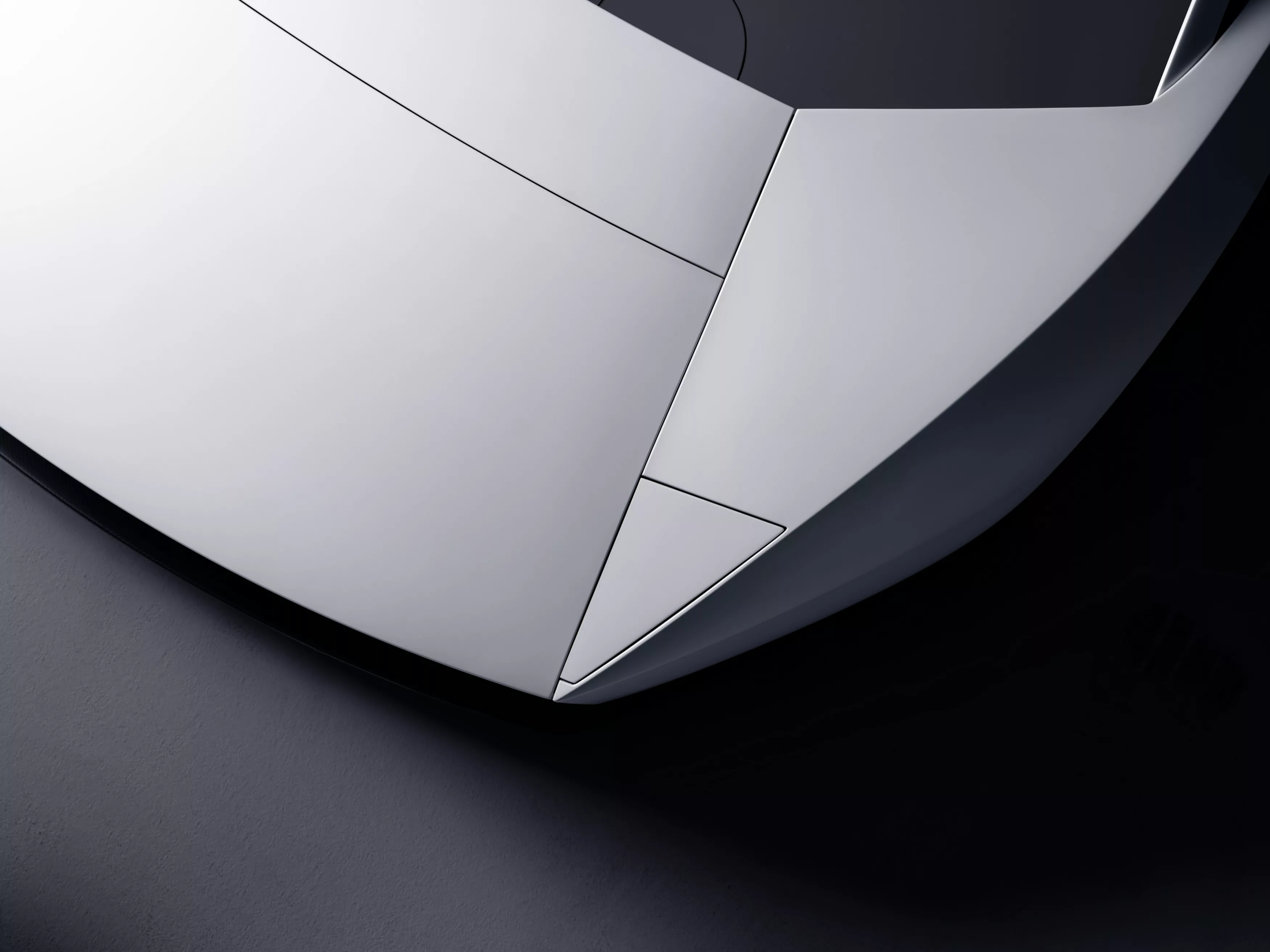
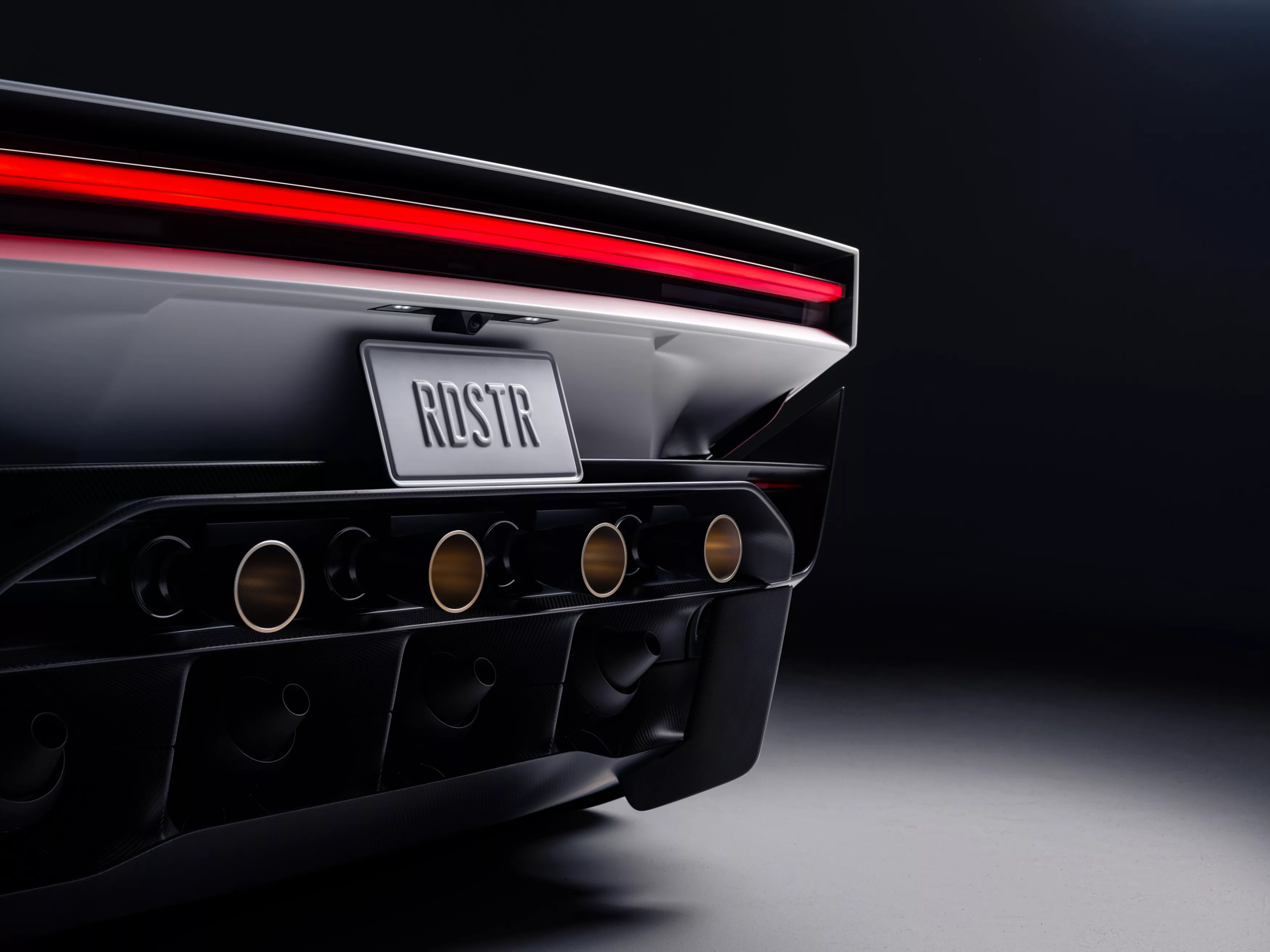
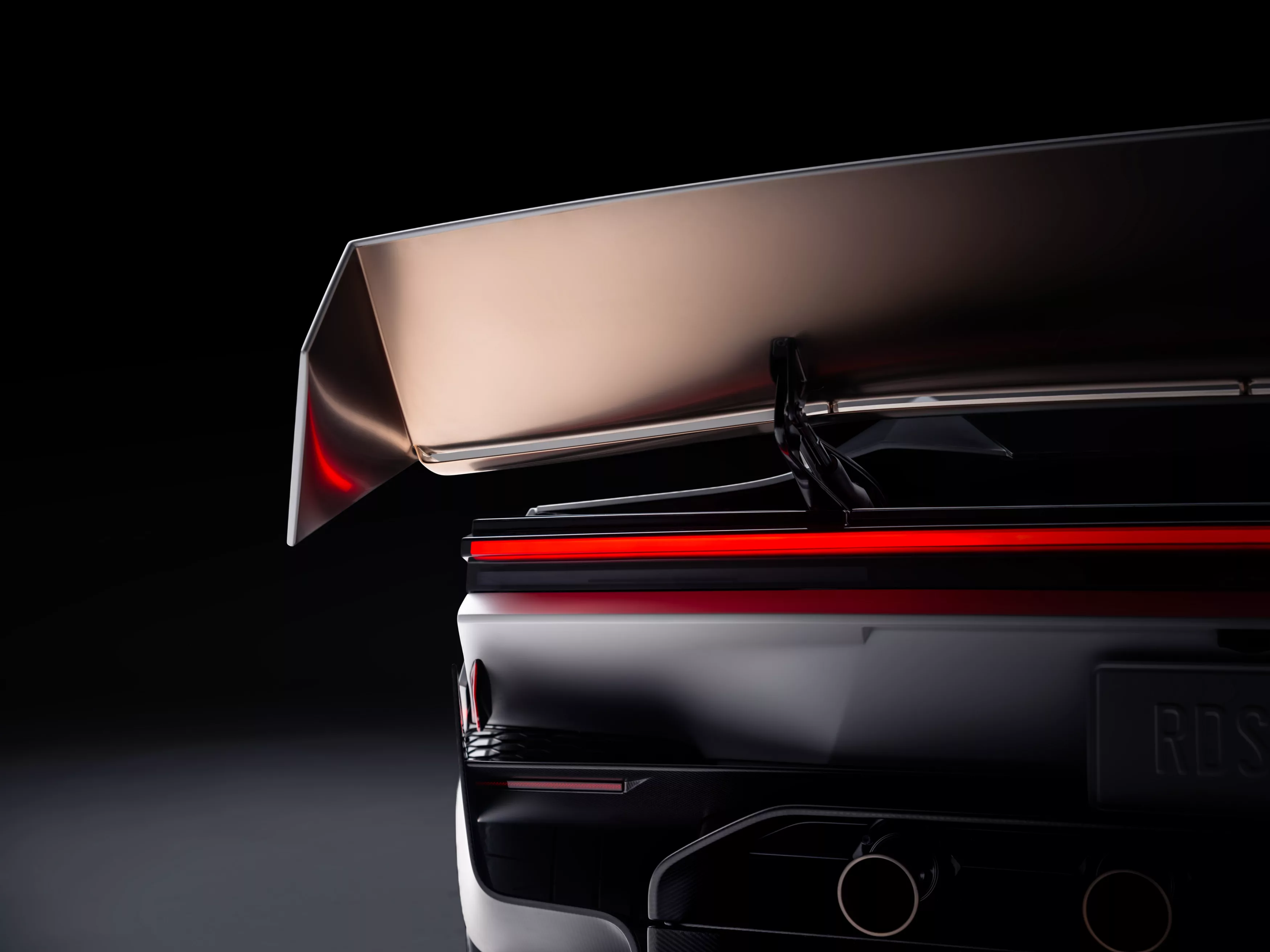
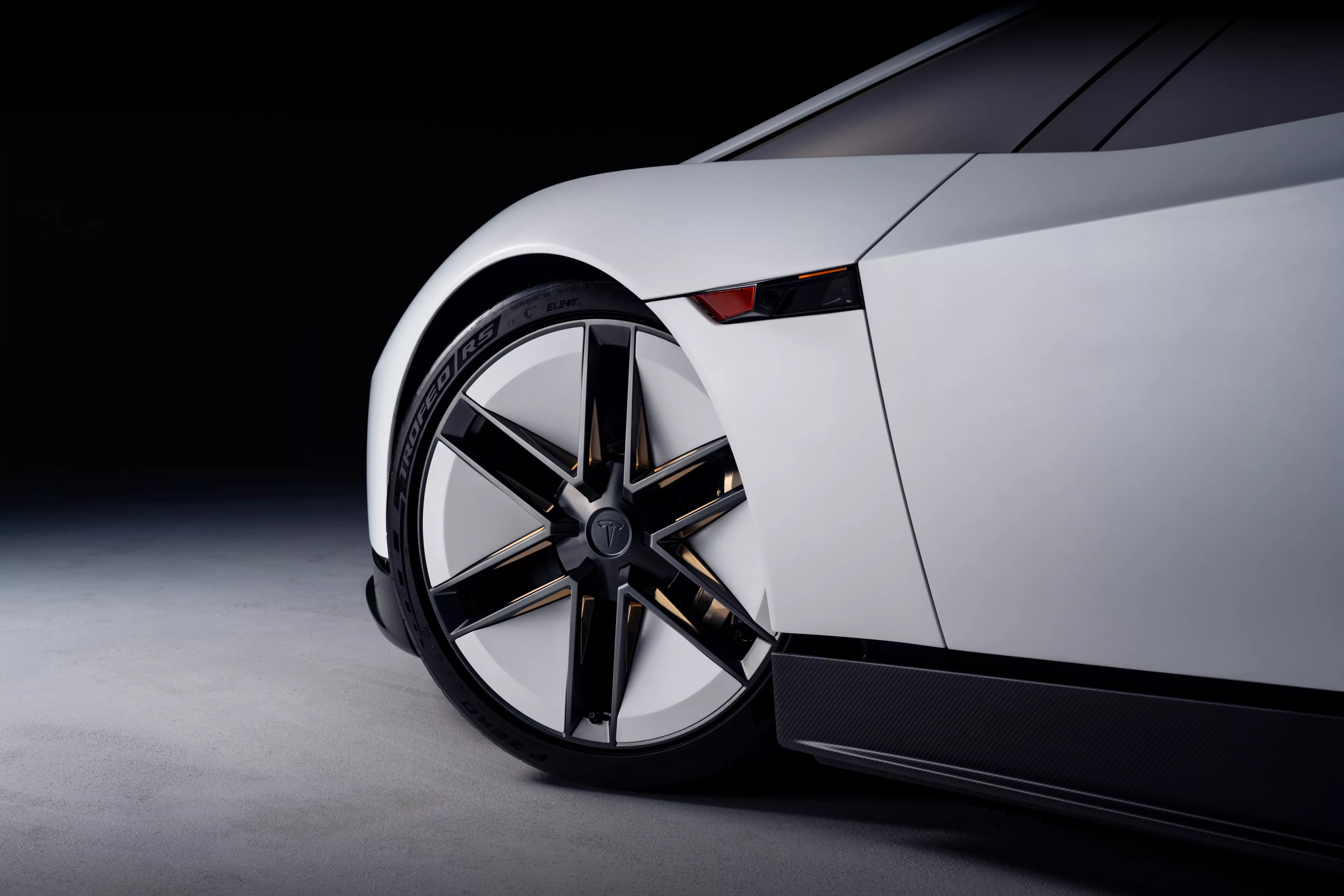
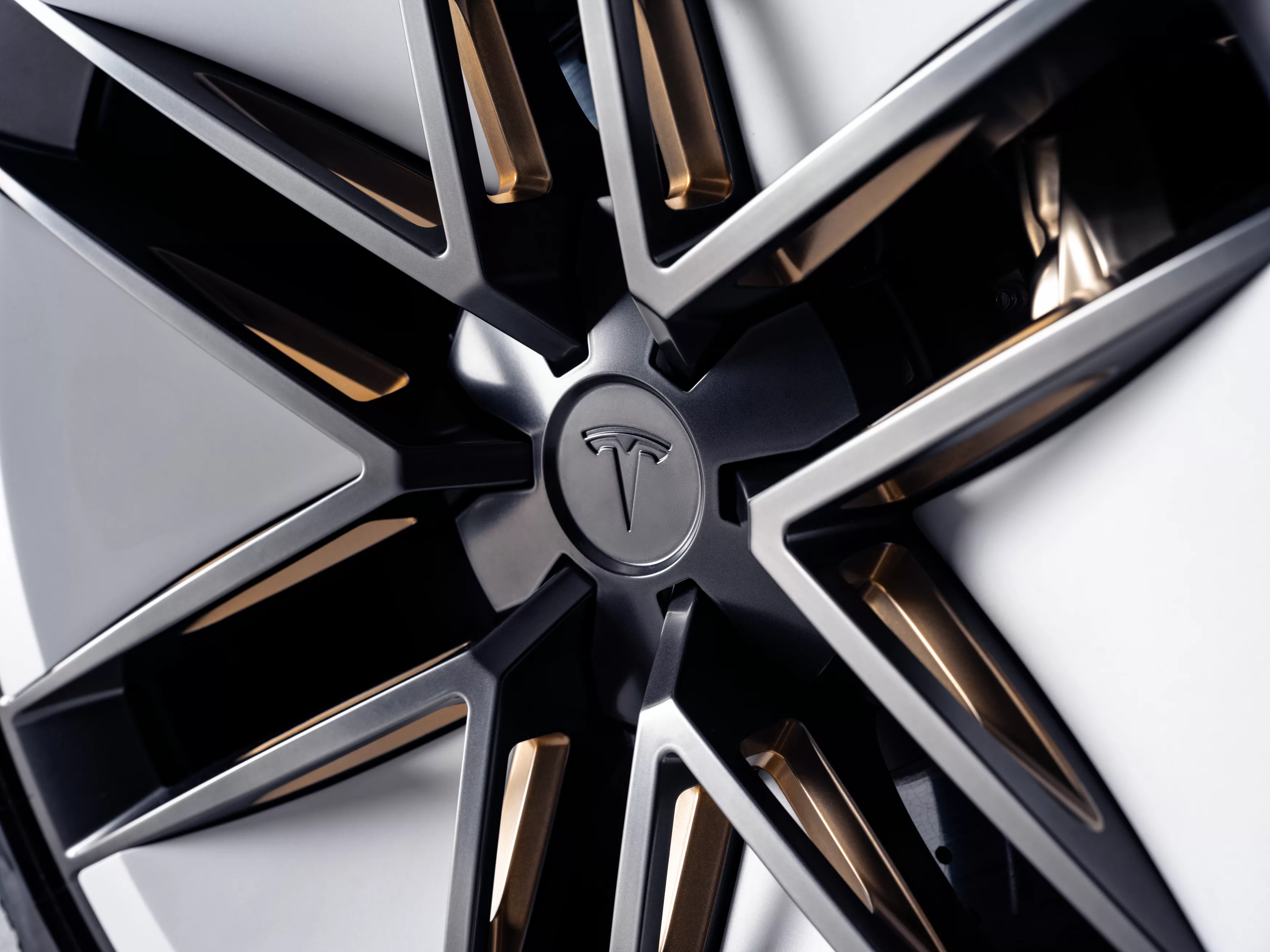
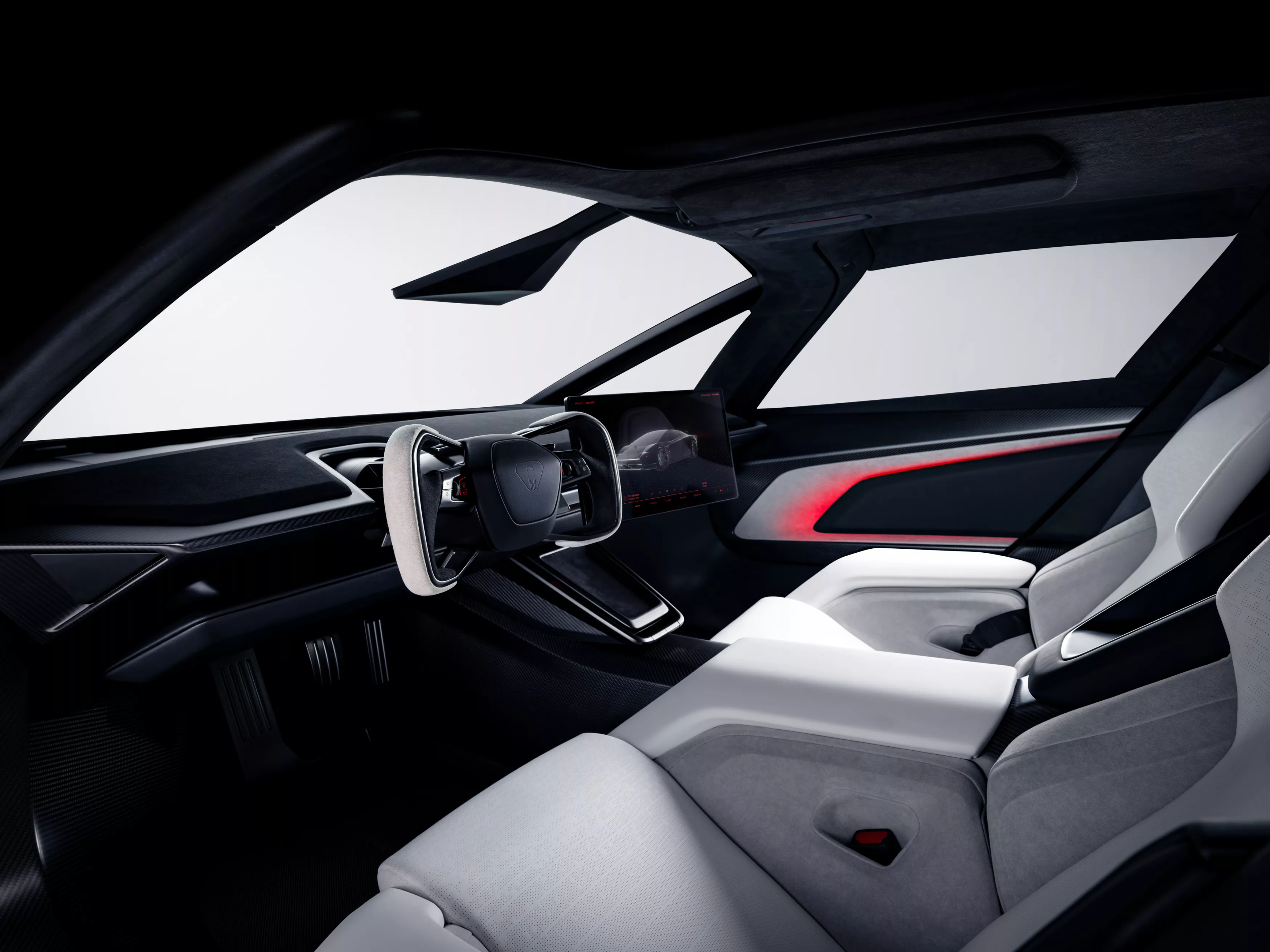
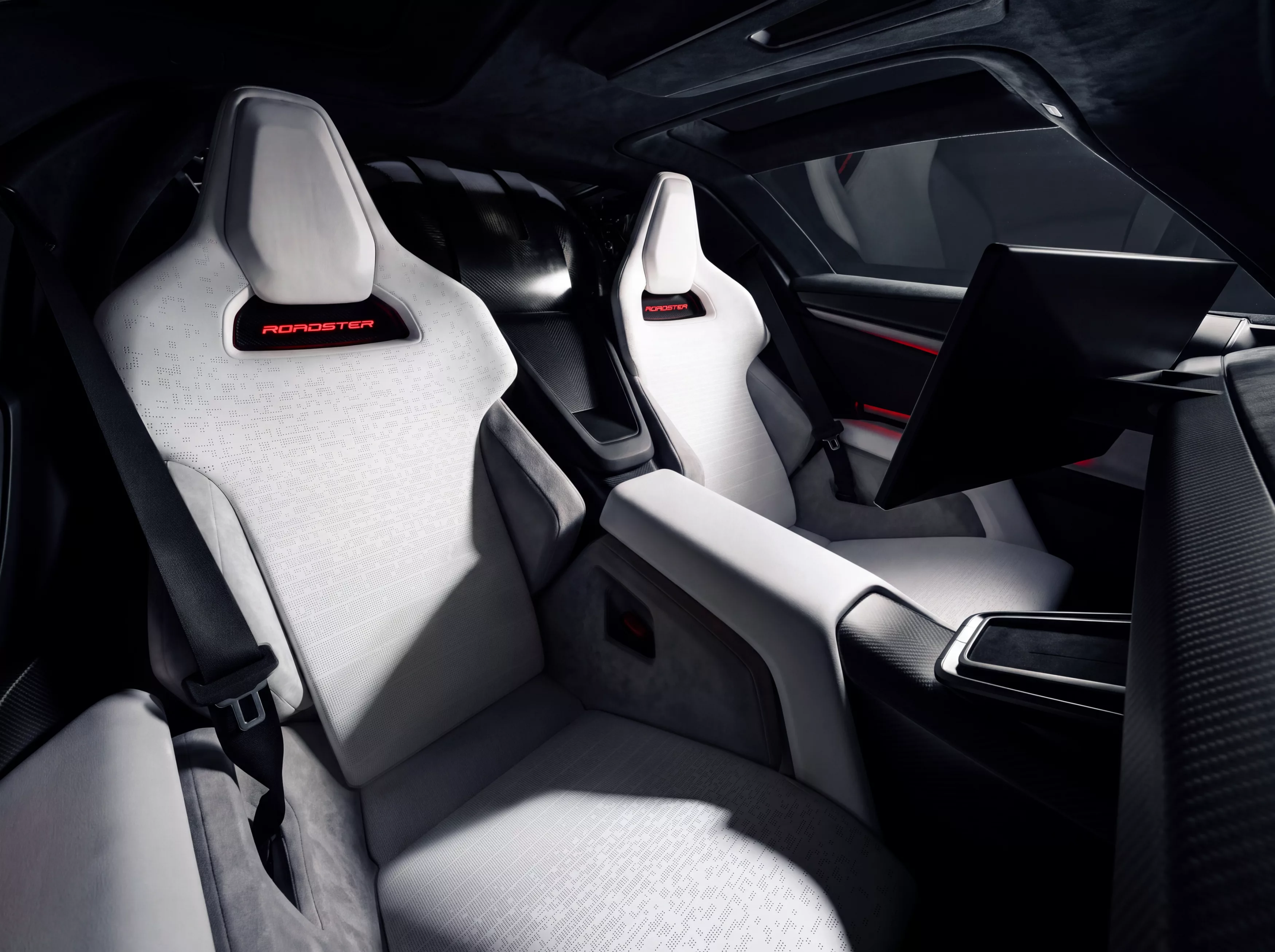
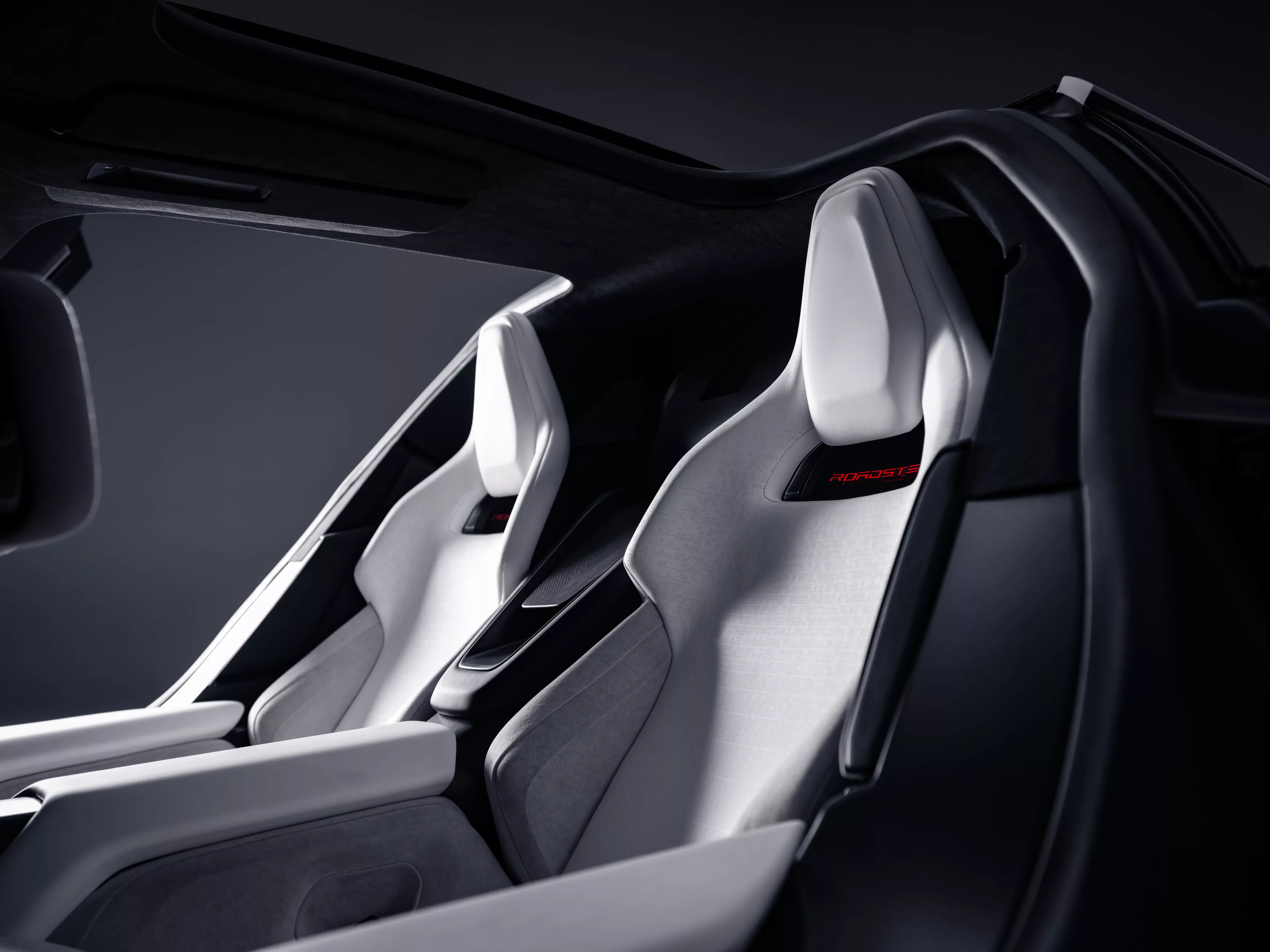
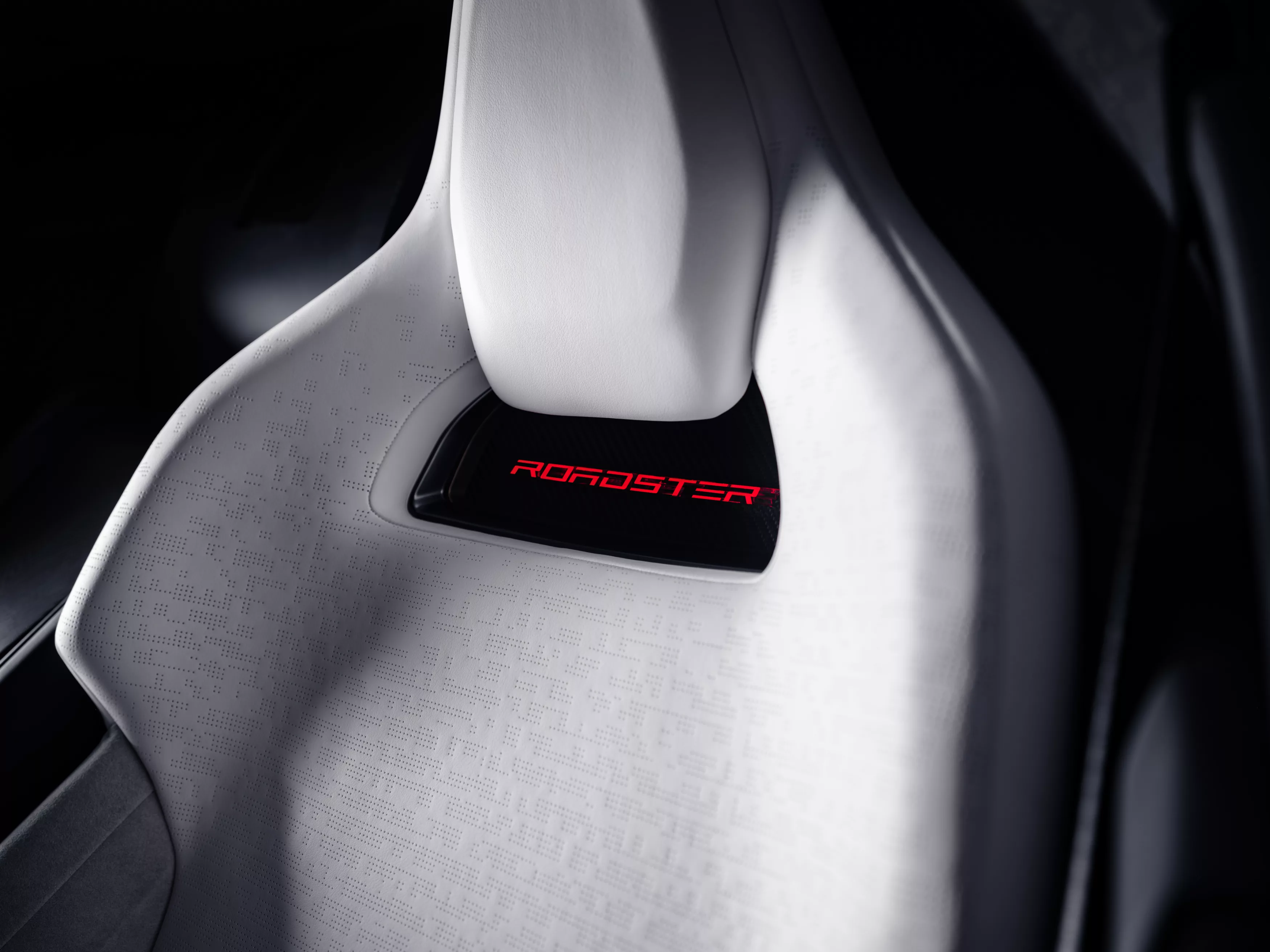
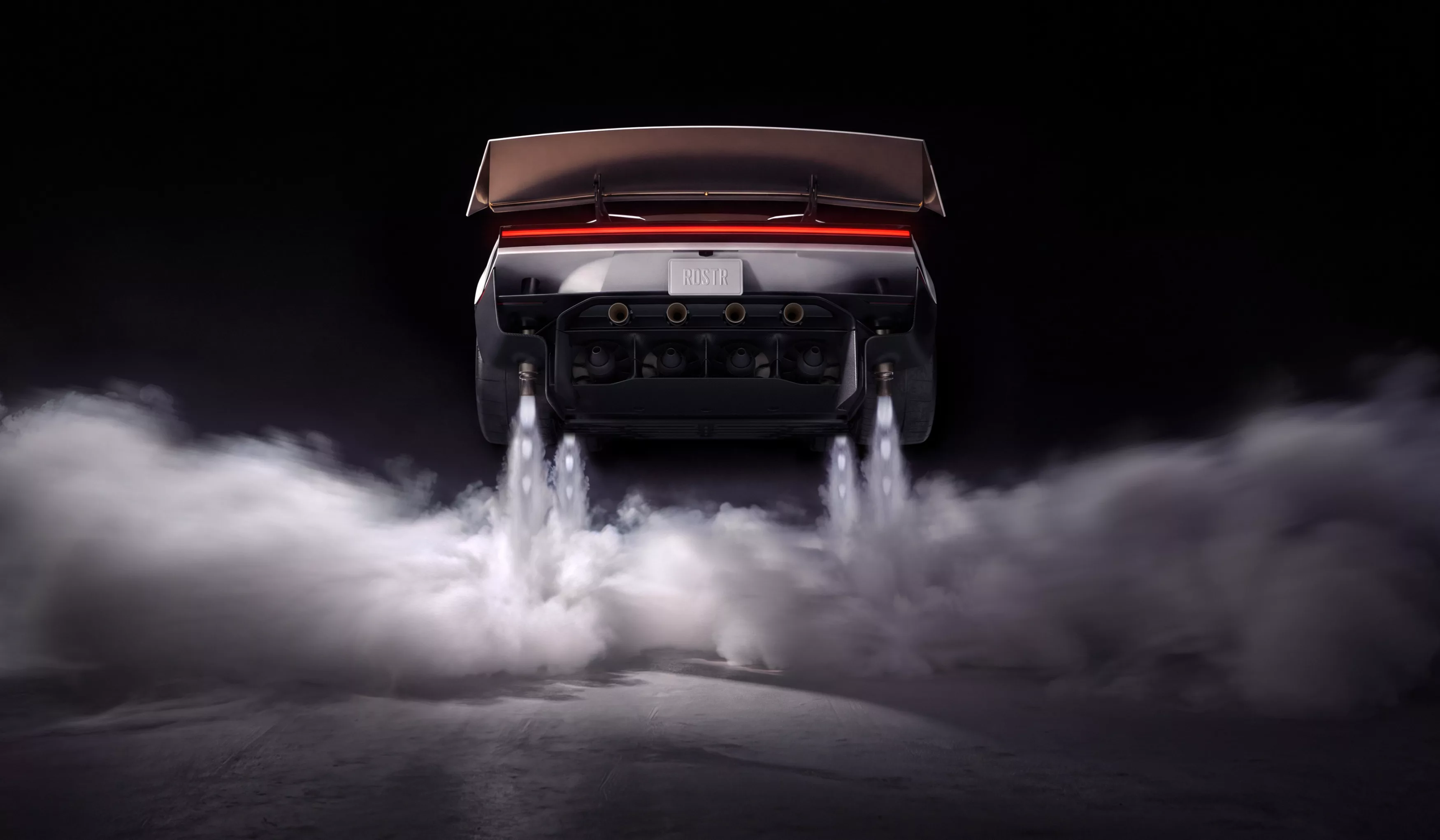
Tesla has finally unveiled the second-generation Roadster, with a prototype using compressed-air thrusters developed with SpaceX’s help to lift off, turn in mid-air and make a controlled landing. Even more extraordinary was the acceleration test, in which the car reached 97 km/h in approximately 0.8 seconds. Elon Musk promises to begin series production in 2028, but after a nine-year wait, that promise warrants some caution.
An electric car for which tyres are no longer enough
Tesla held the Roadster unveiling at SpaceX’s test facility in Texas. The carmaker demonstrated several manoeuvres that the laws of physics prevent conventional sports cars from performing.
First, the Roadster drove upside down along a curved ramp. This was made possible by an underbody fan system that generated enough negative pressure to hold the car against the road surface. The prototype then used compressed-air thrusters to lift off, turn in mid-air and make a controlled landing. In another demonstration, the car jumped over other Tesla vehicles.
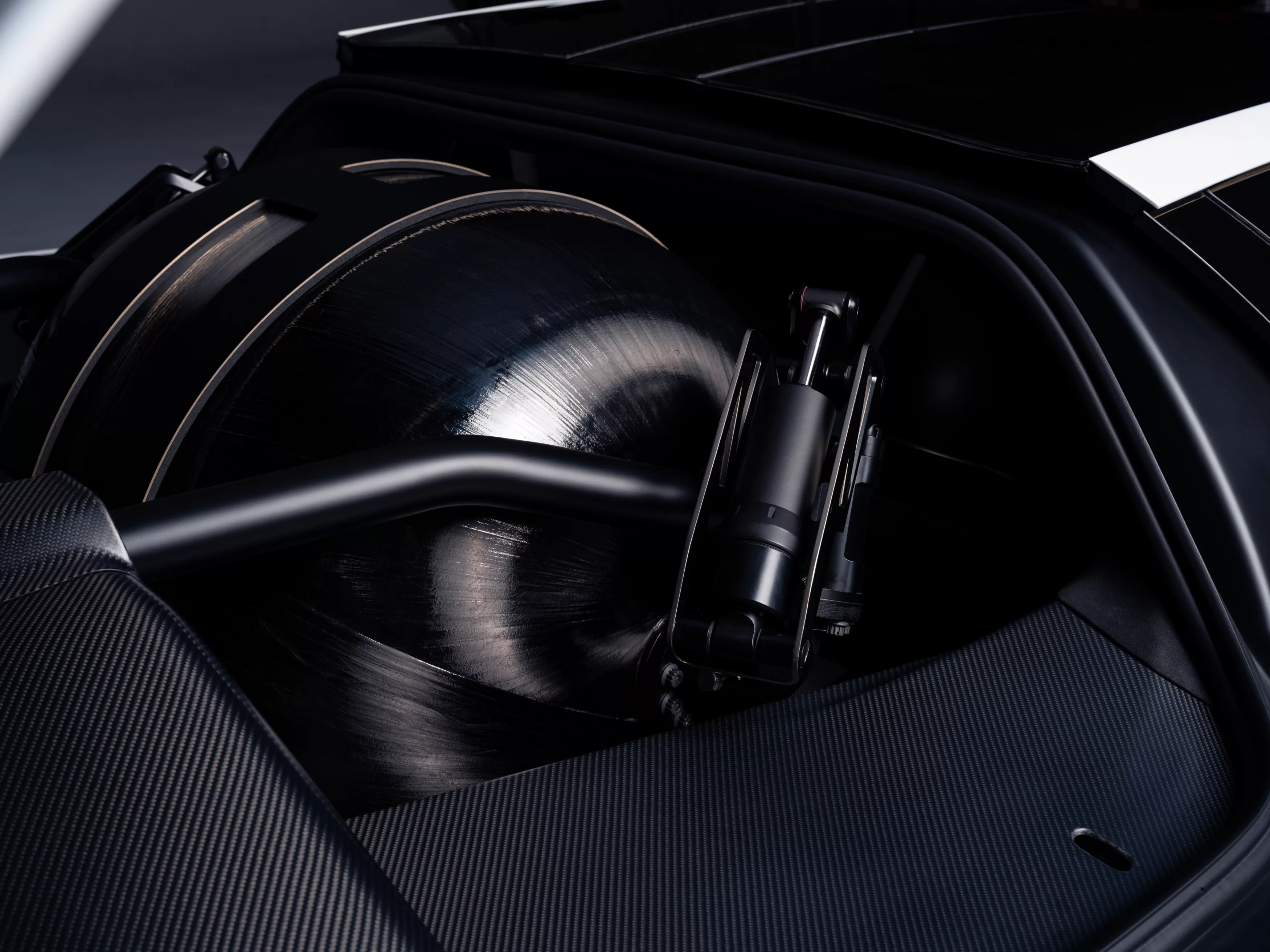
According to Reuters, the system uses compressed-air technology developed by SpaceX engineers. High-pressure tanks feed thrusters whose thrust allows the car to accelerate and move through the air for short periods.
This does not, however, make the Roadster a flying car in the conventional sense. These are aerial manoeuvres of limited duration, rather than a vehicle capable of flying from point A to point B.
Acceleration that makes supercars seem slow
Tesla also demonstrated the Roadster’s acceleration from a standstill. In the first test, the car reached 60 mph, or approximately 97 km/h, in one second. The second test produced a measured time of around 0.8 seconds.
An important qualification: Tesla demonstrated acceleration from 0–97 km/h, not 0–100 km/h. Nor has the result been verified by an independent testing organisation.
For comparison, the Rimac Nevera R takes approximately 1.7 seconds to reach 100 km/h. Tesla’s advantage comes from the additional thrust provided by the compressed-air thrusters, rather than tyre grip alone.
The manufacturer promises a top speed of more than 370 km/h and a range of more than 480 kilometres for the Roadster.
The promised range has, however, become considerably more modest. In 2017, Tesla spoke of almost 1,000 kilometres; the figure now promised is approximately half that.
Three versions, one designed for flight
Tesla plans three versions of the Roadster. Performance focuses on conventional electric performance, Thrust uses compressed-air thrusters to improve acceleration, and Rocket gets the full system for aerial manoeuvres.
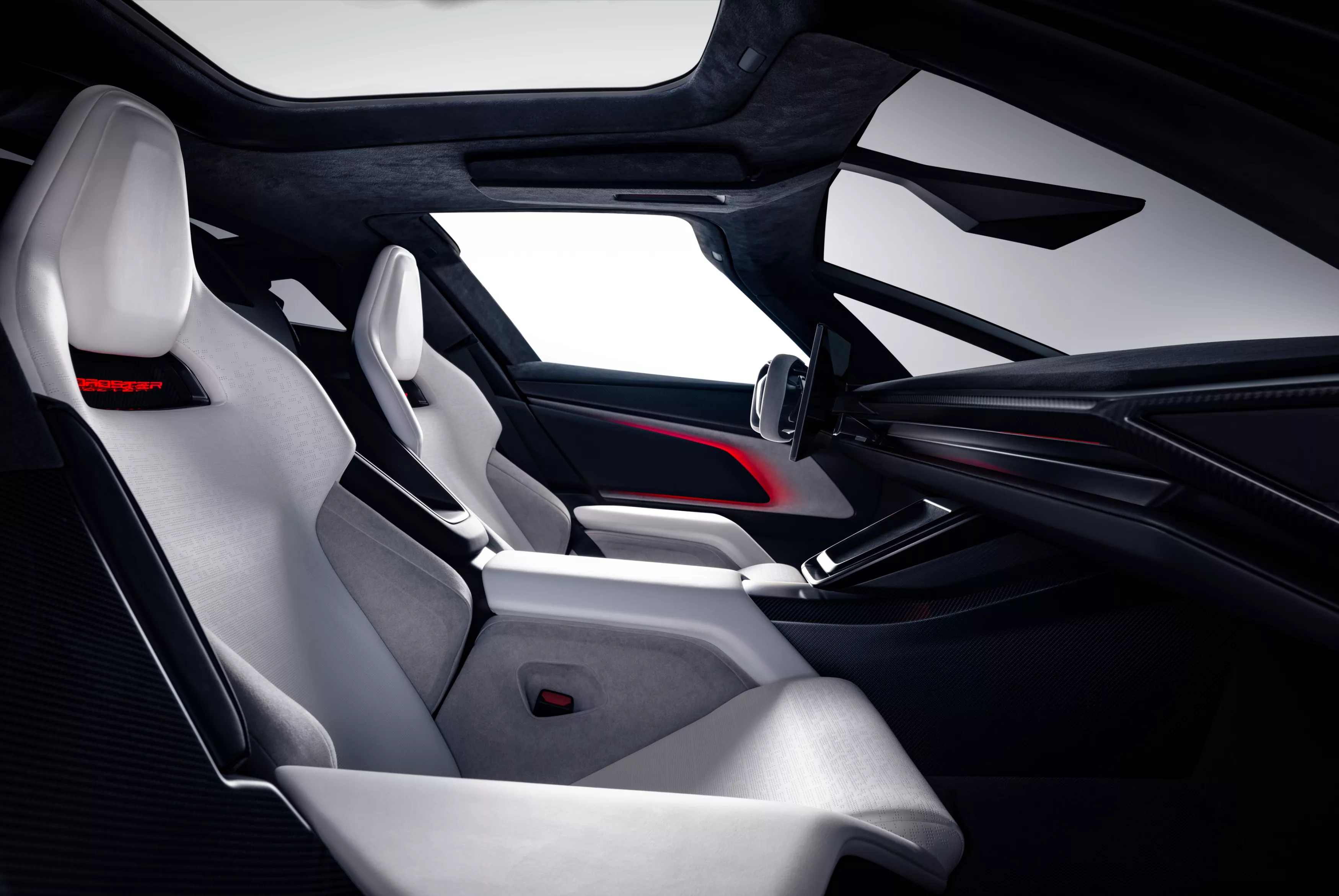
The latter also differs from the others in its seating capacity: Rocket is a single-seater and will be offered to customers by invitation only.
A Performance reservation requires a $50,000 deposit, rising to $250,000 for Thrust. These are not the cars’ sale prices. Tesla has not yet released a new price list.
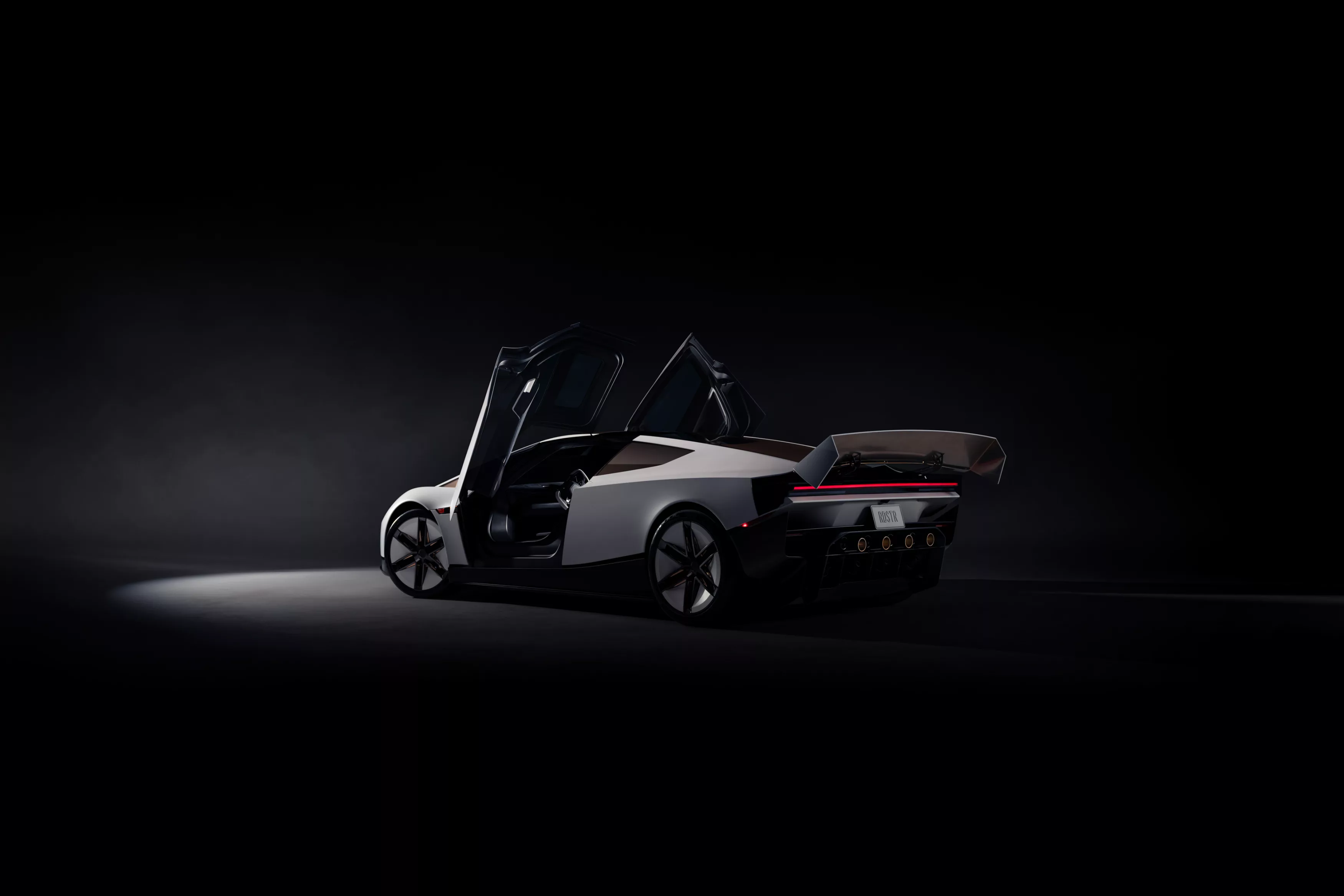
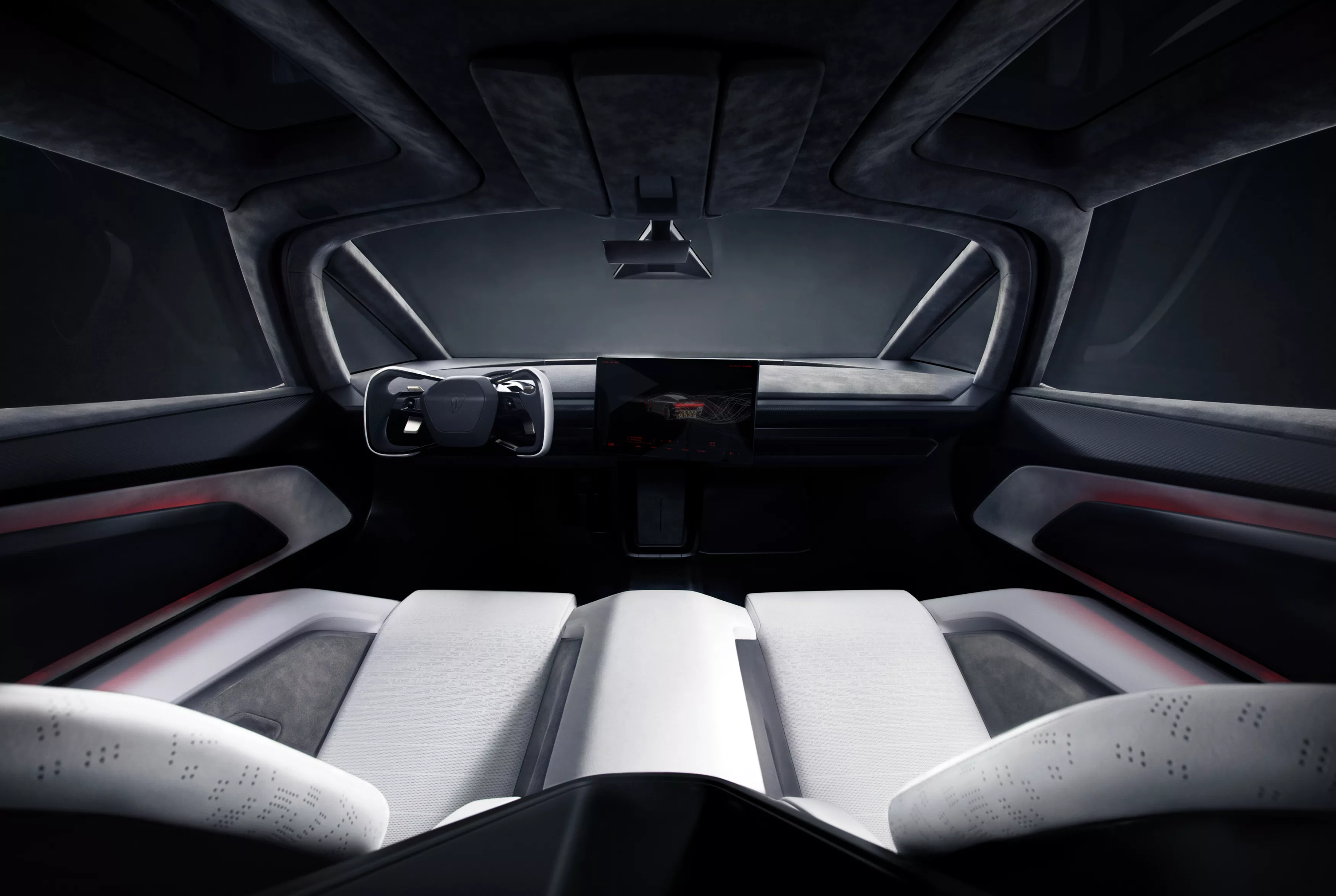
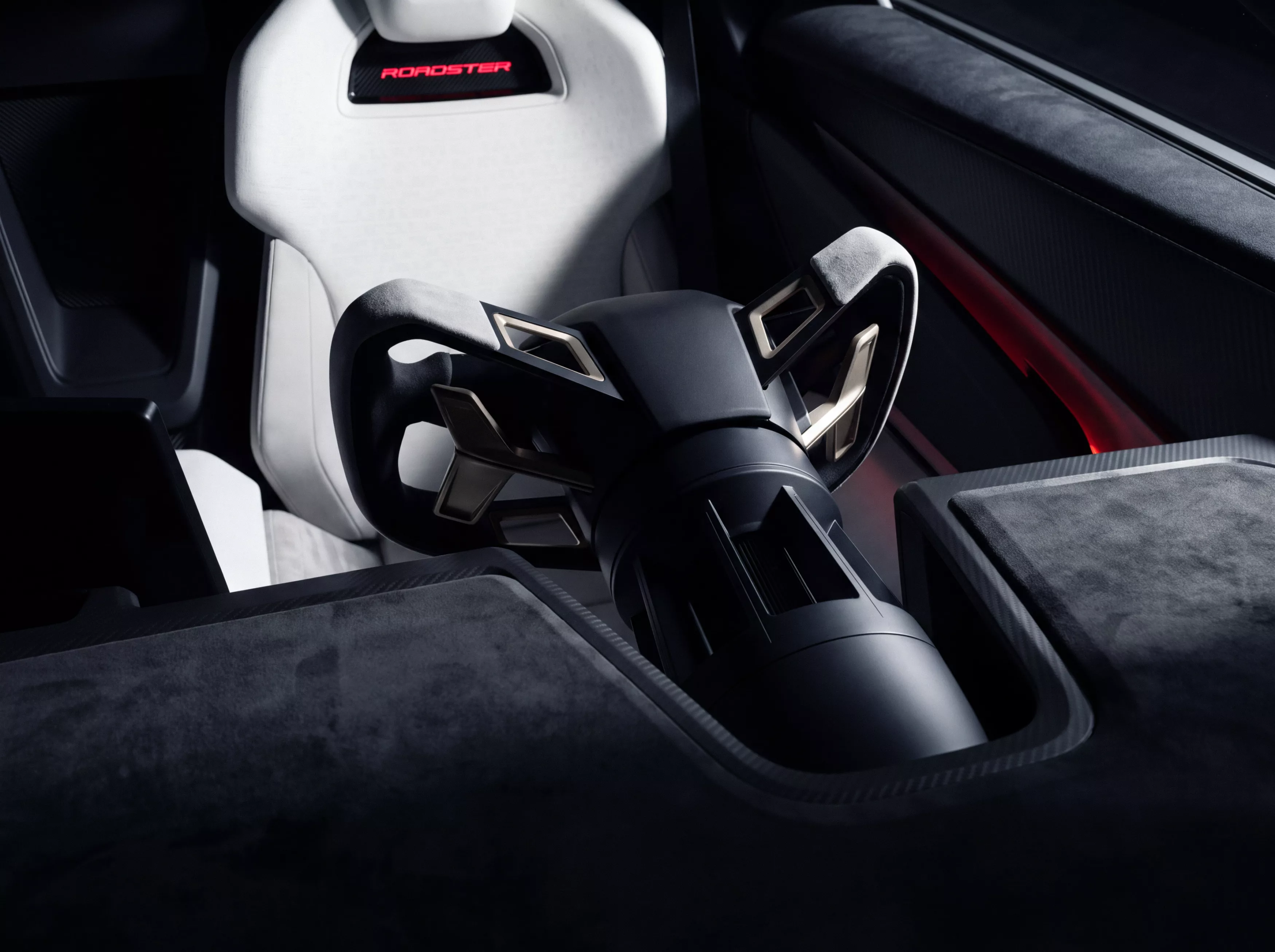
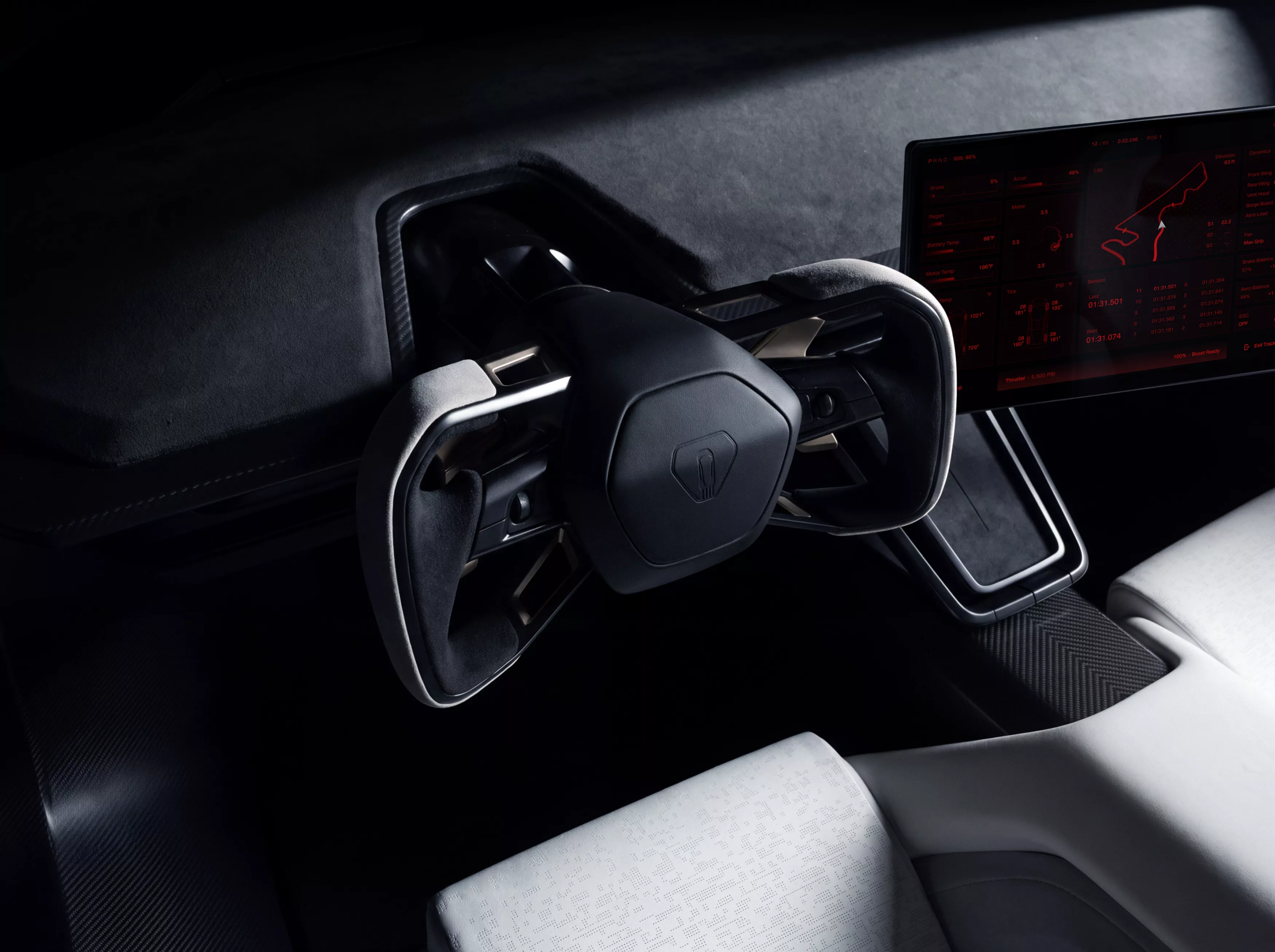
The Roadster’s cabin features a steering wheel resembling an aircraft control yoke and a large horizontal central display. Upward-opening doors and an active rear wing complement the exterior design.
Reaching European roads is another question entirely
The Roadster’s technical demonstration was undoubtedly impressive, but several complex issues must be resolved before series production.
European type-approval requirements do not currently account for passenger cars capable of taking off using compressed-air thrusters. Road safety, airflow affecting other road users and the controllability of emergency manoeuvres could all pose problems. Elon Musk acknowledged at the unveiling that not all of the Roadster’s functions may be permitted on public roads in every country.
Tesla must also prove the compressed-air system’s durability and reliability. A one-off demonstration under controlled conditions differs significantly from everyday use.
Tesla promises to begin production in 2028. The second-generation Roadster was originally due to reach customers in 2020, so there is reason to treat the new deadline with caution.
The Roadster is a show of technological strength in which Tesla is doing something its competitors have not yet even seriously considered for production cars. But if a car needs rocket technology to achieve its extraordinary acceleration, and its most spectacular features may not be permitted on public roads, a natural question arises: is this the sports car of the future, or an exceptionally expensive toy for engineers?


