
Mercedes-Benz updates the GLS, with standard MBUX Superscreen, smoother engines and a more luxurious rear cabin
 1/32
1/32
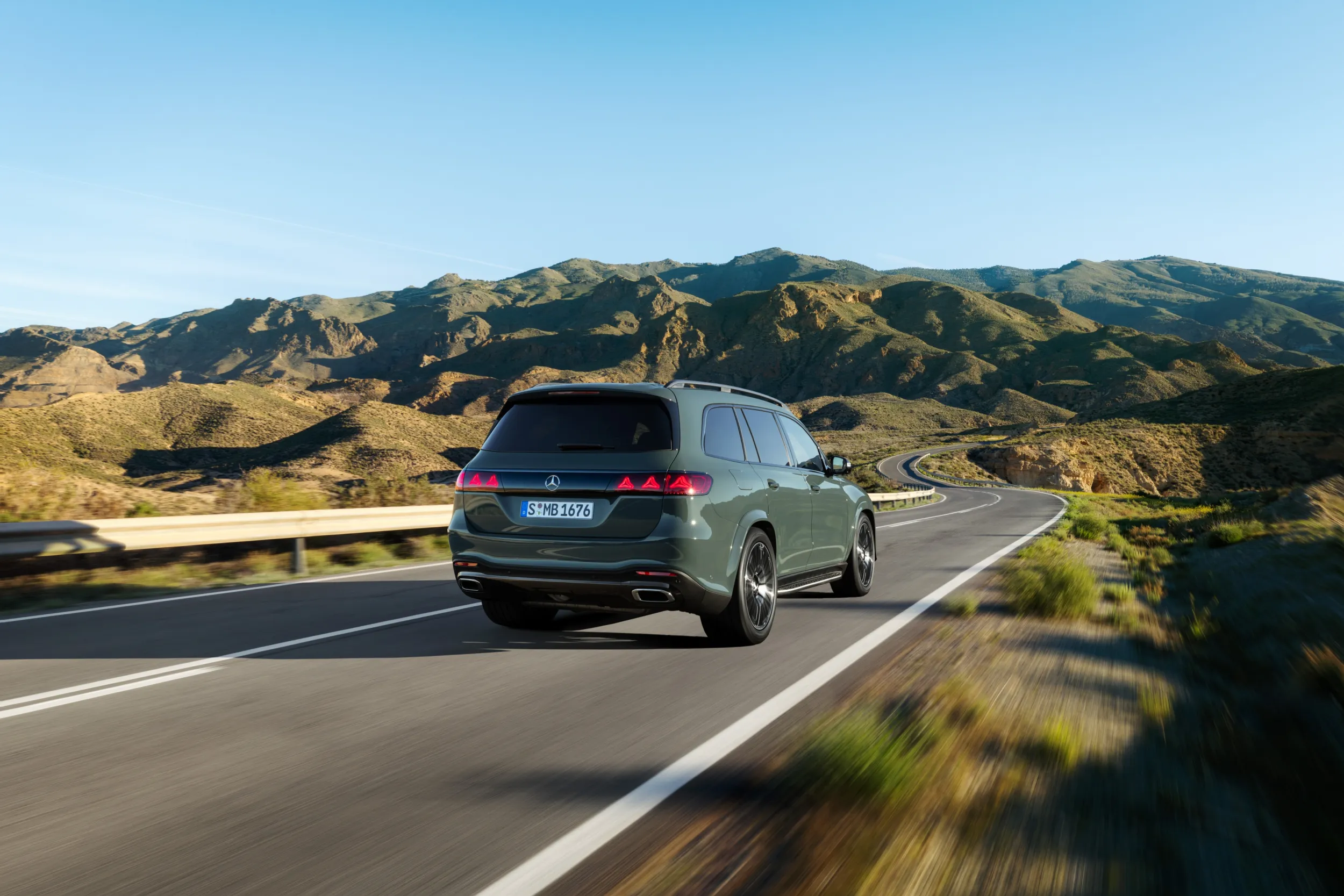
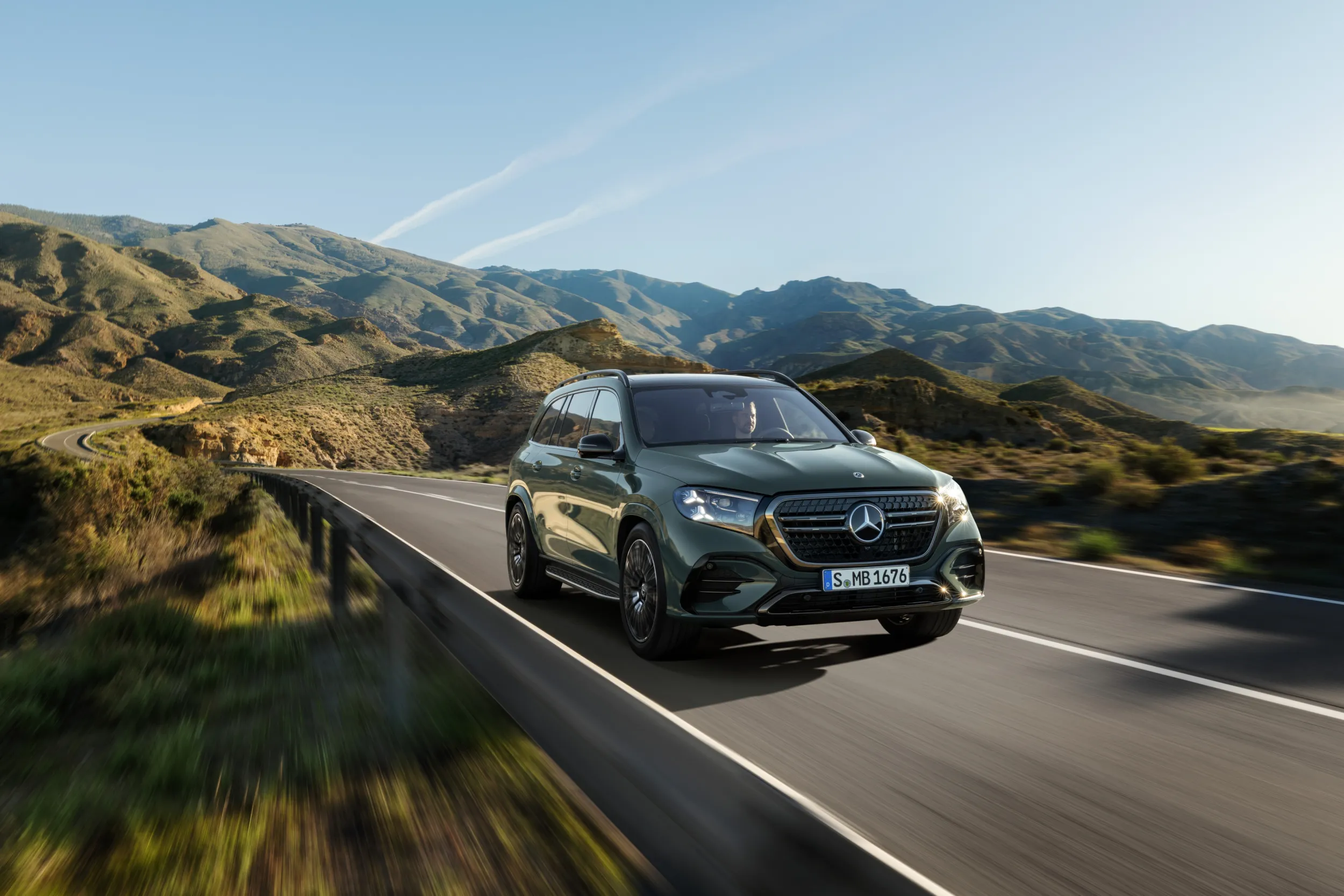
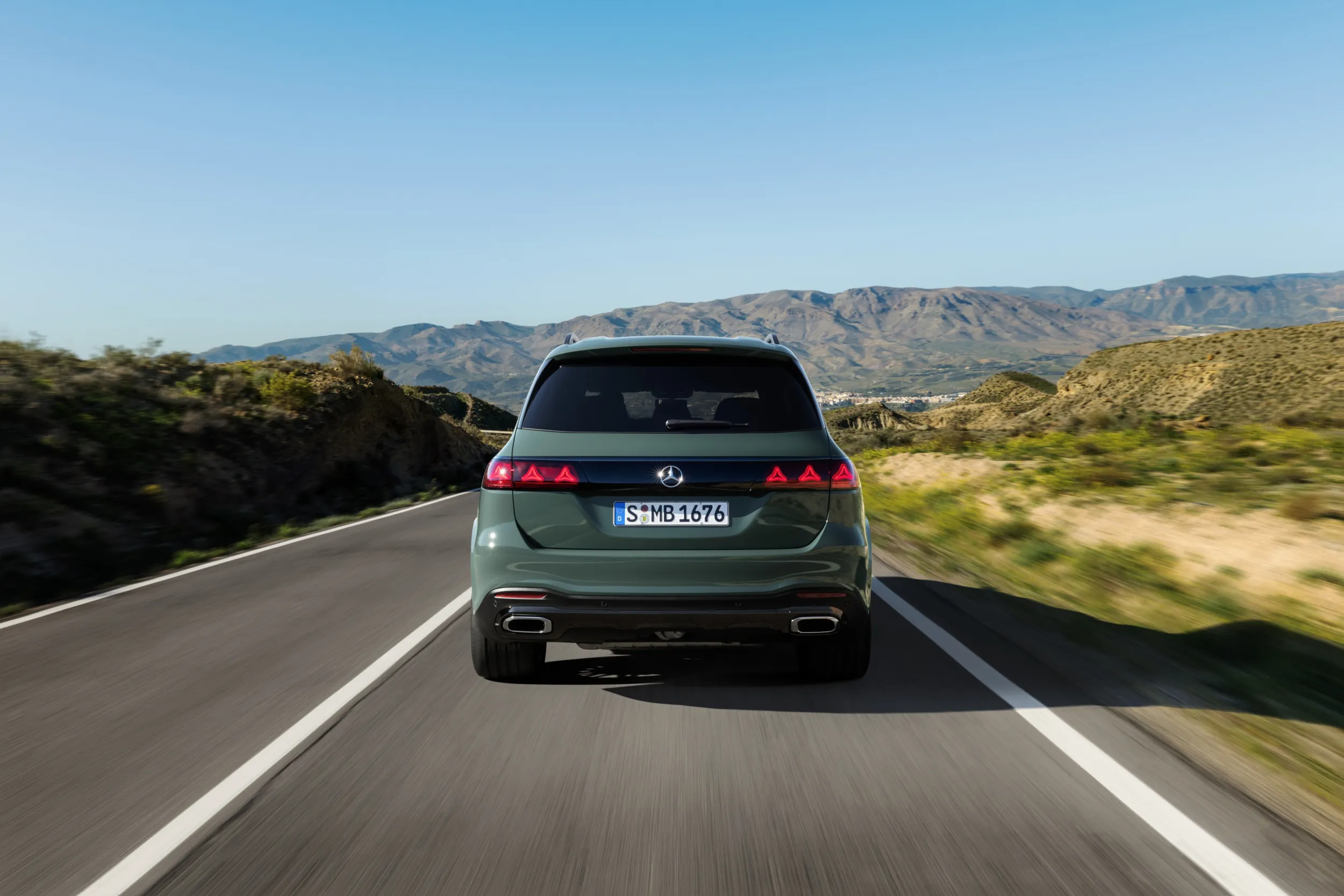
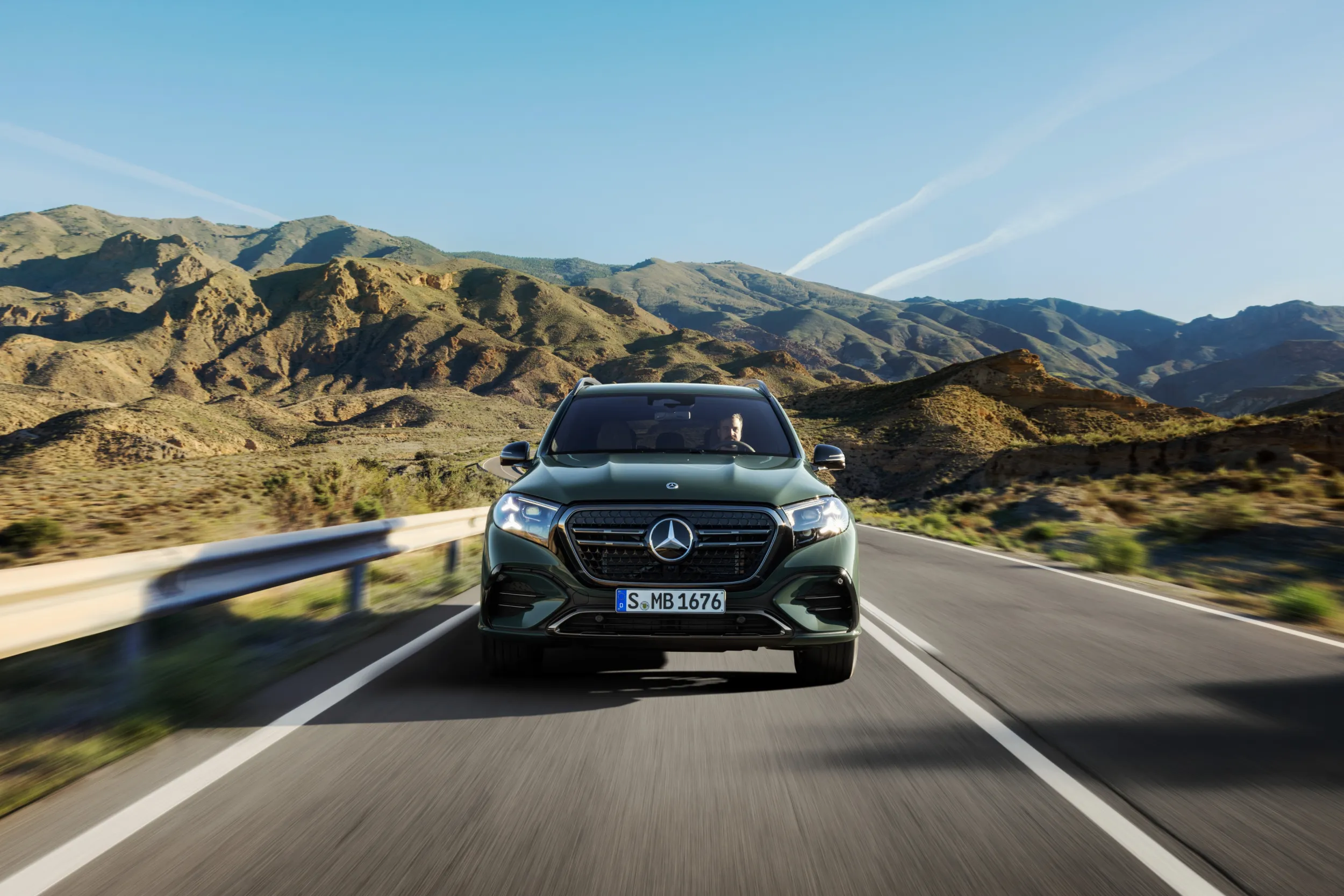
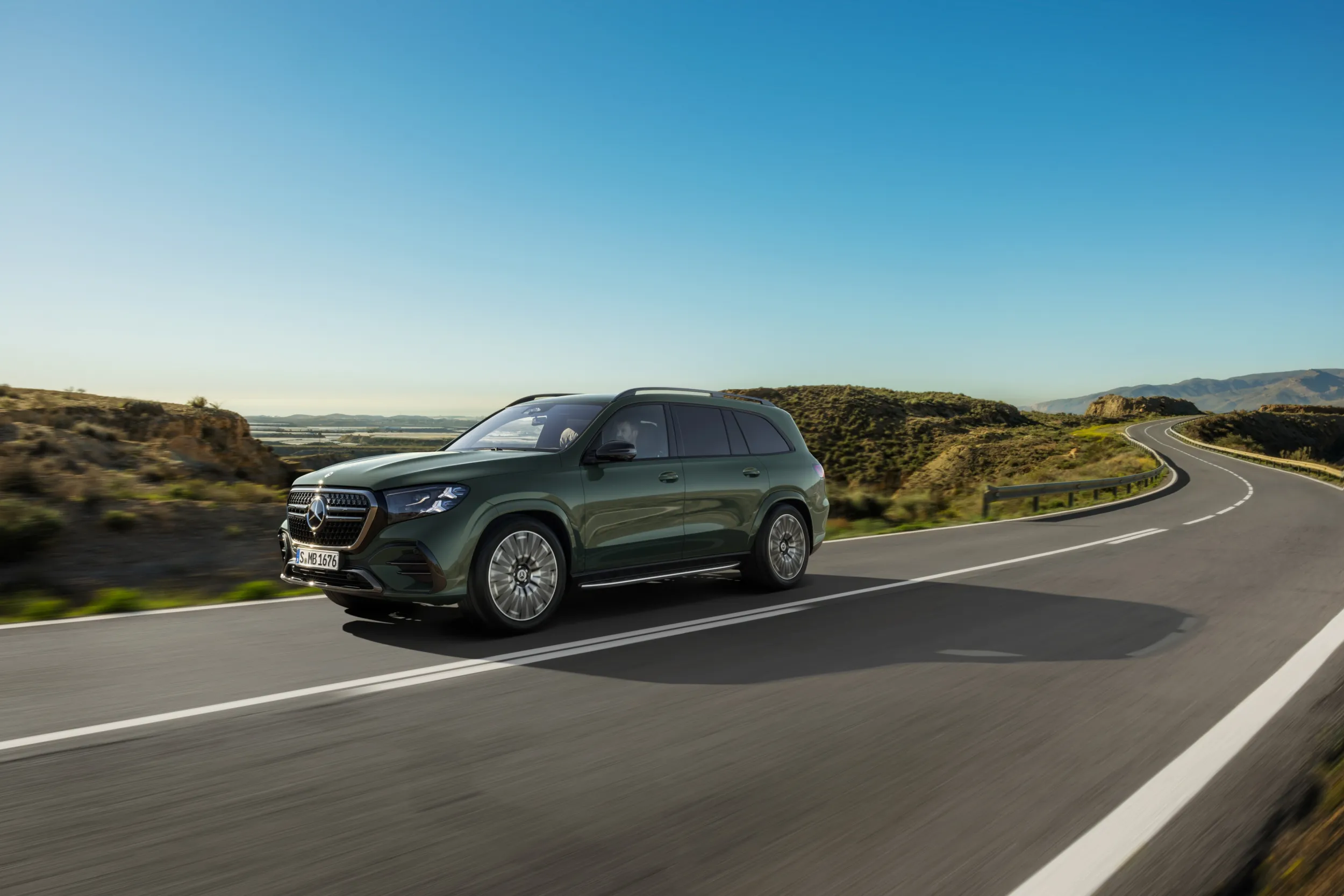
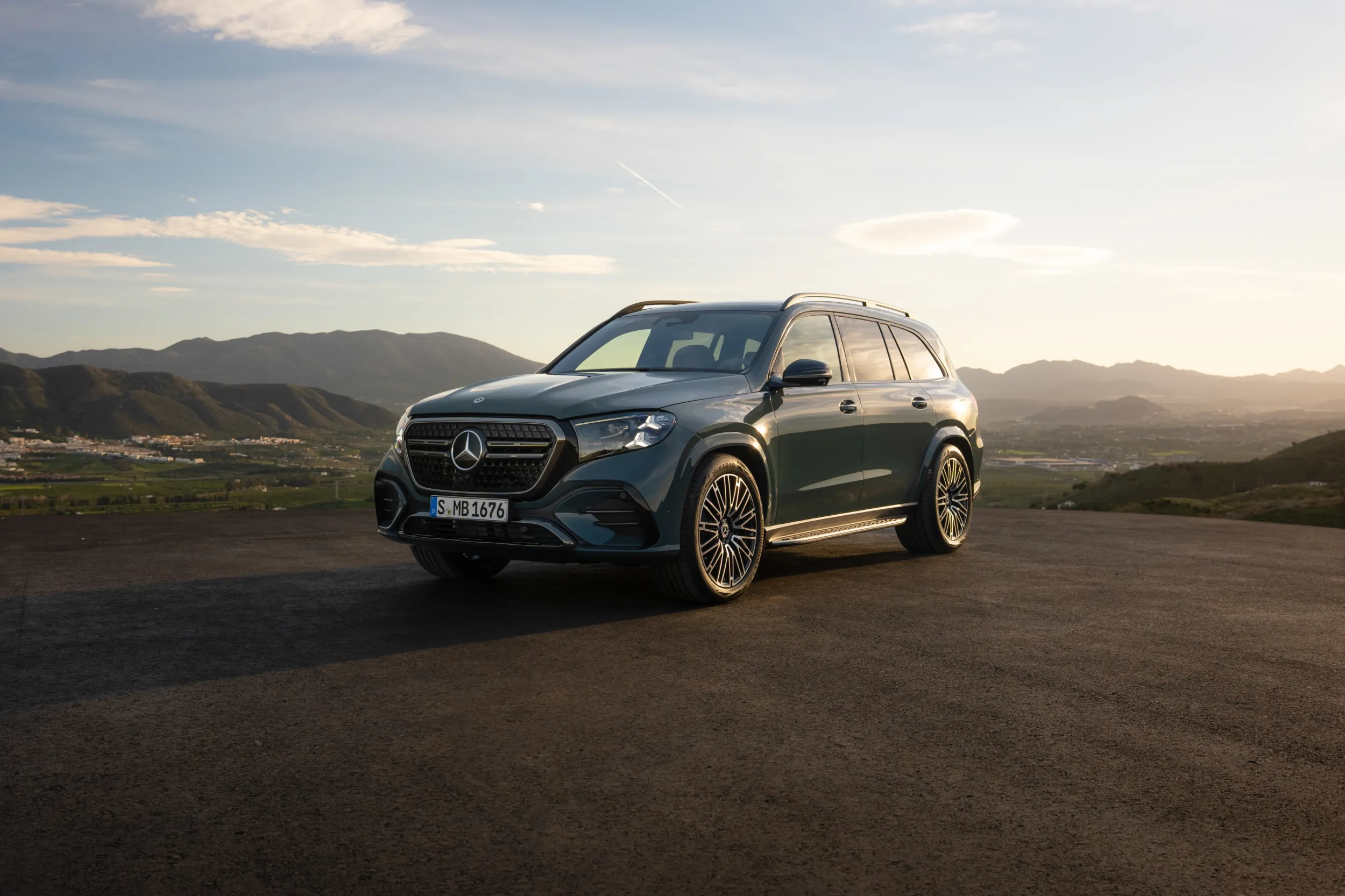
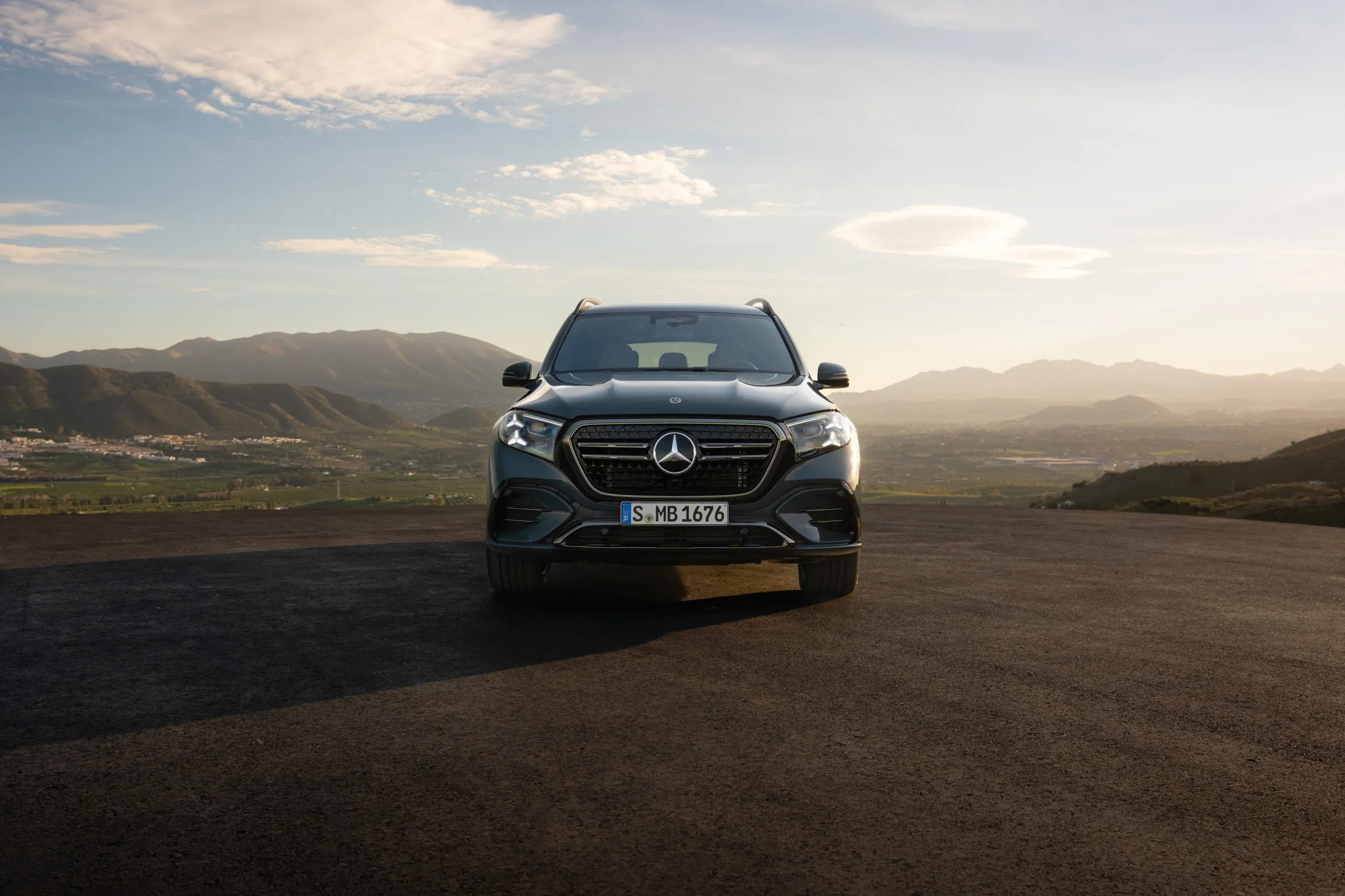
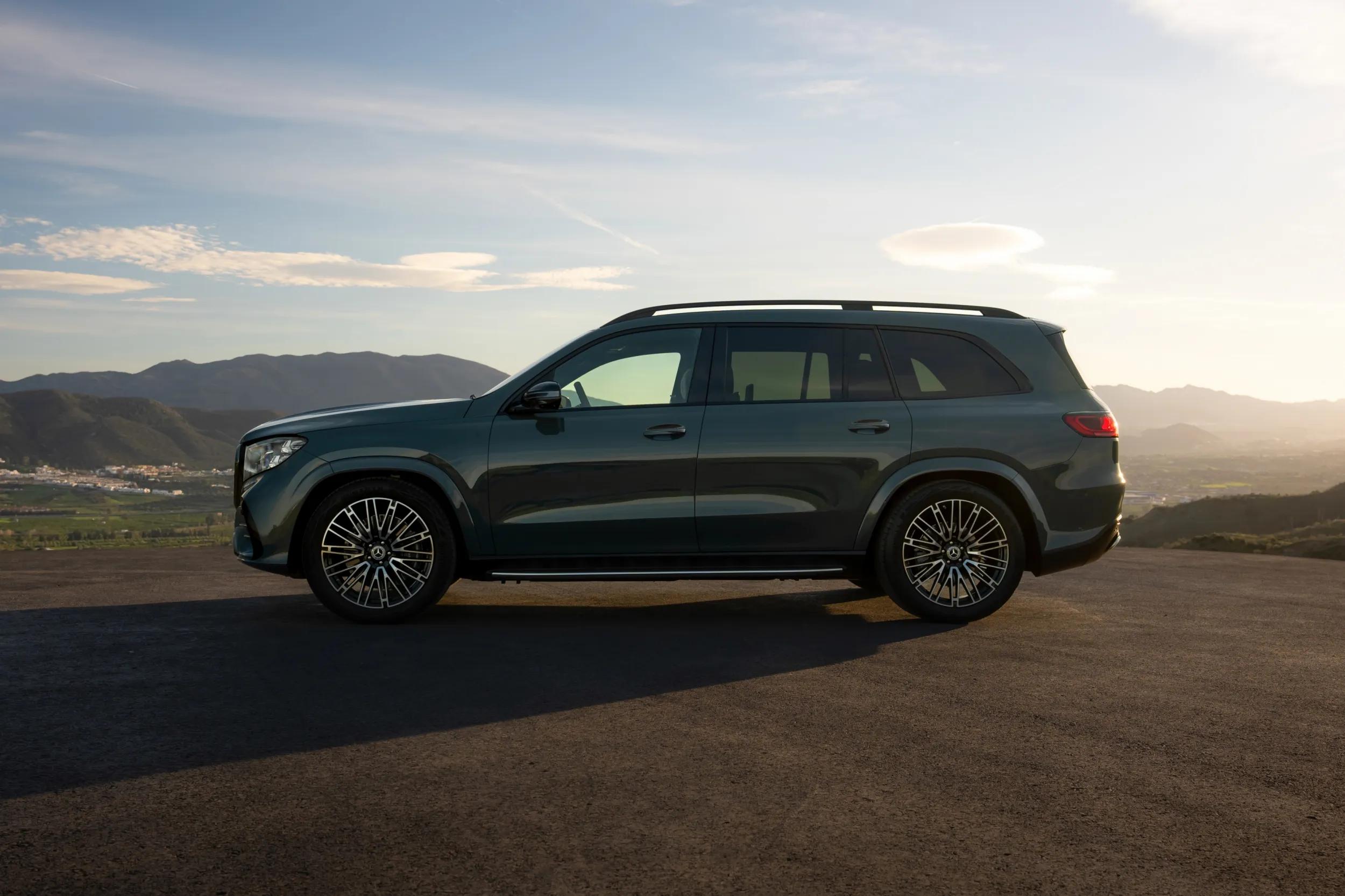
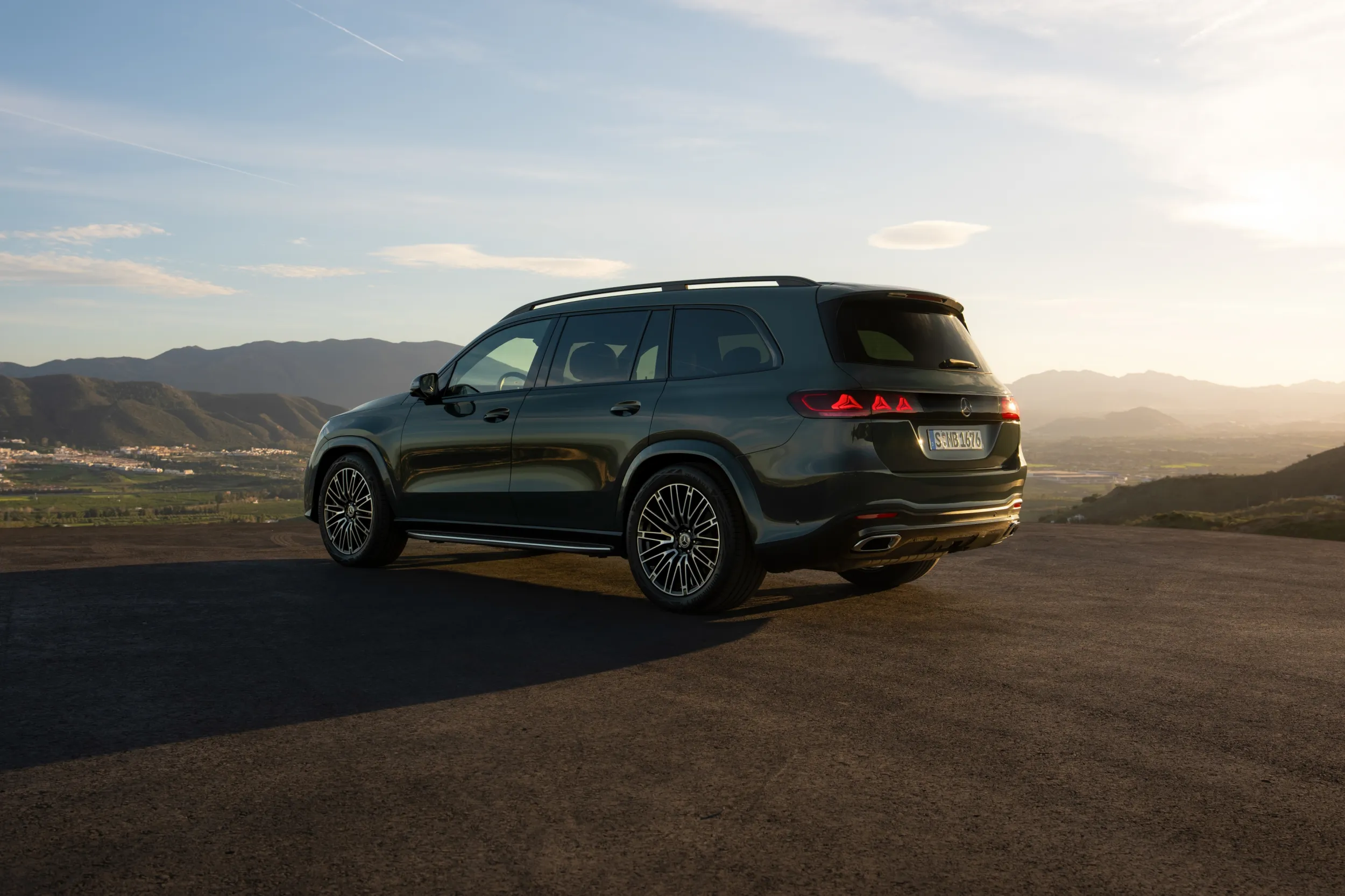
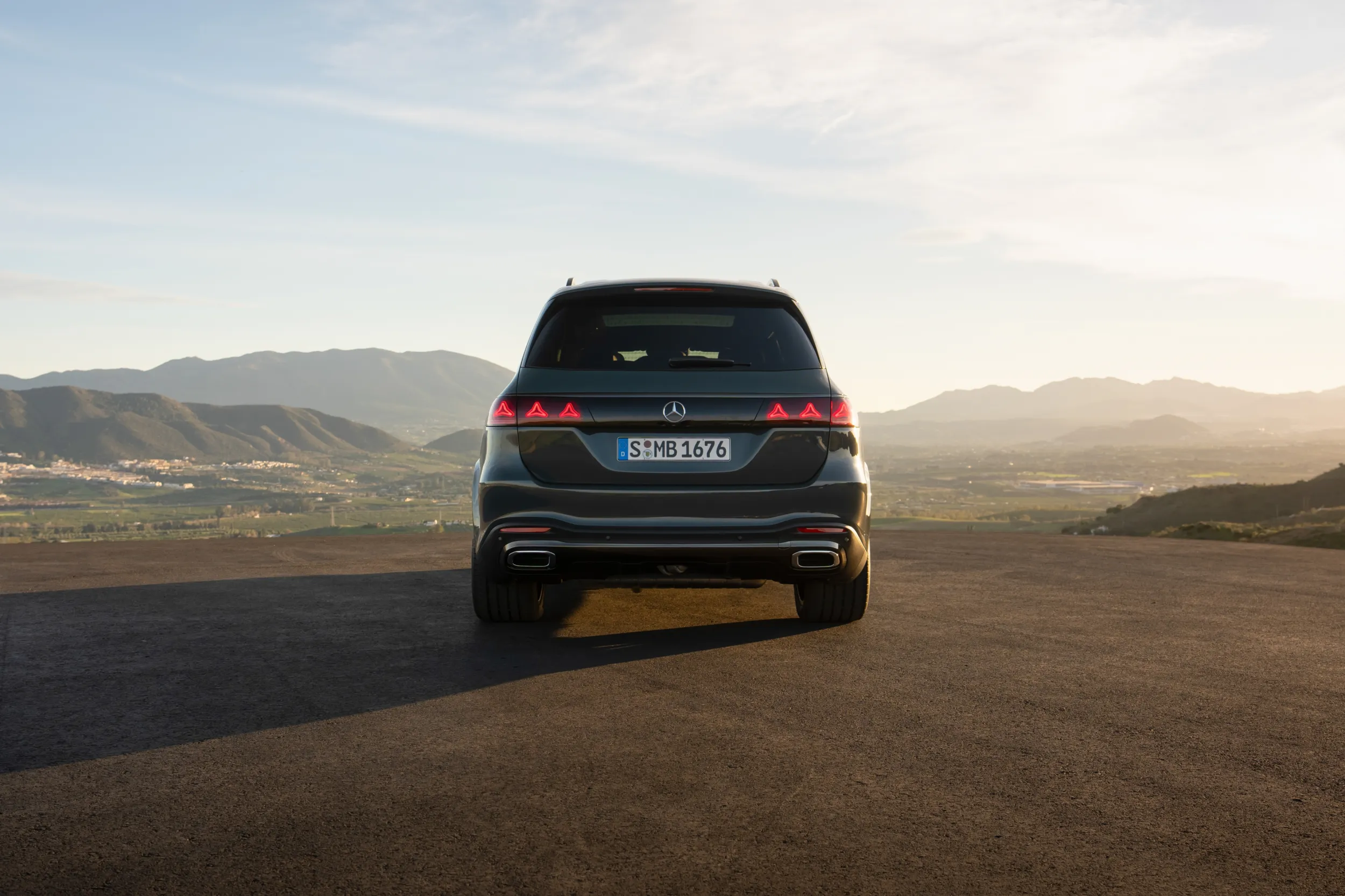
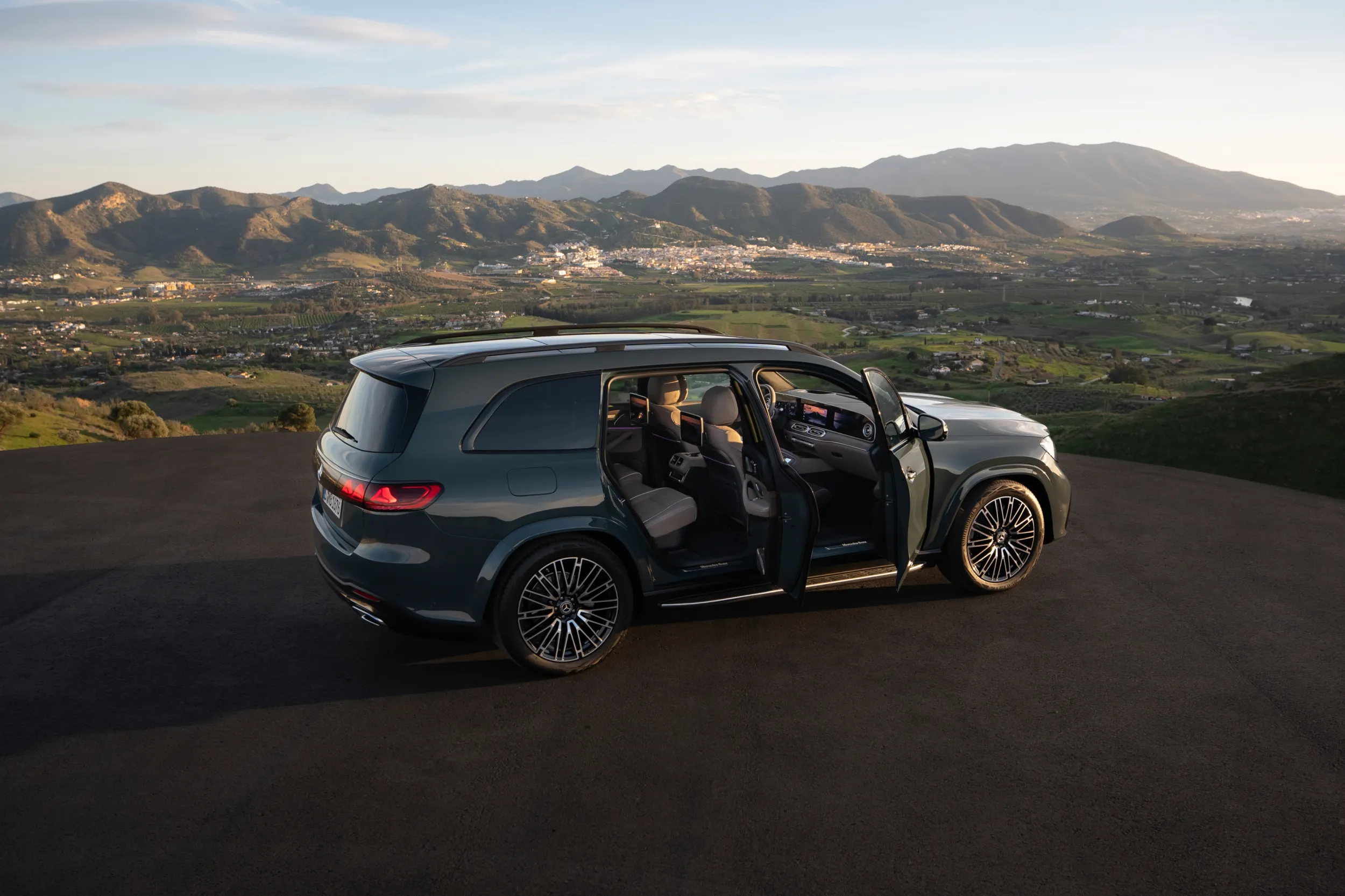
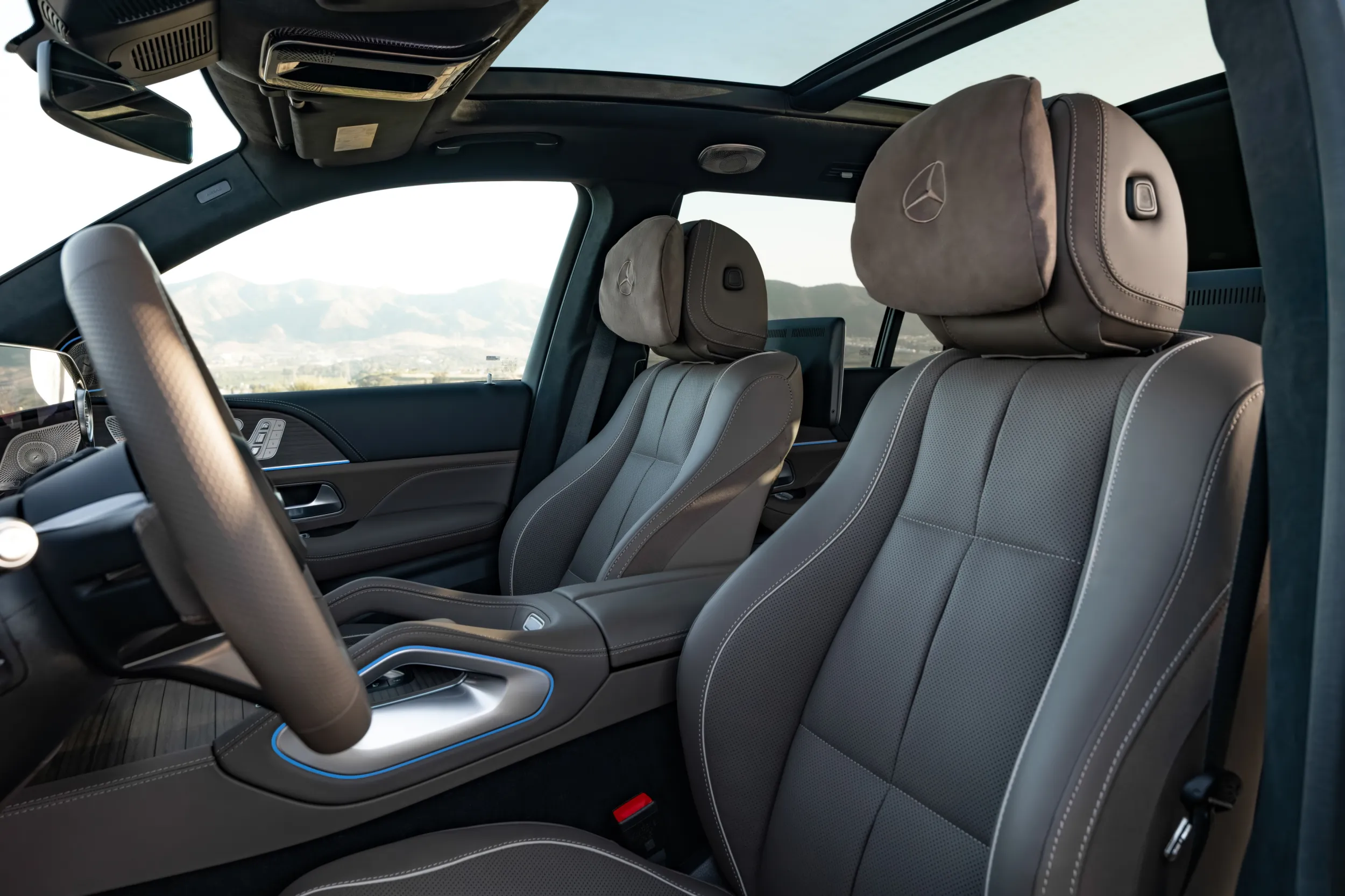
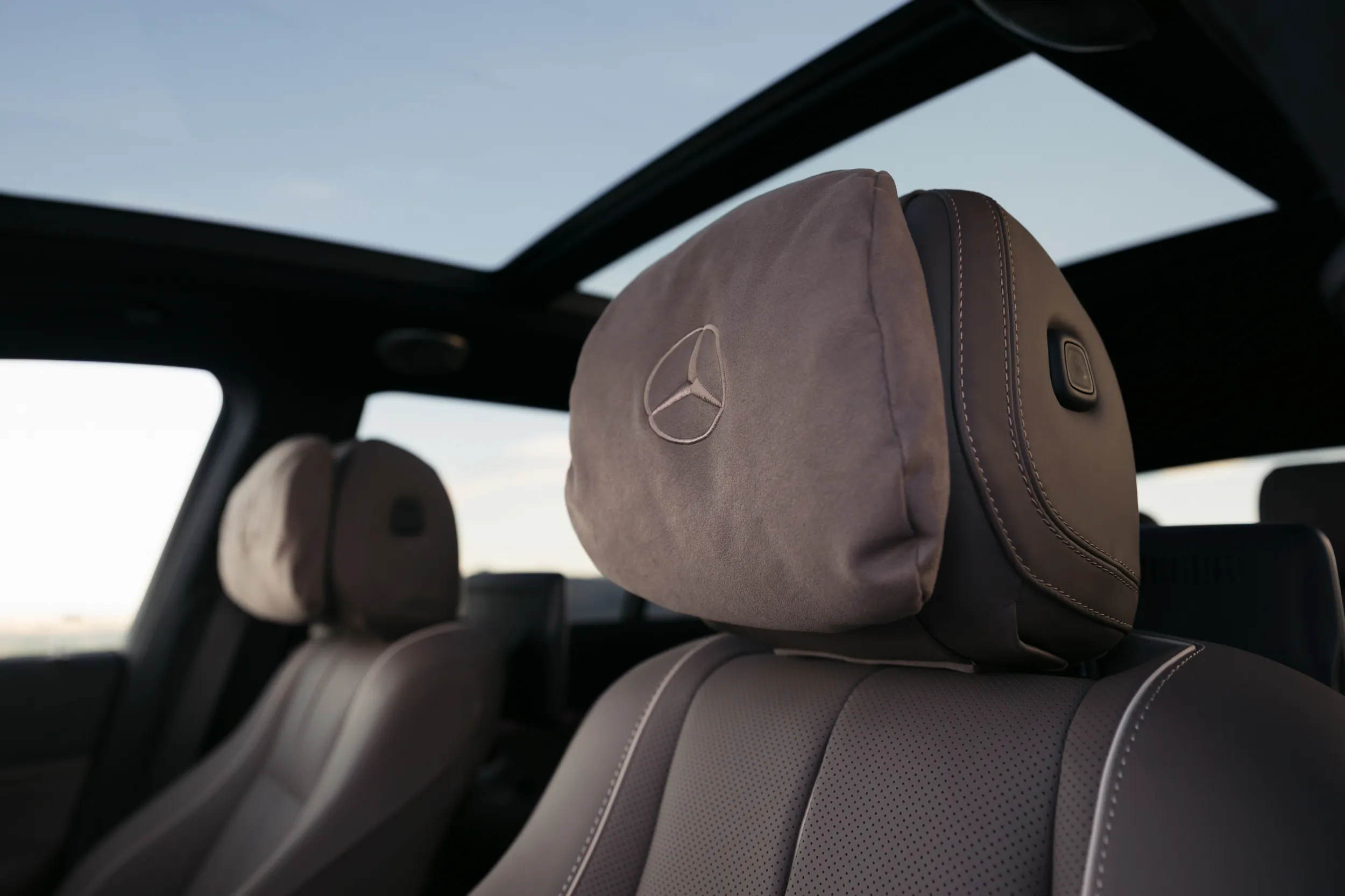
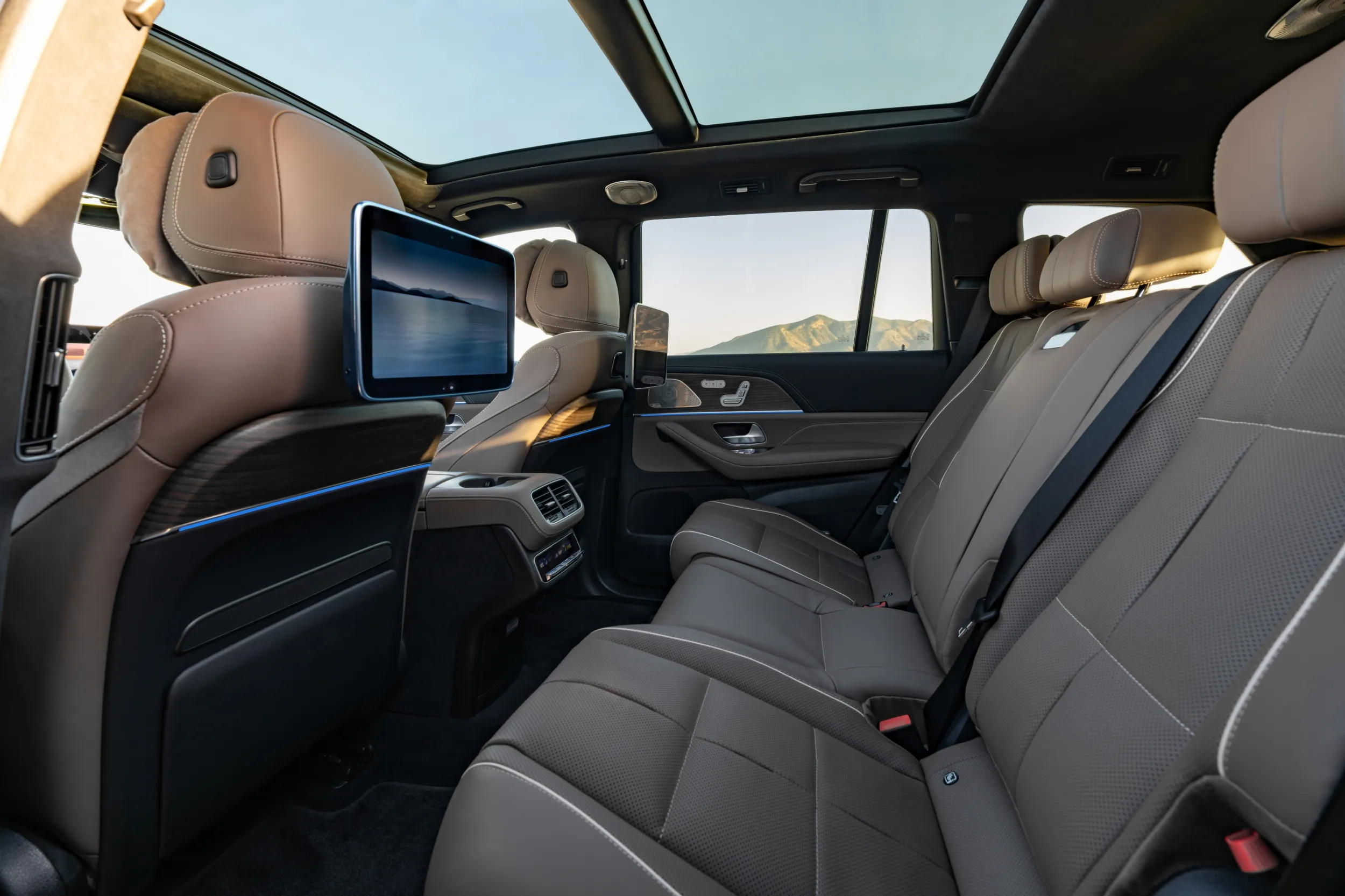
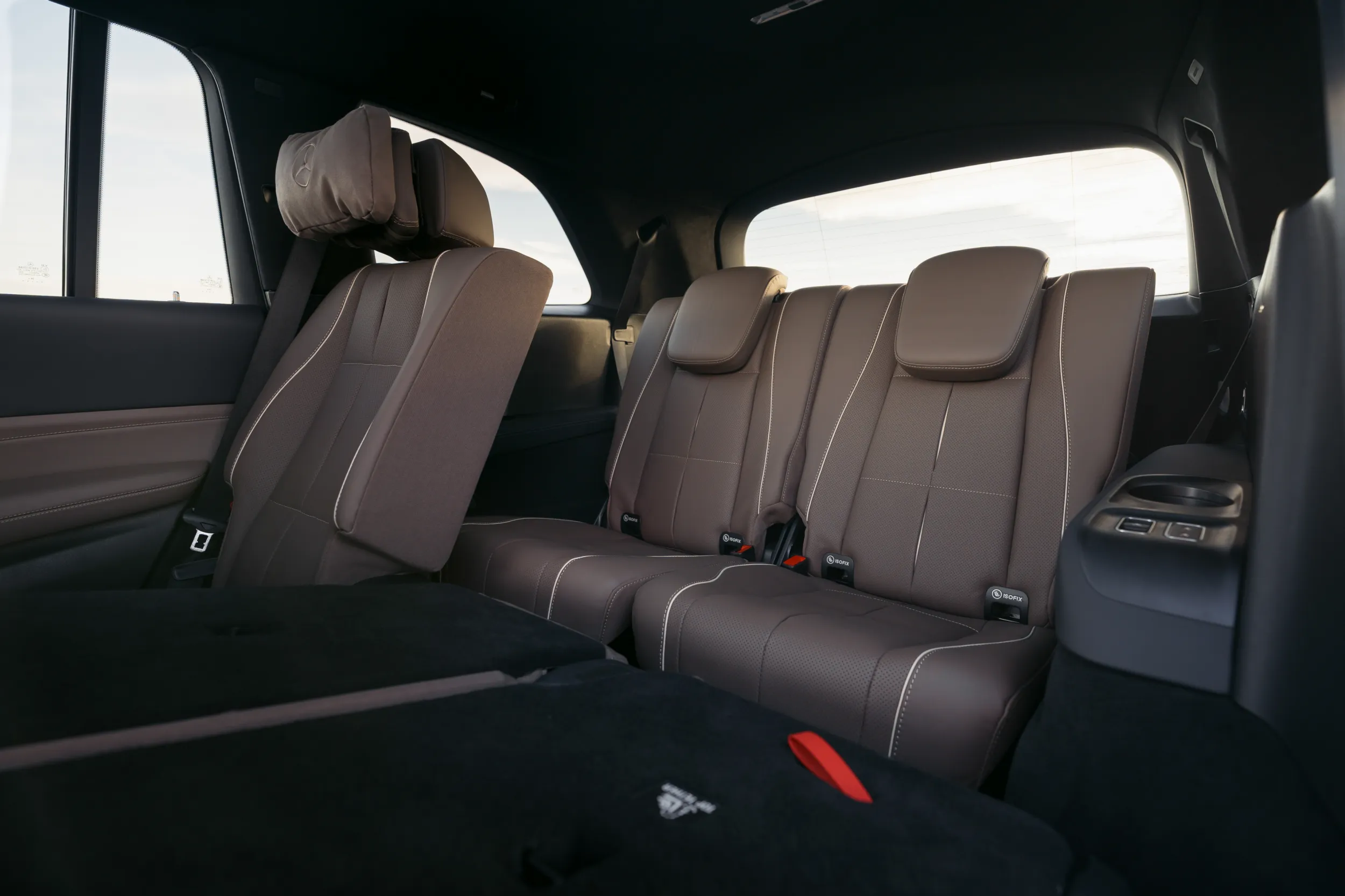
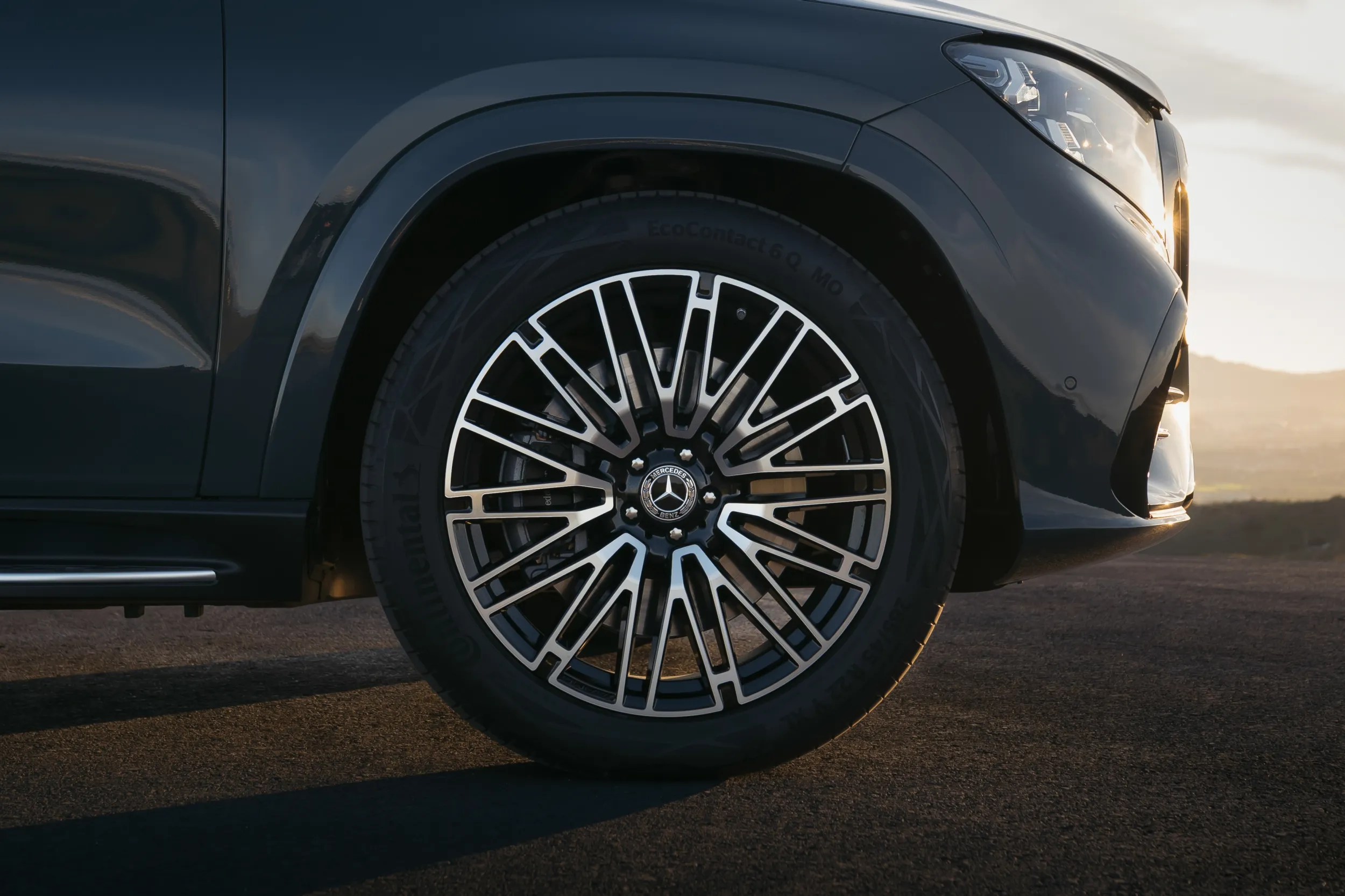
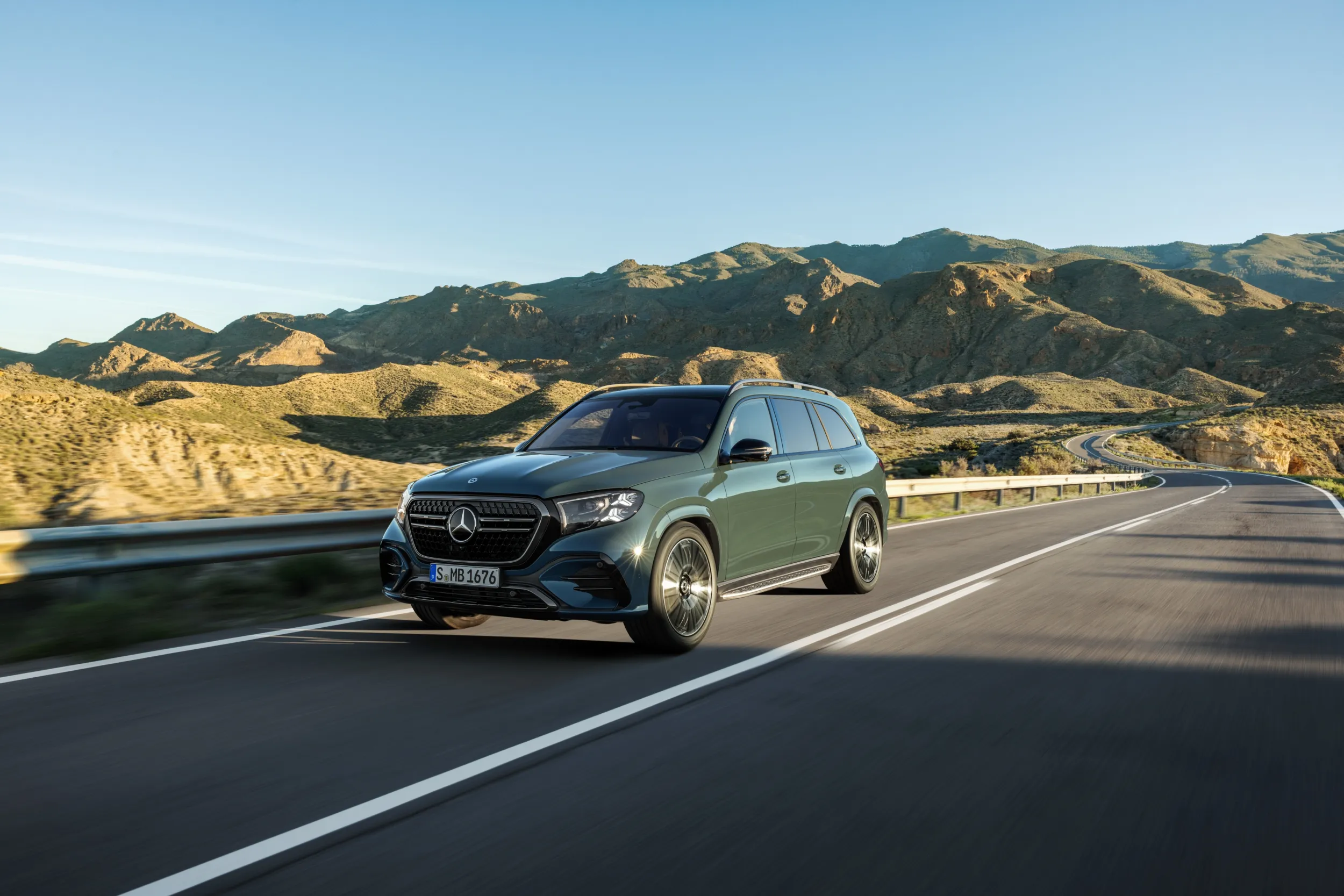
Mercedes-Benz has unveiled an updated GLS, tightening the model’s grip on the top end of the large luxury SUV market. The German brand sharpened the powertrain line up, cut noise and vibration, made the MBUX Superscreen standard and, at the same time, improved both ride quality and second row comfort.
This is not merely a freshened grille and a longer equipment list. Mercedes is using the update to bring the whole platform closer to the level buyers expect from an SUV that trades so heavily on S Class associations. That means more digital capability, greater acoustic polish and a noticeably more commanding presence.
Powertrains tuned for smoothness, not theatre
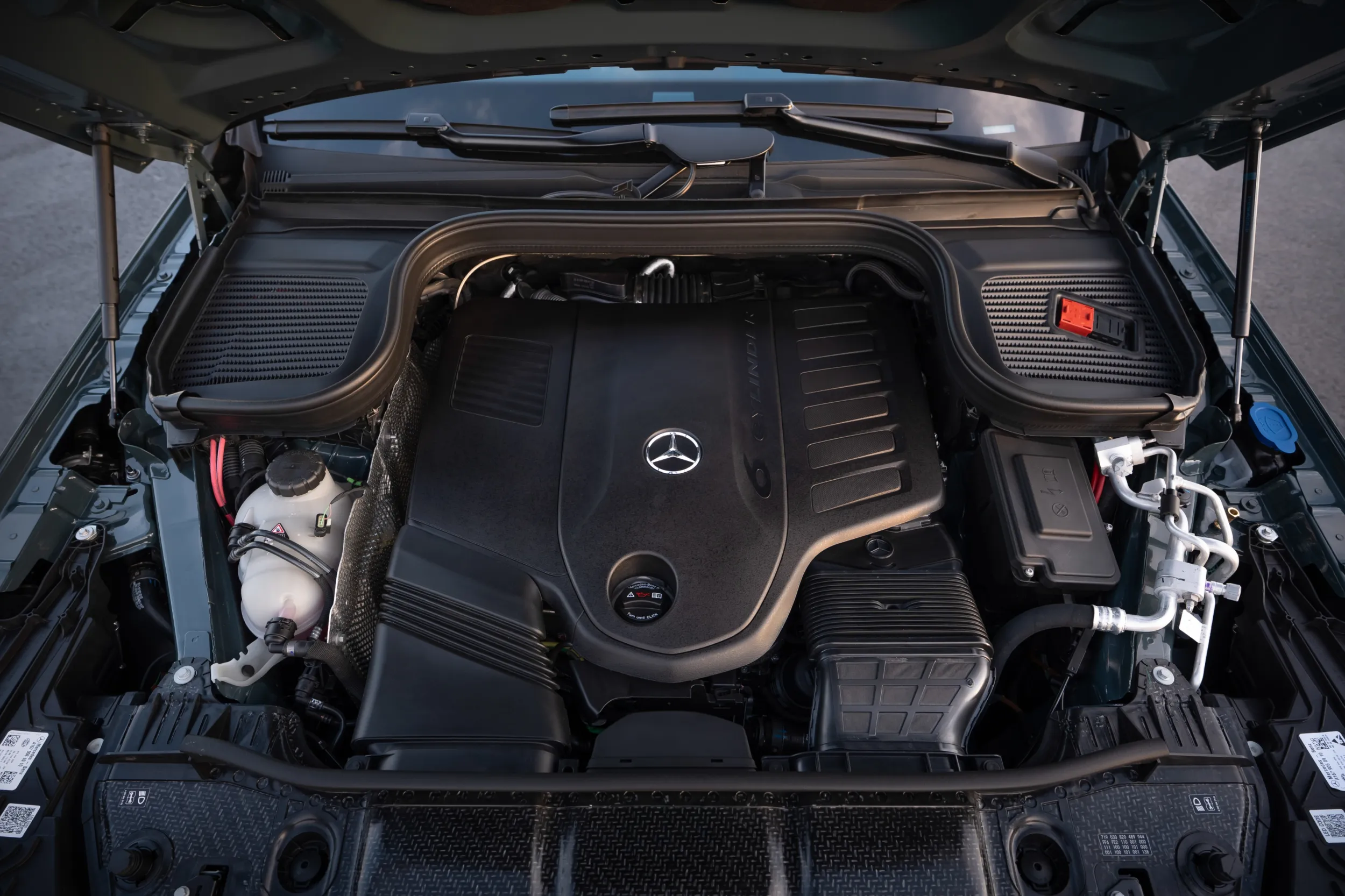
The engine revisions serve two purposes. Mercedes wants the big SUV to feel more alert and more fluid, but it places equal weight on reducing noise and vibration. In this segment, that combination shapes perceived quality far more clearly than a headline power figure ever could. A GLS needs to deliver its performance without apparent effort, avoiding any sense that its size and mass ask too much of either the driver or the engineering beneath them.
MB.OS becomes central to the GLS experience
At the centre of the digital overhaul sits MB.OS, Mercedes-Benz’s operating system. Every GLS now uses this architecture, allowing the car’s functions to be managed through a single software logic and opening the door to years of over the air updates.
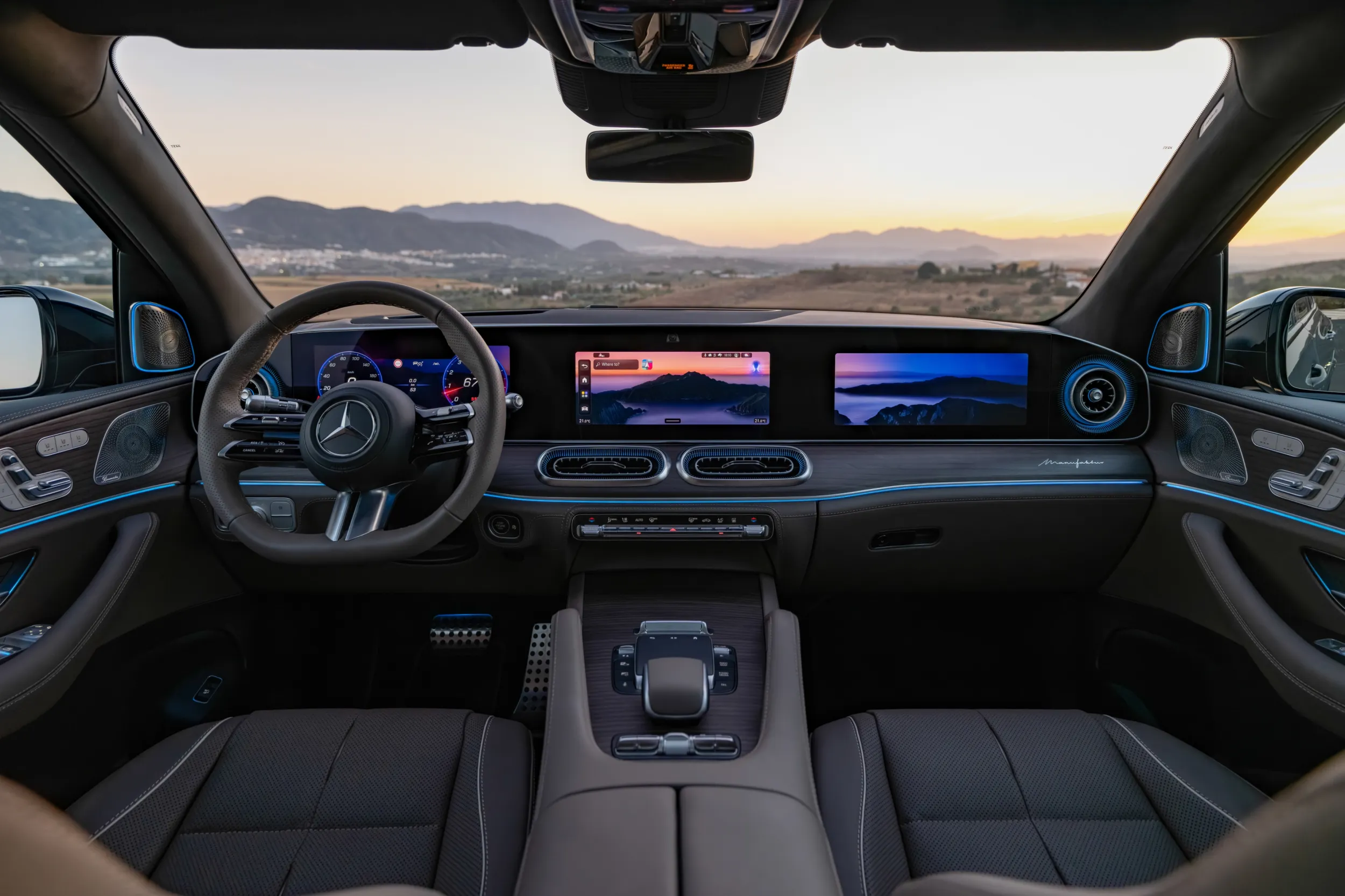
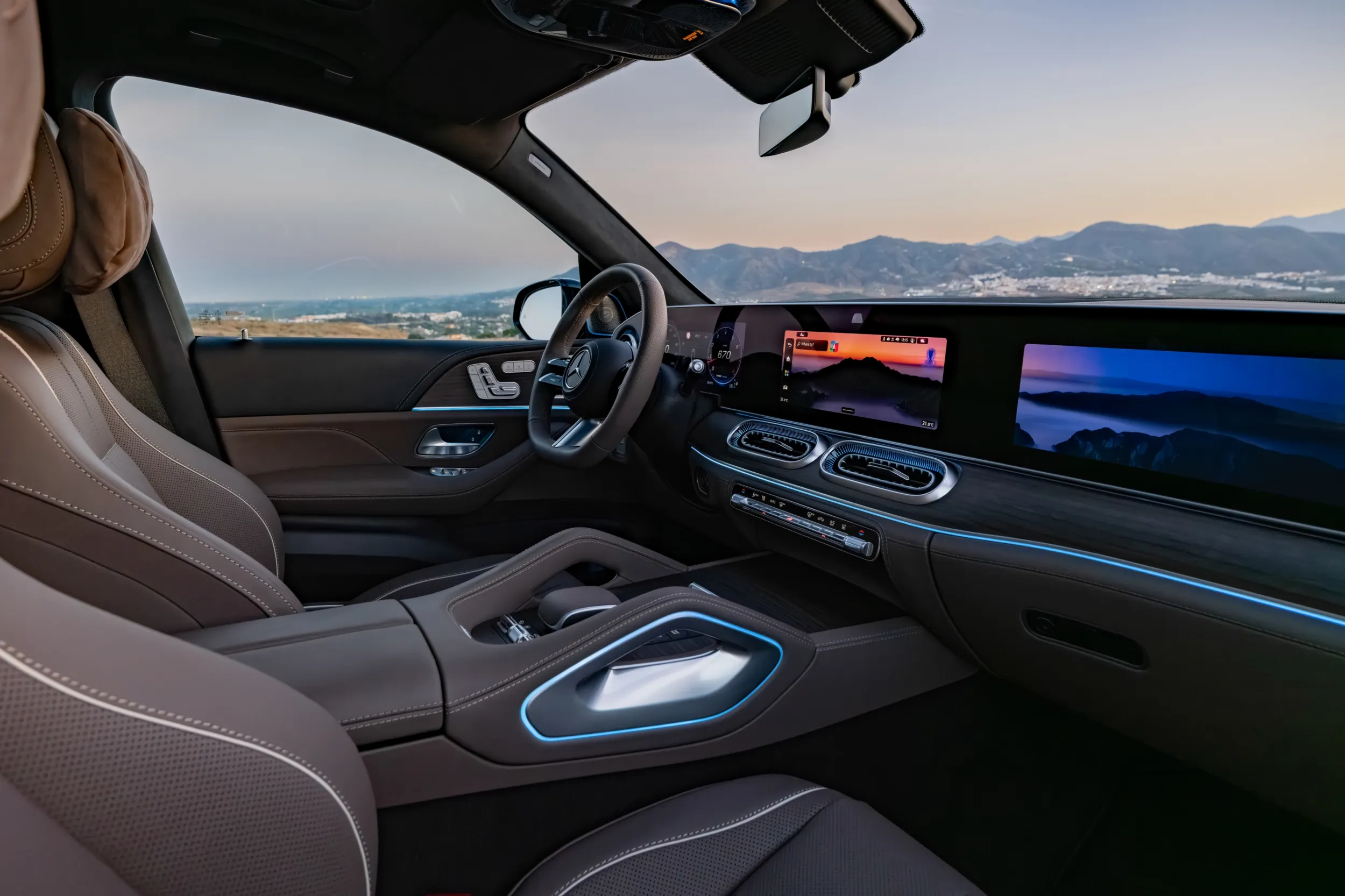
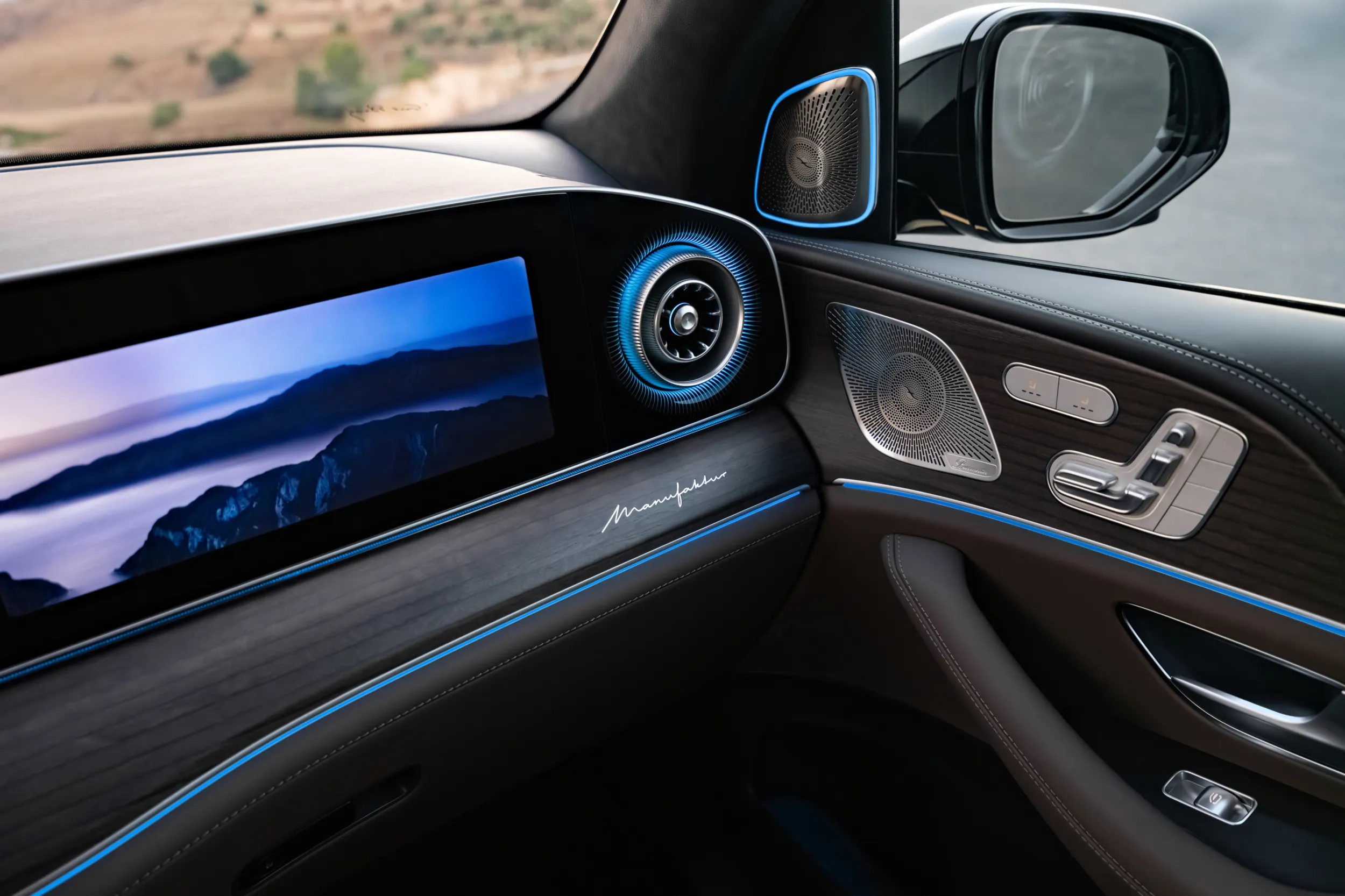
The standard MBUX Superscreen changes the cabin’s visual hierarchy quite dramatically. Three 12.3 inch displays sit beneath one glass surface, giving the GLS the same digital layout luxury buyers have started to regard as basic rather than extravagant. The telling detail is that the passenger screen is now included as standard too.
MBUX Virtual Assistant pushes the system into its next phase. It can handle multi step conversations, while navigation combines the technical backbone of Google Maps with Mercedes-Benz’s own interface and services.
Rear seat passengers are no longer an afterthought
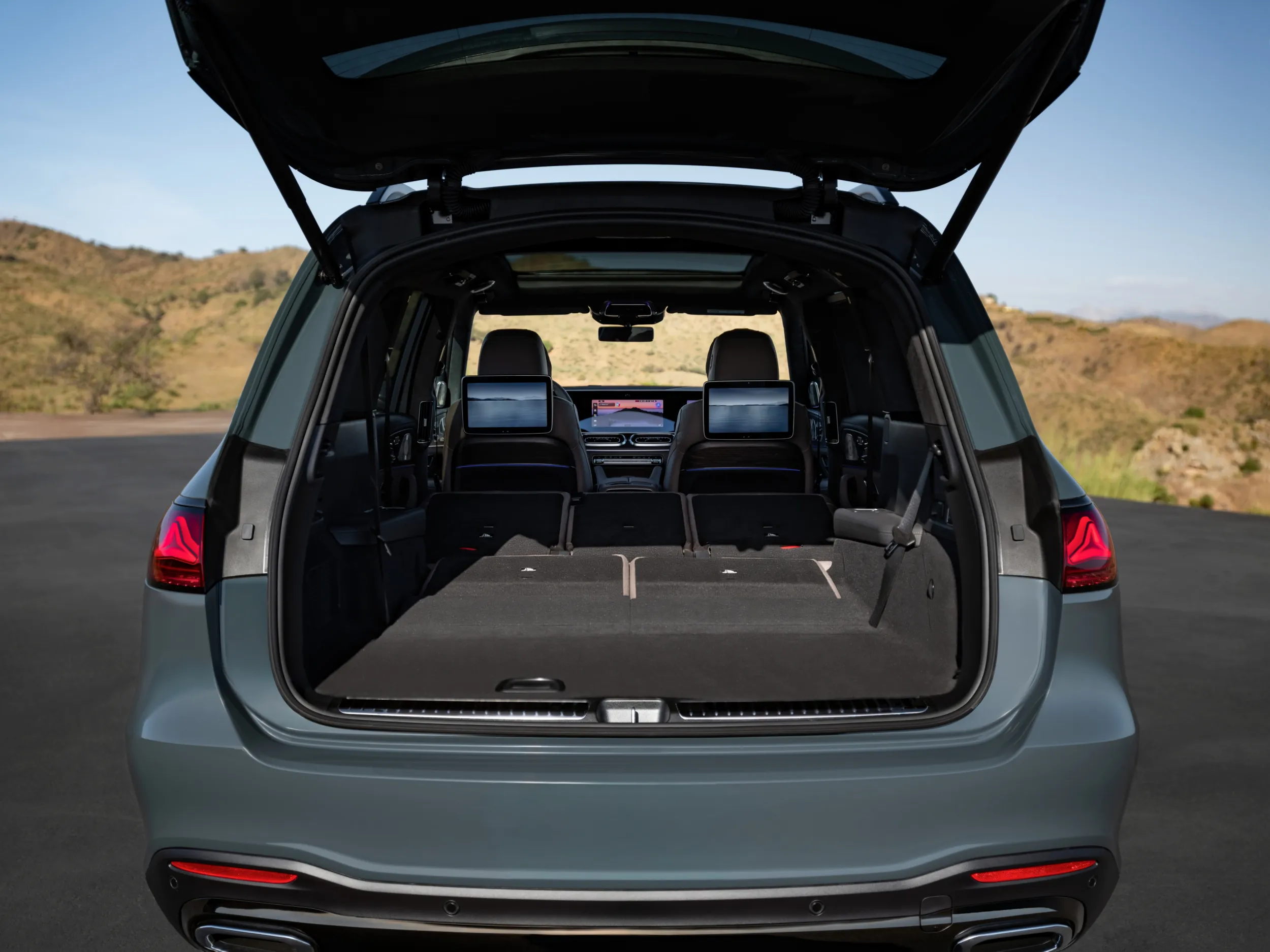
Mercedes has not treated the rear of the cabin as a secondary concern. The flagship MBUX rear entertainment package adds two 11.6 inch displays and removable MBUX control tablets, giving passengers access to vehicle functions and personalised media content. The Comfort Plus package takes rear seat comfort further still.
Ten exterior cameras, up to five radar sensors and 12 ultrasonic sensors work together with a powerful control unit and substantial computing capacity. Mercedes describes this as its most intelligent GLS yet, with the emphasis falling on AI based functions and long term software development rather than one off showroom tricks.
A suspension system that reads the road before you do
On the chassis side, Mercedes continues down a familiar path, but with greater precision. E-ACTIVE BODY CONTROL analyses driving conditions 1,000 times per second and adjusts the suspension accordingly. The company claims the GLS now glides over longer speed bumps with very little disturbance. AIRMATIC adds a new cloud based damper control system that adapts the damping just before the car reaches an uneven surface.
More chrome, more light, more presence
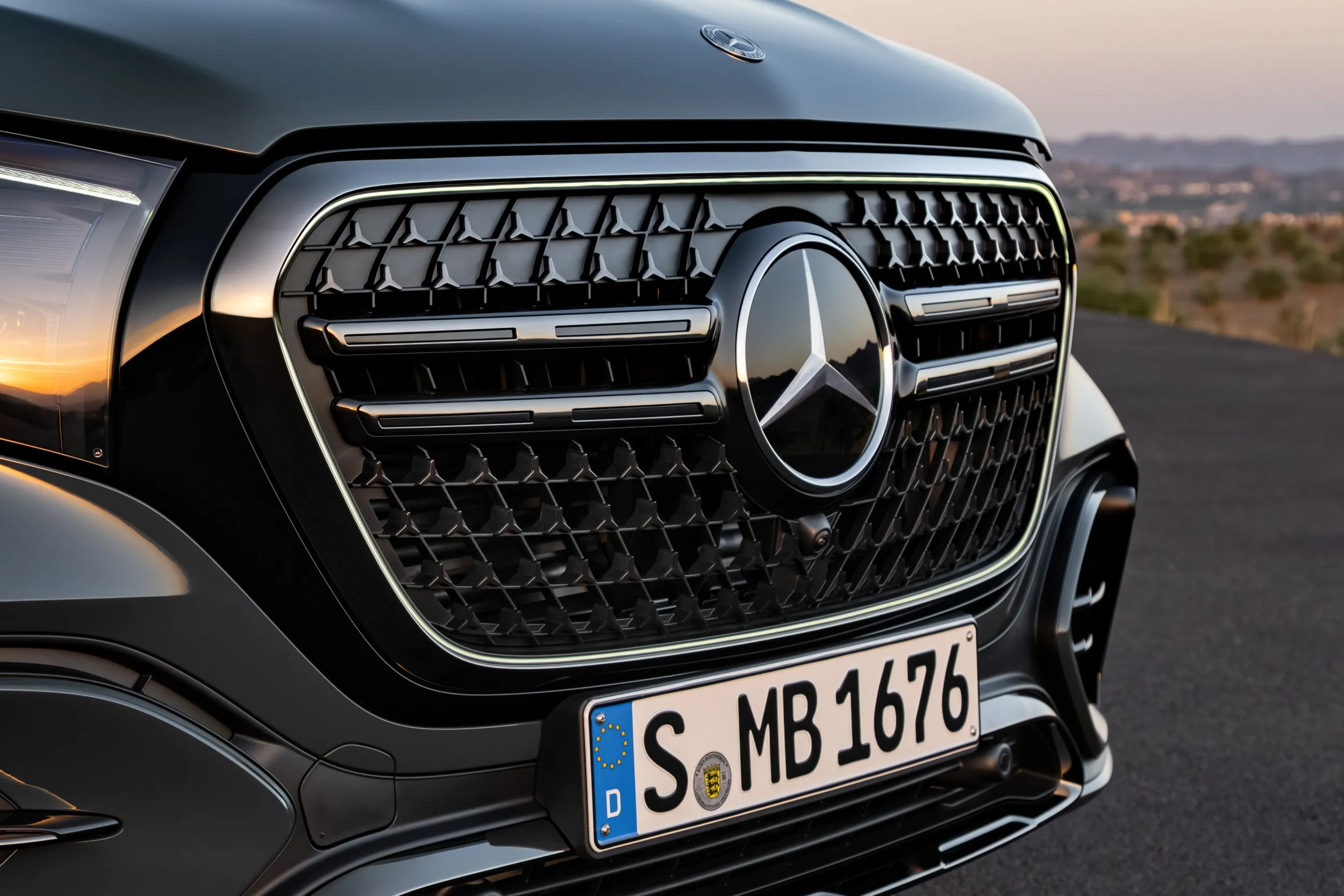
The exterior design becomes knowingly more demonstrative. Up front, the GLS gets a larger grille, a more substantial chrome surround, contour lighting and a chrome Mercedes-Benz pattern. The standing bonnet star now sits upright, and in some markets it can also be illuminated. Mercedes ties that detail directly to regional tastes. In China the emblem lights up when stationary, while in the United States it can remain illuminated on the move.
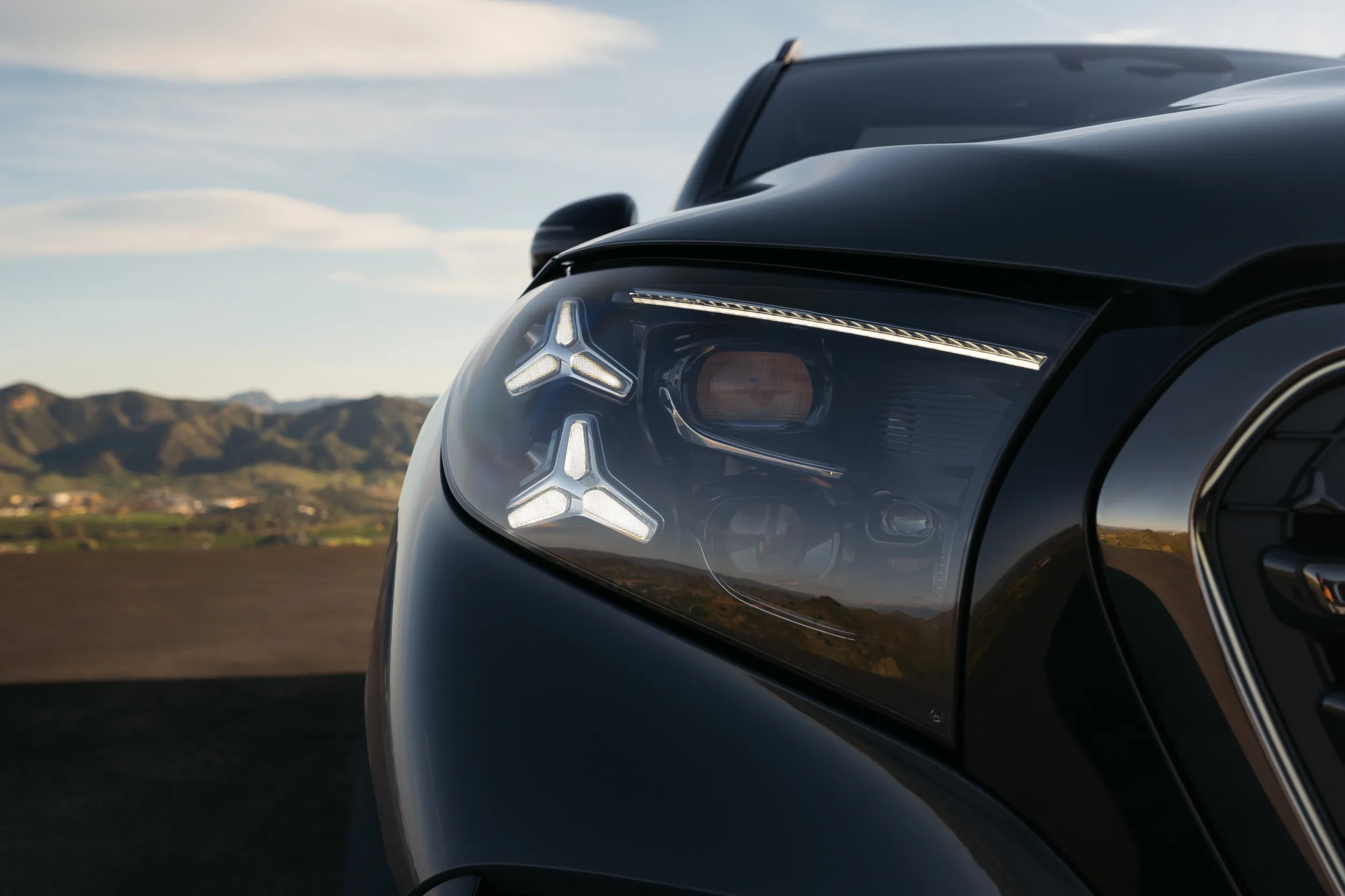
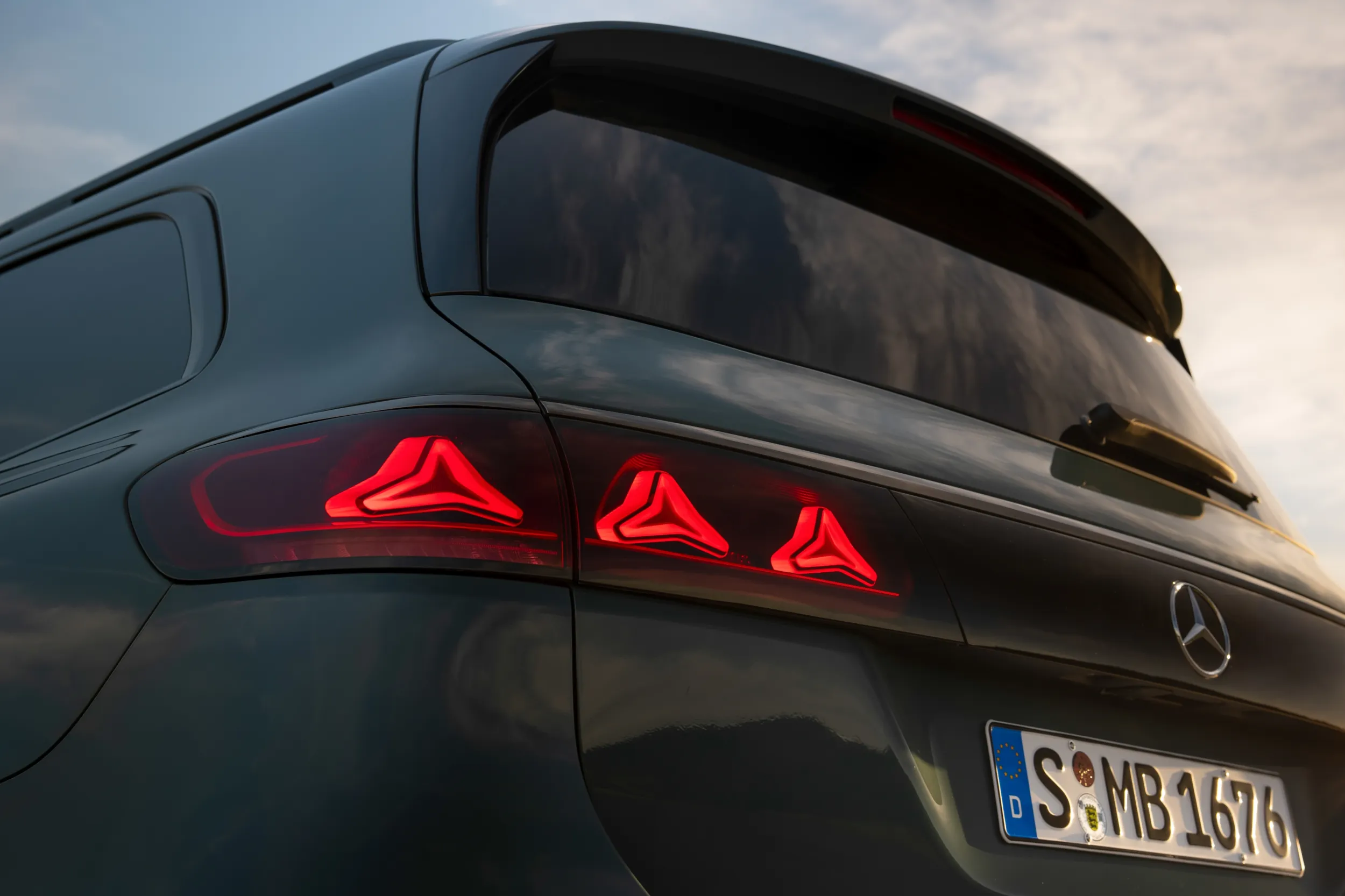
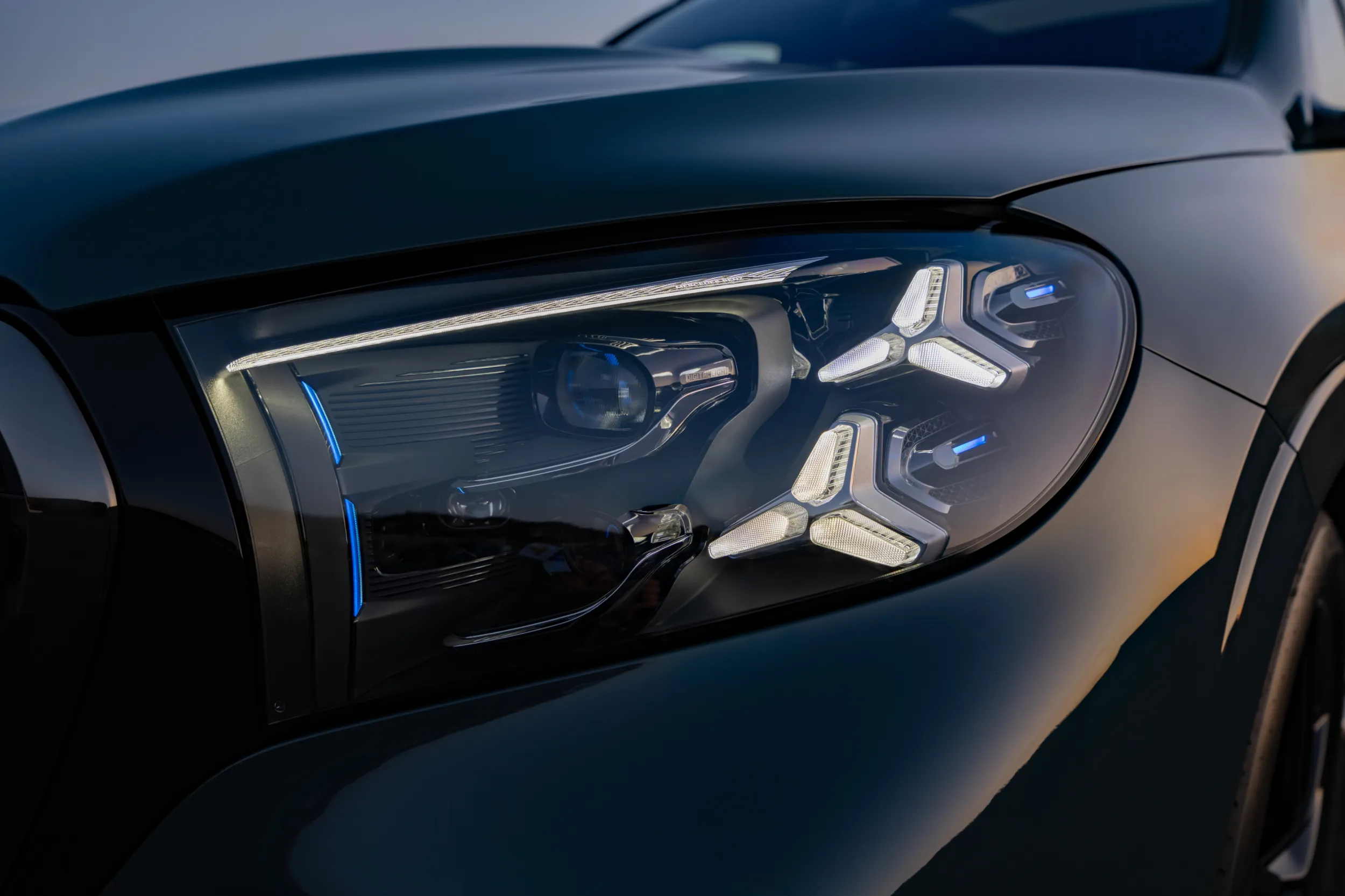
A revised bumper, new star motif front and rear lights and standard DIGITAL LIGHT all serve the same aim. According to Mercedes-Benz, the new lighting system creates a high definition light field around 40 per cent larger than before, while the light module uses up to 50 per cent less energy.
Seven seats remain standard
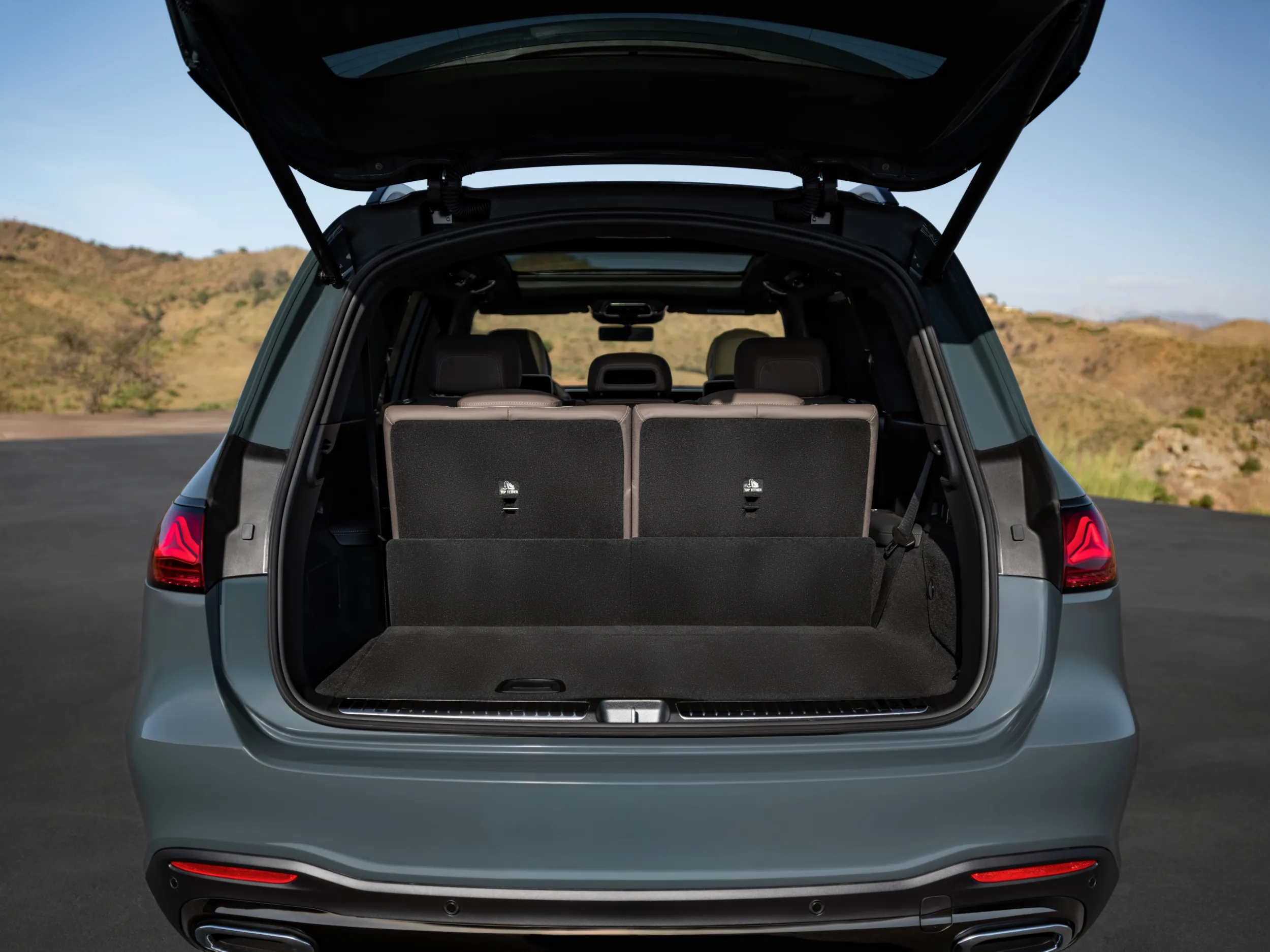
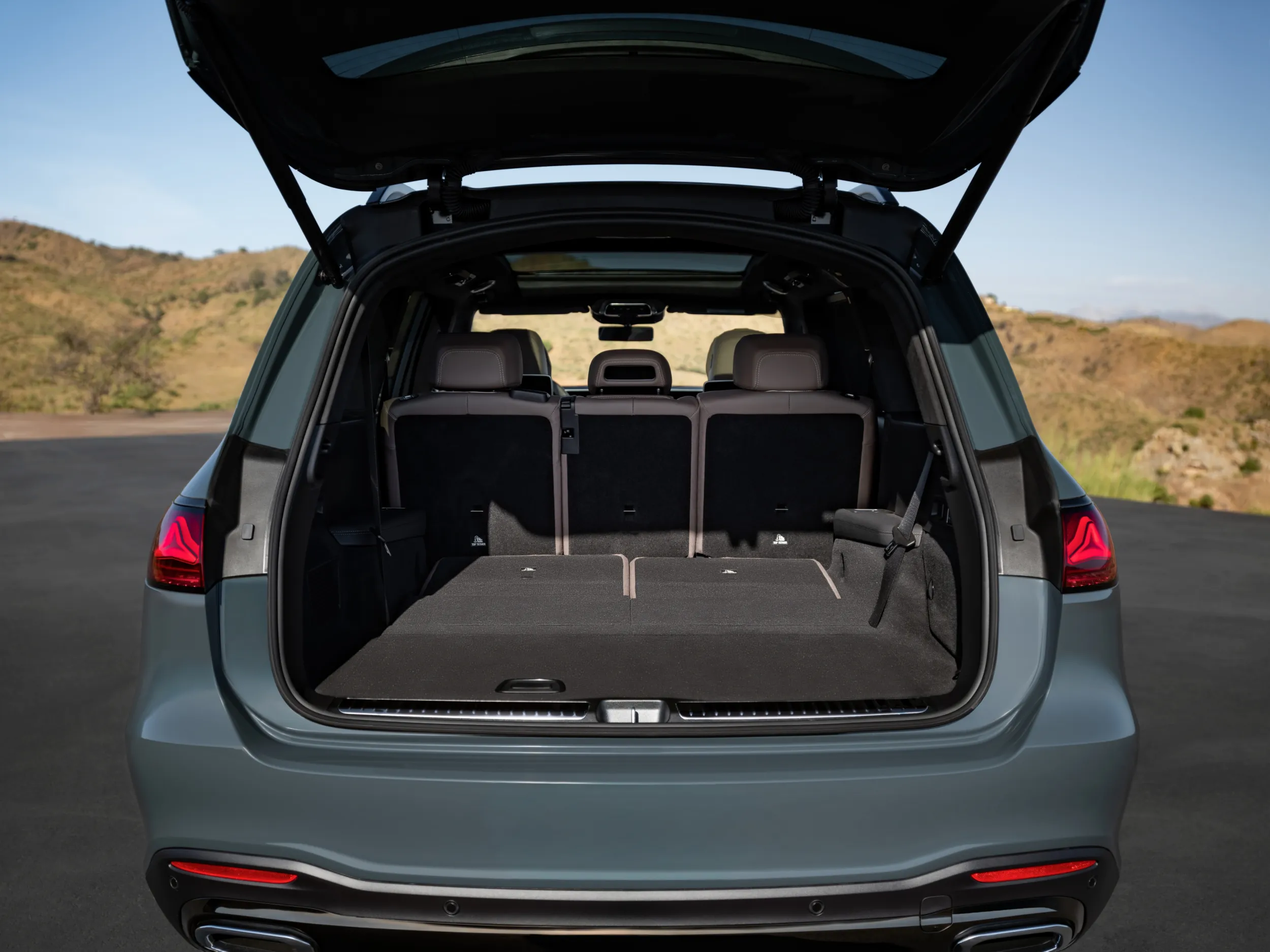
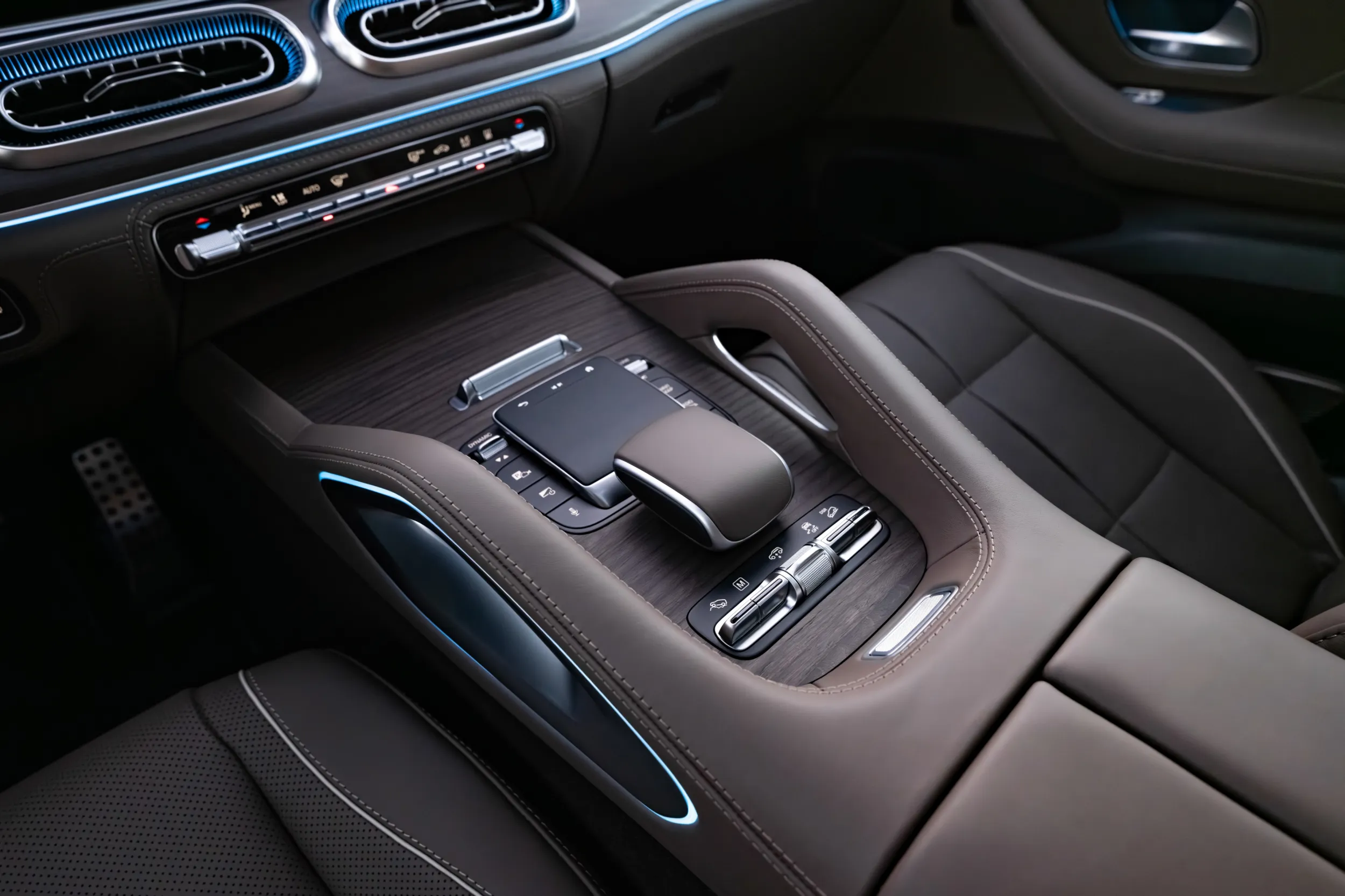
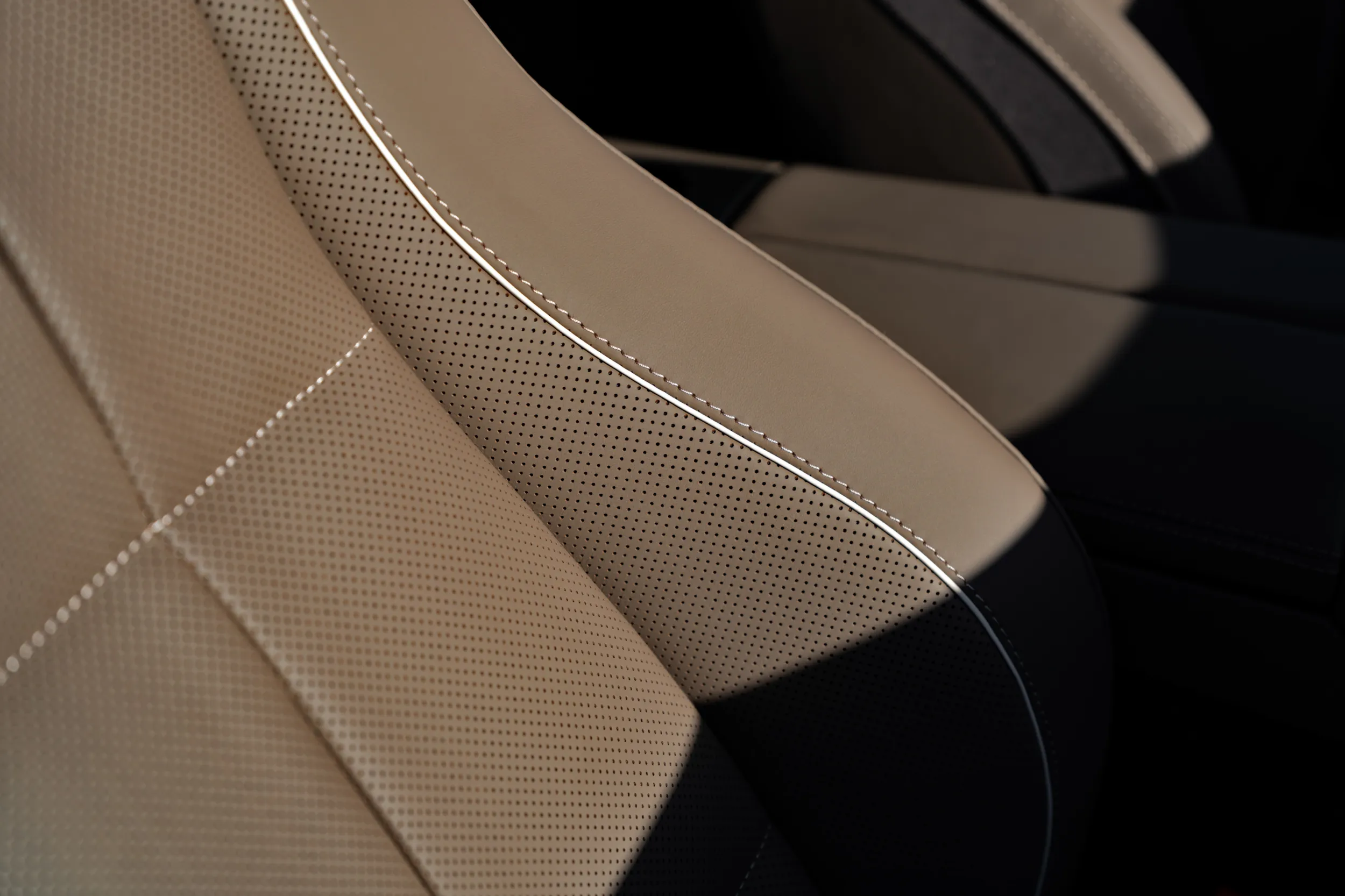
Inside, Mercedes adds a new steering wheel design with what it calls rocker and roller controls, a new Beech Brown interior colour and three new trim options. Seven seats remain standard, all three rows offer fully electric seat adjustment, and Mercedes says even the third row can accommodate passengers up to 1.94 metres tall.
The broader point is hard to miss. Mercedes is not trying to reinvent the GLS. It is trying to make it feel more complete, more polished and more defensible at the very top of the luxury SUV class, which, in truth, is probably the smarter move.
Powertrains tuned for smoothness, not theatre
The engine revisions serve two purposes. Mercedes wants the big SUV to feel more alert and more fluid, but it places equal weight on reducing noise and vibration. In this segment, that combination shapes perceived quality far more clearly than a headline power figure ever could. A GLS needs to deliver its performance without apparent effort, avoiding any sense that its size and mass ask too much of either the driver or the engineering beneath them.
MB.OS becomes central to the GLS experience
At the centre of the digital overhaul sits MB.OS, Mercedes-Benz’s operating system. Every GLS now uses this architecture, allowing the car’s functions to be managed through a single software logic and opening the door to years of over the air updates.
The standard MBUX Superscreen changes the cabin’s visual hierarchy quite dramatically. Three 12.3 inch displays sit beneath one glass surface, giving the GLS the same digital layout luxury buyers have started to regard as basic rather than extravagant. The telling detail is that the passenger screen is now included as standard too.
MBUX Virtual Assistant pushes the system into its next phase. It can handle multi step conversations, while navigation combines the technical backbone of Google Maps with Mercedes-Benz’s own interface and services.
Rear seat passengers are no longer an afterthought
Mercedes has not treated the rear of the cabin as a secondary concern. The flagship MBUX rear entertainment package adds two 11.6 inch displays and removable MBUX control tablets, giving passengers access to vehicle functions and personalised media content. The Comfort Plus package takes rear seat comfort further still.
Ten exterior cameras, up to five radar sensors and 12 ultrasonic sensors work together with a powerful control unit and substantial computing capacity. Mercedes describes this as its most intelligent GLS yet, with the emphasis falling on AI based functions and long term software development rather than one off showroom tricks.
A suspension system that reads the road before you do
On the chassis side, Mercedes continues down a familiar path, but with greater precision. E-ACTIVE BODY CONTROL analyses driving conditions 1,000 times per second and adjusts the suspension accordingly. The company claims the GLS now glides over longer speed bumps with very little disturbance. AIRMATIC adds a new cloud based damper control system that adapts the damping just before the car reaches an uneven surface.
More chrome, more light, more presence
The exterior design becomes knowingly more demonstrative. Up front, the GLS gets a larger grille, a more substantial chrome surround, contour lighting and a chrome Mercedes-Benz pattern. The standing bonnet star now sits upright, and in some markets it can also be illuminated. Mercedes ties that detail directly to regional tastes. In China the emblem lights up when stationary, while in the United States it can remain illuminated on the move.
A revised bumper, new star motif front and rear lights and standard DIGITAL LIGHT all serve the same aim. According to Mercedes-Benz, the new lighting system creates a high definition light field around 40 per cent larger than before, while the light module uses up to 50 per cent less energy.
Seven seats remain standard
Inside, Mercedes adds a new steering wheel design with what it calls rocker and roller controls, a new Beech Brown interior colour and three new trim options. Seven seats remain standard, all three rows offer fully electric seat adjustment, and Mercedes says even the third row can accommodate passengers up to 1.94 metres tall.
The broader point is hard to miss. Mercedes is not trying to reinvent the GLS. It is trying to make it feel more complete, more polished and more defensible at the very top of the luxury SUV class, which, in truth, is probably the smarter move.


