
Tesla targets top spot among import brands in Japan by doubling its sales and service network
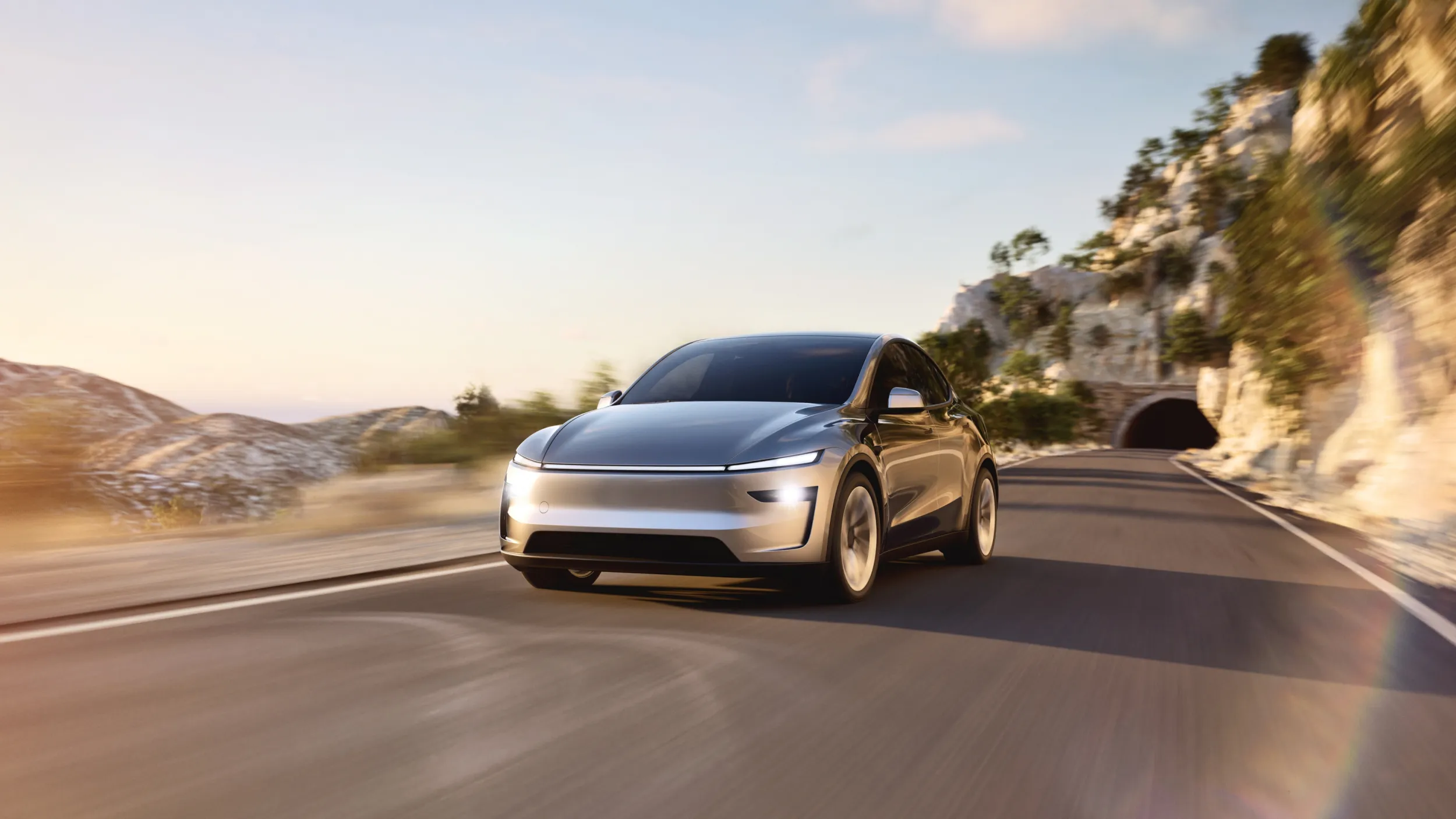
Tesla has decided to take on a Japanese market that German premium brands have controlled for more than a decade. The company is set to sharply expand its number of showrooms and service locations, bringing electric cars closer to consumers who still favour hybrids. The ambition is plain enough: to become Japan’s biggest imported car brand by 2027.
Tesla has begun a new growth phase in Japan, built around a rapid expansion of its retail and service network. Richi Hashimoto, head of Tesla Japan, told Reuters that the company wants to raise its number of sales outlets to at least 60 and its service centres to around 30. At present, Tesla operates 35 showrooms and 14 service locations in the country.
The strategic significance of that move goes well beyond a simple network expansion. Japan is one of the world’s most mature car markets, yet adoption of fully electric vehicles has been slow. Local buyers still prefer hybrids, largely because Japanese manufacturers have spent decades refining the technology and consumers trust it. Tesla is trying to break that habit through direct experience. The company is putting fresh emphasis on test drives, hoping to stop doubts about charging, ease of use and everyday practicality from hardening into abstract debate. According to Hashimoto, much of that hesitation fades the moment people sit behind the wheel.
The figures show why Tesla now sees Japan as a priority. In 2025, the company sold just over 10,000 cars there, roughly 90 per cent more than in 2024 and a local record for the brand. In the first quarter of 2026, Tesla had already reached about half of last year’s total. The base remains far smaller than that of its German rivals, but the growth rate is steeper.
A comparison with the market leader makes the scale of the challenge plain. In 2025, Mercedes Benz sold close to 51,000 cars in Japan and retained first place among imported brands. BMW, Volkswagen and Audi followed behind. Tesla therefore needs to multiply its volume within a few years, not merely add a few percentage points. That is where network expansion becomes critical. Japanese consumers buy trust as much as they buy a product, and trust is built through physical presence, fast service and the reassurance that maintenance will not turn into a logistical nuisance.
The model line up also plays a central role in the plan. Tesla has begun taking orders in Japan for the six seat Model Y L. The company is pitching that version at families, widening demand beyond early technology adopters and pushing deeper into the mainstream. It is an important shift. In Japan, it is no longer enough for a car to be electric and technically appealing. It also needs to fit the logic of family use, the limits of urban space and the conservative instincts of the local buyer.
Tesla’s timing also reflects a broader global backdrop. Reuters notes that sales of fully electric cars have slowed in the United States and other key markets, prompting the company to look for growth in regions where EV penetration remains low. Japan offers a neat paradox in that respect. The market is moving slowly, but that is precisely what leaves so much ground still unconquered. If Tesla can overcome the local consumer’s instinctive scepticism, its small base could give rapid growth an unusually strong lift.
Even so, the target remains highly ambitious. In Japan, the German premium brands rely not only on their products, but also on reputations built over decades, loyal customer bases and dense service networks. Tesla must therefore solve three problems at once. It needs to expand its physical footprint, broaden its target audience and prove that an electric car can fit into everyday Japanese life as effortlessly as a hybrid. That is a tall order. Then again, it is probably the only one worth pursuing.
The strategic significance of that move goes well beyond a simple network expansion. Japan is one of the world’s most mature car markets, yet adoption of fully electric vehicles has been slow. Local buyers still prefer hybrids, largely because Japanese manufacturers have spent decades refining the technology and consumers trust it. Tesla is trying to break that habit through direct experience. The company is putting fresh emphasis on test drives, hoping to stop doubts about charging, ease of use and everyday practicality from hardening into abstract debate. According to Hashimoto, much of that hesitation fades the moment people sit behind the wheel.
The figures show why Tesla now sees Japan as a priority. In 2025, the company sold just over 10,000 cars there, roughly 90 per cent more than in 2024 and a local record for the brand. In the first quarter of 2026, Tesla had already reached about half of last year’s total. The base remains far smaller than that of its German rivals, but the growth rate is steeper.
A comparison with the market leader makes the scale of the challenge plain. In 2025, Mercedes Benz sold close to 51,000 cars in Japan and retained first place among imported brands. BMW, Volkswagen and Audi followed behind. Tesla therefore needs to multiply its volume within a few years, not merely add a few percentage points. That is where network expansion becomes critical. Japanese consumers buy trust as much as they buy a product, and trust is built through physical presence, fast service and the reassurance that maintenance will not turn into a logistical nuisance.
The model line up also plays a central role in the plan. Tesla has begun taking orders in Japan for the six seat Model Y L. The company is pitching that version at families, widening demand beyond early technology adopters and pushing deeper into the mainstream. It is an important shift. In Japan, it is no longer enough for a car to be electric and technically appealing. It also needs to fit the logic of family use, the limits of urban space and the conservative instincts of the local buyer.
Tesla’s timing also reflects a broader global backdrop. Reuters notes that sales of fully electric cars have slowed in the United States and other key markets, prompting the company to look for growth in regions where EV penetration remains low. Japan offers a neat paradox in that respect. The market is moving slowly, but that is precisely what leaves so much ground still unconquered. If Tesla can overcome the local consumer’s instinctive scepticism, its small base could give rapid growth an unusually strong lift.
Even so, the target remains highly ambitious. In Japan, the German premium brands rely not only on their products, but also on reputations built over decades, loyal customer bases and dense service networks. Tesla must therefore solve three problems at once. It needs to expand its physical footprint, broaden its target audience and prove that an electric car can fit into everyday Japanese life as effortlessly as a hybrid. That is a tall order. Then again, it is probably the only one worth pursuing.


