
Mercedes-Benz VLE to gain a combustion-engined sibling, but the electric model will not become a hybrid
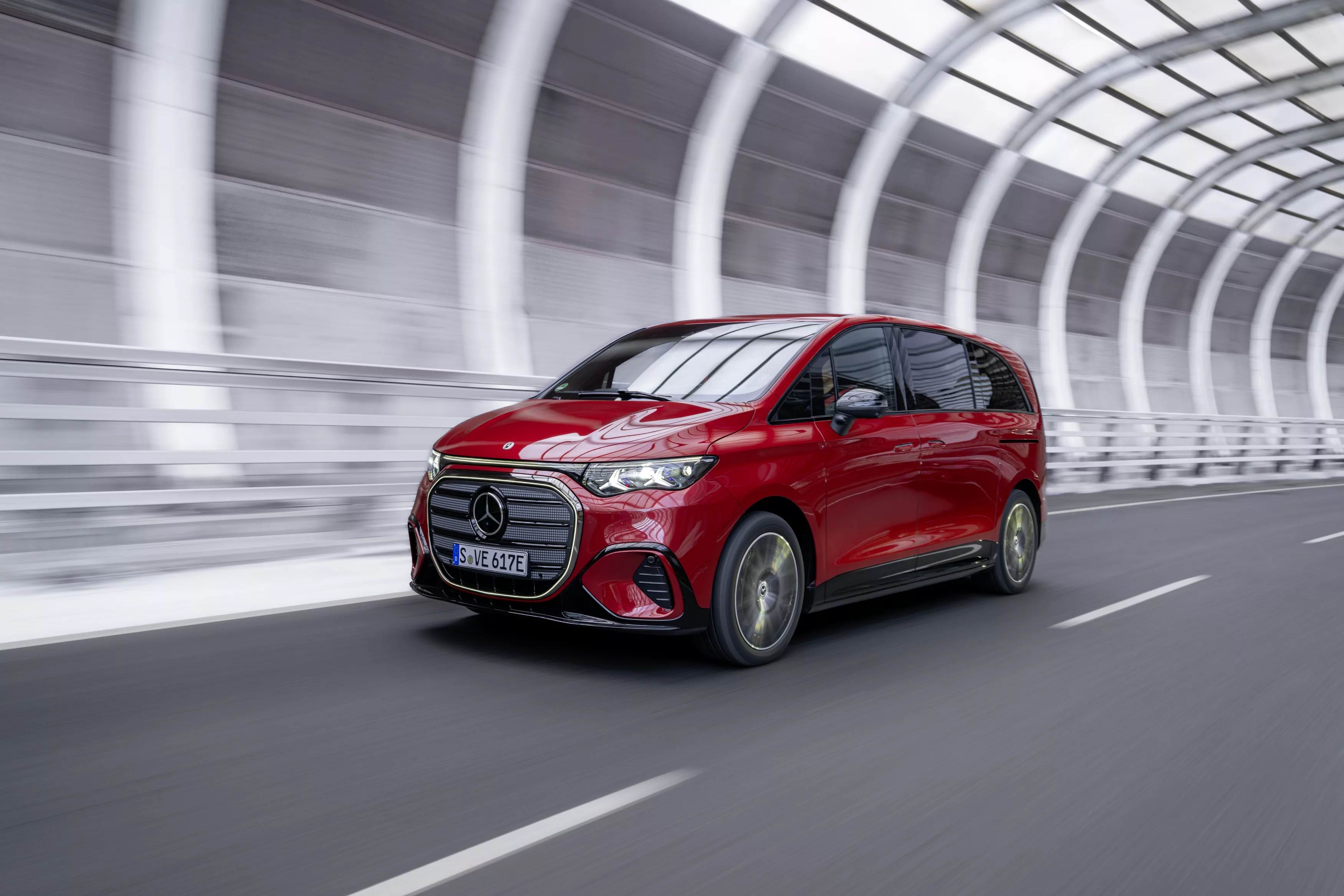
Mercedes-Benz is expanding the new VLE model family's powertrain range with combustion-engined versions. The current VLE will, however, remain fully electric. Petrol- or diesel-powered models will use the separate VAN.CA architecture, which shares much of its underlying design with the electric VAN.EA.
Two architectures, around 70 per cent shared components
Mercedes-Benz developed its new Van Architecture with two branches from the outset. Fully electric models use VAN.EA, while combustion-engined versions use VAN.CA.
According to the manufacturer, the two share around 70 per cent of their components. Both can be built on the same production line, allowing Mercedes to adjust production volumes in line with demand.
This differs from the original plan announced in 2023, under which all new medium and large vans were to be fully electric from 2026. Mercedes has since revised its strategy and will continue with combustion engines alongside electric powertrains.
VLE remains electric for now
The VLE entered series production in June 2026 at the Vitoria plant in Spain and uses the VAN.EA platform. Mercedes offers the model with up to eight seats and positions it between a family car and a luxury people carrier.
In Germany, the VLE 300 electric starts at €70,735 including VAT. The range also includes the all-wheel-drive VLE 400 4MATIC electric.
Mercedes has not yet disclosed the exact engines, power outputs or launch dates for VAN.CA-based VLE or VLS versions. The manufacturer does, however, confirm that the new combustion-engined generation will be offered for both private and commercial vehicles.
Mercedes keeps the flexibility to respond to demand
The addition of VAN.CA indicates fairly directly that Mercedes no longer believes demand for large electric vehicles will grow as quickly as it expected just three years ago.
For the European market, this is a practical decision. A large family car, VIP shuttle or long-distance commercial vehicle often needs to cover long distances and operate in areas where charging infrastructure is not yet extensive enough.
Mercedes can now use the same basic architecture for electric and combustion-engined models, reducing development costs and avoiding a situation in which a single powertrain option limits the sales potential of the entire model family.


