
Mercedes takes Maybach into the luxury people carrier segment for the first time
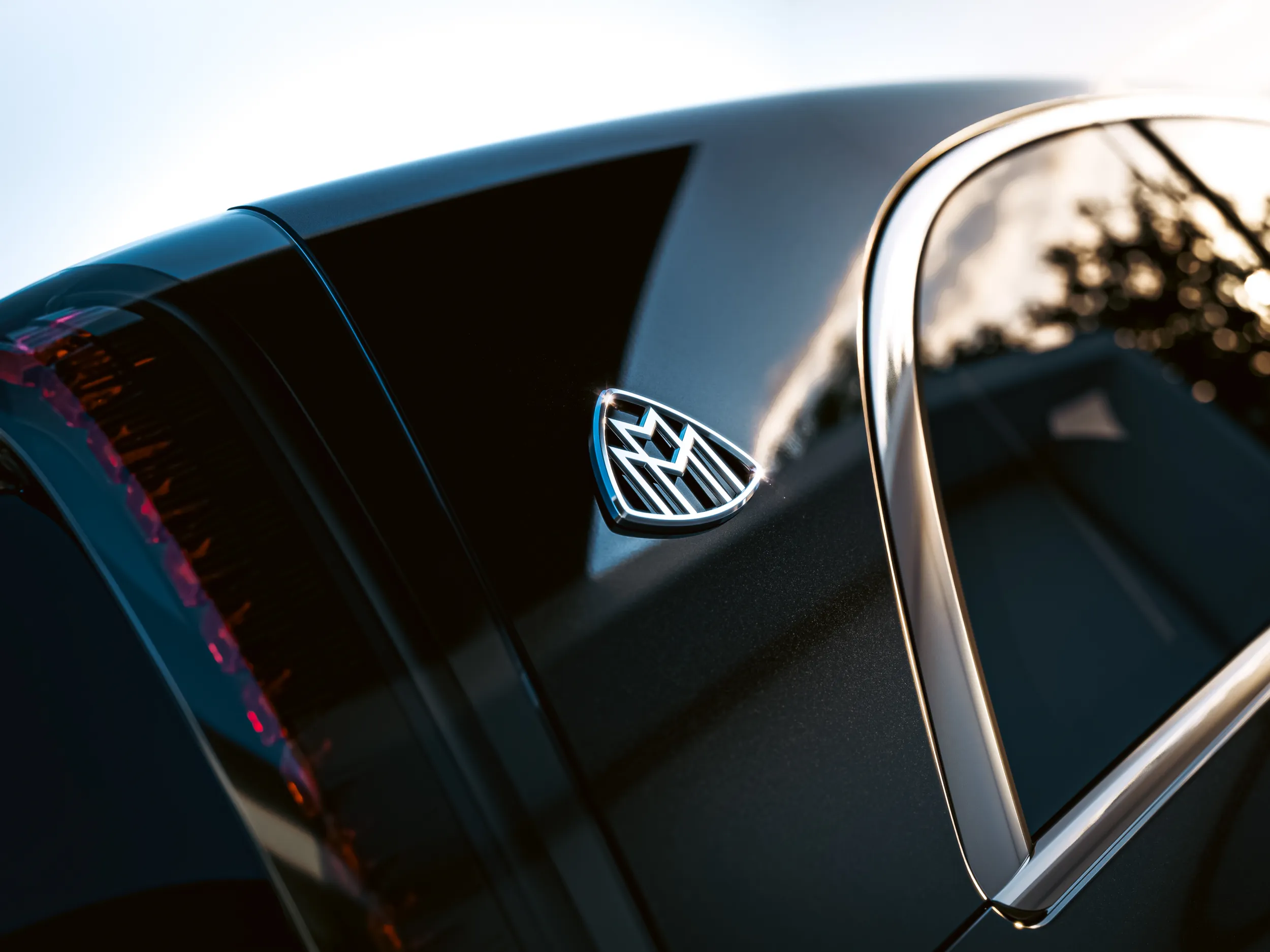
Mercedes Benz has offered the first glimpse of the Mercedes Maybach VLS, the brand’s first ever Maybach people carrier. Its public debut will most likely come at the Beijing motor show, which runs from 24 April to 3 May, underlining just how firmly Stuttgart is aiming this car at Asia’s high margin chauffeur driven market.
Mercedes revealed very little in its teaser, and that was plainly the point. There was a Maybach badge on the rear pillar, a slice of side glass and a fragment of rear light. Even so, the message was clear enough. The brand wants to push Maybach into a new niche beyond saloons and SUVs, one where buyers care less about a low roofline and more about cabin space, rear seat comfort and the sort of lounge like travel experience that turns the journey itself into the product. Mercedes describes the newcomer as a Grand Limousine, combining spaciousness, elegance and particular attention to those in the back.
Vision V showed where this was heading
The logic behind the VLS was already on the table on 22 April 2025, when Mercedes unveiled the Vision V concept in Shanghai. That car made the direction obvious. Mercedes was not thinking about a slightly posher V Class. It was sketching out a whole new family of electric luxury vans, complete with a 65 inch cinema screen rising from the floor, a 42 speaker audio system, seven projectors and a rear cabin designed as a private lounge.
At the time, Mercedes also made clear that its new Van.EA architecture would split the range neatly in two. The VLE would cover the more flexible premium end of the market, while the VLS would sit at the very top of the portfolio. That matters, because it shows the VLS is not a side project or a styling exercise. It is part of a deliberate attempt to build a new profit centre.
A China first strategy makes perfect sense
That strategy becomes easier to understand once China enters the frame. Reuters reported back in 2024 that Mercedes saw rapidly growing demand there for luxury vans. When Vision V appeared in 2025, Ola Källenius stressed that the segment held major potential not only in China, but globally as well.
The background explains the move rather neatly. Mercedes came under pressure in China as passenger car sales fell by 7 per cent in 2024 and van sales dropped by 20 per cent. The decline deepened again in the first quarter of 2025. In that context, a spacious Maybach aimed at chauffeur duty offers access to a stronger margin sub segment than a conventional V Class ever could.
This is why the VLS makes more sense as a new kind of flagship than as a traditional people carrier. According to Autocar, Källenius confirmed in Beijing on 24 March that a Maybach badged VLS is indeed coming, and that it will compete most directly with luxury MPVs such as the Lexus LM. The same report said Mercedes plans to start production of the standard VLS by the end of 2026, with the Maybach version likely to follow in 2027.
That points to a broader shift in how luxury is being defined. Wheelbase and power still matter, of course, but entry rituals, rear seat privacy, digital theatre and the ability to use the car as a mobile office or private salon are becoming just as important. Mercedes has clearly noticed that the old executive car formula no longer holds a monopoly on prestige.
If even half of Vision V’s theatrical interior survives the trip into production, the Mercedes Maybach VLS could become more than just another niche model. It could be the moment when a European premium brand proves that, in the right market, sheer space can be every bit as desirable as speed.
Vision V showed where this was heading
The logic behind the VLS was already on the table on 22 April 2025, when Mercedes unveiled the Vision V concept in Shanghai. That car made the direction obvious. Mercedes was not thinking about a slightly posher V Class. It was sketching out a whole new family of electric luxury vans, complete with a 65 inch cinema screen rising from the floor, a 42 speaker audio system, seven projectors and a rear cabin designed as a private lounge.
At the time, Mercedes also made clear that its new Van.EA architecture would split the range neatly in two. The VLE would cover the more flexible premium end of the market, while the VLS would sit at the very top of the portfolio. That matters, because it shows the VLS is not a side project or a styling exercise. It is part of a deliberate attempt to build a new profit centre.
A China first strategy makes perfect sense
That strategy becomes easier to understand once China enters the frame. Reuters reported back in 2024 that Mercedes saw rapidly growing demand there for luxury vans. When Vision V appeared in 2025, Ola Källenius stressed that the segment held major potential not only in China, but globally as well.
The background explains the move rather neatly. Mercedes came under pressure in China as passenger car sales fell by 7 per cent in 2024 and van sales dropped by 20 per cent. The decline deepened again in the first quarter of 2025. In that context, a spacious Maybach aimed at chauffeur duty offers access to a stronger margin sub segment than a conventional V Class ever could.
This is why the VLS makes more sense as a new kind of flagship than as a traditional people carrier. According to Autocar, Källenius confirmed in Beijing on 24 March that a Maybach badged VLS is indeed coming, and that it will compete most directly with luxury MPVs such as the Lexus LM. The same report said Mercedes plans to start production of the standard VLS by the end of 2026, with the Maybach version likely to follow in 2027.
That points to a broader shift in how luxury is being defined. Wheelbase and power still matter, of course, but entry rituals, rear seat privacy, digital theatre and the ability to use the car as a mobile office or private salon are becoming just as important. Mercedes has clearly noticed that the old executive car formula no longer holds a monopoly on prestige.
If even half of Vision V’s theatrical interior survives the trip into production, the Mercedes Maybach VLS could become more than just another niche model. It could be the moment when a European premium brand proves that, in the right market, sheer space can be every bit as desirable as speed.


