
Renault Symbioz gets an LPG engine
 1/6
1/6
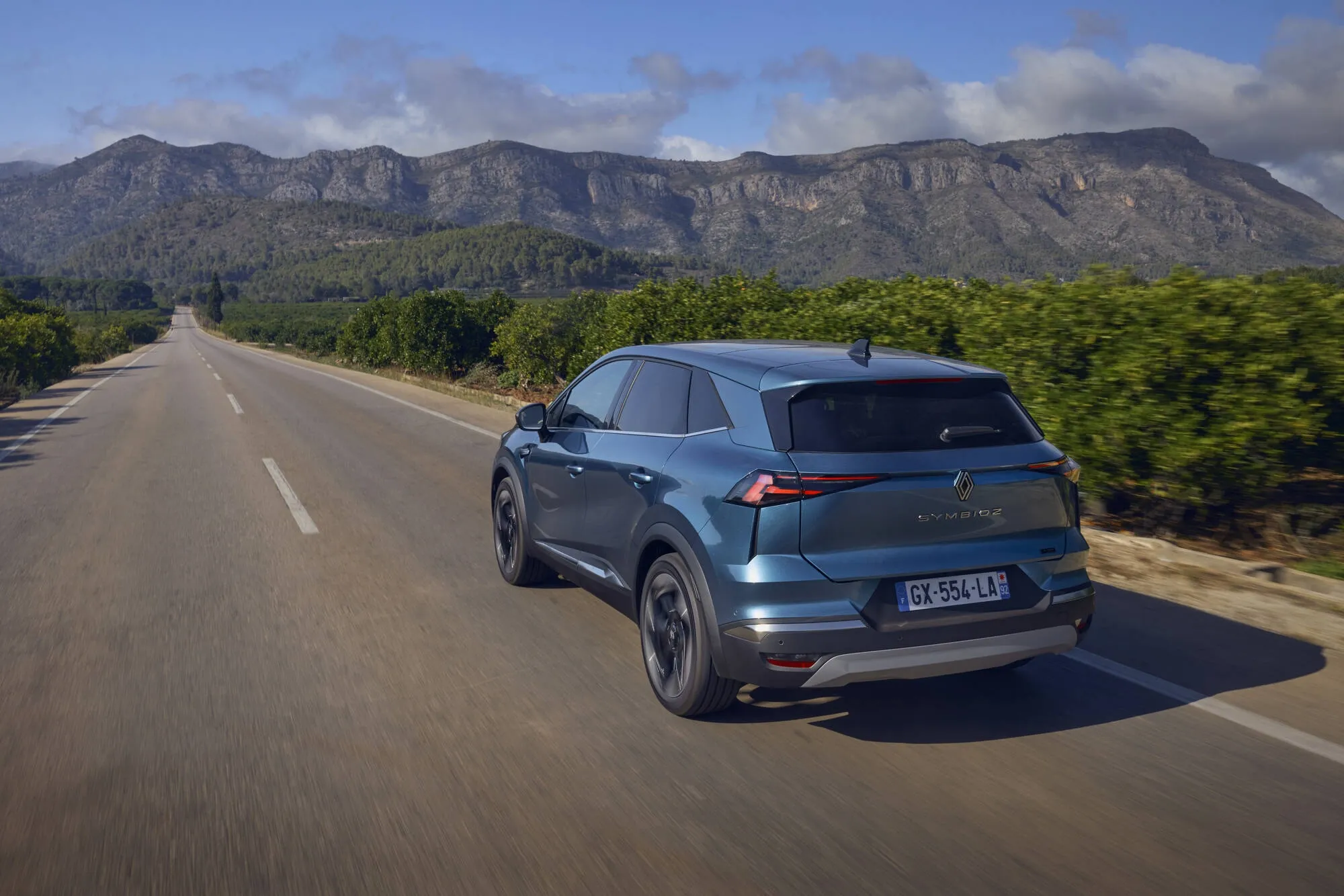
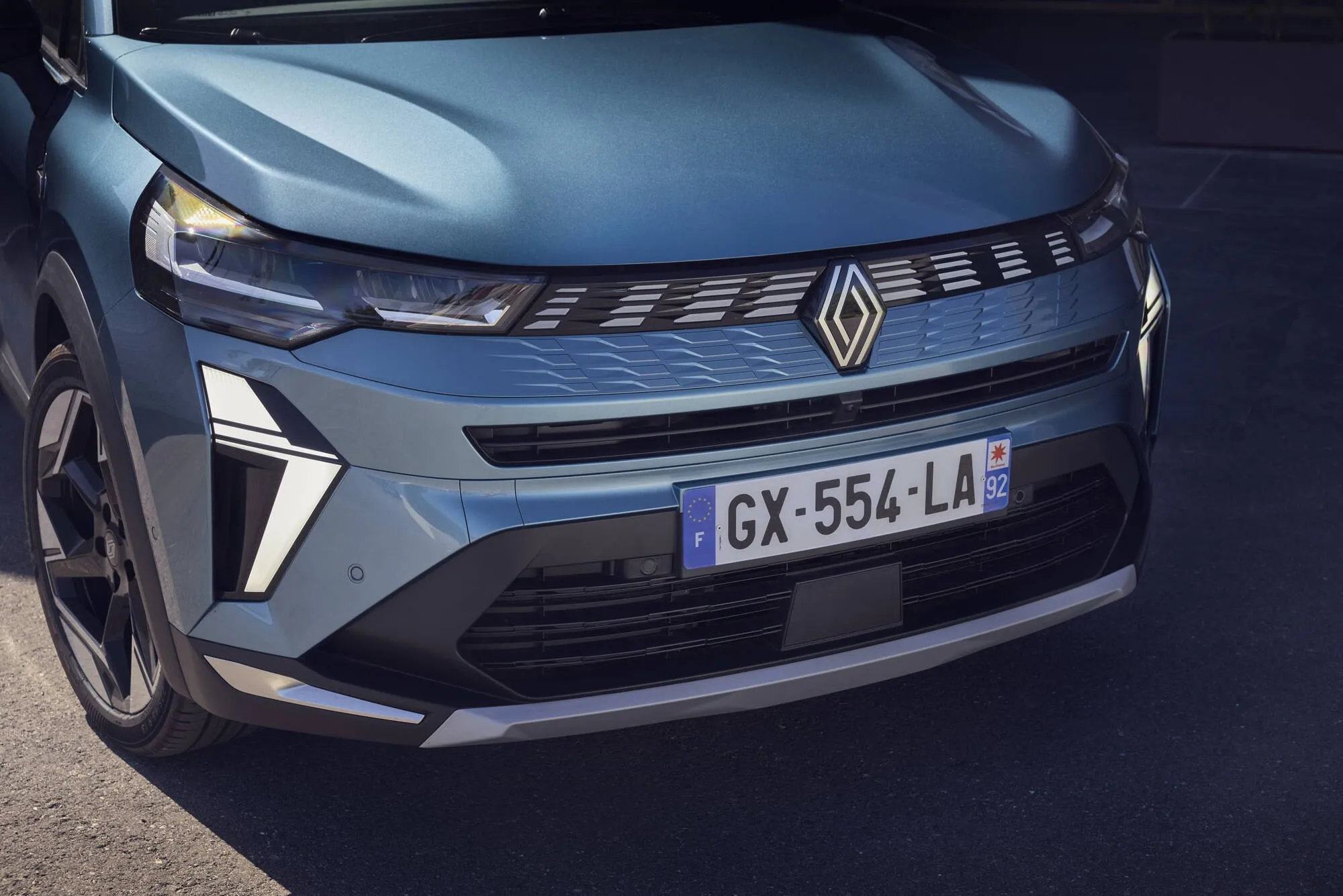
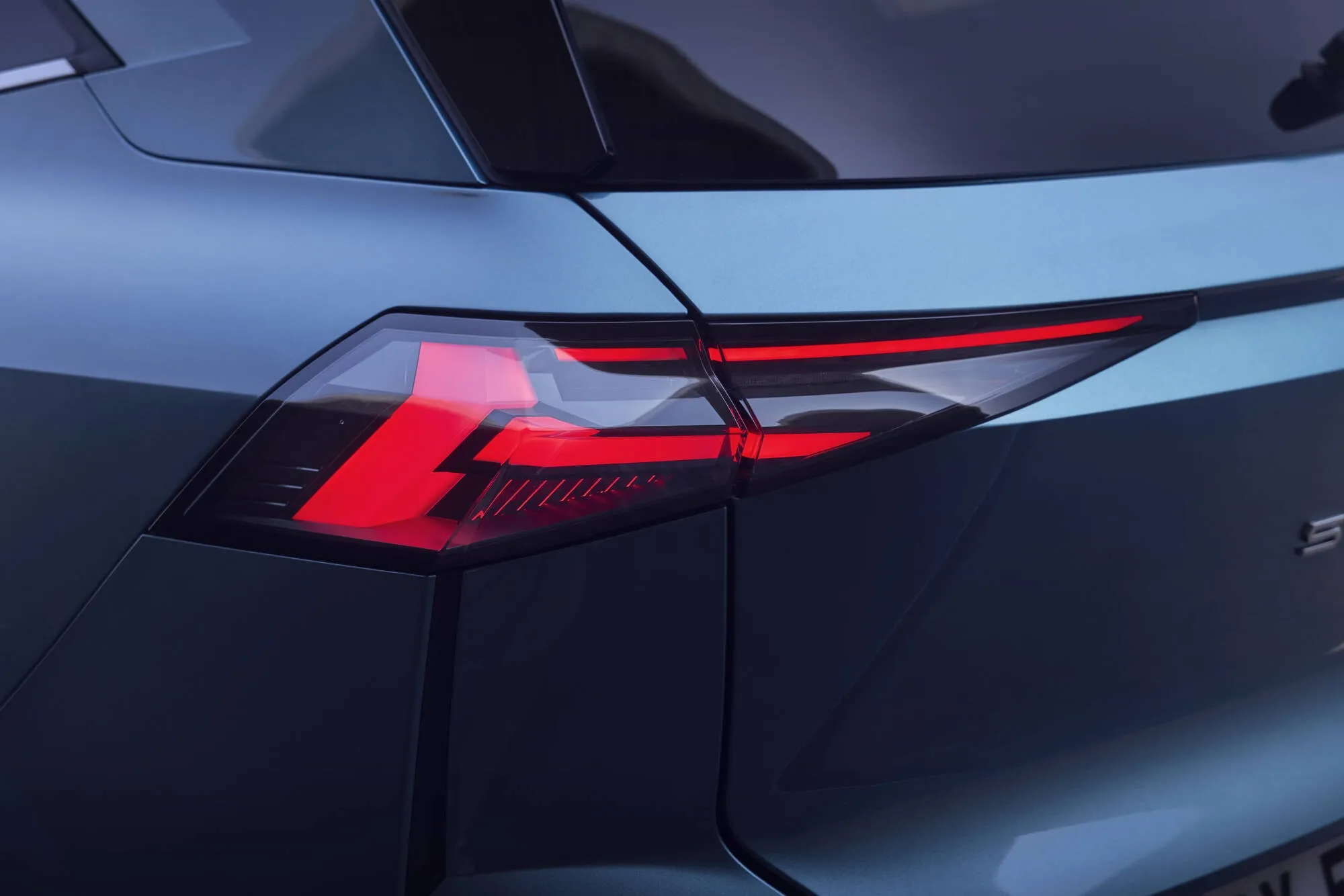
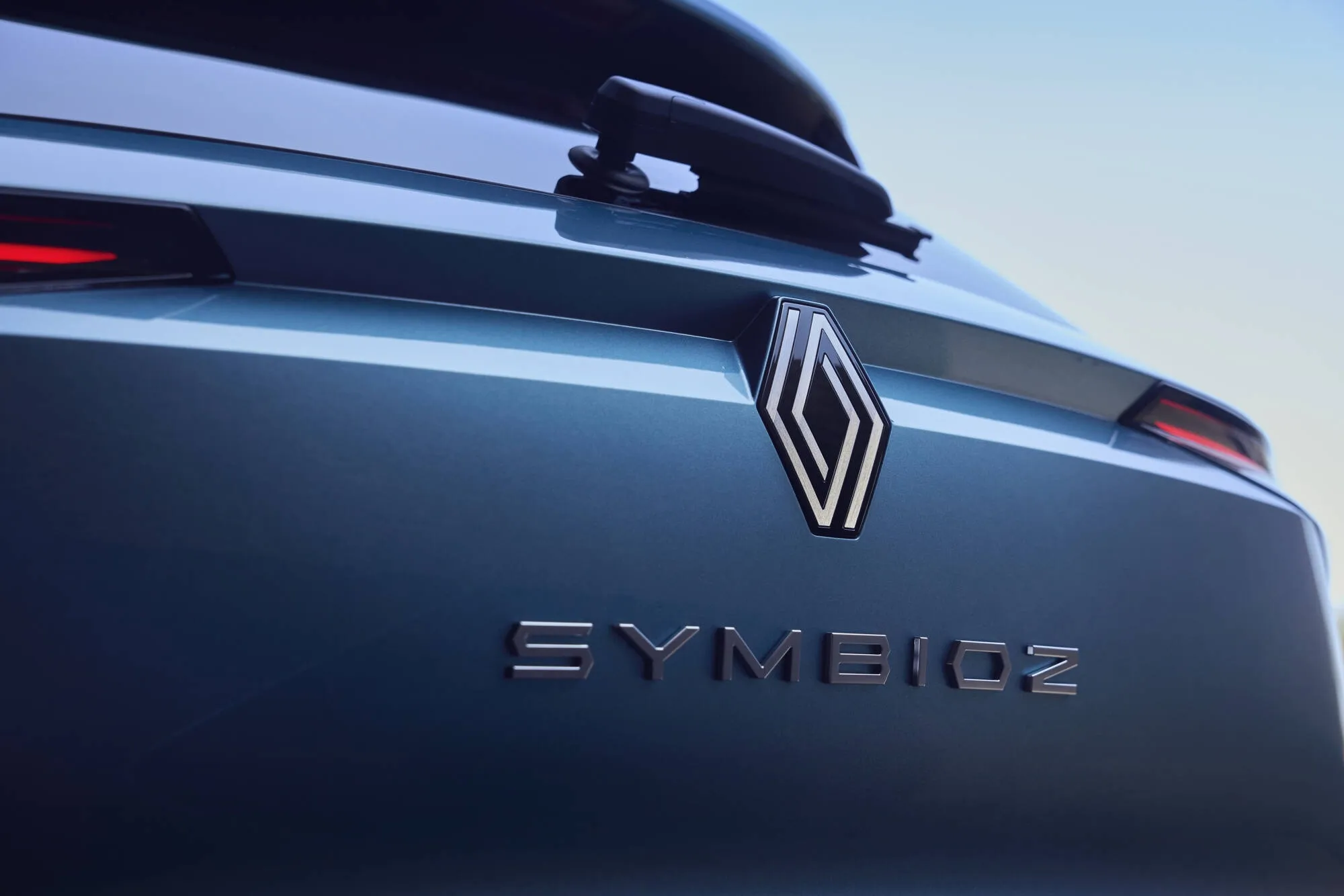
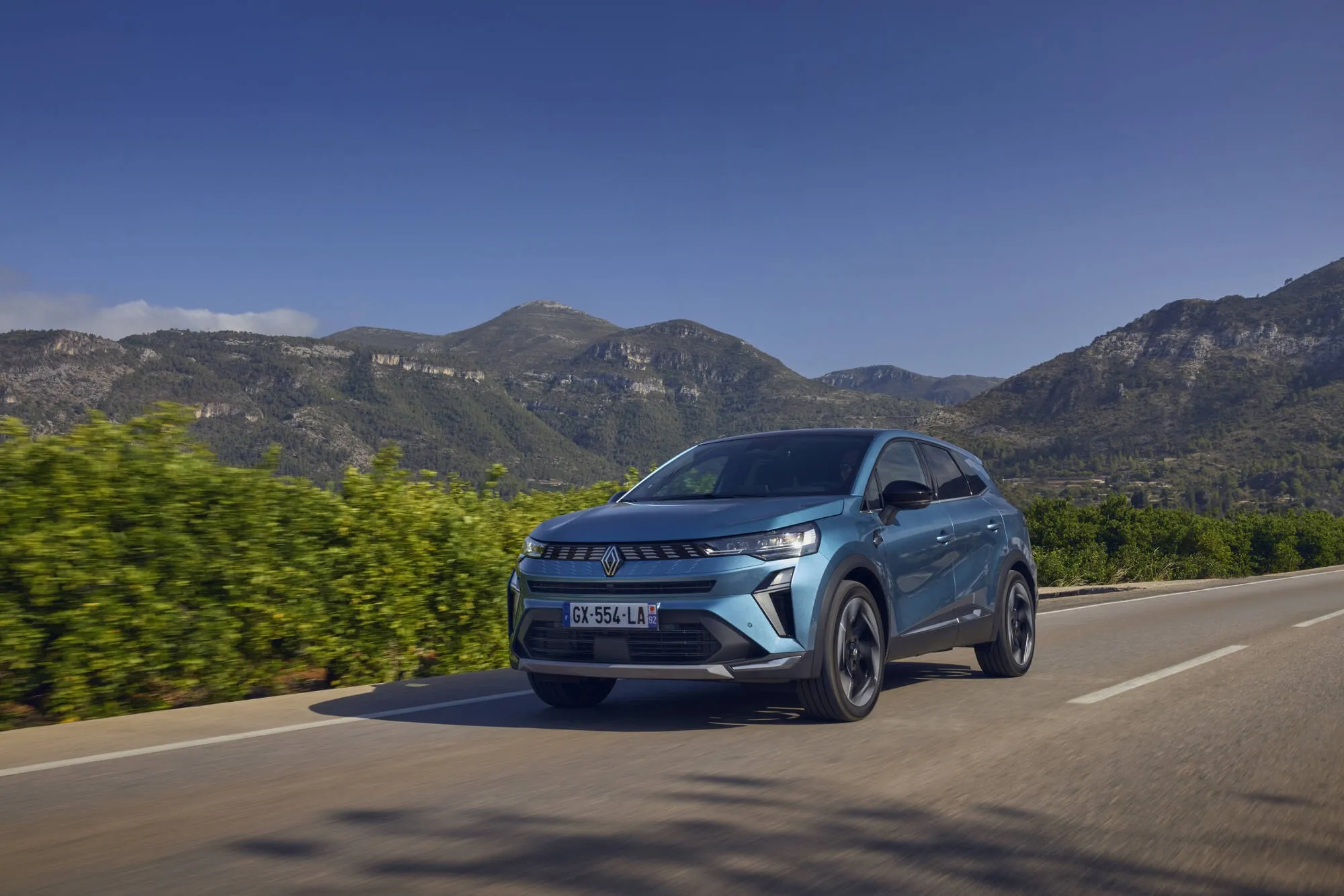
Renault is expanding the Symbioz line up with a new Eco G 120 powertrain, bringing an old but still stubbornly persuasive argument back into the C segment: lower running costs. With its dual fuel petrol and LPG set up, the Symbioz promises a range of up to 1,400 kilometres.
Renault did not simply bolt another engine into the Symbioz. It opened the most rational door in the range. The Eco G 120 is aimed at buyers who want C segment space and modern digital equipment, but do not see a hybrid or an electric car as the only sensible answer.
The new powertrain is based on a 1.2 litre three cylinder turbo petrol engine producing 120bhp and 200Nm, paired with a six speed manual gearbox. The car uses two separate tanks, a 48 litre petrol tank and a 50 litre LPG tank. Renault’s website currently lists provisional WLTP figures of 7.5 litres per 100 kilometres, 117g/km of CO₂ and a total range of up to 1,400 kilometres for the Eco G 120, while noting that final certification is still ongoing.
Interestingly, the international model presentation also quotes 7.2 litres per 100 kilometres on LPG, 5.9 litres per 100 kilometres on petrol and emissions figures of 116g/km and 133g/km, which suggests Renault is still tidying up final homologation across different markets.
Efficiency first, pace later
That detail matters, because the point of the LPG version is not performance. The Symbioz Eco G 120 takes 12 seconds to reach 100km/h from rest, which tells the buyer everything they need to know about Renault’s priorities. This is not about brisk acceleration. It is about keeping the cost per kilometre down and stretching the distance between fuel stops.
The factory integrated LPG system strengthens that message. It avoids the usual questions that come with aftermarket conversions, whether around boot space, weight distribution or warranty headaches. In other words, Renault is selling thrift, but it is trying to do so without the faint smell of compromise.
Renault already sees demand
The market potential is already visible. Earlier this year, Renault said the Symbioz had become the brand’s best selling full hybrid since launch, with 88,523 cars sold. In local communications, Renault is now talking about more than 100,000 orders across Europe.
That matters because it shows the Symbioz already sits in a useful sweet spot. Renault now wants to squeeze more from it at a time when some buyers still see electrification as too expensive, too restrictive or simply more trouble than it is worth. Those customers still want a modern platform, a roomy cabin and running costs that stay under control. The LPG version speaks directly to them, and rather fluently too.
A very calculated kind of common sense
In the end, Renault is not dragging old technology back onto the stage. It is deliberately widening the middle of the market. The Eco G 120 does not make the Symbioz more glamorous, and it certainly does not make it quicker, but it may make it a more convincing buy for a great many families.
In Europe in 2026, that looks like more than a niche. It looks like a clear eyed answer for buyers who still want a simple, spacious car with sensible running costs, and who are not especially interested in being lectured by the future.
The new powertrain is based on a 1.2 litre three cylinder turbo petrol engine producing 120bhp and 200Nm, paired with a six speed manual gearbox. The car uses two separate tanks, a 48 litre petrol tank and a 50 litre LPG tank. Renault’s website currently lists provisional WLTP figures of 7.5 litres per 100 kilometres, 117g/km of CO₂ and a total range of up to 1,400 kilometres for the Eco G 120, while noting that final certification is still ongoing.
Interestingly, the international model presentation also quotes 7.2 litres per 100 kilometres on LPG, 5.9 litres per 100 kilometres on petrol and emissions figures of 116g/km and 133g/km, which suggests Renault is still tidying up final homologation across different markets.
Efficiency first, pace later
That detail matters, because the point of the LPG version is not performance. The Symbioz Eco G 120 takes 12 seconds to reach 100km/h from rest, which tells the buyer everything they need to know about Renault’s priorities. This is not about brisk acceleration. It is about keeping the cost per kilometre down and stretching the distance between fuel stops.
The factory integrated LPG system strengthens that message. It avoids the usual questions that come with aftermarket conversions, whether around boot space, weight distribution or warranty headaches. In other words, Renault is selling thrift, but it is trying to do so without the faint smell of compromise.
Renault already sees demand
The market potential is already visible. Earlier this year, Renault said the Symbioz had become the brand’s best selling full hybrid since launch, with 88,523 cars sold. In local communications, Renault is now talking about more than 100,000 orders across Europe.
That matters because it shows the Symbioz already sits in a useful sweet spot. Renault now wants to squeeze more from it at a time when some buyers still see electrification as too expensive, too restrictive or simply more trouble than it is worth. Those customers still want a modern platform, a roomy cabin and running costs that stay under control. The LPG version speaks directly to them, and rather fluently too.
A very calculated kind of common sense
In the end, Renault is not dragging old technology back onto the stage. It is deliberately widening the middle of the market. The Eco G 120 does not make the Symbioz more glamorous, and it certainly does not make it quicker, but it may make it a more convincing buy for a great many families.
In Europe in 2026, that looks like more than a niche. It looks like a clear eyed answer for buyers who still want a simple, spacious car with sensible running costs, and who are not especially interested in being lectured by the future.


