
Opel Corsa GSE enters its final Nürburgring test phase
 1/8
1/8
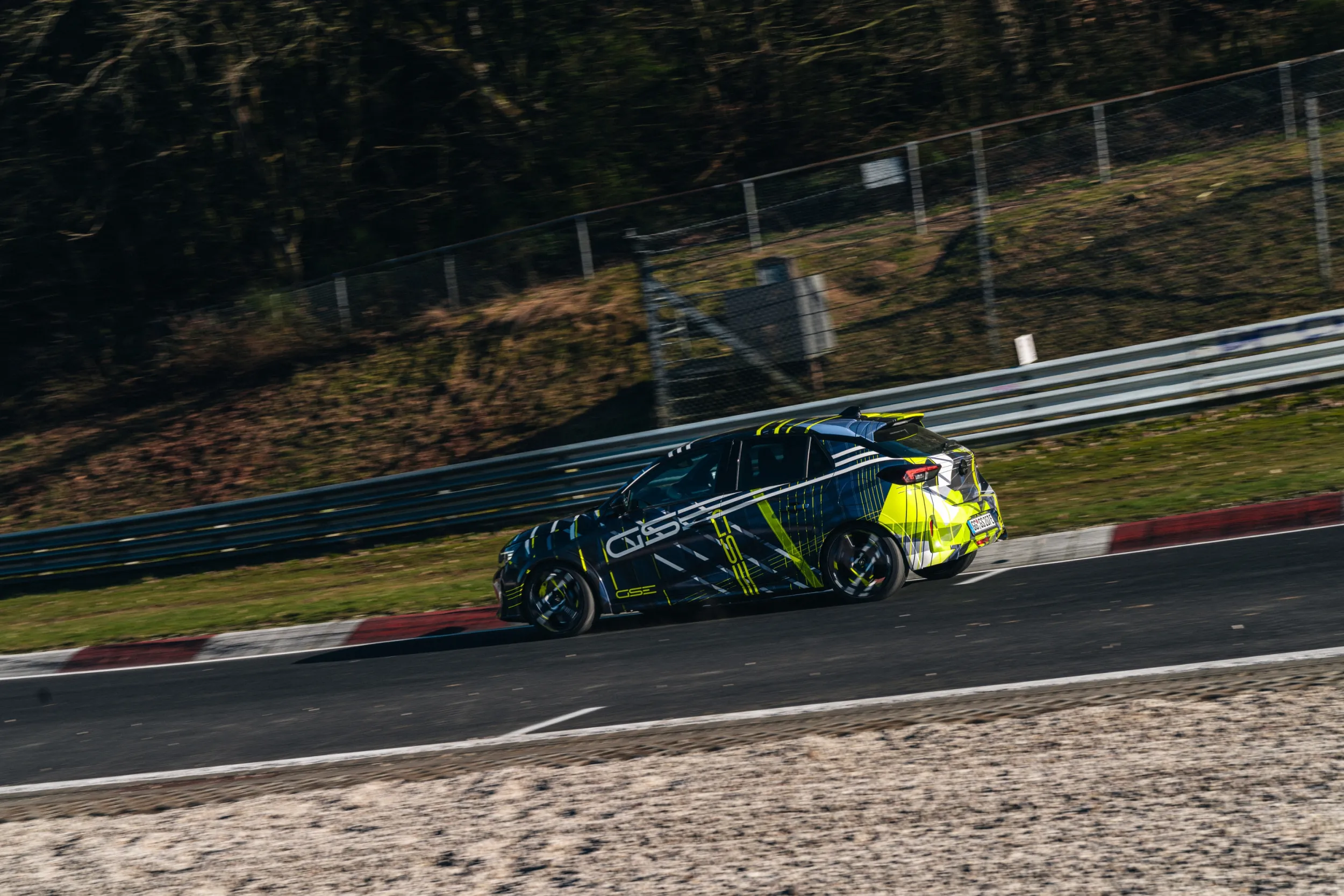
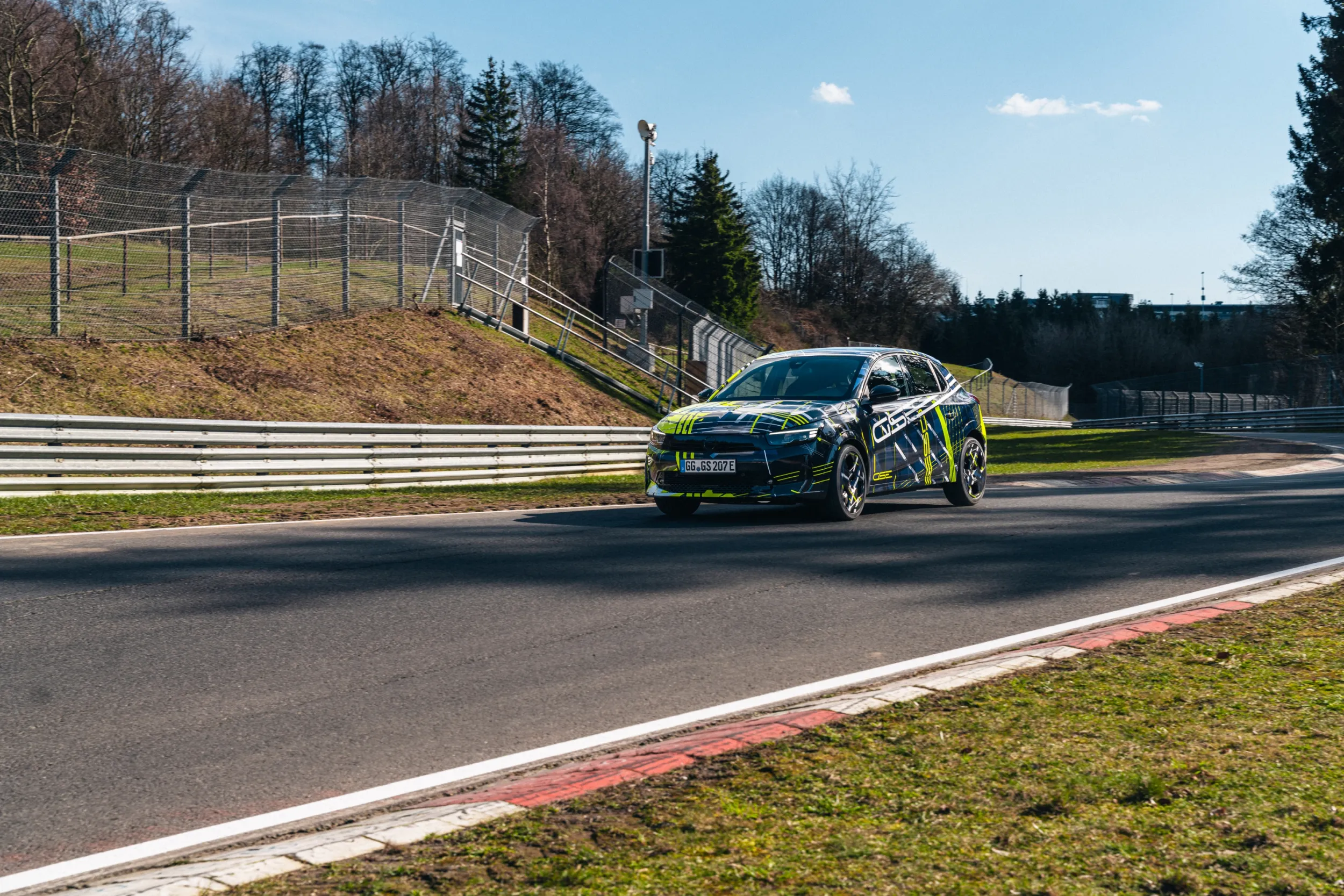
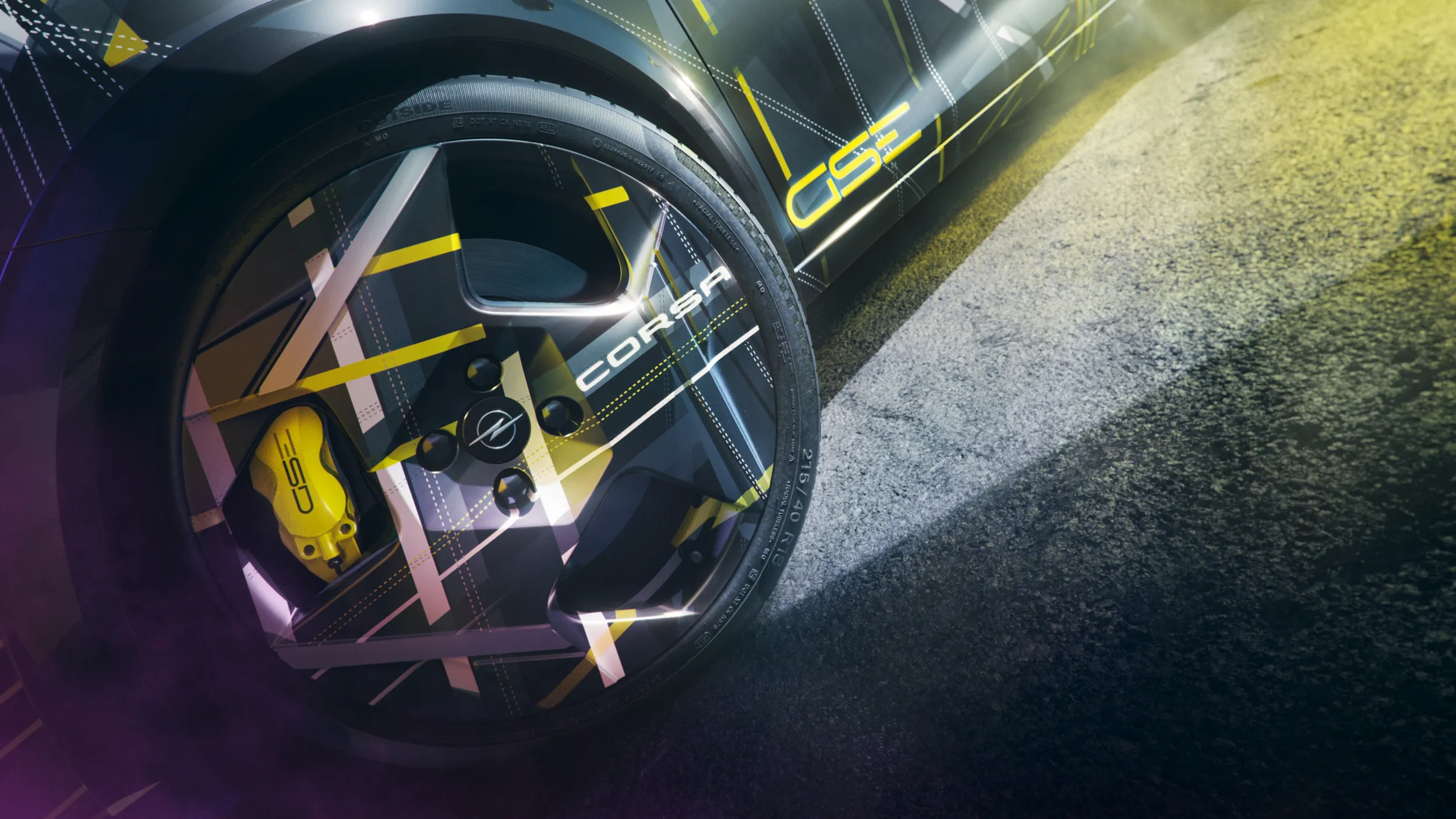
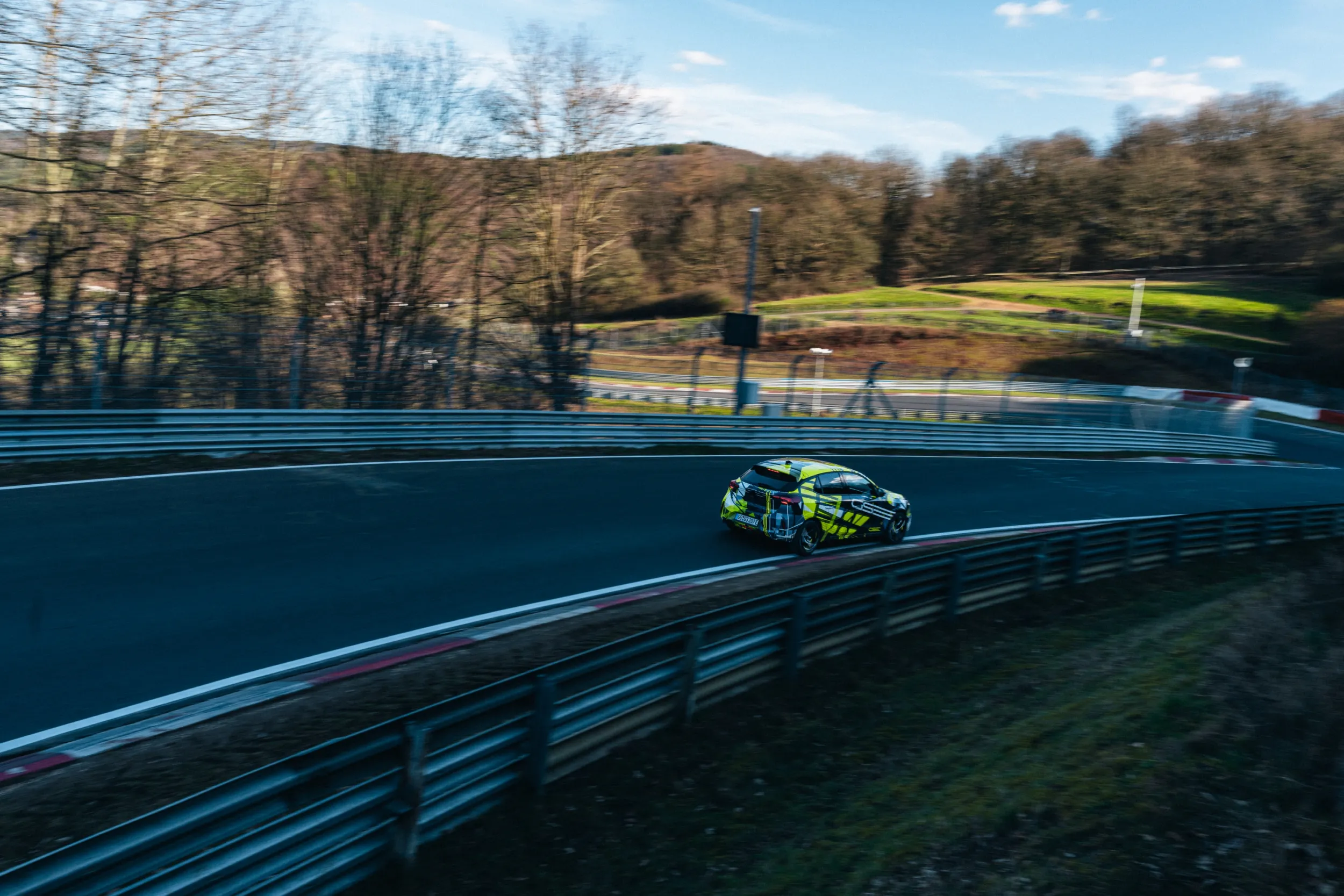
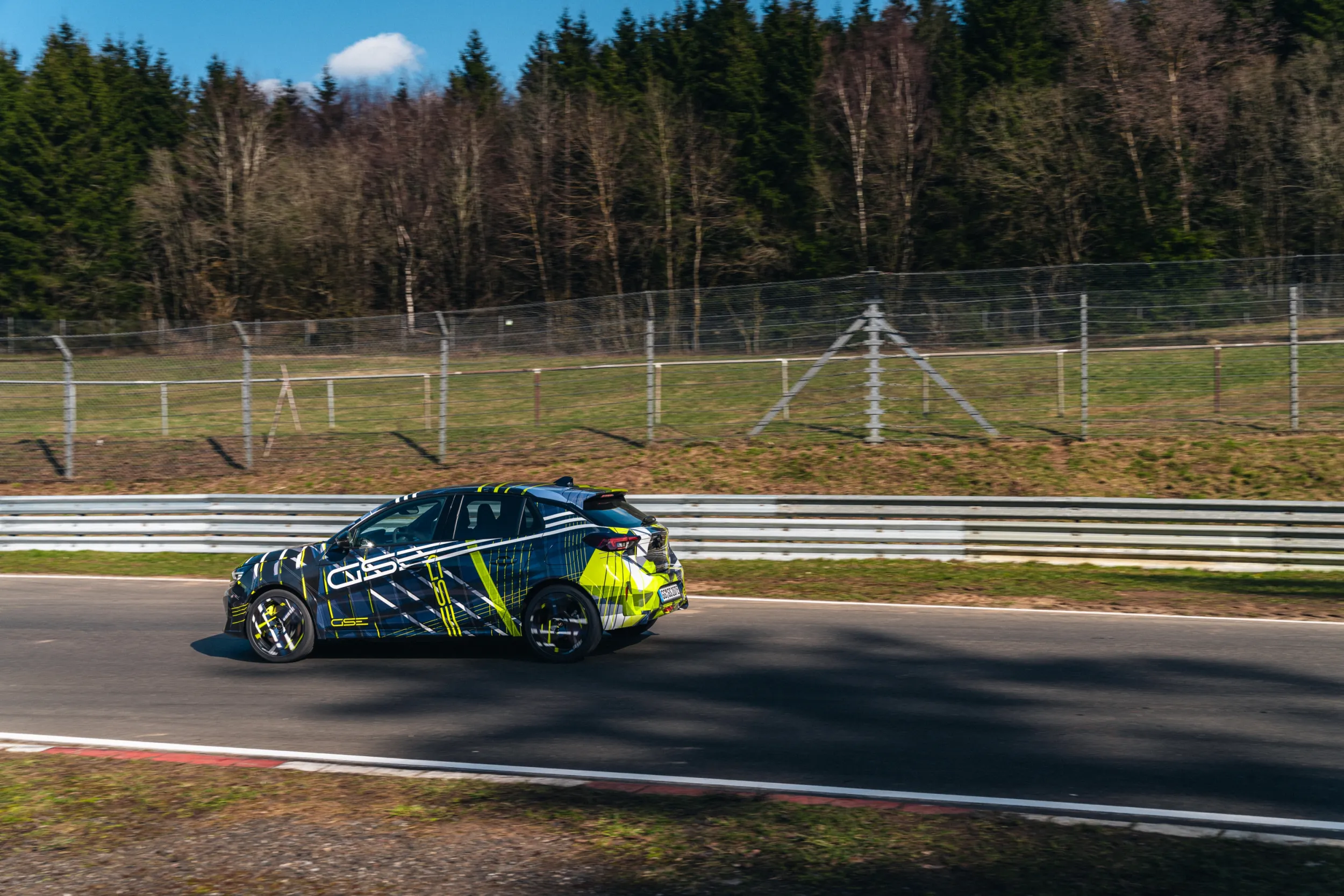
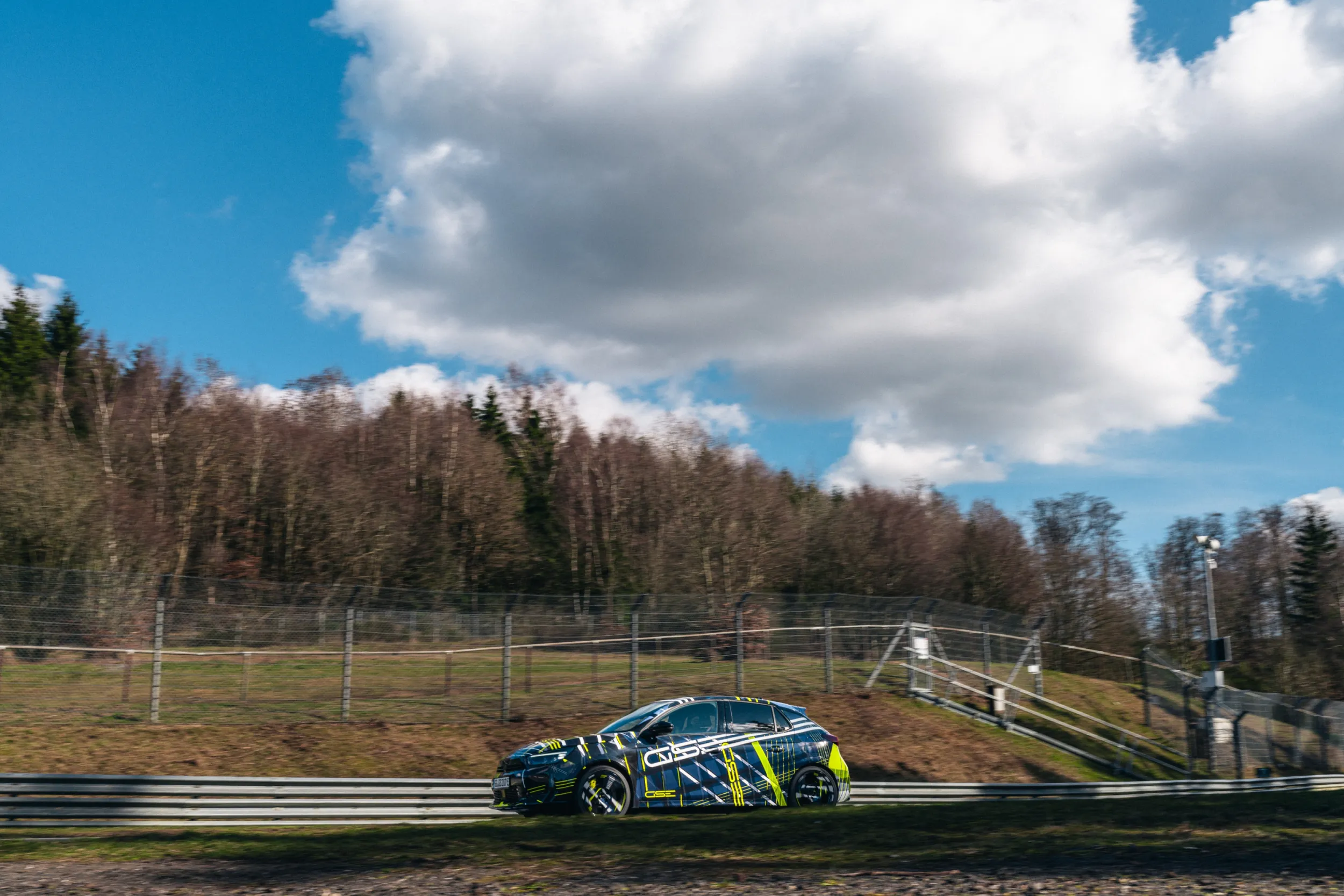
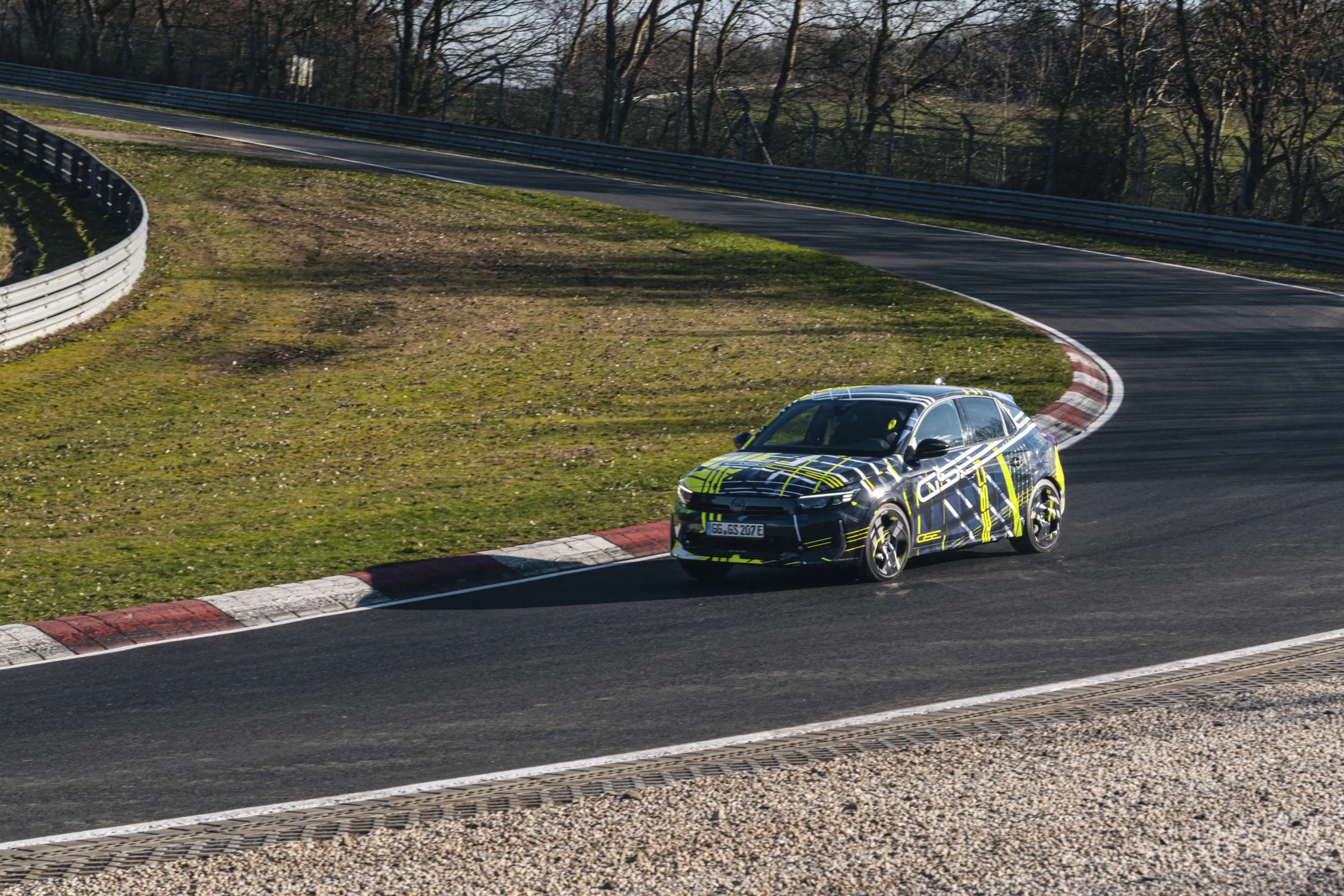
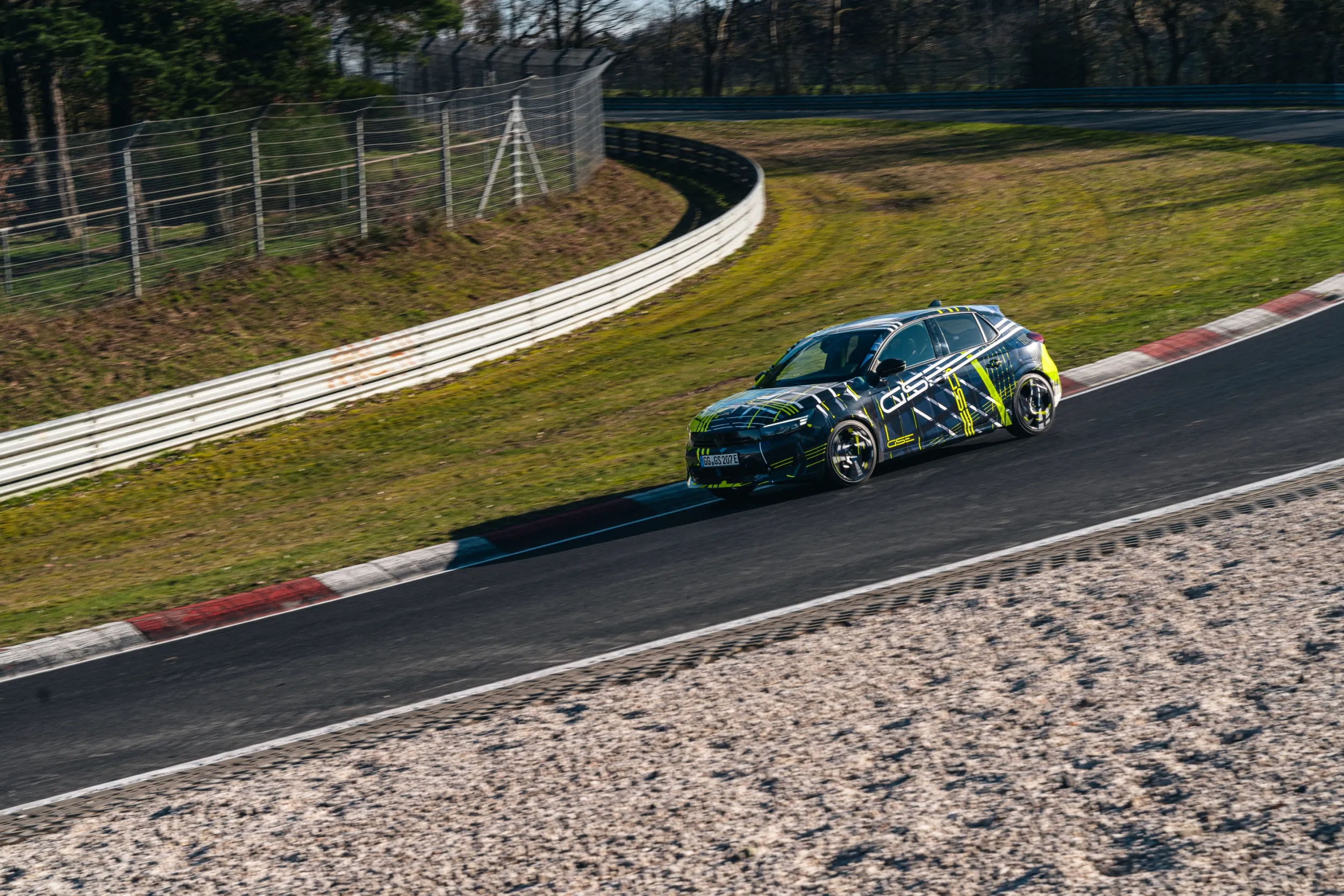
Opel took the new Corsa GSE to the Nürburgring for its final round of tuning before series production and, in the process, confirmed two central points. This will be the most powerful production Corsa ever built, and it will make its public debut at the Paris motor show in October. The factory is still keeping the hard numbers to itself, but the direction of travel is obvious enough. Opel wants to push the Corsa back into the sharper end of the sporting supermini class, this time as a fully electric car.
According to the company, engineers focused on the final calibration of the GSE specific chassis, steering feel, stability control and throttle response, all with the aim of giving the production car the keenest handling possible.
That claim about power matters. Opel says the Corsa GSE will be the most potent series Corsa in the model’s history, which effectively means the new electric flagship will move beyond the old petrol era Corsa OPC. In factory trim, the 2015 Corsa OPC produced 152 kW, or 207 bhp, and reached 100 km/h in 6.8 seconds. The exact figures for the Corsa GSE remain under wraps, but its official positioning alone makes one thing clear. Opel is opening an entirely new chapter in the Corsa story.
The most logical technical starting point, for now, looks like the Mokka GSE. Opel has not confirmed that link in the case of the Corsa, but the first production model in this new GSE line uses a 207 kW electric motor with 281 bhp, 345 Nm of torque, a 54 kWh battery and a sport tuned chassis. If the Corsa inherits even most of that package, the result will be a car with a lighter, lower body and the potential to deliver one of the sharpest handling experiences yet seen among electric superminis this decade. That remains an informed conclusion rather than a final factory statement, but the logic is difficult to ignore.
In February, Opel said the Corsa GSE would open for orders later this year. At the end of March, the company added that series production would begin towards the close of the year. The Paris motor show runs from 12 to 18 October, which gives Opel a clear timetable. The summer and early autumn will be spent building anticipation, autumn will bring the finished car into public view, and sales should begin before the year is out.
That, really, is the interesting part of this car. The key question is not a single headline figure in a press release, but whether Opel can keep the formula honest. The classic hot hatch built its reputation on low weight, quick reactions and a manual gearbox. In the electric age, that recipe needs rewriting if the emotion is to survive without the noise of an internal combustion engine or the theatre of shifting gears yourself. The Nürburgring test suggests Opel is trying to solve that problem the hard way, through suspension, setup and handling. Which is probably the right way, and certainly the more convincing one.
That claim about power matters. Opel says the Corsa GSE will be the most potent series Corsa in the model’s history, which effectively means the new electric flagship will move beyond the old petrol era Corsa OPC. In factory trim, the 2015 Corsa OPC produced 152 kW, or 207 bhp, and reached 100 km/h in 6.8 seconds. The exact figures for the Corsa GSE remain under wraps, but its official positioning alone makes one thing clear. Opel is opening an entirely new chapter in the Corsa story.
The most logical technical starting point, for now, looks like the Mokka GSE. Opel has not confirmed that link in the case of the Corsa, but the first production model in this new GSE line uses a 207 kW electric motor with 281 bhp, 345 Nm of torque, a 54 kWh battery and a sport tuned chassis. If the Corsa inherits even most of that package, the result will be a car with a lighter, lower body and the potential to deliver one of the sharpest handling experiences yet seen among electric superminis this decade. That remains an informed conclusion rather than a final factory statement, but the logic is difficult to ignore.
In February, Opel said the Corsa GSE would open for orders later this year. At the end of March, the company added that series production would begin towards the close of the year. The Paris motor show runs from 12 to 18 October, which gives Opel a clear timetable. The summer and early autumn will be spent building anticipation, autumn will bring the finished car into public view, and sales should begin before the year is out.
That, really, is the interesting part of this car. The key question is not a single headline figure in a press release, but whether Opel can keep the formula honest. The classic hot hatch built its reputation on low weight, quick reactions and a manual gearbox. In the electric age, that recipe needs rewriting if the emotion is to survive without the noise of an internal combustion engine or the theatre of shifting gears yourself. The Nürburgring test suggests Opel is trying to solve that problem the hard way, through suspension, setup and handling. Which is probably the right way, and certainly the more convincing one.


