
Toyota bZ7 goes on sale in China
 1/10
1/10
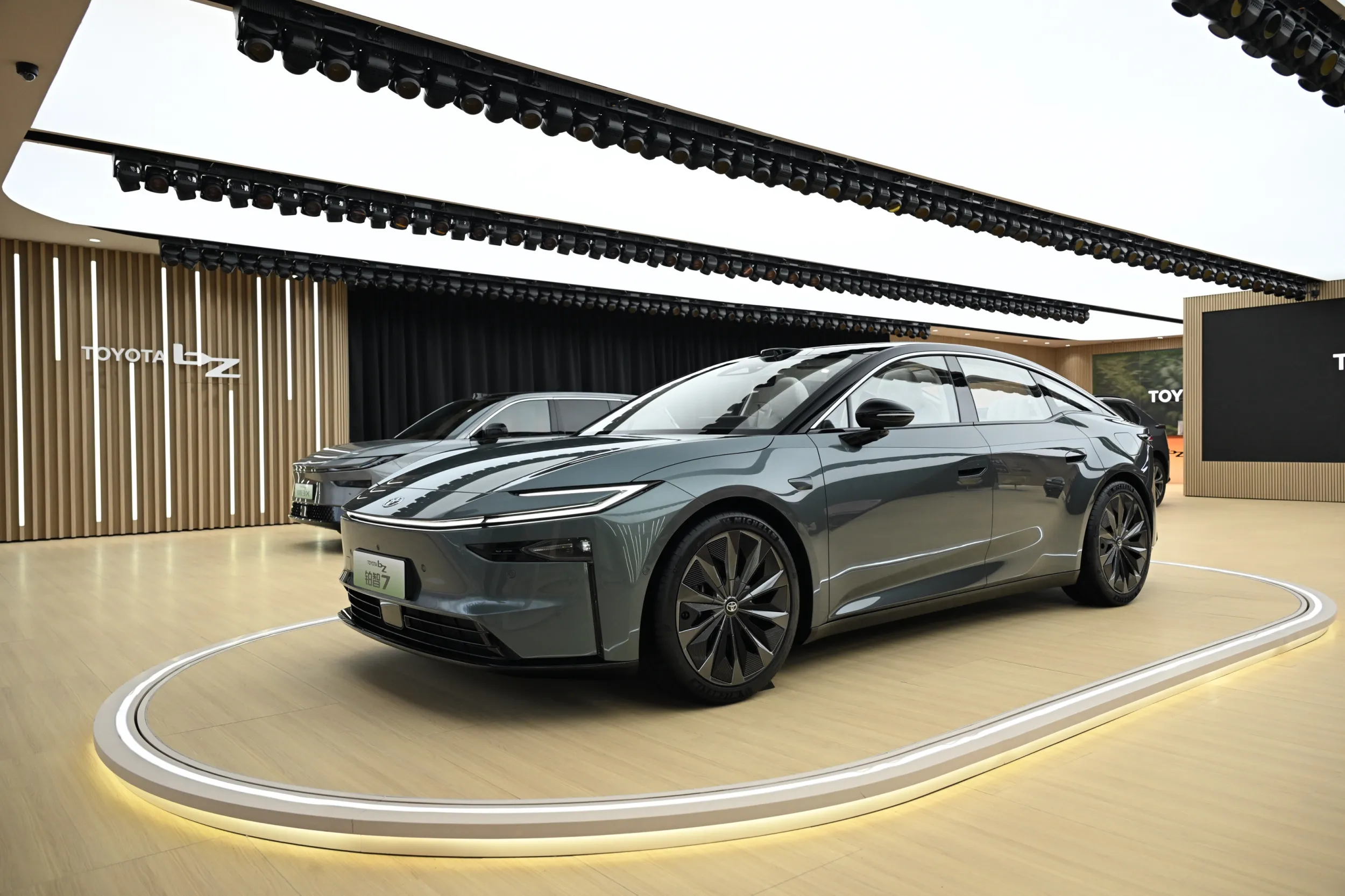
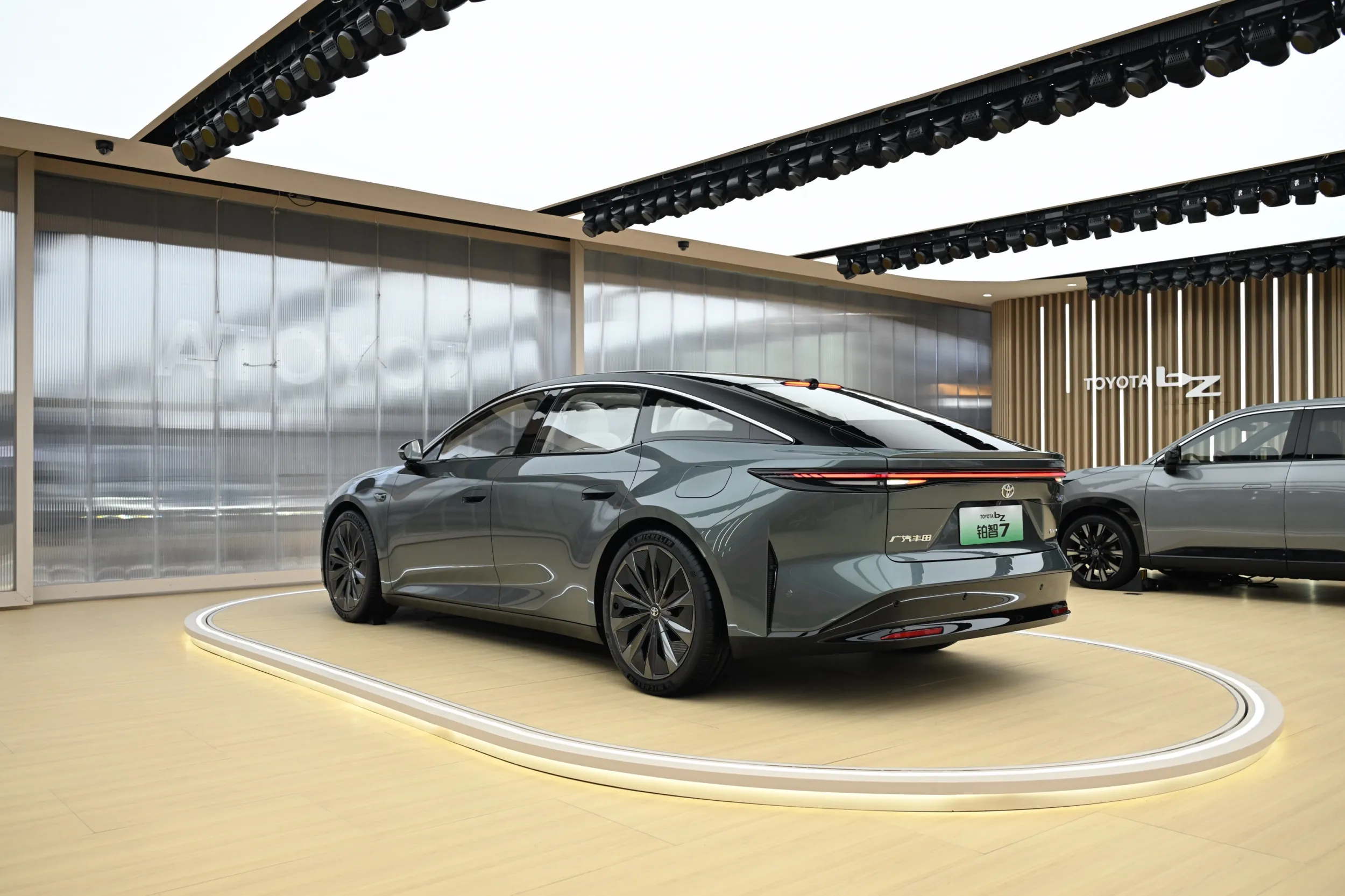
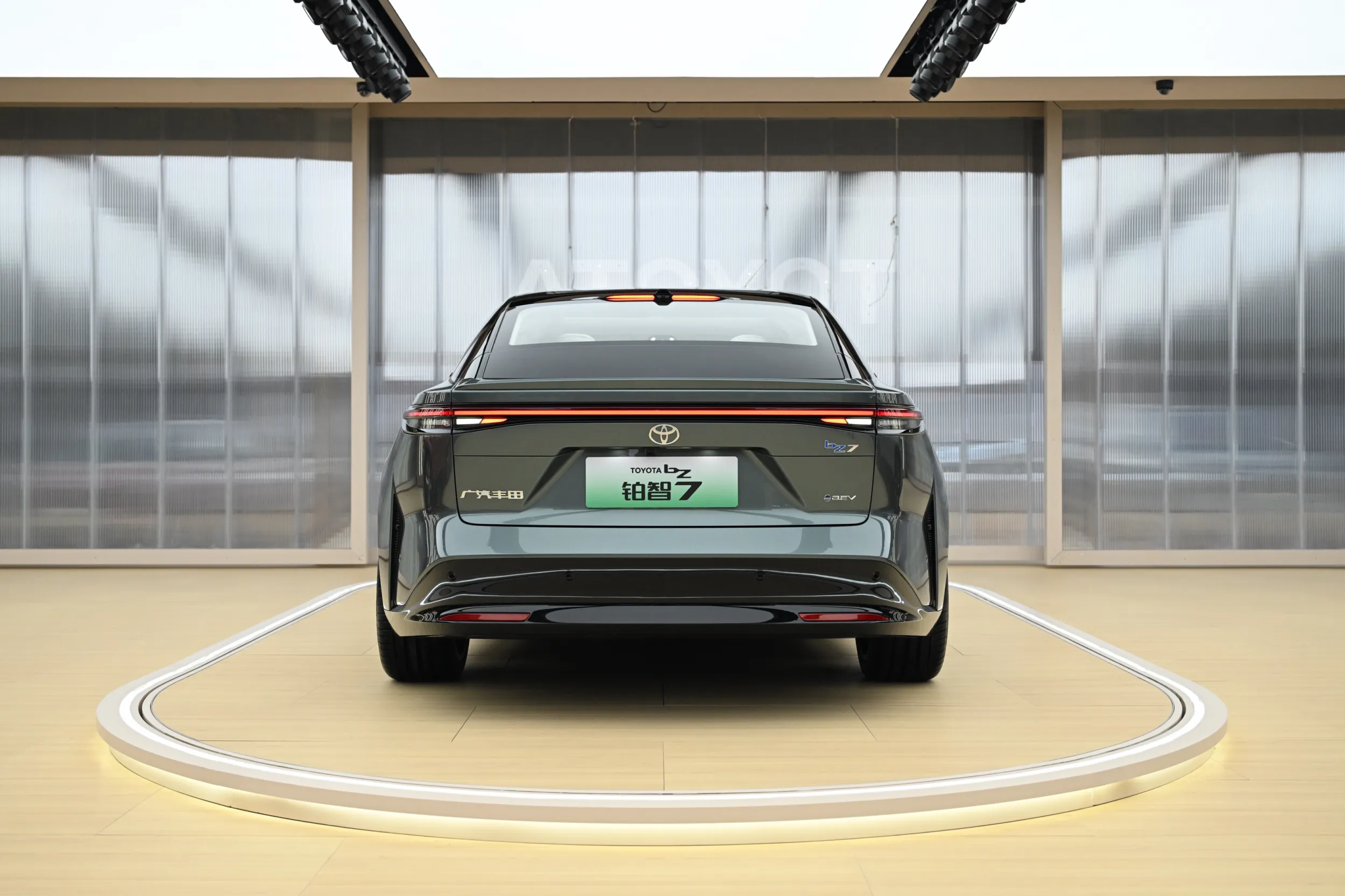
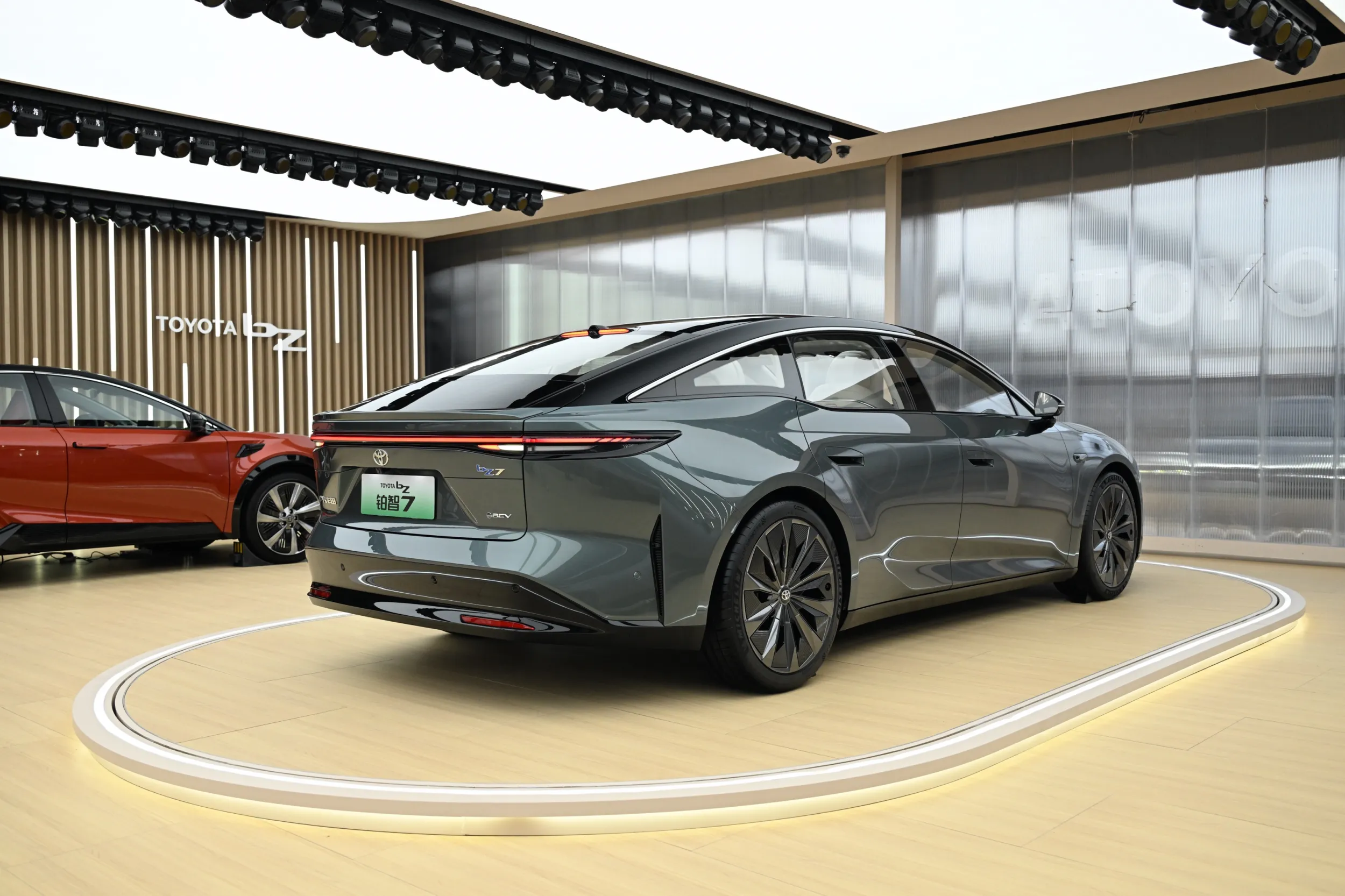
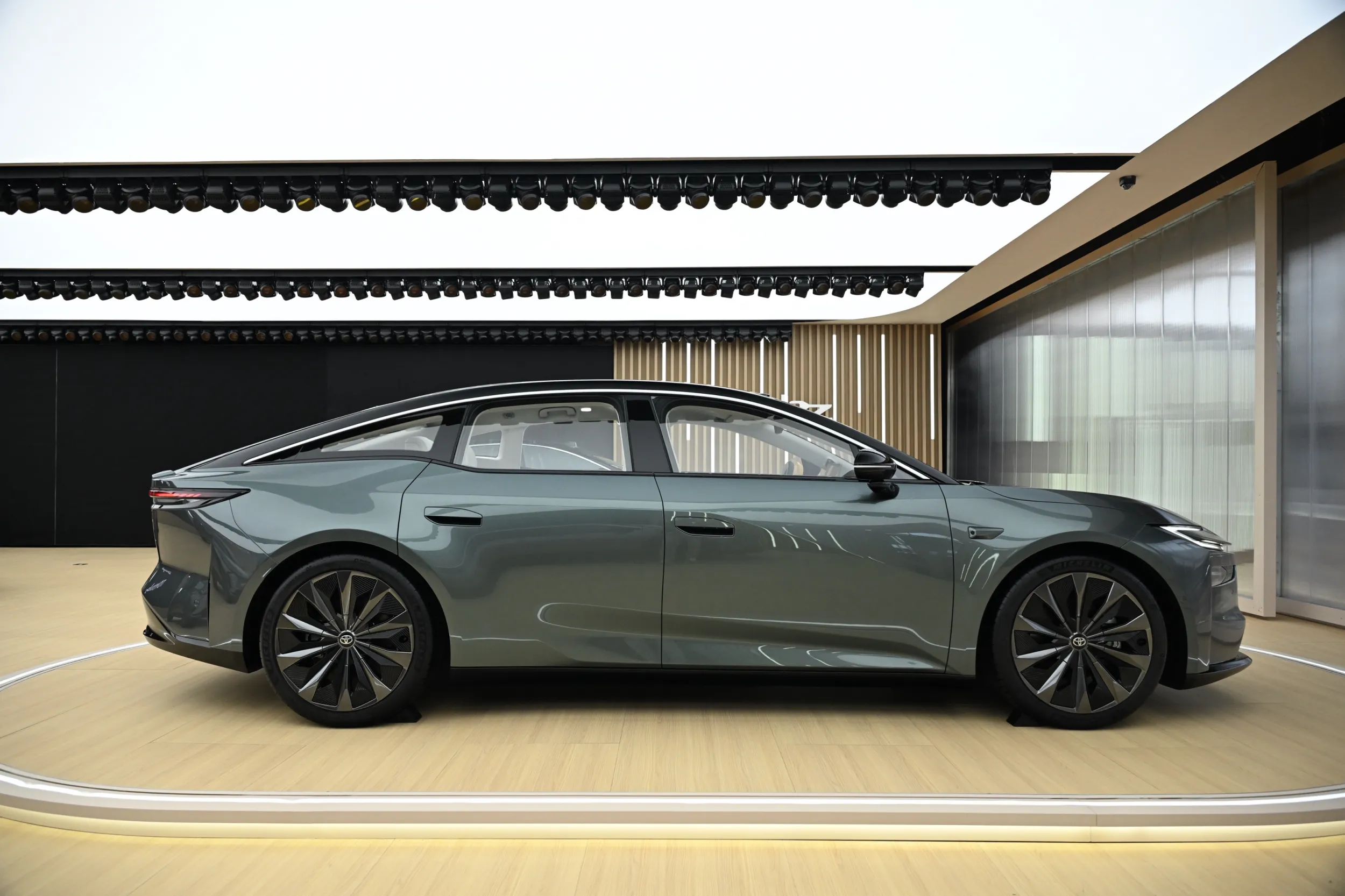
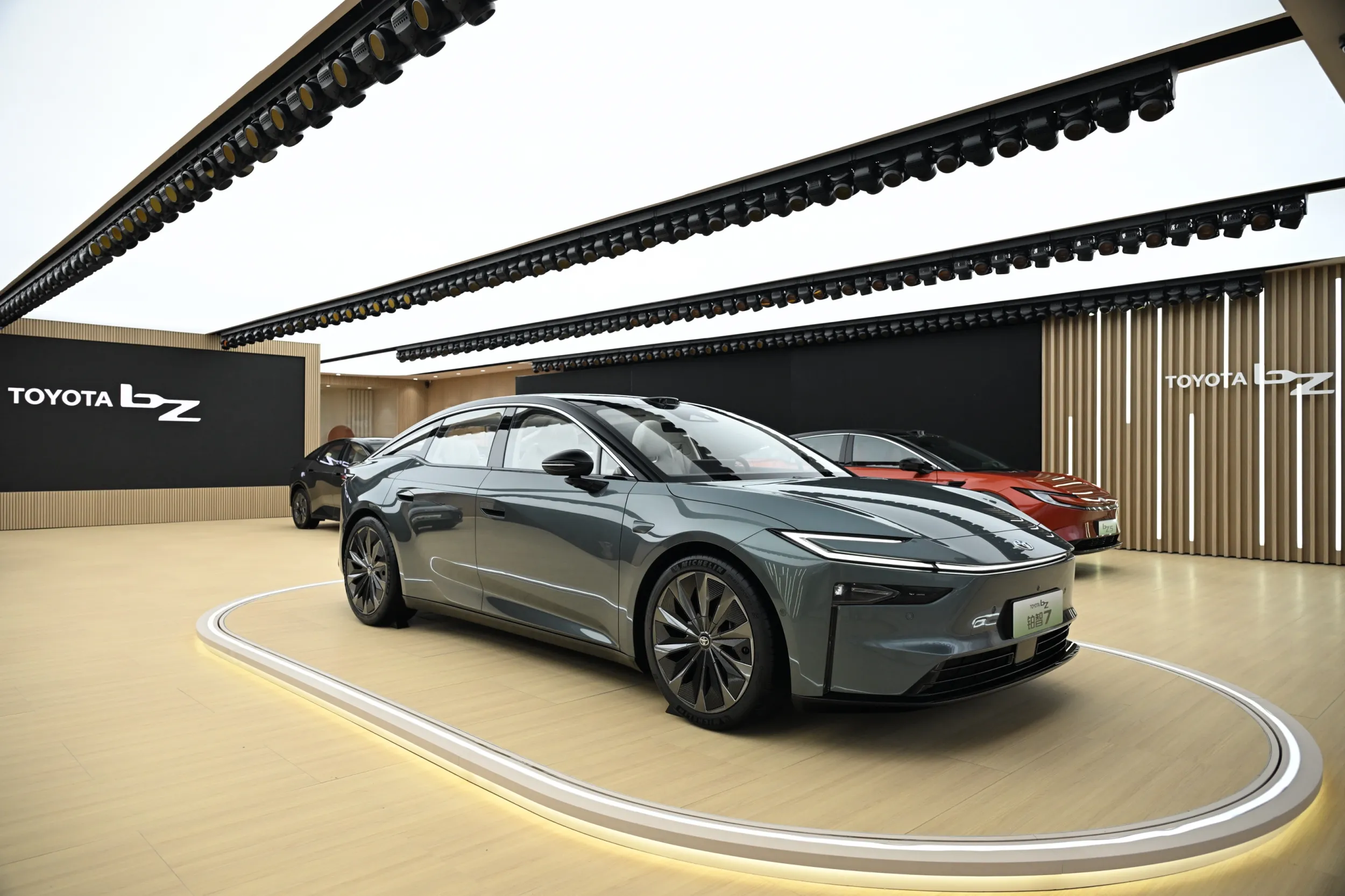
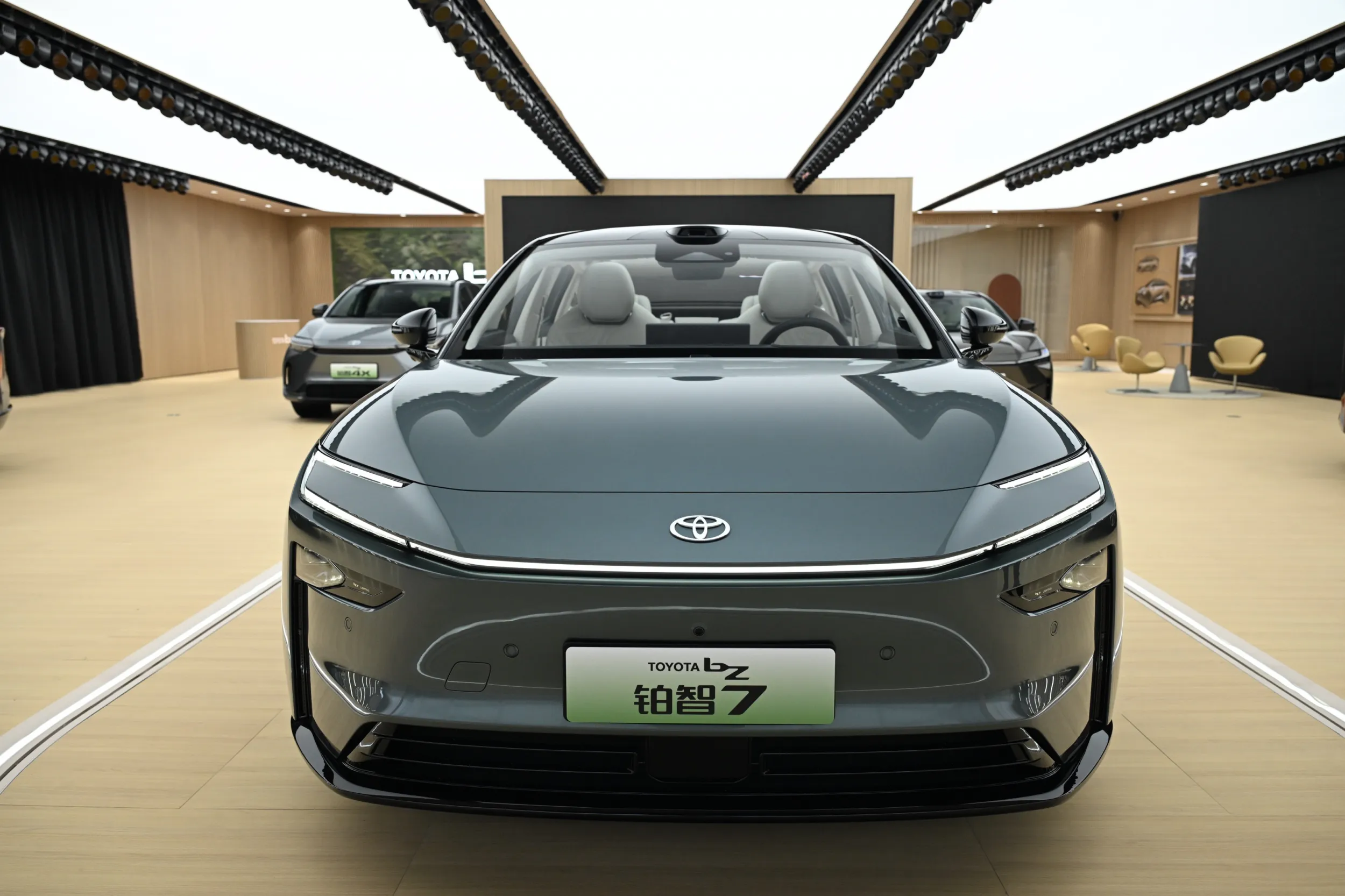
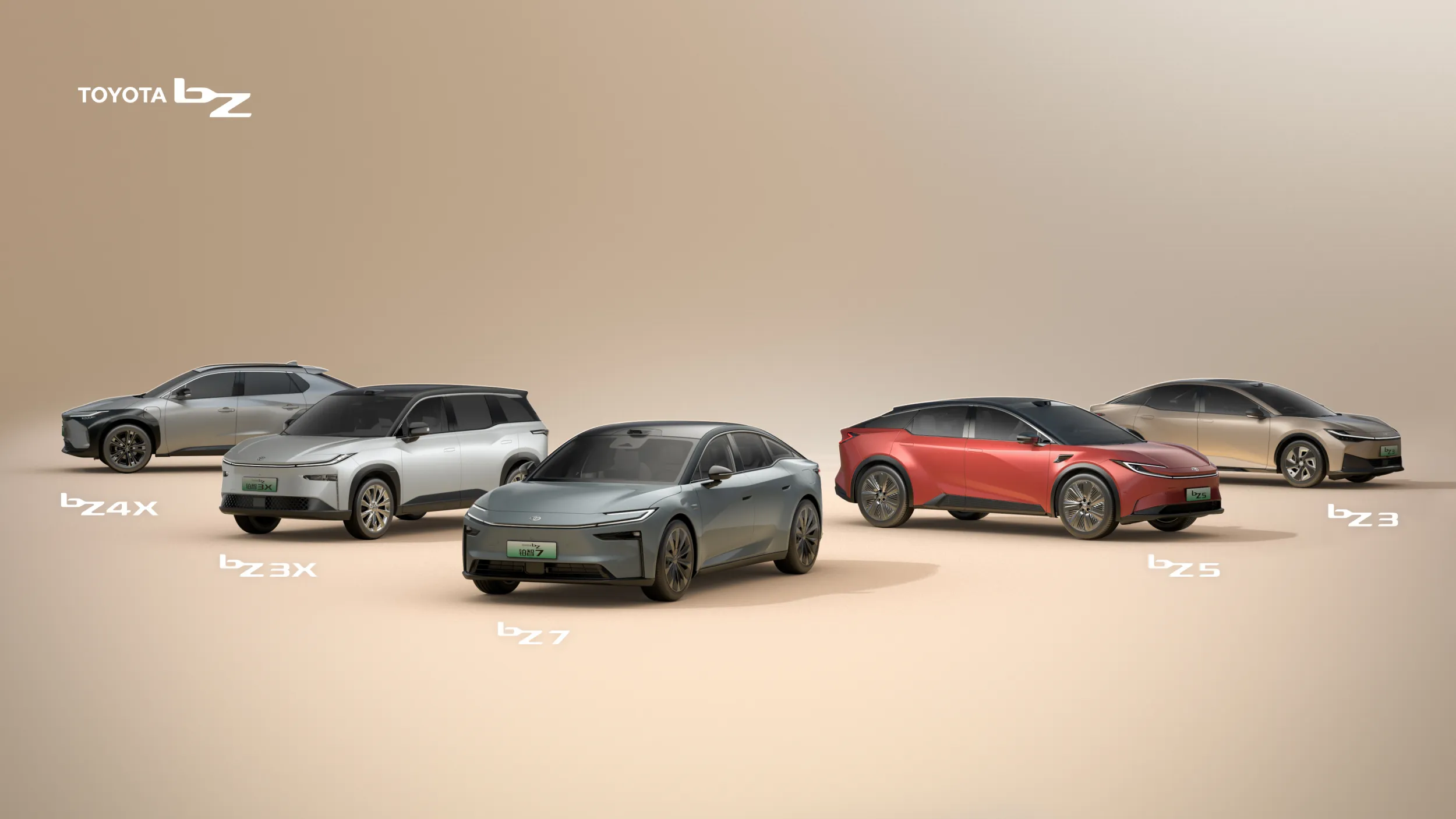
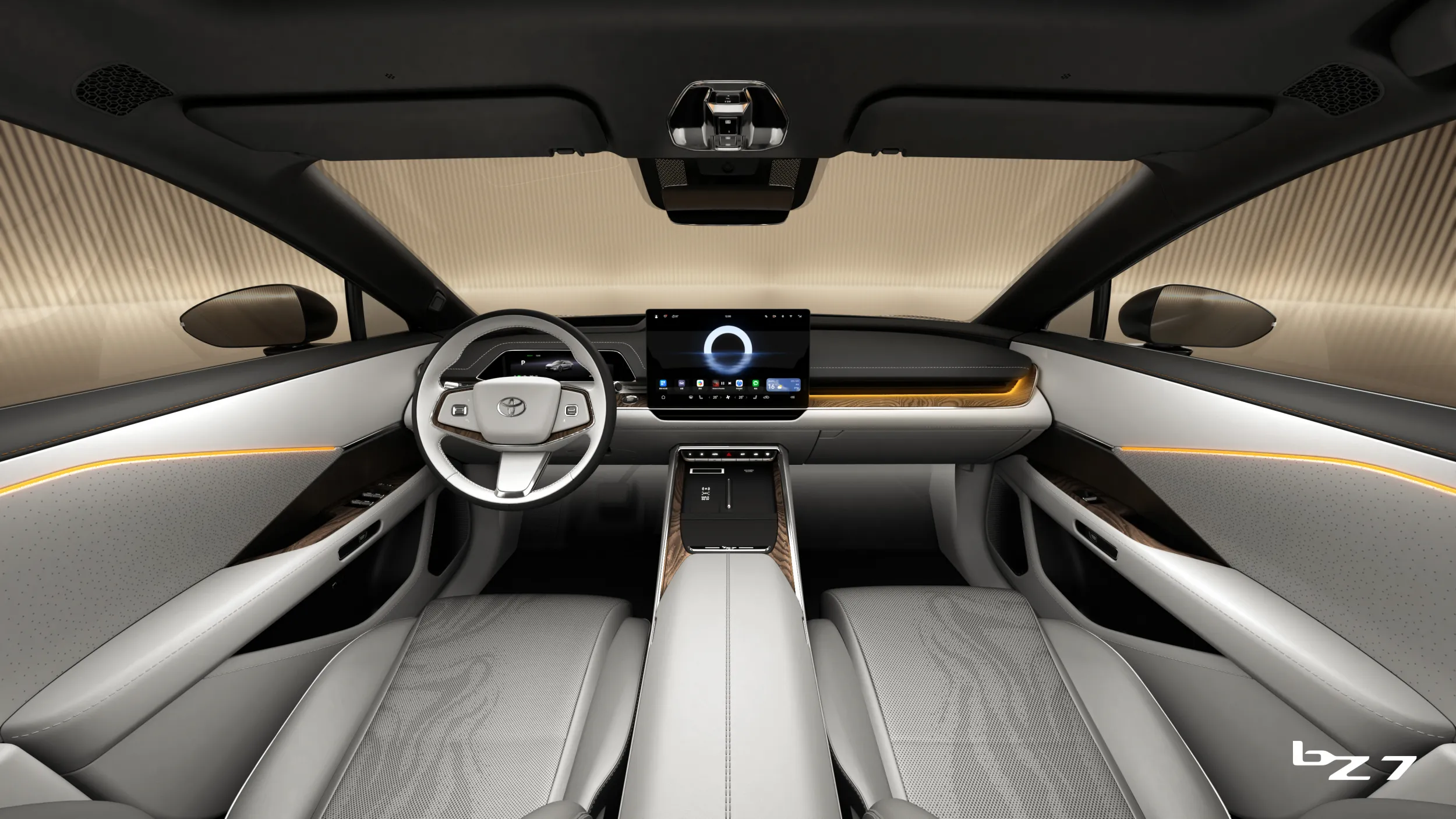
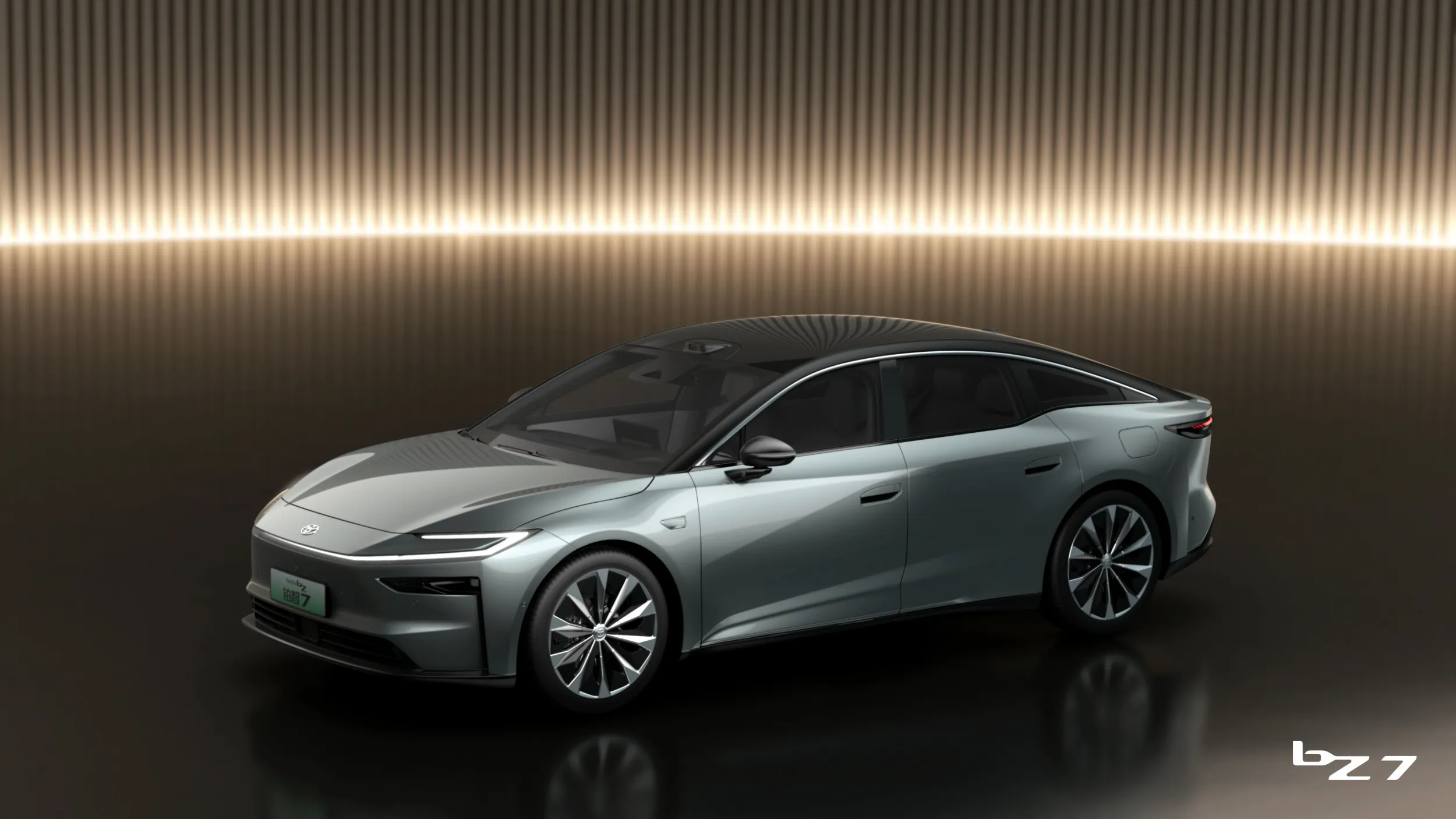
GAC Toyota launched its new electric flagship, the bZ7, in China with a temporary campaign price starting at 147,800 yuan (€18,640). Yet the arrival of the bZ7 says far more than the launch of another new model. Toyota is trying to buy back technological relevance in China, and it is doing so at a price set by the local electric car market, not by its own corporate instincts.
A big saloon at a very un Toyota price
The bZ7’s appeal starts with a simple equation. At 5,130 millimetres long, with a 3,020 millimetre wheelbase, it is clearly bigger than a Camry, yet the opening price pushes it into a far lower bracket than those dimensions would usually suggest. After the campaign period, pricing moves to between 169,800 and 229,800 yuan (€21,400 to €29,000).
Toyota offers a single 207 kW electric motor, a choice of 71 kWh or 88 kWh LFP batteries and a claimed range of roughly 600 to 710 kilometres. Pre sales began in early March from 156,800 yuan, so the joint venture cut the final price again before the official market launch. That was no accident. It wanted the car to land harder against local rivals.
Chinese software, Japanese discipline
More telling still is the technology package. The bZ7 uses Huawei DriveONE power electronics and the HarmonySpace 5 cockpit, works with Xiaomi’s in car ecosystem and relies on Momenta driver assistance systems supported by roof mounted lidar. In higher trims, Toyota and GAC add dual chamber air suspension, especially comfortable seats and the sort of cabin kit buyers now expect in the premium class.
In effect, Toyota built a car in which Japanese manufacturing discipline meets a Chinese layer of software, sensors and user experience. That matters, because it shows just how far the company has shifted its thinking in China.
Toyota first showed the bZ7 at the 2025 Shanghai motor show, where it stressed that local teams developed the model together with GAC and Toyota’s China research and development operation. The logic was already visible last year, when Toyota launched the cheaper Bozhi 3X in China and tried to adopt the pricing and smart features that local brands now treat as standard. The bZ7 simply takes that same strategy into a higher segment. Toyota is no longer trying to tell the Chinese market what an electric car ought to be. It is adapting to what that market already decided.
Why the timing matters
The timing is critical. Toyota remained the world’s biggest carmaker in 2025, selling 11.3 million vehicles, but in China its sales grew by just 0.2 per cent after four consecutive years of decline. The electric picture is even more revealing. Battery electric vehicles accounted for only 1.9 per cent of Toyota’s global sales. By the end of March, new figures also showed that Toyota’s sales in China fell another 13.9 per cent in February.
That pressure explains why the bZ7 does not arrive as a cautious pilot project. It arrives as a priced attack.
Its success or failure will answer a much bigger question very quickly. If Chinese buyers take to it, Toyota will prove that a foreign joint venture can still compete there, provided it localises software, user experience and pricing aggressively enough. If demand stays weak, the market will deliver the opposite verdict. The Toyota badge alone no longer does the heavy lifting, even when the cabin is packed with Huawei, Xiaomi and Momenta.
For now, the bZ7 already makes one thing clear. In China’s electric car market, pedigree matters less than speed, and the companies that win will be the ones that learn how to turn local technology into an advantage before the next price cut arrives.
The bZ7’s appeal starts with a simple equation. At 5,130 millimetres long, with a 3,020 millimetre wheelbase, it is clearly bigger than a Camry, yet the opening price pushes it into a far lower bracket than those dimensions would usually suggest. After the campaign period, pricing moves to between 169,800 and 229,800 yuan (€21,400 to €29,000).
Toyota offers a single 207 kW electric motor, a choice of 71 kWh or 88 kWh LFP batteries and a claimed range of roughly 600 to 710 kilometres. Pre sales began in early March from 156,800 yuan, so the joint venture cut the final price again before the official market launch. That was no accident. It wanted the car to land harder against local rivals.
Chinese software, Japanese discipline
More telling still is the technology package. The bZ7 uses Huawei DriveONE power electronics and the HarmonySpace 5 cockpit, works with Xiaomi’s in car ecosystem and relies on Momenta driver assistance systems supported by roof mounted lidar. In higher trims, Toyota and GAC add dual chamber air suspension, especially comfortable seats and the sort of cabin kit buyers now expect in the premium class.
In effect, Toyota built a car in which Japanese manufacturing discipline meets a Chinese layer of software, sensors and user experience. That matters, because it shows just how far the company has shifted its thinking in China.
Toyota first showed the bZ7 at the 2025 Shanghai motor show, where it stressed that local teams developed the model together with GAC and Toyota’s China research and development operation. The logic was already visible last year, when Toyota launched the cheaper Bozhi 3X in China and tried to adopt the pricing and smart features that local brands now treat as standard. The bZ7 simply takes that same strategy into a higher segment. Toyota is no longer trying to tell the Chinese market what an electric car ought to be. It is adapting to what that market already decided.
Why the timing matters
The timing is critical. Toyota remained the world’s biggest carmaker in 2025, selling 11.3 million vehicles, but in China its sales grew by just 0.2 per cent after four consecutive years of decline. The electric picture is even more revealing. Battery electric vehicles accounted for only 1.9 per cent of Toyota’s global sales. By the end of March, new figures also showed that Toyota’s sales in China fell another 13.9 per cent in February.
That pressure explains why the bZ7 does not arrive as a cautious pilot project. It arrives as a priced attack.
Its success or failure will answer a much bigger question very quickly. If Chinese buyers take to it, Toyota will prove that a foreign joint venture can still compete there, provided it localises software, user experience and pricing aggressively enough. If demand stays weak, the market will deliver the opposite verdict. The Toyota badge alone no longer does the heavy lifting, even when the cabin is packed with Huawei, Xiaomi and Momenta.
For now, the bZ7 already makes one thing clear. In China’s electric car market, pedigree matters less than speed, and the companies that win will be the ones that learn how to turn local technology into an advantage before the next price cut arrives.


