
Peugeot E-T16 puts 600 kW to the wheels and reaches 300 km/h in just 16 seconds
 1/32
1/32
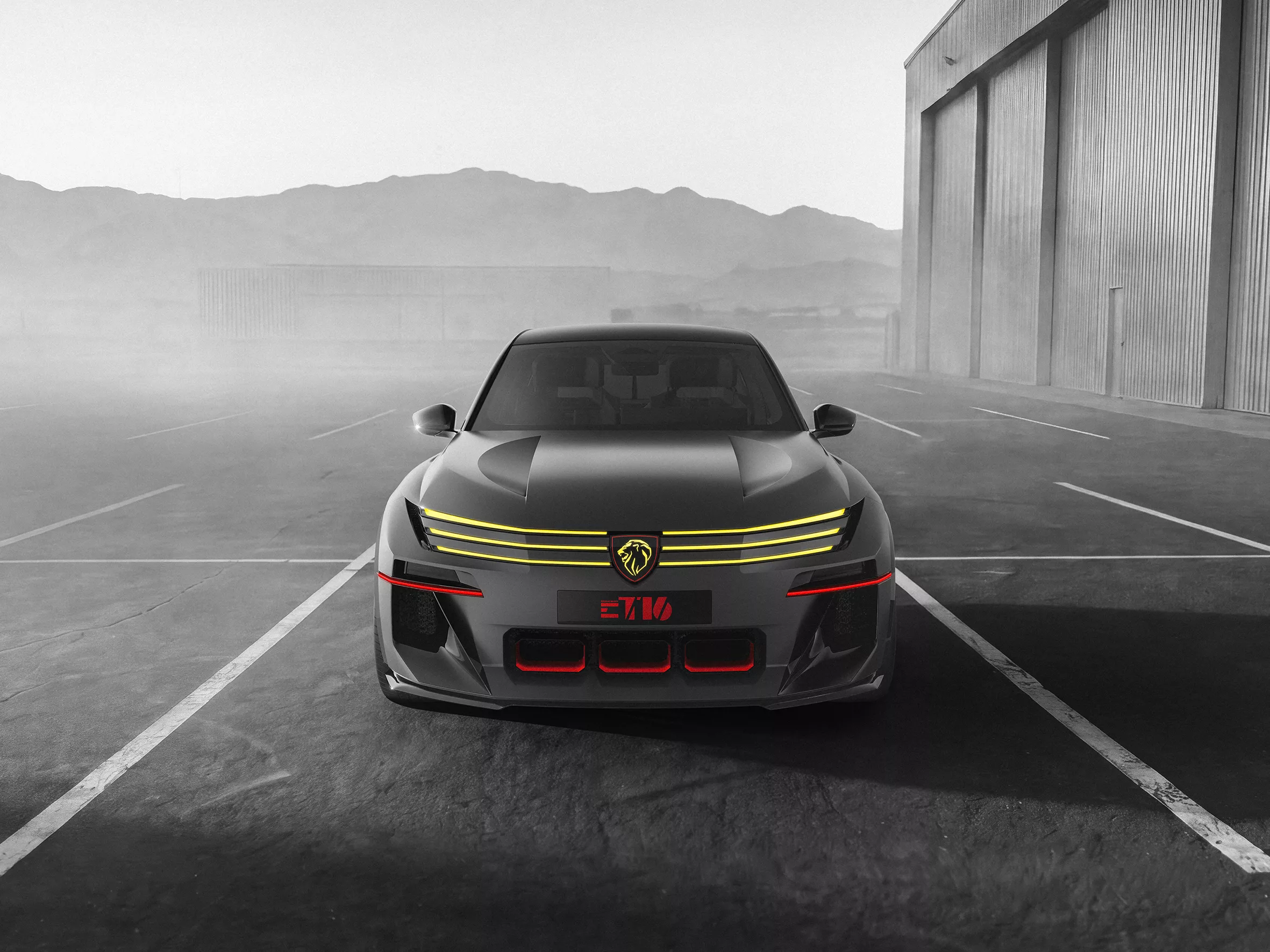
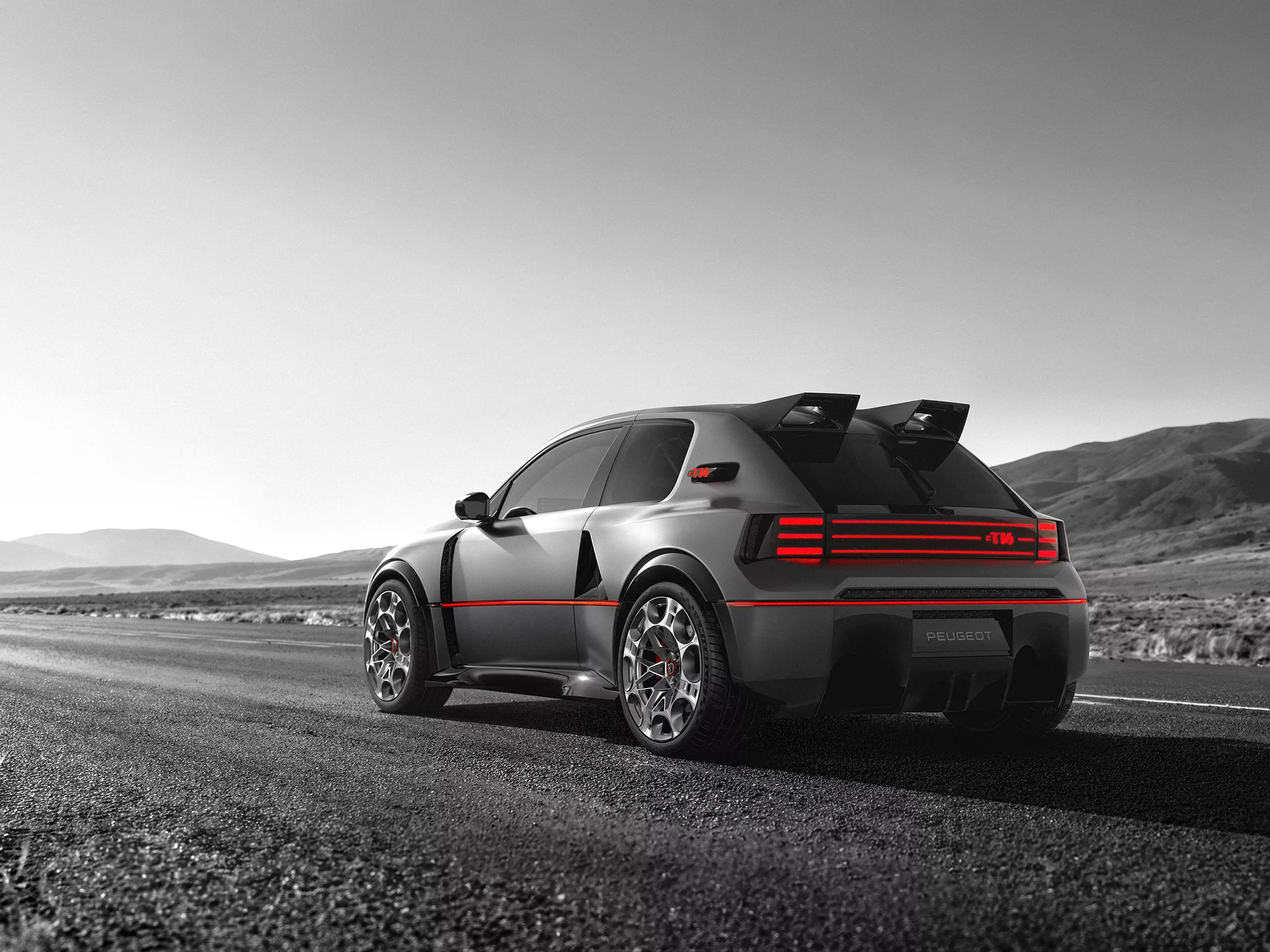
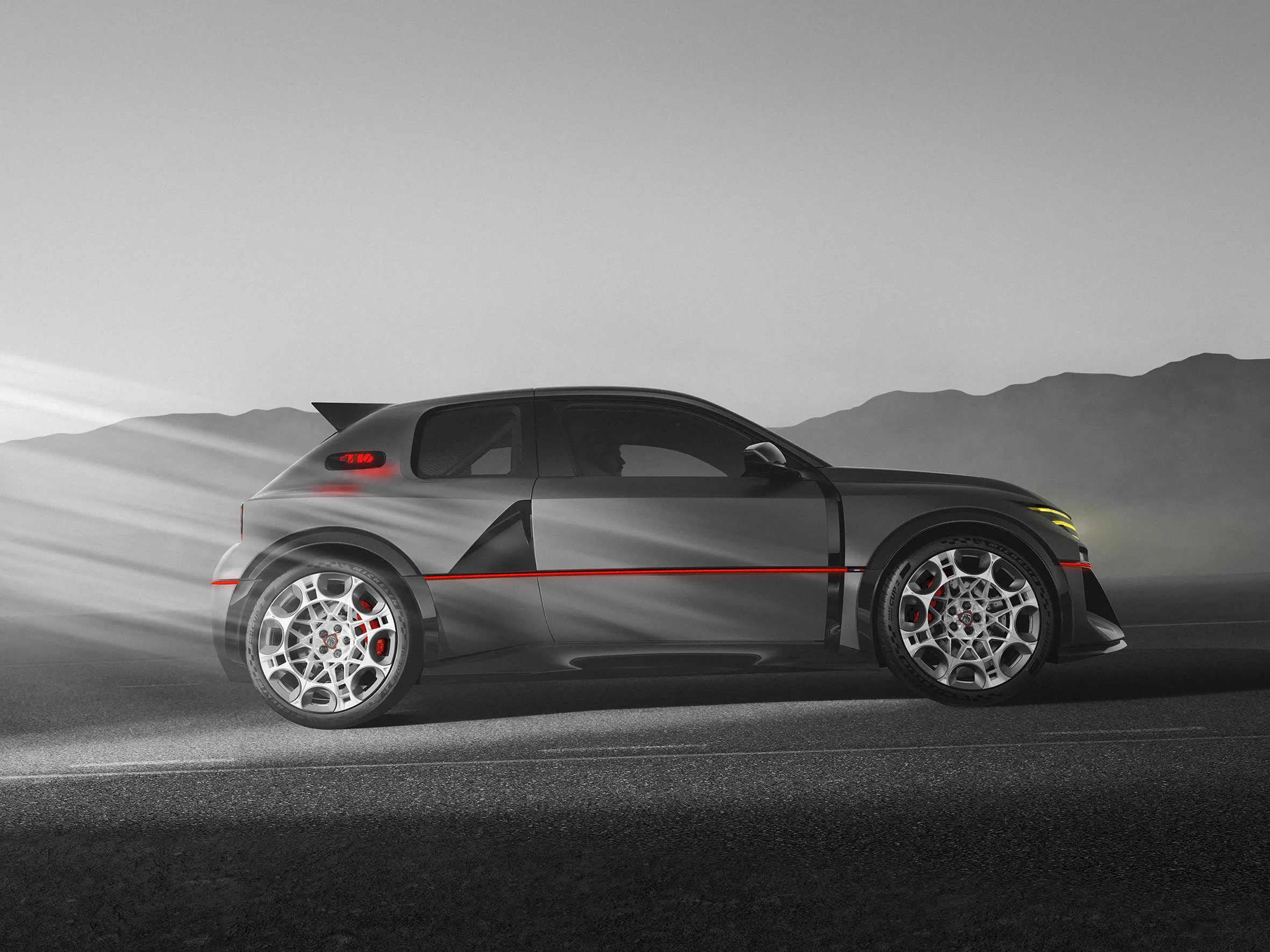
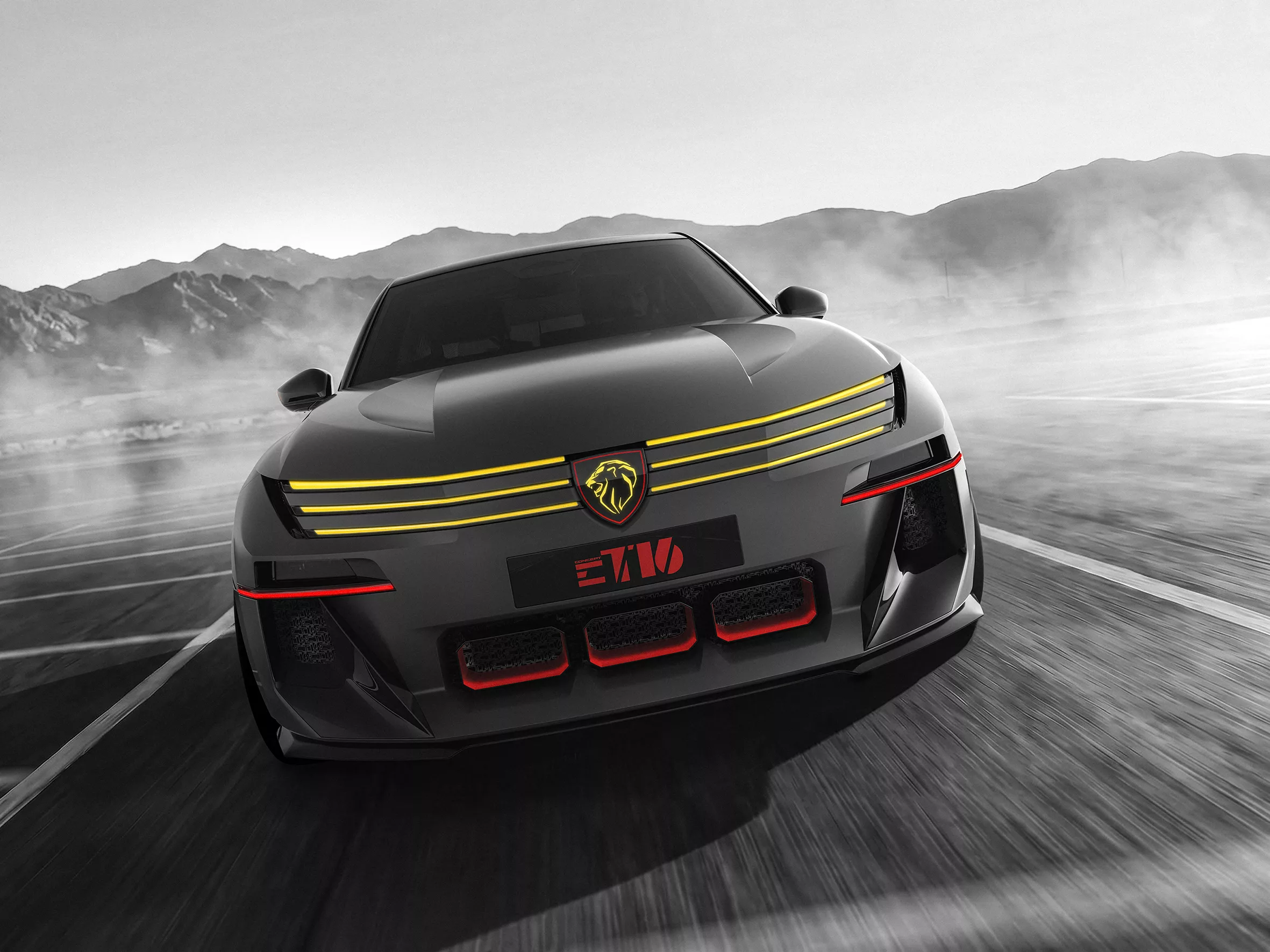
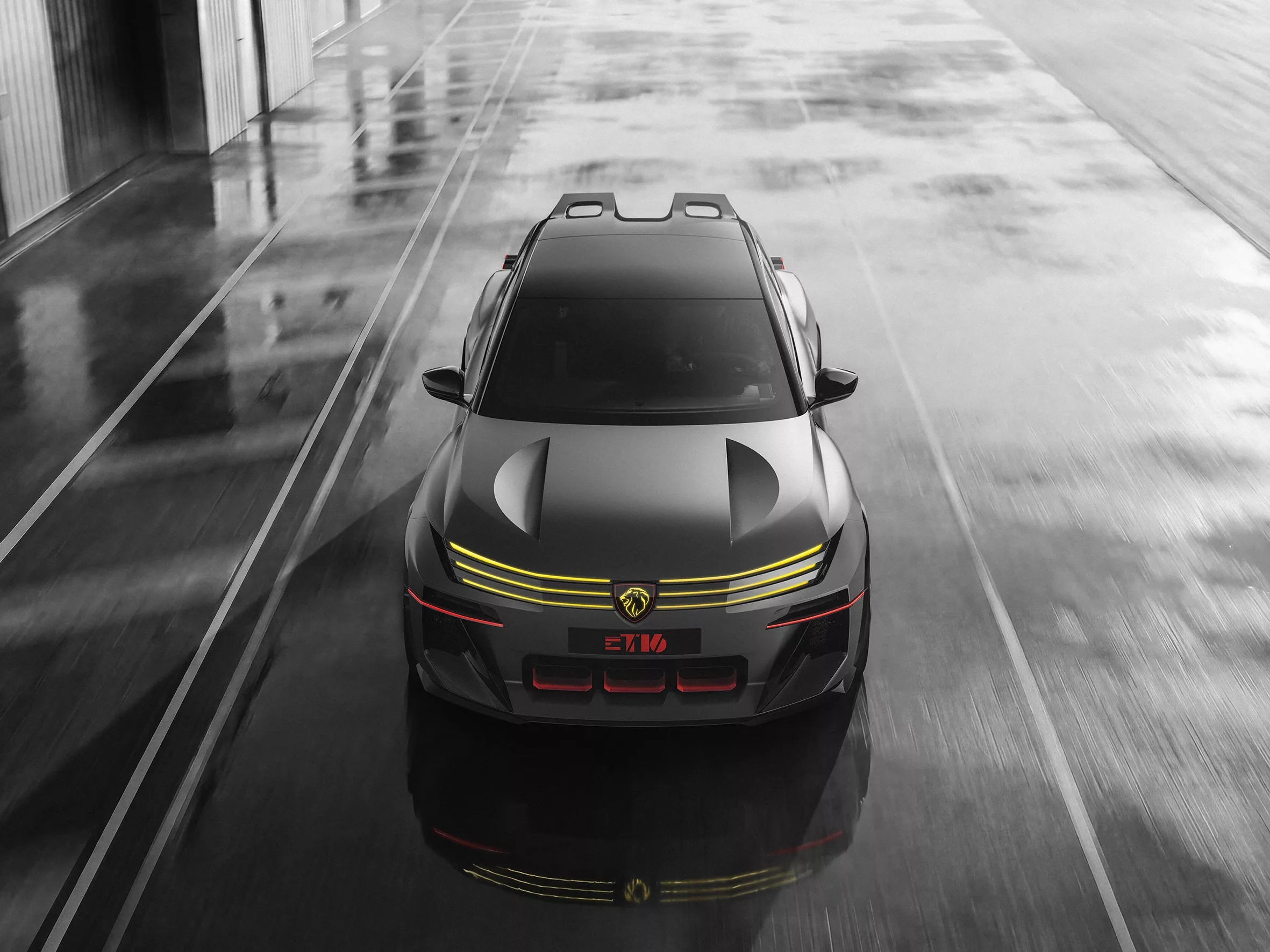
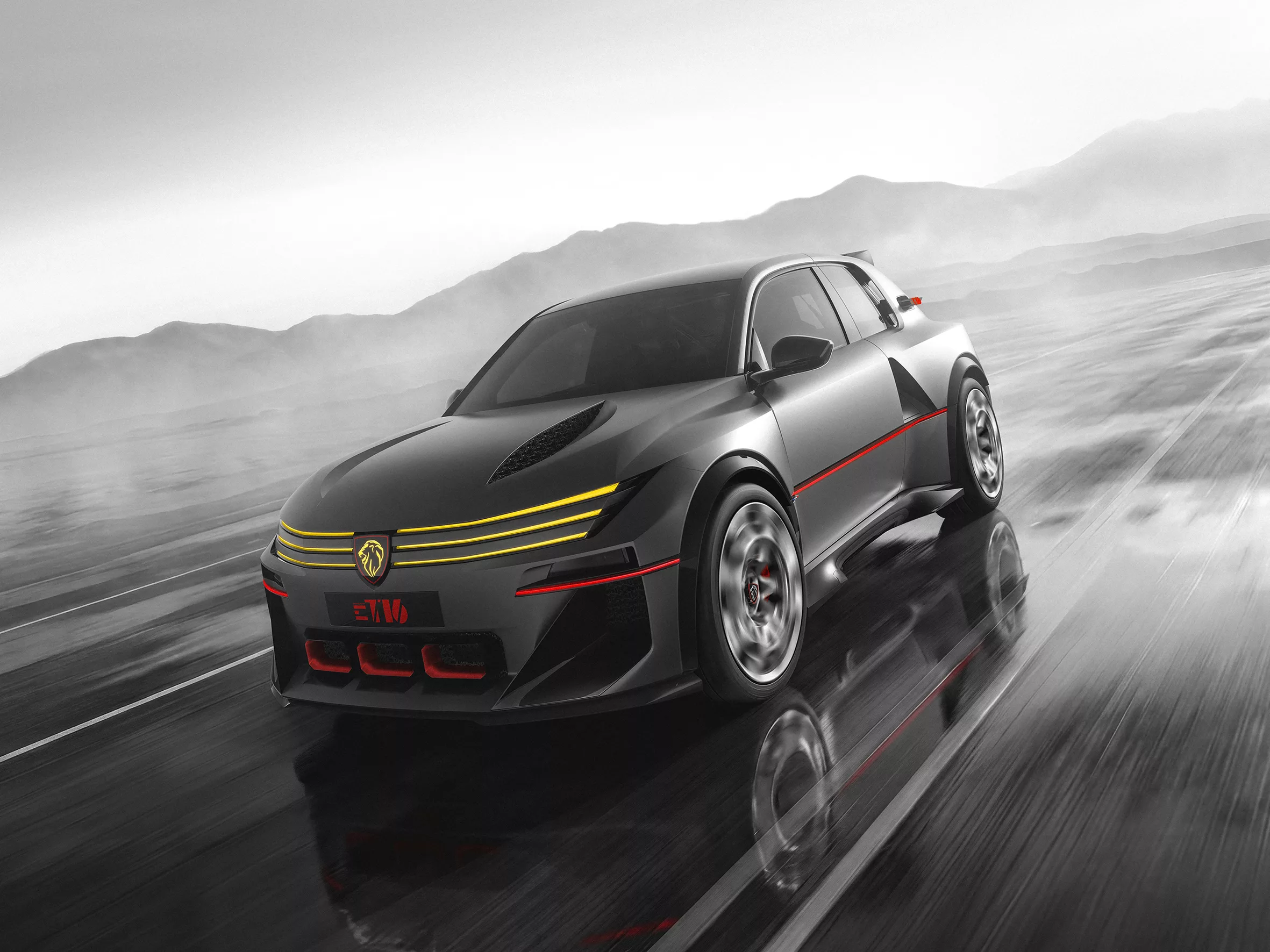
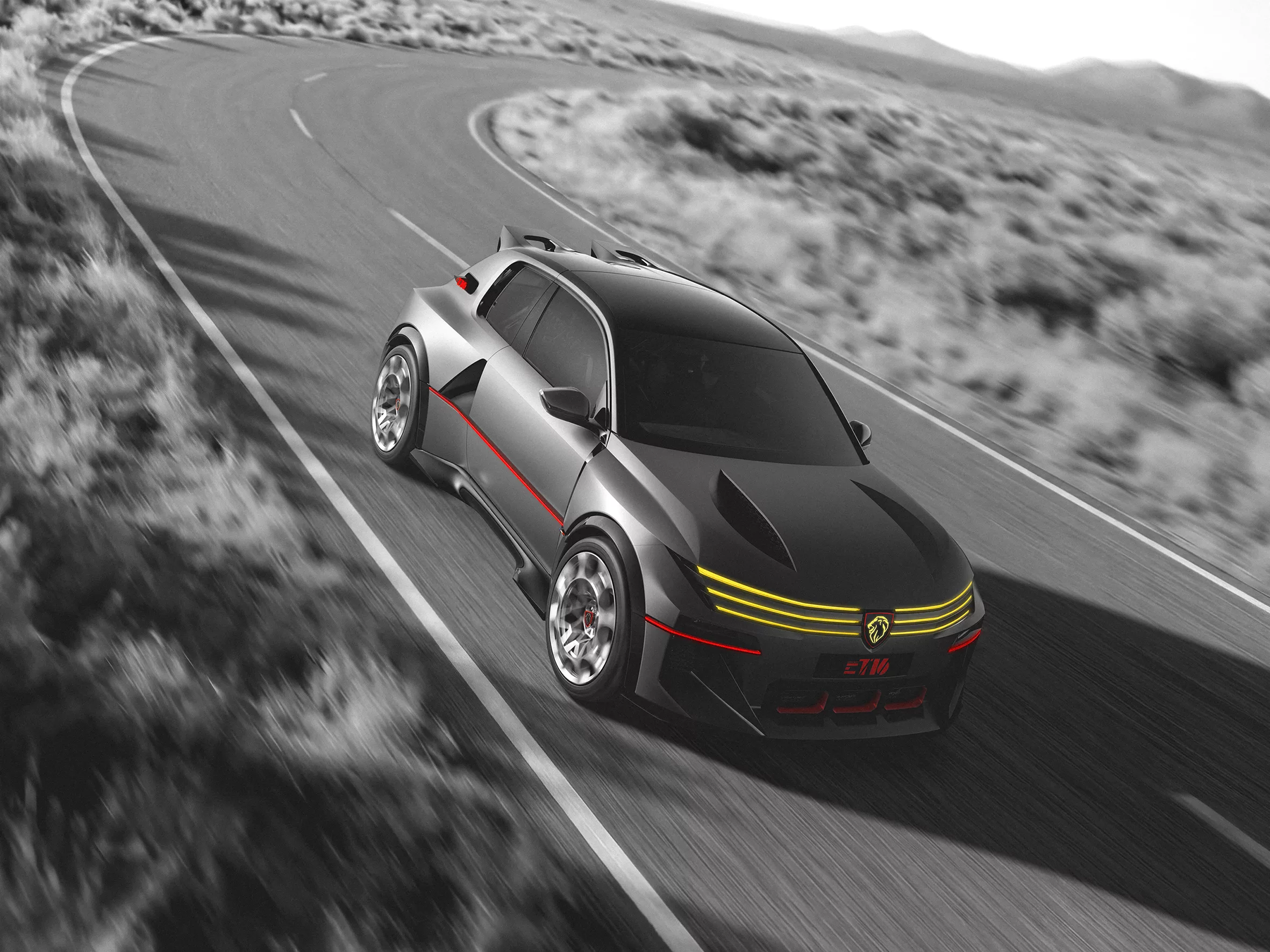
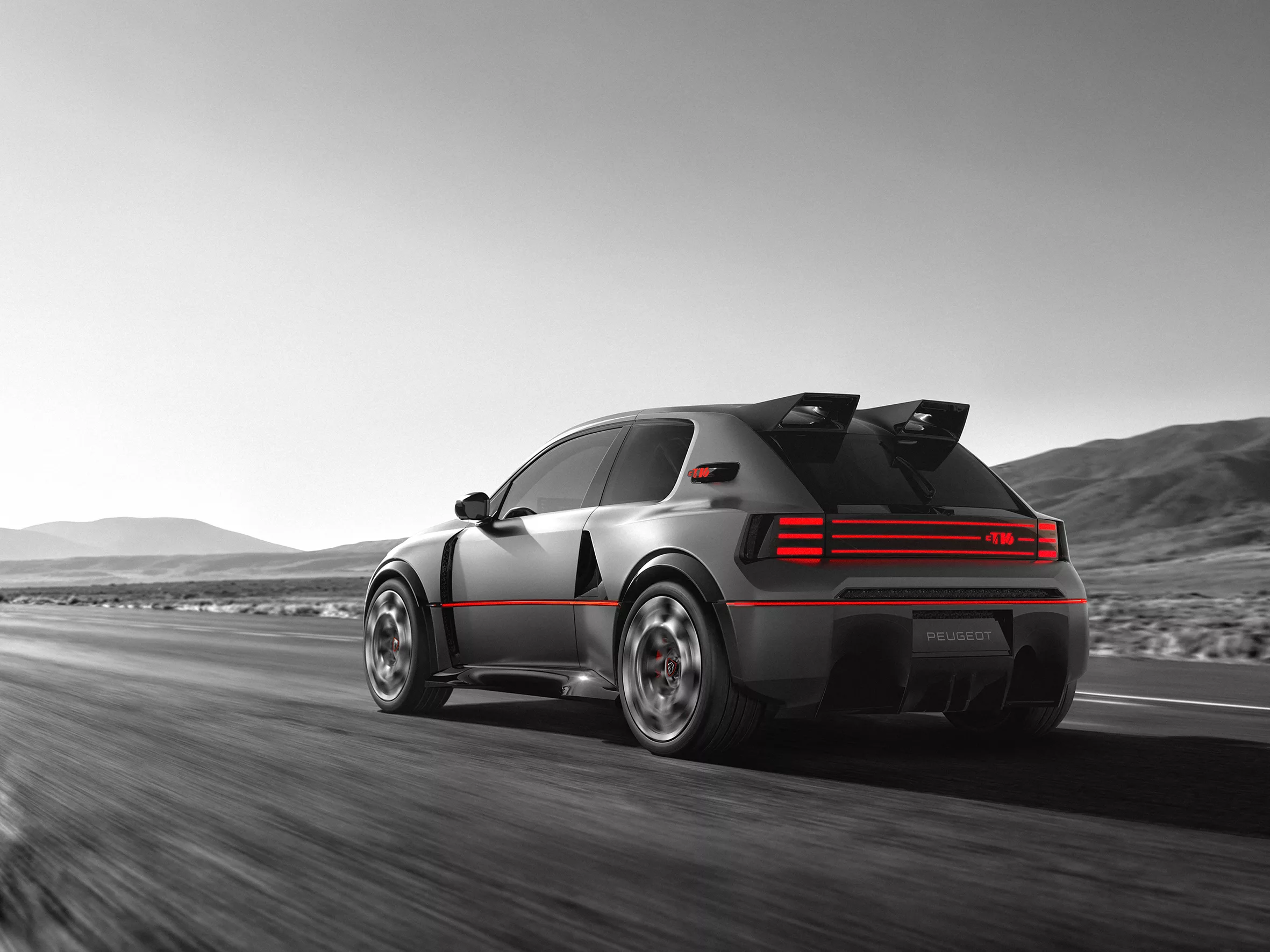
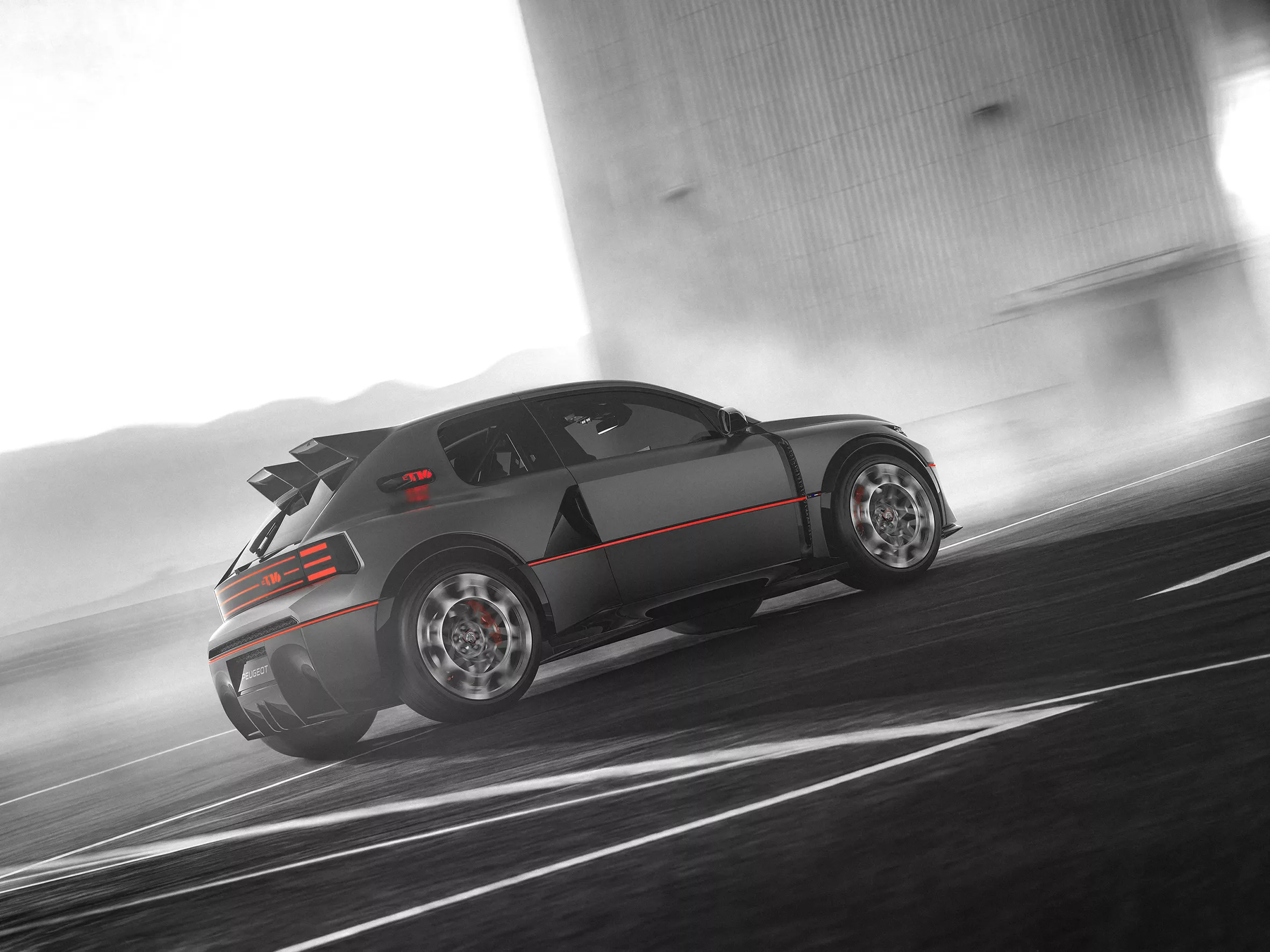
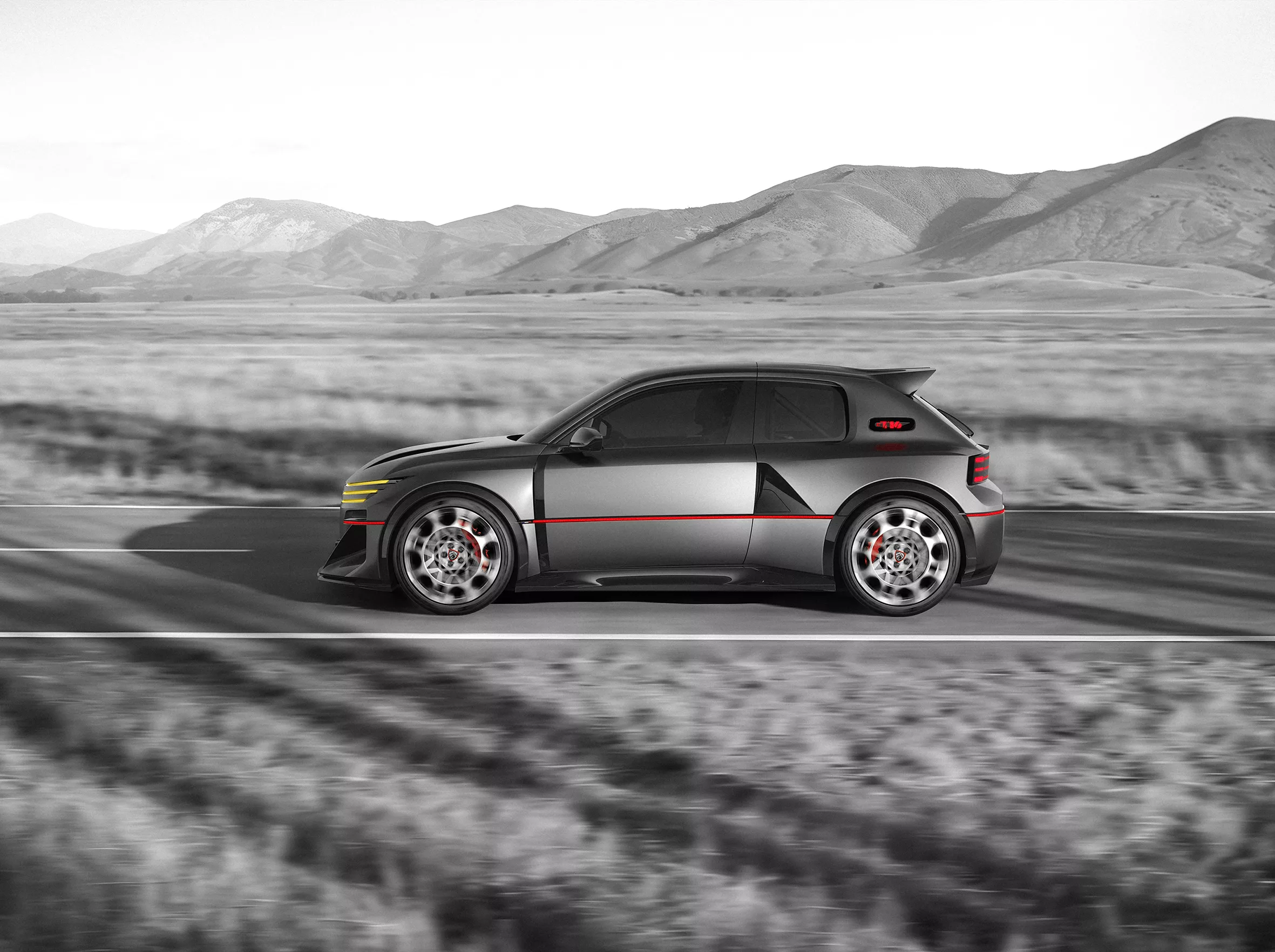
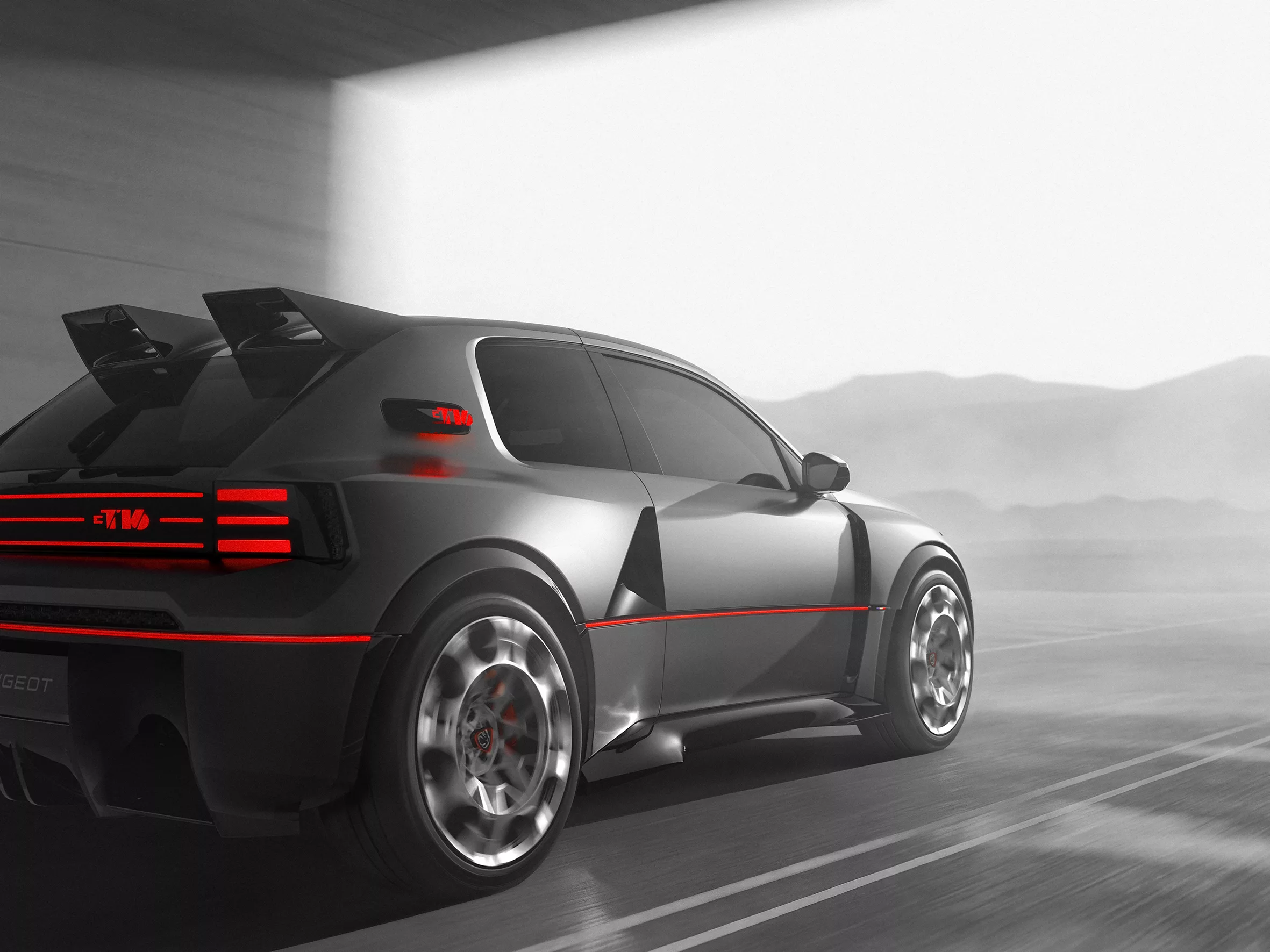
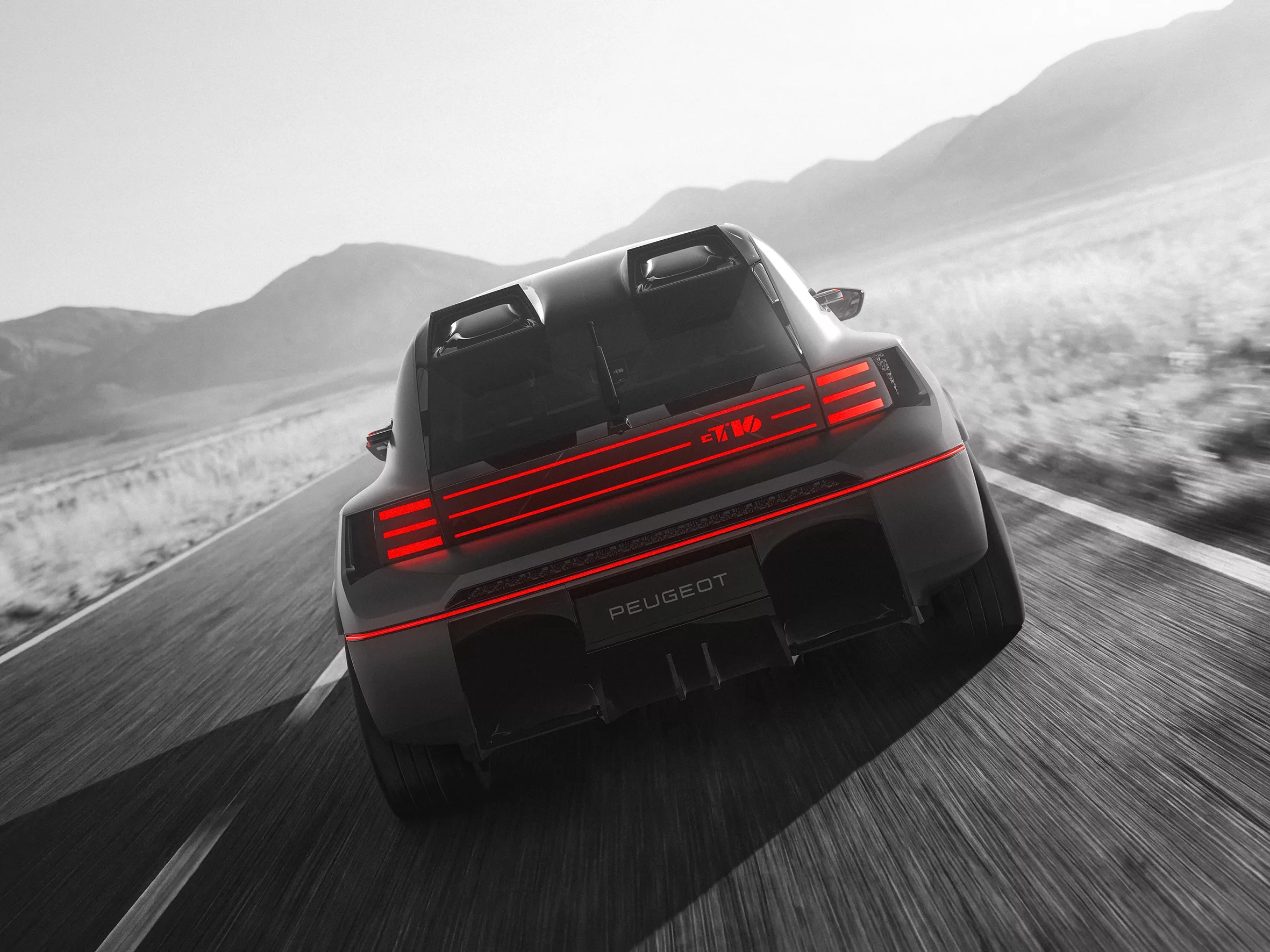
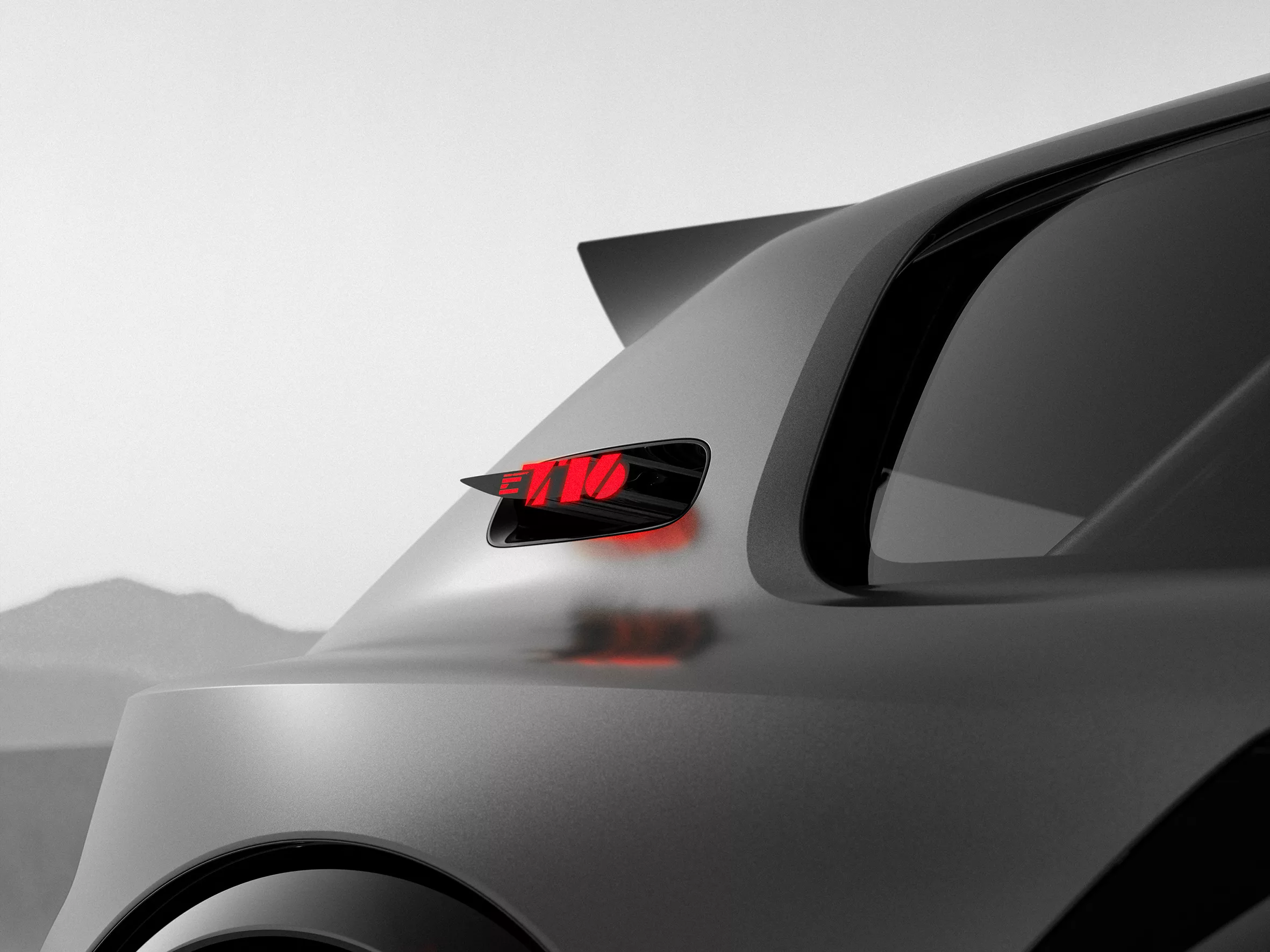
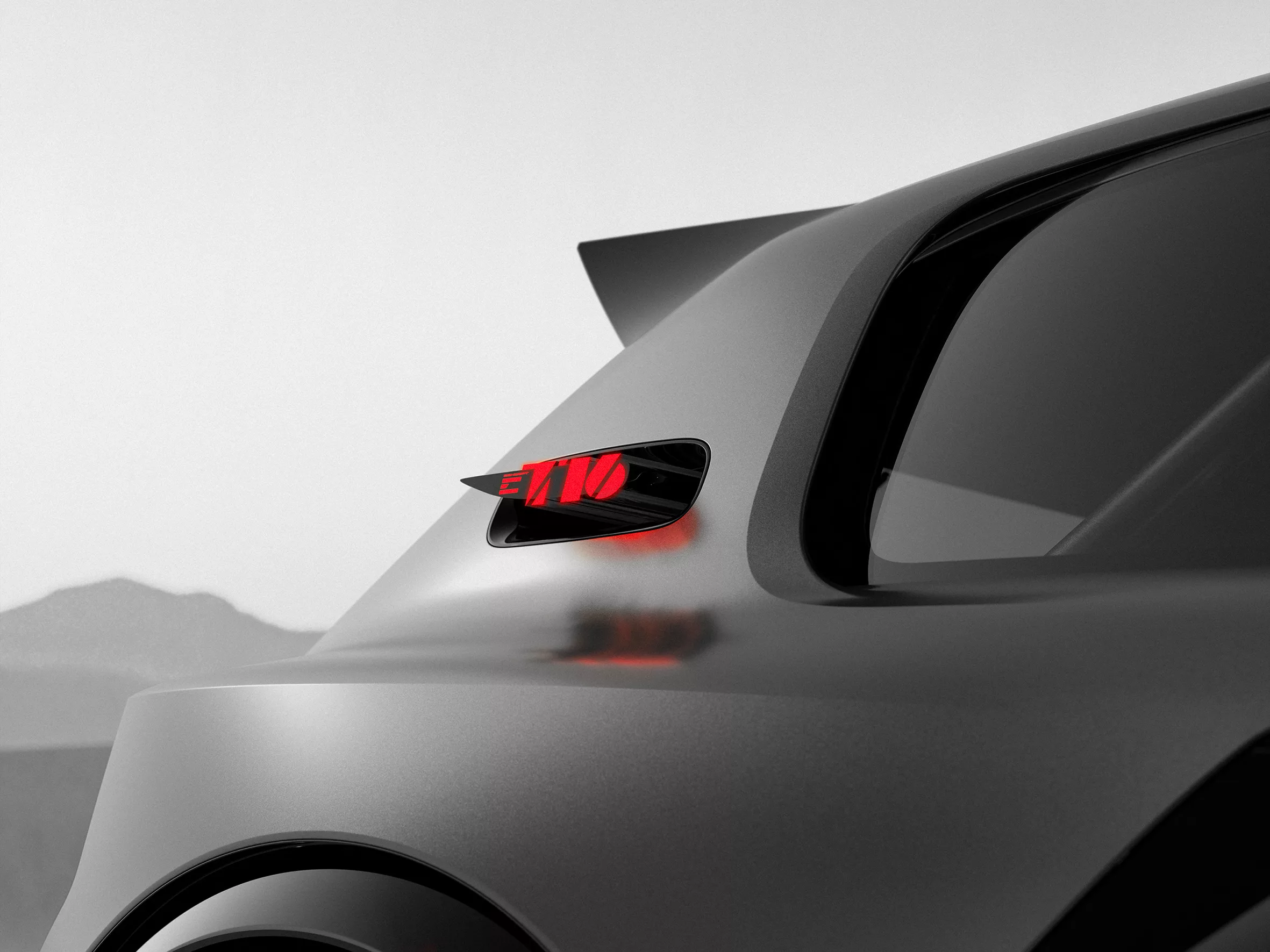
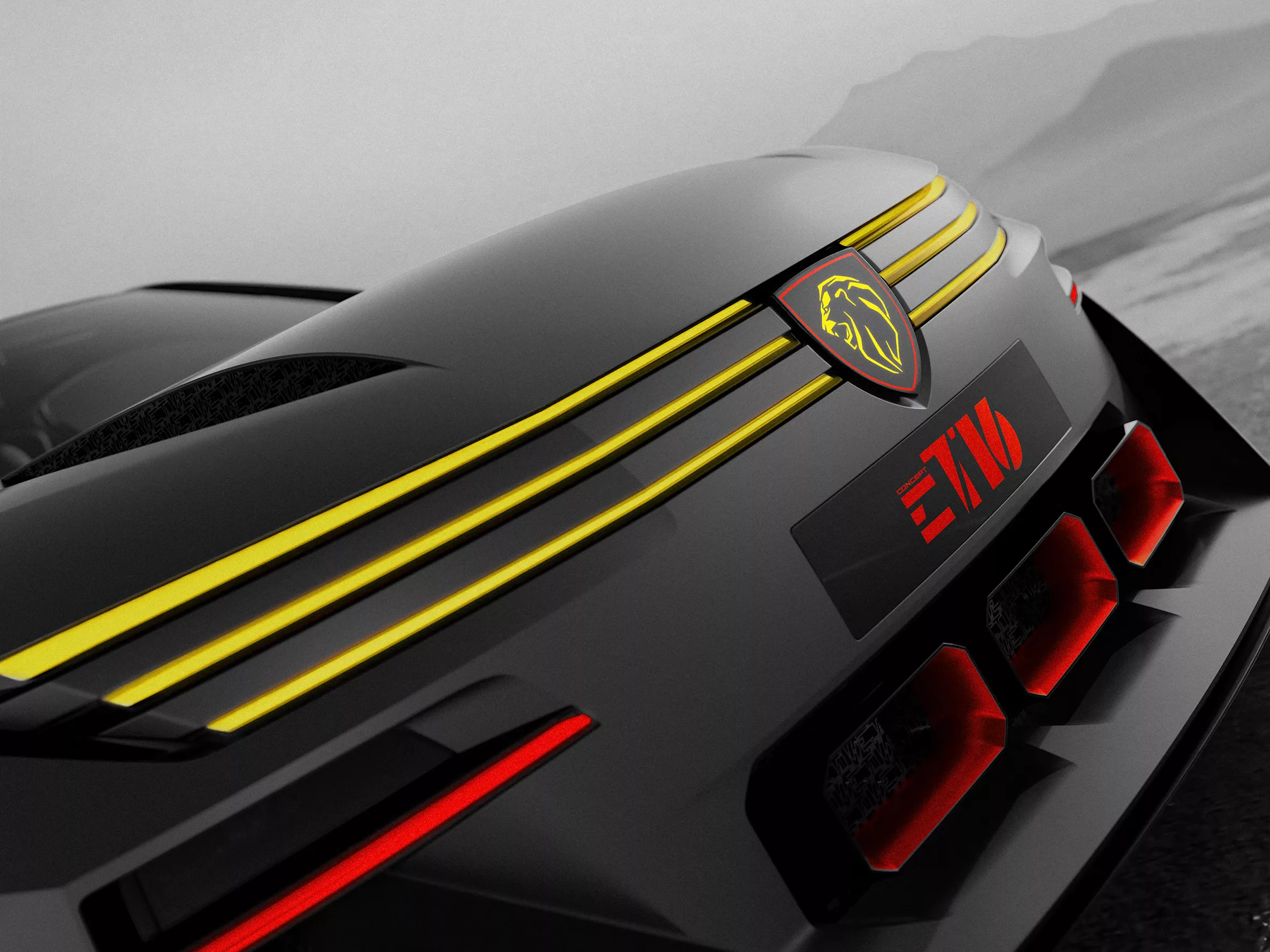
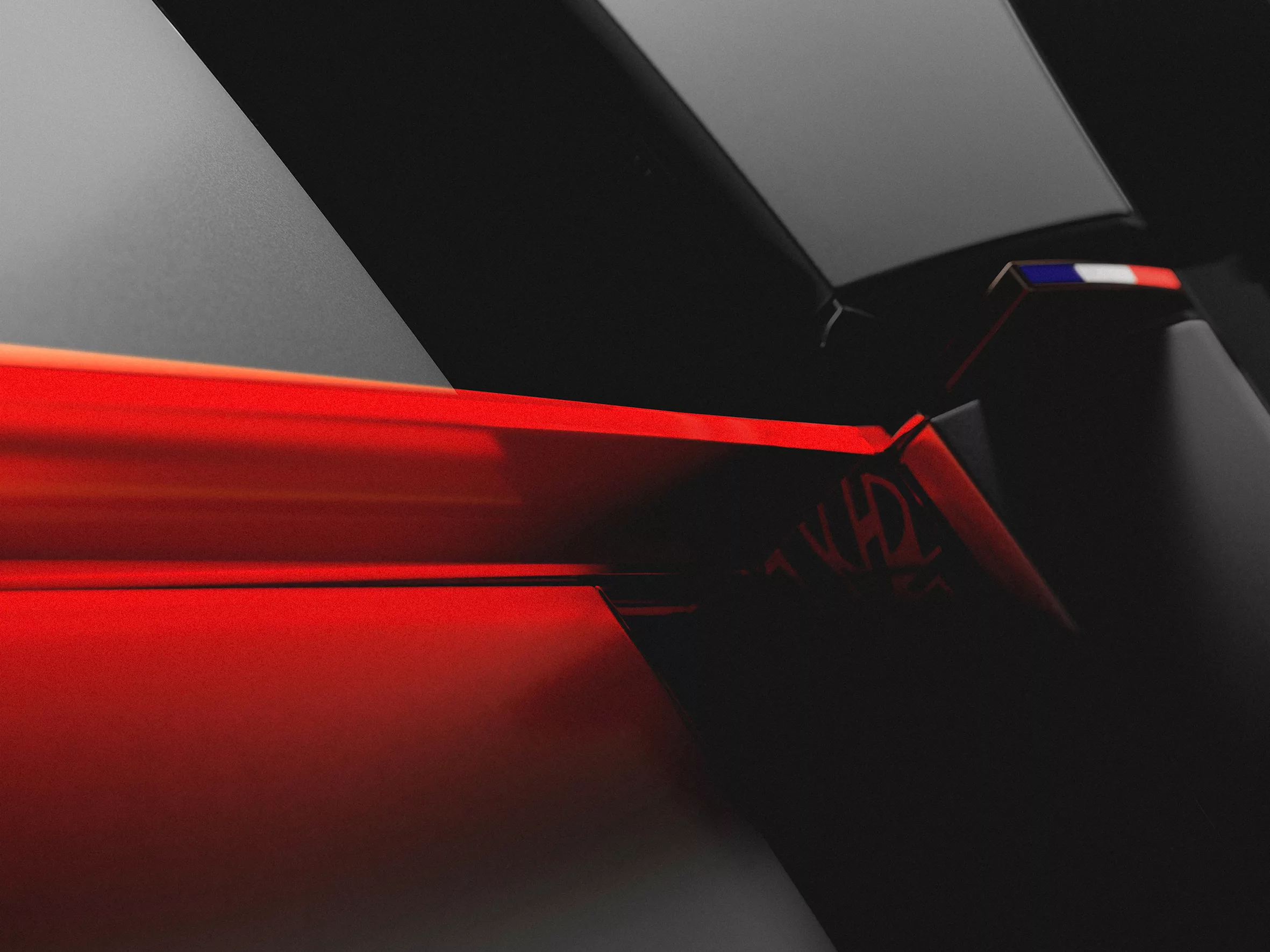
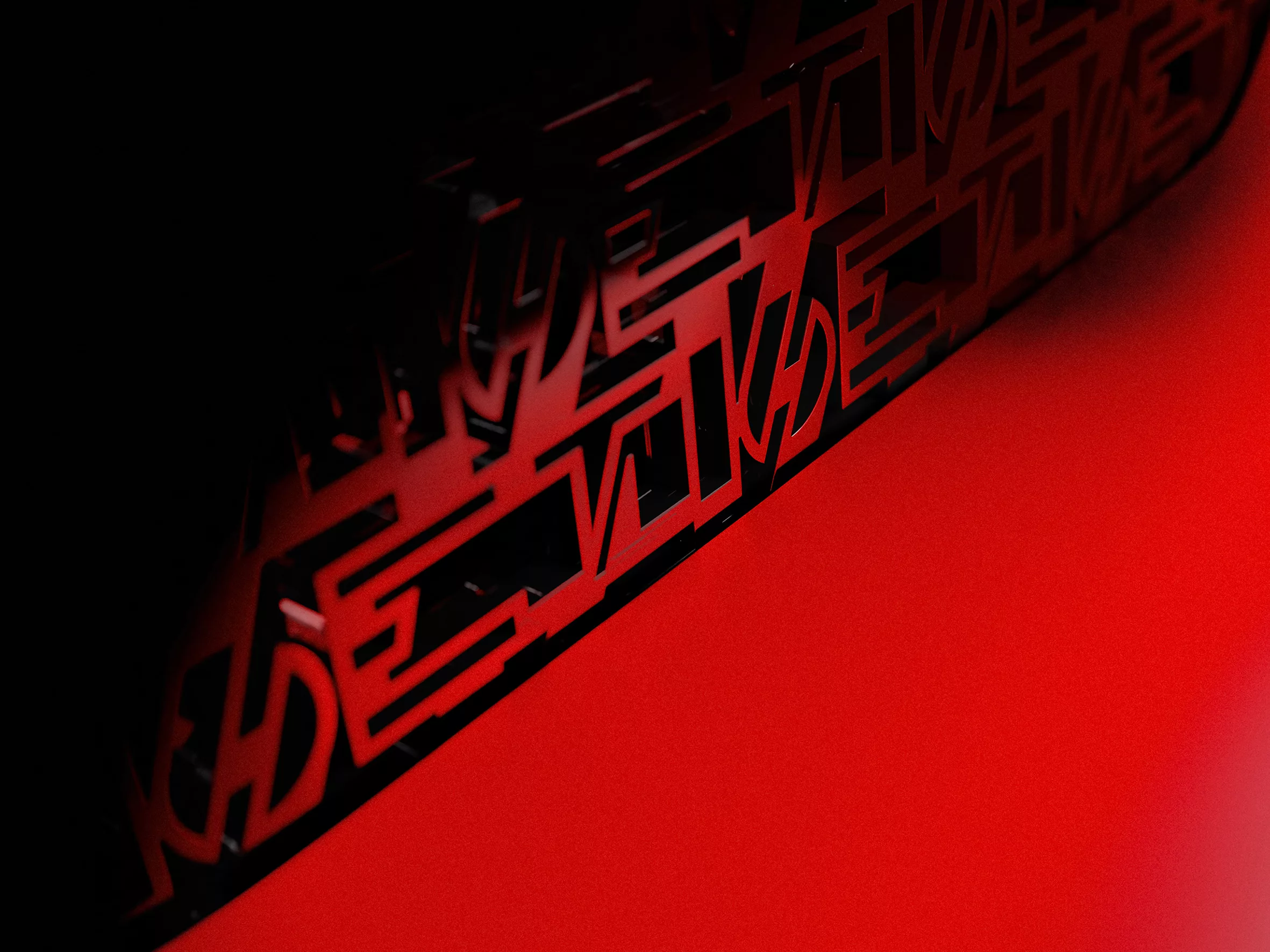
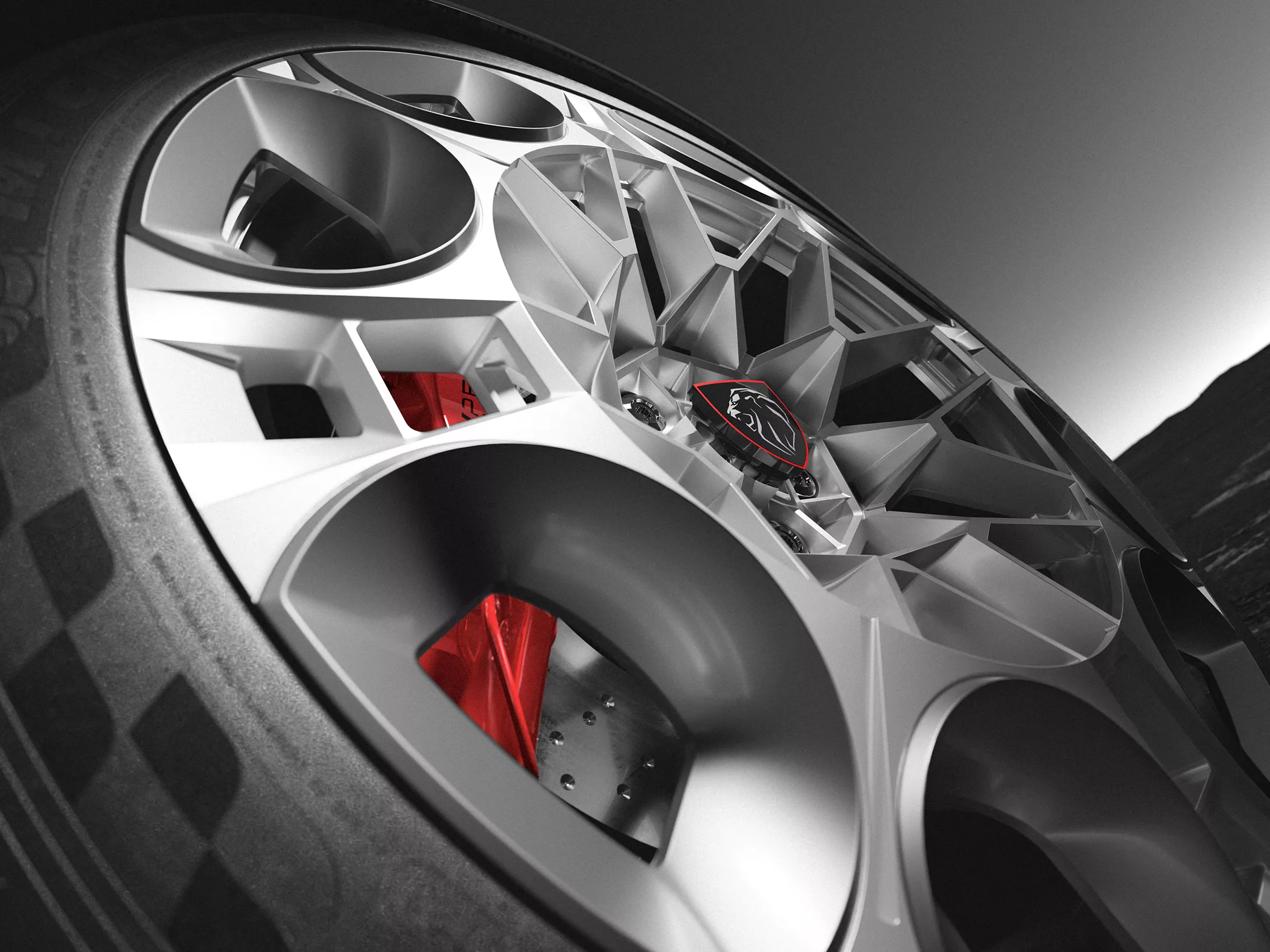
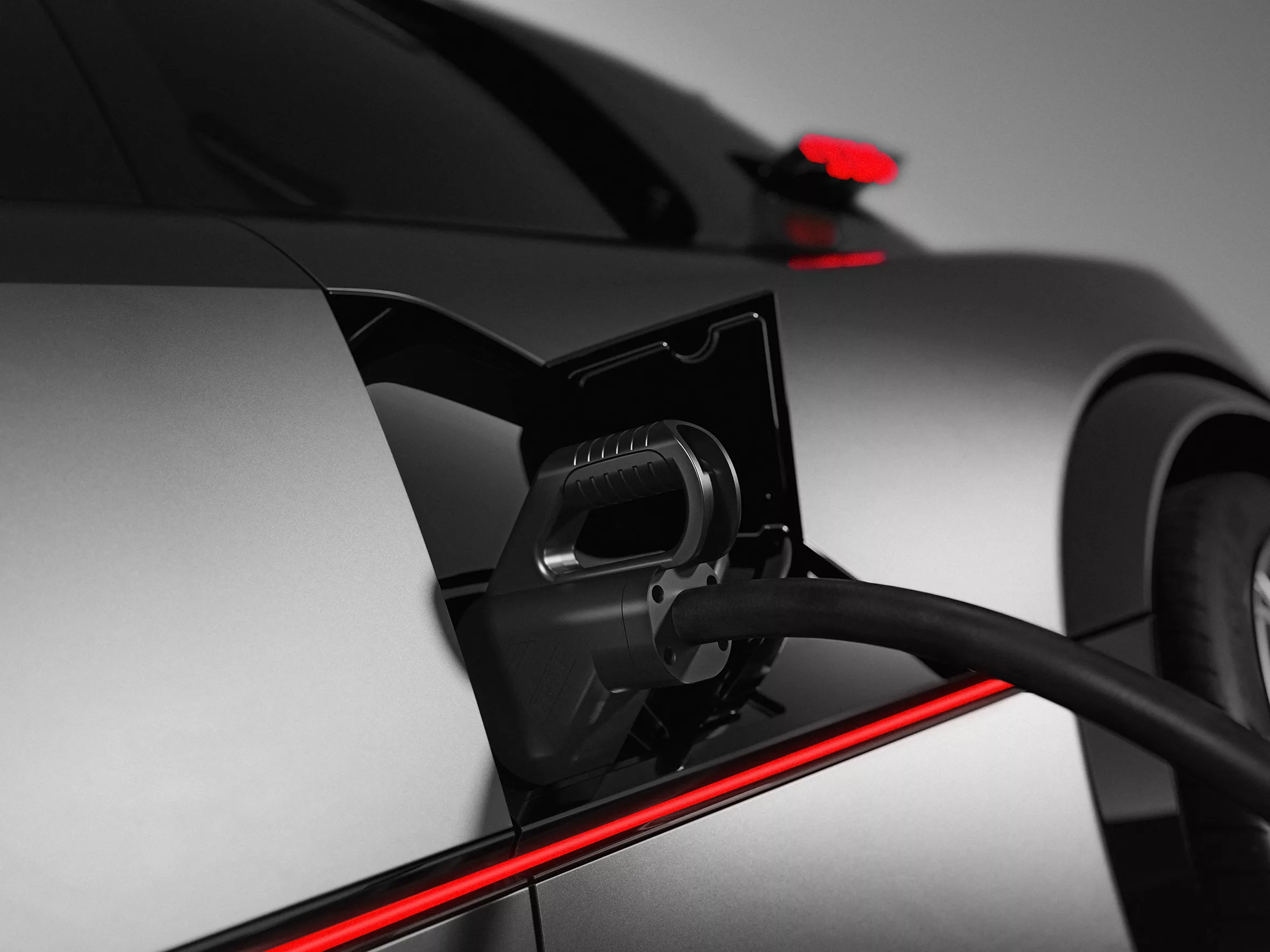
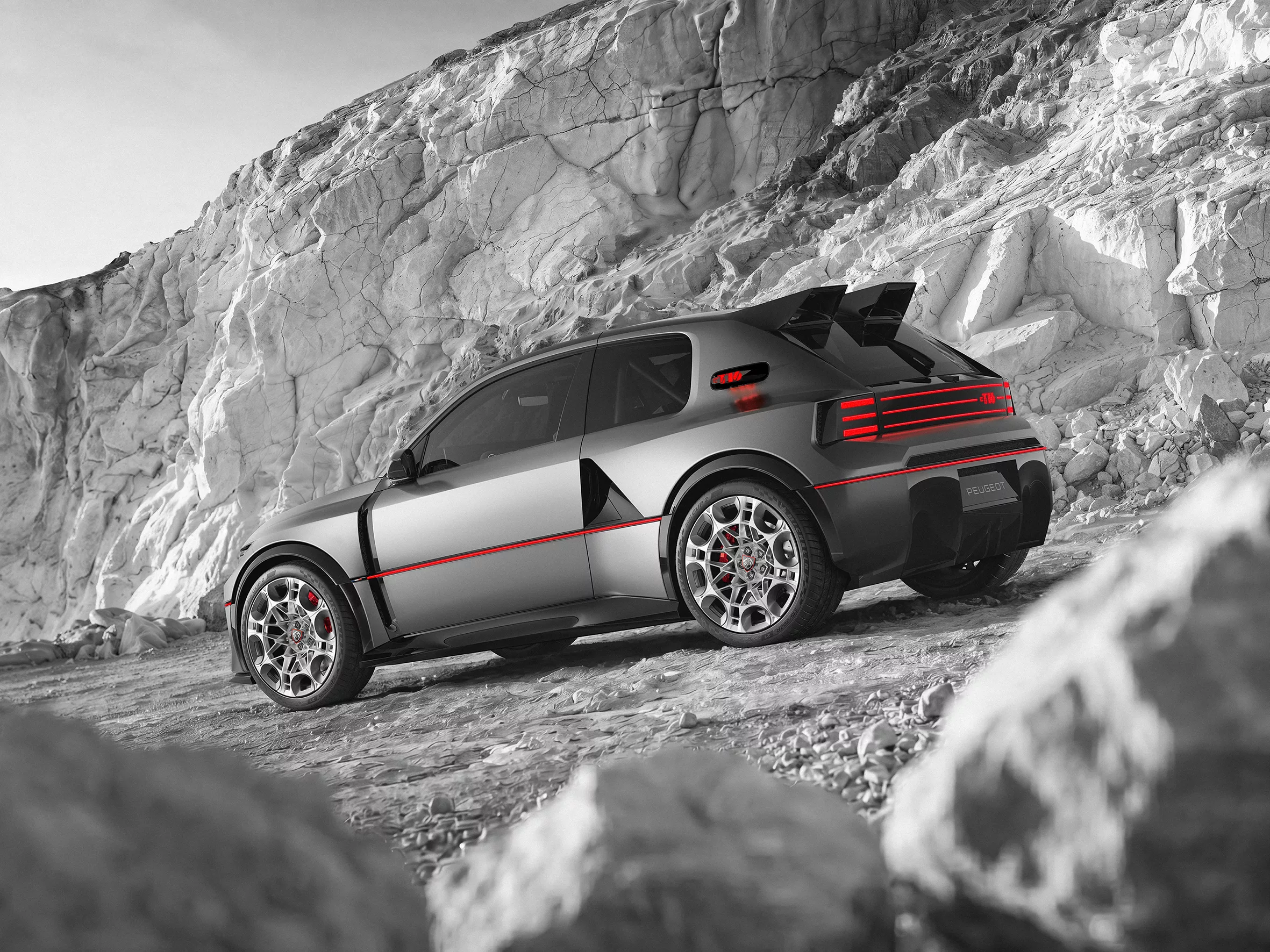
Peugeot brought the most powerful concept car in its history, the E-T16 Concept, to the Paris Motor Show. The all-wheel-drive sports car has three electric motors producing 600 kW, reaches 100 km/h in just 2.5 seconds and accelerates to 300 km/h in 16 seconds. Created in the spirit of the legendary 205 Turbo 16, it also previews the design and steering technology of the next-generation Peugeot E-208.
Three electric motors and race-car performance
Developed by Peugeot Sport engineers, the E-T16 Concept uses three electric motors: one driving the front wheels and two driving the rear wheels. Total system output reaches 600 kW, with a weight-to-power ratio of less than 2 kg per horsepower.
An electronic torque-distribution system continuously distributes drive between the front and rear axles and between the two rear wheels individually. This helps improve corner-exit speeds and makes more effective use of the full power output.
Peugeot offers three driving modes, including a Track setting for circuit use. Drivers can customise the parameters of a fourth mode.
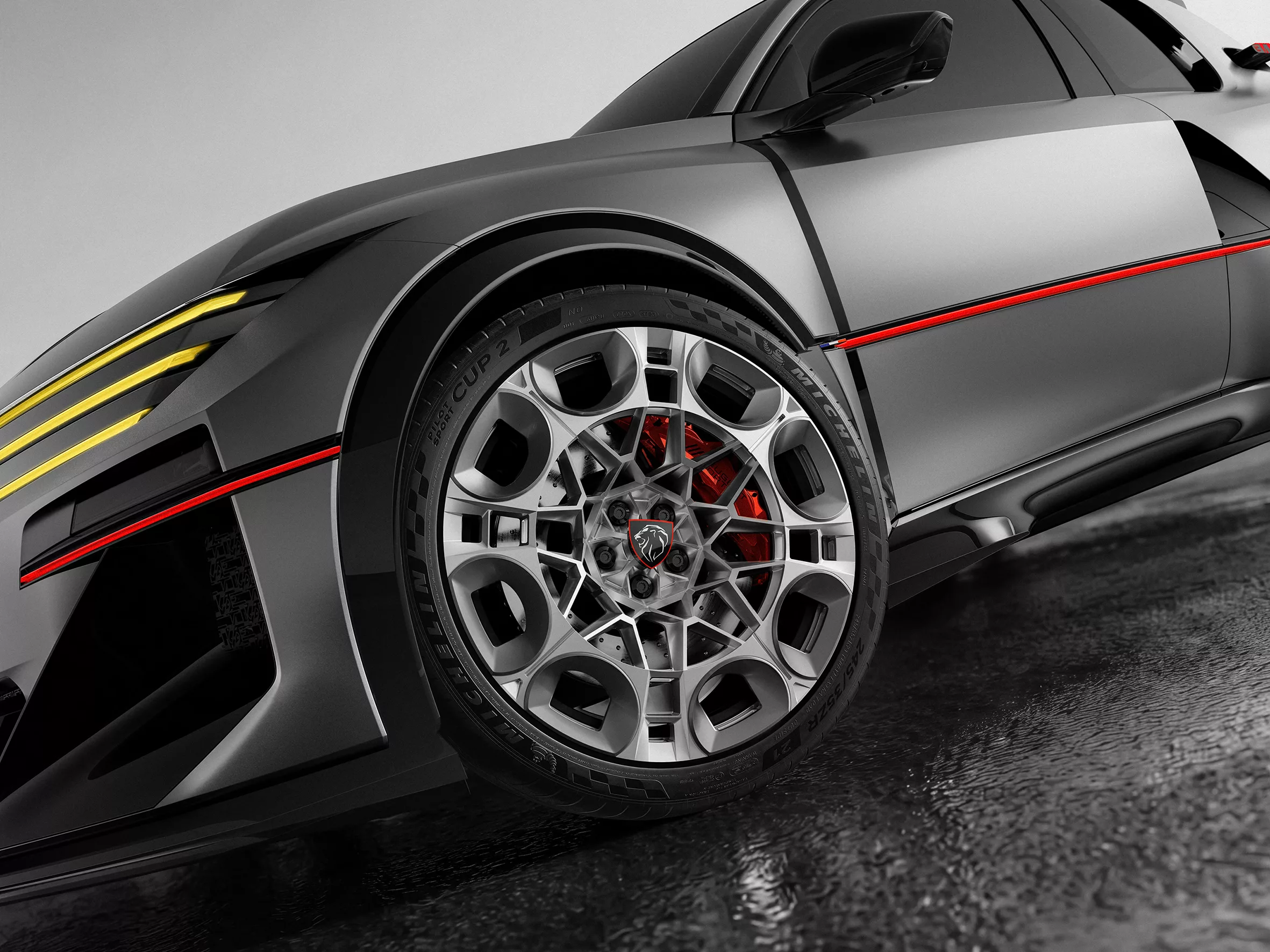
Braking is handled by 380 mm discs at all four wheels. Peugeot uses Michelin tyres measuring 275 mm wide at the front and 315 mm at the rear. The equipment also includes an upright hydraulic handbrake of the kind used in rally cars.
According to Peugeot's official press release published on 11 October, the E-T16 can complete three consecutive laps of the Nürburgring Nordschleife, covering more than 60 kilometres, without power being limited by battery overheating.
An 800-volt electrical system and battery cooling derived from racing technology
The E-T16 uses an 85 kWh battery and an 800-volt electrical system. The manufacturer promises a WLTP range of up to 400 kilometres and charging from 10 to 80 per cent in less than 15 minutes.
The battery cooling deserves particular attention. Rather than conventional cooling from below, Peugeot Sport uses a Side Cooling system derived from racing technology, which removes heat through the sides of the battery cells.
This approach helps keep battery temperatures under control even during prolonged intensive use. That matters because a powerful electric car's actual track capability depends not only on peak output, but also on its ability to deliver that output repeatedly.
By comparison, the Renault 5 Turbo 3E produces around 397 kW, meaning the Peugeot concept exceeds its output by more than half. Unlike Renault, however, Peugeot has not confirmed series production of the E-T16.
The legendary 205 Turbo 16 reborn
The E-T16's design draws inspiration from the Peugeot 205 Turbo 16 rally car, which won world championship titles in 1985 and 1986.
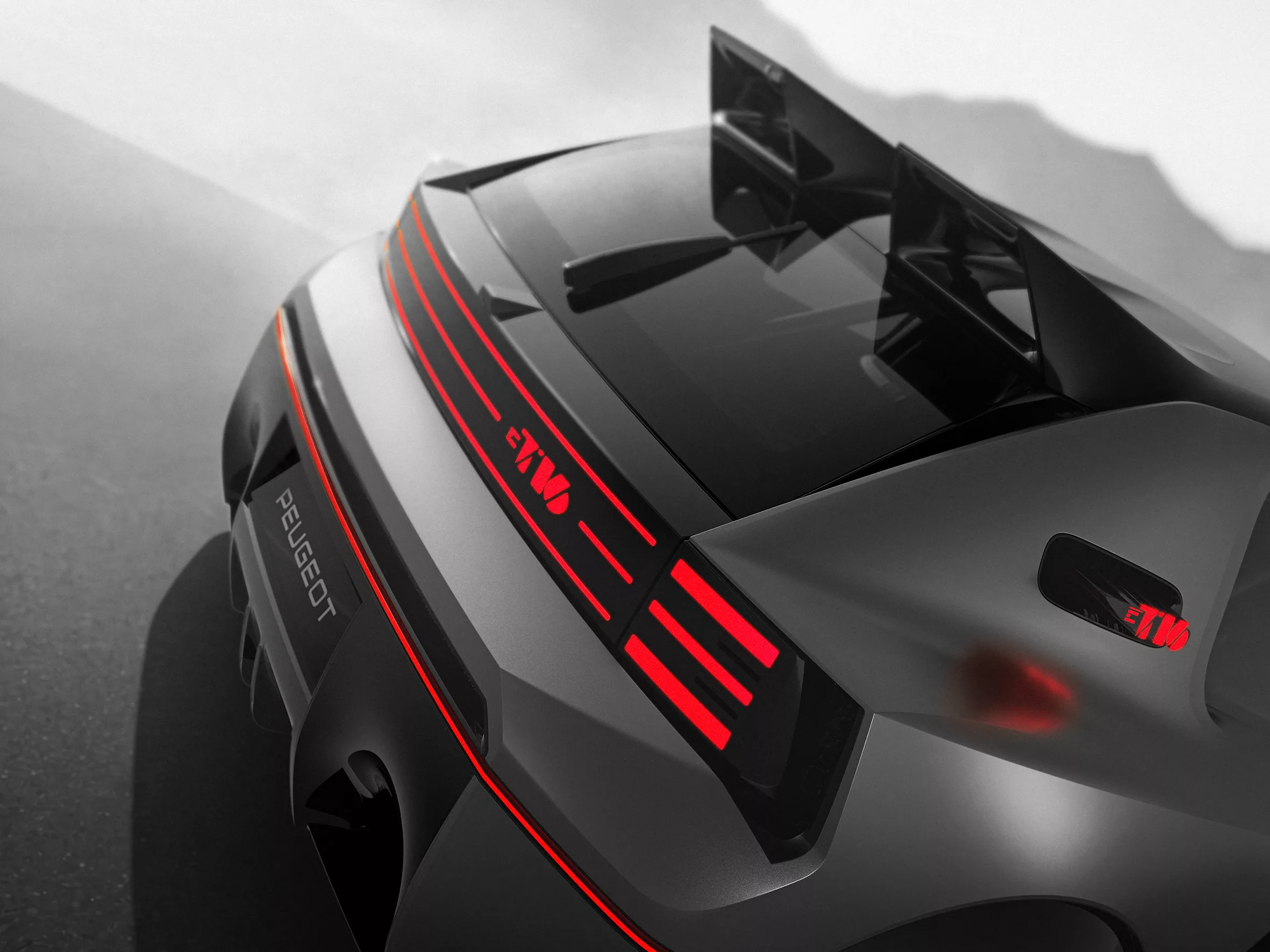
Flared wheel arches, aggressive air intakes and a large rear wing recall the Group B rally cars of the 1980s. The matt grey bodywork and the red light strip running around it also reference its historic inspiration.
The most striking feature is at the rear. As on the original 205 T16, the entire rear body section opens upwards, revealing the electric motors, suspension and carbon-fibre support structure.
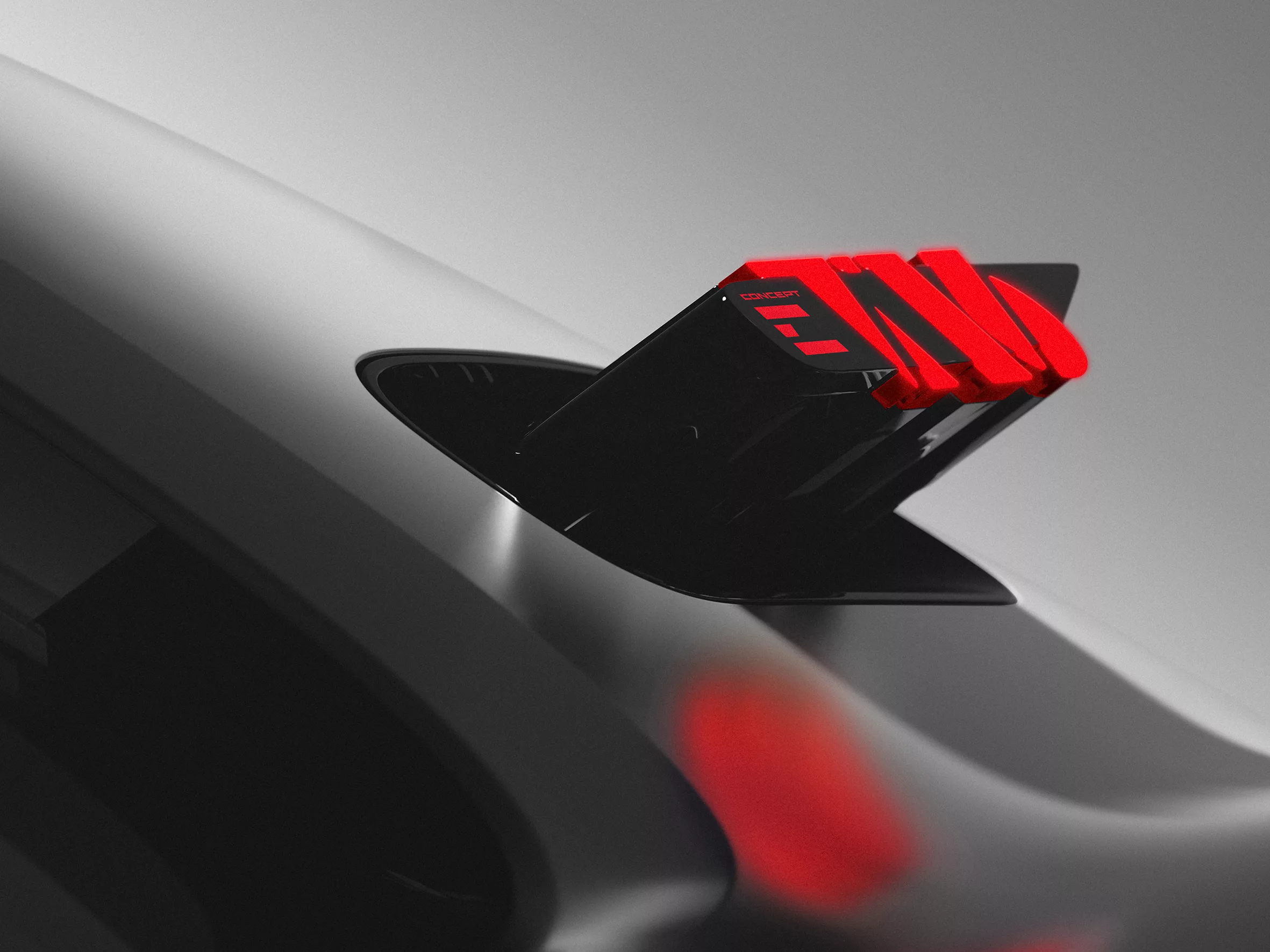
A rear diffuser with two adjustable blades and large air outlets improve aerodynamics. Peugeot combines these with its new “Feline Future” design language, whose lighting signature will appear on the front of the future E-208.
A rectangular steering control for the next-generation E-208
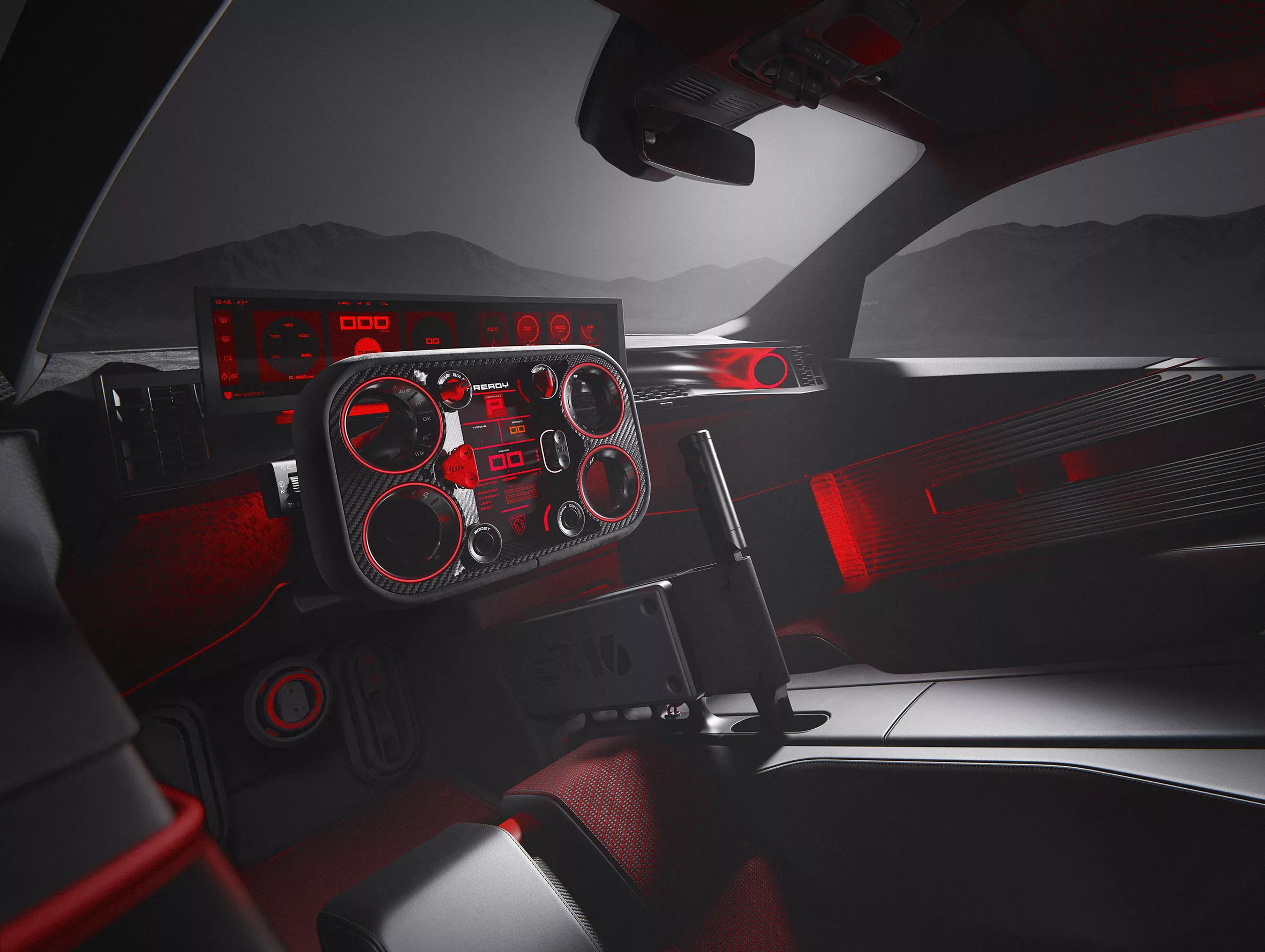
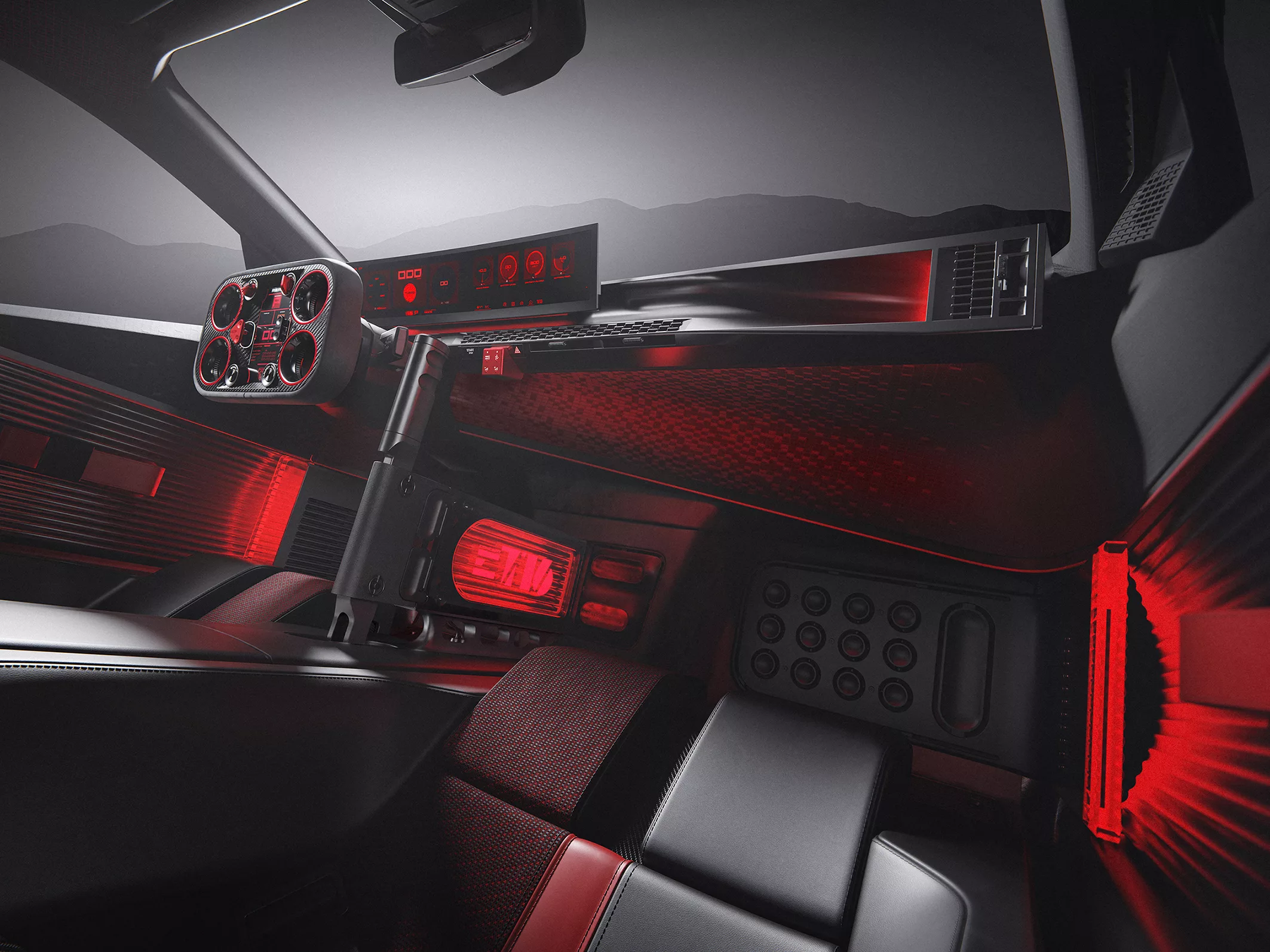
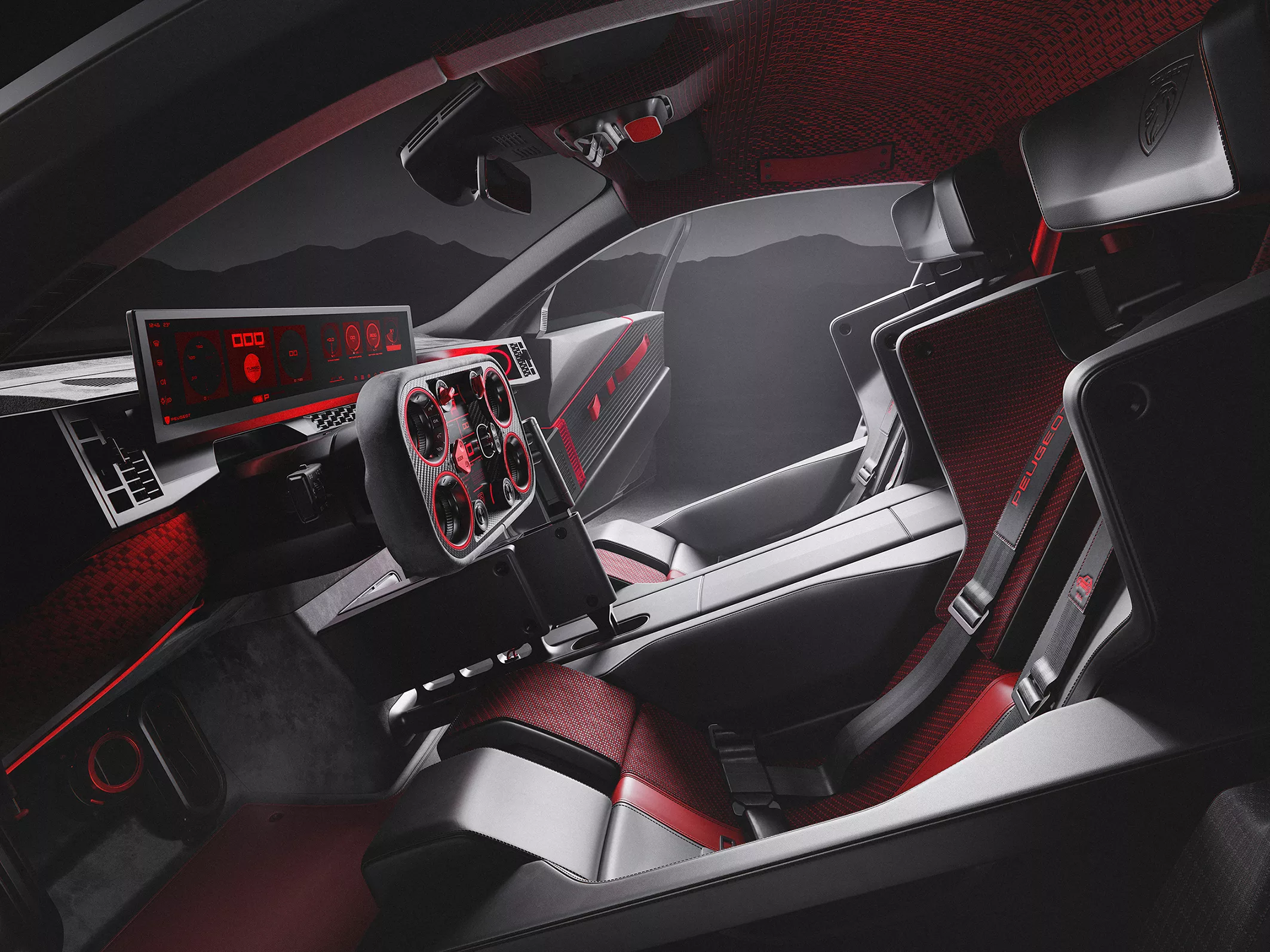
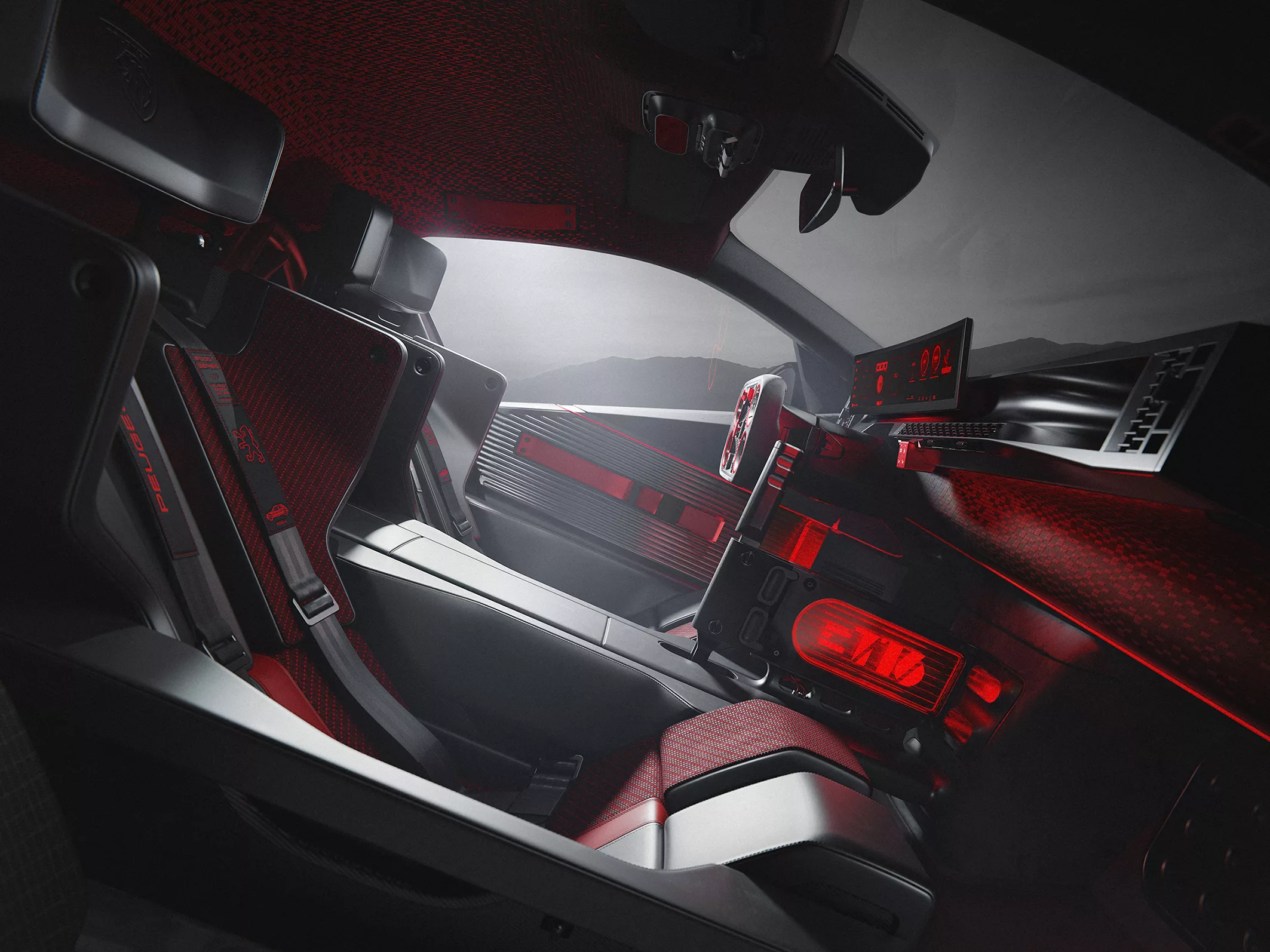
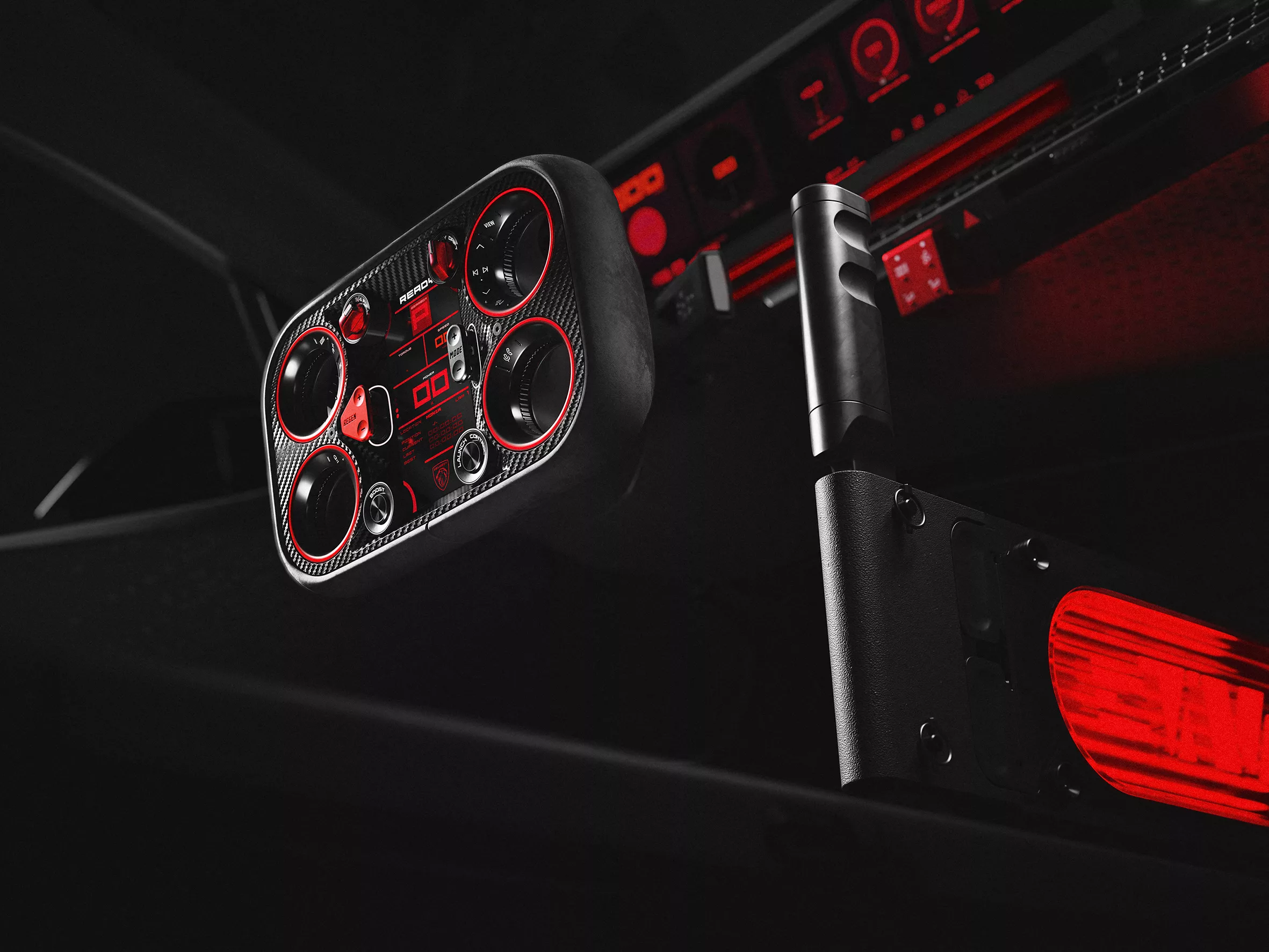
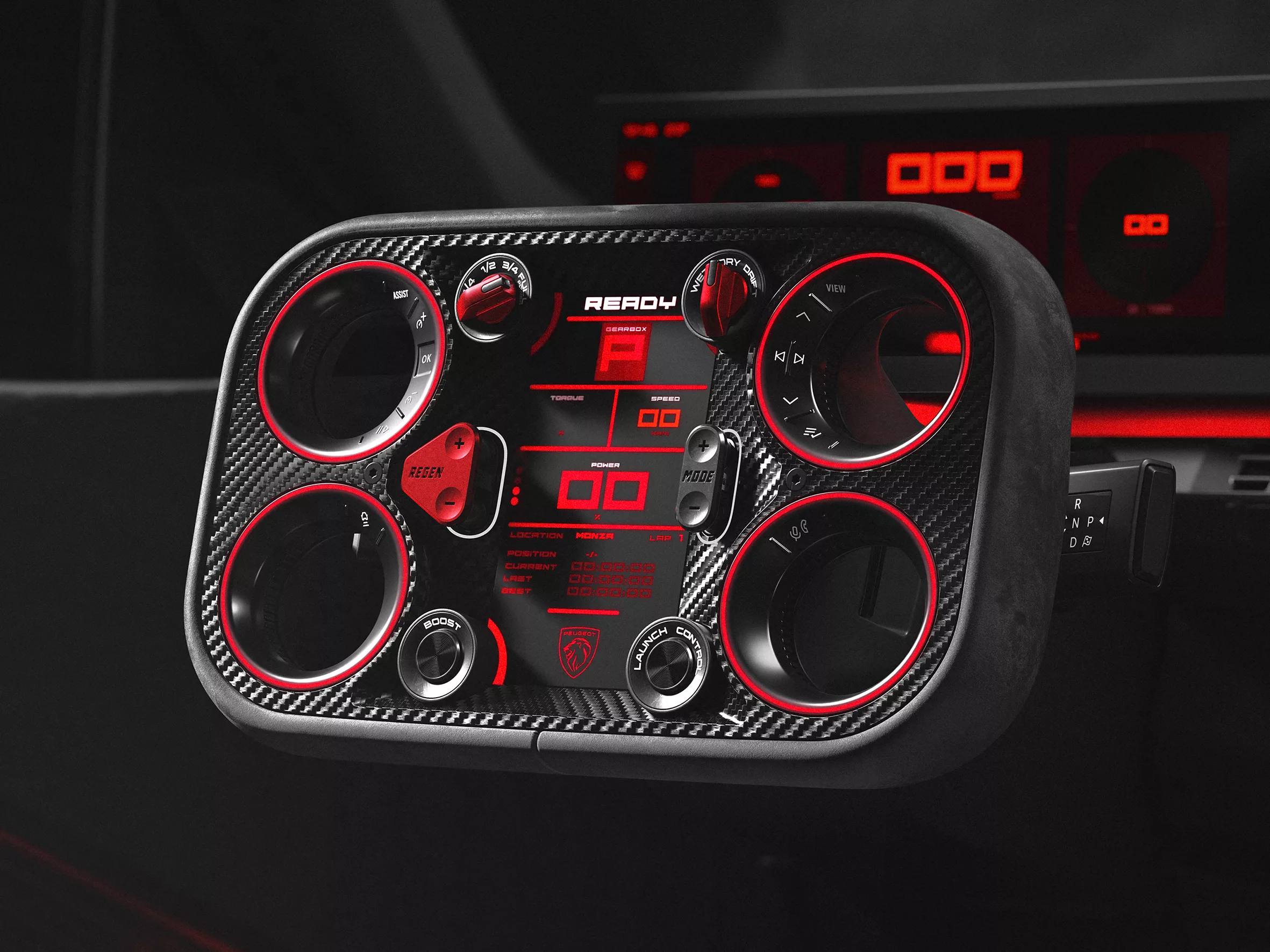
The centrepiece of the cabin is Peugeot's Hypersquare, a square control that replaces the conventional steering wheel. It works with a steer-by-wire system that has no conventional mechanical connection between the steering control and the front wheels.
A configurable display in the centre of the E-T16's steering control shows speed, lap times and other important information. A 21-inch curved panoramic screen spans the area ahead of the driver.
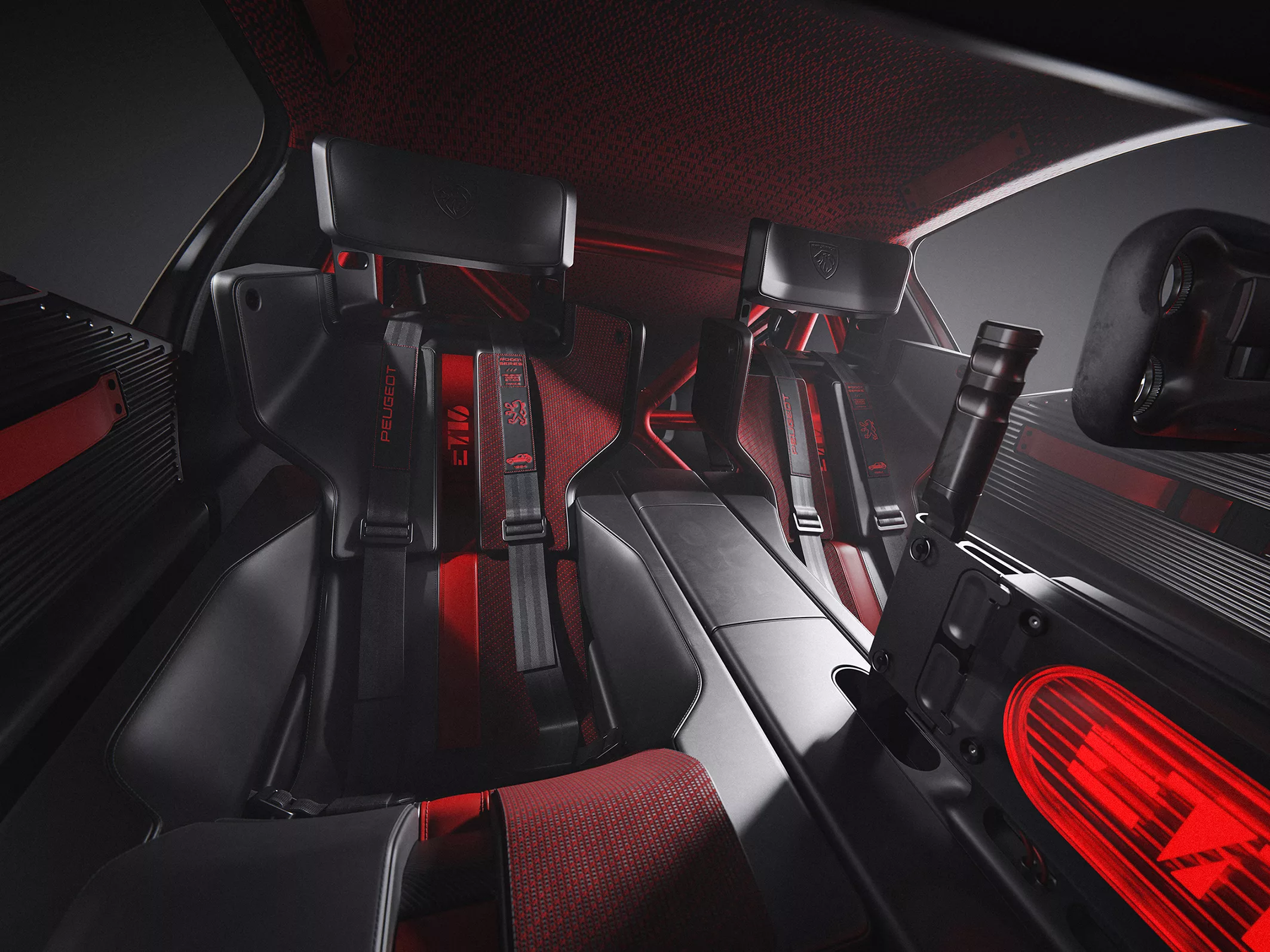
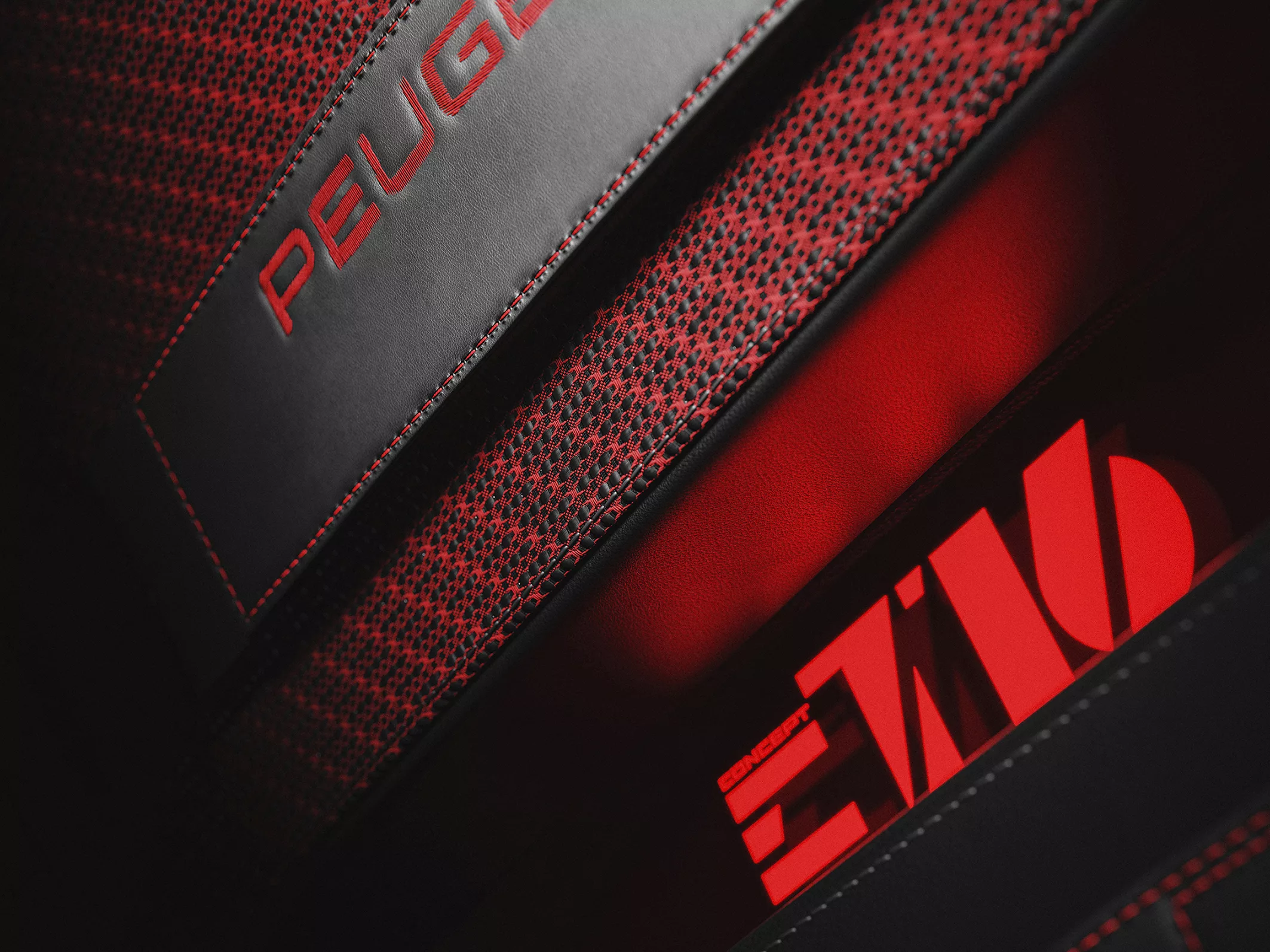
Inside, Peugeot uses carbon fibre, anodised aluminium and PELINOVA material made from recycled leather. The sports seats are mounted on a carbon-fibre structure, while four-point harnesses keep occupants in place even under high lateral acceleration.
Although the E-T16 itself remains a concept car for now, Peugeot confirms that Hypersquare steering technology and the next-generation i-Cockpit will feature in the next E-208.
For the European market, this is far more significant news than the 600 kW output. Peugeot intends to bring a steer-by-wire system that currently seems extraordinary to the mainstream small-car segment.
Peugeot shows what an electric GTi can really do
The E-T16 is not a direct preview of a production model, but a technology demonstrator intended to connect Peugeot's rally heritage with the next generation of electric cars.
Its 600 kW output already puts its performance in the company of serious electric supercars. Even more telling, however, is the engineers' attention to battery thermal management, aerodynamics and precise torque distribution.
Peugeot has so far offered its sporty road cars mainly under the GTi badge. The E-T16 shows that this tradition could continue in the electric era on an entirely different technical level.
The E-T16's greatest value, however, is not reaching 300 km/h in 16 seconds. Far more important is the prospect of seeing some of its technology in a more affordable Peugeot E-208 in the future.


