
Opel STX shows estate cars are not yet destined for extinction
 1/11
1/11
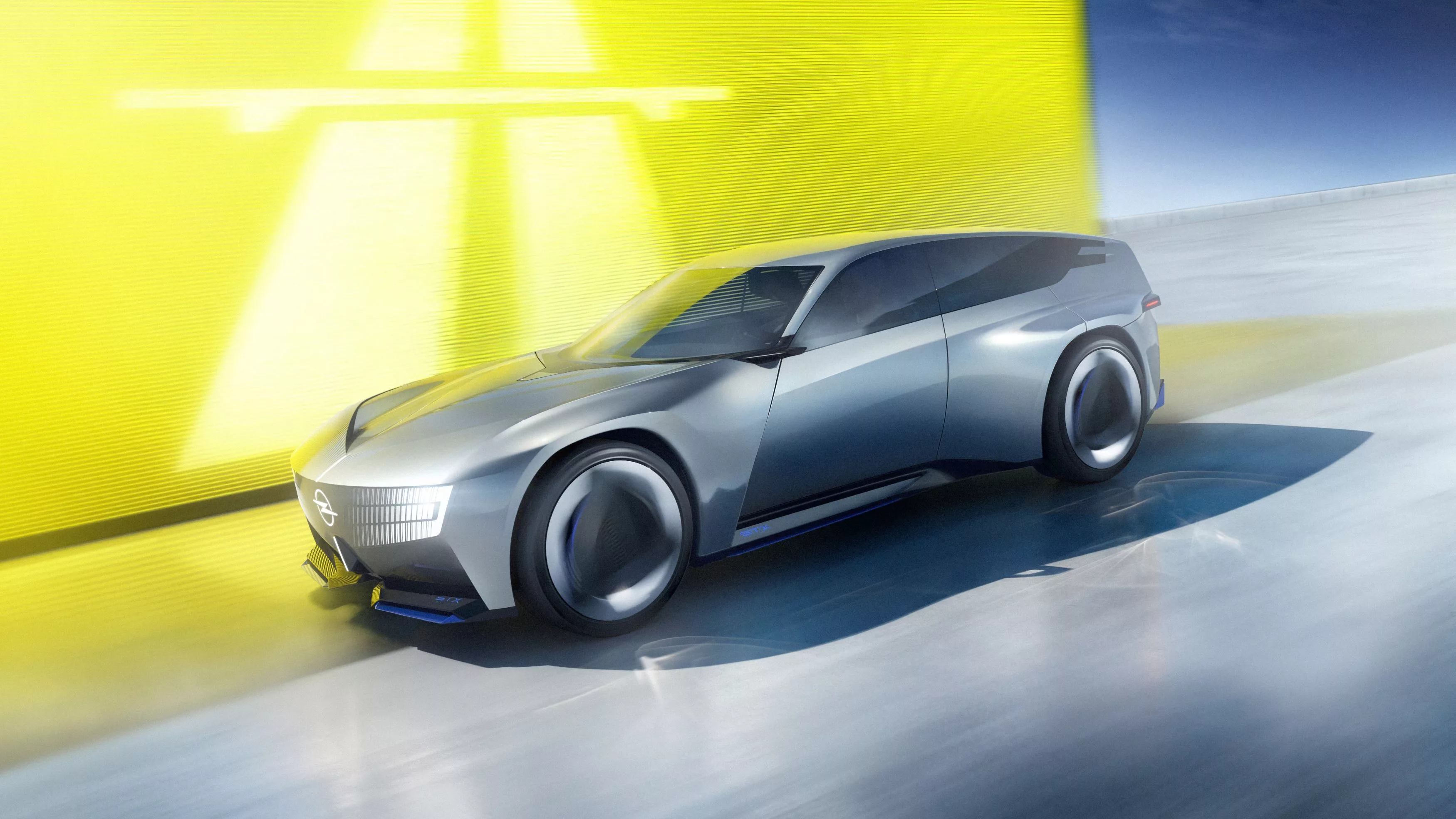
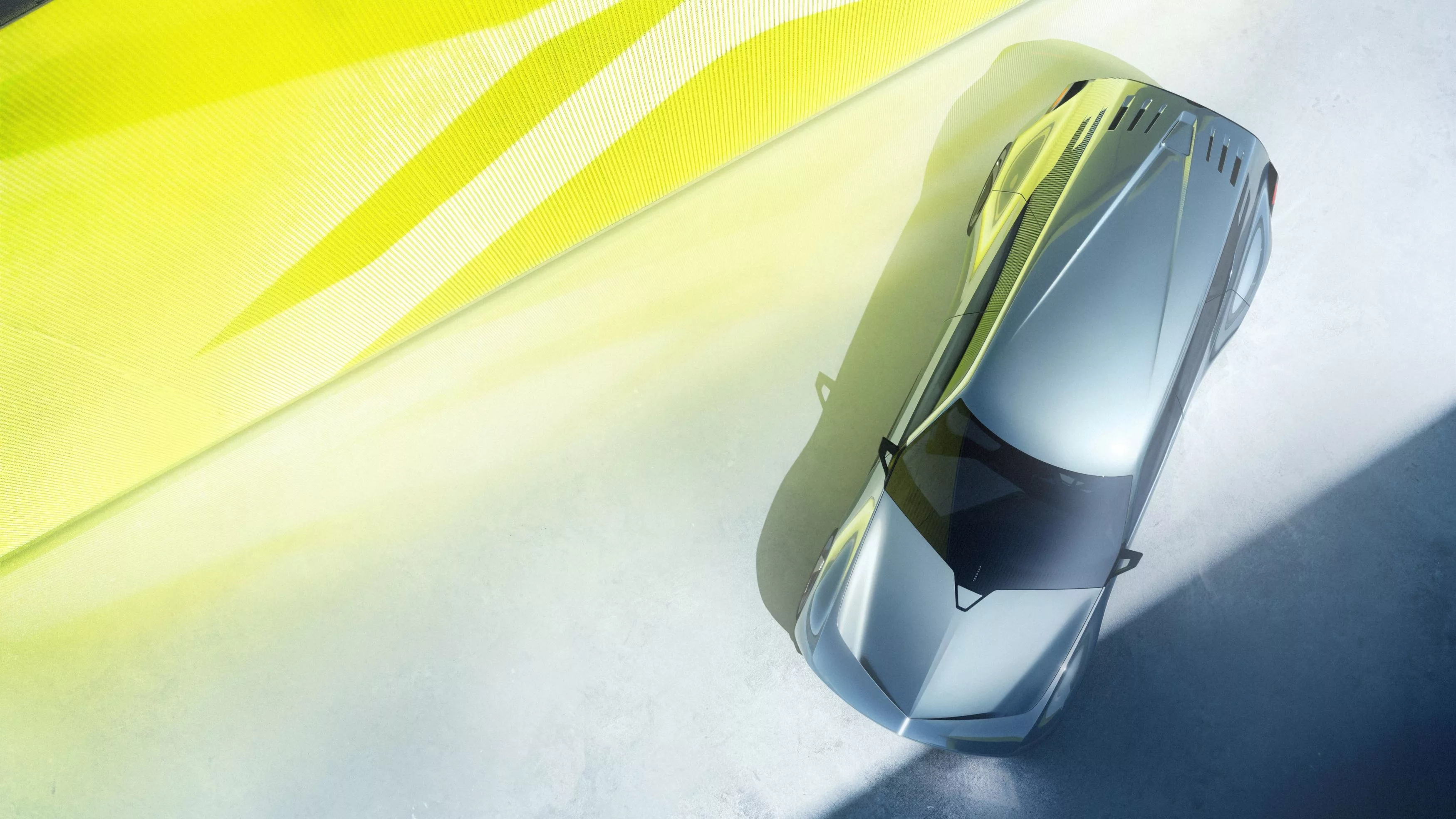
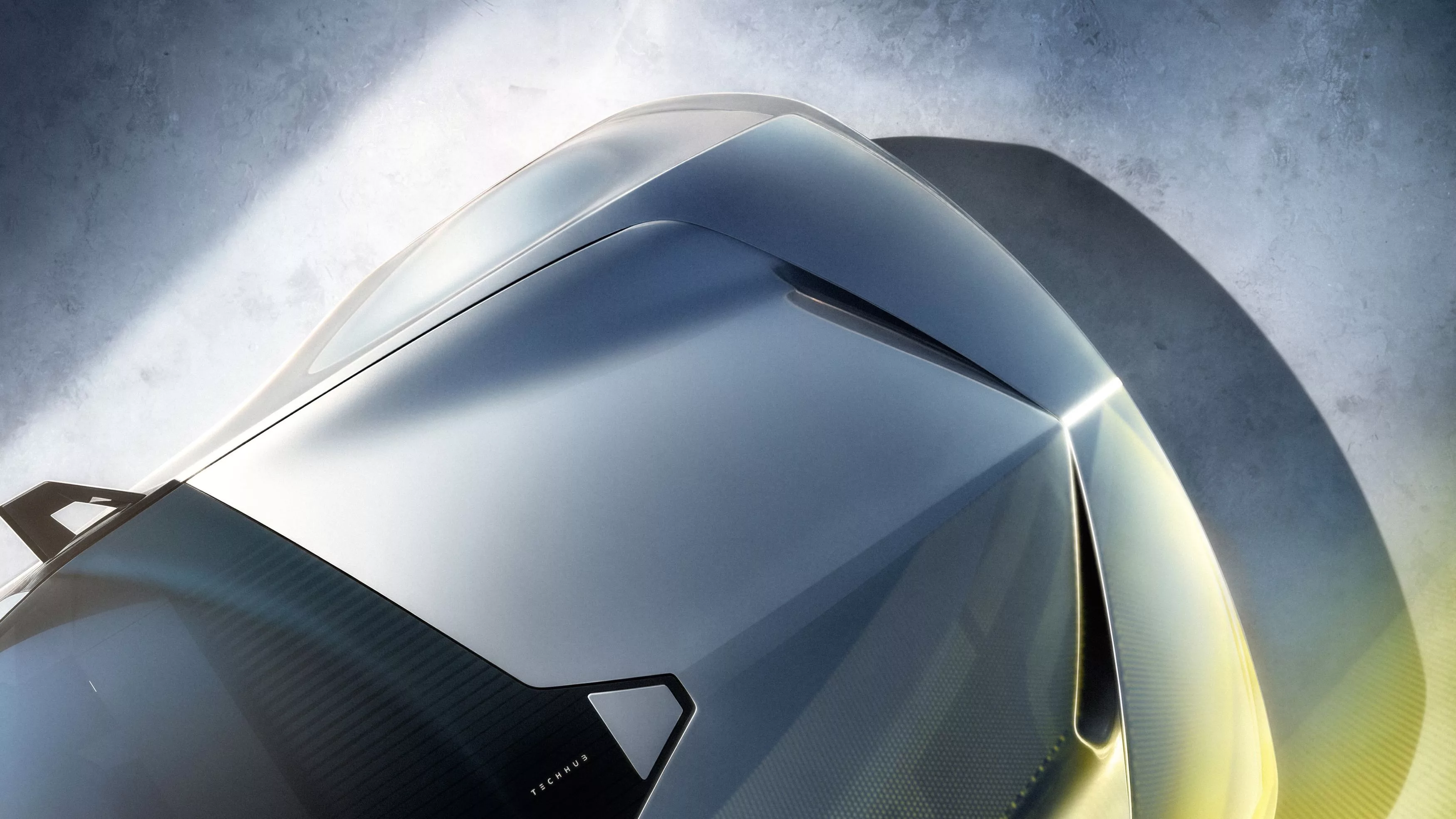
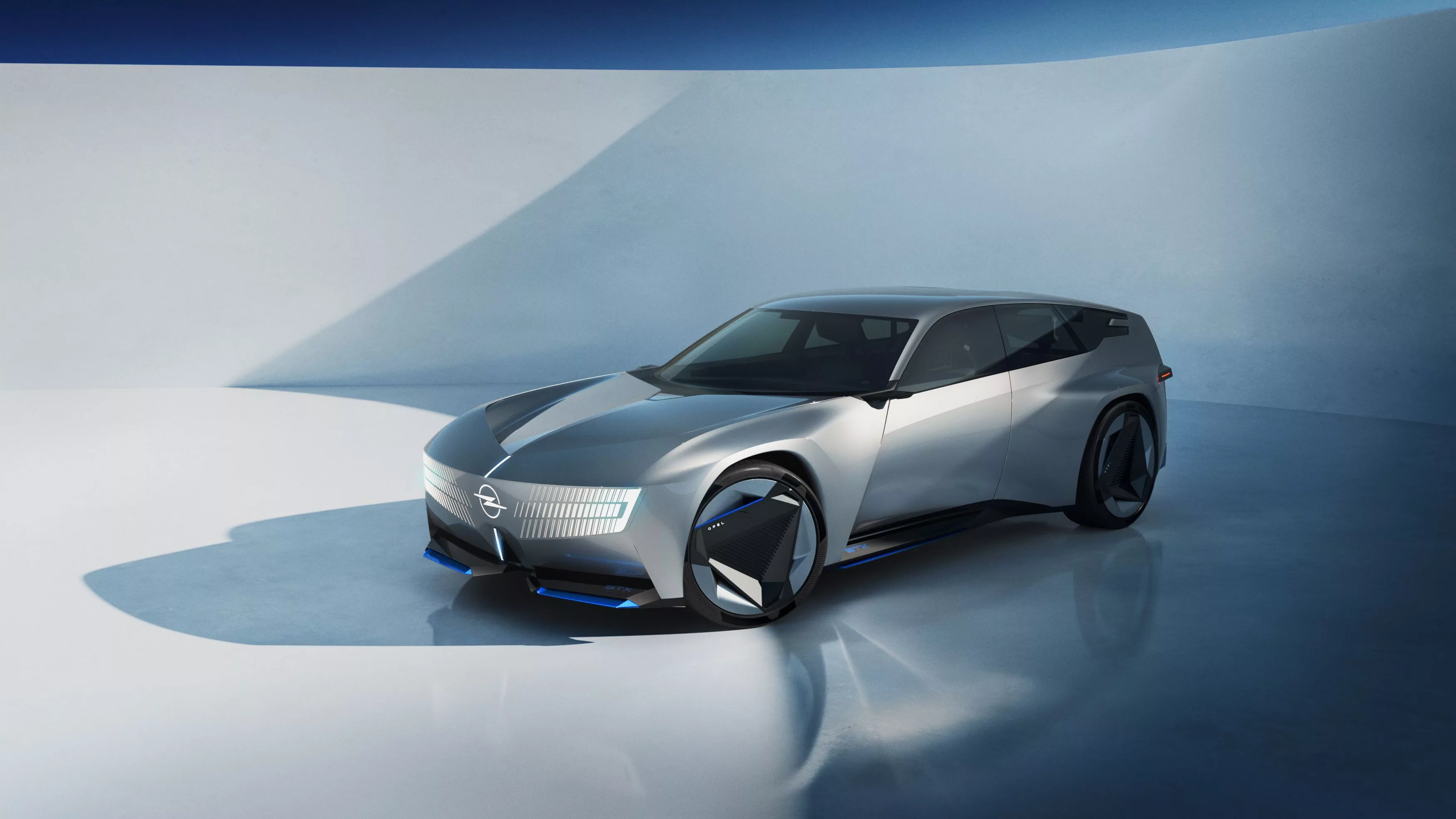
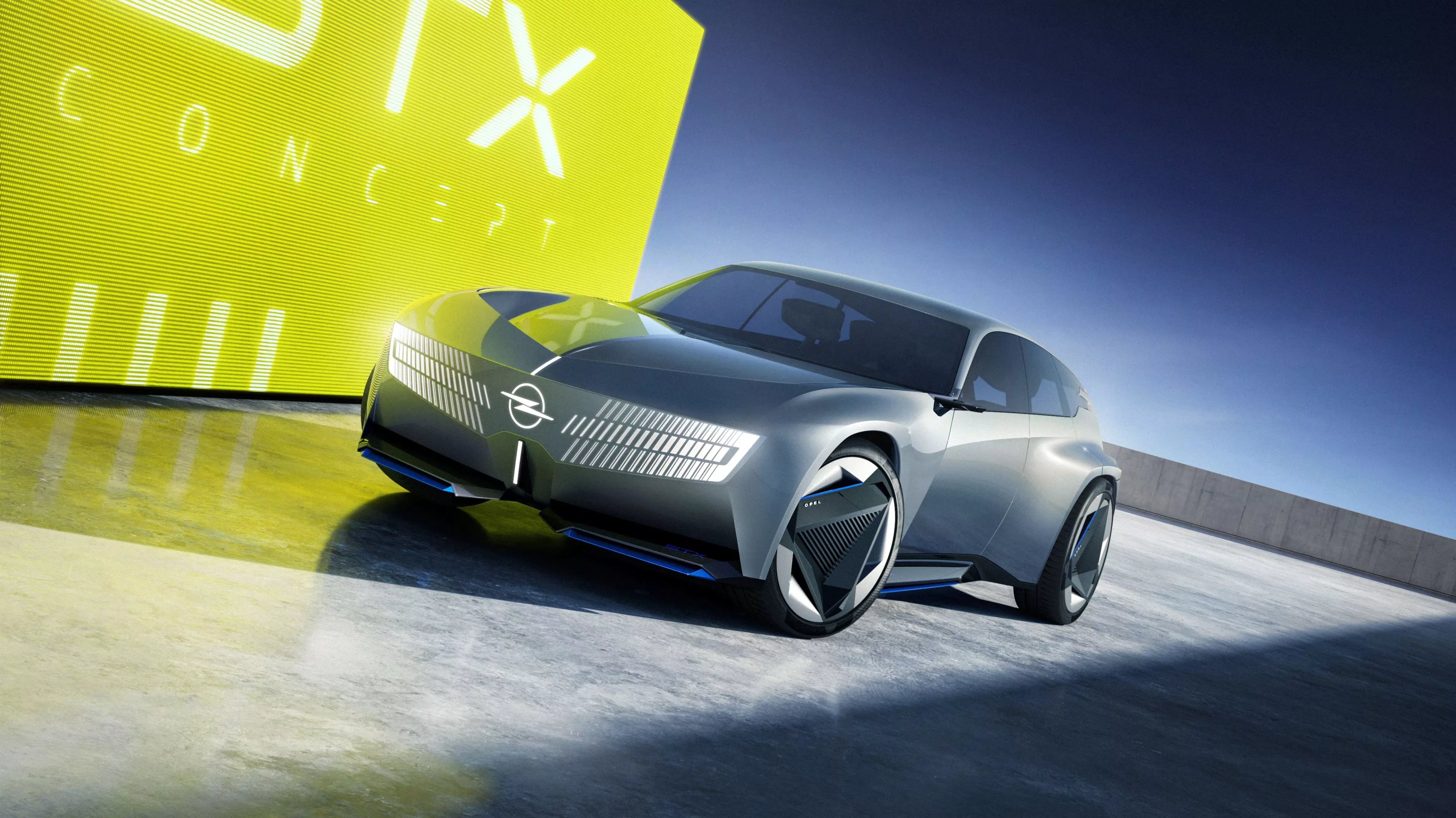
Opel brought the STX Concept to the Paris Motor Show, promising to breathe new life into estate cars. The electric all-wheel-drive concept combines a sporty silhouette, active aerodynamics and a top speed of more than 200 km/h. Opel says some of its design features will appear on future production models.
An estate car need not look like a fridge on wheels
Opel’s new Sports Tourer eXperimental, or STX Concept, offers a much bolder interpretation of the classic estate body style than the current Astra Sports Tourer. A low roofline, heavily flared wheel arches and a sharply sloping rear give the car a sporty appearance while retaining the practicality typical of an estate.
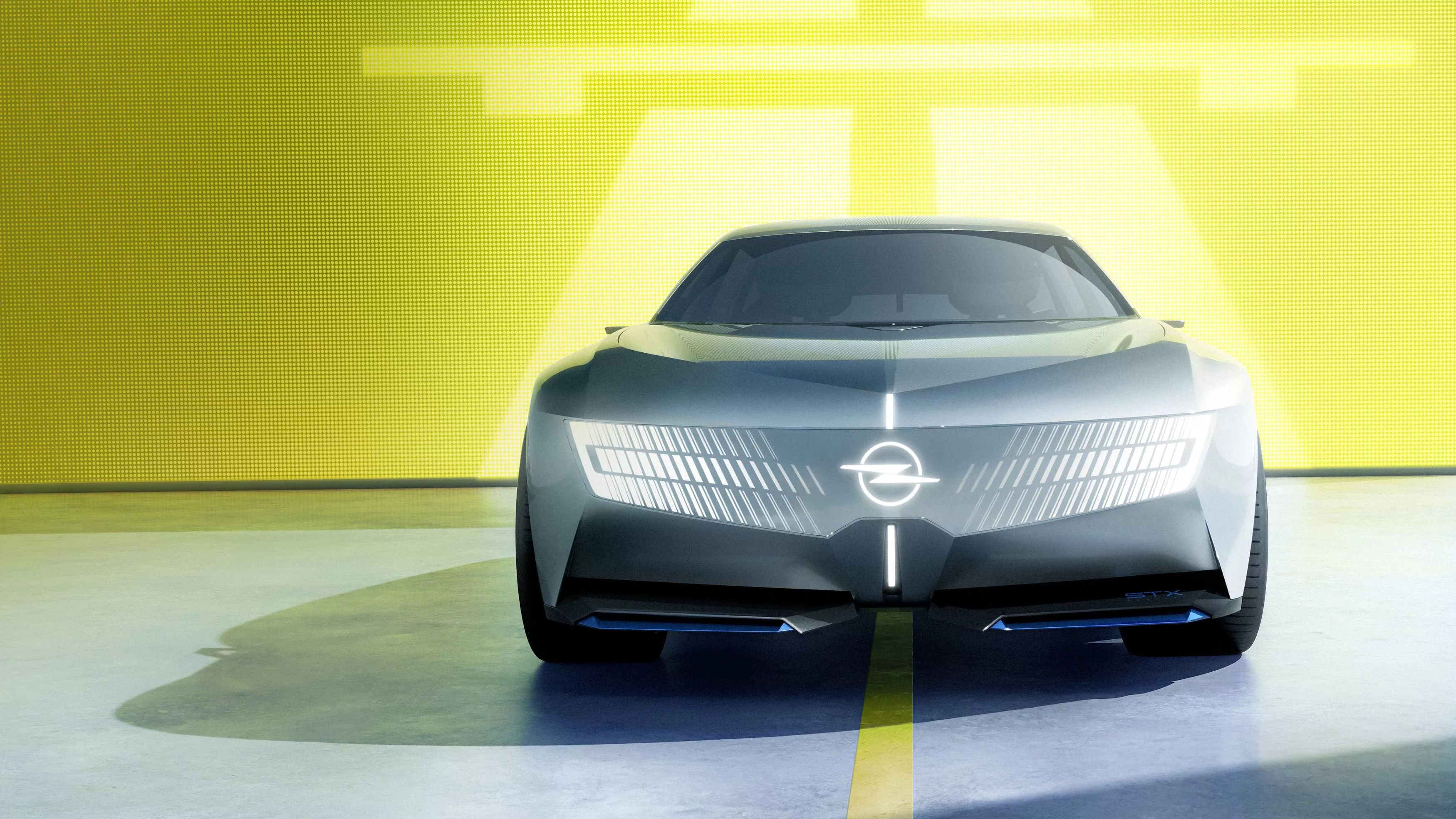
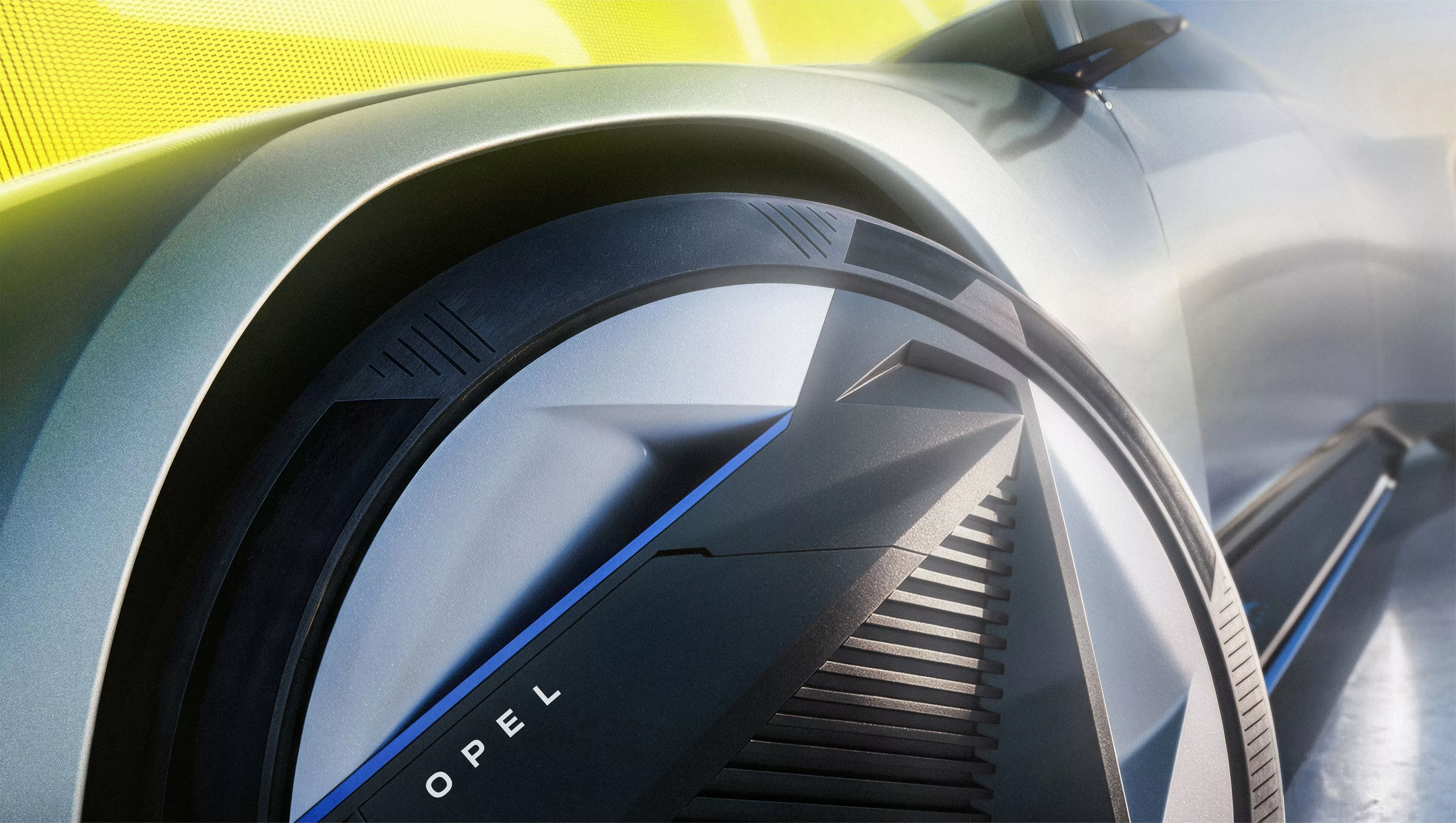
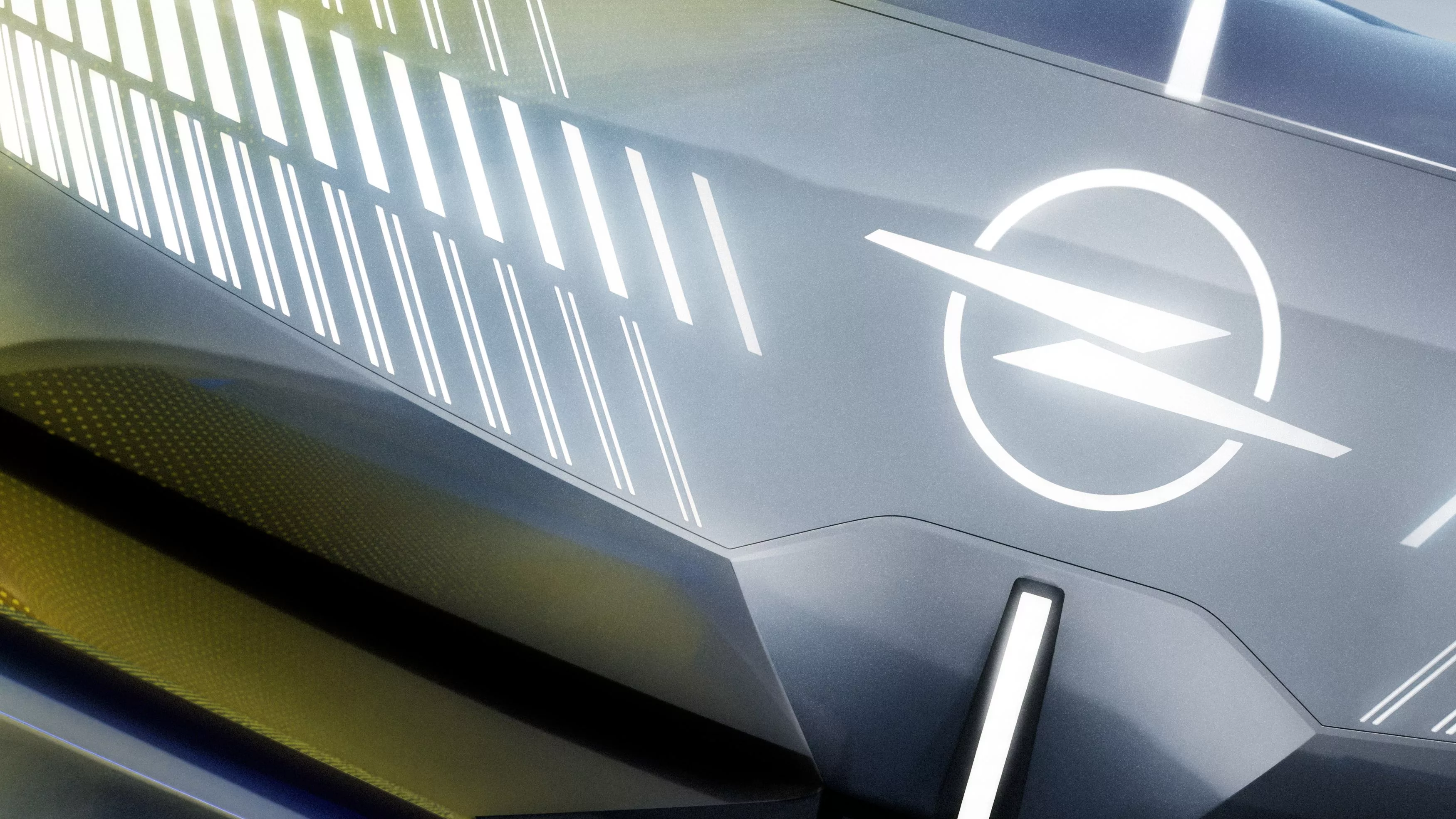
The front is dominated by Opel’s new Vizor design, with angled light strips and an illuminated lightning-bolt emblem integrated into a taller black panel than before. Cameras replace conventional side mirrors, while the 22-inch wheels are fitted with 285/35 R22 Goodyear tyres.
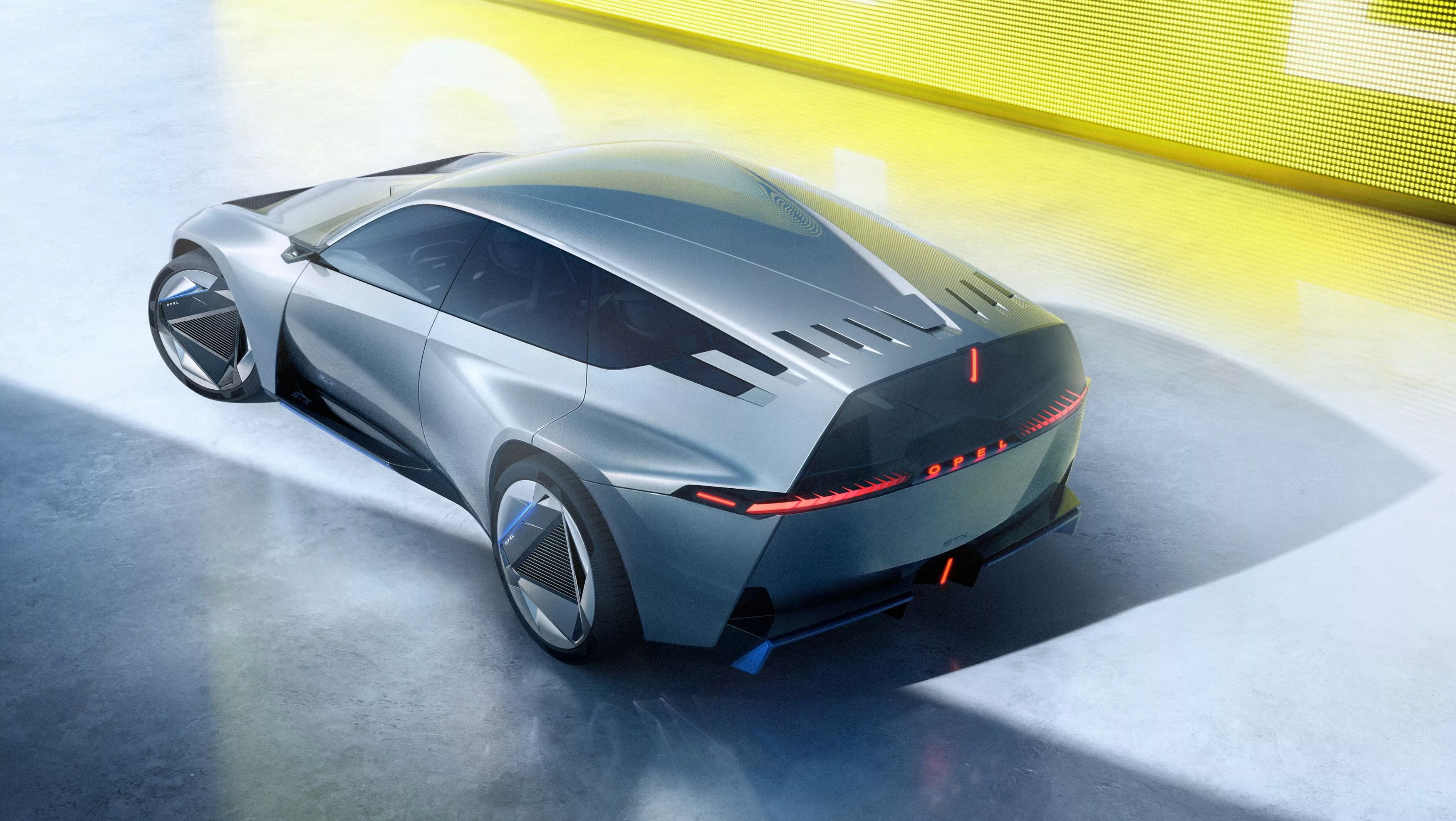
The rear pillars and light strips extending onto the roof emphasise the futuristic design. Horizontal rear lights echo the lighting pattern at the front.
According to official information released by Opel on 11 October, the STX Concept showcases the brand’s next-generation design direction and confirms the manufacturer’s intention to continue developing estate cars.
Active aerodynamics help reduce energy consumption
The STX’s most interesting technical feature is its active aerodynamics. Movable elements at the rear adjust the airflow around the vehicle according to its speed and the driving conditions.
At higher speeds, diffuser elements extend from beneath the rear to reduce drag and improve stability. Additional movable components are positioned behind the rear wheels.
This approach is particularly important for an electric car, whose energy consumption rises rapidly at high speeds. Lower drag allows range to be extended without increasing the size of the battery.
However, Opel has not disclosed the STX’s drag coefficient or energy consumption, so the actual effectiveness of its aerodynamic features cannot yet be assessed.
Electric all-wheel drive and a top speed above 200 km/h
The STX Concept uses an electric powertrain and all-wheel drive. Opel says the car can exceed 200 km/h, but the manufacturer has yet to disclose motor output, battery capacity, range or acceleration figures.
The interior has not yet been shown to the public either. Opel promises distinctive lighting features and lightweight seats, continuing the design direction of its earlier Experimental concept cars.
For now, then, the STX is primarily a design and technology showcase rather than a finished electric car.
Opel wants to keep building estates
Estate cars have become less significant in the European market as SUVs have grown in popularity, but Opel does not intend to abandon the body style.
The manufacturer’s estate-car history dates back to 1953, when the Olympia Rekord Caravan went on sale. Today, the Astra Sports Tourer continues that tradition, offering up to 1,634 litres of luggage space and electric, hybrid and petrol powertrains.
The European market is particularly important to the STX’s future. Estates still compete with SUVs in Europe, often offering lower drag, a lower centre of gravity and more car-like handling.
Electric estates already include the Volkswagen ID.7 Tourer, Peugeot E-308 SW and BMW i5 Touring. Opel would therefore have an opportunity to enter a growing niche, but the manufacturer has not yet committed to a specific production model based on the STX.
The STX’s most important message is not its futuristic appearance, but Opel’s desire to retain the estate body style in the electric era. If the manufacturer can combine the concept’s aerodynamics with the Astra Sports Tourer’s practicality and a competitive price, a conventional estate could prove a much more sensible choice than yet another tall electric SUV.


