
Polestar 5 and four new arrivals, Geely’s lifeline or a technological triumph?
 1/5
1/5
In the long history of the car industry, few brands project confidence while their balance sheet resembles the final minutes of the Titanic. Polestar barely flinches.
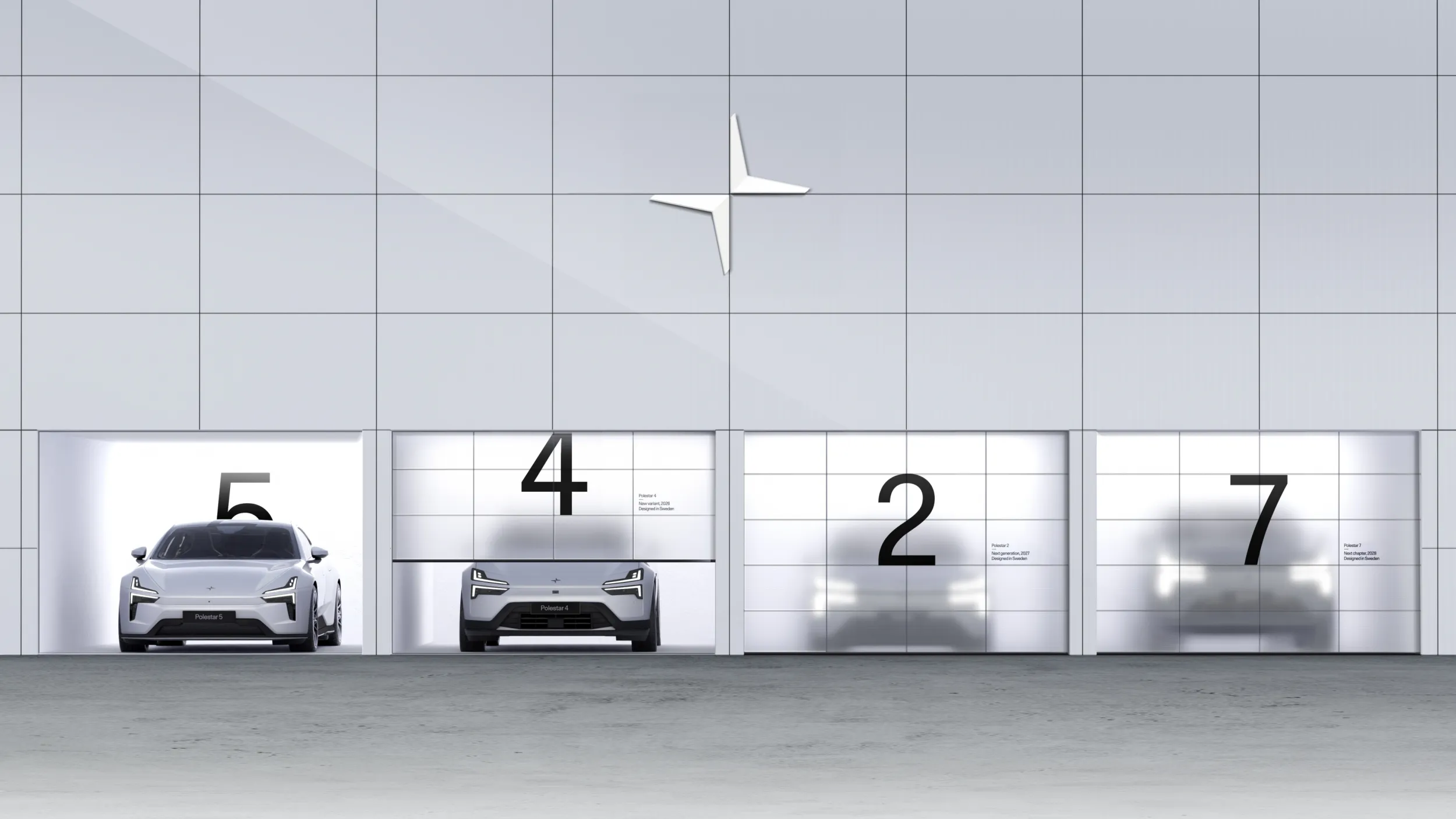
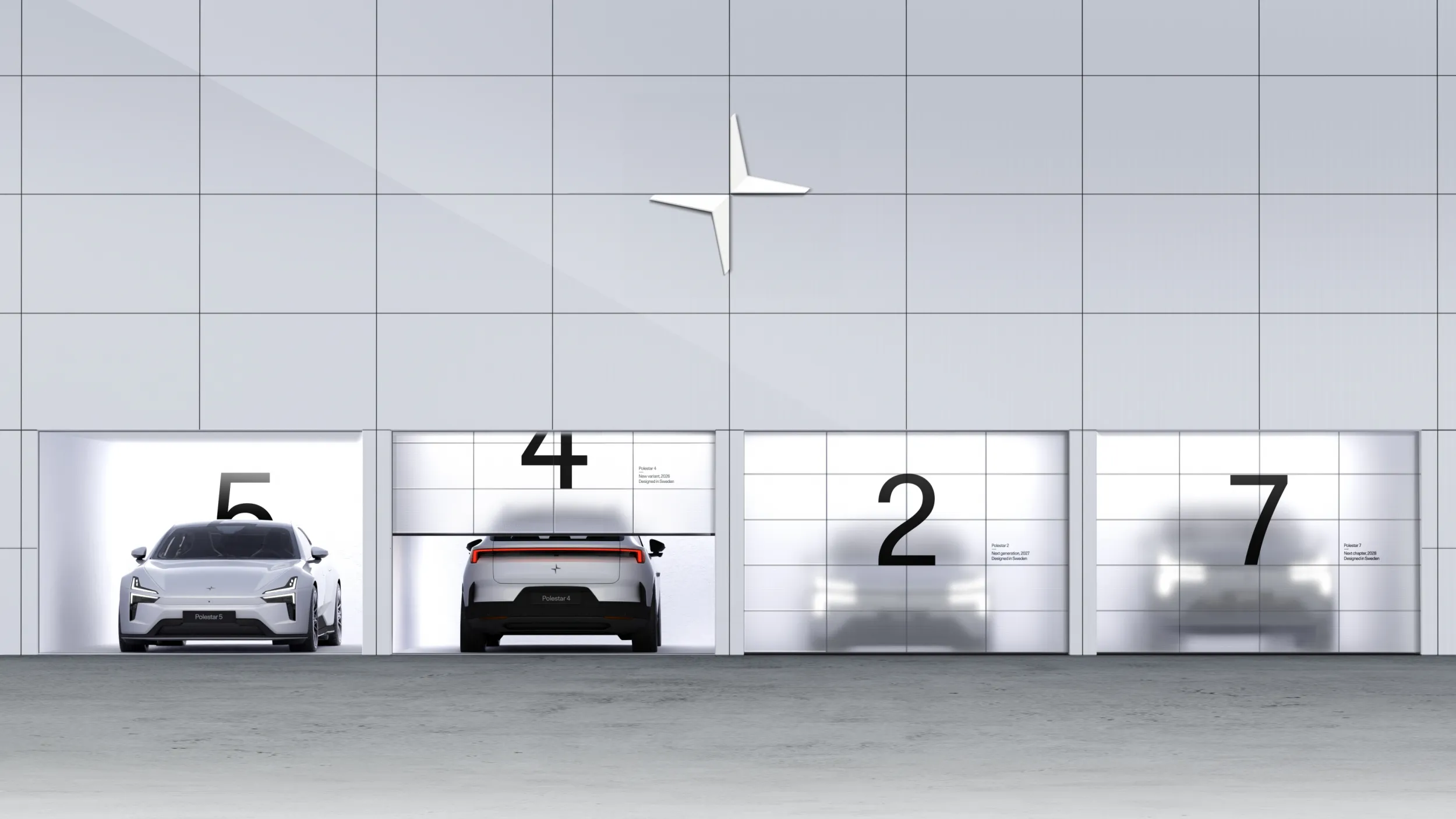
While rivals trim ambitions and quietly rediscover the comfort of combustion engines, the Swedish Chinese marque has announced an all out offensive. Under the leadership of Michael Lohscheller, Polestar plans to launch four new models within three years. This is not a routine product refresh. It is a high stakes push into the top tier, where engineering dictates the rules and marketing departments merely take notes.
Polestar 5, aluminium and ambition
Polestar 5 sits at the centre of the strategy. Engineers developed a bespoke bonded aluminium platform for the flagship, delivering torsional rigidity more commonly associated with limited run supercars.
The 112 kWh battery is not simply bolted underneath. It forms an integral part of the chassis structure, contributing to stiffness and weight distribution rather than acting as dead mass.
The car arrives in summer 2026 as a fully fledged grand tourer. An 800 volt electrical architecture supports charging at up to 350 kW, allowing the battery to move from 10 to 80 percent in 22 minutes under ideal conditions.
In Performance guise, the dual motor setup produces 650 kW and 900 Nm. Those figures place it firmly in the crosshairs of the Porsche Taycan.
Four models, one gamble
Polestar’s product roadmap reads like a statement of intent.
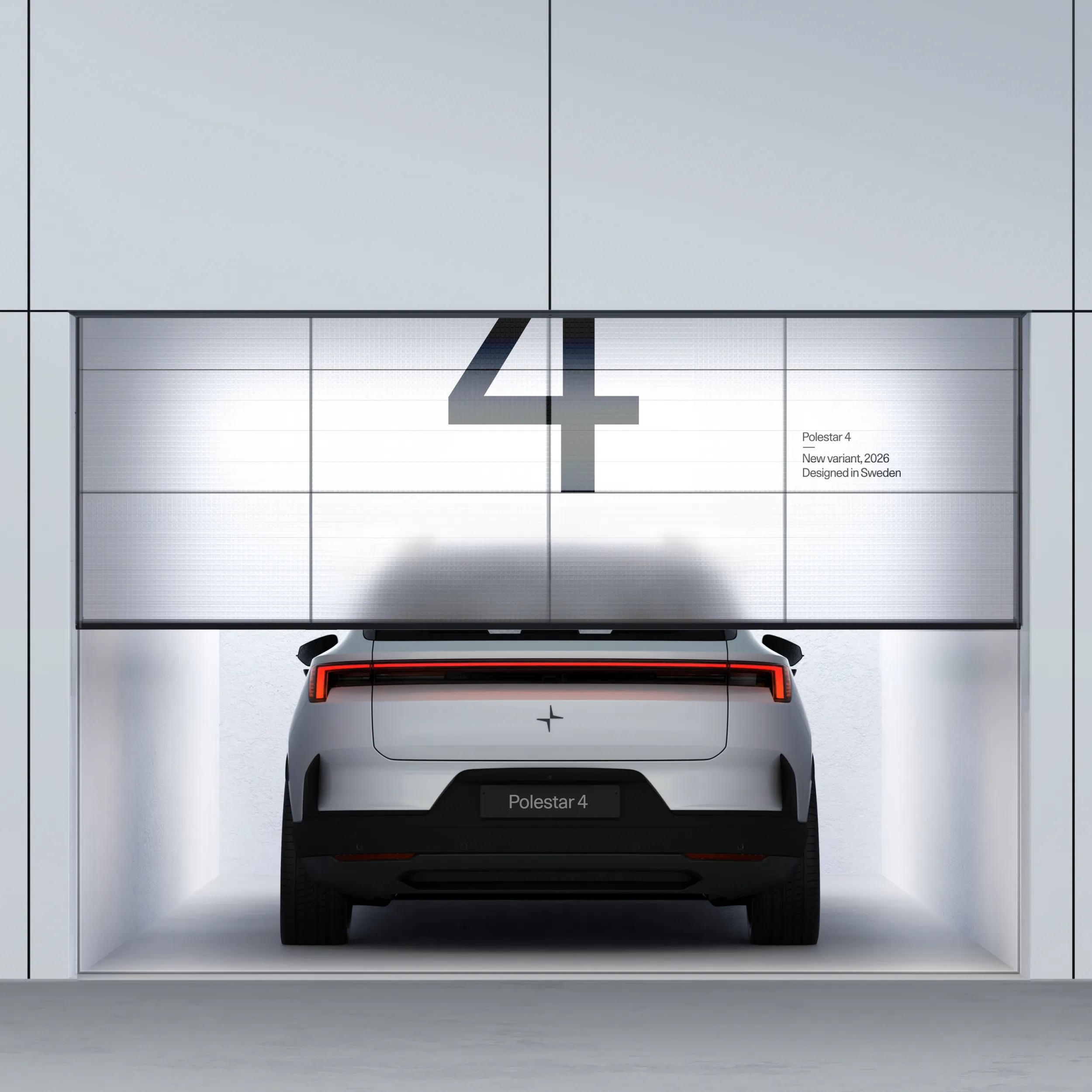
A revised Polestar 4 lands in late 2026, blending estate practicality with SUV ride height. Engineers deliberately removed the rear window, delegating rearward visibility entirely to camera systems. It is either bold or reckless, depending on your tolerance for screens replacing glass.
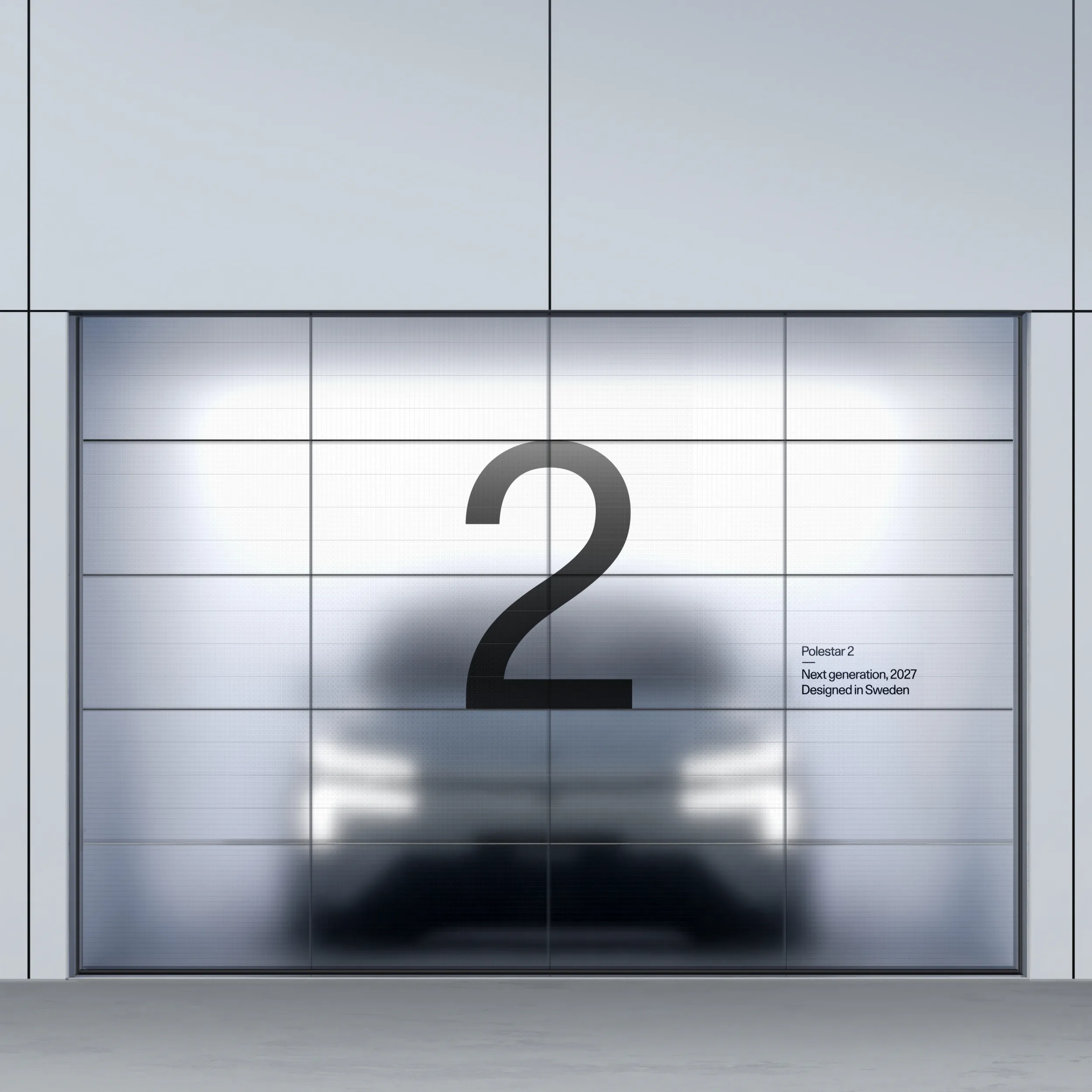
The successor to Polestar 2 follows in 2027. This is no cosmetic update. The new generation will sit on a fresh platform and aims directly at the dominance of the Tesla Model 3 in the compact premium electric segment.
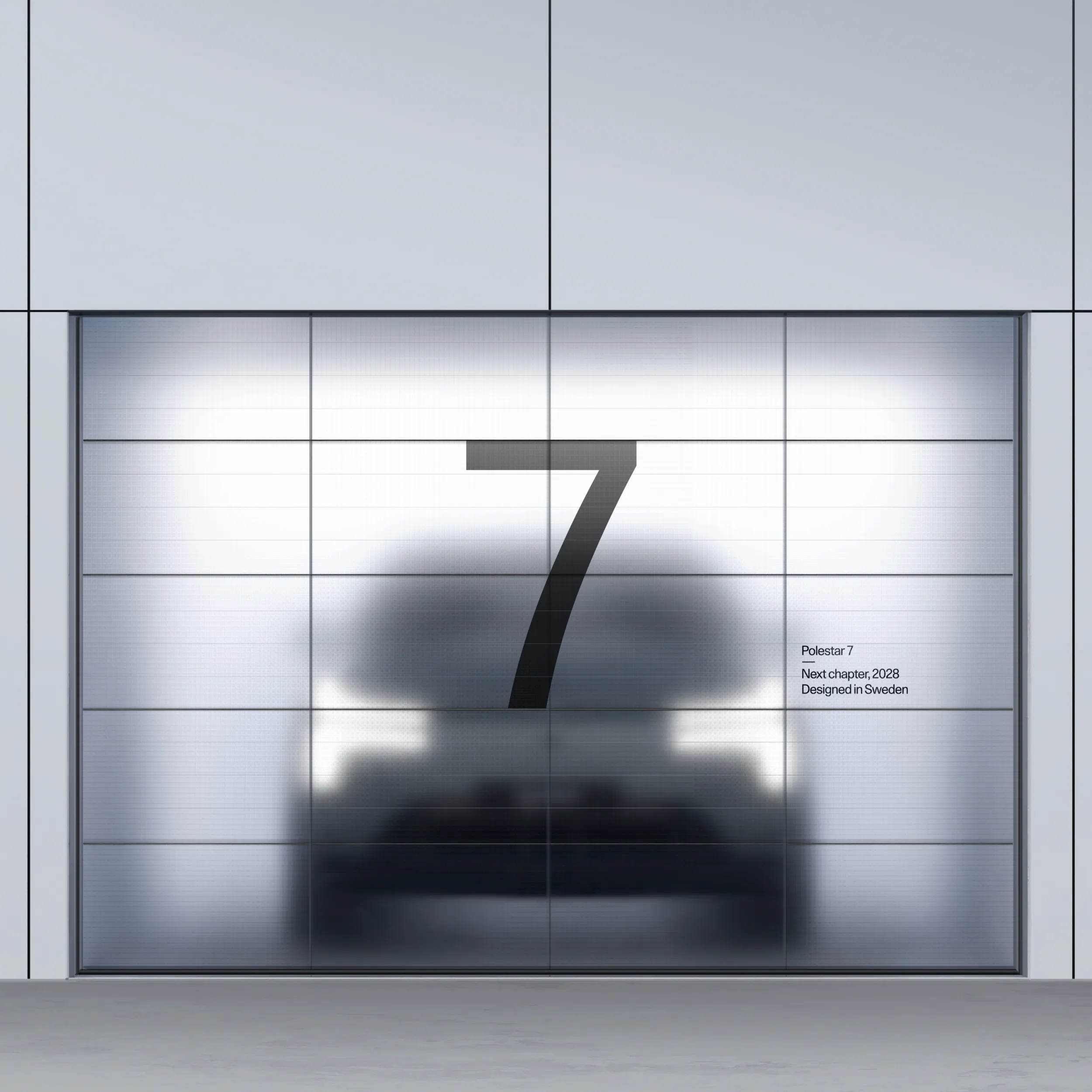
Then comes the Polestar 7 in 2028, a compact SUV slated for European production. By building it locally, parent company Geely sidesteps tariffs imposed on Chinese built electric vehicles and places the brand closer to its core markets.
From design dream to operational discipline
The departure of Thomas Ingenlath and the arrival of Lohscheller mark a cultural shift. The focus moves from design led aspiration to operational efficiency.
Polestar still burns through cash at an alarming rate, but Geely and other investors recently injected more than one billion US dollars in fresh capital. Oxygen, in other words, for a marathon that has only just begun.
The strategy is transparent. Polestar must evolve from niche statement to profitable volume player. A sales record of more than 60,000 cars in 2025 provided momentum, yet negative gross margins force engineers to hunt for savings with forensic precision.
If the Polestar 5 chases the Taycan’s reputation, the Polestar 7 must generate consistent profit. Without it, the brand risks becoming a permanent passion project funded by Geely’s patience.
Infrastructure, winter and reality
For buyers, Polestar’s technological leap raises a practical question. An 800 volt system is impressive on paper, but it is wasted if the nearest motorway charger delivers only 50 kW. Charging infrastructure must evolve in step with the cars themselves.
As a brand rooted in Nordic engineering, Polestar traditionally copes well with harsh winters. Thermal management and all wheel drive calibration suit cold climates. Yet 22 inch wheels with low profile tyres demand surgical precision on scarred urban streets.
Locally, anticipation centres on the Polestar 7. The compact premium SUV remains the sweet spot for many successful professionals seeking performance without overt ostentation.
Whether this product blitz proves to be Geely’s financial lifeline or a genuine technological triumph will depend less on launch headlines and more on margins. In the electric era, brilliance alone no longer guarantees survival.
Polestar 5, aluminium and ambition
Polestar 5 sits at the centre of the strategy. Engineers developed a bespoke bonded aluminium platform for the flagship, delivering torsional rigidity more commonly associated with limited run supercars.
The 112 kWh battery is not simply bolted underneath. It forms an integral part of the chassis structure, contributing to stiffness and weight distribution rather than acting as dead mass.
The car arrives in summer 2026 as a fully fledged grand tourer. An 800 volt electrical architecture supports charging at up to 350 kW, allowing the battery to move from 10 to 80 percent in 22 minutes under ideal conditions.
In Performance guise, the dual motor setup produces 650 kW and 900 Nm. Those figures place it firmly in the crosshairs of the Porsche Taycan.
Four models, one gamble
Polestar’s product roadmap reads like a statement of intent.
A revised Polestar 4 lands in late 2026, blending estate practicality with SUV ride height. Engineers deliberately removed the rear window, delegating rearward visibility entirely to camera systems. It is either bold or reckless, depending on your tolerance for screens replacing glass.
The successor to Polestar 2 follows in 2027. This is no cosmetic update. The new generation will sit on a fresh platform and aims directly at the dominance of the Tesla Model 3 in the compact premium electric segment.
Then comes the Polestar 7 in 2028, a compact SUV slated for European production. By building it locally, parent company Geely sidesteps tariffs imposed on Chinese built electric vehicles and places the brand closer to its core markets.
From design dream to operational discipline
The departure of Thomas Ingenlath and the arrival of Lohscheller mark a cultural shift. The focus moves from design led aspiration to operational efficiency.
Polestar still burns through cash at an alarming rate, but Geely and other investors recently injected more than one billion US dollars in fresh capital. Oxygen, in other words, for a marathon that has only just begun.
The strategy is transparent. Polestar must evolve from niche statement to profitable volume player. A sales record of more than 60,000 cars in 2025 provided momentum, yet negative gross margins force engineers to hunt for savings with forensic precision.
If the Polestar 5 chases the Taycan’s reputation, the Polestar 7 must generate consistent profit. Without it, the brand risks becoming a permanent passion project funded by Geely’s patience.
Infrastructure, winter and reality
For buyers, Polestar’s technological leap raises a practical question. An 800 volt system is impressive on paper, but it is wasted if the nearest motorway charger delivers only 50 kW. Charging infrastructure must evolve in step with the cars themselves.
As a brand rooted in Nordic engineering, Polestar traditionally copes well with harsh winters. Thermal management and all wheel drive calibration suit cold climates. Yet 22 inch wheels with low profile tyres demand surgical precision on scarred urban streets.
Locally, anticipation centres on the Polestar 7. The compact premium SUV remains the sweet spot for many successful professionals seeking performance without overt ostentation.
Whether this product blitz proves to be Geely’s financial lifeline or a genuine technological triumph will depend less on launch headlines and more on margins. In the electric era, brilliance alone no longer guarantees survival.


